



p38 MAPK
The p38 MAPK family consists of highly conserved proline-directed serine-threonine protein kinases that are activated in response to a number many growth factors, cytokines, and chemotactic substances, such as vascular endothelial growth factor (VEGF), fibroblast growth factor (FGF), PDGF, TNF, interleukins, lipopolysaccharide (LPS) and formyl-methionyl-leucyl-phenylalanine (fMLP). It is well known that p38 is involved in inflammation, apoptosis, cardiomyocyte hypertrophy and cell differentiation.
The p38 MAPK family is composed of four proteins: p38α (encoded by the gene Mapk14), p38β (Mapk11), p38γ (Mapk12), and p38δ (Mapk13). Their coding genes have a distinct tissue distribution and they appear differentially expressed, being Mapk14 the most highly expressed. p38 MAPKs are substrates for three MAP2K (MKK6, MKK3, and MKK4). The contribution of each of these MAP2K to p38 MAPKs activation depends on the stimulus and the cell type. The MAP3Ks that lead to p38 MAPKs activation are ASK1, DLK1, TAK1, TAO1, TAO2, TPL2, MLK3, MEKK3, MEKK4, and ZAK1.
p38 MAPK Isoform Specific Products
All Product Categories
-
p38 MAPK Inhibitors
(846)
View all products
-
p38 MAPK Agonists
(6)
View all products
-
p38 MAPK Antagonists
(2)
View all products
-
p38 MAPK Activators
(228)
View all products
-
p38 MAPK Modulators
(21)
View all products
-
p38 MAPK p53 Inhibitors
(2)
View all products
-
p38 MAPK Inducers
(15)
View all products
-
p38 MAPK Degraders
(3)
View all products
-
p38 MAPK Control
(1)
View all products
-
p38 MAPK Ligands
(2)
View all products
-
AKT Serine/Threonine Kinase 1 (AKT1) Proteins
(3)
View all products
-
p38 MAPK Related Products (1217)
Related Products (1217)

-
Recombinant Proteins (3)
-
Antibodies (20)
-
p38 MAPK Isoform Comparison
-
12(S)-HETE-d8
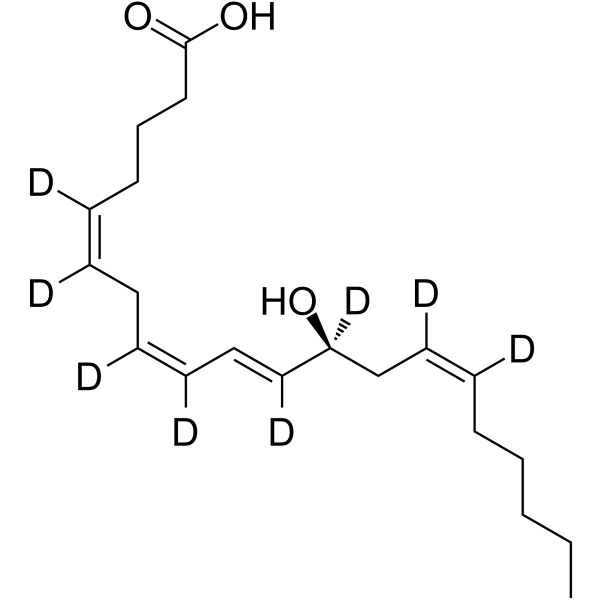 0 ImagesCat. No.: HY-123023CAS No.: 84807-90-912(S)-HETE-d8 contains eight deuterium atoms at the 5, 6, 8, 9, 11, 12, 14 and 15 positions. 12(S)-HETE-d8 is intended for use as an internal standard for the quantification of 12(S)-HETE by GC- or LC-mass spectrometry (MS). 12(S)-HETE-d8 is the predominant lipoxygenase product of mammalian platelets. It enhances tumor cell adhesion to endothelial cells, fibronectin, and the subendothelial matrix at 0.1 µM.
-
PD 169316 (Standard)
 0 ImagesPD 169316 (Standard) is the analytical standard of PD 169316 (HY-10578). This product is intended for research and analytical applications. PD 169316 is a potent, cell-permeable and selective p38 MAP kinase inhibitor, with IC50 of 89 nM. PD169316 selectively inhibits the kinase activity of the phosphorylated p38 without hindering upstream kinases to phosphorylate p38. PD169316 shows antiviral activity against Enterovirus71. PD169316 shows antiviral activity against Enterovirus71.
-
7-Ketositosterol
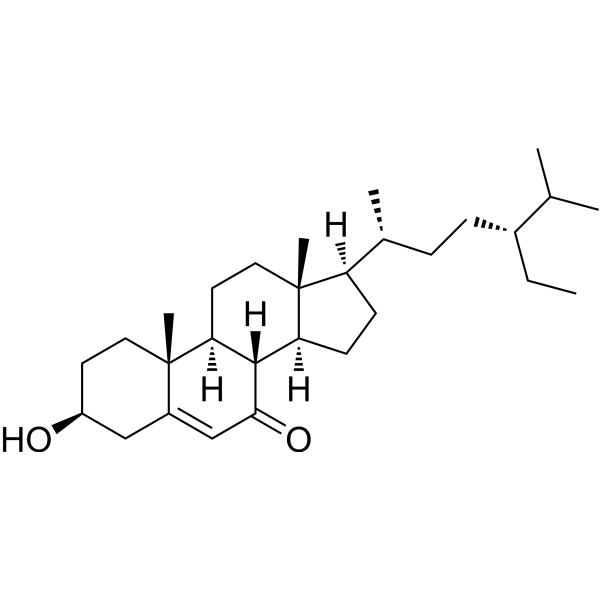 0 Images7-Ketositosterol is an orally active inducer of apoptosis and ferroptosis. 7-Ketositosterol inhibits the phosphorylation of ERK1/2 and NF-κB, promotes the opening of the mitochondrial/apoptotic pathway, and induces ferroptosis in macrophages by increasing the levels of malondialdehyde, Fe2+ and ROS. 7-Ketositosterol upregulates the expression of gut microbiota-dependent PDLIM3, activates the p38MAPK/NF-κB signaling pathway, alters the composition of gut microbiota, increases the abundance of pathogenic bacteria, and exacerbates colitis in mice. 7-Ketositosterol can be used in studies related to breast cancer, liver cancer, and colitis.
-
Mianserin hydrochloride (Standard)
 0 ImagesSynonyms: Org GB 94 (Standard)Mianserin hydrochloride (Org GB 94) (Standard) is the analytical standard of Mianserin hydrochloride. This product is intended for research and analytical applications. Mianserin hydrochloride is an orally active H1 receptor antagonist. Mianserin hydrochloride can activate κ-opioid receptor and octopamine receptor. Mianserin hydrochloride increases ERK1/2 and CREB phosphorylation, and antagonizes full κ-opioid agonist and Dynorphin A (HY-P1333)-induced MAPK phosphorylation. Mianserin hydrochloride modulates social and exploratory behaviour, raises electroconvulsive thresholds. Mianserin hydrochloride can be used for the research of neurological disease, such as depression and epilepsy.
-
(Z)-2-(Oleoyloxy)propane-1,3-diyl dipalmitate
 0 ImagesSynonyms: 1,3-Dipalmitoyl-2-oleoylglycerol; ?1,3-Palmitin-2-Olein; TG(16:0/18:1/16:0)(Z)-2-(Oleoyloxy) propane-1,3-diyl dipalmitate (1,3-Dipalmitoyl-2-oleoylglycerol) is an orally active PTP1B inhibitor with an IC50 of 31.01 μM and a Ki of 16.36 μM. (Z)-2-(Oleoyloxy) propane-1,3-diyl dipalmitate also inhibits α-glucosidase with an IC50 of 163.31 μM. It inhibits phosphorylation of p38 MAPK, activates the PI3K/Akt/CREB pathway, and exhibits antioxidant, anti-apoptosis and anti-inflammatory activities, as well as inhibits peroxynitrite-mediated albumin nitration. (Z)-2-(Oleoyloxy) propane-1,3-diyl dipalmitate can be used in studies related to cerebral ischemia-reperfusion injury and diabetes.
-
Cyproheptadine hydrochloride sesquihydrate (Standard)
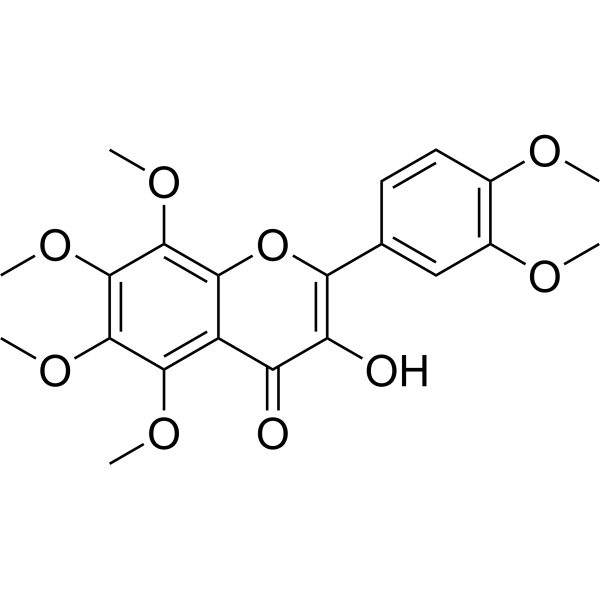
 0 ImagesCyproheptadine hydrochloride sesquihydrate (Standard) is the analytical standard of Cyproheptadine hydrochloride sesquihydrate (HY-B1165). This product is intended for research and analytical applications. Cyproheptadine hydrochloride sesquihydrate acts as a p38 MAP kinase activator, CHK2 activator, histamine H1 receptor inhibitor and serotonin receptor inhibitor. Cyproheptadine hydrochloride sesquihydrate mediates cell cycle arrest via G1 phase arrest, G1/S transition arrest, G0/G1 phase arrest, reduced expression of cyclins D1/D2/D3, upregulated expression of HBP1, p16, p21, p27, and decreased phosphorylation of retinoblastoma protein. Cyproheptadine hydrochloride sesquihydrate induces Apoptosis by increasing PARP and cleaved PARP, as well as activating the mitochondrial caspase pathway. Cyproheptadine hydrochloride sesquihydrate inhibits tumor growth with extremely low toxicity to normal cells. Cyproheptadine hydrochloride sesquihydrate can be used in research related to hepatocellular carcinoma, multiple myeloma and acute myeloid leukemia.
-
DL-Syringaresinol
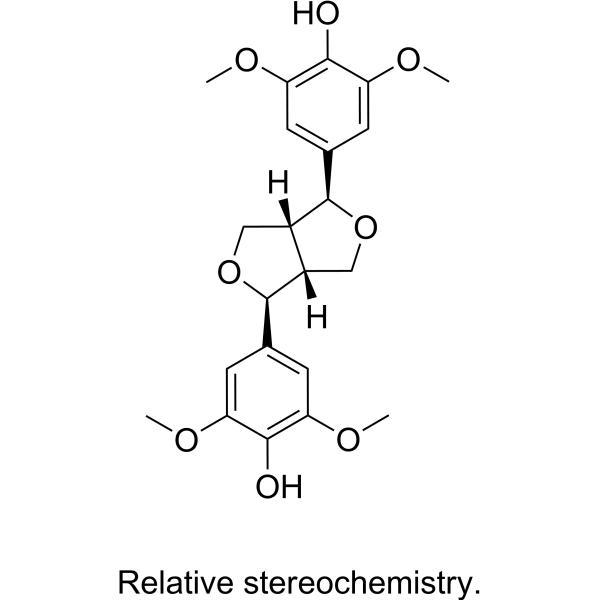 0 ImagesDL-Syringaresinol ((±)-Syringaresinol), a lignin, inhibits UVA-induced upregulation of MMP-1 by suppressing MAPK/AP-1 signaling in human HaCaT keratinocytes and dermal fibroblasts (HDFs). DL-Syringaresinol has antiphotoaging properties against UVA-induced skin aging. DL-Syringaresinol exhibits weak antimycobacterial activity against Mycobacterium tuberculosis H37Rv.
-
(R)-Bromoenol lactone
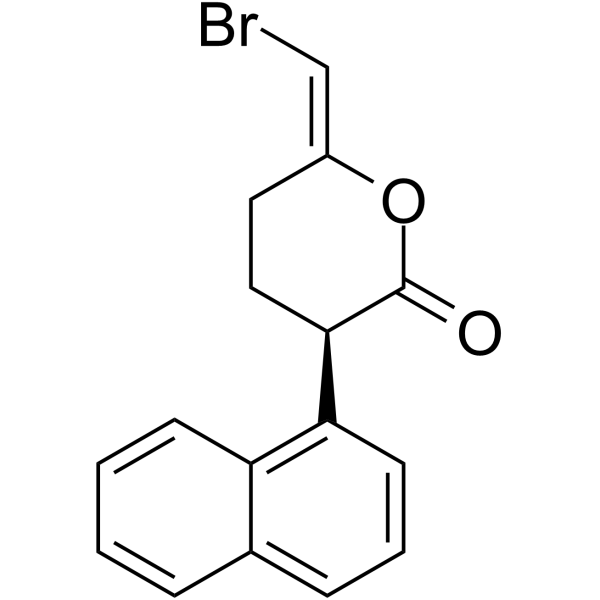 0 ImagesCat. No.: HY-117068CAS No.: 478288-90-3Synonyms: (R,E)-Bromoenol lactone(R)-Bromoenol lactone ((R,E)-Bromoenol lactone) is an isomer of Bromoenol lactone (HY-107411). (R)-Bromoenol lactone acts as a selective inhibitor of microsomal calcium-independent phospholipase A2γ (iPLA2γ). (R)-Bromoenol lactone induces mild activation of p38 mitogen-activated protein kinase in prostate cancer cells, resulting in slight increases in the expressions of phosphorylated p53, total p53 and p21. (R)-Bromoenol lactone is applicable to prostate cancer-related research.

-
Sorafenib-d4
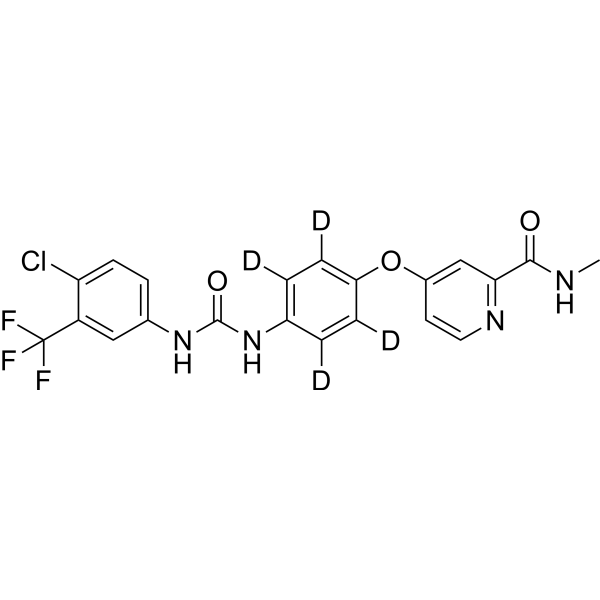 0 ImagesSynonyms: Bay 43-9006-d4Sorafenib-d4 (Bay 43-9006-d4) is the deuterated-labeled Sorafenib (HY-10201). Sorafenib (Bay 43-9006) is a potent oral active multikinase inhibitor. Sorafenib blocks autophosphorylation and activity of receptor tyrosine kinases (VEGFR-2, VEGFR-3) and RAF family kinases, thereby suppressing the RAF/MEK/ERK and PI3K/Akt pathways, inhibiting STAT3 phosphorylation, and selectively inhibiting the MAPK pathway in cancer cells. Sorafenib induces cell cycle arrest, autophagy, apoptosis, and PARP cleavage, reduces Bcl-2, Bcl-XL, cyclin D1 levels, and activates Bak and Bax. Sorafenib inhibits tumor growth and metastasis in mouse and rat models. Sorafenib can be used for cancer research, such as colon, breast, non-small-cell lung cancer (NSCLC), ovarian, pancreatic, melanoma, colorectal and hepatocellular carcinoma.
-
Atraric acid (Standard)
 0 ImagesAtraric acid (Standard) is the analytical standard of Atraric acid. This product is intended for research and analytical applications. Atraric acid (Methyl atrarate) is a specific androgen receptor (AR) antagonist with anti-inflammatory and anticancer effects. Atraric acid represses the expression of the endogenous prostate specific antigen gene in both LNCaP and C4-2 cells. Atraric acid can also inhibit the synthesis of NO and cytokine, and suppress the MAPK-NFκB signaling pathway. Atraric acid can be used to research prostate diseases and inflammatory diseases[1][2].
-
BMS-561392
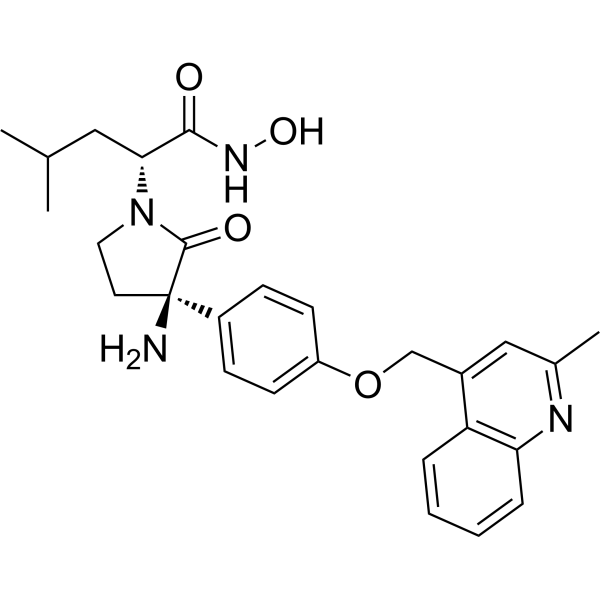 0 ImagesCat. No.: HY-19667CAS No.: 611227-74-8Synonyms: DPC 333BMS-561392 (BMS-561392) is a selective ADAM17(TACE) inhibitor. BMS-561392 inhibits TNF-α secretion by regulating signaling pathways such as p44 MAPK and NF-κB. BMS-561392 also affects the survival of central nervous system-related cells including oligodendrocytes and microglia. BMS-561392 promotes microglial apoptosis, enlarges the injury area and exacerbates astrogliosis in a mouse spinal cord injury model. BMS-561392 can be used in research related to spinal cord injury and inflammatory diseases.
-
MW-150 hydrochloride
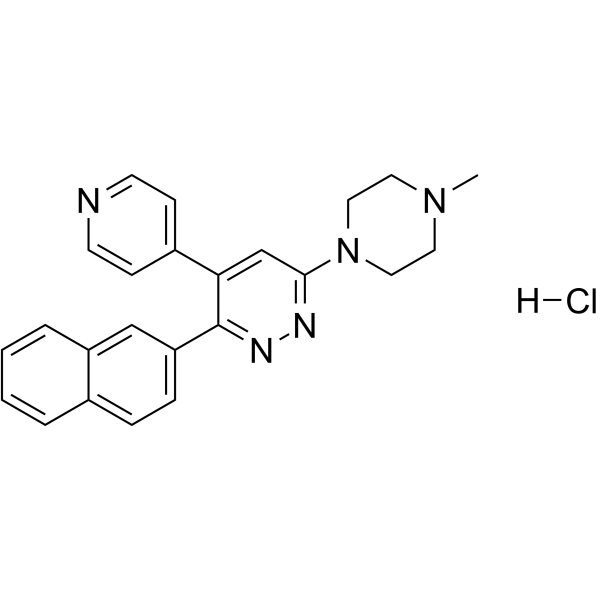 0 ImagesCat. No.: HY-120111ACAS No.: 1923773-01-6Synonyms: MW01-18-150SRM hydrochlorideMW-150 hydrochloride (MW01-18-150SRM hydrochloride) is a selective, CNS penetrant, and orally active inhibitor of p38α MAPK with a Ki of 101 nM. MW-150 hydrochloride (MW01-18-150SRM hydrochloride) inhibits the ability of the endogenous p38α MAPK to phosphorylate an endogenous substrate MK2 in activated glia.
-
MW-150 dihydrochloride dihydrate
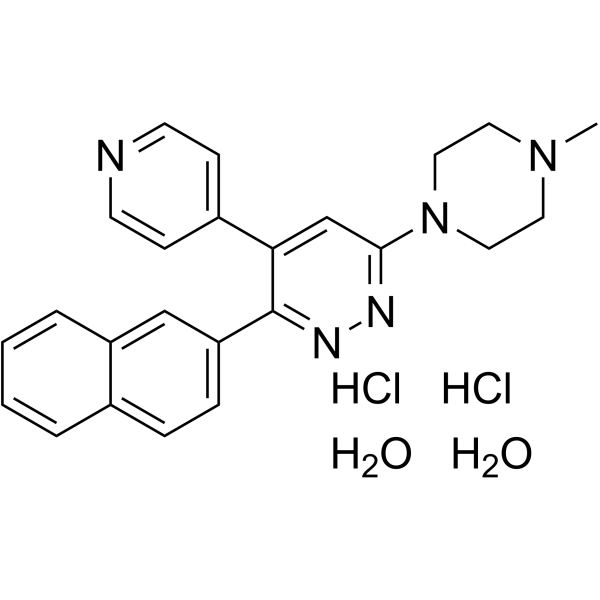 0 ImagesCat. No.: HY-120111BCAS No.: 1661020-92-3Synonyms: MW01-18-150SRM dihydrochloride dihydrateMW-150 dihydrochloride dihydrate (MW01-18-150SRM dihydrochloride dihydrate) is a selective, CNS penetrant, and orally active inhibitor of p38α MAPK with a Ki of 101 nM. MW-150 dihydrochloride dihydrate (MW01-18-150SRM dihydrochloride dihydrate) inhibits the ability of the endogenous p38α MAPK to phosphorylate an endogenous substrate MK2 in activated glia.
-
Talmapimod hydrochloride
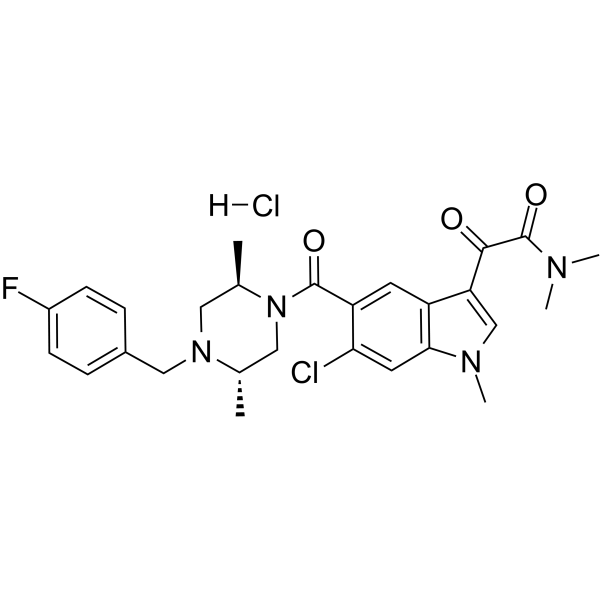 0 ImagesCat. No.: HY-10406ACAS No.: 2387505-88-4Synonyms: SCIO-469 hydrochlorideTalmapimod (SCIO-469) hydrochloride is an orally active and selective inhibitor of p38α MAPK with an IC50 of 9 nM. Talmapimod hydrochloride inhibits the secretion of inflammatory factors (such as TNFα, IL-1β, IL-6, and VEGF) by suppressing the p38α MAPK pathway, and it also inhibits angiogenesis and osteoclast activation. Talmapimod hydrochloride inhibits the growth of multiple myeloma cells and induces apoptosis. Talmapimod hydrochloride can be used to study various hematological malignancies (such as multiple myeloma, myelodysplastic syndrome).
-
Leupeptin
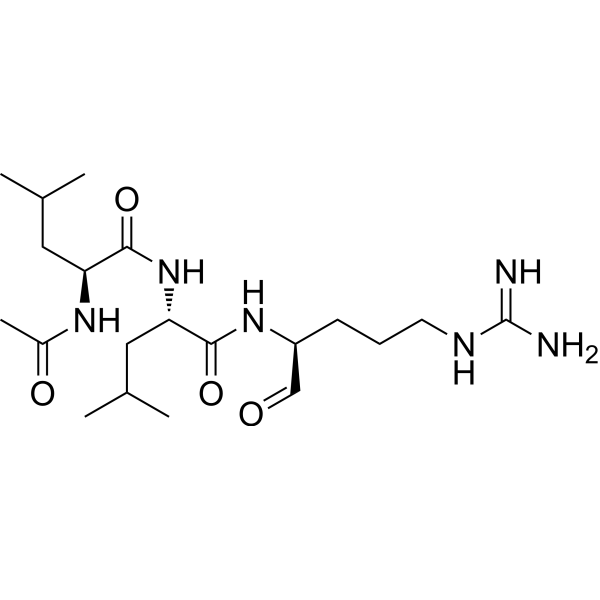 0 ImagesCat. No.: HY-18234CAS No.: 55123-66-5Leupeptin is a broad-spectrum protease inhibitor. By inhibiting the activation of the PTEN/PI3K/Akt/NF-κB/ERK1/2/p38 signaling pathway, Leupeptin significantly reduces LPS-induced NO and ROS production, mitochondrial membrane potential hyperpolarization, phagocytic activity, pro-inflammatory cytokine release, and M1 polarization in mouse peritoneal macrophages, and reverses autophagic flux impairment. It also decreases Concanavalin A (HY-P2149)-induced proliferation index of mouse splenic lymphocytes and the Th1/IL-10 and Th2/IL-10 cytokine ratios, thereby modulating innate and adaptive immune responses. Leupeptin inhibits blood coagulation and tumorigenesis in mouse skin. Leupeptin can be used in research on chronic inflammatory diseases and skin tumorigenesis.
-
Aspirin lithium
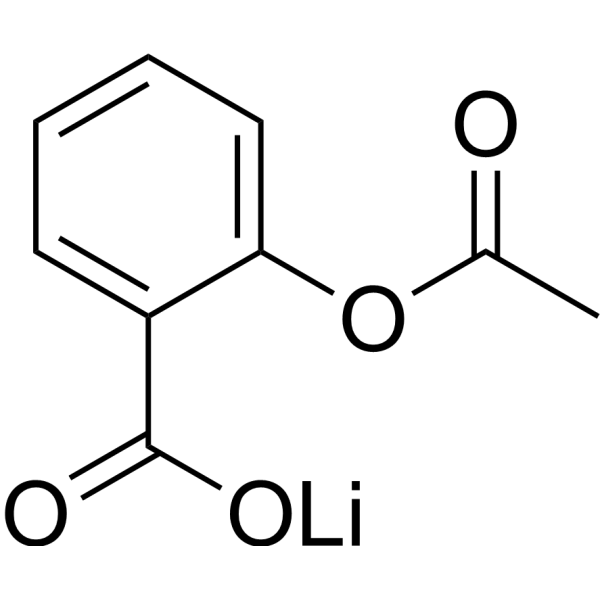 0 ImagesAspirin (Acetylsalicylic Acid) lithium is an orally active, potent and irreversible inhibitor of cyclooxygenase COX-1 and COX-2, with IC50 values of 5 and 210 μg/mL, respectively. Aspirin lithium induces apoptosis. Aspirin lithium inhibits the activation of NF-κB. Aspirin lithium also inhibits platelet prostaglandin synthetase, and can prevent coronary artery and cerebrovascular thrombosis.
-
Homovanillyl alcohol (Standard)
 0 ImagesHomovanillyl alcohol (Standard) is the analytical standard of Homovanillyl alcohol (HY-N7513). This product is intended for research and analytical applications. Homovanillyl alcohol is a biological metabolite of Hydroxytyrosol, and belongs to the class of phenolic organic compounds. Homovanillyl alcohol alleviates cellular oxidative stress and inflammatory responses by scavenging free radicals, inhibiting the phosphorylation of the p38 and JNK MAP kinase pathways, as well as suppressing NF-κB-driven transcription and nuclear translocation. It can be used in studies related to cardiovascular diseases and allergic asthma.
-
Anti-inflammatory agent 99
 0 ImagesCat. No.: HY-183934CAS No.: 1345412-48-7Anti-inflammatory agent 99 is a chalcone derivative. Anti-inflammatory agent 99 inhibits LPS (HY-D1056)-induced NF-κB nuclear translocation and suppress the phosphorylation of JNK, ERK, and p38. Anti-inflammatory agent 99 inhibits the expression of cytoinflammatory factors such as TNF-α and IL-6 induced by LPS. Anti-inflammatory agent 99 can be used for the research of LPS-induced septic shock.




