



Apoptosis
Apoptosis
Apoptosis is a distinctive form of cell death exhibiting specific morphological and biochemical characteristics, including cell membrane blebbing, chromatin condensation, genomic DNA fragmentation, and exposure of specific phagocytosis signaling molecules on the cell surface. Cells undergoing apoptosis differ from those dying through necrosis. Necrotic cells are usually recognized by the immune system as a danger signal and, thus, resulting in inflammation; in contrast, apoptotic death is quiet and orderly.
There are two major pathways of apoptotic cell death induction: The intrinsic pathway, also called the Bcl-2-regulated or mitochondrial pathway, is activated by various developmental cues or cytotoxic insults, such as viral infection, DNA damage and growth-factor deprivation, and is strictly controlled by the BCL-2 family of proteins. The extrinsic or death-receptor pathway is triggered by ligation of death receptors (members of the tumor necrosis factor (TNF) receptor family, such as Fas or TNF receptor-1 (TNFR1)) that contain an intracellular death domain, which can recruit and activate caspase-8 through the adaptor protein Fas-associated death domain (FADD; also known as MORT1) at the cell surface. This recruitment causes subsequent activation of downstream (effector) caspases, such as caspase-3, -6 or -7, without any involvement of the BCL-2 family.
Studies suggest that alterations in cell survival contribute to the pathogenesis of a number of human diseases, including cancer, viral infections, autoimmune diseases, neurodegenerative disorders, and AIDS (acquired immunodeficiency syndrome). Treatments designed to specifically alter the apoptotic threshold may have the potential to change the natural progression of some of these diseases.
All Product Categories
-
Apoptosis Inhibitors
(904)
View all products
-
Apoptosis Agonists
(7)
View all products
-
Apoptosis Antagonists
(9)
View all products
-
Apoptosis Activators
(363)
View all products
-
Apoptosis Modulators
(60)
View all products
-
Apoptosis Inducers
(7944)
View all products
-
Apoptosis Degrader
(1)
View all products
-
Apoptosis Controls
(33)
View all products
-
Apoptosis Related Products (9888)
Related Products (9888)

-
Antibodies (120)
-
DCZ5418
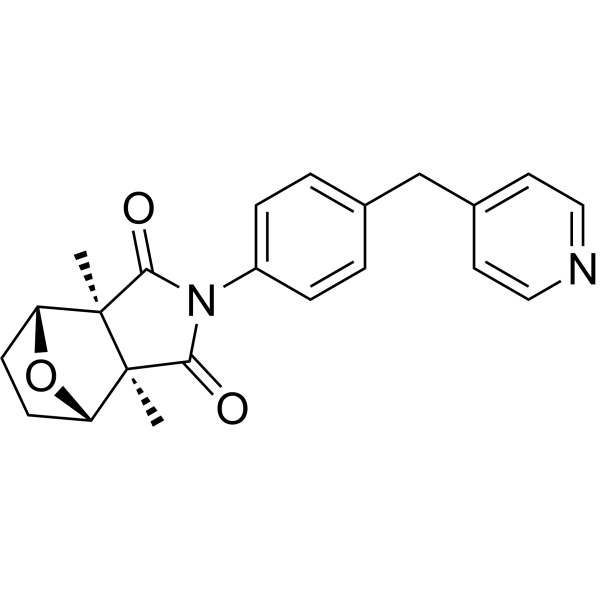 0 ImagesDCZ5418 is an inhibitor of TRIP13. DCZ5418 has anti-multiple myeloma activity in vitro and in vivo.
-
Purpurin 18
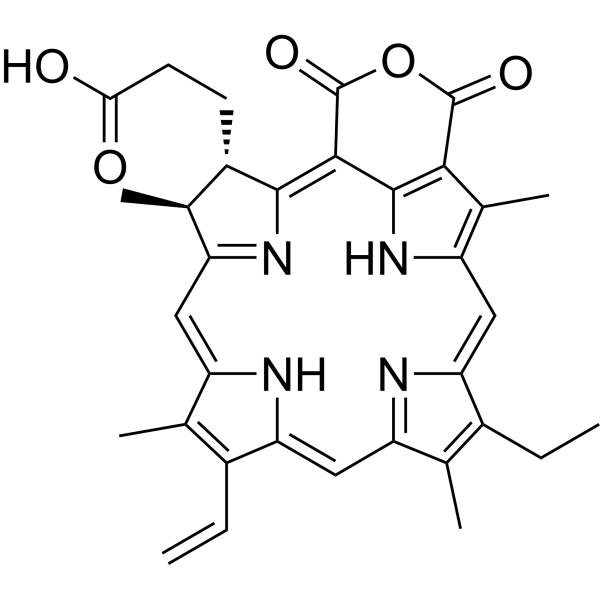 0 ImagesCat. No.: HY-128972CAS No.: 25465-77-4Purpurin 18, a derivative of chlorophyll and a type of dihydroporphyrin, is used to produce photosensitizers. Purpurin 18 photodynamic therapy can induce cell apoptosis and has anti-tumor activity.
-
Clodronic acid
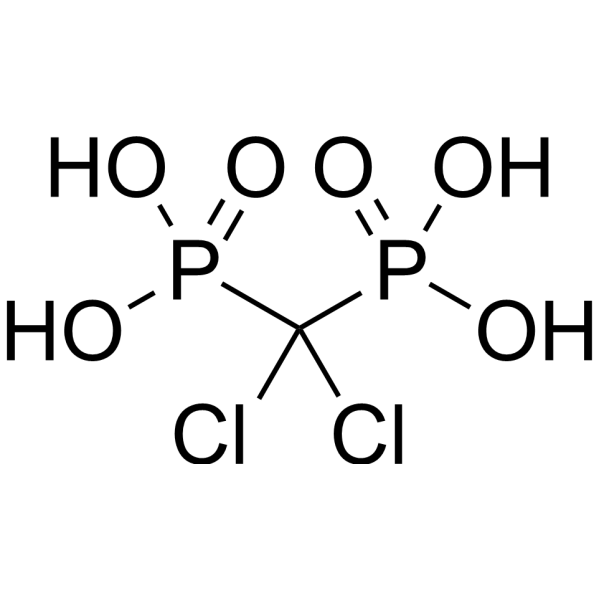 0 ImagesSynonyms: ClodronateClodronic acid (Clodronate) is an orally active bisphosphonate. Clodronic acid inhibits osteoclast-mediated bone resorption. Clodronic acid reduces skeletal event risk in malignant bone disease, impairs malignant osteolysis, blocks bone matrix growth-factor release, induces apoptosis in osteoclasts and macrophages. Clodronic acid is effective in the maintenance or improvement of bone mineral density. Clodronic acid can be used for the research of multiple myeloma and postmenopausal osteoporosis.

-
Prometryn
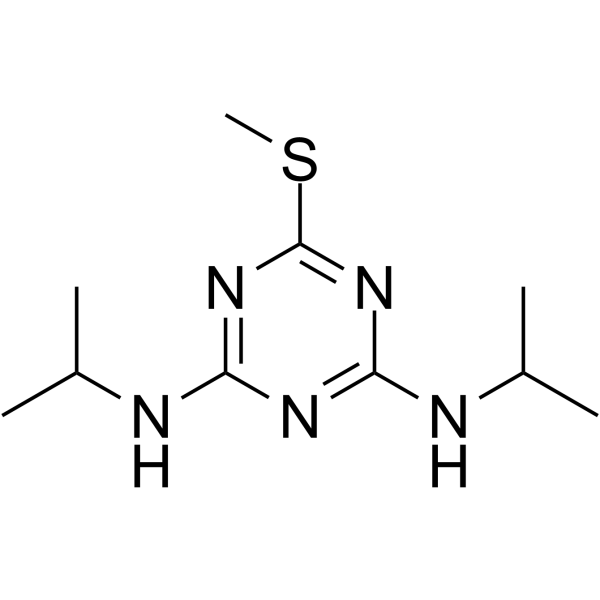 0 ImagesPrometryn is a triazine herbicide. Prometryn induces apoptosis and cell cycle arrest. Prometryn induces oxidative stress, DNA damage and autophagy-related gene expression, and non-specific immunity gene expression. Prometryn can be used for the research of herbicide, hepatopancreas injury, and intestinal stress and intestinal barrier dysfunction.
-
Tebuconazole (Standard)
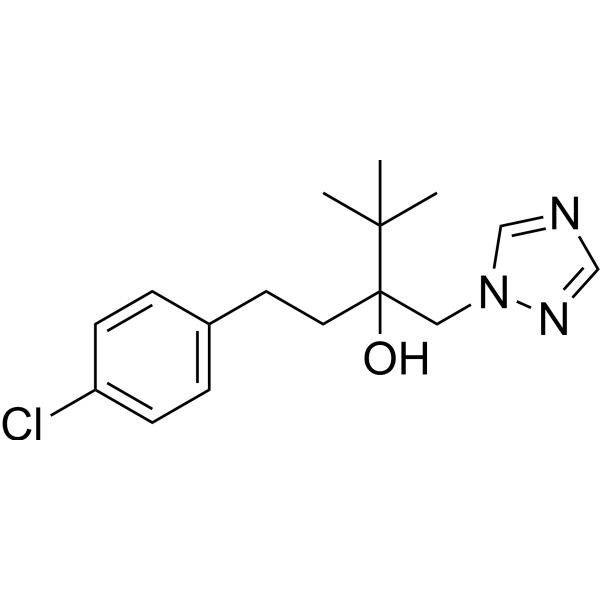 0 ImagesTebuconazole (Standard) is the analytical standard of Tebuconazole. This product is intended for research and analytical applications. Tebuconazole is an orally active agricultural azole fungicide which can also inhibit CYP51 with IC50s of 0.9 and 1.3 μM for Candida albicans CYP51 (CaCYP51) and truncated Homo sapiens CYP51 (Δ60HsCYP51), respectively. Tebuconazole induces lipid accumulation and oxidative stress in HepG2 Cells. Tebuconazole decreases MAC-T cells viability and proliferation, induces ER-stress-mediated apoptosis and increases oxidative stress levels in MAC-T cells.
-
Taltobulin intermediate-1
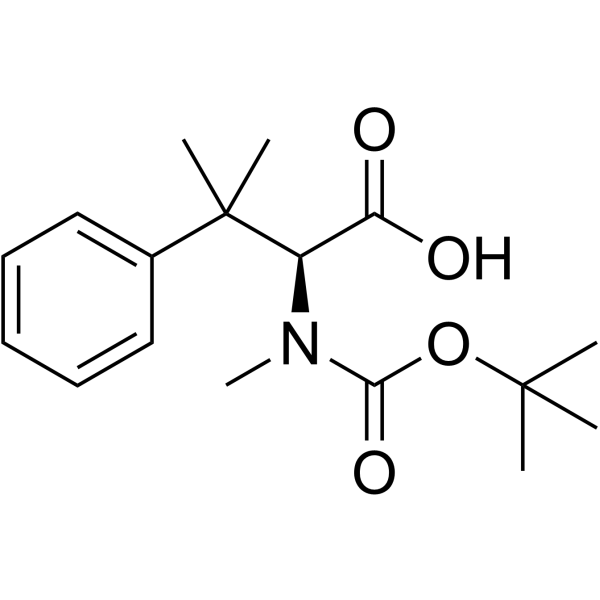 0 ImagesTaltobulin intermediate-1 is an intermediate in the synthesis of Taltobulin (HY-15584). Taltobulin is a common toxin component in ADC preparation (ADC Cytotoxin), and it is also a powerful tubulin (Microtubule/Tubulin) inhibitor. Taltobulin disrupts tubulin polymerization, induces mitotic arrest, and induces apoptosis.
-
Flurochloridone
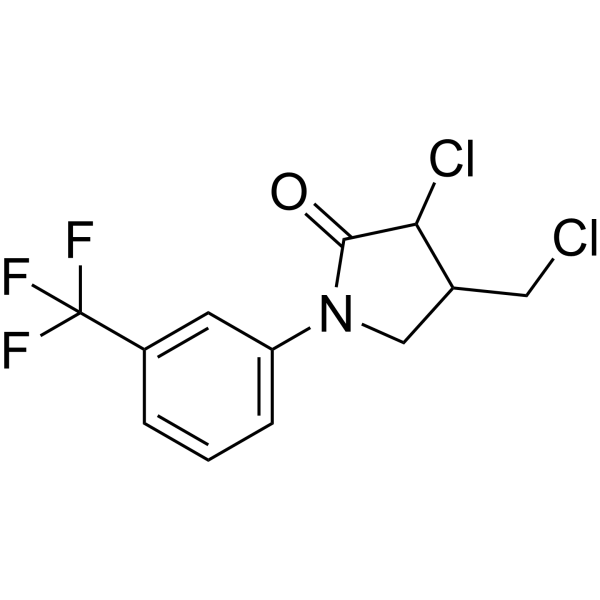 0 ImagesSynonyms: R-40244Flurochloridone (R-40244) is an orally active herbicide and an inducer of ER stress, apoptosis, and cytotoxicity. Flurochloridone upregulates GRP78 and activates the PERK-eIF2α-ATF4 UPR axis, ATF6, CHOP, Bax, and Bim. Flurochloridone decreases Akt, p-Akt, GSK3β, and p-GSK3β levels, and induces ROS, oxidative stress, γ-glutamyl cycle activation, and GSH accumulation. Flurochloridone inhibits mitochondrial respiration and ATP production while enhancing glycolysis and cell viability inhibition. Flurochloridone inhibits spermatogonial proliferation, spermatocyte meiosis, and sperm mitochondrial membrane potential, and induces Sertoli cell apoptosis and mitochondrial damage. Flurochloridone non-competitively binds phytoene desaturase, blocking phytoene desaturation and carotenoid synthesis, leading to leaf bleaching and phytotoxicity. Flurochloridone can be used for research on male reproductive toxicity, hepatotoxicity, and as a herbicide.
-
Diclofenac diethylamine
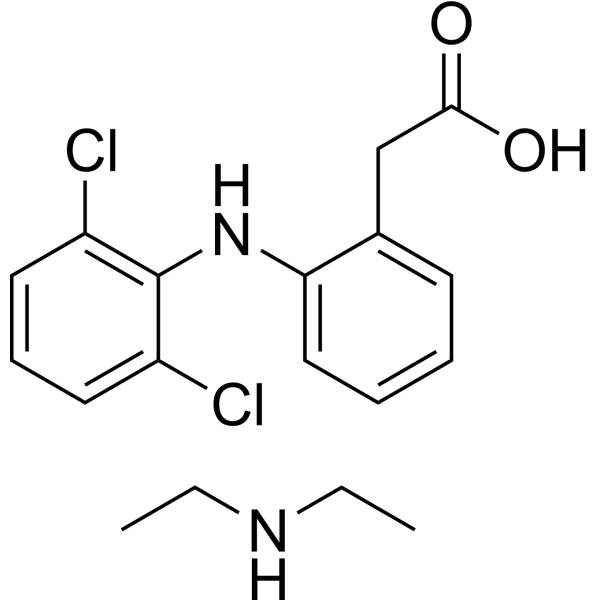 0 ImagesDiclofenac diethylamine is a potent and nonselective anti-inflammatory agent, acts as a COX inhibitor, with IC50s of 4 and 1.3 nM for human COX-1 and COX-2 in CHO cells, and 5.1 and 0.84 μM for ovine COX-1 and COX-2, respectively. Diclofenac diethylamine induces apoptosis of neural stem cells (NSCs) via the activation of the caspase cascade.
-
Panobinostat (Standard)
 0 ImagesSynonyms: LBH589 (Standard); NVP-LBH589 (Standard)Panobinostat (Standard) (LBH589 (Standard)) is the analytical standard of Panobinostat (HY-10224). This product is intended for research and analytical applications. Panobinostat is a potent and orally active non-selective HDAC inhibitor, and has antineoplastic activities. Panobinostat induces HIV-1 virus production even at low concentration range 8-31 nM, stimulates HIV-1 expression in latently infected cells. Panobinostat induces cell apoptosis and autophagy. Panobinostat can be used for the study of refractory or relapsed multiple myeloma.
-
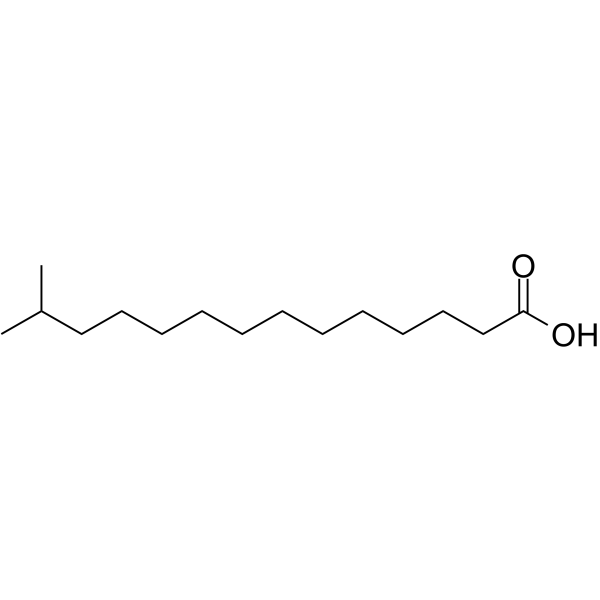
Pentadecanoic acid (Standard)
 0 Imagesα-Linolenic acid (Standard) is the analytical standard of α-Linolenic acid. This product is intended for research and analytical applications. α-Linolenic acid, isolated from Perilla frutescens, is an essential fatty acid that cannot be synthesized by humans. α-Linolenic acid can affect the process of thrombotic through the modulation of PI3K/Akt signaling. α-Linolenic acid possess the anti-arrhythmic properties and is related to cardiovascular disease and cancer.
-
Glucobrassicin potassium
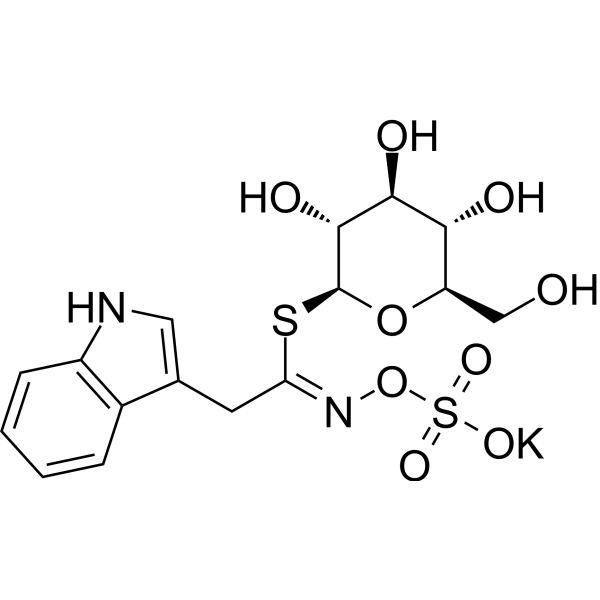 0 ImagesCat. No.: HY-N7659ACAS No.: 143231-38-3Glucobrassicin potassium is an indole-based anticancer agent and plant growth-regulating hormone. Glucobrassicin potassium exerts its biological activity by disrupting the integrity of microtubule networks in both plant and mammalian cells. At high concentrations, Glucobrassicin potassium inhibits seed germination and root growth; it can also specifically induce apoptosis in mammalian cancer cells and interfere with the intercellular transmission of viruses that rely on microtubules. In plants, Glucobrassicin potassium can be catalyzed by myrosinase to release growth-regulating substances, exhibiting a concentration-dependent growth-regulating effect.
-
12-HETE-d8
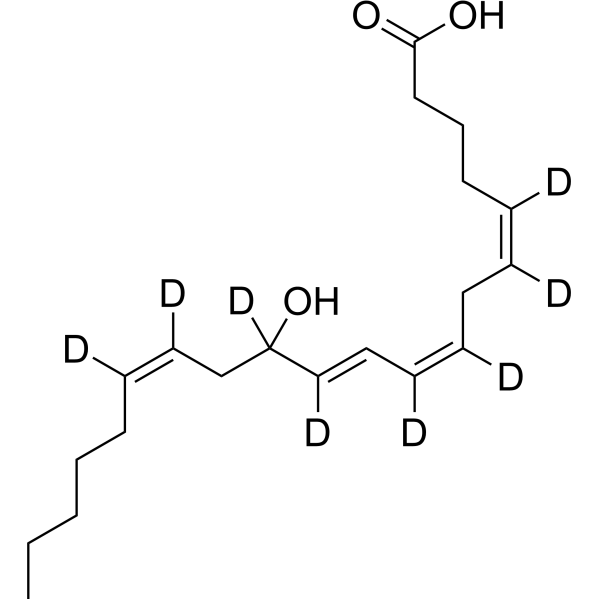 0 Images12-HETE-d8 is the deuterium labeled 12-HETE. 12-HETE, a major metabolic product of arachidonic acid using 12-LOX catalysis, inhibits cell apoptosis in a dose-dependent manner. 12-HETE promotes the activation and nuclear translocation of NF-κB through the integrin-linked kinase (ILK) pathway.12-HETE has both anti-thrombotic and pro-thrombotic effects. 12-HETE is a neuromodulator.

-
Eugenol (Standard)
 0 ImagesEugenol (Standard) is the analytical standard of Eugenol. This product is intended for research and analytical applications. Eugenol is an essential oil found in cloves with antibacterial, anthelmintic and antioxidant activity. Eugenol is shown to inhibit lipid peroxidation.
-
Puzerinostat
 0 ImagesSynonyms: PurinostatPuzerinostat (Purinostat) is a highly selective class I/IIb histone deacetylase (HDAC) inhibitor, with IC50 values of 0.81 nM, 1.4 nM, 1.7 nM, 3.8 nM, 11.5 nM, and 1.1 nM against HDAC1, HDAC2, HDAC3, HDAC8, HDAC6, and HDAC10, respectively. Puzerinostat enhances glutamine metabolism by upregulating GLS1. Puzerinostat induces cell Apoptosis and downregulates the expression of BCR-ABL and c-MYC. Puzerinostat delays the progression of Ph+ B-cell acute lymphoblastic leukemia and prolongs the survival of relevant mouse models. Puzerinostat regulates the immune microenvironment. Puzerinostat can be used in research related to chronic myeloid leukemia, Philadelphia chromosome-positive B-cell acute lymphoblastic leukemia, relapsed/refractory multiple myeloma, relapsed/refractory lymphoma, diffuse large B-cell lymphoma, and double-expression lymphoma.
-
Oncrasin-1
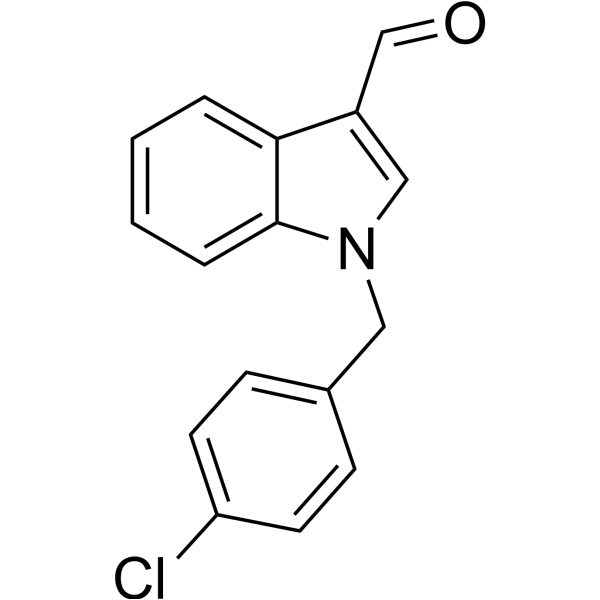 0 ImagesOncrasin-1 is an RNA polymerase inhibitor. Oncrasin-1 suppresses the phosphorylation of the largest subunit of RNA polymerase II and the expression of intronless reporter genes in sensitive cells. Oncrasin-1 effectively kills various human lung cancer cells with K-Ras mutations. Oncrasin-1 leads to coaggregation of PKCι and splicing factors into megaspliceosomes. Oncrasin-1 induces malfunction in the RNA processing machinery. Oncrasin-1 is an anti-cancer agent and can therefore be studied in research for lung cancer.
-
Anti-Mouse PSGL-1/CD162 Antibody (4RA10)
 0 ImagesCat. No.: HY-P990166Anti-Mouse PSGL-1/CD162 Antibody (4RA10) is a rat-derived IgG1 κ type antibody inhibitor, targeting to mouse PSGL-1/CD162. Anti-Mouse PSGL-1/CD162 Antibody (4RA10) blocks PSGL signaling and inhibits leukocyte rolling. Anti-Mouse PSGL-1/CD162 Antibody (4RA10) can be used for the researches of inflammation, immunology and infection, such as pneumonia and lymphocytic choriomeningitis virus infection.




