



Integrin
Integrins, a family of heterodimeric adhesion receptors for diverse extracellular matrices, have consistently been implicated as crucial drivers of ovarian cancer development and progression. A number of the RGD-based members of the integrin family, including α5β1, and αvβ3 or αvβ5 integrins, are markedly elevated in aggressive ovarian tumors. These adhesion receptors appear to promote cell adhesion, survival, motility and invasion during ovarian tumor growth or metastatic progression. Importantly, the functions of these integrins are strongly dependent on the activation of focal adhesion kinase (FAK) and its downstream signaling, including the PI3K/Akt- and Ras/MAPK-dependent pathways.
Integrins are transmembrane proteins and are major receptors for cell-extracellular matrix (ECM) and cell-cell adhesion. Modulation of these molecules, particularly αv integrin family, has exhibited profound effects on fibrosis in multiple organ and disease state. Based on the several studies, the integrins αvβ3, αvβ5, αvβ6, and αvβ8 have been known to modulate the fibrotic process via activation of latent transforming growth factor (TGF)-β in pre-clinical models of fibrosis.
Each integrin is typically formed by the non-covalent pairing of one α subunit, of which, 18 types are known to exist, and one β subunit, of which 8 types are known to exist. Together, 24 distinct heterodimers have been identified to date. The αv subunit can form heterodimers with the β1, β3, β5, β6 or β8 subunits and β1 can associate with many different α subunits from α1 to α11, and αv, indicating that not all theoretically possible α and subunit pairs form. Interestingly, the activation of TGF-β appears to be a common function of multiple αv integrins.
Integrin Isoform Specific Products
-
Integrin
(383)
View all products
-
αvβ1
(7)
View all products
-
αvβ3
(35)
View all products
-
αvβ5
(13)
View all products
-
αvβ6
(25)
View all products
-
αvβ8
(11)
View all products
-
α5β1
(19)
View all products
-
α1β1
(3)
View all products
-
α2β1
(9)
View all products
-
α4β1
(22)
View all products
-
α9β1
(4)
View all products
-
αIIbβ3
(14)
View all products
-
α4β7
(18)
View all products
-
αLβ2
(3)
View all products
All Product Categories
-
Integrin Inhibitors
(254)
View all products
-
Integrin Agonists
(10)
View all products
-
Integrin Antagonists
(96)
View all products
-
Integrin Activators
(8)
View all products
-
Integrin Modulators
(6)
View all products
-
Integrin Chemicals
(2)
View all products
-
Integrin Inducers
(3)
View all products
-
Integrin Degrader
(1)
View all products
-
Integrin Controls
(4)
View all products
-
Integrin Substrate
(1)
View all products
-
Integrin Ligands
(26)
View all products
-
Integrin alpha 1 beta 1 Proteins
(2)
View all products
-
Integrin alpha V beta 3 Proteins
(5)
View all products
-
Integrin alpha V beta 5 Proteins
(4)
View all products
-
Integrin alpha V beta 6 Proteins
(8)
View all products
-
Integrin alpha V beta 8 Proteins
(8)
View all products
-
Integrin Related Products (519)
Related Products (519)

-
Recombinant Proteins (27)
-
Antibodies (31)
-
Integrin Isoform Comparison
-
Tirofiban hydrochloride monohydrate
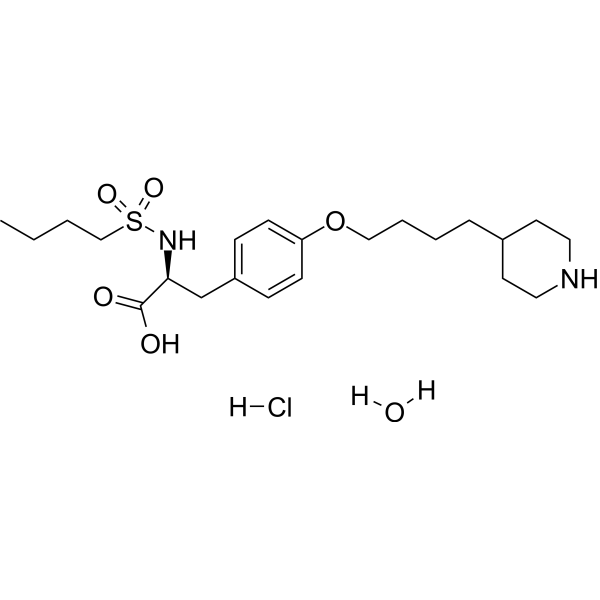 0 ImagesSynonyms: L700462 hydrochloride monohydrate; MK383 hydrochloride monohydrateTirofiban (L700462) hydrochloride monohydrate is a selective and reversible platelet integrin receptor (Gp IIb/IIIa) antagonist that inhibits fibrinogen binding to this receptor and has antithrombotic activity. Tirofiban hydrochloride monohydrate induces proliferation and migration on endothelial cell by inducing production of VEGF. Tirofiban hydrochloride monohydrate can significantly reduces myocardial no-reflow and ischemia-reperfusion injury by alleviating myocardial microvascular structural and endothelial dysfunction in the ischemic area.
-
GSK 3008348
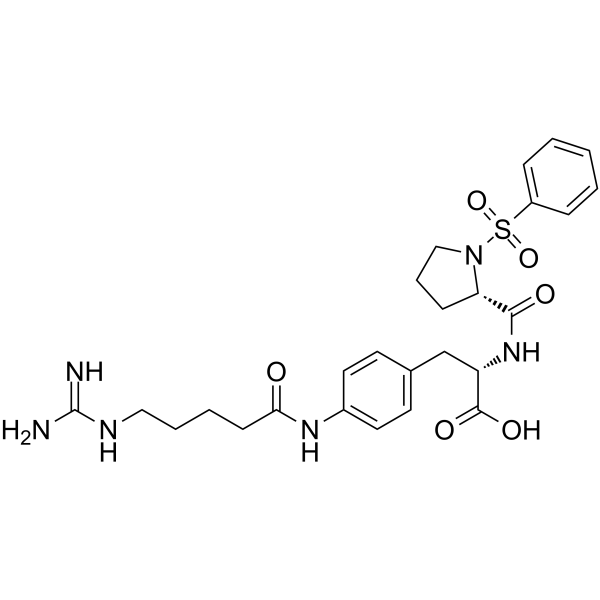
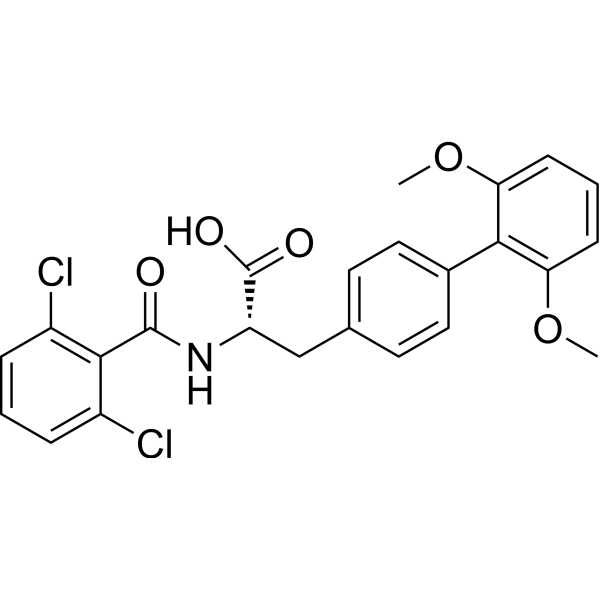
 0 ImagesGSK 3008348 is a small molecule antagonist of integrin αvβ6 with IC50 values for αvβ6, αvβ1, αvβ3, αvβ5, and αvβ8 are 1.50, 2.83, 12.53, 4.00, and 2.26 nM, respectively. GSK 3008348 can target the αvβ6 integrin, inhibit TGF-β activation, and thereby alleviate the fibrotic process. GSK 3008348 prevents the binding of the foot-and-mouth disease virus (FMDV) to the αvβ6 integrin receptor on the surface of host cells, thereby inhibiting the entry of the virus. GSK 3008348 can be used for research on pulmonary fibrosis and various types of cancer.
-
Abituzumab
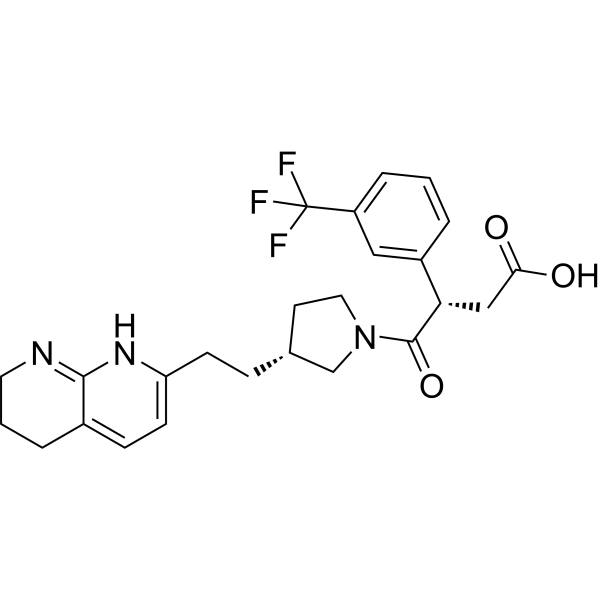
 0 ImagesSynonyms: EMD 525797; DI17E6
-
Recombinant Humanized Type III Collagen 28.6kDa
 0 ImagesCat. No.: HY-NP132Recombinant Humanized Type III Collagen 28.6kDa is a 28.6 kDa recombinant humanized type III collagen. Recombinant Humanized Type III Collagen possesses a variety of biological functions, such as promoting the regeneration of the skin extracellular matrix and improving the cellular microenvironment. Recombinant Humanized Type III Collagen can also inhibit the proliferation, migration and invasion of breast cancer cells. Recombinant Humanized Type III Collagen plays a role in cell adhesion, migration, proliferation and differentiation by interacting with Integrin.
-
Polyether F127 Diacrylate
 0 ImagesCat. No.: HY-158231Synonyms: F127DAPolyether F127 Diacrylate (F127DA) is an acrylated polyethylene glycol-polypropylene glycol-polyethylene glycol triblock copolymer. Polyether F127 Diacrylate rapidly crosslinks and cures into a gel under ultraviolet or visible light with the action of a photoinitiator. Polyether F127 Diacrylate exhibits excellent thermogelation properties and favorable biosafety. Polyether F127 Diacrylate can upregulate the Integrin-FAK pathway, enhance collagen production, increase the protein and gene expression levels of COL-1/SCX, and promote fibroblastic differentiation of periodontal ligament stem cells. Polyether F127 Diacrylate promotes periodontal ligament regeneration and reduces abnormal healing in a rat model of delayed replanted teeth. Polyether F127 Diacrylate promotes functional osteochondral regeneration in a rat model of osteoarthritis. Polyether F127 Diacrylate supports adipose tissue survival, rendering it suitable for breast reconstruction applications. Polyether F127 Diacrylate can be used in studies related to periodontal ligament injury, breast defect and osteoarthritis.
-
GSK 3008348 hydrochloride
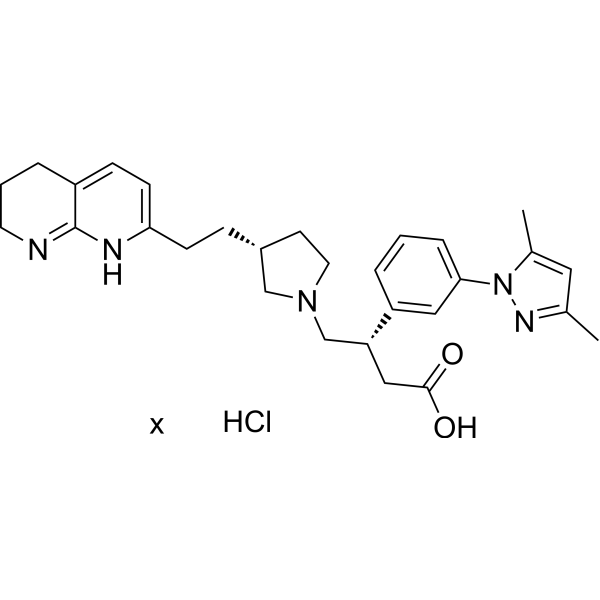 0 ImagesGSK 3008348 hydrochloride is a small molecule antagonist of integrin αvβ6 with IC50 values for αvβ6, αvβ1, αvβ3, αvβ5, and αvβ8 are 1.50, 2.83, 12.53, 4.00, and 2.26 nM, respectively. GSK 3008348 hydrochloride can target the αvβ6 integrin, inhibit TGF-β activation, and thereby alleviate the fibrotic process. GSK 3008348 hydrochloride prevents the binding of the foot-and-mouth disease virus (FMDV) to the αvβ6 integrin receptor on the surface of host cells, thereby inhibiting the entry of the virus. GSK 3008348 hydrochloride can be used for research on pulmonary fibrosis and various types of cancer.
-
Tetrac
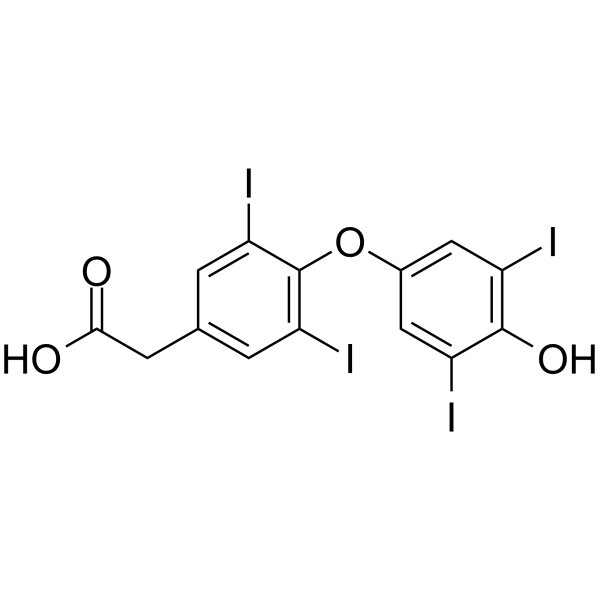 0 ImagesSynonyms: Tetraiodothyroacetic acid; 3,3',5,5'-Tetraiodothyroacetic acidTetrac (Tetraiodothyroacetic acid), a derivative of L-thyroxine (T4), is a thyrointegrin receptor antagonist. Tetrac blocks the actions of T4 and 3,5,3'-triiodo-L-thyronine (T3) at the cell surface receptor for thyroid hormone on integrin αvβ3. Tetra has anti-angiogenic and anti-tumor activities.
-
ICAM-1-IN-1
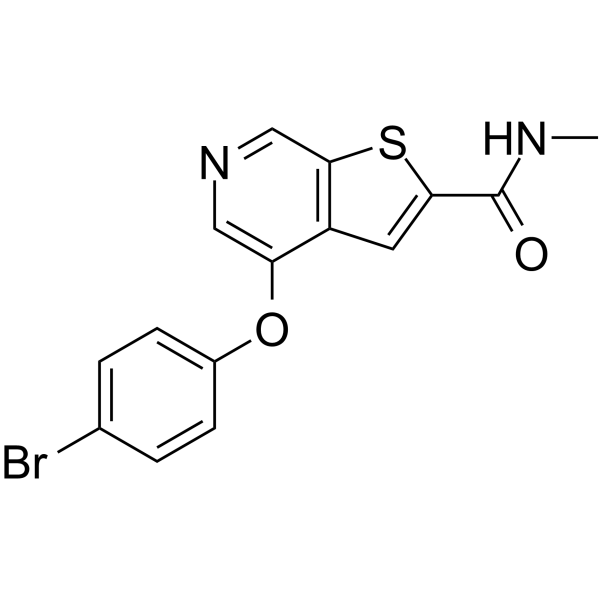 0 ImagesICAM-1-IN-1 is a potent and selective inhibitor of E-selectin and ICAM-1 with IC50 values of 7 and 5 nM, respectively.

-
Obtustatin
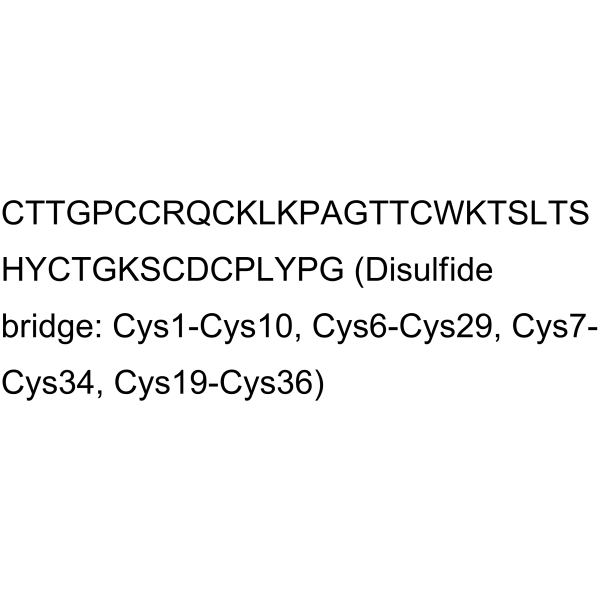 0 ImagesObtustatin is a non-RGD disintegrin consisting of 41 residues. Obtustatin inhibits the adhesion of α1β1 integrin to type IV Collagen (HY-NP003), blocks α1β1 integrin signaling in endothelial cells, and suppresses FGF2-induced angiogenesis. Obtustatin inhibits tumor progression in mouse models and upregulates VEGF expression in sarcoma-bearing mice. Obtustatin can be used in research related to Lewis lung carcinoma and S-180 sarcoma.
-
Isoxanthohumol
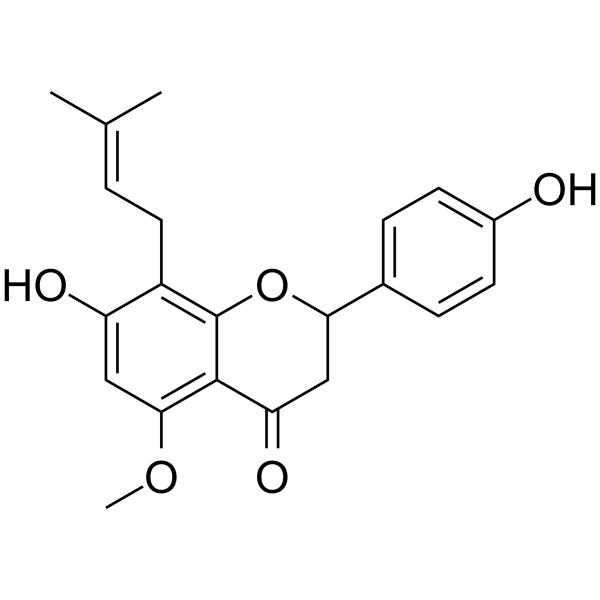 0 ImagesIsoxanthohumol is an orally active flavonoid compound. Isoxanthohumol has biological activities such as anti-tumor, anti-inflammatory, antioxidant, antiviral, antifungal, and inhibition of adipogenesis. Isoxanthohumol can induce apoptosis, autophagy, and migration of tumor cells. Isoxanthohumol is active against viruses such as HSV, BVDV, CMV, and Rhino. Isoxanthohumol can be used for the research of tumors, metabolic, and inflammatory diseases.
-
Irigenin
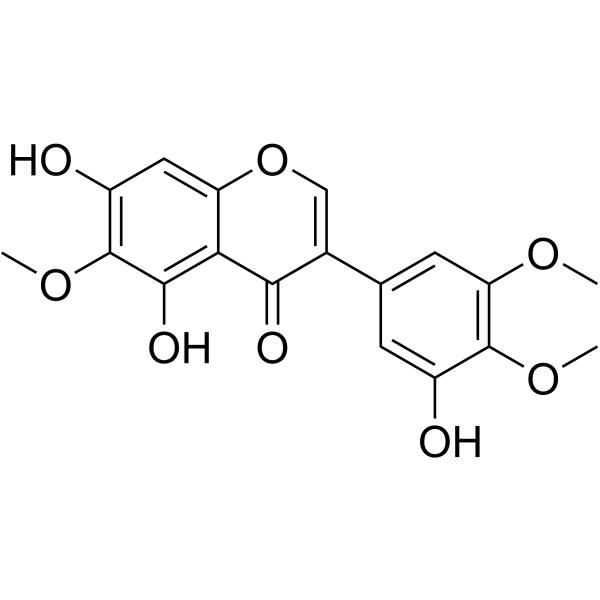 0 ImagesIrigenin is a is a lead compound, and mediates its anti-metastatic effect by specifically and selectively blocking α9β1 and α4β1 integrins binding sites on C-C loop of Extra Domain A (EDA). Irigenin shows anti-cancer properties. It sensitizes TRAIL-induced apoptosis via enhancing pro-apoptotic molecules in gastric cancer cells.
-
Synstatin (92-119)
 0 ImagesCat. No.: HY-P5133CAS No.: 1259384-47-8Synonyms: SSTN92-119Synstatin (92-119) is an inhibitor of αvβ3/αvβ5 integrins and IGF1R with anti-angiogenic, anti-proliferative, antioxidant and anti-tumor activities. Synstatin (92-119) competitively blocks the capture of αvβ3/αvβ5 integrins and IGF1R by syndecan-1, disrupts the formation of the syndecan-1 : integrin : IGF1R ternary complex, inhibits integrin activation and talin-mediated signaling pathways, and blocks VEGF-induced angiogenesis. Synstatin (92-119) is applicable to research related to cancer and hepatocellular carcinoma.
-
REDV
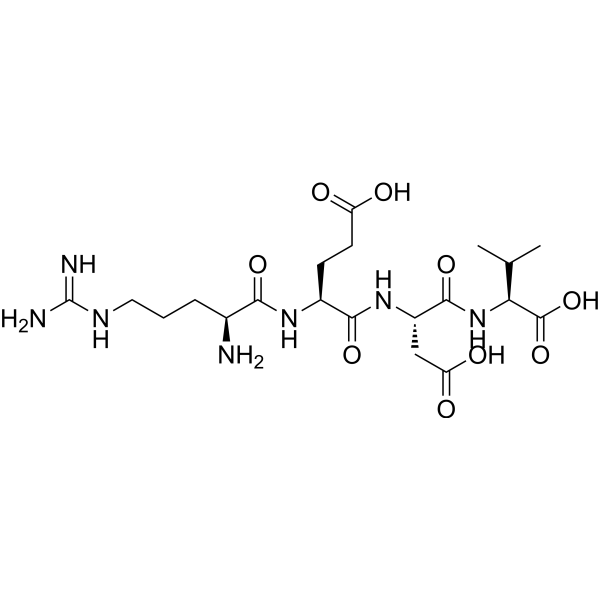 0 ImagesREDV is the minimal active sequence within the CS5 site of the alternatively spliced type III connecting segment (IIICS) region of fibronectin. REDV can mediate adhesion to the IIICS region of plasma fibronectin by binding the integrin alpha 4 beta 1(α4β1). REDV can be used for the research of cell adhesion. REDV is used to study the effects of gene vectors containing REDV on cells.

-
RGD-4C
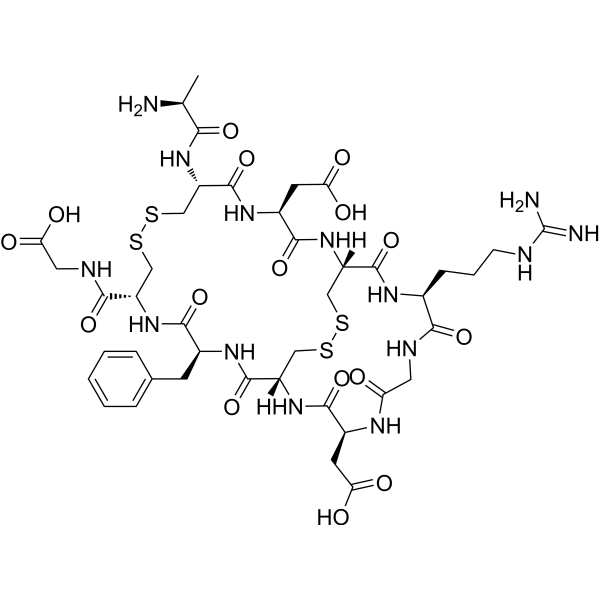 0 ImagesRGD-4C is a arginine-glycine-aspartic acid peptide (ACDCRGDCFC) with integrin binding activity. The Arg-Gly-Asp (RGD) sequence serves as the primary integrin recognition site in extracellular matrix proteins, and peptides containing this sequence can mimic the recognition specificity of the matrix proteins. RGD-4C is a αv-integrin ligand, can conjugate with bioactive molecule to exert antitumor effects in animal models.
-
Cenupatide
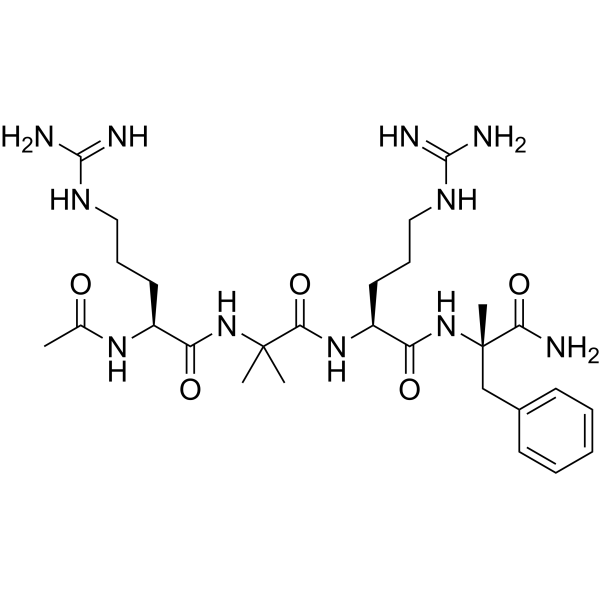 0 ImagesSynonyms: UPARANTCenupatide (UPARANT) is a uPAR and FPR antagonist with anti-angiogenic, anti-inflammatory, and vascular barrier regulatory activities, as well as high stability and resistance to enzymatic degradation in blood/plasma. Cenupatide blocks the uPAR-FPR interaction, reduces VEGF-induced phosphorylation levels of AKT, VEGFR-2, STAT3, JNK, p38 MAPK, ERK1/2, and NF-κB p65, and inhibits αvβ3 integrin activation. Cenupatide suppresses endothelial cell migration, invasion, tube formation, and angiogenic signaling pathways, restores tight junctions and blood-retinal barrier integrity, reduces pro-inflammatory marker levels, and inhibits apoptosis. Cenupatide reduces retinal neovascularization, renal fibrosis, and vascular leakage, and restores visual function in preclinical models. Cenupatide is applicable to research related to retinopathy, diabetic complications, ocular diseases, cancer, and inflammatory diseases.




