



PARP
poly ADP ribose polymerase
PARP is a family of proteins involved in a number of cellular processes involving mainly DNA repair and programmed cell death. The PARP family comprises 17 members. They have all very different structures and functions in the cell. PARP1, PARP2, VPARP (PARP4), Tankyrase-1 and -2 (PARP-5a or TNKS, and PARP-5b or TNKS2) have a confirmed PARP activity. Others include PARP3, PARP6, TIPARP (or PARP7), PARP8, PARP9, PARP10, PARP11, PARP12, PARP14, PARP15, and PARP16. PARP is found in the cell’s nucleus. The main role is to detect and signal single-strand DNA breaks (SSB) to the enzymatic machinery involved in the SSB repair.
PARP Isoform Specific Products
-
PARP
(303)
View all products
-
PARP1
(209)
View all products
-
PARP2
(83)
View all products
-
PARP3
(23)
View all products
-
PARP4
(11)
View all products
-
TNKS1/
PARP5A (41)View all products
-
TNKS2/
PARP5B (38)View all products
-
PARP7
(25)
View all products
-
PARP10
(20)
View all products
-
PARP14
(17)
View all products
-
PARP15
(14)
View all products
-
PARP12
(4)
View all products
-
PARP16
(3)
View all products
All Product Categories
-
PARP Inhibitors
(459)
View all products
-
PARP Agonists
(4)
View all products
-
PARP Activators
(111)
View all products
-
PARP Modulators
(12)
View all products
-
PARP Inducers
(20)
View all products
-
PARP Degraders
(24)
View all products
-
PARP Substrate
(1)
View all products
-
PARP Ligands
(4)
View all products
-
PARP Related Products (693)
Related Products (693)

-
Antibodies (11)
-
PARP Isoform Comparison
-
Proadifen hydrochloride
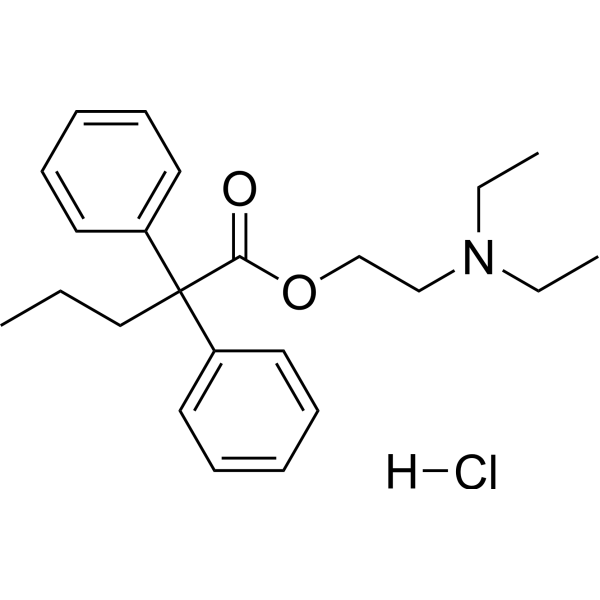 0 ImagesProadifen (SKF-525A) hydrochloride is a non-competitive Cytochrome P450 inhibitor with an IC50 value of 19 μM. Proadifen hydrochloride reduces monoamine oxidase A (MAO-A) activity and reverses the antidepressantlike behavioral effect of Imipramine (HY-B1490A) and Desipramine (HY-B1272A) in rats. Proadifen hydrochloride also reduces N, N-dimethyltryptamine (DMT) metabolism in liver microsomes and inhibits N-demethylationand Acridone (HY-W007771) formation. Proadifen hydrochloride augments Lipopolysaccharide (LPS) (HY-D1056)-induced fever and exacerbates Prostaglandin E2 (PGE2) (HY-101952) levels in the rat. Proadifen hydrochloride is promising for research of metabolism-related deseases, ovarian carcinoma, inflammation and dopamine neurons-related deseases.
-
BM-1244
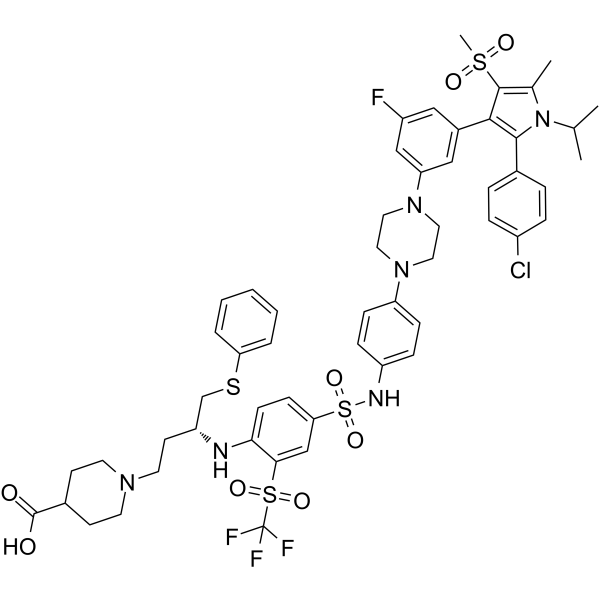 0 ImagesSynonyms: APG-1252-M1BM-1244 (APG-1252-M1) is a Bcl-xL/Bcl-2 inhibitor with Kis of 134 nM and 450 nM. BM-1244 has anti-tumor effects by inducing apoptosis and suppressing tumor growth. BM-1244 can induce cytochrome C and Smac release from mitochondria with caspase-3 and PARP cleavage. BM-1244 exhibits synergy with chemotherapy in vivo. BM-1244 can be studied in research for colorectal cancer, acute myeloid leukemia and gastric cancer.
-
ASX-173
 0 ImagesASX-173 is an orally active inhibitor of asparagine synthetase (ASNS) (IC50 = 0.113 μM, Ki = 0.4 nM). ASX-173 enhances the anticancer activity of L-asparaginase (ASNase) (HY-P1923). ASX-173 disrupts nucleotide synthesis and induces leukemia cell cycle arrest, apoptosis and autophagy in leukemia cells in combination with ASNase. ASX-173 slows the growth of OCI-AML2 xenografts in combination with ASNase. ASX-173 is indicated for the study of acute lymphoblastic leukemia, acute myeloid leukemia, colorectal cancer, and other cancers.
-
PARP11 inhibitor ITK7
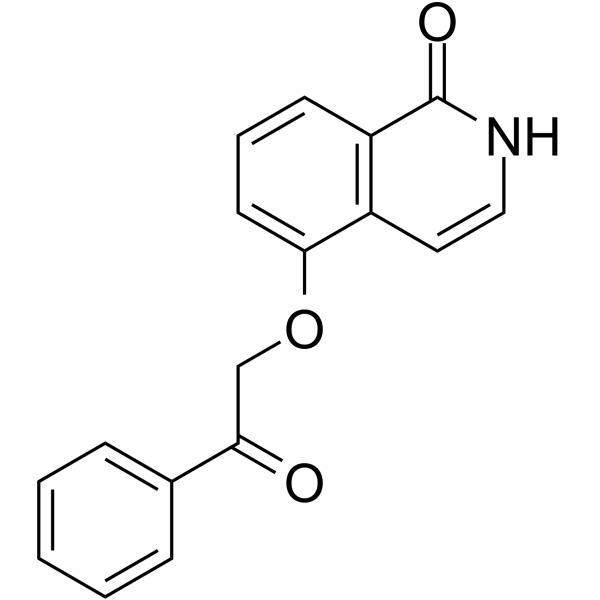
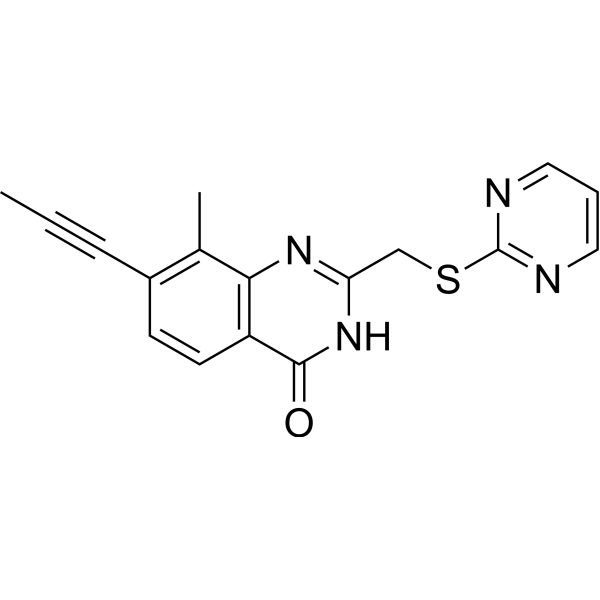 0 ImagesSynonyms: ITK7PARP11 inhibitor ITK7 (ITK7) is a potent and selective PARP11 inhibitor. PARP11 inhibitor ITK7 can potently inhibit PARP11 with an IC50 value of 14 nM. PARP11 inhibitor ITK7 can be used for the research of cellular localization.
-
Rucaparib monocamsylate
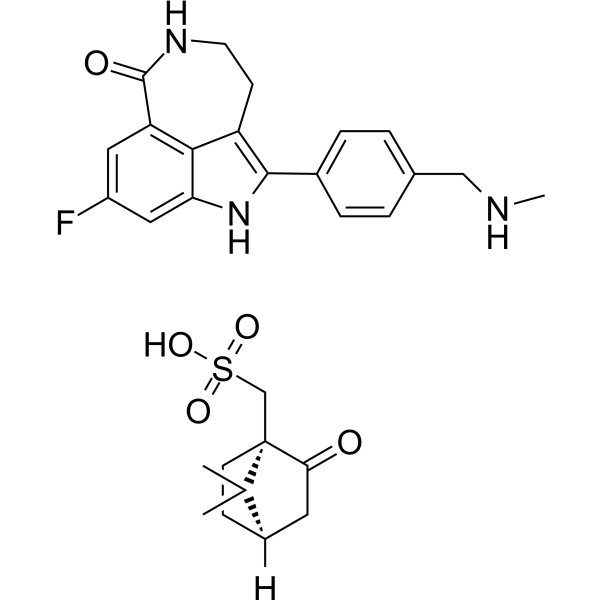 0 ImagesSynonyms: AG014699 monocamsylate; PF-01367338 monocamsylateRucaparib (AG014699) monocamsylate is an orally active, potent inhibitor of PARP proteins (PARP-1, PARP-2 and PARP-3) with a Ki of 1.4 nM for PARP1. Rucaparib monocamsylate is a modest hexose-6-phosphate dehydrogenase (H6PD) inhibitor. Rucaparib monocamsylate has the potential for castration-resistant prostate cancer (CRPC) research.
-
Cyproheptadine
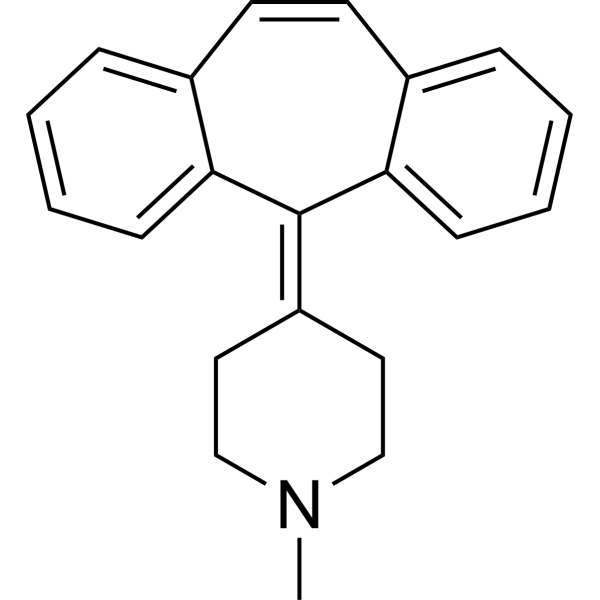 0 ImagesCyproheptadine acts as a p38 MAP kinase activator, CHK2 activator, histamine H1 receptor inhibitor and serotonin receptor inhibitor. Cyproheptadine mediates cell cycle arrest via G1 phase arrest, G1/S transition arrest, G0/G1 phase arrest, reduced expression of cyclins D1/D2/D3, upregulated expression of HBP1, p16, p21, p27, and decreased phosphorylation of retinoblastoma protein. Cyproheptadine induces Apoptosis by increasing PARP and cleaved PARP, as well as activating the mitochondrial caspase pathway. Cyproheptadine inhibits tumor growth with extremely low toxicity to normal cells. Cyproheptadine can be used in research related to hepatocellular carcinoma, multiple myeloma and acute myeloid leukemia.
-
Coenzyme Q0
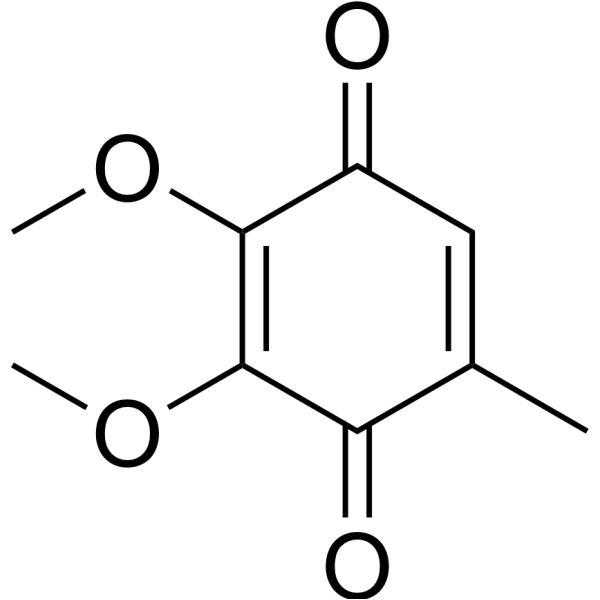 0 ImagesSynonyms: CoQ0Coenzyme Q0 (CoQ0) is a potent, oral active ubiquinone compound can be derived from Antrodia cinnamomea. Coenzyme Q0 induces apoptosis and autophagy, suppresses of HER-2/AKT/mTOR signaling to potentiate the apoptosis and autophagy mechanisms. Coenzyme Q0 regulates NFκB/AP-1 activation and enhances Nrf2 stabilization in attenuation of inflammation and redox imbalance. Coenzyme Q0 has anti-angiogenic activity through downregulation of MMP-9/NF-κB and upregulation of HO-1 signaling.
-
Alisol B 23-acetate
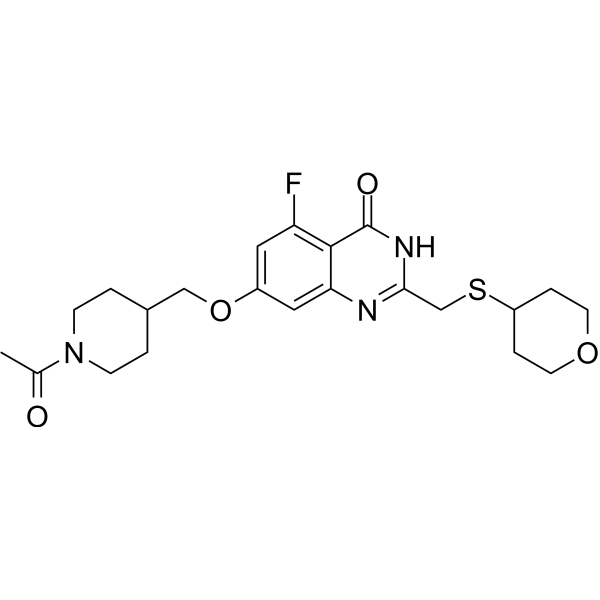
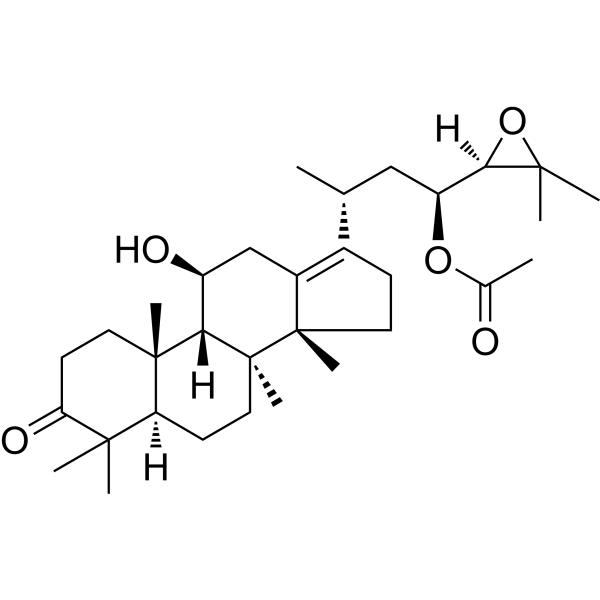 0 ImagesSynonyms: 23-Acetylalismol B; 23-O-Acetylalisol B; Alisol B monoacetateAlisol B 23-acetate is an orally active prototerpane-type triterpenoid. Alisol B 23-acetate can be isolated from Alisma orientalis. Alisol B 23-acetate induces Apoptosis, promotes ROS generation, downregulates CDK4/6, MMP-2/9, upregulates cleaved PARP, activates FXR and inhibits Syk. Alisol B 23-acetate has anti-inflammatory and hepatoprotective activities. Alisol B 23-acetate protects the kidney from ischemia-reperfusion injury. Alisol B 23-acetate has anticancer activity against ovarian cancer, colon cancer, lung cancer, and gastric cancer. Alisol B 23-acetate can be used in the study of atherosclerosis and allergic asthma.
-
Solanesol
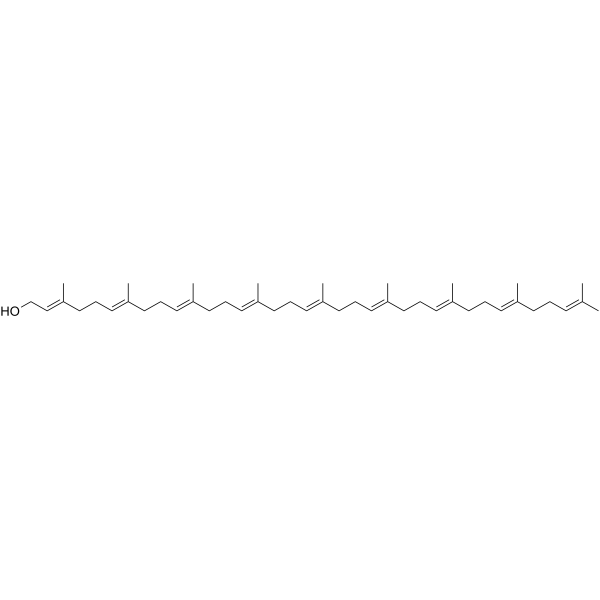 0 ImagesSolanesol is an orally active aliphatic terpene alcohol. Solanesol is mainly found in tobacco and other Solanaceae plants. Solanesol induces HO-1 and Hsp70 expression, activates p38 and Akt signaling pathways, and inhibits Apoptosis (reduces caspase-3 and PARP cleavage). Solanesol has antioxidant, anti-inflammatory, and neuroprotective activities. Solanesol can be used in the research of Huntington's disease, alcoholic liver disease, chronic inflammatory pain, anxiety, Alzheimer's disease, and bipolar disorder.
-
IGF2BP1-IN-1
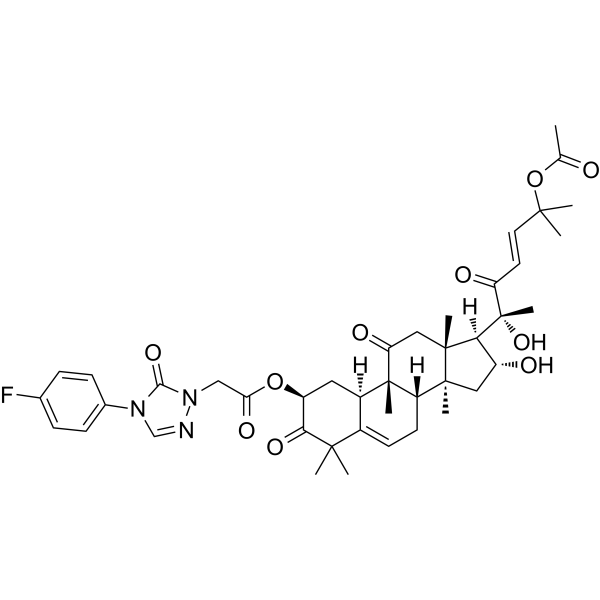 0 ImagesIGF2BP1-IN-1, a Cucurbitacin B (HY-N0416) derivative, is a potent IGF2BP1 inhibitor (KD = 2.88 nM). IGF2BP1-IN-1 binds directly to IGF2BP1, thereby inducing tumor cell cycle arrest, increasing apoptosis, and reducing autophagy. IGF2BP1-IN-1 can be used in research on NSLSC, colon, breast, liver, ovarian, pancreatic, and cervical cancers.
-
Cyproheptadine hydrochloride
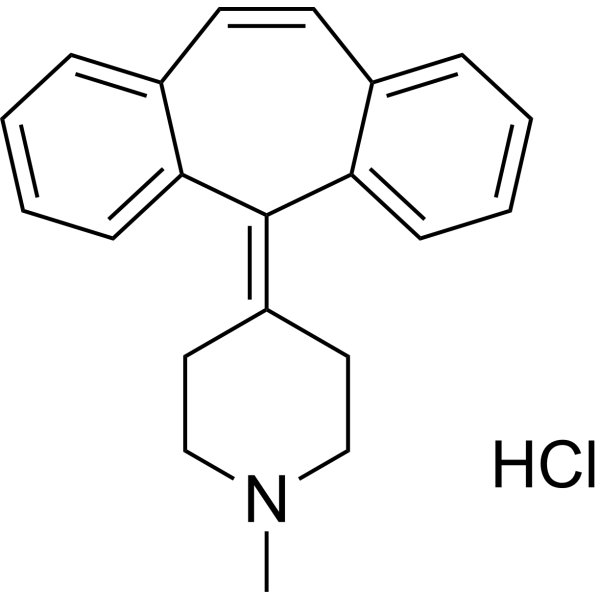 0 ImagesCyproheptadine hydrochloride (Cyproheptadine HCl) acts as a p38 MAP kinase activator, CHK2 activator, histamine H1 receptor inhibitor and serotonin receptor inhibitor. Cyproheptadine hydrochloride mediates cell cycle arrest via G1 phase arrest, G1/S transition arrest, G0/G1 phase arrest, reduced expression of cyclins D1/D2/D3, upregulated expression of HBP1, p16, p21, p27, and decreased phosphorylation of retinoblastoma protein. Cyproheptadine hydrochloride induces Apoptosis by increasing PARP and cleaved PARP, as well as activating the mitochondrial caspase pathway. Cyproheptadine hydrochloride inhibits tumor growth with extremely low toxicity to normal cells. Cyproheptadine hydrochloride can be used in research related to hepatocellular carcinoma, multiple myeloma and acute myeloid leukemia.
-
Jujuboside B
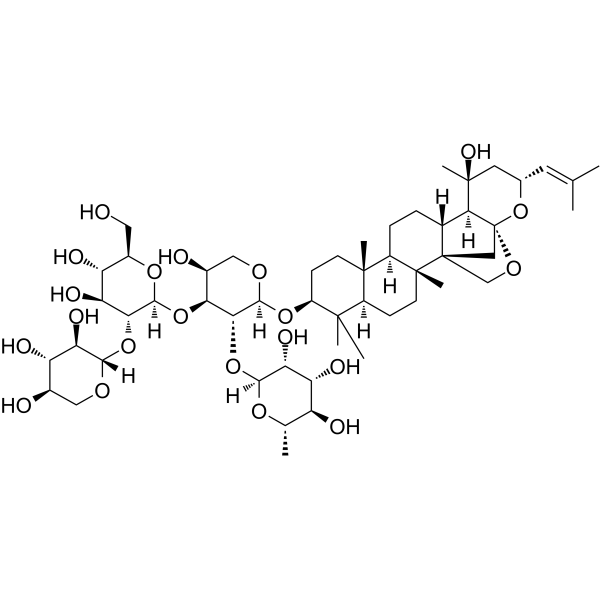 0 ImagesJujuboside B is a bioactive saponin component isolated from Ziziphi Spinosae Semen (sour jujube seed), with oral efficacy and blood-brain barrier permeability. Jujuboside B induces acute leukemia cell death and drives necroptosis apoptosis by activating the RIPK1/RIPK3/MLKL pathway. Jujuboside B upregulates the expression of NOXA, PARP and caspase-3, activates AMPK, inhibits the proliferation of breast cancer cells, and induces cell apoptosis and autophagy. Jujuboside B inhibits angiogenesis and tumor growth by blocking the VEGFR-2 signaling pathway. Jujuboside B alleviates liver injury in mice by regulating the Nrf2-STING signaling pathway. Jujuboside B alleviates liver injury by regulating anti-inflammatory responses and downregulating the expression of 11β-HSD2. Jujuboside B induces ferroptosis and overcomes radioresistance in non-small cell lung cancer via the PPARγ-ATF3-Gpx4 signaling pathway. Jujuboside B exerts inhibitory effects on platelet aggregation. Jujuboside B inhibits febrile seizures by suppressing the activity of AMPA receptors. Jujuboside B reverses chronic unpredictable mild stress-promoted tumor progression by blocking the PI3K/Akt and MAPK/ERK pathways and dephosphorylating CREB signaling. Jujuboside B is applicable to related studies on acute leukemia, breast cancer, PM2.5-induced lung injury, hepatotoxicity, liver injury, colorectal cancer, non-small cell lung cancer, thromboembolic diseases, cardiovascular diseases associated with high platelet aggregation, febrile seizures, and depressive-like phenotypes.
-
3',4'-Dihydroxyacetophenone
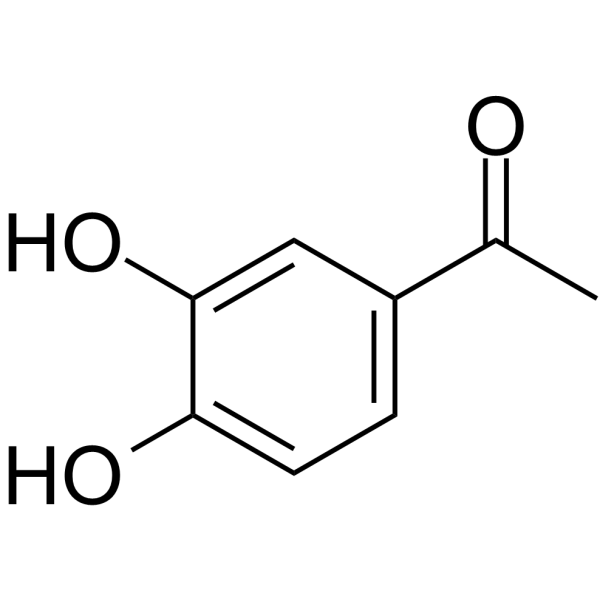 0 Images3',4'-Dihydroxyacetophenone (3,4-DHAP) is a phenolic compound with oral bioavailability, possessing potent antioxidant, anti-inflammatory, anticancer and cardiovascular protective activities. 3',4'-Dihydroxyacetophenone inhibits mushroom Tyrosinase activity with an IC50 of 10 μM, thereby suppressing melanogenesis. 3',4'-Dihydroxyacetophenone inhibits platelet aggregation in platelet-rich plasma. 3',4'-Dihydroxyacetophenone reduces ROS levels in human umbilical vein endothelial cells treated with high glucose, upregulates the expression of Nrf2, HO-1 and PARP-1 in cells, and promotes the nuclear translocation of Nrf2. 3',4'-Dihydroxyacetophenone induces autophagy and apoptosis. 3',4'-Dihydroxyacetophenone inhibits seed germination/growth in most plants. 3',4'-Dihydroxyacetophenone can be used in the research of cancer, neurodegenerative diseases, non-alcoholic steatohepatitis, diabetes, obesity, skin pigmentation disorders, and cardiovascular and cerebrovascular diseases.
-
PJ34 hydrochloride
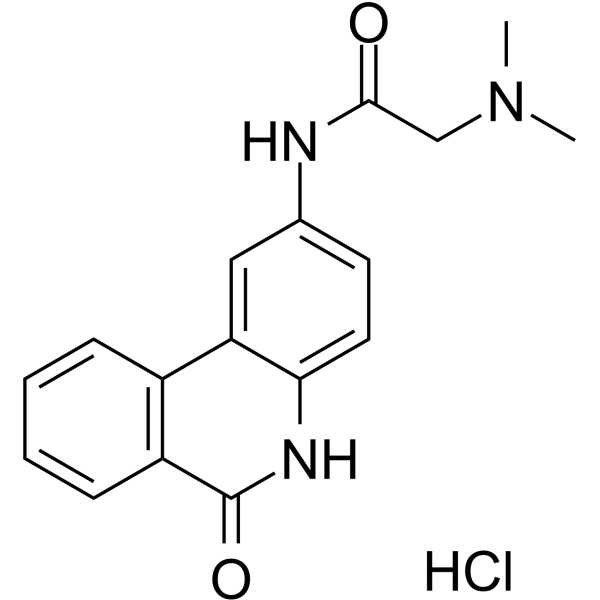 0 ImagesPJ34 hydrochloride is an inhibitor of PARP1/2 with IC50 of 110 nM and 86 nM, respectively.
-
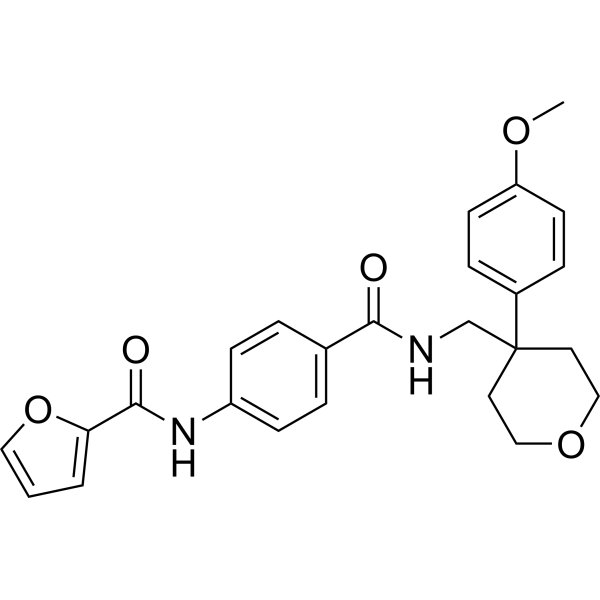
Venadaparib
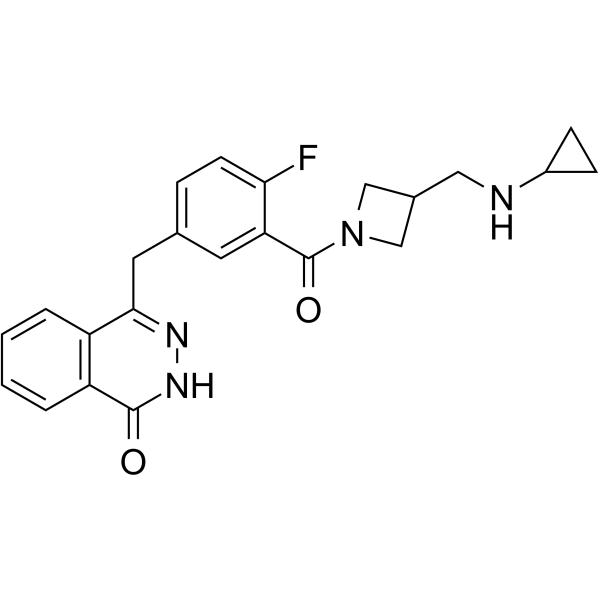 0 ImagesSynonyms: IDX-1197
-
5,7,4'-Trimethoxyflavone
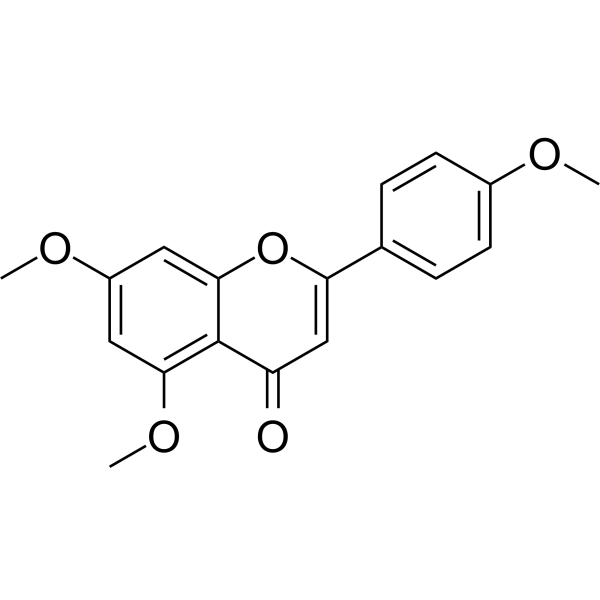 0 Images5,7,4’-Trimethoxyflavone can be isolated from the medicinal plant Kaempferia parviflora (KP). 5,7,4’-Trimethoxyflavone is a CFTR activator and EC50 is 64 μM. 5,7,4’-Trimethoxyflavone induces apoptosis, increases proteolytic activation of caspase-3, and degradation of ADP-ribose polymerase (PARP) protein. 5,7,4’-Trimethoxyflavone has antitumor activity. 5,7,4’-Trimethoxyflavone can be used to prevent skin aging and oxidative stress.
-
DB008
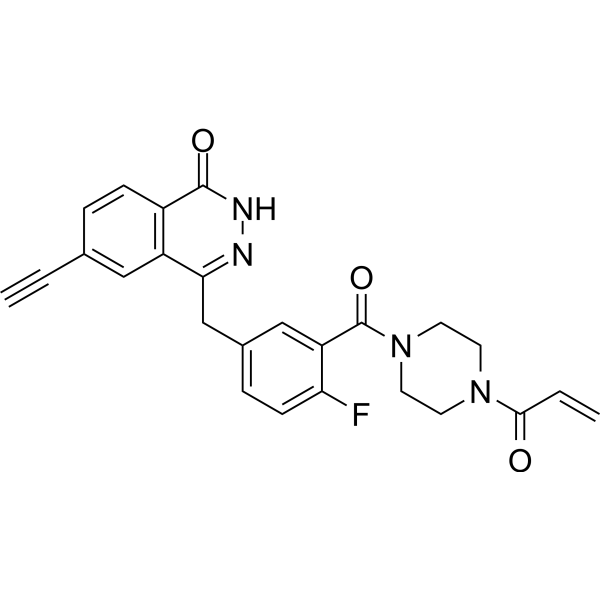 0 ImagesDB008 is potent and selective PARP16 inhibitor with an IC50 value of 0.27 μM, containing an acrylamide electrophilic reagent. DB008 is membrane-permeable and marks PARP16 selectively. DB008 is a click chemistry reagent, it contains an Alkyne group and can undergo copper-catalyzed azide-alkyne cycloaddition (CuAAc) with molecules containing Azide groups.




