



PI3K
Phosphoinositide 3-kinase
PI3K (Phosphoinositide 3-kinase), via phosphorylation of the inositol lipid phosphatidylinositol 4,5-bisphosphate (PI(4,5)P2), forms the second messenger molecule phosphatidylinositol (3,4,5)-trisphosphate (PI(3,4,5)P3) which recruits and activates pleckstrin homology domain containing proteins, leading to downstream signalling events crucial for proliferation, survival and migration. Class I PI3K enzymes consist of four distinct catalytic isoforms, PI3Kα, PI3Kβ, PI3Kδ and PI3Kγ.
There are three major classes of PI3K enzymes, being class IA widely associated to cancer. Class IA PI3K are heterodimeric lipid kinases composed of a catalytic subunit (p110α, p110β, or p110δ; encoded by PIK3CA, PIK3CB, and PIK3CD genes, respectively) and a regulatory subunit (p85).
The PI3K pathway plays an important role in many biological processes, including cell cycle progression, cell growth, survival, actin rearrangement and migration, and intracellular vesicular transport.
PI3K Isoform Specific Products
-
PI3Kα
(240)
View all products
-
PI3Kβ
(165)
View all products
-
PI3Kγ
(185)
View all products
-
PI3Kδ
(205)
View all products
-
PI3KC2α
(8)
View all products
-
PI3KC2β
(12)
View all products
-
PI3KC2γ
(4)
View all products
-
Vps34
(25)
View all products
-
PI3K
(671)
View all products
-
PI3KC3
(1)
View all products
-
p120γ
(1)
View all products
All Product Categories
-
PI3K Inhibitors
(881)
View all products
-
PI3K Agonists
(9)
View all products
-
PI3K Antagonist
(1)
View all products
-
PI3K Activators
(133)
View all products
-
PI3K Modulators
(23)
View all products
-
PI3K Inducers
(3)
View all products
-
PI3K Degraders
(7)
View all products
-
PI3K Controls
(4)
View all products
-
PI3K Substrate
(1)
View all products
-
PI3K Ligands
(9)
View all products
-
PI3K Related Products (1133)
Related Products (1133)

-
Antibodies (16)
-
PI3K Signaling Pathway
-
PI3K Isoform Comparison
-
LAS191954
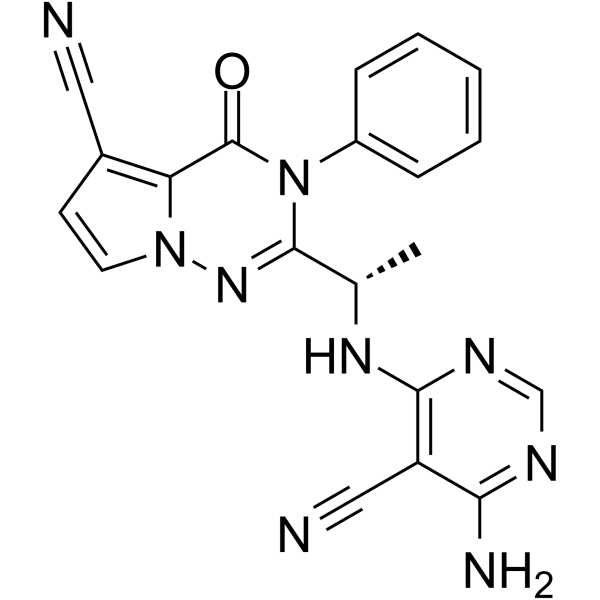 0 ImagesCat. No.: HY-101114CAS No.: 1403947-26-1LAS191954 is a potent, selective and orally active PI3Kδ inhibitor for inflammatory diseases treatment, with an IC50 of 2.6 nM.
-
PI3K/HDAC-IN-1
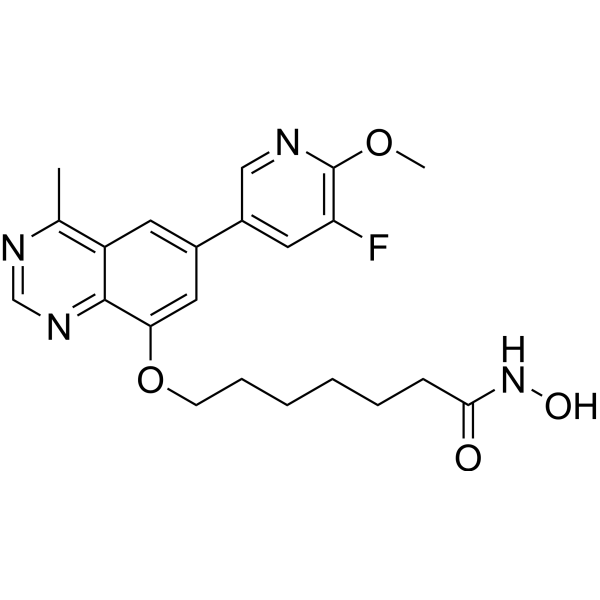 0 ImagesCat. No.: HY-128582CAS No.: 2361418-52-0
-
Endoxifen-d5 (Z-isomer)
 0 ImagesCat. No.: HY-18719SCAS No.: 1584173-54-5Endoxifen-d5 (Z-isomer) is the deuterated-labeled Endoxifen (Z-isomer methanesulfonate) (HY-18719H). Endoxifen-d5 Z-isomer is an orally active selective PKCβ1 inhibitor with an IC50 of 360 nM against human PKCβ1. It also acts as an estrogen receptor modulator and antiestrogen. Endoxifen-d5 Z-isomer binds to and blocks ERα, ERβ and PKCβ1, inhibits estrogen and PI3K/AKT/mTORC1 signaling pathways, suppresses the expression of genes associated with cell cycle, cell proliferation and extracellular matrix remodeling, and induces apoptosis, reactive oxygen species (ROS) production and hypoxic features. Endoxifen-d5 Z-isomer inhibits tumor growth in breast tumor and glioblastoma models, reduces bone turnover and blood lipid levels, and does not require metabolism via CYP2D6. It can be used in research related to ER+ breast cancer, invasive breast cancer, glioblastoma multiforme, type I bipolar disorder, desmoid tumor, gynecological malignancies, melanoma and hormone receptor-positive solid tumors
-
Leupeptin
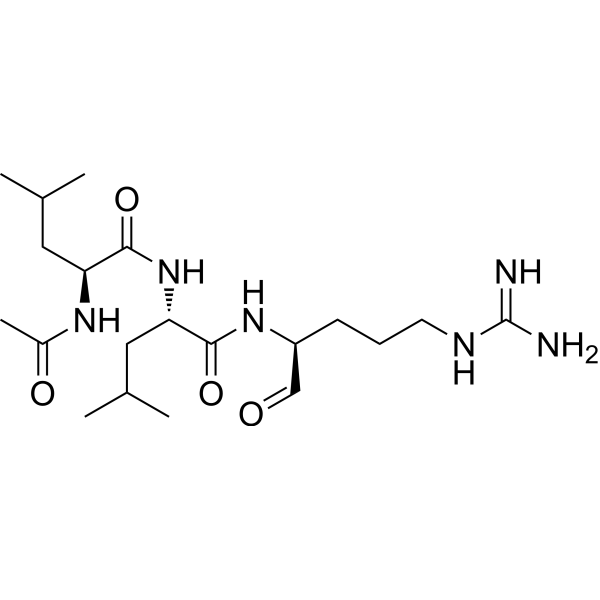 0 ImagesCat. No.: HY-18234CAS No.: 55123-66-5Leupeptin is a broad-spectrum protease inhibitor. By inhibiting the activation of the PTEN/PI3K/Akt/NF-κB/ERK1/2/p38 signaling pathway, Leupeptin significantly reduces LPS-induced NO and ROS production, mitochondrial membrane potential hyperpolarization, phagocytic activity, pro-inflammatory cytokine release, and M1 polarization in mouse peritoneal macrophages, and reverses autophagic flux impairment. It also decreases Concanavalin A (HY-P2149)-induced proliferation index of mouse splenic lymphocytes and the Th1/IL-10 and Th2/IL-10 cytokine ratios, thereby modulating innate and adaptive immune responses. Leupeptin inhibits blood coagulation and tumorigenesis in mouse skin. Leupeptin can be used in research on chronic inflammatory diseases and skin tumorigenesis.
-
PRT543
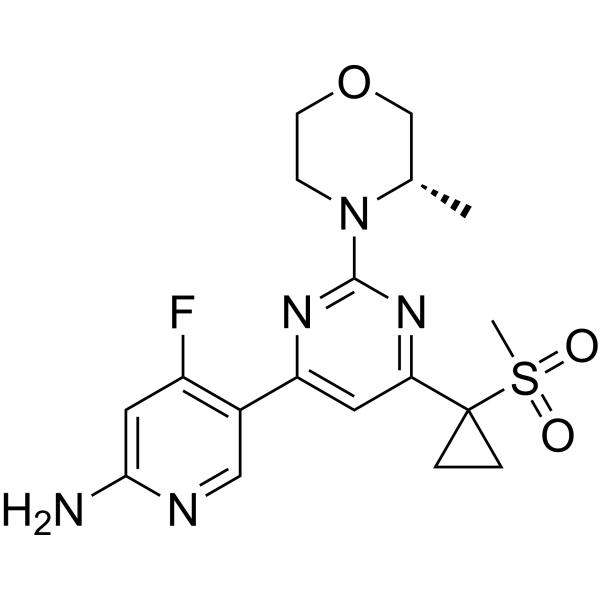
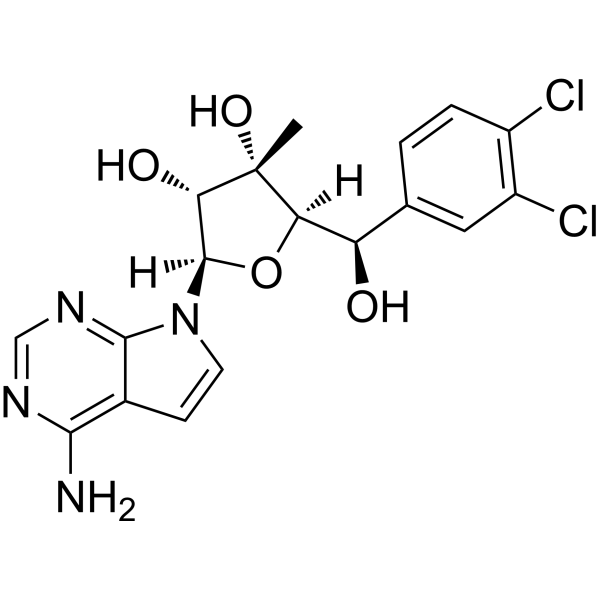 0 ImagesCat. No.: HY-141876CAS No.: 2278356-90-2PRT543 is an orally active selective PRMT5 inhibitor. PRT543 reduces intracellular symmetric dimethylarginine (sDMA) levels, downregulates the expression of genes related to DNA damage repair and DNA replication pathways, and induces abnormal alternative splicing. PRT543 inhibits the MYB, NOTCH1 and PI3K/AKT signaling pathways, promotes nuclear translocation of FOXO1, upregulates the pro-apoptotic protein BAX, and enhances cellular sensitivity to BCL-2 inhibition. PRT543 disrupts the normal RNA splicing process and exerts a synthetic lethal effect on myeloid tumor cells carrying splicing factor mutations. PRT543 can be used in research related to various cancers including breast cancer, ovarian cancer and acute myeloid leukemia.
-
MS98
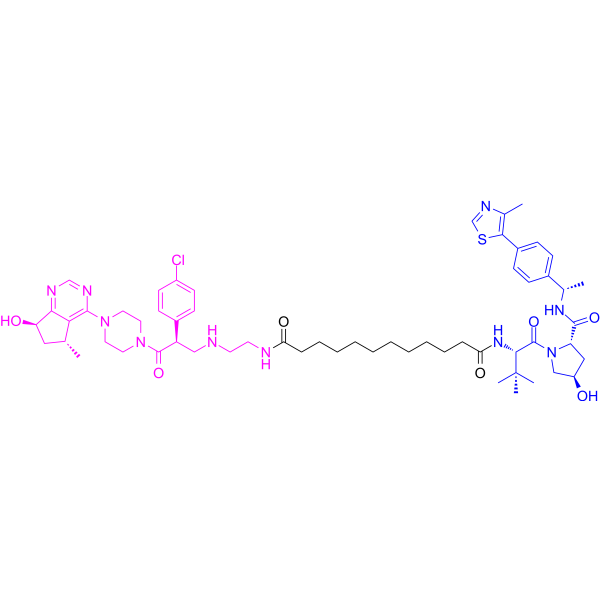 0 ImagesCat. No.: HY-145281CAS No.: 2376137-31-2MS98 is a AKT PROTAC degrader with a DC50 of 78 nM in BT474 cells. MS98 binds to purified AKT1, AKT2 and AKT3 isoforms with Kd values of 4 nM, 140 nM and 8 nM, respectively. MS98 recruits the VHL E3 ligase to induce polyubiquitination and proteasomal degradation of AKT. MS98 inhibits downstream signal transduction of the PI3K/AKT/m-TOR pathway. MS98 suppresses cancer cell proliferation. MS98 can be used for the research of prostate cancer and breast cancer.
-
PIK-124
 0 ImagesCat. No.: HY-118903CAS No.: 711025-68-2
-
CHF-6523
 0 ImagesCat. No.: HY-162878CAS No.: 2500579-21-3CHF-6523 is an orally active PI3Kδ inhibitor that can be used in research related to chronic obstructive pulmonary disease (COPD).
-
PI3K-IN-6
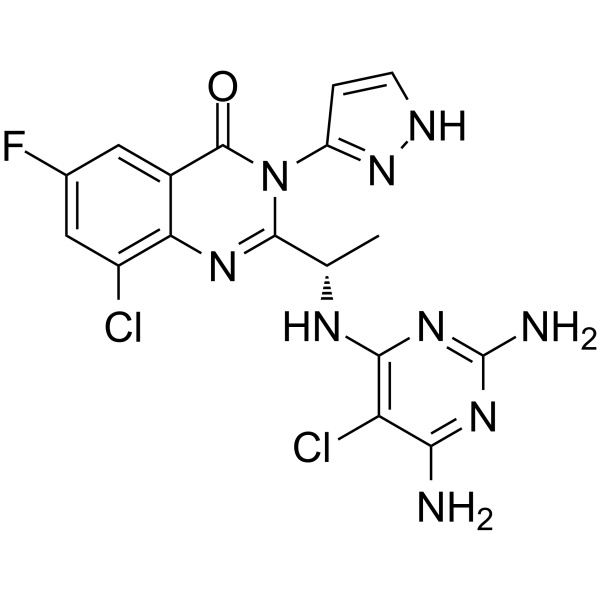 0 ImagesCat. No.: HY-101115CAS No.: 1842380-77-1PI3K-IN-6 (compound 20a) is an oral active and highly selective phosphoinositide 3-kinase (PI3K) β/δ inhibitor, with IC50 values of 7.8 nM/5.3 nM for PI3K β/δ, respectively. PI3K-IN-6 (compound 20a) has potential top treat phosphatase and tensin homolog (PTEN) feficient tumors.
-
PI3Kγ inhibitor 2
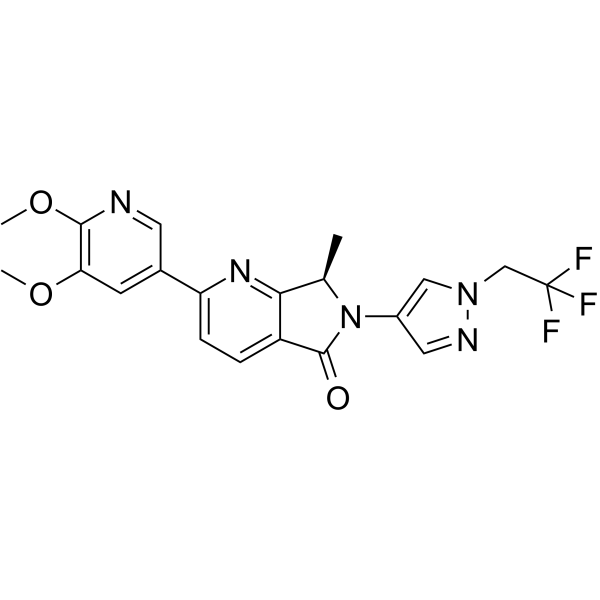 0 ImagesCat. No.: HY-112286CAS No.: 1315538-79-4PI3Kγ inhibitor 2 (Compound 16) is an orally bioavailable, CNS-penetrant, isoform selective PI3Kγ inhibitor with a Ki of 4 nM.
-
PI3Kdelta inhibitor 1
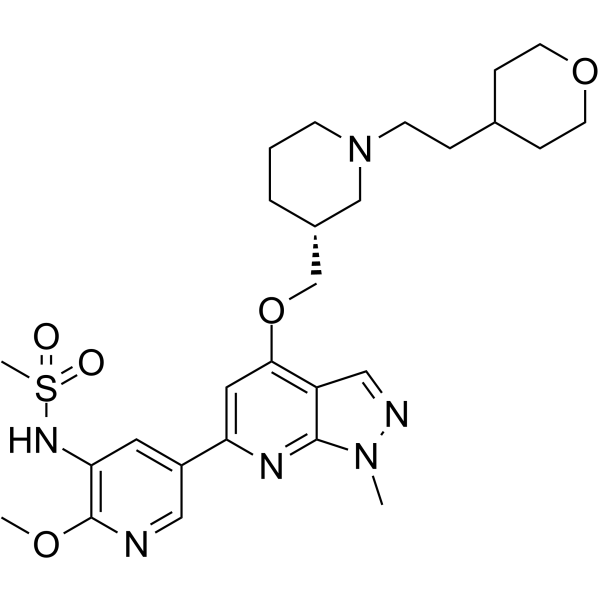 0 ImagesCat. No.: HY-112439CAS No.: 2242109-74-4PI3Kdelta inhibitor 1 (Compound 5d) is a potent, selective and orally available PI3Kδ inhibitor with an IC50 of 1.3 nM.
-
PWT-33597
 0 ImagesCat. No.: HY-15960ACAS No.: 1246203-36-0Synonyms: VDC-597; SN33597PWT-33597 (VDC-597) is a dual inhibitor of PI3Kα and mTOR, which can effectively block the signaling downstream of PI3K and mTOR. PWT-33597 is capable of inducing tumor cell apoptosis and inhibiting tumor growth. PWT-33597 has anti-tumor activity and can be used in the research of tumors such as renal cell carcinoma.
-
JMC14
 0 ImagesCat. No.: HY-174366CAS No.: 2256080-83-6JMC14 is a selective and orally active PI3Kδ and CSF1R inhibitor with IC50 values of 12 nM and 143 nM, respectively. JMC14 preferentially inhibits PI3Kδ-mediated signaling at the cellular level. JMC14 demonstrates potent antitumor activity against B-cell lymphomas and triple-negative breast cancer (TNBC) in both in vitro and vivo studies. JMC14 can be used for the study of antitumor immunity.
-
PI3K-IN-9
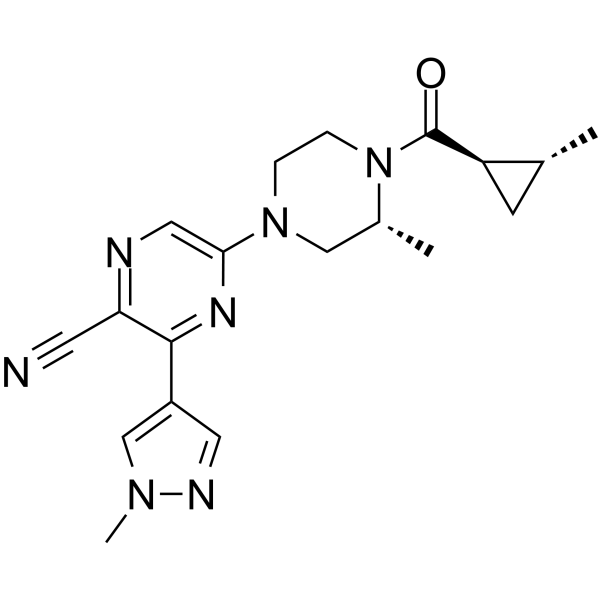 0 ImagesCat. No.: HY-133029CAS No.: 2360875-63-2PI3K-IN-9 (compound 1-14) is a potent and selective PI3Kδ inhibitor with an IC50 of 8.9 nM.
-
PI3Kγ inhibitor 4
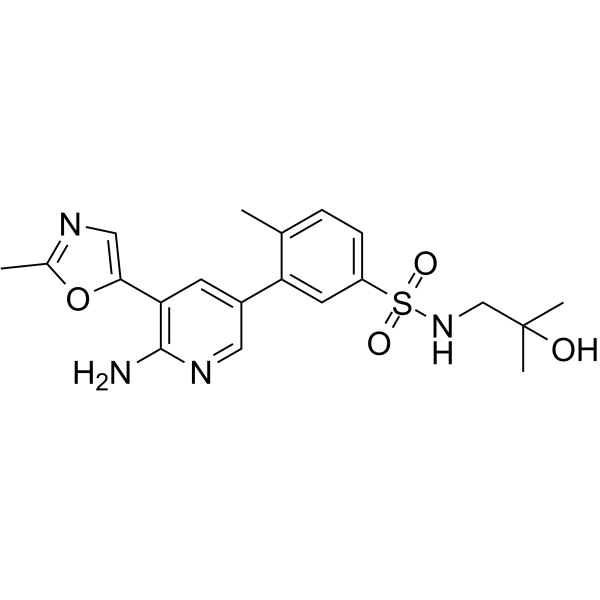 0 ImagesCat. No.: HY-132299CAS No.: 1821038-80-5PI3Kγ inhibitor 4 is a potent, selective and orally active inhibitor of PI3Kγ, with an IC50 of 40 nM. PI3Kγ inhibitor 4 shows ∼7, 43, and 18-fold selectivity for PI3Kγ over the α, β, and δ isoforms, respectively. PI3Kγ inhibitor 4 can be used for the research of airway inflammation.
-
Zinilisib
 0 ImagesCat. No.: HY-184099CAS No.: 3031974-57-6Synonyms: zinilisibum
-
PI3K-IN-63
 0 ImagesCat. No.: HY-100424CAS No.: 1202041-71-1PI3K-IN-63 is a selective PI3Kα inhibitor with a Ki of 0.35 nM against human targets. PI3K-IN-63 inhibits the phosphorylation of AKT at the S473 site in cellular assays. PI3K-IN-63 reduces the viability of non-small cell lung cancer cell lines carrying PIK3CA mutations. PI3K-IN-63 can be used in studies related to non-small cell lung cancer.
-
Recilisib sodium
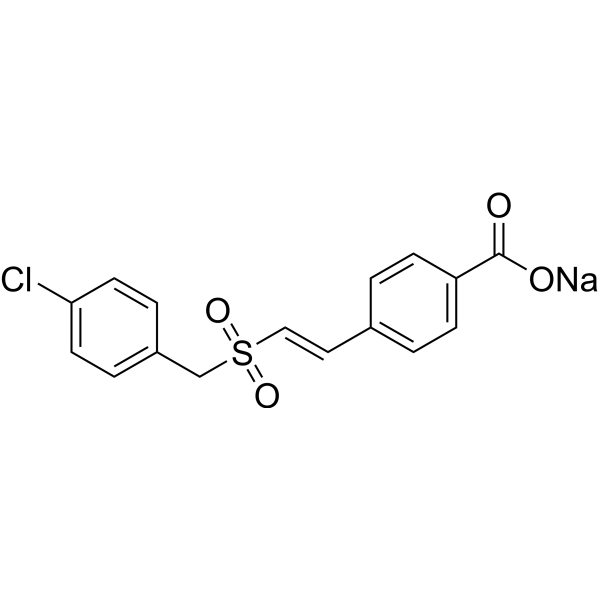 0 ImagesCat. No.: HY-101625ACAS No.: 922139-31-9Synonyms: ON 01210 sodium
-
Amdizalisib
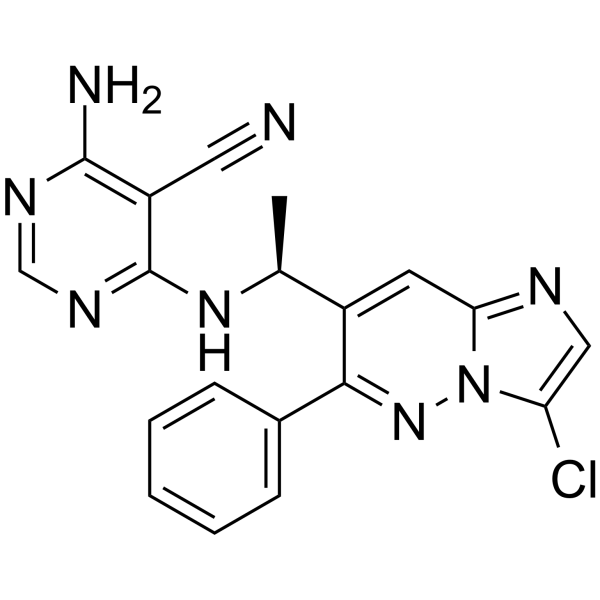 0 ImagesCat. No.: HY-132807CAS No.: 1894229-05-0Synonyms: HMPL-689Amdizalisib (HMPL-689) is a PI3K inhibitor and used for the research of inflammatory disease, autoimmune disease or cancer.




