



Toll-like Receptor (TLR)
Toll-like receptors (TLRs) are a class of proteins that play a key role in the innate immune system. They are single, membrane-spanning, non-catalytic receptors usually expressed in sentinel cells such as macrophages and dendritic cells, that recognize structurally conserved molecules derived from microbes. Once these microbes have breached physical barriers such as the skin or intestinal tract mucosa, they are recognized by TLRs, which activate immune cell responses. The TLRs include TLR1, TLR2, TLR3, TLR4, TLR5, TLR6, TLR7, TLR8, TLR9, TLR10, TLR11, TLR12, and TLR13. Toll-Like Receptors (TLRs) play a critical role in the early innate immune response to invading pathogens by sensing microorganism and are involved in sensing endogenous danger signals. TLRs are evolutionarily conserved receptors are homologues of the Drosophila Toll protein, discovered to be important for defense against microbial infection. TLRs recognize highly conserved structural motifs known as pathogen-associated microbial patterns (PAMPs), which are exclusively expressed by microbial pathogens.
Toll-like Receptor (TLR) Isoform Specific Products
All Product Categories
-
Toll-like Receptor (TLR) Inhibitors
(299)
View all products
-
Toll-like Receptor (TLR) Agonists
(254)
View all products
-
Toll-like Receptor (TLR) Antagonists
(53)
View all products
-
Toll-like Receptor (TLR) Activators
(45)
View all products
-
Toll-like Receptor (TLR) Modulators
(7)
View all products
-
Toll-like Receptor (TLR) Chemicals
(2)
View all products
-
Toll-like Receptor (TLR) Inducers
(3)
View all products
-
Toll-like Receptor (TLR) Controls
(6)
View all products
-
Toll-like Receptor (TLR) Substrate
(1)
View all products
-
Toll-like Receptor (TLR) Ligands
(5)
View all products
-
TLR2/CD282 Proteins
(3)
View all products
-
TLR3/CD283 Proteins
(4)
View all products
-
TLR4/CD284 Proteins
(2)
View all products
-
Toll-like Receptor Proteins
(8)
View all products
-
Toll-like Receptor (TLR) Related Products (757)
Related Products (757)

-
Recombinant Proteins (9)
-
Antibodies (10)
-
Toll-like Receptor (TLR) Isoform Comparison
-
Pamidronate disodium
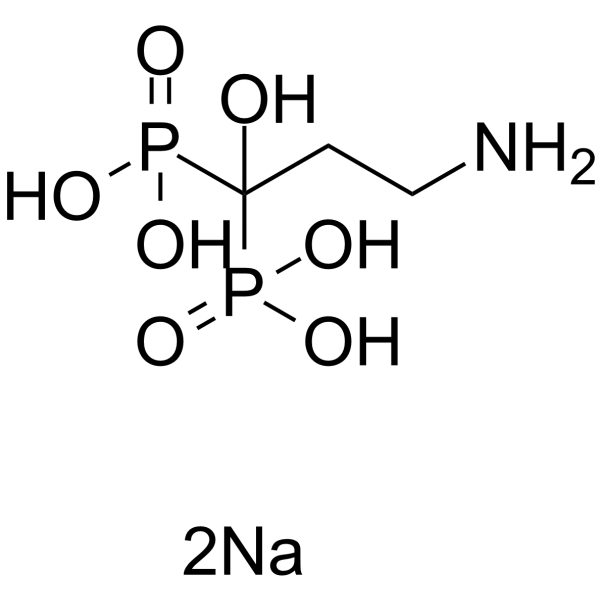 0 ImagesSynonyms: CGP 23339APamidronate disodium (CGP 23339A), the second-generation nitrogen-containing bisphosphonate, is an inhibitor of bone loss. Pamidronate disodium significantly inhibits subchondral bone loss in early osteoarthritis by upregulating the expression of osteoprotegerin in cartilage and subchondral bone, and inhibiting the expression of RANKL and MMP-9 in both tissues, as well as TLR-4 in cartilage, thereby alleviating cartilage degeneration. Additionally, Pamidronate disodium can inhibit the signaling of Wnt and β-catenin, and is applicable for research on osteoporosis and osteosarcoma.
-
SM-360320
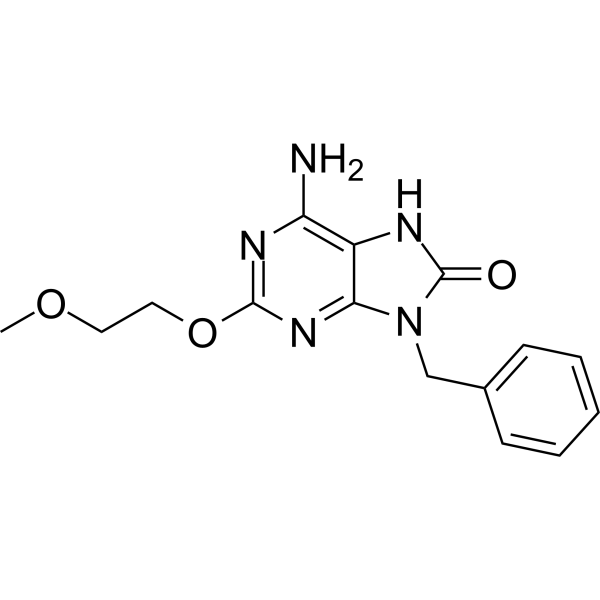 0 ImagesSynonyms: CL-087SM-360320 (CL-087) is a potent, orally active TLR7 agonist. SM-360320 is a immuno-modulator and exerts an antitumor effect. SM-360320 can act in synergy with DNA vaccines leading to an enhanced Th1 antibody response. SM-360320 can inhibit HCV replication in hepatocytes via a type I IFN-independent mechanism in addition to its IFN-mediated activity.
-
D-Allose
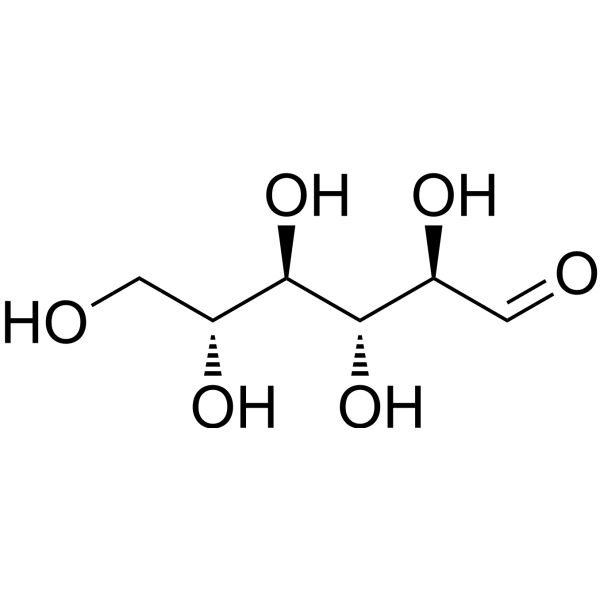 0 ImagesD-Allose exhibits antitumor activity against various cancer cells. D-Allose scavenges reactive oxygen species (ROS) and reduces oxidative stress damage. D-Allose exhibits anti-inflammatory and neuroprotective through inhibition of TLR4/PI3K/AKT signaling pathway. D-Allose exhibits antihypertensive, cryoprotective, and anti-osteoporotic activities.
-
Inotodiol
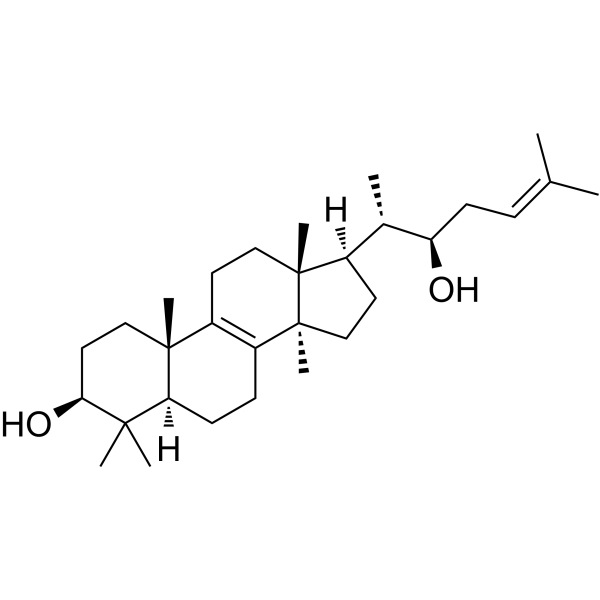 0 ImagesInotodiol activates p53 signaling pathway, inhibits MMP-2/9, and exhibits antitumor activity in cancer cell HeLa. Inotodiol inhibits the generation of ROS and exhibits antioxidant and neuroprotective effects. Inotodiol inhibits the activation of MAPK and NF-κB signaling pathway, and exhibits anti-inflammatory activity. Inotodiol inhibits TLR-4 mediated TNF-α production (IC50s in BMMC and BMDM is 0.7 μM and 3.0 μM), inhibits the degranulation in mast cell, exhibits anti-allergic activity. Inotodiol is orally active.
-
Phellopterin
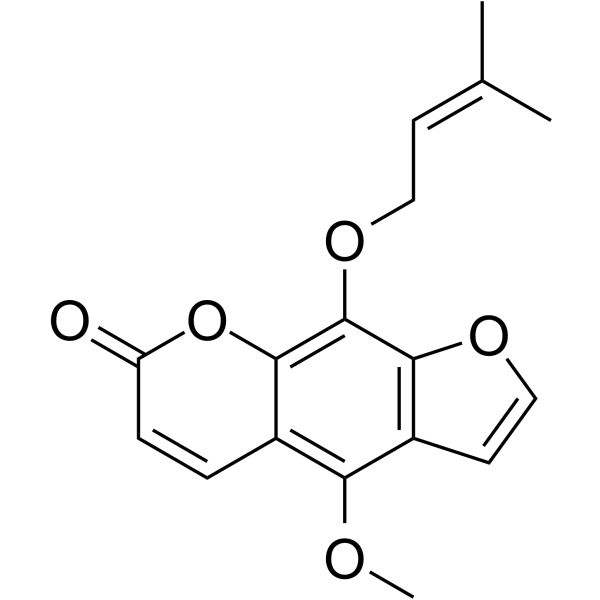 0 ImagesPhellopterin, an orally active furocoumarin with multiple biological activities. Phellopterin is a partial agonist of the central benzodiazepine receptors. Phellopterin exerts anti-inflammatory effects by upregulating SIRT1, downregulating ICAM-1 (reducing chronic inflammation, aiding diabetic ulcer healing), inhibiting STAT3 phosphorylation (easing atopic dermatitis inflammation), regulating Akt/PKC pathways (lowering TNF-α-induced VCAM-1 to block monocyte adhesion), and inhibiting TLR4/NF-κB pathway and macrophage M2 polarization (alleviating colitis-related cancers). Phellopterin suppresses ovarian cancer progression via inhibiting the PU.1/CLEC5A/PI3K-AKT loop (inducing cell cycle arrest, apoptosis, DNA damage). Phellopterin alleviates murine diabetes by promoting adipocyte differentiation and increasing PPARγ. Phellopterin also has anti-HSV-1 activity. Phellopterin can be used for studying anti-inflammation, anti-cancer (e.g., ovarian cancer, colitis cancer), blood glucose lowering, anti-diabetes, and anti-virus.
-
Loxoribine
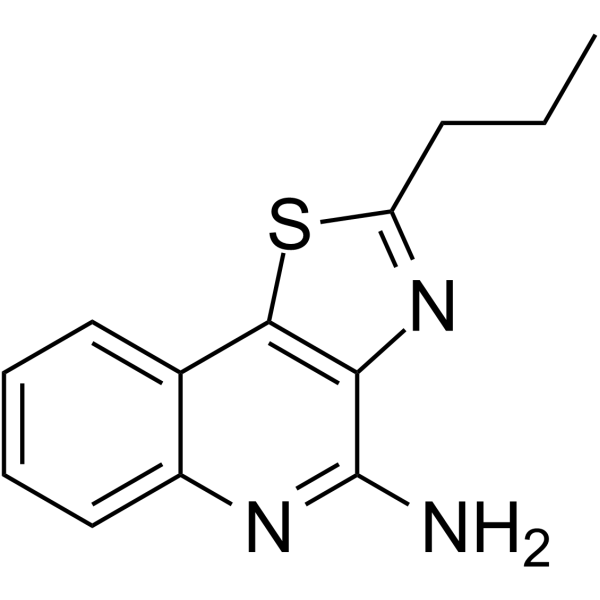
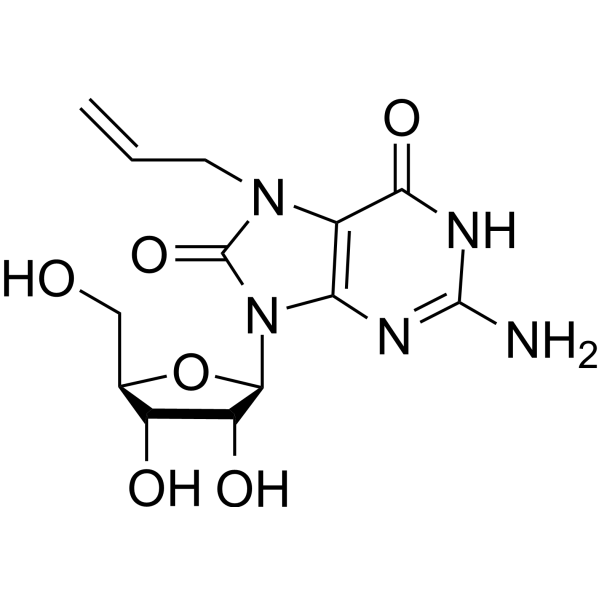 0 ImagesSynonyms: 7-Allyl-8-oxoguanosine; RWJ 21757Loxoribine (7-Allyl-8-oxoguanosine) is a guanosine analog with anti-viral and anti-tumor activities. Loxoribine is an orally bioavailable and selective Toll-like receptor (TLR) 7 agonist.
-
p-Cresol glucuronide
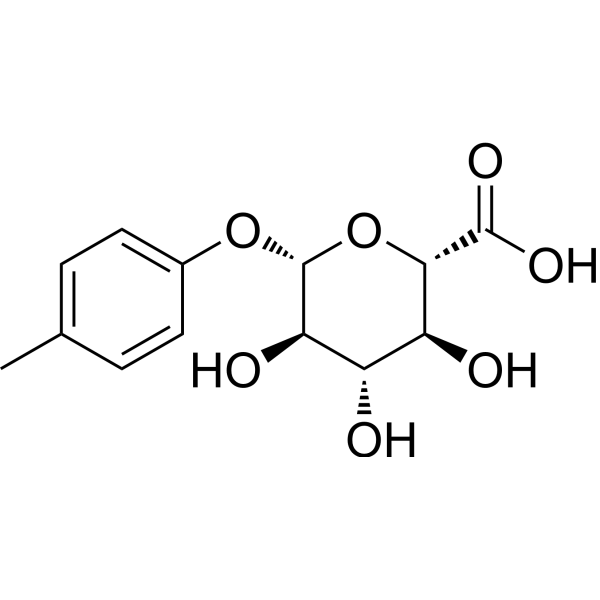 0 Imagesp-Cresol glucuronide is a metabolite of p-Cresol (HY-Y0506). p-Cresol glucuronide acts as a TLR4-antagonizing blood-brain barrier protective agent in brain microvascular endothelial cells, and serves as a non-invasive urinary biomarker metabolite in renal cell carcinoma. p-Cresol glucuronide inhibits LPS (HY-D1056)-induced increase in blood-brain barrier permeability and signal response, impairs mitochondrial function, induces oxidative stress and enhances inflammatory responses, depletes intracellular glutathione, and increases cell necrosis. p-Cresol glucuronide can be used in studies related to renal cell carcinoma, chronic kidney disease and heart disease.
-
Poly (I:C):Kanamycin (1:1) sodium
 0 ImagesCat. No.: HY-135748APurity: 99.0%Poly (I:C):Kanamycin (1:1) sodium is an isometric complex of Poly (I:C) (HY-135748) and Kanamycin (HY-16566). Poly(I:C) sodium, a synthetic analog of double-stranded RNA, is a TLR3 and retinoic acid-inducible gene I receptor (RIG-I and MDA5) agonist. Poly(I:C) sodium can be used as a vaccine adjuvant to enhance innate and adaptive immune responses and induce apoptosis in cancer cells. Kanamycin is an orally active antibacterial agent (Gram-negative/positive bacteria) that inhibits translocation and causes miscoding by binding to the 70S ribosomal subunit. Kanamycin shows good inhibitory activity against Mycobacterium tuberculosis (susceptible and drug-resistant) and Klebsiella pneumoniae, and can be used in the research of tuberculosis and pneumonia.
-
MD2-IN-1
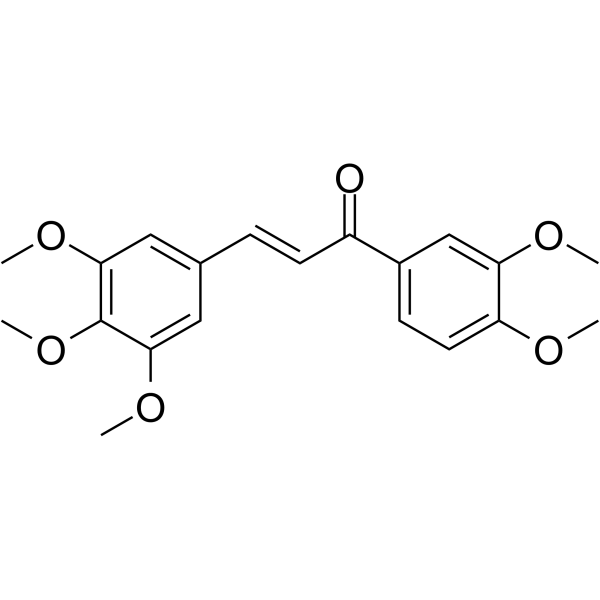 0 ImagesMD2-IN-1 is an inhibitor of Myeloid differentiation protein 2 (MD2) with a KD of 189 μM for the recombinant human MD2 (rhMD2).
-
MD2-TLR4-IN-1
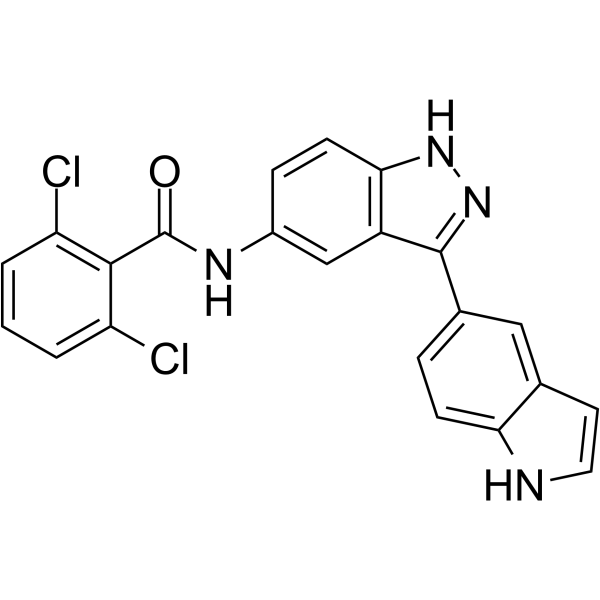 0 ImagesMD2-TLR4-IN-1 is a myeloid differentiation protein 2/toll-like receptor 4 (MD2-TLR4) complex antagonist. MD2-TLR4-IN-1 inhibits Lipopolysaccharides (HY-D1056) (LPS)-induced expression of TNF-α and IL-6 in macrophages with IC50 values of 0.89 μM and 0.53 μM, respectively. MD2-TLR4-IN-1 can be used for the study of acute lung injury (ALI).
-
CL097 hydrochloride
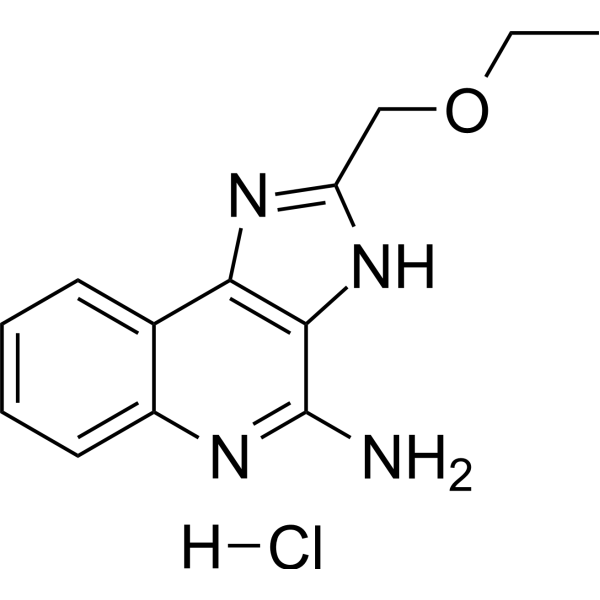 0 ImagesCL097, a potent TLR7 and TLR8 agonist, induces pro-inflammatory cytokines in macrophages. CL097 induces NADPH oxidase priming, resulting in an increase of the fMLF-stimulated ROS production.
-
Paridiprubart (WT IgG1)
 0 ImagesCat. No.: HY-145645CAS No.: 2641646-59-3Synonyms: NI-0101Paridiprubart (WT IgG1) (NI-0101) is a humanised anti-TLR4 monoclonal antibody. Paridiprubart (WT IgG1) inhibits the production of pro-inflammatory cytokines by monocytes from rheumatoid arthritis specimen induced by rheumatoid arthritis synovial fluid (RASF). Paridiprubart (WT IgG1) can be used for the study of rheumatoid arthritis.
-
Lipopolysaccharides, from S. enterica serotype typhimurium
 0 ImagesCat. No.: HY-D1056C3Synonyms: LPS, from Salmonella enterica (Serotype typhimurium)Lipopolysaccharides, from S. enterica (Salmonella enterica) serotype typhimurium are lipopolysaccharide endotoxins and TLR4 activators derived from serotype typhimurium of Salmonella enterica, and are classified as S-type LPS. Lipopolysaccharides, from S. enterica exhibit a typical three-part structure: O-antigen, core oligosaccharide, and lipid A. Lipopolysaccharides, from S. enterica serotype typhimurium can modulate the fate of bacteria in dendritic cells (DC), determining the uptake, degradation, and activation of immune functions by DC cells against the bacteria.
It is recommended to prepare a solution with concentration ≥2 mg/mL. Vortex thoroughly for more than 10 minutes. Due to the adsorption characteristics of LPS, silanized container or low adsorption centrifuge tubes should be used for aliquoting and storage, and mix thoroughly before use.
-
ODN M362
 0 ImagesCat. No.: HY-150750CAS No.: 934655-87-5ODN M362, a class C oligodeoxynucleotide, is a TLR-9 agonist and can be used as a vaccine adjuvant. ODN M362 induces cancer cell apoptosis.
-
L6H21
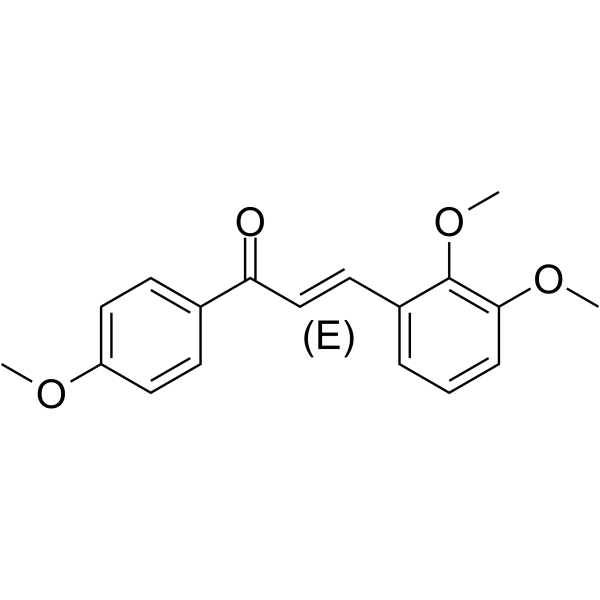 0 ImagesL6H21, a Chalcone (HY-121054) derivative, is an orally active, potent and specific myeloid differentiation 2 (MD-2) inhibitor. L6H21 directly binds to MD-2 protein with a high affinity and low KD value of 33.3 μM, blocking the formation of the LPS-TLR4/MD-2 complex. L6H21 inhibits LPS-induced expression of TNF-α and IL-6 in RAW264.7 macrophages, with IC50 values of 6.58 and 8.59 μM, respectively. L6H21 can be used for alcoholic liver disease, metabolic disturbance and neuroinflammation research.
-
ODN 24987 sodium
 0 ImagesCat. No.: HY-150745APurity: 99.08%
-
Lipopolysaccharides, from P. aeruginosa 10
 0 ImagesCat. No.: HY-D1056ESynonyms: LPS, from Pseudomonas aeruginosa (10)Lipopolysaccharides from P. aeruginosa (Pseudomonas aeruginosa) 10 are lipopolysaccharide endotoxins and TLR4 activators derived from Pseudomonas aeruginosa 10, and are classified as S-type LPS. Lipopolysaccharides from P. aeruginosa 10 exhibit a typical three-part structure: O-antigen, core oligosaccharide, and lipid A. The lipopolysaccharides of P. aeruginosa 10 have a fatty acid composition distinct from common enterobacteria, an exceptionally high degree of phosphorylation (triphosphate residues have been detected), and a unique outer region of the core oligosaccharide. Additionally, their O-specific side chains are typically rich in novel aminosugars. Lipopolysaccharides from P. aeruginosa 10 demonstrate susceptibility to viruses, with the level of susceptibility determined by the content of high molecular weight polysaccharides in their composition. The absence of high molecular weight polysaccharides increases their sensitivity to bacteriophages.
It is recommended to prepare a solution with concentration ≥2 mg/mL. Vortex thoroughly for more than 10 minutes. Due to the adsorption characteristics of LPS, silanized container or low adsorption centrifuge tubes should be used for aliquoting and storage, and mix thoroughly before use.
-
Lipopolysaccharides, from S. marcescens
 0 ImagesCat. No.: HY-D1056HSynonyms: LPS, from Serratia marcescensLipopolysaccharides, from S. marcescens (Serratia marcescens) are lipopolysaccharide endotoxins and TLR-4 activators derived from Serratia marcescens, classified as S-type LPS, which can activate pathogen-associated molecular patterns (PAMP) of the immune system and induce cellular secretion of migrasomes. Lipopolysaccharides, from S. marcescens exhibit a typical three-part structure: O-antigen (O-antigen), core oligosaccharide (core oligosaccharide), and lipid A (Lipid A). Lipopolysaccharides, from S. marcescens induce NF-κB activation in mouse cells via Toll-like receptor (TLR4)/MD-2. The lipopolysaccharides of S. marcescens can induce apoptosis in host immune cells, thereby suppressing the host's innate immunity.
It is recommended to prepare a solution with concentration ≥2 mg/mL. Vortex thoroughly for more than 10 minutes. Due to the adsorption characteristics of LPS, silanized container or low adsorption centrifuge tubes should be used for aliquoting and storage, and mix thoroughly before use.




