c-Myc Inhibitor
-
BETd-260
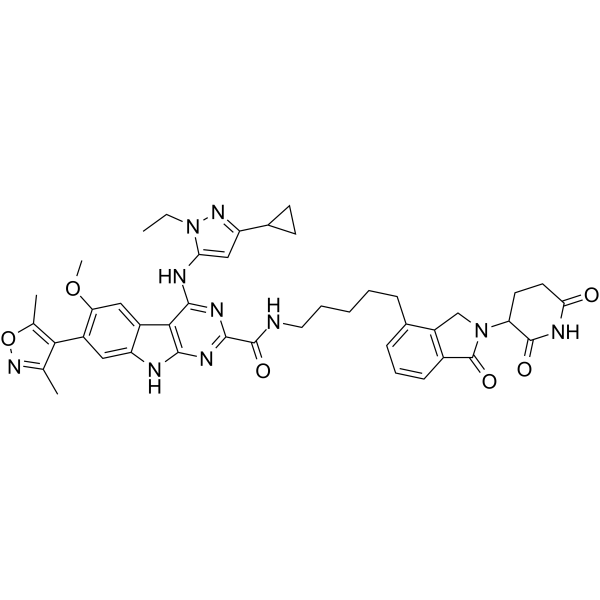 0 ImagesSynonyms: ZBC 260
BETd-260 (ZBC 260) is a BET PROTAC degrader. BETd-260 recruits BRD2, BRD3, and BRD4 to the CUL4-RBX1-DDB1-CRBN E3 ubiquitin ligase complex, driving cereblon-, proteasome-, and NEDD8-activating enzyme-dependent ubiquitination and degradation, with a DC50 of approximately 30-100 pM in RS4;11 cells. BETd-260 induces cancer cell apoptosis via endogenous signaling pathways, regulates the expression of the Bcl-2 family, inhibits the oncogene c-Myc, and reduces cell viability. BETd-260 suppresses tumor growth in mouse xenograft models with good biosafety. BETd-260 can be used in research related to acute leukemia, hepatocellular carcinoma, osteosarcoma, and triple-negative breast cancer.
-
HZX-02-059
 0 ImagesSynonyms: Methuosis inducer 1
HZX-02-059 is an allosteric inhibitor of PIKFYVE, and a methuosis inducer. HZX-02-059 disrupts the PIKfyve/TFEB axis, suppresses tubulin polymerization, reduces phosphorylated mTOR levels, downregulates p53, PI3K/AKT, c-Myc, and NF-κB pathways. HZX-02-059 induces G2/M cell cycle arrest, apoptosis, and inhibits cancer cell proliferation. HZX-02-059 can be used for the research of lymphoma, double-hit lymphoma, and B-cell acute lymphoblastic leukemia.
-
Q901
 0 ImagesCat. No.: HY-153278CAS No.: 2766124-39-2Synonyms: CDK7-IN-21
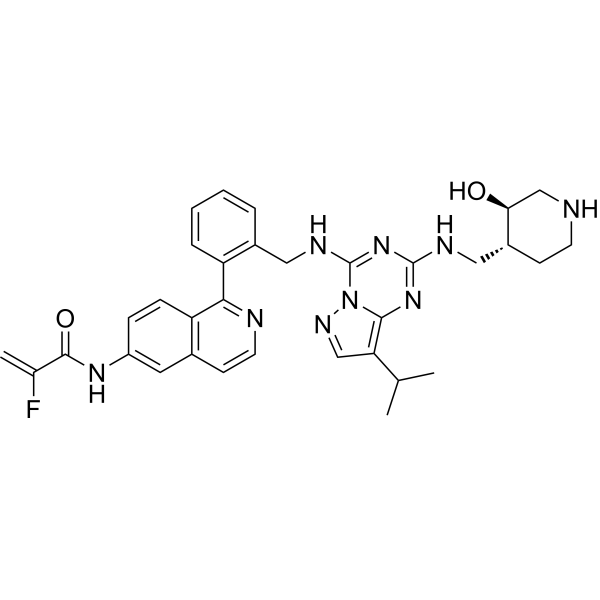
Q901 (CDK7-IN-21) is a selective and potent CDK7 inhibitor with an IC50 of 10 nM. Q901 disrupts MYC and E2FTOP1-DPCs and sensitizes tumor to TOP1 inhibitors by suppressing RNAPII transition from initiation to elongation. Q901 can inhibit tumor growth and significantly enhances tumor growth inhibition combined with TOP1 inhibitors. Q901 can be used for the research of cancer, such as colon cancer and lung cancer.
-
KPT-276
 0 Images
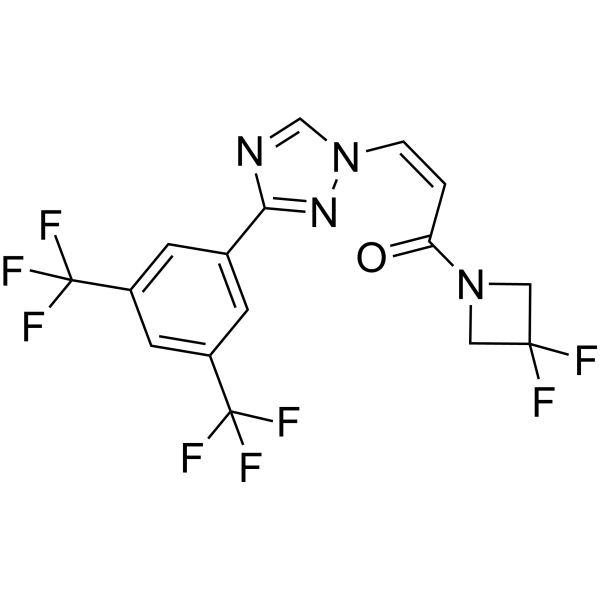
KPT-276 is an orally active and blood-brain barrier-penetrant selective XPO1/CRM1 inhibitor. KPT-276 blocks XPO1-mediated nuclear export function and promotes nuclear retention of various tumor suppressor proteins. KPT-276 induces apoptosis and G1 cell cycle arrest in tumor cells, and downregulates c-MYC, CDC25A, and BRD4. KPT-276 reduces immune cell proliferation through nuclear accumulation of cell cycle inhibitors, rescues TDP-43 cytoplasmic mislocalization, and restores axon growth and growth rate in mutant PFN1 motor neurons. KPT-276 maintains axonal cytoskeletal integrity and mitochondrial function, and inhibits tumor growth. KPT-276 can be used for research on glioblastoma, non-Hodgkin lymphoma, amyotrophic lateral sclerosis, multiple myeloma, and non-small cell lung cancer.
-
MY05
 0 Images
MY05 selectively targets c-MYC in cells and disrupts MYC-MAX interaction. MY05 engages intracellular c-MYC, modulates c-MYC thermal stability, reduces c-MYC transcriptional targets, and possesses anticancer activity (TNBC, Triple-Negative Breast Cancer).
-
PPA24
 0 Images
PPA24 is a PP2A activator with a KD of 8.465 μM for PP2ACα. PPA24 induces cancer cell death via apoptosis. PP2ACα induces ROS generation and decreases the level of c-Myc expression. PPA24 can be used to study colorectal cancer (CRC), Folinic acid (HY-17556), 5-Fluorouracil (HY-90006), and Oxaliplatin (HY-17371) (FOLFOX)-resistant CRC, and melanoma cancer.
-
Methyl protodioscin
 0 ImagesSynonyms: NSC-698790; Smilax saponin B
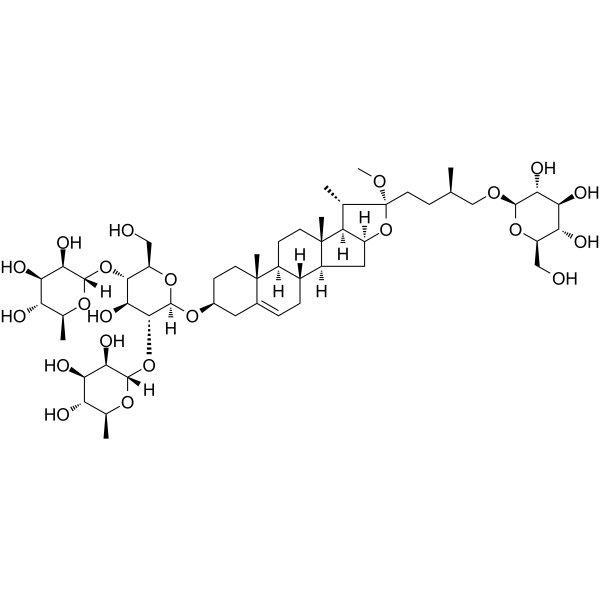
Methyl protodioscin (NSC-698790; Smilax saponin B) is a multi-target, selective, steroidal diglycoside inhibitor with antitumor activity that induces cell cycle arrest. The mechanism of action of Methyl protodioscin is complex, involving the induction of G2/M cell cycle arrest, regulation of the Bcl-2/Bax apoptotic pathway, inhibition of the Akt1/c-Myc axis and MAPK/ERK signaling, while simultaneously downregulating ADAM15 and inducing FOXO1 to reduce cholesterol synthesis. It also inhibits the JNK/c-Jun pathway, reducing the production of inflammatory factors (IL-6, TNF-α). Methyl protodioscin exhibits significant antitumor (inhibiting proliferation, migration, invasion, and inducing apoptosis), anti-inflammatory, and anti-restenosis activities. Methyl protodioscin can be used in research on lung cancer, prostate cancer, pancreatic cancer, and other tumors, as well as inflammatory diseases such as airway inflammation and enteritis.
-
NRX-0492
 0 Images
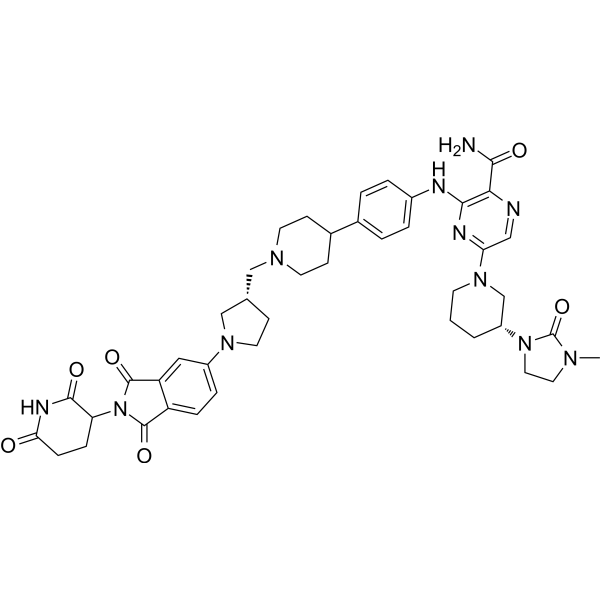
NRX-0492 is an orally active BTK PROTAC degrader, with a binding IC50 of 1.2 nM for both wild-type BTK and BTKT474I, and 2.7 nM for BTKC481S, and exhibits cellular DC50 values of 0.1 nM and 0.2 nM against wild-type BTK and BTKC481S, respectively. NRX-0492 catalyzes the ubiquitination and proteasomal degradation of wild-type and drug-resistant mutant BTK by recruiting the CRBN E3 ubiquitin ligase complex. NRX-0492 inhibits the BCR signaling pathway and its downstream NF-κB/MYC transcriptional program, achieves rapid and sustained degradation in primary CLL cells, and exhibits extremely low cytotoxicity. NRX-0492 degrades BTK, inhibits tumor cell proliferation and activation, and significantly suppresses tumor growth in xenograft models. NRX-0492 can be used in research related to chronic lymphocytic leukemia and diffuse large B-cell lymphoma.
-
Q901 TFA
 0 ImagesCat. No.: HY-153278APurity: 98.55%Synonyms: CDK7-IN-21 TFA
Q901 (CDK7-IN-21) TFA is a selective and potent CDK7 inhibitor with an IC50 of 10 nM. Q901 TFA disrupts MYC and E2FTOP1-DPCs and sensitizes tumor to TOP1 inhibitors by suppressing RNAPII transition from initiation to elongation. Q901 TFA can inhibit tumor growth and significantly enhances tumor growth inhibition combined with TOP1 inhibitors. Q901 TFA can be used for the research of cancer, such as colon cancer and lung cancer.
-
Gigantol
 0 Images
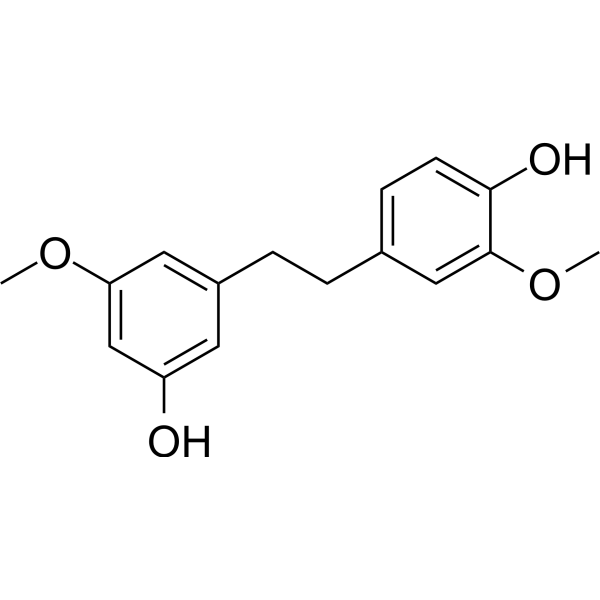
Gigantol is an orally active bibenzyl compound. Gigantol targets MYC to promote its ubiquitin-proteasomal degradation and inhibit the growth of lung cancer cells. Gigantol exerts anti-lung cancer activity by inducing ferroptosis (Ferroptosis) via the SLC7A11-GPX4 axis. Gigantol restores the sensitivity of mcr-harboring multidrug-resistant bacteria to colistin. Gigantol ameliorates carbon tetrachloride-induced liver injury by inhibiting the activation of the JNK/cPLA2/12-LOX inflammatory pathway. Gigantol promotes cholesterol metabolism and progesterone biosynthesis in Leydig cells. Gigantol can be used in studies related to diseases such as lung cancer, multidrug-resistant Gram-negative bacterial infections, and acute liver injury.
-
VPC-70063
 0 Images
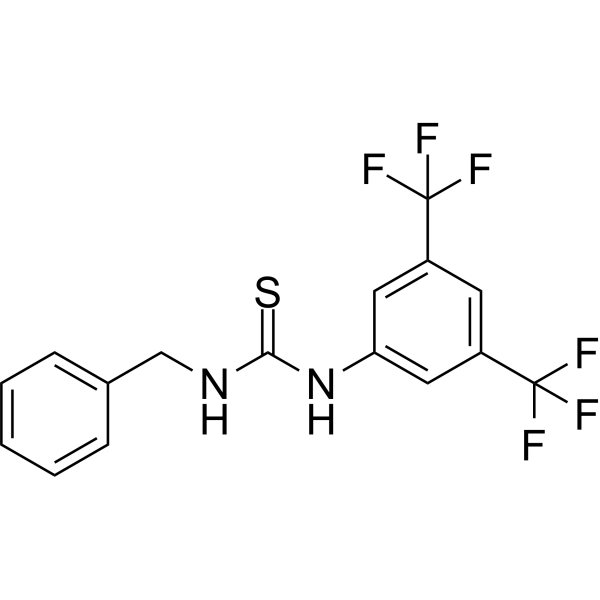
VPC-70063 is a potent Myc-Max inhibitor with an IC50 value of 8.9 μM for Myc-Max transcriptional activity inhibition. VPC-70063 reduces UBE2C promotor activity and AR-V7 levels, and induces PARP cleavage. VPC-70063 induces apoptosis and blocks Myc-Max interactions with DNA. VPC-70063 can be used for researching anticancer.
-
Puzerinostat mesylate
 0 ImagesSynonyms: Purinostat mesylate
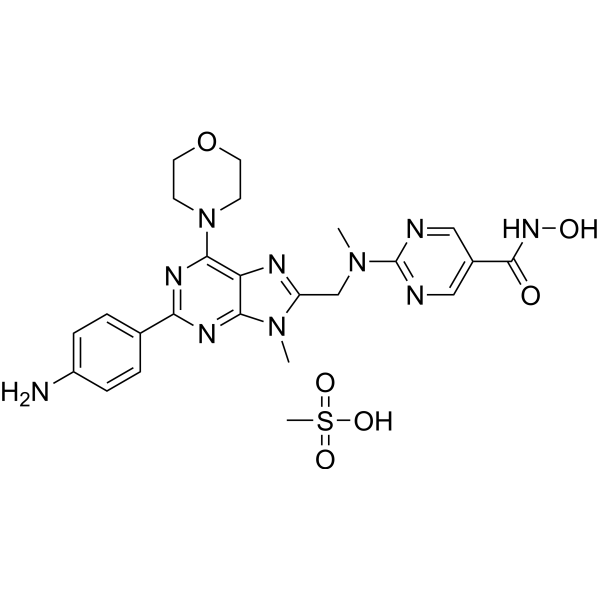
Puzerinostat mesylate (Purinostat mesylate) is a highly selective class I/IIb histone deacetylase (HDAC) inhibitor, with IC50 values of 0.81 nM, 1.4 nM, 1.7 nM, 3.8 nM, 11.5 nM, and 1.1 nM against HDAC1, HDAC2, HDAC3, HDAC8, HDAC6, and HDAC10, respectively. Puzerinostat mesylate enhances glutamine metabolism by upregulating GLS1. Puzerinostat mesylate induces cell Apoptosis and downregulates the expression of BCR-ABL and c-MYC. Puzerinostat mesylate delays the progression of Ph+ B-cell acute lymphoblastic leukemia and prolongs the survival of relevant mouse models. Puzerinostat mesylate regulates the immune microenvironment. Puzerinostat mesylate can be used in research related to chronic myeloid leukemia, Philadelphia chromosome-positive B-cell acute lymphoblastic leukemia, relapsed/refractory multiple myeloma, relapsed/refractory lymphoma, diffuse large B-cell lymphoma, and double-expression lymphoma.
-
MZP-54
 0 Images
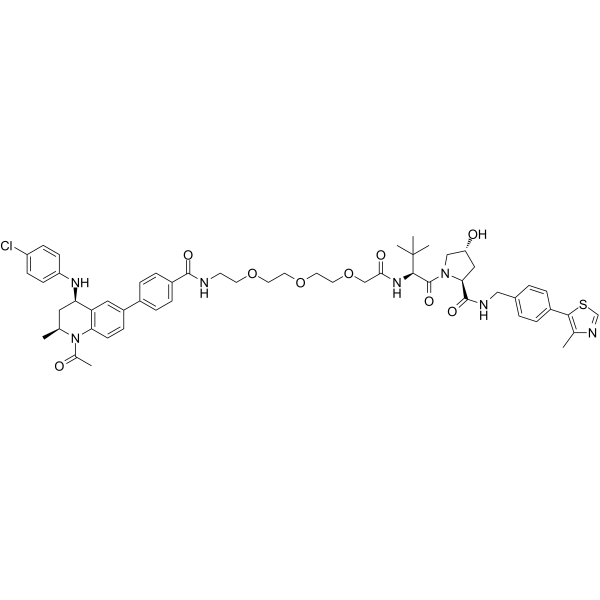
MZP-54 is a PROTAC degrader that selectively targets BRD3/BRD4, with a DC50 of < 0.05 μM in AML cells. MZP-54 recruits VHL to form a ternary complex, induces BRD3/BRD4 degradation via the ubiquitin-proteasome pathway, inhibits c-Myc expression, and exerts antiproliferative activity. MZP-54 can be used for the research of acute myeloid leukemia.
-
Bullatine A
 0 Images
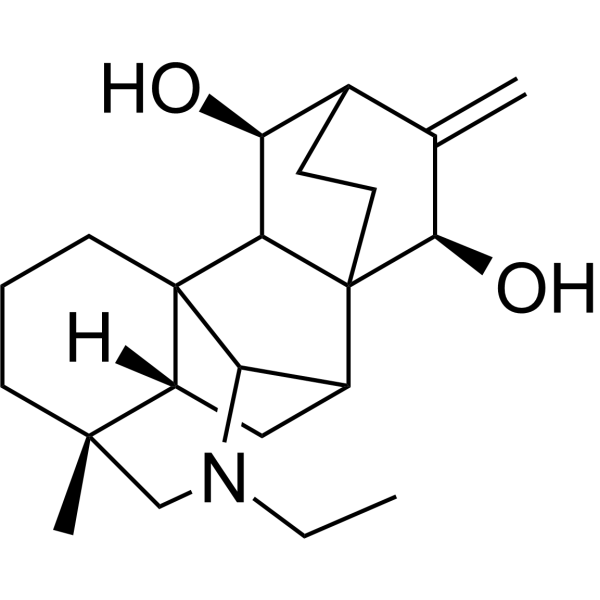
Bullatine A, a diterpenoid alkaloid, is a potent P2X7 antagonist. Bullatine A possesses anti-rheumatic, anti-inflammatory and anti-nociceptive effects. Bullatine A inhibits ATP-induced BV-2 cell death/apoptosis and P2X receptor-mediated inflammatory responses. Bullatine A suppresses glioma cell growth by targeting SIRT6. Bullatine A specifically attenuates pain hypersensitivity in rats. Bullatine A attenuates LPS (HY-D1056)-induced systemic inflammatory response by inhibiting the ROS/JNK/NF-κB pathway in mice. Bullatine A improves despair behavior in Chronic chronic social defeat stress (CSDS) mice. Bullatine A can be used for the study of inflammation, glioblastoma (GBM) and depression.
-
Licoflavone A
 0 Images
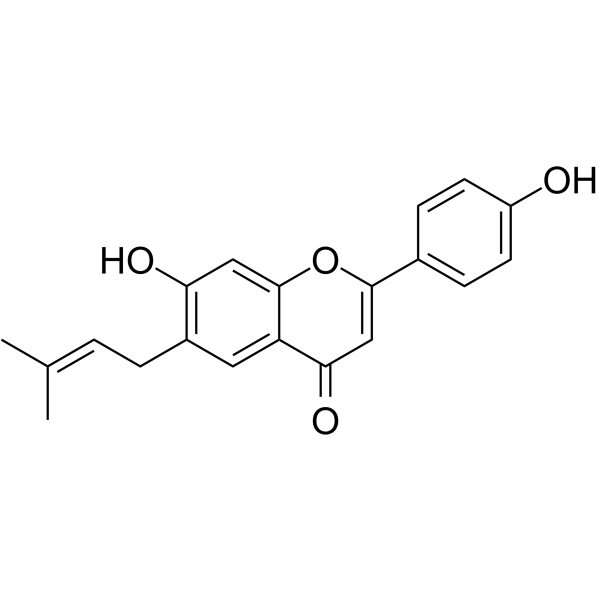
Licoflavone A is an orally active PTP1B/VEGFR-2 inhibitor, with an IC50 of 54.5 μM against PTP1B, an IC50 of 14.36 μM and a Kd of 142.38 nM against human VEGFR-2. Licoflavone A blocks the PI3K/AKT and MEK/ERK signaling pathways. Licoflavone A induces G1 phase cell cycle arrest, apoptosis via the intrinsic mitochondrial pathway (apoptosis), and inhibits migration, invasion and epithelial-mesenchymal transition (EMT) of gastric cancer cells. Licoflavone A inhibits the proliferation of gastric cancer cells in vitro and in xenograft models. Licoflavone A reduces the expression levels of HIF-1α, GLUT1, LDHA, PKM2 and HK2 in hypoxic gastric cancer cells, decreases glucose uptake and suppresses glycolysis. Licoflavone A can be used in research related to gastric cancer, type 2 diabetes and obesity.
-
Licoflavone B
 0 Images
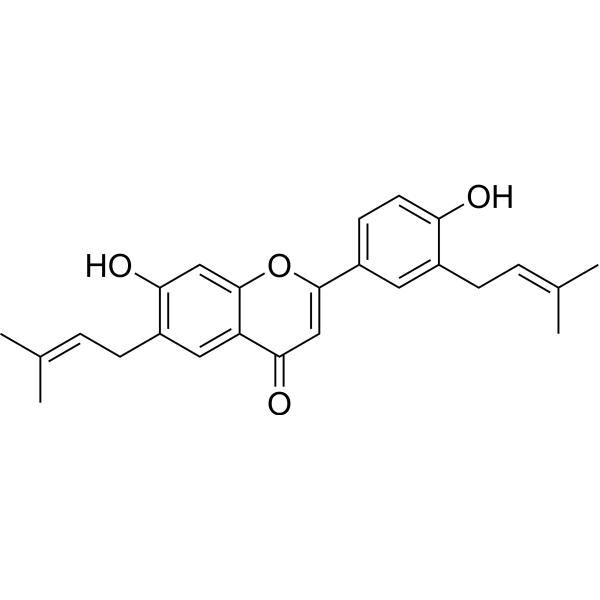
Licoflavone B is an orally active flavonoid, with IC50 values of 23.78 μM and 31.5 μM against SmATPase and SmADPase of Schistosoma mansoni, respectively. Licoflavone B selectively targets viral RdRp, inhibits viral replication, and reduces the expression levels of viral NP and PB2. Licoflavone B inhibits c-Myc expression and suppresses cancer cell proliferation. Licoflavone B disrupts the tegument of worms, reduces egg production, and induces the death of adult Schistosoma mansoni. Licoflavone B blocks the activation of the MAPK pathway, maintains colonic barrier integrity, inhibits colonic cell apoptosis, and reshapes the gut microbiota. Licoflavone B can be used in research related to influenza, multiple myeloma, schistosomiasis, and ulcerative colitis.
-
CMLD010509
 0 ImagesSynonyms: SDS-1-021
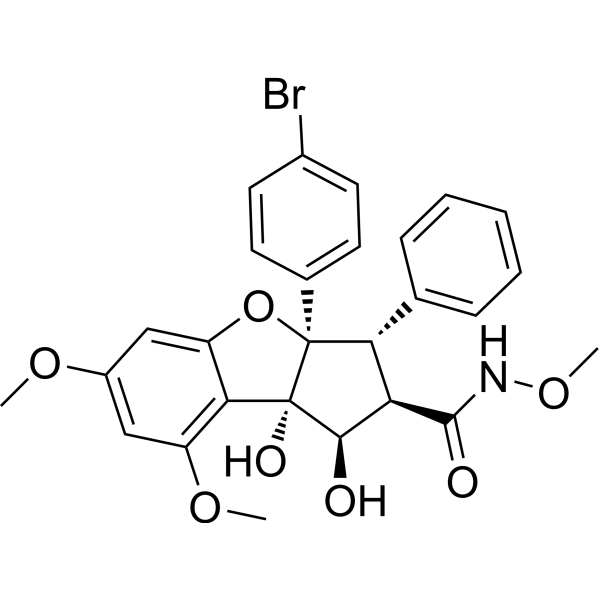
CMLD010509 (SDS-1-021) is a highly specific inhibitor of the oncogenic translation program supporting multiple myeloma (MM)-including key oncoproteins such as MYC, MDM2, CCND1, MAF, and MCL-1. CMLD010509 (SDS-1-021) shows an IC50 below 10 nM for most MM cell lines and induces apoptosis. CMLD010509 (SDS-1-021) is a potent and selective translation inhibitor through an eIF4E phosphorylation-independent mechanism.
-
Inosine-5'-diphosphate disodium
 0 ImagesSynonyms: IDP disodium; Inosine-5'-diphosphoric acid disodium
Inosine-5'-diphosphate disodium (IDP disodium) is a decoy substrate of NM23-H2. Inosine-5'-diphosphate disodium has a superior bond capacity on GDP-binding pocket of NM23-H2 (KD: 5.0 μM). Inosine-5'-diphosphate disodium abrogates c-MYC transcription, induces apoptosis and G2/M cell cycle arrest by disrupting NM23-H2-Pu27-GQ interactions without affecting NM23-H2-mediated kinase properties. Inosine-5'-diphosphate disodium has antihypoxic, antihyperthermic and antiarrhythmic activity and protects animals against the noxious effects of γ-irradiation. Inosine-5'-diphosphate disodium can be used for cancers like Burkitt's lymphoma and cardiovascular diseases research.