



FPL64176

Based on 1 Customer Validation
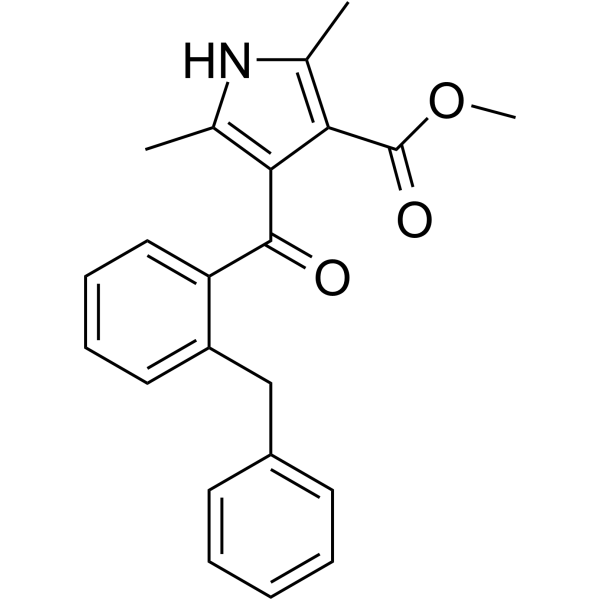
FPL64176 is an L-type calcium channel activator. FPL64176 opens calcium channels at the benzoyl pyrrole site (Calcium Channel), promoting Ca2+ influx, inducing calcium-dependent contraction, 5-hydroxytryptamine (Serotonin) (HY-B1473A) release, emetic responses, c-Fos expression, and phosphorylation of proteins associated with brainstem emetic effects. FPL64176 inhibits antiepileptic drug-induced apoptosis (apoptosis), stimulates insulin (Insulin (human)) (HY-P0035) release, causes smooth muscle contraction, and also triggers calpain-dependent cleavage of PKC to generate PKM, and induces burst firing of dopaminergic neurons. FPL64176 causes tegumental damage, contractile paralysis, and mitotic arrest in schistosomes, promotes migration of the parasite (parasite) to the liver, and alters gene expression in the worms. FPL64176 can be used in research related to emesis, schistosomiasis, and non-insulin-dependent diabetes mellitus (NIDDM).
For research use only. We do not sell to patients.
- Purity : 99.97%
- CAS No.: 120934-96-5
- Formula: C22H21NO3
- Molecular Weight:347.41
-
Storage:
4°C, sealed storage, away from moisture and light
* In solvent : -80°C, 6 months; -20°C, 1 month (sealed storage, away from moisture and light)

To place orders, for customer services and technical support, please contact: MedChemExpress USA
Tel: 609-228-6898 E-mail: [email protected] [email protected]


-
 Biological Activity
-
Chemical Information
-
Solvent & Solubility
- Protocols
- Purity & Documentation
- References
-
 Help & FAQs


-
HY-10588
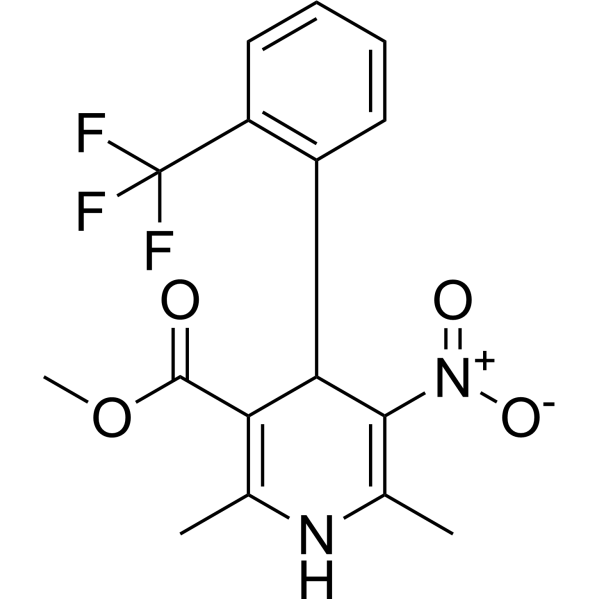
Bay K 8644L-type Ca2+ Channel Agonist -
HY-15124
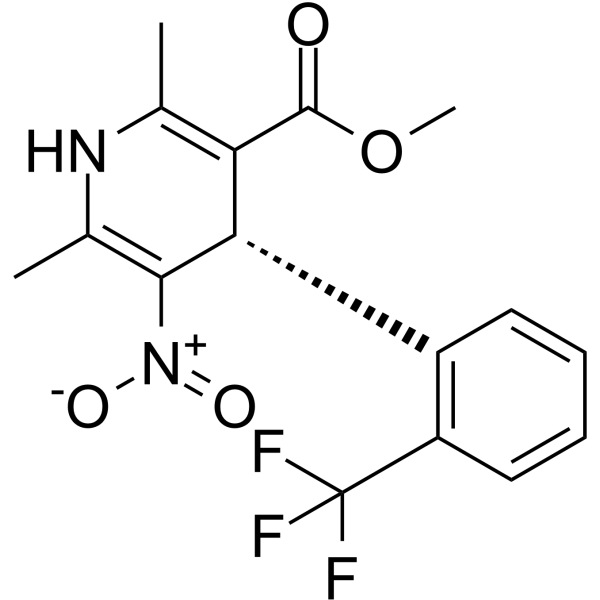
(S)-(-)-Bay-K-8644Calcium Channel Agonist -
HY-B0233
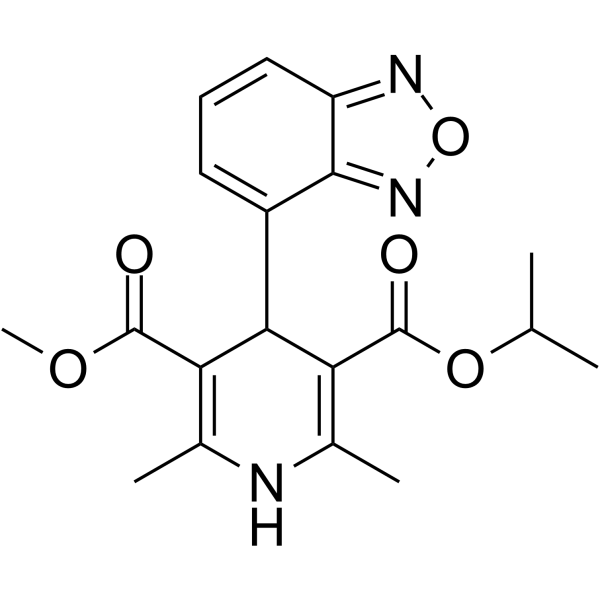
IsradipineL-type Calcium Channel Blocker -
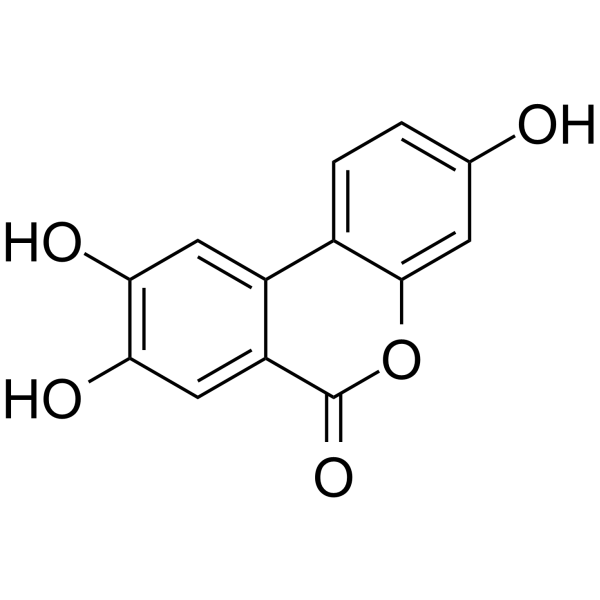
HY-135897
Urolithin CInsulin Secretion Activator -
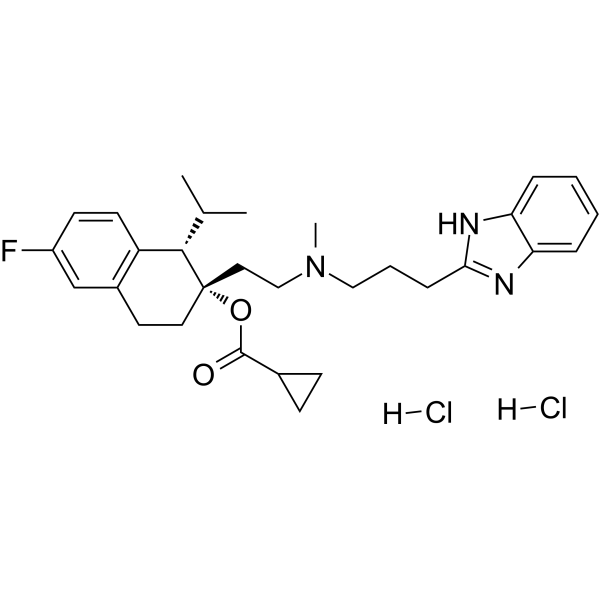
HY-50722
NNC 55-0396T-Type Ca2+ Channel Inhibitor -
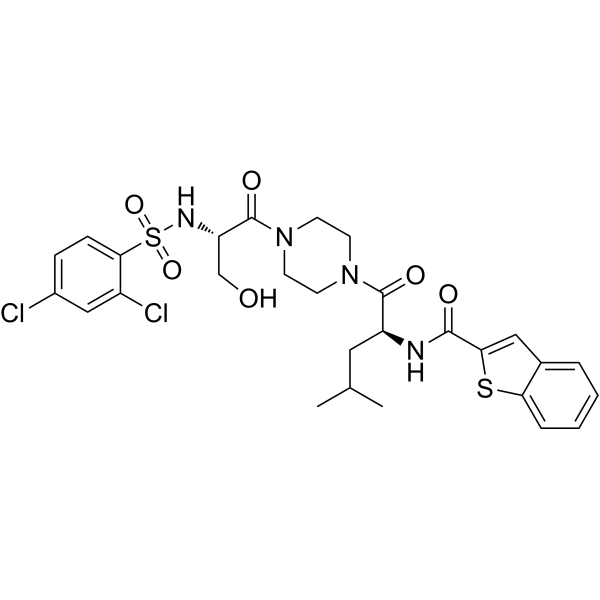
HY-19608
GSK1016790ATRPV4 Channel Agonist -
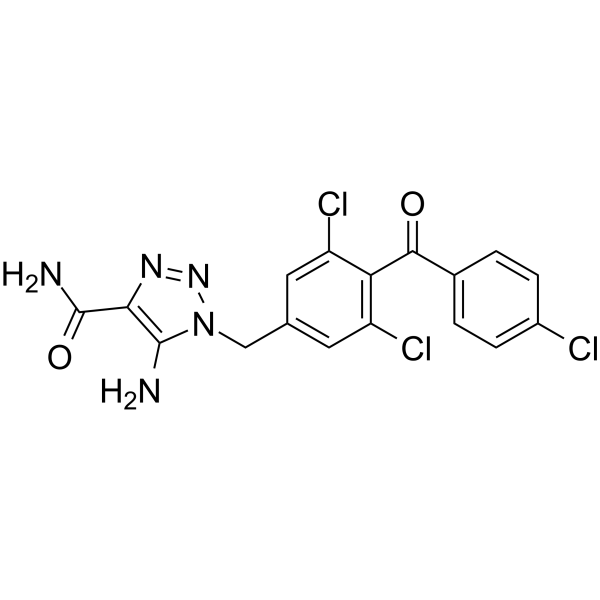
HY-16126
CarboxyamidotriazoleCalcium Influx Inhibitor -
HY-A0064
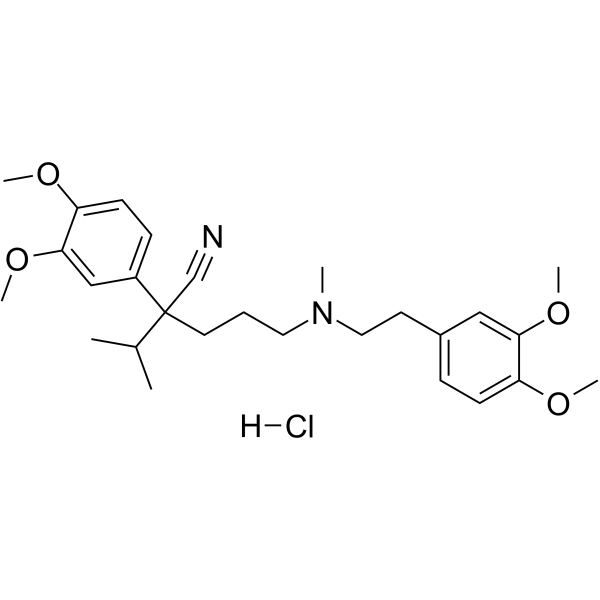
Verapamil hydrochlorideCalcium Channel Blocker -
HY-B0317
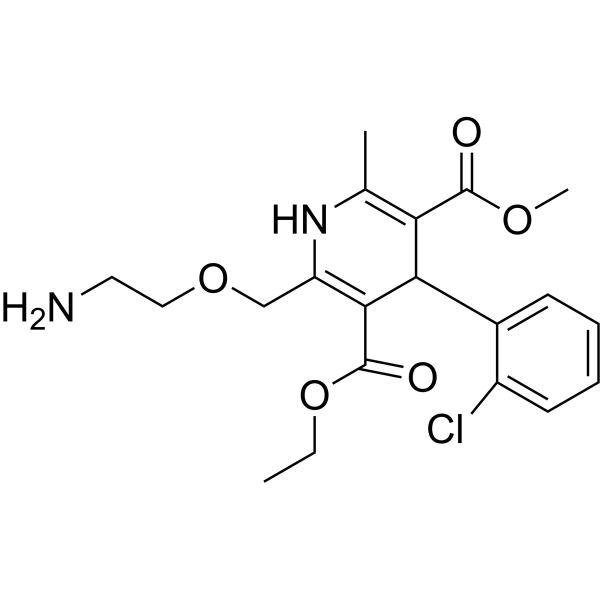
AmlodipineCalcium Channel Blocker -
HY-120546
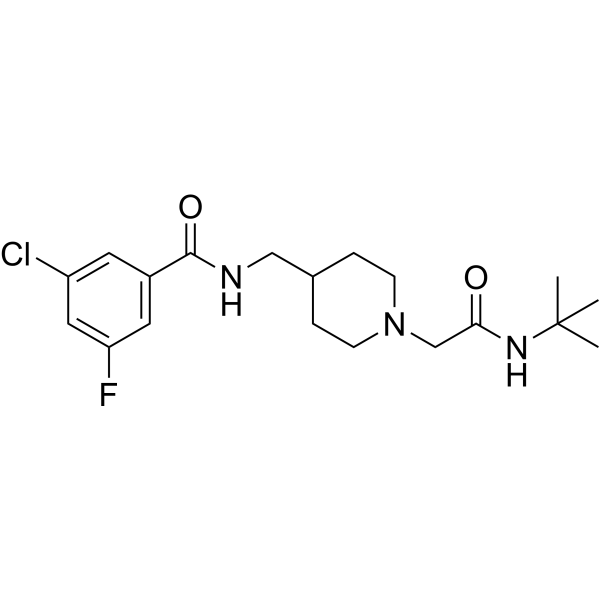
UlixacaltamideCalcium Channel Blocker -
HY-15125
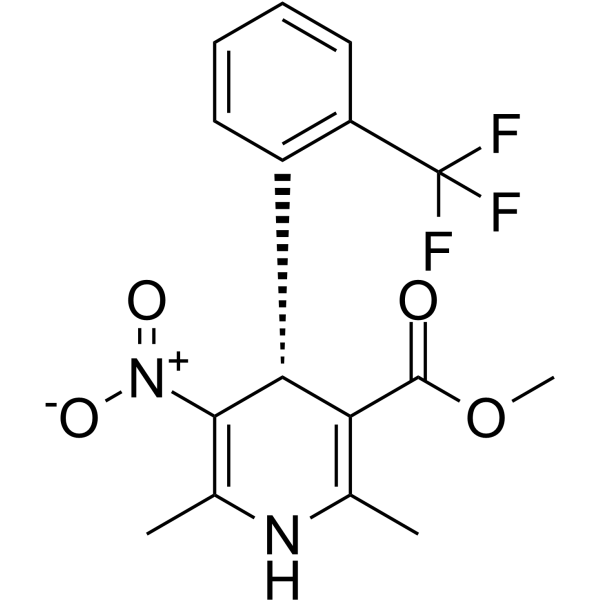
(R)-(+)-Bay-K-8644Calcium Channel Inhibitor -
HY-A0057A
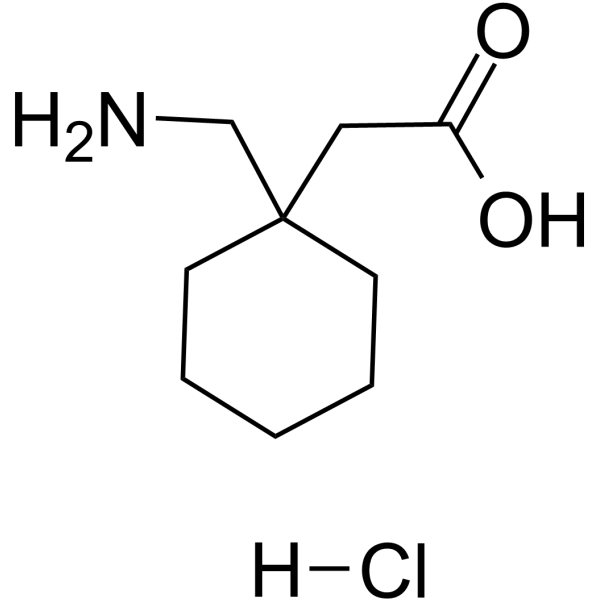
Gabapentin hydrochlorideCalcium Channel Blocker.


Biological Activity
Description
Cellular Effect
|
Cell Line

|
Type | Value | Description | References |
|---|---|---|---|---|
| Beta-TC3 | EC50 |
0.78 μM
|
Half-maximal increase in intracellular calcium in mouse βTC3 insulinoma cell suspensions assessed by fura-2/AM fluorescence at 10 s.
Half-maximal increase in intracellular calcium in mouse βTC3 insulinoma cell suspensions assessed by fura-2/AM fluorescence at 10 s.
|
978-1-4899-1819-2_20 |
In Vitro
FPL64176 (37°C/5% CO2 overnight) disrupts the tegument surface structure of adult male S. mansoni[3].
FPL64176 (20 µM) causes extensive vacuolization of the basal tegument in adult male S. mansoni at both 37°C and 23°C[3].
FPL64176 (1-10 μM, in combination with 1 μM Verapamil (HY-14275)) increases [Ca2+]i in individual βTC3 cells, exhibiting heterogeneous transient and sustained responses[4].
FPL64176 (1-4 μM; 5-10 min) directly activates L-type channels in rat VTA DA neurons; 1 μM induces burst firing in 63.5% of cells, and 1-4 μM induces burst firing in 80.3% of cells, with delayed onset and increased intraburst firing frequency[5].
FPL64176-induced burst firing in rat VTA DA neurons is not prevented or reversed by D2 receptor blockade[5].
FPL64176-induced burst firing in rat VTA DA neurons requires PKC catalytic activity but does not require PKA, CaMKII, or the PKC diacylglycerol site[5].
FPL64176 (1 μM)-induced burst firing in rat VTA DA neurons does not require internal Ca2+ stores[5].
FPL64176 (2-4 μM)-induced burst firing in rat VTA DA neurons requires calpain activity[5].
FPL64176 (2 μM; 30 min) increases phosphorylated PKM in rat VTA slices but does not alter full-length phosphorylated PKC[5].
FPL64176 (4 μM)-induced burst firing in rat VTA DA neurons is prevented by PKC depletion, consistent with the requirement for PKM generation[5].
MedChemExpress (MCE) has not independently confirmed the accuracy of these methods. They are for reference only.
-
Cell Line:βTC3 mouse insulinoma cell monolayers
-
Concentration:0.1 nM, 1 nM, 10 nM, 100 nM, 1 μM, 10 μM, 100 μM
-
Incubation Time:1 h
-
Result:Increased insulin secretion fourfold over basal at 100 μM.
In the concentration-response from 0.1 nM to 100 μM, insulin secretion was below basal at 10 nM and above basal at 100 nM, 1 μM, 10 μM, and 100 μM, with the largest response at 100 μM.
In Vivo
FPL64176 (8 mg/kg; i.p.; administered daily for three consecutive days) exposure alters the schistosome transcriptional profile in S. mansoni-infected mice, with changes consistent with muscle/ECM and female reproductive effects[3].
MedChemExpress (MCE) has not independently confirmed the accuracy of these methods. They are for reference only.
-
Animal Model:Adult least shrews (45-60 days old; between 4-5 g)[1]
-
Dosage:10 mg/kg
-
Administration:i.p.; single injection
-
Result:At 10 mg/kg i.p., vomiting was evoked in all tested least shrews (100%) during the 30-min observation period, with maximal vomit frequency.
Increased c-Fos immunoreactivity in brainstem NTS and DMNX, with no increase in AP and no activation in the hypoglossal nucleus.
Nifedipine 10 mg/kg s.c., given 30 min before, completely prevented vomiting and reversed NTS/DMNX c-Fos induction to control levels.
Increased brainstem phosphorylation of PKCα/βII, with peak at 25 min and increases at 20 and 30 min.
ERK1/2 phosphorylation was elevated at 20 min.
Akt phosphorylation was increased at 10 and 15 min and peaked at 20 min.
Nifedipine 10 mg/kg s.c. prevented PKCα/βII, ERK1/2, and Akt phosphorylation.
At 15 min after injection, 5-HT immunoreactivity was increased in the dorsomedial subdivision of the NTS, while SP immunoreactivity in the DMNX was unchanged.
Dantrolene 0.5, 1, and 5 mg/kg i.p., given 30 min before, dose-dependently suppressed vomit frequency, with inhibition at 5 mg/kg, and reduced the percentage of shrews vomiting at 1 and 5 mg/kg.
2-APB 0.5, 1, 5, and 20 mg/kg i.p. did not affect vomit frequency or the percentage of shrews vomiting.
Combined nifedipine 0.25 mg/kg s.c. plus dantrolene 0.5 mg/kg i.p. produced near-complete blockade of vomiting.
GF109203X 10 mg/kg i.p. suppressed both vomit frequency and the percentage of shrews vomiting; 2 and 5 mg/kg were also tested.
PD98059 2.5 and 5 mg/kg i.p. attenuated both vomit frequency and the percentage of shrews vomiting; 1 mg/kg was also tested.
LY294002 10 mg/kg i.p. decreased vomit frequency, and 5 and 10 mg/kg decreased the percentage of shrews vomiting; 2 mg/kg was also tested.
Netupitant 10 mg/kg i.p. reduced both vomit frequency and the percentage of shrews vomiting; 1 and 5 mg/kg were also tested.
Palonosetron 0.1 mg/kg s.c. plus netupitant 1 mg/kg i.p. reduced both vomit frequency and the percentage of shrews vomiting, whereas either dose alone was non-effective.
-
Animal Model:Swiss Webster (female; 6-7 weeks post-infection)[3]
-
Dosage:8 mg/kg
-
Administration:i.p.; single administration
-
Result:Treated mice had 58% of worms in the liver.
Vehicle-treated mice had 13% of worms in the liver.
-
Animal Model:Swiss Webster (female; 6-7 weeks post-infection)[3]
-
Dosage:8 mg/kg
-
Administration:i.p.; administered daily for three consecutive days
-
Result:Comparative RNA-Seq showed up-regulation of transcripts annotated to muscle function (myosin complex, contractile fiber part, striated muscle thin filament, contractile fiber, myofilament, troponin complex, sarcomere, myofibril) and ECM/cell-adhesion terms (ECM-receptor interaction, ECM structural constituent, integrin-mediated signaling, cell-cell adhesion, collagen trimer).
Down-regulated transcripts included female reproductive/vitellaria markers such as tyrosinase and SOD, as well as eggshell proteins and eggshell synthesis domain-containing proteins.
- RT-PCR
- RNA extraction experimental
- Western Blot
- Annexin V plus membrane-impermeant dye apoptosis staining
- Cell migration
- Ca2+ Staining Technique
- Research Protocol for Metabolic Diseases
- Real Time qPCR (Q-PCR)
- Kinase activity and phosphorylation assays
- Detection of Apoptosis
- TUNEL staining for apoptotic DNA fragmentation
- Research Protocol for Endocrine Diseases
- Human pluripotent stem cell midbrain dopaminergic neuron differentiation
- Apoptosis Solutions
- Protocol for Kinase activity and phosphorylation assays


Chemical Information
-
CAS No. 120934-96-5
-
Appearance Solid
-
Molecular Weight 347.41
-
Formula C22H21NO3
-
Color White to off-white
-
SMILES
O=C(C1=C(C)NC(C)=C1C(C2=CC=CC=C2CC3=CC=CC=C3)=O)OC
-
Shipping
Room temperature in continental US; may vary elsewhere.
-
Storage
4°C, sealed storage, away from moisture and light
* In solvent : -80°C, 6 months; -20°C, 1 month (sealed storage, away from moisture and light)


Solvent & Solubility
In Vitro:
DMSO : 100 mg/mL (287.84 mM; Need ultrasonic; Hygroscopic DMSO has a significant impact on the solubility of product, please use newly opened DMSO)
Please refer to the solubility information to select the appropriate solvent. Once prepared, please aliquot and store the solution to prevent product inactivation from repeated freeze-thaw cycles.
Storage method and period of stock solution: -80°C, 6 months; -20°C, 1 month (sealed storage, away from moisture and light). When stored at -80°C, please use it within 6 months. When stored at -20°C, please use it within 1 month.
Concentration (start) × Volume (start) = Concentration (final) × Volume (final)
In Vivo:
Select the appropriate dissolution method based on your experimental animal and administration route.
- For the following dissolution methods, please ensure to first prepare a clear stock solution using an In Vitro approach and then sequentially add co-solvents:
- To ensure reliable experimental results, the clarified stock solution can be appropriately stored based on storage conditions. As for the working solution for In Vivo experiments, it is recommended to prepare freshly and use it on the same day.
- The percentages shown for the solvents indicate their volumetric ratio in the final prepared solution. If precipitation or phase separation occurs during preparation, heat and/or sonication can be used to aid dissolution.
Add each solvent one by one: 10% DMSO 40% PEG300 5% Tween-80 45% Saline
Solubility: ≥ 2.5 mg/mL (7.20 mM); Clear solution
This protocol yields a clear solution of ≥ 2.5 mg/mL (saturation unknown).
Taking 1 mL working solution as an example, add 100 μL DMSO stock solution (25.0 mg/mL) to 400 μL PEG300, and mix evenly; then add 50 μL Tween-80 and mix evenly; then add 450 μL Saline to adjust the volume to 1 mL.
Preparation of Saline: Dissolve 0.9 g sodium chloride in ddH₂O and dilute to 100 mL to obtain a clear Saline solution.
Add each solvent one by one: 10% DMSO 90% (20% SBE-β-CD in Saline)
Solubility: ≥ 2.5 mg/mL (7.20 mM); Clear solution
This protocol yields a clear solution of ≥ 2.5 mg/mL (saturation unknown).
Taking 1 mL working solution as an example, add 100 μL DMSO stock solution (25.0 mg/mL) to 900 μL 20% SBE-β-CD in Saline, and mix evenly.
Preparation of 20% SBE-β-CD in Saline (4°C, storage for one week): 2 g SBE-β-CD powder is dissolved in 10 mL Saline, completely dissolve until clear.
In Vivo Dissolution Calculator
Please enter the basic information of animal experiments:
-
-
-
-
Recommended: Prepare an additional quantity of animals to account for potential losses during experiments.
Please enter your animal formula composition:
-
%DMSO +
Recommended: Keep the proportion of DMSO in working solution below 2% if your animal is weak.
-
%+
-
+%Tween-80 + +
-
%Saline +
The co-solvents required include: DMSO, . All of co-solvents are available by MedChemExpress (MCE). , Tween 80. All of co-solvents are available by MedChemExpress (MCE).
Working solution concentration: 0.22 mg/mL
Method for preparing stock solution: mg drug dissolved in μL DMSO. Stock solution concentration: mg/mL. * In solvent : -80°C, 6 months; -20°C, 1 month (sealed storage, away from moisture and light)
1. Take μL DMSO stock solution;
2. Add μL .
μL , mix evenly;
3. Then add μL Tween 80, mix evenly;
4. Then add μL
Please ensure that the stock solution in the first step is dissolved to a clear state, and add co-solvents in sequence. You can use ultrasonic heating (ultrasonic cleaner, recommended frequency 20-40 kHz), vortexing, etc. to assist dissolution.


Purity & Documentation


References

Complete Stock Solution Preparation Table
Please refer to the solubility information to select the appropriate solvent. Once prepared, please aliquot and store the solution to prevent product inactivation from repeated freeze-thaw cycles.
Storage method and period of stock solution: -80°C, 6 months; -20°C, 1 month (sealed storage, away from moisture and light). When stored at -80°C, please use it within 6 months. When stored at -20°C, please use it within 1 month.
| Optional Solvent | Concentration Solvent Mass | 1 mg | 5 mg | 10 mg | 25 mg |
|---|---|---|---|---|---|
| DMSO | 1 mM | 2.8784 mL | 14.3922 mL | 28.7844 mL | 71.9611 mL |
| 5 mM | 0.5757 mL | 2.8784 mL | 5.7569 mL | 14.3922 mL | |
| 10 mM | 0.2878 mL | 1.4392 mL | 2.8784 mL | 7.1961 mL | |
| 15 mM | 0.1919 mL | 0.9595 mL | 1.9190 mL | 4.7974 mL | |
| 20 mM | 0.1439 mL | 0.7196 mL | 1.4392 mL | 3.5981 mL | |
| 25 mM | 0.1151 mL | 0.5757 mL | 1.1514 mL | 2.8784 mL | |
| 30 mM | 0.0959 mL | 0.4797 mL | 0.9595 mL | 2.3987 mL | |
| 40 mM | 0.0720 mL | 0.3598 mL | 0.7196 mL | 1.7990 mL | |
| 50 mM | 0.0576 mL | 0.2878 mL | 0.5757 mL | 1.4392 mL | |
| 60 mM | 0.0480 mL | 0.2399 mL | 0.4797 mL | 1.1994 mL | |
| 80 mM | 0.0360 mL | 0.1799 mL | 0.3598 mL | 0.8995 mL | |
| 100 mM | 0.0288 mL | 0.1439 mL | 0.2878 mL | 0.7196 mL |


FPL64176 Related Classifications
HY-103307 Related Classifications
 Powered by Bioz
Keywords
- FPL64176
- 120934-96-5
- FPL 64176
- FPL-64176
- Calcium Channel
- Apoptosis
- PKC
- Pyruvate Kinase
- Parasite
- Ca2+ channels
- Ca channels
- Protein kinase C
- L-type calcium channel
- apoptosis
- c-Fos expression
- calcium influx
- dopamine neuron burst firing
- insulin release
- schistosome tegument disruption
- serotonin release
- smooth muscle contraction
- vomiting
- Inhibitor
- inhibitor
- inhibit