339 Results for "

cancer tissue

" in MedChemExpress (MCE) Product Catalog:
Products (339)

339 Results for "cancer tissue" in MCE Product Catalog:

452
452 Publications Verification
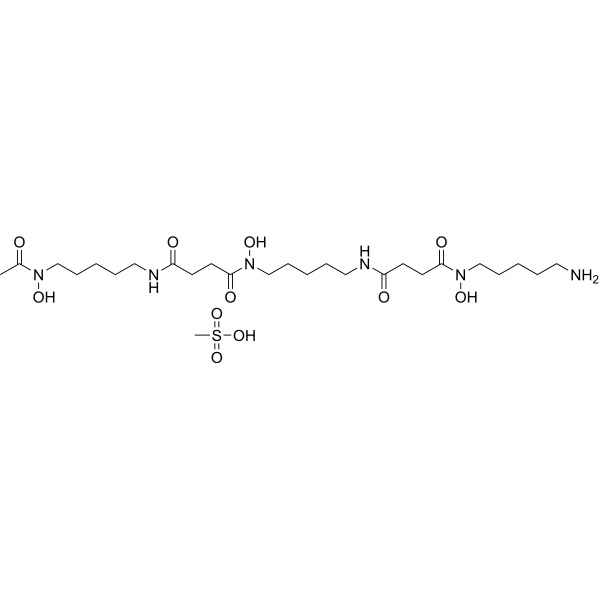
Cat. No.: HY-B0988
CAS No.: 138-14-7
Synonyms: Desferrioxamine B mesylate; DFOM
Deferoxamine mesylate (Deferoxamine B mesylate) is an iron chelator (binds to Fe(III) and many other metal cations), is widely used to reduce iron accumulation and deposition in tissues. Deferoxamine mesylate upregulates HIF-1α levels with good antioxidant activity. Deferoxamine mesylate also shows anti-proliferative activity, can induce apoptosis and autophagy in cancer cells. Deferoxamine mesylate can be used in studies of diabetes, neurodegenerative diseases as well as anti-cancer and anti-COVID-19 .
loading...
    loading...
452
452 Publications Verification
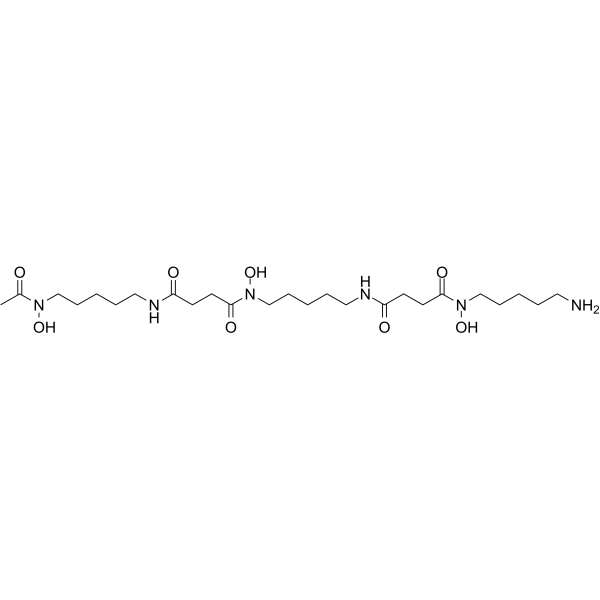
Cat. No.: HY-B1625
CAS No.: 70-51-9
Synonyms: Deferoxamine B; Deferriferrioxamine B; Deferrioxamine
Deferoxamine (Deferoxamine B) is an iron chelator (binds to Fe(III) and many other metal cations), is widely used to reduce iron accumulation and deposition in tissues. Deferoxamine upregulates HIF-1α levels with good antioxidant activity. Deferoxamine also shows anti-proliferative activity, can induce apoptosis and autophagy in cancer cells. Deferoxamine can be used in studies of diabetes, neurodegenerative diseases as well as anti-cancer and anti-COVID-19 .
loading...
    loading...
197
197 Cited Publications
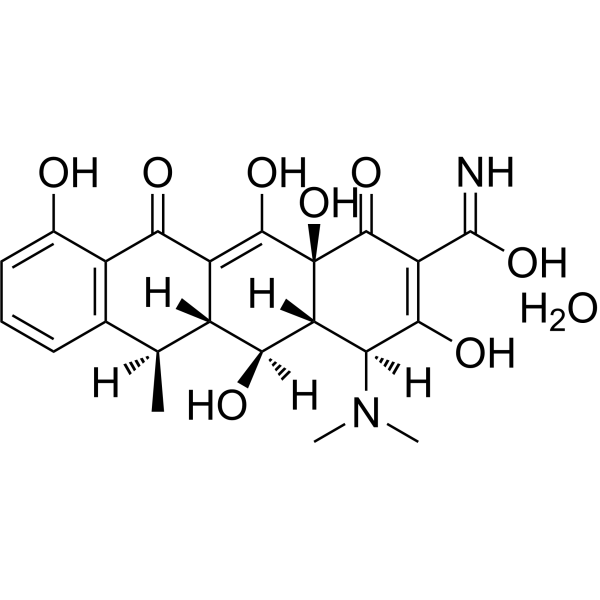
Cat. No.: HY-W008923
CAS No.: 17086-28-1
Doxycycline monohydrate is an orally active highly lipophilic, tissue-permeable MMP inhibitor with broad-spectrum antibacterial activity. Doxycycline monohydrate is also a semi-synthetic antibiotic with chelating properties, which blocks bacterial protein synthesis and inhibits extracellular matrix degradation through interactions with zinc and calcium atoms. Doxycycline monohydrate also inhibits mitochondrial biogenesis, translation, and the expression of respiratory chain proteins. Doxycycline monohydrate induces apoptosis, inhibits autophagy and EMT, downregulates stem cell markers, and activates the PI3K-AKT pathway, thereby effectively inhibiting the viability and proliferation of cancer cells such as breast cancer cells. Doxycycline monohydrate also promotes the survival and self-renewal of embryonic stem cells and neural stem cells, and reduces the frequency of medium changes in culture. Doxycycline monohydrate has been applied in studies related to breast cancer, prostate cancer, bladder cancer, and other cancers .
loading...
    loading...
141
141 Cited Publications
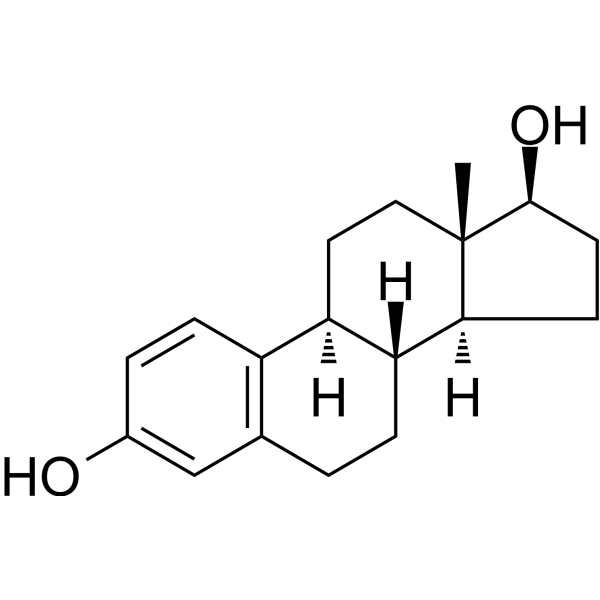
Cat. No.: HY-B0141
CAS No.: 50-28-2
Synonyms: β-Estradiol; E2; 17β-Estradiol; 17β-Oestradiol
Estradiol (β-Estradiol) is a steroid hormone and the major female sex hormone. Estradiol can up-regulate the expression of neural markers of human endometrial stem cells (hEnSCs) and promote their neural differentiation. Estradiol can be used for the research of cancers, neurodegenerative diseases and neural tissue engineering .
loading...
    loading...
141
141 Cited Publications
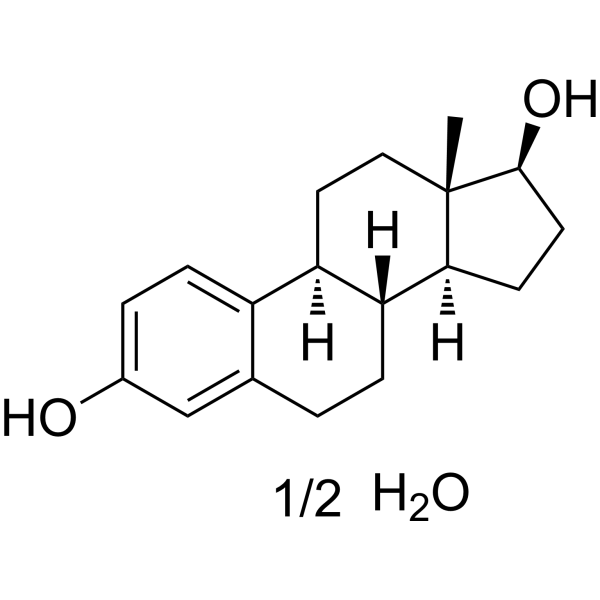
Cat. No.: HY-B0141C
CAS No.: 35380-71-3
Synonyms: β-Estradiol hemihydrate; 17β-Estradiol hemihydrate; 17β-Oestradiol hemihydrate
Estradiol (β-Estradiol) hemihydrate is a steroid hormone and the major female sex hormone. Estradiol (β-Estradiol) hemihydrate can up-regulate the expression of neural markers of human endometrial stem cells (hEnSCs) and promote their neural differentiation. Estradiol (β-Estradiol) hemihydrate can be used for the research of cancers, neurodegenerative diseases and neural tissue engineering .
loading...
    loading...
30
30 Cited Publications
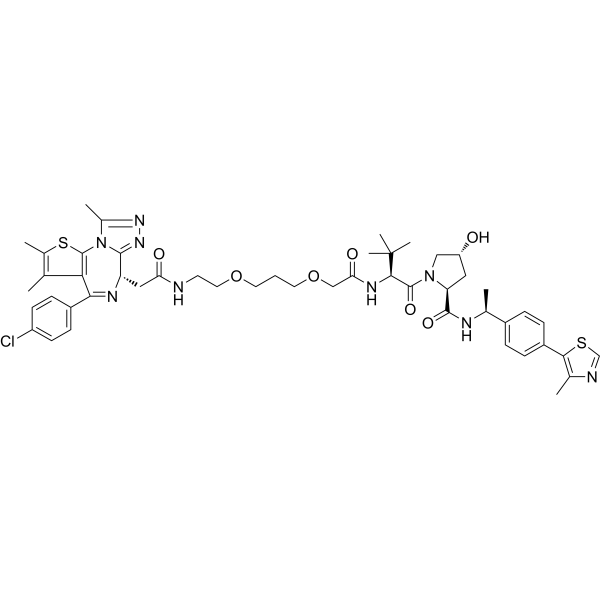
Cat. No.: HY-100972
CAS No.: 1949837-12-0
Purity:  98.87%
ARV-771 is a BET PROTAC degrader, with Kd values of 34, 4.7, 8.3, 7.6, 9.6 and 7.6 nM against BRD2 (1), BRD2 (2), BRD3 (1), BRD3 (2), BRD4 (1) and BRD4 (2) , respectively. ARV-771 inhibits the transcription of AR/AR-v7 and its downstream target genes. By degrading BRD4 protein, ARV-771 enhances the sensitivity of prostate cancer cells to ferroptosis, suppresses cancer cell viability, and induces apoptosis. ARV-771 downregulates the levels of BRD4, c-MYC and AR-V7 in tumor tissues and inhibits tumor tissue growth. ARV-771 can be used in prostate cancer-related research .
loading...
    loading...
21
21 Cited Publications
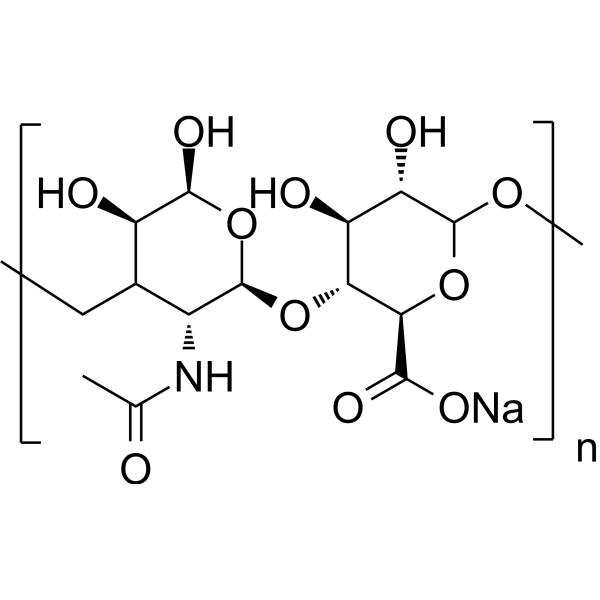
Cat. No.: HY-B0633
CAS No.: 9067-32-7
Synonyms: Sodium hyaluronate
Hyaluronic acid sodium (Sodium hyaluronate) is a biopolymer composed of repeating units of disaccharides with various applications. Hyaluronic acid sodium is a major component of the extracellular matrix (ECM). Hyaluronic acid sodium is synthesized at the plasma membrane. Increased hyaluronic acid sodium levels are associated with tumor cell growth, adhesion, migration, invasion and angiogenesis in digestive cancers. Hyaluronic acid sodium participates in tissue remodeling and rapid cell proliferation in some physiological processes including embryonic morphogenesis and wound-healing. Hyaluronic acid sodium activates the PI3K-Akt signaling. Hyaluronic acid sodium acts as a regulator of cancer-associated lymphangiogenesis. Hyaluronic acid sodium also enhances cell invasion and angiogenesis by promoting proteolytic MMP-9 binding to cell surface or stimulating MMP-9 binding to cell surface. Hyaluronic acid sodium can be used as drug delivery for sodium butyrate to improve the anti-proliferative activity on breast cancer cell line. Hyaluronic acid sodium can be studied in joint diseases, wound healing and cancer .
loading...
    loading...
21
21 Cited Publications
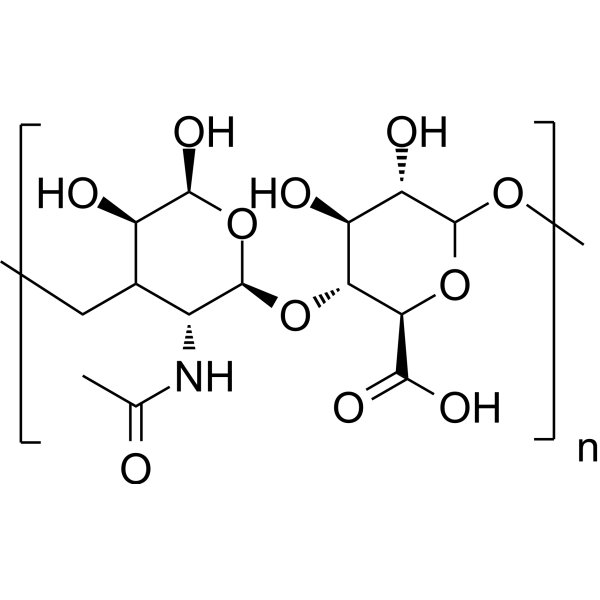
Cat. No.: HY-B0633A
CAS No.: 9004-61-9
Synonyms: Hyaluronan; Hyaluronate
Hyaluronic acid is a biopolymer composed of repeating units of disaccharides with various applications. Hyaluronic acid is a major component of the extracellular matrix (ECM). Hyaluronic acid is synthesized at the plasma membrane. Increased hyaluronic acid levels are associated with tumor cell growth, adhesion, migration, invasion and angiogenesis in digestive cancers. Hyaluronic acid participates in tissue remodeling and rapid cell proliferation in some physiological processes including embryonic morphogenesis and wound-healing. Hyaluronic acid activates the PI3K-Akt signaling. Hyaluronic acid acts as a regulator of cancer-associated lymphangiogenesis. Hyaluronic acid also enhances cell invasion and angiogenesis by promoting proteolytic MMP-9 binding to cell surface or stimulating MMP-9 binding to cell surface. Hyaluronic acid can be used as drug delivery for sodium butyrate to improve the anti-proliferative activity on breast cancer cell line. Hyaluronic acid can be studied in joint diseases, wound healing and cancer .
loading...
    loading...
8
8 Cited Publications
Cat. No.: HY-N0462
CAS No.: 23094-69-1
Synonyms: NP-004255
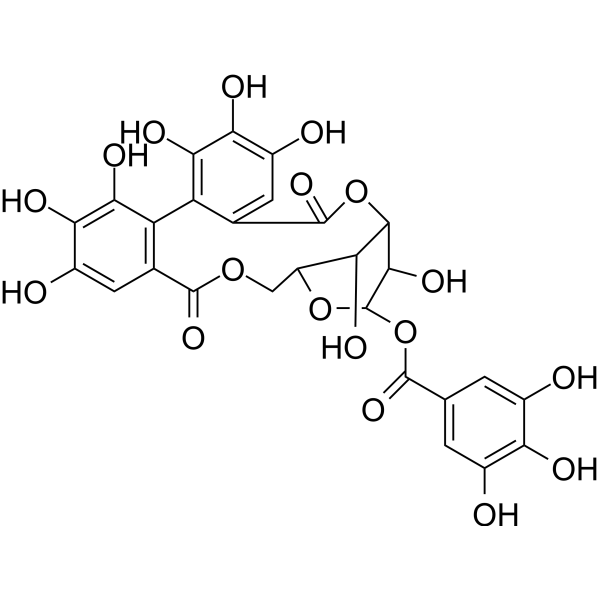
Corilagin, a gallotannin, has anti-tumor, anti-inflammatory and hepatoprotective activities. Corilagin inhibits activity of reverse transcriptase of RNA tumor viruses. Corilagin also inhibits the growth of Staphylococcus aureus with a MIC of 25 μg/mL. Corilagin shows anti-tumor activity on hepatocellular carcinoma and ovarian cancer model. Corilagin shows low toxicity to normal cells and tissues .
loading...
    loading...
8
8 Cited Publications
Cat. No.: HY-14197
CAS No.: 17780-72-2
Purity:  99.76%
Synonyms: M&B 9302
Clorgyline (M&B 9302) is a selective, irreversible monoamine oxidase A (MAO-A) inhibitor that can cross the blood-brain barrier and exhibits activity against the 5-HT Receptor at very high doses. Clorgyline regulates monoamine neurotransmitter levels, the release of dopamine and acetylcholine, the uptake and effects of Tyramine (HY-W007606), noradrenergic function, circadian locomotor activity rhythms, feeding behavior, and body weight. Clorgyline induces tumor-suppressive transcriptional programs, secretory differentiation, androgen signaling regulation, Bcl-2 expression, and radioprotective effects in non-malignant cells. Clorgyline is used in the research of high-grade prostate cancer, Huntington's disease, major affective disorder, radiation-induced normal tissue toxicity, and obesity .
loading...
    loading...
8
8 Cited Publications
Cat. No.: HY-14197A
CAS No.: 17780-75-5
Purity:  99.92%
Synonyms: M&B 9302 hydrochloride
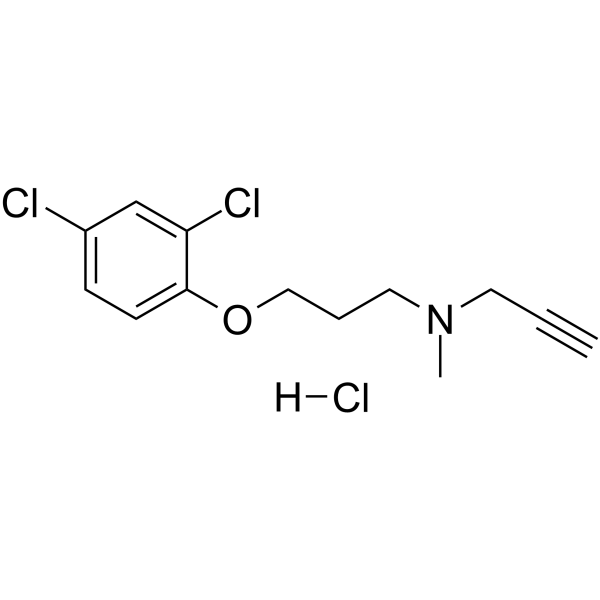
Clorgyline hydrochloride (M&B 9302 hydrochloride) is a selective, irreversible monoamine oxidase A (MAO-A) inhibitor that can cross the blood-brain barrier and exhibits activity against the 5-HT Receptor at very high doses. Clorgyline hydrochloride regulates monoamine neurotransmitter levels, the release of dopamine and acetylcholine, the uptake and effects of Tyramine (HY-W007606), noradrenergic function, circadian locomotor activity rhythms, feeding behavior, and body weight. Clorgyline hydrochloride induces tumor-suppressive transcriptional programs, secretory differentiation, androgen signaling regulation, Bcl-2 expression, and radioprotective effects in non-malignant cells. Clorgyline hydrochloride is used in the research of high-grade prostate cancer, Huntington's disease, major affective disorder, radiation-induced normal tissue toxicity, and obesity .
loading...
    loading...
7
7 Cited Publications
Cat. No.: HY-B0412
CAS No.: 50-27-1
Synonyms: Oestriol
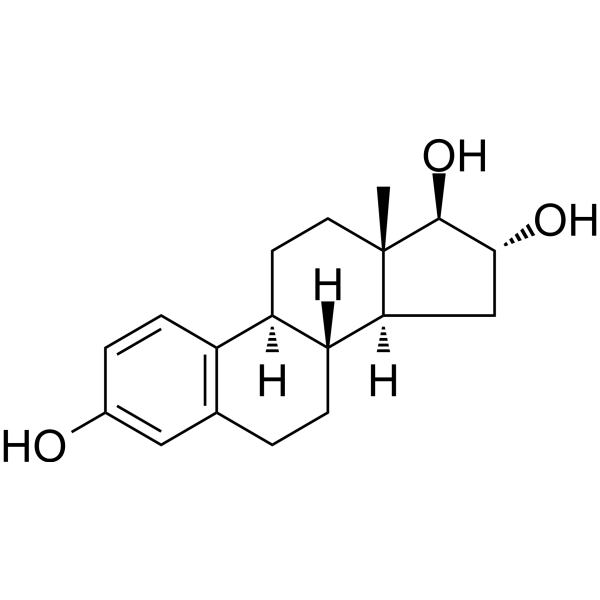
Estriol (Oestriol), an orally active estrogen, is a ERα and ERβ agonist. Estriol is a potent GPR30 antagonist in estrogen receptor-negative breast cancer cells. Estriol can ameliorate disease severity through immunomodulatory mechanisms that decrease tissue inflammation. Estriol has powerful proconvulsant effects .
loading...
    loading...
6
6 Cited Publications
Cat. No.: HY-B1018A
CAS No.: 156-51-4
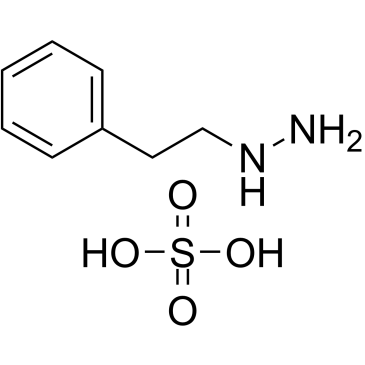
Phenelzine sulfate, an antidepressant agent, is an irreversible and orally active monoamine oxidase (MAO-A and MAO-B) inhibitor. Phenelzine sulfate inhibits GABA transaminase and primary amine oxidase (PrAO), and sequester reactive aldehydes. Phenelzine sulfate also inhibits LSD1 (Ki: 5.6 μM) and suppresses oxidative stress and lipogenesis. Phenelzine sulfate elevates neurotransmitters (serotonin, norepinephrine, dopamine). Phenelzine sulfate is studied in neurological, metabolic and cancer diseases for depression and anxiety disorders, stroke, spinal cord injury, traumatic brain injury, multiple sclerosis, Parkinson’s disease, Alzheimer’s disease, inflammatory pain, obesity and prostate cancer .
loading...
    loading...
5
5 Cited Publications
Cat. No.: HY-111556
CAS No.: 2361493-16-3
Purity:  ≥98.0%
Target:  

PROTACs CDK Apoptosis

Research Areas:  

Cancer

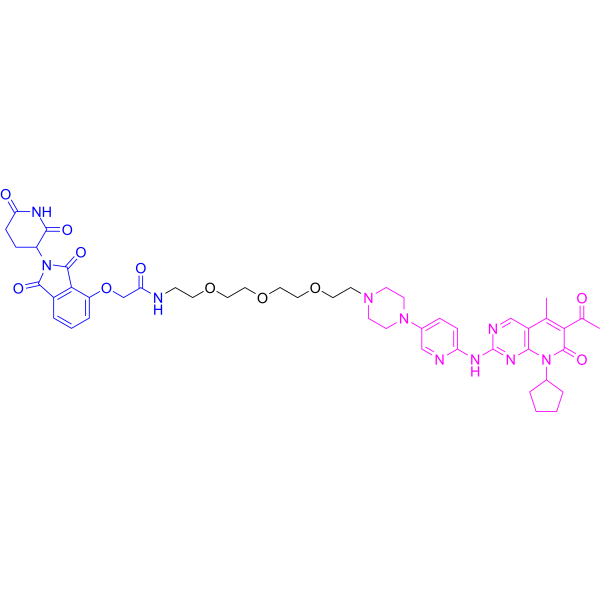
BSJ-03-123 is a selective PROTAC degrader of CDK6. BSJ-03-123 degrades CDK6, thereby inhibiting Rb S780 phosphorylation and inducing G1 phase arrest, while remodeling cell cycle and transcriptional signaling, with no effect on CDK4-dependent cancer cells. BSJ-03-123 reduces CDK6 protein levels in mouse ovarian tissues, increases the proportion of primordial follicles, and induces granulosa cell apoptosis, without impairing the ability of oocytes to resume meiosis and mature to the MII stage. BSJ-03-123 alleviates uveitis by blocking the HDACs-CDK6/ID2 axis. BSJ-03-123 can be used in studies related to acute myeloid leukemia, mantle cell lymphoma and autoimmune uveitis .
loading...
    loading...
4
4 Cited Publications
Cat. No.: HY-D0220
CAS No.: 92-31-9
Synonyms: Toluidine Blue O
Target:  

Fluorescent Dye

Research Areas:  

Cancer

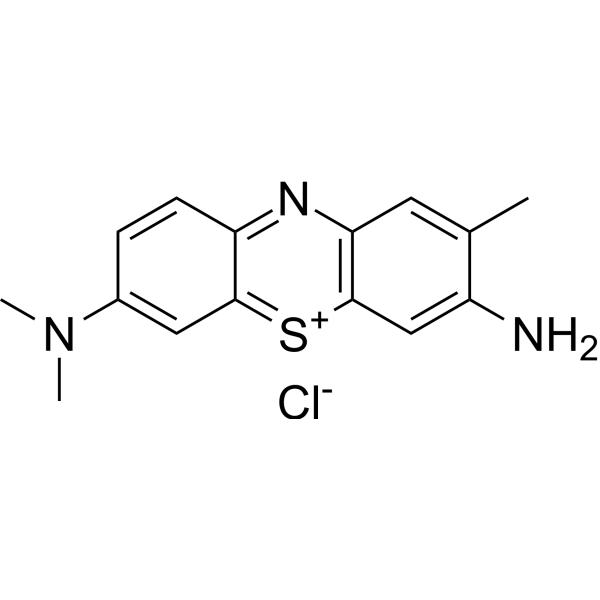
Toluidine Blue (Toluidine Blue O) is an alkaline quinonimine dye (vivo dye) with high affinity for acidic tissue components, staining nuclei blue and polysaccharides purple. Toluidine Blue shows heterostaining properties for mast cells, mucins and chondrocytes. Toluidine Blue can stain different components of plant tissues and cells in different colours. Toluidine Blue is also used as a diagnostic aid to identify malignant lesions, such as cancer .
loading...
    loading...
4
4 Cited Publications
Cat. No.: HY-D0220A
Synonyms: Toluidine Blue O (purity 36%)
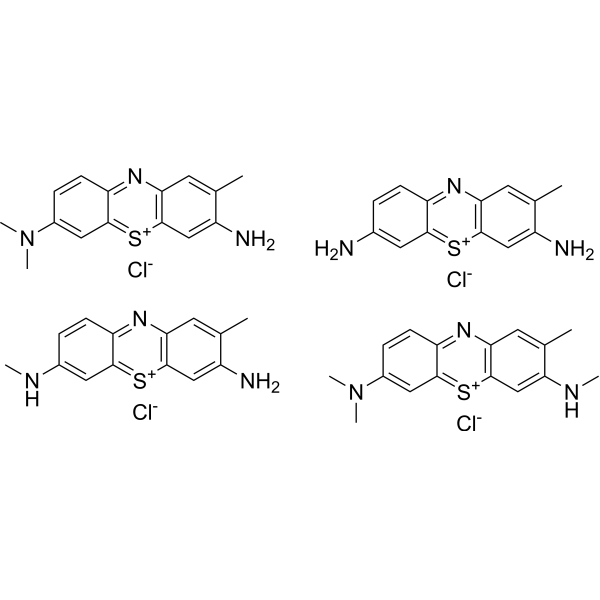
Toluidine Blue (Toluidine Blue O) purity 36% is an alkaline quinonimine dye (vivo dye) with high affinity for acidic tissue components, staining nuclei blue and polysaccharides purple. Toluidine Blue purity 36% shows heterostaining properties for mast cells, mucins and chondrocytes. Toluidine Blue purity 36% can stain different components of plant tissues and cells in different colours. Toluidine Blue purity 36% is also used as a diagnostic aid to identify malignant lesions, such as cancer .
loading...
    loading...
4
4 Cited Publications
Cat. No.: HY-12496
CAS No.: 153587-01-0
Purity:  98.06%
Research Areas:  

Cardiovascular Disease Cancer

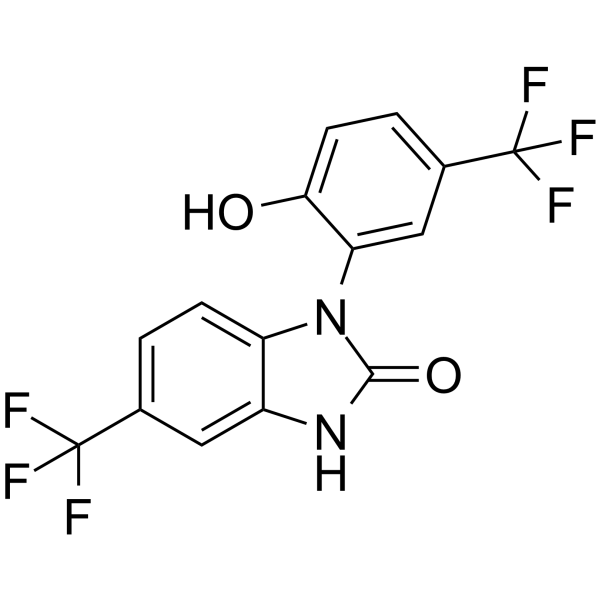
NS-1619 is an opener of large conductance Ca 2+-activated K + (BK) channel. NS-1619 is a highly effective relaxant with an EC50 of about 10 – 30 μM in several smooth muscles of blood vessels and other tissues . NS1619 inhibits proliferation and induces apoptosis in A2780 ovarian cancer cells .
loading...
    loading...
4
4 Cited Publications
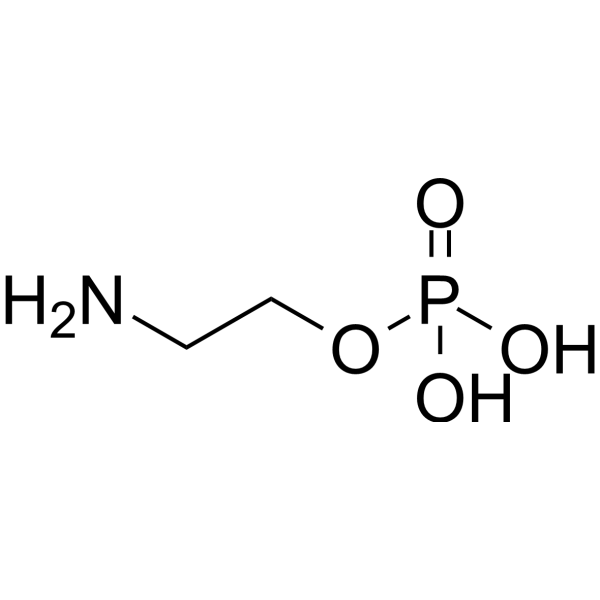
Cat. No.: HY-N5034
CAS No.: 1071-23-4
Synonyms: Monoaminoethyl phosphate; NSC 254167; O-Phosphoethanolamine
Phosphorylethanolamine (Monoaminoethyl phosphate) is a membrane phospholipid and an important precursor of Phosphatidylcholine (HY-N18891). It is found in most animal tissues and various human extracranial tumors, playing a critical role in membrane integrity, cell division, mitochondrial respiratory function, and more. Studies have shown that changes in the abundance of Phosphorylethanolamine are associated with Alzheimer's disease and Parkinson's disease. Lowering the ratio of Phosphorylethanolamine to Phosphatidylcholine in the liver can improve insulin signaling. Phosphorylethanolamine holds promise for research in the fields of cancer, neurodegenerative disorders, and metabolic diseases .
loading...
    loading...
4
4 Cited Publications
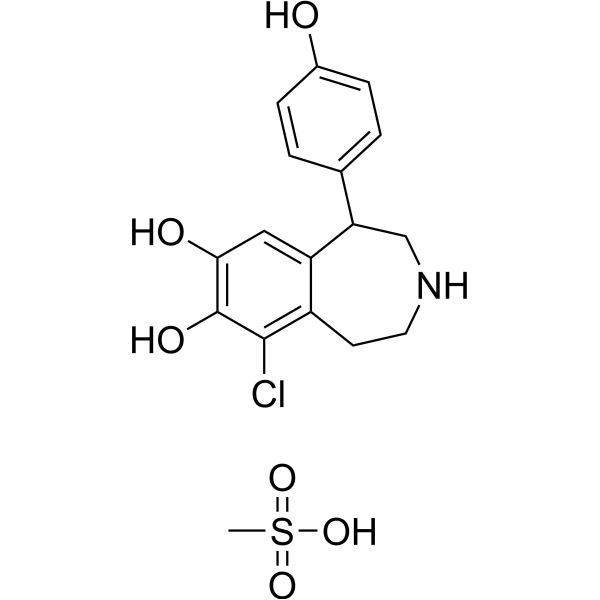
Cat. No.: HY-B0735A
CAS No.: 67227-57-0
Synonyms: Fenoldopam methanesulfonate; SKF-82526 mesylate
Fenoldopam (SKF-82526) mesylate is a selective dopamine D1 receptor agonist. Fenoldopam mesylate binds to rat D1B dopamine receptors (Kd = 11 nM) and human D1A receptors (Kd = 17 nM) in COS-7 cell membranes expressing the cloned receptors. Fenoldopam mesylate modulates dopamine receptor expression, induces vasorelaxation in vascular tissues, reverses glomerular hyperfiltration in rat models, increases intracellular cAMP levels, promotes DARPP-32 phosphorylation in small cell lung cancer (SCLC) cells, inhibits cytokine secretion, and downregulates T cell activation markers in activated human T cells. Fenoldopam mesylate can be used for research on hypertension, acute kidney injury, psoriasis, and small cell lung cancer .
loading...
    loading...
4
4 Cited Publications
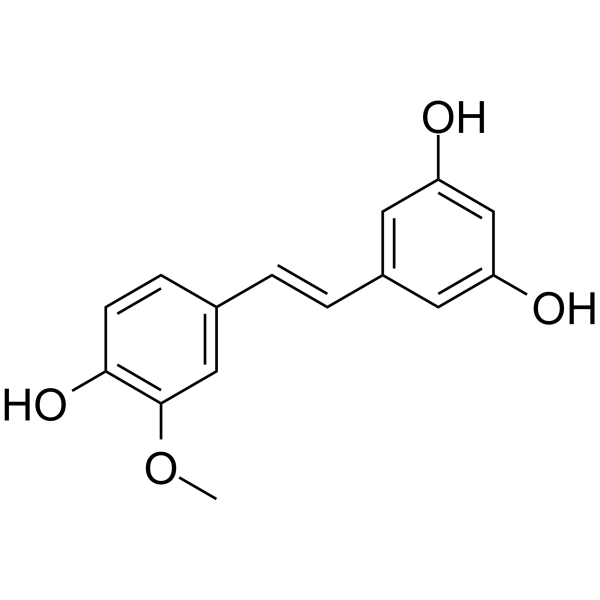
Cat. No.: HY-N2593
CAS No.: 32507-66-7
Isorhapontigenin is an orally active dietary polyphenol. Isorhapontigenin acts as a potent antioxidant that reduces the production of reactive oxygen species (ROS). Isorhapontigenin promotes the binding of JUN to the AP-1 site on the SESN2 promoter, induces SESN2 transcription, triggers MAPK8-dependent JUN activation, and upregulates the expression of PPAR-α, PGC-1α and CPT-1A to facilitate fatty acid oxidation. Isorhapontigenin induces autophagy, apoptosis and preadipocyte differentiation; it inhibits tumor growth, cell invasion, NF-κB transcriptional activity, the PI3K/Akt signaling pathway, STAT1 phosphorylation and MMP-2 expression. Isorhapontigenin alleviates oxidative stress, inflammatory cytokine release and triglyceride accumulation; it increases intracellular ATP levels and promotes Nrf2 nuclear translocation. Isorhapontigenin improves insulin sensitivity in adipose tissue and glucose tolerance, and reduces postprandial blood glucose, insulin and free fatty acid levels. Isorhapontigenin is applicable to research on bladder cancer, liver injury, chronic obstructive pulmonary disease, acute lung injury and type 2 diabetes .
loading...
    loading...

