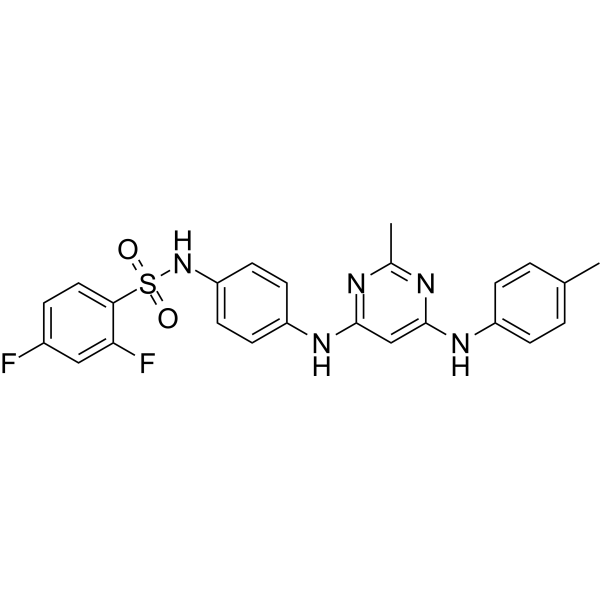
Akt Inhibitor
-
Atractylenolide II
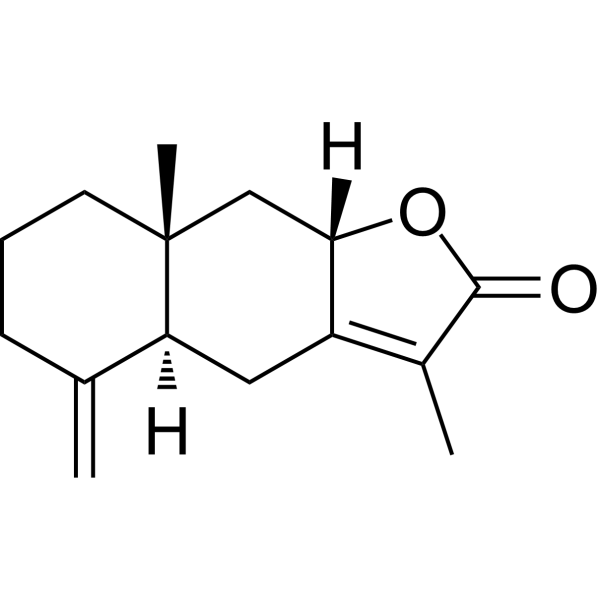 0 ImagesSynonyms: Asterolide
Atractylenolide II (Asterolide) is a sesquiterpenoid compound. Atractylenolide II can induce G1 phase cell cycle arrest and apoptosis in B16 melanoma cells. Atractylenolide II is an orally effective anticancer agent that can exert anti-melanoma effects by inhibiting the STAT3 signaling pathway. In addition, Atractylenolide II has been shown to ameliorate myocardial fibrosis, oxidative stress, and neuroprotective activity.
-
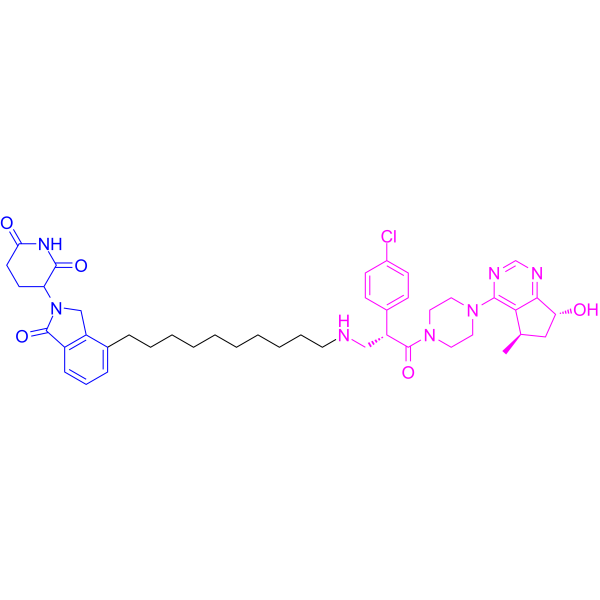
Oxaprozin
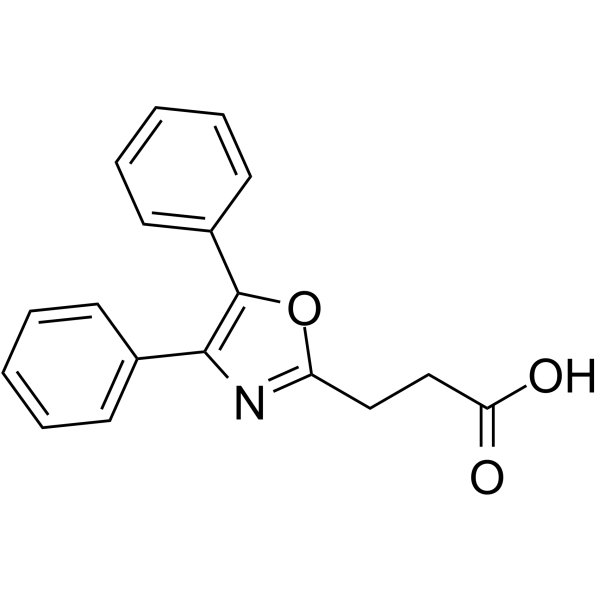 0 ImagesSynonyms: Oxaprozinum; Wy21743
Oxaprozin is an orally active and potent COX inhibitor, with IC50 values of 2.2 μM for human platelet COX-1 and and 36 μM for IL-1-stimulated human synovial cell COX-2, respectively. Oxaprozin also inhibits the activation of NF-κB. Oxaprozin induces cell apoptosis. Oxaprozin shows anti-inflammatory activity. Oxaprozin-mediated inhibition of the Akt/IKK/NF-κB pathway contributes to its anti-inflammatory properties.
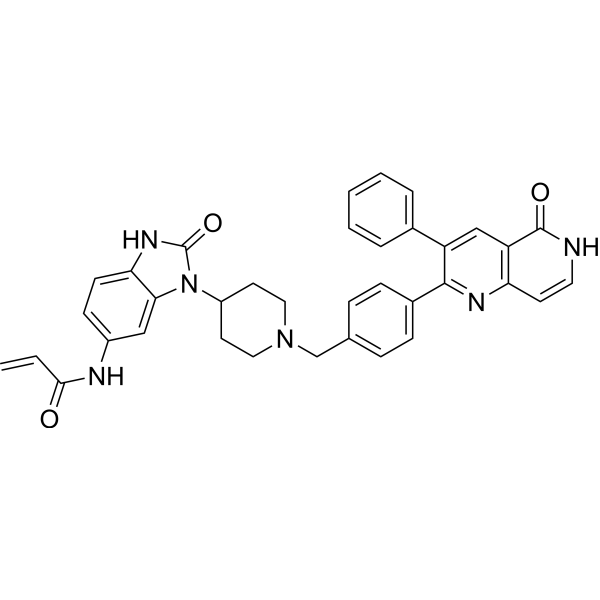
-
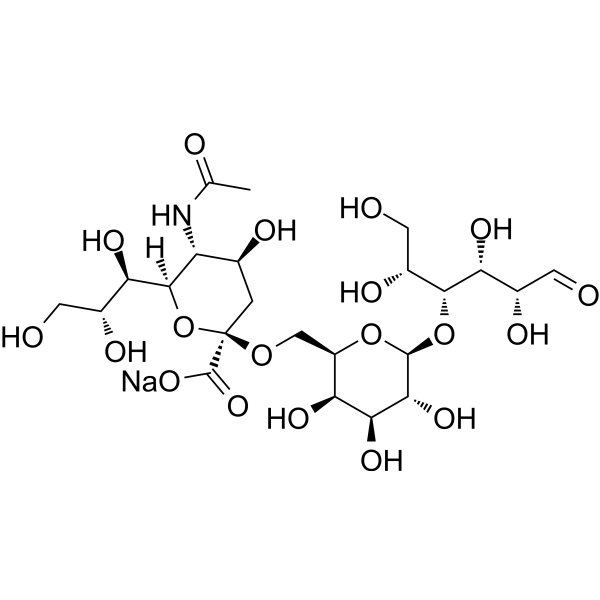
6'-Sialyllactose sodium
 0 Images
6'-Sialyllactose sodium promotes the growth of beneficial bacteria (such as Bifidobacterium and lactobacillus) and inhibits the proliferation of harmful bacteria. 6'-Sialyllactose sodium exhibits anti-inflammatory and anti-angiogenic activities. 6'-Sialyllactose sodium promotes the muscle health.
-
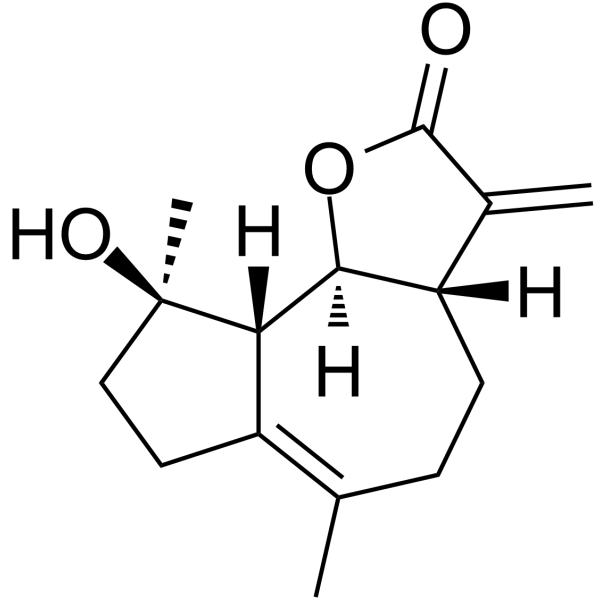
Micheliolide
 0 Images
Micheliolide is a sesquiterpene lactone with anti-cancer and anti-inflammatory effects, which is derived from Michelia compressa and Michelia champaca. Micheliolide can attenuate high glucose-stimulated NF-κB activation, IκBα degradation, and the expression of MCP-1, TGF-β1, and FN in mouse mesangial cells. Micheliolide inhibits LPS (HY-D1056)-induced activation of NF-κB and PI3K/Akt/p70S6K pathways to play an anti-inflammatory role. Micheliolide inhibits dextran sodium sulphate (DSS) (HY-116282)-induced inflammatory intestinal disease, colitis-associated cancer and rheumatic arthritis.
-
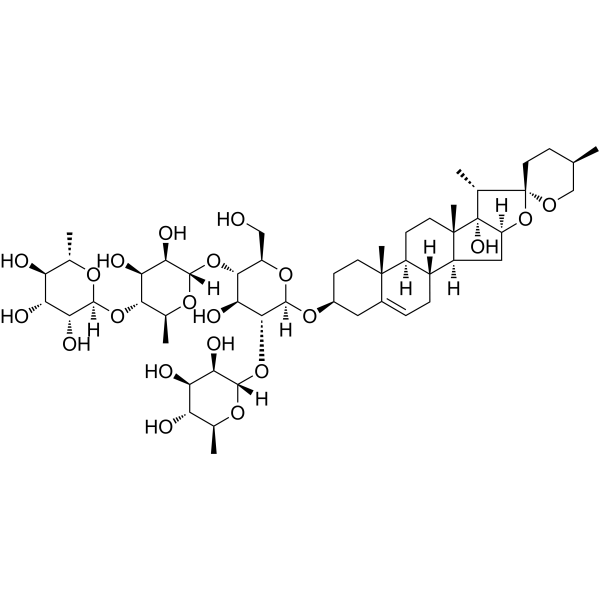
Paris saponin VII
 0 ImagesSynonyms: Chonglou Saponin VII
Paris saponin VII (Chonglou Saponin VII) is a steroidal saponin isolated from the roots and rhizomes of Trillium tschonoskii. Paris saponin VII-induced apoptosis in K562/ADR cells is associated with Akt/MAPK and the inhibition of P-gp. Paris saponin VII attenuates mitochondrial membrane potential, increases the expression of apoptosis-related proteins, such as Bax and cytochrome c, and decreases the protein expression levels of Bcl-2, caspase-9, caspase-3, PARP-1, and p-Akt. Paris saponin VII induces a robust autophagy in K562/ADR cells and provides a biochemical basis in the treatment of leukemia.
-
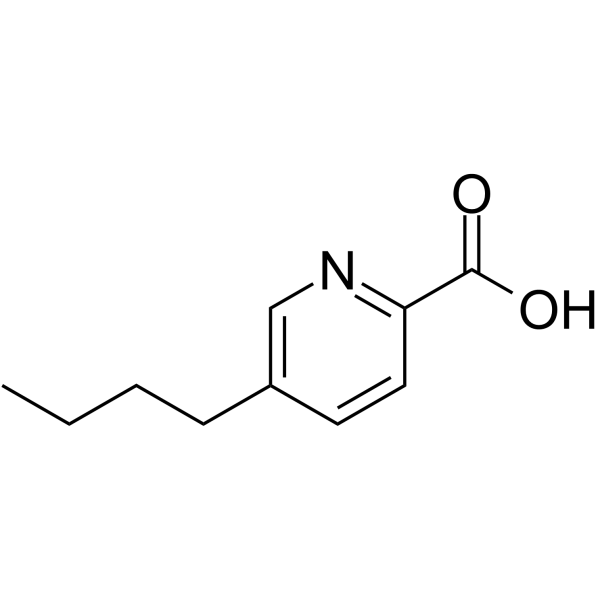
Fusaric acid
 0 Images
Fusaric acid is an orally active multi-pathway inhibitor with the activity of inducing oxidative stress and apoptosis. Fusaric acid can chelate divalent metal cations, damage mitochondrial membrane structure, and activate apoptosis-related proteases such as Caspase-3/7, -8, and -9. Fusaric acid also regulates Bax/Bcl-2 protein, inhibits fibrosis-related signaling pathways such as NF-κB, TGF-β1/SMADs, and PI3K/AKT/mTOR, and reduces collagen deposition. Fusaric acid is also a dopamine β-hydroxylase inhibitor, which reduces endogenous levels of norepinephrine and epinephrine in the brain, heart, spleen, and adrenal glands. Fusaric acid can play a role in myocardial fibrosis and improve cardiac hypertrophy in heart disease, and can also be used in the study of esophageal cancer and liver cancer.
-
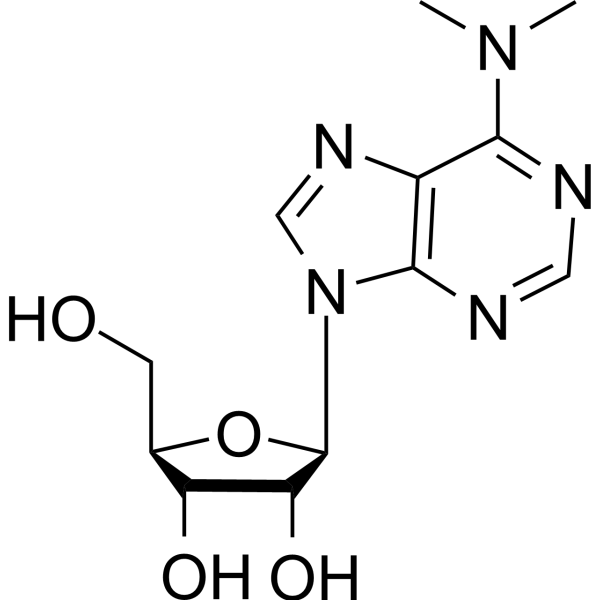
N6,N6-Dimethyladenosine
 0 Images
N6,N6-Dimethyladenosine, a modified ribonucleoside, is an endogenous A3 adenosine receptor ligand. N6,N6-Dimethyladenosine is an AKT inhibitor with antitumor effects. N6, N6-Dimethyladenosine targets SARS-CoV-2 entry protein ADAM17. N6, N6-Dimethyladenosine robustly inhibits AKT signaling in a variety of non-small cell lung cancer cell lines.
-
N-Hydroxyphthalimide
 0 Images
N-Hydroxyphthalimide is a blocking agent and catalyst. N-Hydroxyphthalimide promotes oxidation reactions by generating PINO free radicals and activating hydrogen atom transfer processes. N-Hydroxyphthalimide reduces the expression of anti-apoptotic proteins Survivin and Bcl-xL and activates caspase 9 and caspase 3. N-Hydroxyphthalimide induces Apoptosis. N-Hydroxyphthalimide inhibits the phosphorylation of mTOR (Ser2448, Ser2481) and Akt (Ser473). N-Hydroxyphthalimide has anticancer effects against breast and colon cancer.
-
15(S)-HPETE
 0 ImagesCat. No.: HY-113438CAS No.: 70981-96-3
15(S)-HPETE is a precursor of 15(S)-HETE (HY-113336). 15(S)-HPETE is a product of Arachidonic acid (HY-109590) in the 15-lipoxygenase pathway. 15(S)-HPETE reduces Bcl-2, Akt, and phosphorylated Akt protein levels. 15(S)-HPETE induces Apoptosis. 15(S)-HPETE antagonizes the angiogenic effects of 15(S)-HETE. 15(S)-HPETE exhibits antitumor effects against chronic myeloid leukemia. 15(S)-HPETE can be used in adipose tissue explant studies.
-
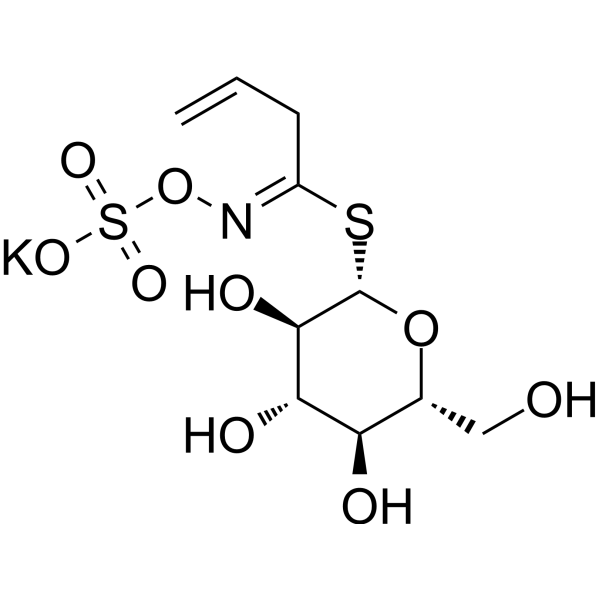
Sinigrin
 0 ImagesSynonyms: Allyl-glucosinolate; 2-Propenyl-glucosinolate
Sinigrin (Allyl-glucosinolate) is an orally active glucosinolate found in cruciferous plants. Sinigrin possesses multiple activities such as anti-cancer, antibacterial, antifungal, anti-inflammatory, antioxidant, and inhibition of fat synthesis. Sinigrin can be used in the research of tumors, inflammatory, and metabolic diseases.
-
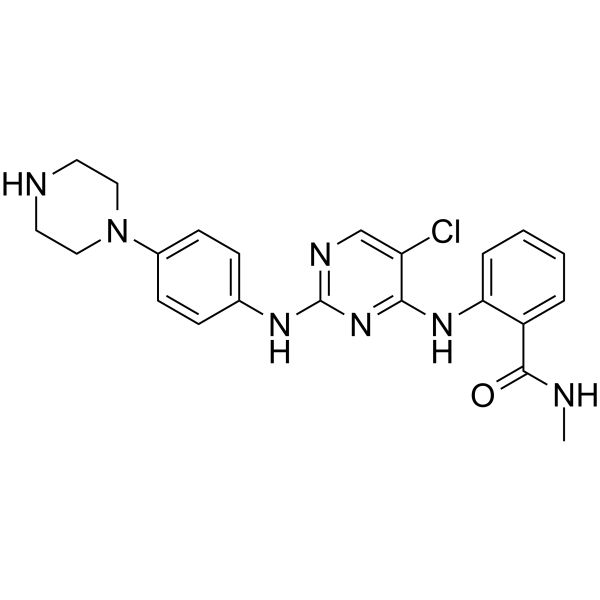
CTX-0294885
 0 Images
CTX-0294885 is a broad spectrum kinase inhibitor that can capture 235 kinases from MDA-MB-231 cells, and can capture all members of the AKT family. CTX-0294885 is a powerful reagent for analysis of kinome signaling networks that can be used for the research of diseases like inflammation, diabetes, and cancer.
-
GNE-140 racemate
 0 Images
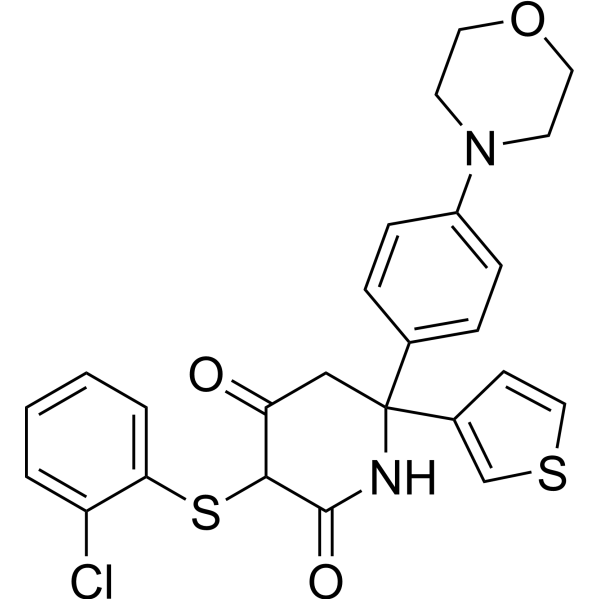
GNE-140 racemate is a racemic mixture of (R)-GNE-140 (HY-100742A) and (S)-GNE-140 (HY-100742B), and also a tautomer of GNE-140 (HY-118241). GNE-140 racemate is an orally active lactate dehydrogenase inhibitor, with an IC50 of 3 nM against human LDHA and an IC50 of 5 nM against LDHB. GNE-140 racemate reduces the phosphorylation level and total protein expression of p38 MAPK, and inhibits EGF-induced AKT phosphorylation. GNE-140 racemate decreases lactate production, regulates glycolysis, the pentose phosphate pathway and nucleotide biosynthesis, increases extracellular pH, inhibits cell proliferation, migration and invasion, and induces caspase-3 activation and ROS accumulation. GNE-140 racemate can be used in research related to breast cancer, cystic fibrosis and pancreatic cancer.
-
CCT128930
 0 Images
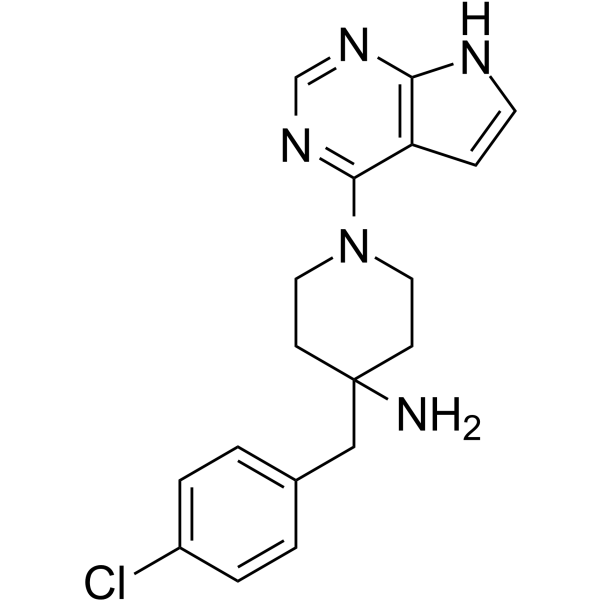
CCT128930 is a ATP-competitive and selective inhibitor of AKT (IC50=6 nM for AKT2). CCT128930 has 28-fold selectivity over the closely related PKA kinase (IC50=168 nM) through the targeting of Met282 of AKT (Met173 of PKA-AKT chimera), as well as 20-fold selectivity over p70S6K (IC50=120 nM). Antitumor activity.
-
Icrucumab
 0 ImagesSynonyms: Anti-VEGFR1/FLT1 Reference Antibody; IMC-18F1
Icrucumab (Anti-VEGFR1/FLT1 Reference Antibody; IMC-18F1) is an IgG1 antibody inhibitor targeting VEGFR-1/FLT1 with anti-tumor activity. By blocking ligand-dependent phosphorylation and downstream signal transduction, Icrucumab reduces the activities of MAPK and Akt in breast cancer xenograft models, inhibits the proliferation and invasion of VEGFR-1-positive tumor cells, and reverses the conversion of M1 macrophages to the pro-tumor M2-like phenotype. Icrucumab also inhibits tumor cell proliferation, promotes apoptosis, and effectively suppresses tumor growth through direct targeting of tumors and host support mechanisms. In addition, Icrucumab exhibits a synergistic effect when combined with chemotherapeutic agents, and it is used in research related to various cancers including advanced solid malignancies, thyroid cancer, melanoma, and lung cancer.
-
Hexamethylene bisacetamide
 0 Images
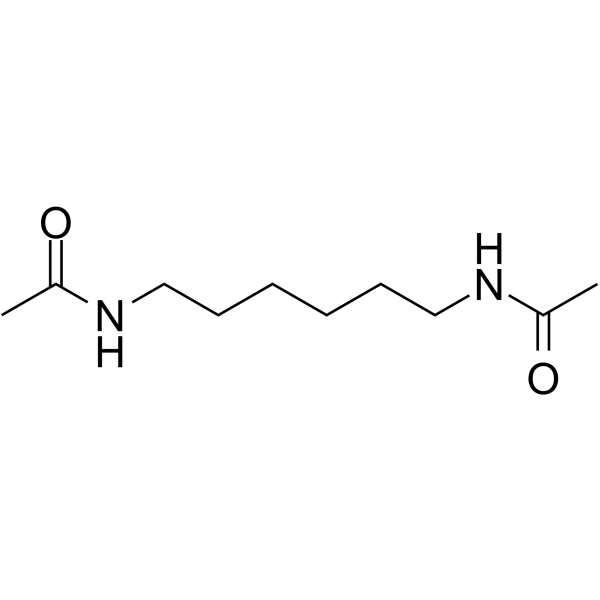
Hexamethylene bisacetamide (HMBA) is a differentiation inducer and selective bromine domain inhibitor that can differentiate across the blood-brain barrier. Hexamethylene bisacetamide can induce tumor cell differentiation and inhibit cell proliferation, showing antitumor activity. Hexamethylene bisacetamide induces apoptosis by Notch1, Bcl-2 and p53 signaling pathways. In addition, Hexamethylene bisacetamide improves the obesity phenotype of mice.
-
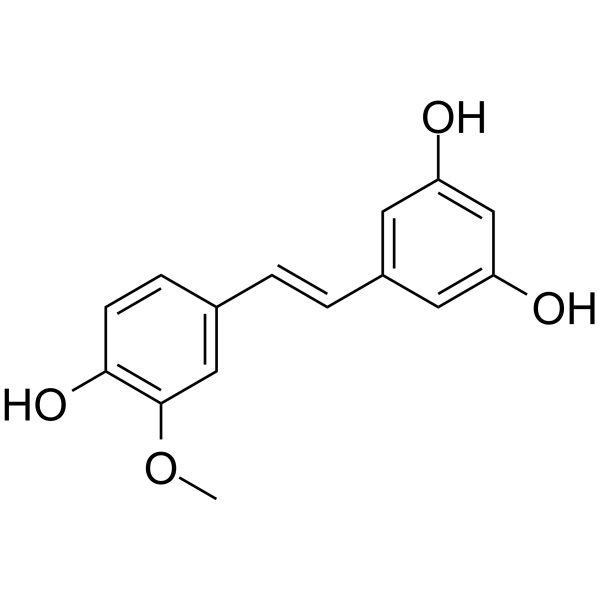
Isorhapontigenin
 0 Images
Isorhapontigenin is an orally active dietary polyphenol. Isorhapontigenin acts as a potent antioxidant that reduces the production of reactive oxygen species (ROS). Isorhapontigenin promotes the binding of JUN to the AP-1 site on the SESN2 promoter, induces SESN2 transcription, triggers MAPK8-dependent JUN activation, and upregulates the expression of PPAR-α, PGC-1α and CPT-1A to facilitate fatty acid oxidation. Isorhapontigenin induces autophagy, apoptosis and preadipocyte differentiation; it inhibits tumor growth, cell invasion, NF-κB transcriptional activity, the PI3K/Akt signaling pathway, STAT1 phosphorylation and MMP-2 expression. Isorhapontigenin alleviates oxidative stress, inflammatory cytokine release and triglyceride accumulation; it increases intracellular ATP levels and promotes Nrf2 nuclear translocation. Isorhapontigenin improves insulin sensitivity in adipose tissue and glucose tolerance, and reduces postprandial blood glucose, insulin and free fatty acid levels. Isorhapontigenin is applicable to research on bladder cancer, liver injury, chronic obstructive pulmonary disease, acute lung injury and type 2 diabetes.