



Chrysosplenetin
Based on 3 publication(s) in Google Scholar
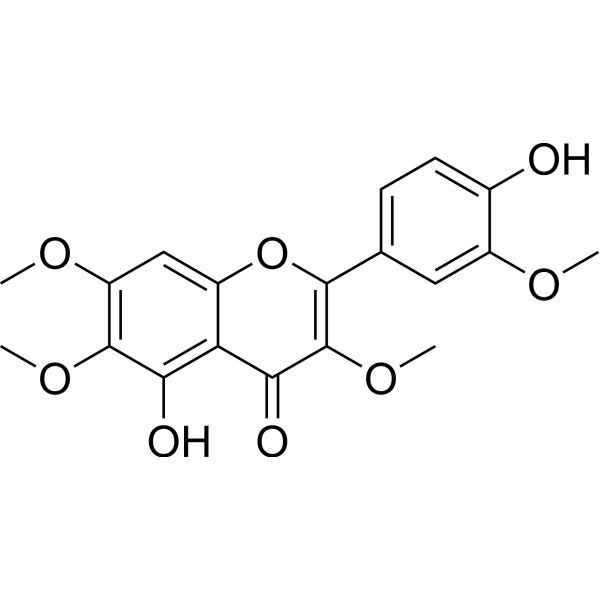
Chrysosplenetin is an orally active polymethoxyflavone. Chrysosplenetin exerts anticancer effects by inhibiting topoisomerase, protecting DNA and inducing apoptosis. Chrysosplenetin acts as an antimalarial sensitizer, reverses Artemisinin (HY-B0094) resistance by inhibiting and downregulating P-glycoprotein, and enhances the efficacy of Artemisinin. Chrysosplenetin promotes bone formation by activating the Wnt/β-catenin pathway and exerts anti-osteoporotic effects.
연구목적의 판매만을 진행합니다. 환자를 대상으로 한 판매는 하지 않습니다.
- Purity : 99.84%
- CAS No.: 603-56-5
- 화학식: C19H18O8
- 분자량:374.34
-
보관:
4°C, protect from light
* In solvent : -80°C, 6 months; -20°C, 1 month (protect from light)

To place orders, for customer services and technical support, please contact: MedChemExpress USA
Tel: 609-228-6898 E-mail: [email protected] [email protected]


-
 Biological Activity
-
Chemical Information
-
용액&용해도
- Protocol
- 순도&문서
- References
-
 Help & FAQs


-
HY-N0260
Epmedin CAnti-inflammatory Agent -
HY-N0002
(-)-Epicatechin gallateCOX-1 Inhibitor -
HY-N0752
ScutellareinAutophagy Inducer -
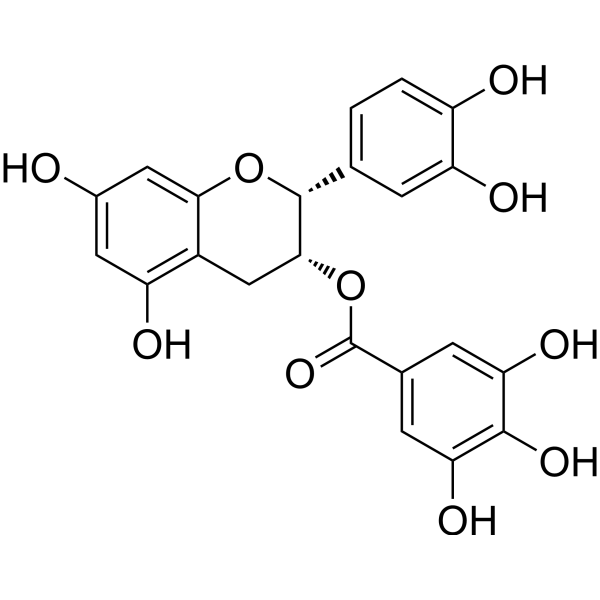
HY-N0002R
(-)-Epicatechin gallate (Standard)Analytical Standard -
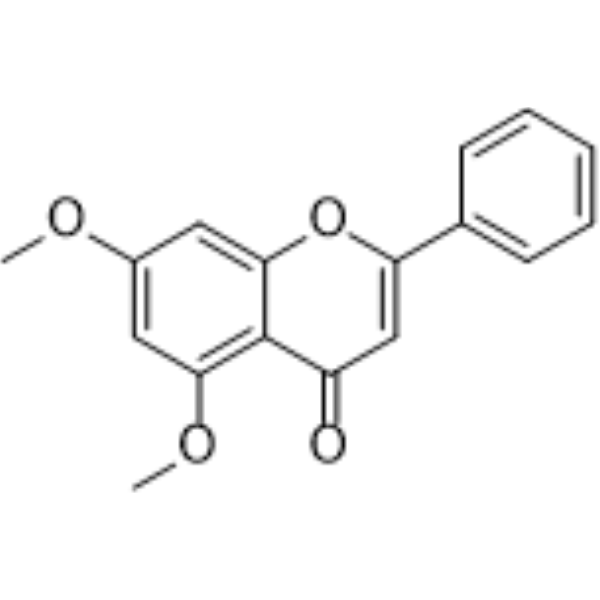
HY-N5011
5,7-DimethoxyflavoneBCRP Inhibitor -
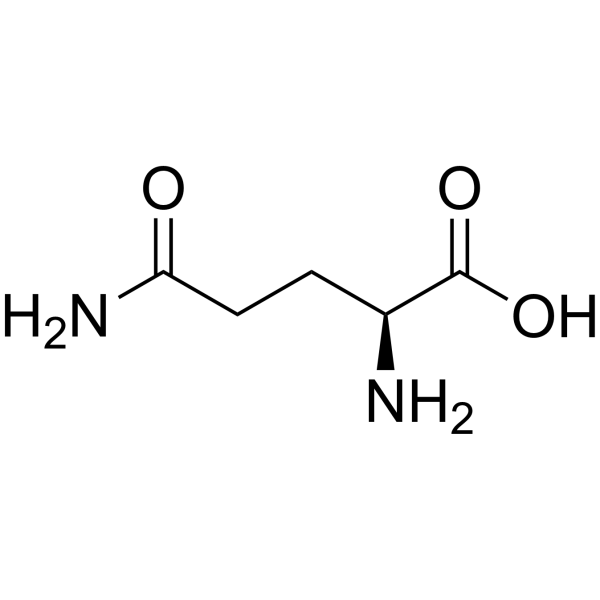
HY-N0390
L-GlutamineEndogenous Metabolite -
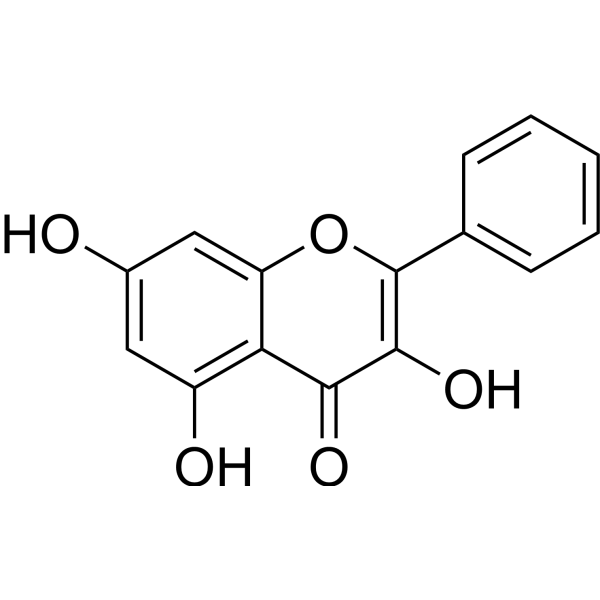
HY-N0382
GalanginCytochrome P450 Inhibitor -

HY-N5011R
5,7-Dimethoxyflavone (Standard)BCRP Inhibitor -
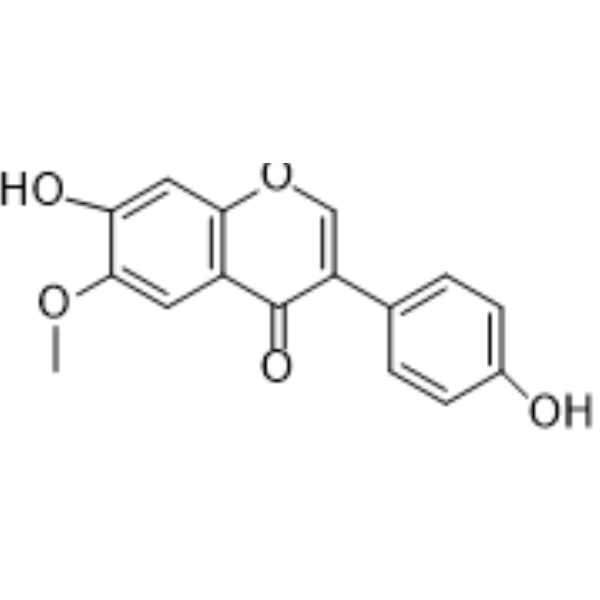
HY-N0016
GlyciteinApoptosis Inducer -
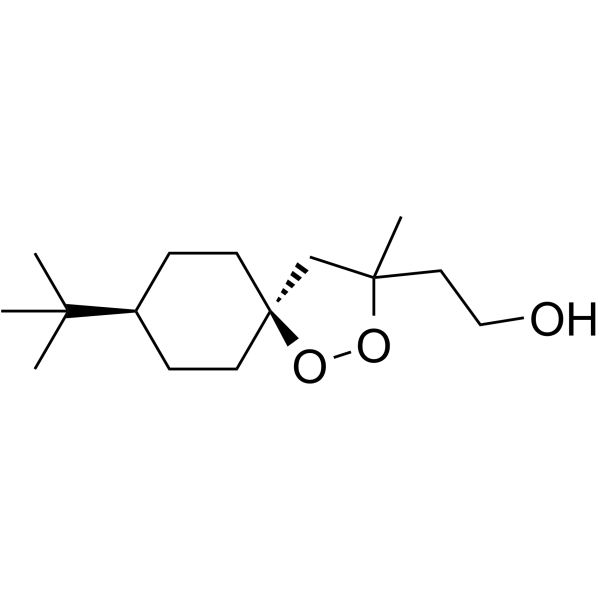
HY-129457
FINO2Ferroptosis Inducer -

HY-N0390R
L-Glutamine (Standard)Reference Standard -
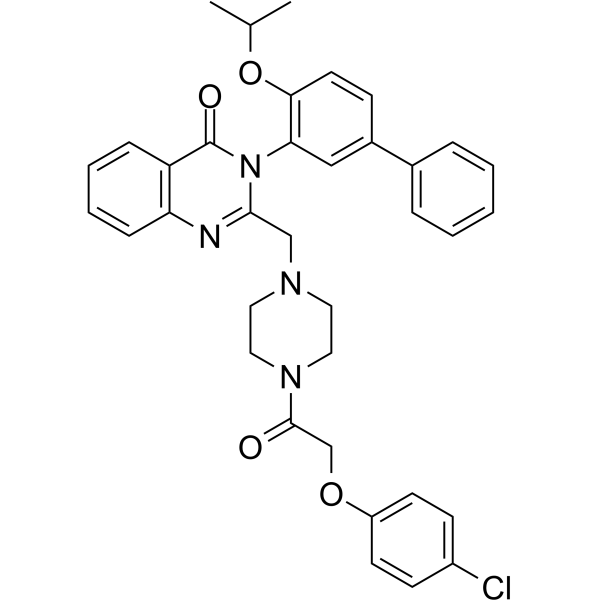
HY-139087
Erastin2xc(-) Cystine/Glutamate Transporter System Inhibitor, ferroptosis inducer
Publications Citing Use of MedChemExpress (MCE) Chrysosplenetin
MoreAll Topoisomerase Isoforms
MoreAll DNA/RNA Synthesis Isoforms
MoreAll Parasite Isoforms
More

Biological Activity
제품 설명
IC50 & Target
|
CYP3A |
Cellular Effect
|
Cell Line

|
Type | Value | Description | References |
|---|---|---|---|---|
| A-431 | EC50 |
>20 μg/mL
Compound: 4
|
In vitro cytotoxicity against epidermoid carcinoma cell line
In vitro cytotoxicity against epidermoid carcinoma cell line
|
[PMID: 8182705] |
| A-431 | ED50 |
0.33 μM
Compound: 70
|
Antiproliferative activity against human A431 cells assessed as reduction in cell viability
Antiproliferative activity against human A431 cells assessed as reduction in cell viability
|
[PMID: 30830783] |
| BC1 cell line | EC50 |
>20 μg/mL
Compound: 4
|
In vitro cytotoxicity against breast cancer cell line
In vitro cytotoxicity against breast cancer cell line
|
[PMID: 8182705] |
| BC1 cell line | ED50 |
0.33 μM
Compound: 70
|
Antiproliferative activity against human BC1 cells assessed as reduction in cell viability
Antiproliferative activity against human BC1 cells assessed as reduction in cell viability
|
[PMID: 30830783] |
| Col2 | IC50 |
>10 μM
Compound: 70
|
Antiproliferative activity against human Col2 cells assessed as reduction in cell viability
Antiproliferative activity against human Col2 cells assessed as reduction in cell viability
|
[PMID: 30830783] |
| Colon carcinoma cell | EC50 |
>20 μg/mL
Compound: 4
|
In vitro cytotoxicity against colon cancer cell line
In vitro cytotoxicity against colon cancer cell line
|
[PMID: 8182705] |
| Fibrosarcoma cell line | EC50 |
4.2 μg/mL
Compound: 4
|
In vitro cytotoxicity against fibrosarcoma cell line
In vitro cytotoxicity against fibrosarcoma cell line
|
[PMID: 8182705] |
| HT | ED50 |
0.33 μM
Compound: 70
|
Antiproliferative activity against human HT cells assessed as reduction in cell viability
Antiproliferative activity against human HT cells assessed as reduction in cell viability
|
[PMID: 30830783] |
| HT-29 | IC50 |
>10 μM
Compound: 70
|
Antiproliferative activity against human HT-29 cells assessed as reduction in cell viability
Antiproliferative activity against human HT-29 cells assessed as reduction in cell viability
|
[PMID: 30830783] |
| HT-29 | IC50 |
14.2 μM
Compound: 4
|
Compound was tested for cytotoxicity against colon adenocarcinoma
Compound was tested for cytotoxicity against colon adenocarcinoma
|
[PMID: 8182705] |
| KB | EC50 |
>20 μg/mL
Compound: 4
|
In vitro cytotoxicity against oral epidermoid carcinoma cell line
In vitro cytotoxicity against oral epidermoid carcinoma cell line
|
[PMID: 8182705] |
| KB | EC50 |
0.8 μg/mL
Compound: 4
|
In vitro cytotoxicity against vinblastine resistant KB cell line
In vitro cytotoxicity against vinblastine resistant KB cell line
|
[PMID: 8182705] |
| KB | ED50 |
0.33 μM
Compound: 70
|
Antiproliferative activity against human KB/HeLa cells assessed as reduction in cell viability
Antiproliferative activity against human KB/HeLa cells assessed as reduction in cell viability
|
[PMID: 30830783] |
| KB | ED50 |
7.42 μg/mL
Compound: chrysosplenol B
|
Cytotoxicity against human KB cells after 72 hrs
Cytotoxicity against human KB cells after 72 hrs
|
[PMID: 1955888] |
| KB | IC50 |
>47.8 μM
Compound: 11
|
Cytotoxicity against human KB cells by sulforhodamine B assay
Cytotoxicity against human KB cells by sulforhodamine B assay
|
[PMID: 26928423] |
| KB-V1 | ED50 |
2.14 μM
Compound: 70
|
Antiproliferative activity against human KBV1 cells assessed as reduction in cell viability
Antiproliferative activity against human KBV1 cells assessed as reduction in cell viability
|
[PMID: 30830783] |
| Lung cancer cell line | EC50 |
>20 μg/mL
Compound: 4
|
In vitro cytotoxicity against lung cancer cell line
In vitro cytotoxicity against lung cancer cell line
|
[PMID: 8182705] |
| P388 | EC50 |
>20 μg/mL
Compound: 4
|
In vitro cytotoxicity against murine lymphoid neoplasm cell line
In vitro cytotoxicity against murine lymphoid neoplasm cell line
|
[PMID: 8182705] |
| P388 | ED50 |
0.33 μM
Compound: 70
|
Antiproliferative activity against mouse P388 cells assessed as reduction in cell viability
Antiproliferative activity against mouse P388 cells assessed as reduction in cell viability
|
[PMID: 30830783] |
| SK-OV-3 | IC50 |
79 μM
Compound: 4
|
Compound was tested for cytotoxicity against ovarian adenocarcinoma, multidrug resistant
Compound was tested for cytotoxicity against ovarian adenocarcinoma, multidrug resistant
|
[PMID: 8182705] |
| SK-VLB | IC50 |
>133 μM
Compound: 4
|
Compound was tested for cytotoxicity against colon adenocarcinoma
Compound was tested for cytotoxicity against colon adenocarcinoma
|
[PMID: 8182705] |
| U-373MG ATCC | EC50 |
>20 μg/mL
Compound: 4
|
In vitro cytotoxicity against glioblastoma cell line
In vitro cytotoxicity against glioblastoma cell line
|
[PMID: 8182705] |
| U-373MG ATCC | ED50 |
0.33 μM
Compound: 70
|
Antiproliferative activity against human U373 cells assessed as reduction in cell viability
Antiproliferative activity against human U373 cells assessed as reduction in cell viability
|
[PMID: 30830783] |
| Vero | IC50 |
>47.8 μM
Compound: 11
|
Cytotoxicity against African green monkey Vero cells by sulforhodamine B assay
Cytotoxicity against African green monkey Vero cells by sulforhodamine B assay
|
[PMID: 26928423] |
In Vitro
Chrysosplenetin (6.06 μM) slightly enhances the transcriptional activities of PXR and CAR in human colorectal cancer LS174T cells[1].
Chrysosplenetin (72 h) potently inhibits the proliferation of MCF-7 breast cancer cells, with an IC50 of 0.3 μM after 72 h of incubation[2].
Chrysosplenetin (12.5-100 μM; 1 h) protects supercoiled pBR322 plasmid DNA against Fenton reagent-induced oxidative damage in a concentration-dependent manner[2].
Chrysosplenetin (20 μM; 6 h) inhibits P-gp-mediated artemisinin efflux in P-gp-overexpressing Caco-2 cells, increases the apical-to-basolateral permeability of artemisinin and reduces its efflux ratio[3].
Chrysosplenetin (5-20 μM; 1-14 days) promotes the proliferation of hBMSCs in a time-dependent manner[4].
Chrysosplenetin (5-20 μM; 14 days) promotes mineral deposition in hBMSCs[4].
Chrysosplenetin (5-20 μM; 14 days) upregulates the expression of osteoblast marker genes (RUNX2, BGLAP, CTNNB1, BMP2) in hBMSCs after 14 days of treatment[4].
Chrysosplenetin (10 μM; 3-14 days) activates the expression of Wnt/β-catenin pathway target genes (CTNNB1, TCF7, LEF1, CCND1, JUN, c-MYC) in hBMSCs[4].
Chrysosplenetin (10 μM; 3-14 days) upregulates the expression of osteogenic downstream genes (RUNX2, DLX5, SPP1, COL1, BGLAP, BMP2) in human bone marrow mesenchymal stem cells (hBMSCs)[4].
Chrysosplenetin (10 μM; 3-14 days) upregulates the expression level of total β-catenin protein and downregulates the expression of p-β-catenin protein in hBMSCs at a concentration of 10 μM[4].
Chrysosplenetin (10 μM) promotes the nuclear translocation of β-catenin in hBMSCs[4].
MedChemExpress (MCE) has not independently confirmed the accuracy of these methods. They are for reference only. Further protocols information, click here.
-
Cell Line:human bone marrow stromal cells (hBMSCs)
-
Concentration:5, 10 and 20 μM
-
Incubation Time:1, 2, 3, 7, 14 days
-
Result:Promoted hBMSC proliferation in a time-dependent manner, with the maximal positive effect achieved at 10 μM.
-
Cell Line:hBMSCs
-
Concentration:5, 10 and 20 μM
-
Incubation Time:14 days
-
Result:Significantly increased mRNA expression levels of RUNX2, BGLAP (Osteocalcin), CTNNB1 (β-catenin), and BMP2 in a non-dose-dependent manner, with maximal increases observed at 10 μM.
-
Cell Line:hBMSCs
-
Concentration:10 μM
-
Incubation Time:3, 7, 14 days
-
Result:Significantly elevated mRNA levels of CTNNB1, TCF7, LEF1, CCND1 (cyclin D), JUN (c-JUN), and c-MYC relative to untreated controls at 3, 7, and 14 days.\nSignificantly increased mRNA expression levels of RUNX2, DLX5, SPP1 (Osteopontin), COL1 (Collagen type I), BGLAP, and BMP2 relative to untreated controls at 3, 7, and 14 days.
Upregulated BMP2 expression that was not reversed by DKK1 pretreatment.
-
Cell Line:hBMSCs
-
Concentration:10 μM
-
Incubation Time:3, 7, 14 days
-
Result:Increased total β-catenin protein expression relative to untreated controls, with peak expression at 7 days.
Significantly suppressed p-β-catenin protein expression relative to untreated controls across 3, 7, and 14 days.
In Vivo
Chrysosplenetin (4-160 mg/kg, p.o., once daily for 7 consecutive days) reverses the artemisinin-induced upregulation of MDR1 mRNA and P-gp protein expression in the small intestine of mice, and exerts weak stimulatory effects on the ATPase activity associated with ABC transporters[3].
Chrysosplenetin (3 mg/kg; i.p.; once every 2 days; for 6 consecutive weeks) significantly alleviates estrogen deficiency-induced bone loss in ovariectomized mice by improving bone microstructural parameters and increasing the number and activity of osteoblasts[4].
MedChemExpress (MCE) has not independently confirmed the accuracy of these methods. They are for reference only.
-
Animal Model:ICR (male, 4 weeks old, 18.0-22.0 g, malaria model); FVB background Abcb1a (P-gp)-deficient knockout (KO) (male, 4 weeks old, 18.0-22.0 g, malaria model)[1]
-
Dosage:80 mg/kg (single agent); 80 mg/kg + 40 mg/kg artemisinin (1:2 combination)
-
Administration:p.o.; once daily; 7 consecutive days
-
Result:Reduced parasitaemia and achieved significant inhibition percentage against artemisinin-resistant P.
berghei K173.
-
Animal Model:ICR mice (male, 18-22 g body weight)[3]
-
Dosage:4 mg/kg (co-administered with artemisinin); 40 mg/kg (co-administered with artemisinin); 80 mg/kg (alone or co-administered with artemisinin); 160 mg/kg (co-administered with artemisinin)
-
Administration:i.g.; daily; 7 consecutive days
-
Result:Reversed artemisinin-induced up-regulation of MDR1 mRNA in mouse small intestine to levels matching the negative contro.
Reversed artemisinin-induced up-regulation of P-gp protein expression in mouse small intestine to levels matching the negative control.
Caused a slight, statistically significant increase in ABC transporter-related ATPase activity in mouse small intestine compared to artemisinin alone.
-
Animal Model:C57BL/6 J (female, 7 weeks old, ovariectomized)[4]
-
Dosage:3 mg/kg
-
Administration:i.p.; every 2 days; 6 weeks
-
Result:Significantly increased bone volume/total volume (BV/TV), trabecular number (Tb.N), and trabecular thickness (Tb.Th), while significantly reducing trabecular separation (Tb.Sp) relative to untreated OVX mice.
Confirmed increased BV/TV, plus significant increases in osteoblast number per bone perimeter (N.Ob/B.Pm) and osteoblast surface per bone surface (Ob.S/BS), along with elevated relative osteocalcin expression in femurs.
Reduced Osteocalcin/Bone Gla Protein (Ot/Bgp) levels, increased Bone Alkaline Phosphatase (Balp) levels, and altered Calcitonin (Ct) levels relative to untreated OVX mice.


Chemical Information
-
CAS No. 603-56-5
-
Appearance Solid
-
분자량 374.34
-
화학식 C19H18O8
-
Color Light yellow to yellow
-
SMILES
O=C1C(OC)=C(C2=CC=C(O)C(OC)=C2)OC3=CC(OC)=C(OC)C(O)=C13
-
Structure Classification
-
선적
Room temperature in continental US; may vary elsewhere.
-
보관
4°C, protect from light
* In solvent : -80°C, 6 months; -20°C, 1 month (protect from light)


Publications (3)
-
Journal Impact Factor
-
Most Recent
-
Food Chem
Effects of sun drying combined with baking processes on the flavor quality of Chongqing Tuocha raw tea. [Abstract]2025 Dec 30:497:146992. PMID: 41285060 -
Food Chem
Flavonoid-mediated metabolic underpinning quality variation in red bud-sport pear mutants. [Abstract]2025 Oct 15:489:144992. PMID: 40466530 -


용액&용해도
In Vitro:
DMSO : 100 mg/mL (267.14 mM; Need ultrasonic; Hygroscopic DMSO has a significant impact on the solubility of product, please use newly opened DMSO)
Please refer to the solubility information to select the appropriate solvent. Once prepared, please aliquot and store the solution to prevent product inactivation from repeated freeze-thaw cycles.
Storage method and period of stock solution: -80°C, 6 months; -20°C, 1 month (protect from light). When stored at -80°C, please use it within 6 months. When stored at -20°C, please use it within 1 month.
Please refer to the solubility information to select the appropriate solvent. Once prepared, please aliquot and store the solution to prevent product inactivation from repeated freeze-thaw cycles.
Storage method and period of stock solution: -80°C, 6 months; -20°C, 1 month (protect from light). When stored at -80°C, please use it within 6 months. When stored at -20°C, please use it within 1 month.
Concentration (start) × Volume (start) = Concentration (final) × Volume (final)
In Vivo:
Select the appropriate dissolution method based on your experimental animal and administration route.
- For the following dissolution methods, please ensure to first prepare a clear stock solution using an In Vitro approach and then sequentially add co-solvents:
- To ensure reliable experimental results, the clarified stock solution can be appropriately stored based on storage conditions. As for the working solution for In Vivo experiments, it is recommended to prepare freshly and use it on the same day.
- The percentages shown for the solvents indicate their volumetric ratio in the final prepared solution. If precipitation or phase separation occurs during preparation, heat and/or sonication can be used to aid dissolution.
Add each solvent one by one: 10% DMSO 40% PEG300 5% Tween-80 45% Saline
Solubility: ≥ 2.5 mg/mL (6.68 mM); Clear solution
This protocol yields a clear solution of ≥ 2.5 mg/mL (saturation unknown).
Taking 1 mL working solution as an example, add 100 μL DMSO stock solution (25.0 mg/mL) to 400 μL PEG300, and mix evenly; then add 50 μL Tween-80 and mix evenly; then add 450 μL Saline to adjust the volume to 1 mL.
Preparation of Saline: Dissolve 0.9 g sodium chloride in ddH₂O and dilute to 100 mL to obtain a clear Saline solution.
In Vivo Dissolution Calculator
Please enter the basic information of animal experiments:
-
-
-
-
Recommended: Prepare an additional quantity of animals to account for potential losses during experiments.
Please enter your animal formula composition:
-
%DMSO +
Recommended: Keep the proportion of DMSO in working solution below 2% if your animal is weak.
-
%+
-
+%Tween-80 + +
-
%Saline +
The co-solvents required include: DMSO, . All of co-solvents are available by MedChemExpress (MCE). , Tween 80. All of co-solvents are available by MedChemExpress (MCE).
Working solution concentration: 0.22 mg/mL
Method for preparing stock solution: mg drug dissolved in μL DMSO. Stock solution concentration: mg/mL. * In solvent : -80°C, 6 months; -20°C, 1 month (protect from light)
1. Take μL DMSO stock solution;
2. Add μL .
μL , mix evenly;
3. Then add μL Tween 80, mix evenly;
4. Then add μL
Please ensure that the stock solution in the first step is dissolved to a clear state, and add co-solvents in sequence. You can use ultrasonic heating (ultrasonic cleaner, recommended frequency 20-40 kHz), vortexing, etc. to assist dissolution.

Protocol
-
Apoptosis
Apoptosis, also called programmed cell death, is generally characterized by distinct morphological characteristics.
-
TUNEL staining for apoptotic DNA fragmentation
TUNEL staining detects DNA strand breaks by using terminal deoxynucleotidyl transferase to add labeled nucleotides to exposed 3′-OH DNA termini, generating either microscopic staining in fixed cells or tissue sections, or fluorescence/cytometric signal in cell suspensions. TUNEL positivity reflects DNA fragmentation but should not be interpreted alone as definitive apoptosis, because TUNEL can also label necrotic, autolytic, mechanically damaged, or DNA-repair-associated DNA breaks.
-
Annexin V plus membrane-impermeant dye apoptosis staining
Annexin V-based apoptosis assays rely on the detection of phosphatidylserine (PS) externalization from the inner leaflet of the plasma membrane to the outer leaflet, an early biochemical hallmark of apoptosis. Fluorescently labeled Annexin V binds PS in a calcium-dependent manner, enabling identification of early apoptotic cells by flow cytometry or fluorescence microscopy. When combined with a membrane-impermeant DNA-binding dye (e. g. , propidium iodide), this approach allows discrimination between viable (Annexin V−/dye−), early apoptotic (Annexin V+/dye−), and late apoptotic or necrotic (Annexin V+/dye+) cell populations by assessing membrane integrity and PS exposure.
-
Apoptosis Solutions
Apoptosis is a regulated, generally non-lytic cell-death pathway that removes unwanted, damaged, infected, or abnormal cells through coordinated morphological changes, caspase activation, DNA fragmentation, and membrane remodeling. The intrinsic apoptosis pathway is controlled mainly by mitochondrial outer membrane permeabilization, BCL-2 family proteins, cytochrome c release, apoptosome formation, caspase-9 activation, and downstream executioner caspase-3/7 activation. The extrinsic apoptosis pathway is initiated by death receptors such as Fas, TNFR, and TRAIL receptors, which recruit adaptor proteins and activate caspase-8 before engaging executioner caspases or mitochondrial amplification through BID cleavage. Apoptosis is linked to many phenotypes, including cancer cell killing, tissue homeostasis, immune regulation, neurodegeneration, infection response, and treatment-induced cytotoxicity; unresolved questions include how apoptosis interacts with necroptosis, pyroptosis, ferroptos


순도&문서
-
Data Sheet (288 KB)
-
SDS (394 KB)
- English - EN (394 KB)
- Français - FR (394 KB)
- Deutsch - DE (394 KB)
- Norwegian - NO (394 KB)
- Español - ES (394 KB)
- Swedish - SV (394 KB)
- Italian - IT (394 KB)
- Korean - KR (394 KB)
- Portuguese - PT (394 KB)
-
Handling Instructions (2659 KB)
References
[1]. Wang L, et al. Antimalarial activity and sensitization of chrysosplenetin against artemisinin-resistant genotype Plasmodium berghei K173 potentially via dual-mechanism of maintaining host P-glycoprotein homeostasis mediated by NF-κB p52 or PXR/CAR signaling pathways and regulating heme/haemozoin metabolism. Phytother Res. 2023;37(7):2939-2956. [Content Brief]
[2]. Şöhretoğlu D, et al. In vitro and in silico assessment of DNA interaction, topoisomerase I and II inhibition properties of chrysosplenetin. Int J Biol Macromol. 2020;163:1053-1059. [Content Brief]
[4]. Hong G, et al. Chrysosplenetin promotes osteoblastogenesis of bone marrow stromal cells via Wnt/β-catenin pathway and enhances osteogenesis in estrogen deficiency-induced bone loss. Stem Cell Res Ther. 2019;10(1):277. Published 2019 Aug 29. [Content Brief]


Complete Stock Solution Preparation Table
Please refer to the solubility information to select the appropriate solvent. Once prepared, please aliquot and store the solution to prevent product inactivation from repeated freeze-thaw cycles.
Storage method and period of stock solution: -80°C, 6 months; -20°C, 1 month (protect from light). When stored at -80°C, please use it within 6 months. When stored at -20°C, please use it within 1 month.
| Optional Solvent | Concentration Solvent Mass | 1 mg | 5 mg | 10 mg | 25 mg |
|---|---|---|---|---|---|
| DMSO | 1 mM | 2.6714 mL | 13.3568 mL | 26.7137 mL | 66.7842 mL |
| 5 mM | 0.5343 mL | 2.6714 mL | 5.3427 mL | 13.3568 mL | |
| 10 mM | 0.2671 mL | 1.3357 mL | 2.6714 mL | 6.6784 mL | |
| 15 mM | 0.1781 mL | 0.8905 mL | 1.7809 mL | 4.4523 mL | |
| 20 mM | 0.1336 mL | 0.6678 mL | 1.3357 mL | 3.3392 mL | |
| 25 mM | 0.1069 mL | 0.5343 mL | 1.0685 mL | 2.6714 mL | |
| 30 mM | 0.0890 mL | 0.4452 mL | 0.8905 mL | 2.2261 mL | |
| 40 mM | 0.0668 mL | 0.3339 mL | 0.6678 mL | 1.6696 mL | |
| 50 mM | 0.0534 mL | 0.2671 mL | 0.5343 mL | 1.3357 mL | |
| 60 mM | 0.0445 mL | 0.2226 mL | 0.4452 mL | 1.1131 mL | |
| 80 mM | 0.0334 mL | 0.1670 mL | 0.3339 mL | 0.8348 mL | |
| 100 mM | 0.0267 mL | 0.1336 mL | 0.2671 mL | 0.6678 mL |


Chrysosplenetin Related Classifications
HY-N1457 Related Classifications
 Powered by Bioz