
266 Results for "

MCF7 breast cancer cell

" in MedChemExpress (MCE) Product Catalog:
Products (266)

266 Results for "MCF7 breast cancer cell" in MCE Product Catalog:

19
19 Cited Publications
Cat. No.: HY-19822
CAS No.: 722533-56-4
Synonyms: RAD1901
Target:  

Estrogen Receptor/ERR

Research Areas:  

Cancer

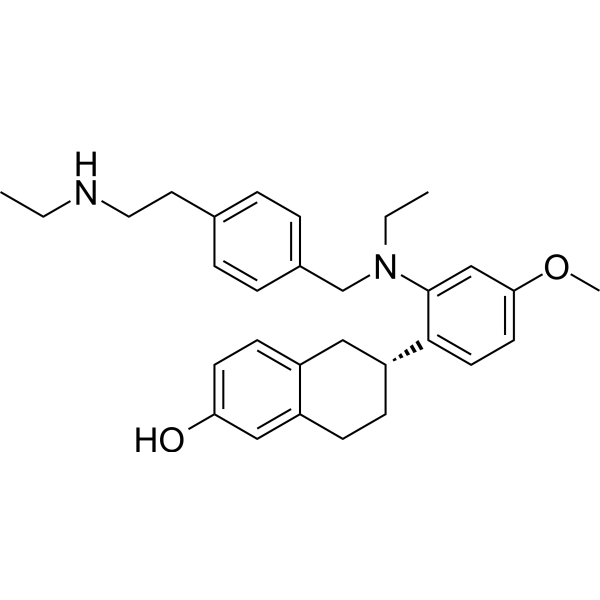
Elacestrant (RAD1901) is an orally available and selective estrogen receptor degrader (SERD) with IC50s of 48 and 870 nM for ERα and ERβ, respectively. Elacestrant also can inhibit growth of ER + breast cancer cell lines in vitro and in vivo .
loading...
    loading...
19
19 Cited Publications
Cat. No.: HY-19822A
CAS No.: 1349723-93-8
Synonyms: RAD1901 dihydrochloride
Target:  

Estrogen Receptor/ERR

Research Areas:  

Cancer

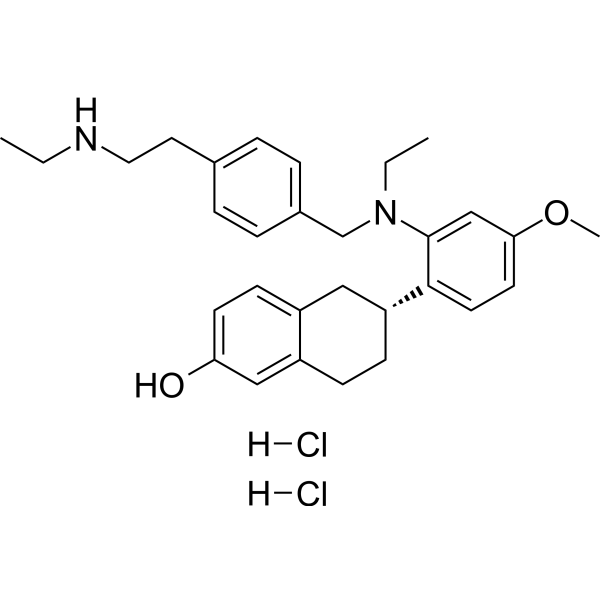
Elacestrant (RAD1901) dihydrochloride is an orally available and selective estrogen receptor degrader (SERD) with IC50s of 48 and 870 nM for ERα and ERβ, respectively. Elacestrant dihydrochloride also can inhibit growth of ER + breast cancer cell lines in vitro and in vivo .
loading...
    loading...
13
13 Cited Publications
Cat. No.: HY-13024
CAS No.: 1020172-07-9
Purity:  99.91%
Synonyms: DCC-2036
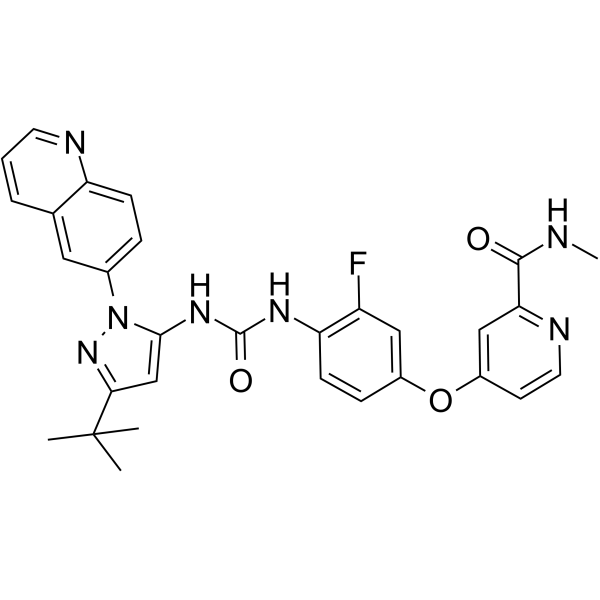
Rebastinib (DCC-2036) is an orally active, non-ATP-competitive Bcr-Abl inhibitor, with IC50 values of 0.8 nM and 4 nM against Abl1 WT and Abl1 T315I, respectively. Rebastinib potently inhibits CYP2C8 (IC50 = 0.0533 μM) and CYP2C9 (IC50 = 2.54 μM). Rebastinib allosterically inhibits Tie2 with an IC50 of 0.63 nM. Rebastinib inhibits the transcriptional activity of FoxO1. Rebastinib inhibits SRC family kinases, KDR and FLT3 kinases. Rebastinib induces Apoptosis. Rebastinib exerts anti-tumor activity in breast cancer. Rebastinib exerts anti-angiogenic effects. Rebastinib increases myotube diameter and improves reduced contractility. Rebastinib can be used in research related to triple-negative breast cancer, luminal breast cancer, pancreatic neuroendocrine tumors, muscle atrophy, cancer cachexia, chronic myeloid leukemia, and B-lymphocytic leukemia .
loading...
    loading...
10
10 Cited Publications
Cat. No.: HY-123937
CAS No.: 2139287-33-3
Purity:  99.16%
Research Areas:  

Infection Cancer

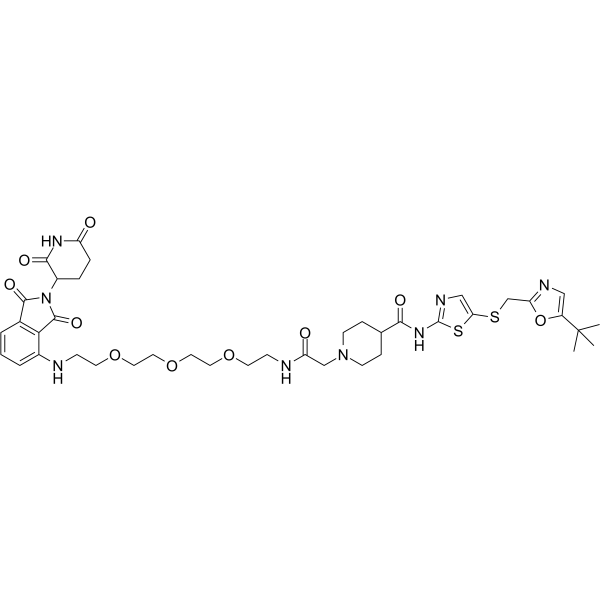
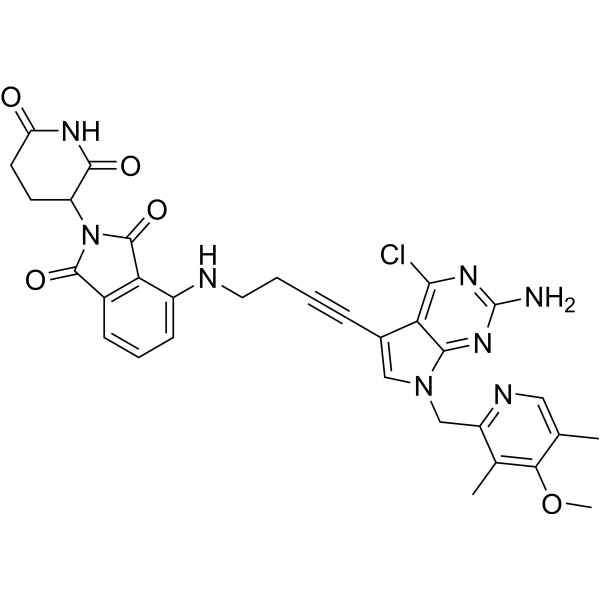
THAL-SNS-032 is a selective CDK9 PROTAC degrader. THAL-SNS-032 recruits CRBN to form a ternary complex with CDK9, thereby triggering ubiquitination and proteasomal degradation of CDK9. THAL-SNS-032 also induces the degradation of CDK1, CDK2 and CDK7. THAL-SNS-032 elevates pH2AX levels, reduces MCL1s expression, and activates caspase-3. THAL-SNS-032 induces cancer cell apoptosis, regulates transcription, and inhibits the replication of human cytomegalovirus (CMV) and SARS-CoV-2. THAL-SNS-032 can be used in research related to breast cancer, leukemia, cytomegalovirus infection and SARS-CoV-2 infection .
loading...
    loading...
6
6 Cited Publications
Cat. No.: HY-112721
CAS No.: 313380-27-7
Purity:  99.65%
Target:  

FOXM1 DNA/RNA Synthesis

Research Areas:  

Cancer

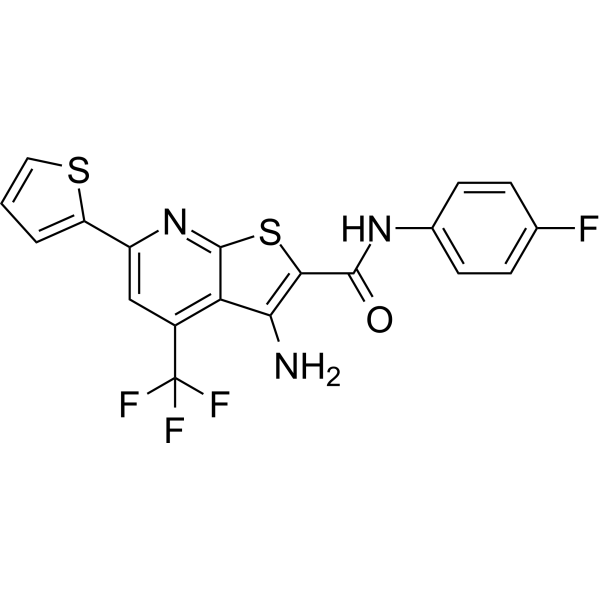
FDI-6 is an inhibitor of FOXM1. FDI-6 binds directly to FOXM1 protein, to displace FOXM1 from genomic targets in MCF-7 breast cancer cells, and induce concomitant transcriptional down-regulation.
loading...
    loading...
3
3 Cited Publications
Cat. No.: HY-119358
CAS No.: 6402-36-4
Purity:  99.85%
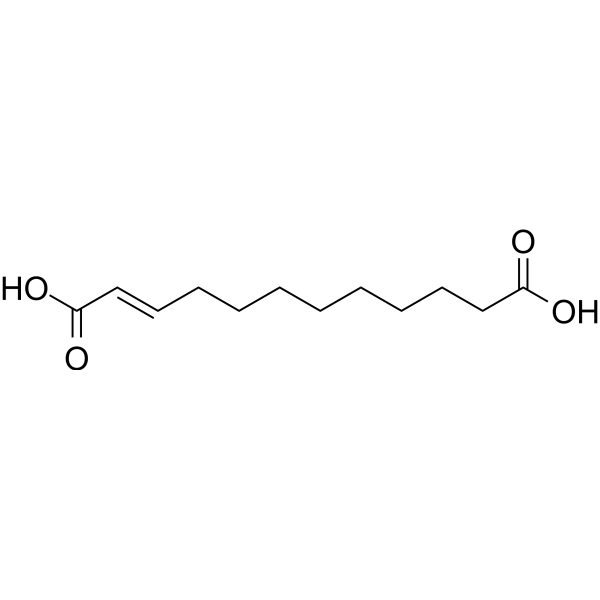
Traumatic Acid is a wound healing agent and a cytokinin (phytohormone). Traumatic Acid enhances the biosynthesis of collagen in cultured human skin fibroblasts. Traumatic Acid inhibits MCF-7 breast cancer cells viability and enhances apoptosis and oxidative stress. Traumatic Acid can be used in studies of cancer, circulatory disorders (including arterial hypertension), and skin diseases associated with oxidative stress and impaired collagen biosynthesis .
loading...
    loading...
3
3 Cited Publications
Cat. No.: HY-147081
CAS No.: 301636-59-9
Purity:  99.52%
Synonyms: AGRO-100
Research Areas:  

Cancer

AS 1411 (AGRO-100) is an oligonucleotide aptamer targeting nucleoproteins. AS 1411 inhibits tumor cell proliferation by affecting the activity of nucleoprotein-containing complexes and can be used as a carrier to precisely deliver nanoparticles, oligonucleotides and small molecules to cancer cells. AS 1411 reduces PRMT5 expression to inhibit tumor growth in DU145 prostate cancer cells. AS 1411 works by blocking the binding of nucleoproteins to bcl-2 mRNA in MCF-7 breast cancer cells. AS 1411-coupled Jin nanospheres can inhibit breast cancer cell proliferation in vitro and in mouse models, has the ability to cross the blood-brain barrier with low tissue toxicity .
loading...
    loading...
3
3 Cited Publications
Cat. No.: HY-147081A
Synonyms: AGRO-100 sodium
Research Areas:  

Cancer

AS 1411 (AGRO-100) sodium is an oligonucleotide aptamer targeting nucleoproteins. AS 1411 sodium inhibits tumor cell proliferation by affecting the activity of nucleoprotein-containing complexes and can be used as a carrier to precisely deliver nanoparticles, oligonucleotides and small molecules to cancer cells. AS 1411 sodium reduces PRMT5 expression to inhibit tumor growth in DU145 prostate cancer cells. S 1411 sodium works by blocking the binding of nucleoproteins to bcl-2 mRNA in MCF-7 breast cancer cells. S 1411 sodium-coupled Jin nanospheres can inhibit breast cancer cell proliferation in vitro and in mouse models, has the ability to cross the blood-brain barrier with low tissue toxicity
loading...
    loading...
3
3 Cited Publications
Cat. No.: HY-18719
CAS No.: 112093-28-4
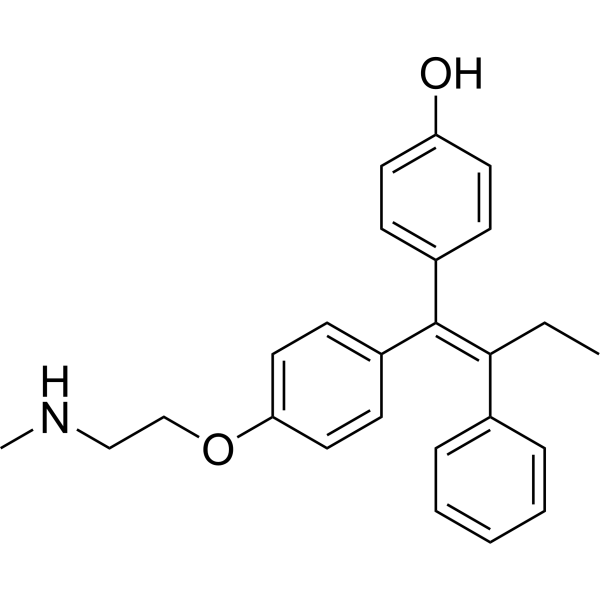
Endoxifen Z-isomer is an orally active selective PKCβ1 inhibitor with an IC50 of 360 nM against human PKCβ1. Endoxifen Z-isomer also acts as an estrogen receptor modulator and antiestrogen. Endoxifen Z-isomer binds to and blocks ERα, ERβ and PKCβ1, inhibits estrogen and PI3K/AKT/mTORC1 signaling pathways, suppresses the expression of genes associated with cell cycle, cell proliferation and extracellular matrix remodeling, and induces apoptosis, reactive oxygen species (ROS) production and hypoxic features. Endoxifen Z-isomer inhibits tumor growth in breast tumor and glioblastoma models, reduces bone turnover and blood lipid levels, and does not require metabolism via CYP2D6. Endoxifen Z-isomer can be used in research related to ER + breast cancer, invasive breast cancer, glioblastoma multiforme, type I bipolar disorder, desmoid tumor, gynecological malignancies, melanoma and hormone receptor-positive solid tumors .
loading...
    loading...
3
3 Cited Publications
Cat. No.: HY-18719A
CAS No.: 1032008-74-4
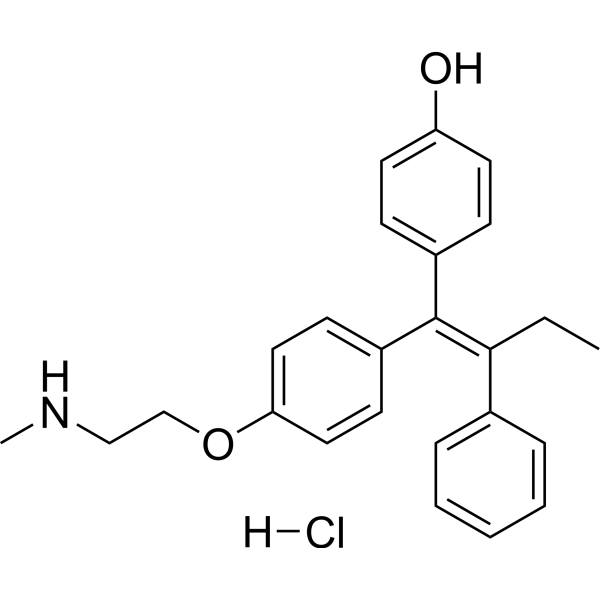
Endoxifen Z-isomer hydrochloride is an orally active selective PKCβ1 inhibitor with an IC50 of 360 nM against human PKCβ1. It also acts as an estrogen receptor modulator and antiestrogen. Endoxifen Z-isomer hydrochloride binds to and blocks ERα, ERβ and PKCβ1, inhibits estrogen and PI3K/AKT/mTORC1 signaling pathways, suppresses the expression of genes associated with cell cycle, cell proliferation and extracellular matrix remodeling, and induces apoptosis, reactive oxygen species (ROS) production and hypoxic features. Endoxifen Z-isomer hydrochloride inhibits tumor growth in breast tumor and glioblastoma models, reduces bone turnover and blood lipid levels, and does not require metabolism via CYP2D6. It can be used in research related to ER + breast cancer, invasive breast cancer, glioblastoma multiforme, type I bipolar disorder, desmoid tumor, gynecological malignancies, melanoma and hormone receptor-positive solid tumors .
loading...
    loading...
2
2 Cited Publications
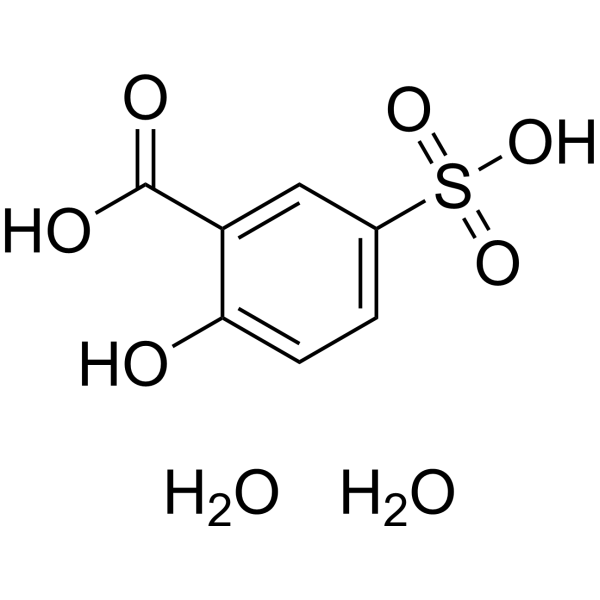
Cat. No.: HY-B0812
CAS No.: 5965-83-3
Synonyms: SSA dihydrate
5-Sulfosalicylic acid dihydrate is a sulfonated salicylic acid derivative. 5-Sulfosalicylic acid dihydrate is effective against the breast cancer cell line, MCF-7, with less toxicity . 5-Sulfosalicylic acid dihydrate has antioxidant activities .
loading...
    loading...
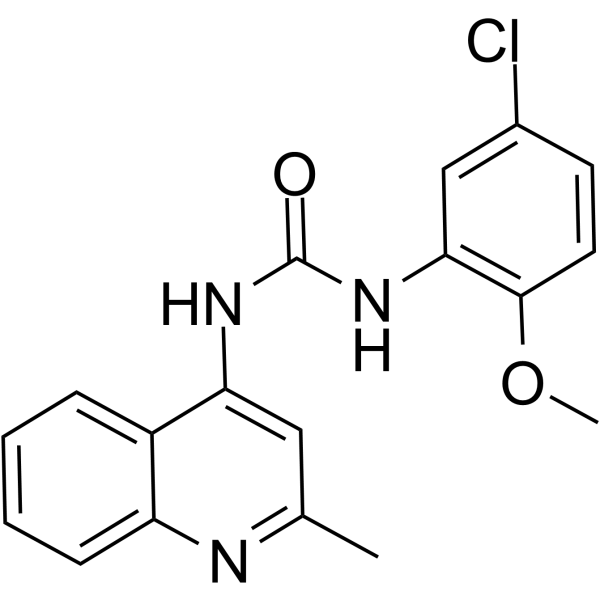
2
2 Cited Publications
Cat. No.: HY-13686
CAS No.: 196868-63-0
Purity:  99.85%
Target:  

IGF-1R Apoptosis

Research Areas:  

Cancer

PQ401 is a potent inhibitor of IGF-IR signaling. PQ401 inhibits IGF-I-stimulated IGF-IR autophosphorylation with an IC50 of 12.0 μM in a series of studies in MCF-7 cells. PQ401 is effective at inhibiting IGF-I-stimulated growth of MCF-7 cells (IC50, 6 μM). PQ401 is a potential agent for breast and other IGF-I-sensitive cancers. PQ401 induces caspase-mediated apoptosis .
loading...
    loading...
1
1 Cited Publications
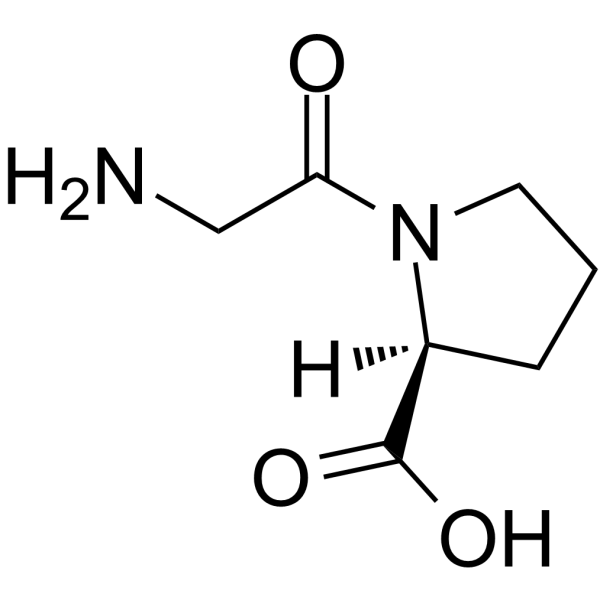
Cat. No.: HY-W016887
CAS No.: 704-15-4
Synonyms: H-Gly-Pro-OH; Gly-Pro
Glycyl-L-proline (H-Gly-Pro-OH) is a dipeptide. Glycyl-L-proline can induce MCF-7 cells apoptosis. Glycyl-L-proline can enhance the inhibitory effect of the PRODH/POX knockout on collagen and DNA biosynthesis. Glycyl-L-proline can inhibit Gly-Sar and L-proline transport. Glycyl-L-proline can be used for the researches of cancer and metabolic disease, such as breast cancer .
loading...
    loading...
1
1 Cited Publications
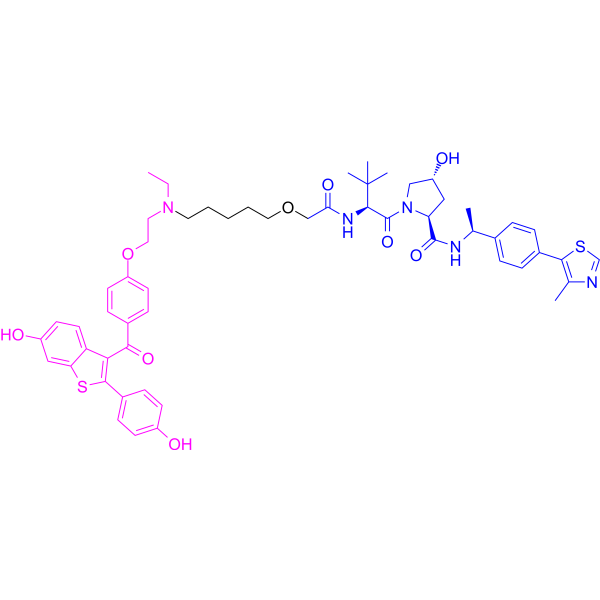
Cat. No.: HY-128600
CAS No.: 2320561-35-9
Purity:  99.05%
Research Areas:  

Cancer

ERD-308 is a potent estrogen receptor (ER) PROTAC degrader. ERD-308 has DC50 values of 0.17 nM and 0.43 nM in MCF-7 and T47D ER+ cells. ERD-308 can inhibit the proliferation of breast cancer cells and exhibits anti-tumor activity .
loading...
    loading...
1
1 Cited Publications
Cat. No.: HY-139434
CAS No.: 899548-78-8
Purity:  99.69%
Target:  

Histone Demethylase

Research Areas:  

Cancer

JMJD6-IN-1 is a JMJD6 inhibitor, with an inhibition rate of 82% at 10 μM. JMJD6-IN-1 inhibits MCF-7 and HCC4006 cell proliferation with IC50 values of 19.2 μM and 25.2 μM. JMJD6-IN-1 inhibits JMJD6 demethylase activity. JMJD6-IN-1 can be used for the research of lung adenocarcinoma, prostate cancer, breast cancer, pancreatic cancer, colon cancer, oral squamous cell carcinoma, and glioblastoma .
loading...
    loading...
1
1 Cited Publications
Cat. No.: HY-115997
CAS No.: 2669072-88-0
Purity:  99.54%
PROTAC HSP90 degrader BP3 is a potent and selective degradation of HSP90 in a CRBN-dependent fashion. PROTAC HSP90 degrader BP3 has a certain degradation effect on HSP90 protein in MCF-7 cells (DC50=0.99 μM). PROTAC HSP90 degrader BP3 inhibits the growth of breast cancer cell . PROTAC HSP90 degrader BP3 is a click chemistry reagent, it contains an Alkyne group and can undergo copper-catalyzed azide-alkyne cycloaddition (CuAAc) with molecules containing Azide groups.
loading...
    loading...
1
1 Cited Publications
Cat. No.: HY-141877
CAS No.: 2375432-47-4
Purity:  99.14%
Synonyms: YS43-22
Research Areas:  

Cancer

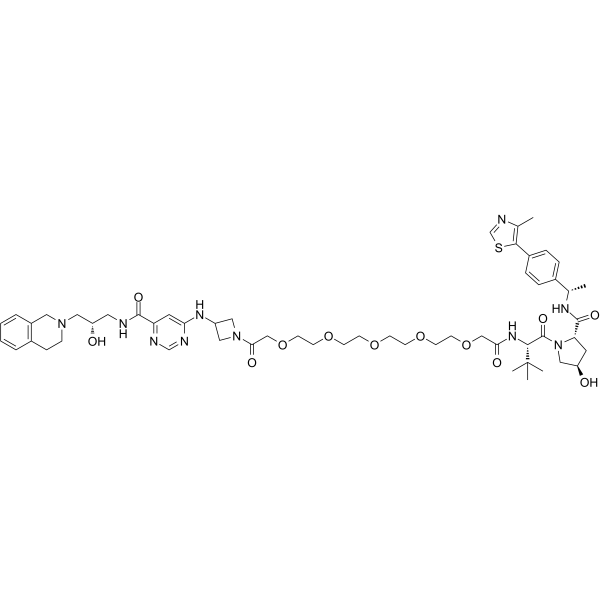
MS4322 (YS43-22) is a specific PRMT5 PROTAC degrader. MS4322 reduces the PRMT5 protein level with a DC50 of 1.1 μM in MCF-7 cells. MS4322 inhibits the methyltransferase activity of PRMT5 with an IC50 of 18 nM. MS4322 promotes ubiquitination and degradation of PRMT5. MS4322 can be used for the research of breast cancer, lung cancer, and hepatocellular cancer. (Pink: PRMT5 ligand (HY-173092); Blue: E3 ligase ligand HY-112078); Black: linker (HY-124780); E3+linker (HY-173093 )) .
loading...
    loading...
1
1 Cited Publications
Cat. No.: HY-N7012
CAS No.: 29080-58-8
Synonyms: 5-Hydroxy-3',4',7-trimethoxyflavone
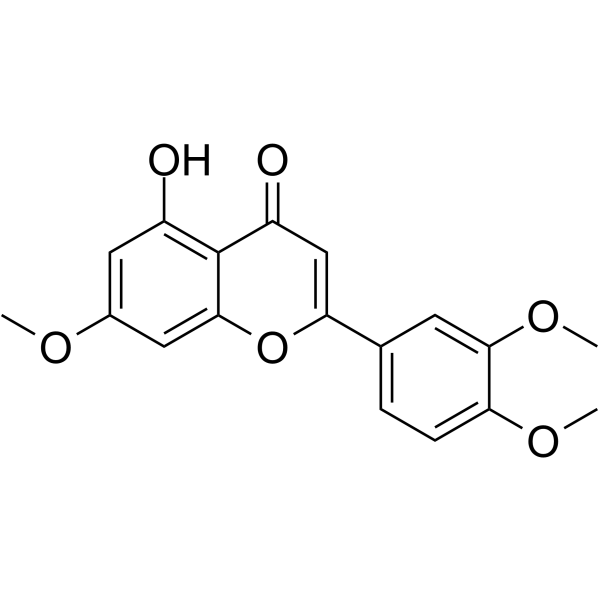
7,3',4'-Tri-O-methylluteolin (5-Hydroxy-3',4',7-trimethoxyflavone) is a flavonoid with multiple biological activities. 7,3',4'-Tri-O-methylluteolin inhibits soybean lipoxygenase (LOX), with an IC50 value of 23.97 µg/mL. 7,3',4'-Tri-O-methylluteolin possesses anti-inflammatory effects in Lipopolysaccharides (HY-D1056) (LPS)-induced RAW 264.7 macrophages. 7,3',4'-Tri-O-methylluteolin inhibits the binding of MDM2 with p53 and induces apoptosis in MCF-7 breast cancer cells. 7,3',4'-Tri-O-methylluteolin also has antioxidant, antifungal and antitrypanosomal activities .
loading...
    loading...
1
1 Cited Publications
Cat. No.: HY-136093B
CAS No.: 1422365-93-2
Synonyms: IM156 free base; HL156A free base; HL271 free base
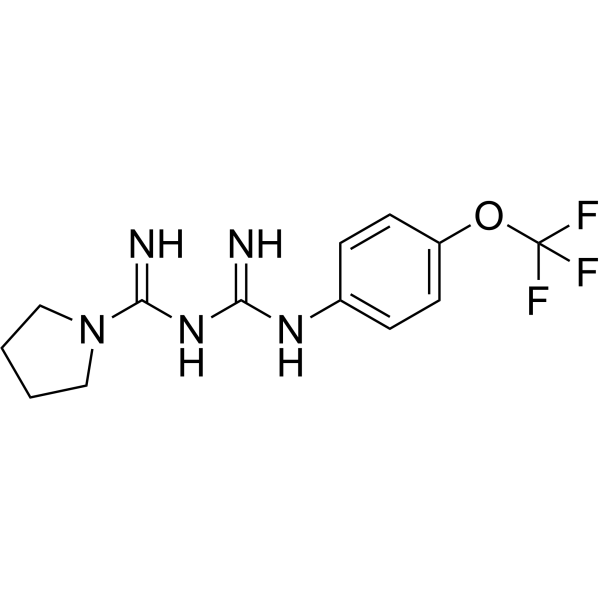
Lixumistat (IM156 free base) is a potent and orally active AMPK activator and OXPHOS inhibitor. Lixumistat strongly activates AMPK, while it lacks the systemic metabolic regulatory effects of classic metformin, such as hypoglycemic and weight-lowering activities. Lixumistat exhibits significant therapeutic effects on cognitive decline associated with brain aging and pulmonary fibrosis .
loading...
    loading...
Cat. No.: HY-N1366
CAS No.: 531-59-9
Synonyms: Methylumbelliferone
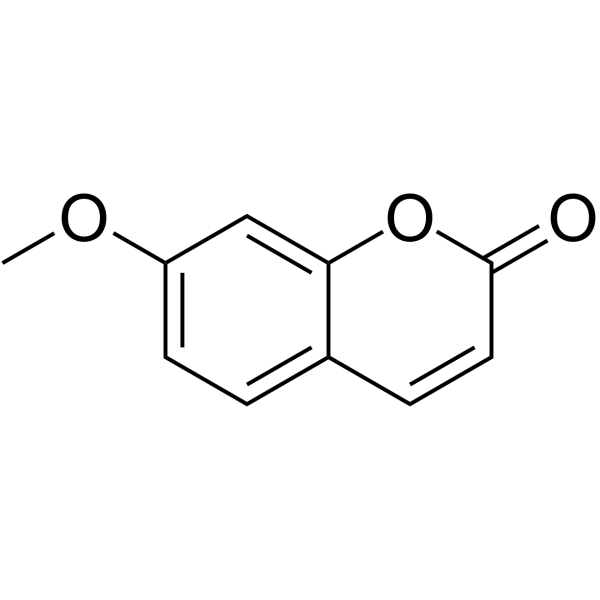
Herniarin is a natural coumarin occurs in some flowering plants with anticancer effects. Herniarin results in a significant decrease in cell viability by inducing apoptosis in MCF-7 cells. Herniarin also has anti-dermatophytic activity. Herniarin can be used for the study of bladder cancer and breast cancer .
loading...
    loading...

