




 LinkedIn
 Researchgate
 Instagram
 X
X Facebook
 WhatsApp
 Reddit
 Mail
MailSARS-CoV-2 contains four main structural proteins: spike (S), membrane (M), envelope (E), and nucleocapsid (N) proteins. All the proteins and subcellular structures of CoVs are promising targets for SARS-CoV-2 research.
Articles
All
-
All
-
Scientific Reviews
-
EDM
-
Blog
Most Recent
-
Most Recent
-
Oldest
-
 Scientific Reviews
-
 Scientific Reviews
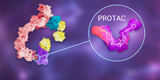
The concept of ADC can be traced back to the early 1900s, It is a visionary magic bullet that could deliver a toxic drug to certain malignant cells without affecting other normal tissues. Now, it seems that a golden age of ADC drug development is coming.
Scientific Reviews
The concept of ADC can be traced back to the early 1900s, It is a visionary magic bullet that could deliver a toxic drug to certain malignant cells without affecting other normal tissues. Now, it seems that a golden age of ADC drug development is coming. -
 Scientific Reviews
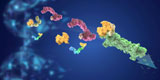
PROTAC, which exploit the ubiquitin-proteasome pathway to specifically degrade target proteins. PROTACs not only solve the problem of undruggability but they also have other advantages compared to traditional drug targeting strategies.
Scientific Reviews
PROTAC, which exploit the ubiquitin-proteasome pathway to specifically degrade target proteins. PROTACs not only solve the problem of undruggability but they also have other advantages compared to traditional drug targeting strategies. -
 Scientific Reviews
PROTAC — Target Selection and Design
Scientific Reviews
PROTAC — Target Selection and Design2022-07-08
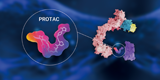
A PROTAC molecule consists of three components: a target protein binding ligand, an E3 ligase ligand, and a linker connecting these two moieties. Here, we will discuss the conventional approaches for the rational design of PROTAC molecules. -
 Scientific Reviews
BacPROTACs is composed of a POI ligand, a chemical linker and a ClpCNTD anchor. BacPROTACs can induce in vitro and in vivo degradation of non-eukaryotic proteins in bacteria without the ubiquitin proteasome system.
Scientific Reviews
BacPROTACs is composed of a POI ligand, a chemical linker and a ClpCNTD anchor. BacPROTACs can induce in vitro and in vivo degradation of non-eukaryotic proteins in bacteria without the ubiquitin proteasome system. -
 Scientific Reviews
RNA therapeutics have changed the landscape of drug development, which possess broader spectrum of drug targets, simplicity and efficiency in development and manufacturing.In this article, we will discuss the underlying mechanisms of RNA-based drugs on the market or in clinical stages.
Scientific Reviews
RNA therapeutics have changed the landscape of drug development, which possess broader spectrum of drug targets, simplicity and efficiency in development and manufacturing.In this article, we will discuss the underlying mechanisms of RNA-based drugs on the market or in clinical stages. -
 Scientific Reviews
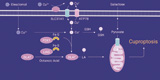
Tsvetkov et al. published in Science and demonstrated a copper-induced programmed cell death — Cuproptosis. As a novel programmed cell death, excess copper triggers abnormal aggregation of lipoylated proteins in TCA cycle and clearance of Fe-S cluster proteins, ultimately leading to cell death.
Scientific Reviews
Tsvetkov et al. published in Science and demonstrated a copper-induced programmed cell death — Cuproptosis. As a novel programmed cell death, excess copper triggers abnormal aggregation of lipoylated proteins in TCA cycle and clearance of Fe-S cluster proteins, ultimately leading to cell death. -
 Scientific Reviews
A comprehensive explanation of ferroptosis
Scientific Reviews
A comprehensive explanation of ferroptosis2022-09-15
Ferroptosis is a new type of RCD that depends on iron and characterized by the accumulation of lipid peroxides. In this article, we will pay our attention on ferroptosis and briefly discusses its mechanism. -
 Scientific Reviews
It's has been proved that p53, as a tumor suppressor gene and immune guardian, may become a destroyer through its own mutation. Moreover, the mechanism of p53 was found to be related to ferroptosis. This article mainly explores the mechanism between p53 and ferroptosis in detail.
Scientific Reviews
It's has been proved that p53, as a tumor suppressor gene and immune guardian, may become a destroyer through its own mutation. Moreover, the mechanism of p53 was found to be related to ferroptosis. This article mainly explores the mechanism between p53 and ferroptosis in detail. -
 Scientific Reviews
Autophagy, derived from the Greek meaning "eating of self", plays an indispensable role in maintaining homeostasis. p27 is an inhibitor of cyclin CDKs, but how p27 regulates autophagy remains unknown. This article will cover the mechanism of autophagy and p27-related cell cycle regulation.
Scientific Reviews
Autophagy, derived from the Greek meaning "eating of self", plays an indispensable role in maintaining homeostasis. p27 is an inhibitor of cyclin CDKs, but how p27 regulates autophagy remains unknown. This article will cover the mechanism of autophagy and p27-related cell cycle regulation. -
 Scientific Reviews
AlphaFold2 can predict disease-related protein structures at low cost, and then find potential drugs for these diseases through drug repositioning, virtual screening, and other methods. ZINC is a public database summarizing information about billions of compounds. AlphaFold2 + ZINC20 speeds up the virtual screening process and improves the computing speed.
Scientific Reviews
AlphaFold2 can predict disease-related protein structures at low cost, and then find potential drugs for these diseases through drug repositioning, virtual screening, and other methods. ZINC is a public database summarizing information about billions of compounds. AlphaFold2 + ZINC20 speeds up the virtual screening process and improves the computing speed. -
 Scientific Reviews
CMA (chaperone-mediated autophagy) plays an essential role in maintaining neuronal protein stability and preventing neurodegeneration. In this article, we will comprehensively clarify the role of CMA in the occurrence and development of neurodegenerative diseases.
Scientific Reviews
CMA (chaperone-mediated autophagy) plays an essential role in maintaining neuronal protein stability and preventing neurodegeneration. In this article, we will comprehensively clarify the role of CMA in the occurrence and development of neurodegenerative diseases. -
 Scientific Reviews
TME (Tumor microenvironment) is considered as a complex integrated system, composed of cellular components such as tumor cells and immune cells, as well as non-cellular components such as ECM and cytokines. According to the spatial distribution of immune cells in TME, "hot" and "cold" TME will be explained in this article.
Scientific Reviews
TME (Tumor microenvironment) is considered as a complex integrated system, composed of cellular components such as tumor cells and immune cells, as well as non-cellular components such as ECM and cytokines. According to the spatial distribution of immune cells in TME, "hot" and "cold" TME will be explained in this article. -
 Scientific Reviews
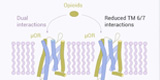
As powerful pain relievers, the opioids morphine and fentanyl have been "checked" by their side effects (listed as controlled substances). How to reduce its side effects? What is its mechanism? This research will explore its mechanism.
Scientific Reviews
As powerful pain relievers, the opioids morphine and fentanyl have been "checked" by their side effects (listed as controlled substances). How to reduce its side effects? What is its mechanism? This research will explore its mechanism. -
 Scientific Reviews
Efferocytosis is the process in which phagocytes remove programmed dead cells. It prevents secondary necrosis of dying cells from releasing harmful cell contents (such as oxides and proteases) that may cause inflammation. Here, we will introduce three stages of efferocytosis: Find, Eat, Digest.
Scientific Reviews
Efferocytosis is the process in which phagocytes remove programmed dead cells. It prevents secondary necrosis of dying cells from releasing harmful cell contents (such as oxides and proteases) that may cause inflammation. Here, we will introduce three stages of efferocytosis: Find, Eat, Digest. -
 Scientific Reviews
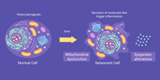
Understanding the mechanism of aging not only has guiding significance for prolonging human life but also has important clinical significance for the prevention and treatment of diseases in the elderly population , thus, improving their life quality and well-being.
Scientific Reviews
Understanding the mechanism of aging not only has guiding significance for prolonging human life but also has important clinical significance for the prevention and treatment of diseases in the elderly population , thus, improving their life quality and well-being. -
 Scientific Reviews
Mammalian cells can also photosynthesize like plants! Photosynthesis can improve cell anabolism and exhibit good clinical effect in degenerative diseases (osteoarthritis).
Scientific Reviews
Mammalian cells can also photosynthesize like plants! Photosynthesis can improve cell anabolism and exhibit good clinical effect in degenerative diseases (osteoarthritis). -
 Scientific Reviews
The latest study of Cell magazine "Neural mechanism underlying depressive-like state associated with social status loss" considers social factors as a breakthrough point. It has been found that the downward transition of social status induces depression-like behavior in mice whereas improves the depressive state by restoring their social environment.
Scientific Reviews
The latest study of Cell magazine "Neural mechanism underlying depressive-like state associated with social status loss" considers social factors as a breakthrough point. It has been found that the downward transition of social status induces depression-like behavior in mice whereas improves the depressive state by restoring their social environment. -
 Scientific Reviews
PROTAC - Design Strategy for Targeting
Scientific Reviews
PROTAC - Design Strategy for Targeting2023-04-23
Protein degradation targeting chimera (PROTAC) is a technology that uses the ubiquitin proteasome pathway to silent target protein. However, PROTAC still has problems such as solubility, membrane permeability, and selectivity. In this article, we have summarized three strategies for optimization: light-controlled linker, PAC molecule, and specific E3 ligase. -
 Scientific Reviews
Necroptosis, also known as necroptosis, is a form of regulated necrotizing cell death mediated by RIP1 and RIP3 kinases. Necroptosis is a process that prevents the self-destruction of activated cells that are blocked by apoptosis. Necroptosis plays a tumor suppressor role in most cases. It may provide benefits in the researches of a variety of human diseases involving immune inflammation and cell death.
Scientific Reviews
Necroptosis, also known as necroptosis, is a form of regulated necrotizing cell death mediated by RIP1 and RIP3 kinases. Necroptosis is a process that prevents the self-destruction of activated cells that are blocked by apoptosis. Necroptosis plays a tumor suppressor role in most cases. It may provide benefits in the researches of a variety of human diseases involving immune inflammation and cell death. -
 Scientific Reviews
Mitophagy:Mechanisms and Detection
Scientific Reviews
Mitophagy:Mechanisms and Detection2023-05-25
About 60 years ago, Christian de Duve first used the term "autophagy" to describe his observation of the degradation of mitochondria and other intracellular structures in lysosomes of rat liver. Over the years, autophagy has remained a beloved topic of research by the National Natural Science Foundation of China (NSFC).Today, let's talk about mitochondrial autophagy. -
 Scientific Reviews
Structure of Lipid Droplets
Scientific Reviews
Structure of Lipid Droplets2023-06-15
Huh? Lipid droplets? Organelles? In the past, biological data usually only show the traditional organelles, such as mitochondria, Golgi apparatus, endoplasmic reticulum, etc., lipid droplets are often not mentioned by people. Today, we will make a systematic explanation of lipid droplets, so that everyone has a clear understanding! -
 Scientific Reviews
HLA-E, A Novel Immune Checkpoint
Scientific Reviews
HLA-E, A Novel Immune Checkpoint2023-06-29
Immune checkpoints have immunosuppressive functions. It can be used in the research of tumor immunotherapy. In this article, we introduce a new paper entitled "Immune checkpoint HLA-E: CD94 - NKG2Amediates evasion of circulating tumor cells from NK cell surveillance "research paper. -
 Scientific Reviews
How to Perform Western Blot?
Scientific Reviews
How to Perform Western Blot?2023-07-13
Western blot is one of the most frequently performed experiments in molecular biology, biochemistry and immunology. This article describes in detail how to do WB. -
 Scientific Reviews
WHO's Q2 drug list has been updated. Let's take you through the list of the most noteworthy small molecule drugs that we should pay attention to.
Scientific Reviews
WHO's Q2 drug list has been updated. Let's take you through the list of the most noteworthy small molecule drugs that we should pay attention to. -
 Scientific Reviews
FDA Approved Drug List!
Scientific Reviews
FDA Approved Drug List!2023-09-14
In the first half of 2023 (as of June 27), the FDA approved 26 new drugs, let's take you learn about it through the article. -
 Scientific Reviews
IHC is an indispensable technique for studying tissue morphology and in situ antigen expression, but usually only one or two antigens in tissues can be stained for analysis. It cannot judge the results more intuitively. Today, Little M will introduce you to the upgraded version mlHC.
Scientific Reviews
IHC is an indispensable technique for studying tissue morphology and in situ antigen expression, but usually only one or two antigens in tissues can be stained for analysis. It cannot judge the results more intuitively. Today, Little M will introduce you to the upgraded version mlHC. -
 Scientific Reviews
A suitable model is crucial in drug screening experiments. Organs can mimic the three-dimensional functional structure of internal organs, have similar spatial organization to corresponding organs, maintain some key characteristics, and reproduce some physiological functions. They are widely used for modeling and personalized drug screening of diseases such as cancer, infectious diseases, and rare diseases.
Scientific Reviews
A suitable model is crucial in drug screening experiments. Organs can mimic the three-dimensional functional structure of internal organs, have similar spatial organization to corresponding organs, maintain some key characteristics, and reproduce some physiological functions. They are widely used for modeling and personalized drug screening of diseases such as cancer, infectious diseases, and rare diseases. -
 Scientific Reviews
FDA Annual Review | Record-breaking number of new drug approvals in 2023!
Scientific Reviews
FDA Annual Review | Record-breaking number of new drug approvals in 2023! -
 Scientific Reviews
Are frozen cells always damaged? Is the survival rate of revived cells low? When is it appropriate to freeze cells? What should be considered when reviving them? Today, we're sharing a guide to avoid pitfalls in cell freezing and revival!
Scientific Reviews
Are frozen cells always damaged? Is the survival rate of revived cells low? When is it appropriate to freeze cells? What should be considered when reviving them? Today, we're sharing a guide to avoid pitfalls in cell freezing and revival! -
 Scientific Reviews
KRAS, a gene we've heard so much about, has quickly risen to fame after shedding its "undruggable" label. After reading numerous articles, it's easy to feel overwhelmed and wonder: What exactly should we know about this often-discussed but previously "undruggable" target KRAS?
Scientific Reviews
KRAS, a gene we've heard so much about, has quickly risen to fame after shedding its "undruggable" label. After reading numerous articles, it's easy to feel overwhelmed and wonder: What exactly should we know about this often-discussed but previously "undruggable" target KRAS? -
 Scientific Reviews
Compound Screening Guide!
Scientific Reviews
Compound Screening Guide!2024-03-15
How to use compound library? How to design an experiment if you buy a compound library? Want a specific experimental protocol? This article will introduce popular experimental techniques and provide new ideas for publishing high level literature. -
 Scientific Reviews
Wnt/β-catenin and tumor EMT
Scientific Reviews
Wnt/β-catenin and tumor EMT2024-03-18
Epithelial-Mesenchymal Transition (EMT) is closely related to the plasticity of tumor cells and is a necessary process for tumor metastasis. Wnt/β-catenin is one of the main actors involved in the EMT process. Today, we’re here to popularize the tumor EMT and Wnt/β-catenin pathway~ -
 Scientific Reviews
The 2024 AACR meeting concluded successfully in California, USA. Which antitumor drugs stole the show at this conference?
Scientific Reviews
The 2024 AACR meeting concluded successfully in California, USA. Which antitumor drugs stole the show at this conference? -
 Scientific Reviews
Katalin Karikó and Drew Weissman were awarded the Nobel Prize in Physiology or Medicine in 2023 for their groundbreaking work in nucleoside modification, which paved the way for the creation of successful mRNA vaccines to fight against COVID-19. Let's now delve into the complete process of mRNA vaccine development.
Scientific Reviews
Katalin Karikó and Drew Weissman were awarded the Nobel Prize in Physiology or Medicine in 2023 for their groundbreaking work in nucleoside modification, which paved the way for the creation of successful mRNA vaccines to fight against COVID-19. Let's now delve into the complete process of mRNA vaccine development. -
 Scientific Reviews
SPR, which stands for Surface Plasmon Resonance, essentially works by detecting the interaction between ligands and analytes on a biosensor chip. This in turn allows us to probe the properties and structure of substances. With this technology, we can analyze molecules, proteins, DNA, and various organic and inorganic substances in samples in real-time with precision.
Scientific Reviews
SPR, which stands for Surface Plasmon Resonance, essentially works by detecting the interaction between ligands and analytes on a biosensor chip. This in turn allows us to probe the properties and structure of substances. With this technology, we can analyze molecules, proteins, DNA, and various organic and inorganic substances in samples in real-time with precision. -
 Scientific Reviews
Science | A "new" mechanism for non-ubiquitinated Midnolin-proteasomal degradation pathway
Scientific Reviews
Science | A "new" mechanism for non-ubiquitinated Midnolin-proteasomal degradation pathway2024-04-26
“ubiquitin-mediated protein degradation” won the Nobel Prize in Chemistry in 2004! In fact, proteasomes degrade not only ubiquitinated proteins but also non-ubiquitinated ones. The mechanism remains shrouded in mystery. After reading this piece today, you might have a lightbulb moment! -
 Scientific Reviews
Common Questions and Solutions for WB
Scientific Reviews
Common Questions and Solutions for WB2024-05-09
Come to understand the common problems and solutions of WB, and better complete the experiment! -
 Scientific Reviews
Still struggling to find the preparation methods for various solutions? Save your time! Here comes a nanny-level tutorial!
Scientific Reviews
Still struggling to find the preparation methods for various solutions? Save your time! Here comes a nanny-level tutorial! -
 Scientific Reviews
STZ Induced Diabetes Models
Scientific Reviews
STZ Induced Diabetes Models2024-06-13
Spotlight: How can STZ Help Diabetes Research? -
 Scientific Reviews
Exosomes, which won the Nobel Prize in 2013, are still a research hotspot in the national natural sciences, and their popularity has only increased over the past decade (in 2022, they still rank 5th in the national natural sciences hotspots!). Why have exosomes become the darling of scientific research? Let's take a look together~
Scientific Reviews
Exosomes, which won the Nobel Prize in 2013, are still a research hotspot in the national natural sciences, and their popularity has only increased over the past decade (in 2022, they still rank 5th in the national natural sciences hotspots!). Why have exosomes become the darling of scientific research? Let's take a look together~ -
 Scientific Reviews
How important is the compound library? It connects to drug screening on one end and leads to lead compound modifications on the other, serving as one of the sources of new drug development.
Scientific Reviews
How important is the compound library? It connects to drug screening on one end and leads to lead compound modifications on the other, serving as one of the sources of new drug development. -
 Scientific Reviews
Degrade target proteins through the autophagy-lysosome pathway including LYTAC, AUTAC, and ATTEC have gained increasing attention in recent years due to their significant research potential!
Scientific Reviews
Degrade target proteins through the autophagy-lysosome pathway including LYTAC, AUTAC, and ATTEC have gained increasing attention in recent years due to their significant research potential! -
 Scientific Reviews
Antibodies!
Scientific Reviews
Antibodies!2024-07-26
Today, We introduce antibodies for everyone! -
 Scientific Reviews
Streptavidin-Biotin System
Scientific Reviews
Streptavidin-Biotin System2024-08-03
Streptavidin strongly binding small molecule biotin is one of the most popular non-covalent coupling methods. Streptavidin can be coupled to various carriers such as magnetic beads and agarose matrix, and become a highly specific affinity medium to capture various biotin-labeled ligands. -
 Scientific Reviews
Science’s 2023 Breakthrough: GLP-1R Agonists
Scientific Reviews
Science’s 2023 Breakthrough: GLP-1R Agonists2024-08-13
GLP-1RAs, which achieved great success in 2023 and draws people’s attention back to obesity treatments and GLP-1 therapies worldwide, was chosen as the breakthrough of year 2023 by Science [2]. -
 Scientific Reviews
What Are Popular Anti-tumor Drug Targets?
Scientific Reviews
What Are Popular Anti-tumor Drug Targets?2024-08-20
The rapid development of targeted anti-cancer drugs has spurred diverse research across various modalities. These include small molecules, monoclonal antibodies (mAbs), cell immunotherapies, antibody-drug conjugates (ADCs), and PROTACs (proteolysis targeting chimeras). -
 Scientific Reviews
Cuproptosis, How much do you know?
Scientific Reviews
Cuproptosis, How much do you know?2024-08-22
Cells die in a variety of ways, including apoptosis, pyroptosis, necrosis, and ferroptosis......And, of course, cuproptosis. So, how much do you know about cuproptosis? -
 Scientific Reviews
Virtual Screening and New Uses for Old Drugs
Scientific Reviews
Virtual Screening and New Uses for Old Drugs2024-09-17
With the advancement of medical science, drug screening against various disease targets has become the fundamental strategy for drug development. Currently, computer-based virtual screening techniques are emerging in the field of new drug research due to their efficiency and low cost. Let's explore it today! -
 Scientific Reviews
Recently, Mol Cell reported the discovery of the first ferroptosis marker, Hyperoxidized PRDX3! Let’s take a look together~
Scientific Reviews
Recently, Mol Cell reported the discovery of the first ferroptosis marker, Hyperoxidized PRDX3! Let’s take a look together~ -
 Scientific Reviews
Cuproptosis's Knowledge Points!
Scientific Reviews
Cuproptosis's Knowledge Points!2024-09-25
With the establishment of the cuproptosis mechanism related research has attracted more and more attention from major journals. Expect to use the sharp sword of cuproptosis to stab the tumor cells. -
 Scientific Reviews
2024 Nobel Prize Announcements! Curious about the details? Click to dive into the exciting developments!
Scientific Reviews
2024 Nobel Prize Announcements! Curious about the details? Click to dive into the exciting developments! -
 Scientific Reviews
How they used PKH 26 for cellular studies?
Scientific Reviews
How they used PKH 26 for cellular studies?2024-10-21
We are thrilled to highlight our client study using PKH 26 (MedChemExpress) , a red fluorescent dye that has proven invaluable for in vitro cell labeling and tracing. This innovative research, published in the Journal of Nanobiotechnology. -
Scientific Reviews
Delve into the intricate networks that govern mitochondrial quality control. By examining key mechanisms such as biogenesis, mitochondrial dynamics (fission and fusion), proteolysis, and mitophagy. -
 Scientific Reviews
Unlocking the Power of Intermittent Fasting: The 16+8 Method
Scientific Reviews
Unlocking the Power of Intermittent Fasting: The 16+8 Method -
 Scientific Reviews
We are thrilled to share the latest advancements in AI technology as highlighted in this insightful article. From groundbreaking innovations to transformative applications, the future of AI is brighter than ever!
Scientific Reviews
We are thrilled to share the latest advancements in AI technology as highlighted in this insightful article. From groundbreaking innovations to transformative applications, the future of AI is brighter than ever! -
 Scientific Reviews
Advancing Chronic Kidney Disease Research with GJ103 and Lamin B1 Antibody!
Scientific Reviews
Advancing Chronic Kidney Disease Research with GJ103 and Lamin B1 Antibody! -
 Scientific Reviews
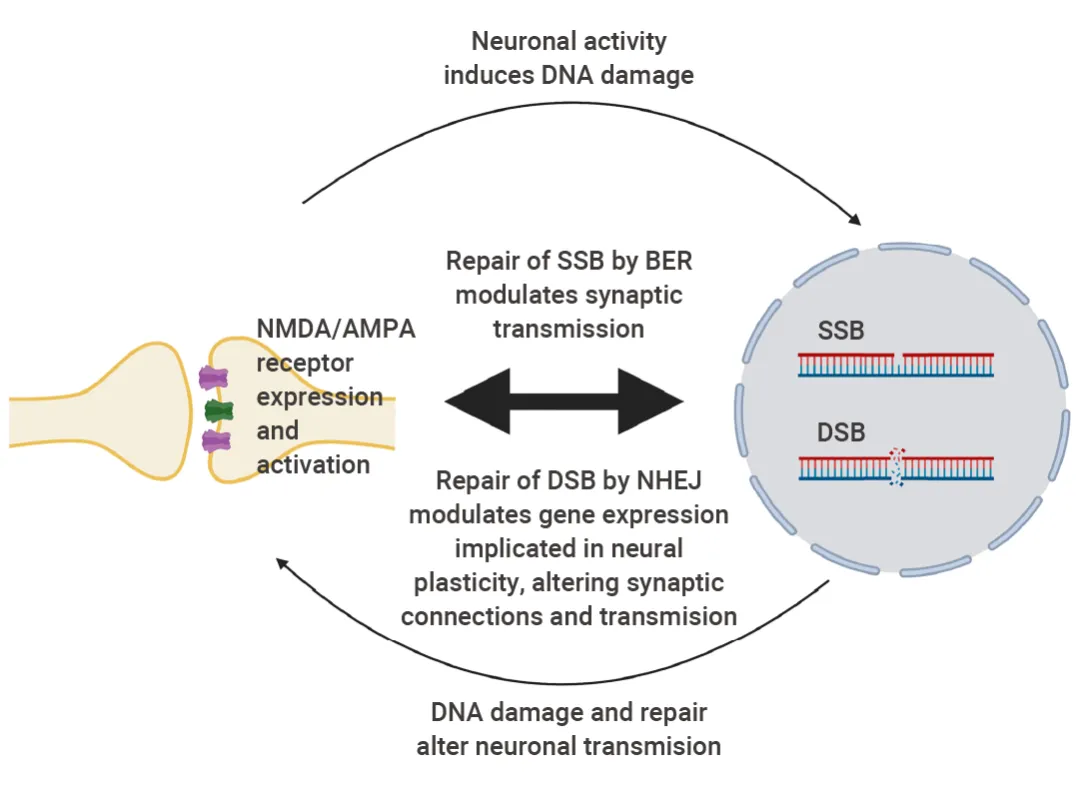
When you hear "inflammation" and "DNA damage," you might immediately think of disease or injury. However, in brains, these two processes are key steps in forming long-term memories, particularly related to specialized cells in our brain called hippocampal neurons.
Scientific Reviews
When you hear "inflammation" and "DNA damage," you might immediately think of disease or injury. However, in brains, these two processes are key steps in forming long-term memories, particularly related to specialized cells in our brain called hippocampal neurons. -
 Scientific Reviews
Autophagy is a fundamental process that degrades various components within the cell.
Scientific Reviews
Autophagy is a fundamental process that degrades various components within the cell. -
 Scientific Reviews
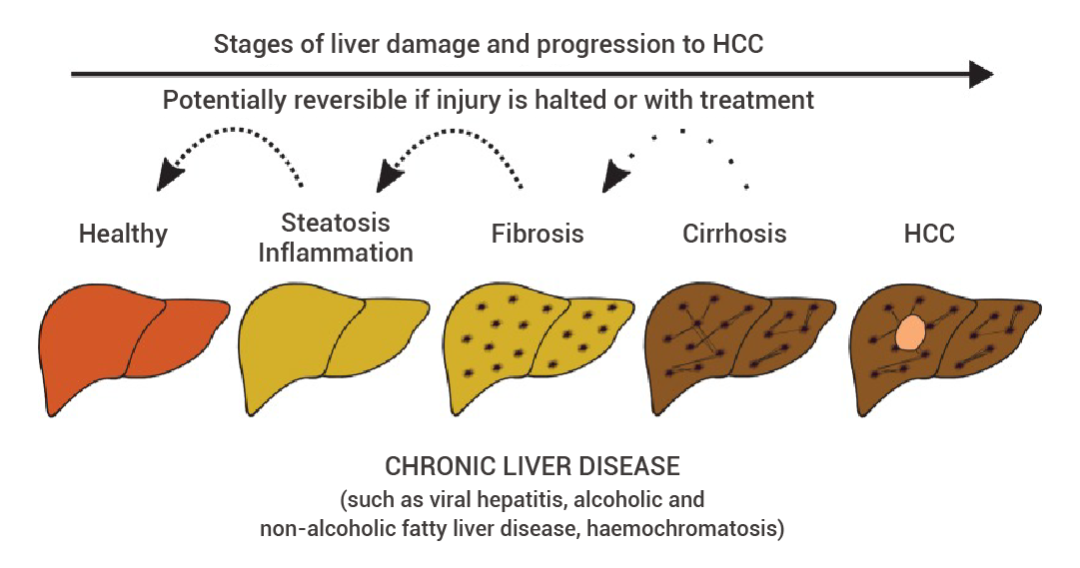
This article will tell you about the common methods of modeling liver disease in animal models.
Scientific Reviews
This article will tell you about the common methods of modeling liver disease in animal models. -
.jpg) Scientific Reviews
nside cells, the homeostasis and degradation of proteins is a precisely regulated process. If proteins cannot be degraded in time, it may lead to the occurrence of various diseases such as neurodegenerative diseases and cancer. This article will tell you the process of how proteins are recognized, labeled and then degraded!
Scientific Reviews
nside cells, the homeostasis and degradation of proteins is a precisely regulated process. If proteins cannot be degraded in time, it may lead to the occurrence of various diseases such as neurodegenerative diseases and cancer. This article will tell you the process of how proteins are recognized, labeled and then degraded! -
 Scientific Reviews
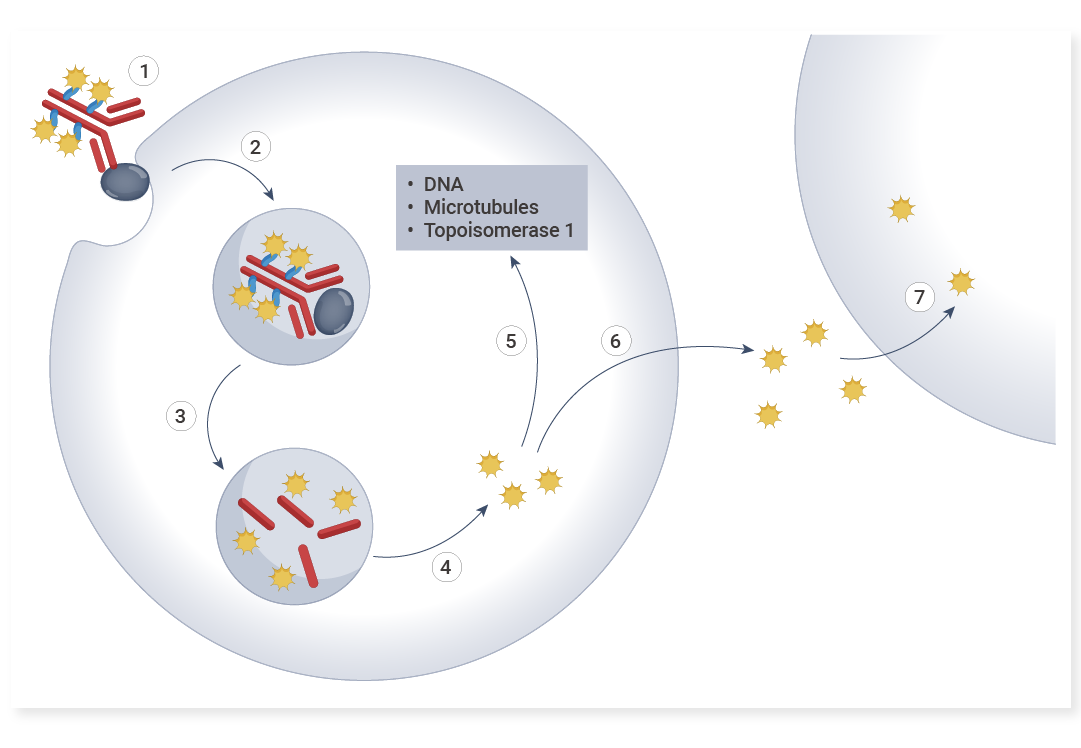
This article will walk you through the remarkable impacts of anti-payload antibodies, delving into how these molecules are revolutionizing drug development and biological research!
Scientific Reviews
This article will walk you through the remarkable impacts of anti-payload antibodies, delving into how these molecules are revolutionizing drug development and biological research! -
 Scientific Reviews
This article introduces some common cardiovascular disease models, inducers, modeling protocols and successful modeling cases in the research.
Scientific Reviews
This article introduces some common cardiovascular disease models, inducers, modeling protocols and successful modeling cases in the research. -
 Scientific Reviews
Do you feel confused when you start culturing cells? This article will show you the basic methods and steps of cell culture!
Scientific Reviews
Do you feel confused when you start culturing cells? This article will show you the basic methods and steps of cell culture! -
 Scientific Reviews
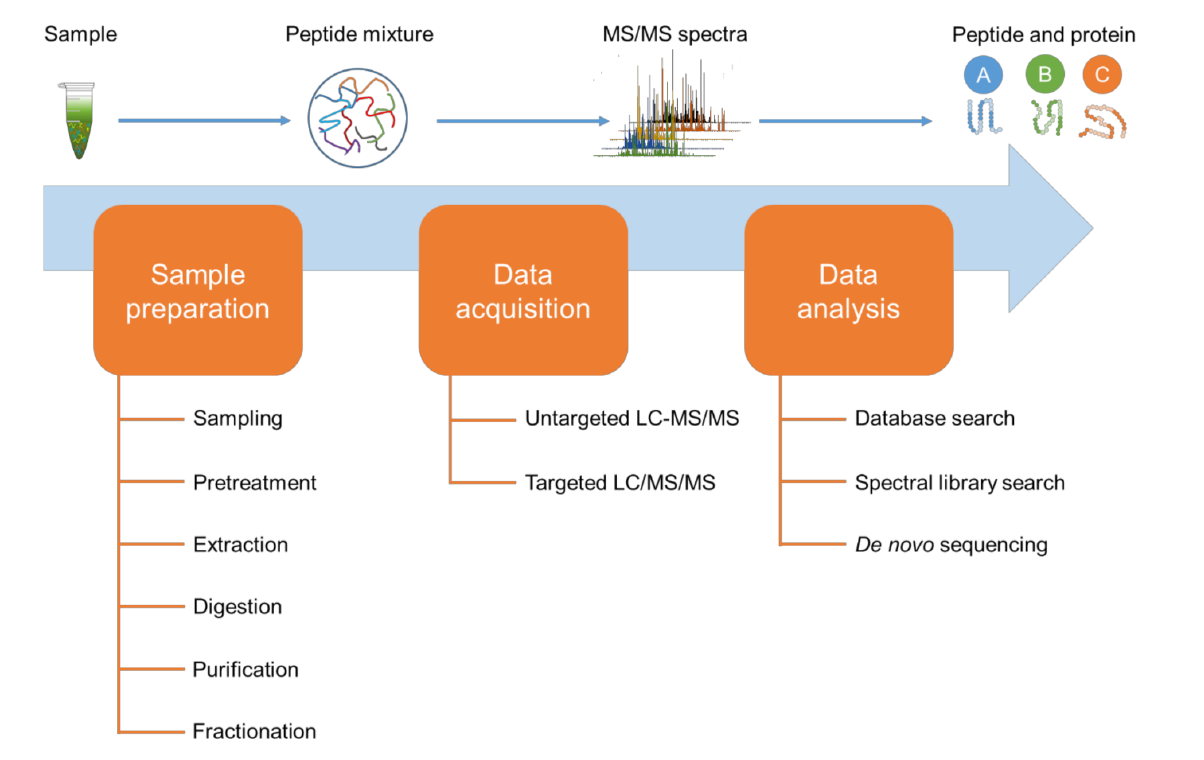
As a pivotal branch in the post - genomic era, proteomics is committed to comprehensively elucidating the types, abundances, structures, functions, and interactions of all proteins within living organisms. This article will tell you the key steps of proteomics sample preparation based on mass spectrometry. This article will tell you the key steps of proteomics sample preparation based on mass spectrometry.
Scientific Reviews
As a pivotal branch in the post - genomic era, proteomics is committed to comprehensively elucidating the types, abundances, structures, functions, and interactions of all proteins within living organisms. This article will tell you the key steps of proteomics sample preparation based on mass spectrometry. This article will tell you the key steps of proteomics sample preparation based on mass spectrometry. -
 Scientific Reviews
Cell Migration vs. Invasion: Differences Revealed by Scratch Assays and Transwell Experiments
Scientific Reviews
Cell Migration vs. Invasion: Differences Revealed by Scratch Assays and Transwell Experiments2025-05-30
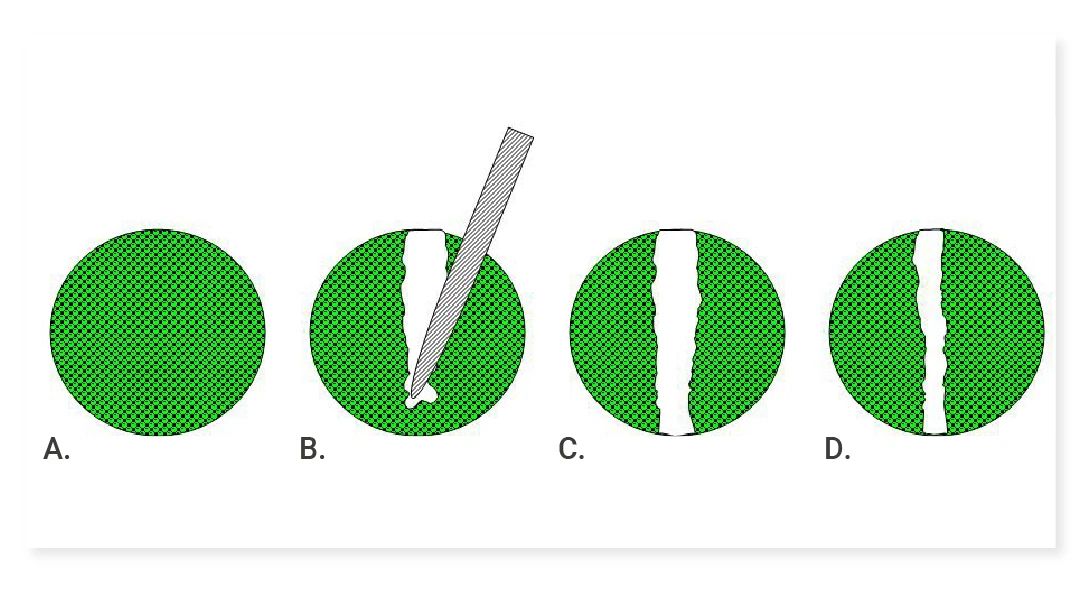
In scientific research, cell migration and invasion are crucial for understanding many important biological processes. This article delves into commonly used detection methods: the scratch assay and Transwell migration/invasion assay. -
 Scientific Reviews
Western blotting is a crucial and fundamental technique in life science research. It plays a significant role in exploring protein expression and function. The following article will comprehensively and thoroughly elaborate on the specific procedures and detailed key points of this experiment.
Scientific Reviews
Western blotting is a crucial and fundamental technique in life science research. It plays a significant role in exploring protein expression and function. The following article will comprehensively and thoroughly elaborate on the specific procedures and detailed key points of this experiment. -
 Scientific Reviews
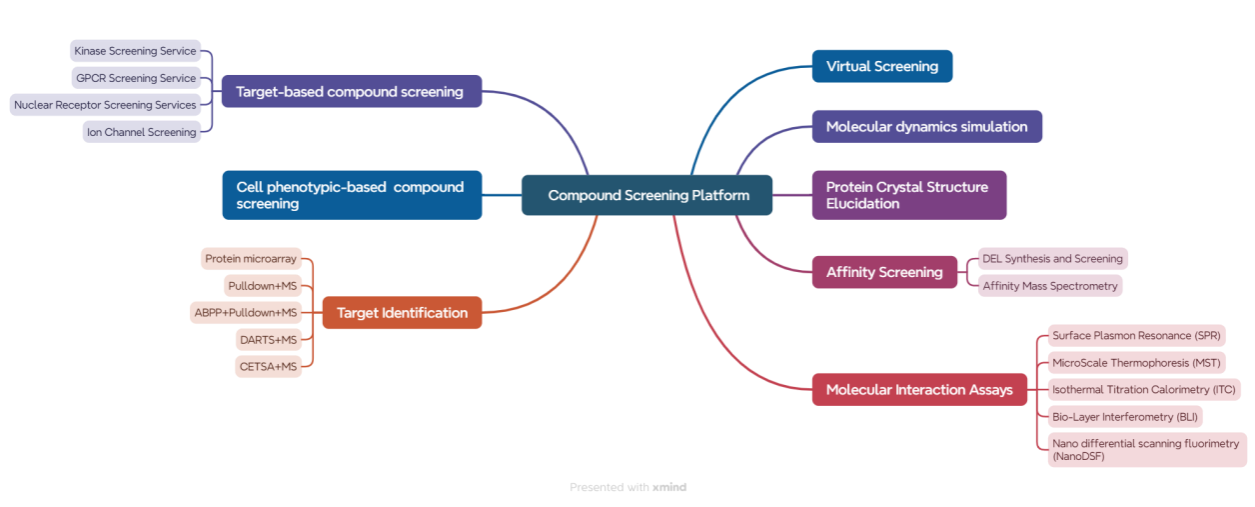
How should drug screening experiments be conducted? How can we ensure the accuracy of the lead compounds identified? This article will take you through how MCE's clients conduct drug screening experiments.
Scientific Reviews
How should drug screening experiments be conducted? How can we ensure the accuracy of the lead compounds identified? This article will take you through how MCE's clients conduct drug screening experiments. -
 Scientific Reviews
In this issue, we will conduct an in-depth interpretation from the dimensions of nanoparticle design, mechanism of action, in vivo and in vitro efficacy, and immune regulation, revealing how this research brings new hope for the treatment of invasive tumors through interdisciplinary innovation!
Scientific Reviews
In this issue, we will conduct an in-depth interpretation from the dimensions of nanoparticle design, mechanism of action, in vivo and in vitro efficacy, and immune regulation, revealing how this research brings new hope for the treatment of invasive tumors through interdisciplinary innovation! -
 Scientific Reviews
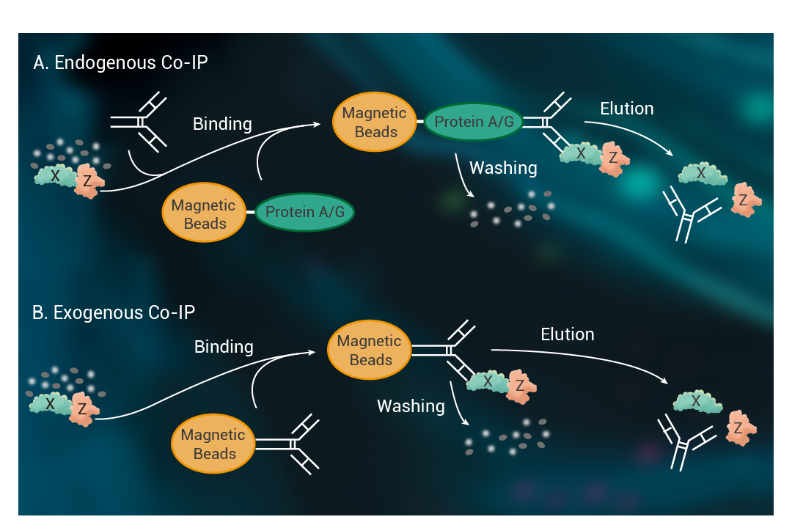
In protein biology, Co-IP is a powerful tool to uncover protein "social networks." But poorly performed, it easily becomes an awkward lab "meet-and-greet." Today, we discuss making Co-IP experiments elegant and efficient—so you pull down target proteins with confidence and precision.
Scientific Reviews
In protein biology, Co-IP is a powerful tool to uncover protein "social networks." But poorly performed, it easily becomes an awkward lab "meet-and-greet." Today, we discuss making Co-IP experiments elegant and efficient—so you pull down target proteins with confidence and precision. -
 Scientific Reviews
IHC, ICC, IF Techniques: A Practical Guide
Scientific Reviews
IHC, ICC, IF Techniques: A Practical Guide2025-07-25
Confused About IHC/ICC/IF? Why Does Immunostaining Seem So Complicated? Read This Now! Master Immunostaining with Confidence! -
 Scientific Reviews
Chromatin Immunoprecipitation (ChIP) Demystified: A Complete Guide to Epigenetic Analysis
Scientific Reviews
Chromatin Immunoprecipitation (ChIP) Demystified: A Complete Guide to Epigenetic Analysis2025-08-05
In this issue, we introduce a powerful technique for detecting interactions between epigenetic regulatory factors and DNA—Chromatin Immunoprecipitation (ChIP)! -
 Scientific Reviews
HTS Breakthroughs Powered by MCE Libraries
Scientific Reviews
HTS Breakthroughs Powered by MCE Libraries2025-08-13
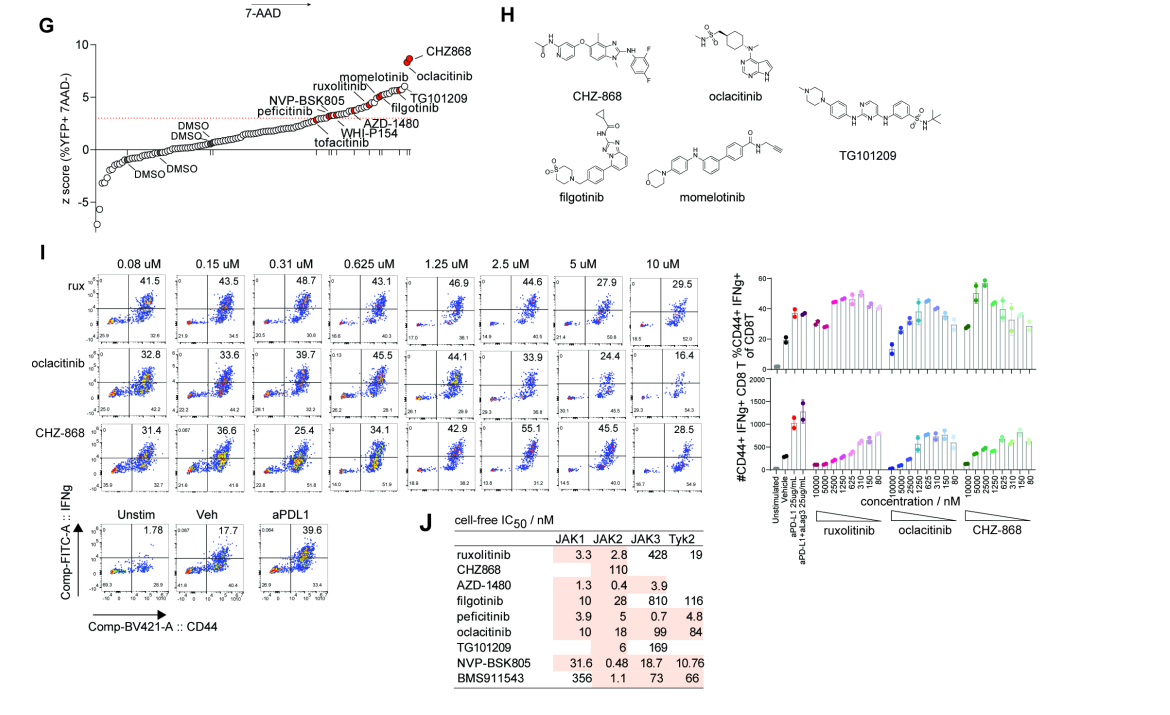
Key High-Throughput Screening Breakthroughs of 2024 Featuring MCE -
 Scientific Reviews
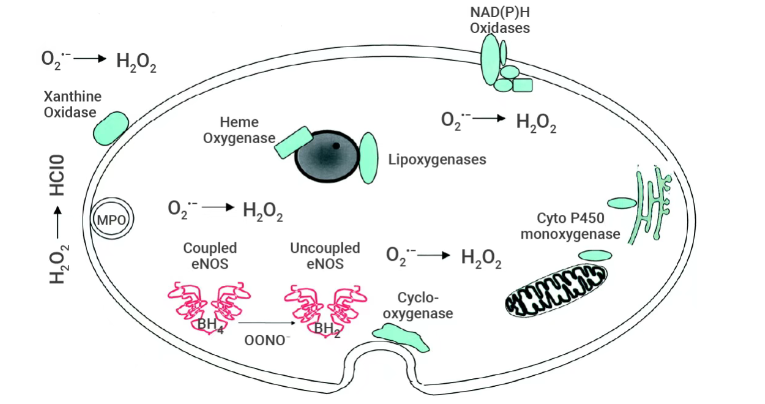
The article introduces the mechanisms of ROS generation and the methods for their detection.
Scientific Reviews
The article introduces the mechanisms of ROS generation and the methods for their detection. -
 Scientific Reviews
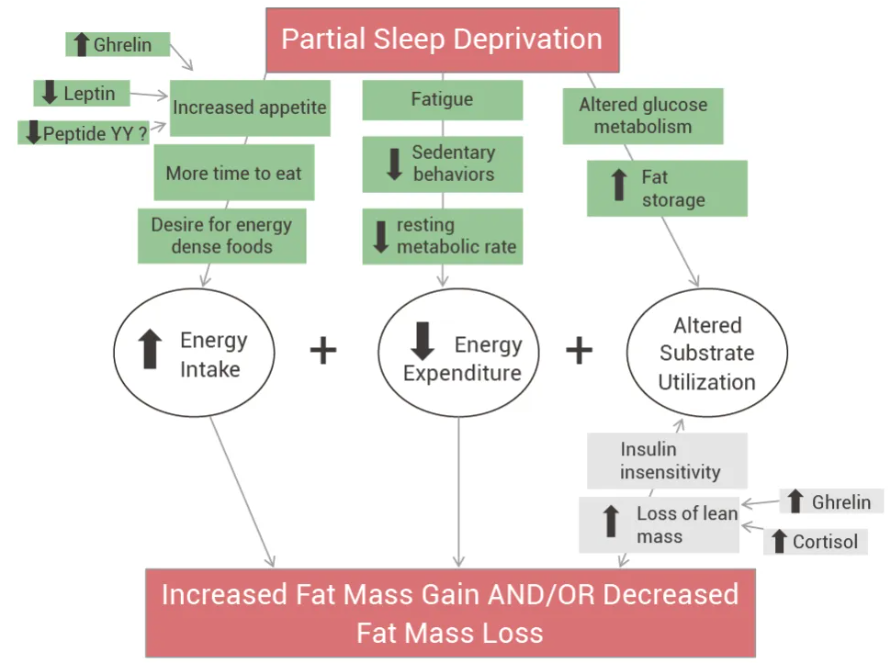
Have you ever noticed that after staying up late, your appetite—especially for high-calorie foods—gets out of control? If this sounds familiar, today’s article might offer some good news.
Scientific Reviews
Have you ever noticed that after staying up late, your appetite—especially for high-calorie foods—gets out of control? If this sounds familiar, today’s article might offer some good news. -
 Scientific Reviews
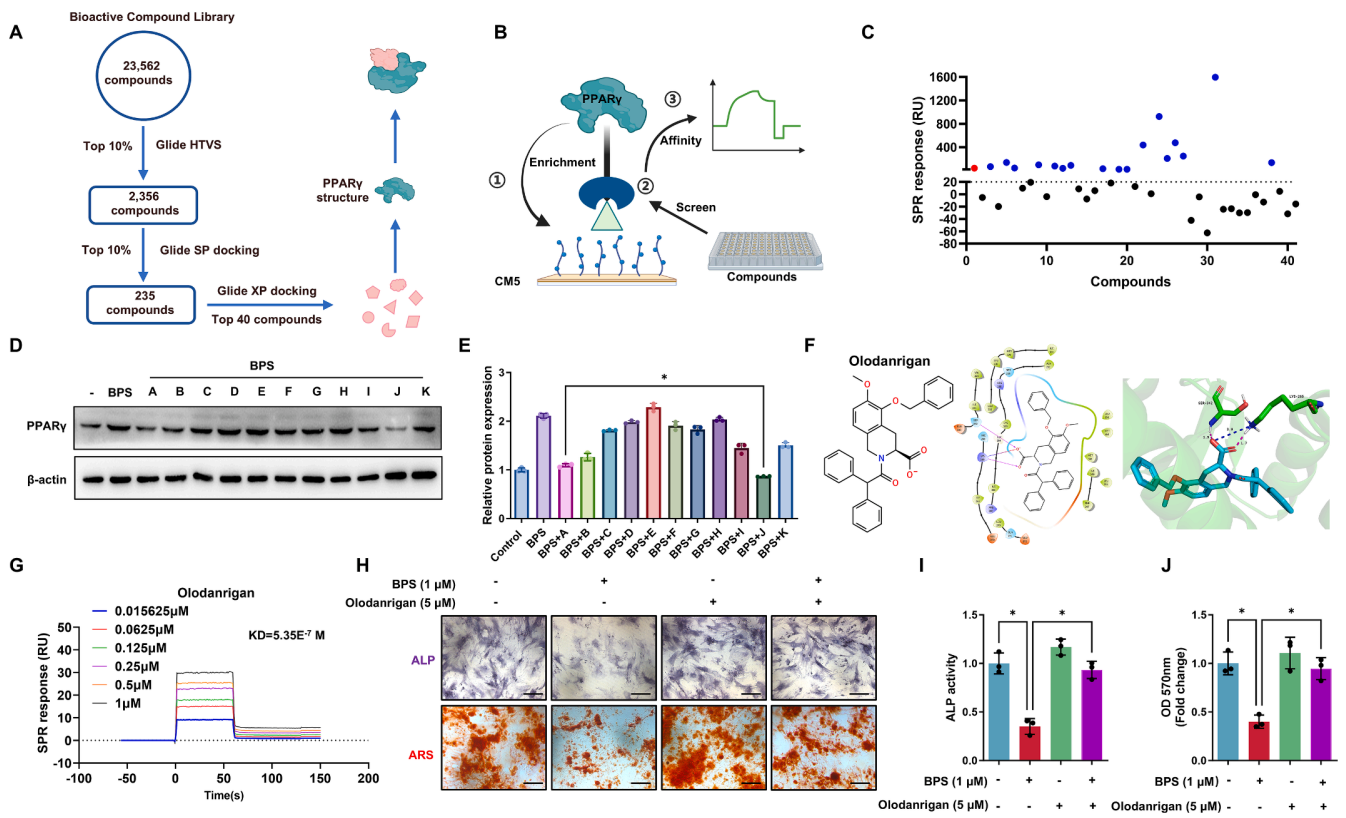
Encountering challenges with the high costs and long timelines of drug screening? Have a defined target but remain uncertain how to efficiently identify active molecules? Unsure how to validate hits generated from virtual screening? The ‘Winning Combination’ of drug screening offers a powerful solution to address these critical obstacles.
Scientific Reviews
Encountering challenges with the high costs and long timelines of drug screening? Have a defined target but remain uncertain how to efficiently identify active molecules? Unsure how to validate hits generated from virtual screening? The ‘Winning Combination’ of drug screening offers a powerful solution to address these critical obstacles. -
 Scientific Reviews
Generating Stable Cell Lines with Lentivirus
Scientific Reviews
Generating Stable Cell Lines with Lentivirus2025-09-16
A step-by-step protocol of establishing stable cell lines using lentivirus -
 Scientific Reviews
A groundbreaking study in Nature Communications reveals the key mechanism behind Idiopathic Pulmonary Fibrosis and identifies an existing drug with the potential to counter it.
Scientific Reviews
A groundbreaking study in Nature Communications reveals the key mechanism behind Idiopathic Pulmonary Fibrosis and identifies an existing drug with the potential to counter it. -
 Scientific Reviews
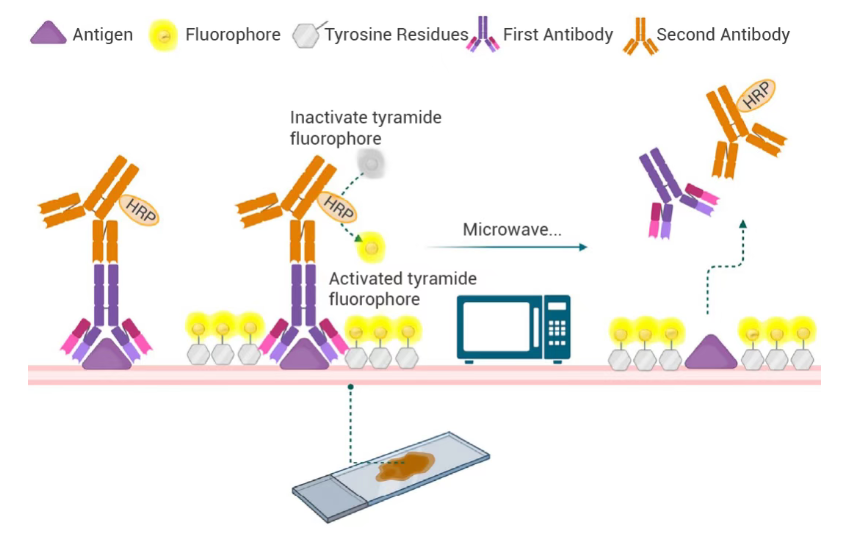
This detailed guide outlines the standardized experimental protocols for multiplex immunohistochemistry (mIHC), systematically summarizes common technical issues encountered during sample preparation, staining and imaging processes, and provides practical troubleshooting solutions to ensure reliable and reproducible results in biomedical research and clinical sample analysis.
Scientific Reviews
This detailed guide outlines the standardized experimental protocols for multiplex immunohistochemistry (mIHC), systematically summarizes common technical issues encountered during sample preparation, staining and imaging processes, and provides practical troubleshooting solutions to ensure reliable and reproducible results in biomedical research and clinical sample analysis. -
 Scientific Reviews
Finding adipogenic induction media too expensive and tricky to prepare? This comprehensive guide to 3T3-L1 adipogenic differentiation simplifies the process, helping you achieve great results!
Scientific Reviews
Finding adipogenic induction media too expensive and tricky to prepare? This comprehensive guide to 3T3-L1 adipogenic differentiation simplifies the process, helping you achieve great results! -
Scientific Reviews
For all the protein research folks out there, techniques like IP and Co-IP are no stranger, right? And of course, there's a faster and more convenient go-to tool—Protein A/G magnetic beads! In this article, let's chat about how these beads work their magic in classic experiments like IP and Co-IP. -
Scientific Reviews
Microglia– the only immune cells within the brain parenchyma. With advancements in imaging technologies, people’s understanding of microglia has shifted from being viewed as 'resting' cells to 'highly active' cells, particularly due to their dynamic processes that seem to be probing surrounding tissues and monitoring neuronal activity. This has made microglia a focal point of research in the field of neuroscience. -
 Scientific Reviews
Exosomes—natural nanoscale carriers—are revolutionizing targeted therapy. This article uncovers the science behind their precision in drug delivery.
Scientific Reviews
Exosomes—natural nanoscale carriers—are revolutionizing targeted therapy. This article uncovers the science behind their precision in drug delivery. -
Scientific Reviews
Cracking the PROTAC Permeability Barrier: CD36-Mediated Endocytosis as a Potential Breakthrough2025-12-03
This article provides an in-depth analysis of cutting-edge literature revealing CD36 as a key mediator of cellular uptake for PROTACs and bRO5 compounds. By structurally optimizing PROTAC molecules to enhance their affinity for CD36, membrane permeability can be markedly improved, leading to significantly enhanced antitumor efficacy. -
 Scientific Reviews
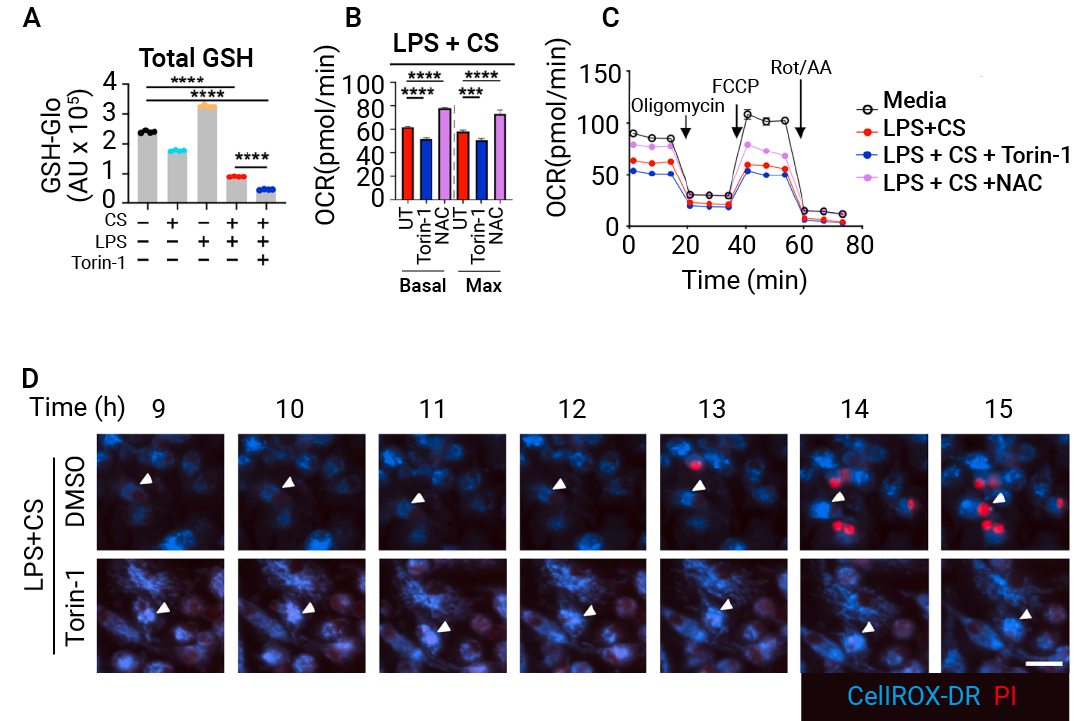
A November 2025 Cell study discovers Mitoxyperilysis, a new mTOR-regulated, caspase-independent cell death pathway driven by innate immune and metabolic dysregulation via mitochondrial-plasma membrane contact and oxidative damage, and verifies its potential to induce tumor necrosis for cancer therapy with key regulators including BAX, BAK1 and BID.
Scientific Reviews
A November 2025 Cell study discovers Mitoxyperilysis, a new mTOR-regulated, caspase-independent cell death pathway driven by innate immune and metabolic dysregulation via mitochondrial-plasma membrane contact and oxidative damage, and verifies its potential to induce tumor necrosis for cancer therapy with key regulators including BAX, BAK1 and BID. -
 Scientific Reviews
This paper elaborates on cytokines for culturing major immune cells, their regulatory roles, recombinant cytokines' merits and MCE’s related high-quality products.
Scientific Reviews
This paper elaborates on cytokines for culturing major immune cells, their regulatory roles, recombinant cytokines' merits and MCE’s related high-quality products. -
 Scientific Reviews
In the hunt for the next ‘GLP-1,’ amylin therapeutics, which have shown strong weight-loss results in clinical trials, have become a major focus for both multinational pharma and the scientific community.
Scientific Reviews
In the hunt for the next ‘GLP-1,’ amylin therapeutics, which have shown strong weight-loss results in clinical trials, have become a major focus for both multinational pharma and the scientific community. -
 Scientific Reviews
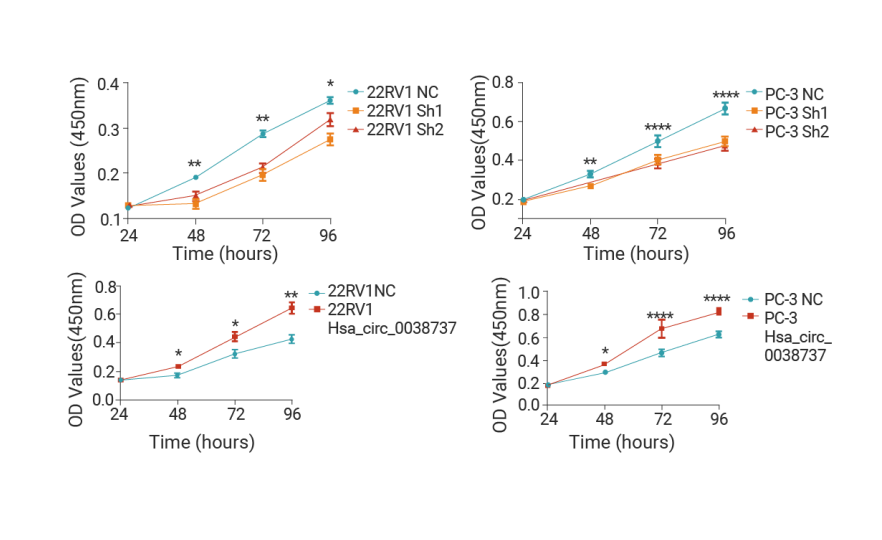
Essential for High-Impact Papers: Present Your CCK-8 Experimental Results in a More Outstanding Way!
Scientific Reviews
Essential for High-Impact Papers: Present Your CCK-8 Experimental Results in a More Outstanding Way!2026-03-18
CCK-8 is a widely used WST‑8‑based reagent for cell proliferation and cytotoxicity assays. It features high sensitivity, reliable results and easy operation, and is applicable to cell viability analysis, drug screening and growth inhibition testing. -
 Scientific Reviews
FISH is a molecular technique using fluorescent probes to detect specific nucleic acids in cells, with high sensitivity and diverse biomedical applications.
Scientific Reviews
FISH is a molecular technique using fluorescent probes to detect specific nucleic acids in cells, with high sensitivity and diverse biomedical applications. -
 Scientific Reviews
This article walks you through the experimental design and workflow of flow cytometry, delivering a clear, dynamic, and professional overview to elevate your research.
Scientific Reviews
This article walks you through the experimental design and workflow of flow cytometry, delivering a clear, dynamic, and professional overview to elevate your research. -
 Scientific Reviews
Molecular glue degraders have evolved from a serendipitous observation to one of the most dynamic and transformative fields in biomedical research.
Scientific Reviews
Molecular glue degraders have evolved from a serendipitous observation to one of the most dynamic and transformative fields in biomedical research. -
 Scientific Reviews
GLP-1 and Obesity Research
Scientific Reviews
GLP-1 and Obesity Research2026-08-14
Obesity substantially increases the risk of chronic diseases such as T2D and cardiovascular disease. The breakout success of GLP-1 therapies has spotlighted GLP-1R and a wave of emerging obesity targets. -
 EDM
Targeting the ‘Undruggable’ with PROTACs
EDM
Targeting the ‘Undruggable’ with PROTACs2025-06-18
This review introduces the fundamental principles and mechanisms of PROTACs, highlights recent advances in molecular design and clinical development, and discusses emerging opportunities and remaining challenges in targeted protein degradation. -
 EDM
This review explores the molecular mechanisms of the DNA damage response, reviews therapeutic strategies targeting DDR pathways in cancer, and examines their roles in cancer drug resistance.
EDM
This review explores the molecular mechanisms of the DNA damage response, reviews therapeutic strategies targeting DDR pathways in cancer, and examines their roles in cancer drug resistance. -
 EDM
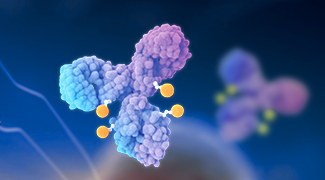
This review presents an overview of antibody–drug conjugates from design principles and antitumor mechanisms to structural innovations, clinical progress, and future development prospects.
EDM
This review presents an overview of antibody–drug conjugates from design principles and antitumor mechanisms to structural innovations, clinical progress, and future development prospects. -
 EDM
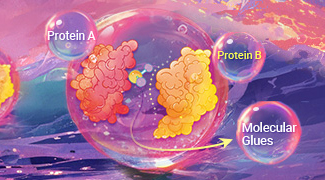
This review discusses recent progress in molecular glue technologies, illustrating how targeted protein degradation strategies enable the modulation of previously undruggable proteins.
EDM
This review discusses recent progress in molecular glue technologies, illustrating how targeted protein degradation strategies enable the modulation of previously undruggable proteins. -
 EDM
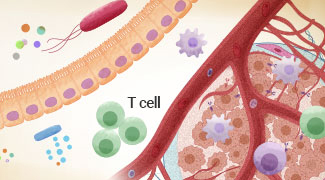
This review explores mechanisms and strategies for modulating the gut microbiota to enhance cancer immunotherapy, providing insights to improve therapeutic efficacy.
EDM
This review explores mechanisms and strategies for modulating the gut microbiota to enhance cancer immunotherapy, providing insights to improve therapeutic efficacy. -
 EDM
Combating Immune Evasion in Cancer
EDM
Combating Immune Evasion in Cancer2025-10-15
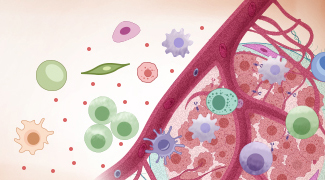
This review summarizes the mechanisms by which tumors evade immune surveillance and discusses therapeutic strategies to restore antitumor immunity. -
 EDM
Understanding In Vivo CAR-T Cell Therapy
EDM
Understanding In Vivo CAR-T Cell Therapy2026-01-22
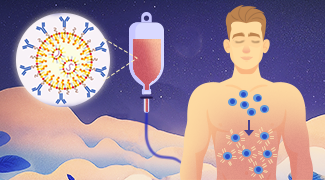
This review provides a comprehensive overview of in vivo CAR-T therapy, covering technical platforms, clinical translation, and key challenges such as gene delivery and immunogenicity. -
 EDM
Explore ADC evolution, immune combination strategies, and clinical advances at the intersection of targeted therapy and immunotherapy.
EDM
Explore ADC evolution, immune combination strategies, and clinical advances at the intersection of targeted therapy and immunotherapy. -
 EDM
Tumor Organoid-Immune Cell Co-Culture Models: Advances, Applications, and Future Directions
EDM
Tumor Organoid-Immune Cell Co-Culture Models: Advances, Applications, and Future Directions2026-05-07
Summarize technical strategies, application advances, and future directions of tumor organoid–immune co-culture systems. -
 EDM
Review mechanisms, major challenges, and efficacy-enhancing strategies of TCR-T therapy in solid tumors, with implications for future research and clinical translation.
EDM
Review mechanisms, major challenges, and efficacy-enhancing strategies of TCR-T therapy in solid tumors, with implications for future research and clinical translation. -
 EDM
Explore lysosomal nutrient sensing, quality control, cellular adaptation, disease mechanisms, and emerging therapeutic approaches.
EDM
Explore lysosomal nutrient sensing, quality control, cellular adaptation, disease mechanisms, and emerging therapeutic approaches. -
 EDM
Breaking Immune Resistance in Colorectal Cancer: From Molecular Mechanisms to Precision Therapy
EDM
Breaking Immune Resistance in Colorectal Cancer: From Molecular Mechanisms to Precision Therapy2026-06-25
Explore CRC molecular subtypes, immune landscapes, resistance mechanisms, and emerging precision strategies for improving outcomes across distinct subtypes. -
 EDM
Review the evolution of molecular glues from serendipitous discovery to rational design, highlighting how emerging targets and advances in screening, proteomics, structural biology, and AI are expanding the druggable proteome.
EDM
Review the evolution of molecular glues from serendipitous discovery to rational design, highlighting how emerging targets and advances in screening, proteomics, structural biology, and AI are expanding the druggable proteome. -
 EDM
Explore the mechanisms of tumor immune evasion, dynamic checkpoint regulation, and the evolution of mechanism-driven combinations and patient stratification.
EDM
Explore the mechanisms of tumor immune evasion, dynamic checkpoint regulation, and the evolution of mechanism-driven combinations and patient stratification. -
 EDM
Explore how mitochondrial quality control, inflammatory signaling, and metabolic–epigenetic reprogramming regulate cellular senescence and the SASP, along with strategies to restore mitochondrial homeostasis.
EDM
Explore how mitochondrial quality control, inflammatory signaling, and metabolic–epigenetic reprogramming regulate cellular senescence and the SASP, along with strategies to restore mitochondrial homeostasis. -
 Blog
R916562, a dual Axl/VEGF-R2 inhibitor, could be a potential anti-angiogenic and anti-metastatic drug for cancer chemotherapy.
Blog
R916562, a dual Axl/VEGF-R2 inhibitor, could be a potential anti-angiogenic and anti-metastatic drug for cancer chemotherapy. -
 Blog
Role of PRMT7 Probe SGC3027 in Cancer
Blog
Role of PRMT7 Probe SGC3027 in Cancer2019-03-27
SGC3027 is the first potent, selective and cell active chemical probe for PRMT7. SGC3027 is also a pro-drug, which converts to the active compound SGC8158 -
 Blog
Alofanib, An Allosteric Inhibitor of FGFR2
Blog
Alofanib, An Allosteric Inhibitor of FGFR22019-03-28
Alofanib is an allosteric inhibitor of FGFR2 and inhibits FGF-mediated proliferation with GI50s of 16-370 nM, showing pronounced antitumor activity. -
 Blog
AZD5991, a macrocyclic molecule with high selectivity for Mcl-1, reduces Mcl-1 protein in AZD5991-sensitive but not in AZD5991-resistant MM cell lines.
Blog
AZD5991, a macrocyclic molecule with high selectivity for Mcl-1, reduces Mcl-1 protein in AZD5991-sensitive but not in AZD5991-resistant MM cell lines. -
 Blog
CF53 is a highly potent, selective and orally active inhibitor of BET protein, with anti-tumor activity in acute leukemia and breast cancer cell lines.
Blog
CF53 is a highly potent, selective and orally active inhibitor of BET protein, with anti-tumor activity in acute leukemia and breast cancer cell lines. -
 Blog
HJB97 is a BET PROTAC inhibitor with good anti-tumor activity, and effectively blocks the degradation of BRD2, BRD3, and BRD4 proteins induced by BETd-260.
Blog
HJB97 is a BET PROTAC inhibitor with good anti-tumor activity, and effectively blocks the degradation of BRD2, BRD3, and BRD4 proteins induced by BETd-260. -
 Blog
A Lead PROTAC BRD9 Chemical Degrader
Blog
A Lead PROTAC BRD9 Chemical Degrader2019-04-06
PROTAC BRD9 Degrader-1 is a lead PROTAC BRD9 chemical degrader and a selective probe useful for the study of BAF complex biology. -
 Blog
COH000 is an allosteric, covalent and irreversible inhibitor of SUMO-activating enzyme, with an IC50 of 0.2 μM for SUMOylation in vitro.
Blog
COH000 is an allosteric, covalent and irreversible inhibitor of SUMO-activating enzyme, with an IC50 of 0.2 μM for SUMOylation in vitro. -
 Blog
PhiKan 083 is a carbazole derivative, which binds to the surface cavity and stabilizes Y220C (a p53 mutant), with a Kd of 167 μM.
Blog
PhiKan 083 is a carbazole derivative, which binds to the surface cavity and stabilizes Y220C (a p53 mutant), with a Kd of 167 μM. -
 Blog
IITZ-01 is a potent lysosomotropic autophagy inhibitor with single-agent antitumor activity, with an IC50 of 2.62 μM for PI3Kγ.
Blog
IITZ-01 is a potent lysosomotropic autophagy inhibitor with single-agent antitumor activity, with an IC50 of 2.62 μM for PI3Kγ. -
 Blog
Erteberel is a Selective ERβ Agonist
Blog
Erteberel is a Selective ERβ Agonist2019-04-16
Erteberel (LY500307) is a synthetic, nonsteroidal estrogen which acts as a selective ERβ agonist and under development for the treatment of schizophrenia. -
 Blog
MBQ-167 is a dual Rac/Cdc42 inhibitor in in metastatic cancer, with IC50s of 103 nM for Rac 1/2/3 and 78 nM for Cdc42 in MDA-MB-231 cells, respectively.
Blog
MBQ-167 is a dual Rac/Cdc42 inhibitor in in metastatic cancer, with IC50s of 103 nM for Rac 1/2/3 and 78 nM for Cdc42 in MDA-MB-231 cells, respectively. -
 Blog
PRN1008 is a Reversible Covalent and Oral Active Inhibitor of Bruton’s Tyrosine Kinase (BTK)
Blog
PRN1008 is a Reversible Covalent and Oral Active Inhibitor of Bruton’s Tyrosine Kinase (BTK)2019-04-18
PRN1008 is a selective, reversible covalent and oral active inhibitor of Bruton’s Tyrosine Kinase (BTK), with an IC50 of 1.3 nM. -
 Blog
Y06036 is a potent and selective BET inhibitor for potential treatment of castration-resistant prostate cancer. With nanomolar inhibition.
Blog
Y06036 is a potent and selective BET inhibitor for potential treatment of castration-resistant prostate cancer. With nanomolar inhibition. -
 Blog
JNJ-64619178 is a selective and pseudo-irreversible PRMT5 inhibitor with an IC50 of 0.14 nM. Has potent Activity In Lung Cancer.
Blog
JNJ-64619178 is a selective and pseudo-irreversible PRMT5 inhibitor with an IC50 of 0.14 nM. Has potent Activity In Lung Cancer. -
 Blog
BTR-1 potently inhibits cell growth. It induces S phase arrest, affects DNA replication. Dose-dependently induces cytotoxicity in leukemic cell lines.
Blog
BTR-1 potently inhibits cell growth. It induces S phase arrest, affects DNA replication. Dose-dependently induces cytotoxicity in leukemic cell lines. -
 Blog
TAK-828F is a potent, selective and orally active retinoic acid receptor-related orphan receptor γt (RORγt) inverse agonist. TAK-828F inhibits IL-17A cytokine expression and reduces symptoms of autoimmune encephalomyelitis mice.
Blog
TAK-828F is a potent, selective and orally active retinoic acid receptor-related orphan receptor γt (RORγt) inverse agonist. TAK-828F inhibits IL-17A cytokine expression and reduces symptoms of autoimmune encephalomyelitis mice. -
 Blog
Y06137 is a potent and selective BET inhibitor, which binds to the BRD4(1) bromodomain with a Kd of 81 nM. Antitumor activity.
Blog
Y06137 is a potent and selective BET inhibitor, which binds to the BRD4(1) bromodomain with a Kd of 81 nM. Antitumor activity. -
 Blog
NRX-252262 is a β-catenin:β-TrCP interaction enhancer, and its cognate E3 ligase, SCFβ-TrCP, induces mutant β-catenin degradation, with an EC50 of 3.8 nM
Blog
NRX-252262 is a β-catenin:β-TrCP interaction enhancer, and its cognate E3 ligase, SCFβ-TrCP, induces mutant β-catenin degradation, with an EC50 of 3.8 nM -
 Blog
TAK-981 is a selective inhibitor of the SUMOylation enzymatic cascade, with potential immune-activating and antineoplastic activities
Blog
TAK-981 is a selective inhibitor of the SUMOylation enzymatic cascade, with potential immune-activating and antineoplastic activities -
 Blog
TD-428 is a Highly Specific BRD4 Degrader
Blog
TD-428 is a Highly Specific BRD4 Degrader2019-04-29
TD-428, a immunomodulatory drug analog, is a highly specific BRD4 degrader with a DC50 of 0.32 nM. TD-428 reduces c-Myc levels more efficiently than JQ1. -
 Blog
SLLN-15 is an oral activ enhancer of autophagy that activates cytostatic macroautophagy/autophagy in triple-negative breast cancer (TNBC).
Blog
SLLN-15 is an oral activ enhancer of autophagy that activates cytostatic macroautophagy/autophagy in triple-negative breast cancer (TNBC). -
 Blog
A1874 is a nutlin-based and BRD4-degrading PROTAC with a DC50 of 32 nM. Effective in inhibiting many cancer cell lines proliferation
Blog
A1874 is a nutlin-based and BRD4-degrading PROTAC with a DC50 of 32 nM. Effective in inhibiting many cancer cell lines proliferation -
 Blog
BSJ-03-123, a Degrader with Proteome-wide Selectivity for CDK6 (PROTAC). Induces a G1 cell-cycle arrest without a measurable increase in apoptosis.
Blog
BSJ-03-123, a Degrader with Proteome-wide Selectivity for CDK6 (PROTAC). Induces a G1 cell-cycle arrest without a measurable increase in apoptosis. -
 Blog
FT671 is a potent, non-covalent and selective USP7 inhibitor with an IC50 of 52 nM and binds to the USP7 catalytic domain with a Kd of 65 nM.
Blog
FT671 is a potent, non-covalent and selective USP7 inhibitor with an IC50 of 52 nM and binds to the USP7 catalytic domain with a Kd of 65 nM. -
 Blog
ZM223 is a non-sulfamide NEDD8 activating enzyme (NAE) inhibitor, with IC50 value of 100 nM in cells. ZM223 has potential to treat colon cancer.
Blog
ZM223 is a non-sulfamide NEDD8 activating enzyme (NAE) inhibitor, with IC50 value of 100 nM in cells. ZM223 has potential to treat colon cancer. -
 Blog
STL127705 is a Ku 70/80 heterodimer protein inhibitor, inhibits Ku70/80-DNA interaction (IC50 of 3.5 μM) and Ku-dependent activation of DNA-PKCS kinase.
Blog
STL127705 is a Ku 70/80 heterodimer protein inhibitor, inhibits Ku70/80-DNA interaction (IC50 of 3.5 μM) and Ku-dependent activation of DNA-PKCS kinase. -
 Blog
MS4077 is an anaplastic lymphoma kinase (ALK) PROTAC (degrader) with a Kd of 37 nM for binding affinity to ALK. Efficacy for breast cancer and lung cancer.
Blog
MS4077 is an anaplastic lymphoma kinase (ALK) PROTAC (degrader) with a Kd of 37 nM for binding affinity to ALK. Efficacy for breast cancer and lung cancer. -
 Blog
USL311 is a selective CXCR4 antagonist, which prevents the binding of stromal-cell derived factor-1 (SDF-1 or CXCL12) to CXCR4. Anti-tumor activity.
Blog
USL311 is a selective CXCR4 antagonist, which prevents the binding of stromal-cell derived factor-1 (SDF-1 or CXCL12) to CXCR4. Anti-tumor activity. -
 Blog
VL285, is a Potent VHL Ligand
Blog
VL285, is a Potent VHL Ligand2019-05-24
VL285 is a Potent VHL Ligand. -
 Blog
SNIPER(TACC3)-1 targets the TACC3 protein for degradation via the ubiquitin-proteasome pathway. SNIPER(TACC3)-1 induces cancer cell death.
Blog
SNIPER(TACC3)-1 targets the TACC3 protein for degradation via the ubiquitin-proteasome pathway. SNIPER(TACC3)-1 induces cancer cell death. -
 Blog
TAS-114 is a dual dUTPase/dihydropyrimidine dehydrogenase (DPD) inhibitor, can improving the therapeutic efficacy of fluoropyrimidine.
Blog
TAS-114 is a dual dUTPase/dihydropyrimidine dehydrogenase (DPD) inhibitor, can improving the therapeutic efficacy of fluoropyrimidine. -
 Blog
IWP-O1, a Highly Potent Porcupine Inhibitor, Functions by Preventing the Secretion of Wnt Proteins
Blog
IWP-O1, a Highly Potent Porcupine Inhibitor, Functions by Preventing the Secretion of Wnt Proteins2019-06-03
IWP-O1 is a Porcupine (Porcn) inhibitor, with an EC50 of 80 pM in L-Wnt-STF cells. IWP-O1 functions by preventing the secretion of Wnt proteins[ -
 Blog
PF-06465469 is a Covalent Inhibitor of ITK
Blog
PF-06465469 is a Covalent Inhibitor of ITK2019-06-08
PF-06465469 is a potent and covalent inhibitor of ITK with an IC50 of 2 nM. PF-06465469 inhibits MEK1/2 or AKT phosphorylation. -
 Blog
SJFδ, a 10-atom Linker PROTAC, Degrades p38δ
Blog
SJFδ, a 10-atom Linker PROTAC, Degrades p38δ2019-06-11
SJFδ, a 10-atom Linker PROTAC, Degrades p38δ, degrades p38δwith strong capacity. SJFδ degrades p38δ with a DC50 of 46.17±9.85 nM and a Dmax of 99.41±3.31%. -
 Blog
Ralimetinib (LY2228820) is a selective and ATP-competitive inhibitor of p38 MAPK α/β, with IC50s of 5.3 and 3.2 nM, respectively. Anti-tumor activity.
Blog
Ralimetinib (LY2228820) is a selective and ATP-competitive inhibitor of p38 MAPK α/β, with IC50s of 5.3 and 3.2 nM, respectively. Anti-tumor activity. -
 Blog
BAY-11-7082 inhibits the proliferation and induces the apoptosis of U266 cells through inhibiting NF-κB pathway. BAY 11-7082 ameliorates experimental diabetic neuropathy by modulating neuroinflammation and improving antioxidant defence.
Blog
BAY-11-7082 inhibits the proliferation and induces the apoptosis of U266 cells through inhibiting NF-κB pathway. BAY 11-7082 ameliorates experimental diabetic neuropathy by modulating neuroinflammation and improving antioxidant defence. -
 Blog
S130, Targeting ATG4B, Inhibits Autophagy and Activates Apoptosis in Colorectal Colon Cancer
Blog
S130, Targeting ATG4B, Inhibits Autophagy and Activates Apoptosis in Colorectal Colon Cancer2019-06-19
S130 is a high affinity, selective inhibitor of ATG4B (a major cysteine protease) with an IC50 of 3.24 µM. S130 suppresses autophagy flux. -
 Blog
S18-000003 is a potent, selective and orally active inhibitor of retinoic acid receptor-related orphan receptor-gamma-t (RORγt). S18-000003 ameliorates psoriasis-like lesions in vivo. S18-000003 can be used for the research of skin inflammatory diseases.
Blog
S18-000003 is a potent, selective and orally active inhibitor of retinoic acid receptor-related orphan receptor-gamma-t (RORγt). S18-000003 ameliorates psoriasis-like lesions in vivo. S18-000003 can be used for the research of skin inflammatory diseases. -
 Blog
AMG 487 is an orally active and selective antagonist of CXC chemokine receptor 3 (CXCR3). AMG 487 has potential to treat metastatic cancer.
Blog
AMG 487 is an orally active and selective antagonist of CXC chemokine receptor 3 (CXCR3). AMG 487 has potential to treat metastatic cancer. -
 Blog
TAS4464 is a highly potent and selective inhibitor of NEDD8 activating enzyme (NAE), with an IC50 of 0.955 nM. TAS4464 shows antitumor activity.
Blog
TAS4464 is a highly potent and selective inhibitor of NEDD8 activating enzyme (NAE), with an IC50 of 0.955 nM. TAS4464 shows antitumor activity. -
 Blog
MRT67307, a dual IKKε/TBK1 inhibitor, inhibits ULK1 and ULK2 with IC50s of 45 and 38 nM, respectively. MRT67307 blocks mTOR-dependent autophagy.
Blog
MRT67307, a dual IKKε/TBK1 inhibitor, inhibits ULK1 and ULK2 with IC50s of 45 and 38 nM, respectively. MRT67307 blocks mTOR-dependent autophagy. -
 Blog
CCT020312, the G1/S checkpoint activator, is a selective EIF2AK3/PERK activator. CCT020312 elicits EIF2A phosphorylation in cells.
Blog
CCT020312, the G1/S checkpoint activator, is a selective EIF2AK3/PERK activator. CCT020312 elicits EIF2A phosphorylation in cells. -
 Blog
SBI-0206965 is a selective and cell permeable autophagy kinase ULK1 inhibitor with IC50s of 108 nM for ULK1 and 711 nM for the highly related kinase ULK2 .
Blog
SBI-0206965 is a selective and cell permeable autophagy kinase ULK1 inhibitor with IC50s of 108 nM for ULK1 and 711 nM for the highly related kinase ULK2 . -
 Blog
NMS-P515 is a potent, orally active and stereospecific PARP-1 inhibitor, with a Kd of 16 nM and an IC50 of 27 nM (in Hela cells). Anti-tumor activity.
Blog
NMS-P515 is a potent, orally active and stereospecific PARP-1 inhibitor, with a Kd of 16 nM and an IC50 of 27 nM (in Hela cells). Anti-tumor activity. -
 Blog
ERD-308 is a highly potent PROTAC degrader of ER for ER+ breast cancer treatment. ERD-308 induces >95% of ER degradation at concentrations as low as 5 nM.
Blog
ERD-308 is a highly potent PROTAC degrader of ER for ER+ breast cancer treatment. ERD-308 induces >95% of ER degradation at concentrations as low as 5 nM. -
 Blog
JG-98, an Hsp70 inhibitor, binds tightly to a conserved site on Hsp70 and disrupts the Hsp70-Bag3 interaction. JG-98 shows anti-cancer activities.
Blog
JG-98, an Hsp70 inhibitor, binds tightly to a conserved site on Hsp70 and disrupts the Hsp70-Bag3 interaction. JG-98 shows anti-cancer activities. -
 Blog
MZP-55 is a selective PROTAC degrader of BRD3/4, shows no obvious effect on BRD2. MZP-55 exhibits excellent activity in cancer research.
Blog
MZP-55 is a selective PROTAC degrader of BRD3/4, shows no obvious effect on BRD2. MZP-55 exhibits excellent activity in cancer research. -
 Blog
dBET6 is a potent PROTAC degrader of BET, shows high affinity to BRD4(1), and possess good efficacy in T cell acute lymphoblastic leukemia activity.
Blog
dBET6 is a potent PROTAC degrader of BET, shows high affinity to BRD4(1), and possess good efficacy in T cell acute lymphoblastic leukemia activity. -
 Blog
GSK2643943A is a Novel DUB Inhibitor
Blog
GSK2643943A is a Novel DUB Inhibitor2019-07-25
GSK2643943A is a novel deubiquitylating enzyme (DUB) inhibitor. GSK2643943A targets USP20/Ub-Rho and shows an IC50 of 160 nM. -
 Blog
MT-802 is a potent BTK degrader based on PROTAC technology, with a DC50 of 1 nM. MT-802 has potential to treat C481S mutant chronic lymphocytic leukemia.
Blog
MT-802 is a potent BTK degrader based on PROTAC technology, with a DC50 of 1 nM. MT-802 has potential to treat C481S mutant chronic lymphocytic leukemia. -
 Blog
ML367 is an ATAD5 Stabilization Inhibitor
Blog
ML367 is an ATAD5 Stabilization Inhibitor2019-08-03
ML367 is a potent inhibitor of ATAD5 stabilization. It blocks DNA repair pathways, and suppresses phosphorylation of RPA32 and CHK1. -
 Blog
CA-5f is a potent late-stage macroautophagy (autophagy) inhibitor via inhibiting autophagosome-lysosome fusion. CA-5f increases LC3B-II and SQSTM1 protein.
Blog
CA-5f is a potent late-stage macroautophagy (autophagy) inhibitor via inhibiting autophagosome-lysosome fusion. CA-5f increases LC3B-II and SQSTM1 protein. -
 Blog
ACBI1 is a PROTAC Degrader of BAF Complex
Blog
ACBI1 is a PROTAC Degrader of BAF Complex2019-08-07
ACBI1 is a potent PROTAC degrader of BAF ATPase subunits SMARCA2, SMARCA4 and PBRM1, with DC50s of 6 nM, 11 nM and 32 nM in MV-4-11 cells, respectively. -
 Blog
dMCL1-2 is a potent and selective degrader of myeloid cell leukemia 1 (MCL1) based on PROTAC, which binds to MCL1 with a KD of 30 nM.
Blog
dMCL1-2 is a potent and selective degrader of myeloid cell leukemia 1 (MCL1) based on PROTAC, which binds to MCL1 with a KD of 30 nM. -
 Blog
JH-RE-06, a potent REV1-REV7 interface inhibitor (IC50=0.78 μM; Kd=0.42 μM), targets REV1 that interacts with the REV7 subunit of POLζ.
Blog
JH-RE-06, a potent REV1-REV7 interface inhibitor (IC50=0.78 μM; Kd=0.42 μM), targets REV1 that interacts with the REV7 subunit of POLζ. -
 Blog
MSX-122 is an orally active partial antagonist of CXCR4, inhibiting CXCR4/CXCL12 actions. MSX-122 has both anti-tumor and anti-metastasis activities.
Blog
MSX-122 is an orally active partial antagonist of CXCR4, inhibiting CXCR4/CXCL12 actions. MSX-122 has both anti-tumor and anti-metastasis activities. -
 Blog
CP-10 is a Specific PROTAC Degrader of CDK6
Blog
CP-10 is a Specific PROTAC Degrader of CDK62019-08-25
CP-10 is a PROTAC with highly selective, specific, and remarkable CDK6 degradation (DC50=2.1 nM), which has anti-cancer activity. -
 Blog
ARV-825 is a PROTAC, and acts as a potent BRD4 degrader, with Kds of 90 and 28 nM for BRD4 BD1 and BRD4 BD2, respectively.
Blog
ARV-825 is a PROTAC, and acts as a potent BRD4 degrader, with Kds of 90 and 28 nM for BRD4 BD1 and BRD4 BD2, respectively. -
 Blog
GMB-475 is a PROTAC BCR-ABL1 degrader, overcomes BCR-ABL1-dependent drug resistance, targets BCR-ABL1 protein and recruits the E3 ligase Von Hippel Lindau.
Blog
GMB-475 is a PROTAC BCR-ABL1 degrader, overcomes BCR-ABL1-dependent drug resistance, targets BCR-ABL1 protein and recruits the E3 ligase Von Hippel Lindau. -
 Blog
dBET57 is a potent and selective degrader of BRD4BD1 based on the PROTAC technology and mediates recruitment to the CRL4CRBN E3 ubiquitin ligase.
Blog
dBET57 is a potent and selective degrader of BRD4BD1 based on the PROTAC technology and mediates recruitment to the CRL4CRBN E3 ubiquitin ligase. -
 Blog
WZ811 is an Orally Active CXCR4 Antagonist
Blog
WZ811 is an Orally Active CXCR4 Antagonist2019-09-07
WZ811 is an orally active, highly potent competitive antagonist of CXCR4, which inhibits chronic lymphocytic leukemia progression and tumorigenesis. -
 Blog
MD-224 is a human MDM2 degrader based on the PROTAC concept. MD-224 induces rapid degradation of MDM2 at concentrations <1 nM in human leukemia cells.
Blog
MD-224 is a human MDM2 degrader based on the PROTAC concept. MD-224 induces rapid degradation of MDM2 at concentrations <1 nM in human leukemia cells. -
 Blog
RU-302 is a pan-TAM inhibitor that blocks the TAM Ig1 ectodomain and the Gas6 Lg domain interaction. RU-302 blocks Gas6-inducible Axl receptor activation.
Blog
RU-302 is a pan-TAM inhibitor that blocks the TAM Ig1 ectodomain and the Gas6 Lg domain interaction. RU-302 blocks Gas6-inducible Axl receptor activation. -
 Blog
BAY 61-3606 is an orally available, ATP-competitive, reversible and highly selective Syk inhibitor and sensitizes apoptosis by in breast cancer.
Blog
BAY 61-3606 is an orally available, ATP-competitive, reversible and highly selective Syk inhibitor and sensitizes apoptosis by in breast cancer. -
 Blog
E3330, an APE1 Redox Inhibitor, Modulates Cell Migration and Invasion in Metastatic Cancer
Blog
E3330, an APE1 Redox Inhibitor, Modulates Cell Migration and Invasion in Metastatic Cancer2019-09-13
E3330 is a direct, orally active AP endonuclease 1 (APE1) inhibitor, which suppresses NF-κB DNA-binding activity. E3330 shows good anticancer properties. -
 Blog
AOH1160, an Orally Active PCNA Inhibitor, Exhibits Efferctive Anti-cancer Activity with Low Toxicity
Blog
AOH1160, an Orally Active PCNA Inhibitor, Exhibits Efferctive Anti-cancer Activity with Low Toxicity2019-09-14
AOH1160 is a potent, first-in-class, orally available PCNA inhibitor and exhibits broad-spectrum anti-cancer activity without causing unacceptable toxicity. -
 Blog
Blog
-
 Blog
IACS-8803 is a highly potent cyclic dinucleotide stimulator of interferon genes (STING) agonist with robust systemic antitumor efficacy.
Blog
IACS-8803 is a highly potent cyclic dinucleotide stimulator of interferon genes (STING) agonist with robust systemic antitumor efficacy. -
 Blog
CP5V is a Specific PROTAC Degrader of Cdc20
Blog
CP5V is a Specific PROTAC Degrader of Cdc202019-11-20
CP5V is a PROTAC, which specifically degrades Cdc20 by linking Cdc20 to the VHL/VBC complex for ubiquitination followed by proteasomal degradation. -
 Blog
PK11007 is a Mild Alkylating Agent with Anticancer Activity and induces mutant p53 cancer cell death by increasing reactive oxygen species (ROS) levels.
Blog
PK11007 is a Mild Alkylating Agent with Anticancer Activity and induces mutant p53 cancer cell death by increasing reactive oxygen species (ROS) levels. -
 Blog
SD-36 is a Selective PROTAC STAT3 Degrader
Blog
SD-36 is a Selective PROTAC STAT3 Degrader2019-12-06
SD-36 is a potent, efficacious and selective PROTAC STAT3 degrader (Kd=50 nM) and achieves complete tumor regression in vivo. -
 Blog
Niraparib is an Orally Active PARP Inhibitor
Blog
Niraparib is an Orally Active PARP Inhibitor2019-12-18
Niraparib is a highly potent and orally bioavailable PARP1 and PARP2 inhibitor. Niraparib has potent anti-cancer activity. -
 Blog
MG-277 works as a PROTAC molecular glue, inducing degradation of a translation termination factor, GSPT1 to achieve its potent anticancer activity.
Blog
MG-277 works as a PROTAC molecular glue, inducing degradation of a translation termination factor, GSPT1 to achieve its potent anticancer activity. -
 Blog
DRF-1042 is an orally active derivative of Camptothecin and acts to inhibit DNA topoisomerase I with good anticancer activity.
Blog
DRF-1042 is an orally active derivative of Camptothecin and acts to inhibit DNA topoisomerase I with good anticancer activity. -
 Blog
MS432 is a first-in-class and highly selective PD0325901-based VHL-recruiting PROTAC degrader for MEK1 and MEK2 with good anti-cancer activity.
Blog
MS432 is a first-in-class and highly selective PD0325901-based VHL-recruiting PROTAC degrader for MEK1 and MEK2 with good anti-cancer activity. -
 Blog
KB02-JQ1 is a highly potent and selective PROTAC BRD4 degrader that degrades nuclear proteins by engaging CUL4-DDB1 E3 ubiquitin ligases DCAF16.
Blog
KB02-JQ1 is a highly potent and selective PROTAC BRD4 degrader that degrades nuclear proteins by engaging CUL4-DDB1 E3 ubiquitin ligases DCAF16. -
 Blog
CH6953755 is a potent, orally active and selective YES1 kinase inhibitor leading to antitumor activity against YES1 Gene -amplified cancers.
Blog
CH6953755 is a potent, orally active and selective YES1 kinase inhibitor leading to antitumor activity against YES1 Gene -amplified cancers. -
 Blog
CA-4948 is a Selective and Orally Bioavailable IRAK4 Kinase Inhibitor for Lymphoma Treatment
Blog
CA-4948 is a Selective and Orally Bioavailable IRAK4 Kinase Inhibitor for Lymphoma Treatment2020-01-05
CA-4948 is a potent, selective and orally bioavailable IRAK4 kinase inhibitor. CA-4948 can be used for the treatment of lymphoma. -
 Blog
D-I03 is a Selective RAD52 Inhibitor
Blog
D-I03 is a Selective RAD52 Inhibitor2020-01-08
D-I03 is a selective RAD52 inhibitor, which specifically inhibits RAD52-dependent single-strand annealing (SSA) and D-loop formation. -
 Blog
GPP78 is a potent Nampt inhibitor. GPP78 is cytotoxic to neuroblastoma cell line SH-SY5Y cells. GPP78 has anti-cancer and anti-tumor activity.
Blog
GPP78 is a potent Nampt inhibitor. GPP78 is cytotoxic to neuroblastoma cell line SH-SY5Y cells. GPP78 has anti-cancer and anti-tumor activity. -
 Blog
SB-218078, a Chk1 inhibitor, inhibits Chk1 phosphorylation of cdc25C with an IC50 of 15 nM, causeing apoptosis by DNA damage and cell cycle arrest.
Blog
SB-218078, a Chk1 inhibitor, inhibits Chk1 phosphorylation of cdc25C with an IC50 of 15 nM, causeing apoptosis by DNA damage and cell cycle arrest. -
 Blog
TCH-165 is a modulator of proteasome assembly, which increases 20S levels and facilitates 20S-mediated protein degradation, such as IDPs, α-syn, and tau.
Blog
TCH-165 is a modulator of proteasome assembly, which increases 20S levels and facilitates 20S-mediated protein degradation, such as IDPs, α-syn, and tau. -
 Blog
ADH-503 is an orally active and allosteric CD11b agonist and leads to the repolarization of tumor-associated macrophages.
Blog
ADH-503 is an orally active and allosteric CD11b agonist and leads to the repolarization of tumor-associated macrophages. -
 Blog
6RK73 is a covalent irreversible and specific UCHL1 inhibitor,which specifically inhibits UCHL1 activity in breast cancer.
Blog
6RK73 is a covalent irreversible and specific UCHL1 inhibitor,which specifically inhibits UCHL1 activity in breast cancer. -
 Blog
CCT367766, a PROTAC-based Pirin-targeting PDP, exhibits a moderate affinity for the CRBN-DDB1 complex and reveals a good affinity for Pirin and CRBN.
Blog
CCT367766, a PROTAC-based Pirin-targeting PDP, exhibits a moderate affinity for the CRBN-DDB1 complex and reveals a good affinity for Pirin and CRBN. -
 Blog
Balixafortide is a potent, selective peptidic CXCR4 antagonist with anti-cancer effects, and blocks β-arrestin recruitment and calcium flux.
Blog
Balixafortide is a potent, selective peptidic CXCR4 antagonist with anti-cancer effects, and blocks β-arrestin recruitment and calcium flux. -
 Blog
E64FC26 is a highly potent pan-style inhibitor of the protein disulfide isomerase (PDI) family with anti-myeloma activities.
Blog
E64FC26 is a highly potent pan-style inhibitor of the protein disulfide isomerase (PDI) family with anti-myeloma activities. -
 Blog
NU1025 is a potent PARP inhibitor and potentiates the cytotoxicity of ionizing radiation drug. NU1025 has anti-cancer and neuroprotective activity.
Blog
NU1025 is a potent PARP inhibitor and potentiates the cytotoxicity of ionizing radiation drug. NU1025 has anti-cancer and neuroprotective activity. -
 Blog
TL13-112 is a PROTAC Degrader of ALK
Blog
TL13-112 is a PROTAC Degrader of ALK2020-04-15
TL13-112 is a selective ALK-PROTAC degrader and inhibits ALK activity. TL13-112 is comprised of the conjugation of Ceritinib and the ligand pomalidomide . -
 Blog
TP3011 is a potent DNA topoisomerase I inhibitor. Antitumor activities.Active metabolite of TP3076. TP3011 inhibits cancer cell proliferative activities.
Blog
TP3011 is a potent DNA topoisomerase I inhibitor. Antitumor activities.Active metabolite of TP3076. TP3011 inhibits cancer cell proliferative activities. -
 Blog
TL13-12 is a Selective ALK-PROTAC Degrader
Blog
TL13-12 is a Selective ALK-PROTAC Degrader2020-04-21
TL13-12 can induce receptor tyrosine kinase anaplastic lymphoma kinase degradation in non small cell lung cancer cells. PROTAC ALK degrader. -
 Blog
ARCC-4 is a low-nanomolar AR degrader, and effectively degrades clinically relevant AR mutants associated with antiandrogen therapy.
Blog
ARCC-4 is a low-nanomolar AR degrader, and effectively degrades clinically relevant AR mutants associated with antiandrogen therapy. -
 Blog
PIK-75 is a reversible DNA-PK and p110α selective inhibitor. Impairs cell proliferation, survival, and tumor growth. Induce apoptosis.
Blog
PIK-75 is a reversible DNA-PK and p110α selective inhibitor. Impairs cell proliferation, survival, and tumor growth. Induce apoptosis. -
 Blog
RBN-2397 is an orally active accross species NAD+ competitive inhibitor of PARP7. RBN-2397 binds to PARP7 and restores interferon (Type I) signaling.
Blog
RBN-2397 is an orally active accross species NAD+ competitive inhibitor of PARP7. RBN-2397 binds to PARP7 and restores interferon (Type I) signaling. -
 Blog
UT-34 is a potent, selective and orally active second-generation pan-androgen receptor (AR) antagonist and degrader with anti-prostate cancer efficacy.
Blog
UT-34 is a potent, selective and orally active second-generation pan-androgen receptor (AR) antagonist and degrader with anti-prostate cancer efficacy. -
 Blog
HM03 is a potent and selective HSPA5 inhibitor with anticancer activity. HSPA5 plays a key role in monitoring protein transport through the cell.
Blog
HM03 is a potent and selective HSPA5 inhibitor with anticancer activity. HSPA5 plays a key role in monitoring protein transport through the cell. -
 Blog
XZ739 is a PROTAC BCL-XL Degrader
Blog
XZ739 is a PROTAC BCL-XL Degrader2020-06-18
XZ739 is a PROTAC BCL-XL Degrader. XZ739 is potent against various cancer cell lines. PROTAC is an emerging therapeutic modality. -
 Blog
DI-82 is a potent deoxycytidine kinase (dCK) inhibitor. DI-82 is potent against hematological malignancies and other cancers.
Blog
DI-82 is a potent deoxycytidine kinase (dCK) inhibitor. DI-82 is potent against hematological malignancies and other cancers. -
 Blog
RA-9 is a potent and selective proteasome-associated DUBs inhibitor with favorable toxicity profile and anticancer activity.
Blog
RA-9 is a potent and selective proteasome-associated DUBs inhibitor with favorable toxicity profile and anticancer activity. -
 Blog
DI-87, an orally active and selective dCK inhibitor, has antitumor activity and is used in combination therapy against tumors expressing dCK.
Blog
DI-87, an orally active and selective dCK inhibitor, has antitumor activity and is used in combination therapy against tumors expressing dCK. -
 Blog
HLI373 represents a potential drug-able lead for the development of therapeutically efficacious inhibitors of Hdm2. Hdm2 is an ubiquitin protein ligase.
Blog
HLI373 represents a potential drug-able lead for the development of therapeutically efficacious inhibitors of Hdm2. Hdm2 is an ubiquitin protein ligase. -
 Blog
GSK143 is an orally active and highly selective spleen tyrosine kinase (SYK) inhibitor. GSK143 reduces inflammation in the intestinal muscularis in mice.
Blog
GSK143 is an orally active and highly selective spleen tyrosine kinase (SYK) inhibitor. GSK143 reduces inflammation in the intestinal muscularis in mice. -
 Blog
GSK621 is a potent and specific AMPK activator and induces autophagy and apoptosis in acute myeloid leukemia (AML) cells.
Blog
GSK621 is a potent and specific AMPK activator and induces autophagy and apoptosis in acute myeloid leukemia (AML) cells. -
 Blog
RA375, a RPN13 inhibitor, inhibits proteasome function in muscle. RA375 is highly active against cell lines of multiple myeloma and diverse solid cancers.
Blog
RA375, a RPN13 inhibitor, inhibits proteasome function in muscle. RA375 is highly active against cell lines of multiple myeloma and diverse solid cancers. -
 Blog
CRT0044876 is a potent and selective APE1 inhibitor. CRT0044876 inhibits the AP endonuclease, 3′-phosphodiesterase and 3′-phosphatase activities of APE1.
Blog
CRT0044876 is a potent and selective APE1 inhibitor. CRT0044876 inhibits the AP endonuclease, 3′-phosphodiesterase and 3′-phosphatase activities of APE1. -
 Blog
MSA-2 is an orally available non-nucleotide STING agonist. MSA-2 shows antitumor activity and stimulates interferon-β secretion in tumors.
Blog
MSA-2 is an orally available non-nucleotide STING agonist. MSA-2 shows antitumor activity and stimulates interferon-β secretion in tumors. -
 Blog
SJF620 is a Potent PROTAC BTK Degrader
Blog
SJF620 is a Potent PROTAC BTK Degrader2020-09-26
SJF620 is a potent PROTAC BTK degrader with improved pharmacokinetic properties. Contains a Lenalidomide analog for recruiting CRBN. -
 Blog
CB-1158, a potent and orally bioavailable inhibitor of arginase, blocks myeloid cell-mediated immune suppression in the tumor microenvironment.
Blog
CB-1158, a potent and orally bioavailable inhibitor of arginase, blocks myeloid cell-mediated immune suppression in the tumor microenvironment. -
 Blog
SRX3207 is an orally active and first-in-class dual Syk/PI3K inhibitor. SRX3207 possesses effective anti-tumor activity in vitro and in vivo.
Blog
SRX3207 is an orally active and first-in-class dual Syk/PI3K inhibitor. SRX3207 possesses effective anti-tumor activity in vitro and in vivo. -
 Blog
BSJ-04-132 is a potent and selective Ribociclib-based CDK4 degrader (PROTAC) and does not induce CDK6 and IKZF1/3 degradation with anti-cancer activity.
Blog
BSJ-04-132 is a potent and selective Ribociclib-based CDK4 degrader (PROTAC) and does not induce CDK6 and IKZF1/3 degradation with anti-cancer activity. -
 Blog
BSJ-03-204 is a potent and selective Palbociclib-based CDK4/6 dual degrader (PROTAC) and does not induce IKZF1/3 degradation with anti-cancer activity.
Blog
BSJ-03-204 is a potent and selective Palbociclib-based CDK4/6 dual degrader (PROTAC) and does not induce IKZF1/3 degradation with anti-cancer activity. -
 Blog
KB02-SLF is a PROTAC-based nuclear FKBP12 degrader. KB02-SLF promotes nuclear FKBP12 degradation by covalently modifying DCAF16 (E3 ligase).
Blog
KB02-SLF is a PROTAC-based nuclear FKBP12 degrader. KB02-SLF promotes nuclear FKBP12 degradation by covalently modifying DCAF16 (E3 ligase). -
 Blog
DT2216 is a potent and selective BCL-XL degrader based on PROTAC technology. DT2216 inhibits leukemia and has potent anti-cancer activity.
Blog
DT2216 is a potent and selective BCL-XL degrader based on PROTAC technology. DT2216 inhibits leukemia and has potent anti-cancer activity. -
 Blog
dTRIM24 will be a useful tool to further probe the function of TRIM24 by rapid chemical depletion in hematopoietic cancers and other biological contexts.
Blog
dTRIM24 will be a useful tool to further probe the function of TRIM24 by rapid chemical depletion in hematopoietic cancers and other biological contexts. -
 Blog
ZXH-3-26 is a Selective PROTAC BRD4 Degrader
Blog
ZXH-3-26 is a Selective PROTAC BRD4 Degrader2020-11-17
ZXH-3-26 is a Selective PROTAC BRD4 Degrader and allows pharmacologic targeting of BRD4 without significant inhibition or degradation of BRD2/3. -
 Blog
BETd-260 is a Potent PROTAC BET Degrader
Blog
BETd-260 is a Potent PROTAC BET Degrader2020-11-18
BETd-260 is a highly potent, efficacious, and promising BET degrader. -
 Blog
SIAIS178 is a potent and selective BCR-ABL degrader based on PROTAC technology by recruiting VHL E3 ubiquitin ligase. SIAIS178 has anticancer activity.
Blog
SIAIS178 is a potent and selective BCR-ABL degrader based on PROTAC technology by recruiting VHL E3 ubiquitin ligase. SIAIS178 has anticancer activity. -
 Blog
GNE-987, a potent chimeric BET degrader, exhibits picomolar cell BRD4 degradation activity. GNE-987 can be used in PROTAC-Antibody Conjugate (PAC).
Blog
GNE-987, a potent chimeric BET degrader, exhibits picomolar cell BRD4 degradation activity. GNE-987 can be used in PROTAC-Antibody Conjugate (PAC). -
 Blog
BI-3663 is a highly selective PTK2/FAK PROTAC (DC50=30 nM), with cereblon ligands to hijack E3 ligases for PTK2 degradation.
Blog
BI-3663 is a highly selective PTK2/FAK PROTAC (DC50=30 nM), with cereblon ligands to hijack E3 ligases for PTK2 degradation. -
 Blog
dFKBP-1 induces potent and dose-dependent degradation of FKBP12 in 293FT-WT cells. A facile and general new strategy to control target protein stability.
Blog
dFKBP-1 induces potent and dose-dependent degradation of FKBP12 in 293FT-WT cells. A facile and general new strategy to control target protein stability. -
 Blog
UNC6852 is a chemical degrader that targets polycomb repressive complex 2 (PRC2). Anti-proliferative in diffuse large B cell lymphoma cell lines.
Blog
UNC6852 is a chemical degrader that targets polycomb repressive complex 2 (PRC2). Anti-proliferative in diffuse large B cell lymphoma cell lines. -
 Blog
VZ185 is a highly selective, potent, and rapid dual degrader with a slight preference for BRD9 over BRD7.
Blog
VZ185 is a highly selective, potent, and rapid dual degrader with a slight preference for BRD9 over BRD7. -
 Blog
MZP-54 is a Selective BRD3/4 PROTAC Degrader
Blog
MZP-54 is a Selective BRD3/4 PROTAC Degrader2020-12-02
MZP-54 is a PROTAC that would link together specific VHL ligand and BET bromodomain ligand. MZP-54 induces degradation of BRD3/4. -
 Blog
SAR-020106 is an ATP-competitive CHK1 inhibitor with an IC50 of 13.3 nM for hCHK1. SAR-020106 can enhance antitumor activity with selected anticancer drugs.
Blog
SAR-020106 is an ATP-competitive CHK1 inhibitor with an IC50 of 13.3 nM for hCHK1. SAR-020106 can enhance antitumor activity with selected anticancer drugs. -
 Blog
BI-3802, a BCL6 degrader, inhibits the BCL6 BTB domain. BI-3802 induces the polymerization of BCL6 and promotes BCL6 degration depended on E3 ligase SIAH1.
Blog
BI-3802, a BCL6 degrader, inhibits the BCL6 BTB domain. BI-3802 induces the polymerization of BCL6 and promotes BCL6 degration depended on E3 ligase SIAH1. -
 Blog
AZ9482 is a Triple PARP1/2/6 Inhibitor
Blog
AZ9482 is a Triple PARP1/2/6 Inhibitor2021-01-05
AZ9482 is a triple PARP1, PPAR2 and PPAR6 inhibitor, with IC50 values of 1 nM, 1 nM and 640 nM for PARP1, PARP2 and PARP6, respectively. -
 Blog
NSC 80467, a potent DNA damaging agent, selectively inhibits survivin, and preferentially inhibits DNA synthesis.
Blog
NSC 80467, a potent DNA damaging agent, selectively inhibits survivin, and preferentially inhibits DNA synthesis. -
 Blog
NSC-105808, a potent, specific DNA2 nuclease inhibitor, inhibits HR repair, DSB end resection and suppresses proliferation of cancer cells.
Blog
NSC-105808, a potent, specific DNA2 nuclease inhibitor, inhibits HR repair, DSB end resection and suppresses proliferation of cancer cells. -
 Blog
Senaparib, a selective and orally active PARP1/2 inhibitor, has great potential as a monotherapy as well as in combination with other agents.
Blog
Senaparib, a selective and orally active PARP1/2 inhibitor, has great potential as a monotherapy as well as in combination with other agents. -
 Blog
JH-XI-10-02, a highly Potent CDK8 Degrader, modulates the CDK8 protein levels. A viable therapeutic strategy in cancer.
Blog
JH-XI-10-02, a highly Potent CDK8 Degrader, modulates the CDK8 protein levels. A viable therapeutic strategy in cancer. -
 Blog
dCBP-1 is a potent and selective degrader of p300/CBP based on PROTAC. dCBP-1 is exceptionally potent at killing multiple myeloma cells.
Blog
dCBP-1 is a potent and selective degrader of p300/CBP based on PROTAC. dCBP-1 is exceptionally potent at killing multiple myeloma cells. -
 Blog
PF 477736 (PF 00477736) is a Chk1 inhibitor. Breaching the DNA damage checkpoint. PF-00477736 combines with Gemcitabine to abrogates cell cycle arrest.
Blog
PF 477736 (PF 00477736) is a Chk1 inhibitor. Breaching the DNA damage checkpoint. PF-00477736 combines with Gemcitabine to abrogates cell cycle arrest. -
 Blog
PR-619 is a Broad-Range DUB Inhibitor
Blog
PR-619 is a Broad-Range DUB Inhibitor2021-02-20
PR-619, a broad-spectrum deubiquitinating enzyme (DUB) inhibitor, induces ER stress and ER-stress related apoptosis. -
 Blog
CC-90001 is a potent, selective, and orally active inhibitor of JNK. CC-90001 can be used for the research of idiopathic pulmonary fibrosis (IPF).
Blog
CC-90001 is a potent, selective, and orally active inhibitor of JNK. CC-90001 can be used for the research of idiopathic pulmonary fibrosis (IPF). -
 Blog
Conglobatin inhibits proliferation and induces apoptosis by binding to N-terminus of Hsp90 and disrupting Hsp90-Cdc37 complex formation.
Blog
Conglobatin inhibits proliferation and induces apoptosis by binding to N-terminus of Hsp90 and disrupting Hsp90-Cdc37 complex formation. -
 Blog
TPP-1 is a potent inhibitor of the PD-1/PD-L1 interaction. TPP-1 binds specifically to PD-L1 with a high affinity (KD=95 nM).
Blog
TPP-1 is a potent inhibitor of the PD-1/PD-L1 interaction. TPP-1 binds specifically to PD-L1 with a high affinity (KD=95 nM). -
 Blog
YUM70 inhibits GRP78. Induces endoplasmic reticulum stress-mediated apoptosis. Pancreatic cancer. Acts as a novel anticancer agent.
Blog
YUM70 inhibits GRP78. Induces endoplasmic reticulum stress-mediated apoptosis. Pancreatic cancer. Acts as a novel anticancer agent. -
 Blog
Elimusertib is a potent, orally available and selective ATR inhibitor. Elimusertib has potent anti-tumor activity.
Blog
Elimusertib is a potent, orally available and selective ATR inhibitor. Elimusertib has potent anti-tumor activity. -
 Blog
LC-2 is a potent and first-in-class PROTAC capable of degrading endogenous KRAS G12C, with DC50s between 0.25 and 0.76 μM.
Blog
LC-2 is a potent and first-in-class PROTAC capable of degrading endogenous KRAS G12C, with DC50s between 0.25 and 0.76 μM. -
 Blog
LYN-1604 is a Potent ULK1 Activator
Blog
LYN-1604 is a Potent ULK1 Activator2021-04-24
LYN-1604, a potent ULK1 activator, induces cell death involved in ATF3, RAD21, and caspase3, accompanied by autophagy and apoptosis. -
 Blog
BMSpep-57 is a potent and competitive macrocyclic peptide inhibitor of PD-1/PD-L1 interaction. It induces high levels of IL-2.
Blog
BMSpep-57 is a potent and competitive macrocyclic peptide inhibitor of PD-1/PD-L1 interaction. It induces high levels of IL-2. -
 Blog
PROTAC MDM2 degrader MD-222 is highly potent and effective in inducing degradation of MDM2 and in activating wild-type p53 in cells.
Blog
PROTAC MDM2 degrader MD-222 is highly potent and effective in inducing degradation of MDM2 and in activating wild-type p53 in cells. -
 Blog
Butaprost is a selective prostaglandin E receptor (EP2) agonist. Butaprost can effectively mitigate kidney fibrogenesis in various fibrosis models.
Blog
Butaprost is a selective prostaglandin E receptor (EP2) agonist. Butaprost can effectively mitigate kidney fibrogenesis in various fibrosis models. -
 Blog
Lenalidomide, a CRBN ligand, is an orally active immunomodulator that effective treatment for myelodysplastic syndrome and multiple myeloma.
Blog
Lenalidomide, a CRBN ligand, is an orally active immunomodulator that effective treatment for myelodysplastic syndrome and multiple myeloma. -
 Blog
Sitravatinib (MGCD516) is an Orally Bioavailable RTK Inhibitor with PD-1 Blockade Activity
Blog
Sitravatinib (MGCD516) is an Orally Bioavailable RTK Inhibitor with PD-1 Blockade Activity2021-06-03
Sitravatinib, a small molecule RTK inhibitor, shows potent anti-tumor activity in preclinical models of sarcoma. -
 Blog
AUTAC4 is a mitochondria-targeting autophagy-targeting chimera, which can be used for the study of mitochondrial dysfunction.
Blog
AUTAC4 is a mitochondria-targeting autophagy-targeting chimera, which can be used for the study of mitochondrial dysfunction. -
 Blog
ARV-110 is an orally active, specific androgen receptor (AR) PROTAC degrader. ARV-110 can be used for the research of prostate cancer.
Blog
ARV-110 is an orally active, specific androgen receptor (AR) PROTAC degrader. ARV-110 can be used for the research of prostate cancer. -
 Blog
Venadaparib is a selective and orally active PARP1/2 inhibitor with significant in vitro and in vivo activities in multiple cancer models.
Blog
Venadaparib is a selective and orally active PARP1/2 inhibitor with significant in vitro and in vivo activities in multiple cancer models. -
 Blog
SG3199, an ADC Cytotoxin, is a Cytotoxic DNA Minor Groove Interstrand Crosslinking PDB Dimer
Blog
SG3199, an ADC Cytotoxin, is a Cytotoxic DNA Minor Groove Interstrand Crosslinking PDB Dimer2021-07-12
SG3199, a PBD dimer, is a warhead in next-generation ADCs with potently cytotoxic and a very short half-life. -
 Blog
BSJ-4-116 is a highly potent and selective CDK12 degrader (PROTAC). BSJ-4-116 exhibits potent antiproliferative effects.
Blog
BSJ-4-116 is a highly potent and selective CDK12 degrader (PROTAC). BSJ-4-116 exhibits potent antiproliferative effects. -
 Blog
EMD527040 is a highly selective αvβ6 antagonist with antifibrotic activities.
Blog
EMD527040 is a highly selective αvβ6 antagonist with antifibrotic activities. -
 Blog
SJ6986 is a selective and orally active GSPT1/GSPT2 degrader, displaying selectivity over classical IMiD neosubstrates, such as IKZF1/3
Blog
SJ6986 is a selective and orally active GSPT1/GSPT2 degrader, displaying selectivity over classical IMiD neosubstrates, such as IKZF1/3 -
 Blog
DP-C-4 is a CRBN-Based dual PROTAC for EGFR and PARP could provide an effective study for cancer diseases.
Blog
DP-C-4 is a CRBN-Based dual PROTAC for EGFR and PARP could provide an effective study for cancer diseases. -
 Blog
Inupadenant is an orally active, highly selective A2A receptor antagonist with potent anti-tumor activity.
Blog
Inupadenant is an orally active, highly selective A2A receptor antagonist with potent anti-tumor activity. -
 Blog
XY028-140 is a potent and selective PROTAC-based CDK4/6 degrader, which can inhibit RB-E2F signaling and reduce CDK4 and CDK6 protein levels.
Blog
XY028-140 is a potent and selective PROTAC-based CDK4/6 degrader, which can inhibit RB-E2F signaling and reduce CDK4 and CDK6 protein levels. -
 Blog
NRX-2663 is a potent enhancer of the interaction between β-catenin SCFβ-TrCP, potentiates the ubiquitylation of mutant β-Catenin by β-TrCP.
Blog
NRX-2663 is a potent enhancer of the interaction between β-catenin SCFβ-TrCP, potentiates the ubiquitylation of mutant β-Catenin by β-TrCP. -
 Blog
SIM1 is a PROTAC Based BET Family Degrader
Blog
SIM1 is a PROTAC Based BET Family Degrader2021-08-11
SIM1 is a potent von Hippel-Lindau (VHL)-based trivalent PROTAC capable of degradation for all BET family members. -
 Blog
Iberdomide (CC-220) is an orally active cereblon (CRBN) E3 ligase modulator (CELMoD) with antitumor and immunostimulatory activities。
Blog
Iberdomide (CC-220) is an orally active cereblon (CRBN) E3 ligase modulator (CELMoD) with antitumor and immunostimulatory activities。 -
 Blog
SN-38 (NK012) is an active metabolite of the Topoisomerase I inhibitor Irinotecan and inhibits DNA and RNA synthesis.
Blog
SN-38 (NK012) is an active metabolite of the Topoisomerase I inhibitor Irinotecan and inhibits DNA and RNA synthesis. -
 Blog
AZD4635 is a potent, selective and orally active antagonist of A2AR that reverses adenosine-mediated immune suppression.
Blog
AZD4635 is a potent, selective and orally active antagonist of A2AR that reverses adenosine-mediated immune suppression. -
 Blog
Ganetespib (STA-9090) is a HSP90 Inhibitor
Blog
Ganetespib (STA-9090) is a HSP90 Inhibitor2021-10-14
Ganetespib is a unique Hsp90 inhibitor that exhibits potent and sustained antitumor effects in a broad range of malignancies. -
 Blog
Daunorubicin is a topoisomerase II inhibitor with a wide spectrum of anticancer activity and anti-HBV effect.
Blog
Daunorubicin is a topoisomerase II inhibitor with a wide spectrum of anticancer activity and anti-HBV effect. -
 Blog
MB710 is a stabilizer of oncogenic p53 mutation Y220C. MB710 binds to the Y220C pocket and stabilizes p53-Y220C, with a Kd of 4.1 μM.
Blog
MB710 is a stabilizer of oncogenic p53 mutation Y220C. MB710 binds to the Y220C pocket and stabilizes p53-Y220C, with a Kd of 4.1 μM. -
 Blog
PR-104A is a hypoxia-selective DNA cross-linking agent/DNA-damaging agent and cytotoxin. Antitumor Activity. Leukemia (T-ALL).
Blog
PR-104A is a hypoxia-selective DNA cross-linking agent/DNA-damaging agent and cytotoxin. Antitumor Activity. Leukemia (T-ALL). -
 Blog
Spautin-1 is a specific and potent autophagy inhibitor which inhibits ubiquitin-specific peptidases, USP10 and USP13.
Blog
Spautin-1 is a specific and potent autophagy inhibitor which inhibits ubiquitin-specific peptidases, USP10 and USP13. -
 Blog
AZD1390 is a potent, highly selective, orally bioavailable, brain-penetrant ATM inhibitor with an IC50 of 0.78 nM.
Blog
AZD1390 is a potent, highly selective, orally bioavailable, brain-penetrant ATM inhibitor with an IC50 of 0.78 nM. -
 Blog
MS4322 is a first-in-class PRMT5 degrader and a valuable chemical tool for exploring the PRMT5 functions in vitro and in vivo.
Blog
MS4322 is a first-in-class PRMT5 degrader and a valuable chemical tool for exploring the PRMT5 functions in vitro and in vivo. -
 Blog
Alda-1 is a potent ALDH2 Agonist
Blog
Alda-1 is a potent ALDH2 Agonist2021-12-30
Alda-1 ameliorates H2O2-induced Achilles tendinopathy. Alda-1 could be used for preventing Achilles tendinopathy. -
 Blog
Rucaparib is a PARP Inhibitor
Blog
Rucaparib is a PARP Inhibitor2022-01-13
Rucaparib is an orally active, potent inhibitor of PARP proteins (PARP-1, PARP-2 and PARP-3). Rucaparib has the potential for CRPC research. -
 Blog
β-Lapachone, a topoisomerase I inhibitor, induces apoptosis by inhibiting cell cycle progression. β-Lapachone has anti-inflammatory effect.
Blog
β-Lapachone, a topoisomerase I inhibitor, induces apoptosis by inhibiting cell cycle progression. β-Lapachone has anti-inflammatory effect. -
 Blog
CL097 is a TLR7/8 agonist. CL097 induces pro-nflammatory cytokines. CL097 induces NADPH oxidase priming and efficient diabetogenic cytotoxic T lymphocyte (CTL) function in NOD mice.
Blog
CL097 is a TLR7/8 agonist. CL097 induces pro-nflammatory cytokines. CL097 induces NADPH oxidase priming and efficient diabetogenic cytotoxic T lymphocyte (CTL) function in NOD mice. -
 Blog
PFM39 is a potent and selective MRE11 exonuclease inhibitor, and does not inhibit endonuclease, nuclease activity.
Blog
PFM39 is a potent and selective MRE11 exonuclease inhibitor, and does not inhibit endonuclease, nuclease activity. -
 Blog
VAL-083 is an alkylating agent that creates N7 methylation on DNA, VAL-083 exhibits antitumor activity in vitro and in vivo.
Blog
VAL-083 is an alkylating agent that creates N7 methylation on DNA, VAL-083 exhibits antitumor activity in vitro and in vivo. -
 Blog
Lomeguatrib is a highly potent MGMT inactivator, improves the therapeutic effect of alkylating agents in a number of tumour models.
Blog
Lomeguatrib is a highly potent MGMT inactivator, improves the therapeutic effect of alkylating agents in a number of tumour models. -
 Blog
Indoximod, an immunometabolic adjuvant, is an orally active IDO pathway inhibitor. Indoximod acts as a Trp mimetic in regulating mTOR.
Blog
Indoximod, an immunometabolic adjuvant, is an orally active IDO pathway inhibitor. Indoximod acts as a Trp mimetic in regulating mTOR. -
 Blog
MS170 is a PROTAC AKT Degrader
Blog
MS170 is a PROTAC AKT Degrader2022-02-27
MS170 is a CRBN-recruiting degrader, the AKT proteolysis targeting chimera (PROTAC) degrader. -
 Blog
AUTAC2 is a FKBP12-targeting autophagy-mediated degrader (AUTAC). AUTAC2 contains an FBnG and an SLF moiety.
Blog
AUTAC2 is a FKBP12-targeting autophagy-mediated degrader (AUTAC). AUTAC2 contains an FBnG and an SLF moiety. -
 Blog
BM213 is a selective C5aR1 agonist. It’s a useful research tool to study C5aR1 function
Blog
BM213 is a selective C5aR1 agonist. It’s a useful research tool to study C5aR1 function -
 Blog
Mirin is a potent MRN complex inhibitor. Mirin prevents MRN-dependent activation of ATM without affecting ATM protein kinase activity.
Blog
Mirin is a potent MRN complex inhibitor. Mirin prevents MRN-dependent activation of ATM without affecting ATM protein kinase activity. -
 Blog
Pirarubicin, an anthracycline antibiotics, is a topoisomerase II Inhibitor.
Blog
Pirarubicin, an anthracycline antibiotics, is a topoisomerase II Inhibitor. -
 Blog
Oprozomib (PR-047) is an orally active peptide epoxyketone proteasome inhibitor.
Blog
Oprozomib (PR-047) is an orally active peptide epoxyketone proteasome inhibitor. -
 Blog
Bisantrene is topoisomerase II poisons and DNA intercalators. Bisantrene intercalates with and disrupts the configuration of DNA.
Blog
Bisantrene is topoisomerase II poisons and DNA intercalators. Bisantrene intercalates with and disrupts the configuration of DNA. -
 Blog
Epoxomicin is an epoxyketone-containing natural product and a selective and irreversible proteasome inhibitor. Cross the blood-brain barrier.
Blog
Epoxomicin is an epoxyketone-containing natural product and a selective and irreversible proteasome inhibitor. Cross the blood-brain barrier. -
 Blog
Gardiquimod is a TLR7/8 agonist and can inhibit HIV-1 infection.
Blog
Gardiquimod is a TLR7/8 agonist and can inhibit HIV-1 infection. -
 Blog
Actinomycin D (Dactinomycin) is an autophagy activator inhibiting DNA repair with an IC50 of 0.42 μM.
Blog
Actinomycin D (Dactinomycin) is an autophagy activator inhibiting DNA repair with an IC50 of 0.42 μM. -
 Blog
Rebeccamycin, an antitumor antibiotic, inhibits DNA topoisomerase I. Rebeccamycin can be used for leukemia research.
Blog
Rebeccamycin, an antitumor antibiotic, inhibits DNA topoisomerase I. Rebeccamycin can be used for leukemia research. -
 Blog
Tiragolumab is an immune checkpoint inhibitor binding to TIGIT. Tiragolumab is effective against multiple solid malignancies.
Blog
Tiragolumab is an immune checkpoint inhibitor binding to TIGIT. Tiragolumab is effective against multiple solid malignancies. -
 Blog
DD1, a proteasome inhibitor, targets Bax activation and P70S6K degradation during acute myeloid leukemia (AML) apoptosis.
Blog
DD1, a proteasome inhibitor, targets Bax activation and P70S6K degradation during acute myeloid leukemia (AML) apoptosis. -
 Blog
Rucaparib (AG014699) is an orally active, potent inhibitor of PARP proteins (PARP-1, PARP-2 and PARP-3) with IC50s <5 nM , possessing anticancer activity.
Blog
Rucaparib (AG014699) is an orally active, potent inhibitor of PARP proteins (PARP-1, PARP-2 and PARP-3) with IC50s <5 nM , possessing anticancer activity. -
 Blog
PU-H54 is a potent purine-based (PU) Grp94-selective inhibitor. PU-H54 has the potential for the research of breast cancer.
Blog
PU-H54 is a potent purine-based (PU) Grp94-selective inhibitor. PU-H54 has the potential for the research of breast cancer. -
 Blog
BNS-22 is a potent and selective inhibitor of TOP2α and TOP2β that exhibits anti-proliferative activities.
Blog
BNS-22 is a potent and selective inhibitor of TOP2α and TOP2β that exhibits anti-proliferative activities. -
 Blog
MS159 is a frist-In-class nuclear receptor binding SET NSD2 PROTAC degrader for multiple myeloma research.
Blog
MS159 is a frist-In-class nuclear receptor binding SET NSD2 PROTAC degrader for multiple myeloma research. -
 Blog
ARV-471 is an oral estrogen receptor PROTAC degrader for breast cancer. ARV-471 robustly degrades ER in ER-positive breast cancer cell lines.
Blog
ARV-471 is an oral estrogen receptor PROTAC degrader for breast cancer. ARV-471 robustly degrades ER in ER-positive breast cancer cell lines. -
 Blog
AZD-9574 is a potent and brain penetrant PARP1 inhibitor and shows >8000-fold selectivity for PARP1 compared to PARP2/3/5a/6.
Blog
AZD-9574 is a potent and brain penetrant PARP1 inhibitor and shows >8000-fold selectivity for PARP1 compared to PARP2/3/5a/6. -
 Blog
Simmiparib is a highly potent and orally active PARP1 and PARP2 inhibitor with IC50s of 1.75 nM and 0.22 nM, respectively. Antitumor effect.
Blog
Simmiparib is a highly potent and orally active PARP1 and PARP2 inhibitor with IC50s of 1.75 nM and 0.22 nM, respectively. Antitumor effect. -
 Blog
ARD-69 is a potent PROTAC androgen receptor degrader and induces degradation of AR protein in AR-positive prostate cancer cell lines.
Blog
ARD-69 is a potent PROTAC androgen receptor degrader and induces degradation of AR protein in AR-positive prostate cancer cell lines. -
 Blog
BSP16 is a potent, orally active stimulator of interferon genes (STING) agonist. BSP16 has potent anti-cancer activity.
Blog
BSP16 is a potent, orally active stimulator of interferon genes (STING) agonist. BSP16 has potent anti-cancer activity. -
 Blog
AZ31 is a potent, highly selective, and orally active ATM inhibitor, and is also a potent radiosensitizer in vitro.
Blog
AZ31 is a potent, highly selective, and orally active ATM inhibitor, and is also a potent radiosensitizer in vitro. -
 Blog
Golcadomide is a potent and orally active CRBN E3 ligase modulator with immunomodulating and antineoplastic activities.
Blog
Golcadomide is a potent and orally active CRBN E3 ligase modulator with immunomodulating and antineoplastic activities. -
 Blog
RP-6685 is a potent, selective and orally active DNA Polθ inhibitor with an IC50 value of 5.8 nM. RP-6685 shows antitumor activity.
Blog
RP-6685 is a potent, selective and orally active DNA Polθ inhibitor with an IC50 value of 5.8 nM. RP-6685 shows antitumor activity. -
 Blog
CAM 833, a potent and selective inhibitor of the BRCA2-RAD51 interaction, and has the potential for the cancer research.
Blog
CAM 833, a potent and selective inhibitor of the BRCA2-RAD51 interaction, and has the potential for the cancer research. -
 Blog
LY3177833 is an orally active CDC7 and pMCM2 inhibitor with IC50 values of 3.3 nM and 290 nM, respectively. LY3177833 is a senescence inducer
Blog
LY3177833 is an orally active CDC7 and pMCM2 inhibitor with IC50 values of 3.3 nM and 290 nM, respectively. LY3177833 is a senescence inducer -
 Blog
Serplulimab is a humanized monoclonal anti-PD-1 antibody and has the potential for the research of small cell lung cancer.
Blog
Serplulimab is a humanized monoclonal anti-PD-1 antibody and has the potential for the research of small cell lung cancer. -
 Blog
U7D-1 is a selective USP7 PROTAC degrader. U7D-1 induces apoptosis in Jeko-1 cells and shows anticancer activity.
Blog
U7D-1 is a selective USP7 PROTAC degrader. U7D-1 induces apoptosis in Jeko-1 cells and shows anticancer activity. -
 Blog
Mogamulizumab is an Anti-CCR4 monoclonal antibody. It enhances antibody-dependent cellular cytotoxicity and is effective against leukemia.
Blog
Mogamulizumab is an Anti-CCR4 monoclonal antibody. It enhances antibody-dependent cellular cytotoxicity and is effective against leukemia. -
 Blog
Mitonafide, a potent cytostatic agent, can inhibit DNA and RNA synthesis. Mitonafide is a potent antitumor agent.
Blog
Mitonafide, a potent cytostatic agent, can inhibit DNA and RNA synthesis. Mitonafide is a potent antitumor agent. -
 Blog
A947 is a selective SMARCA2 (PROTAC). A947 also is a moderately selective SMARCA2 degrader. A947 can be used for the research of cancer.
Blog
A947 is a selective SMARCA2 (PROTAC). A947 also is a moderately selective SMARCA2 degrader. A947 can be used for the research of cancer. -
 Blog
SJ988497 is a cell permeable PROTAC JAK2 degrader that degrades JAK2 in vitro and in vivo, and shows anticancer activity against leukemia.
Blog
SJ988497 is a cell permeable PROTAC JAK2 degrader that degrades JAK2 in vitro and in vivo, and shows anticancer activity against leukemia. -
 Blog
MMRi62, a Ferroptosis inducer targeting MDM2-MDM4. MMRi62 shows a P53-independent pro-apoptotic activity against PDAC cells.
Blog
MMRi62, a Ferroptosis inducer targeting MDM2-MDM4. MMRi62 shows a P53-independent pro-apoptotic activity against PDAC cells. -
 Blog
TD1092 is a pan-IAP degrader, degrades cIAP1, cIAP2, and XIAP. TD1092 inhibits NF-κB pathway and epithelial-mesenchymal transition (EMT).
Blog
TD1092 is a pan-IAP degrader, degrades cIAP1, cIAP2, and XIAP. TD1092 inhibits NF-κB pathway and epithelial-mesenchymal transition (EMT). -
 Blog
OTS193320 is a potent SUV39H2 methyltransferase activity inhibitor. OTS193320 triggers apoptotic cell death.
Blog
OTS193320 is a potent SUV39H2 methyltransferase activity inhibitor. OTS193320 triggers apoptotic cell death. -
 Blog
SIAIS100 is a Potent BCR-ABL PROTAC Degrader
Blog
SIAIS100 is a Potent BCR-ABL PROTAC Degrader2023-01-10
SIAIS100 is a potent BCR-ABL PROTAC degrader with an DC50 value of 2.7 nM. SIAIS100 can be used to research chronic myeloid leukemia (CML). -
 Blog
YX-2-107 is a PROTAC that selectively degrades CDK6.
Blog
YX-2-107 is a PROTAC that selectively degrades CDK6. -
 Blog
Bapotulimab (BAY-1905254) is an ILDR2 IgG antibody that blocks the immunosuppressive effects of ILDR2 on T-cell activation.
Blog
Bapotulimab (BAY-1905254) is an ILDR2 IgG antibody that blocks the immunosuppressive effects of ILDR2 on T-cell activation. -
 Blog
Nanrilkefusp alfa is a selective and strong IL-15 agonist. It inhibits tumor metastasis and viability by activating natural killer (NK) cells.
Blog
Nanrilkefusp alfa is a selective and strong IL-15 agonist. It inhibits tumor metastasis and viability by activating natural killer (NK) cells. -
 Blog
Coibamide A is an N-methyl-stabilized cytotoxic depsipeptide with antiproliferative activity. Coibamide A induces autophagosome accumulation.
Blog
Coibamide A is an N-methyl-stabilized cytotoxic depsipeptide with antiproliferative activity. Coibamide A induces autophagosome accumulation. -
 Blog
Urabrelimab (SRF231) is an anti-CD47 monoclonal antibody, blocking the CD47-SIRPα interaction. It has the potential to research anticancer.
Blog
Urabrelimab (SRF231) is an anti-CD47 monoclonal antibody, blocking the CD47-SIRPα interaction. It has the potential to research anticancer. -
 Blog
SZUH280, a potent and selective PROTAC HDAC8 degrader, ,shows antitumor activity in an A549 nude mouse model.
Blog
SZUH280, a potent and selective PROTAC HDAC8 degrader, ,shows antitumor activity in an A549 nude mouse model. -
 Blog
MS8815 is a selective EZH2 PROTAC degrader. MS8815 can be used for the research of triple-negative breast cancer (TNBC),
Blog
MS8815 is a selective EZH2 PROTAC degrader. MS8815 can be used for the research of triple-negative breast cancer (TNBC), -
 Blog
Efineptakin alfa (NT-17) is a Long-Acting Recombinant Human IL-7 for Glioblastoma Research
Blog
Efineptakin alfa (NT-17) is a Long-Acting Recombinant Human IL-7 for Glioblastoma Research2023-02-07
Efineptakin alfa (NT-17) is a long-acting recombinant human IL-7. Efineptakin alfa can be used for glioblastoma research. -
 Blog
ARN24139 is a potential topoisomerase II (topoII) inhibitor that inhibits cancer cell proliferation and is useful in cancer research.
Blog
ARN24139 is a potential topoisomerase II (topoII) inhibitor that inhibits cancer cell proliferation and is useful in cancer research. -
 Blog
Tifcemalimab, a Humanized anti-BTLA monoclonal antibody, blocks the interaction of HVEM-BTLA by binding to BTLA and activates lymphocytes.
Blog
Tifcemalimab, a Humanized anti-BTLA monoclonal antibody, blocks the interaction of HVEM-BTLA by binding to BTLA and activates lymphocytes. -
 Blog
Geptanolimab (CBT-501) is a programmed death-1 (PD-1) monoclonal antibody. Geptanolimab can be used in research forsolid tumor research.
Blog
Geptanolimab (CBT-501) is a programmed death-1 (PD-1) monoclonal antibody. Geptanolimab can be used in research forsolid tumor research. -
 Blog
Dazostinag is a STING Agonist and Can be used for Antibody-Drug Conjugates (ADCs) Synthesis
Blog
Dazostinag is a STING Agonist and Can be used for Antibody-Drug Conjugates (ADCs) Synthesis2023-03-13
Dazostinag is a STING agonist and a playload, to synthesis antibody-drug conjugates (ADCs). It has antitumor activity in vivo. -
 Blog
dBRD9 is a PROTAC (proteolysis targeting chimera) and can be used as a selective valuable probe for degrading BRD9.
Blog
dBRD9 is a PROTAC (proteolysis targeting chimera) and can be used as a selective valuable probe for degrading BRD9. -
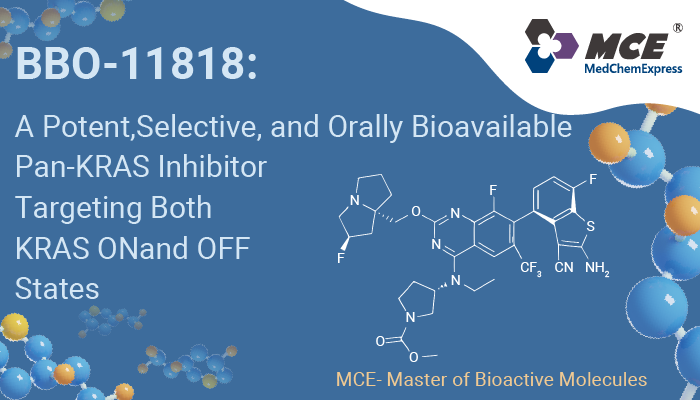 Blog
BBO-11818 is a potent, selective, orally bioavailable, and noncovalent pan-KRAS inhibitor targeting multiple clinically relevant KRAS mutants in both ON and OFF states.
Blog
BBO-11818 is a potent, selective, orally bioavailable, and noncovalent pan-KRAS inhibitor targeting multiple clinically relevant KRAS mutants in both ON and OFF states.
Products
All
-
All
-
Inhibitors & Agonists
-
Peptides
-
Recombinant Proteins
-
Antibodies
-
Screening Libraries
-
Inhibitory Antibodies
-
Reference Standards
-
GMP Small Molecules
-
Natural Products
| Cat. No. | Product Name | Information | Application | Publication |
|---|---|---|---|---|
| HY-13030 | (+)-JQ-1 |
|
309
|
|
| HY-A0004 | Decitabine |
Decitabine (NSC 127716) is an orally active deoxycytidine analogue antimetabolite and DNA methyltransferase inhibitor. Decitabine incorporates into DNA in place of cytosine can covalently trap DNA methyltransferase to DNA causing irreversible inhibition of the enzyme. Decitabine induces cell G2/M arrest and cell Apoptosis. Decitabine has potent anticancer activity.
|
Pancreatic Cancer
Viral Infection
Digestive System Inflammation
Urogenital Cancer
Non-Small Cell Lung Cancer
Acute Myeloid Leukemia
SARS-CoV-2 Infection
Rheumatoid Arthritis
|
183
|
| HY-10586 | 5-Azacytidine |
Lung Cancer
Prostate Cancer
Leukemia/Lymphoma/Myeloma
Pancreatic Cancer
Bacterial Infection
SARS-CoV-2 Infection
Rheumatoid Arthritis
|
142
|
|
| HY-L251 | Ionizable Lipid Compound Library |
Ionizable lipids are a class of specialized, functional lipid molecules with pH-sensitive charge characteristics. They are primarily divided into two major categories: ionizable cationic lipids and ionizable anionic lipids, though the term typically specifies ionizable cationic lipids within the biomedical field. Structurally, these lipids consist of an ionizable hydrophilic headgroup, a biodegradable linker, and hydrophobic tails. Their primary application is serving as the key delivery vehicle in lipid nanoparticles (LNPs) to encapsulate negatively charged nucleic acid macromolecules, such as mRNA vaccines, siRNA therapeutics, and CRISPR gene-editing components. In a physiological, neutral environment, they remain electrically neutral to minimize systemic toxicity and prolong circulation time. Upon entering the acidic microenvironment of cellular endosomes, however, they undergo protonation to become positively charged, thereby inducing membrane fusion and enabling the highly efficient intracellular release of the nucleic acid cargo. Consequently, they serve as the technological cornerstone for bringing nucleic acid therapies into clinical application.
To accelerate the translational process of cutting-edge nucleic acid drugs, MCE has meticulously constructed an ionizable lipid compound library containing 93 high-performance molecules, aiming to provide researchers and pharmaceutical professionals with a high-throughput, multi-dimensional lipid screening platform.
|
|
83
|
| HY-16141 | Cilengitide |
Cilengitide (EMD 121974) is an integrin (integrin) inhibitor with blood-brain barrier permeability, with IC50 values against human targets as follows: 0.61 nM for αvβ3, 8.4 nM for αvβ5, 14.9 nM for α5β1, 5400 nM for αIIbβ3, 2050 nM for αvβ6, 2350 nM for αvβ8. Cilengitide inhibits the binding of integrins to vitronectin, fibronectin, fibrinogen and LAP (TGF-β), and serves as an internal standard for solid-phase integrin binding assays. Cilengitide inhibits tumor cell viability, induces apoptosis, reduces the phosphorylation levels of STAT3, AKT and mTOR, downregulates the expression of PD-L1, inhibits cell viability and angiogenesis, regulates anti-tumor immune responses and slows tumor growth. Cilengitide can be used in research related to glioblastoma, melanoma, advanced solid tumors and refractory brain tumors.
|
|
75
|
| HY-13067 | Celastrol |
Celastrol (Tripterine;Tripterin) is a proteasome inhibitor which potently and preferentially inhibits the chymotrypsin-like activity of a purified 20S proteasome with IC50 of 2.5 μM. In addition, Celastrol is also an antibiotic with potent antimicrobial activity against standard and clinical methicillin-resistant Staphylococcus aureus (MRSA) strains, inducing oxidative stress and inhibiting DNA synthesis by binding to P5CDH.
|
Proteasome
Autophagy
Mitophagy
Apoptosis
Endogenous Metabolite
Antibiotic
Bacterial
Nuclear Hormone Receptor 4A/NR4A
|
68
|
| HY-W250163 | NAD+ lithium |
NAD+ lithium (β-DPN lithium) is a lithium salt of nicotinamide adenine dinucleotide. NAD+ is a coenzyme in the REDOX reaction. NAD+ can directly or indirectly affect several key cellular functions, including metabolic pathways, DNA repair, chromatin remodeling, cell aging, and immune cell function.
|
|
52
|
| HY-119374 | BRM/BRG1 ATP Inhibitor-1 |
BRM/BRG1 ATP Inhibitor-1 (compound 14) is an orally active allosteric dual brahma homolog (BRM)/SWI/SNF related matrix associated actin dependent regulator of chromatin subfamily A member 2 (SMARCA2) and brahma related gene 1 (BRG1)/SMARCA4 ATPase activity inhibitor, both IC50s are below 0.005 µM. BRM/BRG1 ATP Inhibitor-1 has anticancer activity.
|
|
42
|
| HY-P9904 | Atezolizumab |
Colorectal Cancer
Liver Cancer
Non-Small Cell Lung Cancer
Triple-Negative Breast Cancer
Metastatic Breast Cancer
|
42
|
|
| HY-112288 | C188-9 |
C188-9 (TTI-101) is a STAT3 inhibitor with a Kd value of 4.7 nM. C188-9 targets the SH2 domain of STAT3, blocks the processes of STAT3 ligand binding, receptor recruitment, homodimerization and phosphorylation, and regulates STAT3-mediated genes associated with tumorigenesis and radioresistance. C188-9 regulates STAT1-mediated genes related to radioresistance and reduces the activation level of STAT1. C188-9 downregulates the expression of DNMT1, enhances DAC-induced demethylation and re-expression of RASSF1A, and simultaneously potentiates the anti-tumor effect of DAC on pancreatic cancer cells. C188-9 inhibits both anchorage-dependent and anchorage-independent growth of cancer cells, induces Apoptosis, blocks the growth of tumor xenografts, and suppresses muscle atrophy. C188-9 maintains muscle mass, increases body weight and improves grip strength in tumor-bearing mice. C188-9 can be used in research related to head and neck squamous cell carcinoma, pancreatic cancer, sepsis-related skeletal muscle wasting, non-small cell lung cancer, acute myeloid leukemia and cancer cachexia.
|
Lung Cancer
Breast Cancer
Prostate Cancer
Liver Cancer
Leukemia/Lymphoma/Myeloma
Pancreatic Cancer
Digestive System Inflammation
Obesity
|
37
|
| HY-P9902 | Pembrolizumab |
Pembrolizumab (MK-3475) is a humanized IgG4 antibody inhibiting the programmed cell death 1 (PD-1) receptor, used in cancer immunotherapy.
Species: Human |
Non-Small Cell Lung Cancer
Lung Adenocarcinoma
HER-2 Positive Breast Cancer
Triple-Negative Breast Cancer
Metastatic Breast Cancer
|
37
|
| HY-19991 | BMS-1 |
BMS-1 is an inhibitor of the PD-1/PD-L1 protein/protein interaction (IC50 between 6 and 100 nM).
|
Lung Cancer
Breast Cancer
Colorectal Cancer
Gastric Cancer
Liver Cancer
Leukemia/Lymphoma/Myeloma
Ovarian Cancer
Digestive System Inflammation
|
34
|
| HY-111558 | Bobcat339 |
Bobcat339 is a potent and selective cytosine-based inhibitor of TET enzyme, with IC50s of 33 μM and 73 μM for TET1 and TET2, respectively. Bobcat339 is useful to the field of epigenetics and serves as a starting point for new therapeutics that target DNA methylation and gene transcription.
|
|
29
|
| HY-19745 | BMS-202 |
BMS-202 is a potent and nonpeptidic PD-1/PD-L1 complex inhibitor with an IC50 of 18 nM and a KD of 8 μM. BMS-202 binds to PD-L1 and blocks human PD-1/PD-L1 interaction. BMS-202 has antitumor activity.
|
Neurological, Eye or Ear Disease
Lung Cancer
Breast Cancer
Colorectal Cancer
Gastric Cancer
Liver Cancer
Leukemia/Lymphoma/Myeloma
Ovarian Cancer
Digestive System Inflammation
|
27
|
| HY-P99144 | Anti-Mouse PD-1 Antibody (RMP1-14) |
|
27
|
|
| HY-135146 | GSK-3484862 |
GSK-3484862 is a highly potent non-covalent inhibitor and demethylating agent of DNMT1. GSK-3484862 induces genome-wide DNA demethylation, including the regulatory elements of DNMT3B and the promoter region of TERT, and significantly inhibits cell viability, growth, proliferation and self-renewal. GSK-3484862 blocks the transformation of young AT2 cells, induces apoptosis, and generates transcriptomic features similar to those of senescent cells. GSK-3484862 is widely used in studies related to lung cancer, oral squamous cell carcinoma and lung adenocarcinoma.
|
|
26
|
| HY-P9903 | Nivolumab |
Nivolumab is a programmed death receptor-1 (PD-1) blocking human IgG4 antibody to treat advanced (metastatic) non-small cell lung cancer.
Species: Human |
Non-Small Cell Lung Cancer
Lung Adenocarcinoma
Triple-Negative Breast Cancer
Metastatic Breast Cancer
SARS-CoV-2 Infection
|
23
|
| HY-13962 | SGI-1027 |
SGI-1027 is a DNA methyltransferase (DNMT) inhibitor, with IC50s of 7.5 μM, 8 μM, and 12.5 μM for DNMT3B, DNMT3A, and DNMT1 with poly(dI-dC) as substrate.
|
Digestive System Disease
Leukemia/Lymphoma/Myeloma
Digestive System Inflammation
Rheumatoid Arthritis
|
20
|
| HY-P99145 | Anti-Mouse PD-L1/B7-H1 Antibody (10F.9G2) |
Anti-Mouse PD-L1/B7-H1 Antibody (10F.9G2) is an anti-mouse PD-L1/B7-H1 IgG2b antibody inhibitor derived from host rat. Anti-Mouse PD-L1/B7-H1 Antibody (10F.9G2) blocks PD-1 signaling. Anti-Mouse PD-L1/B7-H1 Antibody (10F.9G2) can be used for the research of cancer, such as colon cancer.
Species: Mouse |
|
20
|
| HY-N2148 | Cytosporone B |
Cytosporone B (Csn-B; Dothiorelone G) is a naturally occurring nuclear orphan receptor Nur77/NR4A1 agonist with an EC50 of 0.278 nM.
Source: fungus?Eupenicillium?sp. HJ002 |
|
18
|
| HY-13642 | RG108 |
RG108 (N-Phthalyl-L-tryptophan) is a non-nucleoside DNA methyltransferases (DNMTs) inhibitor (IC50=115 nM) that blocks the DNMTs active site. RG108 (N-Phthalyl-L-tryptophan) causes demethylation and reactivation of tumor suppressor genes, but it does not affect the methylation of centromeric satellite sequences.
|
|
15
|
| HY-145388 | AU-15330 |
AU-15330 is a proteolysis-targeting chimera (PROTAC) degrader of the SWI/SNF ATPase subunits, SMARCA2 and SMARCA4. AU-15330 induces potent inhibition of tumour growth in xenograft models of prostate cancer and synergizes with the AR antagonist enzalutamide. AU-15330 induces disease remission in castration-resistant prostate cancer (CRPC) models without toxicity.
|
|
15
|
| HY-139664 | GSK-3685032 |
|
15
|
|
| HY-13765 | 6-Thioguanine |
6-Thioguanine (Thioguanine; 2-Amino-6-purinethiol) is an anti-leukemia and immunosuppressant agent, acts as an inhibitor of SARS and MERS coronavirus papain-like proteases (PLpros) and also potently inhibits USP2 activity, with IC50s of 25 μM and 40 μM for Plpros and recombinant human USP2, respectively.
|
Digestive System Disease
Leukemia/Lymphoma/Myeloma
Viral Infection
Digestive System Inflammation
SARS-CoV-2 Infection
Rheumatoid Arthritis
|
14
|
| HY-B1322B | Amodiaquine dihydrochloride |
Amodiaquine dihydrochloride (Amodiaquin dihydrochloride), a 4-aminoquinoline class of antimalarial agent, is a potent and orally active histamine N-methyltransferase inhibitor with a Ki of 18.6 nM. Amodiaquine dihydrochloride is also a Nurr1 agonist and specifically binds to Nurr1-LBD (ligand binding domain) with an EC50 of ~20 μM. Anti-inflammatory effect.
|
Neurological, Eye or Ear Disease
Inflammation or Immune System Disease
Leukemia/Lymphoma/Myeloma
Viral Infection
Parasitic Infection
|
12
|
| HY-B1322 | Amodiaquine dihydrochloride dihydrate |
Amodiaquine dihydrochloride dihydrate (Amodiaquin dihydrochloride dihydrate), a 4-aminoquinoline class of antimalarial agent, is a potent and orally active histamine N-methyltransferase inhibitor. Amodiaquine dihydrochloride dihydrate is also a Nurr1 agonist and specifically binds to Nurr1-LBD (ligand binding domain) with an EC50 of ~20 μM. Anti-inflammatory effect.
|
Neurological, Eye or Ear Disease
Inflammation or Immune System Disease
Leukemia/Lymphoma/Myeloma
Viral Infection
Parasitic Infection
SARS-CoV-2 Infection
|
12
|
| HY-B1322A | Amodiaquine |
Amodiaquine (Amodiaquin), a 4-aminoquinoline class of antimalarial agent, is a potent and orally active histamine N-methyltransferase inhibitor. Amodiaquine is also a Nurr1 agonist and specifically binds to Nurr1-LBD (ligand binding domain) with an EC50 of ~20 μM. Anti-inflammatory effect.
|
|
12
|
| HY-128359 | ACBI1 |
|
11
|
|
| HY-112055 | DIM-C-pPhOH |
|
9
|
|
| HY-P9919 | Durvalumab |
Gastric Cancer
Liver Cancer
Leukemia/Lymphoma/Myeloma
Non-Small Cell Lung Cancer
Lung Adenocarcinoma
Triple-Negative Breast Cancer
Metastatic Breast Cancer
|
7
|
|
| HY-12409 | PFI-3 |
PFI-3, a chemical probe, is a selective, potent and cell-permeable SMARCA2/4 bromodomain inhibitor with a Kd of 89 nM.
|
|
5
|
| HY-18555 | TMPA |
TMPA is a high-affinity Nur77 antagonist that binds to Nur77 leading to the release and shuttling of LKB1 in the cytoplasm to activate AMPKα. TMPA effectively lowers blood glucose and attenuates insulin resistance in type II db/db, high-fat diet and streptozotocin-induced diabetic mice. TMPA reduces RICD (restimulation-induced cell death) in human T cells, can also be used in studies of cancer and T-cell apoptosis dysregulation.
|
|
3
|
| HY-144835 | Camibirstat |
FHD-286 is a selective, oral inhibitor of SMARCA4/SMARCA2 ATPase (BRG1 and BRM) inhibitor. FHD-286 has the potential for the research of BAF (BRG1/BRM-associated factor)-related disorders such as acute myeloid leukemia.
|
|
3
|
| HY-19808 | C-DIM12 |
C-DIM12 is a potent, orally active Nurr1 modulator. C-DIM12 inhibits the tumor growth and autophagy, and induces the cell apoptosis. C-DIM12 has anti-inflammatory and neuroprotective effects, and can be used for cancer and neurological disease study.
|
|
2
|
| HY-144896 | FHT-1015 |
FHT-1015 is a selective SMARCA4 (IC50 = 4 nM) and SMARCA2 (IC50 = 5 nM) (also known as BRG1 and BRM) inhibitor. FH-1015 is an allosteric inhibitor that causes conformation change in the BRG1/BRM protein upon interaction with an allosteric site, inhibiting ATPase activity. FH-1015 interferes with tumor cell growth and migration. FH-1015 can be studied in research for uveal melanoma and hematologic cancer.
|
|
2
|
| HY-P1624 | Teduglutide |
Teduglutide (ALX-0600) is an analog of human glucagon like peptide-2 (GLP-2). Teduglutide can activate the expression of nuclear receptor subfamily 4 group a member 1 (NR4a1)/nur77 and intestinal FXR signaling in human hepatic stellate cells, thereby improving liver inflammation and fibrosis in mice with sclerosing cholangitis. Teduglutide can alleviate intestinal dysfunction in mice, improve lung injury, alleviate obesity related neuroinflammation and cell apoptosis.
|
|
2
|
| HY-163410 | AU-24118 |
AU-24118 is an orally active PROTAC degrader that recruits cereblon to target the degradation of SMARCA2, SMARCA4 and PBRM1. AU-24118 impairs the chromatin accessibility of oncogenic transcription factors, inhibits colony formation, dislodges chromatin-bound transcription factors, attenuates downstream signal transduction, induces apoptosis, and exerts antiproliferative and cytotoxic effects. AU-24118 can be used in research related to castration-resistant prostate cancer, colorectal cancer, small cell lung cancer and multiple myeloma (including the t (4;14) subtype).
|
|
2
|
| HY-158301 | MY-1B |
MY-1B is a covalent inhibitor of the RNA Methyltransferase NSUN2 (IC50: 1.3 μM). MY-1B stereoselectively ligands active-site cysteine residues (C271) of NSUN2. MY-1B can stereoselectively and covalently bind to PSME1, disrupting the proteasome regulatory complex and downregulating the presentation of specific MHC-I subtypes.
|
|
2
|
| HY-155659 | 4A7C-301 |
4A7C-301 is a blood-brain barrier-permeable Nurr1 agonist, with IC50 values of 48.22 nM and 107.71 nM for binding to Nurr1-LBD in the [3H]-CQ competition assay and TR-FRET assay, respectively. The EC50 of 4A7C-301 for activating Nurr1 transcriptional activity is 6.53 μM, and its EC50 in N27-A dopaminergic cells is approximately 0.2 μM. 4A7C-301 binds directly to Nurr1-LBD, enhances the transcriptional function of Nurr1, and restores the reduction of Nurr1 protein induced by MPP+ or αSyn. 4A7C-301 alleviates oxidative stress and mitochondrial dysfunction, protects midbrain dopaminergic neurons, inhibits microglial activation, and restores impaired autophagic flux. 4A7C-301 can be used in studies related to neuroprotection and Parkinson's disease.
|
|
1
|
| HY-145446 | SGC-SMARCA-BRDVIII |
SGC-SMARCA-BRDVIII, a chemical probe, is a potent and selective inhibitor of SMARCA2/4 and PB1(5), with Kds of 35 nM, 36 nM, and 13 nM, respectively. SGC-SMARCA-BRDVIII also inhibits PB1(2) and PB1(3), with Kds of 3.7 and 2.0 μM, respectively. SGC-SMARCA-BRDVIII can block adipogenesis of 3T3-L1 murine fibroblasts.
|
|
1
|
| HY-P99117 | Cadonilimab |
Cadonilimab (AK104) is a humanized tetravalent IgG1 bispecific antibody targeting PD1/CTLA4. Cadonilimab blocks both PD-1 and CTLA-4 pathways, thereby relieving their corresponding immunosuppressive effects and reversing tumor specific T cell exhaustion. Cadonilimab significantly downregulates Fc-mediated effector functions, including antibody-dependent cell-mediated cytotoxicity (ADCC), antibody-dependent cellular phagocytosis (ADCP), complement dependent cytotoxicity (CDC). Cadonilimab can be used for research of metastatic cervical cancer, as well as other malignancies such as gastric cancer, GEJ adenocarcinoma and non-small cell lung cancer (NSCLC).
Species: Human |
Inflammation or Immune System Disease
Gastric Cancer
Non-Small Cell Lung Cancer
Triple-Negative Breast Cancer
|
1
|
| HY-151623 | ACBI2 |
ACBI2 is a highly potent and orally active VHL PROTAC SMARCA2 degrader (EC50: 7 nM), which selectively degrades SMARCA2 with a DC50 value of 1 nM in RKO cells. ACBI2 can be used in the research of lung cancer.
|
|
1
|
| HY-P99675 | Ivonescimab |
Ivonescimab (AK112) is a PD-1/VEGF bispecific antibody. Ivonescimab competitively inhibiting PD-1/PD-L1 interaction, reversing the immunosuppression mediated by it, and blocks the binding of VEGF-A to VEGFR2, inhibiting tumour angiogenesis in the tumour microenvironment. Ivonescimab also has significantly anticancer activity against EGFR-mutated locally advanced or metastatic non-squamous non-small cell lung cancer (NSCL).
Species: Human |
|
1
|
| HY-P11903 | dTBP-3 |
dTBP-3 is a fully D-configured polypeptide competitive inhibitor that targets TIGIT. dTBP-3 can competitively occupy the binding interface between TIGIT and its ligand PVR, block TIGIT-mediated immunosuppressive signals, and reverse the immune exhaustion of NK cells and CD8+ T cells. dTBP-3 possesses anti-proteolytic activity and tumor tissue penetration ability, and can also enhance the tumor penetration capacity and cellular internalization efficiency of nanocarriers. dTBP-3 can be used in studies related to liver cancer, triple-negative breast cancer and non-small cell lung cancer.
|
|
/
|
| HY-141432G | NX-1607 (GMP) |
|
/
|
|
| HY-P99027 | Ieramilimab |
Ieramilimab (LAG525; IMP701) is a humanized IgG4 monoclonal antibody that binds to LAG-3, resulting in inhibition of LAG-3 interaction with MHC-II molecules. Ieramilimab restores T-cell and NK-cell-mediated antileukemic immunity by reducing exhaustion and augmenting cytokine output and cytotoxicity. Ieramilimab increases the infiltration of cytotoxic T lymphocytes and reduces baseline densities of regulatory T cells (Tregs) and ADAM10-expressing tumor cells. Ieramilimab can be used for the study of various malignancies including melanoma, RCC, and advanced solid tumors.
Species: Human |
|
/
|
| HY-P990120 | Anti-Rat Kappa Immunoglobulin Light Chain Antibody (MAR 18.5) |
Anti-Rat Kappa Immunoglobulin Light Chain Antibody (MAR 18.5) is an anti-rat Kappa Immunoglobulin Light Chain IgG2a monoclonal antibody. Anti-Rat Kappa Immunoglobulin Light Chain Antibody (MAR 18.5) can enhance B cell depletion. Anti-Rat Kappa Immunoglobulin Light Chain Antibody (MAR 18.5) can enhance T cell exhaustion after the injection of CD4 mAb (HY-P990792) and CD8 mAb (HY-P99129). Anti-Rat Kappa Immunoglobulin Light Chain Antibody (MAR 18.5) can be used for research on immunology.
Species: Rat |
|
/
|
| HY-N0600 | Ginsenoside F3 |
Ginsenoside F3 is a saponin extracted from the leaves of Panax ginseng with immunoenhancing and antitumor immunostimulatory activities. Ginsenoside F3 upregulates RIPOR2 with a Kd value of 3.77 μM. Ginsenoside F3 enhances NF‑κB activation, upregulates T‑bet and downregulates GATA‑3, increases the production of IL‑2 and IFN‑γ, decreases the production of IL‑4 and IL‑10, reverses CD8⁺ T‑cell exhaustion, restores cytokine secretion, and enhances antitumor immunity in a mouse non‑small cell lung cancer model. Ginsenoside F3 can be used for the research of non-small cell lung cancer.
|
|
/
|
| HY-P991449 | LY3415244 |
LY3415244 is a bispecific antibody that targets and inhibits TIM-3 and PD-L1. LY3415244 blocks the interaction between TIM-3 on immune cells and PD-L1 on the surface of tumor cells, establishes intercellular connections between TIM-3-positive immune cells and PD-L1-positive tumor cells, and blocks dual immunosuppressive signals. LY3415244 alleviates T cell exhaustion and restores T cell proliferation. LY3415244 induces broad-spectrum anti-drug antibodies, which impairs the binding capacity to soluble TIM-3 targets. LY3415244 can be used in research related to various advanced solid tumors.
Species: Human |
|
/
|
| HY-N6588 | 3,4,5-Tricaffeoylquinic acid |
3,4,5-Tricaffeoylquinic acid (3,4,5-triCQA) inhibits tumor necrosis factor-α-stimulated production of inflammatory mediators in keratinocytes via suppression of Akt- and NF-κB-pathways. 3,4,5-Tricaffeoylquinic acid induces cell cycle arrest at G0/G1, actin cytoskeleton organization, chromatin remodeling, neuronal differentiation, and bone morphogenetic protein signaling in human neural stem cells. 3,4,5-Tricaffeoylquinic acid has the potential for the research of aging-associated diseases.
|
|
/
|
| HY-P99139 | Anti-Mouse IL-1b Antibody (B122) |
Anti-Mouse IL-1b Antibody (B122) is an anti-mouse IL-1b IgG monoclonal antibody. Anti-Mouse IL-1b Antibody (B122) enhances ferroptosis and increases levels of reactive oxygen species (ROS) combined with Sulfasalazine (SAS) (HY-14655). Anti-Mouse IL-1b Antibody (B122) can reduce monocyte infiltration and alleviate T cell exhaustion by blocking IL-1β signaling. Anti-Mouse IL-1b Antibody (B122) can be used for researches on cancer and cardiovascular conditions such as oral squamous cell carcinoma (OSCC), glioblastoma (GBM) and heart failure.
Species: Mouse |
|
/
|
| HY-P74601 | RBBP4 Protein, Human (sf9, His) |
The RBBP4 protein regulates chromatin assembly by binding to core histones and interacting with chromatin assembly factors, remodelers, and histone deacetylases. Its activity is determined by its interaction with nucleosomal DNA. RBBP4 Protein, Human (sf9, His) is the recombinant human-derived RBBP4 protein, expressed by Sf9 insect cells , with N-His labeled tag.
Species: Human; Source: Sf9 insect cells |
|
/
|
| HY-P74600 | RBBP4 Protein, Mouse (sf9, His) |
The RBBP4 protein is a core histone-binding subunit that directs chromatin regulators and histone deacetylases to their substrates and participates in chromatin metabolism.RBBP4 Protein, Mouse (sf9, His) is the recombinant mouse-derived RBBP4 protein, expressed by Sf9 insect cells , with N-His labeled tag.
Species: Mouse; Source: Sf9 insect cells |
|
/
|
| HY-P703421 | SPT16 Protein, Arabidopsis thaliana |
SPT16 Protein, Arabidopsis thaliana is the recombinant SPT16, expressed by E. coli , with tag Free labeled tag. ,
Species: Others; Source: E. coli |
|
/
|
| HY-P701613 | CECR2 Protein, Human (His) |
The CECR2 protein is a regulatory subunit in the CERF-1 and CERF-5 ISWI chromatin remodeling complexes that assembles ordered nucleosome arrays to help DNA enter replication, transcription, and repair. Despite lacking mononucleosome sliding ability, these complexes make crucial contributions to various developmental processes. CECR2 Protein, Human (His) is the recombinant human-derived CECR2 protein, expressed by E. coli , with N-6*His labeled tag.
Species: Human; Source: E. coli |
|
/
|
| HY-P85564 | SMARCC1 Antibody (YA5256) |
SMARCC1 Antibody (YA5256) is a Mouse-derived and non-conjugated monoclonal antibody, targeting to SMARCC1.
Host: Mouse; Reactivity: Human |
|
/
|
| HY-P86786 | BAF170 Antibody (YA6479) |
BAF170 Antibody (YA6479) is a Rabbit-derived and non-conjugated IgG monoclonal antibody, targeting to BAF170.
Host: Rabbit; Reactivity: Human, Mouse, Rat |
|
/
|
Targets/Pathways
