JNK1 Inhibitor
-
SP600125
 0 Images
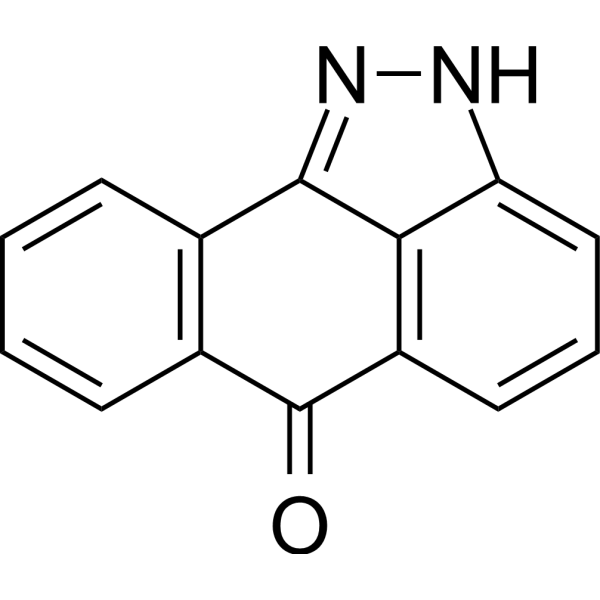
SP600125 is an orally active, reversible, and ATP-competitive JNK inhibitor with IC50s of 40, 40 and 90 nM for JNK1, JNK2 and JNK3, respectively. SP600125 is a potent ferroptosis inhibitor. SP600125 induces the transformation of bladder cancer cells from autophagy to apoptosis.
-
Gamma-glutamylcysteine
 0 Images
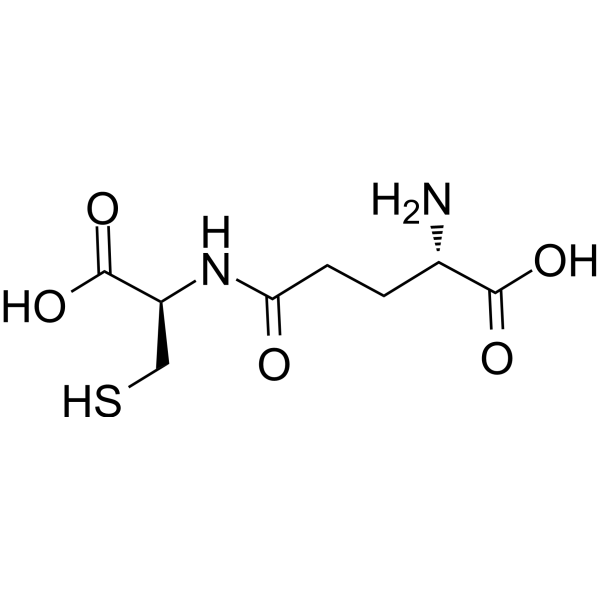
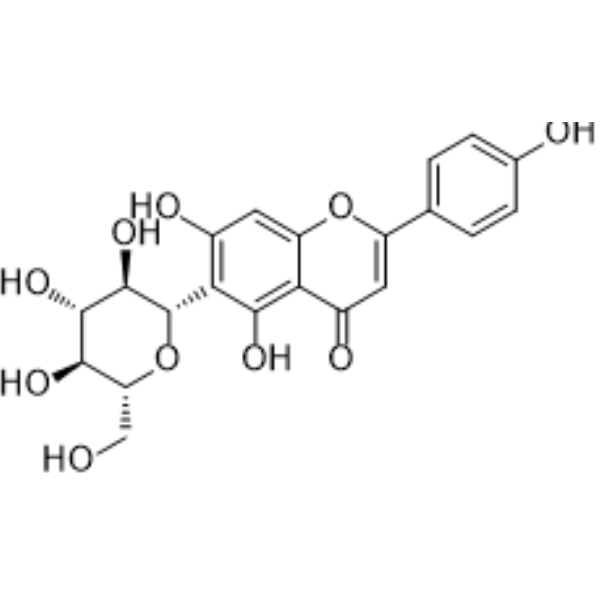
Gamma-glutamylcysteine (γ-Glu-Cys) is an orally active, blood-brain barrier permeable dipeptide. Gamma-glutamylcysteine activates AMPK, SIRT1, IL-4/STAT6, AC/cAMP/PI3K, IGF-1R/IRS1/PI3K, and Nrf2 signaling pathways; it inhibits NF-κB, JAK1/STAT1/3, MAPKs, cadmium-induced p38 MAPK, JNK, and PI3K/Akt signaling pathways. Gamma-glutamylcysteine regulates macrophage polarization, modulates the trafficking of CD36 and GLUT4, induces glutathione synthesis, improves metabolic dysfunction, reduces lipid deposition, ameliorates glucose homeostasis, inhibits apoptosis (Apoptosis), stabilizes mitochondria, suppresses lipid peroxidation, iron accumulation and ferroptosis (Ferroptosis), reduces ds-HMGB1 levels, reverses mechanical hyperalgesia, and alleviates hepatic lipid droplet formation. Gamma-glutamylcysteine is applicable to research related to inflammatory bowel disease, type 2 diabetes, cadmium-induced neurotoxicity, Alzheimer's disease, cerebral ischemia/reperfusion injury, neuropathy, and alcoholic liver disease.
-
JNK Inhibitor VIII
 0 ImagesSynonyms: TCS JNK 6o
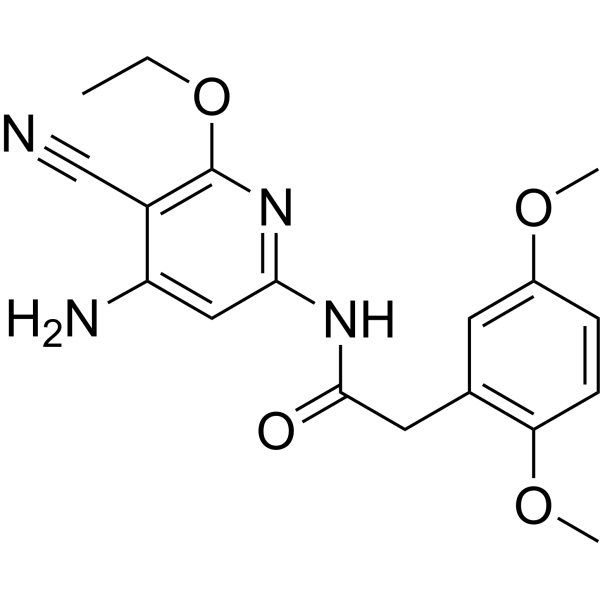
JNK Inhibitor VIII (TCS JNK 6o) is a c-Jun N-terminal kinases (JNK-1, -2, and -3) inhibitor with Ki values of 2 nM, 4 nM, 52 nM, respectively, and has IC50 values of 45 nM and 160 nM for JNK-1 and -2, respectively.

-
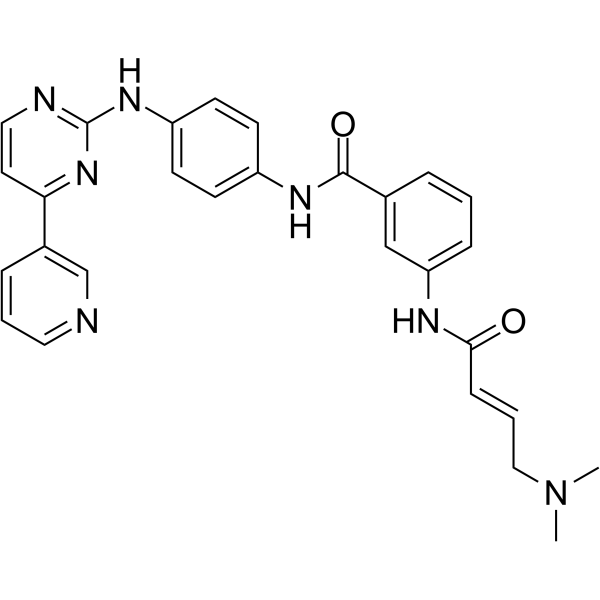
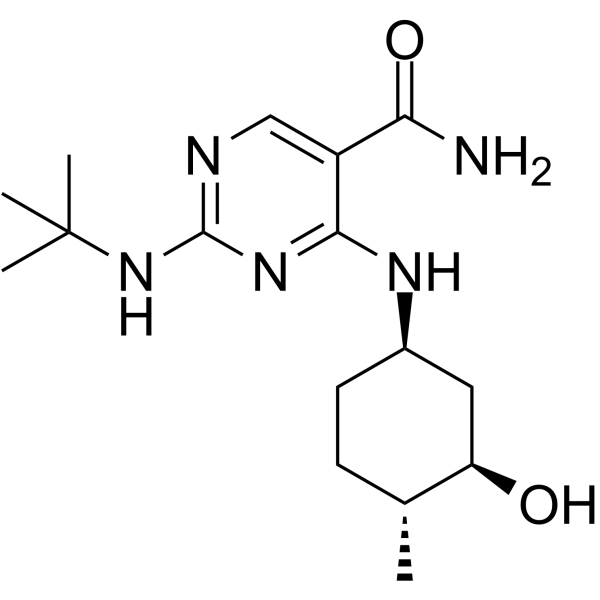
Tanzisertib
 0 ImagesSynonyms: CC-930
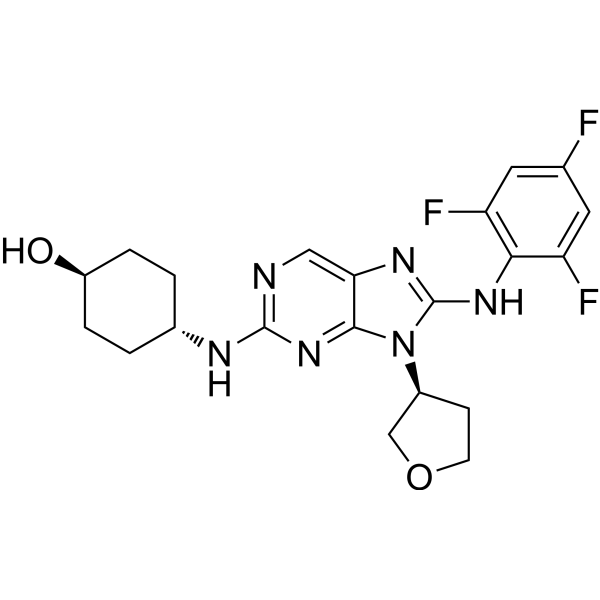
Tanzisertib (CC-930) is a potent JNK1/2/3 inhibitor with IC50s of 61/7/6 nM, respectively.
-
AS601245
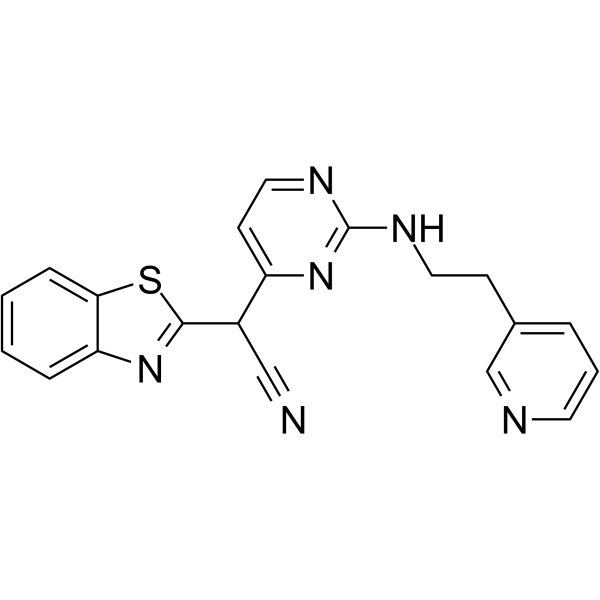 0 Images
AS601245 is an orally active, selective, ATP competitive JNK (c-Jun NH2-terminal protein kinase) inhibitor with IC50s of 150, 220, and 70 nM for three JNK human isoforms (hJNK1, hJNK2, and hJNK3), respectively. AS601245 exhibits 10- to 20-fold selectivity over c-src, CDK2, and c-Raf and more than 50- to 100-fold selectivity over a range of Ser/Thr- and Tyr-protein kinases. Neuroprotective properties.
-
Geranial
 0 ImagesSynonyms: (E)-3,7-Dimethylocta-2,6-dienal
Geranial is an aromatic compound. It can be isolated from the fruits of Litsea cubeba Lour and the rhizomes of ginger (Zingiber officinale). Geranial inhibits LPS-induced phosphorylation of ERK1/2, JNK1/3 and IκB in macrophages. It suppresses the secretion of IL-1β, TNF-α and IL-6, as well as the expression of pro-IL-1β, iNOS and COX-2. Geranial increases ROS. It can be used in the research of inflammatory diseases.
-
Cornuside
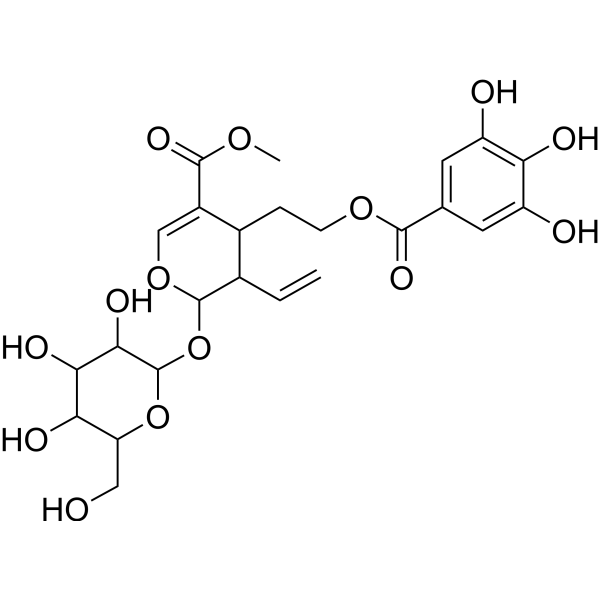 0 Images
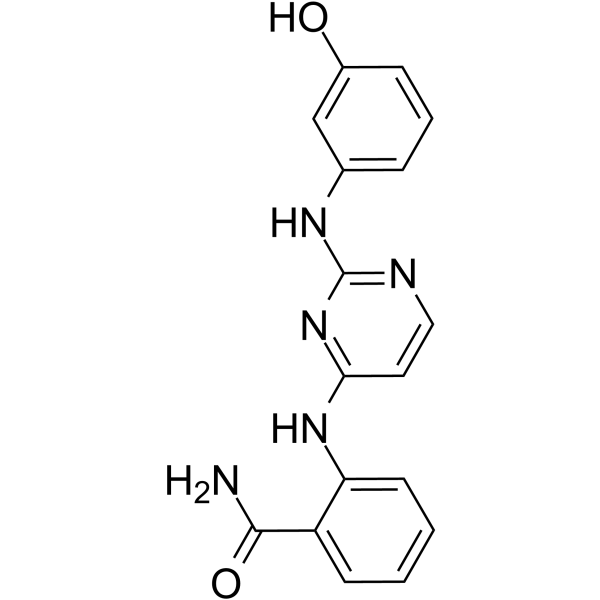
Cornuside is an iridoid glycoside with anti-allergic, anti-inflammatory, and neuroprotective activities. Cornuside exerts anti-allergic activity by downregulating the p38 MAPK, JNK, and NF-κB signaling pathways, and inhibits IgE-mediated histamine release from mast cells. Cornuside improves cognitive impairment in mice by inhibiting BACE1 activity (IC50 = 55.84 μg/mL) and enhancing ChAT activity. Cornuside inhibits LPS (HY-D1056)-induced inflammatory mediators, including iNOS, COX-2, PGE2, TNF-α, IL-6, and IL-1β, by suppressing NF-κB activation.
-
Indirubin-3′-oxime
 0 ImagesSynonyms: IDR3O; I3O
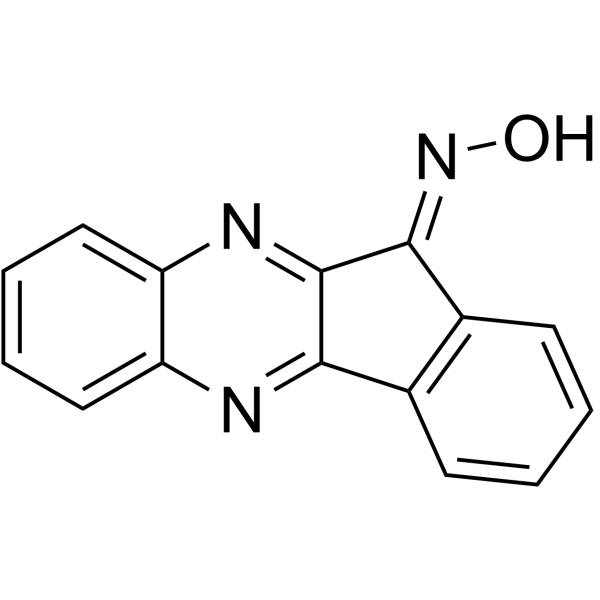
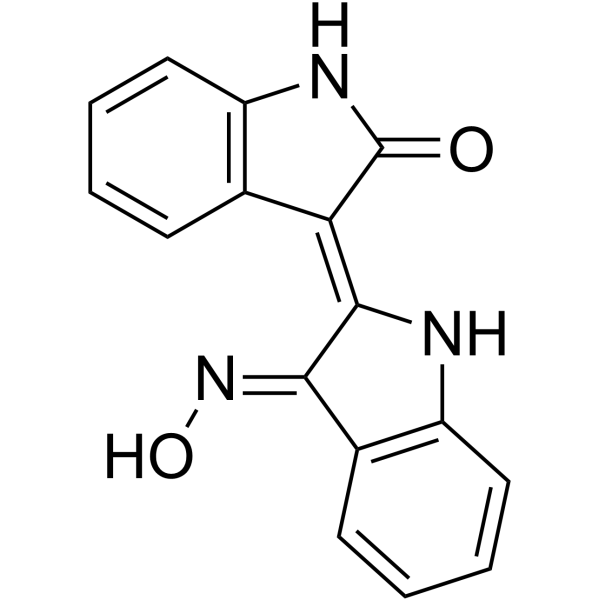
Indirubin-3′-oxime (IDR3O), a synthetic derivative of indirubin, is a potent inhibitor of cyclin-dependent kinases (CDKs) and glycogen synthase kinase 3β (GSK3β). Indirubin-3′-oxime directly inhibits the activity of all three isoforms of JNK (JNK1, JNK2, and JNK3), with IC50s of 0.8 μM, 1.4 μM, and 1.0 μM, respectively. Indirubin-3′-oxime can enhance height growth via activation of Wnt/β-catenin signaling in chondrocytes.
-
PT109
 0 Images
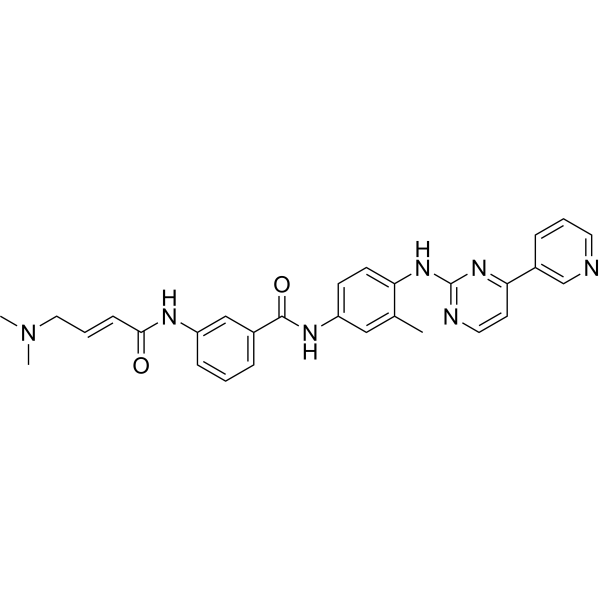
PT109 is an orally active, blood-brain barrier permeable multi-kinase inhibitor. By inhibiting PTBP1, PT109 promotes the switch of pyruvate kinase isoform from PKM2 to PKM1, thereby effectively inhibiting the proliferation and migration of glioblastoma multiforme and inducing its reprogramming into oligodendrocytes. PT109 also targets and regulates key signaling molecules such as JNK, SGK1, GSK3β to exert neuroprotective effects including promoting neurogenesis, inducing synapse formation and alleviating neuroinflammation. In Alzheimer's disease models, PT109 exhibits significant efficacy in improving spatial learning ability, along with excellent in vivo pharmacokinetic properties. PT109 can be used to investigate metabolic reprogramming of glioblastoma multiforme and neuroprotective mechanisms of Alzheimer's disease.
-
JNK3 inhibitor-4
 0 Images
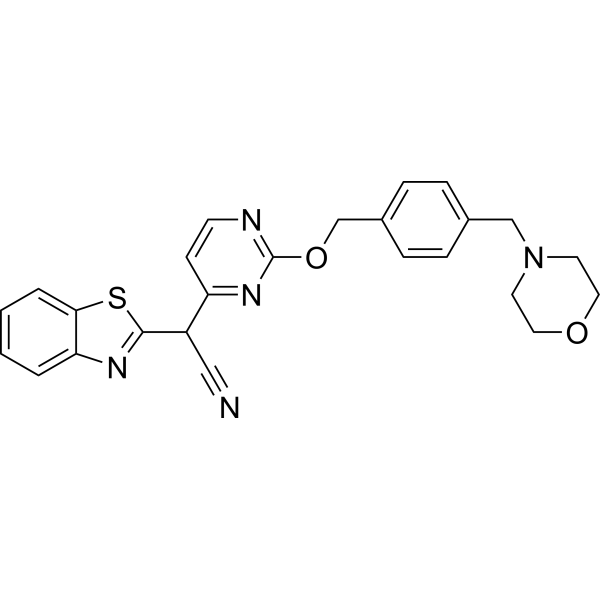
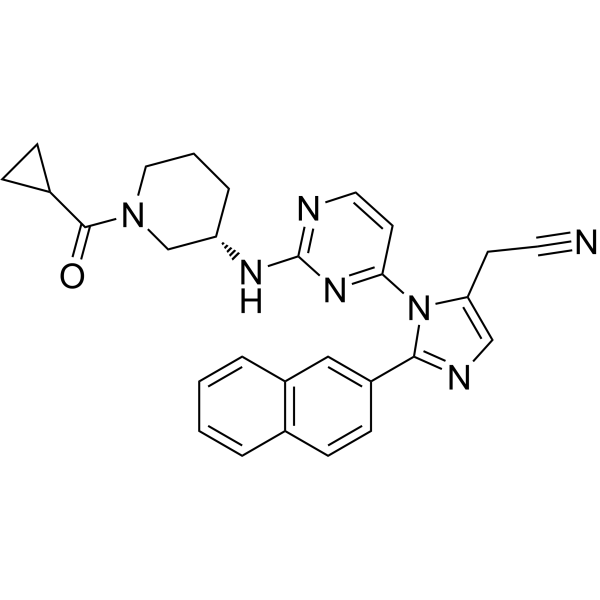
JNK3 inhibitor-4 is a potent and BBB-permeable inhibitor of JNK3 (IC50=1.0 nM) based on 2-aryl-1-pyrimidinyl-1H-imidazole-5-yl acetonitrile. JNK3 inhibitor-4 shows excellent selectivity over other protein kinases including isoforms JNK1 (IC50=143.9 nM) and JNK2 (IC50=298.2 nM). JNK3 inhibitor-4 has neuroprotective effect and predicated blood-brain barrier permeability.
-
Ombuoside
 0 Images
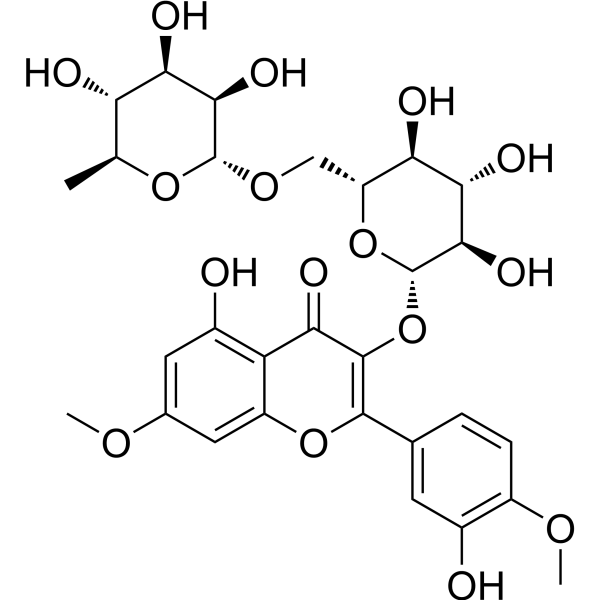
Ombuoside has antioxidant properties, inhibiting ROS production and apoptosis. Ombuoside exerts neuroprotective effects through the ERK-JNK-caspase-3 system. Ombuoside promotes Dopamine biosynthesis through TH and CREB activation. Ombuoside exhibits antimicrobial activity against several Gram-positive and Gram-negative bacteria, as well as Candida albicans
-
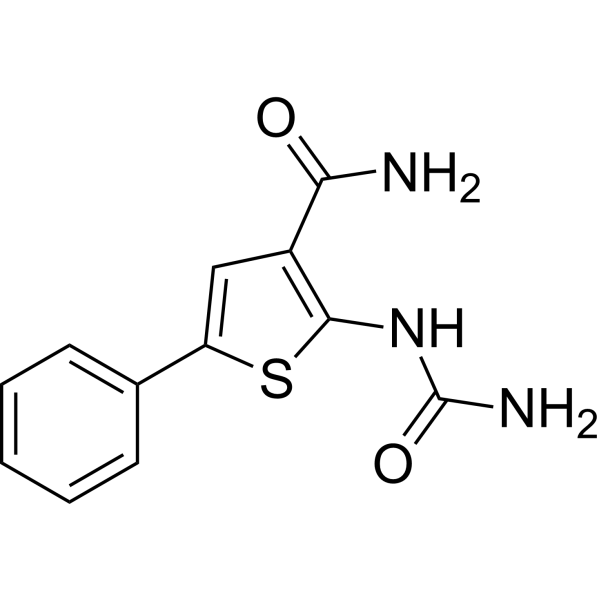
IKK2-IN-4
 0 Images
IKK2-IN-4 is an orally active and selective IKK-2 inhibitor (IC50 = 0.025 μM) that also inhibits JNK-1 (IC50 = 1.6 μM). IKK2-IN-4 blocks IκB phosphorylation and NF-κB activation, and inhibits JNK-1 kinase activity. IKK2-IN-4 inhibits TNF-α production in PBMCs. IKK2-IN-4 can be used for research on IKK-2-related diseases, such as autoimmune diseases.