



NF-κB
Nuclear factor-κB; Nuclear factor-kappaB
NF-κB (Nuclear factor kappa-light-chain-enhancer of activated B cells) is a protein complex that controls transcription of DNA. NF-κB is found in almost all animal cell types and is involved in cellular responses to stimuli such as stress, cytokines, free radicals, ultraviolet irradiation, oxidized LDL, and bacterial or viral antigens. NF-κB plays a key role in regulating the immune response to infection. Incorrect regulation of NF-κB has been linked to cancer, inflammatory, and autoimmune diseases, septic shock, viral infection, and improper immune development. NF-κB has also been implicated in processes of synaptic plasticity and memory. There are five proteins in the mammalian NF-κB family: NF-κB1, NF-κB2, RelA, RelB, c-Rel.
NF-κB Isoform Specific Products
All Product Categories
-
NF-κB Inhibitors
(1634)
View all products
-
NF-κB Agonists
(6)
View all products
-
NF-κB Antagonist
(1)
View all products
-
NF-κB Activators
(145)
View all products
-
NF-κB Modulators
(34)
View all products
-
NF-κB Inducers
(3)
View all products
-
NF-κB Degraders
(4)
View all products
-
NF-κB Controls
(7)
View all products
-
NF-κB Ligands
(2)
View all products
-
NF-κB Related Products (1970)
Related Products (1970)

-
Antibodies (32)
-
NF-κB Signaling Pathway
-
NF-κB Isoform Comparison
-
Ginsenoside Rk1
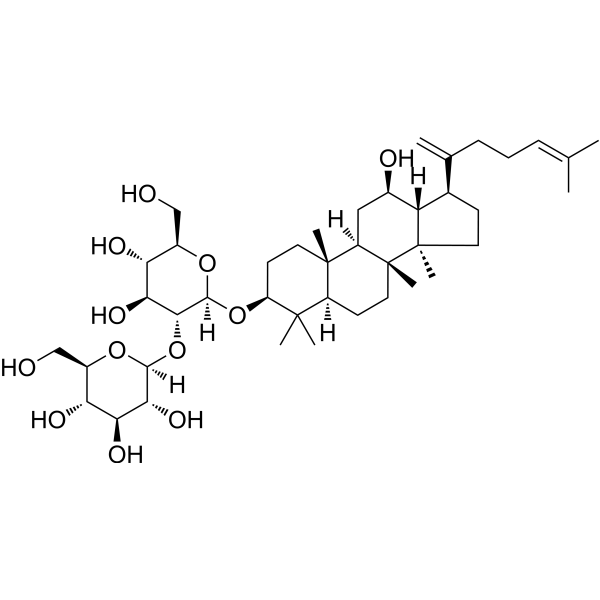 0 ImagesGinsenoside Rk1 is a unique component created by processing the ginseng plant (mainly Sung Ginseng, SG) at high temperatures. Ginsenoside Rk1 has anti-inflammatory effect, suppresses the activation of Jak2/Stat3 signaling pathway and NF-κB. Ginsenoside Rk1 has anti-tumor effect, antiplatelet aggregation activities, anti-insulin resistance, nephroprotective effect, antimicrobial effect, cognitive function enhancement, lipid accumulation reduction and prevents osteoporosis. Ginsenoside Rk1 induces cell apoptosis by triggering intracellular reactive oxygen species (ROS) generation and blocking PI3K/Akt pathway.
-
Kp7-6
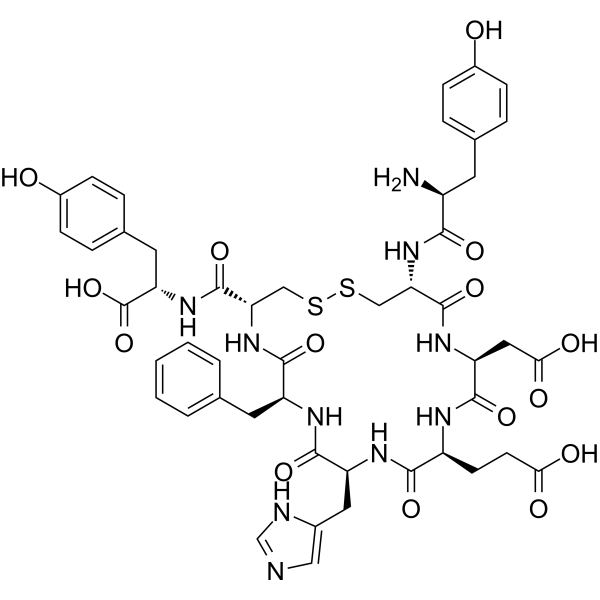 0 ImagesKp7-6 is a Fas mimetic peptide and also a Fas/FasL antagonist. Kp7-6 specifically binds to Fas and FasL, disrupts receptor complexes, and blocks downstream apoptosis signaling pathways. Kp7-6 inhibits the phosphorylation of ERK1-2, induces the phosphorylation of IκBα, and activates NF-κB. Kp7-6 inhibits the activation of caspase-8, caspase-3 and JNK, and suppresses human amylin-induced β-cell apoptosis. Kp7-6 inhibits FasL-induced lymphoid cytotoxicity and apoptosis. Kp7-6 reduces local tumor FasL expression, increases CD8+Fas+ T cell infiltration, and decreases tumor volume in pancreatic neuroendocrine tumor models. Kp7-6 prevents concanavalin A-induced liver injury in mice. Kp7-6 is applicable to research related to type 2 diabetes, concanavalin A-induced hepatitis and pancreatic neuroendocrine tumors.
-
K284-6111
 0 ImagesK284-6111 is a high-affinity and orally active CHI3L1 inhibitor, and inhibits CHI3L1 expression. K284-6111 inhibits ERK and NF-κB pathway. K284-6111 suppresses nuclear translocation of p50 and p65, and phosphorylation of IκB. K284-6111 improves memory dysfunction by alleviating amyloidogenesis and neuroinflammation, with the reduction of inflammatory proteins (eg: iNOS, COX-2, GFAP, and Iba-1). K284-6111 reduces atopic-like skin inflammation and inhibits LPS (HY-D1056) -induced liver injury. K284-6111 can be used for the study of Alzheimer's diseases and sepsis like hepatic injury.
-
Chitin, from crab carapace (powder),biomedical research grade
 0 ImagesChitin, from crab carapace (powder),biomedical research grade is a long-chain polymer of N-acetylglucosamine with β-(1-4) linkages. Chitin, from crab carapace (powder),biomedical research grade is found in the exoskeleton of crabs. Chitin, from crab carapace (powder),biomedical research grade inhibits the activation of NF-κB p65, alters the translocation of NF-κB p65 to the nucleus, and interacts with the cell wall of Candida species. Chitin, from crab carapace (powder),biomedical research grade exerts antifungal and anti-inflammatory effects. Chitin, from crab carapace (powder),biomedical research grade can be used in the research of gastric ulcer and candidiasis.
-
Potassium dihydrogen phosphate, AR,99.5%
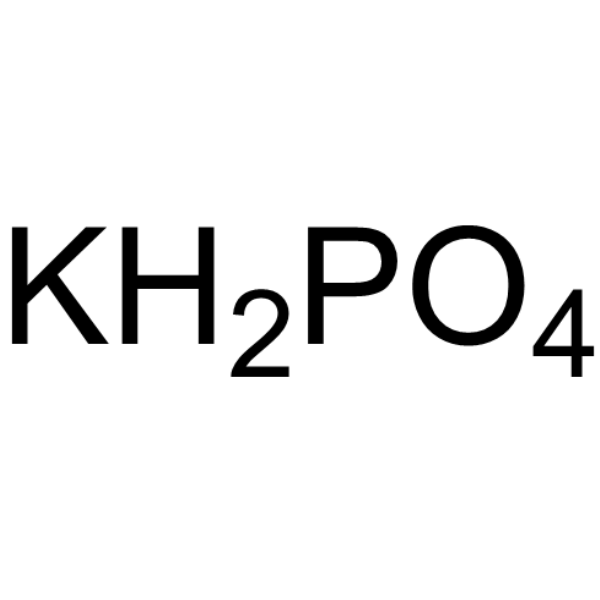 0 ImagesPotassium dihydrogen phosphate, AR,99.5% is a potassium salt. Potassium dihydrogen phosphate, AR,99.5% activates NF-κB. Potassium dihydrogen phosphate, AR,99.5% upregulates the expression of dental/osteogenic markers (OCN, DSP/DSPP, OSX, RUNX2, ALP) and enhances the mineralization capacity of human periodontal ligament stem cells. Potassium dihydrogen phosphate, AR,99.5% promotes the proliferation of human periodontal ligament stem cells in logarithmic growth phase. Potassium dihydrogen phosphate, AR,99.5% promotes the growth of somatic embryos of Dendrobium Sonia, increases leaf number, leaf length and fresh weight of tissue-cultured seedlings. Potassium dihydrogen phosphate, AR,99.5% is applicable to periodontal disease-related research.
-
Nitidine chloride
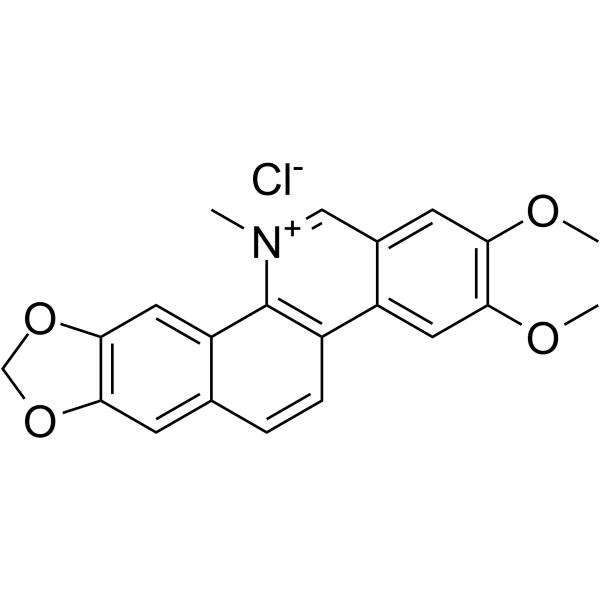 0 ImagesNitidine chloride, a potential anti-malarial lead compound derived from Zanthoxylum nitidum (Roxb) DC, exerts potent anticancer activity through diverse pathways, including inducing apoptosis, inhibiting STAT3 signaling cascade, DNA topoisomerase 1 and 2A, ERK and c-Src/FAK associated signaling pathway, also has anti-inflammatory activity. Nitidine chloride inhibits LPS-induced inflammatory cytokines production via MAPK and NF-kB pathway.
-
Anti-Mouse NK1.1 Antibody (PK136)
 0 ImagesCat. No.: HY-P99143Purity: 98.57%Anti-Mouse NK1.1 Antibody (PK136) is an anti-mouse NK1.1 IgG2a monoclonal antibody. Anti-Mouse NK1.1 Antibody (PK136) can deplete natural killer (NK) cells. Anti-Mouse NK1.1 Antibody (PK136) inhibits the JAK-STAT and NF-κB signaling pathways. Anti-Mouse NK1.1 Antibody (PK136) can be used for research on inflammation conditions such as non-alcoholic steatohepatitis (NASH).
-
FPFT-2216
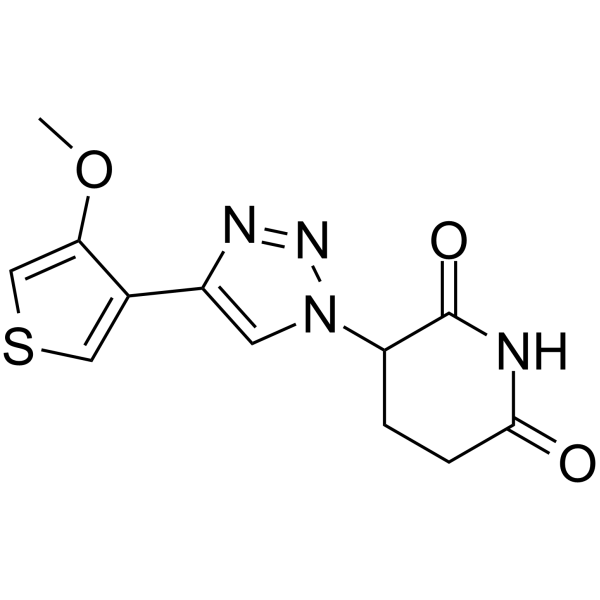 0 ImagesFPFT-2216 is an orally active Molecular glue degrader targeting IKZF1, IKZF3, CK-1α, and PDE6D, with a DC50 of 8 nM against PDE6D. FPFT-2216 mediates ubiquitin-proteasome degradation via the CRL4CRBN E3 ubiquitin ligase complex and interacts with the non-isoprenoid-binding region of PDE6D. FPFT-2216 activates the p53 signaling pathway, inhibits the CBM complex/NF-κB pathway, upregulates IL-2, suppresses IL-1β and IL-6, and induces tumor cell Apoptosis. FPFT-2216 exhibits anticancer activity against multiple myeloma and lymphoma. FPFT-2216 can be used in research related to multiple myeloma, lymphoma, acute lymphoblastic leukemia, acute myeloid leukemia, pancreatic ductal adenocarcinoma, non-small cell lung cancer, and gastric adenocarcinoma.

-
Erenapurstat
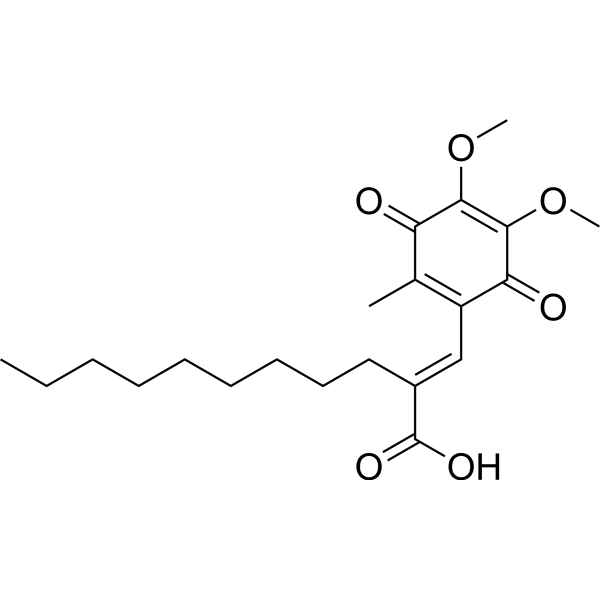 0 ImagesSynonyms: E3330; APX-3330Erenapursta (E3330) is a direct, orally active and selective inhibitor of Ape-1 (apurinic/apyrimidinic endonuclease 1)/Ref-1 (redox factor-1) redox. Erenapursta is able to impair tumor growth and blocks the activity of NF-κB, AP-1, and HIF-1α in pancreatic cancer. Erenapursta shows anticancer activities.
-
Alendronic acid
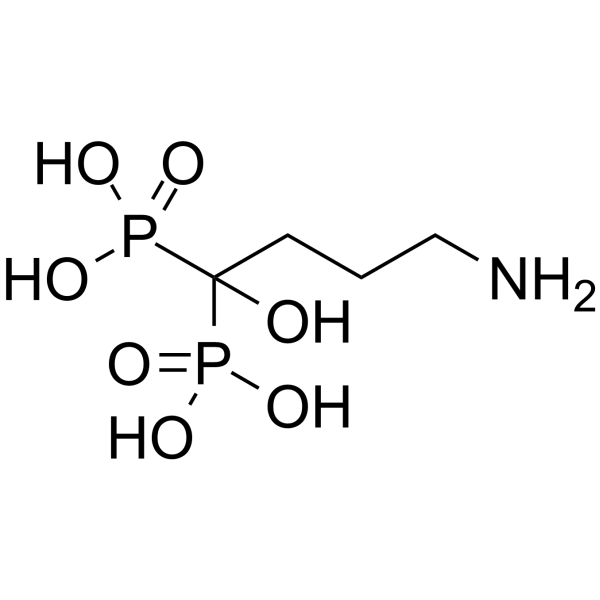 0 ImagesAlendronate acid is an orally active bisphosphonate which binds to bone surfaces and inhibits bone resorption by osteoclasts. Alendronate acid induces skeletal alterations in the chicken embryonic development model. Alendronate acid can be used for osteoporosis research.
-
Rhoifolin
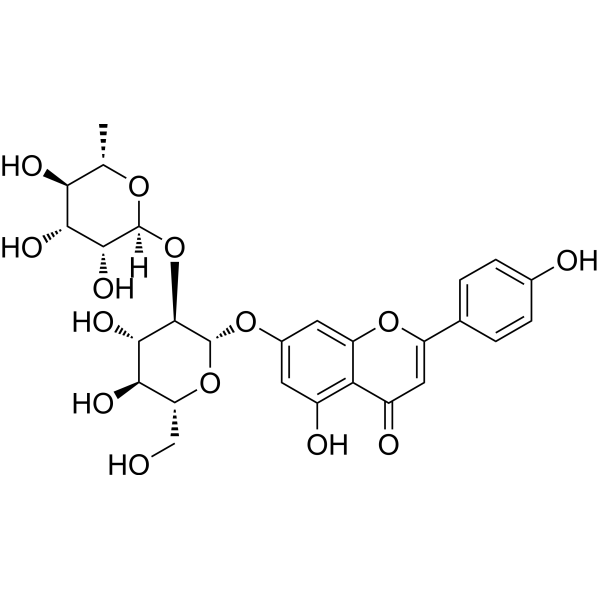 0 ImagesRhoifolin is a flavone glycoside can be isolated from Rhus succedanea. Rhoifolin has anti-diabetic effect acting through enhanced adiponectin secretion, tyrosine phosphorylation of insulin receptor-β and glucose transporter 4 (GLUT 4) translocation. Rhoifolin has an anti-inflammatory action via multi-level regulation of inflammatory mediators. Rhoifolin ameliorates titanium particle-stimulated osteolysis and attenuates osteoclastogenesis via RANKL-induced NF-κB and MAPK pathways. Rhoifolin also has cytotoxic activity against different cancer cell lines.
-
Physcion
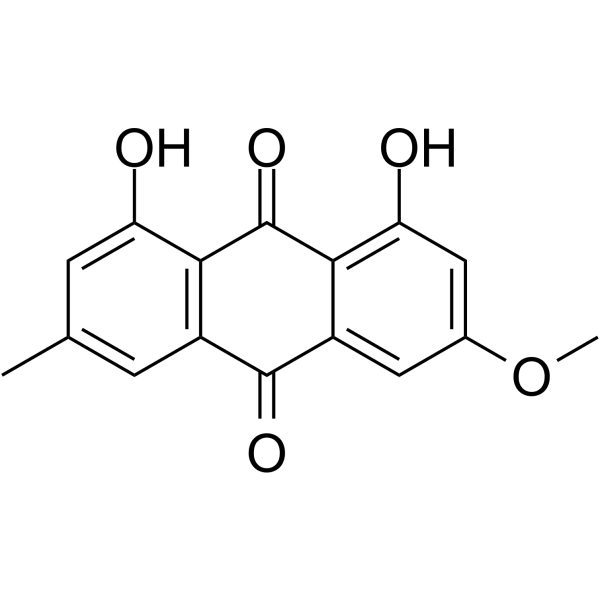 0 ImagesPhyscion (Parietin), an anthraquinone derivative derived from the traditional Chinese medicine rhubarb, is an effective oral active 6-phosphogluconate dehydrogenase inhibitor with blood-brain barrier permeability, with IC50 and Kd values of 38.5 μM and 26.0 μM, respectively. Additionally, Physcion is an inhibitor of the <>bTLR4/NF-κB signaling pathway, exhibiting anti-inflammatory, antibacterial, and anticancer effects, and can induce Apoptosis and Autophagy in cancer cells.
-
Sodium benzoate
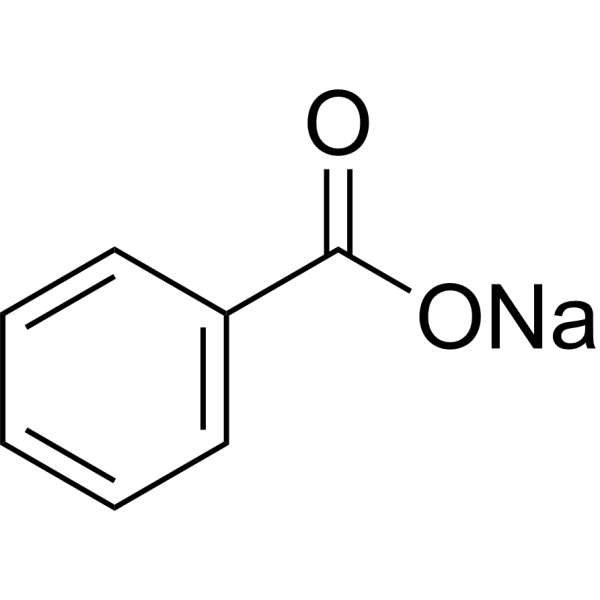 0 ImagesSodium benzoate is an orally active pharmaceutical excipient, such as an antibacterial agent, preservative, lubricant, etc. Pharmaceutical excipients, or pharmaceutical auxiliaries, refer to other chemical substances used in the pharmaceutical process other than pharmaceutical ingredients. Pharmaceutical excipients generally refer to inactive ingredients in pharmaceutical preparations, which can improve the stability, solubility and processability of pharmaceutical preparations. Pharmaceutical excipients also affect the absorption, distribution, metabolism, and elimination (ADME) processes of co-administered drugs.Sodium benzoate activates NF-κB and induces Apoptosis. Sodium benzoate induces immune suppression and produces reproductively toxic. Sodium benzoate can be used for colon cancer and immune disease research.
-
Deltamethrin
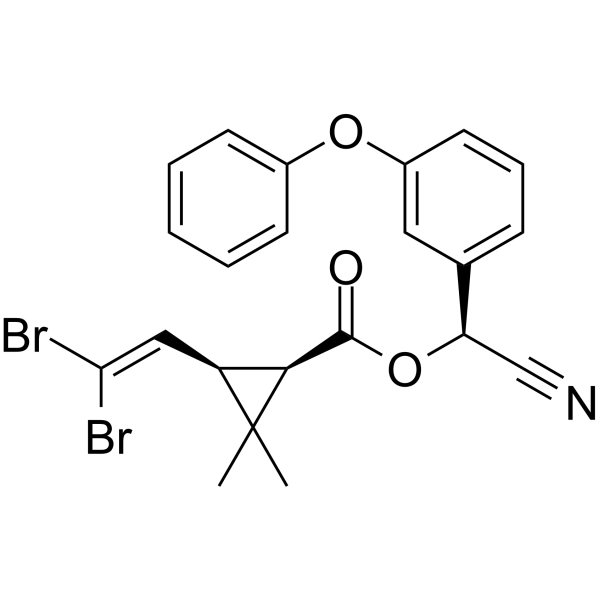 0 ImagesSynonyms: DecamethrinDeltamethrin (Decamethrin) is an orally active synthetic pyrethroid insecticide. Deltamethrin induces oxidative stress and results in inflammation and apoptosis via inhibiting Nrf2/HO-1 pathway. Deltamethrin has an anticancer effect by inducing apoptosis. Deltamethrin can be used extensively in pest control.
-
L-Glutamine-15N
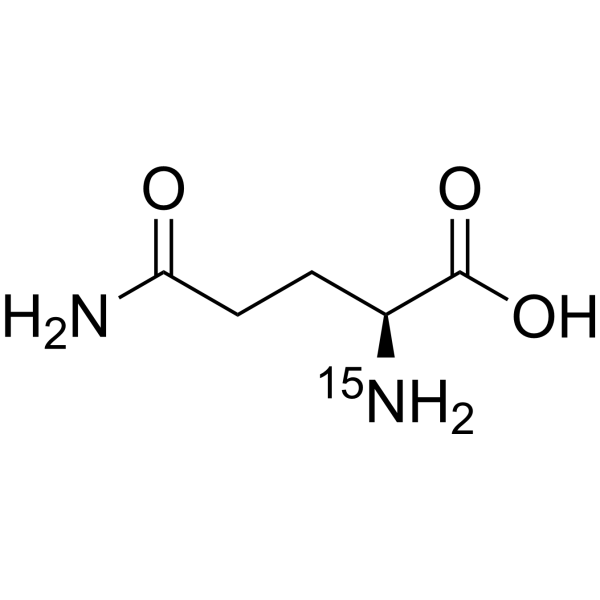 0 ImagesSynonyms: L-Glutamic acid 5-amide-15NL-Glutamine-15N is the 15N-labeled L-Glutamine (HY-N0390). L-Glutamine is an orally active nutritional agent and cellular metabolism regulator. L-Glutamine is taken up in a Na+-dependent manner and targets multiple key molecules including glutaminase, mTORC1, NF-κB, STAT-3 and HIF-1α. L-Glutamine enhances glutaminolytic catabolism, drives the conversion of glutamate to α-ketoglutarate, thereby regulating gene expression, integrating metabolic signals, mediating glutamine flux and maintaining redox homeostasis. L-Glutamine also promotes cell proliferation, osteogenic differentiation and fracture healing, exerts neuroprotective and cardioprotective effects, and inhibits osteoarthritis. L-Glutamine can be applied to research related to osteoporosis, osteoarthritis, ischemic stroke and acute cantharidin-induced cardiotoxicity.
-
EUK-134
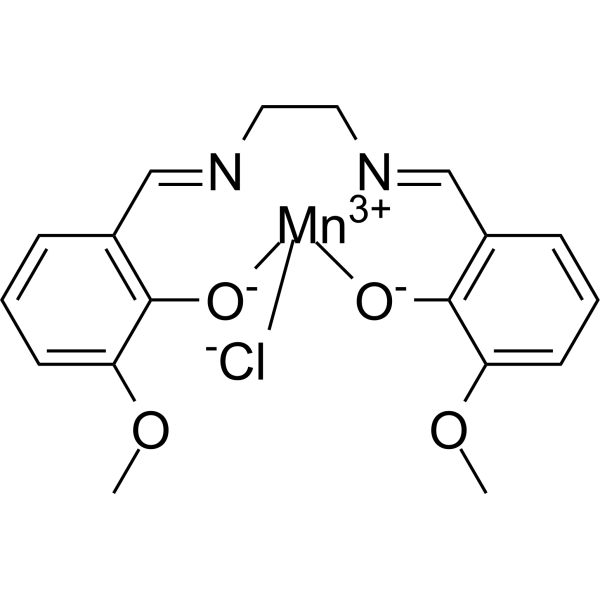 0 ImagesEUK-134, a synthetic superoxide dismutase and catalase mimetic, protects rat kidneys from ischemia-reperfusion-induced damage. EUK-134 is a superoxide dismutase (SOD) mimetics (SODm) with catalase activity. EUK-134 is a mitoprotective antioxidant. EUK-134 reduces the expression of NF-κB, MDA level, and protein carbonylation in H9C2 cells.




