



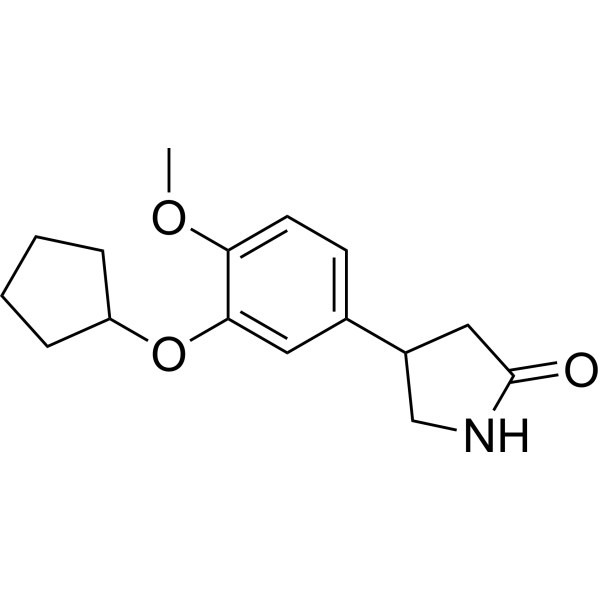
Rolipram
Based on 20 publication(s) in Google Scholar
Rolipram is a PDE4 inhibitor, with blood-brain barrier permeability, that reverses β-amyloid-induced learning and memory impairment in rats. Rolipram elevates intracellular cAMP and clevels and regulates the cAMP/CREB signaling pathway, thereby alleviating neuroinflammation and apoptotic responses. Rolipram promotes neuronal differentiation of human bone marrow mesenchymal stem cells and inhibits Methamphetamine- and morphine-induced hyperlocomotion in mice. Rolipram also reduces the viability of glioblastoma stem-like cells and enhances Bevacizumab (HY-P9906)-induced cell death. Rolipram inhibits the expression of proinflammatory cytokines and enhances central noradrenergic transmission. Rolipram is mainly used in studies related to various central nervous system diseases including Alzheimer's disease, major depressive disorder, glioblastoma multiforme, and multiple sclerosis.
Nur für Forschungszwecke. Wir verkaufen nicht an Patienten.
- Reinheit : 99.87%
- CAS. Nr.: 61413-54-5
- Formel: C16H21NO3
- Molecular Weight:275.35
-
Speicherung:Powder -20°C, 3 years , 4°C, 2 years ; In solvent -80°C, 2 years , -20°C, 1 year

To place orders, for customer services and technical support, please contact: MedChemExpress USA
Tel: 609-228-6898 E-mail: [email protected] [email protected]


-
 Biologische Aktivität
-
Chemical Information
-
Lösungsmittel & Löslichkeit
- Protokoll
- Reinheit & Dokumentation
- Verweise
-
 Help & FAQs


-
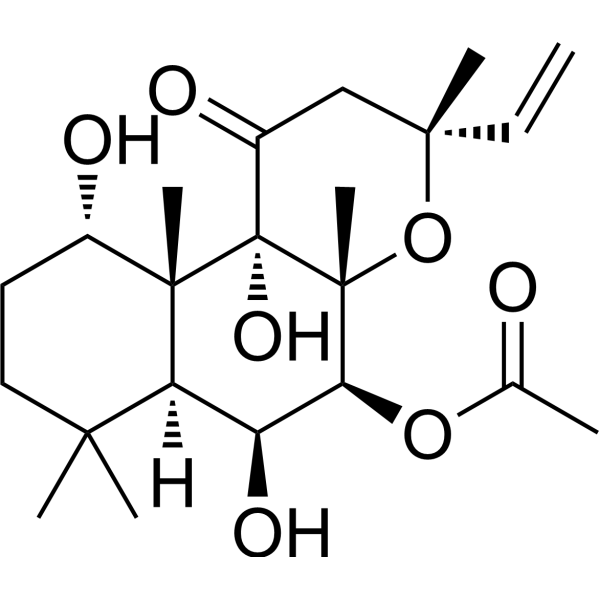
HY-15371
ForskolinAdenylate Cyclase Activator -
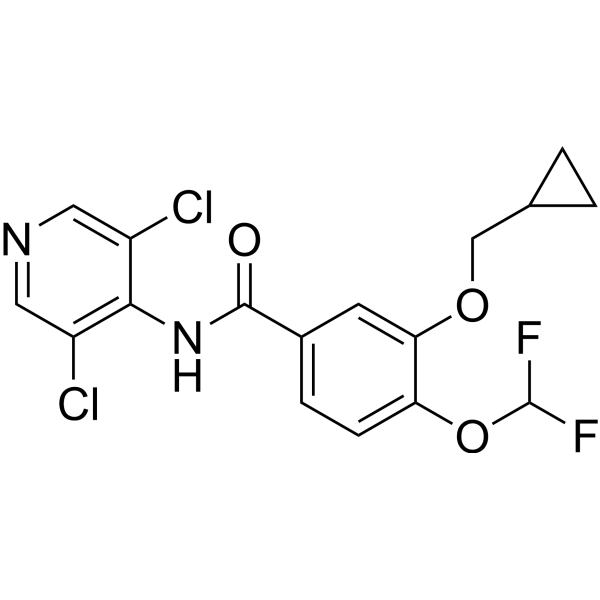
HY-15455
RoflumilastPDE4 Inhibitor -
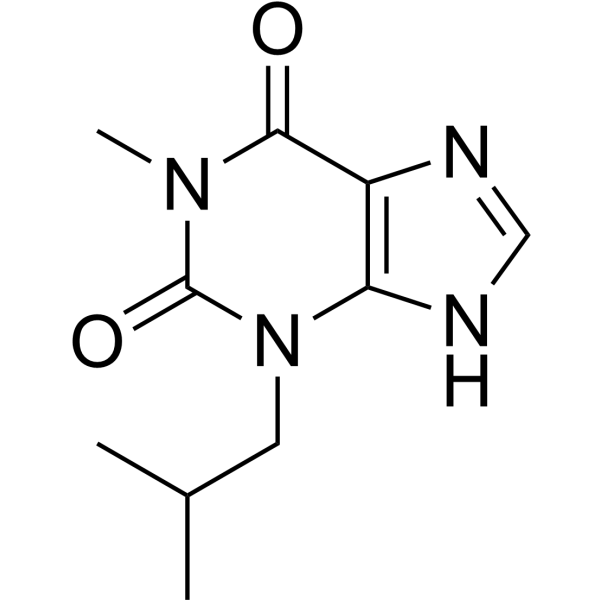
HY-12318
IBMXPDE Inhibitor -
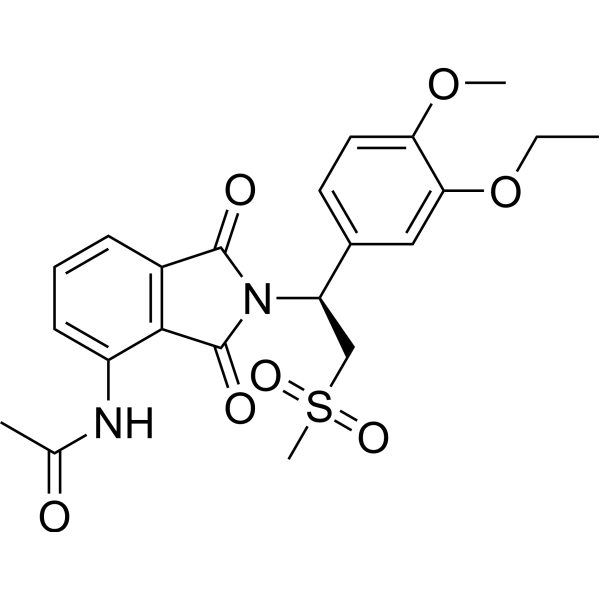
HY-12085
ApremilastPDE-4 Inhibitor -
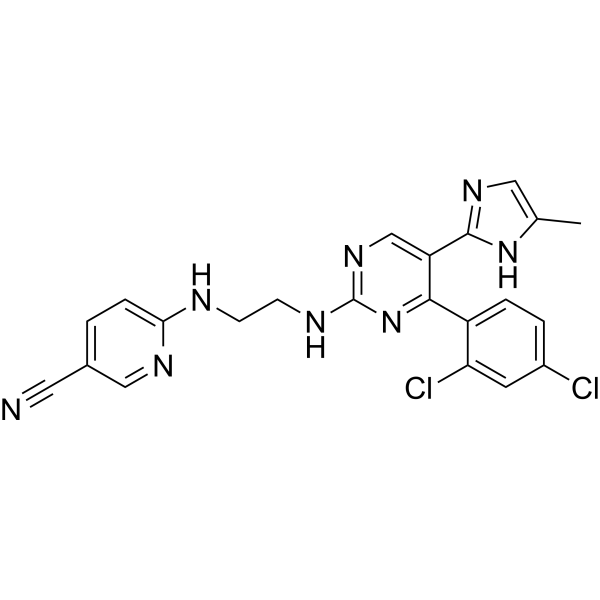
HY-10182
LaduviglusibGSK-3 Inhibitor -
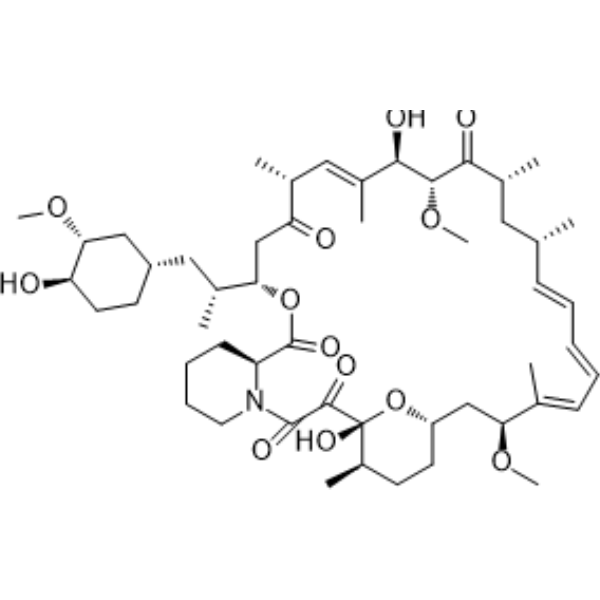
HY-10219
RapamycinmTOR Inhibitor -
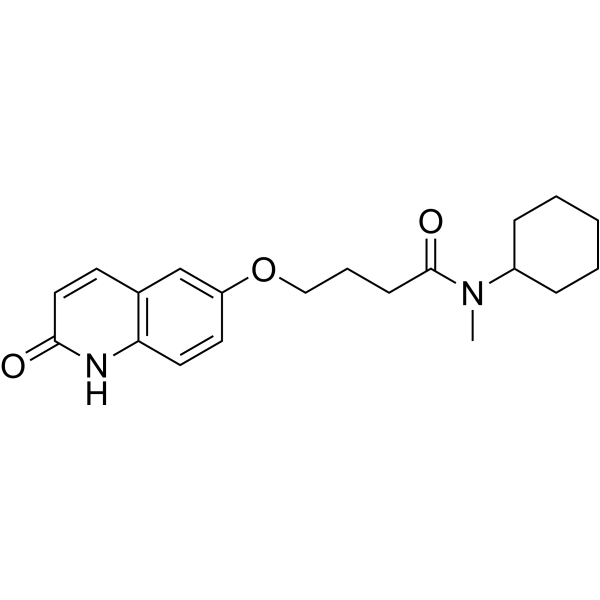
HY-101312
CilostamidePDE3 Inhibitor -
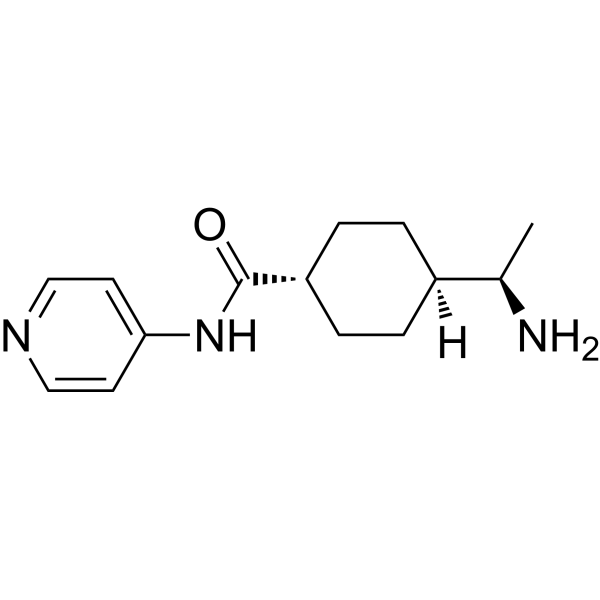
HY-10071
Y-27632ROCK Inhibitor -
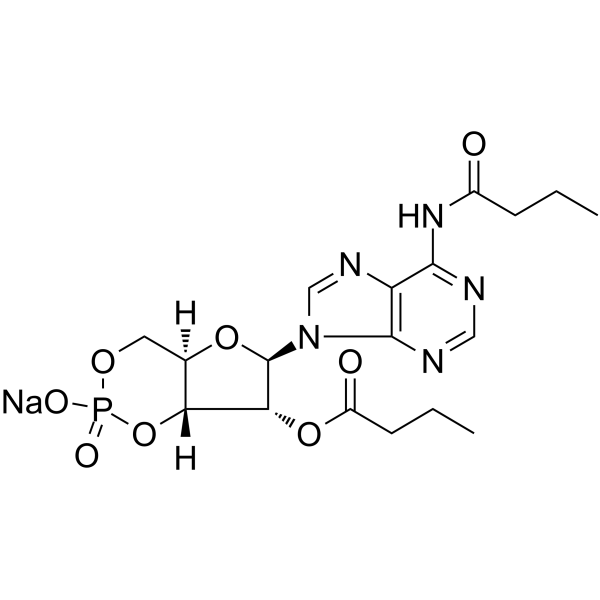
HY-B0764
Bucladesine sodiumcAMP Analog -
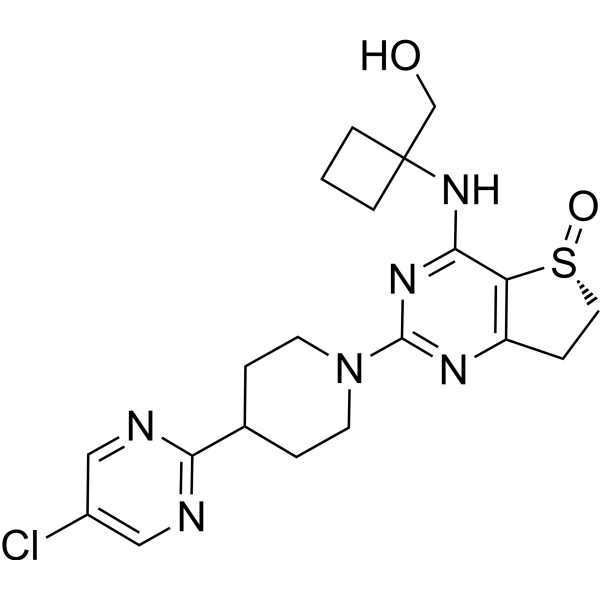
HY-153192
NerandomilastPDE4B Inhibitor -
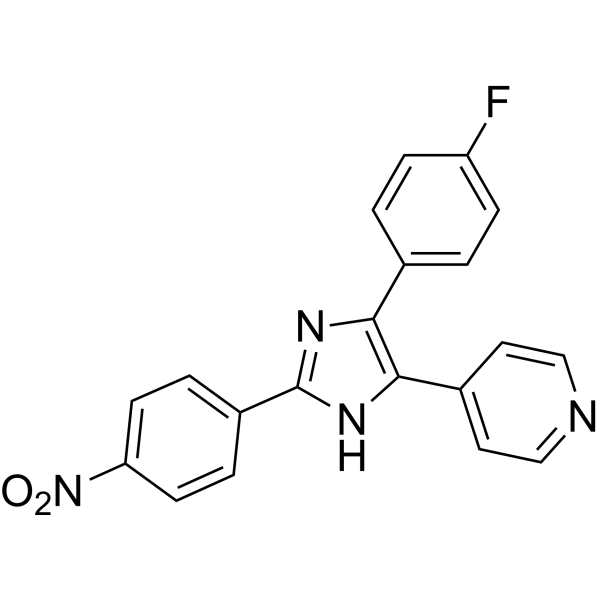
HY-10578
PD 169316p38 MAP Kinase Inhibitor -

HY-16900R
Rolipram (Standard)Reference Standard
Publications Citing Use of MedChemExpress (MCE) Rolipram
More- Phytomedicine. 2021 Jul:87:153578. [Abstract]
- Angiogenesis. 2026 Sep 25;29(4):74.
- Acta Pharmacol Sin. 2026 Feb 6. [Abstract]
- Acta Pharmacol Sin. 2024 Nov;45(11):2290-2299. [Abstract]
- Cell Rep. 2024 Dec 10;43(12):115075. [Abstract]
- Cell Rep. 2021 Jul 20;36(3):109398. [Abstract]
- Sci Signal. 2020 Nov 24;13(659):eaax0273. [Abstract]
- Life Sci. 2025 Oct 14:382:124022. [Abstract]
- Front Pharmacol. 2018 Mar 9:9:200. [Abstract]
- PLoS Pathog. 2026 Mar 10;22(3):e1014040. [Abstract]
- Int J Neuropsychopharmacol. 2022 Nov 17;25(11):936-945. [Abstract]
- Antiviral Res. 2023 Jul:215:105635. [Abstract]
- Appl Biochem Biotechnol. 2024 Oct;196(10):7362-7374. [Abstract]
- Exp Cell Res. 2024 Jun 15;439(2):114100. [Abstract]
- Psychopharmacology. 2018 Aug;235(8):2377-2385. [Abstract]
- Neurogastroenterol Motil. 2022 Jul;34(7):e14317. [Abstract]
- bioRxiv. 2026 Jan 13.
- bioRxiv. 2025 April 26.
- Biomed Pharmacother. 2024 Nov:180:117601. [Abstract]
- Methods Mol Biol. 2023:2683:103-111. [Abstract]
 Customer Validation & Images

-
In Vivo Efficacy Study
-
In Vivo Efficacy Study
-
In Vivo Efficacy Study
-
Histological Imaging/Staining
-
In Vivo Efficacy Study


Biologische Aktivität
Beschreibung
IC50 & Target
|
PDE4 |
Cellular Effect
|
Cell Line

|
Type | Value | Description | References |
|---|---|---|---|---|
| A549 | IC50 |
>100 μM
Compound: Rol
|
Antiproliferative activity against human A549 cells after 48 hrs by MTT assay
Antiproliferative activity against human A549 cells after 48 hrs by MTT assay
|
[PMID: 34311158] |
| COS-7 | IC50 |
105 nM
Compound: rolipram
|
Inhibition of PDE4B2 expressed in COS7 cells assessed as cAMP hydrolysis
Inhibition of PDE4B2 expressed in COS7 cells assessed as cAMP hydrolysis
|
[PMID: 18222088] |
| HEK293 | EC50 |
0.16 μM
Compound: Rolipram
|
Inhibition of PDE4B1 (unknown origin) transfected in HEK293 cells assessed as forskolin-induced cAMP accumulation pretreated for 30 mins before forskolin challenge by luciferase reporter gene assay
Inhibition of PDE4B1 (unknown origin) transfected in HEK293 cells assessed as forskolin-induced cAMP accumulation pretreated for 30 mins before forskolin challenge by luciferase reporter gene assay
|
10.1039/C2MD00273F |
| HEK293 | EC50 |
0.22 μM
Compound: Rolipram
|
Inhibition of PDE4B expressed in HEK293 cells assessed as fold reduction in forskolin-stimulated cAMP production pretreated for 30 mins measured 4 hrs after forskolin challenge by luciferase reporter gene assay
Inhibition of PDE4B expressed in HEK293 cells assessed as fold reduction in forskolin-stimulated cAMP production pretreated for 30 mins measured 4 hrs after forskolin challenge by luciferase reporter gene assay
|
[PMID: 22386978] |
| HEK293 | EC50 |
0.67 μM
Compound: Rolipram
|
Inhibition of PDE4D3 (unknown origin) transfected in HEK293 cells assessed as forskolin-induced cAMP accumulation pretreated for 30 mins before forskolin challenge by luciferase reporter gene assay
Inhibition of PDE4D3 (unknown origin) transfected in HEK293 cells assessed as forskolin-induced cAMP accumulation pretreated for 30 mins before forskolin challenge by luciferase reporter gene assay
|
10.1039/C2MD00273F |
| HEK293 | EC50 |
131.5 nM
Compound: 1
|
Inhibition of PDE4 expressed in HEK293 cells coexpressing G-protein coupled receptor and cyclic nucleotide gated ion channel by fluorescence assay
Inhibition of PDE4 expressed in HEK293 cells coexpressing G-protein coupled receptor and cyclic nucleotide gated ion channel by fluorescence assay
|
[PMID: 19464886] |
| HEK293 | EC50 |
2.62 μM
Compound: Rolipram
|
Inhibition of PDE4A4 (unknown origin) transfected in HEK293 cells assessed as forskolin-induced cAMP accumulation pretreated for 30 mins before forskolin challenge by luciferase reporter gene assay
Inhibition of PDE4A4 (unknown origin) transfected in HEK293 cells assessed as forskolin-induced cAMP accumulation pretreated for 30 mins before forskolin challenge by luciferase reporter gene assay
|
10.1039/C2MD00273F |
| MCF7 | IC50 |
>100 μM
Compound: Rol
|
Antiproliferative activity against human MCF7 cells after 48 hrs by MTT assay
Antiproliferative activity against human MCF7 cells after 48 hrs by MTT assay
|
[PMID: 34311158] |
| NCI-H460 | IC50 |
>100 μM
Compound: Rol
|
Antiproliferative activity against human NCI-H460 cells after 48 hrs by MTT assay
Antiproliferative activity against human NCI-H460 cells after 48 hrs by MTT assay
|
[PMID: 34311158] |
| PBMC | EC50 |
0.13 μM
Compound: rolipram
|
Antiinflammatory activity in human PBMC assessed as inhibition of LPS-induced TNFalpha production after 24 hrs by ELISA
Antiinflammatory activity in human PBMC assessed as inhibition of LPS-induced TNFalpha production after 24 hrs by ELISA
|
[PMID: 22891752] |
| PBMC | IC50 |
>30 μM
Compound: IV
|
Cytotoxicity against human PBMC by MTS assay
Cytotoxicity against human PBMC by MTS assay
|
[PMID: 29173945] |
| PBMC | IC50 |
0.13 μM
Compound: Rolipram
|
Anti-inflammatory activity in human PBMC assessed as inhibition of LPS-induced TNFalpha production after 24 hrs by ELISA
Anti-inflammatory activity in human PBMC assessed as inhibition of LPS-induced TNFalpha production after 24 hrs by ELISA
|
[PMID: 29432948] |
| PBMC | IC50 |
0.15 μM
Compound: Rolipram
|
Inhibition of LPS stimulated Tumor Necrosis Factor-alpha (TNF-alpha) release by human PBMC
Inhibition of LPS stimulated Tumor Necrosis Factor-alpha (TNF-alpha) release by human PBMC
|
[PMID: 9873600] |
| PBMC | IC50 |
0.16 μM
Compound: Rolipram
|
Antiinflammatory activity in human PBMC assessed as inhibition of LPS-induced TNFalpha release in after 24 hrs by FACS Array analysis
Antiinflammatory activity in human PBMC assessed as inhibition of LPS-induced TNFalpha release in after 24 hrs by FACS Array analysis
|
[PMID: 19303290] |
| PBMC | IC50 |
0.23 μM
Compound: Rolipram
|
Antiinflammatory activity in human PBMC assessed as inhibition of phytohemagglutininin-induced IFN-gamma release after 24 hrs by FACSArray analysis
Antiinflammatory activity in human PBMC assessed as inhibition of phytohemagglutininin-induced IFN-gamma release after 24 hrs by FACSArray analysis
|
[PMID: 19303290] |
| PBMC | IC50 |
0.23 μM
Compound: Rolipram
|
Antiinflammatory activity in human PBMC assessed as inhibition of phytohemagglutininin-induced IL2 release after 24 hrs by FACS Array analysis
Antiinflammatory activity in human PBMC assessed as inhibition of phytohemagglutininin-induced IL2 release after 24 hrs by FACS Array analysis
|
[PMID: 19303290] |
| PBMC | IC50 |
0.27 μM
Compound: Rolipram
|
Inhibition of LPS-induced TNF-alpha production in human PBMC
Inhibition of LPS-induced TNF-alpha production in human PBMC
|
[PMID: 24852119] |
| PBMC | IC50 |
0.27 μM
Compound: Rolipram
|
Inhibition of LPS-induced TNF-alpha production in rat PBMC
Inhibition of LPS-induced TNF-alpha production in rat PBMC
|
[PMID: 24852119] |
| PBMC | IC50 |
0.5 μM
Compound: Rolipram
|
Antiinflammatory activity in human PBMC assessed as inhibition of phytohemagglutininin-induced IL5 release after 48 hrs by FACS Array analysis
Antiinflammatory activity in human PBMC assessed as inhibition of phytohemagglutininin-induced IL5 release after 48 hrs by FACS Array analysis
|
[PMID: 19303290] |
| PBMC | IC50 |
0.5 μM
Compound: 1
|
Inhibition of TNF-alpha release from LPS-stimulated human mononuclear cells
Inhibition of TNF-alpha release from LPS-stimulated human mononuclear cells
|
[PMID: 9784096] |
| PBMC | IC50 |
0.88 μM
Compound: Rolipram
|
Antiinflammatory activity in human PBMC assessed as inhibition of phytohemagglutininin-induced IL10 release after 48 hrs by FACS Array analysis
Antiinflammatory activity in human PBMC assessed as inhibition of phytohemagglutininin-induced IL10 release after 48 hrs by FACS Array analysis
|
[PMID: 19303290] |
| PBMC | IC50 |
10.85 μM
Compound: 1
|
Inhibition of LPS-induced TNFalpha production in human PBMC pre-incubated for 30 mins before LPS stimulation for 18 hrs by TR-FRET assay
Inhibition of LPS-induced TNFalpha production in human PBMC pre-incubated for 30 mins before LPS stimulation for 18 hrs by TR-FRET assay
|
[PMID: 28888661] |
| PBMC | IC50 |
12.5 μM
Compound: Rolipram
|
Anti-inflammatory activity in human PBMC assessed as suppression of LPS-induced TNF-alpha release preincubated for 30 mins followed by LPS stimulation for 18 hrs by TR-FRET assay
Anti-inflammatory activity in human PBMC assessed as suppression of LPS-induced TNF-alpha release preincubated for 30 mins followed by LPS stimulation for 18 hrs by TR-FRET assay
|
[PMID: 27289320] |
| PBMC | IC50 |
18.6 μM
Compound: Rolipram
|
Anti-inflammatory activity in human PBMC assessed as inhibition of LPS-induced TNFalpha secretion preincubated for 30 mins followed by LPS stimulation for 18 hrs by TR-FRET assay
Anti-inflammatory activity in human PBMC assessed as inhibition of LPS-induced TNFalpha secretion preincubated for 30 mins followed by LPS stimulation for 18 hrs by TR-FRET assay
|
[PMID: 28196708] |
| PBMC | IC50 |
60 nM
Compound: Rolipram
|
Inhibition of LPS-induced TNFalpha production in human PBMC
Inhibition of LPS-induced TNFalpha production in human PBMC
|
[PMID: 19049349] |
| RAW264.7 | IC50 |
0.19 μM
Compound: Rolipram
|
Inhibition of LPS-induced TNFalpha production in mouse RAW264.7 cells pretreated for 30 mins before LPS challenge by ELISA assay
Inhibition of LPS-induced TNFalpha production in mouse RAW264.7 cells pretreated for 30 mins before LPS challenge by ELISA assay
|
10.1039/C2MD00273F |
| Sf21 | IC50 |
>100 μM
Compound: 7
|
Inhibition of His-tagged catalytic domain Trypanosoma brucei brucei PDEB1 expressed in baculovirus infected insect Sf21 cells
Inhibition of His-tagged catalytic domain Trypanosoma brucei brucei PDEB1 expressed in baculovirus infected insect Sf21 cells
|
[PMID: 22023548] |
| Sf21 | IC50 |
95 nM
Compound: 1
|
Inhibition of human full length PDE4A4 expressed in baculovirus infected sf21 cells
Inhibition of human full length PDE4A4 expressed in baculovirus infected sf21 cells
|
[PMID: 23806553] |
| Sf9 | IC50 |
0.092 μM
Compound: rolipram
|
Inhibition of human recombinant PDE4D expressed in Sf9 cells
Inhibition of human recombinant PDE4D expressed in Sf9 cells
|
[PMID: 19827751] |
| Sf9 | IC50 |
0.15 μM
Compound: 4
|
Inhibition of human full length N-terminal GST-tagged PDE4B1 expressed in baculovirus infected Sf9 cells using cAMP as substrate incubated for 1 hr by fluorescence polarization assay
Inhibition of human full length N-terminal GST-tagged PDE4B1 expressed in baculovirus infected Sf9 cells using cAMP as substrate incubated for 1 hr by fluorescence polarization assay
|
[PMID: 30822711] |
| Sf9 | IC50 |
0.3 μM
Compound: 4
|
Inhibition of human N-terminal GST-tagged PDE4D7 (2 to 748 residues) expressed in baculovirus infected Sf9 cells using cAMP as substrate after 1 hr by fluorescence polarization assay
Inhibition of human N-terminal GST-tagged PDE4D7 (2 to 748 residues) expressed in baculovirus infected Sf9 cells using cAMP as substrate after 1 hr by fluorescence polarization assay
|
[PMID: 30822711] |
| Sf9 | IC50 |
0.94 μM
Compound: Rolipram
|
Inhibition of recombinant His-tagged human PDE4B expressed in Sf9 cells using cAMP as substrate preincubated with enzyme for 15 mins followed by substrate addition and incubated for 1 hr by PDELight HTS cAMP phosphodiesterase Kit based luminometry
Inhibition of recombinant His-tagged human PDE4B expressed in Sf9 cells using cAMP as substrate preincubated with enzyme for 15 mins followed by substrate addition and incubated for 1 hr by PDELight HTS cAMP phosphodiesterase Kit based luminometry
|
[PMID: 31035240] |
| Sf9 | IC50 |
0.94 μM
Compound: Rolipram
|
Inhibition of His-tagged recombinant human PDE4B1 expressed in baculovirus infected sf9 cells using cAMP as substrate preincubated for 15 mins followed by substrate addition measured after 1 hr by luminescence assay
Inhibition of His-tagged recombinant human PDE4B1 expressed in baculovirus infected sf9 cells using cAMP as substrate preincubated for 15 mins followed by substrate addition measured after 1 hr by luminescence assay
|
10.1039/C2MD00273F |
| Sf9 | IC50 |
0.941 μM
Compound: Rolipram
|
Inhibition of PDE4B1 (unknown origin) expressed in sf9 cells using cAMP as substrate preincubated for 15 mins before substrate addition measured after 1 hr by luminescence assay
Inhibition of PDE4B1 (unknown origin) expressed in sf9 cells using cAMP as substrate preincubated for 15 mins before substrate addition measured after 1 hr by luminescence assay
|
[PMID: 23415088] |
| Sf9 | IC50 |
1 μM
Compound: Rolipram
|
Inhibition of recombinant His-tagged PDE4B (unknown origin) expressed in Sf9 cells using cAMP as substrate incubated for 15 mins prior to substrate addition measured after 1 hr by luminescence-based assay
Inhibition of recombinant His-tagged PDE4B (unknown origin) expressed in Sf9 cells using cAMP as substrate incubated for 15 mins prior to substrate addition measured after 1 hr by luminescence-based assay
|
[PMID: 23380174] |
| Sf9 | IC50 |
1.03 μM
Compound: Rolipram
|
Inhibition of recombinant human PDE4B expressed in baculovirus infected Sf9 cells using [3H] cAMP as substrate after 30 min by scintillation proximity assay
Inhibition of recombinant human PDE4B expressed in baculovirus infected Sf9 cells using [3H] cAMP as substrate after 30 min by scintillation proximity assay
|
[PMID: 32209292] |
| Sf9 | IC50 |
2.3 μM
Compound: Rolipram
|
Inhibition of human recombinant PDE4 catalytic domain expressed in baculovirus-infected insect Sf9 cells by modified two-step method
Inhibition of human recombinant PDE4 catalytic domain expressed in baculovirus-infected insect Sf9 cells by modified two-step method
|
[PMID: 19303290] |
| Sf9 | IC50 |
288 nM
Compound: CHEMBL63
|
Inhibition of recombinant human PDE4D7 catalytic domain expressed in baculovirus infected sf9 cells using cAMP as substrate
Inhibition of recombinant human PDE4D7 catalytic domain expressed in baculovirus infected sf9 cells using cAMP as substrate
|
[PMID: 26908025] |
| Sf9 | IC50 |
4 nM
Compound: 1
|
Inhibition of recombinant human PDE4A expressed in Sf9 cells
Inhibition of recombinant human PDE4A expressed in Sf9 cells
|
[PMID: 11052785] |
| T-cell | IC50 |
>10 μM
Compound: Rolipram
|
Inhibitory concentration against T cell proliferation using concanavalin A stimulated mice spleen cells
Inhibitory concentration against T cell proliferation using concanavalin A stimulated mice spleen cells
|
[PMID: 11229767] |
| U-251 | IC50 |
>100 μM
Compound: Rol
|
Antiproliferative activity against human U-251 cells after 48 hrs by MTT assay
Antiproliferative activity against human U-251 cells after 48 hrs by MTT assay
|
[PMID: 34311158] |
| U-937 | EC50 |
1.23 μM
Compound: Rolipram
|
Arbitary maximal response for cAMP elevation from baseline level was evaluated in Human U-937 cells
Arbitary maximal response for cAMP elevation from baseline level was evaluated in Human U-937 cells
|
[PMID: 9632360] |
| U-937 | EC50 |
1100 nM
Compound: 1, Rolipram
|
cAMP elevation in U937 cells
cAMP elevation in U937 cells
|
[PMID: 16263279] |
| U-937 | IC50 |
0.4 μM
Compound: Rolipram
|
Inhibition of phosphodiesterase 4 from U937 cells
Inhibition of phosphodiesterase 4 from U937 cells
|
[PMID: 9873600] |
| U-937 | IC50 |
0.41 μM
Compound: rolipram
|
Inhibition of PDE4 from human U937 cells
Inhibition of PDE4 from human U937 cells
|
[PMID: 19827751] |
| U-937 | IC50 |
0.86 μM
Compound: Rolipram
|
Inhibition of PDE4 in human U937 cells assessed as accumulation of [3H]adenosine by scintillation counting
Inhibition of PDE4 in human U937 cells assessed as accumulation of [3H]adenosine by scintillation counting
|
[PMID: 19303290] |
| U-937 | IC50 |
0.93 μM
Compound: Rolipram
|
Inhibition of phosphodiesterase type 4 isozyme (PDE4) from the U937 human cell line.
Inhibition of phosphodiesterase type 4 isozyme (PDE4) from the U937 human cell line.
|
[PMID: 11123995] |
| U-937 | IC50 |
1.12 μM
Compound: Rolipram
|
Anti-inflammatory activity in human U937 cells assessed as inhibition of LPS-induced TNFalpha production pre-incubated for 1 hr before LPS stimulation for 24 hrs by ELISA method
Anti-inflammatory activity in human U937 cells assessed as inhibition of LPS-induced TNFalpha production pre-incubated for 1 hr before LPS stimulation for 24 hrs by ELISA method
|
[PMID: 28927905] |
| U-937 | IC50 |
1.17 μM
Compound: Rolipram
|
Anti-inflammatory activity in human U937 cells assessed as inhibition of LPS-induced IL6 production pre-incubated for 1 hr before LPS stimulation for 24 hrs by ELISA method
Anti-inflammatory activity in human U937 cells assessed as inhibition of LPS-induced IL6 production pre-incubated for 1 hr before LPS stimulation for 24 hrs by ELISA method
|
[PMID: 28927905] |
| U-937 | IC50 |
1.23 μM
Compound: 1
|
Ability to elevate intracellular levels of cAMP in human U937 cells
Ability to elevate intracellular levels of cAMP in human U937 cells
|
10.1016/S0960-894X(97)00097-8 |
| U-937 | IC50 |
1.3 μM
Compound: 1
|
Inhibition of PDE4B isolated from human U937 cells using [3H]-cAMP as substrate after 30 mins
Inhibition of PDE4B isolated from human U937 cells using [3H]-cAMP as substrate after 30 mins
|
[PMID: 26320621] |
| U-937 | IC50 |
3.5 μM
Compound: Rolipram
|
Inhibition of Phosphodiesterase 4 from human U937 cells
Inhibition of Phosphodiesterase 4 from human U937 cells
|
[PMID: 10999488] |
| U-937 | IC50 |
3.5 μM
Compound: Rolipram
|
Inhibition of human phosphodiesterase 4 from U937 cells
Inhibition of human phosphodiesterase 4 from U937 cells
|
[PMID: 11814830] |
| U-937 | IC50 |
3.5 μM
Compound: Rolipram
|
Inhibition of Phosphodiesterase 4 (PDE-4) from human U937 cells
Inhibition of Phosphodiesterase 4 (PDE-4) from human U937 cells
|
[PMID: 12039574] |
| U-937 | IC50 |
880 nM
Compound: (+/-)-Rolipram
|
Inhibition of PDE4 isolated from human U937 cells using [3H]-cAMP as substrate after 30 mins by liquid scintillation counting analysis
Inhibition of PDE4 isolated from human U937 cells using [3H]-cAMP as substrate after 30 mins by liquid scintillation counting analysis
|
10.1039/C0MD00215A |
In Vitro
Rolipram (0.5-25 μM; 6-24 h) upregulates the expression of neural precursor cell genes in hBM-MSCs in a dose- and time-dependent manner, with the maximal effect observed at 1 μM for 12 h[2].
Rolipram (1-25 μM; 12 h) shows no toxicity to hBM-MSCs at concentrations ≤5 μM, but induces significant cytotoxicity at 10 μM and 25 μM[2].
Rolipram (1 μM; 12 h) significantly increases the neuronal differentiation rate, neurite length, and neurite number of hBM-MSCs following neuronal induction[2].
Rolipram (1 μM; 12 h) enhances neuron-specific gene expression and suppresses non-neuronal lineage gene expression in hBM-MSCs following neuronal induction[2].
Treatment with Rolipram (10 μM; 48 h) alone reduces the viability of CD133+/CD15+ human glioma stem cells (T2), and its cytotoxic effect is stronger when used in combination with bevacizumab than when either drug is used alone[4].
Rolipram downregulates antigen-driven proliferation and the gene expression of IL-5 and IFN-γ in human peripheral blood mononuclear cells, but does not affect the gene expression of IL-4[5].
MedChemExpress (MCE) has not independently confirmed the accuracy of these methods. They are for reference only.
In Vivo
Rolipram (0.5 mg/kg; i.p.; once daily; 14 days) reverses Aβ1-42-induced hippocampal changes in pCREB, NF-κB p65, Bcl-2, and Bax in rats, confirming effects observed with Aβ25-35[1].
Rolipram (1.0-10 mg/kg; i.p.; single dose; 15 minutes pre-methamphetamine) significantly suppresses methamphetamine-induced hyperlocomotion in male ddY mice, with 10 mg/kg producing nearly complete inhibition[3].
Rolipram (10-100 mg/kg/day; p.o.; daily; 5-14 days) induces dose-dependent toxic effects in female rats, including cardiac, vascular, gastrointestinal, and salivary gland changes, with lethal effects at 100 mg/kg/day within 5 days[5].
Rolipram (0.02-400 mg/kg; systemic; single dose) induces a characteristic behavioral syndrome and mild hypothermia in rats, with effects linked to enhanced central adrenergic signal transduction[5].
MedChemExpress (MCE) has not independently confirmed the accuracy of these methods. They are for reference only.
- RNA extraction experimental
- Mammalian live/dead viability and cytotoxicity staining
- Protocol for Water Maze
- Cell differentiation
- PC12 NGF-induced neuronal-like differentiation
- Research Protocol for Neurological Diseases
- Amyloid: Congo Red Amyloid Staining
- Directly Induced Neuron Culture
- Cell Viability Determination by MTT Colorimetric Assay
- Alzheimer’s Disease Modeling
- PC12 NGF-Induced Neuronal Differentiation Culture
- Protocol for Shuttle Box Test (TDPA)
- iPSC/hPSC-Derived Neuron Differentiation Culture
- Detection of Apoptosis
- SH-SY5Y Neuronal Differentiation Culture
- Cell Cytotoxicity Assay
- Human pluripotent stem cell neural induction and neuron differentiation
- SH-SY5Y neuronal-like differentiation
- Transepithelial/transendothelial electrical resistance assay
- Apoptosis Solutions
Clinical Trial
| NCT Number | Sponsor | Condition | Start Date |
Phase
|
|---|---|---|---|---|
| NCT01329991 | Plexxikon| | 2011-05 | PHASE1 |


Chemical Information
-
CAS. Nr. 61413-54-5
-
Appearance Solid
-
Molecular Weight 275.35
-
Formel C16H21NO3
-
Color White to off-white
-
SMILES
O=C1NCC(C2=CC=C(OC)C(OC3CCCC3)=C2)C1
-
Synonyms
(R,S)-Rolipram; (±)-Rolipram; ZK 62711
-
Versand
Room temperature in continental US; may vary elsewhere.
-
Speicherung
Powder -20°C 3 years 4°C 2 years In solvent -80°C 2 years -20°C 1 year


Publications (20)
-
Journal Impact Factor
-
Most Recent
-
Phytomedicine
Lycorine, a natural alkaloid, promotes the degradation of alpha-synuclein via PKA-mediated UPS activation in transgenic Parkinson's disease models. [Abstract]2021 Jul:87:153578. PMID: 34038839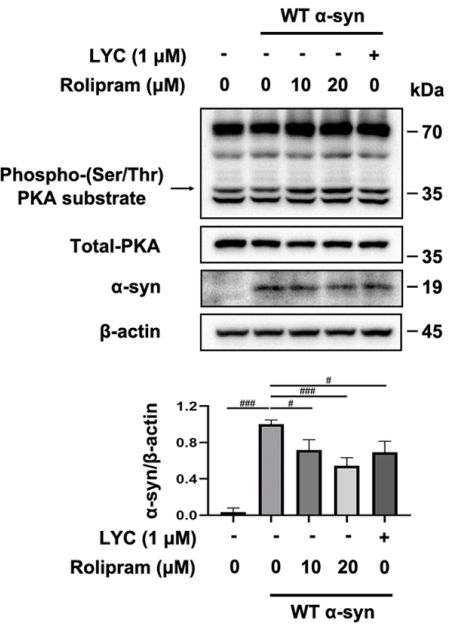
Rolipram purchased from MedChemExpress. Usage Cited in: Phytomedicine. 2021 Jul:87:153578. [Abstract]
PC12 cells were transiently transfected with empty vector or WT α-syn plasmid for 36 h followed by 10 μM, 20 μM Rolipram or 1 μM Lycorine treatment for another 6 h in the presence of cycloheximide (50 μg/mL). Expression levels of phospho-(Ser/Thr) PKA substrates and α-syn were analyzed by western blot.
-
-
Acta Pharmacol Sin
PDE4 inhibitor rolipram dynamically regulates the balance between D1-MSNs and D2-MSNs in the DMS to modulate abnormal "Go" behavior associated with alcohol addiction. [Abstract]2026 Feb 6. PMID: 41652074 -
Acta Pharmacol Sin
In situ reprogramming of cardiac fibroblasts into cardiomyocytes in mouse heart with chemicals. [Abstract]2024 Nov;45(11):2290-2299. PMID: 38890526
Rolipram purchased from MedChemExpress. Usage Cited in: Acta Pharmacol Sin. 2024 Nov;45(11):2290-2299. [Abstract]
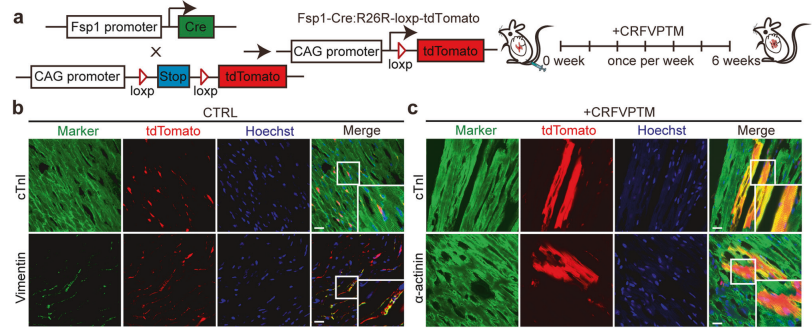
Schemes of generating Fsp1-Cre:R26R-loxp-tdTomato mice and drug treatment to induce in situ transdifferentiation. Fsp1-Cre mice were crossed with R26Rloxp-tdTomato mice in which the expression of tdTomato is prevented by a loxP-flanked STOP cassette. The F1 mice would have the red fluorescent protein tdTomato expressed specifically in the fibroblasts. CRFVPTM were given once a week for 6 weeks. Immunofluorescence staining of the cryosections of the hearts from Fsp1-Cre:R26R-loxp-tdTomato mice treated with vehicle (b) or CRFVPTM (c) for 6 weeks. C: CHIR99021, 14 mg/kg; R: RepSox, 8.6 mg/kg; F: Forskolin, 61.6 mg/kg; V: VPA, 250 mg/kg; T: TTNPB, 1 mg/kg and M: Rolipram, 2.5 mg/kg; P: Parnate, 2.7 mg/kg, CRFTM by oral gavage and VP by intraperitoneal injection once a week for 6 weeks in mice at about 8 weeks of age.
Rolipram purchased from MedChemExpress. Usage Cited in: Acta Pharmacol Sin. 2024 Nov;45(11):2290-2299. [Abstract]
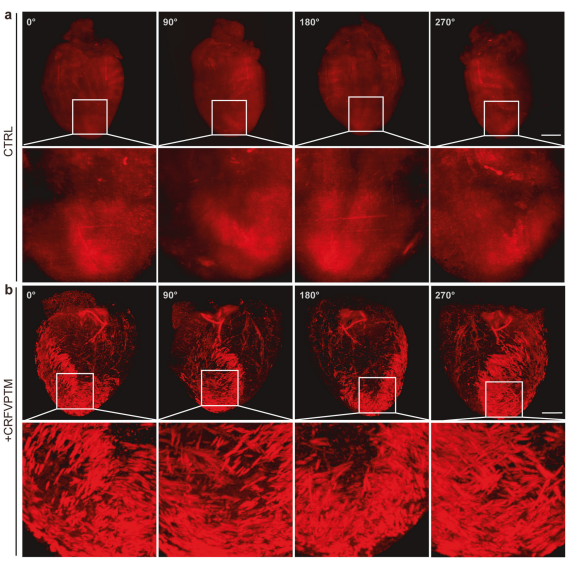
Whole-heart imaging with light-sheet fluorescence microscopy after tissue clearing of the hearts from Fsp1-Cre:R26R-loxp-tdTomato mice treated with vehicle (a) or CRFVPTM (b). (C: CHIR99021, 14 mg/kg; R: RepSox, 8.6 mg/kg; F: Forskolin, 61.6 mg/kg; V: VPA, 250 mg/kg; T: TTNPB, 1 mg/kg and M: Rolipram, 2.5 mg/kg; P: Parnate, 2.7 mg/kg, CRFTM by oral gavage and VP by intraperitoneal injection once a week for 6 weeks in mice at about 8 weeks of age).
Rolipram purchased from MedChemExpress. Usage Cited in: Acta Pharmacol Sin. 2024 Nov;45(11):2290-2299. [Abstract]
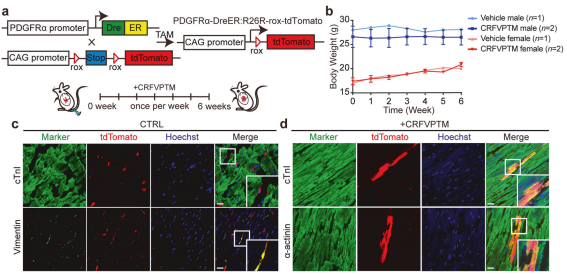
a Schemes of obtaining PDGFRα-DreER:R26R-rox-tdTomato mice and drug treatment to induce in situ cardiac reprogramming in PDGFRα-DreER:R26R-roxtdTomato mice. PDGFRα-DreER mice were mated with R26R-rox-tdTomato mice in which the expression of tdTomato is prevented by a roxflanked STOP cassette. The expression of tdTomato in fibroblasts was turned on by tamoxifen treatment. CRFVPTM were given once a week for 6 weeks. b Body weigh change of the mice after chemical treatment. Immunofluorescence staining of the cryosections of the hearts from PDGFRα-DreER:R26R-rox-tdTomato mice treated with vehicle (c) or CRFVPTM (d) for 6 weeks. (C: CHIR99021, 14 mg/kg; R: RepSox, 8.6 mg/kg; F: Forskolin, 61.6 mg/kg; V: VPA, 250 mg/kg; T: TTNPB, 1 mg/kg and M: Rolipram, 2.5 mg/kg; P: Parnate, 2.7 mg/kg, CRFTM by oral gavage and VP by intraperitoneal injection once a week for 6 weeks in mice at about 8 weeks of age).
Rolipram purchased from MedChemExpress. Usage Cited in: Acta Pharmacol Sin. 2024 Nov;45(11):2290-2299. [Abstract]
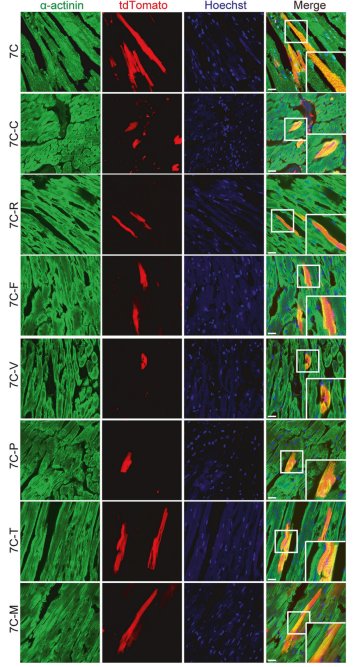
Immunofluorescence staining of α-actinin in cryosections of hearts from Fsp1-Cre:R26R-loxp-tdTomato mice treated with 7 C cocktail (CRFVPTM) or cocktails by removing 1 compound from 7 C (7C-X) for 6 weeks in vivo with Fsp1-Cre:R26R-loxp-tdTomato mice. (C: CHIR99021, 14 mg/kg; R: RepSox, 8.6 mg/kg; F: Forskolin, 61.6 mg/kg; V: VPA, 250 mg/kg; T: TTNPB, 1 mg/kg and M: Rolipram, 2.5 mg/kg; P: Parnate, 2.7 mg/kg, CRFTM by oral gavage and VP by intraperitoneal injection once a week for 6 weeks in mice at about 8 weeks of age).
-
Cell Rep
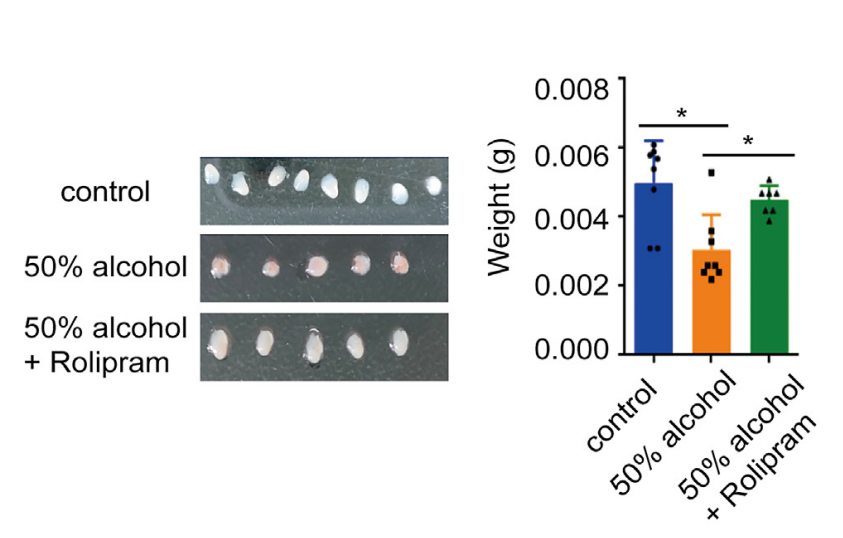
Enforced activation of the CREB/KDM2B axis prevents alcohol-induced embryonic developmental delay. [Abstract]2024 Dec 10;43(12):115075. PMID: 39661511
Rolipram purchased from MedChemExpress. Usage Cited in: Cell Rep. 2024 Dec 10;43(12):115075. [Abstract]
Rolipram (2.5–5 mg/kg; i.p.; once daily for 3 days) significantly reversed the reductions in embryonic volume and weight caused by 50% ethanol exposure when embryos were harvested at E6.5.
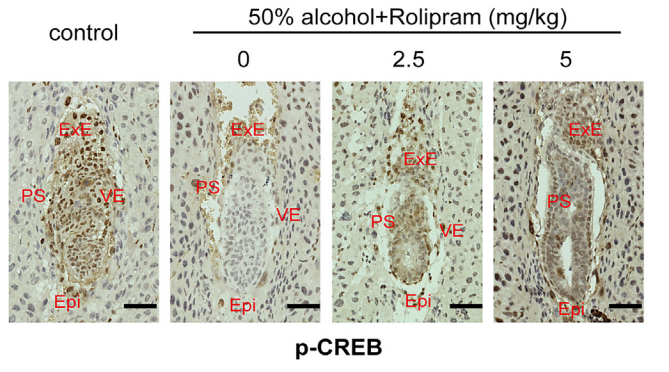
Rolipram purchased from MedChemExpress. Usage Cited in: Cell Rep. 2024 Dec 10;43(12):115075. [Abstract]
Rolipram (2.5-5 mg/kg; i.p.; once daily for 3 days) prevented the decrease of CREB activity induced by ethanol exposure.
-
Cell Rep
Neuronal activity recruits the CRTC1/CREB axis to drive transcription-dependent autophagy for maintaining late-phase LTD. [Abstract]2021 Jul 20;36(3):109398. PMID: 34289350 -
Sci Signal
Airway relaxation mechanisms and structural basis of osthole for improving lung function in asthma. [Abstract]2020 Nov 24;13(659):eaax0273. PMID: 33234690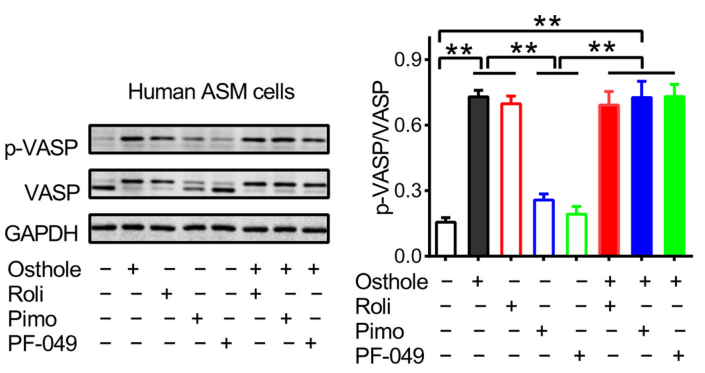
Rolipram purchased from MedChemExpress. Usage Cited in: Sci Signal. 2020 Nov 24;13(659):eaax0273. [Abstract]
VASP phosphorylation in human ASM cells stimulated without (control) or with Osthole (3 μM), Rolipram (Roli; 3 μM), Pimobendane (Pimo; 3 μM), PF-04957325 (PF-049; 0.1 μM), and combinations of two drugs as indicated for 15 min.
Rolipram purchased from MedChemExpress. Usage Cited in: Sci Signal. 2020 Nov 24;13(659):eaax0273. [Abstract]
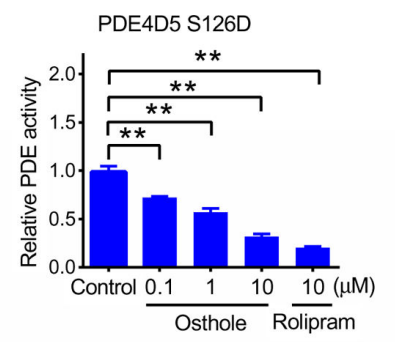
Inhibition of the enzymatic activity of PDE4D5-S126D by osthole or 10 μM Rolipram (20 min).
-
Life Sci
Targeting Epac1 to protect the blood brain barrier from inflammation-induced dysfunction: Evidence from an in vitro model. [Abstract]2025 Oct 14:382:124022. PMID: 41101634 -
Front Pharmacol
East Indian Sandalwood Oil Is a Phosphodiesterase Inhibitor: A New Therapeutic Option in the Treatment of Inflammatory Skin Disease. [Abstract]2018 Mar 9:9:200. PMID: 29593534 -
PLoS Pathog
PDE4B deficiency aids macrophage differentiation and contributes to Cryptococcus neoformans brain infection. [Abstract]2026 Mar 10;22(3):e1014040. PMID: 41805786 -
Int J Neuropsychopharmacol
Inhibition of phosphodiesterase 2 ameliorates post-traumatic stress-induced alcohol intake disorder by regulating cAMP/cGMP signaling. [Abstract]2022 Nov 17;25(11):936-945. PMID: 36124735 -
Antiviral Res
Artesunate inhibits PDE4 leading to intracellular cAMP accumulation, reduced ERK/MAPK signaling, and blockade of influenza A virus vRNP nuclear export. [Abstract]2023 Jul:215:105635. PMID: 37192683 -
Appl Biochem Biotechnol
Zoledronic Acid Accelerates ER Stress-Mediated Inflammation by Increasing PDE4B Expression in Bisphosphonate-Related Osteonecrosis of the Jaw. [Abstract]2024 Oct;196(10):7362-7374. PMID: 38523176 -
Exp Cell Res
Low PDE4A expression promoted the progression of ovarian cancer by inducing Snail nuclear translocation. [Abstract]2024 Jun 15;439(2):114100. PMID: 38797258 -
Psychopharmacology
Inhibition of phosphodiesterase 2 by Bay 60-7550 decreases ethanol intake and preference in mice. [Abstract]2018 Aug;235(8):2377-2385. PMID: 29876622 -
Neurogastroenterol Motil
Effect of phosphodiesterase-4 inhibitor rolipram on colonic hypermotility in water avoidance stress rat model. [Abstract]2022 Jul;34(7):e14317. PMID: 35037375 -
-
-
Biomed Pharmacother
Targeting hypoxia in combination with paclitaxel to enhance therapeutic efficacy in breast and ovarian cancer. [Abstract]2024 Nov:180:117601. PMID: 39476764 -
Methods Mol Biol
Characterizing the Neuron-Glial Interactions by the Co-cultures of Human iPSC-Derived Oligodendroglia and Neurons. [Abstract]2023:2683:103-111. PMID: 37300770


Lösungsmittel & Löslichkeit
In Vitro:
DMSO : 40 mg/mL (145.27 mM; ultrasonic and warming and heat to 60°C; Hygroscopic DMSO has a significant impact on the solubility of product, please use newly opened DMSO)
H2O : < 0.1 mg/mL (insoluble)
Please refer to the solubility information to select the appropriate solvent. Once prepared, please aliquot and store the solution to prevent product inactivation from repeated freeze-thaw cycles.
Storage method and period of stock solution: -80°C, 2 years; -20°C, 1 year. When stored at -80°C, please use it within 2 years. When stored at -20°C, please use it within 1 year.
Please refer to the solubility information to select the appropriate solvent. Once prepared, please aliquot and store the solution to prevent product inactivation from repeated freeze-thaw cycles.
Storage method and period of stock solution: -80°C, 2 years; -20°C, 1 year. When stored at -80°C, please use it within 2 years. When stored at -20°C, please use it within 1 year.
Konzentration (Stammlösung) × Volumen (Stammlösung) = Konzentration (Ziellösung) × Volumen (Ziellösung)
In Vivo:
Select the appropriate dissolution method based on your experimental animal and administration route.
- For the following dissolution methods, please ensure to first prepare a clear stock solution using an In Vitro approach and then sequentially add co-solvents:
- To ensure reliable experimental results, the clarified stock solution can be appropriately stored based on storage conditions. As for the working solution for In Vivo experiments, it is recommended to prepare freshly and use it on the same day.
- The percentages shown for the solvents indicate their volumetric ratio in the final prepared solution. If precipitation or phase separation occurs during preparation, heat and/or sonication can be used to aid dissolution.
Add each solvent one by one: 10% DMSO 40% PEG300 5% Tween-80 45% Saline
Solubility: ≥ 2.5 mg/mL (9.08 mM); Clear solution
This protocol yields a clear solution of ≥ 2.5 mg/mL (saturation unknown).
Taking 1 mL working solution as an example, add 100 μL DMSO stock solution (25.0 mg/mL) to 400 μL PEG300, and mix evenly; then add 50 μL Tween-80 and mix evenly; then add 450 μL Saline to adjust the volume to 1 mL.
Preparation of Saline: Dissolve 0.9 g sodium chloride in ddH₂O and dilute to 100 mL to obtain a clear Saline solution.
Add each solvent one by one: 10% DMSO 90% (20% SBE-β-CD in Saline)
Solubility: ≥ 2.5 mg/mL (9.08 mM); Clear solution
This protocol yields a clear solution of ≥ 2.5 mg/mL (saturation unknown).
Taking 1 mL working solution as an example, add 100 μL DMSO stock solution (25.0 mg/mL) to 900 μL 20% SBE-β-CD in Saline, and mix evenly.
Preparation of 20% SBE-β-CD in Saline (4°C, storage for one week): 2 g SBE-β-CD powder is dissolved in 10 mL Saline, completely dissolve until clear.
In Vivo Dissolution Calculator
Please enter the basic information of animal experiments:
-
-
-
-
Recommended: Prepare an additional quantity of animals to account for potential losses during experiments.
Please enter your animal formula composition:
-
%DMSO +
Recommended: Keep the proportion of DMSO in working solution below 2% if your animal is weak.
-
%+
-
+%Tween-80 + +
-
%Saline +
The co-solvents required include: DMSO, . All of co-solvents are available by MedChemExpress (MCE). , Tween 80. All of co-solvents are available by MedChemExpress (MCE).
Working solution concentration: 0.22 mg/mL
Method for preparing stock solution: mg drug dissolved in μL DMSO. Stock solution concentration: mg/mL.
1. Take μL DMSO stock solution;
2. Add μL .
μL , mix evenly;
3. Then add μL Tween 80, mix evenly;
4. Then add μL
Please ensure that the stock solution in the first step is dissolved to a clear state, and add co-solvents in sequence. You can use ultrasonic heating (ultrasonic cleaner, recommended frequency 20-40 kHz), vortexing, etc. to assist dissolution.


Reinheit & Dokumentation
-
Data Sheet (281 KB)
-
SDS (393 KB)
- English - EN (393 KB)
- Français - FR (393 KB)
- Deutsch - DE (393 KB)
- Norwegian - NO (393 KB)
- Español - ES (393 KB)
- Swedish - SV (393 KB)
- Italian - IT (393 KB)
- Korean - KR (393 KB)
- Portuguese - PT (393 KB)
-
Handling Instructions (2659 KB)
Verweise
[1]. Wang C, et al. The phosphodiesterase-4 inhibitor rolipram reverses Aβ-induced cognitive impairment and neuroinflammatory and apoptotic responses in rats. Int J Neuropsychopharmacol. 2012;15(6):749-766. [Content Brief]
[2]. Joe IS, et al. PDE4 Inhibition by Rolipram Promotes Neuronal Differentiation in Human Bone Marrow Mesenchymal Stem Cells. Cell Reprogram. 2016;18(4):224-229. [Content Brief]
[3]. Mori T, et al. Effects of rolipram, a selective inhibitor of phosphodiesterase 4, on hyperlocomotion induced by several abused drugs in mice. Jpn J Pharmacol. 2000;83(2):113-118. [Content Brief]
[4]. Ramezani S, et al. Rolipram potentiates bevacizumab-induced cell death in human glioblastoma stem-like cells. Life Sci. 2017;173:11-19. [Content Brief]
[5]. Zhu J, et al. The antidepressant and antiinflammatory effects of rolipram in the central nervous system. CNS Drug Rev. 2001;7(4):387-398. [Content Brief]


Complete Stock Solution Preparation Table
Please refer to the solubility information to select the appropriate solvent. Once prepared, please aliquot and store the solution to prevent product inactivation from repeated freeze-thaw cycles.
Storage method and period of stock solution: -80°C, 2 years; -20°C, 1 year. When stored at -80°C, please use it within 2 years. When stored at -20°C, please use it within 1 year.
| Optional Solvent | Concentration Solvent Mass | 1 mg | 5 mg | 10 mg | 25 mg |
|---|---|---|---|---|---|
| DMSO | 1 mM | 3.6317 mL | 18.1587 mL | 36.3174 mL | 90.7935 mL |
| 5 mM | 0.7263 mL | 3.6317 mL | 7.2635 mL | 18.1587 mL | |
| 10 mM | 0.3632 mL | 1.8159 mL | 3.6317 mL | 9.0794 mL | |
| 15 mM | 0.2421 mL | 1.2106 mL | 2.4212 mL | 6.0529 mL | |
| 20 mM | 0.1816 mL | 0.9079 mL | 1.8159 mL | 4.5397 mL | |
| 25 mM | 0.1453 mL | 0.7263 mL | 1.4527 mL | 3.6317 mL | |
| 30 mM | 0.1211 mL | 0.6053 mL | 1.2106 mL | 3.0265 mL | |
| 40 mM | 0.0908 mL | 0.4540 mL | 0.9079 mL | 2.2698 mL | |
| 50 mM | 0.0726 mL | 0.3632 mL | 0.7263 mL | 1.8159 mL | |
| 60 mM | 0.0605 mL | 0.3026 mL | 0.6053 mL | 1.5132 mL | |
| 80 mM | 0.0454 mL | 0.2270 mL | 0.4540 mL | 1.1349 mL | |
| 100 mM | 0.0363 mL | 0.1816 mL | 0.3632 mL | 0.9079 mL |


Rolipram Related Classifications
HY-16900 Related Classifications
 Powered by Bioz