141 Results for "

MRSA infections

" in MedChemExpress (MCE) Product Catalog:
Products (141)

141 Results for "MRSA infections" in MCE Product Catalog:

20
20 Publications Verification
Cat. No.: HY-100742A
CAS No.: 2003234-63-5
Purity:  99.73%
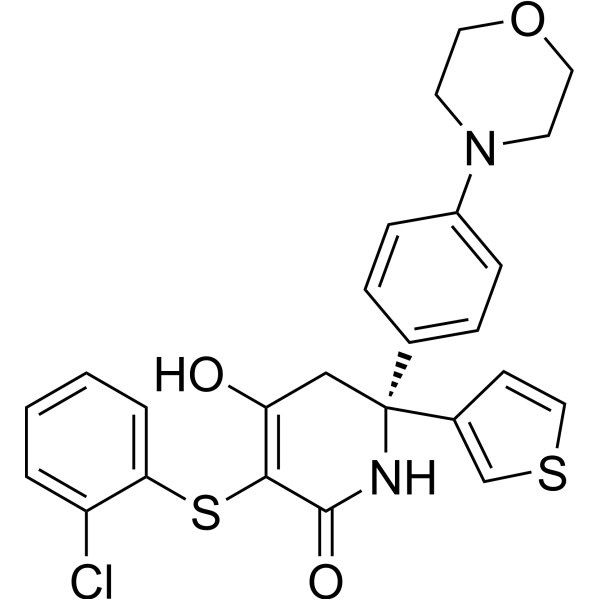
(R)-GNE-140 is a potent inhibitor of lactate dehydrogenase (LDH) A, B and C, with IC50 values of 3, 5 and 5 nM against LDHA, LDHB, LDHC, respectively. (R)-GNE-140 blocks the conversion of pyruvate to lactate, reduces lactate production and histone lysine lactylation, and inhibits glycolysis. (R)-GNE-140 attenuates cardiac hypertrophy, alleviates PM2.5-induced pulmonary inflammation and fibrosis, blocks MRSA-induced Arg1 expression. (R)-GNE-140 is applicable to research related to pathological cardiac hypertrophy, pulmonary fibrosis, MRSA infection and pancreatic cancer .
loading...
    loading...
2
2 Cited Publications
Cat. No.: HY-14737
CAS No.: 400827-46-5
Purity:  99.81%
Synonyms: TAK-599; PPI0903
Target:  

Bacterial Antibiotic

Research Areas:  

Infection

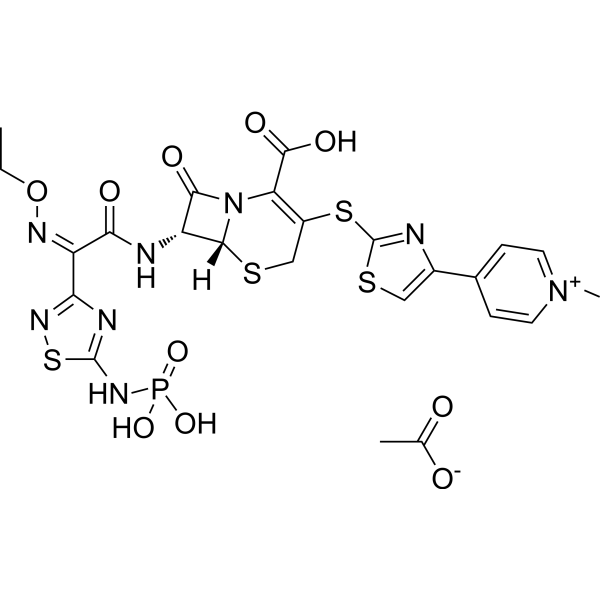
Ceftaroline fosamil (TAK-599), a cephalosporin derivative, is an N-phosphono proagent of anti-methicillin-resistant Staphylococcus aureus (MRSA) T-91825. Ceftaroline fosamil can be used for the research of MRSA infection .
loading...
    loading...
2
2 Cited Publications
Cat. No.: HY-14737A
CAS No.: 400827-55-6
Purity:  98.88%
Synonyms: TAK-599 hydrate; PPI0903 hydrate
Target:  

Antibiotic Bacterial

Research Areas:  

Infection

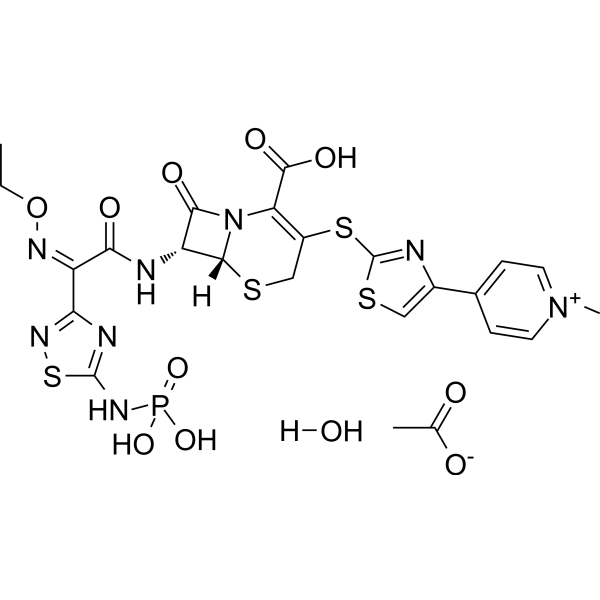
Ceftaroline fosamil hydrate is a potent cephalosporin antibiotic. Ceftaroline fosamil hydrateshows broad-spectrum activity against Gram-positive pathogens, including methicillin-resistant Staphylococcus aureus (MRSA) and multidrug-resistant Streptococcus pneumoniae, and common Gram-negative organisms. Ceftaroline fosamil hydrate has anti-infective activity, and can be used for the research of complicated skin and skin structure infections (cSSSIs) and community-acquired bacterial pneumonia (CABP) .
loading...
    loading...
2
2 Cited Publications
Cat. No.: HY-B0914
CAS No.: 112-38-9
Synonyms: Undecylenic acid
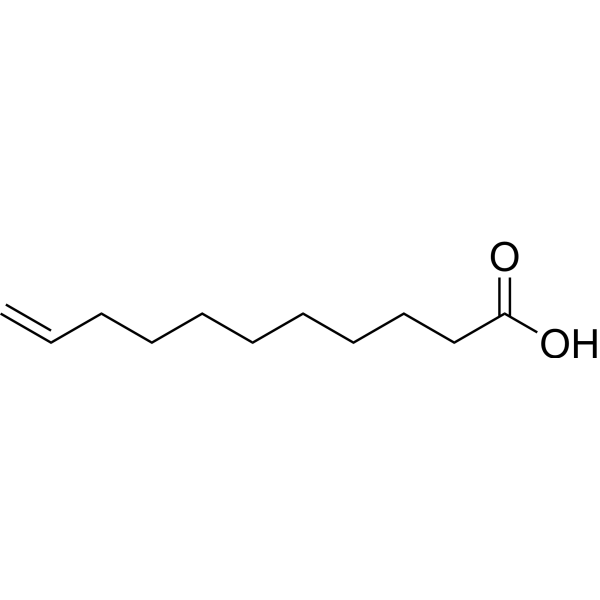
10-Undecenoic acid (Undecylenic acid) is an antifungal agent. 10-Undecenoic acid inhibits oligomerization, scavenges ROS and inhibits μ-calpain activity. 10-Undecenoic acid has neuroprotective effects. 10-Undecenoic acid has anticancer effects on a variety of tumors. 10-Undecenoic acid inhibits C. albicans biofilm formation and MRSA infection. 10-Undecenoic acid inhibits quorum sensing signals of Bacillus subtilis and Pseudomonas aeruginosa .
loading...
    loading...
2
2 Cited Publications
Cat. No.: HY-B0914A
CAS No.: 557-08-4
Synonyms: Zinc undecylenate
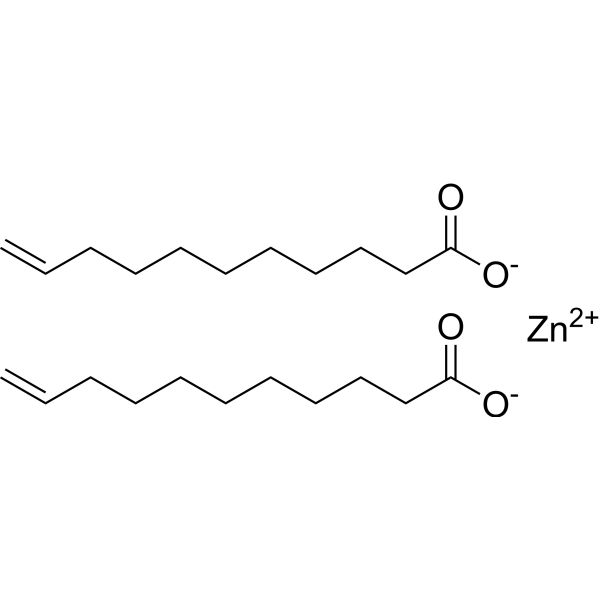
10-Undecenoic acid zinc salt (Undecylenic acid zinc salt) is an antifungal agent. 10-Undecenoic acid zinc salt inhibits oligomerization, scavenges ROS and inhibits μ-calpain activity. 10-Undecenoic acid zinc salt has neuroprotective effects. 10-Undecenoic acid zinc salt has anticancer effects on a variety of tumors. 10-Undecenoic acid zinc salt inhibits C. albicans biofilm formation and MRSA infection. 10-Undecenoic acid zinc salt inhibits quorum sensing signals of Bacillus subtilis and Pseudomonas aeruginosa .
loading...
    loading...
1
1 Cited Publications
Cat. No.: HY-B0958
CAS No.: 12650-69-0
Synonyms: BRL-4910A; Pseudomonic acid
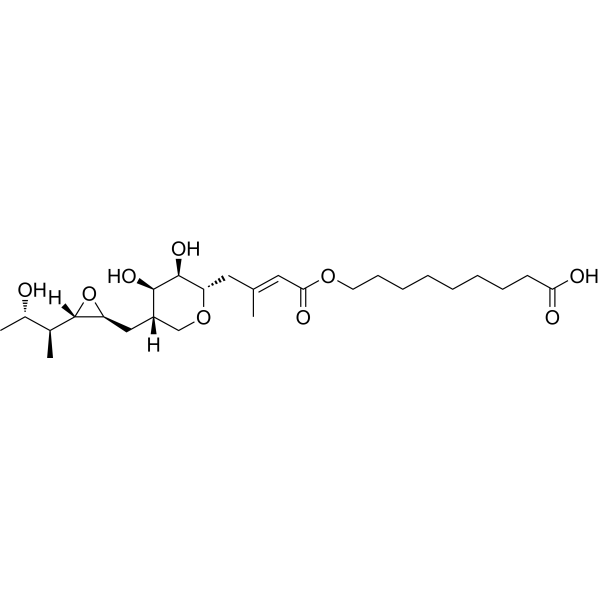
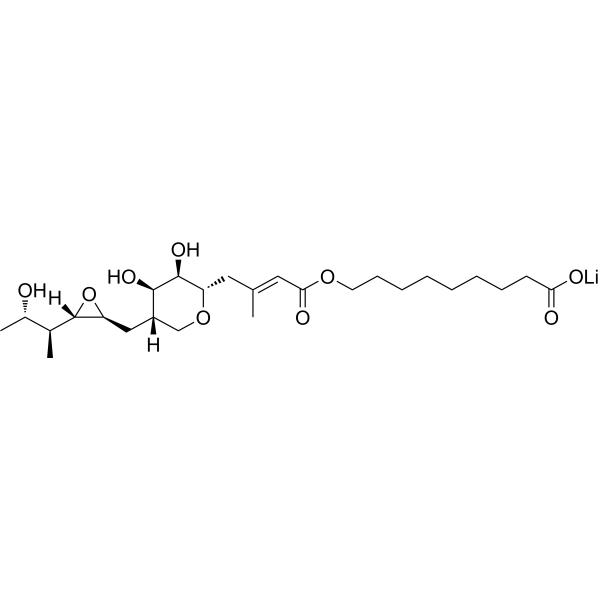
Mupirocin is an antibiotic. Mupirocin inhibits bacterial isoleucyl-tRNA synthetase, blocking protein synthesis. Mupirocin has high activity against Gram-positive bacteria such as Staphylococcus and Streptococcus, as well as some Gram-negative bacteria (such as Haemophilus influenzae). Mupirocin can be used in the research of diseases such as skin infections (such as MRSA infections) and chronic sinusitis .
loading...
    loading...
1
1 Cited Publications
Cat. No.: HY-A0097
CAS No.: 61036-62-2
Synonyms: Antibiotic MDL-507; MDL-507
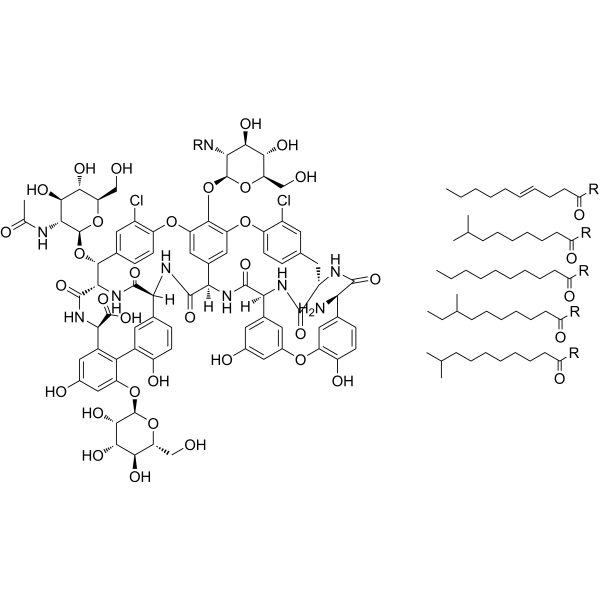
Teicoplanin is a glycopeptide antibiotic indicated for use in serious infections caused by Gram-positive bacteria, including Methicillin-resistant Staphylococcus aureus and Enterococcus aureus.Teicoplanin shows antiviral activity for HIV-1, SARS-CoV1 and SARS-CoV2. Teicoplanin sodium shows anti-MRSA activity .
loading...
    loading...
1
1 Cited Publications
Cat. No.: HY-125747
CAS No.: 18865-48-0
Purity:  98.00%
Synonyms: Actinomycin V (purity≥85%)
Research Areas:  

Infection Cancer

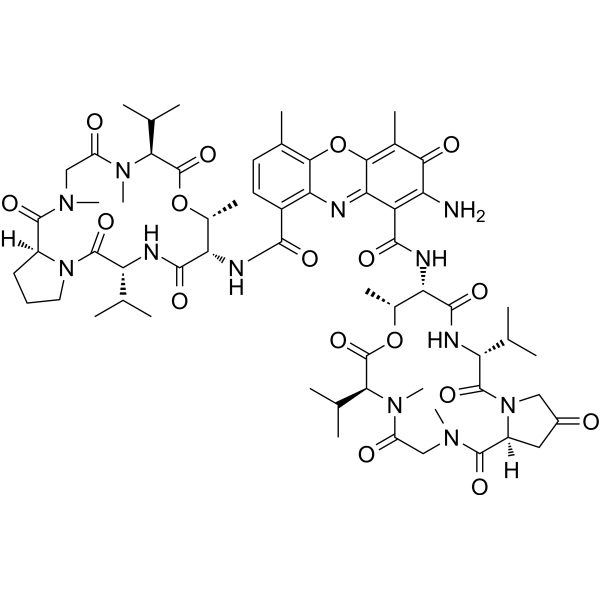
Actinomycin X2 (Actinomycin V), produced by many Streptomyces sp., shows strong inhibition of MRSA with a minimum inhibitory concentration (MIC) value of 0.25 μg/mL. Actinomycin X2 can be used for cancer and bacterial infection .
loading...
    loading...
1
1 Cited Publications
Cat. No.: HY-W108875
CAS No.: 73346-79-9
Synonyms: BRL-4910A lithium; Pseudomonic acid lithium
Mupirocin lithium is an antibiotic. Mupirocin lithium inhibits bacterial isoleucyl-tRNA synthetase, blocking protein synthesis. Mupirocin lithium has high activity against Gram-positive bacteria such as Staphylococcus and Streptococcus, as well as some Gram-negative bacteria (such as Haemophilus influenzae). Mupirocin lithium can be used in the research of diseases such as skin infections (such as MRSA infections) and chronic sinusitis .
loading...
    loading...
1
1 Cited Publications
Cat. No.: HY-B1924
CAS No.: 213997-73-0
Synonyms: N-Demethylvancomycin monohydrochloride; NVCM monohydrochloride
Target:  

Bacterial

Research Areas:  

Infection

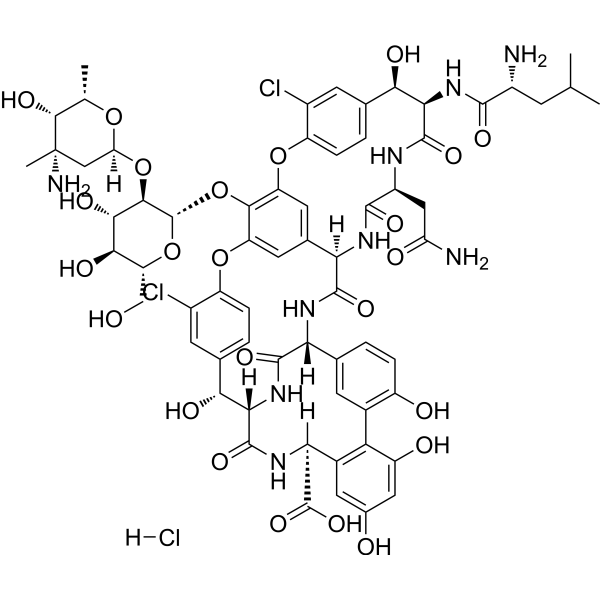
Norvancomycin hydrochloride is a cell wall synthesis inhibitor targeting peptidoglycan precursors of Gram-positive bacteria and cannot pass the blood-brain barrier. Norvancomycin hydrochloride can competitively bind to peptidoglycan precursors, irreversibly inhibit bacterial cell wall synthesis, and exert antibacterial activity. Norvancomycin hydrochloride is mainly used in the study of Gram-positive bacterial infections, especially infections caused by methicillin-resistant Staphylococcus aureus (MRSA) and methicillin-resistant Staphylococcus epidermidis (MRSE). Norvancomycin hydrochloride can also be incorporated into the bionic calcium phosphate coating of titanium implants to enhance antibacterial activity and inhibit postoperative orthopedic infections .
loading...
    loading...
1
1 Cited Publications
Cat. No.: HY-119123A
Purity:  98.13%
Synonyms: LTX-109 trihydrochloride
Target:  

Fungal Bacterial

Research Areas:  

Infection

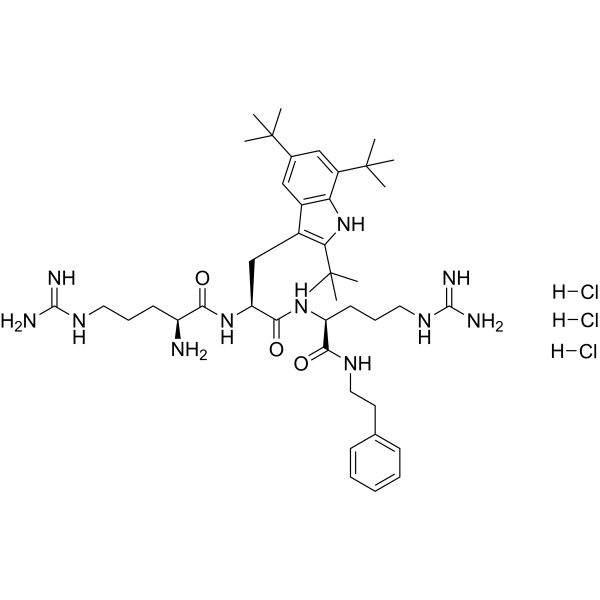
Voxvoganan (LTX-109) trihydrochloride, a topical antimicrobial, is highly effective against S. aureus with a MIC range of 2 to 4 μg/mL. Voxvoganan trihydrochloride can be used for the research of bacterial skin infections, fungal infections and nasal decolonisation of MRSA .
loading...
    loading...
1
1 Cited Publications
Cat. No.: HY-N0853A
CAS No.: 18674-16-3
Synonyms: Alisol A 24-monoacetate; Alisol A monoacetate
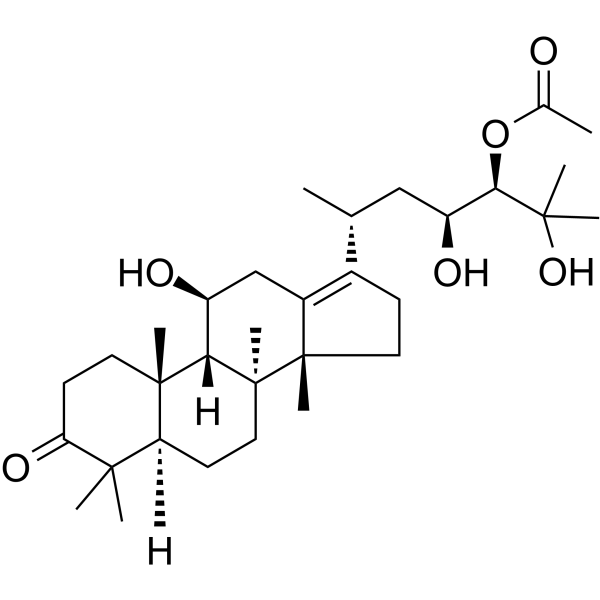
Alisol A 24-acetate (Alisol A monoacetate) is an orally active derivative of protostane-type tetracyclic triterpenoid. Alisol A 24-acetate upregulates the expression of adiponectin, AMPKα, CPT1, and ACOX1; downregulates the expression of SREBP-1c, ACC, FAS, Bcl-2, Bcl-xl, PPAR-γ, perilipin A, and NFATc1; inhibits the activity of PI3K/Akt/mTOR and HMGR; and activates the PKA and ERK signaling pathways. Alisol A 24-acetate regulates cell apoptosis (apoptosis), autophagy (Autophagy, hepatic lipid accumulation, inflammatory response, neuroprotection, MRSA membrane integrity, and osteoclast differentiation. Alisol A 24-acetate can be used in research related to non-alcoholic fatty liver disease, nephrotoxicity, obesity, global cerebral ischemia-reperfusion injury, bacterial infection, and osteoporosis .
loading...
    loading...
1
1 Cited Publications
Cat. No.: HY-105049
CAS No.: 189345-04-8
Purity:  96.14%
Synonyms: T-91825; PPI-0903M
Target:  

Bacterial Antibiotic

Research Areas:  

Infection

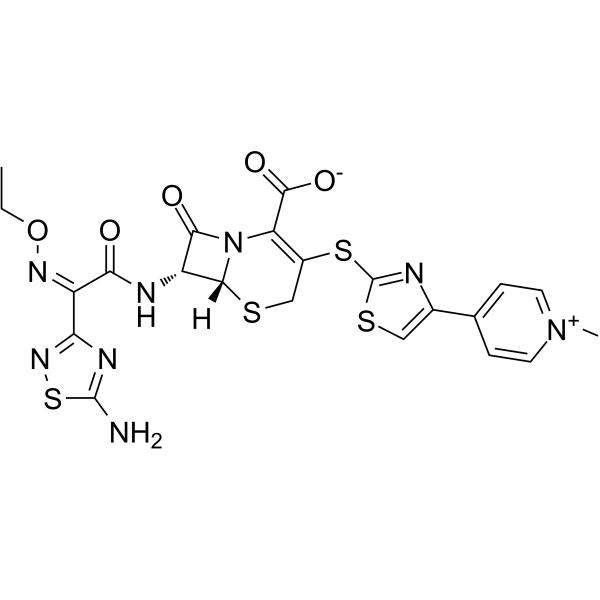
Ceftaroline (T-91825) is a cephalosporin compound and the active form of Ceftaroline fosamil (HY-14737). Ceftaroline exhibits activity against Gram-positive bacteria, Gram-negative bacteria, and some anaerobic bacteria. Ceftaroline binds to penicillin-binding proteins 2 and 2A, thereby inhibiting the synthesis of bacterial peptidoglycan and cell wall, and acts as a bactericide, synergist, and resistance inhibitor. Ceftaroline can be used in research related to complicated skin and soft tissue infections, community-acquired pneumonia, Enterococcus faecalis infective endocarditis, and bacterial infections .
loading...
    loading...
1
1 Cited Publications
Cat. No.: HY-105049A
Target:  

Bacterial Antibiotic

Research Areas:  

Infection

Ceftaroline hydrochloride is a cephalosporin compound and the active form of Ceftaroline fosamil (HY-14737). Ceftaroline hydrochloride exhibits activity against Gram-positive bacteria, Gram-negative bacteria, and some anaerobic bacteria. Ceftaroline hydrochloride binds to penicillin-binding proteins 2 and 2A, thereby inhibiting the synthesis of bacterial peptidoglycan and cell wall, and acts as a bactericide, synergist, and resistance inhibitor. Ceftaroline hydrochloride can be used in research related to complicated skin and soft tissue infections, community-acquired pneumonia, Enterococcus faecalis infective endocarditis, and bacterial infections .
loading...
    loading...
1
1 Cited Publications
Cat. No.: HY-151642
CAS No.: 105928-88-9
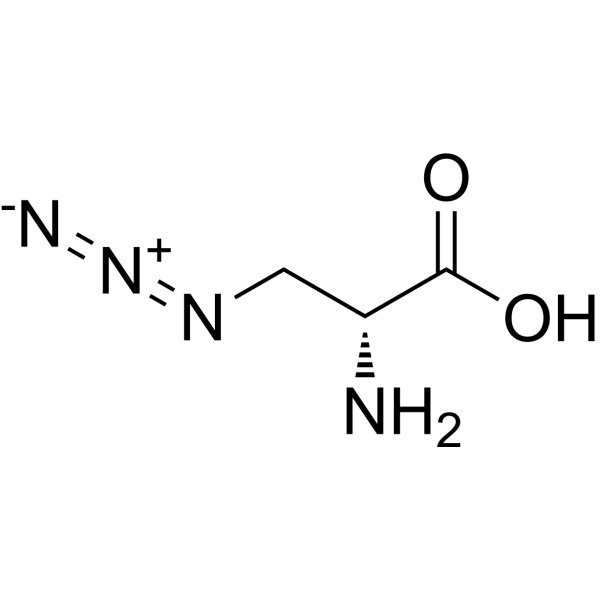
3-Azido-D-alanine is an orally active, selective metabolic tracer applicable for click chemistry labeling. 3-Azido-D-alanine can be selectively incorporated into bacterial cell wall peptidoglycans, introducing azido groups to enable copper-free click chemistry-based modification, labeling and single-cell tracing, while it cannot be metabolically incorporated by mammalian cells. 3-Azido-D-alanine can be used in studies related to bacterial infection, intracranial infection, otitis media, intestinal inflammation and tissue damage, as well as sepsis .
loading...
    loading...
1
1 Cited Publications
Cat. No.: HY-151642A
CAS No.: 1379690-01-3
Purity:  99.13%
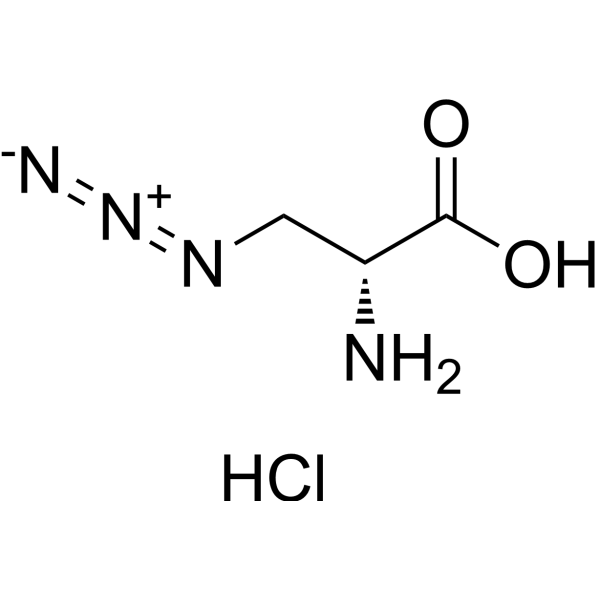
3-Azido-D-alanine (hydrochloride) is an orally active, selective metabolic tracer applicable for click chemistry labeling. 3-Azido-D-alanine (hydrochloride) can be selectively incorporated into bacterial cell wall peptidoglycans, introducing azido groups to enable copper-free click chemistry-based modification, labeling and single-cell tracing, while it cannot be metabolically incorporated by mammalian cells. 3-Azido-D-alanine (hydrochloride) can be used in studies related to bacterial infection, intracranial infection, otitis media, intestinal inflammation and tissue damage, as well as sepsis .
loading...
    loading...
Cat. No.: HY-16764
CAS No.: 878592-87-1
Synonyms: JNJ-Q2
Target:  

Bacterial Antibiotic

Research Areas:  

Infection Inflammation/Immunology

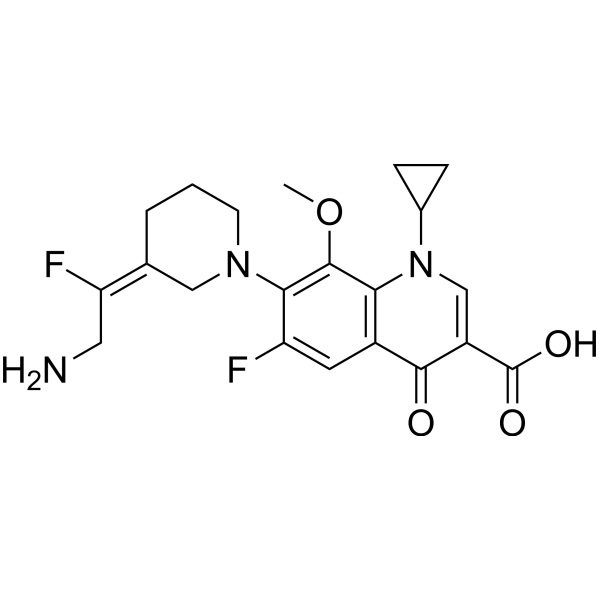
Avarofloxacin (JNJ-Q2) is a broad-spectrum fluoroquinolone antibacterial agent being developed for the treatment of acute bacterial skin and skin-structure infections and community-acquired pneumonia with oral activity. Avarofloxacin (JNJ-Q2) is an aminoethylidenylpiperidine fluoroquinolone that demonstrates antibacterial effect against numerous Gram-positive bacteria with a mean 0.12 mg/L MIC90 value. Avarofloxacin (JNJ-Q2) has potential for treatment of methicillin-resistant Staphylococcus aureus (MRSA) infections .
loading...
    loading...
Cat. No.: HY-W041988
CAS No.: 145038-49-9
Target:  

Bacterial

Research Areas:  

Infection

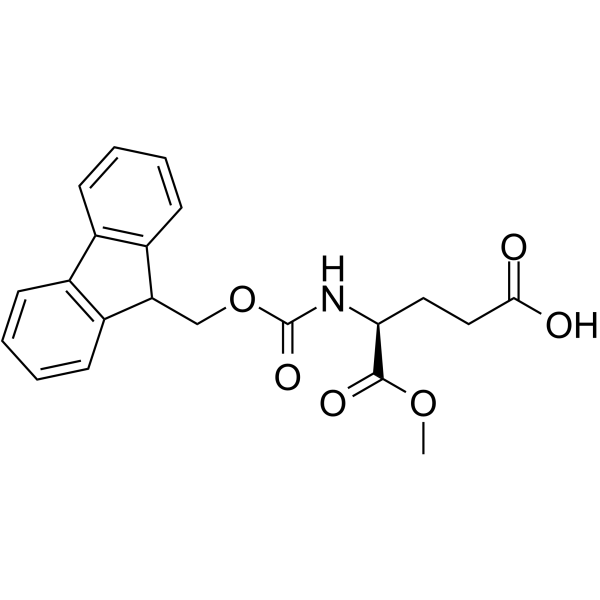
Fmoc-Glu-OMe is a glutamic acid derivative. Fmoc-Glu-OMe exhibits significant antibacterial activity and excellent gelation properties in silver nitrate (AgNO3) solution. Fmoc-Glu-OMe promotes wound healing in rat models and eliminates bacteria in MRSA-infected rat wound models. Fmoc-Glu-OMe can be used in studies related to wound infections and MRSA-infected wounds .
loading...
    loading...
Cat. No.: HY-112959
CAS No.: 372151-71-8
Synonyms: TD-6424
Target:  

Antibiotic Bacterial

Research Areas:  

Infection

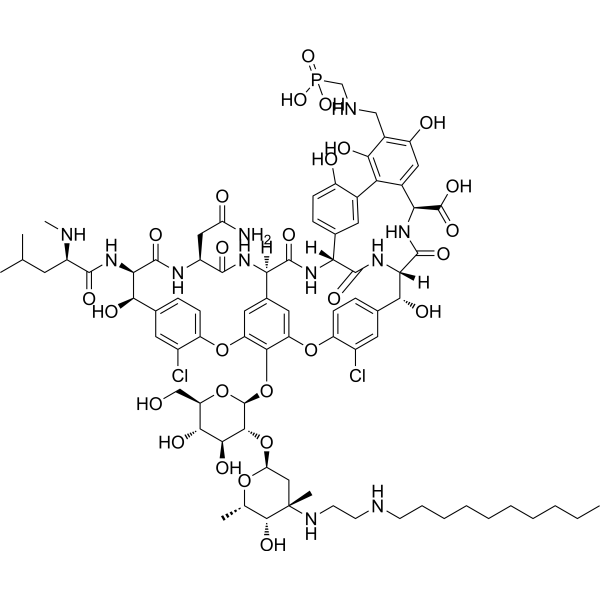
Telavancin (TD-6424) is a semisynthetic lipoglycopeptide vancomycin-derivative, is a novel antimicrobial agent developed by Theravance for overcoming resistant Gram-positive bacterial infections, specifically methicillin-resistant Staphylococcus aureus (MRSA). Telavancin disrupts cell membrane integrity, can be used for research of complicated skin and skin structure infections (cSSSIs) caused by Gram-positive bacteria .
loading...
    loading...
Cat. No.: HY-N9690
CAS No.: 64095-60-9
Synonyms: Longistylin A
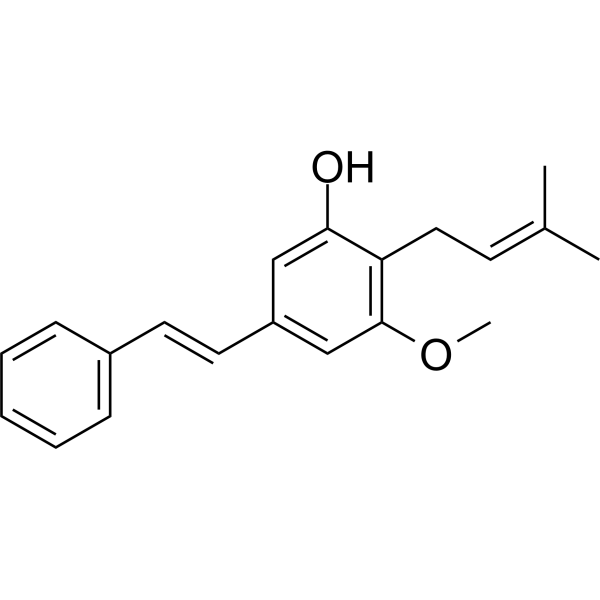
Longistyline A (Longistylin A) is a natural stilbene, it can be isolated from leaves of Cajanus cajan. Longistyline A shows antimicrobial activity against MRSA with an MIC value of 1.56 μg/mL. Longistyline A shows neuroprotective effects, it can be used for the research of infection and nerve diseases .
loading...
    loading...

