



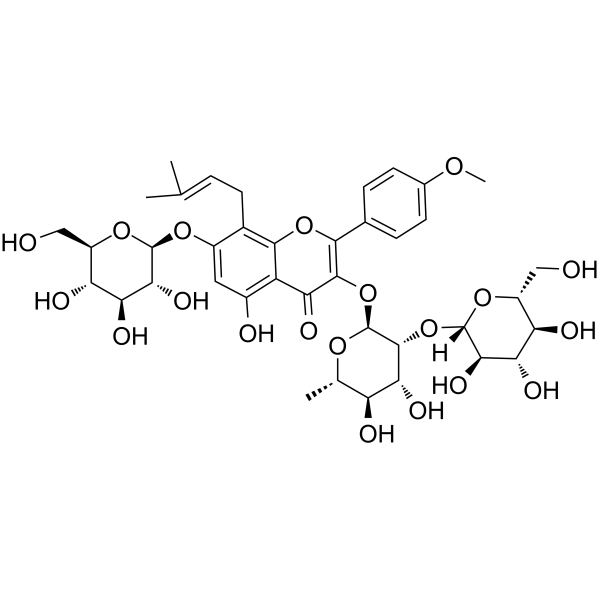
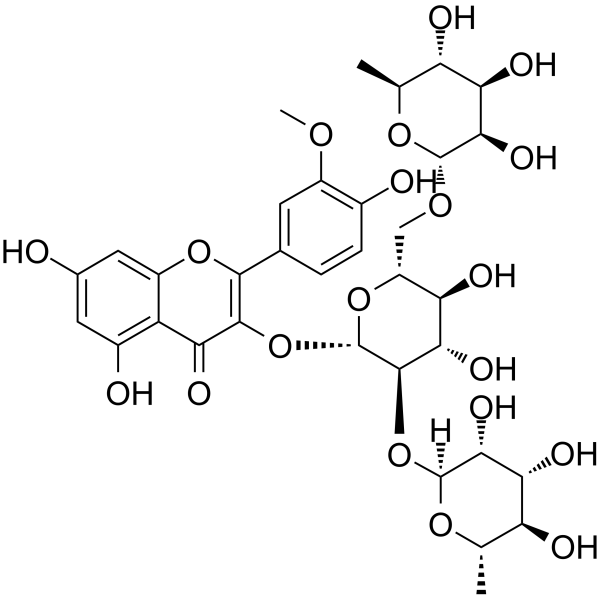
Epimedin A
Based on 4 publication(s) in Google Scholar
Epimedin A, one of the main flavonoid active components in Herba Epimedii, is orally active. Epimedin A can inhibit osteoclastogenesis, differentiation, and bone resorption. Epimedin A also possesses anti-inflammatory activity. Epimedin A can be used in the research of osteoporosis and inflammatory diseases.
For research use only. We do not sell to patients.
- Purity : 99.43%
- CAS No.: 110623-72-8
- Formula: C39H50O20
- Molecular Weight:838.80
-
Storage:
4°C, protect from light
* In solvent : -80°C, 6 months; -20°C, 1 month (protect from light)

To place orders, for customer services and technical support, please contact: MedChemExpress USA
Tel: 609-228-6898 E-mail: [email protected] [email protected]


-
 Biological Activity
-
Chemical Information
-
Solvent & Solubility
- Protocols
- Purity & Documentation
- References
-
 Help & FAQs


-
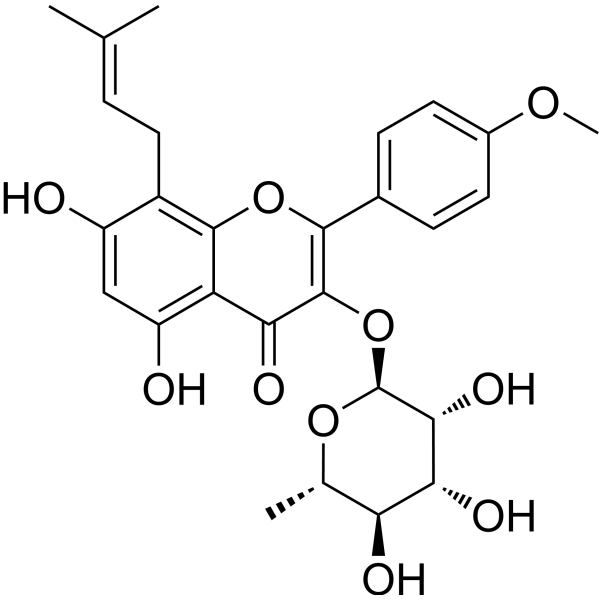
HY-N0011
Baohuoside ICXCR4 Inhibitor -
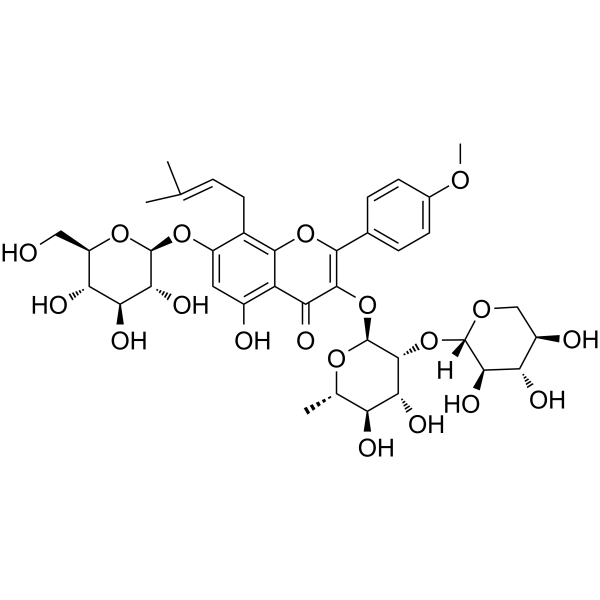
HY-N0259
Epimedin BAnti-osteoporosis Agent -
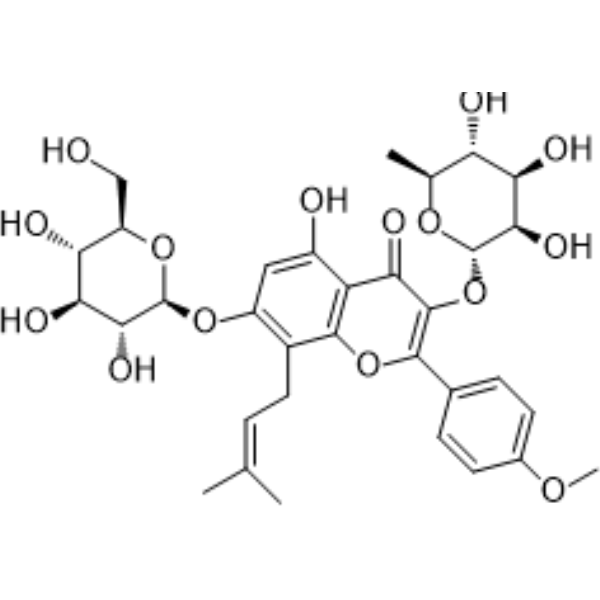
HY-N0014
IcariinPPAR Activator -
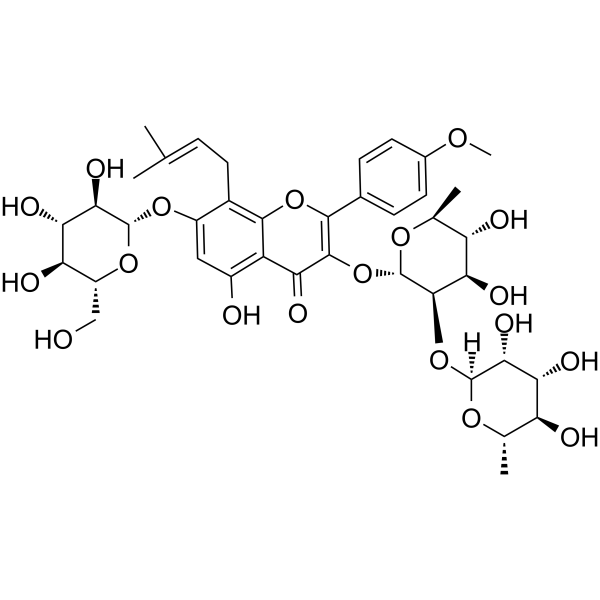
HY-N0260
Epmedin CAnti-inflammatory Agent -
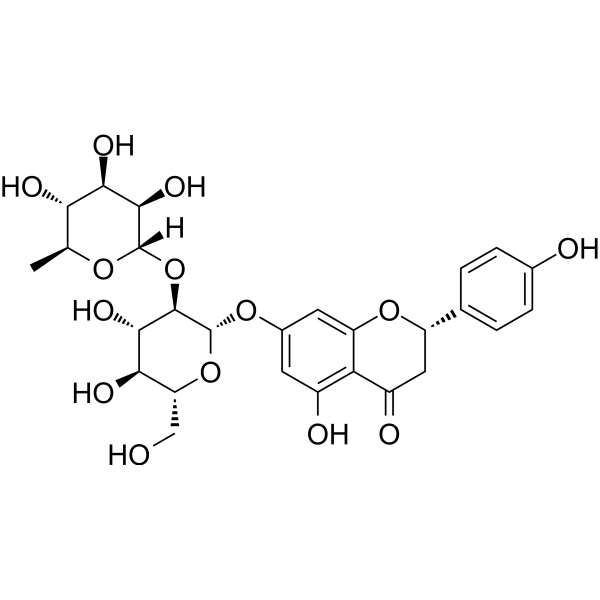
HY-N0153
NaringinCytochrome P450 Inhibitor -
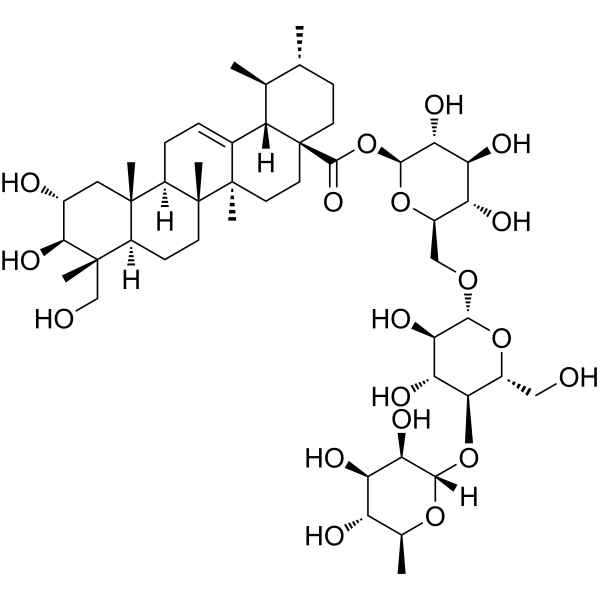
HY-N0439
AsiaticosideTriterpene Glycoside -
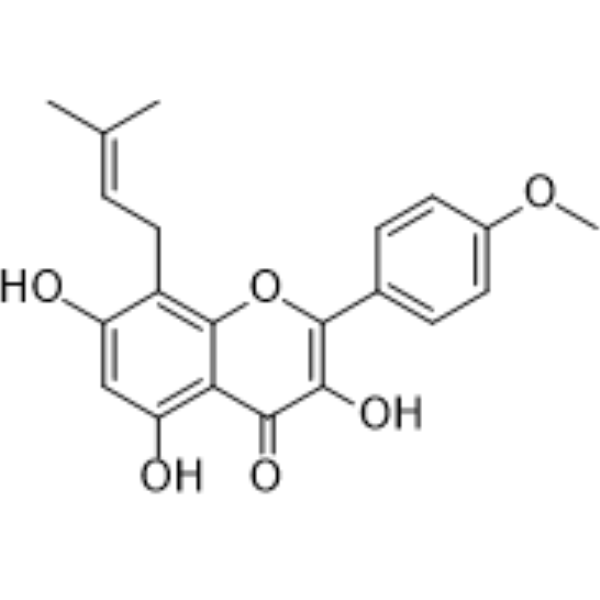
HY-N0678
IcaritinApoptosis Inducer -
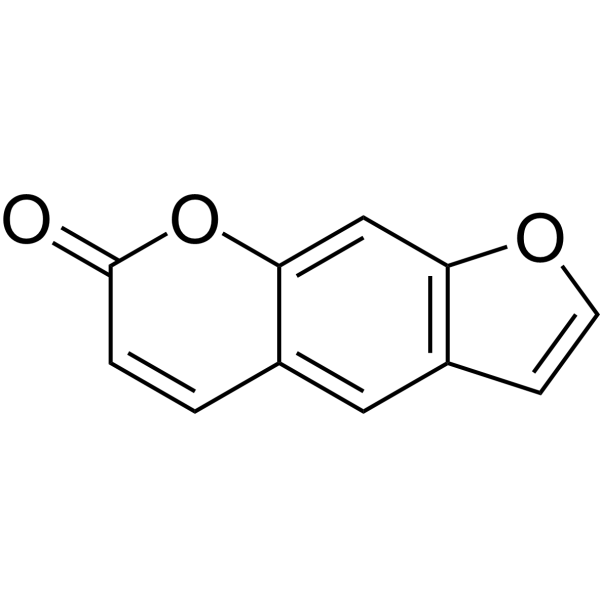
HY-N0053
PsoralenBioactive Natural Compound -
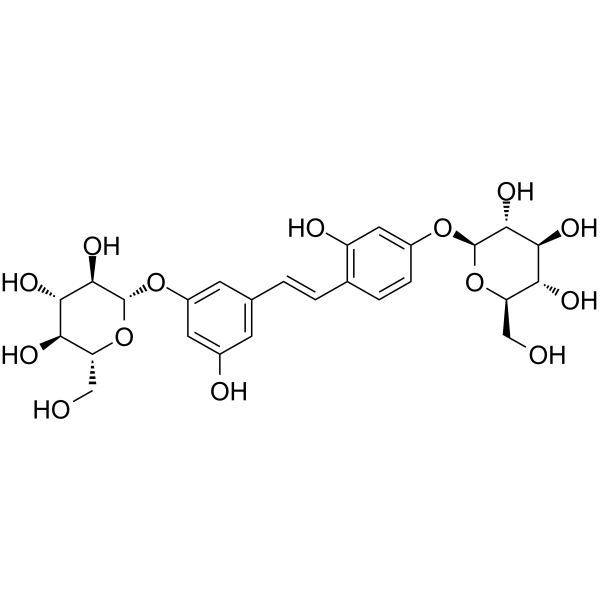
HY-N0619
Mulberroside ATyrosinase Inhibitor -
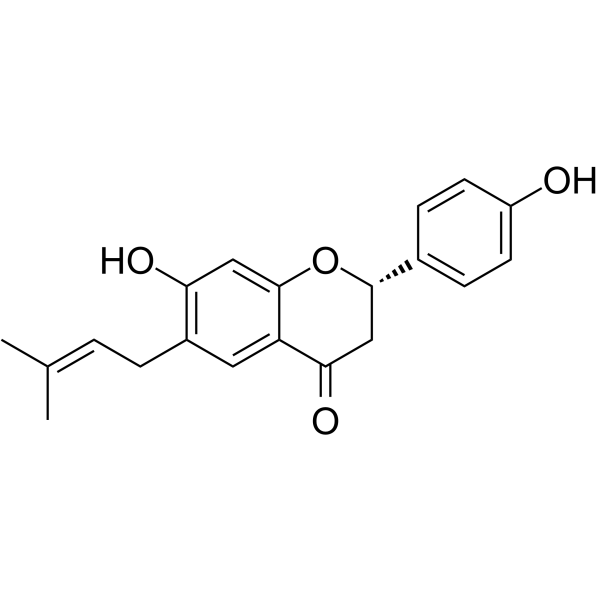
HY-N0233
BavachinPhytoestrogen -
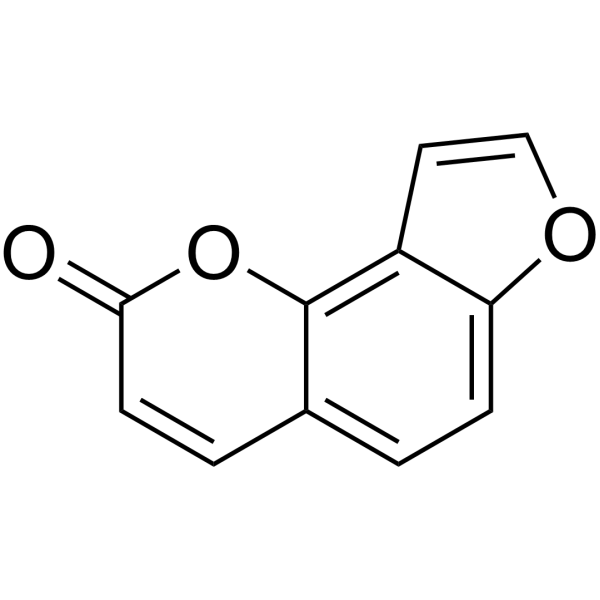
HY-N0763
AngelicinApoptosis Inducer -
HY-N0712
TyphaneosidePI3K/Akt/mTOR Activator
Publications Citing Use of MedChemExpress (MCE) Epimedin A
MoreAll Caspase Isoforms
More

Biological Activity
Description
IC50 & Target
[2]|
NLRP3 |
HO-1 |
Caspase-1 |
Caspase-8 |
IL-1β |
IL-6 |
In Vitro
Epimedin A (0.1-0.4 μM; 5 days) inhibits RANKL/M-CSF-induced osteoclast differentiation and reduces the mRNA expression of osteoclast-related genes in RAW264.7 cells. The mechanism involves the inhibition of the TRAF6/PI3K/AKT/NF-κB pathway[1].
MedChemExpress (MCE) has not independently confirmed the accuracy of these methods. They are for reference only. Further protocols information, click here.
-
Cell Line:RAW264.7 cells treated RANKL and M-CSF
-
Concentration:0.1, 0.2 and 0.4 μM
-
Incubation Time:5 days
-
Result:Inhibited the mRNA levels of the osteoclast-related genes NFATc1, Ctsk, Oscar and Trap.
In Vivo
Epimedin A (5-20 mg/kg; oral administration; 11 days) exerts an anti-inflammatory effect in a mouse model of allergic contact dermatitis (CD)[2].
MedChemExpress (MCE) has not independently confirmed the accuracy of these methods. They are for reference only.
-
Animal Model:Female Wistar rats (240±20 g, 10-12 weeks old) were ovariectomized to establish an osteoporosis model[1]
-
Dosage:5, 10 and 20 mg/kg
-
Administration:Oral administration; 90 days
-
Result:Increased bone density, relative bone volume, trabecular thickness and number, as well as reduced trabecular separation in the ovariectomized rats.
Dose-dependently normalized bone density and trabecular microarchitecture in the ovariectomized rats.
Inhibited the expression of TRAP and NFATc1 in the ovariectomized rats.
-
Animal Model:BALB/c mice aged 7 weeks old (20-25 g) treated DNFB to establish CD model[2]
-
Dosage:5, 10 and 20 mg/kg
-
Administration:Oral administration; 11 days
-
Result:Significantly and dose-dependently ameliorated DNFB-induced CD, as evidenced by repression of scratching behavior, dermatitis score, ear thickness and weight, and histopathological changes in ear tissues, as well as reduction of collagen fiber area percent.
Suppressed NF-κB/NLRP3 pathway, enhanced Nrf2/HO-1 pathway, reduced oxidative stress markers (MDA), increased antioxidant markers (GSH, SOD), inhibited pyroptosis-related molecules (NLRP3, ASC, caspase-1, 8, GSDMD, LDH), and decreased inflammatory cytokines (IL-1β, IL-6, TNF-α, IL-4, IFN-γ) and IgE levels (t-IgE, s-IgE, s-IgE/t-IgE ratio).


Chemical Information
-
CAS No. 110623-72-8
-
Appearance Solid
-
Molecular Weight 838.80
-
Formula C39H50O20
-
Color Light yellow to yellow
-
SMILES
O[C@H]1[C@H](O)[C@@H](CO)O[C@@H](OC2=CC(O)=C(C(C(O[C@@H]3O[C@@H](C)[C@H](O)[C@@H](O)[C@H]3O[C@@]4([H])[C@H](O)[C@@H](O)[C@H](O)[C@@H](CO)O4)=C(C5=CC=C(OC)C=C5)O6)=O)C6=C2C/C=C(C)/C)[C@@H]1O
-
Structure Classification
-
Initial Source
-
Shipping
Room temperature in continental US; may vary elsewhere.
-
Storage
4°C, protect from light
* In solvent : -80°C, 6 months; -20°C, 1 month (protect from light)


Publications (4)
-
Journal Impact Factor
-
Most Recent
-
Acta Pharm Sin B
Chrysin serves as a novel inhibitor of DGK α/FAK interaction to suppress the malignancy of esophageal squamous cell carcinoma (ESCC). [Abstract]2021 Jan;11(1):143-155. PMID: 33532186 -
Food Chem
Effects of sun drying combined with baking processes on the flavor quality of Chongqing Tuocha raw tea. [Abstract]2025 Dec 30:497:146992. PMID: 41285060 -
Food Chem
Flavonoid-mediated metabolic underpinning quality variation in red bud-sport pear mutants. [Abstract]2025 Oct 15:489:144992. PMID: 40466530 -
J Pharm Pharmacol
Icariside I reduces breast cancer proliferation, apoptosis, invasion, and metastasis probably through inhibiting IL-6/STAT3 signaling pathway. [Abstract]2024 May 3;76(5):499-513. PMID: 37971302


Solvent & Solubility
In Vitro:
DMSO : 250 mg/mL (298.04 mM; Need ultrasonic; Hygroscopic DMSO has a significant impact on the solubility of product, please use newly opened DMSO)
Please refer to the solubility information to select the appropriate solvent. Once prepared, please aliquot and store the solution to prevent product inactivation from repeated freeze-thaw cycles.
Storage method and period of stock solution: -80°C, 6 months; -20°C, 1 month (protect from light). When stored at -80°C, please use it within 6 months. When stored at -20°C, please use it within 1 month.
Please refer to the solubility information to select the appropriate solvent. Once prepared, please aliquot and store the solution to prevent product inactivation from repeated freeze-thaw cycles.
Storage method and period of stock solution: -80°C, 6 months; -20°C, 1 month (protect from light). When stored at -80°C, please use it within 6 months. When stored at -20°C, please use it within 1 month.
Concentration (start) × Volume (start) = Concentration (final) × Volume (final)
In Vivo:
Select the appropriate dissolution method based on your experimental animal and administration route.
- For the following dissolution methods, please ensure to first prepare a clear stock solution using an In Vitro approach and then sequentially add co-solvents:
- To ensure reliable experimental results, the clarified stock solution can be appropriately stored based on storage conditions. As for the working solution for In Vivo experiments, it is recommended to prepare freshly and use it on the same day.
- The percentages shown for the solvents indicate their volumetric ratio in the final prepared solution. If precipitation or phase separation occurs during preparation, heat and/or sonication can be used to aid dissolution.
Add each solvent one by one: 10% DMSO 40% PEG300 5% Tween-80 45% Saline
Solubility: ≥ 6.25 mg/mL (7.45 mM); Clear solution
This protocol yields a clear solution of ≥ 6.25 mg/mL (saturation unknown).
Taking 1 mL working solution as an example, add 100 μL DMSO stock solution (62.5 mg/mL) to 400 μL PEG300, and mix evenly; then add 50 μL Tween-80 and mix evenly; then add 450 μL Saline to adjust the volume to 1 mL.
Preparation of Saline: Dissolve 0.9 g sodium chloride in ddH₂O and dilute to 100 mL to obtain a clear Saline solution.
Add each solvent one by one: 10% DMSO 90% (20% SBE-β-CD in Saline)
Solubility: ≥ 6.25 mg/mL (7.45 mM); Clear solution
This protocol yields a clear solution of ≥ 6.25 mg/mL (saturation unknown).
Taking 1 mL working solution as an example, add 100 μL DMSO stock solution (62.5 mg/mL) to 900 μL 20% SBE-β-CD in Saline, and mix evenly.
Preparation of 20% SBE-β-CD in Saline (4°C, storage for one week): 2 g SBE-β-CD powder is dissolved in 10 mL Saline, completely dissolve until clear.
In Vivo Dissolution Calculator
Please enter the basic information of animal experiments:
-
-
-
-
Recommended: Prepare an additional quantity of animals to account for potential losses during experiments.
Please enter your animal formula composition:
-
%DMSO +
Recommended: Keep the proportion of DMSO in working solution below 2% if your animal is weak.
-
%+
-
+%Tween-80 + +
-
%Saline +
The co-solvents required include: DMSO, . All of co-solvents are available by MedChemExpress (MCE). , Tween 80. All of co-solvents are available by MedChemExpress (MCE).
Working solution concentration: 0.22 mg/mL
Method for preparing stock solution: mg drug dissolved in μL DMSO. Stock solution concentration: mg/mL. * In solvent : -80°C, 6 months; -20°C, 1 month (protect from light)
1. Take μL DMSO stock solution;
2. Add μL .
μL , mix evenly;
3. Then add μL Tween 80, mix evenly;
4. Then add μL
Please ensure that the stock solution in the first step is dissolved to a clear state, and add co-solvents in sequence. You can use ultrasonic heating (ultrasonic cleaner, recommended frequency 20-40 kHz), vortexing, etc. to assist dissolution.

Protocols
-
Cotton Pellet Granuloma
Cotton pellet granuloma is a classical in vivo chronic inflammation model used to evaluate the anti-inflammatory potential of test substances by measuring their ability to inhibit granuloma tissue formation around an implanted foreign body (cotton pellet) in rodents. The method is based on the biological response to a sterile implanted material, which induces proliferative phase inflammation characterized by fibroblast proliferation and collagen-rich granuloma formation, and the final readout reflects the extent of chronic inflammatory tissue growth surrounding the pellet. In multiple preclinical pharmacological evaluations, inhibition of cotton pellet-induced granuloma formation has been used as an indicator of anti-inflammatory activity in both synthetic and natural product screening contexts.
-
Carrageenan-Induced Paw Edema
Carrageenan-induced paw edema is an acute inflammation model in which intraplantar injection of carrageenan induces localized inflammatory swelling characterized by vascular permeability, leukocyte infiltration, and production of inflammatory mediators such as prostaglandins and cytokines, making it widely used to evaluate anti-inflammatory agents in vivo. The resulting paw volume or thickness increase is quantified over time as a direct readout of inflammatory intensity and drug efficacy, typically reflecting cyclooxygenase-mediated prostaglandin-driven edema formation and immune cell recruitment in peripheral tissue[20].
-
Research Protocol for Inflammation-related Diseases
The NLRP3 inflammasome is a cytosolic innate immune signaling platform that integrates priming signals and danger-signal activation to promote caspase-1 activation, maturation of IL-1β and IL-18, and gasdermin D-mediated pyroptotic cell death. The core experimental logic is to determine whether inflammatory disease phenotypes are driven by increased NLRP3 expression, ASC-containing inflammasome assembly, caspase-1 cleavage, GSDMD cleavage, and extracellular release of IL-1β/IL-18 rather than by nonspecific cell injury alone. The pathway is strongly linked to inflammation-related disease phenotypes because monosodium urate crystals activate NALP3/NLRP3 inflammasome signaling in gout-like crystal inflammation, cholesterol crystals activate NLRP3 inflammasomes in atherogenesis models, and DSS-induced intestinal inflammation has been reported to involve NLRP3 inflammasome activity. However, experimental colitis studies also show context-dependent protective effects of NLRP3 inflammasome co
-
Osteoclast differentiation from monocyte/macrophage precursors
Osteoclast differentiation is an in vitro induction assay in which monocyte/macrophage-lineage precursors are exposed to macrophage colony-stimulating factor (M-CSF) and receptor activator of NF-κB ligand (RANKL), generating multinucleated osteoclasts that are commonly identified by tartrate-resistant acid phosphatase (TRAP) staining and functionally confirmed by resorption pits on dentin, bone, or mineralized substrates. M-CSF supports survival and expansion of osteoclast precursors, while RANKL binding to RANK drives osteoclast commitment, fusion, maturation, and resorptive function; osteoprotegerin inhibits this pathway by binding RANKL and preventing RANK activation. The main readouts are the number of TRAP-positive multinucleated cells, formation of F-actin rings, and resorbed surface area; TRAP-positive multinucleated cells indicate osteoclast differentiation, whereas pit formation on dentin, bone, or mineralized coating indicates functional bone-resorbing activity.


Purity & Documentation
-
Data Sheet (285 KB)
-
SDS (393 KB)
- English - EN (393 KB)
- Français - FR (393 KB)
- Deutsch - DE (393 KB)
- Norwegian - NO (393 KB)
- Español - ES (393 KB)
- Swedish - SV (393 KB)
- Italian - IT (393 KB)
- Korean - KR (393 KB)
- Portuguese - PT (393 KB)
-
Handling Instructions (2659 KB)
References
[1]. Li J, et al. Epimedin A inhibits the PI3K/AKT/NF-κB signalling axis and osteoclast differentiation by negatively regulating TRAF6 expression. Mol Med. 2024 Aug 16;30(1):125. [Content Brief]
[2]. Balaha MF, et al. Epimedin A ameliorates DNFB-induced allergic contact dermatitis in mice: Role of NF-κB/NLRP3-driven pyroptosis, Nrf2/HO-1 pathway, and inflammation modulation. Life Sci. 2022 Aug 1;302:120653. [Content Brief]
[3]. Zhang HF, et al. Simultaneous extraction of epimedin A, B, C and icariin from Herba Epimedii by ultrasonic technique. Ultrason Sonochem. 2008 Apr;15(4):376-85. [Content Brief]


Complete Stock Solution Preparation Table
Please refer to the solubility information to select the appropriate solvent. Once prepared, please aliquot and store the solution to prevent product inactivation from repeated freeze-thaw cycles.
Storage method and period of stock solution: -80°C, 6 months; -20°C, 1 month (protect from light). When stored at -80°C, please use it within 6 months. When stored at -20°C, please use it within 1 month.
| Optional Solvent | Concentration Solvent Mass | 1 mg | 5 mg | 10 mg | 25 mg |
|---|---|---|---|---|---|
| DMSO | 1 mM | 1.1922 mL | 5.9609 mL | 11.9218 mL | 29.8045 mL |
| 5 mM | 0.2384 mL | 1.1922 mL | 2.3844 mL | 5.9609 mL | |
| 10 mM | 0.1192 mL | 0.5961 mL | 1.1922 mL | 2.9804 mL | |
| 15 mM | 0.0795 mL | 0.3974 mL | 0.7948 mL | 1.9870 mL | |
| 20 mM | 0.0596 mL | 0.2980 mL | 0.5961 mL | 1.4902 mL | |
| 25 mM | 0.0477 mL | 0.2384 mL | 0.4769 mL | 1.1922 mL | |
| 30 mM | 0.0397 mL | 0.1987 mL | 0.3974 mL | 0.9935 mL | |
| 40 mM | 0.0298 mL | 0.1490 mL | 0.2980 mL | 0.7451 mL | |
| 50 mM | 0.0238 mL | 0.1192 mL | 0.2384 mL | 0.5961 mL | |
| 60 mM | 0.0199 mL | 0.0993 mL | 0.1987 mL | 0.4967 mL | |
| 80 mM | 0.0149 mL | 0.0745 mL | 0.1490 mL | 0.3726 mL | |
| 100 mM | 0.0119 mL | 0.0596 mL | 0.1192 mL | 0.2980 mL |


Epimedin A Related Classifications
HY-N0257 Related Classifications
 Powered by Bioz