



HDAC
Histone deacetylases
HDAC (Histone deacetylases) are a class of enzymes that remove acetyl groups (O=C-CH3) from an ε-N-acetyl lysine amino acid on ahistone, allowing the histones to wrap the DNA more tightly. This is important because DNA is wrapped around histones, and DNA expression is regulated by acetylation and de-acetylation. Its action is opposite to that of histone acetyltransferase. HDAC proteins are now also called lysine deacetylases (KDAC), to describe their function rather than their target, which also includes non-histone proteins. Together with the acetylpolyamine amidohydrolases and the acetoin utilization proteins, the histone deacetylases form an ancient protein superfamily known as the histone deacetylase superfamily.
HDAC Isoform Specific Products
-
HDAC
(393)
View all products
-
HDAC1
(316)
View all products
-
HDAC2
(210)
View all products
-
HDAC3
(204)
View all products
-
HDAC4
(72)
View all products
-
HDAC5
(56)
View all products
-
HDAC6
(337)
View all products
-
HDAC7
(53)
View all products
-
HDAC8
(189)
View all products
-
HDAC9
(41)
View all products
-
HDAC10
(67)
View all products
-
HDAC11
(73)
View all products
-
HD1
(3)
View all products
-
HD2
(4)
View all products
All Product Categories
-
HDAC Inhibitors
(781)
View all products
-
HDAC Antagonists
(3)
View all products
-
HDAC Activators
(14)
View all products
-
HDAC Modulators
(4)
View all products
-
HDAC MDM2 Inhibitor
(1)
View all products
-
HDAC Degraders
(45)
View all products
-
HDAC Controls
(4)
View all products
-
HDAC Substrates
(4)
View all products
-
HDAC Ligands
(15)
View all products
-
HDAC Related Products (920)
Related Products (920)

-
Antibodies (16)
-
HDAC Signaling Pathway
-
HDAC Isoform Comparison
-
NKL 22
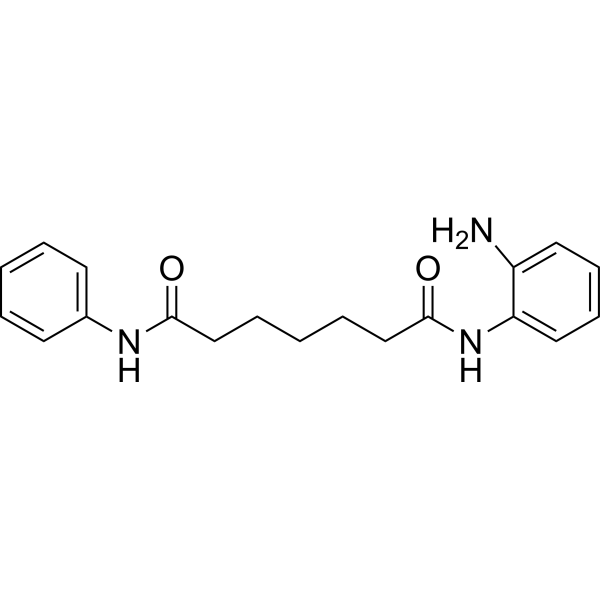 0 ImagesCat. No.: HY-100384CAS No.: 537034-15-4NKL 22 is a potent and selective inhibitor of histone deacetylases (HDAC), with IC50 values of 199 and 69 nM for HDAC1 and HDAC3, respectively. NKL 22 can reverse abnormal expression of HD‑related genes and restore the levels of key genes including Ppp1r1b in Huntington's disease transgenic mice. NKL 22 can be used for the researches of Huntington's disease and cancer.
-
Alteminostat
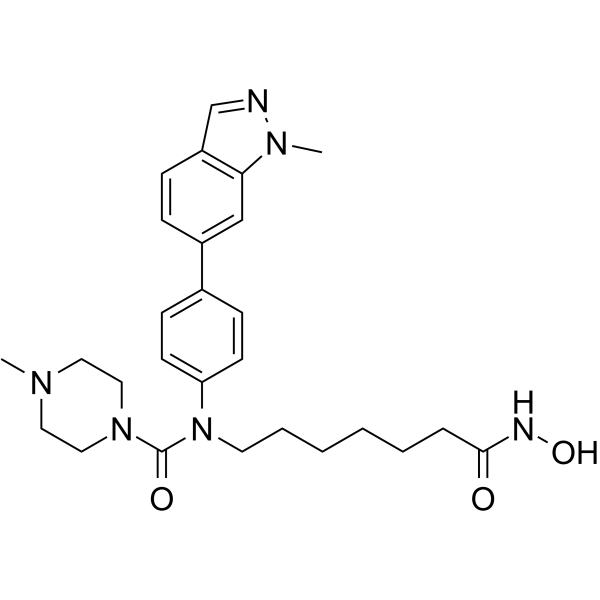 0 ImagesSynonyms: CKD-581Alteminostat (CKD-581) is a potent HDAC inhibitor. Alteminostat inhibits the class I-II HDAC family via histone H3 and tubulin acetylation. Alteminostat can be used for lymphoma and multiple myeloma research.
-
HPOB
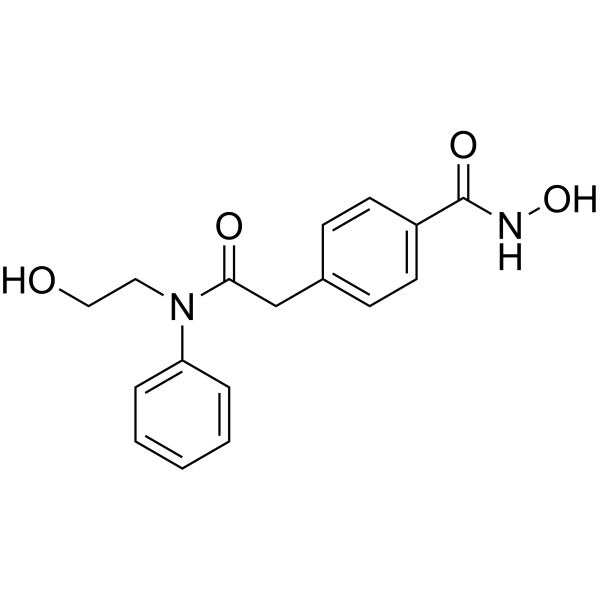 0 ImagesHPOB is a highly potent and selective inhibitor of HDAC6 with an IC50 of 56 nM. HPOB displays >30 fold less potent against other HDACs. HPOB enhances the effectiveness of DNA-damaging anticancer agents in transformed cells but not normal cells. HPOB does not block the ubiquitin-binding activity of HDAC6.
-
Martinostat hydrochloride
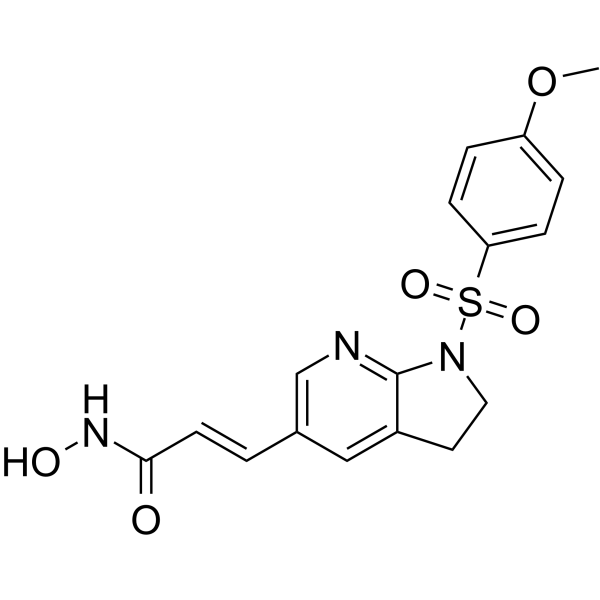
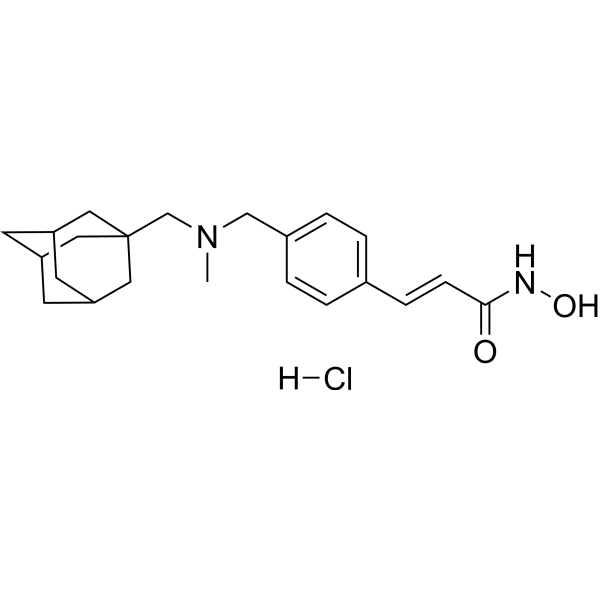 0 ImagesCat. No.: HY-160092APurity: 99.01%Martinostat hydrochloride is a HDAC inhibitor and can be labeled with radionuclides for quantitative imaging of HDACs in vivo in the central nervous system and major peripheral organs.
-
4-Phenylbutyric acid-d11
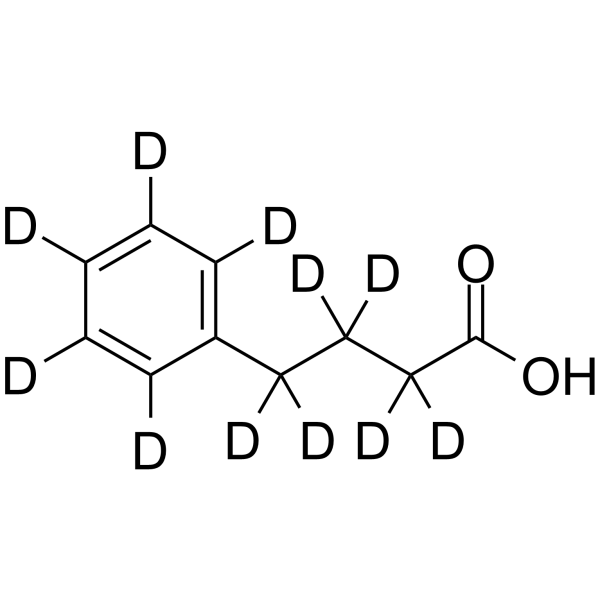 0 ImagesSynonyms: 4-PBA-d11; Benzenebutyric acid-d11
-
SIRT6-IN-3
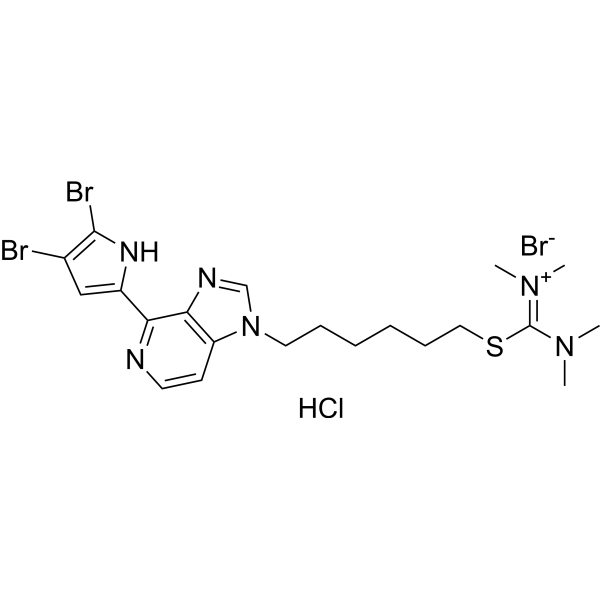 0 ImagesSIRT6-IN-3 (compound 8a) is a selective inhibitor of SIRT6 (IC50=7.49 μM). SIRT6-IN-3 inhibits pancreatic ductal adenocarcinoma (PDAC) cells proliferation and induces apoptosis. SIRT6-IN-3 increases the sensitivity of cancer cells to gemcitabine (HY-17026) via blocking the DNA damage repair pathway. SIRT6-IN-3 is used in pancreatic cancer research.
-
KD 5170
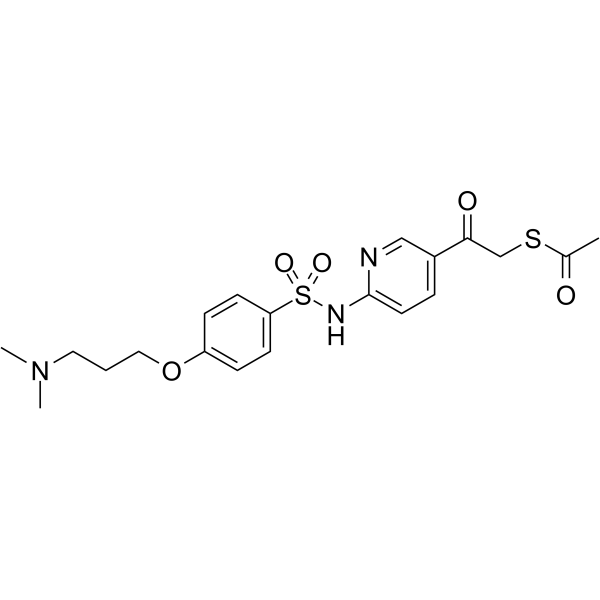 0 ImagesKD 5170 is a pan inhibitor of histone deacetylases (HDACs) and exhibits broad spectrum antitumor activity in vitro and in vivo.

-
GEM144
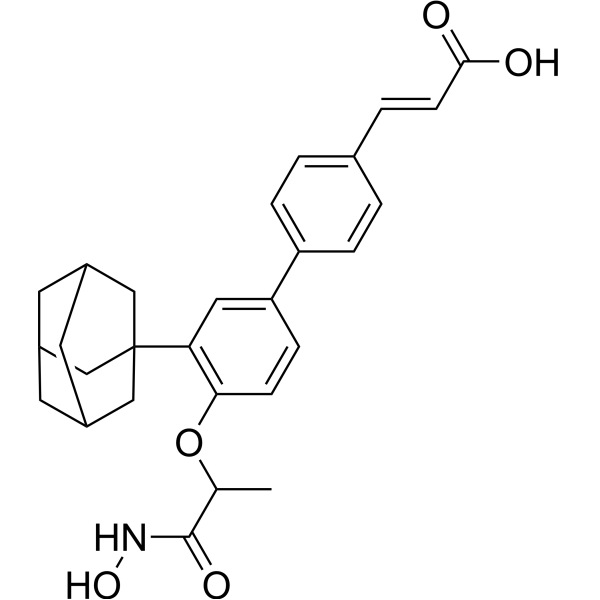 0 ImagesCat. No.: HY-143411CAS No.: 2487526-28-1GEM144 is a potent and orally active DNA polymerase α (POLA1) and HDAC 11 dual inhibitor. GEM144 induces acetylation of p53, activation of p21, G1/S cell cycle arrest, and apoptosis. GEM144 has significant antitumor activity in human orthotopic malignant pleural mesothelioma xenografts.
-
HDAC4 ligand-2
 0 ImagesCat. No.: HY-W039803CAS No.: 340736-76-7

-
HDAC6 degrader-5
 0 ImagesHDAC6 degrader-5 (Compound 6) exhibits inhibitory and degradation activity against HDAC6, with an IC50 of 4.95 nM and a DC50 of 0.96 nM. HDAC6 degrader-5 inhibits the release of TNF-α, IL-1β and IL-6, blocks the hepatocyte apoptosis. HDAC6 degrader-5 exhibits anti-inflammatory activity in mouse APAP (HY-66005)-induced liver injury models.
-
HDAC6-IN-33
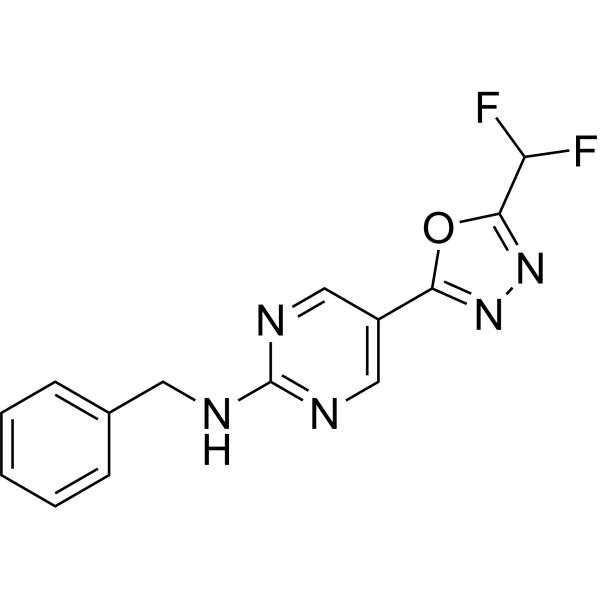 0 ImagesHDAC6-IN-33 (compound 6) is a selective and irreversible HDAC6 inhibitor with an IC50 of 193 nM. HDAC6-IN-33 shows no activity against HDAC1-4. HDAC6-IN-33 is a tight-binding HDAC6 inhibitor capable of inhibiting HDAC6 via a two-step slow-binding mechanism.
-
Ac-Lys-AMC
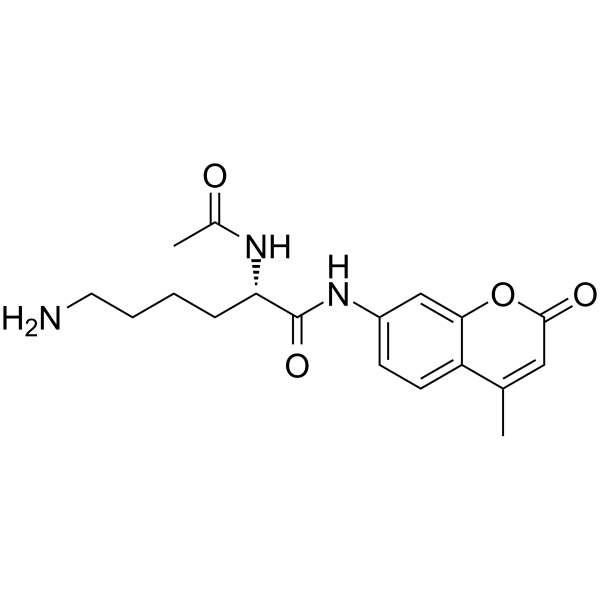 0 ImagesAc-Lys-AMC (Hexanamide), also termed MAL, is a fluorescent substrate for histone deacetylase HDACs.
-
(S)-TNG260
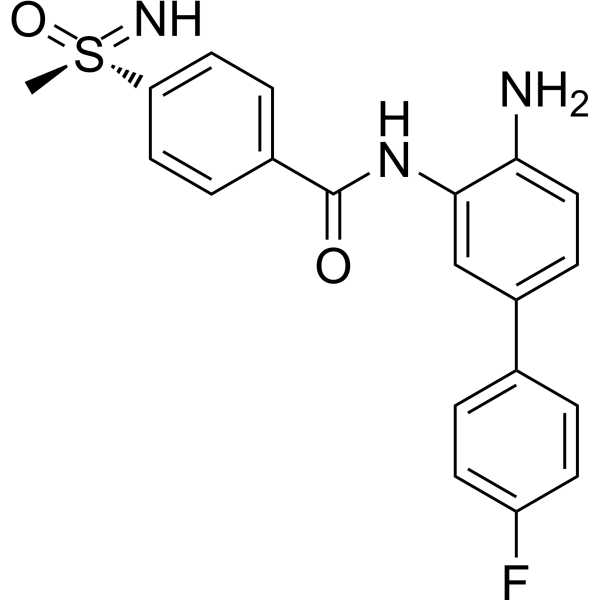 0 Images(S)-TNG260 is an isomer of TNG260 (HY-153358). TNG260 is a CoREST selective deacetylase (CoreDAC) inhibitor. TNG260 inhibits HDAC1 with 10-fold selectivity over HDAC3. TNG260 causes HDAC1 inhibition and reverses anti-PD1 resistance driven by STK11 deletion. TNG260 reduces intratumoral infiltration of neutrophils. TNG260 exhibits immune-mediated cell killing.
-
Domatinostat tosylate
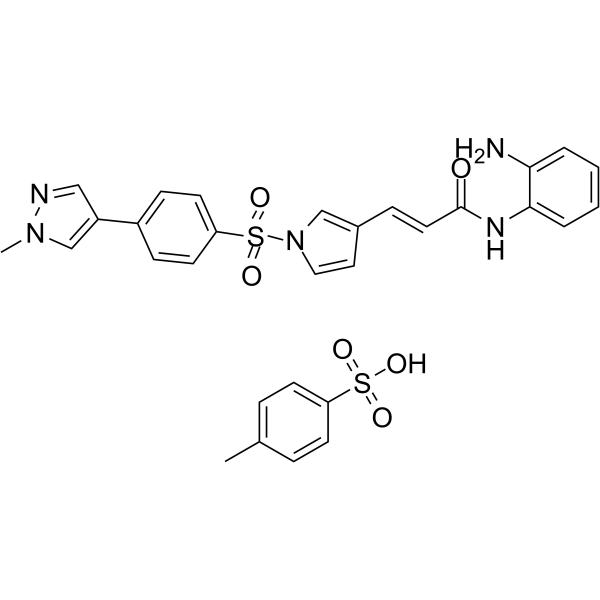 0 ImagesSynonyms: 4SC-202




