PI3K
Phosphoinositide 3-kinase
PI3K (Phosphoinositide 3-kinase), via phosphorylation of the inositol lipid phosphatidylinositol 4,5-bisphosphate (PI(4,5)P2), forms the second messenger molecule phosphatidylinositol (3,4,5)-trisphosphate (PI(3,4,5)P3) which recruits and activates pleckstrin homology domain containing proteins, leading to downstream signalling events crucial for proliferation, survival and migration. Class I PI3K enzymes consist of four distinct catalytic isoforms, PI3Kα, PI3Kβ, PI3Kδ and PI3Kγ.
There are three major classes of PI3K enzymes, being class IA widely associated to cancer. Class IA PI3K are heterodimeric lipid kinases composed of a catalytic subunit (p110α, p110β, or p110δ; encoded by PIK3CA, PIK3CB, and PIK3CD genes, respectively) and a regulatory subunit (p85).
The PI3K pathway plays an important role in many biological processes, including cell cycle progression, cell growth, survival, actin rearrangement and migration, and intracellular vesicular transport.
PI3K Isoform Specific Products
-
PI3Kα
(240)
View all products
-
PI3Kβ
(165)
View all products
-
PI3Kγ
(185)
View all products
-
PI3Kδ
(205)
View all products
-
PI3KC2α
(8)
View all products
-
PI3KC2β
(12)
View all products
-
PI3KC2γ
(4)
View all products
-
Vps34
(25)
View all products
-
PI3K
(671)
View all products
-
PI3KC3
(1)
View all products
-
p120γ
(1)
View all products
All Product Categories
-
PI3K Inhibitors
(881)
View all products
-
PI3K Agonists
(9)
View all products
-
PI3K Antagonist
(1)
View all products
-
PI3K Activators
(133)
View all products
-
PI3K Modulators
(23)
View all products
-
PI3K Inducers
(3)
View all products
-
PI3K Degraders
(7)
View all products
-
PI3K Controls
(4)
View all products
-
PI3K Substrate
(1)
View all products
-
PI3K Ligands
(9)
View all products
-
PI3K Related Products (1133)
Related Products (1133)

-
Antibodies (16)
-
PI3K Signaling Pathway
-
PI3K Isoform Comparison
-
PI3Kγ inhibitor AZ2
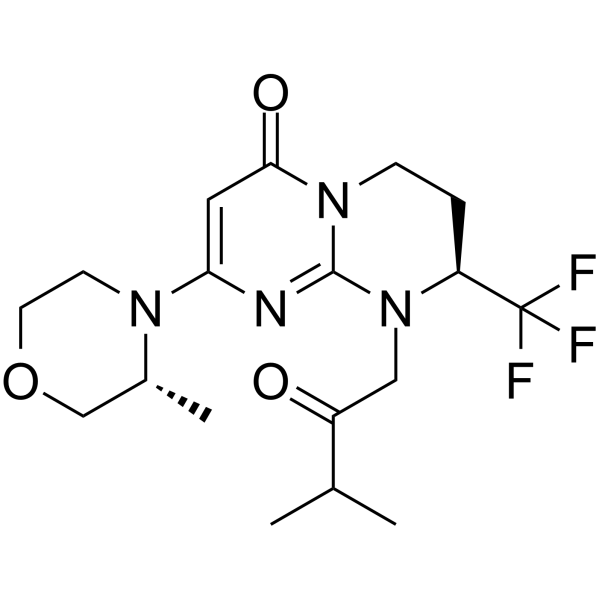
 0 ImagesPI3Kγ inhibitor AZ2 is a highly selective PI3Kγ inhibitor (The pIC50 value for PI3Kγ is 9.3). PI3Kγ inhibitor AZ2 can be used for the research of inflammatory and immune diseases.
-
AQX-016A
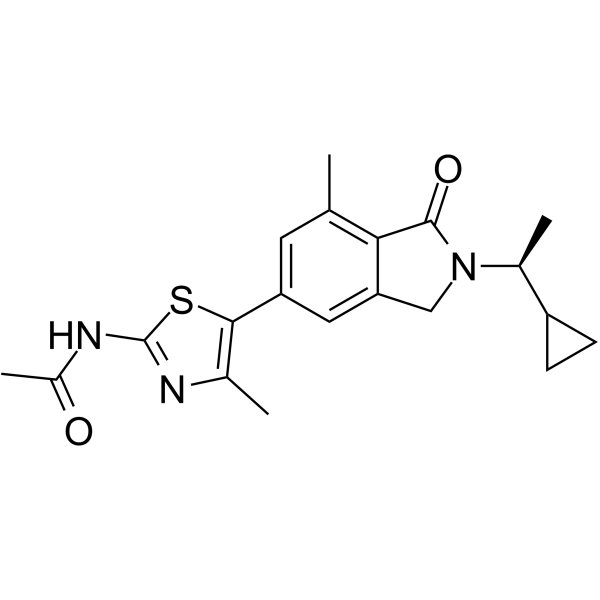
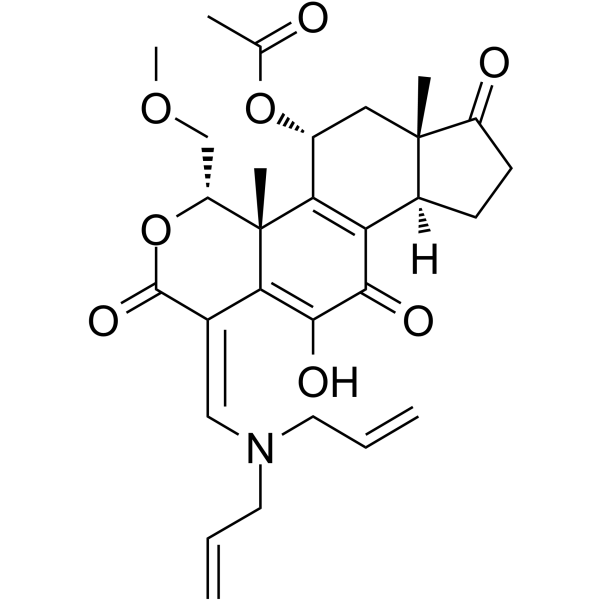
 0 ImagesAQX-016A is an orally active and potent SHIP1 agonist. AQX-016A can activate recombinant SHIP1 enzyme in vitro and stimulate SHIP1 activity. AQX-016A also can inhibit the PI3K pathway and TNFa production, can be useful for various inflammatory diseases research.
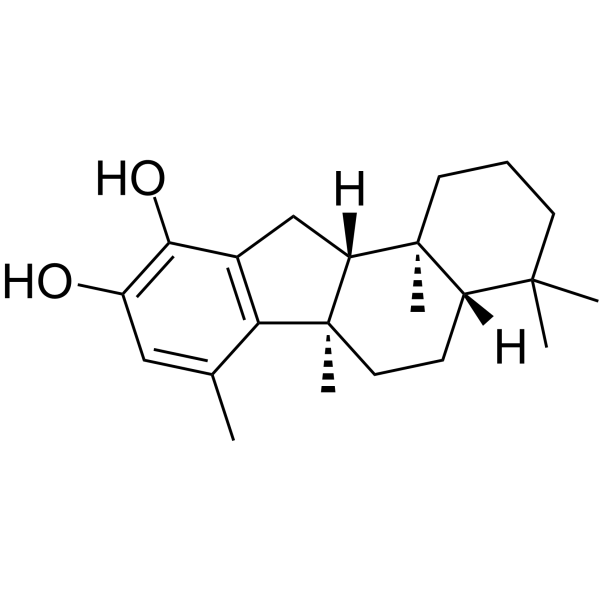
-
MIPS-21335
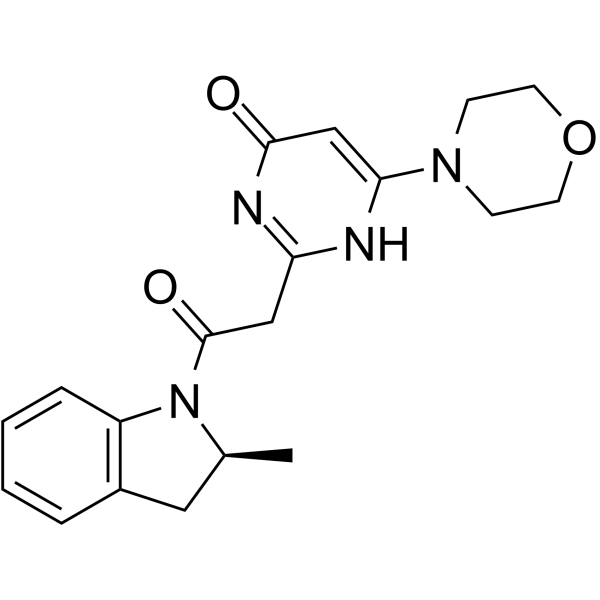
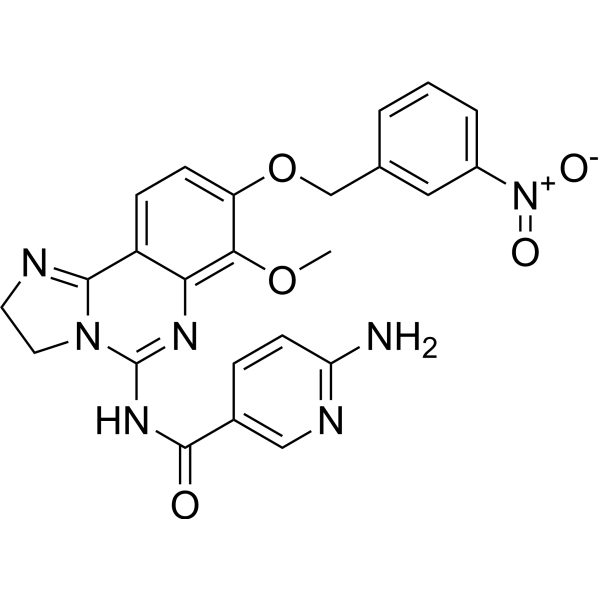 0 ImagesMIPS-21335 is a PI3KC2α inhibitor with an IC50 of 7 nM. MIPS-21335 also inhibits PI3KC2β, p110α, p110β and p110δ, with IC50 values of 43, 140, 386 and 742 nM, respectively. MIPS-21335 has antithrombotic effect. MIPS-21335 can be used for the researches of cardiovascular disease and metabolic disease, such as thrombosis and hyperlipidemia.
-
Schisantherin B
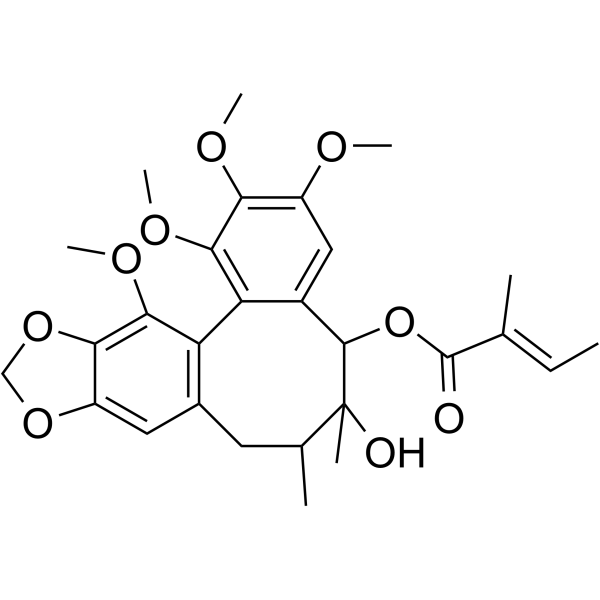 0 ImagesSynonyms: Gomisin-B; Wuweizi ester-B; Schisantherin-BSchisantherin B (Gomisin-B) is a lignan compound and one of the active components of Schisandra chinensis. Schisantherin B activates the PI3K/AKT signaling pathway, restores the activity of GSK3β, and reduces the hyperphosphorylation of tau protein in hippocampal and cerebral cortical tissues. Schisantherin B upregulates the level of GLT-1, decreases the expression of pro-inflammatory cytokines TNF-α/IL-1β/IL-6, upregulates the expression of IL-10, and inhibits cell apoptosis. Schisantherin B is applicable to the research of spinal cord injury, Alzheimer's disease and depression.
-
Licoricesaponin G2
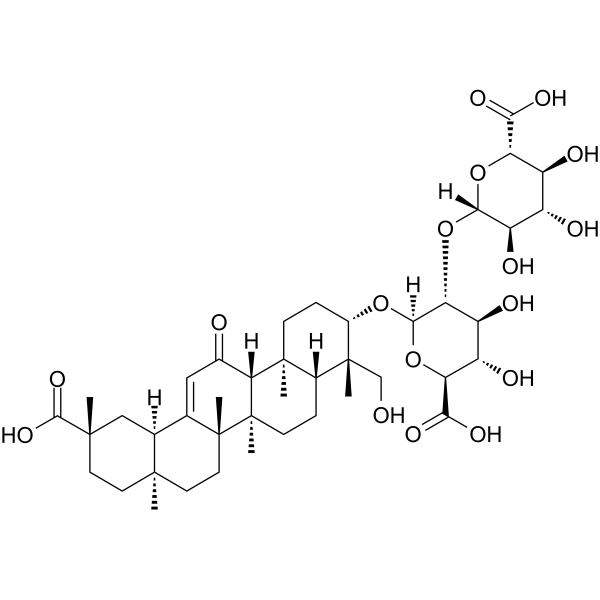 0 ImagesLicoricesaponin G2 is an orally active component found in Licorice. Licoricesaponin G2 significantly ameliorates Bleomycin (HY-108345)-induced pulmonary fibrosis by inhibiting the TNF-α signaling pathway, reducing epithelial-mesenchymal transition, and decreasing extracellular matrix deposition. Licoricesaponin G2 inhibits cancer cells proliferation, migration, inhibits PI3K/AKT/mTOR signaling pathway and increases ROS production. Licoricesaponin G2 can be used for the research of lung cancer and pulmonary fibrosis.
-
Polygalasaponin F
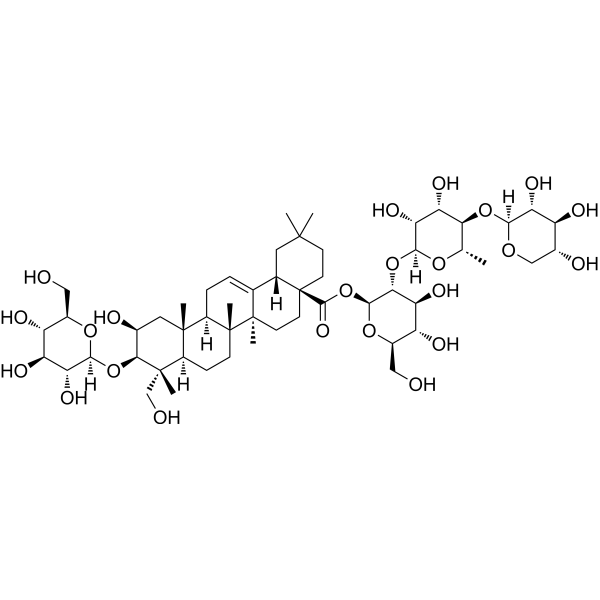 0 ImagesPolygalasaponin F is an orally active triterpenoid saponin monomer. Polygalasaponin F downregulates the expression of Bax, p53, caspase-3, NF-κB p65 and MEK1; restores and upregulates the expression of Bcl-2; activates the PI3K/Akt signaling pathway; inhibits the phosphorylation of p38 MAPK, nuclear translocation of NF-κB, TLR4-mediated signaling pathway, mitophagy (Mitophagy) and ROS production; enhances cell viability and suppresses apoptosis (Apoptosis). Polygalasaponin F maintains mitochondrial function, alleviates Ca2+ overload, upregulates pCREB and BDNF, preserves cell viability and inhibits the release of inflammatory cytokines. Polygalasaponin F alleviates lung injury induced by influenza A H1N1 and cerebral ischemia-reperfusion injury. Polygalasaponin F is applicable to researches related to Parkinson's disease, cerebral ischemia, pneumonia induced by influenza A H1N1, stroke and Alzheimer's disease.
-
Flavokawain A
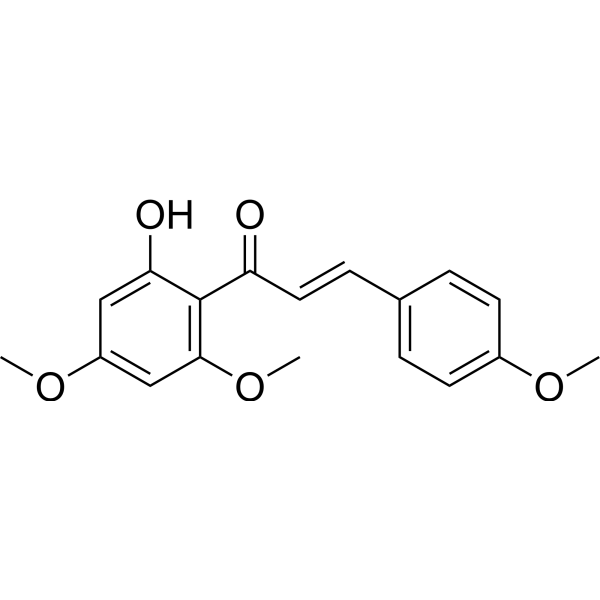 0 ImagesFlavokawain A is a chalcone compound and an orally active inhibitor of PRMT5 and cytochrome P450. Flavokawain A has anti-inflammatory, anti-tumor, and immunomodulatory effects. Flavokawain A can inhibit the proliferation of tumor cells and induce apoptosis. Flavokawain A can be used in the research of diseases such as bladder cancer.
-
Ifupinostat
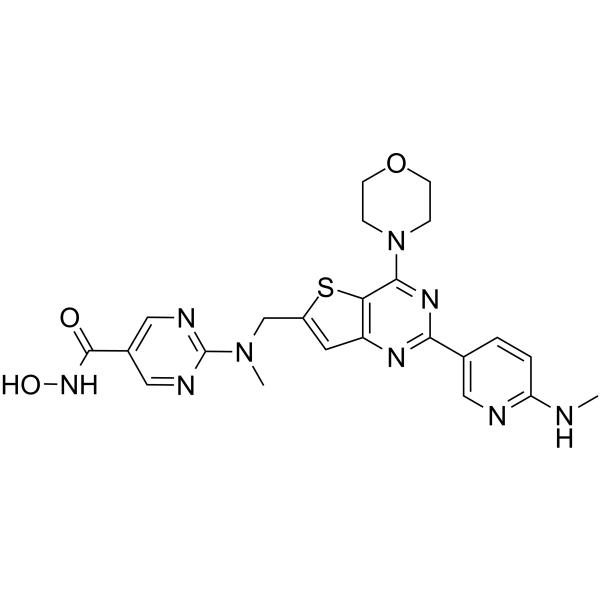 0 ImagesSynonyms: BEBT-908Ifupinostat (BEBT-908) is a blood-brain barrier-permeable PI3K/HDAC inhibitor. Ifupinostat exerts anticancer activity against hematologic malignancies, lung cancer, colon cancer, brain cancer and other cancers. Ifupinostat inhibits the PI3K/AKT/mTOR signaling pathway, suppresses c-Myc expression and induces ferroptosis. Ifupinostat can be used in tumor research.
-
PKI-179
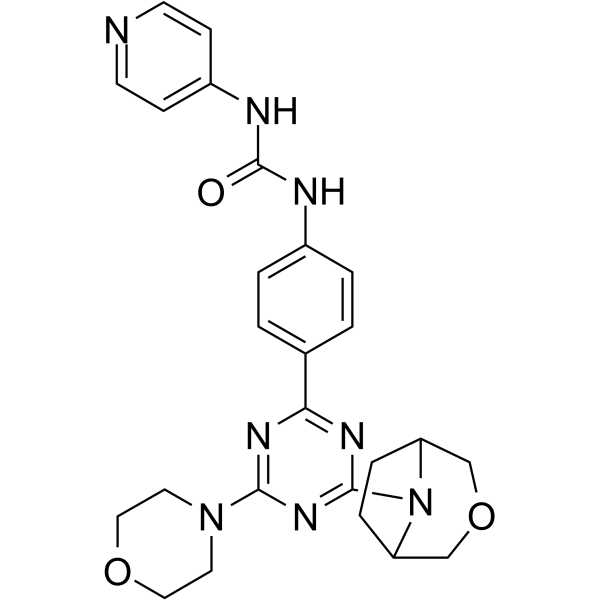 0 ImagesPKI-179 is a potent and orally active dual PI3K/mTOR inhibitor, with IC50s of 8 nM, 24 nM, 74 nM, 77 nM, and 0.42 nM for PI3K-α, PI3K-β, PI3K-γ, PI3K-δ and mTOR, respectively. PKI-179 also exhibits activity over E545K and H1047R, with IC50s of 14 nM and 11 nM, respectively. PKI-179 shows anti-tumor activity in vivo.
-
Fenitrothion
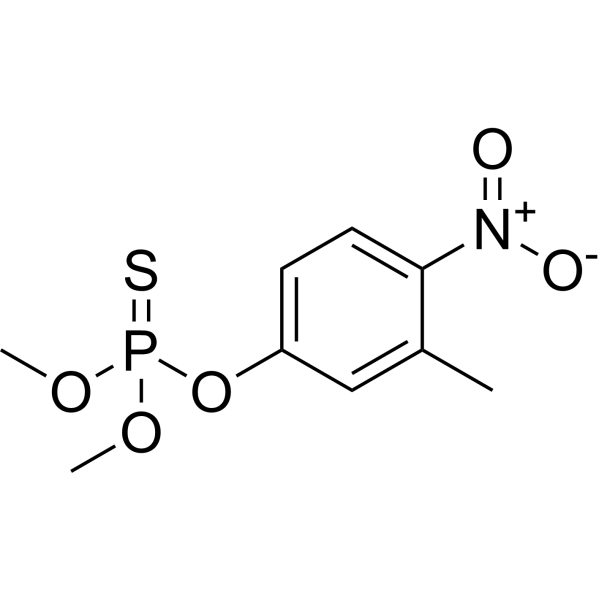 0 ImagesFenitrothion is a broad-spectrum and orally active insecticide/acaricide. Fenitrothion inhibits cholinesterase, AMPKα and IRS1/PI3K/AKT. Fenitrothion causes Apoptosis, reduces SOD activity. Fenitrothion shows insecticidal effect against Rhyzopertha dominica and Tribolium castaneum adults. Fenitrothion is widely used in cotton crops, vegetable crops, fruit crops and field crops, especially rice. Fenitrothion can be used for brain and spleen toxicology studies.
-
α-Linolenic acid (Standard)
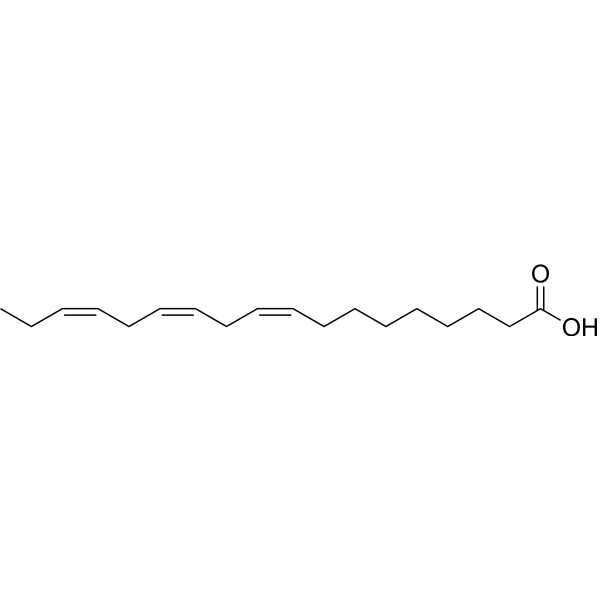 0 Imagesα-Linolenic acid (Standard) is the analytical standard of α-Linolenic acid. This product is intended for research and analytical applications. α-Linolenic acid, isolated from Perilla frutescens, is an essential fatty acid that cannot be synthesized by humans. α-Linolenic acid can affect the process of thrombotic through the modulation of PI3K/Akt signaling. α-Linolenic acid possess the anti-arrhythmic properties and is related to cardiovascular disease and cancer.
-
Izorlisib
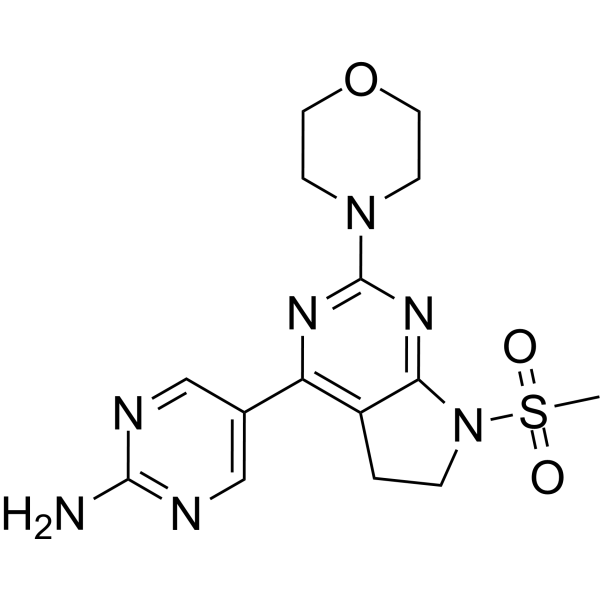 0 ImagesSynonyms: CH5132799Izorlisib (CH5132799) is an orally active, selective Class I PI3K inhibitor with an IC50 value of 14 nM against PI3Kα. Izorlisib specifically inhibits Class I PI3K (particularly PI3Kα and its mutants) and blocks the PI3K/Akt/mTOR pathway; this leads to cell cycle arrest at the G1 phase and apoptosis without triggering feedback activation of Akt by competitively binding to the ATP-binding site of PI3K. Izorlisib can be used in research on cancers harboring PIK3CA mutations or PTEN loss (such as breast, ovarian, prostate, and endometrial cancers).
-
Trilinolein
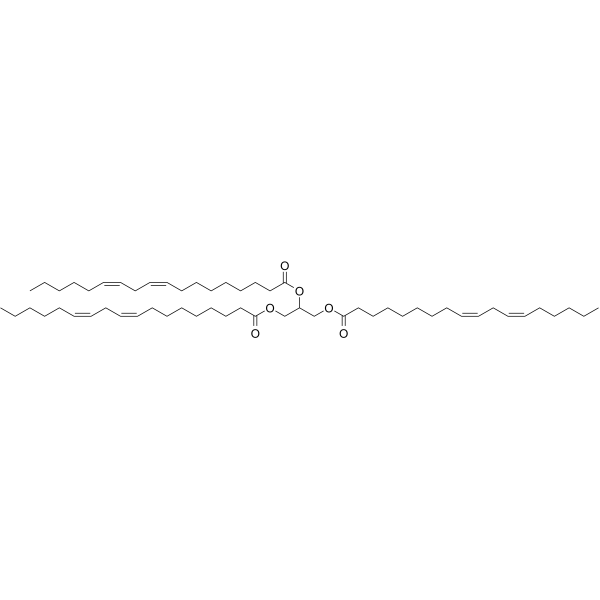 0 ImagesTrilinolein is an orally active triglyceride that inhibits the PI3K/Akt, Ras/MEK/ERK signaling pathways, and MMP-2. Trilinolein can reduce oxidative stress, induce apoptosis, and inhibit cell migration. Trilinolein can be used in the research fields of cardiovascular disease, cerebrovascular disease (such as cerebral ischemia), and non-small cell lung cancer.
-
Desmethylglycitein
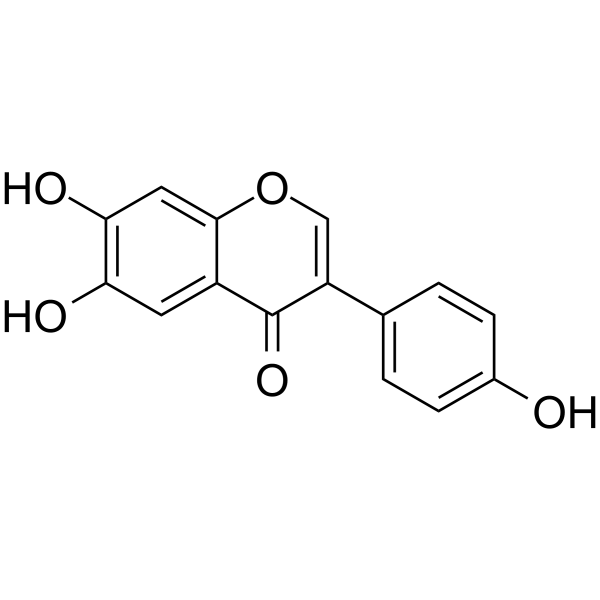 0 ImagesSynonyms: 4',6,7-TrihydroxyisoflavoneDesmethylglycitein (4',6,7-Trihydroxyisoflavone), a metabolite of daidzein, sourced from Glycine max with antioxidant, and anti-cancer activities. Desmethylglycitein binds directly to CDK1 and CDK2 in vivo, resulting in the suppresses CDK1 and CDK2 activity. Desmethylglycitein is a direct inhibitor of protein kinase C (PKC)α, against solar UV (sUV)-induced matrix matrix metalloproteinase 1 (MMP1). Desmethylglycitein binds to PI3K in an ATP competitive manner in the cytosol, where it inhibits the activity of PI3K and downstream signaling cascades, leading to the suppression of adipogenesis in 3T3-L1 preadipocytes.
-
Curzerenone
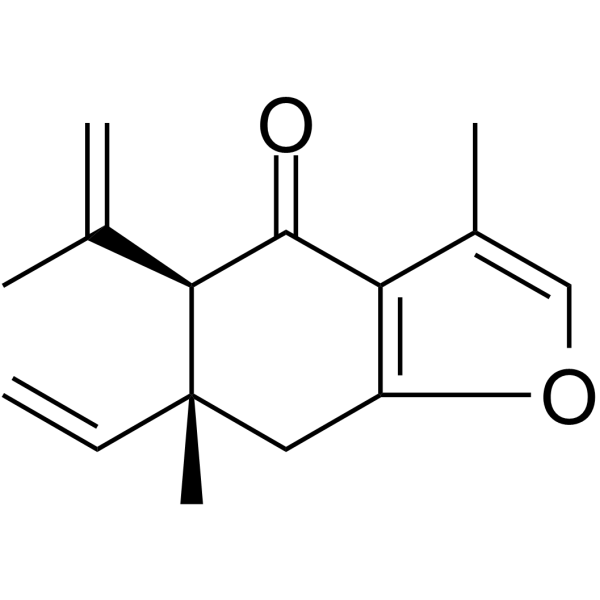 0 ImagesCurzerenone is an orally active sesquiterpene compound and Antibacterial agent. Curzerenone can be isolated from Curcuma zedoaria and Curcuma aeruginosa plants. Curzerenone increases ROS levels, activates Apoptotic signaling pathways, and attenuates the PI3K/AKT/mTOR signaling pathway. Curzerenone exhibits anticancer activity against liver cancer and cervical cancer. Curzerenone has antioxidant effects. Curzerenone shows weak antibacterial activity against Escherichia coli. Curzerenone can be used in research related to hepatocellular carcinoma, cervical cancer, and Escherichia coli infection.