
4774 Results for "

Acid

" in MedChemExpress (MCE) Product Catalog:
Products (4774)

4774 Results for "Acid" in MCE Product Catalog:

1221
1221 Publications Verification
Cat. No.: HY-10108
CAS No.: 154447-36-6
Purity:  99.86%
Research Areas:  

Infection Cancer

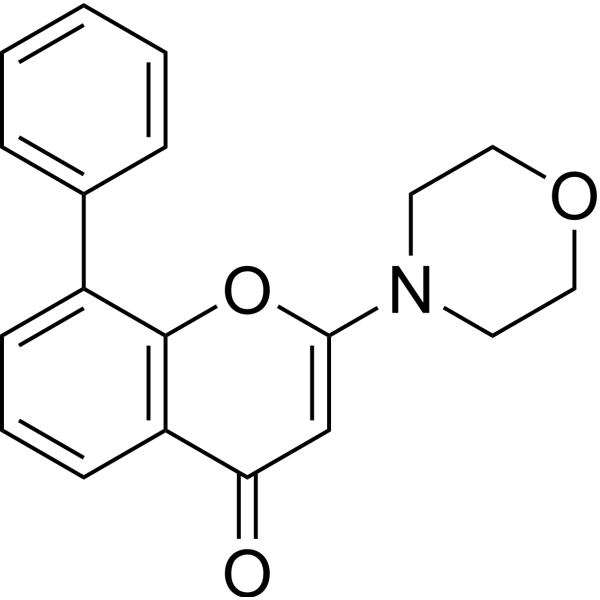
LY294002 is a broad-spectrum inhibitor of PI3K with IC50s of 0.5, 0.57, and 0.97 μM for PI3Kα, PI3Kδ and PI3Kβ, respectively . LY294002 also inhibits CK2 with an IC50 of 98 nM . LY294002 is a competitive DNA-PK inhibitor that binds reversibly to the kinase domain of DNA-PK with an IC50 of 1.4 μM. LY294002 is an apoptosis activator .
loading...
    loading...
1221
1221 Publications Verification
Cat. No.: HY-10108A
CAS No.: 934389-88-5
Purity:  99.93%
Research Areas:  

Cancer

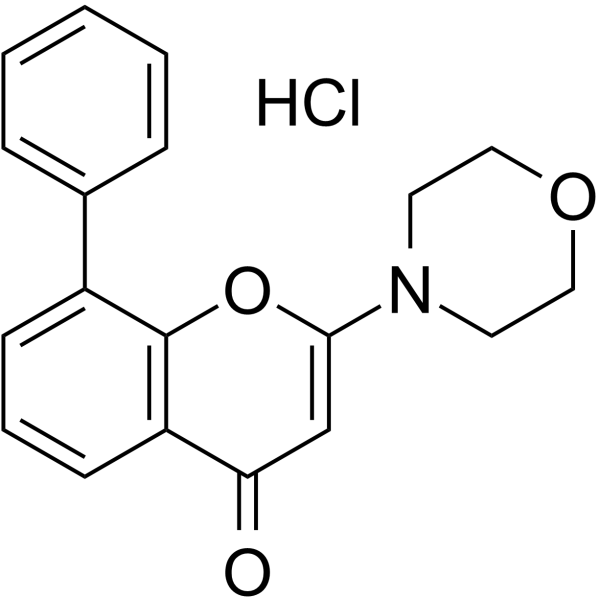
LY294002 hydrochloride is a potent and broad-spectrum PI3K inhibitor, with IC50 values of 0.5, 0.57, and 0.97 μM for P110α, P110δ and P110β, respectively. LY294002 hydrochloride also inhibits CK2 with an IC50 of 98 nM. LY294002 hydrochloride can be used for pancreatic cancer research .
loading...
    loading...
178
178 Cited Publications
Cat. No.: HY-D1738
CAS No.: 28718-91-4
Synonyms: 4',6-Diamidino-2-phenylindole dilactate
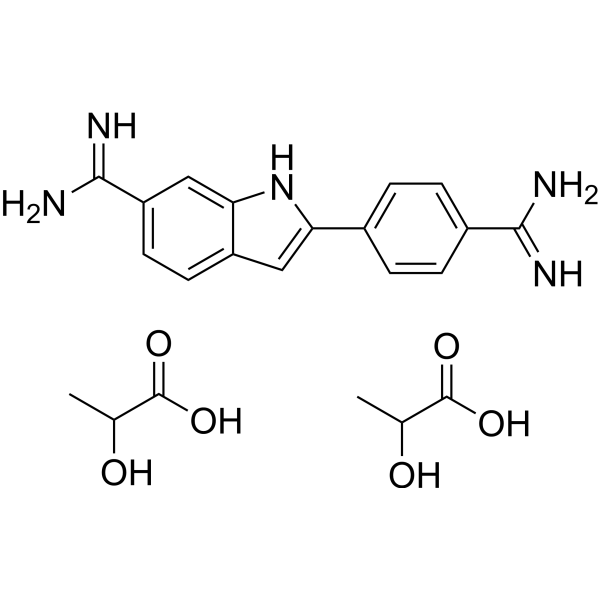
DAPI (4',6-Diamidino-2-phenylindole) dilactate is a DAPI dye. DAPI is a fluorescent dye that binds strongly to DNA. It binds to the AT base pair of the double-stranded DNA minor groove, and one DAPI molecule can occupy three base pair positions. The fluorescence intensity of DAPI molecules bound to double-stranded DNA is increased by about 20 times, and it is commonly observed with fluorescence microscopy, and the amount of DNA can be determined based on the intensity of fluorescence. DAPI cannot penetrate intact cell membranes and is commonly used for staining damaged and fixed cells . DAPI (Compound 3) is an acid-sensing ion channel 3 (ASIC3) inhibitor. DAPI binds to ASIC3 and blocks the channel function. DAPI can be used in the study of chronic pain treatment (Ex/Em = 356/451 nm) .
loading...
    loading...
153
153 Cited Publications
Cat. No.: HY-50202A
CAS No.: 828934-41-4
Synonyms: (R)-(+)-Etomoxir sodium salt
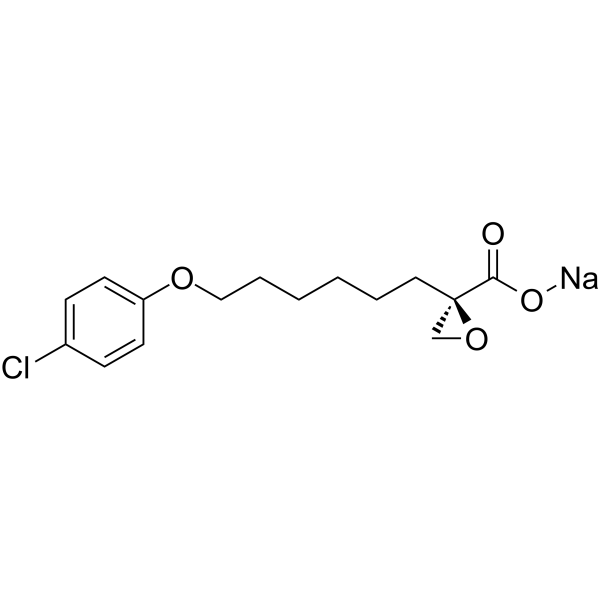
Etomoxir((R)-(+)-Etomoxir) sodium salt is an irreversible inhibitor of carnitine palmitoyltransferase 1a (CPT-1a), inhibits fatty acid oxidation (FAO) through CPT-1a and inhibits palmitate β-oxidation in human, rat and guinea pig .
loading...
    loading...
122
122 Cited Publications
Cat. No.: HY-N0830B
CAS No.: 408-35-5
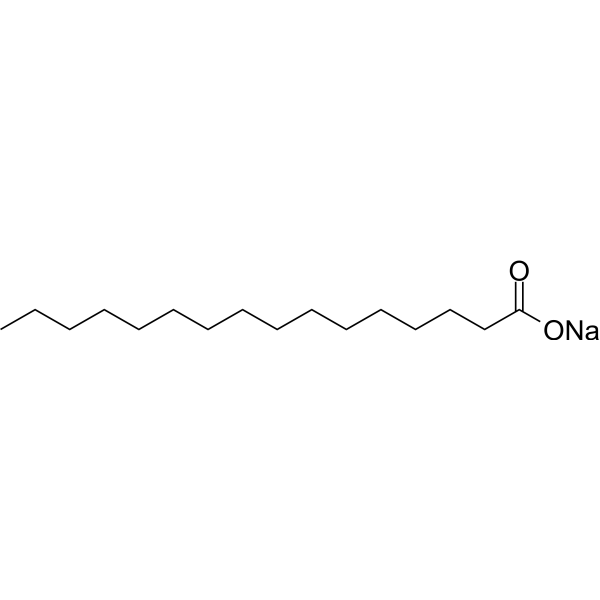
Palmitic acid sodium is a long-chain saturated fatty acid commonly found in both animals and plants. Palmitic acid sodium can induce the expression of glucose-regulated protein 78 (GRP78) and CCAAT/enhancer binding protein homologous protein (CHOP) in in mouse granulosa cells. Palmitic acid sodium is used to establish a cell steatosis model .
loading...
    loading...
67
67 Cited Publications
Cat. No.: HY-B2227
CAS No.: 50-21-5
Synonyms: DL-Lactic Acid; E-270
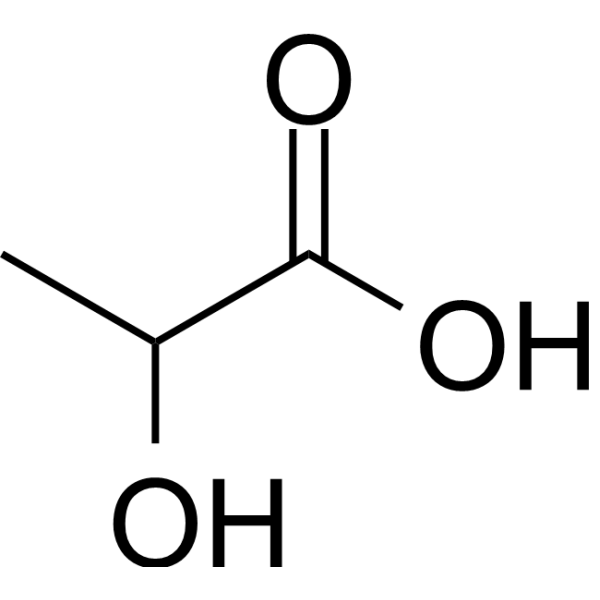
Lactic acid (DL-Lactic acid) is a hydroxycarboxylic acid receptor 1 (HCAR1) activator and an epigenetic modulator inducing lysine residues lactylation. Lactic acid is a glycolysis end-product, bridging the gap between glycolysis and oxidative phosphorylation. Lactic acid is an oncometabolite and has immune protective role of lactate in anti-tumor immunity . Lactic acid also has antimicrobial activity, which can be used as a food preservative .
loading...
    loading...
66
66 Cited Publications
Cat. No.: HY-B2227A
CAS No.: 814-80-2
Synonyms: DL-Lactic Acid calcium; E-270 calcium
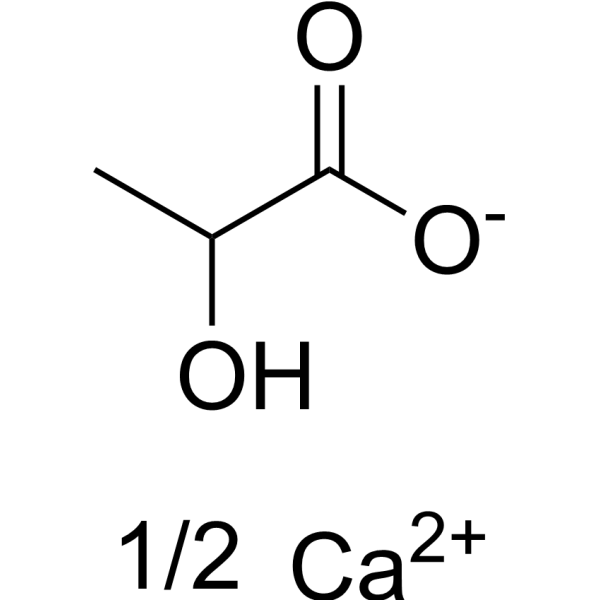
Lactic acid (DL-Lactic acid) calcium is a hydroxycarboxylic acid receptor 1 (HCAR1) activator and an epigenetic modulator inducing lysine residues lactylation. Lactic acid calcium is a glycolysis end-product, bridging the gap between glycolysis and oxidative phosphorylation. Lactic acid calcium is an oncometabolite and has immune protective role of lactate in anti-tumor immunity . Lactic acid calcium also has antimicrobial activity, which can be used as a food preservative .
loading...
    loading...
66
66 Cited Publications
Cat. No.: HY-B2227B
CAS No.: 72-17-3
Synonyms: DL-Lactic Acid sodium; E-270 sodium
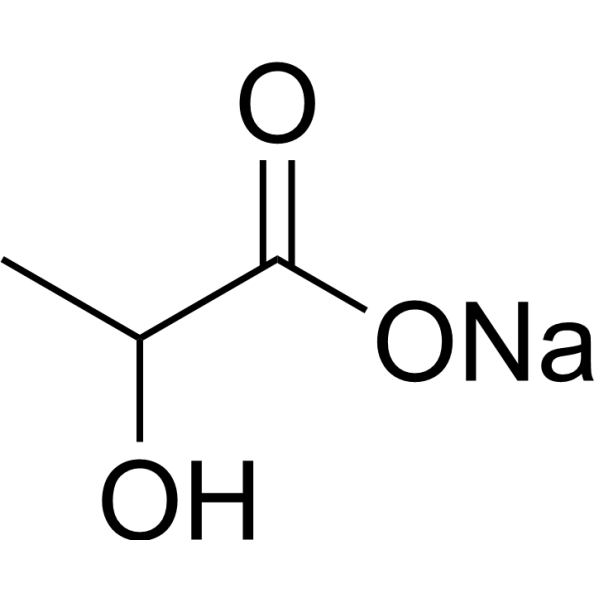
Lactic acid (DL-Lactic acid) sodium (60% w/w in water) is a hydroxycarboxylic acid receptor 1 (HCAR1) activator and an epigenetic modulator inducing lysine residues lactylation. Lactic acid sodium (60% w/w in water) is a glycolysis end-product, bridging the gap between glycolysis and oxidative phosphorylation. Lactic acid sodium (60% w/w in water) is an oncometabolite and has immune protective role of lactate in anti-tumor immunity . Lactic acid sodium (60% w/w in water) also has antimicrobial activity, which can be used as a food preservative .
This product has a content (w/w) of 60%, and 1 mL of the system contains 798 mg of Lactic acid sodium, i.e., a concentration of 798 mg/mL (i.e., 7.12 M).
loading...
    loading...
66
66 Cited Publications
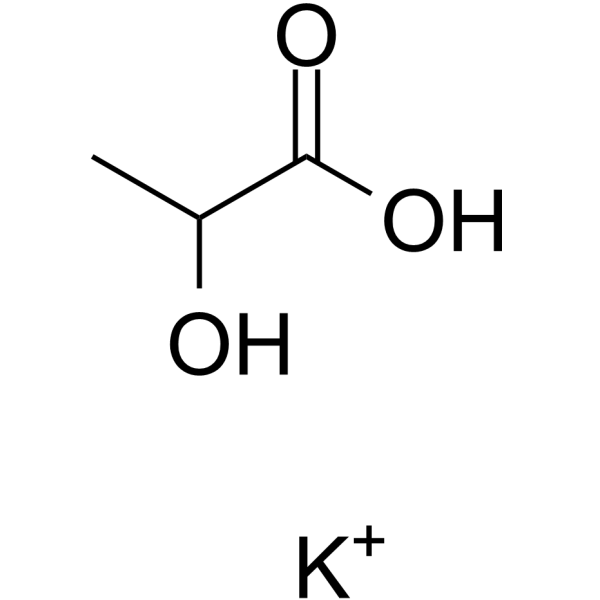
Cat. No.: HY-B2227C
CAS No.: 996-31-6
Synonyms: DL-Lactic Acid potassium; E-270 potassium
Lactic acid (DL-Lactic acid) potassium is a hydroxycarboxylic acid receptor 1 (HCAR1) activator and an epigenetic modulator inducing lysine residues lactylation. Lactic acid potassium is a glycolysis end-product, bridging the gap between glycolysis and oxidative phosphorylation. Lactic acid potassium is an oncometabolite and has immune protective role of lactate in anti-tumor immunity . Lactic acid also potassium has antimicrobial activity, which can be used as a food preservative .
loading...
    loading...
61
61 Cited Publications
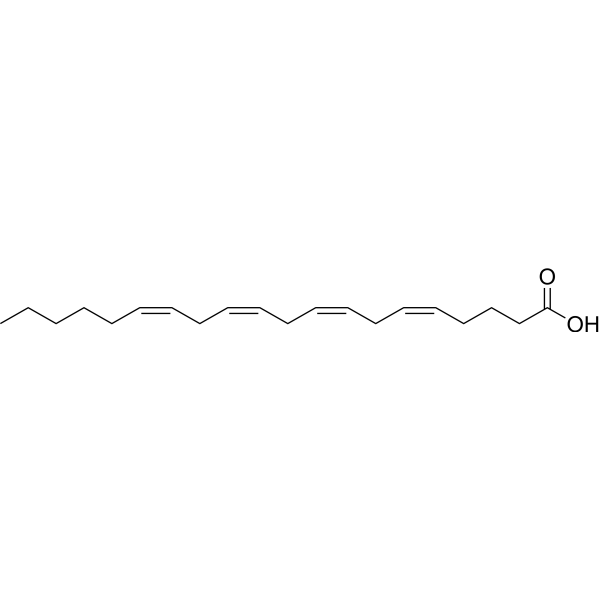
Cat. No.: HY-109590
CAS No.: 506-32-1
Purity:  99.73%
Synonyms: Immunocytophyt
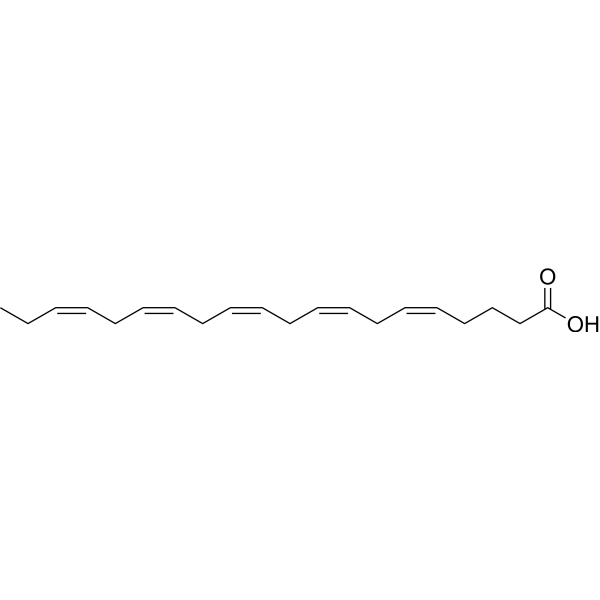
Arachidonic acid (Immunocytophyt) is a polyunsaturated omega-6 fatty acid and a major constituent of biomembranes. Arachidonic acid also acts as the substrate for various lipid mediators, such as prostaglandins (PGs). Arachidonic acid improves cognitive response and cardiovascular function .
loading...
    loading...
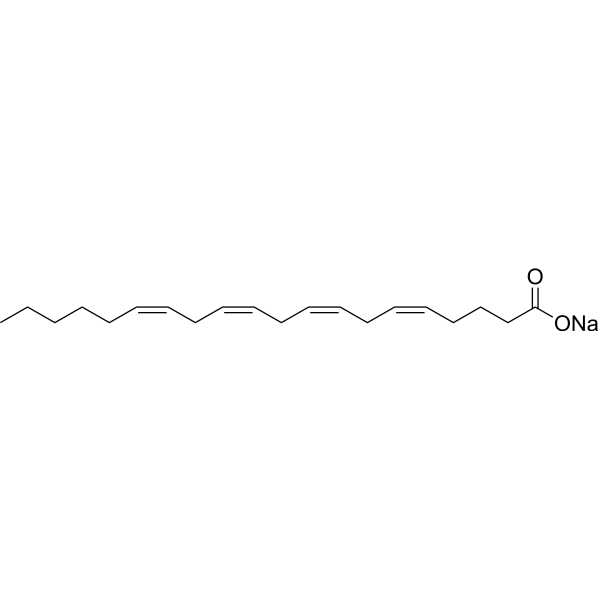
61
61 Cited Publications
Cat. No.: HY-109590A
CAS No.: 6610-25-9
Purity:  99.3%
Synonyms: Immunocytophyt sodium salt
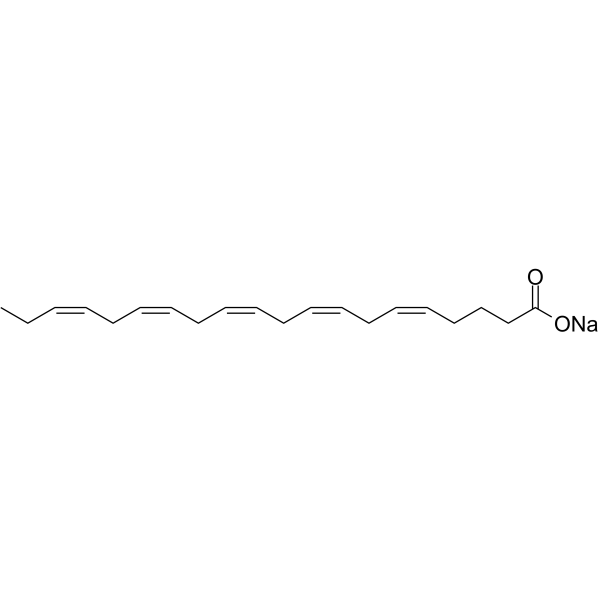
Arachidonic acid (Immunocytophyt) sodium salt is a polyunsaturated omega-6 fatty acid and a major constituent of biomembranes. Arachidonic acid sodium salt also acts as the substrate for various lipid mediators, such as prostaglandins (PGs). Arachidonic acid sodium salt improves cognitive response and cardiovascular function .
loading...
    loading...
50
50 Cited Publications
Cat. No.: HY-W404916
CAS No.: 23795-03-1
Probenecid sodium is an orally active, blood-brain barrier-permeable Pannexin 1 channel inhibitor. Probenecid sodium exhibits anti-inflammatory, antiviral, and neuroprotective activities. Probenecid sodium can be used in research related to multiple sclerosis, focal cerebral ischemic injury, influenza virus infection, and nephropathy .
loading...
    loading...
44
44 Cited Publications
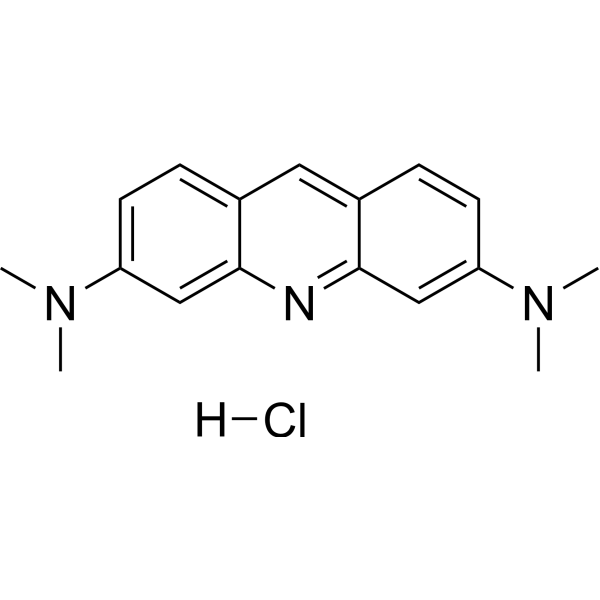
Cat. No.: HY-101879
CAS No.: 65-61-2
Purity:  99.65%
Acridine Orange hydrochloride is a cell-penetrable nucleic acid-selective fluorescent dye. Acridine Orange hydrochloride produces orange fluorescence when it binds to ssDNA or RNA, and green fluorescence when it binds to dsDNA (Ex: 488 nM; Em: green fluorescence at 530 nm, orange fluorescence at 640 nm) .
loading...
    loading...
44
44 Cited Publications
Cat. No.: HY-D0942
CAS No.: 10127-02-3
Synonyms: Euchrysine 3RX
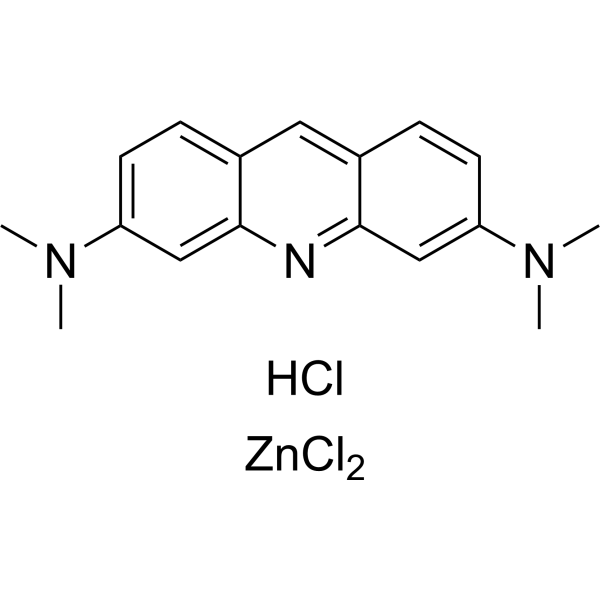
Acridine Orange (Euchrysine 3RX) zinc chloride salt is a cell-penetrable nucleic acid-selective fluorescent dye. Acridine Orange zinc chloride salt produces orange fluorescence when it binds to ssDNA or RNA, and green fluorescence when it binds to dsDNA (Ex: 488 nM; Em: green fluorescence at 530 nm, orange fluorescence at 640 nm) .
loading...
    loading...
43
43 Cited Publications
Cat. No.: HY-P0014
CAS No.: 204656-20-2
Liraglutide is a glucagon-like peptide-1 (GLP-1) receptor agonist used clinically to treat type 2 diabetes mellitus.
loading...
    loading...
43
43 Cited Publications
Cat. No.: HY-P0014B
Target:  

GLP Receptor

Research Areas:  

Metabolic Disease

Liraglutide (TFA) is an agonist of glucagon-like peptide 1 receptor (GLP-1). Liraglutide (TFA) can activate GLP-1, leading to the release of insulin in the presence of increased glucose concentration. Liraglutide (TFA) also reduces glucagon secretion in a glucose-dependent manner. Liraglutide (TFA) can be studied in research on type 2 diabetes .
loading...
    loading...
37
37 Cited Publications
Cat. No.: HY-B0218
CAS No.: 96829-58-2
Synonyms: Tetrahydrolipstatin; Ro-18-0647
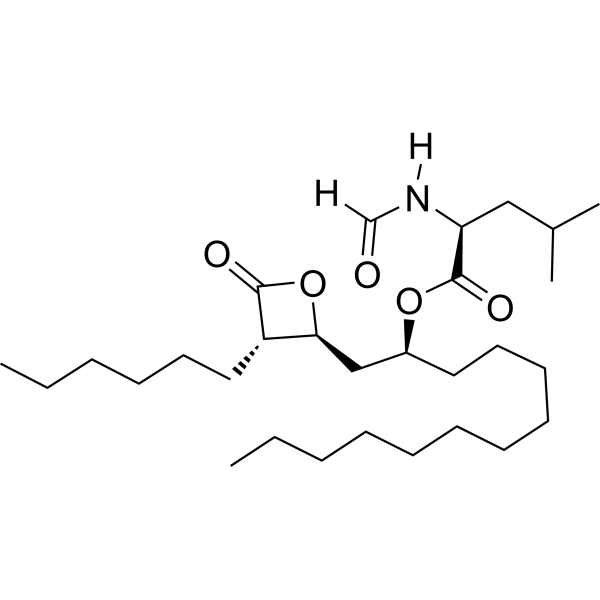
Orlistat (Tetrahydrolipstatin) is a well-known irreversible inhibitor of pancreatic and gastric lipases. Orlistat is also an inhibitor of fatty acid synthase (FASN), is used orally for long-term research of obesity . Anti-atherosclerotic effect .
loading...
    loading...
33
33 Cited Publications
Cat. No.: HY-B0660
CAS No.: 10417-94-4
Synonyms: EPA; Timnodonic Acid
Eicosapentaenoic Acid (EPA) is an orally active Omega-3 long-chain polyunsaturated fatty acid (ω-3 LC-PUFA). Eicosapentaenoic Acid exhibits a DNA demethylating action that promotes the re-expression of the tumor suppressor gene CCAAT/enhancer-binding protein δ (C/EBPδ). Eicosapentaenoic Acid activates RAS/ERK/C/EBPβ pathway through H-Ras intron 1 CpG island demethylation in U937 leukemia cells. Eicosapentaenoic Acid can promote relaxation of vascular smooth muscle cells and vasodilation .
loading...
    loading...
33
33 Cited Publications
Cat. No.: HY-W011269
CAS No.: 73167-03-0
Synonyms: EPA sodium; Timnodonic Acid sodium
Eicosapentaenoic Acid (EPA)sodium is an orally active Omega-3 long-chain polyunsaturated fatty acid (ω-3 LC-PUFA). Eicosapentaenoic Acid sodium exhibits a DNA demethylating action that promotes the re-expression of the tumor suppressor gene CCAAT/enhancer-binding protein δ (C/EBPδ). Eicosapentaenoic Acid sodium activates RAS/ERK/C/EBPβ pathway through H-Ras intron 1 CpG island demethylation in U937 leukemia cells. Eicosapentaenoic Acid sodium can promote relaxation of vascular smooth muscle cells and vasodilation .
loading...
    loading...
32
32 Cited Publications
Cat. No.: HY-13771
CAS No.: 128-13-2
Purity:  99.94%
Synonyms: Ursodeoxycholate; Ursodiol; UDCA
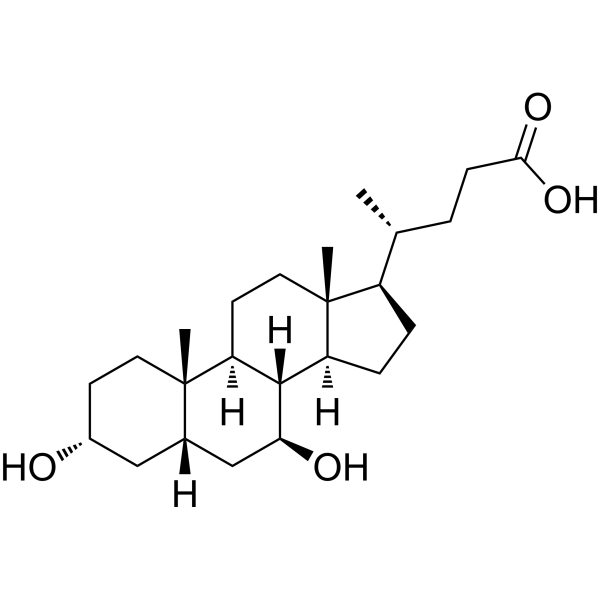
Ursodeoxycholic acid (Ursodeoxycholate) is a secondary bile acid issued from the transformation of (cheno)deoxycholic acid by intestinal bacteria, acting as a key regulator of the intestinal barrier integrity and essential for lipid metabolism. Ursodeoxycholic acid acts as signaling molecule, exerting its effects by interacting with bile acid activated receptors, including G-protein coupled bile acid receptor 5 (TGR5, GPCR19) and the farnesoid X receptor (FXR). Ursodeoxycholic acid can be used for the research of a variety of hepatic and gastrointestinal diseases. Ursodeoxycholic acid also reduces ACE2 expression and is beneficial for reducing SARS-CoV-2 infection. Orally active .
loading...
    loading...

