



- Signaling Pathways
- Apoptosis
- Bcl-2 Family
Bcl-2 Family
Bcl-2 Family Isoform Specific Products
-
Bcl-2 Family
(450)
View all products
-
Bcl-2
(328)
View all products
-
Bcl-xL
(123)
View all products
-
Bcl-W
(17)
View all products
-
Mcl-1
(99)
View all products
-
Bfl-1
(11)
View all products
-
Bcl-B
(6)
View all products
-
Bax
(220)
View all products
-
Bak
(14)
View all products
-
Bim
(14)
View all products
-
BNIP3
(1)
View all products
-
Bad
(10)
View all products
All Product Categories
-
Bcl-2 Family Inhibitors
(567)
View all products
-
Bcl-2 Family Agonists
(5)
View all products
-
Bcl-2 Family Antagonists
(9)
View all products
-
Bcl-2 Family Activators
(90)
View all products
-
Bcl-2 Family Modulators
(153)
View all products
-
Bcl-2 Family Inducers
(13)
View all products
-
Bcl-2 Family Degraders
(21)
View all products
-
Bcl-2 Family Controls
(2)
View all products
-
Bcl-2 Family Ligands
(9)
View all products
-
Bcl-2 Family Related Products (1047)
Related Products (1047)

-
Antibodies (31)
-
Bcl-2 Family Signaling Pathway
-
Bcl-2 Family Isoform Comparison
-
Rhein 8-O-β-D-Glucopyranoside
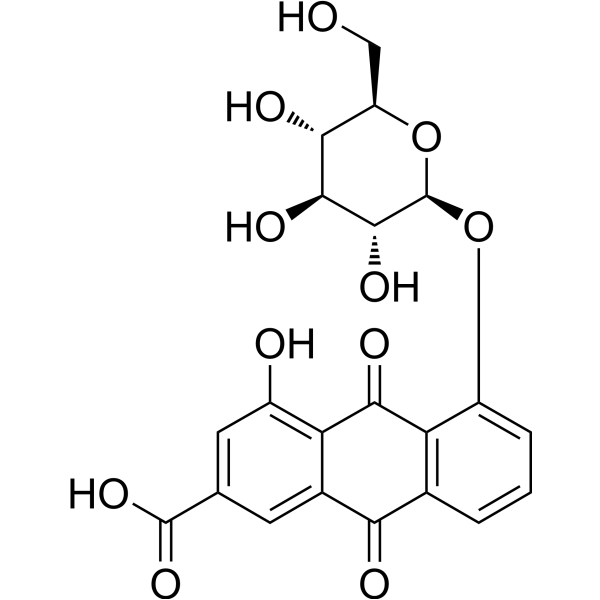 0 ImagesRhein 8-O-β-D-Glucopyranoside is an orally active glycoside found in Rhubarb. Rhein 8-O-β-D-Glucopyranoside attenuates high glucose-induced apoptosis, recovers altered lincRNA ANRIL and let-7a expression, reverses high glucose-altered Bcl-2 and cleaved caspase-3 protein expression, and inhibits TGF-β1/Smad signaling. Rhein 8-O-β-D-Glucopyranoside accelerates Sennoside A (HY-N0365) metabolism, stimulates sennoside A purgative activity. Rhein 8-O-β-D-Glucopyranoside inhibits bacterial biofilm formation, suppresses its virulence gene expression, and exerts antibacterial activity. Rhein 8-O-β-D-Glucopyranoside can be used for the research of diabetic nephropathy, constipation, and infection.
 -
loading...Please select quantityGet Quote
August 31
-
Please select quantity
August 31
Get Quote
loading... -
-
Daphnoretin
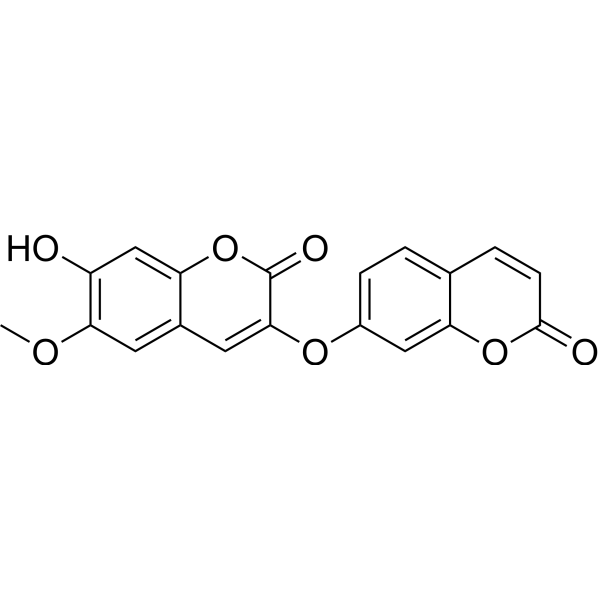 0 ImagesDaphnoretin (Dephnoretin; Thymelol) is a protein kinase C (PKC) activator that inhibits the expression of hepatitis B virus (HBV) surface antigen (HBsAg) and exhibits antiviral activity. Daphnoretin exerts its antitumor effects by inhibiting the activation of the PI3K/AKT signaling pathway and triggers the mitochondrial apoptosis pathway. Daphnoretin alleviates chondrocyte apoptosis and inflammatory responses by inhibiting endoplasmic reticulum stress and activation of the NLRP3 inflammasome. Daphnoretin regulates the differentiation and maturation of dendritic cells, inhibits their immunostimulatory function by downregulating the phosphorylation level of JNK, and thus exerts a protective effect in skin graft rejection.
 -
loading...Please select quantityGet Quote
August 31
-
Please select quantity
August 31
Get Quote
loading... -
-
Secoxyloganin
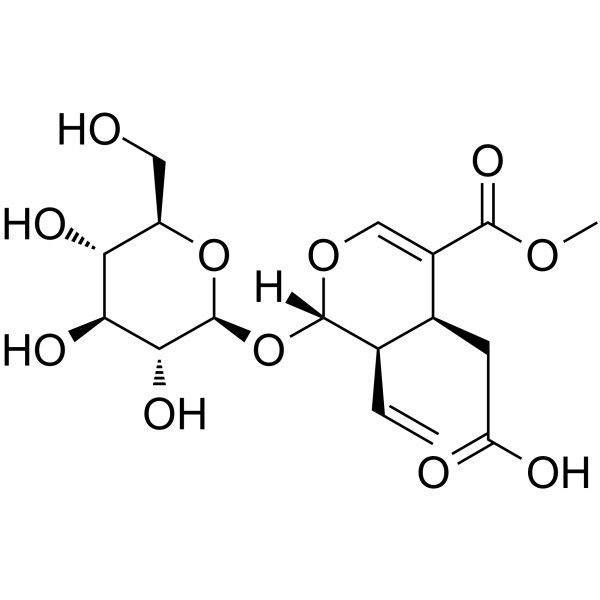 0 ImagesSecoxyloganin is an orally effective iridoid derivative. Secoxyloganin can be isolated from the flower buds of L. japonica. Secoxyloganin induces Apoptosis by inhibiting the expression of Bcl-2. Secoxyloganin potently inhibits the proliferation of breast cancer cells, while exerting weak activity against normal mammary epithelial cells. Secoxyloganin inhibits the decrease in tail vein blood flow associated with allergic reactions.
 -
loading...Please select quantityGet Quote
August 31
-
Please select quantity
August 31
Get Quote
loading... -
-
ROS-generating agent 1
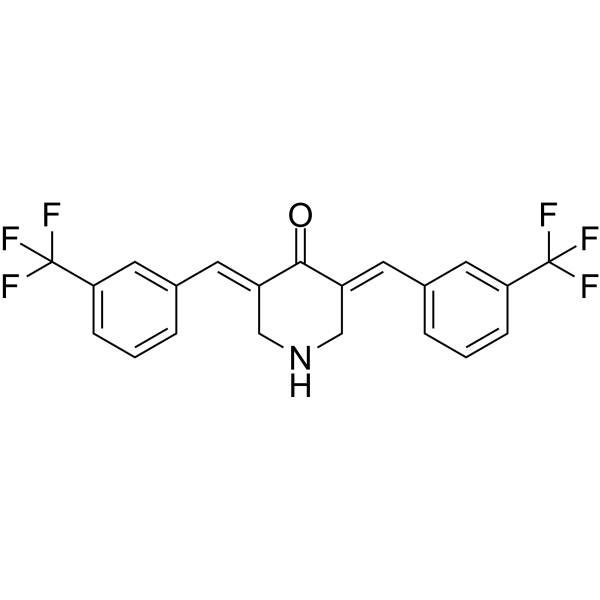 0 ImagesROS-generating agent 1 is a selective ROS-generating agent. ROS-generating agent 1 inhibits TrxR activity and expression in cancer cells. ROS-generating agent 1 induces ROS-dependent apoptosis and ferroptosis in cancer cells. ROS-generating agent 1 selectively kills lung cancer cells and inhibits the growth of cancer cell xenograft tumors in nude mice. ROS-generating agent 1 can be used for the research of non-small cell lung cancer.
 -
loading...Please select quantityGet Quote
August 31
-
Please select quantity
August 31
Get Quote
loading... -
-
Gossypin
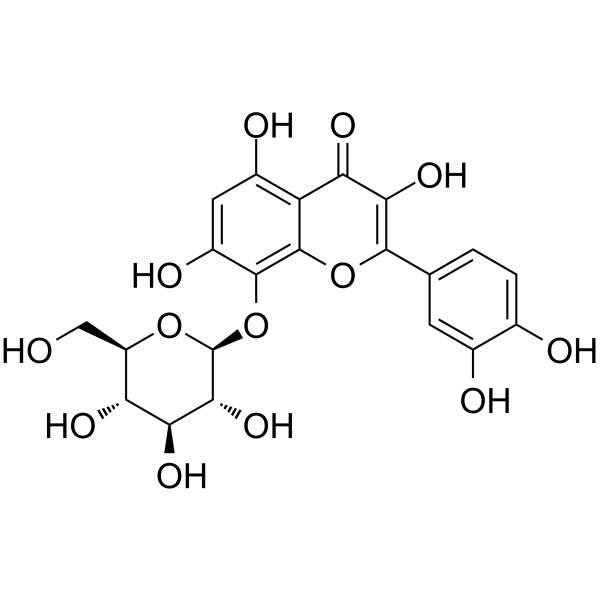 0 ImagesGossypin is an orally active flavone isolated from Hibiscus vitifolius. Gossypin has antioxidant, antiinflammatory, anticancer, anticataract, antidiabetic, and hepatoprotective activities. Gossypin inhibits NF-κB and NF-κB-regulated gene expression. Gossypin inhibits AURKA and RSK2. Gossypin inhibits invasion and induces apoptosis. Gossypin can be used for gastric cancer study.
 -
loading...Please select quantityGet Quote
August 31
-
Please select quantity
August 31
Get Quote
loading... -
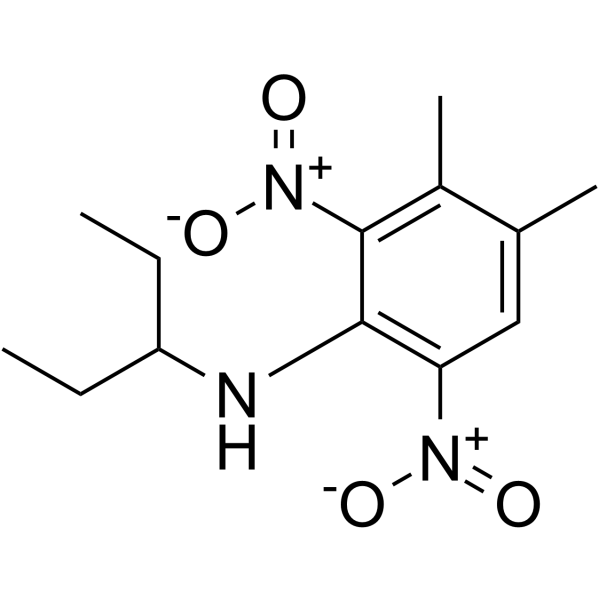
- Pendimethalin
-
loading...Please select quantityGet Quote
August 31
-
Please select quantity
August 31
Get Quote
loading... -
-
Secretoneurin, rat
 0 ImagesSecretoneurin, rat is a 33-amino acid neuropeptide produced by proteolytic processing of chromogranin II, widely distributed in the central and peripheral nervous systems, and its release is calcium-dependent. Secretoneurin, rat modulates the activities of caspase-3, caspase-1, the NLRP3 inflammasome, IGF-1R, VEGFR1, VEGFR2, FGFR3, AMPK, ERK1/2/MAPK, and Jak2/Stat3 pathways. Secretoneurin, rat regulates neuronal apoptosis, synaptic structure, inflammation, neurogenesis, angiogenesis, oxidative stress, cardiomyocyte hypertrophy, dopamine release, and cell migration and proliferation. Secretoneurin, rat is used in studies of global cerebral ischemia, myocardial infarction, stroke, and cardiac hypertrophy.
 -
loading...Please select quantityGet Quote
August 31
-
Please select quantity
August 31
Get Quote
loading... -
-
Triptophenolide
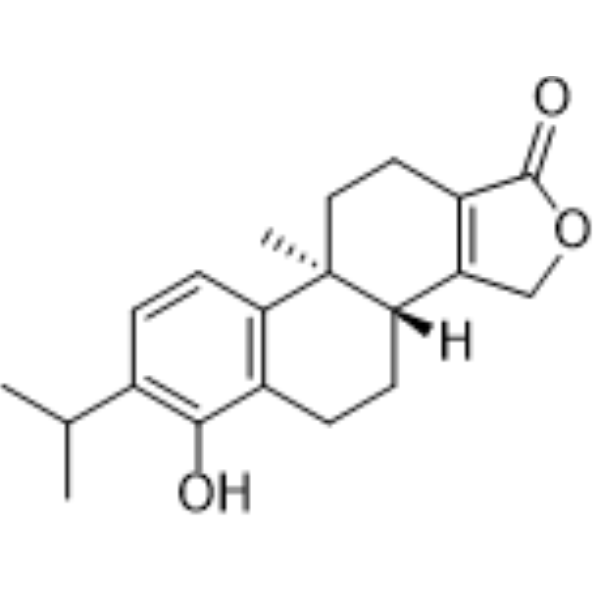 0 ImagesSynonyms: Hypolide; (+)-TriptophenolideTriptophenolide (Hypolide) is a colorless crystal isolated from the ethyl acetate extract of Tripterygium wilfordii. Triptophenolide is an orally active pan‑antagonist of the androgen receptor (AR) with an IC50 of 467 nM against human wild‑type AR. Triptophenolide reduces AR expression, inhibits AR nuclear translocation, downregulates prostate‑specific antigen mRNA levels, and suppresses the growth of AR‑positive prostate cancer cells. Triptophenolide shows anti-tumor effects against breast cancer by inhibiting cell proliferation and migration, inducing G1-phase arrest and apoptosis, repressing xenograft tumor growth. Triptophenolide inhibits pyroptosis, alleviates tissue inflammation, and ameliorates synovial injury. Triptophenolide can be used for the study of prostate cancer, rheumatoid arthritis and breast cancer.
 -
loading...Please select quantityGet Quote
August 31
-
Please select quantity
August 31
Get Quote
loading... -
-
Bruceantinol
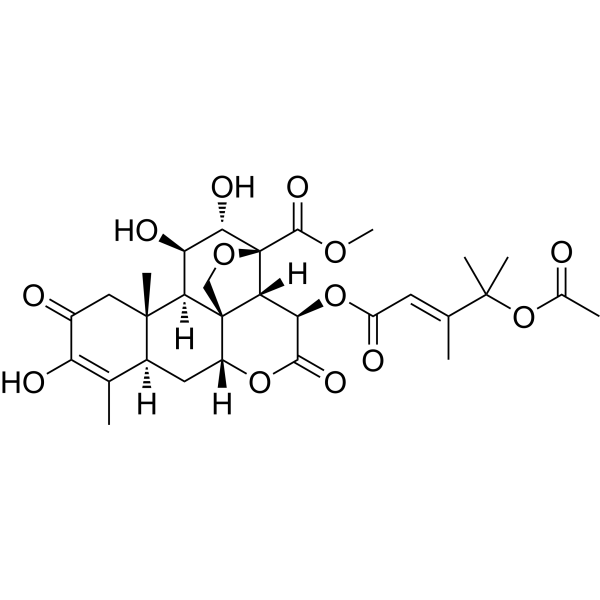 0 ImagesBruceantinol is a quassinoid that can be isolated from Brucea javanica, inhibits pepper mottle virus (PepMoV) in pepper. Bruceantinol is a STAT3 inhibitor demonstrating potent antitumor activity in in vitro and in vivo human colorectal cancer (CRC) models. Bruceantinol has potent anti-leukemic activity. Bruceantinol strongly inhibits STAT3 DNA-binding ability (IC50 = 2.4 pM), blocks the constitutive and IL-6-induced STAT3 activation, and suppresses transcription of MCL-1, PTTG1, survivin and c-Myc. Bruceantinol binds with CDK2/4/6 to facilitate protein degradation through proteasome pathway. Bruceantinol can dose- and time-dependently reduces the cell growth, impede cell proliferation, disrupts the cell cycle, and induces necrosis in MCF-7 cells and apoptosis in MDA-MB-231 cells.
 -
loading...Please select quantityGet Quote
August 31
-
Please select quantity
August 31
Get Quote
loading... -
-
Methyl protodioscin
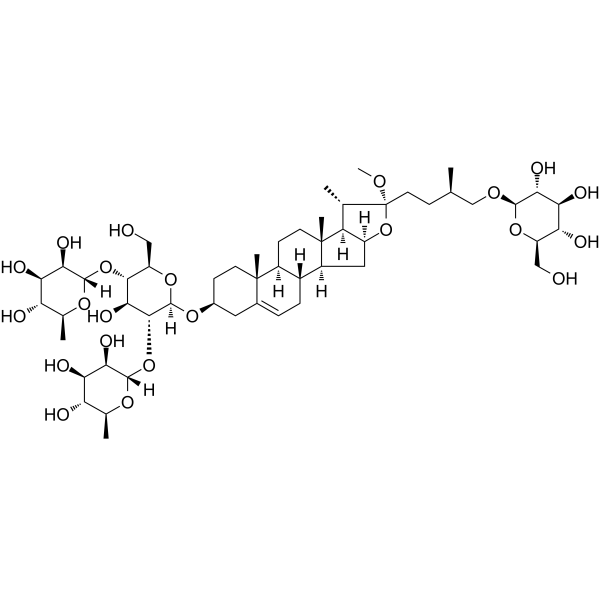 0 ImagesSynonyms: NSC-698790; Smilax saponin BMethyl protodioscin (NSC-698790; Smilax saponin B) is a multi-target, selective, steroidal diglycoside inhibitor with antitumor activity that induces cell cycle arrest. The mechanism of action of Methyl protodioscin is complex, involving the induction of G2/M cell cycle arrest, regulation of the Bcl-2/Bax apoptotic pathway, inhibition of the Akt1/c-Myc axis and MAPK/ERK signaling, while simultaneously downregulating ADAM15 and inducing FOXO1 to reduce cholesterol synthesis. It also inhibits the JNK/c-Jun pathway, reducing the production of inflammatory factors (IL-6, TNF-α). Methyl protodioscin exhibits significant antitumor (inhibiting proliferation, migration, invasion, and inducing apoptosis), anti-inflammatory, and anti-restenosis activities. Methyl protodioscin can be used in research on lung cancer, prostate cancer, pancreatic cancer, and other tumors, as well as inflammatory diseases such as airway inflammation and enteritis.
 -
loading...Please select quantityGet Quote
August 31
-
Please select quantity
August 31
Get Quote
loading... -
- CLZ-8
-
loading...Please select quantityGet Quote
August 31
-
Please select quantity
August 31
Get Quote
loading... -
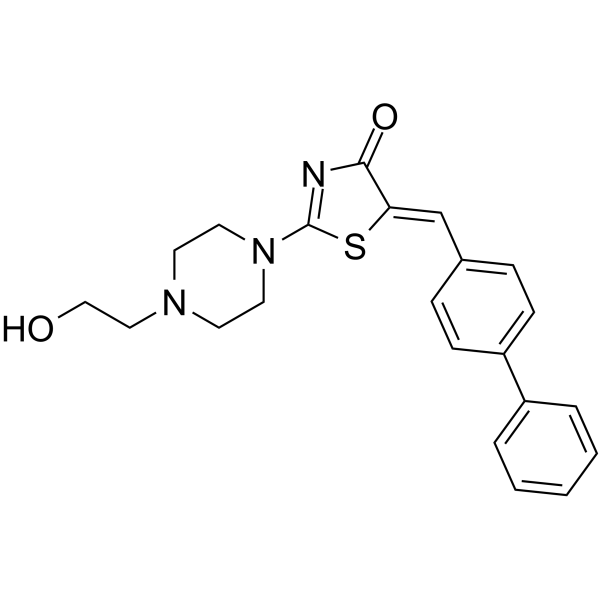
- BH3I-1
-
loading...Please select quantityGet Quote
August 31
-
Please select quantity
August 31
Get Quote
loading... -
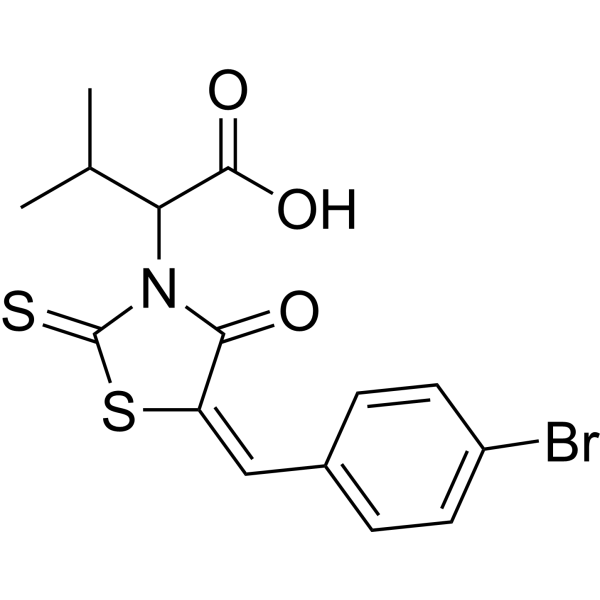
- Simazine
-
loading...Please select quantityGet Quote
August 31
-
Please select quantity
August 31
Get Quote
loading... -
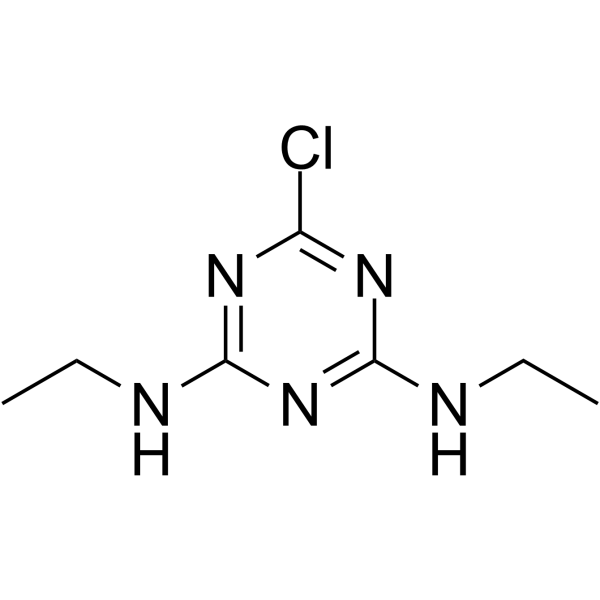
-
(S,R)-S63845
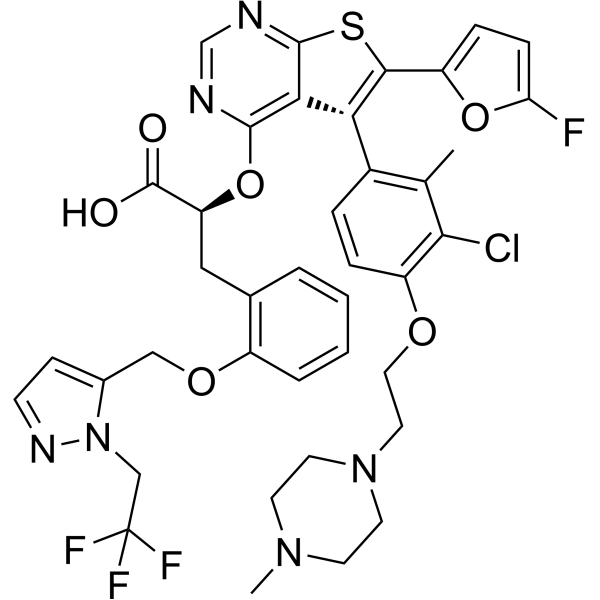 0 ImagesCat. No.: HY-100741APurity: 98.00%
 -
loading...Please select quantityGet Quote
August 31
-
Please select quantity
August 31
Get Quote
loading... -
-
Lariciresinol
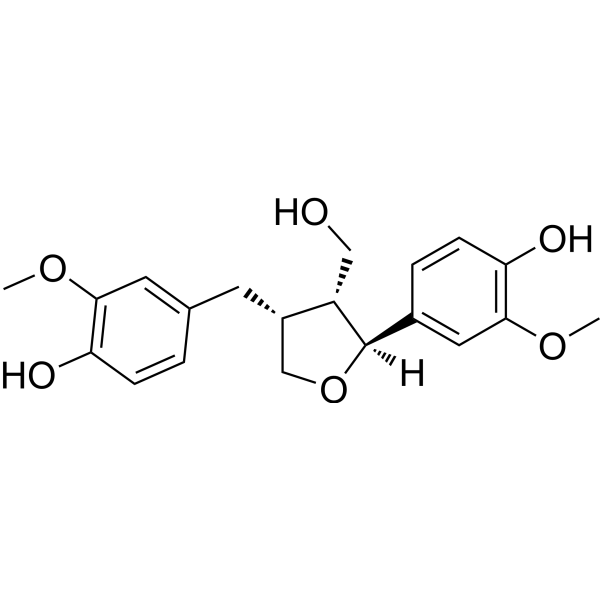 0 ImagesLariciresinol is an orally active ingredient. Lariciresinol can be isolated from Arabidopsis thaliana. Lariciresinol inhibits α-glucosidase activity (IC50 of 6.97 μM; Ki of 0.046 μM). Lariciresinol dereases Bcl-2, upregulates Bax and induces Apoptosis. Lariciresinol regulates TGF-β and NF-κB pathways. Lariciresinol has antitumor activity against liver cancer, gastric cancer, and breast cancer. Lariciresinol shows antifungal activity and anti-diabetic activity.
 -
loading...Please select quantityGet Quote
August 31
-
Please select quantity
August 31
Get Quote
loading... -
-
Semaglutide-d8
 0 ImagesCat. No.: HY-114118SPurity: 99.88%Semaglutide-d8 is the deuterium labeled Semaglutide (HY-114118). Semaglutide is a long-acting, selective, competitive GLP-1R agonist that can penetrate the blood-brain barrier. After activating GLP-1R, Semaglutide promotes insulin secretion, inhibits gastric emptying and appetite, and at the same time enhances autophagy, inhibits oxidative stress and apoptosis. Semaglutide also regulates mitochondrial function and lipid metabolism (such as reducing de novo lipogenesis in the liver). Semaglutide has activities such as lowering blood sugar, reducing weight, neuroprotection (such as improving motor function in Parkinson's disease models, reducing α-synuclein aggregation) and improving hepatic steatosis. Semaglutide can be used for the study of neurodegenerative diseases and liver diseases such as type 2 diabetes, obesity, Parkinson's disease, metabolic associated fatty liver disease (MASLD), and cancer.
 -
loading...Please select quantityGet Quote
August 31
-
Please select quantity
August 31
Get Quote
loading... -
-
SYM 2081
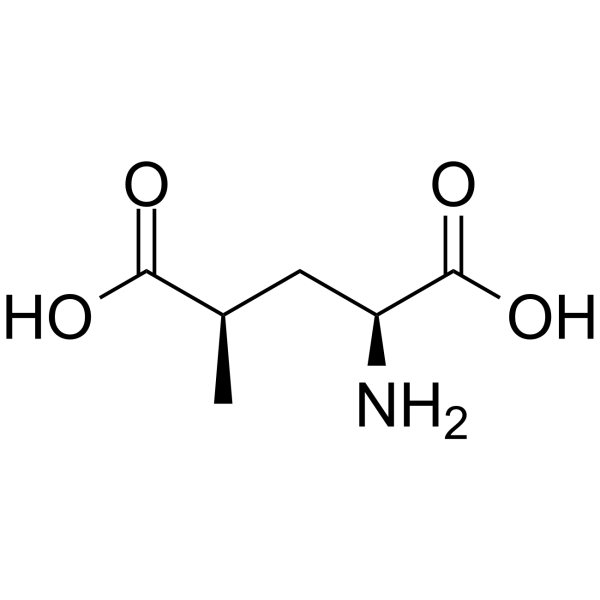 0 ImagesSYM 2081 is a kainate receptor agonist. SYM 2081 is a substrate of EAAT1 (Km of 54 μM). SYM 2081 inhibits EAAT2-mediated glutamate transport (Kb is 3.4 μM in Xenopus oocytes), modulates Apoptotic signaling pathways (increases Bcl-2 and decreases Bax/caspase-3 expression). SYM 2081 exhibits neuroprotective activity. SYM 2081 can be used in the study of hypoxic-ischemic brain damage and inflammatory or neuropathic pain.
 -
loading...Please select quantityGet Quote
August 31
-
Please select quantity
August 31
Get Quote
loading... -
-
NPS 2390
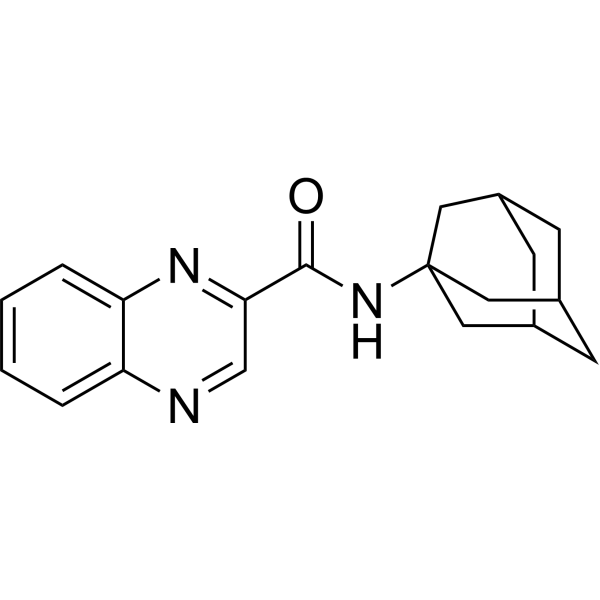 0 ImagesNPS 2390 is an allosteric antagonist of calcium-sensing receptor (CaSR) and mGluR1/5. NPS 2390 inhibits the PI3K/Akt/mTOR signaling pathway, reduces hypoxia-induced intracellular calcium elevation, decreases the expression of autophagy (autophagy) proteins, regulates the expression of phenotypic marker proteins, and inhibits the proliferation of pulmonary artery smooth muscle cells. NPS 2390 attenuates the endogenous apoptosis (apoptosis) pathway, increases the expression level of Bcl-2, downregulates the expression levels of Bax, cytochrome c and caspase-3, alleviates cerebral edema and improves neurological function in rat models. NPS 2390 can be used in studies related to hypoxic pulmonary hypertension, traumatic brain injury, stroke and pain.
 -
loading...Please select quantityGet Quote
August 31
-
Please select quantity
August 31
Get Quote
loading... -
-
Kansuinine A
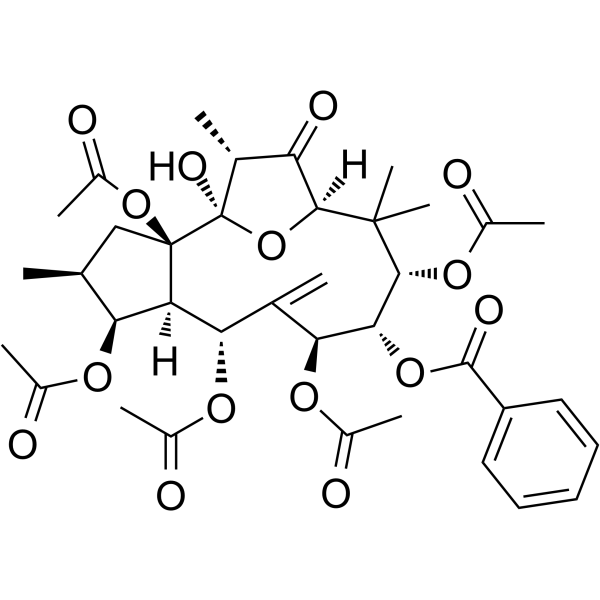 0 ImagesKansuinine A is a diterpenoid compound. Kansuinine A is isolated from the roots of Euphorbia kansui. Kansuinine A inhibits H2O2-mediated upregulation of phosphorylated IKKβ, NF-κB and IκBα. Kansuinine A inhibits ROS production, reduces the Bax/Bcl-2 ratio and the expression of cleaved Caspase-3. Kansuinine A upregulates the expression of SOCS-3 and blocks IL-6-induced signal transduction. Kansuinine A decreases the expression of LOX-1 and inhibits Apoptosis. Kansuinine A reduces the atherosclerotic lesion area of the aortic arch, improves glucose/insulin tolerance, and enhances antioxidant capacity. Kansuinine A exhibits antiviral and antitumor activities. Kansuinine A can be used in research related to atherosclerosis, liver cancer and type 2 diabetes.
 -
loading...Please select quantityGet Quote
August 31
-
Please select quantity
August 31
Get Quote
loading... -
-
23-Hydroxybetulinic acid
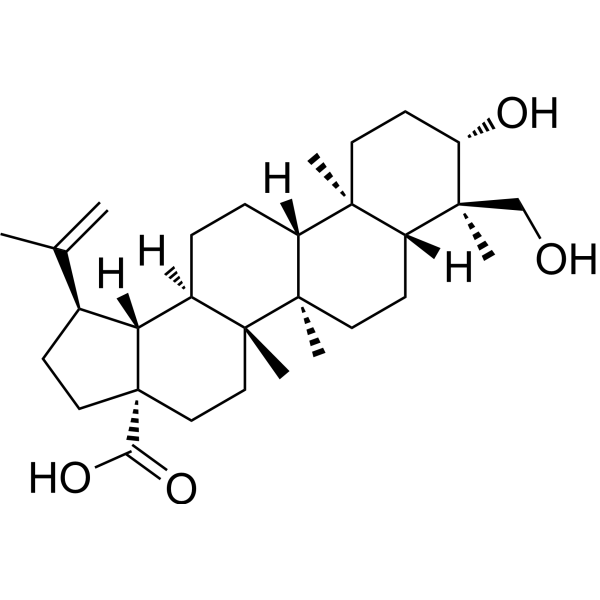 0 ImagesSynonyms: Anemosapogenin23-Hydroxybetulinic acid (Anemosapogenin) is an orally active triterpenoid with broad-spectrum anticancer activity. 23-Hydroxybetulinic acid reduces the levels of Bcl-2 and survivin, elevates the level of Bax, promotes the cleavage/activation of caspase-3 and caspase-9, and induces apoptosis via the endogenous mitochondrial pathway involving cytochrome C release and mitochondrial membrane potential disruption. 23-Hydroxybetulinic acid arrests the cell cycle at S and G1 phases, inhibits cancer cell proliferation, blocks the MAPK signaling pathway, regulates MMP2, and induces autophagic apoptosis by upregulating beclin-1. 23-Hydroxybetulinic acid inhibits the activity and efflux function of P-gp, increases the intracellular accumulation of chemotherapeutic drugs, and synergistically enhances cytotoxicity with Doxorubicin (HY-15142). 23-Hydroxybetulinic acid inhibits the phosphorylation and nuclear translocation of STAT6, blocks M2 macrophage polarization, and reduces M2 macrophage-mediated apoptosis resistance of colon cancer cells. 23-Hydroxybetulinic acid can be used in related studies on chronic myeloid leukemia, hepatocellular carcinoma, sarcoma 180, multidrug-resistant breast cancer, leukemia, Doxorubicin-induced cardiotoxicity, and colorectal cancer.
 -
loading...Please select quantityGet Quote
August 31
-
Please select quantity
August 31
Get Quote
loading... -
No matching results
No matching results
No matching results
No matching results
No matching results
No matching results
No matching results
No matching results
No matching results
No matching results

Bcl-2 family members have been grouped into three classes. The anti-apoptotic subfamily contains the Bcl-2, Bcl-XL, Bcl-w, Mcl-1, Bfl1/A-1, and Bcl-B proteins, which suppress apoptosis and contain all four Bcl-2 homology domains, designated BH1-4. The pro-apoptotic subfamily contain BH1-3 domains, such as Bax, Bak, and Bok. A third class of BH3 only proteins Bad, Bid, Bim, Noxa and Puma have a conserved BH3 domain that can bind and regulate the anti-apoptotic BCL-2 proteins to promote apoptosis [1].
The intrinsic pathway is initiated by various signals, principally extracellular stimuli. BH3-only proteins (Bim, Bid, Bad, Noxa, Puma) engage with anti-apoptotic Bcl-2 family proteins to relieve their inhibition of Bax and Bak to activate them. Next, Bax and Bak are oligomerized and activated, leading to mitochondrial outer membrane permeabilization. Once mitochondrial membranes are permeabilized, cytochrome c and/or Smac/DIABLO is released into the cytoplasm, wherein they combine with an adaptor molecule, Apaf-1, and an inactive initiator Caspase, Pro-caspase 9, within a multiprotein complex called the apoptosome. Smac/DIABLO inhibits IAPs to activate Caspase 9. Caspase 9 activates Caspase 3, which is the initiation step for the cascade of Caspase activation. The extrinsic pathway can be activated by cell surface receptors, such as Fas and TNF Receptor, subsequently activating Caspase 8, and leads to Caspase 3 activation and cell demolition. Caspases in turn cleave a series of substrates, activate DNases and orchestrate the demolition of the cell. Bcl-2 family proteins are also found on the endoplasmic reticulum and the perinuclear membrane in hematopoietic cells, but they are predominantly localized to mitochondria [2].
Reference:
[1]. Cotter TG, et al. Apoptosis and cancer: the genesis of a research field. Nat Rev Cancer. 2009 Jul;9(7):501-7.
[2]. Kang MH, et al. Bcl-2 inhibitors: targeting mitochondrial apoptotic pathways in cancer therapy. Clin Cancer Res. 2009 Feb 15;15(4):1126-32.
Your Search Returned No Results.
Sorry. There is currently no product that acts on isoform Bcl-2, Bcl-W and Bim together.Please
try each isoform separately.



