



Bcl-2 Family
Bcl-2 is a family of evolutionarily related proteins. These proteins govern mitochondrial outer membrane permeabilization (MOMP) and can be either pro-apoptotic (Bax, Bad, Bak and Bok among others) or anti-apoptotic (including Bcl-2 proper, Bcl-xL, and Bcl-w, among an assortment of others). There are a total of 25 genes in the Bcl-2 family known to date. Human genes encoding proteins that belong to this family include: Bak1, Bax, Bal-2, Bok, Mcl-1.
Bcl-2 Family Isoform Specific Products
-
Bcl-2 Family
(450)
View all products
-
Bcl-2
(328)
View all products
-
Bcl-xL
(123)
View all products
-
Bcl-W
(17)
View all products
-
Mcl-1
(99)
View all products
-
Bfl-1
(11)
View all products
-
Bcl-B
(6)
View all products
-
Bax
(220)
View all products
-
Bak
(14)
View all products
-
Bim
(14)
View all products
-
BNIP3
(1)
View all products
-
Bad
(10)
View all products
All Product Categories
-
Bcl-2 Family Inhibitors
(567)
View all products
-
Bcl-2 Family Agonists
(5)
View all products
-
Bcl-2 Family Antagonists
(9)
View all products
-
Bcl-2 Family Activators
(90)
View all products
-
Bcl-2 Family Modulators
(153)
View all products
-
Bcl-2 Family Inducers
(13)
View all products
-
Bcl-2 Family Degraders
(21)
View all products
-
Bcl-2 Family Controls
(2)
View all products
-
Bcl-2 Family Ligands
(9)
View all products
-
Bcl-2 Family Related Products (1047)
Related Products (1047)

-
Antibodies (31)
-
Bcl-2 Family Signaling Pathway
-
Bcl-2 Family Isoform Comparison
-
Coenzyme Q0
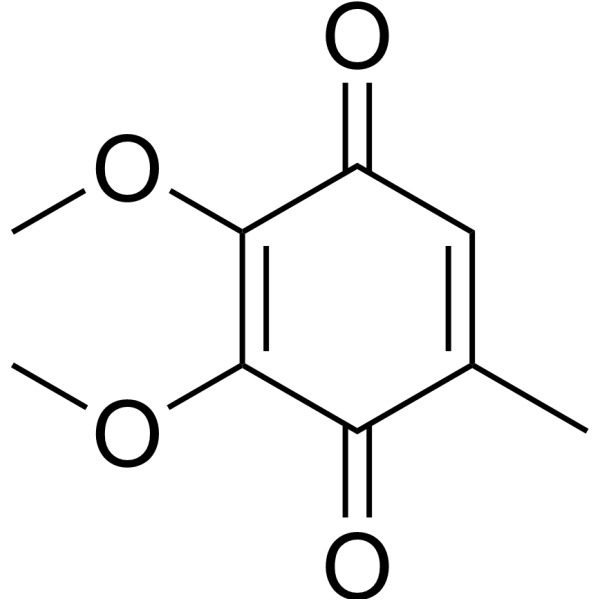 0 ImagesSynonyms: CoQ0Coenzyme Q0 (CoQ0) is a potent, oral active ubiquinone compound can be derived from Antrodia cinnamomea. Coenzyme Q0 induces apoptosis and autophagy, suppresses of HER-2/AKT/mTOR signaling to potentiate the apoptosis and autophagy mechanisms. Coenzyme Q0 regulates NFκB/AP-1 activation and enhances Nrf2 stabilization in attenuation of inflammation and redox imbalance. Coenzyme Q0 has anti-angiogenic activity through downregulation of MMP-9/NF-κB and upregulation of HO-1 signaling.
-
IGF2BP1-IN-1
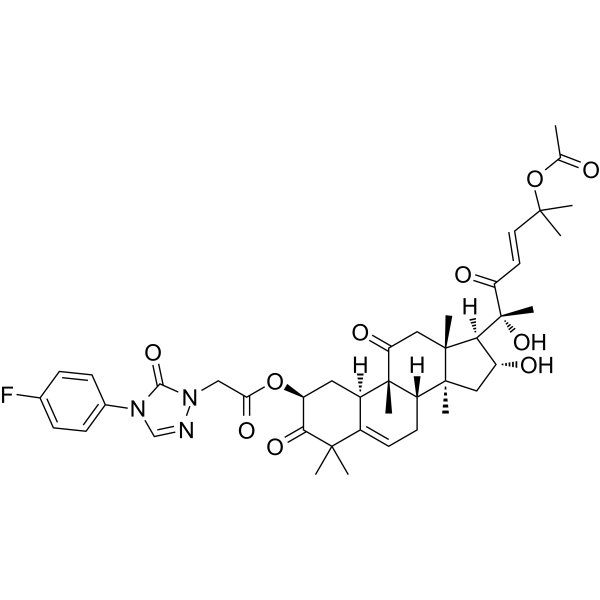 0 ImagesIGF2BP1-IN-1, a Cucurbitacin B (HY-N0416) derivative, is a potent IGF2BP1 inhibitor (KD = 2.88 nM). IGF2BP1-IN-1 binds directly to IGF2BP1, thereby inducing tumor cell cycle arrest, increasing apoptosis, and reducing autophagy. IGF2BP1-IN-1 can be used in research on NSLSC, colon, breast, liver, ovarian, pancreatic, and cervical cancers.
-
Rehmannioside D
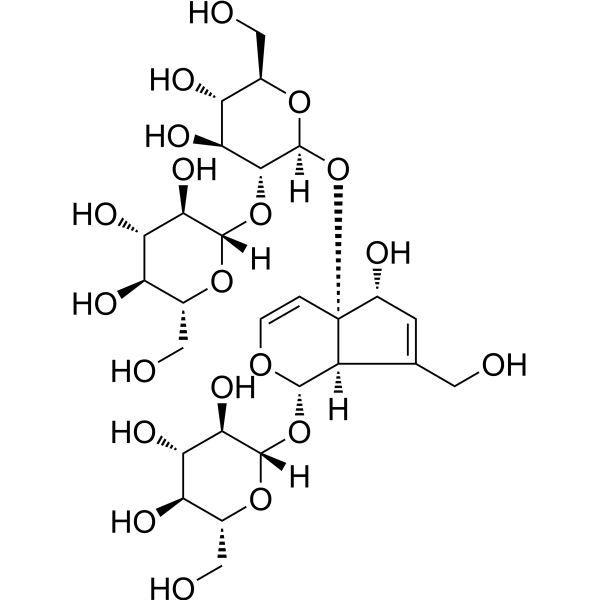 0 ImagesRehmannioside D is an orally active Sirt7 modulator. Rehmannioside D upregulates Sirt7 expression, inhibits the level of acetylated p53, and blocks the activation of the p53 signaling pathway. Rehmannioside D alleviates liver injury, inflammatory response, collagen deposition and hepatocyte apoptosis. Rehmannioside D is applicable to research related to liver fibrosis.
-
Hypocrellin A
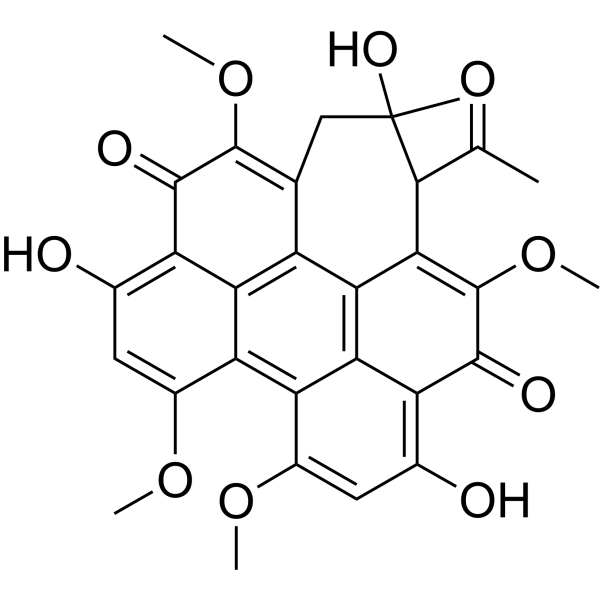 0 ImagesHypocrellin A is a PKC inhibitor that exerts antidiabetic activity by reversing the effects of high glucose on endothelin (ET-1) expression. Hypocrellin A is also a photosensitizer for photodynamic therapy (PDT) with anticancer, antibacterial and antiviral activities, especially against human immunodeficiency virus (HIV). In addition, Hypocrellin-A also possesses anti-Leishmania activity (IC50=0.27 μg/ml).
-
CMIT/MIT (14.5% in water)
 0 ImagesCat. No.: HY-W017982CAS No.: 55965-84-9Synonyms: CMI/MICMIT/MIT (14.5% in water) (CMI/MI) is a mixture of CMIT and MIT, and is also a preservative and skin sensitizer. CMIT/MIT (14.5% in water) increases the levels of phosphorylated ERK1/2, p38, JNK1/2, p53, p21 and Bax, decreases the level of Bcl-2, and activates the Nrf-2/HO-1 signaling pathway. CMIT/MIT (14.5% in water) increases LDH release and lipid peroxidation levels, impairs antioxidant defense capacity, promotes pro-inflammatory cytokine release, induces apoptosis, triggers cell cycle arrest, exhibits neurotoxicity in neuroblastoma cells, and causes dysregulation of Th2/Th17 immune responses. CMIT/MIT (14.5% in water) can be used in studies related to allergy, atopic dermatitis and lung injury.
-
Venetoclax (Standard)
 0 ImagesSynonyms: ABT-199 (Standard); GDC-0199 (Standard); RG7601 (Standard)
-
Lobaplatin
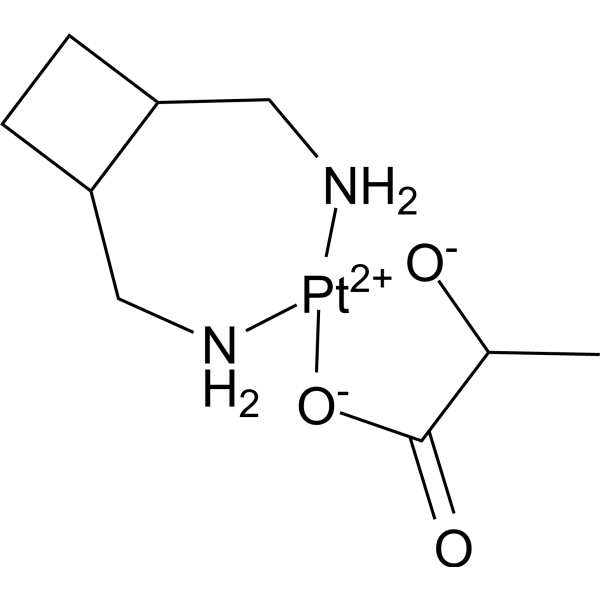 0 ImagesSynonyms: D-19466
-
PROTAC Bcl2 degrader-1
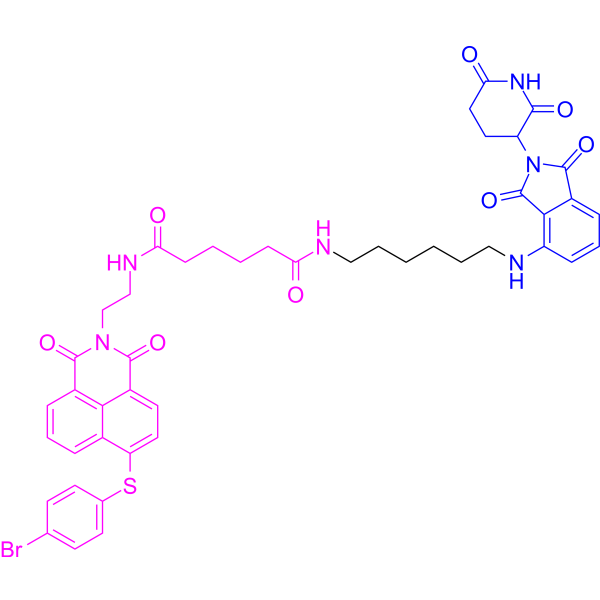
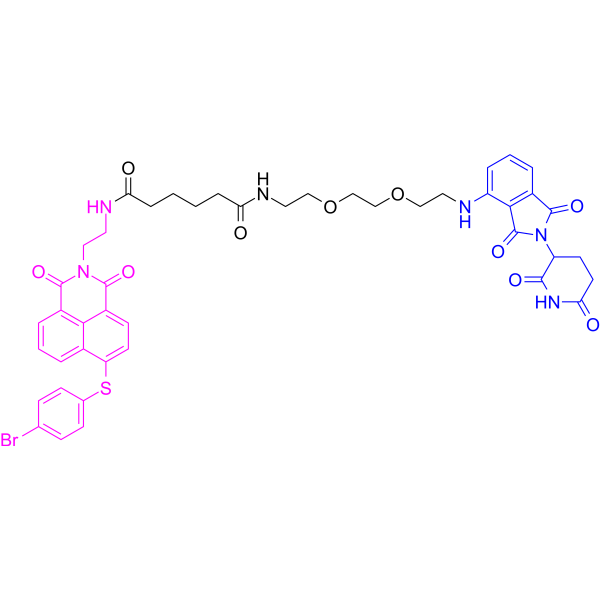 0 ImagesPROTAC Bcl2 degrader-1 (Compound C5) is a PROTAC based on Cereblon ligand, which potently and selectively induces the degradation of Bcl-2 (IC50, 4.94 μM; DC50, 3.0 μM) and Mcl-1 (IC50, 11.81 μM) by introducing the E3 ligase cereblon (CRBN)-binding ligand pomalidomide to Mcl-1/Bcl-2 dual inhibitor Nap-1.
-
Drpitor1a
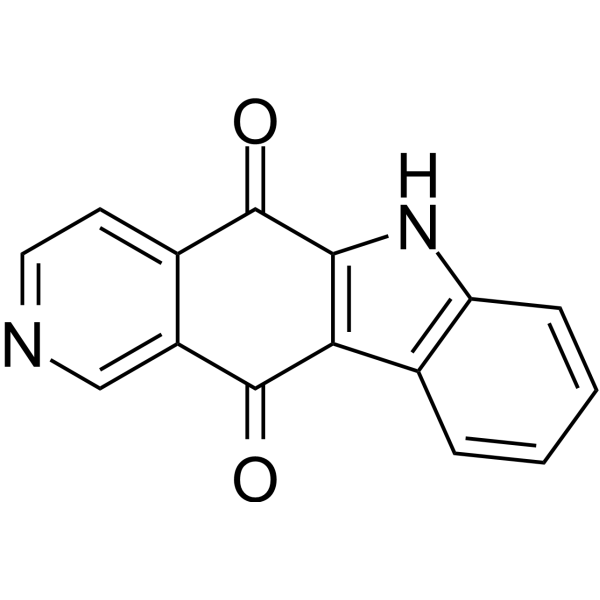 0 ImagesCat. No.: HY-161119CAS No.: 73326-98-4Drpitor1a is an orally active DRP1 GTPase inhibitor. Drpitor1a blocks mitochondrial fission, inhibits DRP1 GTPase activity, and reduces ROS levels. Drpitor1a induces mitochondrial fusion and mitochondria-dependent apoptosis by elevating Bak and Smac/Diablo and inhibiting Bcl-2. Drpitor1a inhibits proliferation in pulmonary arterial hypertension hPASMC and induces necrosis and autophagy mediators. Drpitor1a causes regression of non-small cell lung cancer tumors in mouse xenograft models and exhibits higher accumulation and efficacy in females. Drpitor1a can be used in research related to non-small cell lung cancer, myocardial ischemia-reperfusion injury, and pulmonary arterial hypertension.
-
Koumine
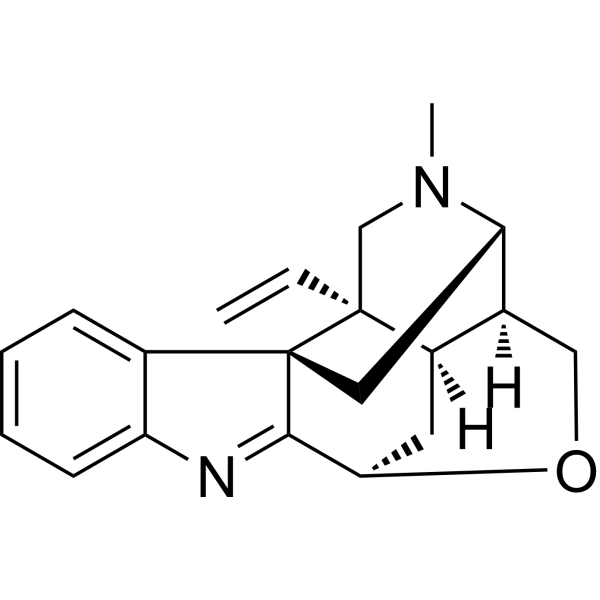 0 ImagesKoumine is an alkaloid separated from Gelsemium elegans, shows potent anti-tumor activity. Koumine up-regulates the Bax/Bcl-2 ratio and caspase-3 expression in human breast cancer cells. Koumine has anxiolytic, antistress, antipsoriatic, and analgesic activities, protects against the development of arthritis in Rheumatoid arthritis (RA) animal models.
-
Navitoclax-piperazine
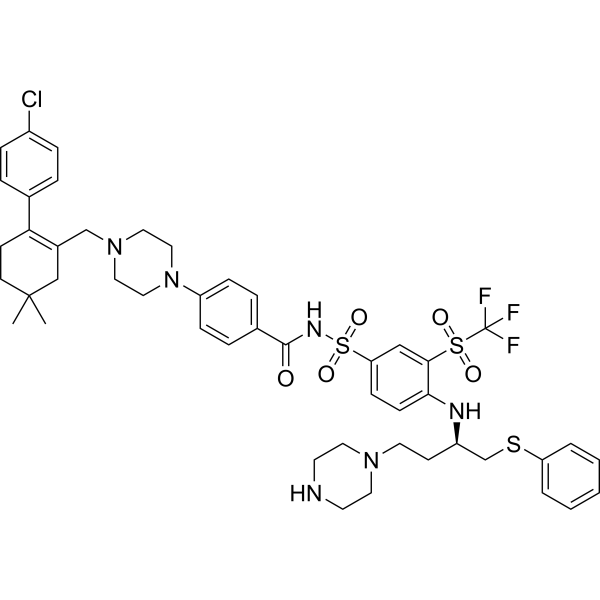 0 ImagesSynonyms: ABT-263-piperazineNavitoclax-piperazine (ABT-263-piperazine) is a Navitoclax (HY-10087) analog and BCL-XL inhibitor. Navitoclax-piperazine is the ligand for target protein of PROTAC DT2216 (HY-130604). Navitodax-pperaie and E3 ubiquitin ligase VHL ligand can be used to synthesize PROTAC DT2216 (HY-130604).
-
Polyinosinic-polycytidylic acid (GMP Like)
 0 ImagesCat. No.: HY-107202GLCAS No.: 24939-03-5Synonyms: Poly(I:C) (GMP Like)Polyinosinic-polycytidylic acid (Poly(I:C)) (GMP Like) is the GMP Like class Polyinosinic-polycytidylic acid (HY-107202), and can be used as pharmaceutical excipients. Polyinosinic-polycytidylic acid (Poly(I:C)) is a synthetic analog of double-stranded RNA and an agonist of toll-like receptor 3 (TLR3) and retinoic acid inducible gene I (RIG-I)-like receptors (RIG-I and MDA5). Polyinosinic-polycytidylic acid can be used as a vaccine adjuvant to enhance innate and adaptive immune responses, and to alter the tumor microenvironment. Polyinosinic-polycytidylic acid can directly trigger cancer cells to undergo apoptosis.
-
Poly-L-lysine hydrobromide (MW 30000-70000)
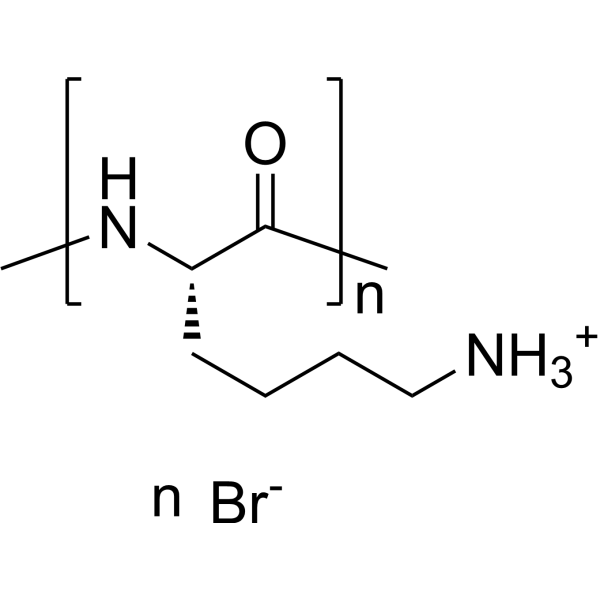 0 ImagesCat. No.: HY-126437CAS No.: 25988-63-0Poly-L-lysine hydrobromide (MW 30000-70000) is a water-soluble synthetic polypeptide. Poly-L-lysine hydrobromide (MW 30000-70000) downregulates Bcl-2 and upregulates Bax and p53 proteins. Poly-L-lysine hydrobromide (MW 30000-70000) promotes Apoptosis and reduces VEGF expression. Poly-L-lysine hydrobromide (MW 30000-70000) shows anticancer activity against a variety of tumors. Poly-L-lysine hydrobromide (MW 30000-70000) can also be used as a coating material.
-
Dehydrocorydaline chloride
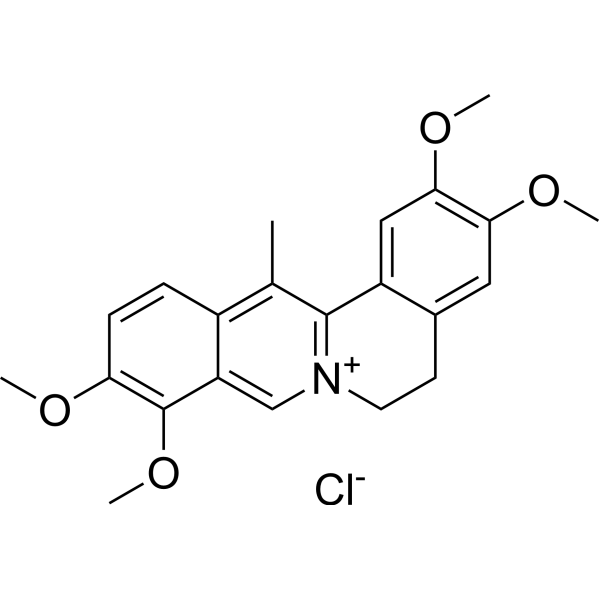 0 ImagesSynonyms: 13-Methylpalmatine chlorideDehydrocorydaline chloride (13-Methylpalmatine chloride) is an alkaloid that regulates protein expression of Bax, Bcl-2; activates caspase-7, caspase-8, and inactivates PARP. Dehydrocorydaline chloride elevates p38 MAPK activation. Anti-inflammatory and anti-cancer activities. Dehydrocorydaline chloride shows strong anti-malarial effects (IC50 =38 nM), and low cytotoxicity (cell viability > 90%) using P. falciparum 3D7 strain.
-
Thiophanate-Methyl
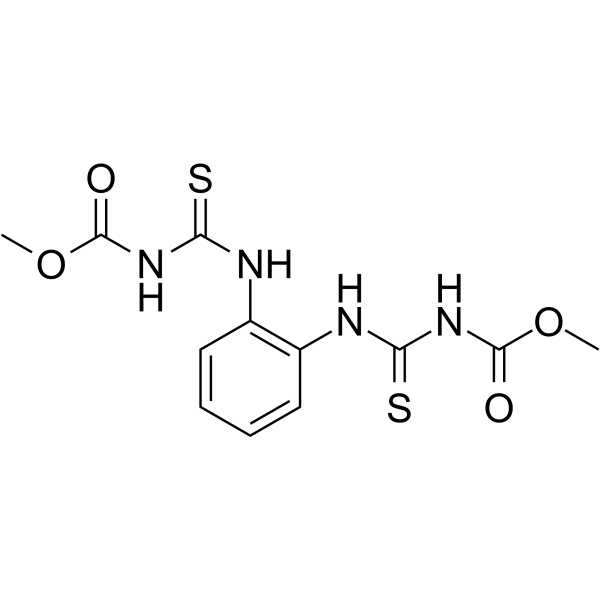 0 ImagesThiophanate-Methyl is a pesticide residue and fungicide. Thiophanate-Methyl induces hepatotoxicity via caspase-3-mediated apoptosis and oxidative stress, thereby causing metabolic imbalance in the liver of zebrafish. Thiophanate-Methyl impairs the rhizobacteria-mediated defense response of cucumber against fusarium wilt.
-
Fluazinam
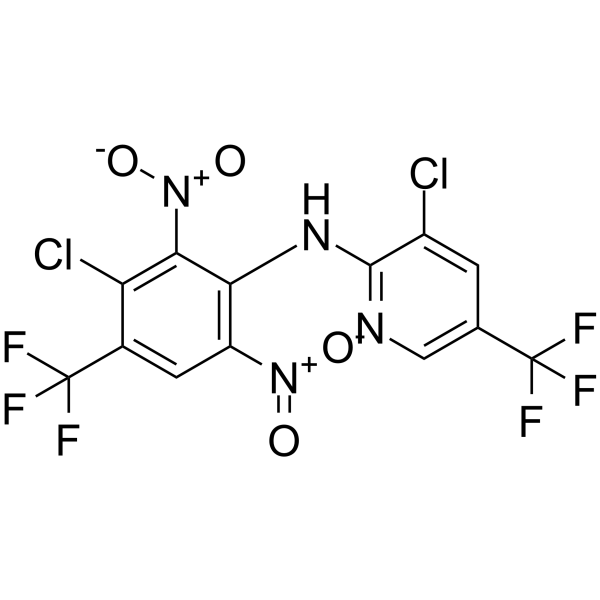 0 ImagesFluazinam is an orally active dinitroaniline fungicide. Fluazinam induces phosphorylation of JNK, activates p38 pathway, decreases Bcl-2, activates caspase-3, decreases complex I activity, increases Autophagy and Apoptosis. Fluazinam has strong antifungal activity against F. fujikuroi and B. maydis. Fluazinam has a negative impact on Brachydanio rerio and worker bees.
-
Verbenalin
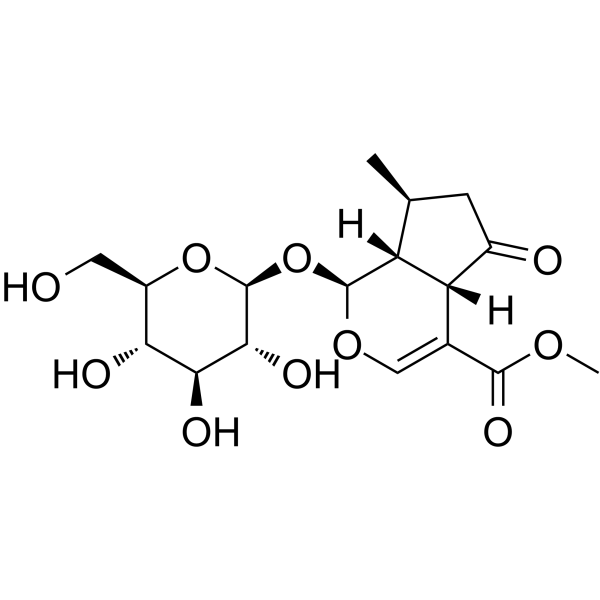 0 ImagesVerbenalin is an orally active terpenoid glycoside that can be extracted from the medicinal plant Verbena officinalis. Verbenalin has anti-inflammatory, antiviral, and neuroprotective effects. Verbenalin has a strong binding affinity to the nsp-12 protein of the SARS-CoV-2 virus. Verbenalin can be used in the research of inflammatory and nervous system diseases such as hepatitis and Alzheimer's disease.
-
Bim BH3
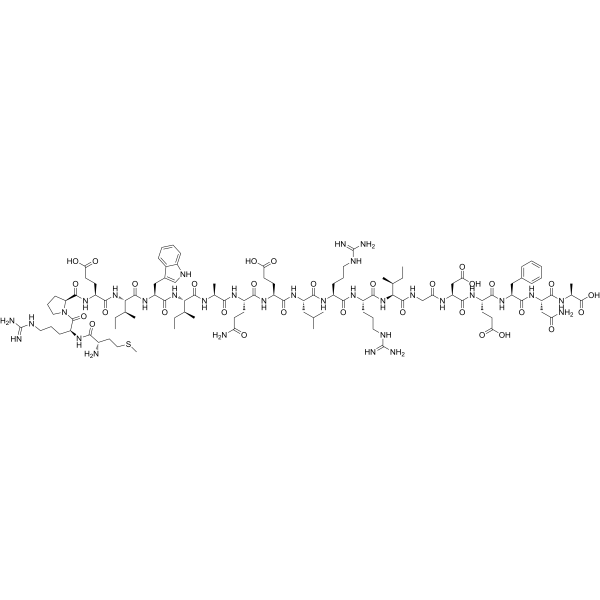 0 ImagesBim BH3 is a biological active peptide. (This Bim peptide belongs to the pro-apoptotic Bcl-2 family of proteins.)
-
Mesaconic acid
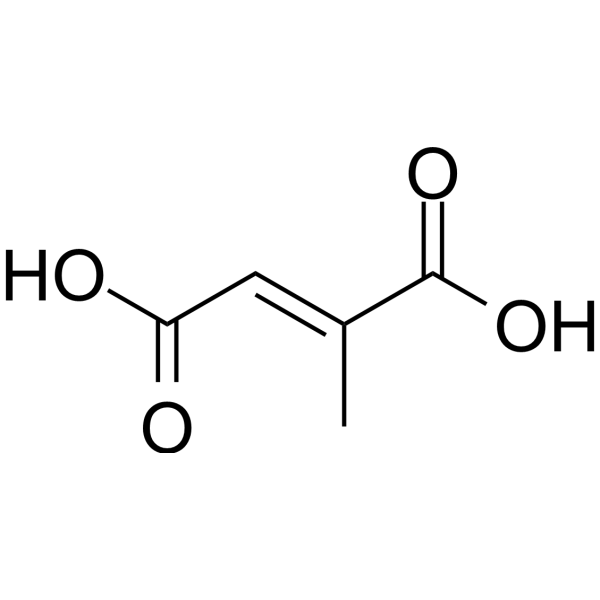 0 ImagesMesaconic acid (Citronic acid; Methylfumaric acid) is an orally active anti-inflammatory and antioxidant agent. Mesaconic acid reduces the level of NF-κB in colon tissues, downregulates the expression of Keap1 and Bax, upregulates the expression of Nrf2 and Bcl2, and decreases the expression of Caspase-1. Mesaconic acid reduces the levels of NLRP3, ASC and Casp-1 in colon, liver and kidney tissues. Mesaconic acid reduces pro-inflammatory cytokine levels, increases the level of the anti-inflammatory cytokine IL-10, elevates NAD+ levels, regulates oxidative stress markers and antioxidant enzyme levels, and upregulates intestinal barrier proteins in colon, liver and kidney tissues. Mesaconic acid increases the abundance of beneficial gut bacteria and reduces the abundance of harmful gut bacteria in rapidly aging mice, and exhibits anti-aging properties. Mesaconic acid acts as a flame retardant and serves as a competitive inhibitor of fumarate reduction. Mesaconic acid can be used in the research of aging-related inflammation.




