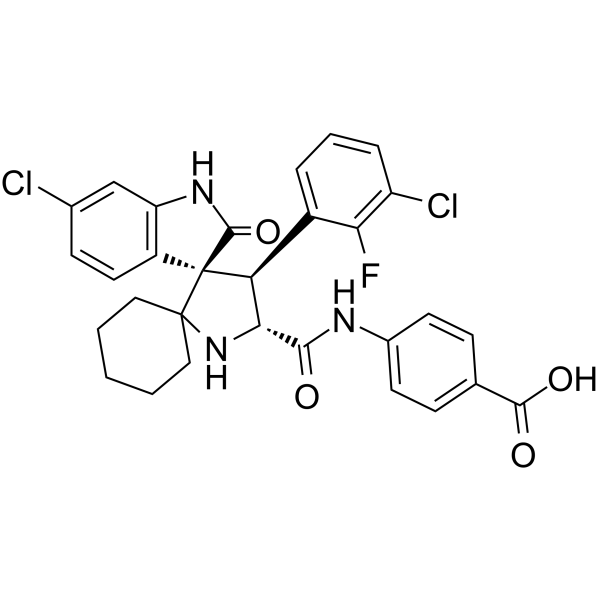
MDM-2/p53
The p53 tumor suppressor is a principal mediator of growth arrest, senescence, and apoptosis in response to a broad array of cellular damage. p53 is a short-lived protein that is maintained at low, often undetectable, levels in normal cells. Under stress conditions, the p53 protein accumulates in the cell, binds in its tetrameric form to p53-response elements and induces the transcription of various genes.
MDM-2 is transcriptionally activated by p53 and MDM-2, in turn, inhibits p53 activity in several ways. MDM-2 binds to the p53 transactivation domain and thereby inhibits p53-mediated transactivation. MDM-2 also contains a signal sequence that is similar to the nuclear export signal of various viral proteins and, after binding to p53, it induces its nuclear export. As p53 is a transcription factor, it needs to be in the nucleus to be able to access the DNA; its transport to the cytoplasm by MDM-2 prevents this. Finally, MDM-2 is a ubiquitin ligase, so is able to target p53 for degradation by the proteasome.
In many tumors p53 is inactivated by the overexpression of the negative regulators MDM2 and MDM4 or by the loss of activity of the MDM2 inhibitor ARF. The pathway can be reactivated in these tumors by small molecules that inhibit the interaction of MDM2 and/or MDM4 with p53. Such molecules are now in clinical trials.
All Product Categories
-
MDM-2/p53 Inhibitors
(116)
View all products
-
MDM-2/p53 Agonists
(8)
View all products
-
MDM-2/p53 Antagonists
(4)
View all products
-
MDM-2/p53 Activators
(166)
View all products
-
MDM-2/p53 Modulators
(29)
View all products
-
MDM-2/p53 MDM2 Inhibitors
(65)
View all products
-
MDM-2/p53 p53 Activators
(115)
View all products
-
MDM-2/p53 p53 Inhibitors
(16)
View all products
-
MDM-2/p53 Inducers
(17)
View all products
-
MDM-2/p53 Degraders
(8)
View all products
-
MDM-2/p53 Controls
(6)
View all products
-
MDM-2/p53 Ligands
(9)
View all products
-
MDM-2/p53 Related Products (639)
Related Products (639)

-
Antibodies (17)
-
MDM-2/p53 Signaling Pathway
-
NSC 146109 hydrochloride
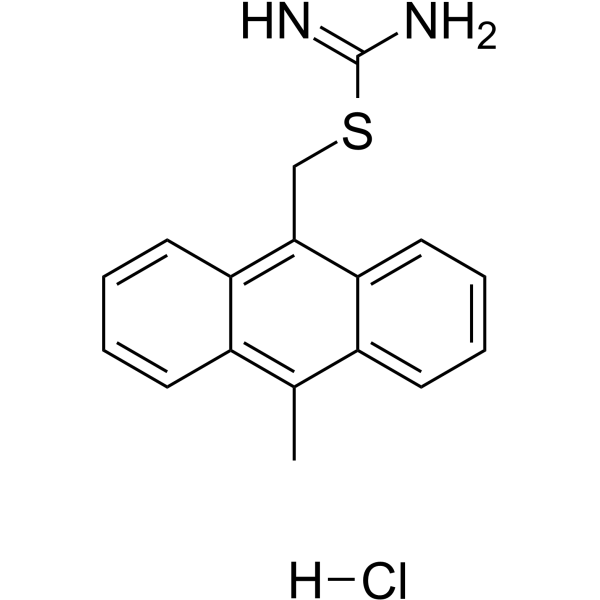 0 ImagesSynonyms: XI-011 hydrochlorideNSC 146109 hydrochloride (XI-011 hydrochloride) is a p53 activator and MDMX inhibitor. NSC 146109 hydrochloride inhibits MDMX gene transcription, downregulates MDMX mRNA and protein levels, stabilizes p53 and activates the transcriptional activity of p53. NSC 146109 hydrochloride induces cancer cell apoptosis (apoptosis) and inhibits the growth of transformed cells. NSC 146109 hydrochloride inhibits the growth of xenograft tumors. NSC 146109 hydrochloride can be used in research related to breast cancer and cervical cancer.
-
Seratrodast
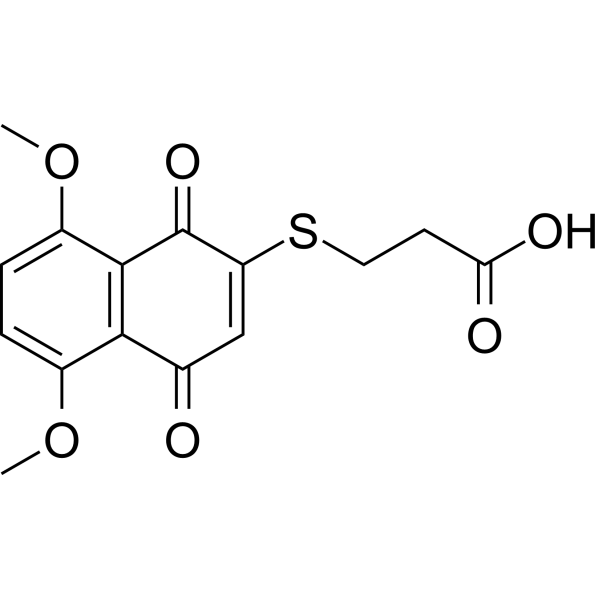
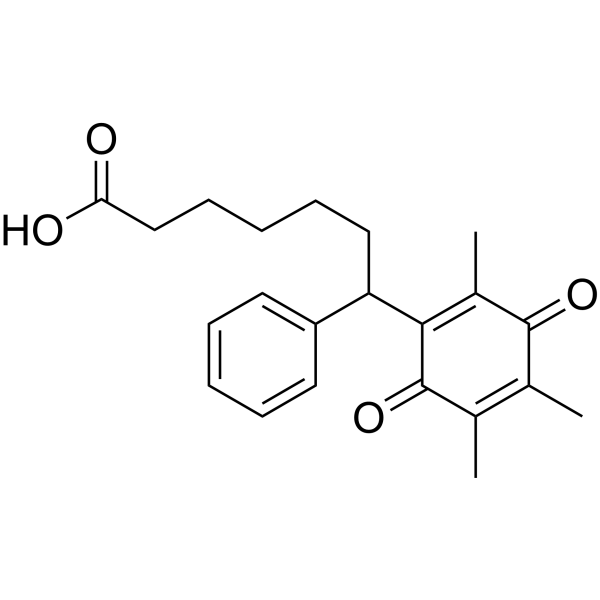 0 ImagesSynonyms: AA 2414Seratrodast (AA 2414), an orally active antiasthmatic agent, is a thromboxane A2 receptor (TP) antagonist and ferroptosis inhibitor. Seratrodast reduces lipid ROS production, modulates the systemic xc-/GSH/GPX4 axis, and inhibits JNK phosphorylation and p53 expression. Seratrodast exhibits anti-asthmatic and anti-epileptic activity.
-
S-Propargylcysteine
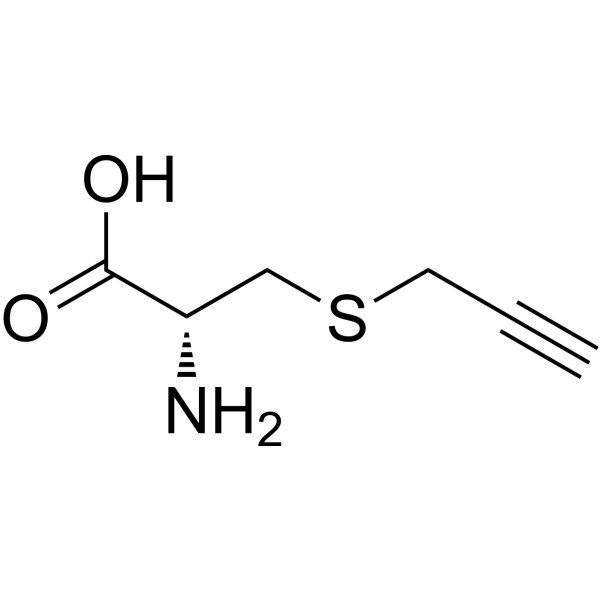 0 ImagesCat. No.: HY-W001538CAS No.: 3262-64-4Synonyms: SPRCS-Propargylcysteine (SPRC), a structural analog of S-allyl cysteine (SAC), is a slow H2S-releasing compound. S-Propargylcysteine reduces Ca2+ accumulation and inflammatory cytokines, inhibits STAT3, and elevates p53 and Bax. S-Propargylcysteine has anti-inflammatory activity and protects mice against acute pancreatitis. S-Propargylcysteine also has cardioprotective, neuroprotective acitivties.
-
Dracorhodin perchlorate
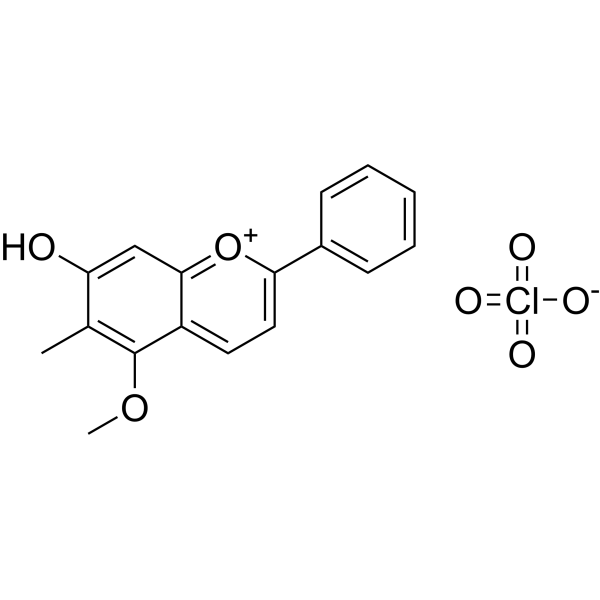 0 ImagesSynonyms: Dracohodin perochlorateDracorhodin perchlorate (Dracohodin perochlorate) is a natural product that can be obtained from the natural active molecule Dragon's blood. Dracorhodin perchlorate inhibits PI3K/Akt and NF-κB activation, upregulates p53 expression, activates caspase, produces ROS, and promotes Apoptosis. Dracorhodin perchlorate regulates the TLR4. Dracorhodin perchlorate promotes wound healing, improves diabetes. Dracorhodin perchlorate has anti-tumor activity against prostate cancer, breast cancer, cervical cancer and other cancers.
-
Briciclib
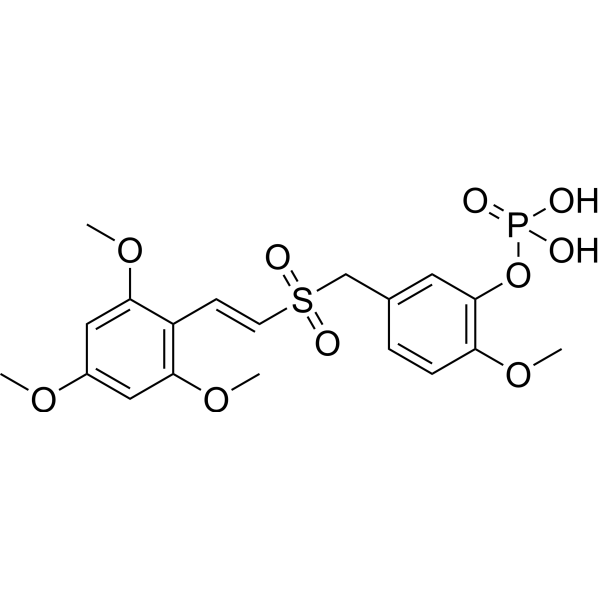 0 ImagesSynonyms: ON 014185Briciclib (ON 014185) is a eukaryotic translation initiation factor 4E (eIF4E) inhibitor. Briciclib exhibits broad-spectrum anti-cancer activity, including in mantle cell leukemia, breast cancer, gastric cancer, and esophageal cancer cells. Briciclib reduces the expression of cyclin D1 and c-Myc, and enhances the expression of P53 and Cleaved Caspase 3 pro-apoptotic proteins. Briciclib can be used for the study of hematological system tumors and solid tumors.
-
Oxychlororaphine
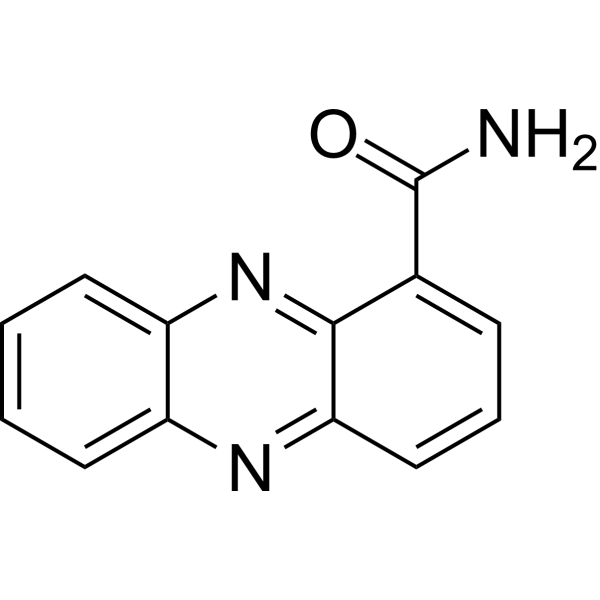 0 ImagesOxychloroaphine could be isolated from the bacterium Pantoea agglomerans naturally present in soil. Oxychloroaphine has broad-spectrum antifungal activity. Oxychloroaphine has cytotoxicity in a dose-dependent manner and induces apoptosis. Oxychloroaphine can be used in research of cancer.
-
NSC194598
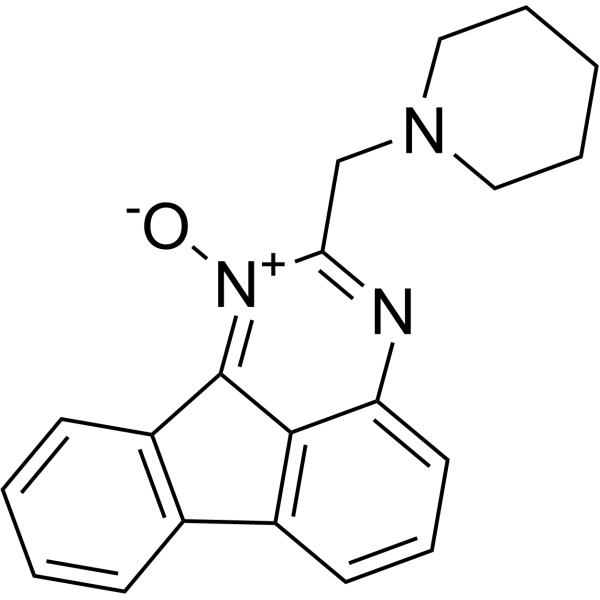 0 ImagesNSC194598 is a p53 DNA-binding inhibitor with an IC50 value of 180 nM. NSC194598 inhibits p53 DNA binding and induction of target genesn when p53 is stabilized and activated by irradiation or chemotherapy. NSC194598 can interfere with transcriptional activation of mutated rearranged during transfection (RET) gene, induce apoptosis and G0/G1 phase arrest. NSC194598 can be used for the researches of acute radiation toxicity and medullary thyroid carcinoma.
-
Dibenzo(a,i)pyrene
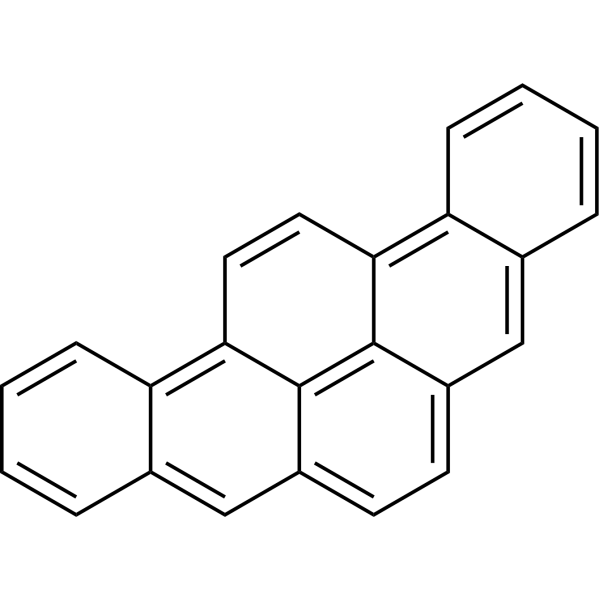 0 ImagesDibenzo (a,i) pyrene is a polycyclic aromatic hydrocarbon and also a carcinogenic ligand of the TCDD (Ah) receptor. Dibenzo (a,i) pyrene binds to the TCDD (Ah) receptor in rat liver. Dibenzo (a,i) pyrene induces DNA adduct formation and upregulates the protein levels of p53 and p21WAF1 in diploid lung fibroblasts. Dibenzo (a,i) pyrene alters the cell cycle distribution of diploid lung fibroblasts, increasing the proportion of cells in the S phase, decreasing the proportions of cells in the G0/G1 and G2/M phases, and causing S phase delay/arrest. Dibenzo (a,i) pyrene is applicable for cancer research.
-
SQDG
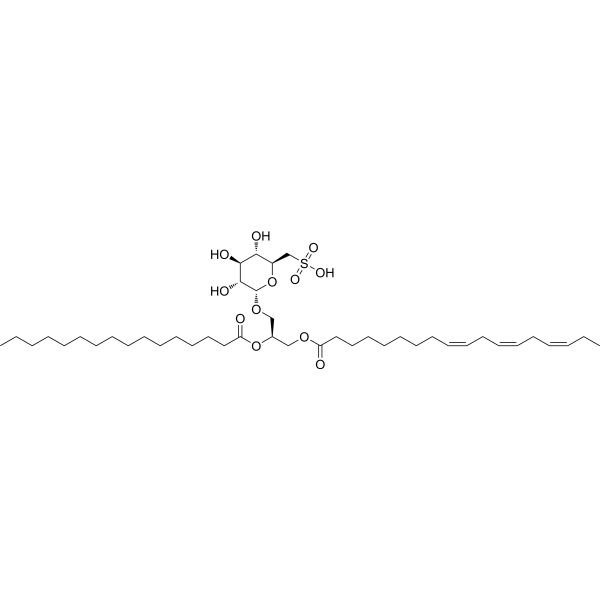 0 ImagesSQDG inhibits topoisomerase I and P-selectin receptor, exhibits anti-inflammatory, antiviral and antitumor activities. SQDG is a glycolipid that possesses sugar moieties in their head groups. SQDG is a membrane lipid that can be used to investigate the effects of structural lipid in LNP formulations.
-
Sulfabenzamide
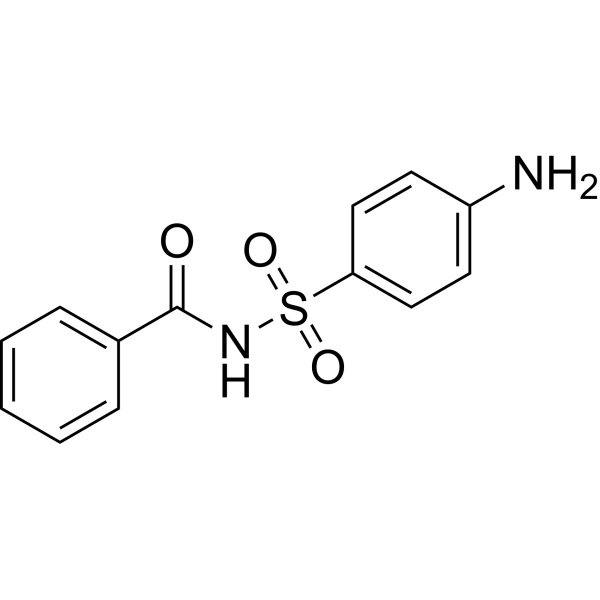 0 ImagesSulfabenzamide (N-Sulfanilylbenzamide) is a sulfonamide antibacterial agent. Sulfabenzamide exhibit antibacterial activity against Staphylococcus aureus (ATCC 25923) and Escherichia coli (ATCC 8739). Sulfabenzamide can promote autophagic cell autophagy in breast cancer cells through p53/ DRAM pathway. Sulfabenzamide increases caspase-3 activity, deactivates PARP1 and DNA-PK, downregulates AKT1 and AKT2. Sulfabenzamide can be used for the researches of breast cancer and bacterial infections.
-
Lenalidomide (Standard)
 0 ImagesSynonyms: CC-5013 (Standard)Lenalidomide (Standard) (CC-5013 (Standard)) is the analytical standard of Lenalidomide (HY-A0003). This product is intended for research and analytical applications. Lenalidomide (CC-5013) is an orally active immunomodulatory agent that binds CRBN as a molecular glue to alter substrate specificity, inducing ubiquitination and proteasome-dependent degradation of IKZF1, IKZF3 and CK1α. Lenalidomide induces apoptosis by degrading IKZF1/3, and activates p53 by degrading CK1α. Lenalidomide promotes IL-2 release and effector functions of CD8+ T/NK cells, while inhibiting TNF-α secretion and M1-type pyroptosis. Lenalidomide can be used in research related to hematological malignancies, acute liver failure and acute kidney injury.
-
Polygalasaponin F
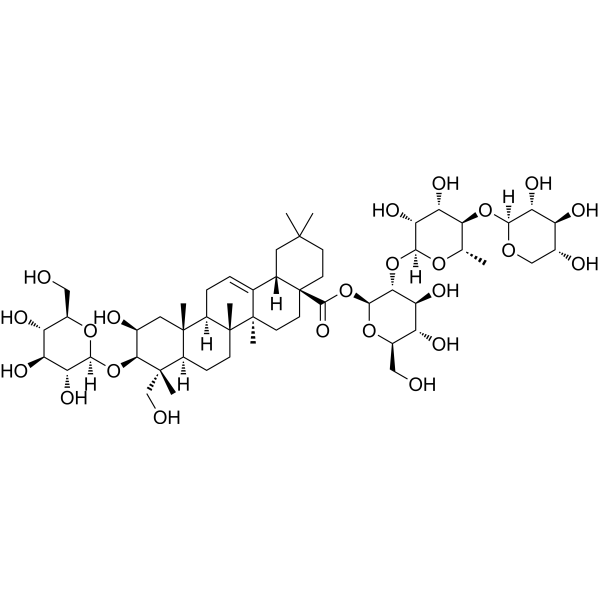 0 ImagesPolygalasaponin F is an orally active triterpenoid saponin monomer. Polygalasaponin F downregulates the expression of Bax, p53, caspase-3, NF-κB p65 and MEK1; restores and upregulates the expression of Bcl-2; activates the PI3K/Akt signaling pathway; inhibits the phosphorylation of p38 MAPK, nuclear translocation of NF-κB, TLR4-mediated signaling pathway, mitophagy (Mitophagy) and ROS production; enhances cell viability and suppresses apoptosis (Apoptosis). Polygalasaponin F maintains mitochondrial function, alleviates Ca2+ overload, upregulates pCREB and BDNF, preserves cell viability and inhibits the release of inflammatory cytokines. Polygalasaponin F alleviates lung injury induced by influenza A H1N1 and cerebral ischemia-reperfusion injury. Polygalasaponin F is applicable to researches related to Parkinson's disease, cerebral ischemia, pneumonia induced by influenza A H1N1, stroke and Alzheimer's disease.
-
Notoginsenoside R2
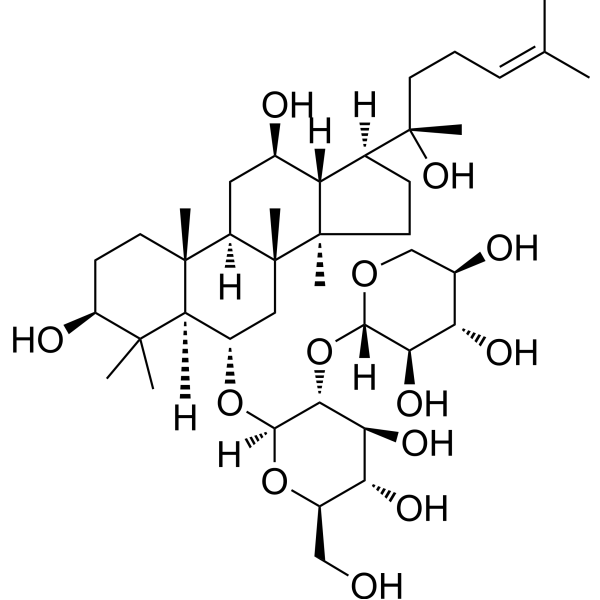 0 ImagesSynonyms: 20(S)-Notoginsenoside R2; Ginsenoside Ng-R2Notoginsenoside R2 (20(S)-Notoginsenoside R2; Ginsenoside Ng-R2) is an orally active notoginsenoside. Notoginsenoside R2 activates P90RSK and Nrf2 via the MEK1/2-ERK1/2 pathway to inhibit 6-OHDA-induced apoptotic damage in nerve cells. Notoginsenoside R2 upregulates SOX8/β-catenin by reducing miR-27a, thereby suppressing Aβ25-35-induced neuronal apoptosis and inflammatory responses. Notoginsenoside R2 alleviates lipid accumulation and mitochondrial dysfunction in diabetic nephropathy by inhibiting c-Src. Notoginsenoside R2 alleviates hepatic fibrosis by inducing hepatic stellate cell senescence and inhibiting the inflammatory microenvironment via JAK/STAT3 suppression. Notoginsenoside R2 can be used in research related to Parkinson's disease, Alzheimer's disease, diabetic nephropathy and hepatic fibrosis.
-
Dibenz[a,h]anthracene
![Dibenz[a,h]anthracene](https://file.medchemexpress.com/product_pic/hy-w013053.gif "Click to View Dibenz[a,h]anthracene Product Detail") 0 ImagesSynonyms: DBA; 1,2,5,6-Dibenzanthracene; Benzo[k]tetrapheneDibenz[a,h]anthracene (DBA) is an orally active polycyclic aromatic hydrocarbon, a by-product of incomplete combustion of organic matter, a potent carcinogen, and an agonist of AhR. Dibenz[a,h]anthracene induces dose-dependent increases in DNA adduct formation and lacZ mutation frequency. Dibenz[a,h]anthracene upregulates St3gal5. Dibenz[a,h]anthracene can be used in cancer-related research.
0 ImagesSynonyms: DBA; 1,2,5,6-Dibenzanthracene; Benzo[k]tetrapheneDibenz[a,h]anthracene (DBA) is an orally active polycyclic aromatic hydrocarbon, a by-product of incomplete combustion of organic matter, a potent carcinogen, and an agonist of AhR. Dibenz[a,h]anthracene induces dose-dependent increases in DNA adduct formation and lacZ mutation frequency. Dibenz[a,h]anthracene upregulates St3gal5. Dibenz[a,h]anthracene can be used in cancer-related research.
-
p53 Activator 7
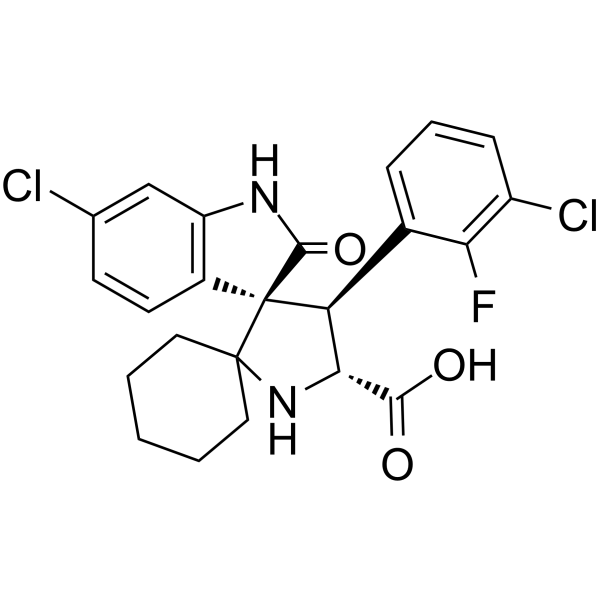
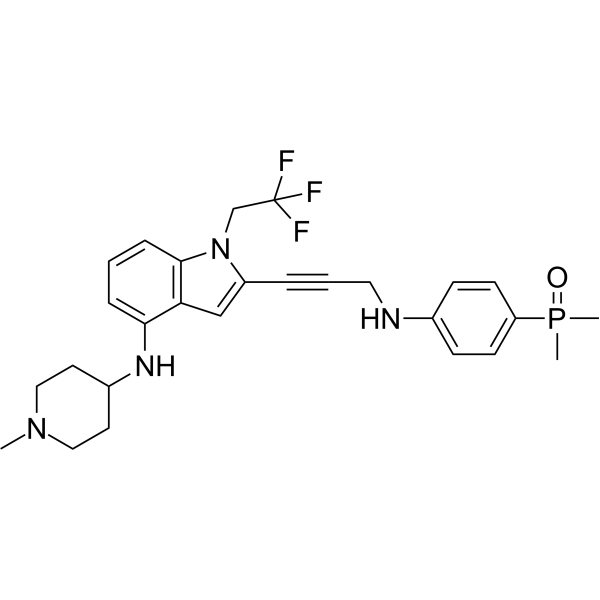 0 Imagesp53 Activator 7 is a p53 mutation Y220C (MDM-2/p53) activator with an EC50 of 104 nM. p53 Activator 7 can bind to p53 mutant and restore its ability to bind DNA (WO2022213975A1; Example B-1). p53 Activator 7 is a click chemistry reagent, it contains an Alkyne group and can undergo copper-catalyzed azide-alkyne cycloaddition (CuAAc) with molecules containing Azide groups.
-
Dammarenediol II
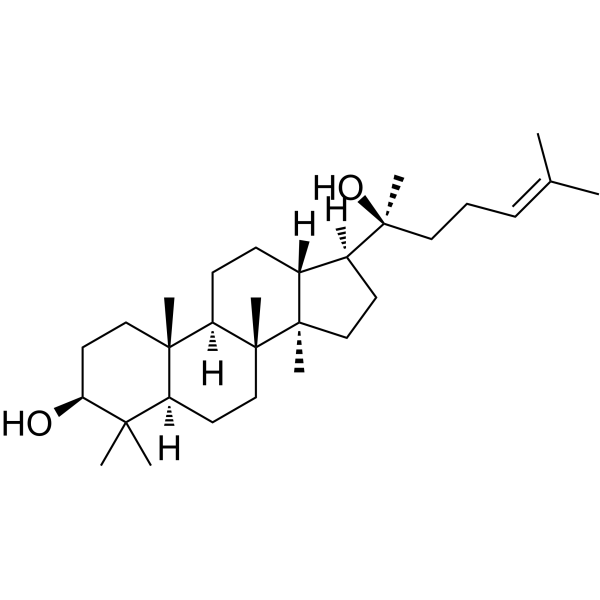 0 ImagesDammarenediol II is a ginsenoside precursor. Dammarenediol II reduces the activity of O-GlcNAc transferase (OGT) and downregulates the global O-GlcNAcylation level. Dammarenediol II inhibits the phosphorylation of Akt, mTOR and GSK3β. Dammarenediol II inhibits human carboxylesterase activity, VEGF-induced ROS production, stress fiber formation and vascular endothelial cadherin disruption. Dammarenediol II promotes cell apoptosis (apoptosis), increases the levels of cleaved PARP1 and p53, and inhibits retinal microvascular leakage. Dammarenediol II can be used in studies related to liver cancer and diabetic retinopathy.