NF-κB
Nuclear factor-κB; Nuclear factor-kappaB
NF-κB (Nuclear factor kappa-light-chain-enhancer of activated B cells) is a protein complex that controls transcription of DNA. NF-κB is found in almost all animal cell types and is involved in cellular responses to stimuli such as stress, cytokines, free radicals, ultraviolet irradiation, oxidized LDL, and bacterial or viral antigens. NF-κB plays a key role in regulating the immune response to infection. Incorrect regulation of NF-κB has been linked to cancer, inflammatory, and autoimmune diseases, septic shock, viral infection, and improper immune development. NF-κB has also been implicated in processes of synaptic plasticity and memory. There are five proteins in the mammalian NF-κB family: NF-κB1, NF-κB2, RelA, RelB, c-Rel.
NF-κB Isoform Specific Products
All Product Categories
-
NF-κB Inhibitors
(1636)
View all products
-
NF-κB Agonists
(6)
View all products
-
NF-κB Antagonist
(1)
View all products
-
NF-κB Activators
(146)
View all products
-
NF-κB Modulators
(34)
View all products
-
NF-κB Inducers
(3)
View all products
-
NF-κB Degraders
(4)
View all products
-
NF-κB Controls
(7)
View all products
-
NF-κB Ligands
(2)
View all products
-
NF-κB Related Products (1973)
Related Products (1973)

-
Antibodies (32)
-
NF-κB Signaling Pathway
-
NF-κB Isoform Comparison
-
Nitidine chloride
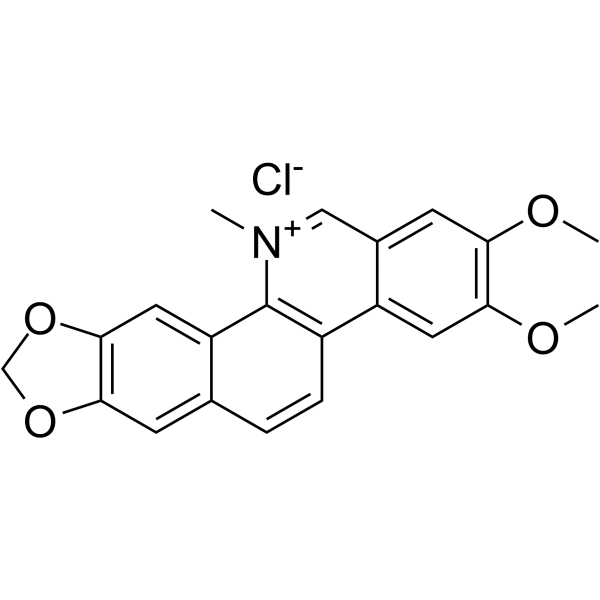 0 ImagesNitidine chloride, a potential anti-malarial lead compound derived from Zanthoxylum nitidum (Roxb) DC, exerts potent anticancer activity through diverse pathways, including inducing apoptosis, inhibiting STAT3 signaling cascade, DNA topoisomerase 1 and 2A, ERK and c-Src/FAK associated signaling pathway, also has anti-inflammatory activity. Nitidine chloride inhibits LPS-induced inflammatory cytokines production via MAPK and NF-kB pathway.
-
Anti-Mouse NK1.1 Antibody (PK136)
 0 ImagesCat. No.: HY-P99143Purity: 98.57%Anti-Mouse NK1.1 Antibody (PK136) is an anti-mouse NK1.1 IgG2a monoclonal antibody. Anti-Mouse NK1.1 Antibody (PK136) can deplete natural killer (NK) cells. Anti-Mouse NK1.1 Antibody (PK136) inhibits the JAK-STAT and NF-κB signaling pathways. Anti-Mouse NK1.1 Antibody (PK136) can be used for research on inflammation conditions such as non-alcoholic steatohepatitis (NASH).
-
FPFT-2216
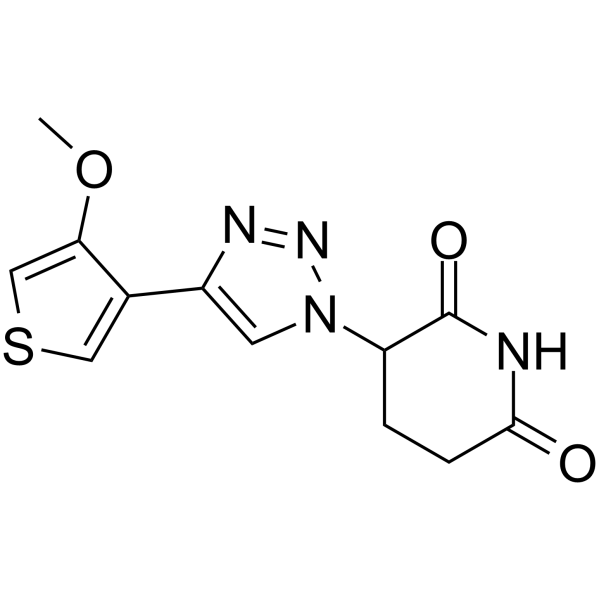 0 ImagesFPFT-2216 is an orally active Molecular glue degrader targeting IKZF1, IKZF3, CK-1α, and PDE6D, with a DC50 of 8 nM against PDE6D. FPFT-2216 mediates ubiquitin-proteasome degradation via the CRL4CRBN E3 ubiquitin ligase complex and interacts with the non-isoprenoid-binding region of PDE6D. FPFT-2216 activates the p53 signaling pathway, inhibits the CBM complex/NF-κB pathway, upregulates IL-2, suppresses IL-1β and IL-6, and induces tumor cell Apoptosis. FPFT-2216 exhibits anticancer activity against multiple myeloma and lymphoma. FPFT-2216 can be used in research related to multiple myeloma, lymphoma, acute lymphoblastic leukemia, acute myeloid leukemia, pancreatic ductal adenocarcinoma, non-small cell lung cancer, and gastric adenocarcinoma.

-
Erenapurstat
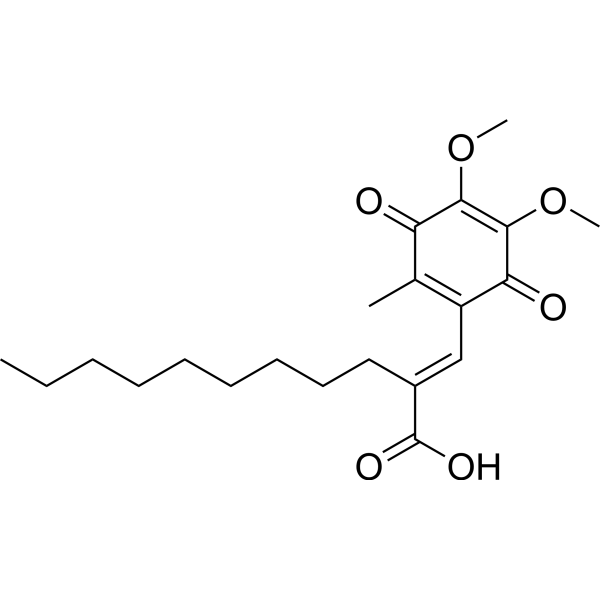 0 ImagesSynonyms: E3330; APX-3330Erenapursta (E3330) is a direct, orally active and selective inhibitor of Ape-1 (apurinic/apyrimidinic endonuclease 1)/Ref-1 (redox factor-1) redox. Erenapursta is able to impair tumor growth and blocks the activity of NF-κB, AP-1, and HIF-1α in pancreatic cancer. Erenapursta shows anticancer activities.
-
Physcion
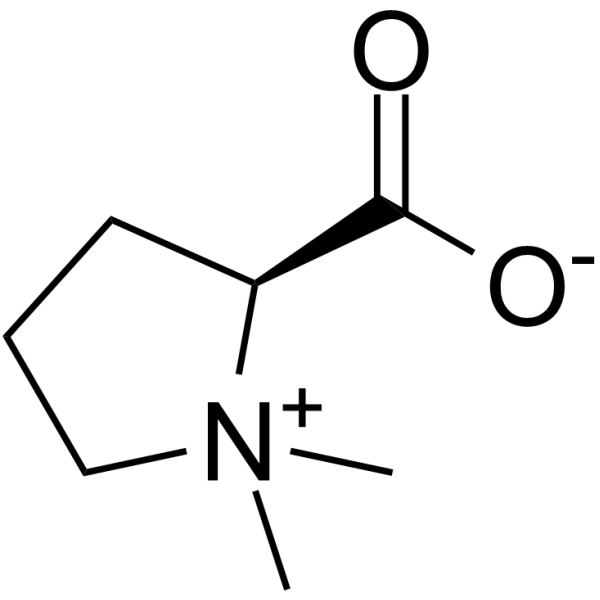
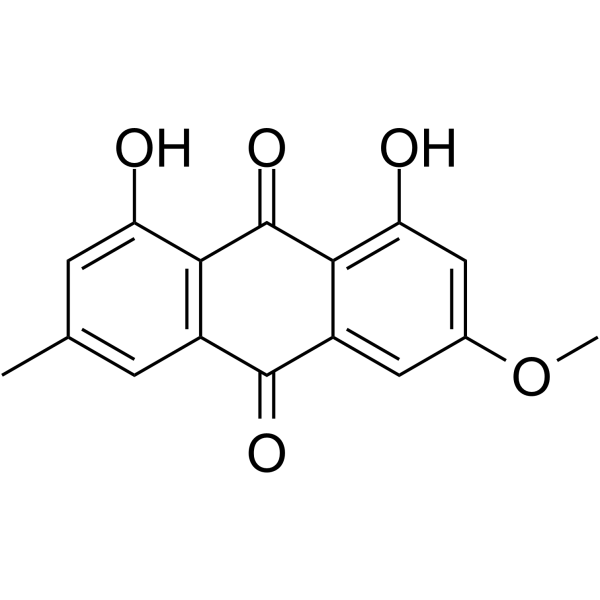 0 ImagesPhyscion (Parietin), an anthraquinone derivative derived from the traditional Chinese medicine rhubarb, is an effective oral active 6-phosphogluconate dehydrogenase inhibitor with blood-brain barrier permeability, with IC50 and Kd values of 38.5 μM and 26.0 μM, respectively. Additionally, Physcion is an inhibitor of the <>bTLR4/NF-κB signaling pathway, exhibiting anti-inflammatory, antibacterial, and anticancer effects, and can induce Apoptosis and Autophagy in cancer cells.
-
L-Glutamine-15N
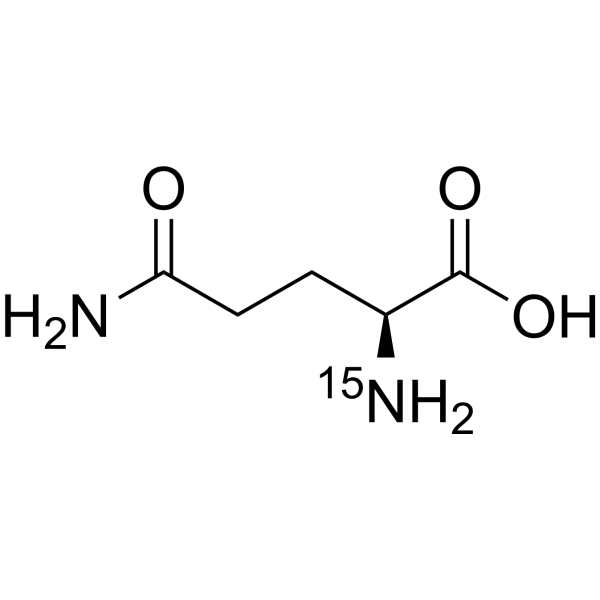 0 ImagesSynonyms: L-Glutamic acid 5-amide-15NL-Glutamine-15N is the 15N-labeled L-Glutamine (HY-N0390). L-Glutamine is an orally active nutritional agent and cellular metabolism regulator. L-Glutamine is taken up in a Na+-dependent manner and targets multiple key molecules including glutaminase, mTORC1, NF-κB, STAT-3 and HIF-1α. L-Glutamine enhances glutaminolytic catabolism, drives the conversion of glutamate to α-ketoglutarate, thereby regulating gene expression, integrating metabolic signals, mediating glutamine flux and maintaining redox homeostasis. L-Glutamine also promotes cell proliferation, osteogenic differentiation and fracture healing, exerts neuroprotective and cardioprotective effects, and inhibits osteoarthritis. L-Glutamine can be applied to research related to osteoporosis, osteoarthritis, ischemic stroke and acute cantharidin-induced cardiotoxicity.
-
EUK-134
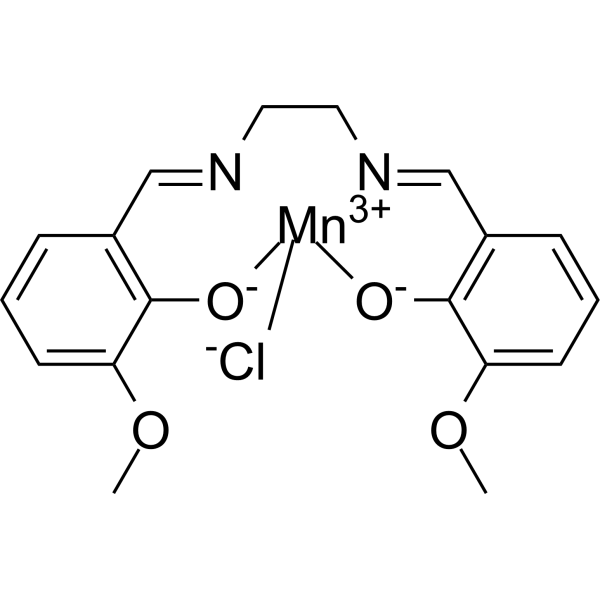 0 ImagesEUK-134, a synthetic superoxide dismutase and catalase mimetic, protects rat kidneys from ischemia-reperfusion-induced damage. EUK-134 is a superoxide dismutase (SOD) mimetics (SODm) with catalase activity. EUK-134 is a mitoprotective antioxidant. EUK-134 reduces the expression of NF-κB, MDA level, and protein carbonylation in H9C2 cells.
-
L-Threonic acid magnesium
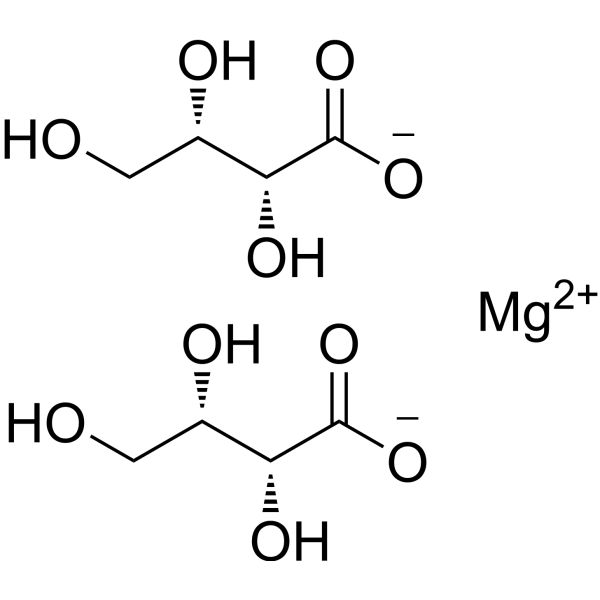 0 ImagesSynonyms: Magnesium L-threonateL-Threonic acid magnesium (Magnesium L-threonate) is the enantiomer of Threonic acid and the metabolite of vitamin C (HY-B0166). L-Threonic acid magnesium is a magnesium supplementation, that improves the brain magnesium concentration, inhibits the activation of TNF-α/NF-κB signaling pathway. L-Threonic acid magnesium can be used in research of Alzheimer’s disease. L-Threonic acid magnesium is orally active.
-
Cusatuzumab
 0 ImagesSynonyms: ARGX-110Cusatuzumab (ARGX-110) is a selective competitive blocker targeting CD70 (with an equilibrium dissociation constant of 17 pM for binding to human CD70). Cusatuzumab also possesses enhanced antibody-dependent cell-mediated cytotoxicity (ADCC) activity. It is a humanized IgG1 monoclonal antibody, artificially synthesized through humanization and genetic engineering modifications (CH2 region mutation to enhance effector function). Cusatuzumab has a dual mechanism of action: firstly, it competitively blocks the interaction between CD70 and CD27, inhibiting the CD27-NF-κB signaling pathway, reducing regulatory T cell (Treg) activation and tumor cell proliferation; secondly, by enhancing binding to FcγRIIIa, it mediates ADCC and antibody-dependent cellular phagocytosis (ADCP), directly lysing CD70-positive tumor cells. Cusatuzumab can efficiently eliminate leukemia stem cells (LSCs), induce tumor cell differentiation and apoptosis, restore immune surveillance, and target CD70-positive tumors. Cusatuzumab is used in the study of acute myeloid leukemia (AML).
-
2,3,5,4'-Tetrahydroxystilbene 2-O-β-D-glucoside
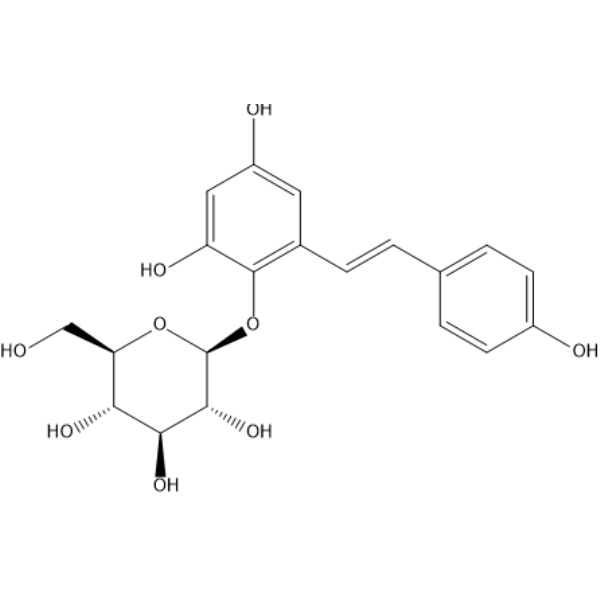 0 ImagesSynonyms: 2,3,4',5-Tetrahydroxystilbene 2-O-D-glucoside2,3,5,4'-Tetrahydroxystilbene 2-O-β-D-glucoside isolats from the roots of Polygonaceae species, inhibits the formation of 5-HETE, HHT and thromboxane B2. 2,3,5,4'-Tetrahydroxystilbene 2-O-β-D-glucoside has hypotensive, anti-ageing, anti-inflammatory, hypolipidemic, cardioprotective, and neuroprotective actions.
-
Dehydroepiandrosterone sulfate sodium
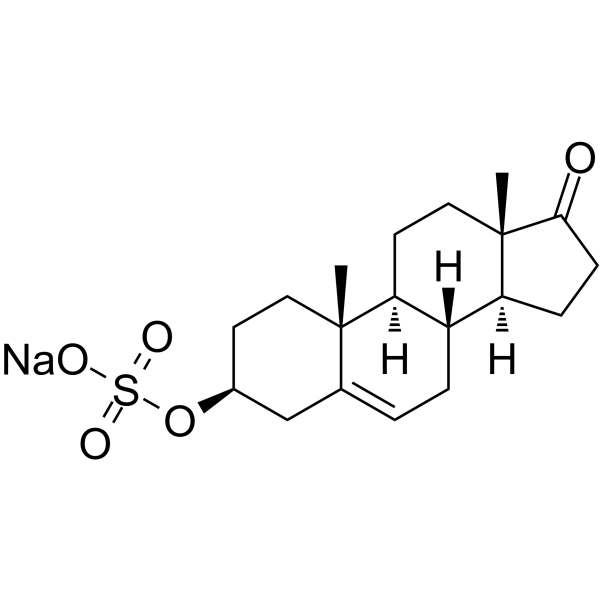 0 ImagesSynonyms: DHEA sulfate sodium; Prasterone sulfate sodiumDehydroepiandrosterone sulfate (DHEA sulfate; Prasterone sulfate) sodium salt is a neurosteroid and the main secretion product of the adrenal gland. Dehydroepiandrosterone sulfate sodium salt has both non-competitive antagonist activity of GABAA receptor and agonist activity of σ1 receptor. Dehydroepiandrosterone sulfate sodium salt can partially penetrate the blood-brain barrier, inhibit GABAA receptor-mediated chloride influx, enhance NMDA receptor activity through σ1 receptors, exert anti-inflammatory, anti-glucocorticoid and antidepressant effects, and increase convulsive sensitivity. Dehydroepiandrosterone sulfate sodium salt participates in neuroprotection, neurite growth regulation and catecholamine secretion regulation, and can be used in the study of depression, post-traumatic stress disorder (PTSD), Alzheimer's disease, etc. Dehydroepiandrosterone sulfate sodium salt may also be a biomarker for cardiovascular disease mortality, and its concentration is independently and negatively correlated with mortality.
-
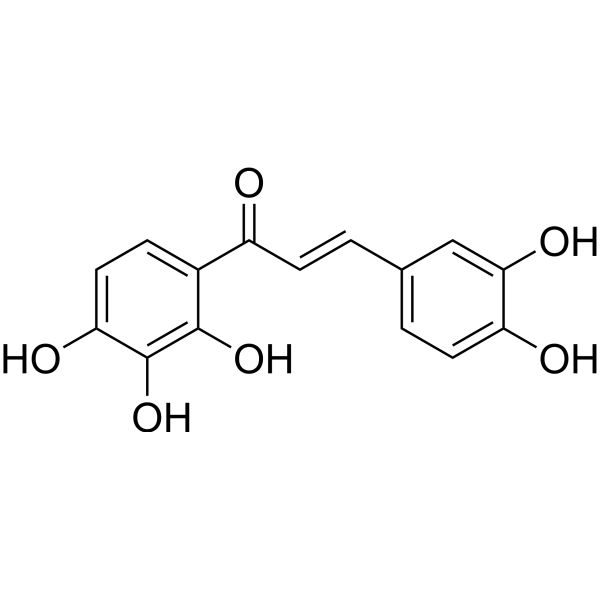
Cardamonin
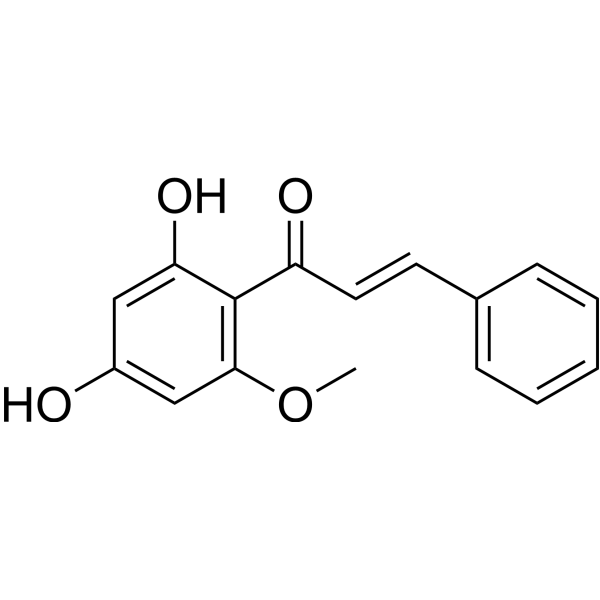 0 ImagesSynonyms: Cardamomin; Alpinetin chalcone
-
Zinc Gluconate
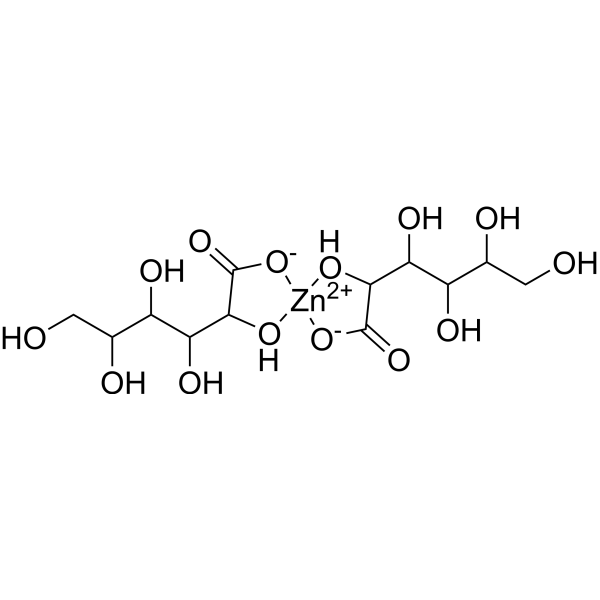 0 ImagesZinc Gluconate is a zinc supplement in the form of a gluconate salt, which plays a role in various physiological processes such as immune function, wound healing, and olfaction. Zinc Gluconate has a LD50 of 39.6 mg/kg in mice (Tail vein injection). Zinc Gluconate can be used in the research of inflammation, zinc deficiency, colds, cancer, and nutritional supplements.