



NF-κB
Nuclear factor-κB; Nuclear factor-kappaB
NF-κB (Nuclear factor kappa-light-chain-enhancer of activated B cells) is a protein complex that controls transcription of DNA. NF-κB is found in almost all animal cell types and is involved in cellular responses to stimuli such as stress, cytokines, free radicals, ultraviolet irradiation, oxidized LDL, and bacterial or viral antigens. NF-κB plays a key role in regulating the immune response to infection. Incorrect regulation of NF-κB has been linked to cancer, inflammatory, and autoimmune diseases, septic shock, viral infection, and improper immune development. NF-κB has also been implicated in processes of synaptic plasticity and memory. There are five proteins in the mammalian NF-κB family: NF-κB1, NF-κB2, RelA, RelB, c-Rel.
NF-κB Isoform Specific Products
All Product Categories
-
NF-κB Inhibitors
(1636)
View all products
-
NF-κB Agonists
(6)
View all products
-
NF-κB Antagonist
(1)
View all products
-
NF-κB Activators
(146)
View all products
-
NF-κB Modulators
(34)
View all products
-
NF-κB Inducers
(3)
View all products
-
NF-κB Degraders
(4)
View all products
-
NF-κB Controls
(7)
View all products
-
NF-κB Ligands
(2)
View all products
-
NF-κB Related Products (1973)
Related Products (1973)

-
Antibodies (32)
-
NF-κB Signaling Pathway
-
NF-κB Isoform Comparison
-
Direct Blue 1
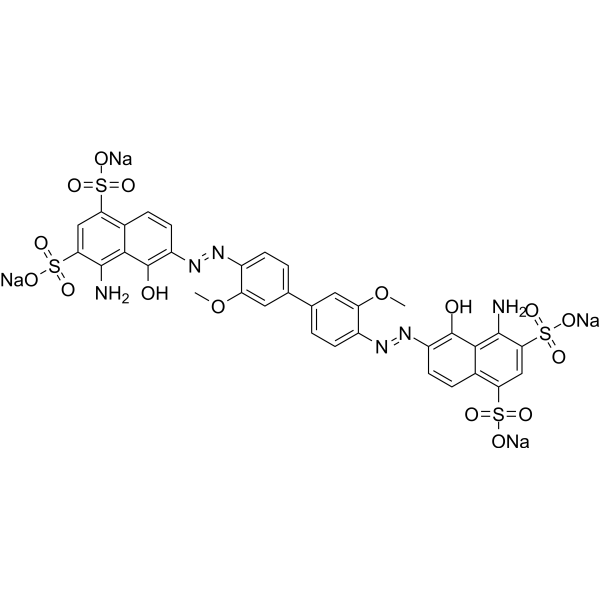 0 ImagesDirect Blue 1 (Chicago Sky Blue 6B) is a complex dye for background autofluorescence in immunofluorescence histochemistry. Direct Blue 1 is a potent and competitive VGLUT inhibitor. Direct Blue 1 can inhibit the Aβ-binding small molecule PrP ligand. Direct Blue 1 has anti-inflammatory activity.
-
Catadegbrutinib
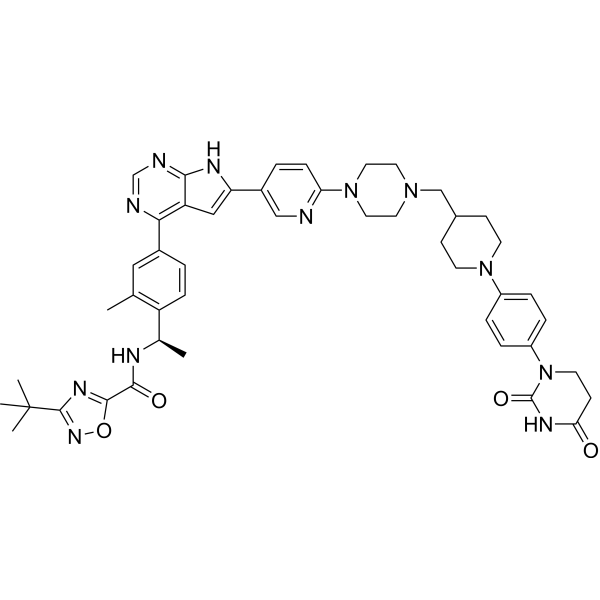 0 ImagesSynonyms: BGB-16673; BTK-IN-29BGB-16673 (BGB-16673) is an orally active, selective BTK PROTAC degrader (IC50=0.69 nM). BGB-16673 ligates BTK to E3 ubiquitin ligase, causing BTK to undergo polyubiquitination, which is then recognized and degraded by the proteasome, thereby exerting efficient BTK degradation activity. BGB-16673 can be used in the research of B-cell malignancies such as chronic lymphocytic leukemia, small lymphocytic lymphoma, and mantle cell lymphoma.
-
MM-102
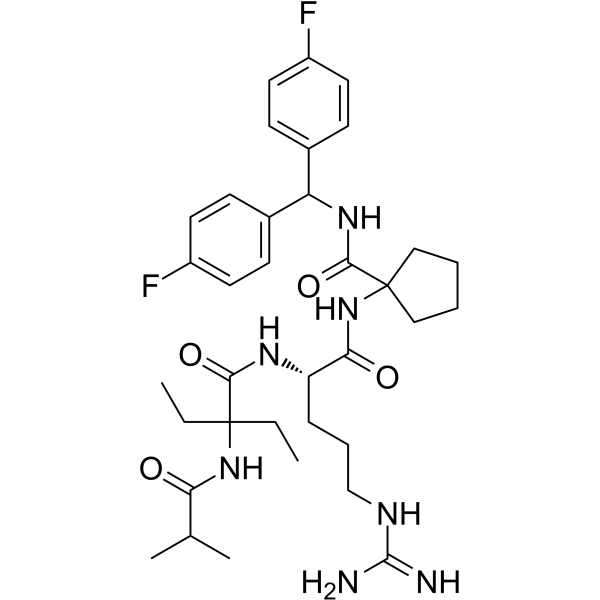 0 ImagesSynonyms: HMTase Inhibitor IXMM-102 (HMTase Inhibitor IX) is a cell-permeable and tightly binding inhibitor of MLL1-WDR5 interaction (IC50=2.4 nM). MM-102 can specifically inhibit the growth and induce apoptosis of leukemia cells containing MLL1 fusion protein, and reduce renal fibrosis and inflammation in mice with ischemia-reperfusion injury. In addition, MM-102 also acts as an H3K4 histone methyltransferase inhibitor to improve the development of porcine somatic cell nuclear transfer (SCNT) embryos.
-
Benzoylaconine
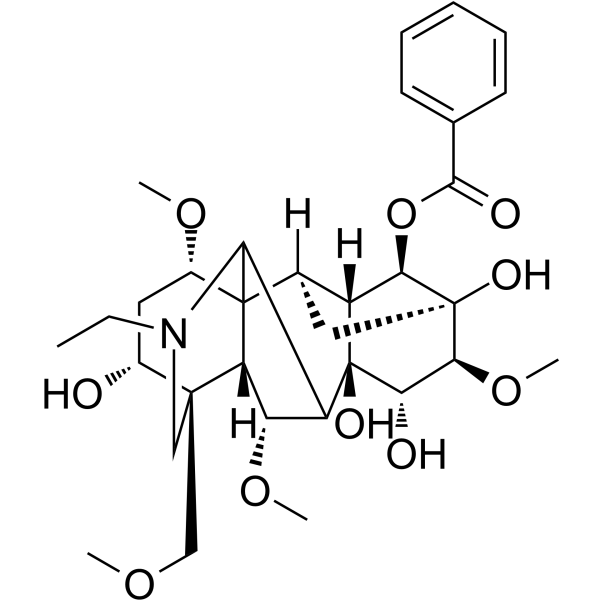 0 ImagesSynonyms: Benzoylaconitine; Isaconitine; PikraconitinBenzoylaconine (Benzoylaconitine) is an orally active monoester alkaloid found in the traditional Chinese medicine Aconitum carmichaelii. Benzoylaconine is an ACE2 agonist (EC50: 1.5 μM) with antihypertensive and anti-heart failure effects. Benzoylaconine inhibits TLR-induced MAPK and NF-κB pathways to exert anti-inflammatory effects. Benzoylaconine upregulates the protein levels of P-gp, MRP2, and has anti-tumor effects.
-
Sappanone A
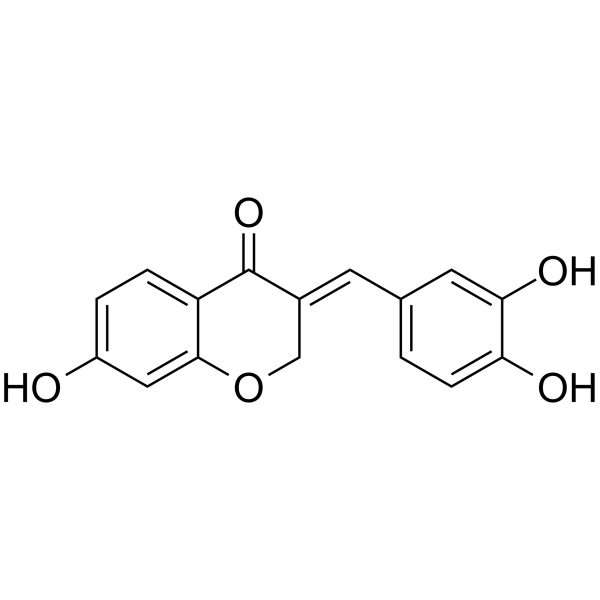 0 ImagesSappanone A is an orally active homoisoflavone found in sappan L. Sappanone A is a PDE4 and NF-κB inhibitor with anti-inflammatory and antioxidant effect. Sappanone A induces HO-1 expression through activation of Nrf2 pathway. Sappanone A also inhibits RANKL-induced osteoclastogenesis. Sappanone A has great potential in the research of inflammation-related and cardiovascular .
-
Gliotoxin
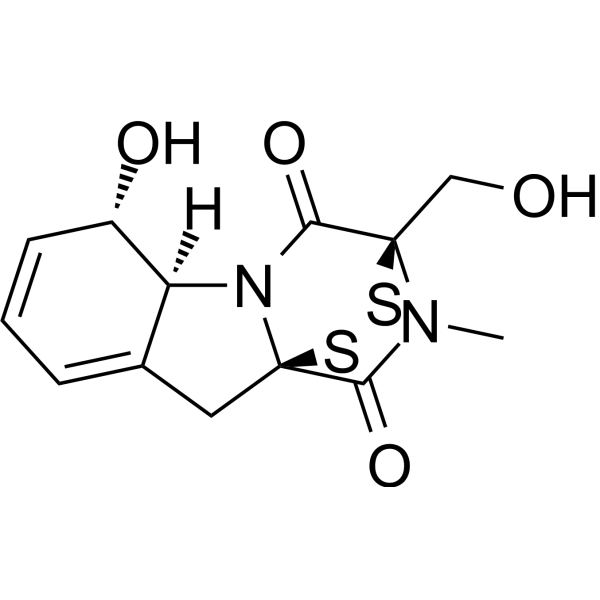 0 ImagesGliotoxin is a secondary metabolite, the most abundant mycotoxin secreted by A. fumigatus, inhibits the phagocytosis of macrophages and the immune functions of other immune cells . Gliotoxin inhibits inducible NF-κB activity by preventing IκB degradation, which consequently induces host-cell apoptosis. Gliotoxin activates PKA and increases intracellular cAMP concentration; modulates actin cytoskeleton rearrangement to facilitate A. fumigatus internalization into lung epithelial cells. Gliotoxin is a potent NOTCH2 transactivation inhibitor, can effectively induce apoptosis of chronic lymphocytic leukemia (CLL) cells.
-
Alizarin
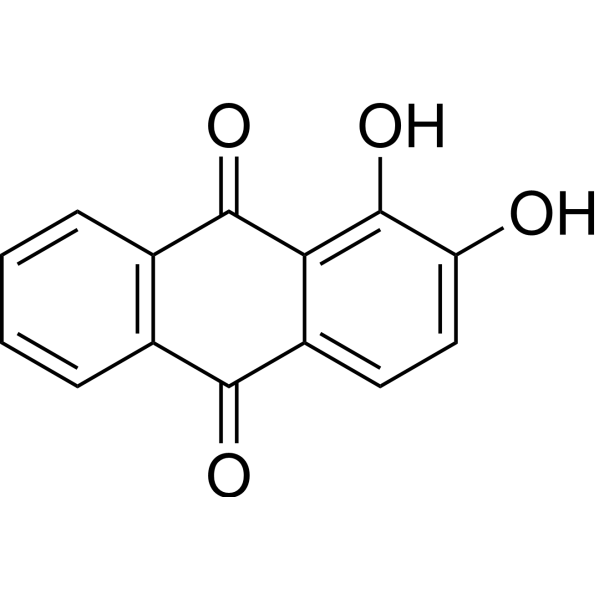 0 ImagesAlizarin is a natural dye. Alizarin can be extracted from the roots of madder plant. Alizarin activates AMPK and VEGFR2/eNOS pathway. Alizarin regulates PI3K/Akt and inhibits NF-κB pathway. Alizarin enhances CYP1A1 enzyme activity. Alizarin has protective effects on hypertension and vascular endothelial dysfunction. Alizarin has anti-tumor activity against multiple cancers including pancreatic cancer, breast cancer, osteosarcoma and liver cancer. Alizarin has been widely used as a pigment in textile fabrics and paintings.
-
Sophocarpine
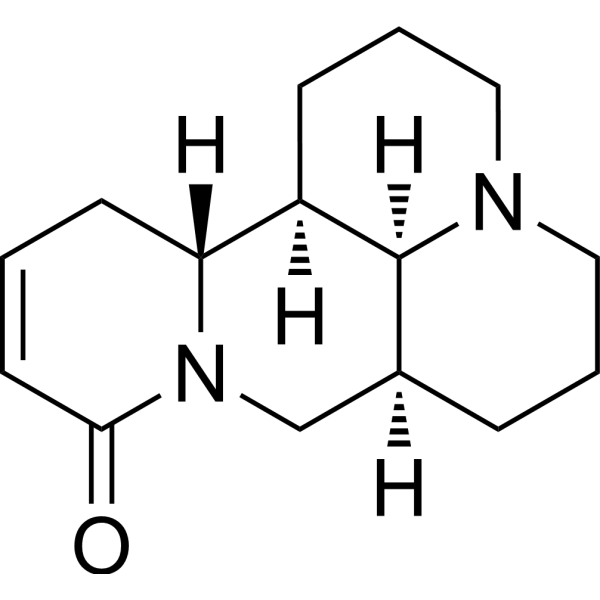 0 ImagesSophocarpine is a PTEN activator and an inhibitor of PI3K/Akt, MEK/ERK, and NF-κB signaling pathways. Sophocarpine upregulates PTEN expression and inhibits PI3K/Akt phosphorylation, arrests tumor cell cycle and induces apoptosis. Sophocarpine inhibits MEK/ERK phosphorylation and VEGF secretion, reducing tumor cell migration. Sophocarpine can also inhibit NF-κB activation and p38 and JNK phosphorylation, reduce the expression of inflammatory factors such as iNOS and COX-2, and activate the Nrf2/HO-1 pathway to reduce oxidative stress. Sophocarpine has anti-tumor, anti-inflammatory, antioxidant and anti-apoptotic effects, and can be used in the research of cancers such as glioblastoma and colorectal cancer, inflammation-related diseases, and Doxorubicin (HY-15142A)-induced cardiac damage.
-
Delanzomib
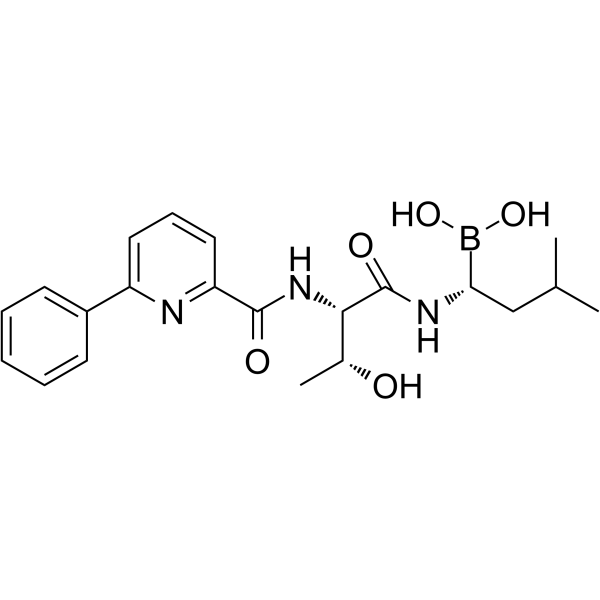 0 ImagesSynonyms: CEP-18770Delanzomib (CEP-18770) is a potent and orally active chymotrypsin-like activity of the proteasome inhibitor with an IC50 of 3.8 nM. Delanzomib inhibits NF-κB activity, induces cancer cell apoptotic, and has strong antiangiogenic and anti-cancer activities.
-
Manidipine dihydrochloride
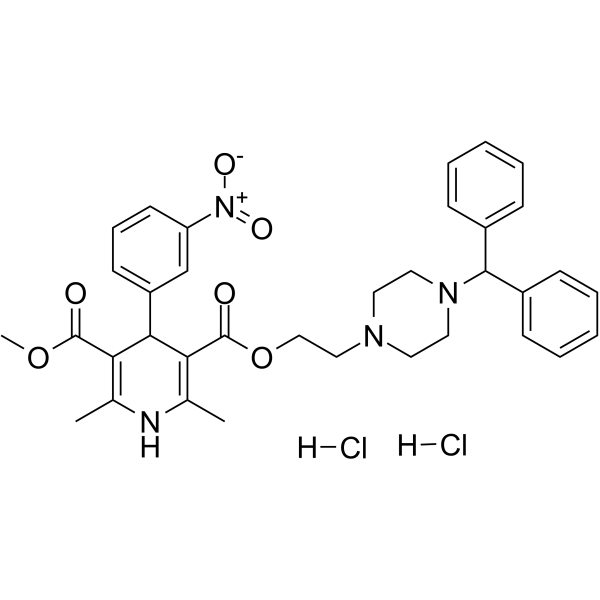 0 ImagesSynonyms: CV-4093Manidipine dihydrochloride is a third-generation, lipophilic, orally active and highly vasoselective calcium channel antagonist (IC50 = 2.6 nM in guinea-pig ventricular cells) and acts as an antihypertensive agent. Manidipine effectively reduces blood pressure as well as improving insulin sensitivity, renal protection, and antiatherosclerotic activity. Manidipine also exerts anti-inflammatory activity mediated by NF-κB and antiviral activity against many flavivirus and negative-strand RNA viruses through the inhibition of calcium channel. Manidipine is widely applied to research of cardiovascular, metabolic disease and infection.
-
Sweroside
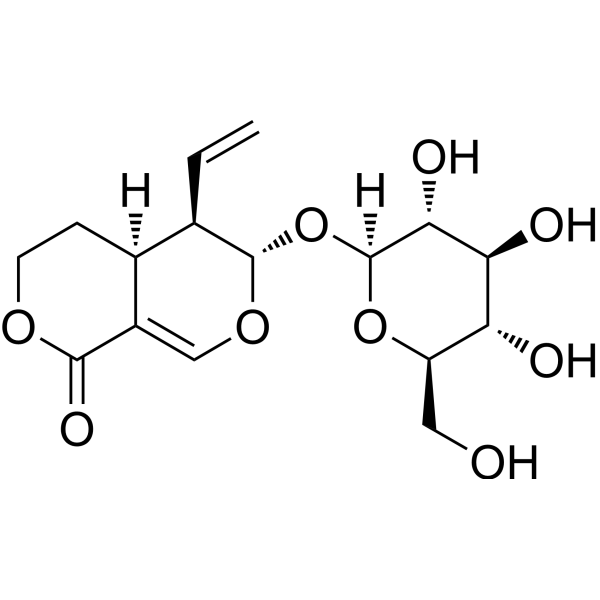 0 ImagesSweroside is an iridoid glycoside that targets multiple targets, including the Keap1/Nrf2 axis, NLRP3 inflammasome, SIRT1, NF-κB, AMPK/mTOR pathway, and caspase family. Sweroside promotes Nrf2 nuclear translocation by competitively binding to Keap1. Sweroside also inhibits oxidative stress and NLRP3-mediated pyroptosis by activating Nrf2, inhibits NF-κB inflammatory pathway by activating SIRT1, and promotes autophagy and induces caspase-dependent apoptosis via the AMPK/mTOR pathway. Sweroside has antioxidant, anti-inflammatory, anti-apoptotic, and lipid metabolism regulating activities, and can be used in the research of myocardial ischemia-reperfusion injury, leukemia, acute lung injury, non-alcoholic fatty liver disease, and other fields.
-
Hexadecanamide
 0 ImagesHexadecanamide (Palmitamide) is a fatty acid amide that has orally active anti-allergic, antioxidant, and neuroprotective effects. Hexadecanamide exerts protective effects in Staphylococcus aureus- and SARA-induced mastitis. Hexadecanamide suppresses S. aureus-induced activation of the NF-κB pathway and improves blood-milk barrier integrity. Hexadecanamide activates PPARα. Hexadecanamide enhances sperm motility in vitro. Hexadecanamide can be studied in research for mastitis and asthenozoospermia.
-
Resibufogenin
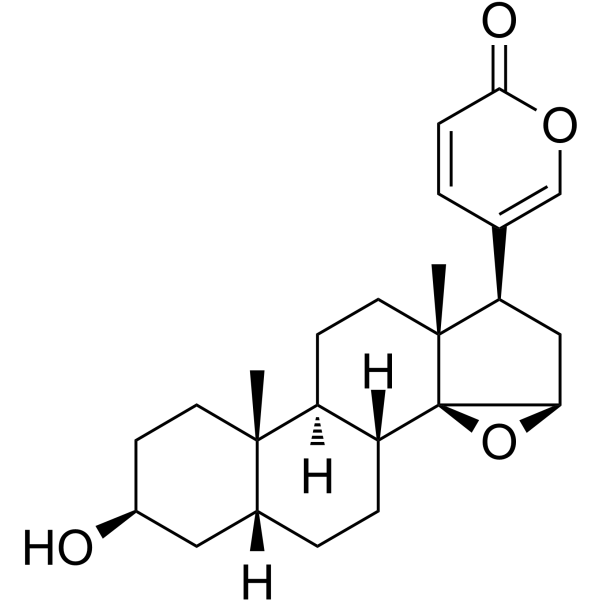 0 ImagesResibufogenin is an orally active anticancer agent. Resibufogenin can be extracted from toad venom. Resibufogenin blocks signaling pathways such as PI3K/Akt, NF-κB, AP-1, activates GSK-3β, and regulates cyclin D1. Resibufogenin can activate central neurons. Resibufogenin has anti-inflammatory activity. Resibufogenin has anti-tumor effects on a variety of tumors such as multiple myeloma, renal cancer, colorectal cancer, pancreatic cancer, and glioma.
-
L-Glutamine-15N-1
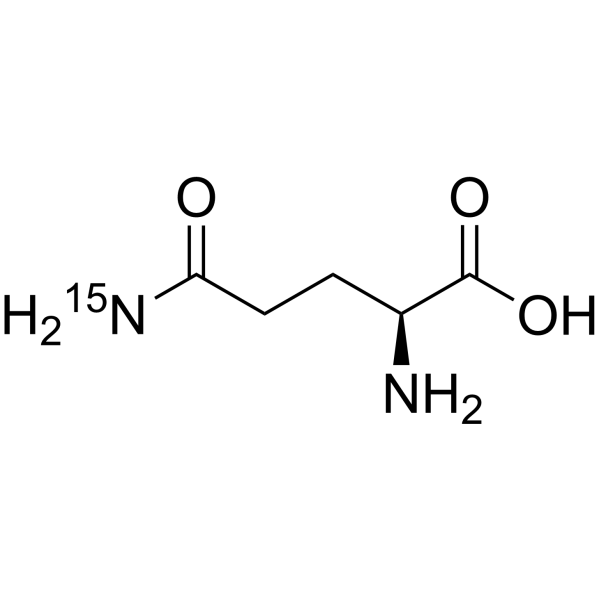 0 ImagesSynonyms: L-Glutamic acid 5-amide-15N-1L-Glutamine-15N-1 is the 15N-labeled L-Glutamine (HY-N0390). L-Glutamine is an orally active nutritional agent and cellular metabolism regulator. L-Glutamine is taken up in a Na+-dependent manner and targets multiple key molecules including glutaminase, mTORC1, NF-κB, STAT-3 and HIF-1α. L-Glutamine enhances glutaminolytic catabolism, drives the conversion of glutamate to α-ketoglutarate, thereby regulating gene expression, integrating metabolic signals, mediating glutamine flux and maintaining redox homeostasis. L-Glutamine also promotes cell proliferation, osteogenic differentiation and fracture healing, exerts neuroprotective and cardioprotective effects, and inhibits osteoarthritis. L-Glutamine can be applied to research related to osteoporosis, osteoarthritis, ischemic stroke and acute cantharidin-induced cardiotoxicity.
-
Dehydrocostus Lactone
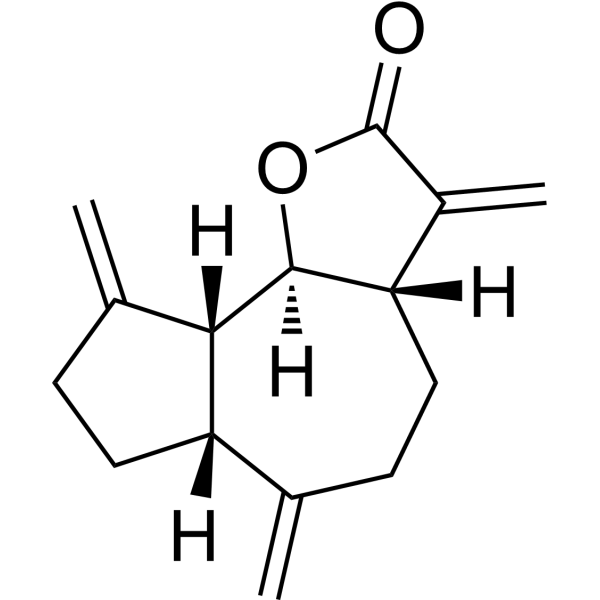 0 ImagesSynonyms: (-)-Dehydrocostus lactone; Epiligulyl oxideDehydrocostus Lactone ((-)-Dehydrocostus lactone) is a natural sesquiterpene that can be isolated from Saussurea lappa. Dehydrocostus Lactone has multiple activities such as anti-inflammatory, antibacterial, anti-tumor, and immunomodulatory effects. Dehydrocostus Lactone has an MIC of 2 µg/mL against Mycobacterium tuberculosis. Dehydrocostus Lactone can also inhibit the killing activity of cytotoxic T lymphocytes and induce apoptosis in tumor cells.
-
Azadirachtin
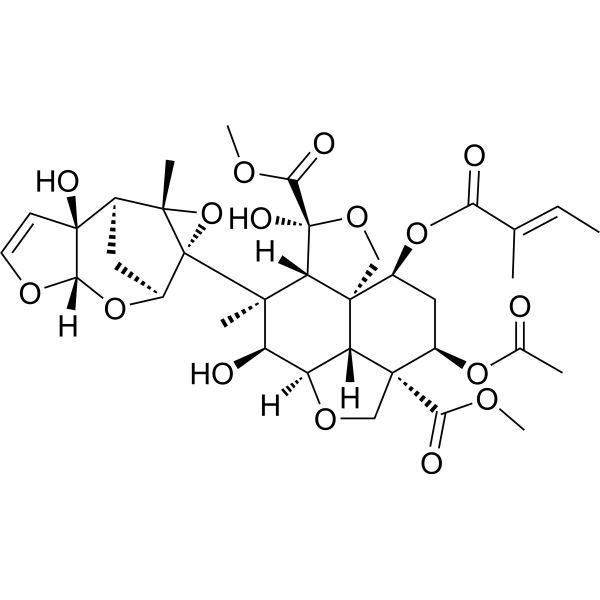 0 ImagesAzadirachtin is an oral active triterpenoid compound with anticancer, antimalarial, anti-inflammatory, and insecticidal activities. Azadirachtin induces cell apoptosis through the mitochondrial pathway (by inhibiting Bcl-2/Bax ratio or activating Apaf-1 and caspase-3) or through death receptors (by inhibiting TNFR activation). Additionally, Azadirachtin exerts its anti-inflammatory effects by inhibiting NF-кB signaling pathway activation, and it exhibits insecticidal activity by inducing apoptosis in insect cells.




