



JNK
c-Jun N-terminal kinase
JNK (c-Jun N-terminal kinase), a kinase subfamily belonging to the MAPK, is activated in response to various stress stimuli and possesses a wide variety of regulatory functions. The JNK family of serine/threonine protein kinases comprises three isoforms (JNK1, JNK2 and JNK3). JNKs are involved in the emergence and progression of diverse pathologies such as neurodegenerative, cardiovascular and metabolic disorders as well as inflammation and cancer.
Similar to the other MAP kinases, JNKs are activated by a phosphorylation cascade generally involving two types of upstream kinases, the so-called MAP kinase kinase kinases (MAP3K, MKKK) and the MAP kinase kinases (MAP2K; MKK). At the MAP2K level, JNKs are activated by MKK4 and MKK7, the former is a common activator of the JNK and the p38 MAP kinase signaling pathway. The JNK cascade shares various intersection points with other pathways making it a part of a complex signaling network.
JNK Isoform Specific Products
All Product Categories
-
JNK Produits associés (593)
Produits associés (593)

-
Anticorps (16)
-
JNK Isoform Comparison
-
SP600125
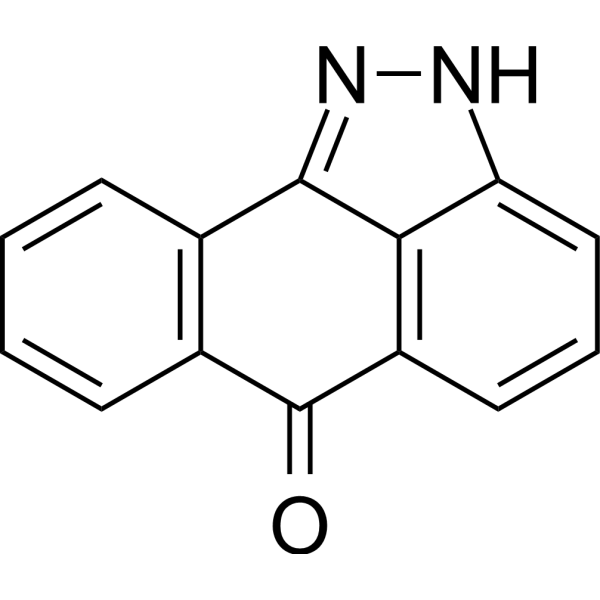 0 ImagesSP600125 is an orally active, reversible, and ATP-competitive JNK inhibitor with IC50s of 40, 40 and 90 nM for JNK1, JNK2 and JNK3, respectively. SP600125 is a potent ferroptosis inhibitor. SP600125 induces the transformation of bladder cancer cells from autophagy to apoptosis.
-
Anisomycin
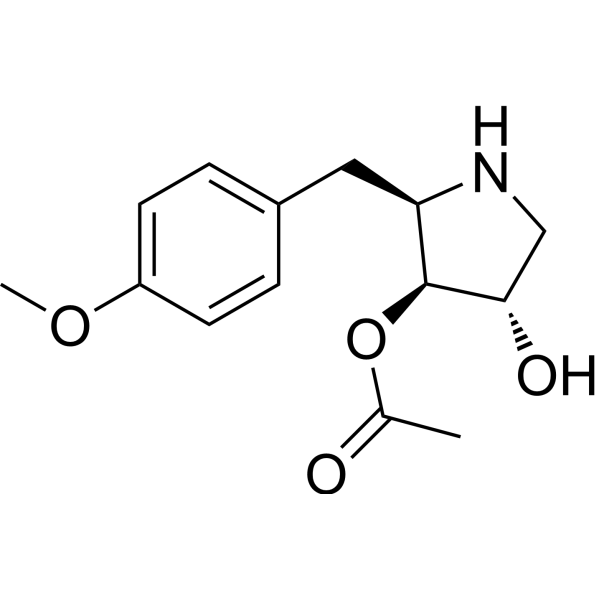 0 ImagesSynonyms: Flagecidin; Wuningmeisu CAnisomycin is a potent protein synthesis inhibitor which interferes with protein and DNA synthesis by inhibiting peptidyl transferase or the 80S ribosome system. Anisomycin is a JNK activator, which increases phospho-JNK. Anisomycin is a bacterial antibiotic.
-
Chloramphenicol
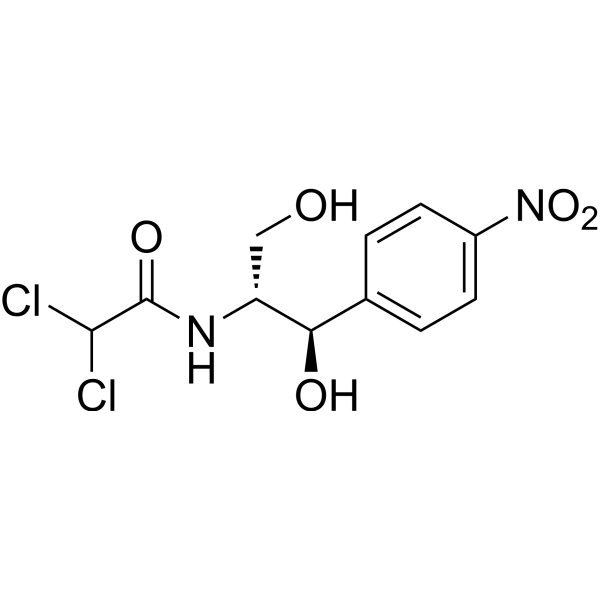 0 ImagesChloramphenicol is an orally active, potent and broad-spectrum antibiotic. Chloramphenicol shows antibacterial activity. Chloramphenicol represses the oxygen-labile transcription factor and hypoxia inducible factor-1 alpha (HIF-1α) in hypoxic A549 and H1299 cells. Chloramphenicol suppresses the mRNA levels of vascular endothelial growth factor (VEGF) and glucose transporter 1, eventually decreasing VEGF release. Chloramphenicol can be used for anaerobic infections and lung cancer research.
-
2-Methoxyestradiol
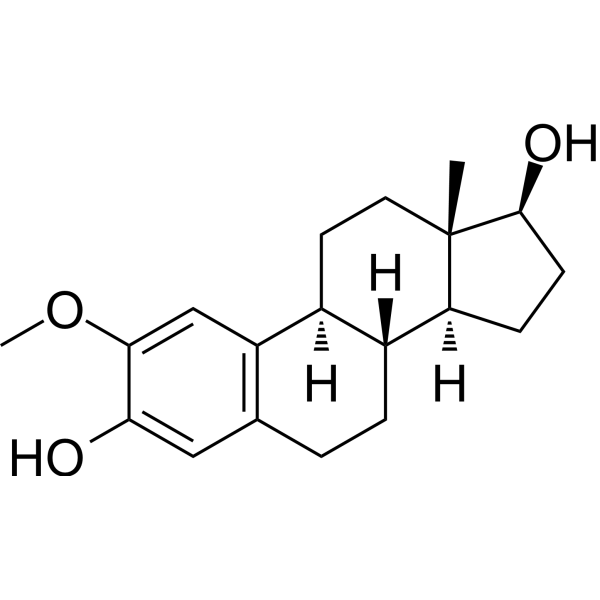 0 Images2-Methoxyestradiol (2-ME2; NSC-659853) is an endogenous steroid metabolite generated from 17β-estradiol, possessing various activities such as antitumor and antiangiogenic effects. 2-Methoxyestradiol competitively binds to the colchicine-binding site of tubulin (tubulin), interfering with microtubule assembly dynamics. 2-Methoxyestradiol inhibits CYP1A1/CYP1B1, HIF-1α/2α, and superoxide dismutase, activates the JNK signaling pathway, elevates ROS levels, and induces cell cycle arrest and apoptosis (apoptosis). 2-Methoxyestradiol is used in cancer-related research, such as breast cancer, prostate cancer, and multiple myeloma.
-
Pentadecanoic acid
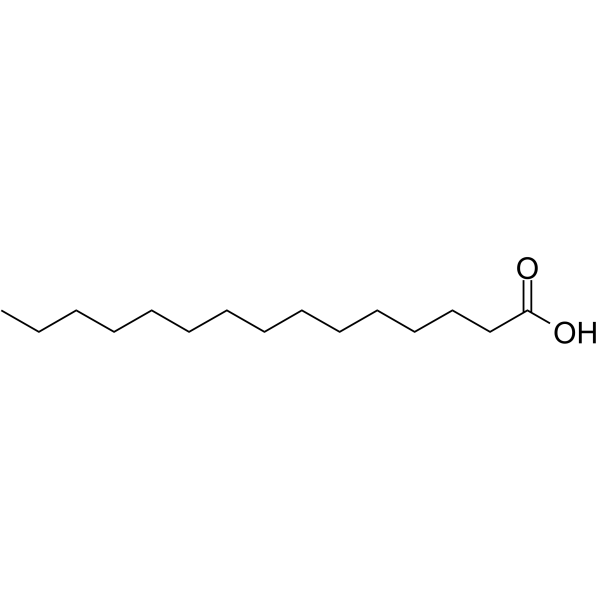 0 ImagesPentadecylic acid is a saturated fatty acid with a 15-carbon backbone.
-
Teneligliptin hydrobromide
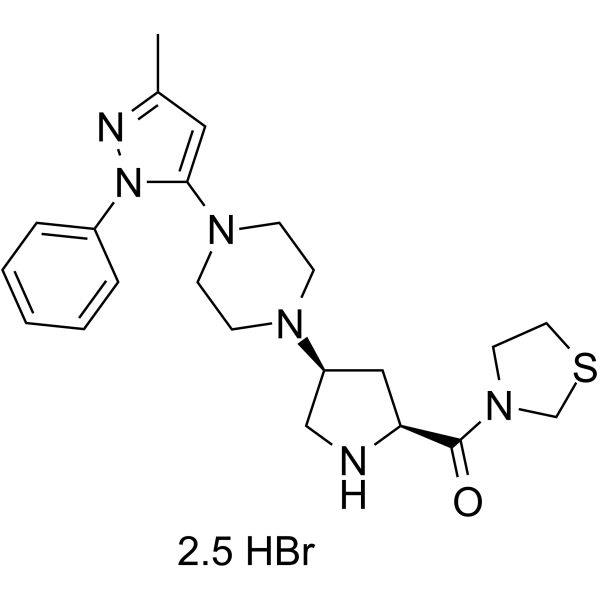 0 ImagesSynonyms: MP-513 hydrobromideTeneligliptin (MP-513) hydrobromide is an orally active and selective dipeptidyl peptidase 4 (DPP-4) inhibitor (IC50s: 0.37 and 0.29 nM for the human and rat DPP-4, respectively). Teneligliptin hydrobromide improves blood glucose levels and can be used in researches related to type 2 diabetes mellitus.
-
Desipramine hydrochloride
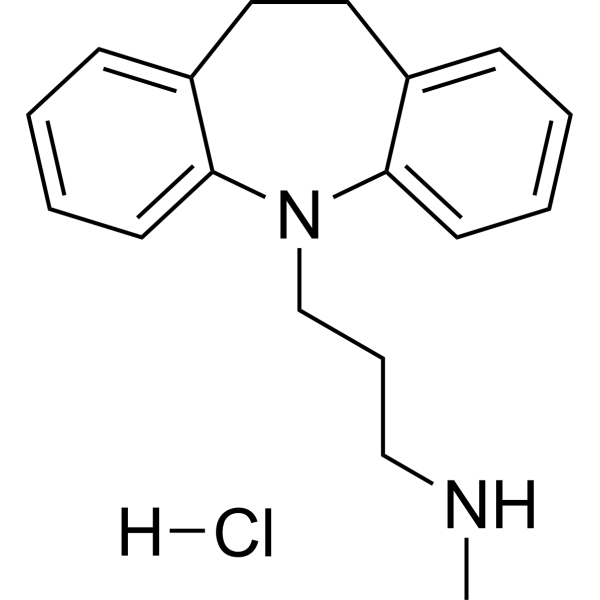 0 ImagesDesipramine hydrochloride is a first-generation tricyclic antidepressant. Desipramine hydrochloride selectively binds to norepinephrine transporter and blocks neuronal norepinephrine reuptake. Desipramine hydrochloride activates MAPK signaling via ERK1/2, JNK, and p38, represses NF-κB and AP-1 activity, and induces apoptosis via ROS elevation, mitochondrial membrane potential reduction, and intracellular calcium increase. Desipramine hydrochloride also shows anyi-inflammatory activity, inhibiting TNF-α production. Desipramine hydrochloride can be used for the research of hepatocellular cancer, inflammation, and neurological diseases.
-
ML-7 hydrochloride
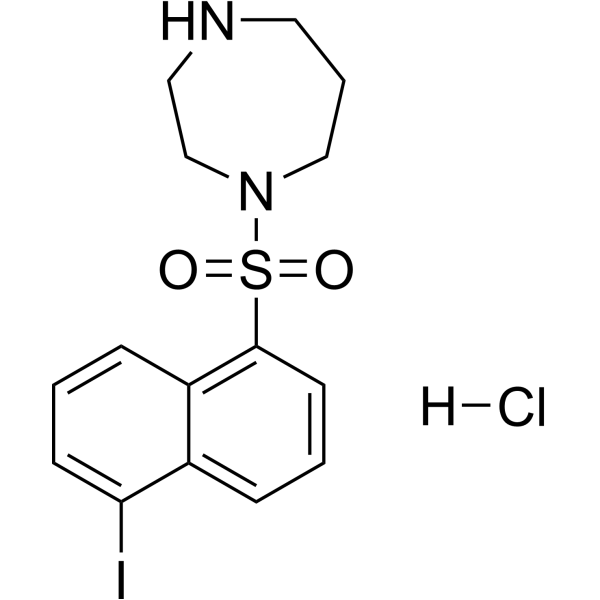 0 ImagesML-7 hydrochloride is a selective and highly specific myosin light chain kinase (MLCK) inhibitor that acts as a trabecular meshwork (TM) relaxant. ML-7 hydrochloride enhances Quinocetone (HY-123581)-induced phosphorylation of ERK, p38 MAPK and JNK, attenuates Akt activation, and promotes apoptosis of hepatocellular carcinoma cells. ML-7 hydrochloride reduces Th2 cytokine secretion by inhibiting MLCK, while alleviating smooth muscle hyperplasia and collagen deposition. As a non-antibiotic adjuvant, ML-7 hydrochloride restores the sensitivity of drug-resistant bacteria to Tigecycline (HY-B0117). ML-7 hydrochloride can be used in research related to glaucoma, hepatocellular carcinoma, asthma, and Klebsiella pneumoniae infection.
-
Gamma-Linolenic acid
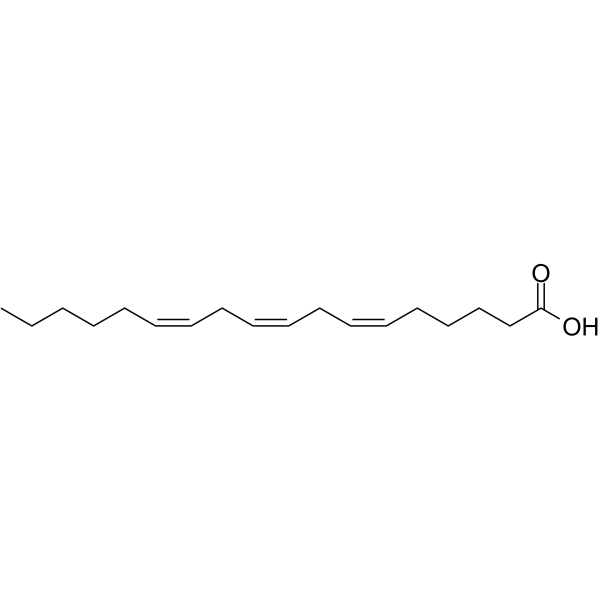 0 ImagesGamma-linolenic acid (γ-Linolenic acid) is an orally active unsaturated fatty acid. Gamma-linolenic acid exerts anti-inflammatory effects by inhibiting the NF-κB pathway and the phosphorylation of ERK1/2 and JNK. At the same time, it exerts anticancer effects by inducing apoptosis (Apoptosis) in cancer cells. Additionally, Gamma-linolenic acid also has antioxidant and memory-improving effects. It holds promise for research in the fields of inflammation, neurology, and cancer diseases.
-
TRi-1
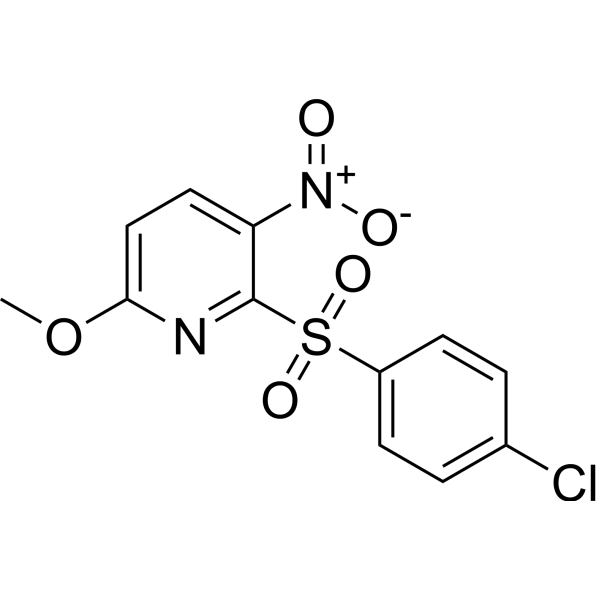 0 ImagesTRi-1 is a potent, specific and irreversible inhibitor of cytosolic thioredoxin reductase 1 (TXNRD1), with an IC50 of 12 nM. TRi-1 has little mitochondrial toxicity for anticancer therapy.
-
Gamma-glutamylcysteine
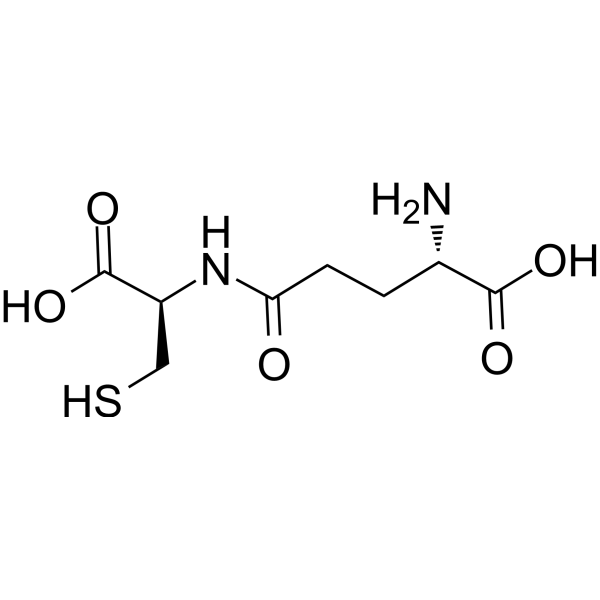 0 ImagesGamma-glutamylcysteine (γ-Glu-Cys) is an orally active, blood-brain barrier permeable dipeptide. Gamma-glutamylcysteine activates AMPK, SIRT1, IL-4/STAT6, AC/cAMP/PI3K, IGF-1R/IRS1/PI3K, and Nrf2 signaling pathways; it inhibits NF-κB, JAK1/STAT1/3, MAPKs, cadmium-induced p38 MAPK, JNK, and PI3K/Akt signaling pathways. Gamma-glutamylcysteine regulates macrophage polarization, modulates the trafficking of CD36 and GLUT4, induces glutathione synthesis, improves metabolic dysfunction, reduces lipid deposition, ameliorates glucose homeostasis, inhibits apoptosis (Apoptosis), stabilizes mitochondria, suppresses lipid peroxidation, iron accumulation and ferroptosis (Ferroptosis), reduces ds-HMGB1 levels, reverses mechanical hyperalgesia, and alleviates hepatic lipid droplet formation. Gamma-glutamylcysteine is applicable to research related to inflammatory bowel disease, type 2 diabetes, cadmium-induced neurotoxicity, Alzheimer's disease, cerebral ischemia/reperfusion injury, neuropathy, and alcoholic liver disease.
-
Berberine sulfate
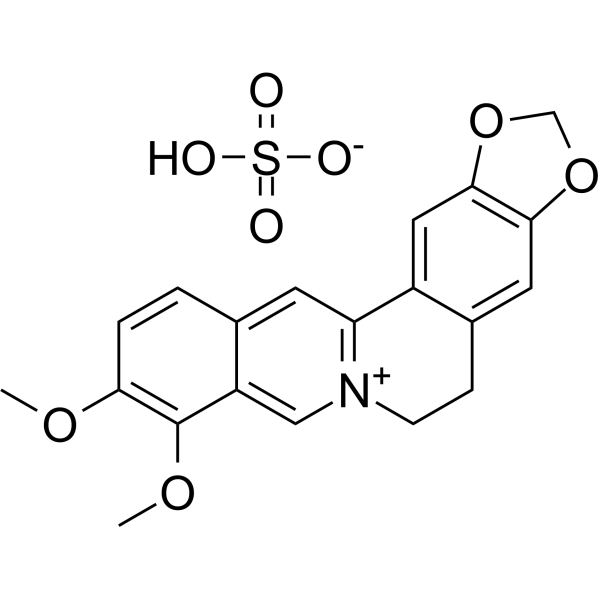 0 ImagesBerberine sulfate is an alkaloid isolated from the Chinese herbal medicine Huanglian, as an antibiotic. Berberine sulfate induces reactive oxygen species (ROS) generation and inhibits DNA topoisomerase. Berberine sulfate has antineoplastic properties. The sulfate form improves bioavailability.
-
Guggulsterone
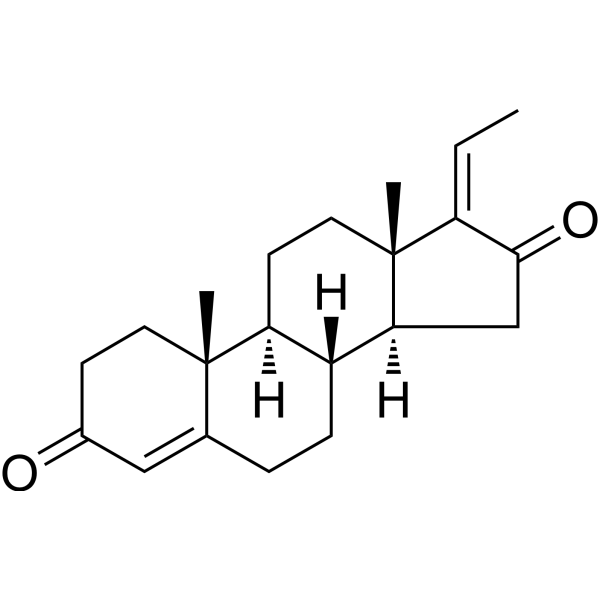 0 ImagesSynonyms: Z/E-GuggulsteroneGuggulsterone is a plant sterol derived from the gum resin of the tree Commiphora wightii. Guggulsterone inhibits the growth of a wide variety of tumor cells and induces apoptosis through down regulation of antiapoptotic gene products (IAP1, xIAP, Bfl-1/A1, Bcl-2, cFLIP and survivin), modulation of cell cycle proteins (cyclin D1 and c-Myc), activation of caspases and JNK, inhibition of Akt. Guggulsterone, a farnesoid X receptor (FXR) antagonist, with IC50s of 24.06 μM and 39.05 μM for (-)-(E)-Guggulsterone (HY-N7781) and (Z)-Guggulsterone (HY-110066), respectively.
-
Benzbromarone
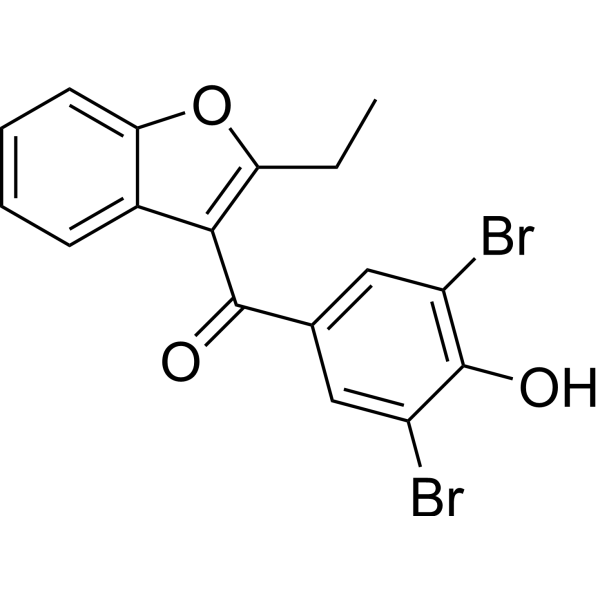 0 ImagesBenzbromarone is an orally active anti-gout agent. Benzbromarone has anti-infammatory, anti-oxidative stress and nephroprotective effects. Benzbromarone can be used for the research of hyperuricemia and gout.
-
p-Cresyl sulfate
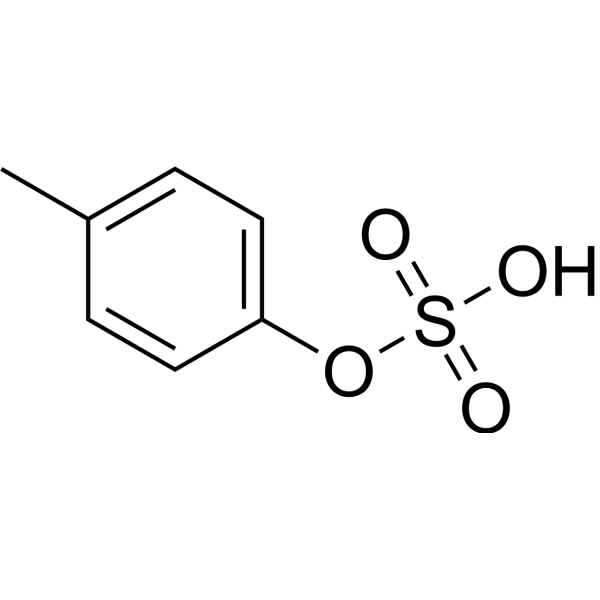 0 Imagesp-Cresyl sulfate (p-Tolyl sulfate) is a uremic toxin, that can cause renal damage and dysfunction. p-Cresyl sulfate shows antiproliferation activity. p-Cresyl sulfate increases the protein expression of HIF-1α and VHL, decreases the protein expression of HIF-2α. p-Cresyl sulfate induces epithelial-mesenchymal transition (EMT). p-Cresyl sulfate activates the JNK and p38 MAPK signaling pathways.
-
Liensinine
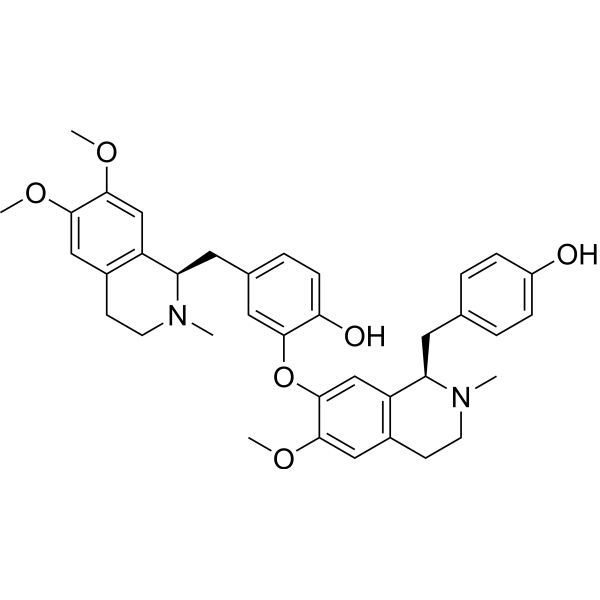 0 ImagesLiensinine is a bisbenzylisoquinoline alkaloid. By inhibiting the PI3K/AKT and JNK/p38-MAPK signaling pathways, Liensinine suppresses autophagy and apoptosis, clears Aβ, and exerts anti-inflammatory, antioxidant and neuroprotective effects. Liensinine activates AMPK and inhibits the expression of HIF-1α and VEGF, thereby suppressing angiogenesis. Liensinine exerts anti-tumor effects through ROS-mediated inhibition of the JAK2/STAT3 signaling pathway. Liensinine can be used for the research of diseases such as Alzheimer's disease, hepatocellular carcinoma, osteosarcoma, sepsis-induced organ injury and stroke.
-
Ononin
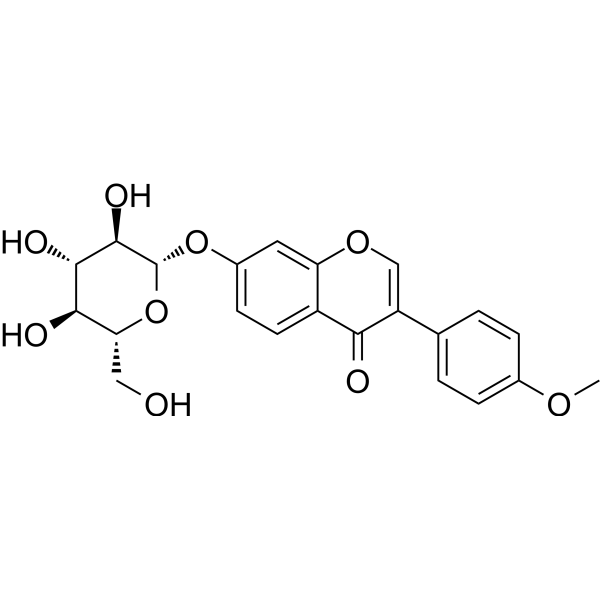 0 ImagesSynonyms: Ononoside; Formononetin 7-O-β-D-glucopyranosideOnonin is an orally active isoflavone. Ononin inhibits the ERK/JNK/p38 and PI3K/Akt/mTOR pathways. Ononin regulates Apoptosis. Ononin has anti-tumor effects on laryngeal cancer and lung cancer. Ononin has neuroprotective effects. Ononin alleviates endoplasmic reticulum stress and diabetic nephropathy.




