



Phlorizin
Based on 18 publication(s) in Google Scholar
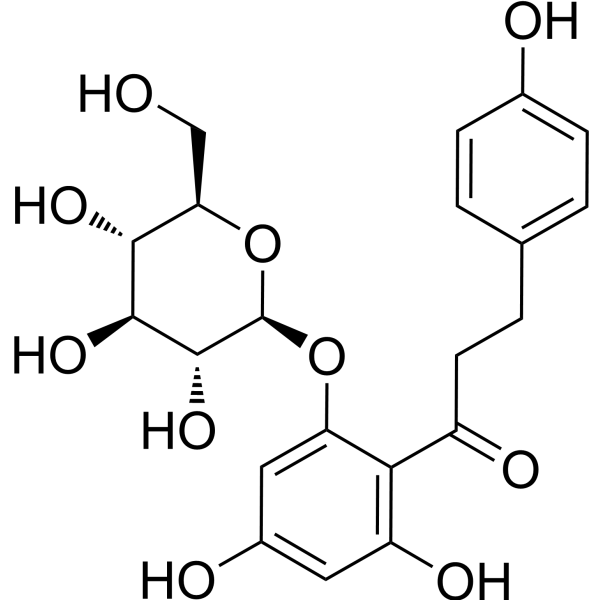
Phlorizin (Floridzin) is an orally active non-selective sodium-glucose cotransporter (SGLT) inhibitor, with an IC50 of 0.04 μM and a Ki of 39 nM against hSGLT2, and an IC50 of 0.17 μM and a Ki of 0.31 μM against hSGLT1. Phlorizin promotes GLUT4 translocation, inhibits gluconeogenesis and promotes glycogen synthesis by activating the PI3K/Akt/mTOR pathway. Phlorizin reduces DNA damage and apoptosis (apoptosis) by inhibiting the NF-κB inflammatory pathway. Phlorizin induces apoptosis via activating the Caspase pathway by antagonizing the JAK/STAT3 and PCK pathways. Phlorizin also exhibits antibacterial, anti-inflammatory and neuroprotective activities.
For research use only. We do not sell to patients.
- Purity : 99.93%
- CAS No.: 60-81-1
- Formula: C21H24O10
- Molecular Weight:436.41
-
Storage:Powder -20°C, 3 years , 4°C, 2 years ; In solvent -80°C, 2 years , -20°C, 1 year

To place orders, for customer services and technical support, please contact: MedChemExpress USA
Tel: 609-228-6898 E-mail: [email protected] [email protected]


-
 Biological Activity
-
Chemical Information
-
Solvent & Solubility
- Protocols
- Purity & Documentation
- References
-
 Help & FAQs


-
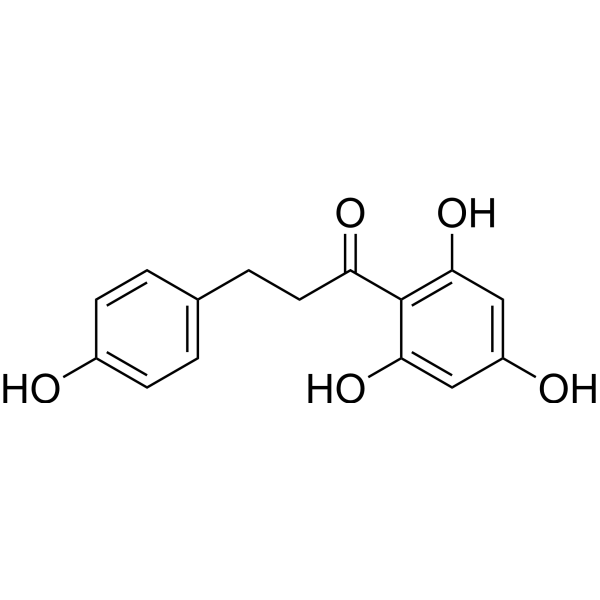
HY-N0142
PhloretinAnti-inflammatory Agent -
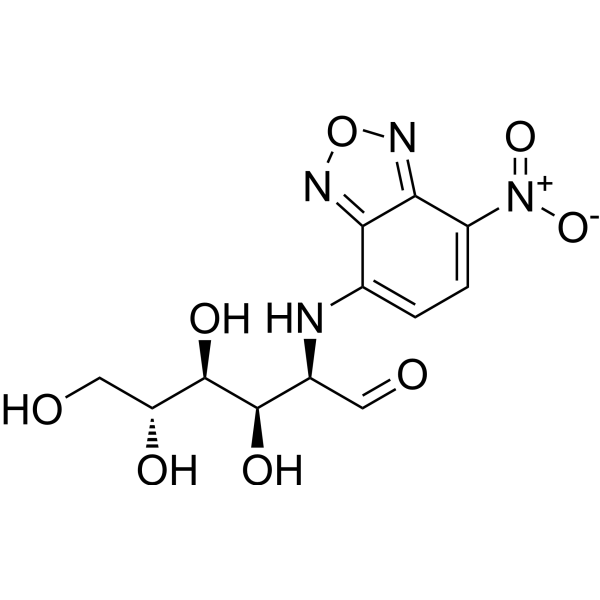
HY-116215
2-NBDGFluorescent Indicator -
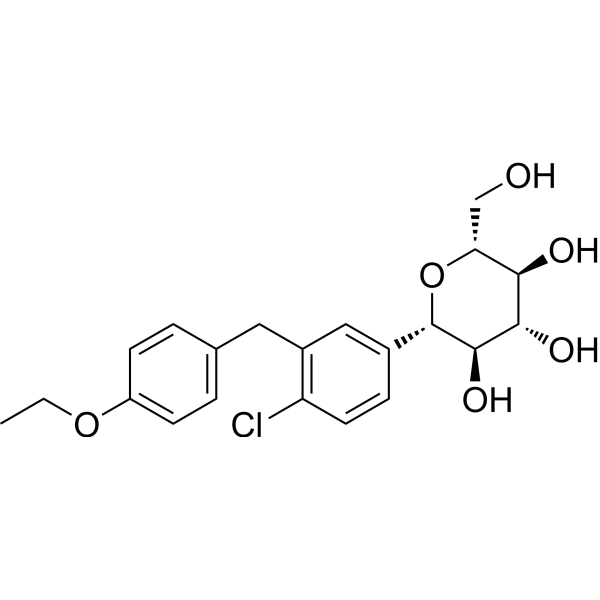
HY-10450
DapagliflozinSGLT2 Inhibitor -
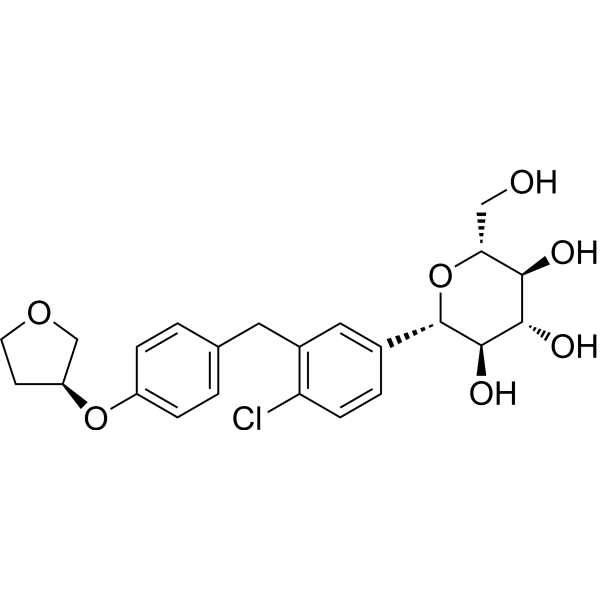
HY-15409
EmpagliflozinSGLT2 Inhibitor -
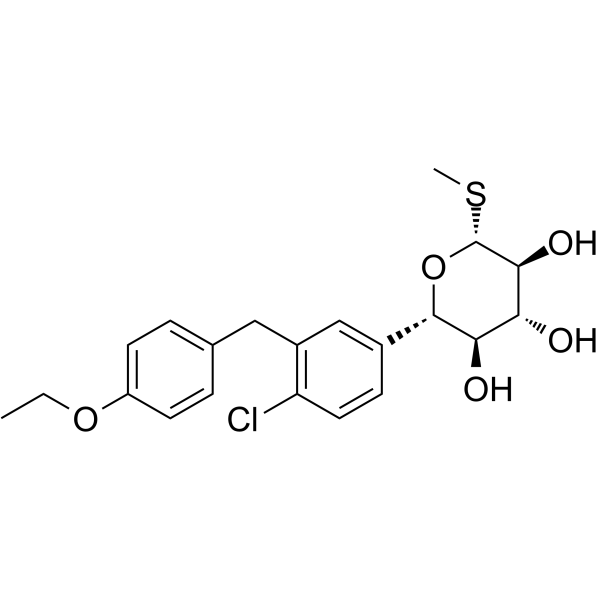
HY-15516
SotagliflozinSGLT Inhibitor -
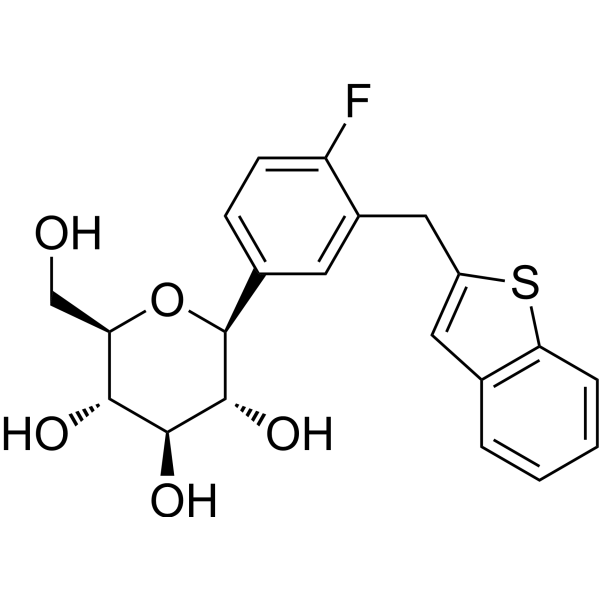
HY-14894
IpragliflozinSGLT Inhibitor -
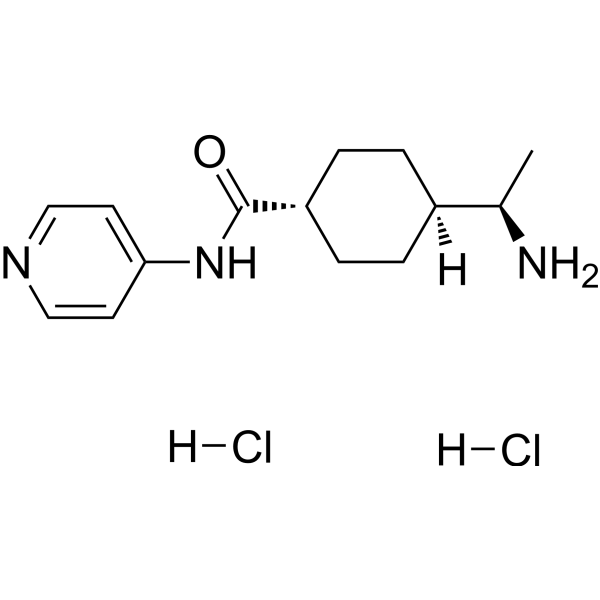
HY-10583
Y-27632 dihydrochlorideROCK Inhibitor -
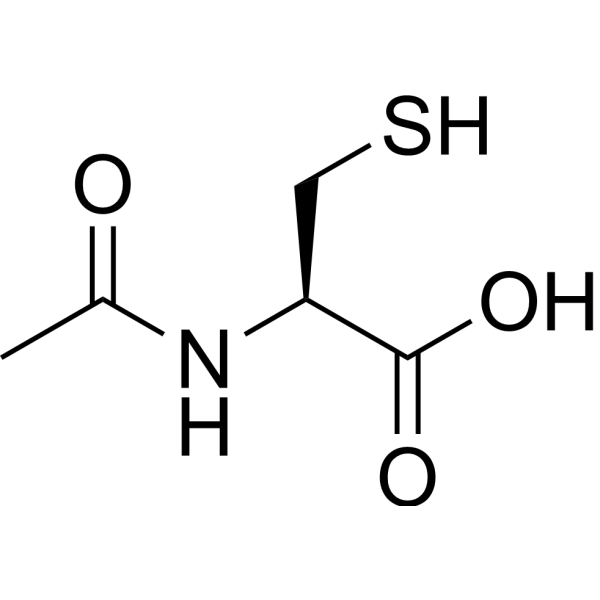
HY-B0215
AcetylcysteineMucolytic Agent -
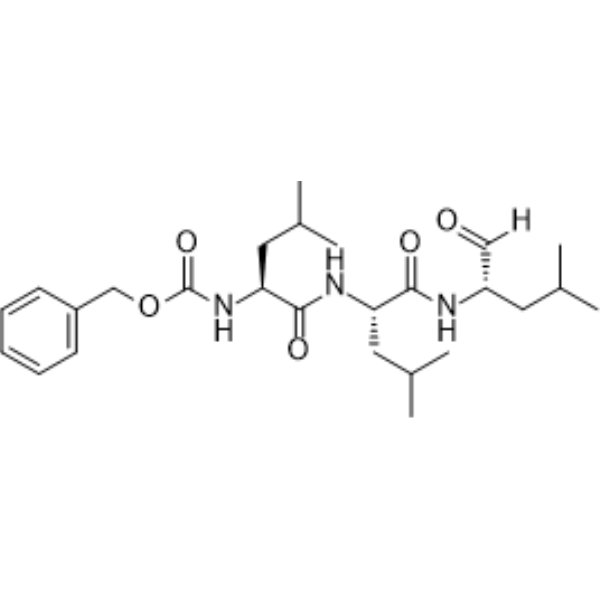
HY-13259
MG-132Proteasome Inhibitor -
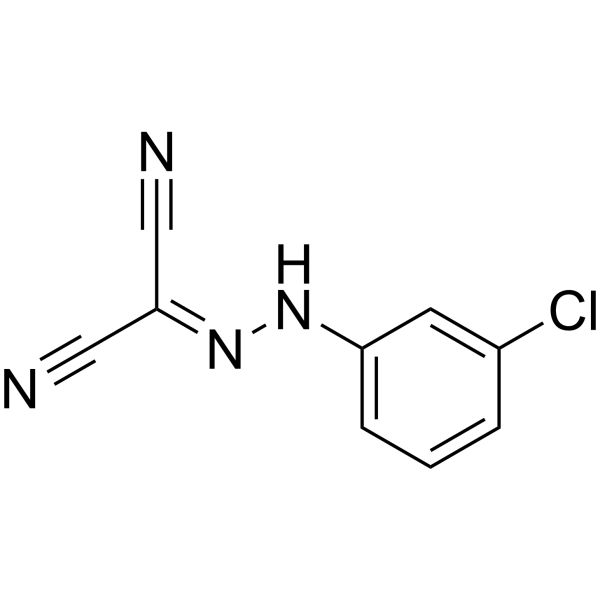
HY-100941
CCCPOXPHOS Uncoupler -
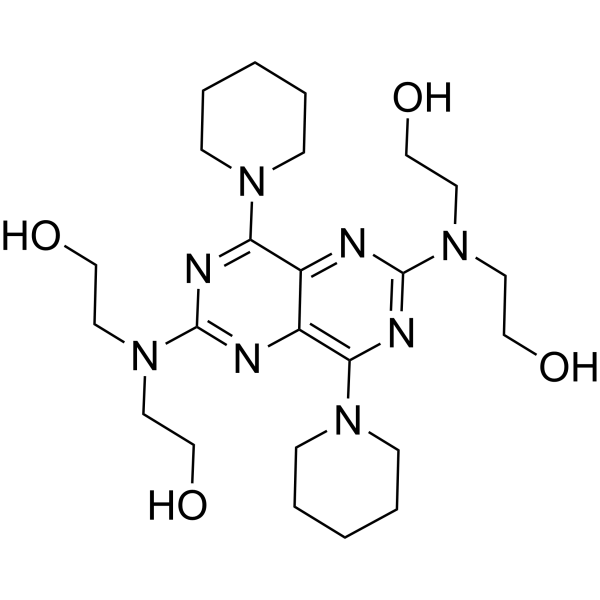
HY-B0312
DipyridamolePDE Inhibitor -
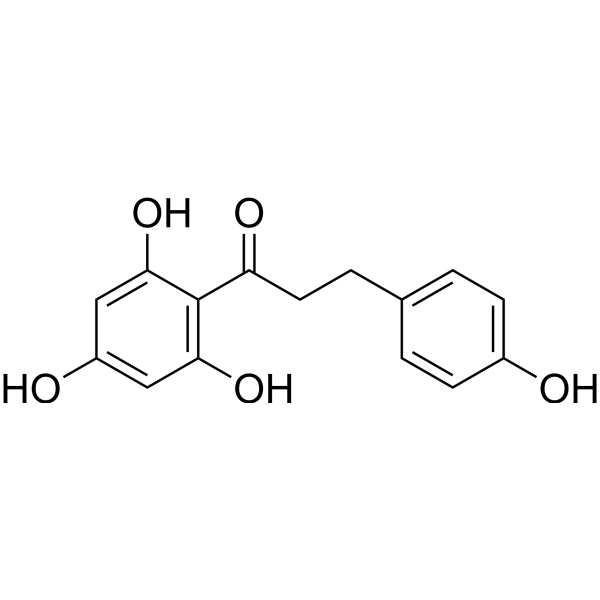
HY-N0142R
Phloretin (Standard)
Publications Citing Use of MedChemExpress (MCE) Phlorizin
More- Acta Pharm Sin B. 2021 Jan;11(1):143-155. [Abstract]
- Carbohydr Polym. 2021 Oct 15:270:118383. [Abstract]
- Phytomedicine. 2022 Jul:101:154113. [Abstract]
- Nano Today. 2024 Aug.
- Food Chem. 2025 Dec 30:497:146992. [Abstract]
- Food Chem. 2025 Oct 15:489:144992. [Abstract]
- Free Radic Biol Med. 2024 Nov 1:224:831-845. [Abstract]
- Ind Crops Prod. 2026 May 8;246:123392.
- Ind Crops Prod. 2025 Dec 11;239:122458.
- RSC Adv. 2018 Feb 23;8(16):8469-8483. [Abstract]
- Int Immunopharmacol. 2026 May 27:184:116921. [Abstract]
- Int Immunopharmacol. 2025 May 8:154:114607. [Abstract]
- Bioorg Chem. 2025 Jan:154:108108. [Abstract]
- ASN Neuro. 2026;18(1):2696821. [Abstract]
- Virus Res. 2020 Apr 15:280:197901. [Abstract]
- Biochem Biophys Res Commun. 2025 Sep 19:785:152676. [Abstract]
- bioRxiv. 2024 Mar 30.
- SSRN. 2023 Jun 15.
 Customer Validation & Images

-
Histological Imaging/Staining
-
In Vivo Efficacy Study
-
Flow Cytometry
-
WB
-
WB
All Caspase Isoforms
MoreAll DNA/RNA Synthesis Isoforms
More

Biological Activity
Description
IC50 & Target
|
SGLT1 |
SGLT2 |
Cellular Effect
|
Cell Line

|
Type | Value | Description | References |
|---|---|---|---|---|
| CHO | EC50 |
330 nM
Compound: 1, phlorizin
|
Inhibition of human SGLT1 expressed in CHO cells assessed as inhibition of [14C]AMG accumulation
Inhibition of human SGLT1 expressed in CHO cells assessed as inhibition of [14C]AMG accumulation
|
[PMID: 18260618] |
| CHO | EC50 |
35.6 nM
Compound: 1, phlorizin
|
Inhibition of human SGLT2 expressed in CHO cells assessed as inhibition of [14C]AMG accumulation
Inhibition of human SGLT2 expressed in CHO cells assessed as inhibition of [14C]AMG accumulation
|
[PMID: 18260618] |
| CHO | EC50 |
35 nM
Compound: 1
|
Inhibition of human SGLT2 expressed in CHO cells assessed as intracellular accumulation of [14C]alpha-methyl glucopyranoside
Inhibition of human SGLT2 expressed in CHO cells assessed as intracellular accumulation of [14C]alpha-methyl glucopyranoside
|
[PMID: 18707880] |
| CHO | IC50 |
752 nM
Compound: 1
|
Inhibition of human SGLT2 expressed in CHO cells assessed as [14C]alpha-methyl-D-glucopyranoside uptake by fluorescence polarization assay
Inhibition of human SGLT2 expressed in CHO cells assessed as [14C]alpha-methyl-D-glucopyranoside uptake by fluorescence polarization assay
|
[PMID: 18755586] |
| CHO | EC50 |
108 nM
Compound: 1
|
Inhibition of human SGLT2 expressed in CHO cells assessed as sodium-dependent [14C]-alpha-methyl-D-glucopyranoside uptake after 2 hrs by liquid scintillation counting
Inhibition of human SGLT2 expressed in CHO cells assessed as sodium-dependent [14C]-alpha-methyl-D-glucopyranoside uptake after 2 hrs by liquid scintillation counting
|
[PMID: 21128592] |
| CHO | EC50 |
197.4 nM
Compound: 1
|
Inhibition of human SGLT1 expressed in CHO cells assessed as sodium-dependent [14C]-alpha-methyl-D-glucopyranoside uptake after 2 hrs by liquid scintillation counting
Inhibition of human SGLT1 expressed in CHO cells assessed as sodium-dependent [14C]-alpha-methyl-D-glucopyranoside uptake after 2 hrs by liquid scintillation counting
|
[PMID: 21128592] |
| CHO | IC50 |
16 nM
Compound: 1
|
Inhibition of human SGLT2 expressed in CHO cells assessed as [14C]AMG uptake after 45 mins
Inhibition of human SGLT2 expressed in CHO cells assessed as [14C]AMG uptake after 45 mins
|
[PMID: 21873071] |
| CHO | IC50 |
190 nM
Compound: 1
|
Inhibition of human SGLT1 expressed in CHO cells assessed as [14C]AMG uptake after 45 mins
Inhibition of human SGLT1 expressed in CHO cells assessed as [14C]AMG uptake after 45 mins
|
[PMID: 21873071] |
| CHO | IC50 |
16.4 nM
Compound: 1
|
Inhibition of human SGLT2 expressed in CHO cells assessed as inhibition of sodium-dependent [14C]methyl-alpha-D-glucopyranoside uptake after 45 mins
Inhibition of human SGLT2 expressed in CHO cells assessed as inhibition of sodium-dependent [14C]methyl-alpha-D-glucopyranoside uptake after 45 mins
|
[PMID: 22889351] |
| CHO | IC50 |
185 nM
Compound: 1
|
Inhibition of human SGLT1 expressed in CHO cells assessed as inhibition of sodium-dependent [14C]methyl-alpha-D-glucopyranoside uptake after 45 mins
Inhibition of human SGLT1 expressed in CHO cells assessed as inhibition of sodium-dependent [14C]methyl-alpha-D-glucopyranoside uptake after 45 mins
|
[PMID: 22889351] |
| CHO-K1 | IC50 |
246 nM
Compound: 1
|
Inhibition of human SGLT1 expressed in CHOK1 cells assessed as inhibition of glucose uptake
Inhibition of human SGLT1 expressed in CHOK1 cells assessed as inhibition of glucose uptake
|
[PMID: 20302302] |
| CHO-K1 | IC50 |
27.8 nM
Compound: 1
|
Inhibition of human SGLT2 expressed in CHOK1 cells assessed as inhibition of glucose uptake
Inhibition of human SGLT2 expressed in CHOK1 cells assessed as inhibition of glucose uptake
|
[PMID: 20302302] |
| CHO-K1 | IC50 |
16 nM
Compound: Phlorizin
|
Inhibition of human SGLT2 expressed in CHO-K1 cells by [14C]AMG uptake assay
Inhibition of human SGLT2 expressed in CHO-K1 cells by [14C]AMG uptake assay
|
[PMID: 22652255] |
| CHO-K1 | IC50 |
190 nM
Compound: Phlorizin
|
Inhibition of human SGLT1 expressed in CHO-K1 cells by [14C]AMG uptake assay
Inhibition of human SGLT1 expressed in CHO-K1 cells by [14C]AMG uptake assay
|
[PMID: 22652255] |
| CHO-K1 | EC50 |
0.077 μM
Compound: 1
|
Inhibition of human SGLT2 expressed in CHO-K1 cells assessed as inhibition of [14C]-AMG uptake up to 120 mins by scintillation counting method
Inhibition of human SGLT2 expressed in CHO-K1 cells assessed as inhibition of [14C]-AMG uptake up to 120 mins by scintillation counting method
|
[PMID: 24071445] |
| CHO-K1 | EC50 |
0.12 μM
Compound: 1
|
Inhibition of human SGLT1 expressed in CHO-K1 cells assessed as inhibition of [14C]-AMG uptake up to 120 mins by scintillation counting method
Inhibition of human SGLT1 expressed in CHO-K1 cells assessed as inhibition of [14C]-AMG uptake up to 120 mins by scintillation counting method
|
[PMID: 24071445] |
| CHO-K1 | EC50 |
123 nM
Compound: PZN
|
Inhibition of human SGLT2 expressed in CHO-K1 cells assessed as reduction in [14C]AMG uptake after 120 mins by scintillation counting method
Inhibition of human SGLT2 expressed in CHO-K1 cells assessed as reduction in [14C]AMG uptake after 120 mins by scintillation counting method
|
[PMID: 27075813] |
| CHO-K1 | EC50 |
153 nM
Compound: PZN
|
Inhibition of human SGLT1 expressed in CHO-K1 cells assessed as reduction in [14C]AMG uptake after 120 mins by scintillation counting method
Inhibition of human SGLT1 expressed in CHO-K1 cells assessed as reduction in [14C]AMG uptake after 120 mins by scintillation counting method
|
[PMID: 27075813] |
| COLO 205 | IC50 |
>100 μM
Compound: 5
|
Cytotoxicity against human COLO 205 cells incubated for 48 hrs by SRB assay
Cytotoxicity against human COLO 205 cells incubated for 48 hrs by SRB assay
|
[PMID: 37413981] |
| COS-1 | IC50 |
0.1 μM
Compound: phlorizin
|
Inhibition of human SGLT2 expressed in COS1 cells assessed as [14C]methyl-alpha-D-glucopyranoside uptake
Inhibition of human SGLT2 expressed in COS1 cells assessed as [14C]methyl-alpha-D-glucopyranoside uptake
|
[PMID: 17374486] |
| COS-1 | IC50 |
0.2 μM
Compound: phlorizin
|
Inhibition of human SGLT1 expressed in COS1 cells assessed as [14C]methyl-alpha-D-glucopyranoside uptake
Inhibition of human SGLT1 expressed in COS1 cells assessed as [14C]methyl-alpha-D-glucopyranoside uptake
|
[PMID: 17374486] |
| COS-1 | IC50 |
0.1 mM
Compound: Phlorizine
|
Inhibition of alpha-D-[U-14C]glucopyranoside uptake at human SGLT2 expressed in african green monkey COS1 cells after 30 mins by liquid scintillation counting
Inhibition of alpha-D-[U-14C]glucopyranoside uptake at human SGLT2 expressed in african green monkey COS1 cells after 30 mins by liquid scintillation counting
|
[PMID: 20189404] |
| COS-1 | IC50 |
0.2 mM
Compound: Phlorizine
|
Inhibition of alpha-D-[U-14C]glucopyranoside uptake at human SGLT1 expressed in african green monkey COS1 cells after 30 mins by liquid scintillation counting
Inhibition of alpha-D-[U-14C]glucopyranoside uptake at human SGLT1 expressed in african green monkey COS1 cells after 30 mins by liquid scintillation counting
|
[PMID: 20189404] |
| COS-7 | IC50 |
350 nM
Compound: 6
|
Inhibition of rat SGLT1 expressed in COS7 cells assessed as reduction of [14C]-AMG uptake
Inhibition of rat SGLT1 expressed in COS7 cells assessed as reduction of [14C]-AMG uptake
|
[PMID: 23062824] |
| COS-7 | IC50 |
38 nM
Compound: 6
|
Inhibition of human SGLT2 expressed in COS7 cells assessed as reduction of [14C]-AMG uptake
Inhibition of human SGLT2 expressed in COS7 cells assessed as reduction of [14C]-AMG uptake
|
[PMID: 23062824] |
| COS-7 | IC50 |
536 nM
Compound: 6
|
Inhibition of human SGLT1 expressed in COS7 cells assessed as reduction of [14C]-AMG uptake
Inhibition of human SGLT1 expressed in COS7 cells assessed as reduction of [14C]-AMG uptake
|
[PMID: 23062824] |
| COS-7 | IC50 |
96 nM
Compound: 6
|
Inhibition of rat SGLT2 expressed in COS7 cells assessed as reduction of [14C]-AMG uptake
Inhibition of rat SGLT2 expressed in COS7 cells assessed as reduction of [14C]-AMG uptake
|
[PMID: 23062824] |
| COS-7 | IC50 |
>1000 μM
Compound: phlorizin
|
Inhibition of human CNT2 expressed in COS7 cells assessed as reduction in sodium-dependent [14C]-inosine uptake in presence of Na+ by liquid scintillation counting method
Inhibition of human CNT2 expressed in COS7 cells assessed as reduction in sodium-dependent [14C]-inosine uptake in presence of Na+ by liquid scintillation counting method
|
[PMID: 25815140] |
| HCT-116 | IC50 |
>100 μM
Compound: 5
|
Cytotoxicity against human HCT-116 cells incubated for 48 hrs by SRB assay
Cytotoxicity against human HCT-116 cells incubated for 48 hrs by SRB assay
|
[PMID: 37413981] |
| HEK293 | IC50 |
210 nM
Compound: 1
|
Inhibition of human SGLT1 expressed in HEK293 cells assessed as inhibition of [14C]alpha-methylglucopyranoside uptake
Inhibition of human SGLT1 expressed in HEK293 cells assessed as inhibition of [14C]alpha-methylglucopyranoside uptake
|
[PMID: 19785435] |
| HEK293 | IC50 |
58.6 nM
Compound: Phlorizin
|
Inhibition of SGLT2 (unknown origin) expressed in HEK293 cells using 2-NBDG as substrate incubated for 30 mins prior to substrate addition measured after 30 mins by nonradioactive fluorescence glucose uptake assay
Inhibition of SGLT2 (unknown origin) expressed in HEK293 cells using 2-NBDG as substrate incubated for 30 mins prior to substrate addition measured after 30 mins by nonradioactive fluorescence glucose uptake assay
|
[PMID: 24556379] |
| HEK293 | IC50 |
60.7 nM
Compound: Phlorizin
|
Inhibition of SGLT1 (unknown origin) expressed in HEK293 cells using 2-NBDG as substrate incubated for 30 mins prior to substrate addition measured after 30 mins by nonradioactive fluorescence glucose uptake assay
Inhibition of SGLT1 (unknown origin) expressed in HEK293 cells using 2-NBDG as substrate incubated for 30 mins prior to substrate addition measured after 30 mins by nonradioactive fluorescence glucose uptake assay
|
[PMID: 24556379] |
| HEK293 | IC50 |
0.0673 μM
Compound: 1
|
Inhibition of human SGLT2 expressed in HEK293 cells assessed as reduction in 2-deoxyglucose uptake pretreated for 10 mins followed by 2-deoxyglucose addition in presence of sodium buffer measured after 1 hr by resazurin dye based fluorescence assay
Inhibition of human SGLT2 expressed in HEK293 cells assessed as reduction in 2-deoxyglucose uptake pretreated for 10 mins followed by 2-deoxyglucose addition in presence of sodium buffer measured after 1 hr by resazurin dye based fluorescence assay
|
[PMID: 28098449] |
| HEK293 | IC50 |
0.499 μM
Compound: 1
|
Inhibition of human SGLT1 expressed in HEK293 cells assessed as reduction in 2-deoxyglucose uptake pretreated for 10 mins followed by 2-deoxyglucose addition in presence of sodium buffer measured after 1 hr by resazurin dye based fluorescence assay
Inhibition of human SGLT1 expressed in HEK293 cells assessed as reduction in 2-deoxyglucose uptake pretreated for 10 mins followed by 2-deoxyglucose addition in presence of sodium buffer measured after 1 hr by resazurin dye based fluorescence assay
|
[PMID: 28098449] |
| HT-29 | IC50 |
>100 μM
Compound: 5
|
Cytotoxicity against human HT-29 cells incubated for 48 hrs by SRB assay
Cytotoxicity against human HT-29 cells incubated for 48 hrs by SRB assay
|
[PMID: 37413981] |
| RAW264.7 | IC50 |
14.4 μM
Compound: 14
|
Antiinflammatory activity in mouse RAW264.7 cells assessed as inhibition of LPS-induced TNF-alpha secretion after 18 hrs by sandwich ELISA
Antiinflammatory activity in mouse RAW264.7 cells assessed as inhibition of LPS-induced TNF-alpha secretion after 18 hrs by sandwich ELISA
|
[PMID: 24679441] |
| RAW264.7 | IC50 |
14.6 μM
Compound: 16
|
Antiinflammatory activity against LPS-stimulated mouse RAW264.7 cells assessed as decrease in PGE2 production preincubated for 1 hr followed by LPS stimulation and measured after 24 hrs by ELISA
Antiinflammatory activity against LPS-stimulated mouse RAW264.7 cells assessed as decrease in PGE2 production preincubated for 1 hr followed by LPS stimulation and measured after 24 hrs by ELISA
|
[PMID: 31747281] |
In Vitro
Phlorizin (30 min), a competitive inhibitor, potently inhibits sodium-dependent AMG transport in COS-7 cells expressing wild-type mSGLT2, with a mean Ki of 65 nM and a mean IC50 of 0.07 μM[1].
Phlorizin (10 min) shows significantly reduced inhibitory potency against sodium-dependent AMG transport in COS-7 cells expressing the hSGLT1C610K mutant, with a mean IC50 of 1.7 μM, which is 10-fold higher than that of wild-type hSGLT1[1].
Phlorizin (30 min) significantly enhances the inhibitory potency against sodium-dependent AMG transport in COS-7 cells expressing the hSGLT2C615K mutant, with a mean IC50 of 0.017 μM, which is 2-fold lower than that of wild-type hSGLT2[1].
Phlorizin (30 min) significantly enhances the inhibitory potency against sodium-dependent AMG transport in COS-7 cells expressing the mSGLT2N173A mutant, with a mean IC50 of 0.018 μM[1].
Phlorizin (1-100 μM) inhibits glucose transport in renal tubular cells and intestinal cells[2].
Phlorizin (100-150 μg/mL) alleviates hydrogen peroxide-induced oxidative stress, DNA damage and apoptosis in human HepG2 cells by regulating the expression of Nrf2 protein and apoptosis-related genes[4].
Phlorizin (6.25-100 μM) inhibits Zika virus infection in cell models by reducing the activities of apoptotic caspase-3/-7, decreasing the phosphorylation level of the Akt/mTOR pathway, and lowering viral titers[4].
Phlorizin inhibits biofilm formation by up to 70% Staphylococcus aureus in RN4220 cells[4].
Phlorizin enhances the survival rate of human SH-SY5Y neuroblastoma cells and cerebral cortical neurons exposed to hydrogen peroxide or high-glucose environments by inhibiting SGLT-mediated Na+ and glucose influx[4].
Phlorizin exerts anti-tumor effects in human KYSE450 and KYSE30 esophageal cancer cells by inhibiting proliferation, invasion, migration and autophagy, and by activating apoptosis via antagonizing the JAK2/STAT3 signaling pathway[4].
MedChemExpress (MCE) has not independently confirmed the accuracy of these methods. They are for reference only.
In Vivo
Phlorizin (p.o.) inhibits the increase in blood glucose levels in healthy mice following glucose loading[2].
Phlorizin (p.o.) leads to its complete conversion to Phloretin (HY-N0142) (90% as glucuronide or sulfate conjugates) in healthy rats, followed by excretion in urine[2].
Phlorizin (through the interior of the proximal convoluted tubule) into the proximal convoluted tubule impairs single-nephron glomerular filtration rate and renal tubular ion reabsorption function in streptozotocin-induced diabetic rats, but exerts no effect on normal control rats[2].
Phlorizin (administered into the fourth ventricle) increases feeding behavior in healthy rats[2].
Phlorizin (intracerebroventricular administration; single dose) induces FOS expression in periventricular glial cells of healthy rats and activates the transcriptional activity of multiple neurons in the central nervous system within 2 hours after administration[2].
Phlorizin (1 mM, administered via endotracheal intubation) reduces alveolar fluid absorption in healthy rats[2].
Phlorizin enhances memory in healthy rats and mice in passive avoidance tasks, and this effect is independent of blood glucose or cerebral glucose uptake[2].
Phlorizin enhances learning ability in healthy mice and blocks insulin-induced memory impairment when administered after learning[2].
Phlorizin (chronic administration) induces glycosuria, polyuria and weight loss in healthy dogs, mimicking the symptoms of human diabetes[2].
Phlorizin (100 mg/kg; subcutaneous injection; once daily for 23 weeks) adequately controls hyperglycemia in female obese SDT rats, completely prevents peripheral neuropathy and retinal/ocular complications, and partially reduces indicators associated with diabetic nephropathy[3].
Phlorizin (20-40 mg/kg) exerts antioxidant effects in D-Galactose (HY-N0210)-induced senescent mice by regulating the IL-1β/IκB-α/NF-κB signaling pathway; doses of 20 and 40 mg/kg increase the activity of antioxidant enzymes and reduce malondialdehyde levels[4].
Phlorizin (6.25-25 mg/kg) inhibits BVDV infection in mice at doses of 6.25, 12.5, and 25 mg/kg by regulating the levels of innate immune cytokines and pattern recognition receptors[4].
Phlorizin (20 mg/kg) improves blood glucose control and lipid metabolism in db/db type 2 diabetic mice, reduces levels of FBG, TC, TG and LDL-C, and increases HDL-C level[4].
Phlorizin (30-120 mg/kg) alleviates streptozotocin (STZ) (HY-13753)-induced diabetes in rats at doses of 30, 60, and 120 mg/kg by improving glycolipid metabolic profiles, protecting pancreatic islets, and regulating glycogen synthase kinase-3 and the ubiquitin-proteasome pathway[4].
Phlorizin (200 mg/kg) inhibits the JAK2/STAT3 signaling pathway in STZ-induced conscious diabetic rats at a dose of 200 mg/kg[4].
Phlorizin (10 mg/kg) exerts anti-tumor activity in HepG2 tumor xenograft mice by inhibiting PKC expression and regulating apoptosis[4].
Phlorizin (1-5 μmol/200 μL) blocks the ERK signaling pathway by inactivating NF-κB-induced COX-2 expression, thereby inhibiting TPA (HY-18739)-induced skin tumor formation in mice at doses of 1 and 5 μmol/200 μL[4].
Phlorizin (0.4 g/kg) restores glycemic control and ameliorates non-alcoholic steatohepatitis (NASH) in MSG (HY-W250122)-induced obese type 2 diabetic mice at a dose of 0.4 g/kg[4].
Phlorizin inhibits UVB-induced skin damage in nude mice by regulating the MAPK/NF-κB apoptotic signaling pathway[4].
Phlorizin (intracerebroventricular administration) reduces cerebral infarction volume in MCAO model mice via inhibition of SGLT and anti-apoptotic signaling pathways when administered intracerebroventricularly[4].
Phlorizin alleviates DSS (HY-116282C)-induced acute colitis in mice, reduces disease symptoms and improves intestinal morphology[4].
Phlorizin (i.p.) reduces BCAO-induced hippocampal cell death and improves learning/memory abilities in male ddY mice, and its mechanism of action may involve inhibiting the expression of SGLT family genes[4].
Phlorizin inhibits ischemic contracture and ischemia-induced arrhythmia in guinea pig myocardium by regulating voltage-dependent calcium channels and blocking Ca2+ influx[4].
MedChemExpress (MCE) has not independently confirmed the accuracy of these methods. They are for reference only.
-
Animal Model:SDT fatty (female, 6 weeks old at start, spontaneous obese type 2 diabetes with leptin receptor signaling defect)[3]
-
Dosage:100 mg/kg
-
Administration:s.c.; once daily; 23 weeks
-
Result:Controlled plasma glucose levels to a near-normal range throughout the experiment.
Reduced HbA1c levels to match normal control rats.
Delayed the age-related decrease in plasma insulin.
Significantly decreased urinary glucose excretion compared to vehicle-treated rats.
Had minimal effects on plasma triglyceride, free fatty acid, and total cholesterol levels.
Significantly decreased creatinine clearance.
Partially reduced urinary albumin excretion and urinary 8-OHdG levels.
Completely prevented Armanni-Ebstein changes, but did not reverse glomerulosclerosis, tubular regeneration, or interstitial inflammatory cell infiltration (and was associated with increased tubular dilation and urothelial inflammatory cell infiltration).
Corrected sciatic motor nerve conduction velocity (MNCV) to 95.6% of normal control levels and sciatic sensory nerve conduction velocity (SNCV) to 98.3% of normal control levels.
Prevented the decrease in intraepidermal nerve fiber density (IENFD) to 23.6 fibers/mm.
Significantly reduced prolongation of oscillatory potential peak latencies in electroretinograms.
Completely prevented retinal folding and thickening.
Prevented progression of cataracts.


Chemical Information
-
CAS No. 60-81-1
-
Appearance Solid
-
Molecular Weight 436.41
-
Formula C21H24O10
-
Color Off-white to light brown
-
SMILES
O=C(C1=C(O)C=C(O)C=C1O[C@H]2[C@@H]([C@H]([C@@H]([C@@H](CO)O2)O)O)O)CCC3=CC=C(O)C=C3
-
Synonyms
Floridzin
-
Structure Classification
-
Initial Source
-
Shipping
Room temperature in continental US; may vary elsewhere.
-
Storage
Powder -20°C 3 years 4°C 2 years In solvent -80°C 2 years -20°C 1 year


Publications (18)
-
Journal Impact Factor
-
Most Recent
-
Acta Pharm Sin B
Chrysin serves as a novel inhibitor of DGK α/FAK interaction to suppress the malignancy of esophageal squamous cell carcinoma (ESCC). [Abstract]2021 Jan;11(1):143-155. PMID: 33532186 -
Carbohydr Polym
Oral absorption characteristics and mechanisms of a pectin-type polysaccharide from Smilax china L. across the intestinal epithelium. [Abstract]2021 Oct 15:270:118383. PMID: 34364625 -
Phytomedicine
Protective effects of E Se tea extracts against alcoholic fatty liver disease induced by high fat/alcohol diet: In vivo biological evaluation and molecular docking study. [Abstract]2022 Jul:101:154113. PMID: 35490493 -
-
Food Chem
Effects of sun drying combined with baking processes on the flavor quality of Chongqing Tuocha raw tea. [Abstract]2025 Dec 30:497:146992. PMID: 41285060 -
Food Chem
Flavonoid-mediated metabolic underpinning quality variation in red bud-sport pear mutants. [Abstract]2025 Oct 15:489:144992. PMID: 40466530 -
Free Radic Biol Med
SGLT1 inhibition alleviates radiation-induced intestinal damage through promoting mitochondrial homeostasis. [Abstract]2024 Nov 1:224:831-845. PMID: 39393555 -
-
-
RSC Adv
Cytosolic β-glucosidase inhibition and renal blood flow suppression are leading causes for the enhanced systemic exposure of salidroside in hypoxic rats. [Abstract]2018 Feb 23;8(16):8469-8483. PMID: 35539855 -
Int Immunopharmacol
Phlorizin activates BMP10 to attenuate atherosclerosis by inhibiting vascular endothelial senescence and inflammation in Apoe-/- mice. [Abstract]2026 May 27:184:116921. PMID: 42202394 -
Int Immunopharmacol
Phlorizin attenuates lupus nephritis via upregulating PI3K/Akt pathway-mediated Treg differentiation. [Abstract]2025 May 8:154:114607. PMID: 40186900
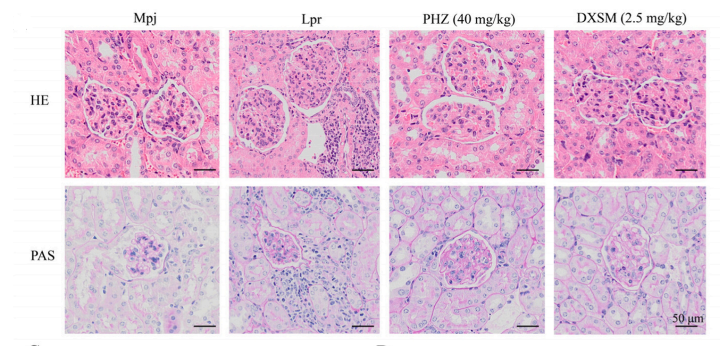
Phlorizin purchased from MedChemExpress. Usage Cited in: Int Immunopharmacol. 2025 May 8:154:114607. [Abstract]
Phlorizin (PHZ 40 mg/kg). Representative images of H&E and PAS staining in the kidneys of 22-week-old MRL/MpJ and MRL/lpr mice.
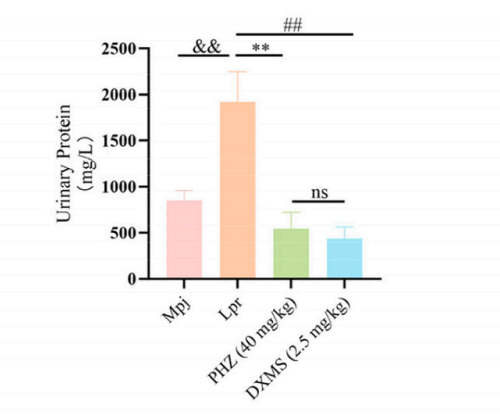
Phlorizin purchased from MedChemExpress. Usage Cited in: Int Immunopharmacol. 2025 May 8:154:114607. [Abstract]
Phlorizin (PHZ 40mg/kg) treatment reduced the total urinary protein level in MRL/lpr mice.
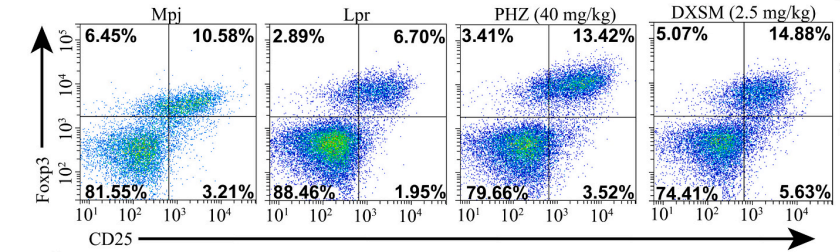
Phlorizin purchased from MedChemExpress. Usage Cited in: Int Immunopharmacol. 2025 May 8:154:114607. [Abstract]
Phlorizin (PHZ 40 mg/kg) administration led to an increase in the proportion of Treg cells. Flow cytometry analysis of representative CD25 and Foxp3 expression in CD4+ T cells under different treatment conditions was performed.
Phlorizin purchased from MedChemExpress. Usage Cited in: Int Immunopharmacol. 2025 May 8:154:114607. [Abstract]
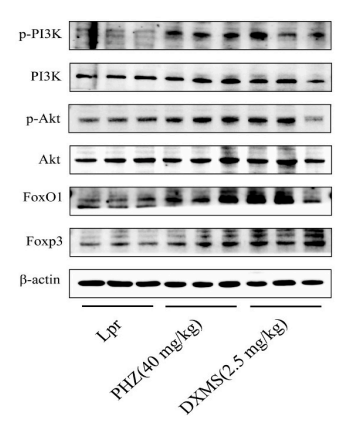
Phlorizin (PHZ 40 mg/kg) treatment promotes Treg cell development by activating the PI3K/Akt/FoxO1 pathway.
Phlorizin purchased from MedChemExpress. Usage Cited in: Int Immunopharmacol. 2025 May 8:154:114607. [Abstract]
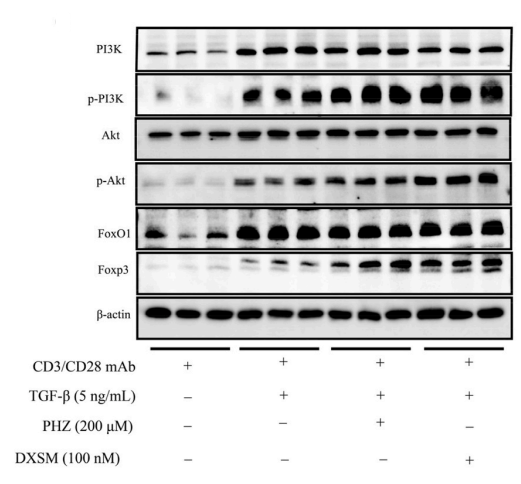
Western blot analysis of Phlorizin (PHZ 200 μM) showed that the expression of PI3K, p-PI3K, Akt, p-Akt, FoxO1 and Foxp3 all increased after treatment.
-
Bioorg Chem
Discovery of cyanidin-3-O-galactoside as a novel CNT2 inhibitor for the treatment of hyperuricemia. [Abstract]2025 Jan:154:108108. PMID: 39753042 -
ASN Neuro
Hijacking Sodium-Glucose Cotransporters: Fructose Drives Neuronal and Microglial Dysfunction. [Abstract]2026;18(1):2696821. PMID: 42429375 -
Virus Res
Decreased NHE3 activity and trafficking in TGEV-infected IPEC-J2 cells via the SGLT1-mediated P38 MAPK/AKt2 pathway. [Abstract]2020 Apr 15:280:197901. PMID: 32070687 -
Biochem Biophys Res Commun
Glucose transports in the ileum: mechanism, regulation and physiological role of ileal glucose absorption. [Abstract]2025 Sep 19:785:152676. PMID: 41005286 -
-


Solvent & Solubility
In Vitro:
DMSO : ≥ 50 mg/mL (114.57 mM; Hygroscopic DMSO has a significant impact on the solubility of product, please use newly opened DMSO)
H2O : 1 mg/mL (2.29 mM; Need ultrasonic)
* "≥" means soluble, but saturation unknown.
Please refer to the solubility information to select the appropriate solvent. Once prepared, please aliquot and store the solution to prevent product inactivation from repeated freeze-thaw cycles.
Storage method and period of stock solution: -80°C, 2 years; -20°C, 1 year. When stored at -80°C, please use it within 2 years. When stored at -20°C, please use it within 1 year.
* Note: If you choose water as the stock solution, please dilute it to the working solution, then filter and sterilize it with a 0.22 μm filter before use.
Please refer to the solubility information to select the appropriate solvent. Once prepared, please aliquot and store the solution to prevent product inactivation from repeated freeze-thaw cycles.
Storage method and period of stock solution: -80°C, 2 years; -20°C, 1 year. When stored at -80°C, please use it within 2 years. When stored at -20°C, please use it within 1 year.
* Note: If you choose water as the stock solution, please dilute it to the working solution, then filter and sterilize it with a 0.22 μm filter before use.
Concentration (start) × Volume (start) = Concentration (final) × Volume (final)
In Vivo:
Select the appropriate dissolution method based on your experimental animal and administration route.
- For the following dissolution methods, please ensure to first prepare a clear stock solution using an In Vitro approach and then sequentially add co-solvents:
- To ensure reliable experimental results, the clarified stock solution can be appropriately stored based on storage conditions. As for the working solution for In Vivo experiments, it is recommended to prepare freshly and use it on the same day.
- The percentages shown for the solvents indicate their volumetric ratio in the final prepared solution. If precipitation or phase separation occurs during preparation, heat and/or sonication can be used to aid dissolution.
Add each solvent one by one: 10% DMSO 40% PEG300 5% Tween-80 45% Saline
Solubility: ≥ 2.5 mg/mL (5.73 mM); Clear solution
This protocol yields a clear solution of ≥ 2.5 mg/mL (saturation unknown).
Taking 1 mL working solution as an example, add 100 μL DMSO stock solution (25.0 mg/mL) to 400 μL PEG300, and mix evenly; then add 50 μL Tween-80 and mix evenly; then add 450 μL Saline to adjust the volume to 1 mL.
Preparation of Saline: Dissolve 0.9 g sodium chloride in ddH₂O and dilute to 100 mL to obtain a clear Saline solution.
Add each solvent one by one: 10% DMSO 90% (20% SBE-β-CD in Saline)
Solubility: ≥ 2.5 mg/mL (5.73 mM); Clear solution
This protocol yields a clear solution of ≥ 2.5 mg/mL (saturation unknown).
Taking 1 mL working solution as an example, add 100 μL DMSO stock solution (25.0 mg/mL) to 900 μL 20% SBE-β-CD in Saline, and mix evenly.
Preparation of 20% SBE-β-CD in Saline (4°C, storage for one week): 2 g SBE-β-CD powder is dissolved in 10 mL Saline, completely dissolve until clear.
For the following dissolution methods, please prepare the working solution directly:
It is recommended to prepare fresh solutions and use them promptly within a short period of time.
The percentages shown for the solvents indicate their volumetric ratio in the final prepared solution. If precipitation or phase separation occurs during preparation, heat and/or sonication can be used to aid dissolution.
Add each solvent one by one: PBS
Solubility: 1.75 mg/mL (4.01 mM); Clear solution; Need ultrasonic and warming and heat to 60°C
Add each solvent one by one: 20% HP-β-CD in Saline
Solubility: 15.15 mg/mL (34.72 mM); Clear solution; Need ultrasonic
In Vivo Dissolution Calculator
Please enter the basic information of animal experiments:
-
-
-
-
Recommended: Prepare an additional quantity of animals to account for potential losses during experiments.
Please enter your animal formula composition:
-
%DMSO +
Recommended: Keep the proportion of DMSO in working solution below 2% if your animal is weak.
-
%+
-
+%Tween-80 + +
-
%Saline +
The co-solvents required include: DMSO, . All of co-solvents are available by MedChemExpress (MCE). , Tween 80. All of co-solvents are available by MedChemExpress (MCE).
Working solution concentration: 0.22 mg/mL
Method for preparing stock solution: mg drug dissolved in μL DMSO. Stock solution concentration: mg/mL.
1. Take μL DMSO stock solution;
2. Add μL .
μL , mix evenly;
3. Then add μL Tween 80, mix evenly;
4. Then add μL
Please ensure that the stock solution in the first step is dissolved to a clear state, and add co-solvents in sequence. You can use ultrasonic heating (ultrasonic cleaner, recommended frequency 20-40 kHz), vortexing, etc. to assist dissolution.


Purity & Documentation
-
Data Sheet (297 KB)
-
SDS (396 KB)
- English - EN (396 KB)
- Français - FR (396 KB)
- Deutsch - DE (396 KB)
- Norwegian - NO (396 KB)
- Español - ES (396 KB)
- Swedish - SV (396 KB)
- Italian - IT (396 KB)
- Korean - KR (396 KB)
- Portuguese - PT (396 KB)
-
Handling Instructions (2659 KB)
References
[1]. Pajor AM, et al. Inhibitor binding in the human renal low- and high-affinity Na+/glucose cotransporters. J Pharmacol Exp Ther. 2008;324(3):985-991. [Content Brief]
[2]. Chang WT, et al. Evaluation of the anti-inflammatory effects of phloretin and phlorizin in lipopolysaccharide-stimulated mouse macrophages. Food Chem. 2012;134(2):972-979. [Content Brief]
[3]. Katsuda Y, et al. Contribution of hyperglycemia on diabetic complications in obese type 2 diabetic SDT fatty rats: effects of SGLT inhibitor phlorizin. Exp Anim. 2015;64(2):161-169. [Content Brief]
[4]. Ni T, et al. Phlorizin, an Important Glucoside: Research Progress on Its Biological Activity and Mechanism. Molecules. 2024;29(3):741. Published 2024 Feb 5. [Content Brief]
[5].
Ehrenkranz JR, et al. Phlorizin: a review. Diabetes Metab Res Rev. 2005 Jan-Feb;21(1):31-8.
[Content Brief]


Complete Stock Solution Preparation Table
Please refer to the solubility information to select the appropriate solvent. Once prepared, please aliquot and store the solution to prevent product inactivation from repeated freeze-thaw cycles.
Storage method and period of stock solution: -80°C, 2 years; -20°C, 1 year. When stored at -80°C, please use it within 2 years. When stored at -20°C, please use it within 1 year.
| Optional Solvent | Concentration Solvent Mass | 1 mg | 5 mg | 10 mg | 25 mg |
|---|---|---|---|---|---|
| H2O / DMSO | 1 mM | 2.2914 mL | 11.4571 mL | 22.9142 mL | 57.2856 mL |
| DMSO | 5 mM | 0.4583 mL | 2.2914 mL | 4.5828 mL | 11.4571 mL |
| 10 mM | 0.2291 mL | 1.1457 mL | 2.2914 mL | 5.7286 mL | |
| 15 mM | 0.1528 mL | 0.7638 mL | 1.5276 mL | 3.8190 mL | |
| 20 mM | 0.1146 mL | 0.5729 mL | 1.1457 mL | 2.8643 mL | |
| 25 mM | 0.0917 mL | 0.4583 mL | 0.9166 mL | 2.2914 mL | |
| 30 mM | 0.0764 mL | 0.3819 mL | 0.7638 mL | 1.9095 mL | |
| 40 mM | 0.0573 mL | 0.2864 mL | 0.5729 mL | 1.4321 mL | |
| 50 mM | 0.0458 mL | 0.2291 mL | 0.4583 mL | 1.1457 mL | |
| 60 mM | 0.0382 mL | 0.1910 mL | 0.3819 mL | 0.9548 mL | |
| 80 mM | 0.0286 mL | 0.1432 mL | 0.2864 mL | 0.7161 mL | |
| 100 mM | 0.0229 mL | 0.1146 mL | 0.2291 mL | 0.5729 mL |
* Note: If you choose water as the stock solution, please dilute it to the working solution, then filter and sterilize it with a 0.22 μm filter before use.


Phlorizin Related Classifications
HY-N0143 Related Classifications
 Powered by Bioz