



Integrin
Integrins, a family of heterodimeric adhesion receptors for diverse extracellular matrices, have consistently been implicated as crucial drivers of ovarian cancer development and progression. A number of the RGD-based members of the integrin family, including α5β1, and αvβ3 or αvβ5 integrins, are markedly elevated in aggressive ovarian tumors. These adhesion receptors appear to promote cell adhesion, survival, motility and invasion during ovarian tumor growth or metastatic progression. Importantly, the functions of these integrins are strongly dependent on the activation of focal adhesion kinase (FAK) and its downstream signaling, including the PI3K/Akt- and Ras/MAPK-dependent pathways.
Integrins are transmembrane proteins and are major receptors for cell-extracellular matrix (ECM) and cell-cell adhesion. Modulation of these molecules, particularly αv integrin family, has exhibited profound effects on fibrosis in multiple organ and disease state. Based on the several studies, the integrins αvβ3, αvβ5, αvβ6, and αvβ8 have been known to modulate the fibrotic process via activation of latent transforming growth factor (TGF)-β in pre-clinical models of fibrosis.
Each integrin is typically formed by the non-covalent pairing of one α subunit, of which, 18 types are known to exist, and one β subunit, of which 8 types are known to exist. Together, 24 distinct heterodimers have been identified to date. The αv subunit can form heterodimers with the β1, β3, β5, β6 or β8 subunits and β1 can associate with many different α subunits from α1 to α11, and αv, indicating that not all theoretically possible α and subunit pairs form. Interestingly, the activation of TGF-β appears to be a common function of multiple αv integrins.
Integrin Isoform Specific Products
-
Integrin
(383)
View all products
-
αvβ1
(7)
View all products
-
αvβ3
(35)
View all products
-
αvβ5
(13)
View all products
-
αvβ6
(25)
View all products
-
αvβ8
(11)
View all products
-
α5β1
(19)
View all products
-
α1β1
(3)
View all products
-
α2β1
(9)
View all products
-
α4β1
(22)
View all products
-
α9β1
(4)
View all products
-
αIIbβ3
(14)
View all products
-
α4β7
(18)
View all products
-
αLβ2
(3)
View all products
All Product Categories
-
Integrin Inhibitors
(254)
View all products
-
Integrin Agonists
(10)
View all products
-
Integrin Antagonists
(96)
View all products
-
Integrin Activators
(8)
View all products
-
Integrin Modulators
(6)
View all products
-
Integrin Chemicals
(2)
View all products
-
Integrin Inducers
(3)
View all products
-
Integrin Degrader
(1)
View all products
-
Integrin Controls
(4)
View all products
-
Integrin Substrate
(1)
View all products
-
Integrin Ligands
(26)
View all products
-
Integrin alpha 1 beta 1 Proteins
(2)
View all products
-
Integrin alpha V beta 3 Proteins
(5)
View all products
-
Integrin alpha V beta 5 Proteins
(4)
View all products
-
Integrin alpha V beta 6 Proteins
(8)
View all products
-
Integrin alpha V beta 8 Proteins
(8)
View all products
-
Integrin Related Products (519)
Related Products (519)

-
Recombinant Proteins (27)
-
Antibodies (31)
-
Integrin Isoform Comparison
-
Cilengitide
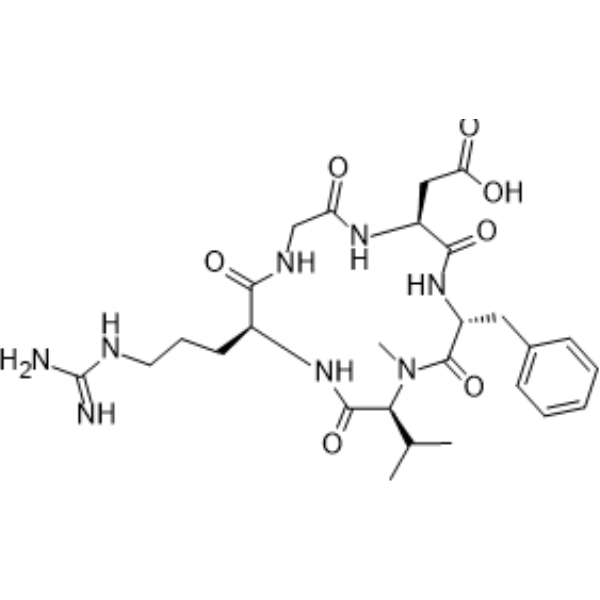 0 ImagesSynonyms: EMD 121974Cilengitide (EMD 121974) is an integrin (integrin) inhibitor with blood-brain barrier permeability, with IC50 values against human targets as follows: 0.61 nM for αvβ3, 8.4 nM for αvβ5, 14.9 nM for α5β1, 5400 nM for αIIbβ3, 2050 nM for αvβ6, 2350 nM for αvβ8. Cilengitide inhibits the binding of integrins to vitronectin, fibronectin, fibrinogen and LAP (TGF-β), and serves as an internal standard for solid-phase integrin binding assays. Cilengitide inhibits tumor cell viability, induces apoptosis, reduces the phosphorylation levels of STAT3, AKT and mTOR, downregulates the expression of PD-L1, inhibits cell viability and angiogenesis, regulates anti-tumor immune responses and slows tumor growth. Cilengitide can be used in research related to glioblastoma, melanoma, advanced solid tumors and refractory brain tumors.
-
Fibronectin
 0 ImagesFibronectin, a glycoprotein present in blood as well as in cells, is a biomarker of tissue injury. Fibronectin binds to membrane-spanning receptor proteins called integrins. Fibronectin also binds to other extracellular matrix proteins such as collagen, fibrin, and heparan sulfate proteoglycans.
This product is a human Fibronectin obtained by recombinant expression in a rice expression system.
-
RGD
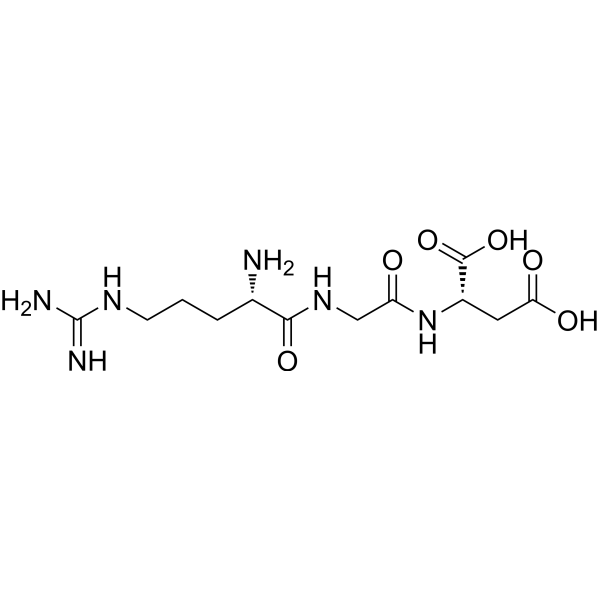 0 ImagesRGD is a tripeptide that effectively triggers cell adhesion, addresses certain cell lines and elicits specific cell responses; binds to integrins.
-
RGD peptide (GRGDNP)
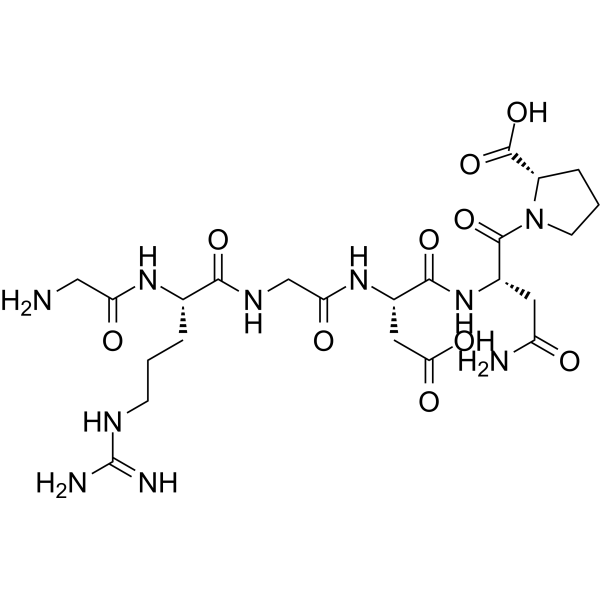 0 ImagesRGD peptide (GRGDNP) is an inhibitor of integrin-ligand interactions. RGD peptide (GRGDNP) competitively inhibits α5β1 binding with extracellular matrice (ECM). RGD peptide (GRGDNP) promotes apoptosis through activation of conformation changes that enhance pro-caspase-3 activation and autoprocessing. RGD peptide (GRGDNP) plays an important role in cell adhesion, migration, growth, and differentiation.
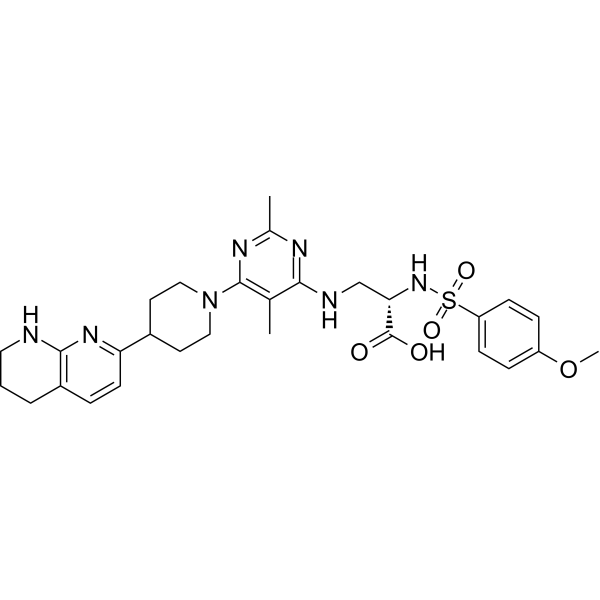
-
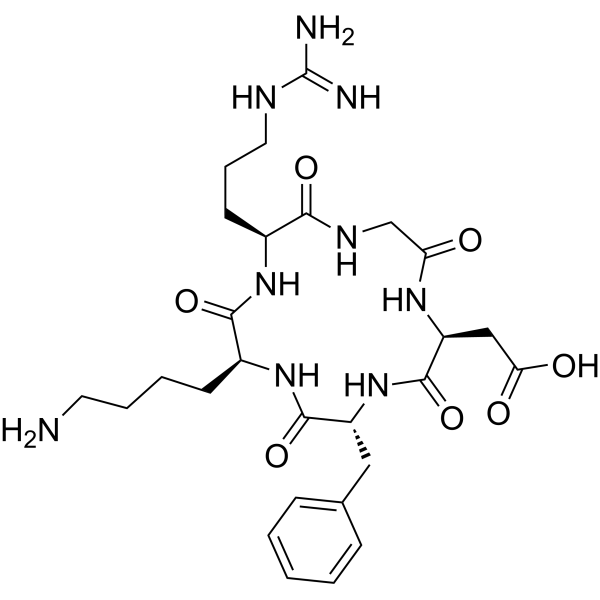
Cyclo(Arg-Gly-Asp-D-Phe-Cys)
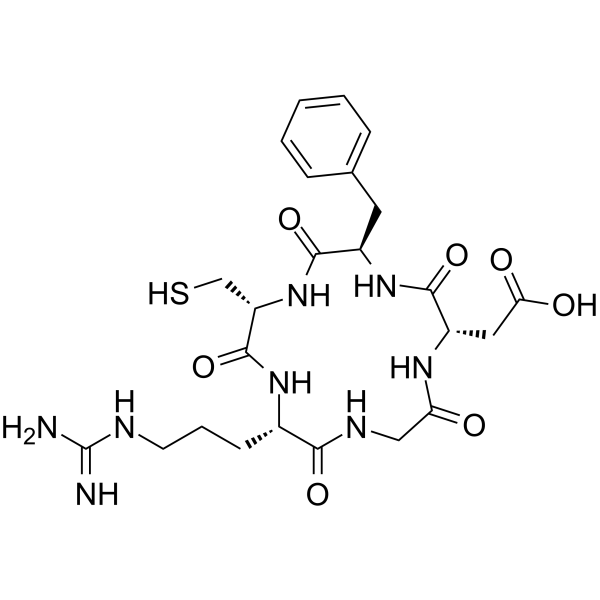 0 ImagesSynonyms: Cyclo(RGDfC)Cyclo(Arg-Gly-Asp-D-Phe-Cys) (Cyclo RGDfC), a cyclic RGD peptide which has high affinity to αvβ3, can disrupt cell integrin interactions. Cyclo(Arg-Gly-Asp-D-Phe-Cys) inhibits pluripotent marker expression in embryonic stem cells (ESCs) and the tumorigenic potential of mESCs in vivo. Cyclo(Arg-Gly-Asp-D-Phe-Cys) can be used in the research of tumors.
-
Vedolizumab
 0 ImagesSynonyms: Anti-Human lymphocyte α4β7 integrin, Humanized Antibody; LDP-02; MLN-002Vedolizumab is a humanized IgG1 monoclonal antibody that targets the α4β7 integrin for the treatment of ulcerative colitis and Crohn's disease.
-
Bexotegrast
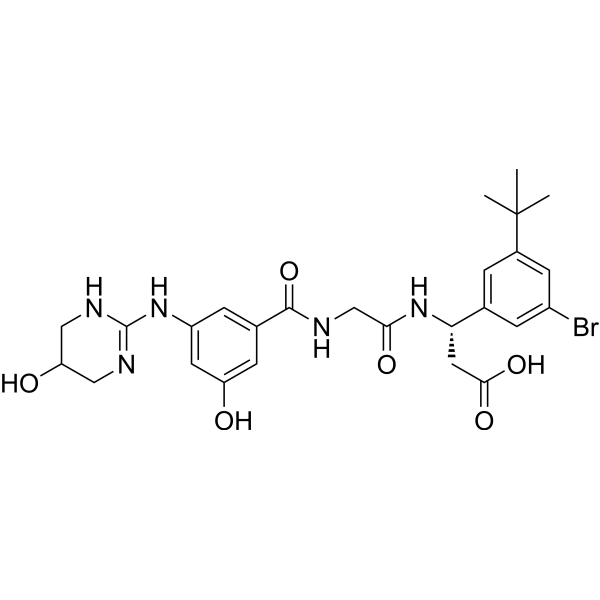
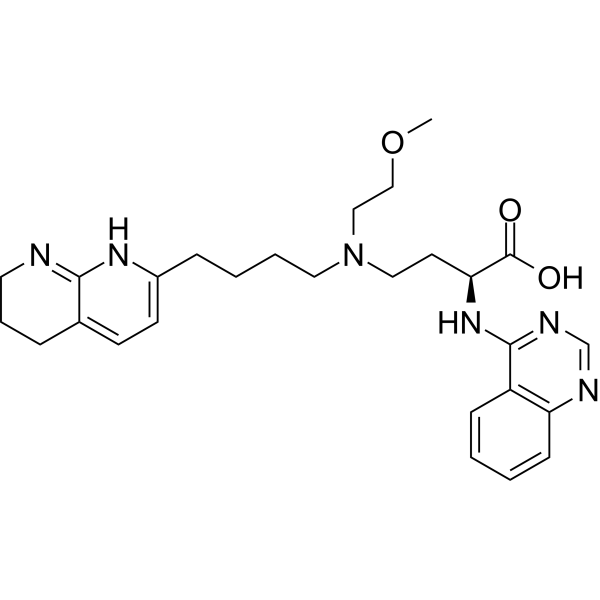 0 ImagesSynonyms: PLN-74809Bexotegrast (PLN-74809) is an orally active, potent dual αvβ6/αvβ1 integrin inhibitor with Kd of 5.7 nM and 3.4 nM, respectively. Bexotegrast inhibits αvβ6- and αvβ1-induced TGF-β activation with IC50 values of 29.8 nM and 19.2 nM, respectively. Bexotegrast has antifibrogenic effects and block multiple avenues of TGF-β activation in the fibrotic lung.
-
E7820
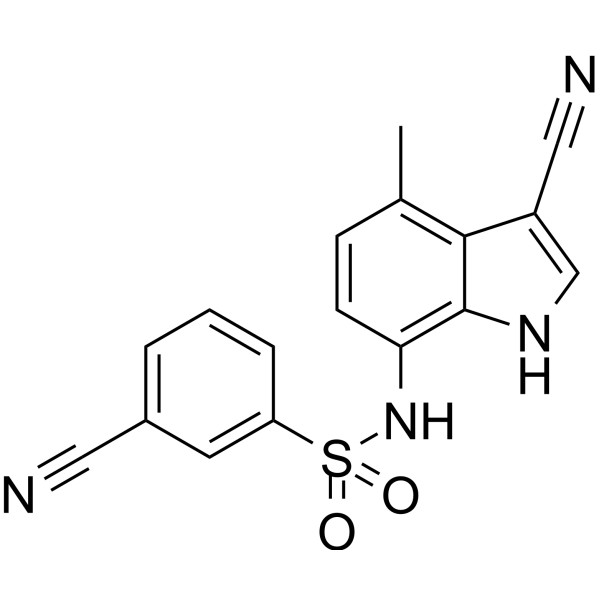 0 ImagesSynonyms: ER68203-00E7820 (ER68203-00), an orally active aromatic sulfonamide derivative, is a molecular glue that induces the targeted degradation of splicing factor RBM39 by recruiting the E3 ubiquitin ligase CUL4-RBX1-DDB1-DCAF15 (CRL4DCAF15). E7820 is an angiogenesis inhibitor suppressing an expression of integrin alpha2 subunit on endothelium. E7820 inhibits rat aorta angiogenesis with an IC50 of 0.11 μg/ml. E7820 modulates α-1, α-2, α-3, and α-5 integrin mRNA expression. E7820 can be used for the study of acute myeloid leukemia (AML).
-
Pyrintegrin
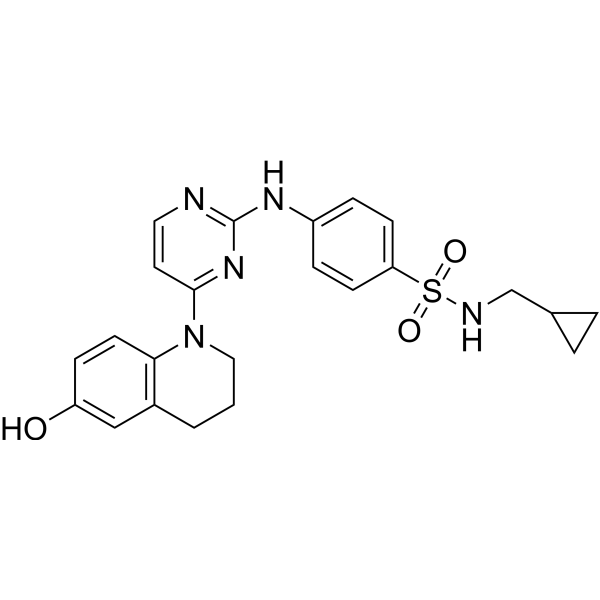 0 ImagesPyrintegrin is an β1-integrin agonist and a 2,4-disubstituted pyrimidine that promotes embryonic stem cells survival. Pyrintegrin enhances cell-extracellular matrix (ECM) adhesion-mediated integrin signaling. Pyrintegrin can be used as a podocyte-protective agent and has robustly adipogenic.
-
Cucurbitacin B
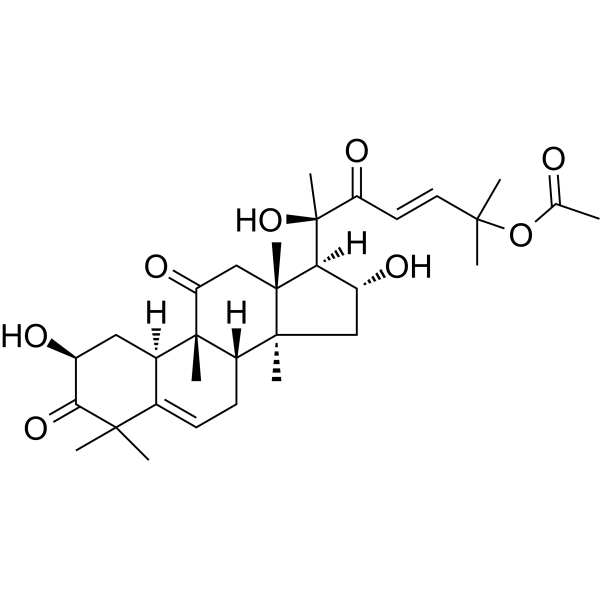 0 ImagesCucurbitacin B belongs to a class of highly oxidized tetracyclic triterpenoids and is oral active. Cucurbitacin B inhibits tumor cell growth, migration and invasion and cycle arrest, but induces cell apoptosis. Cucurbitacin B has potent anti-inflammatory, antioxidant, antiviral, hypoglycemic, hepatoprotective, neuroprotective activity.
-
Lifitegrast
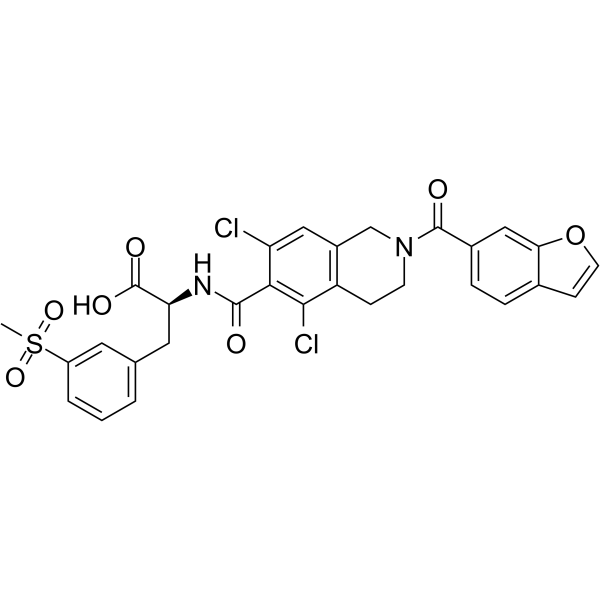 0 ImagesSynonyms: SAR 1118; SHP-606Lifitegrast (SAR 1118) is a potent integrin antagonist. Lifitegrast blocks the binding of intercellular adhesion molecule 1 (ICAM-1) to lymphocyte function-associated antigen 1 (LFA-1), interrupting the T cell-mediated inflammatory cycle. Lifitegrast inhibits Jurkat T cell attachment to ICAM-1 with an IC50 of 2.98 nM. Lifitegrast can be used for researching dry eye disease.
-
Arg-Gly-Asp-Ser
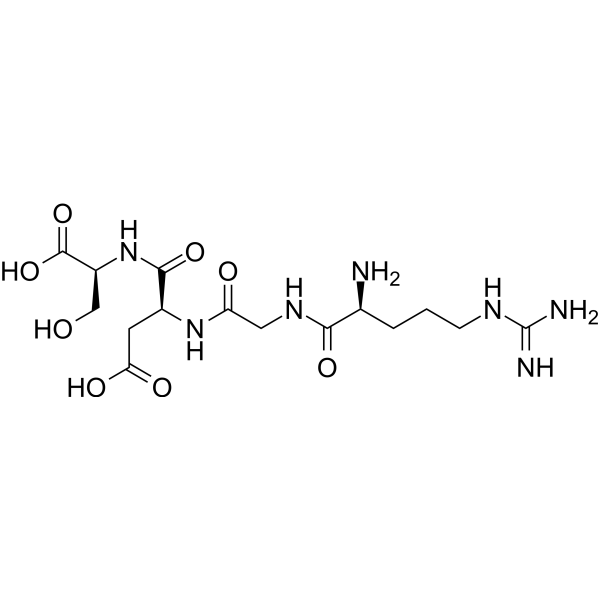 0 ImagesSynonyms: RGDS peptide; Fibronectin tetrapeptide
-
Anti-Mouse/Rat/Human Osteopontin/SPP1 Antibody (MPIIIB10)
 0 ImagesCat. No.: HY-P990117Anti-Mouse/Rat/Human Osteopontin/SPP1 Antibody (MPIIIB10) is a mouse-derived Osteopontin/SPP1 IgG1 κ type antibody inhibitor. Anti-Mouse/Rat/Human Osteopontin/SPP1 Antibody (MPIIIB10) blocks Angiotensin II (HY-13948)-induced DNA synthesis and collagen gel contraction in cardiac fibroblasts. Anti-Mouse/Rat/Human Osteopontin/SPP1 Antibody (MPIIIB10) significantly inhibits tumor growth in CT26 or MC38 tumors mice models.
-
Nexinhib20
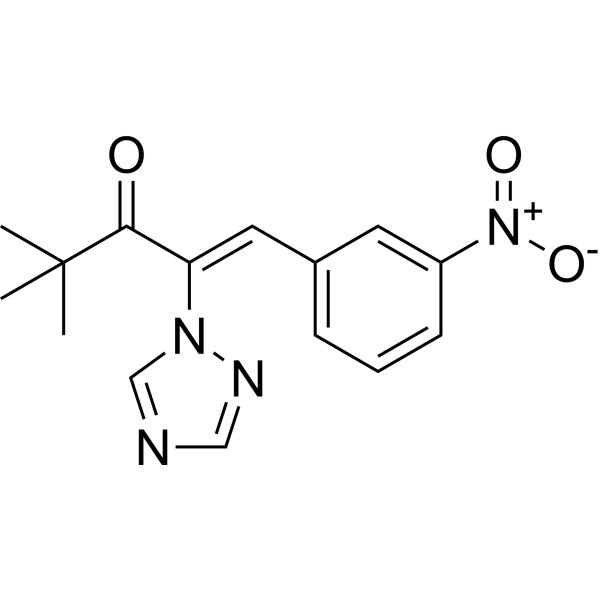 0 ImagesNexinhib20 is an inhibitor that targets the interactions of Rab27a-JFC1 (IC50: 2.6 μM) and Rac-1-GTP. Nexinhib20 can inhibit neutrophil exocytosis, adhesion, and β2 integrin activation, and has anti-inflammatory activity. Nexinhib20 can be used in the research of diseases such as systemic inflammation and myocardial ischemia-reperfusion injury.
-
Tirofiban
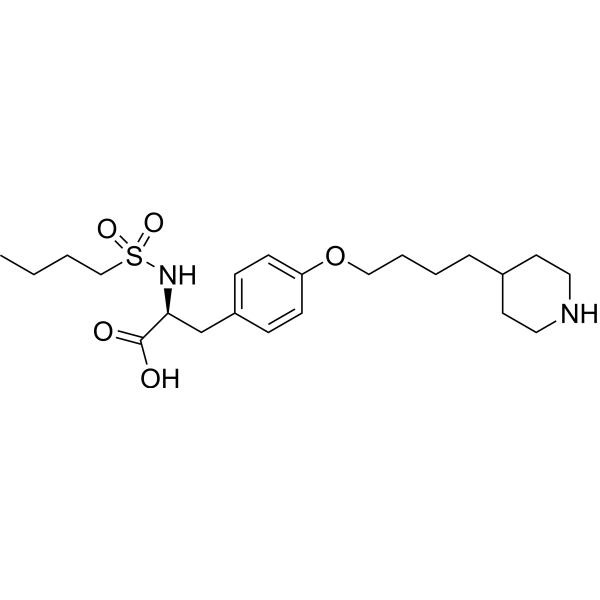 0 ImagesSynonyms: L700462; MK383Tirofiban (L700462) is a selective and reversible platelet integrin receptor (Gp IIb/IIIa) antagonist that inhibits fibrinogen binding to this receptor and has antithrombotic activity. Tirofiban induces proliferation and migration on endothelial cell by inducing production of VEGF. Tirofiban can significantly reduces myocardial no-reflow and ischemia-reperfusion injury by alleviating myocardial microvascular structural and endothelial dysfunction in the ischemic area.
-
TC-I 15
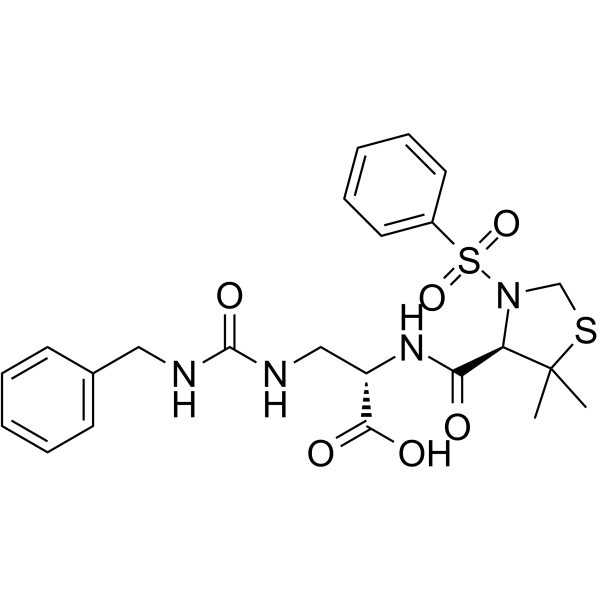 0 ImagesTC-I 15 (TC-I-15) is a type of allosteric collagen-binding integrin α2β1 inhibitor, and it also inhibits α1β1 and α11β1. TC-I 15 inhibits platelet adhesion to collagen and thrombus deposition. TC-I 15 prevents the formation of a pre-metastatic microenvironment by inhibiting the uptake of cancer-associated fibroblast (CAF) extracellular vesicles (EVs) by lung fibroblasts, which reduces the metastasis of salivary gland adenocystic carcinoma (SACC) to the lungs in mouse models, .
-
ATN-161
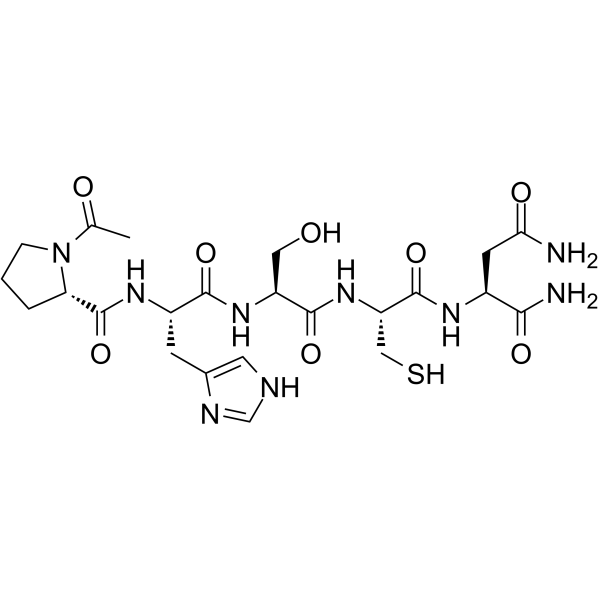 0 ImagesATN-161 is an antagonist of α5β1 integrin and αvβ3 integrin, as well as an inhibitor of fibrosis, an inhibitor of oxidative stress, a tight junction stabilizer, a mitochondrial integrity protector, an angiogenesis inhibitor and an antiviral agent. ATN-161 inhibits NLRP3, MAPK, and ROS. ATN-161 protects mice from SARS-CoV-2 infection. ATN-161 reduces infarct volume, alleviates edema, decreases immune cell infiltration, reduces the area of choroidal neovascularization lesions, lowers tumor microvessel density and viral load. ATN-161 can be used in research related to ischemic stroke, choroidal neovascularization, breast cancer, coronavirus disease 2019 (COVID-19), and liver metastasis of colorectal cancer.




