



PI3K
Phosphoinositide 3-kinase
PI3K (Phosphoinositide 3-kinase), via phosphorylation of the inositol lipid phosphatidylinositol 4,5-bisphosphate (PI(4,5)P2), forms the second messenger molecule phosphatidylinositol (3,4,5)-trisphosphate (PI(3,4,5)P3) which recruits and activates pleckstrin homology domain containing proteins, leading to downstream signalling events crucial for proliferation, survival and migration. Class I PI3K enzymes consist of four distinct catalytic isoforms, PI3Kα, PI3Kβ, PI3Kδ and PI3Kγ.
There are three major classes of PI3K enzymes, being class IA widely associated to cancer. Class IA PI3K are heterodimeric lipid kinases composed of a catalytic subunit (p110α, p110β, or p110δ; encoded by PIK3CA, PIK3CB, and PIK3CD genes, respectively) and a regulatory subunit (p85).
The PI3K pathway plays an important role in many biological processes, including cell cycle progression, cell growth, survival, actin rearrangement and migration, and intracellular vesicular transport.
PI3K Isoform Specific Products
-
PI3Kα
(240)
View all products
-
PI3Kβ
(165)
View all products
-
PI3Kγ
(185)
View all products
-
PI3Kδ
(205)
View all products
-
PI3KC2α
(8)
View all products
-
PI3KC2β
(12)
View all products
-
PI3KC2γ
(4)
View all products
-
Vps34
(25)
View all products
-
PI3K
(671)
View all products
-
PI3KC3
(1)
View all products
-
p120γ
(1)
View all products
All Product Categories
-
PI3K Inhibitors
(881)
View all products
-
PI3K Agonists
(9)
View all products
-
PI3K Antagonist
(1)
View all products
-
PI3K Activators
(133)
View all products
-
PI3K Modulators
(23)
View all products
-
PI3K Inducers
(3)
View all products
-
PI3K Degraders
(7)
View all products
-
PI3K Controls
(4)
View all products
-
PI3K Substrate
(1)
View all products
-
PI3K Ligands
(9)
View all products
-
PI3K Related Products (1133)
Related Products (1133)

-
Antibodies (16)
-
PI3K Signaling Pathway
-
PI3K Isoform Comparison
-
Vasicine hydrochloride
 0 ImagesVasicine hydrochloride (peganine hydrochloride) is a quinazoline alkaloid isolated from Justicia adhatoda. Vasicine hydrochloride activates PI3K/Akt signaling pathway, exhibits antioxidant, anti-inflammatory and antibacterial activities.
-
Brassinin
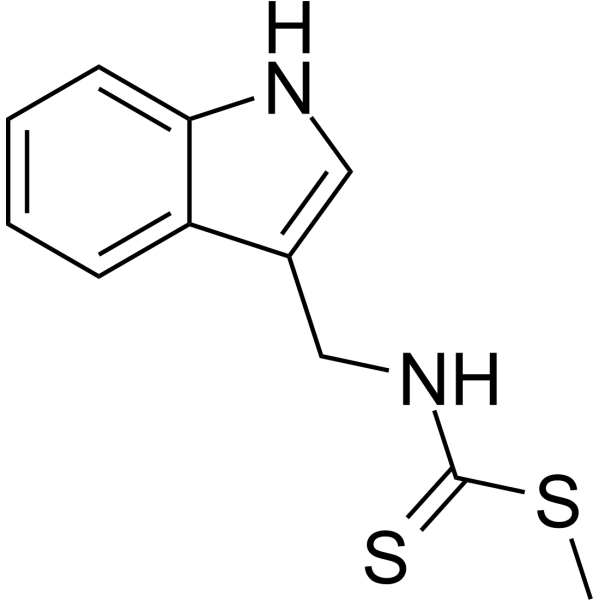 0 ImagesSynonyms: BrassinineBrassinin is an indole derivative found in cruciferous plants. Brassinin acts as an IDO inhibitor (Ki = 97.7 μM). Brassinin inhibits angiogenesis and induces apoptosis, autophagy, paraptosis, ROS production, and ER stress. Brassinin selectively stimulates lysosomal degradation of Tie2 and promotes lysosomal and proteasomal degradation of FGFR1 in endothelial cells, downregulating AKT and ERK phosphorylation. Brassinin inhibits endothelial cell proliferation, migration, tube formation, spheroid sprouting, and angiogenesis. Brassinin inhibits PI3K/Akt/mTOR/S6K1 signaling, upregulates p21 and p27, and induces G1 phase cell cycle arrest through RB hypophosphorylation. Brassinin inhibits tyrosinase catalytic activity, reduces tyrosinase mRNA, and inhibits MITF nuclear translocation. Brassinin is used for research on triple-negative breast cancer, chronic myeloid leukemia, colon cancer, glioma, atherosclerosis, and skin cancer.
-
Deoxyandrographolide
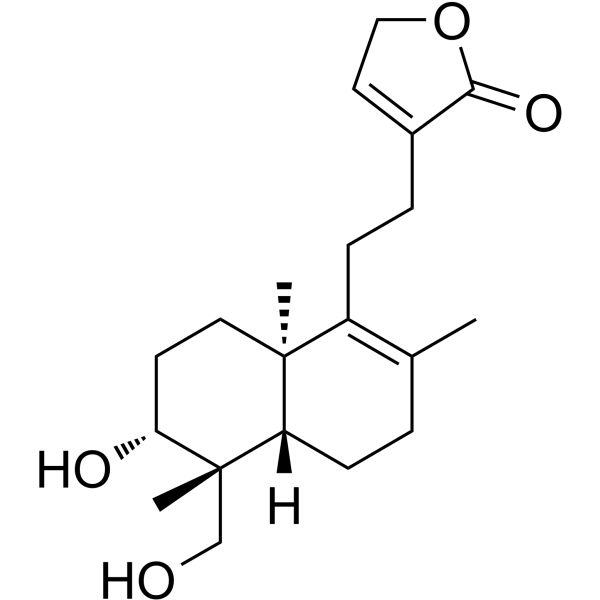 0 ImagesDeoxyandrographolide is an orally active lactone found in the Andrographis paniculata Nees. Deoxyandrographolide shows a KD of 38.4 μM of HDAC1. Deoxyandrographolide enhances GLUT4 plasma membrane translocation, activates PI3K and AMPK-dependent signaling pathways, suppresses fasting blood glucose, serum insulin, triglycerides, and LDL-cholesterol levels. Deoxyandrographolide enhances HDAC1 expression via inhibited ubiquitination degradation, represses H3K4me3, improves chromosome stability, and restrains aging biomarkers p16, p21, γH2A.X, p53 and ROS production. Deoxyandrographolide interacts with Foot-and-Mouth Disease Virus 3Cpro active site, inhibits protease and IFN-antagonist activity, derepresses ISG expression, and inhibits viral replication. Deoxyandrographolide can be used for the researches of type 2 diabetes mellitus, vascular senescence and virus infection.
-
Iridin
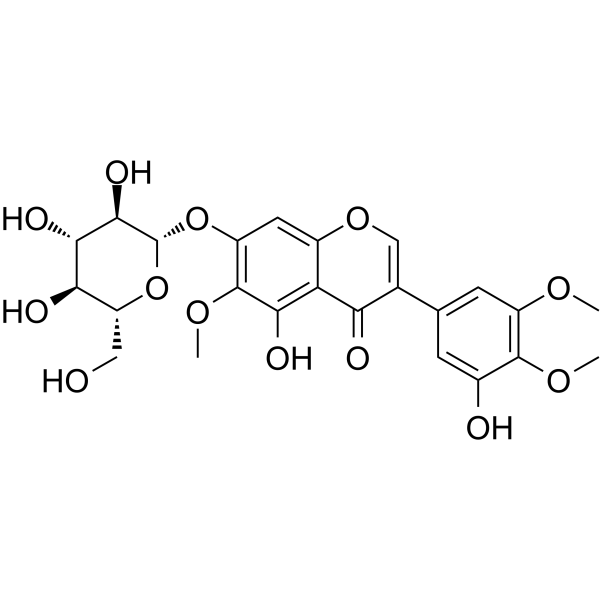 0 ImagesIridin is an orally active natural isoflavone. Iridin inhibits the PI3K/AKT and PKM2 signaling pathways, and downregulates the JAK/STAT and NF-κB pathways. Iridin induces Fas-mediated extrinsic apoptosis, G2/M cell cycle arrest, and inhibits cell proliferation. Iridin reduces inflammation, inhibits ROS production, suppresses glycolysis, and also exhibits antioxidant and antidiabetic activities. Iridin can be used in research related to gastric cancer and acute lung injury.
-
Levomilnacipran hydrochloride
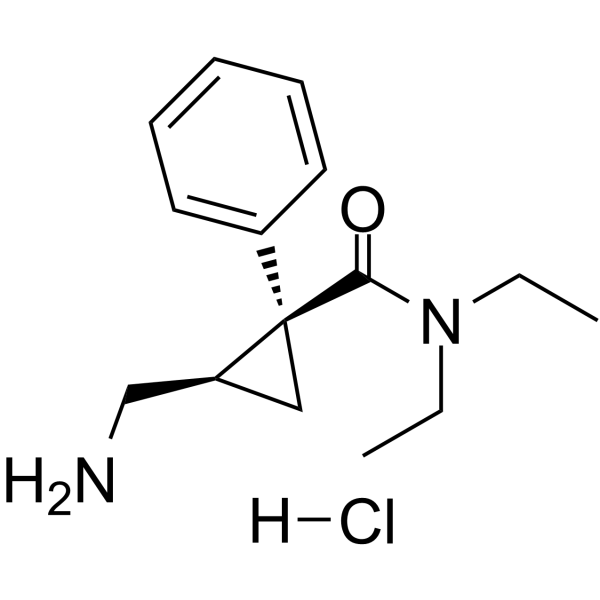 0 ImagesSynonyms: (1S,2R)-Milnacipran hydrochloride; F-2695 hydrochlorideLevomilnacipran ((1S,2R)-Milnacipran) hydrochloride is the enantiomer of Milnacipran (HY-B0168) and a strong substrate of P-gp that can cross the blood-brain barrier. Levomilnacipran hydrochloride is a serotonin and norepinephrine reuptake inhibitor, with IC50 values of 10.5 nM and 19.0 nM, and Ki values of 92.2 nM and 1.2 nM for human norepinephrine transporter (NET) and serotonin transporter (SERT), respectively. Levomilnacipran hydrochloride has antidepressant and anxiolytic activities. Levomilnacipran hydrochloride can be used for the research of depression.
-
KTC1101
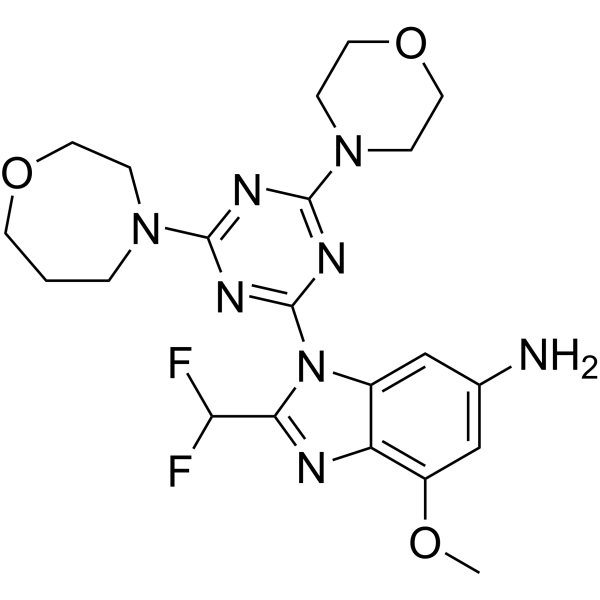 0 ImagesKTC1101 is an orally active pan-PI3K inhibitor. KTC1101 can inhibit the PI3K signaling pathway, reduce downstream AKT and mTOR phosphorylation, and reduces the expression of Ki67. The anti-tumor effect of KTC1101 has a dual mechanism of action: directly inhibiting tumor cell growth and dynamically enhancing immune response.
-
Bakkenolide A
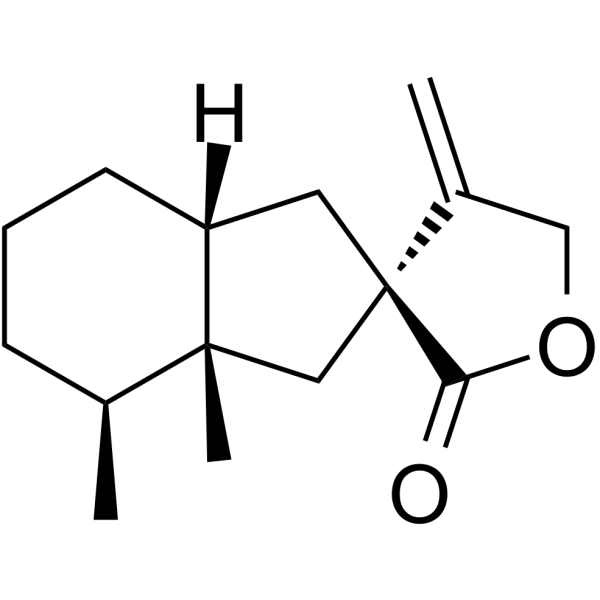 0 ImagesBakkenolide A is an anticancer agent. Bakkenolide A reduces the viability of leukemia cells, inhibits cell colony formation and invasion, and downregulates the expression of HDAC3 in cells. Bakkenolide A downregulates the expression of pro-inflammatory cytokines including TNF-α, interleukins such as IL-1β, TGF-β1 and IFN-γ, as well as the expression of PI3K, PDK and PKC in leukemia cells. Bakkenolide A downregulates activated Akt, GSK and Bad, while upregulates Cyto-c, cleaved Caspase3 and cleaved Caspase7, induces apoptosis (apoptosis) in leukemia cells and thereby inhibits inflammatory responses in leukemia cells. Bakkenolide A significantly slows the growth of subcutaneous leukemia tumors in nude mice. Bakkenolide A is applicable to leukemia-related research.
-
Sericin
 0 ImagesCat. No.: HY-NP192Sericin is an orally active globular protein produced by silkworm cocoons. Sericin inhibits the expression of COX2, iNOS, TLR4, MAPK and NF-κB; reduces the levels of IL-18, IL-1 and CCL2; antagonizes the activity of AChE; and downregulates the expression of Bcl-2. Sericin enhances the PI3K/AKT-mediated insulin signaling pathway. Sericin inhibits the activity of tyrosinase (Tyrosinase), scavenges ROS, chelates metal ions, and increases the levels of antioxidant enzymes. Sericin induces apoptosis and arrests the cell cycle. Sericin exhibits antibacterial, moisturizing, cardioprotective and anticoagulant properties. Sericin can be used in research related to type 2 diabetes, hyperlipidemia, obesity, Alzheimer's disease, colon cancer, peripheral nerve injury and ischemic myocardial infarction.
-
Myrislignan
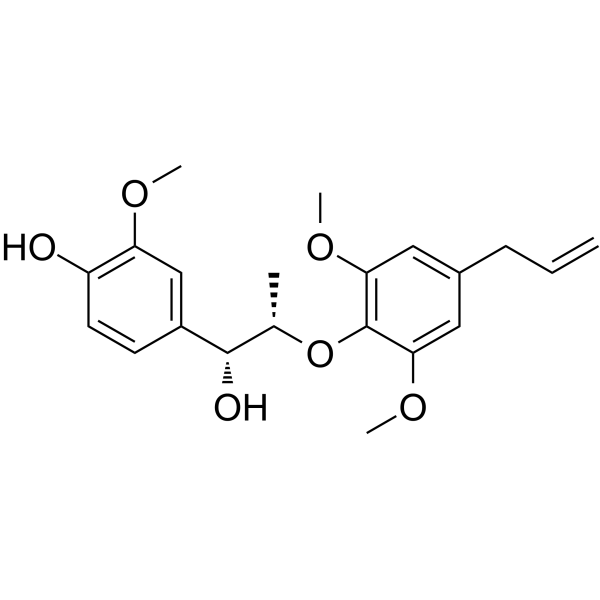 0 ImagesMyrislignan is a PI3K/AKT/NF-κB inhibitor that can cross the blood-brain barrier. Myrislignan exerts anticancer activity by inducing apoptosis and ferroptosis. Myrislignan inhibits the replication and invasion of Toxoplasma gondii; it induces reactive oxygen species (ROS) imbalance, autophagy, and the death of Toxoplasma gondii tachyzoites. Myrislignan inhibits mitochondrial function and ERK1/2 phosphorylation to improve ovariectomy-induced osteoporosis. Myrislignan can be used in studies related to gastric cancer, glioblastoma, osteoporosis, and toxoplasmosis.

-
Gedatolisib (Standard)
 0 ImagesCat. No.: HY-10681RCAS No.: 1197160-78-3Gedatolisib (Standard) is the analytical standard of Gedatolisib. This product is intended for research and analytical applications. Gedatolisib (PKI-587) is a highly potent dual inhibitor of PI3Kα, PI3Kγ, and mTOR with IC50s of 0.4 nM, 5.4 nM and 1.6 nM, respectively. Gedatolisib is equally effective in both complexes of mTOR, mTORC1 and mTORC2.
-
YS-49 monohydrate
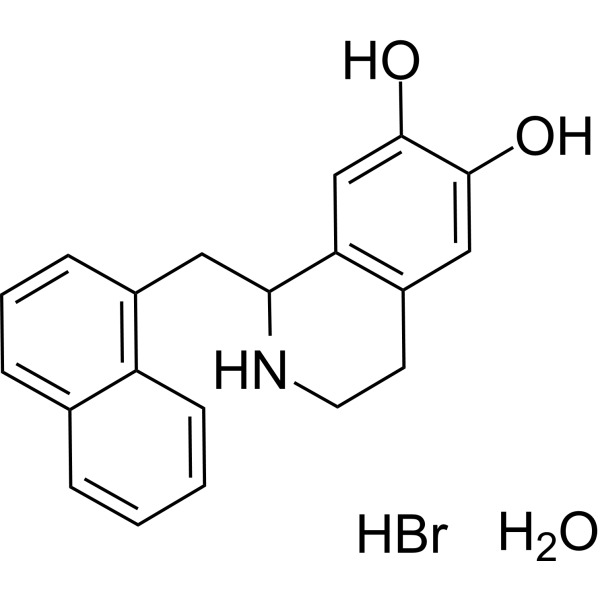 0 ImagesYS-49 (monohydrate) is a PI3K/Akt (a downstream target of RhoA) activator, to reduce RhoA/PTEN activation in the 3-methylcholanthrene-treated cells. YS-49 inhibits angiotensin II (Ang II)-stimulated proliferation of VSMCs via induction of heme oxygenase (HO)-1. YS-49 is also an isoquinoline compound alkaloid, has a strong positive inotropic action through activation of cardiac β-adrenoceptors.
-
P110δ-IN-1
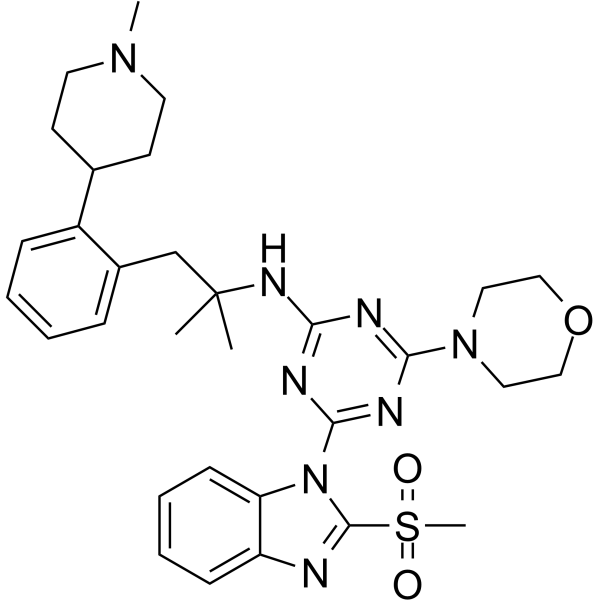 0 ImagesP110δ-IN-1 is a potent and selective inhibitor of P110δ extracted from patent WO 2014055647 A1, with an IC50 of 8.4 nM.
-
Lupenone
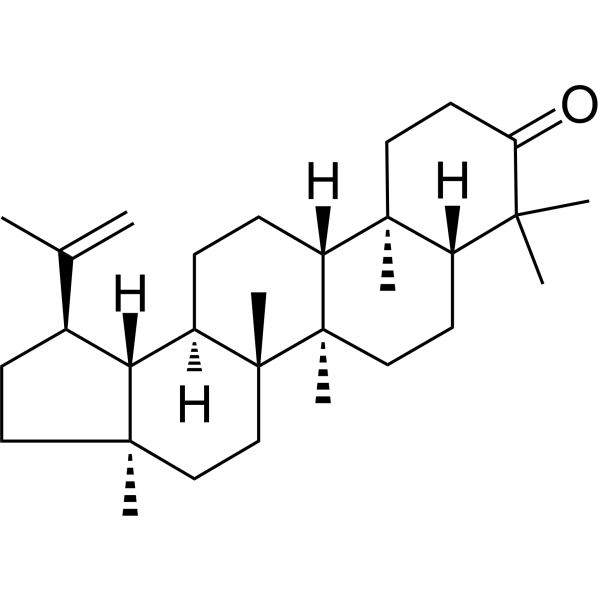 0 ImagesLupenone is an orally active lupine-type triterpenoid that can be isolated from Musa basjoo. Lupenone Lupenone plays a role through the PI3K/Akt/mTOR and NF-κB signaling pathways. Lupenone has anti-inflammatory, antiviral, antidiabetic and anticancer activities.




