



PI3K
Phosphoinositide 3-kinase
PI3K (Phosphoinositide 3-kinase), via phosphorylation of the inositol lipid phosphatidylinositol 4,5-bisphosphate (PI(4,5)P2), forms the second messenger molecule phosphatidylinositol (3,4,5)-trisphosphate (PI(3,4,5)P3) which recruits and activates pleckstrin homology domain containing proteins, leading to downstream signalling events crucial for proliferation, survival and migration. Class I PI3K enzymes consist of four distinct catalytic isoforms, PI3Kα, PI3Kβ, PI3Kδ and PI3Kγ.
There are three major classes of PI3K enzymes, being class IA widely associated to cancer. Class IA PI3K are heterodimeric lipid kinases composed of a catalytic subunit (p110α, p110β, or p110δ; encoded by PIK3CA, PIK3CB, and PIK3CD genes, respectively) and a regulatory subunit (p85).
The PI3K pathway plays an important role in many biological processes, including cell cycle progression, cell growth, survival, actin rearrangement and migration, and intracellular vesicular transport.
PI3K Isoform Specific Products
-
PI3Kα
(240)
View all products
-
PI3Kβ
(165)
View all products
-
PI3Kγ
(185)
View all products
-
PI3Kδ
(205)
View all products
-
PI3KC2α
(8)
View all products
-
PI3KC2β
(12)
View all products
-
PI3KC2γ
(4)
View all products
-
Vps34
(25)
View all products
-
PI3K
(671)
View all products
-
PI3KC3
(1)
View all products
-
p120γ
(1)
View all products
All Product Categories
-
PI3K Inhibitors
(881)
View all products
-
PI3K Agonists
(9)
View all products
-
PI3K Antagonist
(1)
View all products
-
PI3K Activators
(133)
View all products
-
PI3K Modulators
(23)
View all products
-
PI3K Inducers
(3)
View all products
-
PI3K Degraders
(7)
View all products
-
PI3K Controls
(4)
View all products
-
PI3K Substrate
(1)
View all products
-
PI3K Ligands
(9)
View all products
-
PI3K Related Products (1133)
Related Products (1133)

-
Antibodies (16)
-
PI3K Signaling Pathway
-
PI3K Isoform Comparison
-
TRPM7-IN-1
 0 ImagesTRPM7-IN-1 (compound SUD), a benzoylurea derivative, is an effective TRPM7 inhibitor. TRPM7-IN-1 induces cell cycle arrest and apoptosis, decreases the migration of MCF-7 and BGC-823 cells. TRPM7-IN-1 decreases vimentin expression and increases E-cadherin expression. TRPM7-IN-1 potentially reduces the TRPM7-like current and decreases TRPM7 expression through the PI3K/Akt signaling pathway. TRPM7-IN-1 is a potential agent to suppress the metastasis of breast and gastric cancer by inhibiting TRPM7 expression and function.
-
Methyl Eugenol (Standard)
 0 ImagesMethyl Eugenol (Standard) is the analytical standard of Methyl Eugenol. This product is intended for research and analytical applications. Methyl Eugenol is a bait that has oral activity against oriental fruit fly (Hendel).Methyl Eugenol has anti-cancer and anti-inflammatory activities. Methyl Eugenol can induce Autophagy in cells. Methyl Eugenol can be used in the study of intestinal ischemia/reperfusion injury.
-
Musk ketone
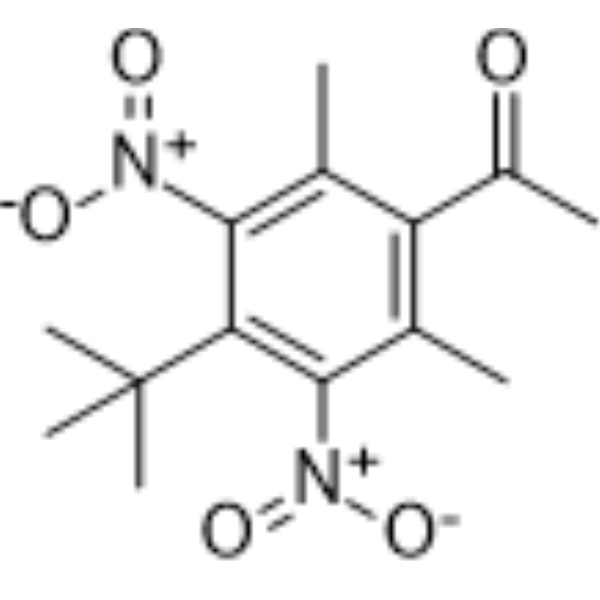 0 ImagesMusk ketone is a widely used artificial fragrance. Musk ketone is also a cytochrome P450 enzyme inducer. Musk ketone shows mutagenic and comutagenic effects in Hep G2 cells and induces neural stem cell proliferation and differentiation in cerebral ischemia via activation of the PI3K/Akt signaling pathway. In the brain, musk ketone is neuroprotective against stroke injury through inhibition of cell apoptosis.
-
HL-8
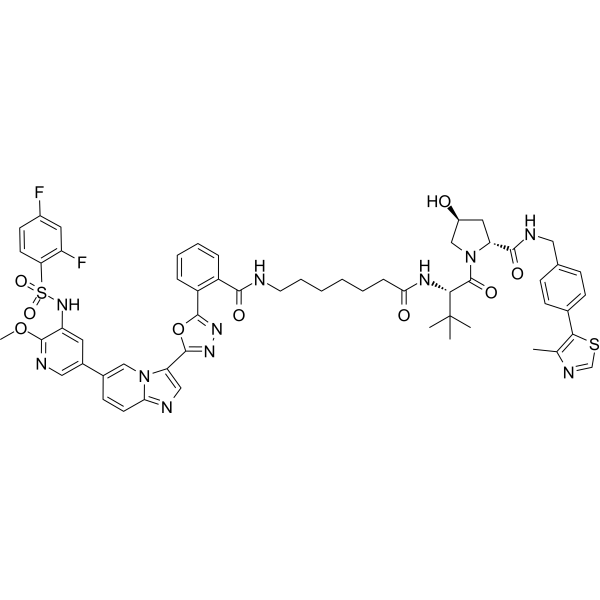 0 ImagesHL-8 is a PI3Kα PROTAC degrader. HL-8 promotes the ubiquitination and degradation of PI3Kα. HL-8 reduces pAKT levels. HL-8 has anticancer activity against colon and cervical cancer (Pink: PI3Kα ligand (HY-143277); Blue: E3 ligase VHL ligand (HY-138678); Black: linker (HY-W002042)).
-
Salvianolic acid F
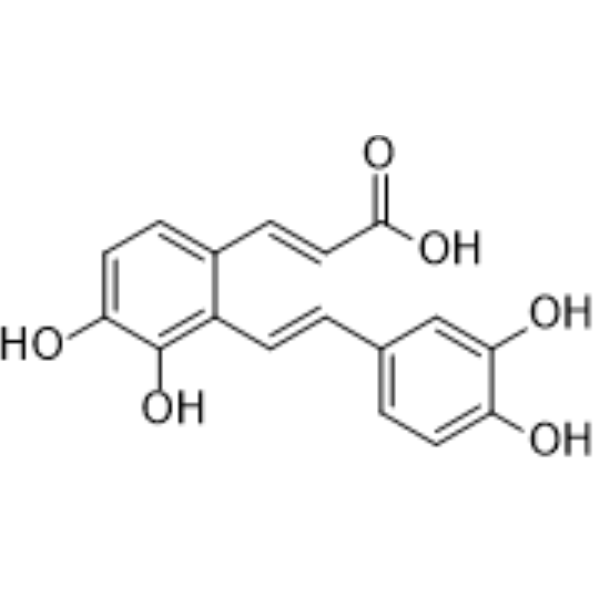 0 ImagesSalvianolic acid F is a KRAS inhibitor, especially for KRAS G12D. Salvianolic acid F inhibits NF-kB, MMP-9, and NO simultaneously. Salvianolic acid F inhibits cancer cell growth, invasion, and migration and induces apoptosis via the EP300/PI3K/AKT pathway in vitro. Salvianolic acid F inhibits the growth of KRAS-dependent lung cancer cells via the PI3K/AKT signaling pathway in vivo. Salvianolic acid F can be used in the research of various cancers, including KRAS G12D-driven non-small cell lung cancer (NSCLC) and ovarian cancer.
-
Sennidin B
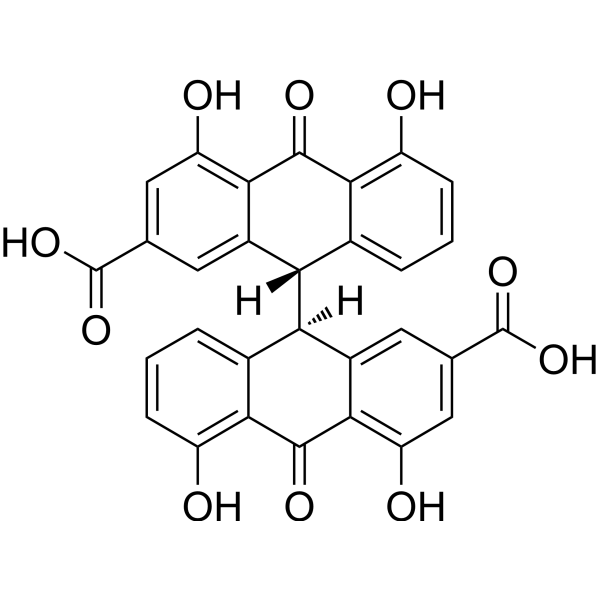 0 ImagesSennidin B is an anthraquinone compound isolated from Cassia angustifolia. Sennidin B is a DPP-4 inhibitor with an IC50 of 39.39 μM. Sennidin B is an insect chitinase inhibitor with a Ki of 80 nM against OfChi-h. Sennidin B competitively inhibits chitinase activity by forming π-π stacking interactions with key tryptophan residues in the active site through a folded conformation. Sennidin B activates PI3K/Akt to promote glucose uptake in adipocytes. Sennidin B can be used for the development of biopesticides and research on type 2 diabetes and metabolism-related signaling pathways.
-
Doxycycline (Standard)
 0 ImagesDoxycycline (Standard) is the analytical standard of Doxycycline (HY-N0565). This product is intended for research and analytical applications. Doxycycline is an orally active highly lipophilic, tissue-permeable MMP inhibitor with broad-spectrum antibacterial activity. Doxycycline is also a semi-synthetic antibiotic with chelating properties, which blocks bacterial protein synthesis and inhibits extracellular matrix degradation through interactions with zinc and calcium atoms. Doxycycline also inhibits mitochondrial biogenesis, translation, and the expression of respiratory chain proteins. Doxycycline induces apoptosis, inhibits autophagy and EMT, downregulates stem cell markers, and activates the PI3K-AKT pathway, thereby effectively inhibiting the viability and proliferation of cancer cells such as breast cancer cells. Doxycycline also promotes the survival and self-renewal of embryonic stem cells and neural stem cells, and reduces the frequency of medium changes in culture. Doxycycline has been applied in studies related to breast cancer, prostate cancer, bladder cancer, and other cancers.
-
3-Methyladenine-d3
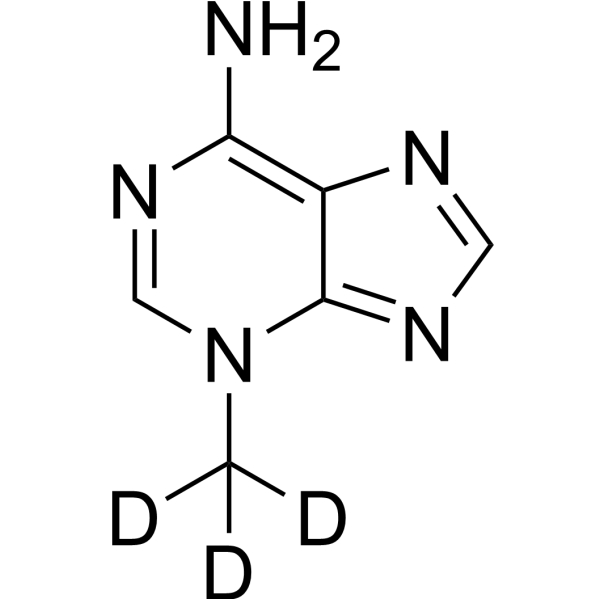 0 Images3-Methyladenine-d3 is the deuterium labeled 3-Methyladenine. 3-Methyladenine (3-MA) is a PI3K inhibitor. 3-Methyladenine is a widely used inhibitor of autophagy via its inhibitory effect on class III PI3K.
-
YH-306
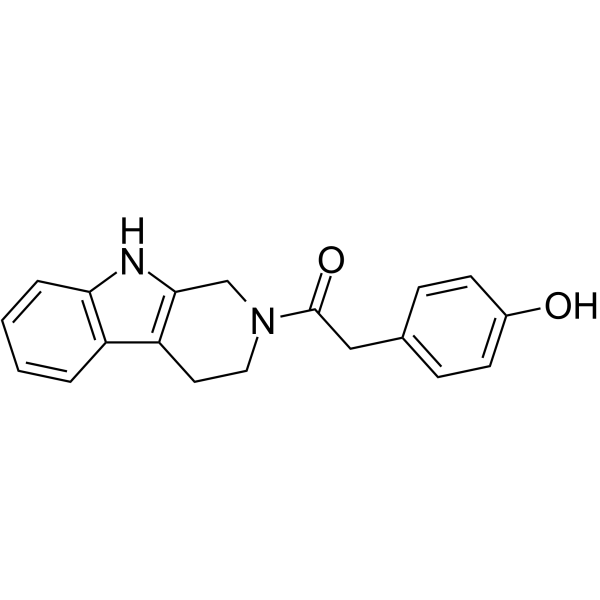 0 ImagesYH-306 is an antitumor agent. YH-306 suppresses colorectal tumour growth and metastasis via FAK pathway. YH-306 significantly inhibits the migration and invasion of colorectal cancer cells. YH-306 potently suppresses uninhibited proliferation and induces cell apoptosis. YH-306 suppresses the activation of FAK, c-Src, paxillin, and PI3K, Rac1 and the expression of MMP2 and MMP9. YH-306 also inhibita actin-related protein (Arp2/3) complex-mediated actin polymerization.
-
Isoastragaloside I
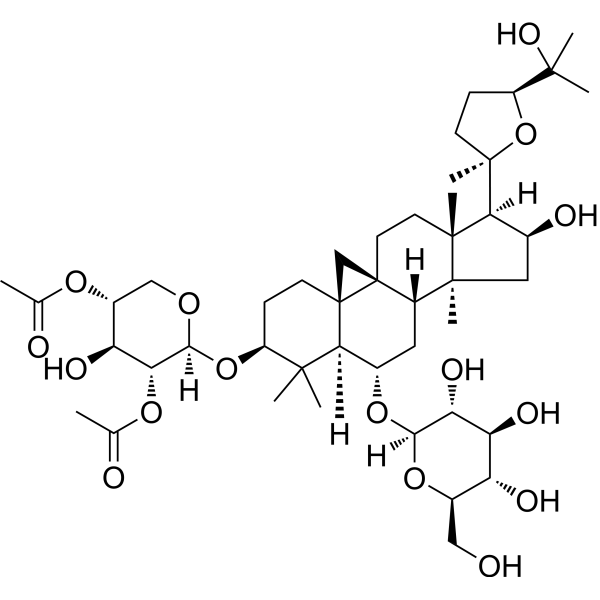 0 ImagesSynonyms: Isoastragaloside-IIsoastragaloside I is a natural compound found in Astragalus membranaceus, with oral activity and multiple biological activities such as anti-inflammatory and antioxidant properties. Isoastragaloside I inhibits Akt, NF-κB, MAPKs and PI3K, enhances the activity of hepatic FXR, regulates the TGF-β/Smads signaling pathway, and upregulates antioxidant molecules downstream of Nrf2. Isoastragaloside I inhibits the expression of NO, TNF-α, iNOS, COX-2, IL-1β and VCAM-1, and reduces intracellular ROS levels. Isoastragaloside I attenuates blood-brain barrier disruption, restores intestinal barrier function, increases β-cell mass, improves glucose homeostasis, and elevates circulating adiponectin levels. Isoastragaloside I can be used for the study of neuroinflammation-related neurodegenerative diseases, cholestatic liver disease, and diabetes.
-
Bacopaside I
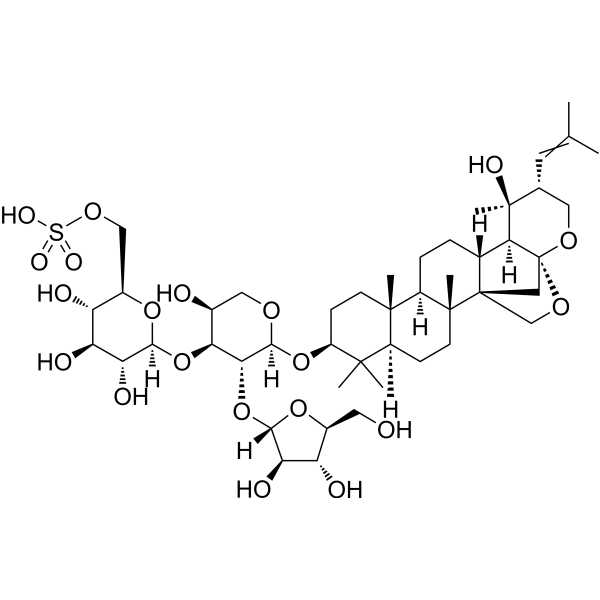 0 ImagesBacopaside I is an orally active aquaporin AQP1 inhibitor and PKC modulator with neuroprotective and anticancer activities. Bacopaside I specifically blocks the water channel and cGMP-gated ion channel activities of AQP1 without affecting AQP4, thereby inhibiting the migration of colon cancer cells expressing AQP1. Bacopaside I activates the Akt pathway by interacting with PI3K, specifically inhibits MAO-A, effectively alleviates neuron necrosis and apoptosis induced by oxygen-glucose deprivation, reduces oxidative stress, and regulates the surface expression of neuroreceptors. When combined with Bacopaside II (HY-N6016), Bacopaside I significantly reduces the viability, proliferation and invasion ability of breast cancer cells, and binds to the pregnane X receptor (PXR). Bacopaside I is applicable to the research of colon cancer, breast cancer, vascular dementia, cerebral ischemia and other related diseases.
-
VVD-442
 0 ImagesVVD-442 is an inhibitor targeting PI3Kα. VVD-442 covalently binds to Cys242 in the RAS-binding domain of PI3K p110α, induces conformational changes, and disrupts the interaction between PI3K p110α and RAS proteins. VVD-442 also blocks RAS-mediated PI3K activation. VVD-442 can be used in research related to RAS-mutant cancers and HER2-overexpressing cancers.
-
Physalin B
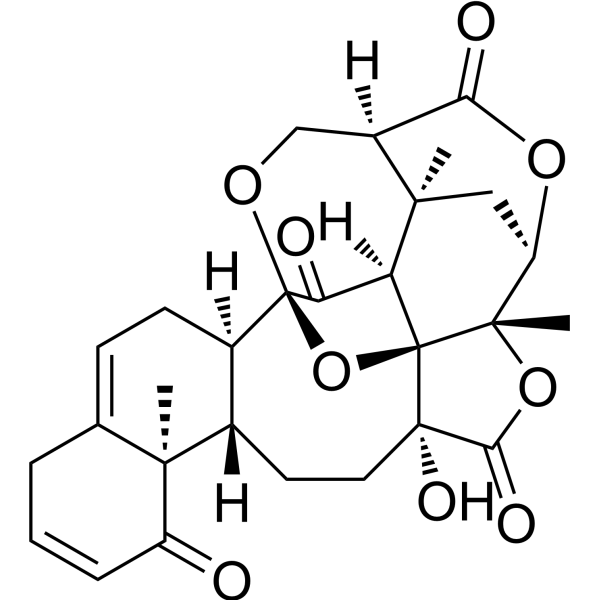 0 ImagesCat. No.: HY-N7695CAS No.: 23133-56-4Physalin B is an orally active anti-inflammatory and anticancer agent. Physalin B can be isolated from Physalis alkekengi L. var. Franchetii. Physalin B inhibits the activation of the NF-κB, NLRP3 inflammasome, STAT3, PI3K/Akt and Hedgehog signaling pathways, regulates the phosphorylation levels of GSK-3β, p38 MAPK, ERK1/2 and JNK, and promotes the nuclear translocation of NRF2. Physalin B reduces the levels of pro-inflammatory cytokines and factors, induces mitochondrial reactive oxygen species (mito-ROS) production, Apoptosis, G2/M cell cycle arrest and incomplete Autophagy, alters cytoskeleton structure and alleviates oxidative stress. Physalin B reduces cancer cell viability, ameliorates liver and lung tissue damage and alleviates liver fibrosis. Physalin B can be used in research related to ulcerative colitis, breast cancer, acute lung injury, colon cancer, non-alcoholic steatohepatitis, liver fibrosis, lung cancer, pancreatic cancer, lymphoma, ovarian cancer, sarcoma and leukemia.
-
Psicose
 0 ImagesSynonyms: DL-PsicosePsicose (DL-Psicose) is an orally effective sugar substitute. Psicose activates the PI3K/Akt/mTOR pathway to promote muscle synthesis. Psicose upregulates IGF-1 and downregulates Myostatin. Psicose normalizes mitochondrial dysfunction by increasing G6P activity. Psicose enhances the activity of antioxidant enzymes and reduces oxidative stress markers. Psicose increases muscle mass, grip strength and muscle weight in aged mice and diet-induced obese mice. Psicose improves obesity and type 2 diabetes. Psicose can be used in the research of age-related sarcopenia.
-
Alisol A 24-acetate
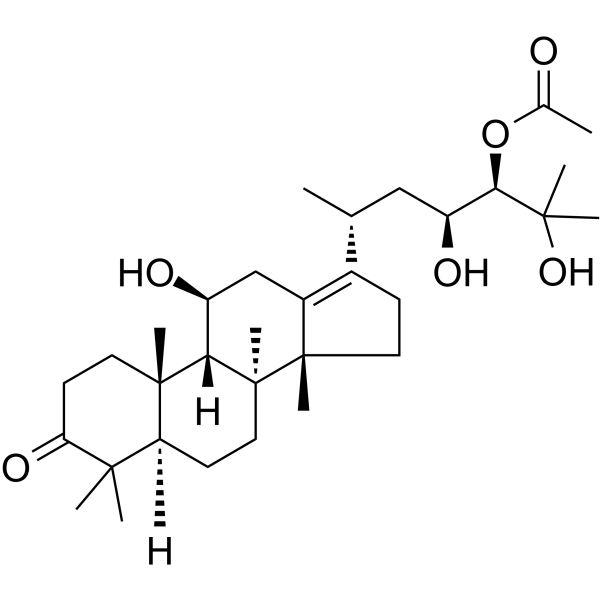 0 ImagesSynonyms: Alisol A 24-monoacetate; Alisol A monoacetateAlisol A 24-acetate (Alisol A monoacetate) is an orally active derivative of protostane-type tetracyclic triterpenoid. Alisol A 24-acetate upregulates the expression of adiponectin, AMPKα, CPT1, and ACOX1; downregulates the expression of SREBP-1c, ACC, FAS, Bcl-2, Bcl-xl, PPAR-γ, perilipin A, and NFATc1; inhibits the activity of PI3K/Akt/mTOR and HMGR; and activates the PKA and ERK signaling pathways. Alisol A 24-acetate regulates cell apoptosis (apoptosis), autophagy (Autophagy, hepatic lipid accumulation, inflammatory response, neuroprotection, MRSA membrane integrity, and osteoclast differentiation. Alisol A 24-acetate can be used in research related to non-alcoholic fatty liver disease, nephrotoxicity, obesity, global cerebral ischemia-reperfusion injury, bacterial infection, and osteoporosis.
-
Gamma-glutamylcysteine (Standard)
 0 ImagesSynonyms: γ-Glu-Cys (Standard)Gamma-glutamylcysteine (Standard) is the analytical standard of Gamma-glutamylcysteine. This product is intended for research and analytical applications. Gamma-glutamylcysteine (γ-Glu-Cys) is an orally active, blood-brain barrier permeable dipeptide. Gamma-glutamylcysteine activates AMPK, SIRT1, IL-4/STAT6, AC/cAMP/PI3K, IGF-1R/IRS1/PI3K, and Nrf2 signaling pathways; it inhibits NF-κB, JAK1/STAT1/3, MAPKs, cadmium-induced p38 MAPK, JNK, and PI3K/Akt signaling pathways. Gamma-glutamylcysteine regulates macrophage polarization, modulates the trafficking of CD36 and GLUT4, induces glutathione synthesis, improves metabolic dysfunction, reduces lipid deposition, ameliorates glucose homeostasis, inhibits apoptosis (Apoptosis), stabilizes mitochondria, suppresses lipid peroxidation, iron accumulation and ferroptosis (Ferroptosis), reduces ds-HMGB1 levels, reverses mechanical hyperalgesia, and alleviates hepatic lipid droplet formation. Gamma-glutamylcysteine is applicable to research related to inflammatory bowel disease, type 2 diabetes, cadmium-induced neurotoxicity, Alzheimer's disease, cerebral ischemia/reperfusion injury, neuropathy, and alcoholic liver disease.
-
Propylparaben-d4
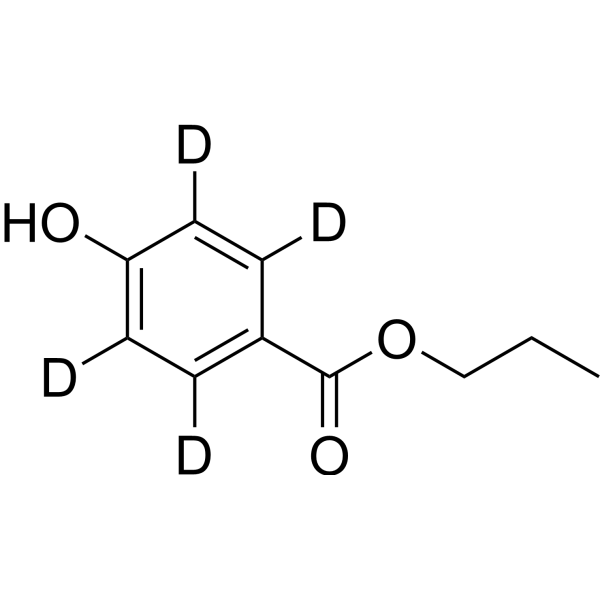 0 ImagesSynonyms: Propyl parahydroxybenzoate-d4; Propyl 4-hydroxybenzoate-d4Propylparaben-d4 (Propyl parahydroxybenzoate-d4) is the deuterium labeled Propylparaben (HY-N2026). Propylparaben (Propyl parahydroxybenzoate) is an antibacterial preservative that can be produced by plants and bacteria. Propylparaben is an orally active weak estrogen receptor agonist. Propylparaben regulates the PI3K-AKT and JNK signaling pathways, and induces oxidative stress. Propylparaben is commonly used in cosmetics, pharmaceuticals and foods, and can be used in studies related to ovarian aging and myocardial ischemia-reperfusion injury.
-
Parsaclisib hydrochloride
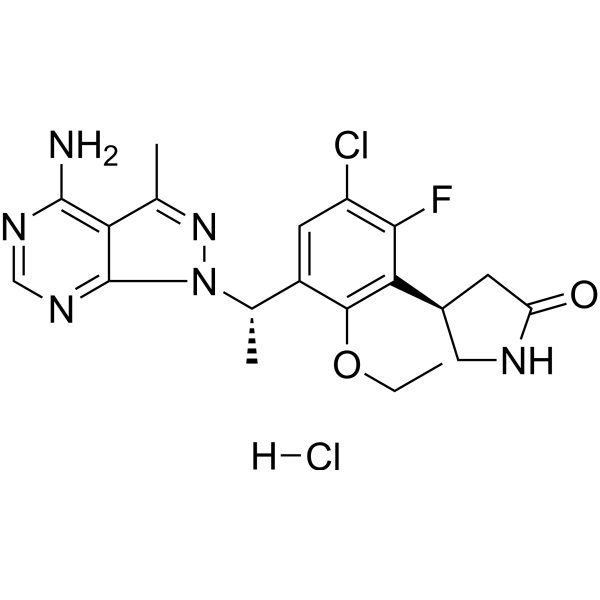 0 ImagesSynonyms: INCB050465 hydrochloride; IBI-376 hydrochlorideParsaclisib hydrochloride (INCB050465 hydrochloride) is a potent, selective and orally active inhibitor of PI3Kδ, with an IC50 of 1 nM at 1 mM ATP. Parsaclisib hydrochloride shows approximately 20000-fold selectivity over other PI3K class I isoforms. Parsaclisib hydrochloride can be used for the research of relapsed or refractory B-cell malignancies.
-
SF1126
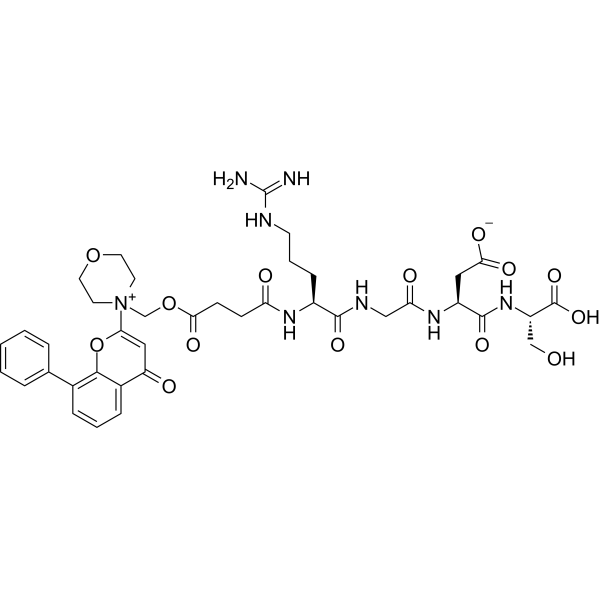 0 ImagesCat. No.: HY-10220CAS No.: 936487-67-1SF1126 is a relevant pan and dual first-in-class PI3K/BRD4 inhibitor, has antitumor and anti-angiogenic activity. SF1126 is an RGDS-conjugated LY294002 proagent, which is designed to exhibit increased solubility and bind to specific integrins within the tumor compartment. SF1126 induces cell apoptosis.
-
Itacnosertib hydrochloride
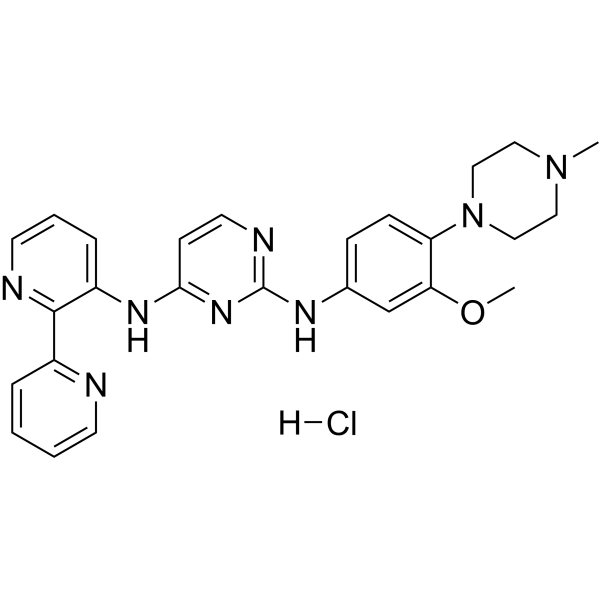 0 ImagesSynonyms: TP-0184 hydrochloride




