Search Result
Results for "
SARS-CoV-2 infection
" in MedChemExpress (MCE) Product Catalog:
1
Biochemical Assay Reagents
13
Isotope-Labeled Compounds
| Cat. No. |
Product Name |
Target |
Research Areas |
Chemical Structure |
-
- HY-17589A
-
-
-
- HY-17589
-
-
-
- HY-B1370
-
-
-
- HY-17589B
-
-
-
- HY-P99604
-
|
AZD-1061; CoV2-2130
|
SARS-CoV
|
Infection
|
|
Cilgavimab (AZD-1061; COV2-2130) is a human SARS-CoV-2-neutralizing monoclonal antibody, can compose monoclonal-antibody combination AZD7442 with Tixagevimab (HY-P99556). Cilgavimab shows protective action on mouse models of SARS-CoV-2 infection .
|
-
-
- HY-B0372A
-
|
|
SARS-CoV
Autophagy
HIV
|
Metabolic Disease
|
|
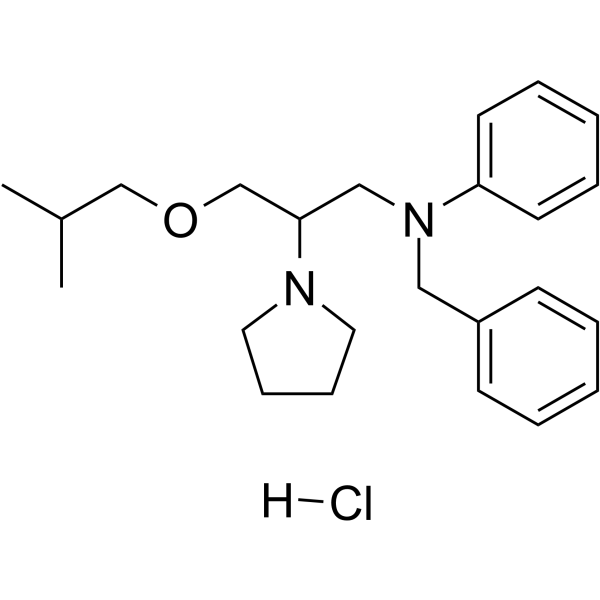
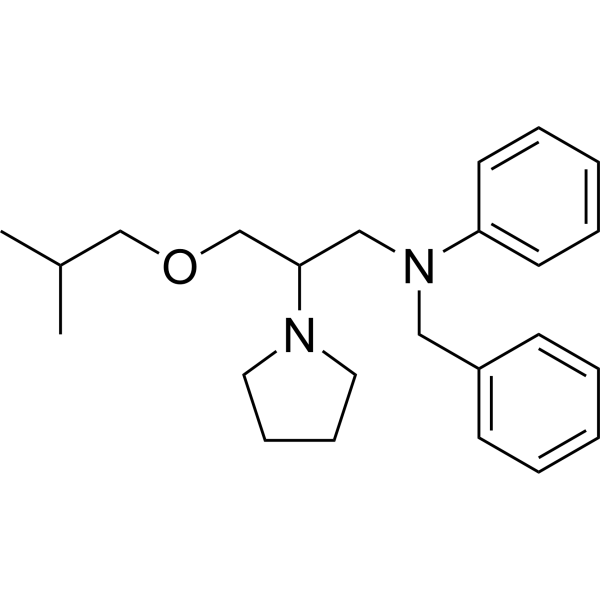
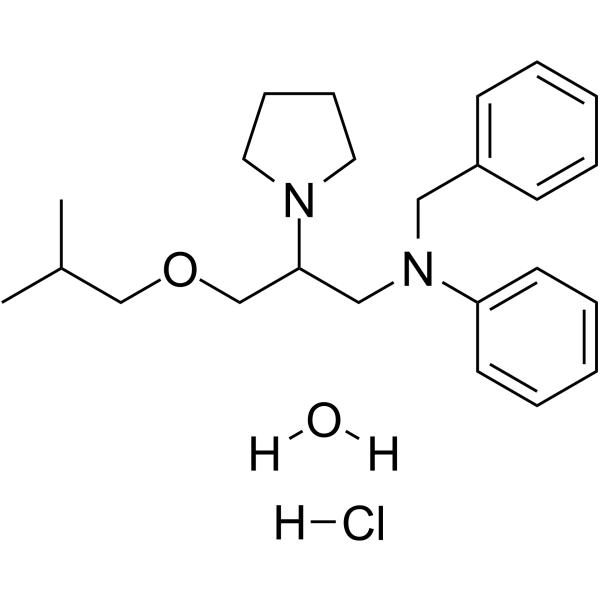
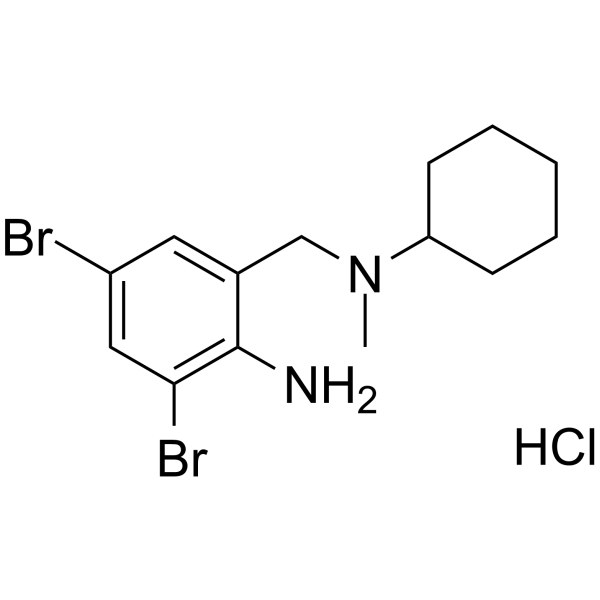
Bromhexine hydrochloride is a potent and specific TMPRSS2 protease inhibitor with an IC50 of 0.75 μM. Bromhexine hydrochloride can prevent and manage SARS-CoV-2 infection. Bromhexine hydrochloride is an autophagy agonist. Bromhexine hydrochloride is a mucolytic cough suppressant and has the potential for a range of respiratory conditions .
|
-
-
- HY-17589AR
-
-
-
- HY-19727A
-
-
-
- HY-156651
-
|
EDP-235
|
SARS-CoV
Virus Protease
|
Infection
|
|
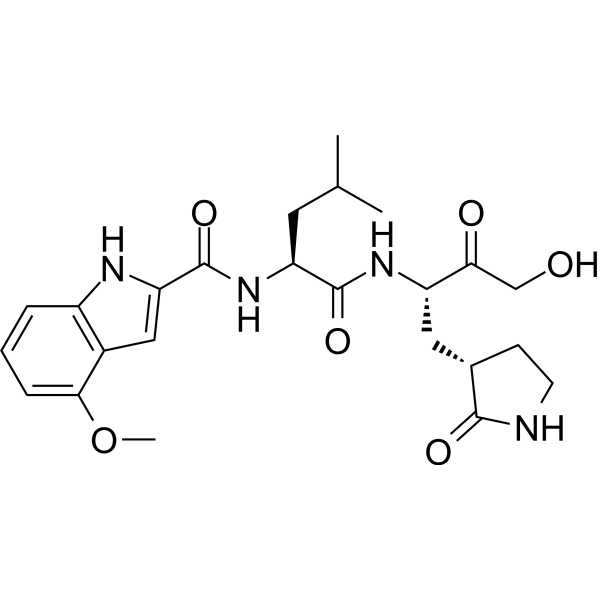
Zevotrelvir (EDP-235) is a coronavirus inhibitor that can inhibit 229E hCoV and the SARS-CoV-2 3C-like (3CL) protease (IC50 <0.1 mM). Zevotrelvir can be used in research on coronavirus infections .
|
-
-
- HY-153228
-
|
PBI-0451
|
SARS-CoV
|
Infection
|
|
Pomotrelvir is a selective, competitive, orally active covalent inhibitor of the SARS-CoV-2 main protease (M pro), with an IC50 of 24 nM for wild-type SARS-CoV-2 M pro. Pomotrelvir inhibits viral polyprotein processing, thereby preventing viral replication. Pomotrelvir has shown broad antiviral activity against multiple SARS-CoV-2 variants (including Omicron) in cell-based experiments, and has an additive effect when combined with nucleoside analogs that target viral RNA synthesis. Pomotrelvir is primarily used for the research and development of COVID-19 antiviral drugs, especially for infections caused by SARS-CoV-2 and its variants .
|
-
-
- HY-161177
-
|
|
PROTACs
SARS-CoV
Virus Protease
|
Infection
|
|
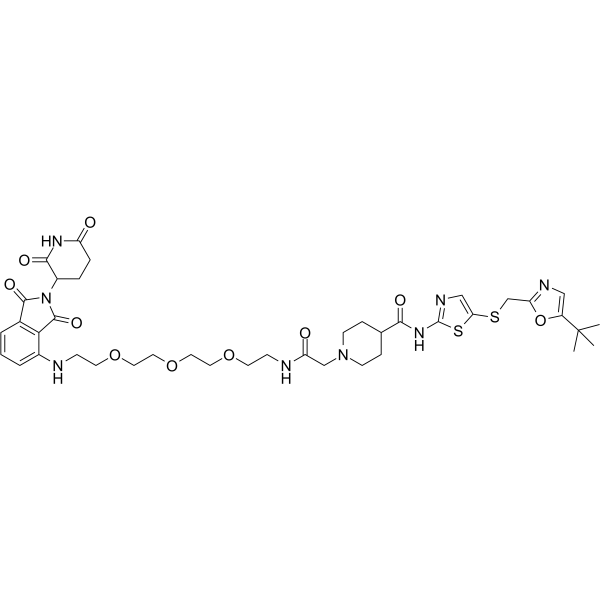
PROTAC KRAS G12D degrader 2 is a peptidomimetic PROTAC specifically targeting the dimeric SARS-CoV-2 3CL Pro protein. PROTAC KRAS G12D degrader 2 inhibits SARS-CoV-2 3CLPro with an IC50 of 21.2 μM. PROTAC KRAS G12D degrader 2 specifically binds to the active site of SARS-CoV-2 3CL Pro. PROTAC KRAS G12D degrader 2 reduces protein levels of SARS-CoV-2 3CL Pro without affecting cell viability. PROTAC KRAS G12D degrader 2 can be used for the study of viral infections in Coronavirus genera .
|
-
-
- HY-N3389
-
|
|
SARS-CoV
Sirtuin
CDK
Apoptosis
|
Infection
Metabolic Disease
Cancer
|
|
Licoisoflavone A is an orally active isoflavone. Licoisoflavone A inhibits proliferation, induces apoptosis, and causes G1/S phase arrest in colorectal cancer (CRC) cells. Licoisoflavone A inhibits the CDK2-Cyclin E1 axis. Licoisoflavone A inhibits lipid peroxidation with an IC50 of 7.2 μM. Licoisoflavone A shows a dose-dependent inhibition effect on SARS-CoV-2 infection. Licoisoflavone A exhibits significant anti-tumor efficacy in mice bearing CT26 cell subcutaneous xenografts. Licoisoflavone A can be used for the study of colorectal cancer and SARS-CoV-2 infection .
|
-
-
- HY-W196368
-
|
|
COX
SARS-CoV
|
Infection
Inflammation/Immunology
Cancer
|
|
Thymohydroquinone is a COX-2 inhibitor and anti-SARS-CoV-2 agent that induces cytotoxicity, antiproliferative effects and inhibits tumor growth. Thymohydroquinone cannot scavenge superoxide radicals via σ (hydrogen atom transfer) and π-π attacks with superoxide anions. Thymohydroquinone can be used in research related to squamous cell carcinoma, fibrosarcoma and coronavirus disease 2019 (SARS-CoV-2 infection) .
|
-
-
- HY-171160
-
|
|
SARS-CoV
|
Infection
|
|
WYFA-15 is a sphingomyelin synthase 1 (SMS1) inhibitor that protects mice against lethal SFTSV infection and reduce SARS-CoV-2 replication and pathogenesis. WYFA-15 can be utilized in anti-virus research .
|
-
-
- HY-P11032
-
|
|
SARS-CoV
Virus Protease
|
Infection
|
|
Mp-4D7-pF2, a cell-penetrating bicyclic peptide, is a noncovalent SARS-CoV-2 main protease inhibitor with an IC50 of 4.51 μM. Mp-4D7-pF2 has an antiviral activity against SARS-CoV-2 with no cytotoxicity. Mp-4D7-pF2 can used for COVID-19 infections research .
|
-
-
- HY-161844
-
|
|
SARS-CoV
Dengue Virus
|
Infection
|
|
Virapinib is a macropinocytosis inhibitor with antiviral activity. Virapinib exhibits broad-spectrum antiviral activity against SARS-CoV-2, monkeypox virus, tick-borne encephalitis virus, and Ebola pseudotyped vesicular stomatitis virus, and it enhances Dengue Virus infection. Virapinib blocks viral entry by inhibiting macropinocytosis, reduces syncytium formation in SARS-CoV-2-infected cells, and impairs cellular entry of SARS-CoV-2 variants. Virapinib upregulates the expression of genes related to sterol biosynthesis. Virapinib can be used in studies related to COVID-19, monkeypox, tick-borne encephalitis, and Ebola virus infection .
|
-
-
- HY-136597
-
|
|
DNA/RNA Synthesis
SARS-CoV
|
Infection
|
|
Remdesivir O-desphosphate acetonide impurity is an impurity of Remdesivir. Remdesivir (GS-5734), a nucleoside analogue with effective antiviral activity and is highly effective in the control of SARS-CoV-2 (COVID-19) infection in vitro .
|
-
-
- HY-B1370B
-
|
(R)-HCQ
|
Parasite
Toll-like Receptor (TLR)
SARS-CoV
Autophagy
|
Infection
|
|
(R)-Hydroxychloroquine is the enantiomer of Hydroxychloroquine . Hydroxychloroquine is a synthetic antimalarial agent which can also inhibit Toll-like receptor 7/9 (TLR7/9) signaling. Hydroxychloroquine is efficiently inhibits SARS-CoV-2 infection in vitro .
|
-
-
- HY-126419
-
|
|
SARS-CoV
PKC
|
Infection
|
|
Kobophenol A, an oligomeric stilbene, blocks the interaction between the ACE2 receptor and S1-RBD with an IC50 of 1.81 μM and inhibits SARS-CoV-2 viral infection in cells with an EC50 of 71.6 μM. Kobophenol A inhibits the activity of partially purified rat brain protein kinase C (PKC) with an IC50 of 52 µM .
|
-
-
- HY-179088
-
|
|
SARS-CoV
|
Infection
|
|
AVI-6451 is a novel orally effective SARS-CoV-2 Mac1 (IC50 = 28 nM) inhibitor. AVI-6451 can reduce viral load. AVI-6451 can be used for research on viral infections .
|
-
-
- HY-B1370A
-
|
(S)-HCQ
|
Parasite
Toll-like Receptor (TLR)
SARS-CoV
Autophagy
|
Infection
|
|
(S)-Hydroxychloroquine ((S)-HCQ) is the enantiomer of Hydroxychloroquine . Hydroxychloroquine, a synthetic antimalarial agent, inhibits Toll-like receptor 7/9 (TLR7/9) signaling, and shows efficiently inhibits SARS-CoV-2 infection in vitro .
|
-
-
- HY-131262
-
|
4-[(7-Chloro-4-quinolinyl)amino]-1-pentanol
|
SARS-CoV
Toll-like Receptor (TLR)
|
Others
|
|
Hydroxychloroquine Impurity E is the impurity of Hydroxychloroquine. Hydroxychloroquine is a synthetic antimalarial agent which can also inhibit Toll-like receptor 7/9 (TLR7/9) signaling. Hydroxychloroquine is efficiently inhibits SARS-CoV-2 infection in vitro .
|
-
-
- HY-146379
-
|
|
DNA/RNA Synthesis
SARS-CoV
|
Infection
|
|
SARS-CoV-2-IN-19 (Compound 6g) is a potent inhibitor of SARS-CoV-2 with an EC50 of 8.8 μM. SARS-CoV-2-IN-19 shows potent activity against SARS-CoV-2 helicase (nsp13), a highly conserved enzyme, highlighting a potentiality against emerging HCoVs outbreaks. SARS-CoV-2-IN-19 has the potential for the research of infection diseases .
|
-
-
- HY-168916
-
|
|
SARS-CoV
Virus Protease
|
|
|
Jun13296 is an orally active quinoline SARS-CoV-2 papain-like protease inhibitor (IC50 = 0.13 µM, Ki = 8.8 nM). Jun13296 exhibits potent inhibition against SARS-CoV-2 variants and Nirmatrelvir (HY-138687)-resistant mutants. Jun13296 improves lung viral titers, and prevents lung tissue damage in a SARS-CoV-2 infection model .
|
-
-
- HY-174251
-
|
|
SARS-CoV
Virus Protease
|
Infection
|
|
(±)-Tuaimenal A ((+)-1) is a secondary metabolite and a derivative of Sesamol (HY-N1417). (±)-Tuaimenal A has potent inhibitory activity against SARS-CoV-2 3CLpro with an IC50 of 33.3 μM. (±)-Tuaimenal A can be used for SARS-CoV-2 infection research .
|
-
-
- HY-178188
-
|
|
SARS-CoV
|
Infection
|
|
TPG-20A is a SARS-CoV-2 main protease inhibitor with an IC50 of 27.8 nM. TPG-20A also inhibits MERS-CoV main protease. TPG-20A can be used for the research of infection, such as SARS-CoV-2 .
|
-
-
- HY-178156
-
|
|
Dihydroorotate Dehydrogenase
SARS-CoV
|
Infection
|
|
DHODH-IN-31 is a human dihydroorotate dehydrogenase (DHODH) inhibitor with an IC50 of 0.59 μM. DHODH-IN-31 exhibits antiviral activity. DHODH-IN-31 can be used for the research of infection, such as SARS-CoV-2 .
|
-
-
- HY-176232
-
|
|
SARS-CoV
|
Infection
|
|
BBH-4 is a SARS-CoV-2 major protease (MPro) inhibitor. BBH-4 can be used in SARS-CoV-2 infection research .
|
-
-
- HY-174373
-
|
|
SARS-CoV
Angiotensin-converting Enzyme (ACE)
|
Infection
|
|
SARS-CoV-2-IN-113 (Compound 24) is a sulfonohydrazide derivative against SARS-CoV-2 infection with an IC50 of 8.320 μM. SARS-CoV-2-IN-113 exerts potent antiviral effects by inhibiting the entry and replication of SARS-CoV-2, and downregulating the expression of genes and proteins such as Spike, ACE-2, and RdRp. SARS-CoV-2-IN-113 has high selectivity and low cytotoxicity, and can be used in the research of SARS-CoV-2 .
|
-
-
- HY-144062
-
|
|
SARS-CoV
|
Infection
|
|
INSCoV-614(1B) is a potent inhibitor of M pro (3CL pro). Proteases (PL pro and 3CL pro) are involved with transcription and replication of the virus. INSCoV-614(1B) has the potential for the research of SARS-CoV-2 infection (extracted from patent WO2021219089A1) .
|
-
-
- HY-175461
-
|
|
SARS-CoV
|
Infection
|
|
AVI-4206 is a selective Mac1 inhibitor with an lC50 of 64 nM. AVI-4206 reduces viral replication, restores an interferon response, and leads to a survival benefit in an animal model of SARS-CoV-2 infection. AVI-4206 can be used the study of SARS-CoV-2 infection .
|
-
-
- HY-109072
-
|
|
DNA/RNA Synthesis
SARS-CoV
|
Infection
|
|
Riamilovir is an antiviral drug whose activity is primarily directed against RNA viruses. Riamilovir acts directly on the virus's RNA-dependent RNA polymerase, thereby preventing the virus from replicating. This mechanism allows Riamilovir to effectively reduce the amount of virus, accelerate the relief of symptoms, and help reduce the severity of the disease. Riamilovir can be used in the study of acute respiratory viral infections caused by new variants of SARS-CoV-2 .
|
-
-
- HY-175029
-
|
|
SARS-CoV
Virus Protease
|
Infection
|
|
ALG-097558 is an orally active 3CLpro inhibitor. ALG-097558 demonstrates pan-coronavirus activity against various SARS-CoV-2 variants as well as other human coronaviruses (HCoVs) such as SARS-CoV-1, α-HCoV 229E, and β-HCoV OC43. ALG-097558 demonstrates potent inhibition with IC50s of 2 nM (SARS-CoV-2 3CLpro) and 6 nM (229E 3CLpro). ALG-097558 demonstrates antiviral activity in the SARS-CoV-2 hamster infection model. ALG-097558 can be used for the study of viral infections[1].
|
-
-
- HY-175344
-
|
|
SARS-CoV
Virus Protease
Ser/Thr Protease
|
Infection
Inflammation/Immunology
|
|
TMP1 is an orally active bispecific inhibitor of M pro (IC50 = 312.5 nM)/TMPRSS2 (IC50 = 1.28 μM, KD = 10.10 μM). TMP1 exhibits broad protection against different SARS-CoV-2 variants in vitro. TMP1 cross-protects against highly pathogenic coronaviruses (SARS-CoV-1, SARS-CoV-2, and MERS-CoV) in vivo and effectively blocks the transmission of SARS-CoV-2. TMP1 can inhibit infection by SARS-CoV-2 escape mutants that are resistant to Nivolumab (HY-P9903). TMP1 can be used in coronavirus research .
|
-
-
- HY-173148
-
|
|
SARS-CoV
|
Infection
|
|
TKB272 is an orally active and selective antiviral agent targeting the main protease (Mpro) of SARS-CoV-2. It effectively blocks the infection and replication of various SARS-CoV-2 strains, including Omicron variants such as XBB.1.5 and EG.5.1. The enzymatic inhibitory activity of TKB272 shows an IC50 of 0.7 µM (against SARS-CoV-2WK-521 Mpro), and its antiviral activity at the cellular level reaches an EC50 as low as 2.6 nM (against BQ.1.1 strain in HeLahACE2-TMPRSS2 cells), with a cytotoxicity CC50 of 98 µM, indicating no apparent toxicity. In addition, TKB272 significantly suppresses the replication of SARS-CoV-2XBB.1.5 in B6.Cg-Tg(K18-hACE2)2-Prlmn/J transgenic mouse models. TKB272 holds promise for research in the field of SARS-CoV-2 infection .
|
-
-
- HY-172350
-
|
|
SARS-CoV
Virus Protease
Interleukin Related
|
Infection
|
|
WEHI-P8 is an orally active SARS-CoV-2 papain-like protease (PLpro) inhibitor with an IC50 of 12 nM and a Kd of 9.0 nM. WEHI-P8 reduces viral load, body weight loss, pulmonary inflammation, immune cell infiltration and pro-inflammatory mediator levels in SARS-CoV-2-infected mice. WEHI-P8 prevents pulmonary hemorrhage, immune cell infiltration, fibrotic remodeling and neuroinflammation, and improves cognitive function in a mouse model of post-acute sequelae of SARS-CoV-2 infection (PASC). WEHI-P8 is applicable for the research of COVID-19 and PASC .
|
-
-
- HY-19727
-
-
-
- HY-178435
-
|
|
SARS-CoV
|
Infection
|
|
SARS-CoV-2 Mpro-IN-48 is a potent SARS-CoV-2 main protease inhibitor with an IC50 of 21.1 nM. SARS-CoV-2 Mpro-IN-48 exhibits potent antiviral activity against the SARS-CoV-2 JN.1 variant. SARS-CoV-2 Mpro-IN-48 can be used for the research of infection, such as COVID-19 .
|
-
-
- HY-179102
-
|
|
SARS-CoV
Virus Protease
|
Infection
|
|
SARS-CoV-2 Mpro-IN-51 (compound 4) is a SARS-CoV-2 Mpro inhibitor (IC50 = 26 nM). SARS-CoV-2 Mpro-IN-51 has inhibitory effects on the triple mutant L50F/E166A/L167F. SARS-CoV-2 Mpro-IN-51 can be used for research on viral infections .
|
-
-
- HY-149304
-
|
|
SARS-CoV
|
Infection
|
|
SARS-CoV-2-IN-40 (Compound 19) is a SARS-CoV-2 inhibitor. SARS-CoV-2-IN-40 inhibits SARS-CoV-2 BA.1 and BA.5 variant infection of Calu3 lung cells, with IC50s of 100 nM and 160 nM respectively .
|
-
-
- HY-157305
-
|
|
SARS-CoV
|
Infection
|
|
Jun11165 is a SARS-CoV-2 PL pro inhibitor (IC50 ≤ 0.6 μM), which inhibits SARS-CoV-2 with an EC50 value of ≤ 6 μM. Jun11165 can be used in the research of viral infections .
|
-
-
- HY-144833
-
|
|
SARS-CoV
|
Infection
|
|
SARS-CoV-2 3CLpro-IN-1 (Compound 14c) is a potent inhibitor of SARS-CoV-2 3CL pro. 3CL pro (main coronaviruses cysteine-protease) has been identified as a promising target for the development of antiviral agents. SARS-CoV-2 3CLpro-IN-1 has the potential for the research of infection diseases .
|
-
-
- HY-168441
-
|
|
SARS-CoV
|
Infection
|
|
NCGC00537446 is a dual Nsp14 MTase/ExoN inhibitor. NCGC00537446 can be used for the research of SARS-CoV-2 replication and infection .
|
-
-
- HY-163912
-
|
|
SARS-CoV
|
Infection
|
|
JZD-07 is a potent SARS-CoV 3CLpro inhibitor. JZD-07 can be used in the study of SARS-CoV-2 infection .
|
-
-
- HY-174439
-
|
|
SARS-CoV
Virus Protease
Drug Metabolite
|
Infection
|
|
Nsp12-IN-2 (Compound 8), the triphosphate metabolite of 4'-thiouridine (HY-W113081), is a SARS-CoV-2 Nsp12 inhibitor. Nsp12-IN-2 inhibits the RNA-dependent RNA polymerase (RdRp) activity of the SARS-CoV-2 Nsp12-Nsp7-Nsp8 complex, terminates RNA synthesis and also blocks the RNAylation and NMPylation of Nsp9. Nsp12-IN-2 is promising for research of infections caused by SARS-CoV-2, other coronaviruses, and other RNA viruses .
|
-
-
- HY-175712
-
|
|
SARS-CoV
Virus Protease
|
Infection
|
|
SARS-CoV-2 Mpro-IN-47 is an orally active SARS-CoV-2 Mpro reversible covalent Inhibitor. SARS-CoV-2 Mpro-IN-47 shows potent antiviral activity against several clinical variants of SARS-CoV-2. SARS-CoV-2 Mpro-IN-47 can be used for the research of infection, such as SARS-CoV-2 .
|
-
-
- HY-154990
-
|
|
DNA/RNA Synthesis
SARS-CoV
|
Infection
|
|
RdRP-IN-7 is a RNA-dependent RNA polymerase (RdRp) inhibitor that shows the inhibition of SARS-CoV-2 infection with an IC50 of 8.2 μM, an IC90 of 14.1 μM and an CC90 of 79.1 μM. RdRP-IN-7 can be used for antiviral research .
|
-
-
- HY-173575
-
|
|
SARS-CoV
Virus Protease
|
Infection
|
|
SARS-CoV-2 3CLpro-IN-31 (Compound 13c) is a potent SARS-CoV-2 3CL protease (3CLpro) inhibitor of with an IC50 value of 37.33 nM. SARS-CoV-2 3CLpro-IN-31 blocks viral polyprotein cleavage and inhibits SARS-CoV-2 replication. SARS-CoV-2 3CLpro-IN-31 is promising for research of SARS-CoV-2 infection .
|
-
-
- HY-163713
-
|
|
SARS-CoV
|
Infection
|
|
SARS-CoV-2-IN-89 (Compound 2) is a SARS-CoV-2 inhibitor. SARS-CoV-2-IN-89 enhances IFN-I responses to SARS-CoV-2 infection in A549.hACE2 cells .
|
-
-
- HY-162604
-
|
|
SARS-CoV
|
Infection
|
|
SARS-CoV-2-IN-90 (compound 3i) is a SARS-CoV-2 inhibitor. SARS-CoV-2-IN-90 can be used in coronavirus infection related research .
|
-
- HY-146381
-
|
|
SARS-CoV
|
Infection
|
|
SARS-CoV-2-IN-20 (Compound 1a) is a potent inhibitor of SARS-CoV-2 with an EC50 of 6.5 μM. SARS-CoV-2-IN-20 has the potential for the research of infection diseases .
|
-
- HY-178772
-
|
|
SARS-CoV
|
Infection
|
|
SARS-CoV-2 Mpro-IN-50 (Compound 30) is a noncovalent SARS-CoV-2 Mpro inhibitor with an IC50 of 14 nM. SARS-CoV-2 Mpro-IN-50 is also a pan-CoV Mpro inhibitor with IC50 s of 20-190 nM for SARS-CoV-1 Mpro, 229E Mpro, HKU1 Mpro, MERS Mpro, NL63 Mpro and OC43 Mpro. SARS-CoV-2 Mpro-IN-50 has significant antiviral activity against the SARS-CoV-2 omicron variant (EC50 : 22 nM). SARS-CoV-2 Mpro-IN-50 can be used for coronavirus infections research .
|
-
- HY-P3492
-
|
|
SARS-CoV
|
Infection
|
|
SARS-CoV-2-IN-34 (S-20-1) is a blood brain barrier penetrable pan-coronavirus (CoV) fusion inhibitor with broad-spectrum inhibitory activity. SARS-CoV-2-IN-34 effectively inhibits infection by pseudotyped and authentic SARS-CoV-2, and pseudotyped variants of concern (VOCs). SARS-CoV-2-IN-34 shows high affinity to RBD in S1 and HR1 domain in S2 of SARS-CoV-2 S protein. SARS-CoV-2-IN-34 can be used for the research of infection .
|
-
- HY-144063
-
|
|
SARS-CoV
|
Infection
|
|
INSCoV-600K(1) is a potent inhibitor of M pro (3CL pro). Proteases (PL pro and 3CL pro) are involved with transcription and replication of the virus. INSCoV-600K(1) has the potential for the research of SARS-CoV-2 infection (extracted from patent WO2021219089A1) .
|
-
- HY-144061
-
|
|
SARS-CoV
|
Infection
|
|
INSCoV-601I(1) is a potent inhibitor of M pro (3CL pro). Proteases (PL pro and 3CL pro) are involved with transcription and replication of the virus. INSCoV-601I(1) has the potential for the research of SARS-CoV-2 infection (extracted from patent WO2021219089A1) .
|
-
- HY-P990816
-
|
|
SARS-CoV
|
Infection
|
|
Anti-SARS-CoV-2 S protein Antibody (NTD, SARS2-29) is a mouse-derived IgG1 κ type antibody inhibitor, targeting to SARS-CoV-2 S protein. Anti-SARS-CoV-2 S protein Antibody (NTD, SARS2-29) reacts with the N-terminal domain (NTD) in the spike (S) protein of SARS-CoV-2 (Severe Acute Respiratory Syndrome Coronavirus 2). Anti-SARS-CoV-2 S protein Antibody (NTD, SARS2-29) can be used for the detections of flow cytometry and ELISA in SARS-CoV-2 infection .
|
-
- HY-P990815
-
|
|
SARS-CoV
|
Infection
|
|
Anti-SARS-CoV-2 S protein Antibody (RBD epitope A, SARS2-01) is a mouse-derived IgG1 κ type antibody inhibitor, targeting to SARS-CoV-2 S protein. Anti-SARS-CoV-2 S protein Antibody (RBD epitope A, SARS2-01) reacts with the receptor binding domain (RBD) epitope A in the spike (S) protein of SARS-CoV-2 (Severe Acute Respiratory Syndrome Coronavirus 2). Anti-SARS-CoV-2 S protein Antibody (RBD epitope A, SARS2-01) can block the binding of the SARS-CoV-2 S protein to angiotensin-converting enzyme 2 (ACE2). Anti-SARS-CoV-2 S protein Antibody (RBD epitope A, SARS2-01) can be used for the research of SARS-CoV-2 infection .
|
-
- HY-P990814
-
|
|
SARS-CoV
|
Infection
|
|
Anti-SARS-CoV-2 S protein Antibody (RBD epitope B, SARS2-34) is a mouse-derived IgG1 κ type antibody inhibitor, targeting to SARS-CoV-2 S protein. Anti-SARS-CoV-2 S protein Antibody (RBD epitope B, SARS2-34) reacts with the receptor binding domain (RBD) epitope B in the spike (S) protein of SARS-CoV-2 (Severe Acute Respiratory Syndrome Coronavirus 2). Anti-SARS-CoV-2 S protein Antibody (RBD epitope B, SARS2-34) can block the binding of the SARS-CoV-2 S protein to angiotensin-converting enzyme 2 (ACE2). Anti-SARS-CoV-2 S protein Antibody (RBD epitope B, SARS2-34) can be used for the research of SARS-CoV-2 infection .
|
-
- HY-161261
-
|
|
AAK1
SARS-CoV
|
Infection
|
|
SARS-CoV-2-IN-81 (compound 12e) is a potent AAK1 inhibitor with an IC50 value of 9.38 nM. SARS-CoV-2-IN-81 shows anti-viral property against SARS-CoV-2. SARS-CoV-2-IN-81 attenuates AAK1-induced phosphorylation of AP2M1 threonine 156 and disrupts the direct interaction between AP2M1 and ACE2, ultimately inhibiting SARS-CoV-2 infection .
|
-
- HY-174233
-
|
|
PROTACs
SARS-CoV
Virus Protease
|
Infection
|
|
PROTAC SARS-CoV-2 Mpro degrader-4 (Compound LLP019) is a SARS-CoV-2 M Pro PROTAC degrader with a DC50 value of 4.7 μM. PROTAC SARS-CoV-2 Mpro degrader-4 induces M Pro ubiquitination and proteasomal degradation to inhibit SARS-CoV-2 replication. PROTAC SARS-CoV-2 Mpro degrader-4 is promising for research of COVID-19 and related coronavirus infections. (Pink: DH03 (HY-32717); Black: linker (HY-42149); Blue: Thalidomide-4-O-CH2-COO(t-Bu) (HY-42771) .
|
-
- HY-17589BR
-
|
|
Reference Standards
Parasite
Autophagy
SARS-CoV
Toll-like Receptor (TLR)
HIV
Antibiotic
|
Infection
Inflammation/Immunology
Cancer
|
|
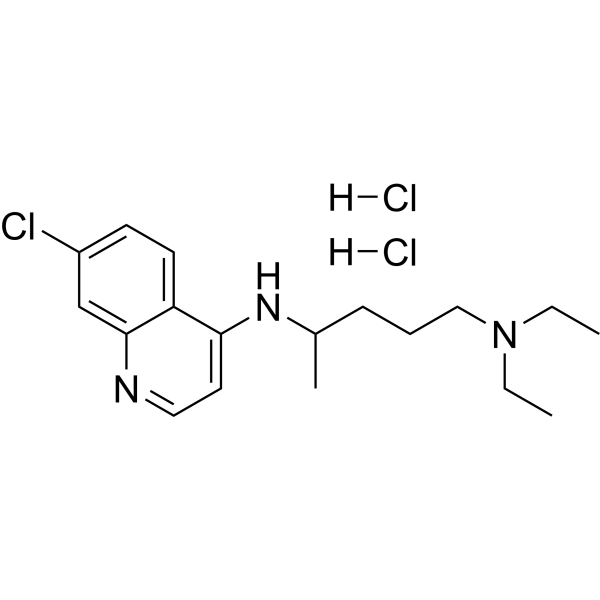
Chloroquine (dihydrochloride) (Standard) is the analytical standard of Chloroquine (dihydrochloride). This product is intended for research and analytical applications. Chloroquine dihydrochloride is an antimalarial and anti-inflammatory agent widely used to treat malaria and rheumatoid arthritis. Chloroquine dihydrochloride is an autophagy and toll-like receptors (TLRs) inhibitor. Chloroquine dihydrochloride is highly effective in the control of SARS-CoV-2 (COVID-19) infection in vitro (EC50=1.13 μM)[1][2][3][4].
|
-
- HY-170767
-
|
|
SARS-CoV
|
Infection
|
|
SARS-CoV-2-IN-109 (compound 50) is an inhibitor targeting SARS-CoV with in vivo anti-infection activity. SARS-CoV-2-IN-109 targets the interaction between the SARS-CoV-2 Spike receptor-binding domain (RBD) and the human receptor angiotensin-converting enzyme 2 (ACE2) (EC50=26.5 μM), blocking the entry of SARS-CoV-2 into VeroE6 cells (EC50=17.0 μM). The CC50 of SARS-CoV-2-IN-109 for VeroE6 cells is >100 μM .
|
-
- HY-155186
-
|
|
SARS-CoV
|
Infection
|
|
SARS-CoV-2 3CLpro-IN-19 (Compound C5a) is a non-covalent, non-peptide SARS-CoV-2 3CLpro inhibitor (IC50s: 0.7 μM). SARS-CoV-2 3CLpro-IN-19 has broad-spectrum activity against Omicron subvariants (BA.5, BQ.1.1, and XBB.1.5) infection in human cells, with EC50 values between 30-69 nM .
|
-
- HY-172214
-
|
|
SARS-CoV
Virus Protease
|
Infection
|
|
AB-343 is a selective covalent inhibitor of SARS-CoV-2 Mpro, with an IC50 of 8 nM and a Ki of 2.8 nM. AB-343 can effectively inhibit the main proteases of SARS-CoV-2 and many other coronaviruses, and is also active against some resistant variants. AB-343 can be used in the research of treating coronavirus infection-related diseases .
|
-
- HY-P10855
-
|
|
SARS-CoV
|
Infection
|
|
S1b3inL1 is a SARS-CoV-2 spike protein macrocyclic peptide inhibitor. S1b3inL1 can bind the conserved site of spike protein with high affinity and inhibit the infection of various SARS-CoV-2 variant strains. S1b3inL1 has antiviral activity .
|
-
- HY-136606
-
|
|
SARS-CoV
|
Infection
|
|
SARS-CoV MPro-IN-1 is a SARS-CoV-2 3CLpro covalent inhibitor, with an IC50 of 40 nM. SARS-CoV MPro-IN-1 shows good anti-SARS-CoV-2-infection activity in cell culture with an EC50 of 0.33 μM. SARS-CoV MPro-IN-1 has the potential for COVID-19 research .
|
-
- HY-175697
-
|
|
Glycosyltransferase
SARS-CoV
Angiotensin-converting Enzyme (ACE)
DNA/RNA Synthesis
|
Infection
|
|
Glycosyltransferase-IN-2 (Compound 20) is a Glycosyltransferase inhibitor. Glycosyltransferase-IN-2 has a broad-spectrum anticoronavirus activity with IC50s of 11.3, 5.5 and ~16.2 μM for MHV, HCoV-NL63 and SARS-CoV-2, respectively. Glycosyltransferase-IN-2 interferes with the coronavirus infectivity, alters viral protein glycosylation with inhibition of interaction with the ACE2 receptor or SC-VLP secretion, and inhibits RNA replication. Glycosyltransferase-IN-2 can be used for coronavirus infections research .
|
-
- HY-144798
-
|
|
SARS-CoV
|
Infection
|
|
FWM-5 is a potent NSP13 helicase inhibitor. SARS-COV-2 NSP13 helicase enzyme plays crucial role in the virus life cycle. FWM-5 has the potential for the research of infection diseases .
|
-
- HY-170504
-
|
|
SARS-CoV
Virus Protease
|
Infection
|
|
ZHAWOC25153 (Compound 17o) is a SARS-CoV-2 papain-like cysteine protease (PLpro) inhibitor, with an IC50 of 7 μM. ZHAWOC25153 exhibits antiviral activity and can be used in research within the field of anti-infection .
|
-
- HY-N10109A
-
|
|
SARS-CoV
Parasite
Cathepsin
|
Infection
|
|
Gallinamide A TFA is a linearly depositing peptide and a potent inhibitor of cathepsin L (CatL) (IC50: 17.6 pM). Gallinamide A TFA inhibits SARS-CoV-2 infection by inhibiting CatL (EC50: 28 nM). Gallinamide A TFA also inhibits Plasmodium falciparum (IC50: 50 nM) .
|
-
- HY-174258
-
|
|
Proton Pump
HIV
SARS-CoV
|
Infection
|
|
ATPase-IN-6 is a H +/K +- ATPase inhibitor and a prazole derivative. ATPase-IN-6 has significant antiviral activity against multiple viruses, such as HIV-1 and SARS-COV2. ATPase-IN-6 can be used for antiviral infections research .
|
-
- HY-131263
-
|
|
Drug Metabolite
|
Others
|
|
Hydroxychloroquine Impurity F is the impurity of Hydroxychloroquine. Hydroxychloroquine is a synthetic antimalarial agent which can also inhibit Toll-like receptor 7/9 (TLR7/9) signaling. Hydroxychloroquine is efficiently inhibits SARS-CoV-2 infection in vitro .
|
-
- HY-149050
-
|
|
Influenza Virus
SARS-CoV
|
Infection
|
|
Viral polymerase-IN-1 hydrochloride, a Gemcitabine (HY-17026) derivative, potently inhibits influenza A and B viruses infection with IC90 values of 11.4-15.9 μM. Viral polymerase-IN-1 hydrochloride is active against SARS-CoV-2 infection. Viral polymerase-IN-1 hydrochloride suppresses influenza virus infection by affecting viral RNA replication/transcription in cells .
|
-
- HY-178318
-
|
|
SARS-CoV
|
Infection
|
|
LRH-0003 is an inhibitor of the Macrodomain 1 (Mac1) of nonstructural protein 3 (NSP3) from SARS-CoV-2, with an IC50 value of 1.7 μM. LRH-0003 can be used for the research antiviral infection targeting SARS-CoV-2 .
|
-
- HY-181489
-
|
|
SARS-CoV
|
Infection
Cancer
|
|
SARS-CoV-2 3CLpro-IN-35 is a SARS-CoV-2 3CLpro inhibitor with an IC50 of 0.15 μM. SARS-CoV-2 3CLpro-IN-35 inhibits the proliferation of bladder cancer cells, exerts anti-SARS-CoV-2 activity, and exhibits low cytotoxicity in fibroblasts. SARS-CoV-2 3CLpro-IN-35 is applicable to research related to SARS-CoV-2 infection and bladder cancer .
|
-
- HY-P992282
-
|
|
SARS-CoV
|
Infection
|
|
Anti-Nucleocapsid Antibody (N-P10) is a highly specific SARS-CoV-2 Nucleocapsid (N) protein-targeted recombinant monoclonal antibody. Anti-Nucleocapsid Antibody (N-P10) can be used for research on SARS-CoV-2 infection .
|
-
- HY-P992283
-
|
|
SARS-CoV
|
Infection
|
|
Anti-Nucleocapsid Antibody (N-P11) is a highly specific SARS-CoV-2 Nucleocapsid (N) protein-targeted recombinant monoclonal antibody. Anti-Nucleocapsid Antibody (N-P11) can be used for research on SARS-CoV-2 infection .
|
-
- HY-179283
-
|
|
PROTACs
SARS-CoV
|
Infection
|
|
PROTAC SARS-CoV-2 RdRp Degrader-1 (PROTAC 10) is a SARS-CoV-2 RdRp PROTAC degrader, with a DC50 of 1.97 μM (in infected cells). PROTAC SARS-CoV-2 RdRp Degrader-1 promotes the ubiquitination and degradation of SARS-CoV-2 RdRp. PROTAC SARS-CoV-2 RdRp Degrader-1 can be used in the research of SARS-CoV-2 infection .
|
-
- HY-P11464
-
|
|
SARS-CoV
Angiotensin-converting Enzyme (ACE)
|
Infection
|
|
SARS-CoV-2 Spike receptor binding domain, RBD (371-394) is a peptide from SARS-CoV-2 spike receptor-binding domain. SARS-CoV-2 spike protein receptor-binding domain binds to ACE2. SARS-CoV-2 Spike receptor binding domain, RBD (371-394) can be used in the research of SARS-CoV-2 infection .
|
-
- HY-180126
-
|
|
SARS-CoV
|
Infection
|
|
SARS-CoV-2 nsp14-IN-11 (Compound 13) is a NSP14 exonuclease inhibitor (pIC50 = 4.4). SARS-CoV-2 nsp14-IN-11 shows robust and complete NSP14 exonuclease inhibition. SARS-CoV-2 nsp14-IN-11 can be used in the research of SARS-CoV-2 infection .
|
-
- HY-182024
-
|
|
SARS-CoV
Virus Protease
|
Infection
|
|
SARS-CoV-2 3CLpro-IN-36 is a SARS-CoV-2 3CLpro inhibitor and antiviral agent with a human sub-micromolar IC50 against SARS-CoV-2 3CLpro.SARS-CoV-2 3CLpro-IN-36 forms a covalent bond with catalytic Cys145 of SARS-CoV-2 3CLpro; its tetrazole core occupies the S1 pocket and interacts with His163, while its chloroacetamide carbonyl forms hydrogen bonds with the backbone amides of Gly143 and Ser144 in the oxyanion hole.SARS-CoV-2 3CLpro-IN-36 reduces SARS-CoV-2 replication in infected cells.SARS-CoV-2 3CLpro-IN-36 can be used for the research of SARS-CoV-2 infection .
|
-
- HY-182428
-
|
|
SARS-CoV
|
Infection
|
|
UAWJ248 is a SARS-CoV-2 main protease (M pro) inhibitor with an IC50 of 0.012 μM. UAWJ248 inhibits activity via initial reversible binding followed by irreversible inactivation. UAWJ248 inhibits SARS-CoV-2 replication and can be used for the research of SARS-CoV-2 infection .
|
-
- HY-181870
-
|
|
PROTACs
SARS-CoV
|
Infection
|
PROTAC SARS-CoV-2 Mpro degrader-8 is an antiviral PROTAC degrader targeting the SARS-CoV-2 main protease (Mpro), with weak direct binding affinity to Mpro (Kd=80.5 μM). PROTAC SARS-CoV-2 Mpro degrader-8 exhibits broad-spectrum antiviral activity against SARS-CoV-2 and the human endemic coronavirus HCoV-OC43. It can be used for research on coronavirus infections .
|
-
- HY-180369
-
|
|
SARS-CoV
Virus Protease
|
Infection
|
|
SIMR-2418 is an effective inhibitor of the main protease (M pro) of SARS-CoV-2, with an IC50 value of 20.7 μM. SIMR-2418 can be used for research on SARS-CoV-2 virus infection .
|
-
- HY-180318
-
|
|
SARS-CoV
|
Infection
|
|
MI-30 is an orally active SARS-CoV-2 3CLpro inhibitor (IC50 = 17.2 nM). MI-30 reduces viral load and lung lesions in a mouse model of SARS-CoV-2 infection. MI-30 may be used in coronavirus infection research .
|
-
- HY-180791
-
|
|
SARS-CoV
|
Infection
|
|
SARS-CoV-2-IN-121 (Compound 74) is a SARS-CoV-2 virus inhibitor. SARS-CoV-2-IN-121 exhibits IC50 values in the pseudovirus and live virus systems of 1.6 and 0.45 μM respectively. SARS-CoV-2-IN-121 effectively inhibits the replication or protein expression of the virus within cells and has almost no toxicity to host cells. SARS-CoV-2-IN-121 can be used for SARS-CoV-2 virus infection research .
|
-
- HY-179612
-
|
|
SARS-CoV
Cathepsin
Proteasome
|
Infection
|
|
SARS-CoV-2 3CLpro-IN-34 (Compound 55) is a highly efficient non-covalent inhibitor of the SARS-CoV-2 3CL pro protease (b. SARS-CoV-2 3CL pro protease) with an IC50 of 1.9 μM. SARS-CoV-2 3CLpro-IN-34 can inhibit the 3CL pro protein of SARS-CoV-1, with its IC50 being 3.2 μM, and it shows high selectivity towards host cysteine proteases (such as cathepsins L/K and calpain). SARS-CoV-2 3CLpro-IN-34 exhibits antiviral activity in cells infected with SARS-CoV-2, with its EC50 being 25 μM, and it is not affected by P-gp inhibitors and shows no significant cytotoxicity. SARS-CoV-2 3CLpro-IN-34 can be used for research on SARS-CoV-2 infection .
|
-
- HY-179097
-
|
|
SARS-CoV
|
Infection
|
|
SARS-CoV-2 nsp14-IN-8 (Compound 26) is a SARS-CoV-2 nsp14 inhibitor, with an IC50 of 53 nM. SARS-CoV-2 nsp14-IN-8 shows IC50 values of 170 nM, 8 nM, 21 nM against SARS-CoV-1 nsp14, HCoV-NL63 nsp14, HCoV-229E nsp14, respectively. SARS-CoV-2 nsp14-IN-8 can be used in the research of Coronavirus infection .
|
-
- HY-180387
-
|
|
SARS-CoV
Virus Protease
|
Infection
|
|
UAWJ246 is a covalent reversible inhibitor of the SARS-CoV-2 main protease (Mpro), with an IC50 of 0.045 μM and a Ki of 0.036 μM. UAWJ246 exhibits potent antiviral activity by inhibiting SARS-CoV-2 viral replication and shows low cytotoxicity. UAWJ246 can be used in research related to SARS-CoV-2 infection, such as studies on COVID-19 [1][2].
|
-
- HY-181778
-
|
|
SARS-CoV
DNA/RNA Synthesis
|
Infection
|
|
RdRP-IN-10 is a SARS-CoV-2 RNA-dependent RNA polymerase (RdRp) inhibitor with an IC50 value of 5.78 μM. RdRP-IN-10 forms covalent binds with SARS-CoV-2 nsp8 Cys114, disrupts nsp8-nsp12 stabilizing interactions. RdRP-IN-10 inhibits SARS-CoV-2 RdRp-mediated RNA polymerization without interfering with RNA-RdRp complex binding. RdRP-IN-10 exerts antiviral effects in cellular models. RdRP-IN-10 can be used for the research of SARS-CoV-2 infection .
|
-
- HY-181033
-
|
|
Virus Protease
SARS-CoV
|
Infection
|
|
(M)-AVI-4773 is an orally active, blood-brain barrier permeable coronaviruses M Pro inhibitor with an IC50 of 2.5 nM aginst SARS-CoV-2 M Pro. (M)-AVI-4773 produces a rapid onset antiviral effect in mouse models of MERS-CoV and SARS-CoV-2 infection .
|
-
- HY-182894
-
|
|
Virus Protease
SARS-CoV
|
Infection
|
|
MR1-114 is an orally active SARS-CoV-2 papain-like protease (PLpro) inhibitor with an IC50 of 0.037 μM. As a broad-spectrum inhibitor, MR1-114 maintains submicromolar activity against SARS-CoV-2 Delta, Omicron B.1.1.529 and Omicron BA.5 variants, with EC50 values of 0.18 μM, 0.39 μM and 0.20 μM, respectively. MR1-114 can be used for the research of coronavirus disease 2019 (SARS-CoV-2 infection) .
|
-
- HY-181661
-
|
|
SARS-CoV
Virus Protease
|
Infection
|
|
YL1004 is a potent, selective and orally active noncovalent inhibitor of SARS-CoV-2 papain-like protease (PL pro). YL1004 shows an IC50 of 17.5 nM and a Ki of 2.3 nM against PL pro, with an in vitro anti-SARS-CoV-2 EC50 of 0.08 μM-1.37 μM. YL1004 suppresses the proteolytic activity of PL pro and blocks its deubiquitinating and deISGylating effects to restore host innate antiviral immune signaling. YL1004 inhibits the replication of wild-type, Delta, Omicron variants and nirmatrelvir-resistant strains of SARS-CoV-2. YL1004 can be used for the research of COVID-19 (SARS-CoV-2 infection) .
|
-
- HY-N18500
-
|
Adlumidine
|
SARS-CoV
Virus Protease
|
Cardiovascular Disease
Infection
|
|
(+)-Adlumidine (Adlumidine) is an isoquinoline alkaloid. (+)-Adlumidine efficiently binds to two key targets of SARS-CoV-2, Mpro and RBD, with IC50 values of 953.86 nM and 9.48 μM, respectively. (+)-Adlumidine exerts significant positive inotropic effects and certain positive chronotropic effects on cultured mouse embryonic cardiomyocytes. (+)-Adlumidine can be used for research on cardiovascular-related diseases and SARS-CoV-2 infection.
|
-
- HY-P992281
-
|
|
SARS-CoV
|
Infection
|
|
Anti-Nucleocapsid Antibody (N-18) is an antibody targeting Nucleocapsid, a structural protein of coronaviruses. Anti-Nucleocapsid Antibody (N-18) is applicable to studies on SARS-CoV-2 infection .
|
-
- HY-179567
-
|
EGT710
|
SARS-CoV
Virus Protease
|
Infection
|
|
NVP-EGT710 (EGT710) is an orally active non-peptidomimetic covalent SARS-CoV-2 Mpro inhibitor. NVP-EGT710 can be used for coronavirus infection research .
|
-
- HY-184248
-
|
|
PROTACs
Influenza Virus
SARS-CoV
CMV
|
Infection
|
|
FM-74-103 is a selective GSPT1 PROTAC degrader and broad-spectrum antiviral agent. FM-74-103 recruits GSPT1 to the Cereblon E3 ligase to form a ternary complex, thereby driving GSPT1 ubiquitination and proteasomal degradation. FM-74-103 inhibits the replication of IAV, SARS-CoV-2 and CMV (including Nucleozin (HY-50001)-resistant influenza A virus). FM-74-103 can be used in research related to influenza A virus infection, SARS-CoV-2 infection and cytomegalovirus infection .
|
-
- HY-180673
-
|
|
SARS-CoV
Virus Protease
|
Infection
|
|
Mpro/RdRp-IN-1 (Compound 1) is a dual-target inhibitor against SARS-CoV-2, targeting RdRp (EC50 = 25.45) and Mpro (IC50 = 125.4 μM). Mpro/RdRp-IN-1 exhibits EC₅₀ for HCoV-OC43 of 4.79 μM, and the selectivity index (SI) is 10.89. Mpro/RdRp-IN-1 can be used for studying SARS-CoV-2 and HCoV-OC43 infections .
|
-
- HY-180578
-
|
|
SARS-CoV
|
Infection
|
|
MWAC-3429 is a potent SARS-CoV-2 Nsp13 helicase inhibitor. MWAC-3429 inhibits SARS-CoV-2 and SARS-CoV1 with EC50s of 5.39 (nLuc assay) and 17.00 μM (CPE assay), respectively, while showing low cytotoxicity in A549-hACE2 cells (CC50 > 50 μM). MWAC-3429 can be used for SARS-CoV-infection research .
|
-
- HY-P11470
-
|
|
nAChR
SARS-CoV
|
Infection
|
|
Conofurin-Delta is a potent α7 nAChR inhibitor with an IC50 of 177 nM. Conofurin-Delta also inhibits α9α10 nAChR with an IC50 of 98.1 nM. Conofurin-Delta may be used in SARS-CoV-2 infection research .
|
-
- HY-W031727S1
-
|
|
Autophagy
SARS-CoV
Toll-like Receptor (TLR)
Parasite
|
Cancer
|
|
Hydroxychloroquine-d5 is the deuterium labeled Hydroxychloroquine . Hydroxychloroquine is a synthetic antimalarial agent which can also inhibit Toll-like receptor 7/9 (TLR7/9) signaling. Hydroxychloroquine is efficiently inhibits SARS-CoV-2 infection in vitro .
|
-
- HY-137958A
-
|
AT-511
|
HCV
SARS-CoV
|
Infection
|
|
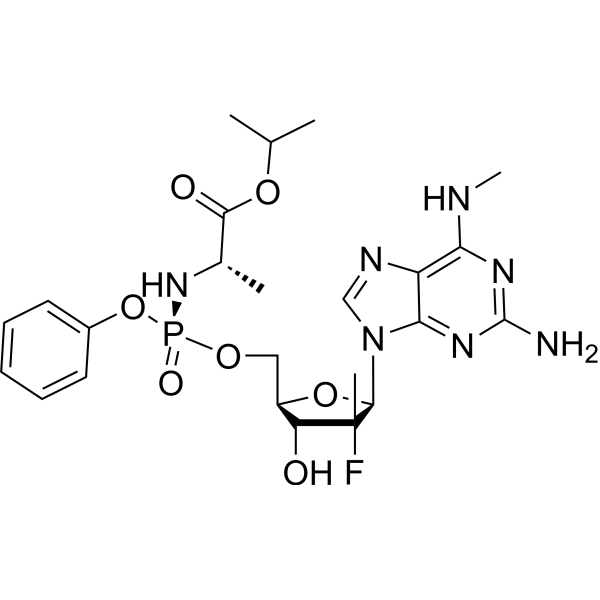
Bemnifosbuvir (AT-511) is a potent and orally active HCV viral replication inhibitor. Bemnifosbuvir is highly effective in the control of SARS-CoV-2 (COVID-19) infection in vitro (EC90=0.47 μM). Bemnifosbuvir has pangenotypic antiviral activity .
|
-
- HY-19727AR
-
|
|
Ser/Thr Protease
SARS-CoV
|
Metabolic Disease
|
|
FOY 251 (Standard) is the analytical standard of FOY 251. This product is intended for research and analytical applications. FOY 251, an anti-proteolytic active metabolite Camostate (HY-13512), acts as a proteinase inhibitor . FOY 251 inhibits SARS-CoV-2 infection in cells assay .
|
-
- HY-W031727S
-
-
- HY-169977
-
|
|
SARS-CoV
|
Infection
|
|
CKP-25 is an inhibitor for the interaction between Spike RBD-ACE2, that prevents the virus from entering the host cell, thereby reducing the replication and virus infection. CKP-25 inhibits SARS-CoV-2 with IC50 of 3.5 μM in Vero E6 cell .
|
-
- HY-170515A
-
|
|
E1/E2/E3 Enzyme
SARS-CoV
|
Infection
Neurological Disease
Cancer
|
|
(E),(Z)-RNF5 agonist 1 (Compound Analog-1) is a RNF5 agonist that can enhance the ubiquitination and degradation of SARS-CoV-2 E protein by RNF5. (E),(Z)-RNF5 agonist 1 effectively inhibits the replication of SARS-CoV-2 and significantly alleviates pulmonary pathological damage and systemic inflammatory response in mouse infection models. (E),(Z)-RNF5 agonist 1 has a strong cytotoxic effect on neuroblastoma and melanoma. (E),(Z)-RNF5 agonist 1 can be used for research on anti-cancer and anti-viral purposes .
|
-
- HY-162484
-
|
|
SARS-CoV
Virus Protease
|
Infection
|
|
GZNL-P36 is an orally active inhibitor for SARS-CoV-2 papain-like protease (PL pro), with an IC50 of 6.45 nM. GZNL-P36 inhibits SARS-CoV and its variants with EC50 range from 58.2 nM to 2.66 μM. GZNL-P36 exhibits a peak plasma concentration Cmax of 549 ng/mL, a half-life T1/2 of 1.45 h and a bioavailability of 74.7% in CD-1 mouse. GZNL-P36 exhibits antiviral activity in SARS-CoV-2 XXB.1 infection in mouse .
|
-
- HY-A0097A
-
|
Antibiotic MDL-507 sodium; MDL-507 sodium
|
Antibiotic
HIV
SARS-CoV
|
Infection
|
|
Teicoplanin sodium is a glycopeptide antibiotic indicated for use in serious infections caused by Gram-positive bacteria, including Methicillin-resistant Staphylococcus aureus and Enterococcus aureus.Teicoplanin sodium shows antiviral activity for HIV-1, SARS-CoV1 and SARS-CoV2. Teicoplanin sodium shows anti-MRSA activity .
|
-
- HY-W707562
-
-
- HY-145592
-
|
RO7020531; RG7854
|
Toll-like Receptor (TLR)
SARS-CoV
HBV
|
Infection
|
|
Ruzotolimod (RO7020531) is an orally active TLR7 agonist. Ruzotolimod inhibits WHV viral replication and, in combination with RO-7049389 (HY-145579), inhibits AAV-HBV viral load. Ruzotolimod can be used to study infection with COVID-19 or SARS-CoV-2 .
|
-
- HY-A0097
-
|
Antibiotic MDL-507; MDL-507
|
Bacterial
Antibiotic
|
Infection
|
|
Teicoplanin is a glycopeptide antibiotic indicated for use in serious infections caused by Gram-positive bacteria, including Methicillin-resistant Staphylococcus aureus and Enterococcus aureus.Teicoplanin shows antiviral activity for HIV-1, SARS-CoV1 and SARS-CoV2. Teicoplanin sodium shows anti-MRSA activity .
|
-
- HY-178445
-
|
|
PI3K
SARS-CoV
|
Infection
|
|
PI3Kδ-IN-27 is an PI3Kδ inhibitor with an IC50 of 355.3 nM. PI3Kδ-IN-27 exhibits anti-SARS-CoV-2 activity. PI3Kδ-IN-27 can be used for the research of infection, such as COVID-19 .
|
-
- HY-B0372AS
-
|
|
Isotope-Labeled Compounds
SARS-CoV
Autophagy
HIV
|
Metabolic Disease
|
|
Bromhexine-d3 (hydrochloride) is deuterium labeled Bromhexine (hydrochloride). Bromhexine hydrochloride is a potent and specific TMPRSS2 protease inhibitor with an IC50 of 0.75 μM. Bromhexine hydrochloride can prevent and manage SARS-CoV-2 infection. Bromhexine hydrochloride is an autophagy agonist. Bromhexine hydrochloride is a mucolytic cough suppressant and has the potential for a range of respiratory conditions .
|
-
- HY-B1370S
-
-
- HY-169405
-
|
|
AAK1
HDAC
SARS-CoV
|
Infection
|
|
AAK1/HDACs-IN-1 (Compound 12) is the dual inhibitor for AAK1 and HDAC, that inhibits AAK1, HDAC1, and HDAC6 with IC50s of 15.9, 148.6, and 5.2 nM, respectively. AAK1/HDACs-IN-1 inhibits SARS-CoV-2 infection, suppresses the endocytosis of ACE2-SARS-CoV-2 complex, as well as AP2M1-ACE2 interaction .
|
-
- HY-138113
-
-
- HY-145973B
-
|
|
Nucleoside Antimetabolite/Analog
SARS-CoV
|
Infection
|
|
3'OMe-m7GpppAmpG (Tris) is a trinucleotide Cap1 analog with the structure m7 (3'OMeG)(5') ppp (5')(2'OMeA) pG, and also functions as a cis-acting ligase ribozyme inhibitor. 3'OMe-m7GpppAmpG (Tris) effectively reduces free 5'-triphosphate groups on RNA transcripts, thereby enabling efficient co-transcriptional capping of in vitro transcribed mRNA. 3'OMe-m7GpppAmpG (Tris) is not only widely used in the preparation of modified mRNA including trivalent influenza vaccine candidates, but also applicable to studies related to SARS-CoV-2 infection and other relevant research .
|
-
- HY-136303
-
|
|
Drug Metabolite
|
Infection
|
|
GS-704277 is an alanine metabolite of Remdesivir (HY-104077). GS-704277 is further hydrolyzed to GA-441524 (HY-103586) with antiviral activity. Remdesivir, a nucleoside analogue with effective antiviral activity, is highly effective in the control of SARS-CoV-2 (COVID-19) infection .
|
-
- HY-176229
-
|
|
SARS-CoV
Cathepsin
Virus Protease
|
Infection
|
|
Mpro/Cathepsin L-IN-2 (Compound 1) is a dual irreversible inhibitor of SARS-CoV-2 main protease (M pro, pIC50=8.61) and human cathepsin L (hCTSL, pIC50=7.64). Mpro/Cathepsin L-IN-2 is promising for research of COVID-19 and other coronavirus infections .
|
-
- HY-P10466A
-
|
|
Sec61
SARS-CoV
Interleukin Related
TNF Receptor
IFNAR
|
Infection
Inflammation/Immunology
|
|
KZR-8445 TFA, a cyclic depsipeptide, is a client-selective Sec61 inhibitor. KZR-8445 TFA binds to the fully opened Sec61 lateral gate, blocks lumenal plug domain access, stabilizes lateral gate helices, traps select signal peptides, and disrupts secretory and membrane protein biogenesis. KZR-8445 TFA inhibits pro-inflammatory cytokine secretion in primary immune cells. KZR-8445 TFA inhibits SARS-CoV-2 replication, virus-induced cytotoxicity, and spike protein biogenesis. KZR-8445 TFA blocks disease progression in a mouse model of rheumatoid arthritis. KZR-8445 TFA can be used for the researches of rheumatoid arthritis and SARS-CoV-2 infection .
|
-
- HY-P10466
-
|
|
Sec61
SARS-CoV
Interleukin Related
TNF Receptor
IFNAR
|
Infection
Inflammation/Immunology
|
|
KZR-8445, a cyclic depsipeptide, is a client-selective Sec61 inhibitor. KZR-8445 binds to the fully opened Sec61 lateral gate, blocks lumenal plug domain access, stabilizes lateral gate helices, traps select signal peptides, and disrupts secretory and membrane protein biogenesis. KZR-8445 inhibits pro-inflammatory cytokine secretion in primary immune cells. KZR-8445 inhibits SARS-CoV-2 replication, virus-induced cytotoxicity, and spike protein biogenesis. KZR-8445 blocks disease progression in a mouse model of rheumatoid arthritis. KZR-8445 can be used for the researches of rheumatoid arthritis and SARS-CoV-2 infection .
|
-
- HY-B0372AR
-
|
|
Reference Standards
SARS-CoV
Autophagy
HIV
|
Metabolic Disease
|
|
Bromhexine (hydrochloride) (Standard) is the analytical standard of Bromhexine (hydrochloride). This product is intended for research and analytical applications. Bromhexine hydrochloride is a potent and specific TMPRSS2 protease inhibitor with an IC50 of 0.75 μM. Bromhexine hydrochloride can prevent and manage SARS-CoV-2 infection. Bromhexine hydrochloride is an autophagy agonist. Bromhexine hydrochloride is a mucolytic cough suppressant and has the potential for a range of respiratory conditions .
|
-
- HY-B1370R
-
|
HCQ sulfate (Standard)
|
Reference Standards
Parasite
Toll-like Receptor (TLR)
SARS-CoV
Autophagy
|
Infection
Cancer
|
|
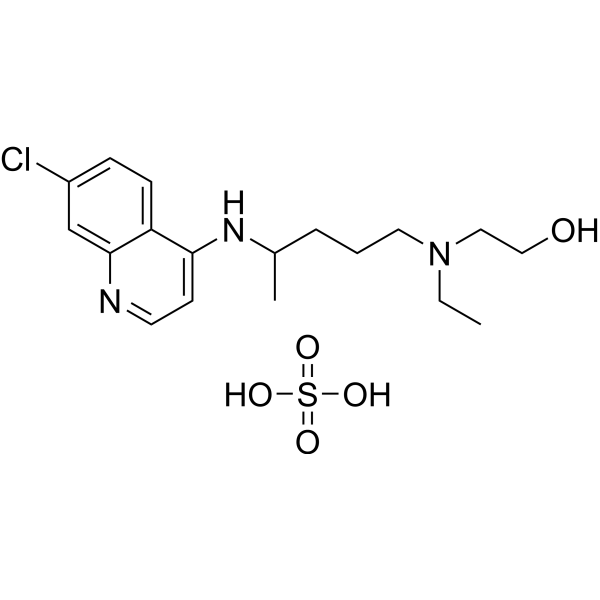
Hydroxychloroquine (sulfate) (Standard) is the analytical standard of Hydroxychloroquine (sulfate). This product is intended for research and analytical applications. Hydroxychloroquine sulfate (HCQ sulfate) is a synthetic antimalarial agent which can also inhibit Toll-like receptor 7/9 (TLR7/9) signaling. Hydroxychloroquine sulfate is efficiently inhibits SARS-CoV-2 infection in vitro .
|
-
- HY-145949
-
|
|
Drug Metabolite
|
Infection
|
|
Remdesivir de(ethylbutyl 2-aminopropanoate) is an impurity of Remdesivir. Remdesivir, a nucleoside analogue with effective antiviral activity, has EC50s of 74 nM for SARS-CoV and MERS-CoV in HAE cells, and 30 nM for murine hepatitis virus in delayed brain tumor cells. Remdesivir is highly effective in the control of SARS-CoV-2 (COVID-19) infection in vitro .
|
-
- HY-P11579
-
|
|
SARS-CoV
|
Infection
|
|
TLP-3, Temporin L (HY-P2523) analogue, is a SARS-CoV-2 main protease (Mpro) inhibitor with an IC50 of 7.0 μM. TLP-3 inhibits protease activity through stabilizing hydrogen bonding and hydrophobic interactions with key enzyme residues. TLP-3 can be used for the research of ARS-CoV‑2 infection .
|
-
- HY-17589S
-
-
- HY-101563
-
|
EPZ015938
|
Histone Methyltransferase
SARS-CoV
MDM-2/p53
CDK
Apoptosis
|
Infection
Cancer
|
|
GSK3326595 is a protein arginine methyltransferase 5 (PRMT5) inhibitor. GSK3326595 decreases SARS-CoV-2 infection, inhibits cancer cell proliferation and induces pro-inflammatory macrophage polarization and increases hepatic triglyceride levels without affecting atherosclerosis. GSK3326595 can be used for research of relapsed/refractory mantle cell lymphoma .
|
-
- HY-17589S1
-
-
- HY-137958
-
|
AT-527
|
HCV
SARS-CoV
|
Infection
|
|
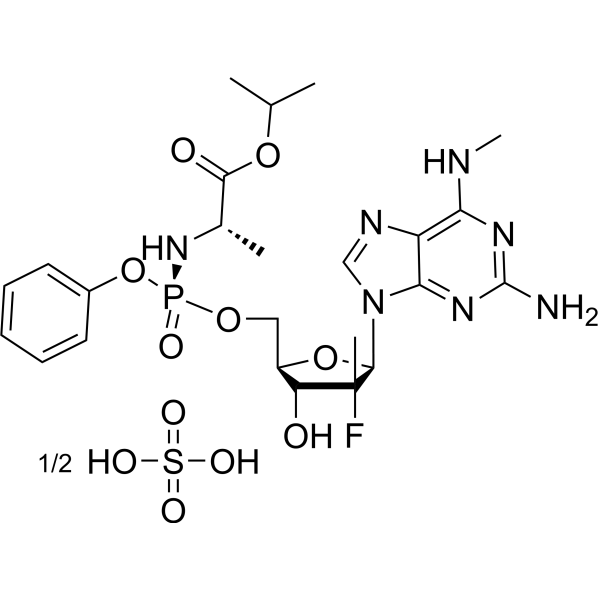
Bemnifosbuvir hemisulfate (AT-527), a hemisulfate salt of AT-511, a guanosine nucleotide proagent, is a potent and orally active HCV viral replication inhibitor. Bemnifosbuvir hemisulfate is highly effective in the control of SARS-CoV-2 (COVID-19) infection in vitro (EC90=0.47 μM). Bemnifosbuvir hemisulfate has pangenotypic antiviral activity .
|
-
- HY-179634
-
|
|
SARS-CoV
HIV
Enterovirus
Angiotensin-converting Enzyme (ACE)
RSV
Filovirus
|
Infection
|
|
ASF-006 sodium, a tetrapodal tryptophan derivative, is a potent viral invasion inhibitor. ASF-006 sodium shows potent antiviral activity against different SARS-CoV-2 Omicron variants but not against the ancestral SARS-CoV.2 strain (Wuhan-Hu-1). ASF-006 sodium competitively inhibits receptor-binding domain (RBD)-ACE2 binding via an allosteric mechanism. ASF-006 sodium inhibits Omicron BA.1, Omicron XBB.1.5, respiratory syncytial virus (RSV) and Ebola virus infection with IC50s of 0.02 μM, 0.3 μM, 1.52 μM and 0.2 μM, respectively. ASF-006 sodium inhibits cell entry of both HIV and enterovirus A71[1].
|
-
- HY-177303
-
|
|
CaSR
SARS-CoV
|
Infection
Metabolic Disease
Endocrinology
|
|
AXT-914 is a Calcium-sensing receptor (CaSR) inhibitor. AXT-914 has antiviral activity against the coronavirus HCoV 229E and SARS-CoV2. AXT914 reduces cytosolic calcium signalling activity of CaSR mutations. AXT-914 can be used for Bartter syndrome type 5 and autosomal dominant hypocalcemia (ADH) and coronavirus infections research .
|
-
- HY-17589R
-
|
|
Reference Standards
Parasite
Autophagy
SARS-CoV
Toll-like Receptor (TLR)
HIV
Antibiotic
|
Infection
Inflammation/Immunology
Cancer
|
|
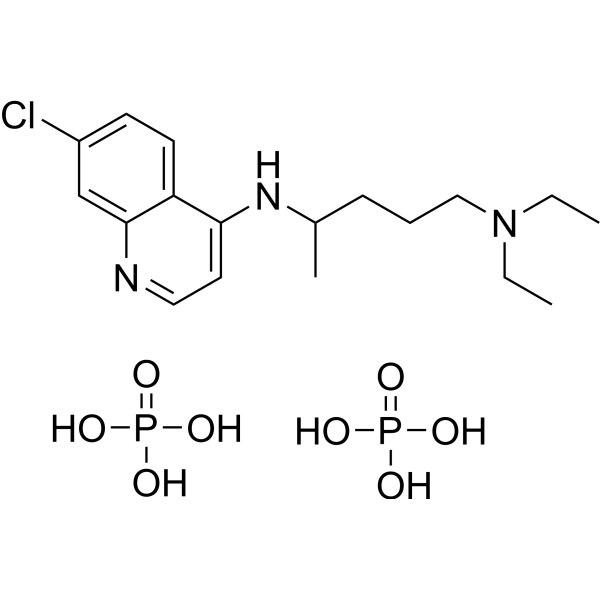
Chloroquine (phosphate) (Standard) is the analytical standard of Chloroquine (phosphate). This product is intended for research and analytical applications. Chloroquine phosphate is an antimalarial and anti-inflammatory agent widely used to treat malaria and rheumatoid arthritis. Chloroquine phosphate is an autophagy and toll-like receptors (TLRs) inhibitor. Chloroquine phosphate is highly effective in the control of SARS-CoV-2 (COVID-19) infection in vitro (EC50=1.13 μM) .
|
-
- HY-110066
-
|
|
Apoptosis
VEGFR
Akt
Angiotensin-converting Enzyme (ACE)
SARS-CoV
FXR
|
Cardiovascular Disease
Cancer
|
|
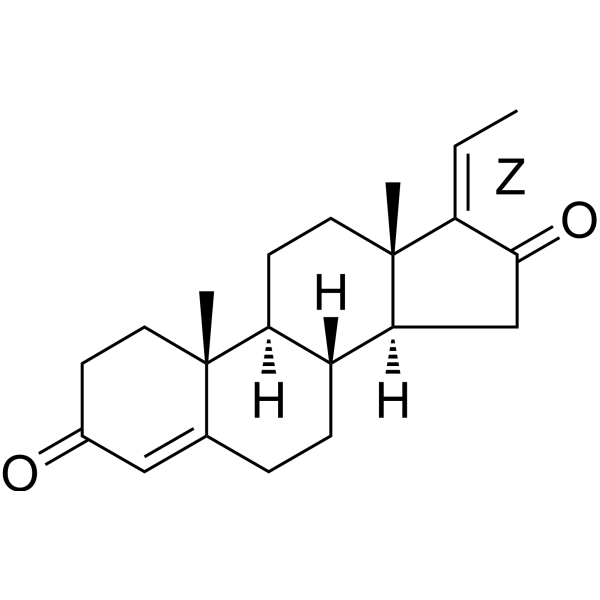
(Z)-Guggulsterone, a constituent of Indian Ayurvedic medicinal plant Commiphora mukul, inhibits the growth of human prostate cancer cells by causing apoptosis. (Z)-Guggulsterone inhibits angiogenesis by suppressing the VEGF–VEGF-R2–Akt signaling axis . (Z)-Guggulsterone is also a potent FXR antagonist. (Z)-Guggulsterone reduces ACE2 expression and SARS-CoV-2 infection .
|
-
- HY-134222AS
-
|
|
Isotope-Labeled Compounds
Endogenous Metabolite
|
Infection
|
|
N-Acetylserine-d3 is the deuterium labeled N-Acetylserine (HY-134222A). N-Acetylserine (N-Acetyl-L-serine) is a physiological inducer of cysteine biosynthesis and activator of CysB. N-Acetylserine can bind to the CysB apoprotein. N-Acetylserine stimulates cysJIH transcription in vitro. N-Acetylserine can be used in the research of SARS-CoV-2 infection .
|
-
- HY-17589AS
-
-
- HY-134222AR
-
|
N-Acetyl-L-serine (Standard)
|
Reference Standards
Endogenous Metabolite
|
Infection
|
|
N-Acetylserine (Standard) is the analytical standard of N-Acetylserine (HY-134222A). This product is intended for research and analytical applications. N-Acetylserine (N-Acetyl-L-serine) is a physiological inducer of cysteine biosynthesis and activator of CysB. N-Acetylserine can bind to the CysB apoprotein. N-Acetylserine stimulates cysJIH transcription in vitro. N-Acetylserine can be used in the research of SARS-CoV-2 infection .
|
-
- HY-181983
-
|
|
SARS-CoV
|
Infection
|
|
VPC285785 is an orally active SARS-CoV-2 main protease inhibitor with an IC50 of 0.8 μM and a Kd of 2.7 μM. VPC285785 functionally inhibits the viral main protease-mediated processing of viral polyprotein precursors required for viral replication. VPC285785 reduces viral loads in the liver, brain and spleen tissues of MHV-infected mice. VPC285785 is applicable to the research of coronavirus infections .
|
-
- HY-164485
-
|
|
Toll-like Receptor (TLR)
SARS-CoV
|
Infection
|
|
INI-4001 is a TLR7/8 agonist and vaccine adjuvant. INI-4001 regulates innate and adaptive immune responses by activating murine TLR7 and human TLR7/TLR8. INI-4001 enhances IgG and neutralizing antibody responses against Powassan virus (POWV), reduces viral loads in the brain, liver and spleen, provides complete protection against lethal POWV challenge, and skews immune responses toward a Th1 phenotype. When INI-4001 is used in combination with Al (OH)3 and SARS-CoV-2 RBD antigen, it efficiently adsorbs to Al (OH)3, promotes Th1 immunity and enhances SARS-CoV-2 neutralizing antibody responses. INI-4001 is applicable to research related to Powassan virus infection and COVID-19 .
|
-
- HY-173411
-
|
|
Glycosidase
SARS-CoV
|
Infection
Inflammation/Immunology
|
|
DNJ-20 is an α-glucosidase inhibitor (IC50: 55.3 μg/mL). DNJ-20 has broad-spectrum anti-SARS-CoV-2 activity. DNJ-20 inhibits the correct processing of viral glycoproteins by interfering with the endoplasmic reticulum-associated glycoprotein folding process (ERQC), thereby blocking the formation and infection of viral particles. DNJ-20 has IC50 values up to 1.49 uM against several SARS-CoV-2 variants, as well as HCoV-229E and HCoV-0C43。DNJ-20 can be used for pan-coronavirus research .
|
-
- HY-118326
-
|
|
Autophagy
|
Cancer
|
|
MRT 68601 is a potent TBK1 inhibitor with the activity of inhibiting autophagosome formation in lung cancer cells. MRT 68601 may have potential effects against targets associated with host-dependent factors identified in SARS-CoV-2 infection. The drug targets involved in MRT 68601 are related to existing FDA-approved drugs and compounds in clinical trials, which can provide support for the development of broad-spectrum antiviral therapies .
|
-
- HY-N14351
-
|
|
SARS-CoV
Bacterial
Antibiotic
|
Infection
|
|
Ferrocin A is a lipopeptide compound that targets the SARS-CoV-2 RNA-dependent RNA polymerase (nsp12). Ferrocin A can stably bind to nsp12, and as an iron-chelating peptide, it reduces the concentration of free iron in the environment via complexation, thereby inhibiting bacterial growth by repressing the acquisition of essential metal cations. As an iron-chelating antiviral molecule, Ferrocin A may be used in studies related to COVID-19 and bacterial infections .
|
-
- HY-W777545
-
|
|
Isotope-Labeled Compounds
SARS-CoV
Toll-like Receptor (TLR)
|
Others
|
|
4-[(7-Chloro-4-quinolinyl)amino]-1-pentanol-d4 is the deuterium labeled Hydroxychloroquine Impurity E (HY-131262). Hydroxychloroquine Impurity E is the impurity of Hydroxychloroquine. Hydroxychloroquine is a synthetic antimalarial agent which can also inhibit Toll-like receptor 7/9 (TLR7/9) signaling. Hydroxychloroquine is efficiently inhibits SARS-CoV-2 infection in vitro .
|
-
- HY-108447
-
|
|
Ser/Thr Protease
SARS-CoV
PAI-1
|
Infection
Cancer
|
|
BC-11 hydrobromide is a selective TMPRSS2 inhibitor (TMPRSS2 is a key host cellular factor for viral entry and SARS-CoV-2 pathogenesis), and a selective urokinase (uPA) inhibitor (IC50=8.2 μM). BC-11 hydrobromide is cytotoxic to triple-negative MDA-MB231 breast cancer cells. BC-11 hydrobromide is used in research on viral infections and cancer .
|
-
- HY-P991491
-
|
|
SARS-CoV
Influenza Virus
|
Infection
|
|
VIR-7229 is a human IgG1 monoclonal antibody (mAb) targeting Receptor-Binding Domain, RBD, Spike glycoprotein. VIR-7229 exerts antiviral activity by competing with ACE2 for binding and inducing S1 protein shedding. VIR-7229 can be used in SARS-CoV-2 infection research. Recommended isotype control: Human IgG1 kappa, Isotype Control (HY-P99001) .
|
-
- HY-128788
-
|
|
DNA/RNA Synthesis
SARS-CoV
Endogenous Metabolite
Flavivirus
Lactate Dehydrogenase
|
Infection
|
|
ddhCTP is an endogenously produced pyrimidine base analog with a Kd of 17.0 nM for LLDH and an IC50 of 55.8 μM for GAPDH. By inhibiting key metabolic enzymes such as GAPDH, ddhCTP reduces glycolytic flux and shifts metabolic flow toward the pentose phosphate pathway, thereby regulating the redox balance of cells. As a competitive CTP analog, ddhCTP terminates RNA synthesis by flavivirus RdRps and SARS-CoV-2 RdRp, and inhibits Zika virus replication in vivo. ddhCTP can be used in studies related to viral infections, COVID-19 and Zika virus infections.
|
-
- HY-156654
-
|
PF-07817883
|
SARS-CoV
Virus Protease
|
Infection
|
|
Ibuzatrelvir (PF-07817883), a second-generation, orally bioavailable, is SARS-CoV-2 main protease (M pro and 3CL pro) inhibitor with improved metabolic stability. Ibuzatrelvir has demonstrated pan-human coronavirus antiviral activity and off-target selectivity profile in vitro and in preclinical animal studies. Ibuzatrelvir is well tolerated with a safety profile similar to placebo and prevents viral infection and transmission. Ibuzatrelvir can be used to inhibit COVID-19 .
|
-
- HY-101563R
-
|
EPZ015938 (Standard)
|
Histone Methyltransferase
Reference Standards
SARS-CoV
MDM-2/p53
CDK
Apoptosis
|
Infection
Cancer
|
|
GSK3326595 (Standard) is the analytical standard of GSK3326595 (HY-101563). This product is intended for research and analytical applications. GSK3326595 is a protein arginine methyltransferase 5 (PRMT5) inhibitor. GSK3326595 decreases SARS-CoV-2 infection, inhibits cancer cell proliferation and induces pro-inflammatory macrophage polarization and increases hepatic triglyceride levels without affecting atherosclerosis. GSK3326595 can be used for research of relapsed/refractory mantle cell lymphoma .
|
-
- HY-110066R
-
|
|
Reference Standards
Apoptosis
VEGFR
Akt
Angiotensin-converting Enzyme (ACE)
SARS-CoV
FXR
|
Cancer
|
|
(Z)-Guggulsterone (Standard) is the analytical standard of (Z)-Guggulsterone. This product is intended for research and analytical applications. (Z)-Guggulsterone, a constituent of Indian Ayurvedic medicinal plant Commiphora mukul, inhibits the growth of human prostate cancer cells by causing apoptosis. (Z)-Guggulsterone inhibits angiogenesis by suppressing the VEGF–VEGF-R2–Akt signaling axis . (Z)-Guggulsterone is also a potent FXR antagonist. (Z)-Guggulsterone reduces ACE2 expression and SARS-CoV-2 infection .
|
-
- HY-128788A
-
|
|
DNA/RNA Synthesis
SARS-CoV
Endogenous Metabolite
Flavivirus
Lactate Dehydrogenase
|
Infection
|
|
ddhCTP trisodium solution (100 mM) is an endogenously produced pyrimidine base analog with a Kd of 17.0 nM for LLDH and an IC50 of 55.8 μM for GAPDH. By inhibiting key metabolic enzymes such as GAPDH, ddhCTP trisodium reduces glycolytic flux and shifts metabolic flow toward the pentose phosphate pathway, thereby regulating the redox balance of cells. As a competitive CTP analog, ddhCTP trisodium terminates RNA synthesis by flavivirus RdRps and SARS-CoV-2 RdRp, and inhibits Zika virus replication in vivo. ddhCTP trisodium can be used in studies related to viral infections, COVID-19 and Zika virus infections .
|
-
- HY-N0891
-
|
Tubeimoside-B
|
EGFR
TGF-β Receptor
RIG-I-like receptor (RLR)
SARS-CoV
|
Infection
Neurological Disease
Cancer
|
|
Tubeimoside II is an orally active triterpenoid saponin and antiviral agent that binds to PACT/PRKRA with Kd values of 5.37 μM and 133.1 μM, respectively. Tubeimoside II inhibits oxidase-dependent EGFR activation and reduces TGF-β1-induced oxidative stress. Tubeimoside II activates the RIG-I signaling pathway and increases IFN-β secretion. Tubeimoside II suppresses TPA-induced ear edema, mouse sarcoma 180 growth, and TPA-induced skin tumor formation. Tubeimoside II exerts broad-spectrum antiviral activity against SARS-CoV-2, HCoV-OC43, and IAV-H1N1/FM1. Tubeimoside II can be used in research related to retinoblastoma, respiratory viral infections, skin tumors, and sarcoma 180 .
|
-
- HY-P5522
-
|
L-Ala-γ-D-Glu-meso-diaminopimelic acid
|
NOD-like Receptor (NLR)
NF-κB
MAP3K
MEK
ERK
p38 MAPK
Interleukin Related
SARS-CoV
|
Infection
Inflammation/Immunology
|
|
TriDAP (L-Ala-γ-D-Glu-meso-diaminopimelic acid) is a NOD1 agonist with a Kd value of 34.5 μM. TriDAP enhances the binding of NOD1-RICK, promotes RICK phosphorylation, and activates the NF-κB, TAK1, MEK/ERK, p38 and interferon response pathways. TriDAP downregulates Runx2 via increasing ubiquitination and reduces trabecular bone parameters. TriDAP decreases IκBα levels and increases p65 levels. TriDAP induces the secretion of proinflammatory mediators IL-8 and prostaglandins, triggers tissue inflammation and innate immune activation, and inhibits SARS-CoV-2 replication in lung epithelial cells. TriDAP increases the RANKL/OPG ratio in mice, reduces bone mass and enhances osteoclast activity, and inhibits new bone formation by decreasing the mineralization deposition rate in mice. TriDAP can be used in research related to pulpitis, chronic ulcerative colitis, Crohn's disease and SARS-CoV-2 infection .
|
-
- HY-P5522A
-
|
L-Ala-γ-D-Glu-meso-diaminopimelic acid dihydrochloride
|
NOD-like Receptor (NLR)
NF-κB
MAP3K
MEK
ERK
p38 MAPK
Interleukin Related
SARS-CoV
|
Infection
Inflammation/Immunology
|
|
TriDAP dihydrochloride (L-Ala-γ-D-Glu-meso-diaminopimelic acid dihydrochloride) is a NOD1 agonist with a Kd value of 34.5 μM. TriDAP dihydrochloride enhances the binding of NOD1-RICK, promotes RICK phosphorylation, and activates the NF-κB, TAK1, MEK/ERK, p38 and interferon response pathways. TriDAP dihydrochloride downregulates Runx2 via increasing ubiquitination and reduces trabecular bone parameters. TriDAP dihydrochloride decreases IκBα levels and increases p65 levels. TriDAP dihydrochloride induces the secretion of proinflammatory mediators IL-8 and prostaglandins, triggers tissue inflammation and innate immune activation, and inhibits SARS-CoV-2 replication in lung epithelial cells. TriDAP dihydrochloride increases the RANKL/OPG ratio in mice, reduces bone mass and enhances osteoclast activity, and inhibits new bone formation by decreasing the mineralization deposition rate in mice. TriDAP dihydrochloride can be used in research related to pulpitis, chronic ulcerative colitis, Crohn's disease and SARS-CoV-2 infection .
|
-
- HY-174350
-
|
|
Casein Kinase
SARS-CoV
|
Infection
|
|
CK2-IN-15 (Compound Biv5) is a selective and potent bivalent protein kinase CK2 inhibitor with an IC50 value of 51 pM. CK2-IN-15 significantly reduces the replication of SARS-CoV-2 in HEK-ACE2-TMPRSS2 and Vero cells, and also reduces viral replication in an ex vivo model of human nasal epithelial cells. CK2-IN-15 is promising for research of β-coronavirus infection-related diseases .
|
-
- HY-137048
-
|
|
SARS-CoV
HIV
HCV
|
Infection
|
|
PF-00835231 is a CoV-2 cysteine 3C-like protease (3CL pro) inhibitor, with IC50s of 0.27 nM and 4 nM for SARS CoV-2 and SARS CoV-1 3CL pro, respectively. PF-00835231 is developed for the research of anti-SARS-CoV-2/COVID-19. PF-00835231 can inhibit cell infections and also suppress infections in animal models .
|
-
- HY-177332
-
|
|
TAM Receptor
SARS-CoV
Akt
|
Infection
Cancer
|
|
SLC-391 is an orally active AXL kinase inhibitor with an IC50 of 9.6 nM against AXL kinase. SLC-391 inhibits Gas6-induced AXL-dependent phosphorylation of Akt. SLC-391 inhibits SARS-CoV-2 infection, entry and replication in cells. SLC-391 suppresses cancer cell proliferation. SLC-391 inhibits tumor growth in mouse solid tumor xenograft models. SLC-391 can be used for the research of COVID-19, influenza virus infection, triple-negative breast cancer, chronic myeloid leukemia and non-small cell lung cancer .
|
-
- HY-B1513
-
|
|
Environmental Pollutants
SARS-CoV
Microtubule/Tubulin
|
Infection
Metabolic Disease
Cancer
|
|
α-Cyclodextrin (α-CD) is a soluble fiber derived from corn. α-Cyclodextrin can deplete sphingolipids and phospholipids from cell membranes. α-Cyclodextrin interacts with tubulin. α-Cyclodextrin improves defenses against SARS-CoV-2 infection. α-Cyclodextrin enhances the anticancer efficacy of Crcumin (HY-N0005) against breast, lung and cervical cancer. α-Cyclodextrin has beneficial effects on body weight and blood lipids .
|
-
- HY-13771
-
|
Ursodeoxycholate; Ursodiol; UDCA
|
G protein-coupled Bile Acid Receptor 1
FXR
Angiotensin-converting Enzyme (ACE)
Endogenous Metabolite
|
Infection
Metabolic Disease
Cancer
|
|
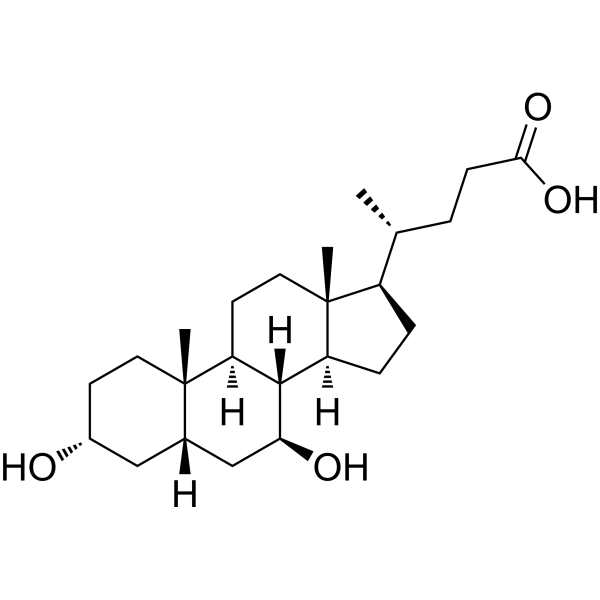
Ursodeoxycholic acid (Ursodeoxycholate) is a secondary bile acid issued from the transformation of (cheno)deoxycholic acid by intestinal bacteria, acting as a key regulator of the intestinal barrier integrity and essential for lipid metabolism. Ursodeoxycholic acid acts as signaling molecule, exerting its effects by interacting with bile acid activated receptors, including G-protein coupled bile acid receptor 5 (TGR5, GPCR19) and the farnesoid X receptor (FXR). Ursodeoxycholic acid can be used for the research of a variety of hepatic and gastrointestinal diseases. Ursodeoxycholic acid also reduces ACE2 expression and is beneficial for reducing SARS-CoV-2 infection. Orally active .
|
-
- HY-120852
-
JG26
1 Publications Verification
|
Angiotensin-converting Enzyme (ACE)
MMP
EGFR
ERK
SARS-CoV
|
Infection
Cardiovascular Disease
Cancer
|
|
JG26 is an ADAM inhibitor with IC50 values of 12 nM, 1.9 nM, and 150 nM for ADAM8, ADAM17, and ADAM10, respectively. JG26 inhibits MMP-12 with an IC50 value of 9.4 nM. JG26 inhibits AngII (HY-13948)-induced EGFR transactivation and ERK activation. JG26 increases the expression of ACE2, inhibits the cleavage of CD23, reduces the infection of SARS-CoV-2. JG26 inhibits colorectal cancer metastasis. JG26 can be used for research on Hodgkin lymphoma and vascular diseases .
|
-
- HY-183761
-
|
|
SARS-CoV
|
Infection
|
|
Antiviral agent 86 is an anti-coronavirus agent. Antiviral agent 86 acts as a binder of coronavirus non-structural protein 15 (nsp15), with a Ka value of 67 μM against human targets. Antiviral agent 86 inhibits the replication of HCoV-229E and SARS-CoV-2. Antiviral agent 86 exerts inhibitory effects at the post-entry lifecycle stage of coronaviruses in host cells and inhibits the formation of viral double-stranded RNA (dsRNA). Antiviral agent 86 exhibits an additive antiviral effect when used in combination with GS-441524. Antiviral agent 86 can be used in studies related to coronavirus infections .
|
-
- HY-13771R
-
|
Ursodeoxycholate (Standard); Ursodiol (Standard); UDCA (Standard)
|
Reference Standards
G protein-coupled Bile Acid Receptor 1
FXR
Angiotensin-converting Enzyme (ACE)
Endogenous Metabolite
|
Infection
Metabolic Disease
Cancer
|
|
Ursodeoxycholic acid (Standard) is the analytical standard of Ursodeoxycholic acid. This product is intended for research and analytical applications. Ursodeoxycholic acid (Ursodeoxycholate) is a secondary bile acid issued from the transformation of (cheno)deoxycholic acid by intestinal bacteria, acting as a key regulator of the intestinal barrier integrity and essential for lipid metabolism. Ursodeoxycholic acid acts as signaling molecule, exerting its effects by interacting with bile acid activated receptors, including G-protein coupled bile acid receptor 5 (TGR5, GPCR19) and the farnesoid X receptor (FXR). Ursodeoxycholic acid can be used for the research of a variety of hepatic and gastrointestinal diseases. Ursodeoxycholic acid also reduces ACE2 expression and is beneficial for reducing SARS-CoV-2 infection. Orally active .
|
-
- HY-181165
-
|
|
PKC
SARS-CoV
IFNAR
|
Infection
|
|
SB2960 is a receptor for activated protein C kinase 1 (RACK1) binder with a human KD of 5.65 μM. SB2960 can promote stress granule (SG) formation and exhibit potent antiviral activity across diverse viral species. SB2960 suppresses viral replication with minimal cytotoxicity by modulating host antiviral immune responses. SB2960 increases the thermal stability of RACK1 and reduces SARS-CoV-2 N protein levels. SB2960 enhances type I interferon (IFN-β) expression and inhibits RIG-I, ISG56, and RANTES expression. SB2960 can be used for the research of virus infection .
|
-
- HY-G0017
-
|
Norimatinib; Imatinib metabolite N-Desmethyl imatinib; CGP 74588
|
Drug Metabolite
P-glycoprotein
Apoptosis
|
Neurological Disease
Cancer
|
|
N‑Desmethyl imatinib (Norimatinib) is an active metabolite of Imatinib (HY-15463), a selective c‑Abl inhibitor, and a substrate of P‑glycoprotein. N-Desmethyl imatinib binds to the c-Abl catalytic domain to prevent substrate phosphorylation, inhibits c-Abl-mediated α-synuclein activation and downstream inflammatory signaling pathways. N-Desmethyl imatinib induces apoptosis in K562 human leukemia cells. N-Desmethyl imatinib shows significantly elevated plasma levels in gastrointestinal stromal tumor (GIST) models with mild SARS-CoV-2 infection. N-Desmethyl imatinib can be used for the research of Parkinson’s disease, gastrointestinal stromal tumor, and chronic myeloid leukemia .
|
-
- HY-113478S
-
|
Ursodeoxycholate-d4; Ursodiol-d4; UDCA-d4
|
Isotope-Labeled Compounds
|
Infection
Metabolic Disease
|
|
Ursodeoxycholic acid-2,2,4,4-d4 is the deuterium labeled Ursodeoxycholic acid (HY-13771). Ursodeoxycholic acid is a secondary bile acid issued from the transformation of (cheno)deoxycholic acid by intestinal bacteria, acting as a key regulator of the intestinal barrier integrity and essential for lipid metabolism. Ursodeoxycholic acid acts as signaling molecule, exerting its effects by interacting with bile acid activated receptors, including G-protein coupled bile acid receptor 5 (TGR5, GPCR19) and the farnesoid X receptor (FXR). Ursodeoxycholic acid can be used for the research of a variety of hepatic and gastrointestinal diseases. Ursodeoxycholic acid also reduces ACE2 expression and is beneficial for reducing SARS-CoV-2 infection .
|
-
- HY-P10975
-
|
|
SARS-CoV
Influenza Virus
Enterovirus
|
Infection
|
|
P9R is an antiviral peptide. P9R has broad-spectrum antiviral activities against the coronaviruses (SARS-CoV-2, MERS-CoV and SARS-CoV), A(H1N1)pdm09, A(H7N9) virus, and rhinovirus. P9R directly binds to viruses and inhibits virus-host endosomal acidification. P9R significantly protects mice from A(H1N1)pdm09 infection without generating drug-resistant virus. P9R can be used for pH-dependent respiratory viruses research .
|
-
- HY-168034
-
|
|
STING
Integrin
NF-κB
SARS-CoV
|
Infection
Inflammation/Immunology
|
|
diABZI-4 is a STING activator and broad-spectrum antiviral agent with immunostimulatory activity. diABZI-4 triggers the TBK1-IRF3 and NF-κB signaling cascades by inducing STING oligomerization, thereby promoting the production of type I/III interferons and various proinflammatory cytokines. diABZI-4 exhibits broad-spectrum antiviral activity and effectively inhibits the replication of influenza A virus, SARS-CoV-2, herpes simplex virus, and other viruses. diABZI-4 also activates lymphocytes and macrophages to provide significant pre- and post-exposure protection in viral disease models. diABZI-4 can be used to study COVID-19, respiratory viral infections, and related immunopathological mechanisms .
|
-
- HY-138794
-
XL177A
5 Publications Verification
|
Deubiquitinase
Histone Demethylase
SARS-CoV
|
Cancer
|
|
XL177A is a covalent USP7 inhibitor that blocks the deubiquitinase activity of USP7. XL177A destabilizes non-canonical PRC1 complexes or KDM6A and reduces chromatin deposition of H2AK119Ub, thereby relieving the repression of neuronal differentiation programs. Meanwhile, XL177A also regulates the ELOF1-UVSSA-USP7-nuclear β-catenin axis, decreasing the transcription levels of related proteins and the accumulation of nuclear β-catenin. XL177A exerts antiviral effects by reducing the expression levels of coronavirus receptors, and exhibits inhibitory activity against APC-mutated colorectal cancer cells, neuroblastoma, and coronaviruses including SARS-CoV-2 variants. XL177A is mainly used in studies related to colorectal cancer, neuroblastoma, and coronavirus infections .
|
-
- HY-138794A
-
|
|
Deubiquitinase
|
Cancer
|
|
(Rac)-XL177A is the racemic isomer of XL177A (HY-138794). XL177A is a covalent USP7 inhibitor that blocks the deubiquitinase activity of USP7. XL177A destabilizes non-canonical PRC1 complexes or KDM6A and reduces chromatin deposition of H2AK119Ub, thereby relieving the repression of neuronal differentiation programs. Meanwhile, XL177A also regulates the ELOF1-UVSSA-USP7-nuclear β-catenin axis, decreasing the transcription levels of related proteins and the accumulation of nuclear β-catenin. XL177A exerts antiviral effects by reducing the expression levels of coronavirus receptors, and exhibits inhibitory activity against APC-mutated colorectal cancer cells, neuroblastoma, and coronaviruses including SARS-CoV-2 variants. XL177A is mainly used in studies related to colorectal cancer, neuroblastoma, and coronavirus infections .
|
-
- HY-14909
-
-
- HY-138794G
-
|
|
Deubiquitinase
SARS-CoV
Histone Demethylase
|
Cancer
|
|
XL177A GMP is XL177A (HY-138794) produced by using GMP guidelines. GMP small molecules works appropriately as an auxiliary reagent for cell therapy manufacture. XL177A is a covalent USP7 inhibitor that blocks the deubiquitinase activity of USP7. XL177A destabilizes non-canonical PRC1 complexes or KDM6A and reduces chromatin deposition of H2AK119Ub, thereby relieving the repression of neuronal differentiation programs. Meanwhile, XL177A also regulates the ELOF1-UVSSA-USP7-nuclear β-catenin axis, decreasing the transcription levels of related proteins and the accumulation of nuclear β-catenin. XL177A exerts antiviral effects by reducing the expression levels of coronavirus receptors, and exhibits inhibitory activity against APC-mutated colorectal cancer cells, neuroblastoma, and coronaviruses including SARS-CoV-2 variants. XL177A is mainly used in studies related to colorectal cancer, neuroblastoma, and coronavirus infections .
|
-
- HY-154976
-
|
|
SARS-CoV
|
Infection
|
|
SARS-CoV-2-IN-50 (Compound X77C) is a SARS-CoV-2 main protease (M Pro) inhibitor.. SARS-CoV-2-IN-50 has a high affinity to the catalytic site of M Pro .
|
-
- HY-181904
-
-
- HY-149320
-
|
|
SARS-CoV
|
Infection
|
|
Acryl42-10 is a covalent inhibitor of the SARS-CoV-2 Nsp14 N7-Methyltransferase (IC50: 7 μM) .
|
-
- HY-149317
-
|
|
SARS-CoV
|
Infection
|
|
ZINC475239213 is an inhibitor of the SARS-CoV-2 Nsp14 N7-Methyltransferase (IC50: 20 μM) .
|
-
- HY-149321
-
|
|
SARS-CoV
|
Infection
|
|
SARS-CoV-2 nsp14-IN-3 (4975) is an inhibitor of the SARS-CoV-2 Nsp14 N7-Methyltransferase (IC50: 3.5 μM) .
|
-
- HY-W739985
-
|
7α-Thiomethylspironolactone
|
SARS-CoV
Estrogen Receptor/ERR
|
Infection
|
|
7α-(Thiomethyl)spironolactone is a nuclear steroid receptor antagonist that can be used for the research of coronaviruses .
|
-
- HY-149319
-
|
|
SARS-CoV
|
Infection
|
|
ZINC61142882 is an inhibitor of the SARS-CoV-2 Nsp14 N7-Methyltransferase (IC50: 6 μM) .
|
-
- HY-149322
-
|
|
SARS-CoV
|
Infection
|
|
Z795161988 is an inhibitor of the SARS-CoV-2 Nsp14 N7-Methyltransferase (IC50: 2.2 μM) .
|
-
- HY-156008
-
|
|
SARS-CoV
Virus Protease
|
Infection
|
|
SARS-CoV-2-IN-58 (Compound 21H) is an antiviral agent against SARS-CoV-2 (EC50: 18 μM). SARS-CoV-2-IN-58 inhibits SARS-CoV-2 M pro with an IC50 of 0.35 μM .
|
-
- HY-B0693A
-
|
|
Histamine Receptor
SARS-CoV
Bacterial
|
Infection
Metabolic Disease
Cancer
|
|
Ranitidine bismuth citrate is a potent, selective and orally active histamine H2-receptor antagonist that inhibits gastric secretion. Ranitidine bismuth citrate antagonizes Histamine (HY-B1204)-induced increases of the guinea-pig isolated rat atrium and Histamine-induced relaxations of the rat isolated uterine horn, with pA2 values of 7.2 and 6.95, respectively. Ranitidine bismuth citrate has selectivity for SARS-CoV-2-infected cells. Ranitidine bismuth citrate also has anti-Helicobacter pylori infection. Ranitidine bismuth citrate inhibits breast tumor development and spread in mice .
|
-
- HY-155416
-
|
|
SARS-CoV
|
Infection
|
|
M56-S2 iodide is a SARS-CoV-2 M pro inhibitor (IC50=4.0 μM). M56-S2 iodide showed good oral bioavailability and low toxicity in ADMET prediction. M56-S2 iodide has good drug potential and can be used in antiviral (such as SARS-CoV-2) research .
|
-
- HY-149868
-
|
|
SARS-CoV
|
Infection
|
|
SARS-CoV-2-IN-42 (Compound 8q) is a potent inhibitor of SARS-CoV-2 replication (EC50: 0.4 μM). SARS-CoV-2-IN-42 has no obvious damage to the host cell .
|
-
- HY-149799
-
|
|
SARS-CoV
|
Infection
|
|
SARS-CoV-2-IN-70 (compound 6) is a potent inhibitor of SARS-CoV-2 with an IC50 of 3.2 μM .
|
-
- HY-170545
-
|
|
SARS-CoV
|
Infection
|
|
SARS-CoV-2 Mpro-IN-35 (compound 14) is a SARS-CoV-2 Mpro inhibitor. SARS-CoV-2 Mpro-IN-35 can be used for the research of SARS-CoV-2 virus .
|
-
- HY-156007
-
|
|
SARS-CoV
Virus Protease
|
Infection
|
|
SARS-CoV-2 3CLpro-IN-21 (Compound D6) irreversibly and covalently inhibits SARS-CoV-2 3CL pro with an IC50 of 0.03 μM. SARS-CoV-2 3CLpro-IN-21 also inhibits SARS-CoV-13CL pro with an IC50 of 0.12μM .
|
-
- HY-G0017A
-
|
Norimatinib mesylate; Imatinib metabolite N-Desmethyl imatinib mesylate; CGP 74588 mesylate
|
Drug Metabolite
P-glycoprotein
Apoptosis
|
Neurological Disease
Cancer
|
|
N-Desmethyl imatinib mesylate (Norimatinib mesylate) is an active metabolite of Imatinib (HY-15463), a selective c‑Abl inhibitor, and a substrate of P‑glycoprotein. N-Desmethyl imatinib mesylate binds to the c-Abl catalytic domain to prevent substrate phosphorylation, inhibits c-Abl-mediated α-synuclein activation and downstream inflammatory signaling pathways. N-Desmethyl imatinib mesylate induces apoptosis in K562 human leukemia cells. N-Desmethyl imatinib mesylate exhibits significantly elevated plasma levels in gastrointestinal stromal tumor (GIST) settings following mild SARS CoV 2 infection. N-Desmethyl imatinib mesylate can be used for the research of Parkinson’s disease, gastrointestinal stromal tumor, and chronic myeloid leukemia .
|
-
- HY-155119
-
|
|
SARS-CoV
|
Infection
|
|
SARS-CoV-2-IN-54 (Compound 2) is a SARS-CoV-2 inhibitor. SARS-CoV-2-IN-54 has antiviral activity. SARS-CoV-2-IN-54 inhibits SARS-CoV-2 in Vero E6 cells, with an IC50 of 21.4 μM .
|
-
- HY-155121
-
|
|
SARS-CoV
|
Infection
|
|
SARS-CoV-2-IN-56 (Compound 63) is a SARS-CoV-2 inhibitor. SARS-CoV-2-IN-56 has antiviral activity. SARS-CoV-2-IN-56 inhibits SARS-CoV-2 in Vero E6 cells, with an IC50 of 0.7 μM .
|
-
- HY-G0017S1
-
|
Norimatinib-d4; Imatinib metabolite N-Desmethyl imatinib-d4; CGP 74588-d4
|
Isotope-Labeled Compounds
Drug Metabolite
P-glycoprotein
Apoptosis
|
Neurological Disease
Cancer
|
|
N-Desmethyl imatinib-d4 is the deuterium-labeled N-Desmethyl imatinib (HY-G0017). N‑Desmethyl imatinib (Norimatinib) is an active metabolite of Imatinib (HY-15463), a selective c‑Abl inhibitor, and a substrate of P‑glycoprotein. N-Desmethyl imatinib binds to the c-Abl catalytic domain to prevent substrate phosphorylation, inhibits c-Abl-mediated α-synuclein activation and downstream inflammatory signaling pathways. N-Desmethyl imatinib induces apoptosis in K562 human leukemia cells. N-Desmethyl imatinib exhibits significantly elevated plasma levels in gastrointestinal stromal tumor (GIST) settings following mild SARS CoV 2 infection. N-Desmethyl imatinib can be used for the research of Parkinson’s disease, gastrointestinal stromal tumor, and chronic myeloid leukemia .
|
-
- HY-P9803
-
|
SARS-80R; SARS Antibody-80R
|
SARS-CoV
|
Infection
|
|
Anti-SARS-80R mAb (SARS-80R) is a human monoclonal IgG1 antibody produced in CHO cells. Anti-SARS-80R mAb can specifically bind to Spike (S1) protein to prevent SARS virus infection of susceptible cells .
|
-
- HY-133894
-
|
FB2001
|
SARS-CoV
|
Infection
|
|
Bofutrelvir (FB2001) is a SARS-CoV-2 main protease M pro inhibitor with an IC50 value of 53 nM and an EC50 value of 0.53 μM. Bofutrelvir exhibits potent antiviral efficacy against several current SARS-CoV-2 variants with EC50 values of 0.26-0.42 μM. Bofutrelvir has an additive antiviral effect when combined with Remdesivir (HY-104077) .
|
-
- HY-G0017S
-
|
Norimatinib-d8; Imatinib metabolite N-Desmethyl imatinib-d8; CGP 74588-d8
|
Isotope-Labeled Compounds
Drug Metabolite
P-glycoprotein
Apoptosis
|
Neurological Disease
Cancer
|
|
N-Desmethyl imatinib-d8 is a deuterium labeled Imatinib metabolite N-Desmethyl Imatinib (HY-G0017). N‑Desmethyl imatinib (Norimatinib) is an active metabolite of Imatinib (HY-15463), a selective c‑Abl inhibitor, and a substrate of P‑glycoprotein. N-Desmethyl imatinib binds to the c-Abl catalytic domain to prevent substrate phosphorylation, inhibits c-Abl-mediated α-synuclein activation and downstream inflammatory signaling pathways. N-Desmethyl imatinib induces apoptosis in K562 human leukemia cells. N-Desmethyl imatinib exhibits significantly elevated plasma levels in gastrointestinal stromal tumor (GIST) settings following mild SARS CoV 2 infection. N-Desmethyl imatinib can be used for the research of Parkinson’s disease, gastrointestinal stromal tumor, and chronic myeloid leukemia .
|
-
- HY-G0017R
-
|
Norimatinib (Standard); Imatinib metabolite N-Desmethyl imatinib (Standard); CGP 74588 (Standard)
|
Reference Standards
Drug Metabolite
P-glycoprotein
Apoptosis
|
Others
|
|
N‑Desmethyl imatinib (Standard) is the analytical standard of N‑Desmethyl imatinib (Norimatinib) (HY-G0017R). This product is intended for research and analytical applications. N‑Desmethyl imatinib (Norimatinib) is an active metabolite of Imatinib (HY-15463), a selective c‑Abl inhibitor, and a substrate of P‑glycoprotein. N-Desmethyl imatinib binds to the c-Abl catalytic domain to prevent substrate phosphorylation, inhibits c-Abl-mediated α-synuclein activation and downstream inflammatory signaling pathways. N-Desmethyl imatinib induces apoptosis in K562 human leukemia cells. N-Desmethyl imatinib exhibits significantly elevated plasma levels in gastrointestinal stromal tumor (GIST) settings following mild SARS CoV 2 infection. N-Desmethyl imatinib can be used for the research of Parkinson’s disease, gastrointestinal stromal tumor, and chronic myeloid leukemia .
|
-
- HY-169171
-
|
|
Cathepsin
|
Infection
|
|
Cathepsin L-IN-5 (D6-3) is a potent Cathepsin L (CatL) inhibitor with an IC50 of 0.27 nM. Cathepsin L-IN-5 effectively blocks the CatL function and substantially hinders the entry of the SARS-CoV-2 pseudovirus to cells by inhibiting the cleavage of the spike protein. Cathepsin L-IN-5 can be utilized in SARS-CoV-2 research .
|
-
- HY-149314
-
|
|
SARS-CoV
|
Infection
|
|
SARS-CoV-2-IN-47 (Compound 13) is a SARS-CoV-2 inhibitor (IC50: 0.77 μM against Omicron BA.1, 0.93 μM against Delta strain). SARS-CoV-2-IN-47 can be used for antiviral research .
|
-
- HY-126085
-
|
(±)-L-Alliin
|
SARS-CoV
|
Infection
|
|
(±)-Alliin is the main active component of garlic. (±)-Alliin is a putative inhibitor of the main protease of SARS-CoV-2 (Mpro) .
|
-
- HY-126085R
-
|
(±)-L-Alliin (Standard)
|
Reference Standards
SARS-CoV
|
Infection
|
|
(±)-Alliin (Standard) is the analytical standard of (±)-Alliin. This product is intended for research and analytical applications. (±)-Alliin is the main active component of garlic. (±)-Alliin is a putative inhibitor of the main protease of SARS-CoV-2 (Mpro) .
|
-
- HY-163029
-
|
|
Cathepsin
SARS-CoV
|
Infection
|
|
CTSLCTSB-IN-1 (compound 212-148) is a bispecific inhibitor of host viral spike cleaver proteins CTSL/CTSB and TMPRSS2 with IC50s of 2.13/64.07 nM and 1.38 μM, respectively. CTSLCTSB-IN-1 blocks two relevant SARS-CoV-2 viral entry pathways by inhibiting the viral spike cleavage and can be applied to anti-SARS-CoV-2 research .
|
-
- HY-117626
-
|
|
AAK1
Cyclin G-associated Kinase (GAK)
SARS-CoV
|
Infection
Neurological Disease
Inflammation/Immunology
|
|
LP-935509 is an orally active, potent, selective, ATP-competitive and brain-penetrant inhibitor of adaptor protein-2 associated kinase 1 (AAK1) with an IC50 of 3.3 nM and a Ki of 0.9 nM, respectively. LP-935509 is also a potent inhibitor of BIKE (IC50=14 nM) and a modest inhibitor of GAK (IC50=320 nM). LP-935509 shows antinociceptive activity. LP-935509 can be used for neuropathic pain and SARS-CoV-2 research .
|
-
- HY-P11146
-
|
Sakacin P inducer peptide
|
Bacterial
|
Infection
|
|
SppIP (Sakacin P inducer peptide) is a peptide consisting of 19 amino acids . SppIP is an essential inducer for sakacin P production . SppIP can induce the expression of PRRSV GP5 and SARS-CoV-2 spike protein in recombinant Lactobacillus plantarum. SppIP can activate the transcription of the sakacin P promoter to drive the expression of downstream heterologous capsid proteins, increasing the proportion of PCV2d capsid proteins displayed on the cell surface of Lactobacillus plantarum. SppIP can be used in studies related to sakacin P induction .
|
-
| Cat. No. |
Product Name |
Type |
-
- HY-138794G
-
|
|
Fluorescent Dyes
|
|
XL177A GMP is XL177A (HY-138794) produced by using GMP guidelines. GMP small molecules works appropriately as an auxiliary reagent for cell therapy manufacture. XL177A is a covalent USP7 inhibitor that blocks the deubiquitinase activity of USP7. XL177A destabilizes non-canonical PRC1 complexes or KDM6A and reduces chromatin deposition of H2AK119Ub, thereby relieving the repression of neuronal differentiation programs. Meanwhile, XL177A also regulates the ELOF1-UVSSA-USP7-nuclear β-catenin axis, decreasing the transcription levels of related proteins and the accumulation of nuclear β-catenin. XL177A exerts antiviral effects by reducing the expression levels of coronavirus receptors, and exhibits inhibitory activity against APC-mutated colorectal cancer cells, neuroblastoma, and coronaviruses including SARS-CoV-2 variants. XL177A is mainly used in studies related to colorectal cancer, neuroblastoma, and coronavirus infections .
|
| Cat. No. |
Product Name |
Type |
-
- HY-138794G
-
|
|
Biochemical Assay Reagents
|
|
XL177A GMP is XL177A (HY-138794) produced by using GMP guidelines. GMP small molecules works appropriately as an auxiliary reagent for cell therapy manufacture. XL177A is a covalent USP7 inhibitor that blocks the deubiquitinase activity of USP7. XL177A destabilizes non-canonical PRC1 complexes or KDM6A and reduces chromatin deposition of H2AK119Ub, thereby relieving the repression of neuronal differentiation programs. Meanwhile, XL177A also regulates the ELOF1-UVSSA-USP7-nuclear β-catenin axis, decreasing the transcription levels of related proteins and the accumulation of nuclear β-catenin. XL177A exerts antiviral effects by reducing the expression levels of coronavirus receptors, and exhibits inhibitory activity against APC-mutated colorectal cancer cells, neuroblastoma, and coronaviruses including SARS-CoV-2 variants. XL177A is mainly used in studies related to colorectal cancer, neuroblastoma, and coronavirus infections .
|
| Cat. No. |
Product Name |
Target |
Research Area |
-
- HY-P11146
-
|
Sakacin P inducer peptide
|
Bacterial
|
Infection
|
|
SppIP (Sakacin P inducer peptide) is a peptide consisting of 19 amino acids . SppIP is an essential inducer for sakacin P production . SppIP can induce the expression of PRRSV GP5 and SARS-CoV-2 spike protein in recombinant Lactobacillus plantarum. SppIP can activate the transcription of the sakacin P promoter to drive the expression of downstream heterologous capsid proteins, increasing the proportion of PCV2d capsid proteins displayed on the cell surface of Lactobacillus plantarum. SppIP can be used in studies related to sakacin P induction .
|
-
- HY-P5522A
-
|
L-Ala-γ-D-Glu-meso-diaminopimelic acid dihydrochloride
|
NOD-like Receptor (NLR)
NF-κB
MAP3K
MEK
ERK
p38 MAPK
Interleukin Related
SARS-CoV
|
Infection
Inflammation/Immunology
|
|
TriDAP dihydrochloride (L-Ala-γ-D-Glu-meso-diaminopimelic acid dihydrochloride) is a NOD1 agonist with a Kd value of 34.5 μM. TriDAP dihydrochloride enhances the binding of NOD1-RICK, promotes RICK phosphorylation, and activates the NF-κB, TAK1, MEK/ERK, p38 and interferon response pathways. TriDAP dihydrochloride downregulates Runx2 via increasing ubiquitination and reduces trabecular bone parameters. TriDAP dihydrochloride decreases IκBα levels and increases p65 levels. TriDAP dihydrochloride induces the secretion of proinflammatory mediators IL-8 and prostaglandins, triggers tissue inflammation and innate immune activation, and inhibits SARS-CoV-2 replication in lung epithelial cells. TriDAP dihydrochloride increases the RANKL/OPG ratio in mice, reduces bone mass and enhances osteoclast activity, and inhibits new bone formation by decreasing the mineralization deposition rate in mice. TriDAP dihydrochloride can be used in research related to pulpitis, chronic ulcerative colitis, Crohn's disease and SARS-CoV-2 infection .
|
-
- HY-P11032
-
|
|
SARS-CoV
Virus Protease
|
Infection
|
|
Mp-4D7-pF2, a cell-penetrating bicyclic peptide, is a noncovalent SARS-CoV-2 main protease inhibitor with an IC50 of 4.51 μM. Mp-4D7-pF2 has an antiviral activity against SARS-CoV-2 with no cytotoxicity. Mp-4D7-pF2 can used for COVID-19 infections research .
|
-
- HY-P5522
-
|
L-Ala-γ-D-Glu-meso-diaminopimelic acid
|
NOD-like Receptor (NLR)
NF-κB
MAP3K
MEK
ERK
p38 MAPK
Interleukin Related
SARS-CoV
|
Infection
Inflammation/Immunology
|
|
TriDAP (L-Ala-γ-D-Glu-meso-diaminopimelic acid) is a NOD1 agonist with a Kd value of 34.5 μM. TriDAP enhances the binding of NOD1-RICK, promotes RICK phosphorylation, and activates the NF-κB, TAK1, MEK/ERK, p38 and interferon response pathways. TriDAP downregulates Runx2 via increasing ubiquitination and reduces trabecular bone parameters. TriDAP decreases IκBα levels and increases p65 levels. TriDAP induces the secretion of proinflammatory mediators IL-8 and prostaglandins, triggers tissue inflammation and innate immune activation, and inhibits SARS-CoV-2 replication in lung epithelial cells. TriDAP increases the RANKL/OPG ratio in mice, reduces bone mass and enhances osteoclast activity, and inhibits new bone formation by decreasing the mineralization deposition rate in mice. TriDAP can be used in research related to pulpitis, chronic ulcerative colitis, Crohn's disease and SARS-CoV-2 infection .
|
-
- HY-P10975
-
|
|
SARS-CoV
Influenza Virus
Enterovirus
|
Infection
|
|
P9R is an antiviral peptide. P9R has broad-spectrum antiviral activities against the coronaviruses (SARS-CoV-2, MERS-CoV and SARS-CoV), A(H1N1)pdm09, A(H7N9) virus, and rhinovirus. P9R directly binds to viruses and inhibits virus-host endosomal acidification. P9R significantly protects mice from A(H1N1)pdm09 infection without generating drug-resistant virus. P9R can be used for pH-dependent respiratory viruses research .
|
-
- HY-P3492
-
|
|
SARS-CoV
|
Infection
|
|
SARS-CoV-2-IN-34 (S-20-1) is a blood brain barrier penetrable pan-coronavirus (CoV) fusion inhibitor with broad-spectrum inhibitory activity. SARS-CoV-2-IN-34 effectively inhibits infection by pseudotyped and authentic SARS-CoV-2, and pseudotyped variants of concern (VOCs). SARS-CoV-2-IN-34 shows high affinity to RBD in S1 and HR1 domain in S2 of SARS-CoV-2 S protein. SARS-CoV-2-IN-34 can be used for the research of infection .
|
-
- HY-P10855
-
|
|
SARS-CoV
|
Infection
|
|
S1b3inL1 is a SARS-CoV-2 spike protein macrocyclic peptide inhibitor. S1b3inL1 can bind the conserved site of spike protein with high affinity and inhibit the infection of various SARS-CoV-2 variant strains. S1b3inL1 has antiviral activity .
|
-
- HY-P11464
-
|
|
SARS-CoV
Angiotensin-converting Enzyme (ACE)
|
Infection
|
|
SARS-CoV-2 Spike receptor binding domain, RBD (371-394) is a peptide from SARS-CoV-2 spike receptor-binding domain. SARS-CoV-2 spike protein receptor-binding domain binds to ACE2. SARS-CoV-2 Spike receptor binding domain, RBD (371-394) can be used in the research of SARS-CoV-2 infection .
|
-
- HY-P11470
-
|
|
nAChR
SARS-CoV
|
Infection
|
|
Conofurin-Delta is a potent α7 nAChR inhibitor with an IC50 of 177 nM. Conofurin-Delta also inhibits α9α10 nAChR with an IC50 of 98.1 nM. Conofurin-Delta may be used in SARS-CoV-2 infection research .
|
-
- HY-P10466A
-
|
|
Sec61
SARS-CoV
Interleukin Related
TNF Receptor
IFNAR
|
Infection
Inflammation/Immunology
|
|
KZR-8445 TFA, a cyclic depsipeptide, is a client-selective Sec61 inhibitor. KZR-8445 TFA binds to the fully opened Sec61 lateral gate, blocks lumenal plug domain access, stabilizes lateral gate helices, traps select signal peptides, and disrupts secretory and membrane protein biogenesis. KZR-8445 TFA inhibits pro-inflammatory cytokine secretion in primary immune cells. KZR-8445 TFA inhibits SARS-CoV-2 replication, virus-induced cytotoxicity, and spike protein biogenesis. KZR-8445 TFA blocks disease progression in a mouse model of rheumatoid arthritis. KZR-8445 TFA can be used for the researches of rheumatoid arthritis and SARS-CoV-2 infection .
|
-
- HY-P10466
-
|
|
Sec61
SARS-CoV
Interleukin Related
TNF Receptor
IFNAR
|
Infection
Inflammation/Immunology
|
|
KZR-8445, a cyclic depsipeptide, is a client-selective Sec61 inhibitor. KZR-8445 binds to the fully opened Sec61 lateral gate, blocks lumenal plug domain access, stabilizes lateral gate helices, traps select signal peptides, and disrupts secretory and membrane protein biogenesis. KZR-8445 inhibits pro-inflammatory cytokine secretion in primary immune cells. KZR-8445 inhibits SARS-CoV-2 replication, virus-induced cytotoxicity, and spike protein biogenesis. KZR-8445 blocks disease progression in a mouse model of rheumatoid arthritis. KZR-8445 can be used for the researches of rheumatoid arthritis and SARS-CoV-2 infection .
|
-
- HY-P11579
-
|
|
SARS-CoV
|
Infection
|
|
TLP-3, Temporin L (HY-P2523) analogue, is a SARS-CoV-2 main protease (Mpro) inhibitor with an IC50 of 7.0 μM. TLP-3 inhibits protease activity through stabilizing hydrogen bonding and hydrophobic interactions with key enzyme residues. TLP-3 can be used for the research of ARS-CoV‑2 infection .
|
| Cat. No. |
Product Name |
Target |
Research Area |
Image |
-
- HY-P99604
-
|
AZD-1061; CoV2-2130
|
SARS-CoV
|
Infection
|
|
Cilgavimab (AZD-1061; COV2-2130) is a human SARS-CoV-2-neutralizing monoclonal antibody, can compose monoclonal-antibody combination AZD7442 with Tixagevimab (HY-P99556). Cilgavimab shows protective action on mouse models of SARS-CoV-2 infection .
|
-
(5)
-
- HY-P990816
-
|
|
SARS-CoV
|
Infection
|
|
Anti-SARS-CoV-2 S protein Antibody (NTD, SARS2-29) is a mouse-derived IgG1 κ type antibody inhibitor, targeting to SARS-CoV-2 S protein. Anti-SARS-CoV-2 S protein Antibody (NTD, SARS2-29) reacts with the N-terminal domain (NTD) in the spike (S) protein of SARS-CoV-2 (Severe Acute Respiratory Syndrome Coronavirus 2). Anti-SARS-CoV-2 S protein Antibody (NTD, SARS2-29) can be used for the detections of flow cytometry and ELISA in SARS-CoV-2 infection .
|
-
(5)
-
- HY-P990815
-
|
|
SARS-CoV
|
Infection
|
|
Anti-SARS-CoV-2 S protein Antibody (RBD epitope A, SARS2-01) is a mouse-derived IgG1 κ type antibody inhibitor, targeting to SARS-CoV-2 S protein. Anti-SARS-CoV-2 S protein Antibody (RBD epitope A, SARS2-01) reacts with the receptor binding domain (RBD) epitope A in the spike (S) protein of SARS-CoV-2 (Severe Acute Respiratory Syndrome Coronavirus 2). Anti-SARS-CoV-2 S protein Antibody (RBD epitope A, SARS2-01) can block the binding of the SARS-CoV-2 S protein to angiotensin-converting enzyme 2 (ACE2). Anti-SARS-CoV-2 S protein Antibody (RBD epitope A, SARS2-01) can be used for the research of SARS-CoV-2 infection .
|
-
(5)
-
- HY-P990814
-
|
|
SARS-CoV
|
Infection
|
|
Anti-SARS-CoV-2 S protein Antibody (RBD epitope B, SARS2-34) is a mouse-derived IgG1 κ type antibody inhibitor, targeting to SARS-CoV-2 S protein. Anti-SARS-CoV-2 S protein Antibody (RBD epitope B, SARS2-34) reacts with the receptor binding domain (RBD) epitope B in the spike (S) protein of SARS-CoV-2 (Severe Acute Respiratory Syndrome Coronavirus 2). Anti-SARS-CoV-2 S protein Antibody (RBD epitope B, SARS2-34) can block the binding of the SARS-CoV-2 S protein to angiotensin-converting enzyme 2 (ACE2). Anti-SARS-CoV-2 S protein Antibody (RBD epitope B, SARS2-34) can be used for the research of SARS-CoV-2 infection .
|
-
(5)
-
- HY-P991491
-
|
|
SARS-CoV
Influenza Virus
|
Infection
|
|
VIR-7229 is a human IgG1 monoclonal antibody (mAb) targeting Receptor-Binding Domain, RBD, Spike glycoprotein. VIR-7229 exerts antiviral activity by competing with ACE2 for binding and inducing S1 protein shedding. VIR-7229 can be used in SARS-CoV-2 infection research. Recommended isotype control: Human IgG1 kappa, Isotype Control (HY-P99001) .
|
-
(5)
-
- HY-P992282
-
|
|
SARS-CoV
|
Infection
|
|
Anti-Nucleocapsid Antibody (N-P10) is a highly specific SARS-CoV-2 Nucleocapsid (N) protein-targeted recombinant monoclonal antibody. Anti-Nucleocapsid Antibody (N-P10) can be used for research on SARS-CoV-2 infection .
|
-
(5)
-
- HY-P992283
-
|
|
SARS-CoV
|
Infection
|
|
Anti-Nucleocapsid Antibody (N-P11) is a highly specific SARS-CoV-2 Nucleocapsid (N) protein-targeted recombinant monoclonal antibody. Anti-Nucleocapsid Antibody (N-P11) can be used for research on SARS-CoV-2 infection .
|
-
(5)
-
- HY-P9803
-
|
SARS-80R; SARS Antibody-80R
|
SARS-CoV
|
Infection
|
|
Anti-SARS-80R mAb (SARS-80R) is a human monoclonal IgG1 antibody produced in CHO cells. Anti-SARS-80R mAb can specifically bind to Spike (S1) protein to prevent SARS virus infection of susceptible cells .
|
-
(5)
-
- HY-P992281
-
|
|
SARS-CoV
|
Infection
|
|
Anti-Nucleocapsid Antibody (N-18) is an antibody targeting Nucleocapsid, a structural protein of coronaviruses. Anti-Nucleocapsid Antibody (N-18) is applicable to studies on SARS-CoV-2 infection .
|
-
(5)
| Cat. No. |
Product Name |
Category |
Target |
Chemical Structure |
| Cat. No. |
Product Name |
Chemical Structure |
-
- HY-113478S
-
|
|
|
Ursodeoxycholic acid-2,2,4,4-d4 is the deuterium labeled Ursodeoxycholic acid (HY-13771). Ursodeoxycholic acid is a secondary bile acid issued from the transformation of (cheno)deoxycholic acid by intestinal bacteria, acting as a key regulator of the intestinal barrier integrity and essential for lipid metabolism. Ursodeoxycholic acid acts as signaling molecule, exerting its effects by interacting with bile acid activated receptors, including G-protein coupled bile acid receptor 5 (TGR5, GPCR19) and the farnesoid X receptor (FXR). Ursodeoxycholic acid can be used for the research of a variety of hepatic and gastrointestinal diseases. Ursodeoxycholic acid also reduces ACE2 expression and is beneficial for reducing SARS-CoV-2 infection .
|
-
-
- HY-17589AS
-
1 Publications Verification
|
|
Chloroquine-d5 is deuterium labeled Chloroquine (HY-17589A). Chloroquine is an antimalarial and anti-inflammatory agent widely used to treat malaria and rheumatoid arthritis. Chloroquine is an autophagy and toll-like receptors (TLRs) inhibitor. Chloroquine is highly effective in the control of SARS-CoV-2 (COVID-19) infection in vitro (EC50=1.13 μM) .
|
-
-
- HY-G0017S
-
|
|
|
N-Desmethyl imatinib-d8 is a deuterium labeled Imatinib metabolite N-Desmethyl Imatinib (HY-G0017). N‑Desmethyl imatinib (Norimatinib) is an active metabolite of Imatinib (HY-15463), a selective c‑Abl inhibitor, and a substrate of P‑glycoprotein. N-Desmethyl imatinib binds to the c-Abl catalytic domain to prevent substrate phosphorylation, inhibits c-Abl-mediated α-synuclein activation and downstream inflammatory signaling pathways. N-Desmethyl imatinib induces apoptosis in K562 human leukemia cells. N-Desmethyl imatinib exhibits significantly elevated plasma levels in gastrointestinal stromal tumor (GIST) settings following mild SARS CoV 2 infection. N-Desmethyl imatinib can be used for the research of Parkinson’s disease, gastrointestinal stromal tumor, and chronic myeloid leukemia .
|
-
-
- HY-17589S1
-
|
|
|
Chloroquine-d4 (phosphate) is the deuterium labeled Chloroquine phosphate. Chloroquine phosphate is an antimalarial and anti-inflammatory agent widely used to treat malaria and rheumatoid arthritis. Chloroquine phosphate is an autophagy and toll-like receptors (TLRs) inhibitor. Chloroquine phosphate is highly effective in the control of SARS-CoV-2 (COVID-19) infection in vitro (EC50=1.13 μM) .
|
-
-
- HY-W031727S
-
|
|
|
Hydroxychloroquine-d4-1 (sulfate) is the deuterium labeled Hydroxychloroquine. Hydroxychloroquine is a synthetic antimalarial agent which can also inhibit Toll-like receptor 7/9 (TLR7/9) signaling. Hydroxychloroquine is efficiently inhibits SARS-CoV-2 infection in vitro .
|
-
-
- HY-B1370S
-
|
|
|
Hydroxychloroquine-d4 (sulfate) is the deuterium labeled Hydroxychloroquine sulfate. Hydroxychloroquine sulfate (HCQ sulfate) is a synthetic antimalarial agent which can also inhibit Toll-like receptor 7/9 (TLR7/9) signaling. Hydroxychloroquine sulfate is efficiently inhibits SARS-CoV-2 infection in vitro .
|
-
-
- HY-17589S
-
|
|
|
Chloroquine-d5 (diphosphate) is the deuterium labeled Chloroquine (phosphate). Chloroquine phosphate is an antimalarial and anti-inflammatory agent widely used to treat malaria and rheumatoid arthritis. Chloroquine phosphate is an autophagy and toll-like receptors (TLRs) inhibitor. Chloroquine phosphate is highly effective in the control of SARS-CoV-2 (COVID-19) infection in vitro (EC50=1.13 μM) .
|
-
-
- HY-W031727S1
-
|
|
|
Hydroxychloroquine-d5 is the deuterium labeled Hydroxychloroquine . Hydroxychloroquine is a synthetic antimalarial agent which can also inhibit Toll-like receptor 7/9 (TLR7/9) signaling. Hydroxychloroquine is efficiently inhibits SARS-CoV-2 infection in vitro .
|
-
-
- HY-B0372AS
-
|
|
|
Bromhexine-d3 (hydrochloride) is deuterium labeled Bromhexine (hydrochloride). Bromhexine hydrochloride is a potent and specific TMPRSS2 protease inhibitor with an IC50 of 0.75 μM. Bromhexine hydrochloride can prevent and manage SARS-CoV-2 infection. Bromhexine hydrochloride is an autophagy agonist. Bromhexine hydrochloride is a mucolytic cough suppressant and has the potential for a range of respiratory conditions .
|
-
-
- HY-W707562
-
|
|
|
FOY 251-d4 is the deuterium labeled FOY 251 (HY-19727A). FOY 251, an anti-proteolytic active metabolite Camostate (HY-13512), acts as a proteinase inhibitor . FOY 251 inhibits SARS-CoV-2 infection in cells assay .
|
-
-
- HY-134222AS
-
|
|
|
N-Acetylserine-d3 is the deuterium labeled N-Acetylserine (HY-134222A). N-Acetylserine (N-Acetyl-L-serine) is a physiological inducer of cysteine biosynthesis and activator of CysB. N-Acetylserine can bind to the CysB apoprotein. N-Acetylserine stimulates cysJIH transcription in vitro. N-Acetylserine can be used in the research of SARS-CoV-2 infection .
|
-
-
- HY-W777545
-
|
|
|
4-[(7-Chloro-4-quinolinyl)amino]-1-pentanol-d4 is the deuterium labeled Hydroxychloroquine Impurity E (HY-131262). Hydroxychloroquine Impurity E is the impurity of Hydroxychloroquine. Hydroxychloroquine is a synthetic antimalarial agent which can also inhibit Toll-like receptor 7/9 (TLR7/9) signaling. Hydroxychloroquine is efficiently inhibits SARS-CoV-2 infection in vitro .
|
-
-
- HY-G0017S1
-
|
|
|
N-Desmethyl imatinib-d4 is the deuterium-labeled N-Desmethyl imatinib (HY-G0017). N‑Desmethyl imatinib (Norimatinib) is an active metabolite of Imatinib (HY-15463), a selective c‑Abl inhibitor, and a substrate of P‑glycoprotein. N-Desmethyl imatinib binds to the c-Abl catalytic domain to prevent substrate phosphorylation, inhibits c-Abl-mediated α-synuclein activation and downstream inflammatory signaling pathways. N-Desmethyl imatinib induces apoptosis in K562 human leukemia cells. N-Desmethyl imatinib exhibits significantly elevated plasma levels in gastrointestinal stromal tumor (GIST) settings following mild SARS CoV 2 infection. N-Desmethyl imatinib can be used for the research of Parkinson’s disease, gastrointestinal stromal tumor, and chronic myeloid leukemia .
|
-
| Cat. No. |
Product Name |
|
Classification |
-
- HY-181033
-
|
|
|
Alkynes
|
|
(M)-AVI-4773 is an orally active, blood-brain barrier permeable coronaviruses M Pro inhibitor with an IC50 of 2.5 nM aginst SARS-CoV-2 M Pro. (M)-AVI-4773 produces a rapid onset antiviral effect in mouse models of MERS-CoV and SARS-CoV-2 infection .
|
| Cat. No. |
Product Name |
|
Classification |
-
- HY-B1513
-
|
|
|
Others
|
|
α-Cyclodextrin (α-CD) is a soluble fiber derived from corn. α-Cyclodextrin can deplete sphingolipids and phospholipids from cell membranes. α-Cyclodextrin interacts with tubulin. α-Cyclodextrin improves defenses against SARS-CoV-2 infection. α-Cyclodextrin enhances the anticancer efficacy of Crcumin (HY-N0005) against breast, lung and cervical cancer. α-Cyclodextrin has beneficial effects on body weight and blood lipids .
|
| Cat. No. |
Product Name |
Target |
Research Areas |
Chemical Structure |
-
- HY-138794G
-
|
|
Deubiquitinase
SARS-CoV
Histone Demethylase
|
Cancer
|
|
XL177A GMP is XL177A (HY-138794) produced by using GMP guidelines. GMP small molecules works appropriately as an auxiliary reagent for cell therapy manufacture. XL177A is a covalent USP7 inhibitor that blocks the deubiquitinase activity of USP7. XL177A destabilizes non-canonical PRC1 complexes or KDM6A and reduces chromatin deposition of H2AK119Ub, thereby relieving the repression of neuronal differentiation programs. Meanwhile, XL177A also regulates the ELOF1-UVSSA-USP7-nuclear β-catenin axis, decreasing the transcription levels of related proteins and the accumulation of nuclear β-catenin. XL177A exerts antiviral effects by reducing the expression levels of coronavirus receptors, and exhibits inhibitory activity against APC-mutated colorectal cancer cells, neuroblastoma, and coronaviruses including SARS-CoV-2 variants. XL177A is mainly used in studies related to colorectal cancer, neuroblastoma, and coronavirus infections .
|
-
Your information is safe with us. * Required Fields.
Inquiry Information
- Product Name:
- Cat. No.:
- Quantity:
- MCE Japan Authorized Agent:

