
87 Results for "

methicillin-resistant Staphylococcus aureus infection

" in MedChemExpress (MCE) Product Catalog:
Products (87)

87 Results for "methicillin-resistant Staphylococcus aureus infection" in MCE Product Catalog:

2
2 Cited Publications
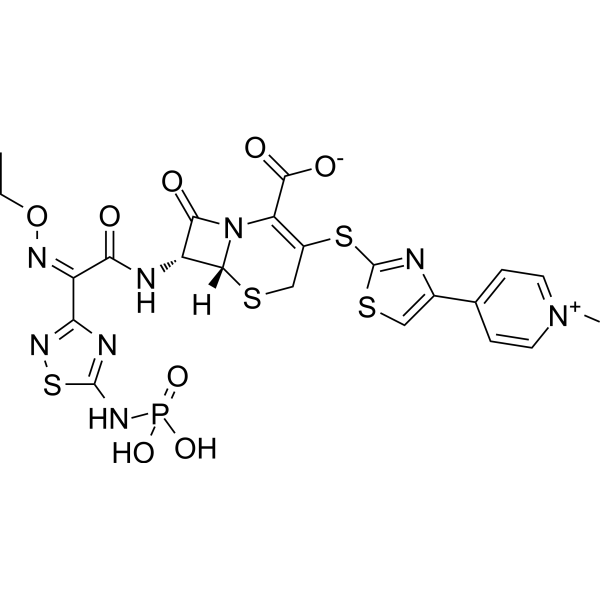
Cat. No.: HY-14737
CAS No.: 400827-46-5
Purity:  99.81%
Synonyms: TAK-599; PPI0903
Target:  

Bacterial Antibiotic

Research Areas:  

Infection

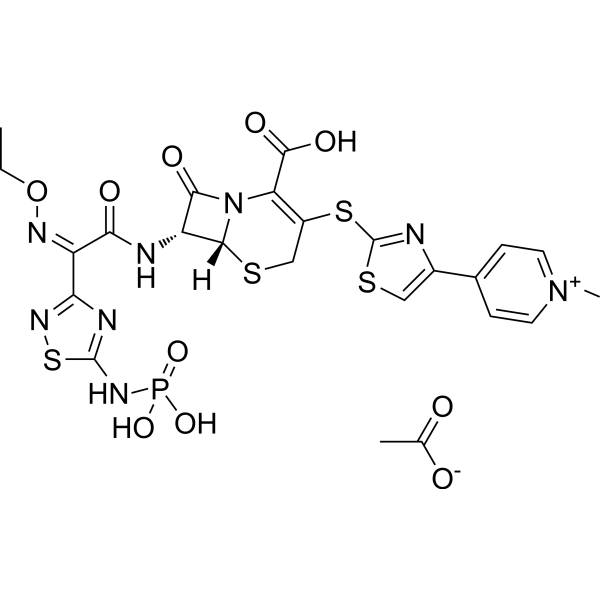
Ceftaroline fosamil (TAK-599), a cephalosporin derivative, is an N-phosphono proagent of anti-methicillin-resistant Staphylococcus aureus (MRSA) T-91825. Ceftaroline fosamil can be used for the research of MRSA infection .
loading...
    loading...
2
2 Cited Publications
Cat. No.: HY-14737A
CAS No.: 400827-55-6
Purity:  98.88%
Synonyms: TAK-599 hydrate; PPI0903 hydrate
Target:  

Antibiotic Bacterial

Research Areas:  

Infection

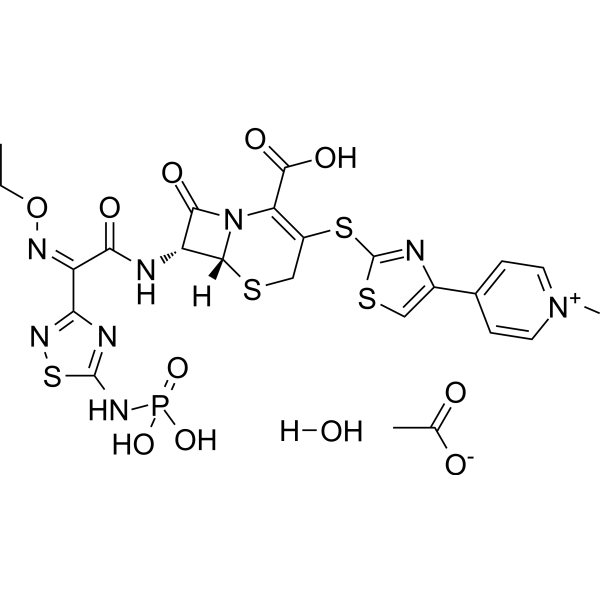
Ceftaroline fosamil hydrate is a potent cephalosporin antibiotic. Ceftaroline fosamil hydrateshows broad-spectrum activity against Gram-positive pathogens, including methicillin-resistant Staphylococcus aureus (MRSA) and multidrug-resistant Streptococcus pneumoniae, and common Gram-negative organisms. Ceftaroline fosamil hydrate has anti-infective activity, and can be used for the research of complicated skin and skin structure infections (cSSSIs) and community-acquired bacterial pneumonia (CABP) .
loading...
    loading...
1
1 Cited Publications
Cat. No.: HY-A0097
CAS No.: 61036-62-2
Synonyms: Antibiotic MDL-507; MDL-507
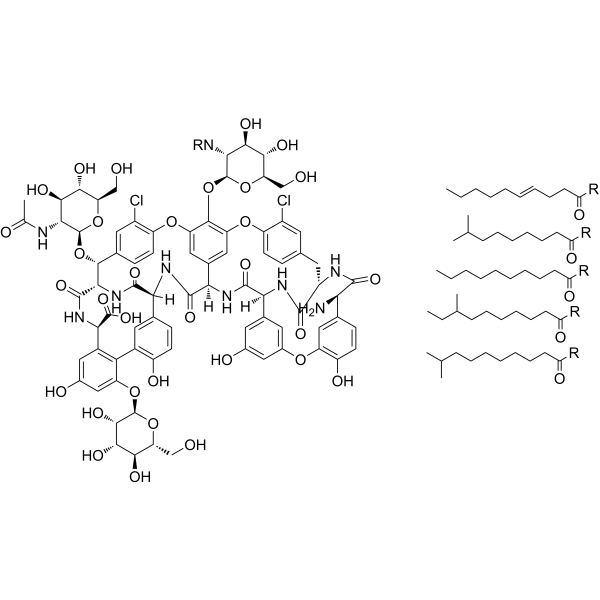
Teicoplanin is a glycopeptide antibiotic indicated for use in serious infections caused by Gram-positive bacteria, including Methicillin-resistant Staphylococcus aureus and Enterococcus aureus.Teicoplanin shows antiviral activity for HIV-1, SARS-CoV1 and SARS-CoV2. Teicoplanin sodium shows anti-MRSA activity .
loading...
    loading...
1
1 Cited Publications
Cat. No.: HY-B1924
CAS No.: 213997-73-0
Synonyms: N-Demethylvancomycin monohydrochloride; NVCM monohydrochloride
Target:  

Bacterial

Research Areas:  

Infection

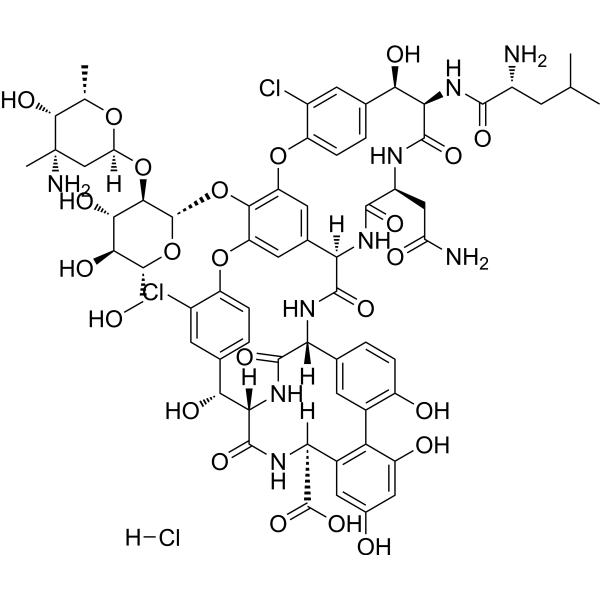
Norvancomycin hydrochloride is a cell wall synthesis inhibitor targeting peptidoglycan precursors of Gram-positive bacteria and cannot pass the blood-brain barrier. Norvancomycin hydrochloride can competitively bind to peptidoglycan precursors, irreversibly inhibit bacterial cell wall synthesis, and exert antibacterial activity. Norvancomycin hydrochloride is mainly used in the study of Gram-positive bacterial infections, especially infections caused by methicillin-resistant Staphylococcus aureus (MRSA) and methicillin-resistant Staphylococcus epidermidis (MRSE). Norvancomycin hydrochloride can also be incorporated into the bionic calcium phosphate coating of titanium implants to enhance antibacterial activity and inhibit postoperative orthopedic infections .
loading...
    loading...
1
1 Cited Publications
Cat. No.: HY-139398
CAS No.: 2071265-08-0
Purity:  99.73%
Target:  

Antibiotic Bacterial

Research Areas:  

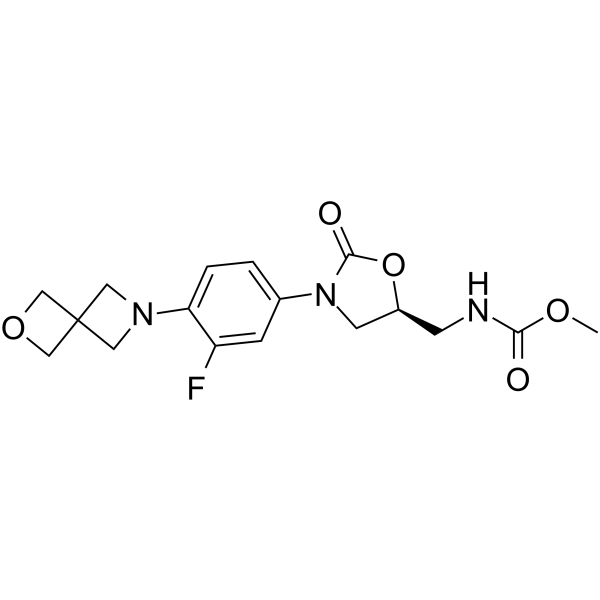
Infection

TBI-223 is an orally active oxazolidinone antibiotic and an antimicrobial. TBI-223 shows activity against Mycobacterium tuberculosis (Mtb). TBI-223 exhibits an IC50 of 68 μg/mL for inhibiting mitochondrial protein synthesis (MPS) in HepG2 cells. TBI-223 is effective in three mouse models (bloodstream infection, skin infection, and bone infection) of methicillin-resistant staphylococcus aureus infection. TBI-223 can be used for the study of tuberculosis .
loading...
    loading...
Cat. No.: HY-16764
CAS No.: 878592-87-1
Synonyms: JNJ-Q2
Target:  

Bacterial Antibiotic

Research Areas:  

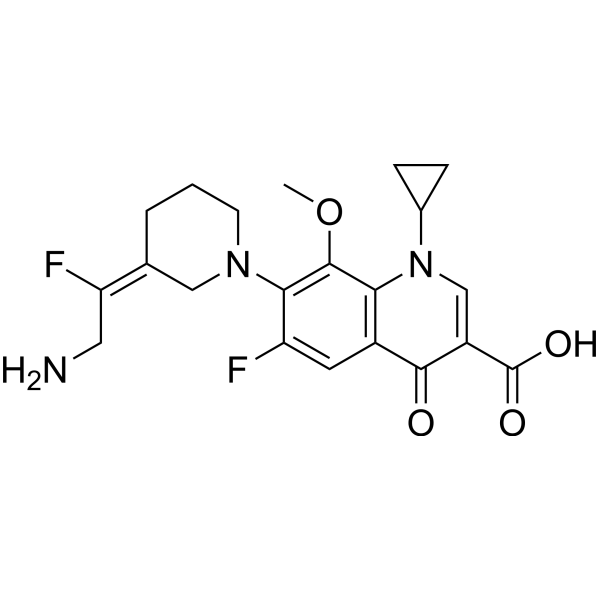
Infection Inflammation/Immunology

Avarofloxacin (JNJ-Q2) is a broad-spectrum fluoroquinolone antibacterial agent being developed for the treatment of acute bacterial skin and skin-structure infections and community-acquired pneumonia with oral activity. Avarofloxacin (JNJ-Q2) is an aminoethylidenylpiperidine fluoroquinolone that demonstrates antibacterial effect against numerous Gram-positive bacteria with a mean 0.12 mg/L MIC90 value. Avarofloxacin (JNJ-Q2) has potential for treatment of methicillin-resistant Staphylococcus aureus (MRSA) infections .
loading...
    loading...
Cat. No.: HY-112959
CAS No.: 372151-71-8
Synonyms: TD-6424
Target:  

Antibiotic Bacterial

Research Areas:  

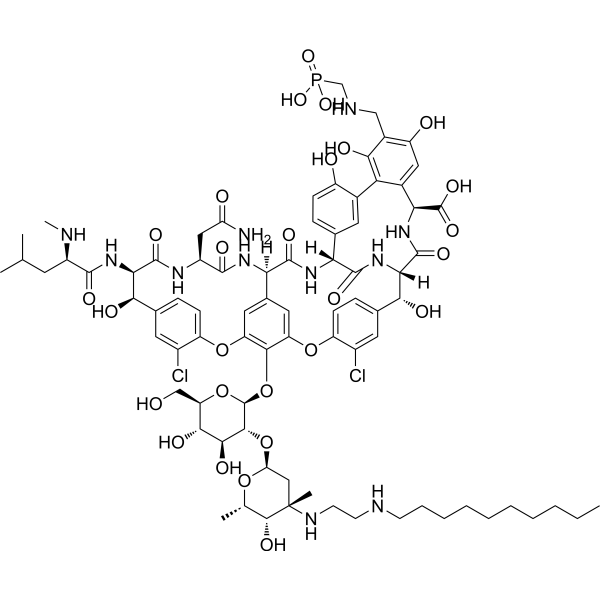
Infection

Telavancin (TD-6424) is a semisynthetic lipoglycopeptide vancomycin-derivative, is a novel antimicrobial agent developed by Theravance for overcoming resistant Gram-positive bacterial infections, specifically methicillin-resistant Staphylococcus aureus (MRSA). Telavancin disrupts cell membrane integrity, can be used for research of complicated skin and skin structure infections (cSSSIs) caused by Gram-positive bacteria .
loading...
    loading...
Cat. No.: HY-10393
CAS No.: 165800-04-4
Purity:  96.11%
Synonyms: PNU-100592
Target:  

Bacterial Antibiotic

Research Areas:  

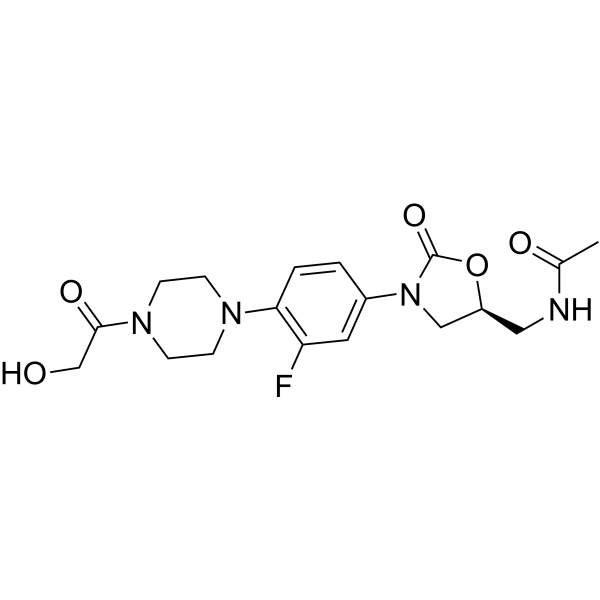
Infection

Eperezolid (PNU-100592) is an orally active protein synthesis inhibitor that targets the bacterial 50S ribosomal subunit. Eperezolid competitively binds to a specific site on the ribosomal 50S subunit (overlapping with the binding sites of chloramphenicol (HY-B0239) and lincomycin (HY-117660)) to inhibit the translation initiation stage and exert antibacterial activity. Eperezolid can induce host cell autophagy to enhance the clearance of intracellular mycobacteria, and its MIC90 for Staphylococcus aureus and Enterococcus is 1-4 μg/mL. Eperezolid is mainly used for antibacterial research on infections with Gram-positive bacteria such as methicillin-resistant (HY-121544) Staphylococci and vancomycin-resistant (HY-B0671) Enterococci, as well as infections with intracellular bacteria such as Mycobacterium tuberculosis .
loading...
    loading...
Cat. No.: HY-W250308A
Synonyms: Epsilon-polylysine hydrochloride (MV 2000-5000); ε-Polylysine hydrochloride (MV 2000-5000); ε-PL hydrochloride (MV 2000-5000)
ε-Poly-L-lysine (Epsilon-polylysine; ε-Polylysine) hydrochloride (MV 2000-5000) is a polycationic antibacterial agent with broad-spectrum activity against Gram-positive bacteria, Gram-negative bacteria, fungi, yeasts and specific bacteriophages. ε-Poly-L-lysine hydrochloride (MV 2000-5000) exerts bactericidal effects through mechanisms such as disrupting microbial membranes, inducing ROS production, inhibiting metabolism and spore germination. ε-Poly-L-lysine hydrochloride (MV 2000-5000) also regulates the expression of multiple key genes including sodA, oxyR and recA. ε-Poly-L-lysine hydrochloride (MV 2000-5000) exhibits properties such as low eukaryotic cytotoxicity, thermal stability and pH stability, and supports tissue regeneration and anti-tumor applications. ε-Poly-L-lysine hydrochloride (MV 2000-5000) can be applied in research fields including bacterial and fungal infections, diabetic ulcers, and methicillin-resistant Staphylococcus aureus infections .
loading...
    loading...
Cat. No.: HY-P10486
CAS No.: 200010-31-7
Target:  

Bacterial

Research Areas:  

Infection

AIP-II is a cyclic peptide signaling molecule for quorum sensing, which is produced by Staphylococcus aureus. AIP-II potently inhibits AgrC-III in Methicillin (HY-121544)-resistant type III Staphylococcus aureus strain AH1747, with an IC50 of 0.532 nM. AIP-II binds to the AgrC-II receptor and regulates virulence gene expression in Staphylococcus aureus .
loading...
    loading...
Cat. No.: HY-W013827
CAS No.: 641-74-7
Synonyms: 1,4:3,6-Dianhydromannitol
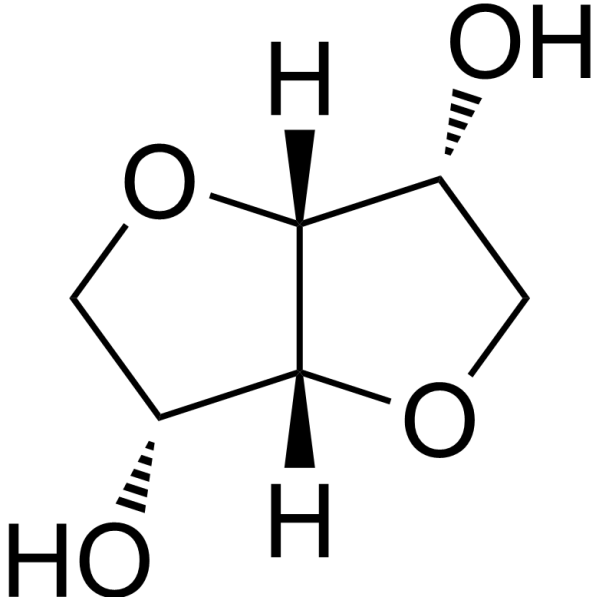
Isomannide (1,4:3,6-Dianhydromannitol) is a cyclic diol and a derivative of Isosorbide (HY-B1469). Isomannide serves as a starting material for chiral solubilizers and a linker group for novel bacterial topoisomerase inhibitors (NBTIs). Isomannide is also used in the synthesis of biocompatible polymers .
loading...
    loading...
Cat. No.: HY-N15451
CAS No.: 112515-42-1
Deoxytopsentin (compound 5) is a marine bisindole alkaloid and also a MRSA pyruvate kinase inhibitor. Deoxytopsentin exists in sponges. Deoxytopsentin exhibits antibacterial activity against methicillin-resistant Staphylococcus aureus strains in vitro .
loading...
    loading...
Cat. No.: HY-P2754
CAS No.: 9013-53-0
Target:  

Endonuclease Bacterial

Research Areas:  

Infection

Micrococcal nuclease is a secreted nuclease from Staphylococcus aureus. It digests single-stranded and double-stranded DNA (ssDNA and dsDNA) as well as RNA, cleaves oligonucleotide linkers with T-T sites, and cuts neutrophil extracellular traps and biofilm extracellular DNA into mononucleotides and dinucleotides. Micrococcal nuclease stimulates the formation of Staphylococcus aureus biofilms and mediates immune evasion. It triggers on-demand release of antibiotics from hydrogel coatings, prolongs the formation of neutrophil extracellular traps, and promotes the dissemination and survival of MRSA during infection. Micrococcal nuclease is applicable to research and characterization related to Staphylococcus aureus infection .
loading...
    loading...
Cat. No.: HY-P2977
CAS No.: 9027-60-5
Synonyms: Sialic acid aldolase (CgNal)
N-Acetylneuraminate lyase (CgNal) (Sialic acid aldolase (CgNal)) is a rate-limiting enzyme in bacteria metabolism that catalyzes the reversible aldol cleavage of sialic acid, and it regulates the overall metabolism of the bacterial sialic acid catabolic pathway. N-Acetylneuraminate lyase (CgNal) catalyzes the reversible condensation reaction of pyruvate and N-acetyl-d-mannosamine (ManNAc) to produce sialic acid N-acetylneuraminic acid (Neu5Ac). The protein expression of N-Acetylneuraminate lyase is downregulated at the translational level under the regulation of methyl methanesulfonate, and this change significantly impairs the adhesion and invasion abilities of bacteria to eukaryotic cells. N-Acetylneuraminate lyase is a key virulence-related protein in various pathogenic bacteria and is considered an antibiotic drug target. N-Acetylneuraminate lyase (CgNal) can be used in studies of invasive (extraintestinal) infectious diseases, Crohn's disease, and methicillin-resistant Staphylococcus aureus infections .
loading...
    loading...
Cat. No.: HY-111071
CAS No.: 934628-27-0
Purity:  99.58%
Synonyms: CG-400549
Target:  

Antibiotic Bacterial

Research Areas:  

Infection

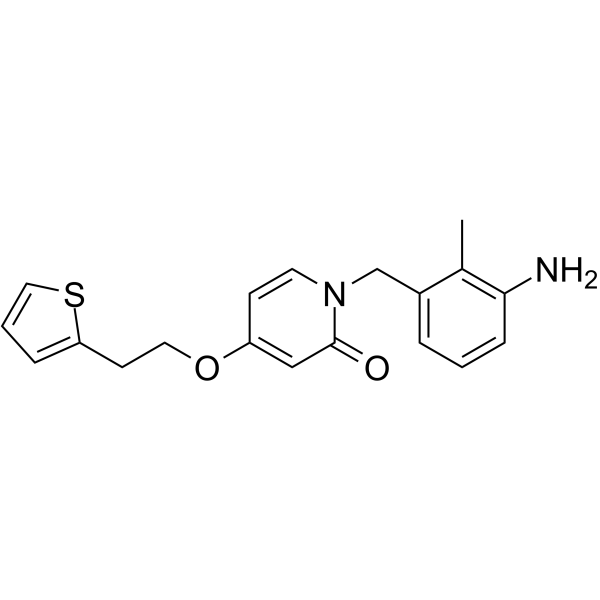
Nilofabicin (CG-400549) is an anti-bacterialagent that targets FabI. Nilofabicin shows high selectivity for the genus Staphylococcus and weak activity against most Gram-negative bacteria. Nilofabicin inhibits bacterial fatty acid biosynthesis, blocks phospholipid synthesis, and disrupts the structure of bacterial cell membranes. Nilofabicin exhibits in vivo antibacterial efficacy in a mouse model of systemic Staphylococcus aureus infection. Nilofabicin can be used in studies related to bacterial infections .
loading...
    loading...
Cat. No.: HY-12888
CAS No.: 907543-25-3
Target:  

Topoisomerase Bacterial

Research Areas:  

Infection

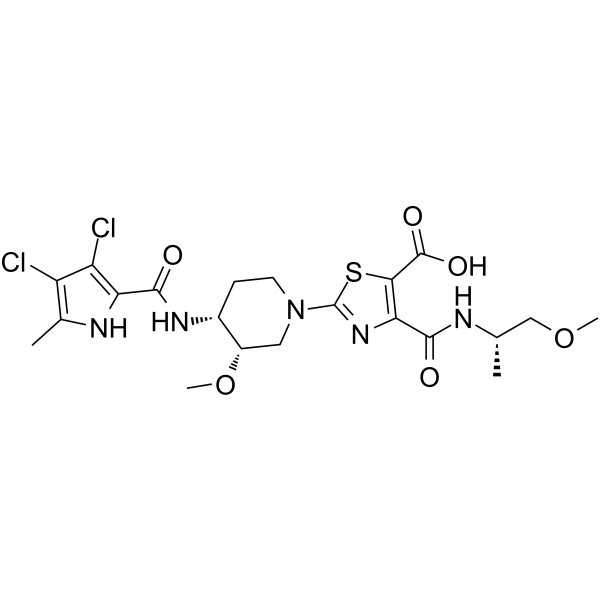
AZD5099 is an orally effective pyrrole amide inhibitor and antibacterial agent. AZD5099 shows over 10000-fold higher selectivity for bacterial type II topoisomerases than for human topoisomerase IIα, with a IC50 value of 0.032 μmol/L against Staphylococcus aureus GyrB, a IC50 of 0.760 μmol/L against Escherichia coli GyrB, a IC50 of 73 nM against Escherichia coli ParE, a Kd of 83.8 nmol/L for Staphylococcus aureus GyrB, and a IC50 of >50 μM against human topoisomerase IIα. AZD5099 inhibits rat Mrp2 ATPase activity, competitively binds to the ATP-binding site of bacterial type II topoisomerases, blocks enzyme activity, reduces bacterial DNA and RNA synthesis, disrupts DNA replication and transcription processes, and induces mitochondrial toxicity. AZD5099 exhibits activity against Gram-positive bacteria, fastidious Gram-negative bacteria and drug-resistant strains, reduces bacterial loads in mouse infection models, and has a low spontaneous resistance frequency. AZD5099 can be used in studies related to infections caused by Gram-positive bacteria and fastidious Gram-negative bacteria, methicillin-resistant Staphylococcus aureus infections, Streptococcus pneumoniae pulmonary infections, as well as Staphylococcus aureus and Escherichia coli infections .
loading...
    loading...
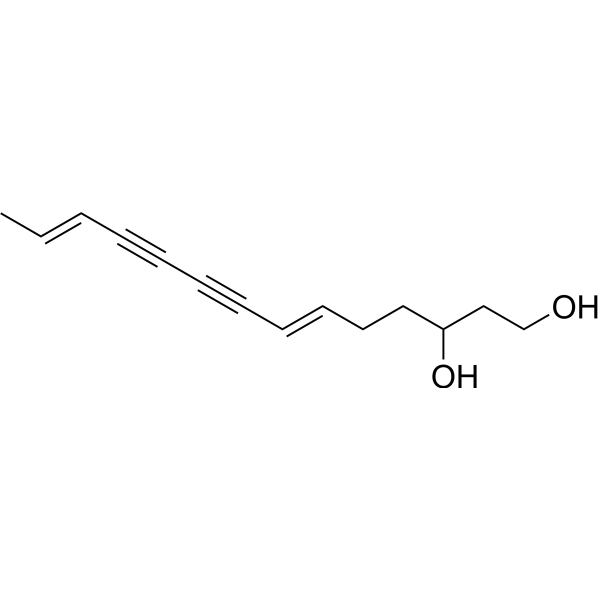
Cat. No.: HY-N10834
CAS No.: 120166-71-4
(6E,12E)-Tetradecadiene-8,10-diyne-1,3-diol is an antibacterial compound. (6E,12E)-Tetradecadiene-8,10-diyne-1,3-diol can be isolated from the roots of Atractylodes japonica. (6E,12E)-Tetradecadiene-8,10-diyne-1,3-diol has anti-methicillin-resistant Staphylococcus aureus (MRSA) activity with MIC values of 4-32 μg/mL. (6E,12E)-Tetradecadiene-8,10-diyne-1,3-diol can be used for the research of bacterial infection . (6E,12E)-Tetradecadiene-8,10-diyne-1,3-diol is a click chemistry reagent, it contains an Alkyne group and can undergo copper-catalyzed azide-alkyne cycloaddition (CuAAc) with molecules containing Azide groups.
loading...
    loading...
Cat. No.: HY-14738
CAS No.: 229016-73-3
Synonyms: TAK-599 free acid; PPI0903 free acid
Target:  

Bacterial Antibiotic

Research Areas:  

Infection

Ceftaroline fosamil (inner) (TAK-599 free acid), a cephalosporin derivative, is an N-phosphono proagent of anti-methicillin-resistant Staphylococcus aureus (MRSA) T-91825. Ceftaroline fosamil (inner) can be used for the research of MRSA infection .
loading...
    loading...
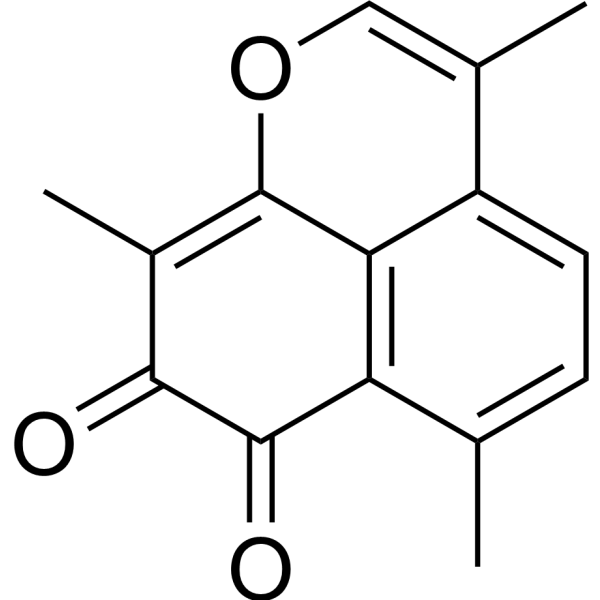
Cat. No.: HY-119528
CAS No.: 5090-88-0
Mansonone F acts as an estrogen receptor antagonist and an antimicrobial agent. Mansonone F effectively inhibits 17β-estradiol-induced β-galactosidase activity. Derivatives of Mansonone F also exhibit antioxidant and anti-Staphylococcus aureus biological activities. Mansonone F can be used in studies related to Staphylococcus aureus infections and methicillin-resistant Staphylococcus aureus (MRSA) infections .
loading...
    loading...
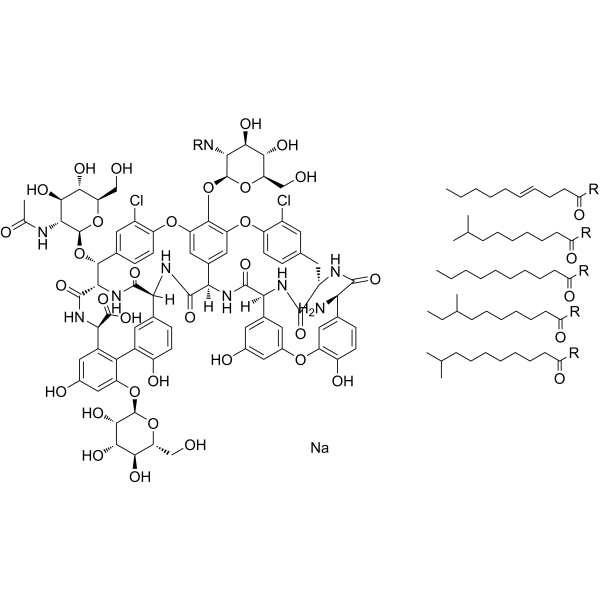
Cat. No.: HY-A0097A
CAS No.: 184539-13-7
Synonyms: Antibiotic MDL-507 sodium; MDL-507 sodium
Teicoplanin sodium is a glycopeptide antibiotic indicated for use in serious infections caused by Gram-positive bacteria, including Methicillin-resistant Staphylococcus aureus and Enterococcus aureus.Teicoplanin sodium shows antiviral activity for HIV-1, SARS-CoV1 and SARS-CoV2. Teicoplanin sodium shows anti-MRSA activity .
loading...
    loading...

