

1. Search Result
Search Result
Pathways Recommended: Anti-infection
Results for "

methicillin-resistant staphylococcus aureus infection

" in MedChemExpress (MCE) Product Catalog:

55

Inhibitors & Agonists

2

Biochemical Assay Reagents

3

Peptides

9

Natural
Products

Cat. No. Product Name Target Research Areas Chemical Structure
  • HY-A0097
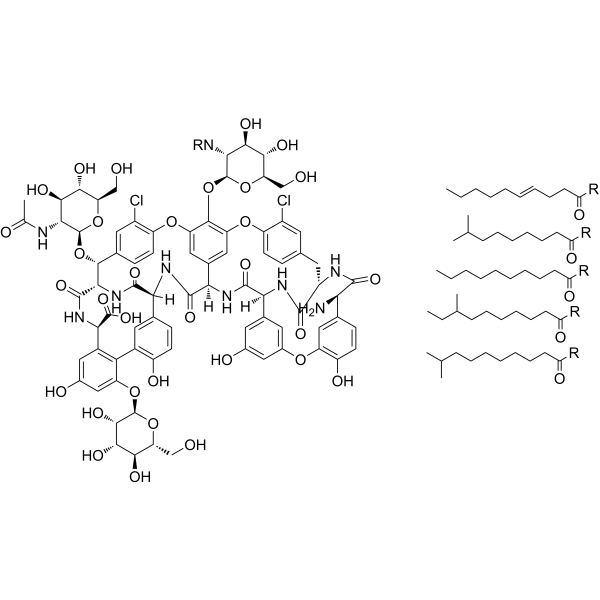
    Teicoplanin
    1 Publications Verification

    Antibiotic MDL-507; MDL-507

    Bacterial Antibiotic Infection
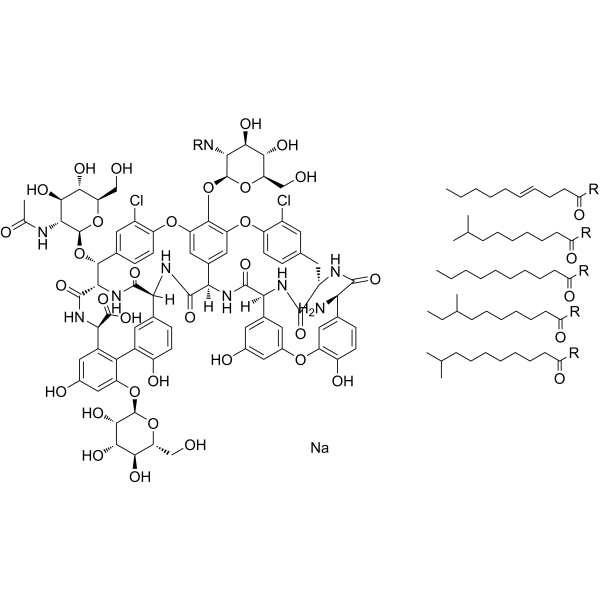
    Teicoplanin is a glycopeptide antibiotic indicated for use in serious infections caused by Gram-positive bacteria, including Methicillin-resistant Staphylococcus aureus and Enterococcus aureus.Teicoplanin shows antiviral activity for HIV-1, SARS-CoV1 and SARS-CoV2. Teicoplanin sodium shows anti-MRSA activity .
    Teicoplanin
  • HY-14737
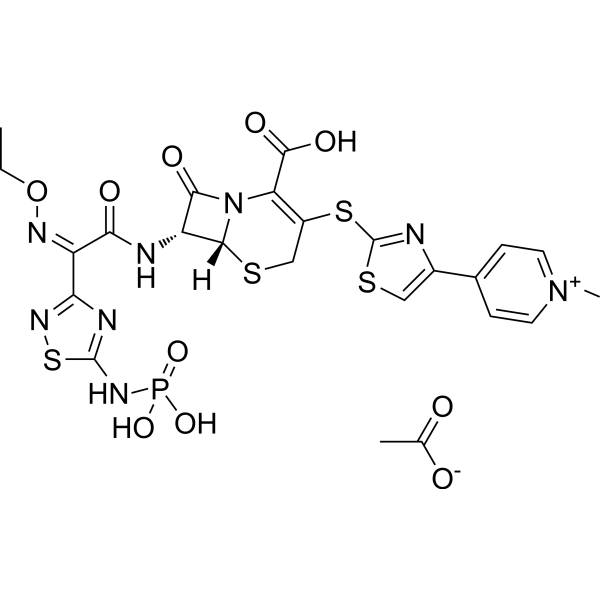
    Ceftaroline fosamil
    2 Publications Verification

    TAK-599; PPI0903

    Bacterial Antibiotic Infection
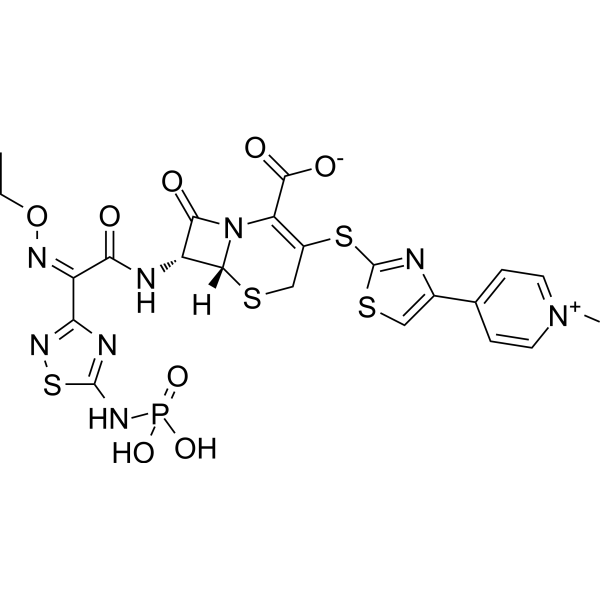
    Ceftaroline fosamil (TAK-599), a cephalosporin derivative, is an N-phosphono proagent of anti-methicillin-resistant Staphylococcus aureus (MRSA) T-91825. Ceftaroline fosamil can be used for the research of MRSA infection .
    Ceftaroline fosamil
  • HY-16764

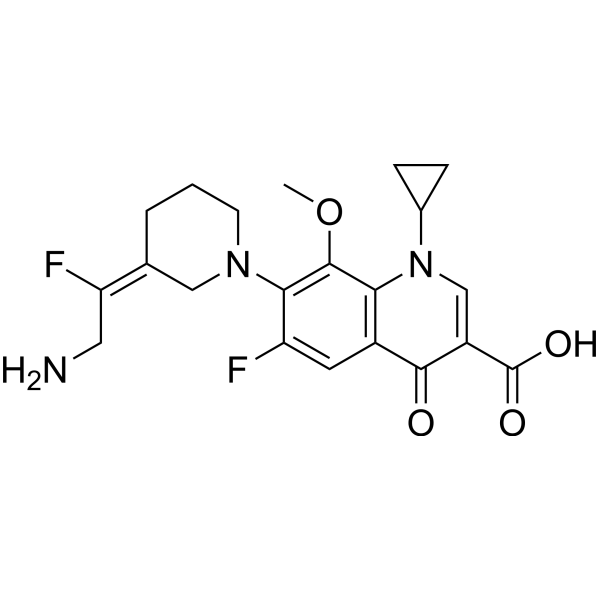
    JNJ-Q2

    Bacterial Antibiotic Infection Inflammation/Immunology
    Avarofloxacin (JNJ-Q2) is a broad-spectrum fluoroquinolone antibacterial agent being developed for the treatment of acute bacterial skin and skin-structure infections and community-acquired pneumonia with oral activity. Avarofloxacin (JNJ-Q2) is an aminoethylidenylpiperidine fluoroquinolone that demonstrates antibacterial effect against numerous Gram-positive bacteria with a mean 0.12 mg/L MIC90 value. Avarofloxacin (JNJ-Q2) has potential for treatment of methicillin-resistant Staphylococcus aureus (MRSA) infections .
    Avarofloxacin
  • HY-B1924
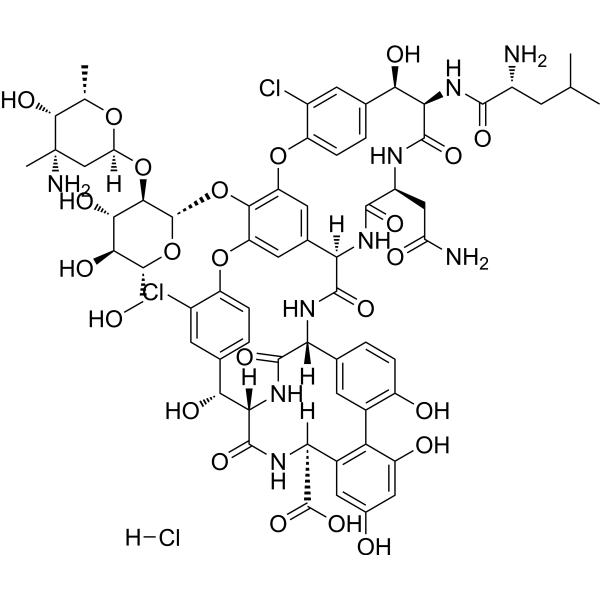
    Norvancomycin monohydrochloride
    1 Publications Verification

    N-Demethylvancomycin monohydrochloride; NVCM monohydrochloride

    Bacterial Infection
    Norvancomycin hydrochloride is a cell wall synthesis inhibitor targeting peptidoglycan precursors of Gram-positive bacteria and cannot pass the blood-brain barrier. Norvancomycin hydrochloride can competitively bind to peptidoglycan precursors, irreversibly inhibit bacterial cell wall synthesis, and exert antibacterial activity. Norvancomycin hydrochloride is mainly used in the study of Gram-positive bacterial infections, especially infections caused by methicillin-resistant Staphylococcus aureus (MRSA) and methicillin-resistant Staphylococcus epidermidis (MRSE). Norvancomycin hydrochloride can also be incorporated into the bionic calcium phosphate coating of titanium implants to enhance antibacterial activity and inhibit postoperative orthopedic infections .
    Norvancomycin monohydrochloride
  • HY-112959

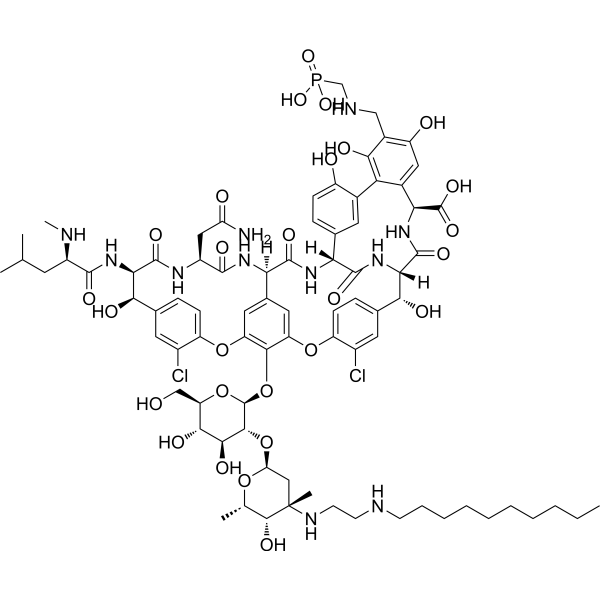
    TD-6424

    Antibiotic Bacterial Infection
    Telavancin (TD-6424) is a semisynthetic lipoglycopeptide vancomycin-derivative, is a novel antimicrobial agent developed by Theravance for overcoming resistant Gram-positive bacterial infections, specifically methicillin-resistant Staphylococcus aureus (MRSA). Telavancin disrupts cell membrane integrity, can be used for research of complicated skin and skin structure infections (cSSSIs) caused by Gram-positive bacteria .
    Telavancin
  • HY-10393

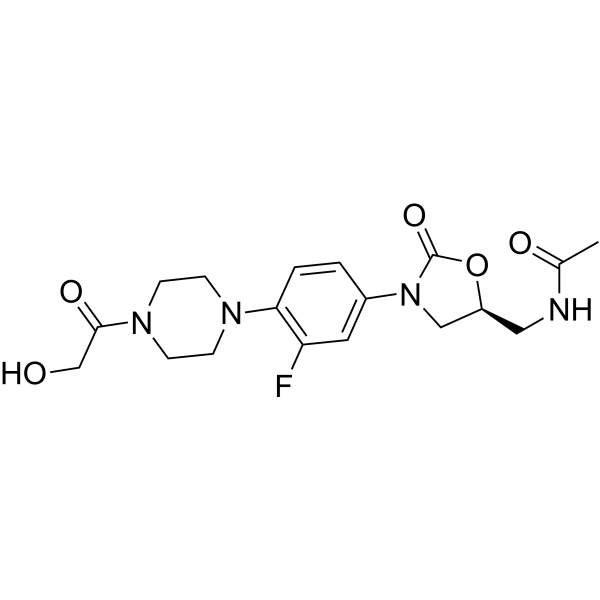
    PNU-100592

    Bacterial Antibiotic Infection
    Eperezolid (PNU-100592) is an orally active protein synthesis inhibitor that targets the bacterial 50S ribosomal subunit. Eperezolid competitively binds to a specific site on the ribosomal 50S subunit (overlapping with the binding sites of chloramphenicol (HY-B0239) and lincomycin (HY-117660)) to inhibit the translation initiation stage and exert antibacterial activity. Eperezolid can induce host cell autophagy to enhance the clearance of intracellular mycobacteria, and its MIC90 for Staphylococcus aureus and Enterococcus is 1-4 μg/mL. Eperezolid is mainly used for antibacterial research on infections with Gram-positive bacteria such as methicillin-resistant (HY-121544) Staphylococci and vancomycin-resistant (HY-B0671) Enterococci, as well as infections with intracellular bacteria such as Mycobacterium tuberculosis .
    Eperezolid
  • HY-W250308A

    Epsilon-polylysine hydrochloride (MV 2000-5000); ε-Polylysine hydrochloride (MV 2000-5000); ε-PL hydrochloride (MV 2000-5000)

    Bacterial Fungal Reactive Oxygen Species (ROS) Infection
    ε-Poly-L-lysine (Epsilon-polylysine; ε-Polylysine) hydrochloride (MV 2000-5000) is a polycationic antibacterial agent with broad-spectrum activity against Gram-positive bacteria, Gram-negative bacteria, fungi, yeasts and specific bacteriophages. ε-Poly-L-lysine hydrochloride (MV 2000-5000) exerts bactericidal effects through mechanisms such as disrupting microbial membranes, inducing ROS production, inhibiting metabolism and spore germination. ε-Poly-L-lysine hydrochloride (MV 2000-5000) also regulates the expression of multiple key genes including sodA, oxyR and recA. ε-Poly-L-lysine hydrochloride (MV 2000-5000) exhibits properties such as low eukaryotic cytotoxicity, thermal stability and pH stability, and supports tissue regeneration and anti-tumor applications. ε-Poly-L-lysine hydrochloride (MV 2000-5000) can be applied in research fields including bacterial and fungal infections, diabetic ulcers, and methicillin-resistant Staphylococcus aureus infections .
    ε-Poly-L-lysine hydrochloride (MV 2000-5000)
  • HY-P10486

    Bacterial Infection
    AIP-II is a cyclic peptide signaling molecule for quorum sensing, which is produced by Staphylococcus aureus. AIP-II potently inhibits AgrC-III in Methicillin (HY-121544)-resistant type III Staphylococcus aureus strain AH1747, with an IC50 of 0.532 nM. AIP-II binds to the AgrC-II receptor and regulates virulence gene expression in Staphylococcus aureus .
    AIP-II
  • HY-139398
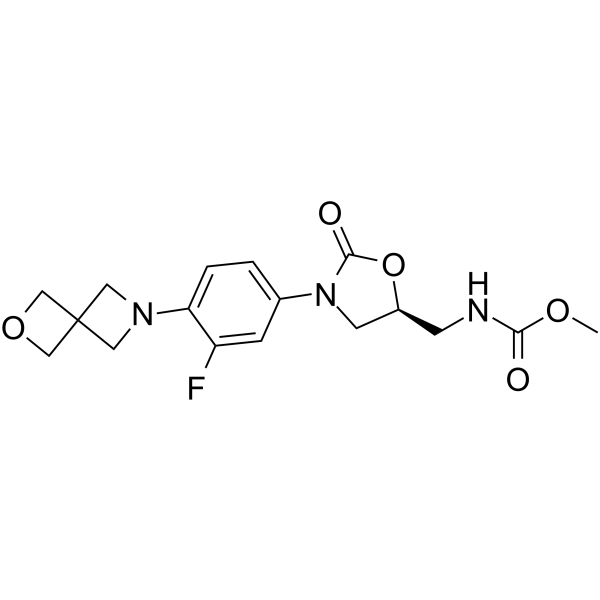
    TBI-223
    1 Publications Verification

    Antibiotic Bacterial Infection
    TBI-223 is an orally active oxazolidinone antibiotic and an antimicrobial. TBI-223 shows activity against Mycobacterium tuberculosis (Mtb). TBI-223 exhibits an IC50 of 68 μg/mL for inhibiting mitochondrial protein synthesis (MPS) in HepG2 cells. TBI-223 is effective in three mouse models (bloodstream infection, skin infection, and bone infection) of methicillin-resistant staphylococcus aureus infection. TBI-223 can be used for the study of tuberculosis .
    TBI-223
  • HY-14737A
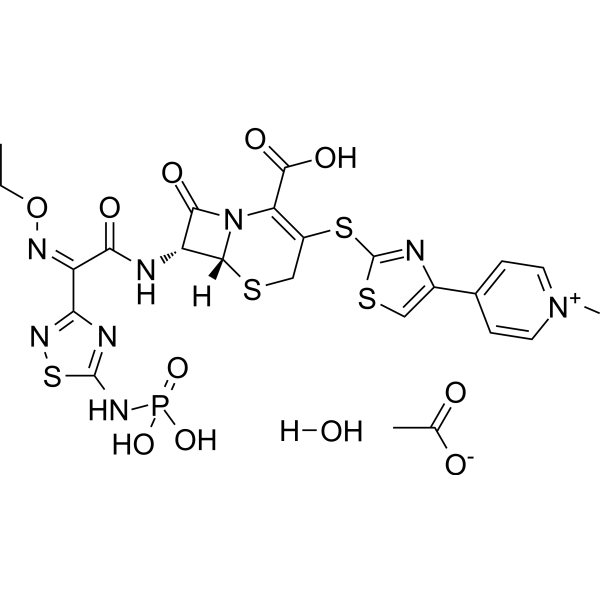
    Ceftaroline fosamil hydrate
    2 Publications Verification

    TAK-599 hydrate; PPI0903 hydrate

    Antibiotic Bacterial Infection
    Ceftaroline fosamil hydrate is a potent cephalosporin antibiotic. Ceftaroline fosamil hydrateshows broad-spectrum activity against Gram-positive pathogens, including methicillin-resistant Staphylococcus aureus (MRSA) and multidrug-resistant Streptococcus pneumoniae, and common Gram-negative organisms. Ceftaroline fosamil hydrate has anti-infective activity, and can be used for the research of complicated skin and skin structure infections (cSSSIs) and community-acquired bacterial pneumonia (CABP) .
    Ceftaroline fosamil hydrate
  • HY-N15451

    Pyruvate Kinase Infection
    Deoxytopsentin (compound 5) is a marine bisindole alkaloid and also a MRSA pyruvate kinase inhibitor. Deoxytopsentin exists in sponges. Deoxytopsentin exhibits antibacterial activity against methicillin-resistant Staphylococcus aureus strains in vitro .
    Deoxytopsentin
  • HY-127072

    Antibiotic Bacterial Infection Inflammation/Immunology Cancer
    Amicoumacin A is an orally active antibiotic. Amicoumacin A targets bacterial ribosomes and inhibits bacterial translation by stabilizing the interaction between mRNA and ribosomes. Amicoumacin A induces cancer cell death by targeting eukaryotic ribosomes. Amicoumacin A exhibits anti-inflammatory and anti-ulcer activities, inhibits carrageenan-induced paw edema, and prevents stress-induced gastric ulcers. Amicoumacin A inhibits the growth of Gram-positive bacteria, Salmonella spp., Shigella spp., Helicobacter pylori, and methicillin-resistant Staphylococcus aureus. Amicoumacin A can be used in the research of lung cancer, breast cancer, bacterial infections, inflammatory edema and gastric ulcers [2] .
    Amicoumacin A
  • HY-N10834

    Bacterial Infection
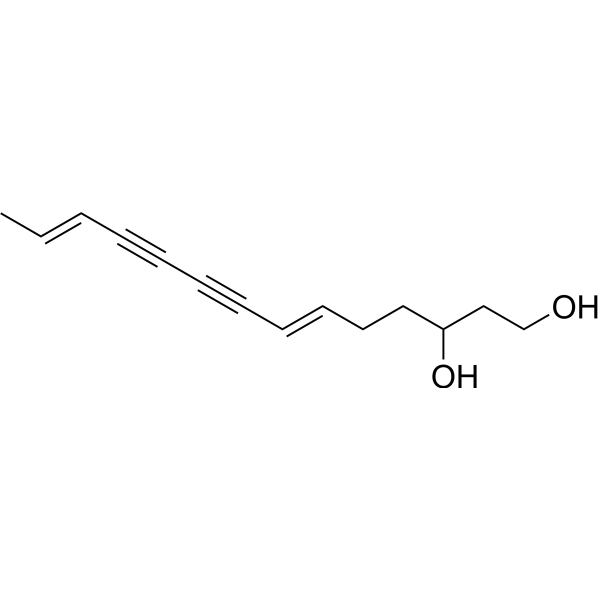
    (6E,12E)-Tetradecadiene-8,10-diyne-1,3-diol is an antibacterial compound. (6E,12E)-Tetradecadiene-8,10-diyne-1,3-diol can be isolated from the roots of Atractylodes japonica. (6E,12E)-Tetradecadiene-8,10-diyne-1,3-diol has anti-methicillin-resistant Staphylococcus aureus (MRSA) activity with MIC values of 4-32 μg/mL. (6E,12E)-Tetradecadiene-8,10-diyne-1,3-diol can be used for the research of bacterial infection . (6E,12E)-Tetradecadiene-8,10-diyne-1,3-diol is a click chemistry reagent, it contains an Alkyne group and can undergo copper-catalyzed azide-alkyne cycloaddition (CuAAc) with molecules containing Azide groups.
    (6E,12E)-Tetradecadiene-8,10-diyne-1,3-diol
  • HY-14738

    TAK-599 free acid; PPI0903 free acid

    Bacterial Antibiotic Infection
    Ceftaroline fosamil (inner) (TAK-599 free acid), a cephalosporin derivative, is an N-phosphono proagent of anti-methicillin-resistant Staphylococcus aureus (MRSA) T-91825. Ceftaroline fosamil (inner) can be used for the research of MRSA infection .
    Ceftaroline fosamil (inner)
  • HY-A0097A

    Antibiotic MDL-507 sodium; MDL-507 sodium

    Antibiotic HIV SARS-CoV Infection
    Teicoplanin sodium is a glycopeptide antibiotic indicated for use in serious infections caused by Gram-positive bacteria, including Methicillin-resistant Staphylococcus aureus and Enterococcus aureus.Teicoplanin sodium shows antiviral activity for HIV-1, SARS-CoV1 and SARS-CoV2. Teicoplanin sodium shows anti-MRSA activity .
    Teicoplanin sodium
  • HY-175301

    Bacterial Reactive Oxygen Species (ROS) Infection
    TH16 is an antibacterial agent (MIC=2 μg/mL against methicillin-resistant Staphylococcus aureus, MRSA). TH16 disrupts bacterial cytoplasmic membrane integrity, elevating intracellular reactive oxygen species (ROS) levels to induce bacterial death. TH16 is promising for research of bacterial infection .
    TH16
  • HY-173478

    Topoisomerase Bacterial Antibiotic Infection
    OSUAB-0284 is a bacterial topoisomerase inhibitor. OSUAB-0284 has significant anti-staphylococcal activity, especially against methicillin-resistant Staphylococcus aureus (MRSA). OSUAB-0284 exerts its antibacterial effect by inhibiting bacterial topoisomerase. OSUAB-0284 can be used to study infections caused by drug-resistant bacteria such as MRSA .
    OSUAB-0284
  • HY-14737R

    TAK-599 (Standard); PPI0903 (Standard)

    Reference Standards Bacterial Antibiotic Infection
    Ceftaroline fosamil (Standard) is the analytical standard of Ceftaroline fosamil. This product is intended for research and analytical applications. Ceftaroline fosamil (TAK-599), a cephalosporin derivative, is an N-phosphono proagent of anti-methicillin-resistant Staphylococcus aureus (MRSA) T-91825. Ceftaroline fosamil can be used for the research of MRSA infection[1][2][3].
    Ceftaroline fosamil (Standard)
  • HY-178912

    Reactive Oxygen Species (ROS) Bacterial ClpP Infection Inflammation/Immunology
    Anti-MRSA agent 39 is an orally active ClpX modulator that binds Staphylococcus aureus caseinolytic protease X (SaClpX) with high affinity (Kd = 3.6 μM). Anti-MRSA agent 39 exerts antibacterial effects through temperature-dependent inhibition of cell division. Anti-MRSA agent 39 elicits profound metabolic dysregulation in methicillin-resistant Staphylococcus aureus (MRSA), manifesting as significantly reduced ATP levels, elevated reactive oxygen species (ROS), and decreased NAD+/NADH ratio, and accelerates bacterial lysis rates in MRSA ATCC 33591. Anti-MRSA agent 39 significantly increases the proportion of MRSA cells in the mitotic phase, and the cells exhibit obvious morphological abnormalities. Anti-MRSA agent 39 can be used for the study of invasive MRSA infections .
    Anti-MRSA agent 39
  • HY-157482

    Bacterial Infection
    EBP-59 is a bacterial inhibitor with antibiofilm activity against Gram-positive bacteria. EBP-59 is effective against Staphylococcus aureus and MRSA (methicillin–resistant staphylococcus aureus). EBP-59 can be used to study bacterial infections .
    EBP-59
  • HY-174273

    Bacterial Infection
    Antibacterial agent 280 (Compound 7af) is an antibacterial agent targeting methicillin-resistant and vancomycin-resistant Staphylococcus aureus (MRSA, VRSA). Antibacterial agent 280 is promising for research of is promising for research of S. aureus infections .
    Antibacterial agent 280
  • HY-170567

    Topoisomerase Bacterial Antibiotic Infection
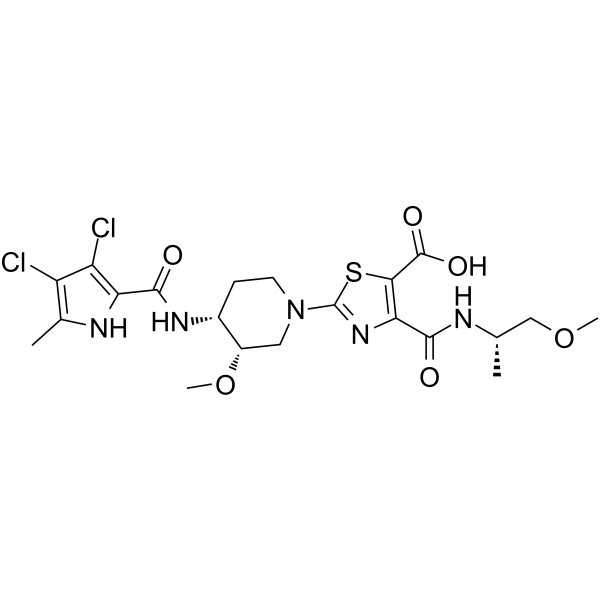
    DNA gyrase/Topo IV-IN-1 (Compound 27) is an inhibitor of DNA gyrase and topoisomerase IV, exhibiting antibacterial activity. For Escherichia coli and methicillin-resistant Staphylococcus aureus DNA gyrases, DNA gyrase/Topo IV-IN-1 has an IC50 of 11 and 17 nM respectively, and for topoisomerase IV of Escherichia coli and methicillin-resistant Staphylococcus aureus, the IC50 values are 83 and 21 nM respectively. DNA gyrase/Topo IV-IN-1 can be used for research in the field of anti-infection .
    DNA gyrase/Topo IV-IN-1
  • HY-175338

    Bacterial Infection
    Anti-MRSA agent 34 (Compound 6) is an antimicrobial agent targeting methicillin-resistant Staphylococcus aureus (MRSA) (MIC=14 μg/mL). Anti-MRSA agent 34 is promising for research of microbial infection .
    Anti-MRSA agent 34
  • HY-174985

    Bacterial Infection
    Anti-MRSA agent 32 (Compound 26) is an orally active and selective SaClpP (Staphylococcus aureus ClpP protease) activator with an EC50 value of 0.98 μM. Anti-MRSA agent 32 activates SaClpP to abnormally degrade bacterial proteins, inhibiting the proliferation of Staphylococcus aureus. Anti-MRSA agent 32 promotes wound healing in a murine skin infection model. Anti-MRSA agent 32 is promising for research of infectious diseases such as methicillin-resistant Staphylococcus aureus (MRSA) infections .
    Anti-MRSA agent 32
  • HY-173240

    Bacterial Infection
    IPMCL-28b is an antibacterial agent targeting the bacterial cell membrane. Its minimum inhibitory concentration (MIC) against Staphylococcus aureus ATCC 25923 is 1.56 μg/mL, and the MIC against methicillin-resistant Staphylococcus aureus (MRSA) is 6.25 μg/mL. IPMCL-28b is expected to be used in the research of the anti-infection field .
    IPMCL-28b
  • HY-Z8025

    Bacterial Infection Inflammation/Immunology
    Deprodone is an active compound. Deprodone inhibits key processes such as bacterial cell wall synthesis by interacting with the hydrolase and transferase proteins of methicillin-resistant Staphylococcus aureus (MRSA). Deprodone is used in research on anti-MRSA infection, inflammatory skin disorders, bowel disease, and fatty acid metabolism disorders .
    Deprodone
  • HY-156122

    Dihydrofolate reductase (DHFR) Bacterial Infection
    DHFR-IN-8 (compound 6r) is a dihydrofolate reductase (DHFR) inhibitor that affects purine and thymidylate biosynthesis in cell proliferation and growth. DHFR-IN-8 inhibits methicillin-resistant Staphylococcus aureus (MRSA) ATCC 43300 (IC50=15.6 ng/mL) in mouse models of systemic infection and thigh infection .
    DHFR-IN-8
  • HY-174158

    Bacterial Infection
    Antibacterial agent 270 (Compound 3e) is an antibacterial agent that acts on bacterial membrane components phosphatidylglycerol (PG), cardiolipin (CL), and bacterial DNA. Antibacterial agent 270 disrupts bacterial membrane structure and binds to DNA to interfere with genetic information transmission. Antibacterial agent 270 is promising for research of infections caused by methicillin-resistant Staphylococcus aureus (MRSA) .
    Antibacterial agent 270
  • HY-N3989

    Bacterial UGT Interleukin Related SOD COX Infection Inflammation/Immunology
    Haplopine is a substance with anti-inflammatory, antioxidant and photoactivated antibacterial activities. It also acts as an inhibitor of UGT1A7 and a photoactivated restriction endonuclease inhibitor. Haplopine inhibits the mRNA/protein expression of IL-6, TSLP, GM-CSF, G-CSF, IL-4, IL-13 and COX-2, while upregulating the mRNA/protein expression of SOD, CAT and HO-1. Haplopine inhibits the glucuronidation reaction catalyzed by UGT1A7 through competitive hydrophobic binding. Haplopine exerts photoactivated restriction endonuclease inhibitory effects by binding to DNA. Haplopine exhibits photoactivated activity against methicillin-resistant Staphylococcus aureus. Haplopine alleviates symptoms of atopic dermatitis. Haplopine can be used in research related to atopic dermatitis and methicillin-resistant Staphylococcus aureus infections .
    Haplopine
  • HY-173225

    Bacterial Infection
    MRSA/VRE-IN-1 (Compound 3e) is an inhibitor against methicillin-resistant Staphylococcus aureus (MRSA) and vancomycin-resistant Enterococcus (VRE). The MIC/MBC of MRSA/VRE-IN-1 against VRE is 3.6/7.3 µM, and against MRSA is 7.3/14.6 µM. MRSA/VRE-IN-1 can be used in the research of the anti-infection field .
    MRSA/VRE-IN-1
  • HY-16764A

    JNJ-Q2 hydrochloride

    Bacterial Infection Inflammation/Immunology
    Acorafloxacin hydrochloride (JNJ-Q2 hydrochloride) is a broad-spectrum fluoroquinolone anti-bacterial drug being developed for the treatment of acute bacterial skin and skin-structure infections and community-acquired pneumonia . Acorafloxacin hydrochloride is an aminoethylidenylpiperidine fluoroquinolone that demonstrates antibacterial effect against numerous Gram-positive bacteria with a mean 0.12 mg/L MIC90 value . Acorafloxacin hydrochloride has potential for study of methicillin-resistant Staphylococcus aureus (MRSA) infections .
    Acorafloxacin hydrochloride
  • HY-178493

    Bacterial Infection
    Anti-MRSA agent 37 (Compound 5B) is an antibacterial agent against methicillin-resistant Staphylococcus aureus (MRSA) (MIC=0.25-0.5 μg/mL). Anti-MRSA agent 37 inhibits biofilm formation, disrupts cell wall integrit, attacks cell membrane and induces oxidative stress. Anti-MRSA agent 37 is promising for research of MRSA-related diseases such as skin infections .
    Anti-MRSA agent 37
  • HY-173318

    Bacterial Infection
    Anti-MRSA agent 25 (Compound 10c) is an antibacterial agent with a MIC of 0.25 μg/mL against methicillin-resistant Staphylococcus aureus (MRSA). Anti-MRSA agent 25 exerts its antibacterial activity by inhibiting biofilm formation, disrupting the cell wall (interacting with peptidoglycan and lipoteichoic acids), acting on the cell membrane (causing depolarization, increasing permeability, and disrupting integrity), reducing metabolic activity, interfering with cellular redox homeostasis, and binding to DNA. Anti-MRSA agent 25 is expected to be used in the research of the anti-infection field .
    Anti-MRSA agent 25
  • HY-156123

    Dihydrofolate reductase (DHFR) Bacterial Infection Cancer
    DHFR-IN-9 (compound 8A) is a dihydrofolate reductase (DHFR) inhibitor that affects purine and thymidylate biosynthesis in cell proliferation and growth. DHFR-IN-9 inhibits methicillin-resistant Staphylococcus aureus (MRSA) ATCC 43300 (IC50=0.25 μg/mL) and has anti-infective effects in mouse models of systemic infection and thigh infection caused by it (dose: 2.5 mg /kg, 5 mg/kg; ip). DHFR-IN-9 has stronger anticancer activity than paclitaxel (Y-B0015) in a mouse model of breast cancer (dose: 2.5 mg/kg; ip; once every 3 days) .
    DHFR-IN-9
  • HY-179059

    Bacterial Reactive Oxygen Species (ROS) Infection
    Anti-MRSA agent 40 (Compound 7-8) is a potent agent against Methicillin-resistant Staphylococcus aureus (MRSA). Anti-MRSA agent 40 exhibits significant antibacterial activity against MRSA2 and S. aureus ATCC 29213, with its MIC values being 1 μg/mL. Anti-MRSA agent 40 causes depolarization of the cell membrane, damages membrane integrity, and simultaneously increases the level of ROS within MRSA2, ultimately leading to cell lysis and death. Anti-MRSA agent 40 shows significant efficacy in the MRSA2 skin abscess model. Anti-MRSA agent 40 can be used for research on anti-MRSA infections .
    Anti-MRSA agent 40
  • HY-182798

    Bacterial Reactive Oxygen Species (ROS) Infection
    Antibacterial agent 337 is an antibacterial agent. Antibacterial agent 337 specifically interacts with PG in bacterial cell membranes, triggering membrane disruption, membrane depolarization, increased permeability, cytoplasmic leakage, ROS accumulation and rapid bacterial death. Antibacterial agent 337 inhibits biofilm formation and disrupts mature biofilms. Antibacterial agent 337 exhibits potent in vivo antibacterial efficacy in a mouse model of Staphylococcus aureus skin abscess. Antibacterial agent 337 can be used in studies of Gram-positive bacterial infections, including methicillin-resistant Staphylococcus aureus infections, vancomycin-resistant Enterococcus faecalis infections and bacterial biofilm infections .
    Antibacterial agent 337
  • HY-183291

    Bacterial DNA/RNA Synthesis DNA Alkylator/Crosslinker Reactive Oxygen Species (ROS) Penicillin-binding protein (PBP) Infection
    Antibacterial agent 343 (Compound 47) is an Antibacterial agent. Antibacterial agent 343 binds to the allosteric site of PBP2a to open its active site. Antibacterial agent 343 disrupts bacterial cell membranes, leading to protein leakage. Antibacterial agent 343 interacts with DNA and inhibits replication and transcription. Antibacterial agent 343 induces ROS accumulation. Antibacterial agent 343 exhibits antibacterial activity against MRSA, Staphylococcus aureus, and Enterococcus faecalis. Antibacterial agent 343 can be used for the research of methicillin-resistant Staphylococcus aureus infections .
    Antibacterial agent 343
  • HY-12770R

    Mebeverine metabolite Mebeverine alcohol (Standard)

    Reference Standards Drug Metabolite Neurological Disease
    Mebeverine alcohol (Standard) is an analytical standard for Mebeverine alcohol. This product is intended for research and analytical applications. Eperezolid (PNU-100592) is an orally active protein synthesis inhibitor that targets the bacterial 50S ribosomal subunit. Eperezolid competitively binds to a specific site on the ribosomal 50S subunit (overlapping with the binding sites of Chloramphenicol (HY-B0239) and Lincomycin (HY-117660)) to inhibit the translation initiation stage and exert antibacterial activity. Eperezolid can induce host cell autophagy to enhance the clearance of intracellular mycobacteria, and its MIC90 for Staphylococcus aureus and Enterococcus is 1-4 μg/mL. Eperezolid is mainly used for antibacterial research on infections with Gram-positive bacteria such as methicillin-resistant (HY-121544) Staphylococci and vancomycin-resistant (HY-B0671) Enterococci, as well as infections with intracellular bacteria such as Mycobacterium tuberculosis .
    Mebeverine alcohol (Standard)
  • HY-105401

    Bacterial Infection
    J-114870 is a bacterial penicillin-binding protein (PBPs) inhibitor. J-114870 is effective against methicillin-resistant Staphylococcus aureus (MRSA) and methicillin-resistant coagulase-negative staphylococci (MRCoNS). J-114870 can be used for research on bacterial infections .
    J-114870
  • HY-N19935

    Bacterial Infection
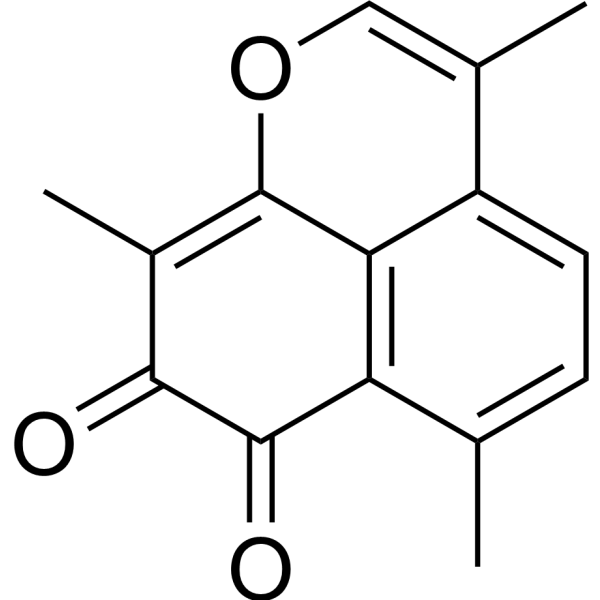
    Mammea B/BA is a bacteriostatic agent found in the seeds of Mammea americana L. Mammea B/BA inhibits growth of Staphylococcus aureus strains. Mammea B/BA can be used for the research of methicillin-resistant Staphylococcus aureus infection .
    Mammea B/BA
  • HY-P11622

    Drug Derivative Infection
    Gramicidin S analogue 9 is a bactericidal agent that can be found as a cyclic peptide analogue. Gramicidin S analogue 9 disrupts bacterial cell membranes. Gramicidin S analogue 9 can be used for the research of methicillin-resistant staphylococcus aureus infection .
    Gramicidin S analogue 9
  • HY-N15249

    Isovalerylspiramycin I; Shengjimycin E

    Topoisomerase DNA/RNA Synthesis Checkpoint Kinase (Chk) Apoptosis Bacterial Infection Cancer
    4"-Isovalerylspiramycin I (Isovalerylspiramycin I) is a topoisomerase 1 (TOP1) inhibitor and an antitumor agent. 4"-Isovalerylspiramycin I directly binds to TOP1, suppresses DNA replication, and induces DNA damage. 4"-Isovalerylspiramycin I downregulates phosphorylated CHEK1 and the ATR/CHEK1 DNA damage repair pathway, blocks DNA repair, and augments DNA damage. 4"-Isovalerylspiramycin I suppresses proliferation, migration, and invasion of osteosarcoma cells. 4"-Isovalerylspiramycin I induces apoptosis and cell cycle arrest in osteosarcoma cells. 4"-Isovalerylspiramycin I exerts antibacterial activity against methicillin-resistant Staphylococcus aureus. 4"-Isovalerylspiramycin I can be used for the research of osteosarcoma, upper respiratory bacterial infections, and methicillin-resistant Staphylococcus aureus infection .
    4
  • HY-179405

    Bacterial Infection
    Antibacterial agent 301 (compound 14c) is a pyridine-amide pleuromutilin derivative with broad-spectrum antibacterial and pronounced antimycoplasmal activity. Antibacterial agent 301 inhibits peptidyl transferase center (PTC), breaks down biofilms, and disrupts cell membranes in multidrug-resistant (MDR) bacteria. Antibacterial agent 301 exhibits activity in a systemic methicillin-resistant Staphylococcus aureus (MRSA) infection mouse model. Antibacterial agent 301 can be used for MDR bacterial infection research .
    Antibacterial agent 301
  • HY-137502A

    Bacterial Infection
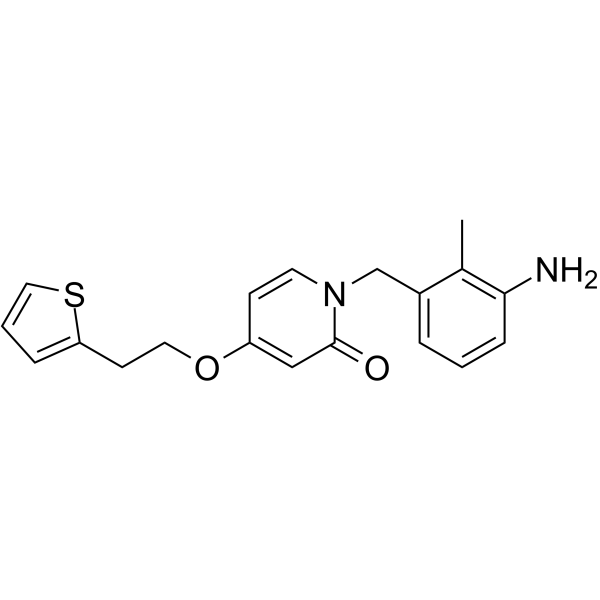
    ML267 free base is a blood-brain barrier permeable Antibacterial agent and bacterial phosphopantetheinyl transferase (PPTase) inhibitor, with an IC50 of 0.29 μM against Bacillus subtilis Sfp-PPTase and an IC50 of 8.1 μM against bacterial AcpS-PPTase. ML267 free base attenuates bacterial secondary metabolism, activity, and the production of Sfp-PPTase-dependent metabolites. ML267 free base inhibits the growth of Gram-positive bacteria, including Methicillin (HY-121544)-resistant Staphylococcus aureus. ML267 free base is applicable to research related to bacterial infections, including methicillin-resistant Staphylococcus aureus infections .
    ML267 free base
  • HY-179611

    Bacterial Infection
    LP-03 is an antibacterial agent with selective activity against Methicillin-resistant Staphylococcus aureus (MRSA). Its minimum inhibitory concentration (MIC) is 6.2 μM. LP-03 has an inhibitory effect on biofilm formation, but it is unable to effectively remove the formed biofilms. LP-03 can enhance membrane permeability, disrupt the membrane structure of MRSA cells, and does not cause significant membrane depolarization. LP-03 has no hemolytic toxicity and shows low mammalian cell toxicity. It can be used for research on MRSA infections .
    LP-03
  • HY-181100

    Dihydrofolate reductase (DHFR) Bacterial Infection
    DHFR-IN-26 is an Escherichia coli dihydrofolate reductase (ecDHFR) inhibitor with an IC50 of 0.75 nM. DHFR-IN-26 exerts broad-spectrum antibacterial activity. DHFR-IN-26 disrupts folate metabolism, nucleotide synthesis, and bacterial amino acid metabolic pathways. DHFR-IN-26 disrupts bacterial inner membranes, inhibited biofilm formation, and attenuated phage-related processes. DHFR-IN-26 shows lower toxicity to non-cancerous cells. DHFR-IN-26 can be used for the research of bacterial infections (including infections caused by methicillin-resistant Staphylococcus aureus, multidrug-resistant Escherichia coli, multidrug-resistant Pseudomonas aeruginosa, and lysogenic bacteria) .
    DHFR-IN-26
  • HY-69174

    Bacterial
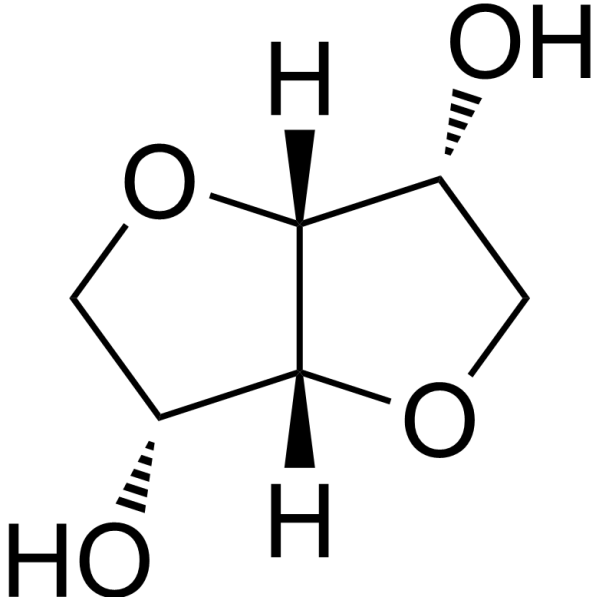
    1-Amino-2,5-anhydro-1-deoxy-D-mannitol is a potent antibacterial compound with antibacterial activity against a variety of Gram-positive bacteria, including methicillin-resistant Staphylococcus aureus (MRSA) and vancomycin-resistant Enterococci (VRE). The application potential of 1-Amino-2,5-anhydro-1-deoxy-D-mannitol lies in its ability to effectively combat common drug-resistant bacterial infections. 1-Amino-2,5-anhydro-1-deoxy-D-mannitol may become an emerging antibacterial agent in clinical inhibition.
    1-Amino-2,5-anhydro-1-deoxy-D-mannitol
  • HY-183751

    Bacterial Reactive Oxygen Species (ROS) Infection
    Antibacterial agent 346 (Compound H14d) is a broad-spectrum Antibacterial agent and BsFtsZ inhibitor, with an IC50 of 69.67 μg/mL against BsFtsZ. Antibacterial agent 346 selectively binds to phosphatidylglycerol, disrupts membrane integrity, increases permeability, triggers depolarization and causes intracellular protein leakage. Antibacterial agent 346 induces intracellular ROS accumulation, which in turn triggers oxidative stress and cell death. Antibacterial agent 346 eradicates mature biofilms formed by Gram-positive and Gram-negative bacteria. Antibacterial agent 346 exhibits antibacterial activity against methicillin-resistant Staphylococcus aureus and Acinetobacter baumannii. Antibacterial agent 346 can be used in the research of bacterial infections .
    Antibacterial agent 346
  • HY-183053

    Bacterial Dihydrofolate reductase (DHFR) Antifolate Infection
    UCP1173, propargyl-linked antifolate, is an antibacterial agent. UCP1173 inhibits DHFR enzymes, with IC50 values of 0.014 μM for DfrB, 0.19 μM for DfrG, 0.27 μM for DfrA, and 0.091 μM for DfrK. UCP1173 inhibits growth of Staphylococcus aureus clinical isolates carrying dfrA, dfrG, or dfrK resistance genes. UCP1173 can be used for the research of bacterial infections .
    UCP1173
  • HY-180191

    Bacterial Reactive Oxygen Species (ROS) DNA/RNA Synthesis Infection
    Anti-MRSA agent 42 (Compound 6d) is an anti-methicillin-resistant Staphylococcus aureus (MRSA) agent. Anti-MRSA agent 42 shows strong inhibitory effects on MRSA standard strains and 11 clinical isolates with MIC values of 0.25-0.5 μg/mL. Anti-MRSA agent 42 has low hemolytic activity and minimal cytotoxicity toward mammalian cells. Anti-MRSA agent 42 can suppress biofilm formation, compromise the cell wall, and disrupt the cytoplasmic membrane, which are accompanied by membrane depolarization, enhanced permeability, and loss of membrane integrity. Anti-MRSA agent 42 can induce ROS production and bind to DNA grooves, interfering with nucleic acid function. Anti-MRSA agent 42 can be used for the research of MRSA infection .
    Anti-MRSA agent 42

Inquiry Online

Your information is safe with us. * Required Fields.

Salutation


Country or Region *

Applicant Name *


Organization Name *

Department *


Email Address *


Product Name *

Cat. No.


Requested quantity *

Phone Number *


Remarks

Inquiry Online

Inquiry Information

Product Name:
Cat. No.:
Quantity:
MCE Japan Authorized Agent:

