



Pathogens Infection
-
Pathogens Infection (100)

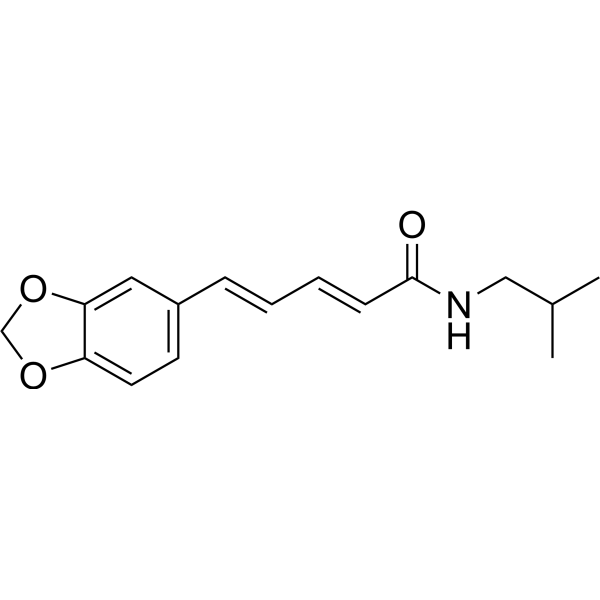
- Formula: C16H19NO3
- Molecular Weight: 273.33
Piperlonguminine is a cytochrome P450 (CYP450) inhibitor. Piperlonguminine also inhibits the growth of epimastigotes and intracellular amastigotes of Trypanosoma cruzi, with IC50 values of 53.8 and 33.9 μM, respectively. Piperlonguminine regulates HMGB1/TLR4-NF-κB/MAPK-related inflammatory responses, endothelial protein C receptor (EPCR) shedding, melanogenesis, glycolipid metabolism, ischemic brain injury and tumor growth. Piperlonguminine can be used in research on hyperlipidemia, sepsis, Chagas disease, ischemic stroke, sarcoma and severe acute pancreatitis-associated lung injury.
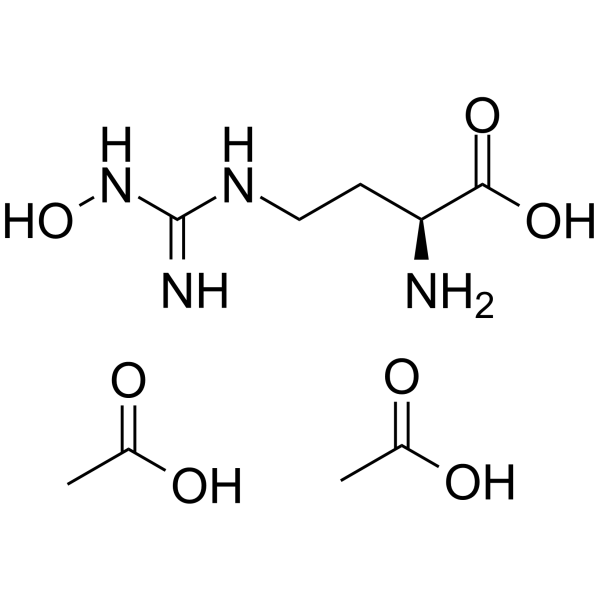
- Formula: C9H20N4O7
- Molecular Weight: 296.28
nor-NOHA acetate is a selective and reversible Arginase inhibitor. nor-NOHA acetate induces Apoptosis in ARG2-expressing cells under hypoxia. nor-NOHA acetate has anti-leukemic activity. nor-NOHA acetate improves liver ischemia-reperfusion injury. nor-NOHA acetate can used in study of tuberculosis, endothelial dysfunction, immunosuppression and metabolism.
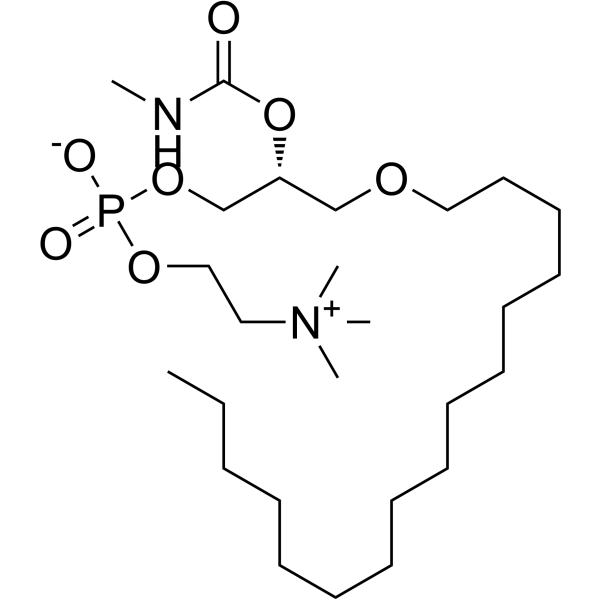
- Formula: C26H55N2O7P
- Molecular Weight: 538.70
Carbamyl-PAF (C-PAF) is a metabolically stable platelet-activating factor analog and PAF receptor agonist that activates G protein-coupled PAF receptors, triggering calcium mobilization, NF-κB activation, and downstream signaling, thereby inducing neutrophil recruitment, inflammatory responses, and ROS generation. Carbamyl-PAF is used in research on obesity, pulmonary inflammation, Zellweger syndrome, and non-melanoma skin cancer.
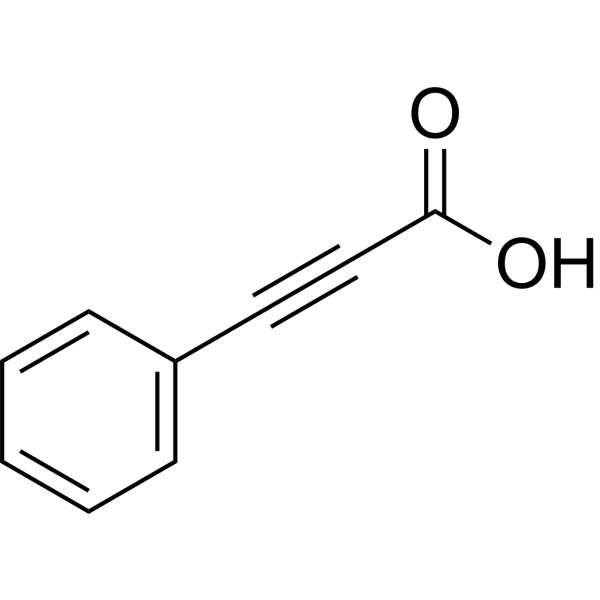
- Formula: C9H6O2
- Molecular Weight: 146.15
Phenylpropiolic acid is an Antibacterial agent. Phenylpropiolic acid is identified from the intracellular extract of Proteus mirabilis DMTMMR-11. Phenylpropiolic acid disrupts biofilm formation by reducing pathogen adhesion and enhancing biofilm clearance ability. Phenylpropiolic acid inhibits the growth of Yersinia enterocolitica, disrupts its cell membrane integrity, and increases the survival rate of infected Caenorhabditis elegans. Phenylpropiolic acid can be used in studies related to yersiniosis and gastroenteritis.
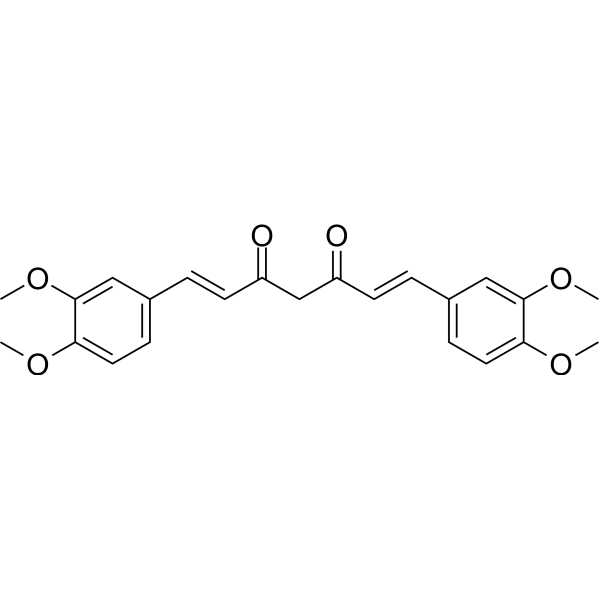
- Formula: C23H24O6
- Molecular Weight: 396.43
Dimethoxycurcumin (DiMC) is a curcuminoid compound found in Curcuma longa. Dimethoxycurcumin is also an orally active thioredoxin reductase inhibitor (IC50 = 5.4 μM) and androgen receptor antagonist. Dimethoxycurcumin inhibits thioredoxin reductase, leading to oxidized thioredoxin accumulation, ROS production, DNA damage, glutathione depletion, mitochondrial membrane potential decrease, ATP depletion, S phase arrest, and apoptosis. Dimethoxycurcumin inhibits NF-κB, NADPH oxidase subunits, ATP synthase subunits, CDK4, cyclin-D1, FASN, ACC, and the IRS2-PI3K-Akt pathway, while activating AMPK, ERK, and JNK. Dimethoxycurcumin can be used for research on cancer, arsenic-induced hepatotoxicity, and tuberculosis.
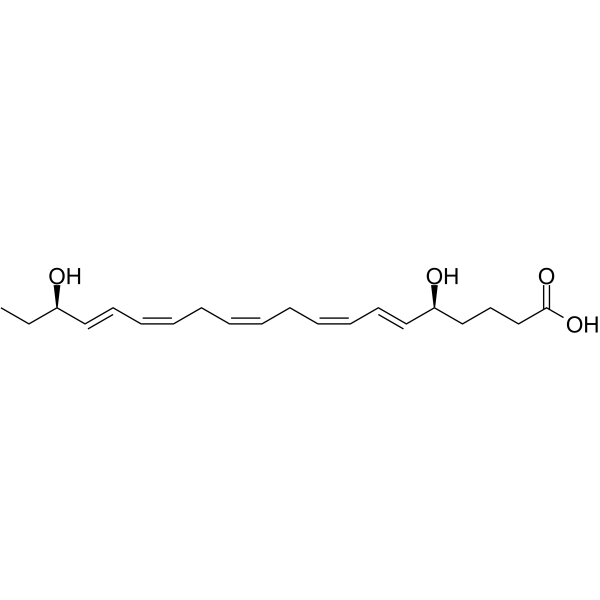
- Formula: C20H30O4
- Molecular Weight: 334.45
Resolvin E2 ((-)-Resolvin E2) is an endogenous lipid mediator produced from eicosapentaenoic acid (EPA) under the catalysis of 5-lipoxygenase (5-LOX), and its production increases in hypoxic environments. Resolvin E2 antagonizes BLT1, partially activates ChemR23, and promotes ubiquitin-proteasome-mediated degradation of COX-2. Resolvin E2 reduces the production of prostaglandin E2, blocks polymorphonuclear leukocyte infiltration, and promotes the resolution of airway inflammation. Resolvin E2 ameliorates lipopolysaccharide (LPS) (HY-D1056)-induced depressive-like behaviors. Resolvin E2 can be used in research related to depression, murine peritonitis, neonatal asthma, and other conditions.

- Formula: C55H96N16O13
- Molecular Weight: 1189.45
Polymyxin B2 is a polypeptide antibiotic with particularly potent antibacterial activity against Gram-negative bacteria. Polymyxin B2 kills bacteria by binding to lipopolysaccharide molecules on the bacterial cell membrane, disrupting membrane integrity and causing leakage of intracellular contents. Polymyxin B2 is used in studies related to Pseudomonas aeruginosa infection and acute enteritis.

- Formula: C17H38N10O2
- Molecular Weight: 414.55
LCC-12 formate is a mitochondria-targeted Copper2+ -selective binder and metabolic/epigenetic reprogramming agent. LCC-12 formate inhibits NAD (H) redox cycling and reduces the NAD (H) pool. LCC-12 formate downregulates the expression of inflammatory genes and improves outcomes in mouse models of bacterial sepsis, endotoxemia, and SARS-CoV-2 infection. LCC-12 formate can be used in research related to acute inflammation, endotoxemia, sepsis, and SARS-CoV-2 infection.

- Formula: C92H139N25O31S
- Molecular Weight: 2123.30
ESAT6 Epitope is a ESAT6 CD4+ T cell epitope. ESAT6 Epitope binds to MHC class I molecules with an IC50 value of approximately 180 nM. ESAT6 Epitope has weak immunogenicity. ESAT6 Epitope can be used in studies related to pulmonary tuberculosis.
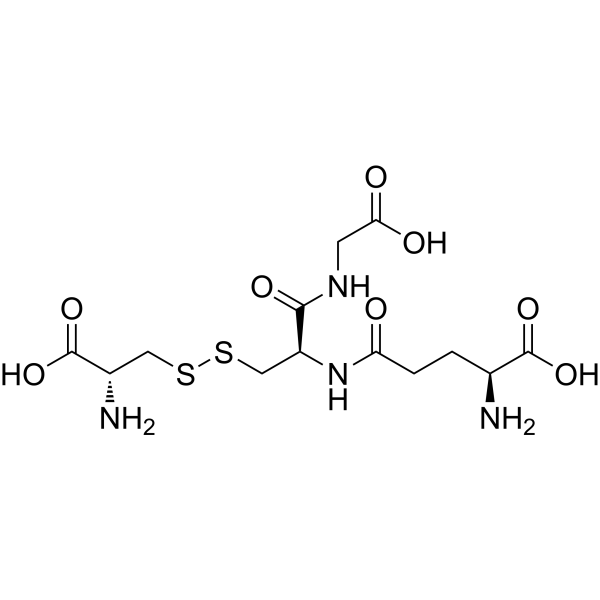
- Formula: C13H22N4O8S2
- Molecular Weight: 426.47
L-Cysteine-glutathione disulfide (L-CySSG; CYSH-GSH) is a thiol-modified glutathione prodrug with antioxidant, anti-inflammatory, and oral activities. L-Cysteine-glutathione disulfide reduces the production of mitochondrial ROS, and alleviates oxidative stress, inflammatory responses, and elevated levels of hepatic enzymes. L-Cysteine-glutathione disulfide prevents liver injury in mice induced by high-fat diet or LPS. The expression level of L-Cysteine-glutathione disulfide changes during tuberculosis infection, so it can serve as a biomarker for pulmonary tuberculosis. L-Cysteine-glutathione disulfide is applicable to research on pulmonary tuberculosis, metabolic dysfunction-associated steatotic liver disease, and liver injury.

- Formula: C28H35F3N4O4
- Molecular Weight: 548.60
ZY39 is a SaClpP agonist. ZY39 promotes the enzymatic hydrolysis of SaClpP and HsClpP in vitro. ZY39 inhibits the growth of Staphylococcus aureus strains. ZY39 reduces the load of Staphylococcus aureus in organs and ascites in mouse peritonitis models and zebrafish infection models, and improves the survival rate of model animals. ZY39 can be used in studies related to Staphylococcus aureus infection, such as peritonitis.
β-N-Acetylhexosaminidase, Streptococcus pneumoniae is a cell surface virulence factor of Streptococcus pneumoniae, which contains two synergistically acting GH20 domains (with higher activity in GH20-2). β-N-Acetylhexosaminidase, Streptococcus pneumoniae specifically recognizes and hydrolyzes substrates with β(1,2) glycosidic bonds via Trp-443 and Tyr-482 residues. β-N-Acetylhexosaminidase, Streptococcus pneumoniae catalyzes the hydrolysis of β(1,2)-linked N-acetylglucosamine groups and related disaccharides, and promotes persistent colonization of bacteria in the airway by modifying host defense molecules and releasing monosaccharides for bacterial growth. β-N-Acetylhexosaminidase, Streptococcus pneumoniae can be used in studies related to Streptococcus pneumoniae infection, acute pneumonia, otitis media and meningitis.
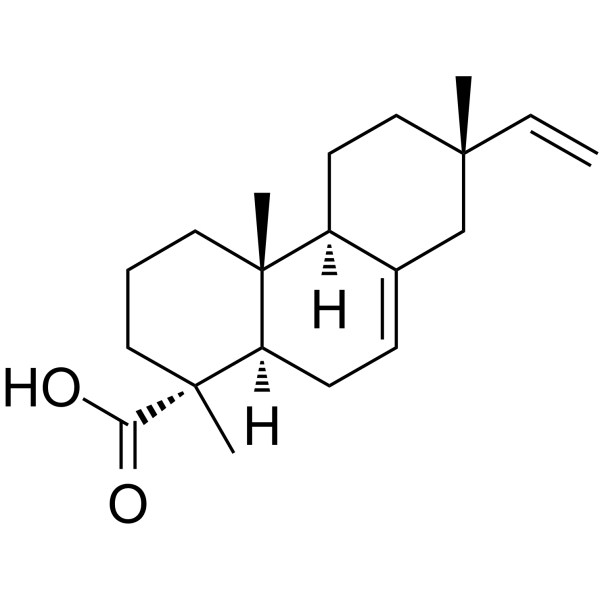
- Formula: C20H30O2
- Molecular Weight: 302.45
Isopimaric acid is a coniferous tree defense compound. Isopimaric acid binds to AKT and inhibits mTOR phosphorylation, thereby regulating the AKT/mTOR pathway. Isopimaric acid inhibits oxidative stress, inflammation, microglial migration, apoptosis, autophagic flux, ornithine decarboxylase activity, breast cancer proliferation and metastasis, and fungal spore germination. Isopimaric acid also induces M2 microglial polarization, mitochondrial damage, ROS accumulation, starvation-induced colon cancer cell apoptosis, and breast cancer cell cycle arrest. Isopimaric acid activates potassium channels, regulates sodium channels and calcium channels, reduces myocardial excitability, and improves arrhythmia. Isopimaric acid acts as an oxidative substrate for CYP6BW1/3, down-regulates PINK1/Parkin, and regulates calcium homeostasis, oxidative phosphorylation, EMT, and the Wnt pathway. Isopimaric acid exhibits activity against drug-resistant Staphylococcus aureus, repels feeding, and promotes the growth of rice seedlings. Isopimaric acid is suitable for research related to epilepsy, tumors, drug-resistant bacterial infections, atrial fibrillation, hypertension, hyperlipidemia, pulmonary tuberculosis, etc.
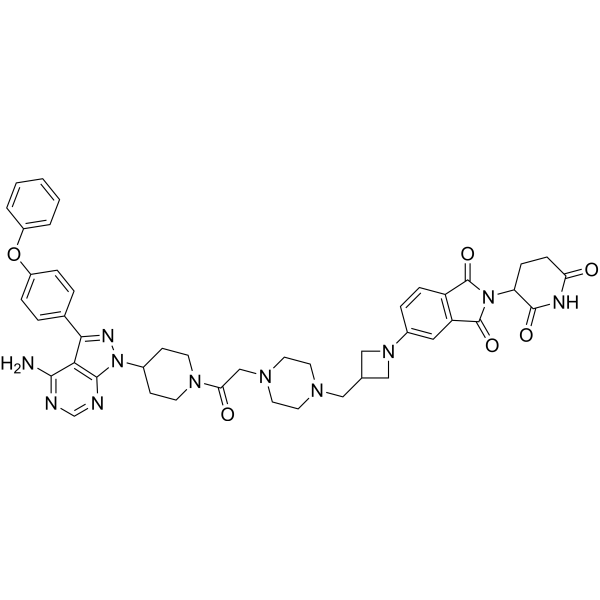
- Formula: C45H47N11O6
- Molecular Weight: 837.92
PROTAC BTK Degrader-6 is an orally active PROTAC-based BTK degrader with a DC50 of 3.18 nM. PROTAC BTK Degrader-6 induces BTK degradation via proteasomal degradation, ubiquitination, and CRBN ligase recruitment pathways. PROTAC BTK Degrader-6 inhibits NF-κB activation, mRNA expression of IL-1β and IL-6, as well as the secretion of pro-inflammatory cytokines. PROTAC BTK Degrader-6 reduces inflammatory responses in a zymosan-induced mouse model of peritonitis. PROTAC BTK Degrader-6 can be used in peritonitis-related research.

- Formula: C₈H₁₅N₇O₂S₃
- Molecular Weight: 337.45
Famotidine (Standard) (MK-208 (Standard)) is the analytical standard of Famotidine (HY-B0377). This product is intended for research and analytical applications. Famotidine (MK-208) is an orally active and highly selective histamine H2 receptor antagonist. It inhibits gastric acid secretion by blocking the Gs signaling pathway, and regulates intracellular cAMP and ERK pathways. Famotidine inhibits TLR3-mediated inflammatory pathways, and reduces the expression of various inflammatory mediators and interferon-related genes. Famotidine scavenges DPPH and nitric oxide free radicals, alleviates oxidative stress damage in gastric tissue, inhibits proMMP-9, improves vascular endothelial permeability, and restores the normal physiological functions of neutrophils and eosinophils. Famotidine crosses intestinal epithelial cells via facilitated diffusion and passive diffusion, blocks paracellular cation transport, and increases intestinal transepithelial electrical resistance. Famotidine reduces serum levels of transaminases and alkaline phosphatase, exerts analgesic effects and gastric protective effects simultaneously. Famotidine can be used in studies related to COVID-19, liver injury and acute gastric ulcer.

- Formula: C29H35N5O6S
- Molecular Weight: 581.68
PAV-104 (MAV-104) is a host-targeted, pan-respiratory viral assembly inhibitor. PAV-104 targets a small subset of the host protein 14-3-3 within a transient multi-protein complex. PAV-104 inhibits SARS-CoV-2 replication by blocking post-entry viral assembly/budding through interaction with viral nucleocapsid (N) protein and interference with its oligomerization. PAV-104 is orally active in cats and shows favorable pharmacokinetic properties in rats. PAV-104 can be used for the study of COVID-19 and other respiratory viral infections, including Feline Infectious Peritonitis (FIP).
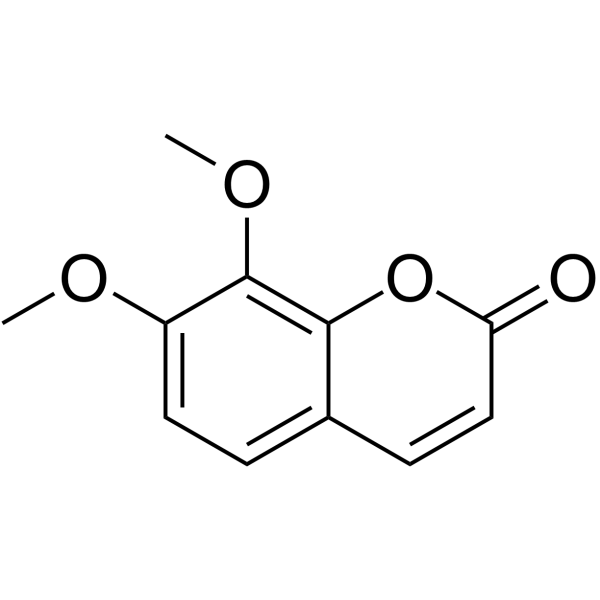
- Formula: C11H10O4
- Molecular Weight: 206.19
7,8-Dimethoxycoumarin is a coumarin compound derived from Artemisia caruifolia with oral activity. 7,8-Dimethoxycoumarin inhibits mitochondrial permeability transition pore and H+/K+-ATPase, and exhibits antioxidant, anti-inflammatory, renoprotective, neuroprotective and gastroprotective effects. 7,8-Dimethoxycoumarin reduces lipid peroxidation (TBARS), increases GSH levels, inhibits myeloperoxidase (MPO) activity, and regulates the expression of inflammatory factors by inhibiting the NF‑κB and MAPK pathways. 7,8-Dimethoxycoumarin ameliorates gastric mucosal injury, alleviates renal tissue lesions and relieves neuropathic pain. 7,8-Dimethoxycoumarin can be used in studies related to acute renal failure, trigeminal neuralgia and gastritis.
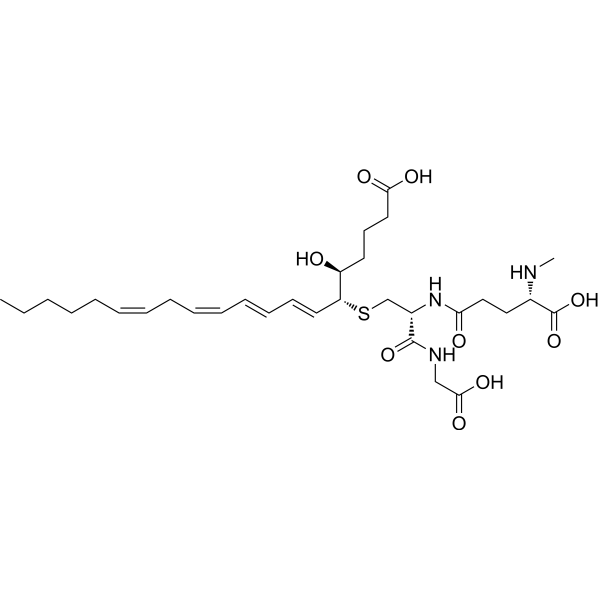
- Formula: C31H49N3O9S
- Molecular Weight: 639.80
N-Methyl Leukotriene C4 (N-Methyl-LTC4) is a non-metabolizable LTC4 analog and a selective cysteinyl leukotriene receptor 2 (CysLT2) agonist, with an EC50 of 46.1 nM for mouse CysLT2 and an EC50 value of 122.3 nM for human CysLT2. N-Methyl Leukotriene C4 shows low potency against CysLT1. N-Methyl Leukotriene C4 activates human and mouse CysLT2 receptors, triggering calcium signaling, β-arrestin-2 binding to phosphorylated receptors, vascular leakage, hypotension, tachycardia, contraction of guinea pig ileum and trachea, mild bronchoconstriction, as well as hypertension associated with peripheral vasoconstriction. N-Methyl Leukotriene C4 can be used in research on asthma, rhinitis, sinusitis, cerebral inflammation and edema, pulmonary arterial hypertension, and cardiovascular diseases.

- Formula: C35H57N3O3
- Molecular Weight: 567.85
DPM-1003 is a modulator of protein tyrosine phosphatase 1B (PTP1B) and C-X-C chemokine receptor 4 (CXCR4). DPM-1003 binds to the non-catalytic disordered C-terminal fragment of PTP1B. DPM-1003 inhibits the PI3Kγ-mediated AKT/mTOR signaling pathway downstream of CXCR4. DPM-1003 improves the survival rate of mice in a transfusion-related acute lung injury model, and exerts a lung injury protective effect in preclinical mouse models of acute lung injury and sepsis. DPM-1003 can be used in research related to acute lung injury, acute respiratory distress syndrome, transfusion-related acute lung injury and sepsis.

- Formula: C26H24N4O3
- Molecular Weight: 440.49
IL-6-IN-2 is an interleukin-6 (IL-6) inhibitor. IL-6-IN-2 binds to IL-6 at Lys66, Phe74, Gln175, Ser176, and Arg179 via π-π, π-alkyl, hydrogen bond, and hydrophobic interactions to block IL-6/IL-6R heterocomplex formation. IL-6-IN-2 exhibits low gastrointestinal absorption rate. IL-6-IN-2 can be used for the research of cytokine release syndrome, covid-19.



