1. Search Result
Search Result
Pathways Recommended: Anti-infection
Results for "

Malaria infections

" in MedChemExpress (MCE) Product Catalog:

40

Inhibitors & Agonists

2

Inhibitory Antibodies

7

Natural
Products

3

Isotope-Labeled Compounds

Cat. No. Nombre del producto Target Áreas de investigación Chemical Structure
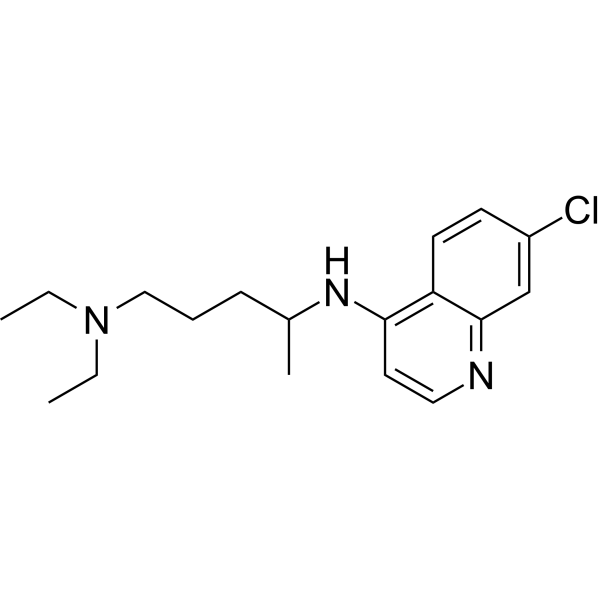
  • HY-17589A
    Chloroquine
    Maximum Cited Publications
    1191 Publications Verification

    Parasite Autophagy SARS-CoV Toll-like Receptor (TLR) HIV Antibiotic Infection Inflammation/Immunology Cancer
    Chloroquine is an antimalarial and anti-inflammatory agent widely used to treat malaria and rheumatoid arthritis. Chloroquine is an autophagy and toll-like receptors (TLRs) inhibitor. Chloroquine is highly effective in the control of SARS-CoV-2 (COVID-19) infection in vitro (EC50=1.13 μM) .
    Chloroquine
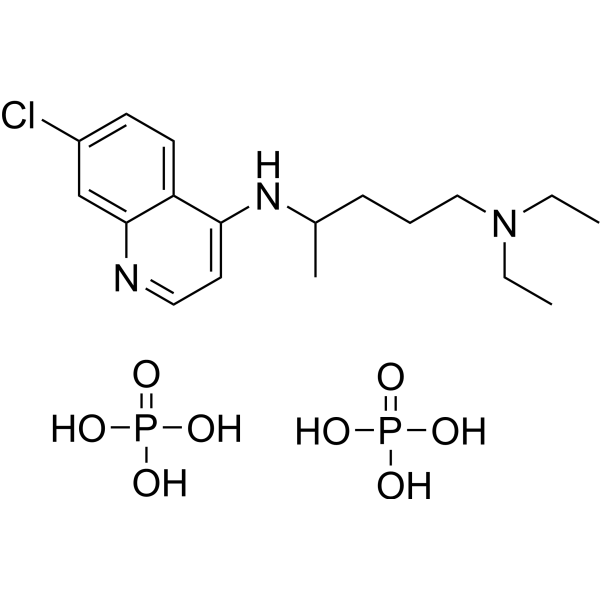
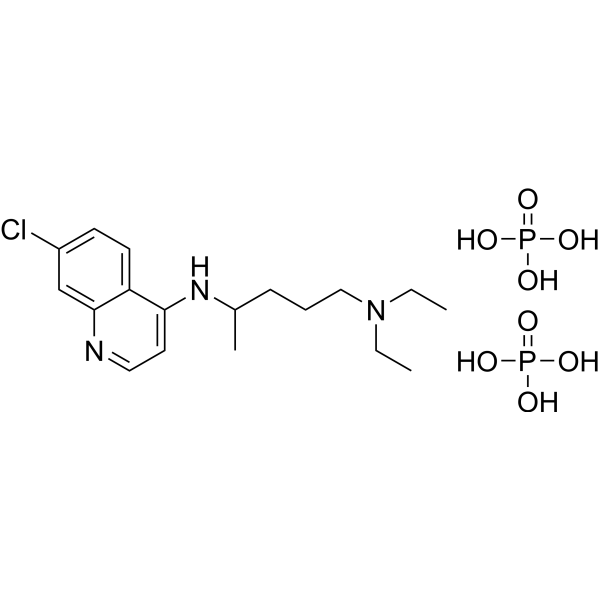
  • HY-17589
    Chloroquine phosphate
    Maximum Cited Publications
    1191 Publications Verification

    Parasite Autophagy SARS-CoV Toll-like Receptor (TLR) HIV Antibiotic Infection Inflammation/Immunology Cancer
    Chloroquine phosphate is an antimalarial and anti-inflammatory agent widely used to treat malaria and rheumatoid arthritis. Chloroquine phosphate is an autophagy and toll-like receptors (TLRs) inhibitor. Chloroquine phosphate is highly effective in the control of SARS-CoV-2 (COVID-19) infection in vitro (EC50=1.13 μM) .
    Chloroquine phosphate
  • HY-14749A
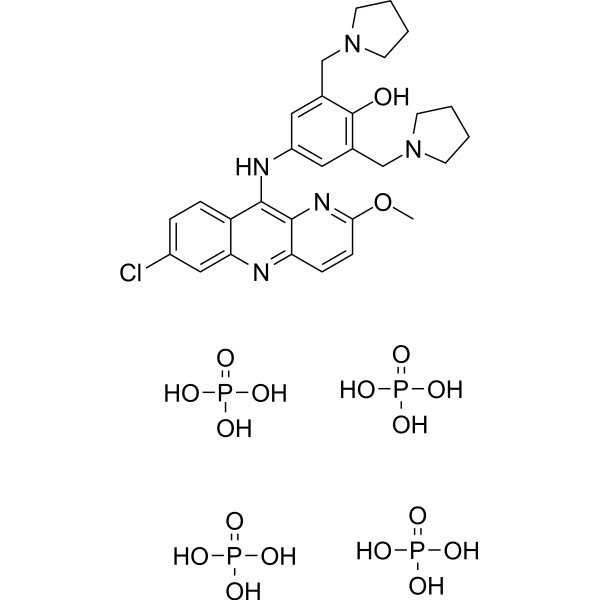
    Pyronaridine tetraphosphate
    1 Publications Verification

    Parasite Infection Cancer
    Pyronaridine tetraphosphate is an orally active Mannich base anti-malarial agent. Pyronaridine tetraphosphate is active against P. falciparum and Echinococcus granulosus infection .
    Pyronaridine tetraphosphate
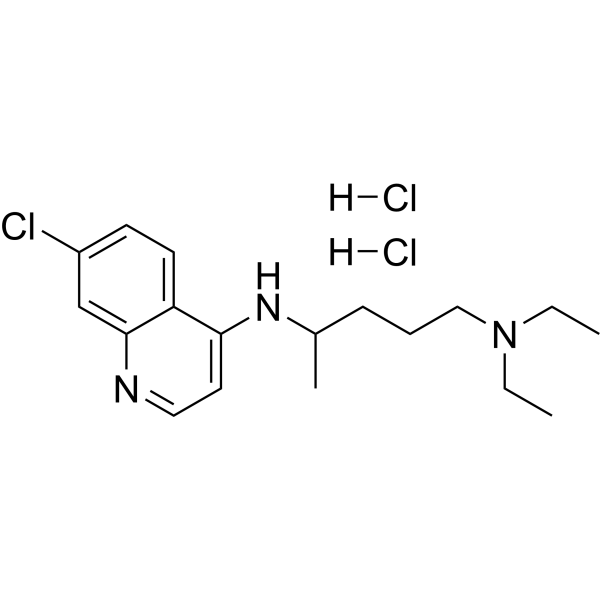
  • HY-17589B
    Chloroquine dihydrochloride
    Maximum Cited Publications
    1191 Publications Verification

    Parasite Autophagy SARS-CoV Toll-like Receptor (TLR) HIV Antibiotic Infection Inflammation/Immunology Cancer
    Chloroquine dihydrochloride is an antimalarial and anti-inflammatory agent widely used to treat malaria and rheumatoid arthritis. Chloroquine dihydrochloride is an autophagy and toll-like receptors (TLRs) inhibitor. Chloroquine dihydrochloride is highly effective in the control of SARS-CoV-2 (COVID-19) infection in vitro (EC50=1.13 μM) .
    Chloroquine dihydrochloride
  • HY-N0444

    Reactive Oxygen Species (ROS) NF-κB HBV Apoptosis Bacterial Fungal Parasite Infection Neurological Disease Metabolic Disease Inflammation/Immunology Cancer
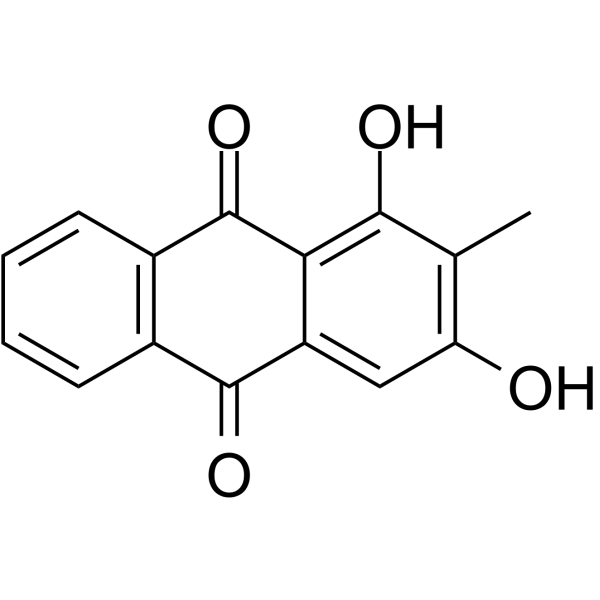
    Rubiadin is an orally active free radical scavenger that inhibits the activation of the NF-κB pathway. Rubiadin inhibits osteoclast formation, bone resorption, lipid peroxidation, HBV DNA replication and cancer cell proliferation; reduces pro-inflammatory cytokine levels; induces cancer cell apoptosis; and possesses antifungal, antimalarial, antibacterial and anticonvulsant activities. Rubiadin can be used in the research of osteoporosis, acute inflammation, chronic inflammation, carbon tetrachloride-induced liver injury, Alzheimer's disease, breast cancer, iron overload disorders, hepatitis B virus infection, colon cancer, liver cancer, T-lymphocytic leukemia, cervical cancer, diabetic nephropathy, epileptic seizures, fungal infections, malaria and bacterial infections .
    Rubiadin
  • HY-17589AR
    Chloroquine (Standard)
    1 Publications Verification

    Reference Standards Parasite Autophagy SARS-CoV Toll-like Receptor (TLR) HIV Antibiotic Infection Inflammation/Immunology Cancer
    Chloroquine (Standard) is the analytical standard of Chloroquine. This product is intended for research and analytical applications. Chloroquine is an antimalarial and anti-inflammatory agent widely used to treat malaria and rheumatoid arthritis. Chloroquine is an autophagy and toll-like receptors (TLRs) inhibitor. Chloroquine is highly effective in the control of SARS-CoV-2 (COVID-19) infection in vitro (EC50=1.13 μM) .
    Chloroquine (Standard)
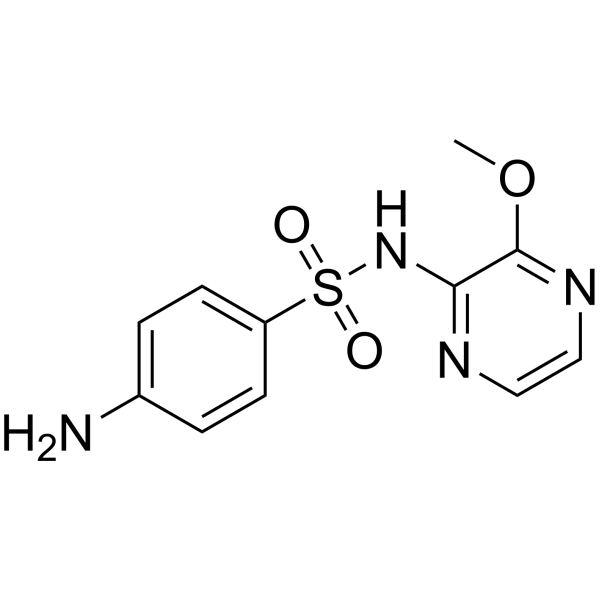
  • HY-A0130

    Sulfametopyrazine; AS-18908

    Parasite Bacterial Infection Inflammation/Immunology
    Sulfalene (Sulfametopyrazine) is an orally active antimalarial agent. Sulfalene competes with para-aminobenzoic acid in plasmodial and bacterial folic acid synthesis pathways. Sulfalene reduces trachoma-associated pathological changes. Sulfalene can be used for the research of acute falciparum malaria, Schistosoma mansoni infection, trachoma, chronic bronchitis, and bacteriuria in pregnancy .
    Sulfalene
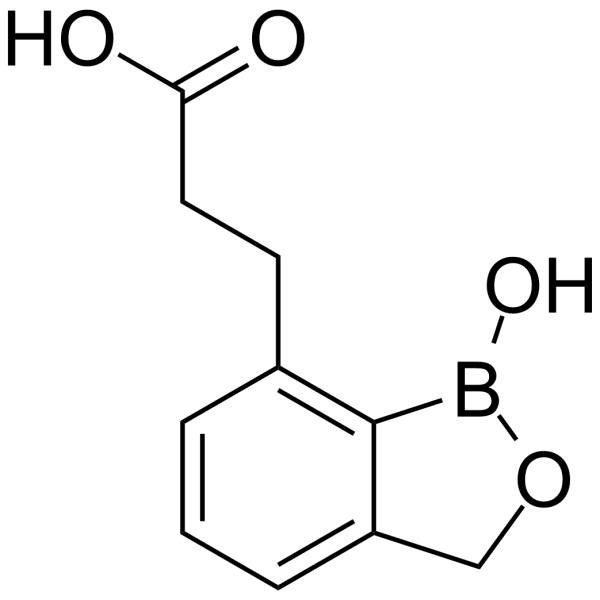
  • HY-128204
    AN3661
    2 Publications Verification

    Parasite Infection
    AN3661, a potent antimalarial lead compound, targets a Plasmodium falciparum cleavage and polyadenylation specificity factor homologue subunit 3 (PfCPSF3). AN3661 inhibits Plasmodium falciparum laboratory-adapted strains (mean IC50=32 nM), Ugandan field isolates (mean ex vivo IC50=64 nM), and murine P. berghei and P. falciparum infections .
    AN3661
  • HY-P990219

    Interleukin Related Infection Inflammation/Immunology
    Anti-Mouse IL-2 Antibody (JES6-1A12) is an anti-mouse IL-2 IgG1 monoclonal antibody. Anti-Mouse IL-2 Antibody (JES6-1A12) can inhibit Treg amplification and enhance Th1 response. Anti-Mouse IL-2 Antibody (JES6-1A12) can form a complex with IL-2 for experimentation. Anti-Mouse IL-2 Antibody (JES6-1A12) can be used for research on infection conditions such as malaria .
    Anti-Mouse IL-2 Antibody (JES6-1A12)
  • HY-P990228

    Interleukin Related Parasite Fungal Infection Metabolic Disease
    Anti-Mouse IL-10R/CD210 Antibody (1B1.3A) is a rat-derived IgG1 κ type antibody inhibitor, targeting to mouse IL-10R/CD210. Anti-Mouse IL-10R/CD210 Antibody (1B1.3A) blocks IL-10R signaling. Anti-Mouse IL-10R/CD210 Antibody (1B1.3A) can be used for the researches of cancer, infection and metabolic disease, such as diabetes and malaria .
    Anti-Mouse IL-10R/CD210 Antibody (1B1.3A)
  • HY-169790

    Dihydrofolate reductase (DHFR) Parasite Fungal Infection
    Phomarin is an inhibitor for dihydrofolate reductase (DHFR). Phomarin exhibits activity against Plasmodium parasites and fungi including Mycrobotryum violaceum and Botrytis cinerea. Phomarin can be used for the research of malaria and fungal infections .
    Phomarin
  • HY-17589R
    Chloroquine phosphate (Standard)
    190+ Cited Publications

    Reference Standards Parasite Autophagy SARS-CoV Toll-like Receptor (TLR) HIV Antibiotic Infection Inflammation/Immunology Cancer
    Chloroquine (phosphate) (Standard) is the analytical standard of Chloroquine (phosphate). This product is intended for research and analytical applications. Chloroquine phosphate is an antimalarial and anti-inflammatory agent widely used to treat malaria and rheumatoid arthritis. Chloroquine phosphate is an autophagy and toll-like receptors (TLRs) inhibitor. Chloroquine phosphate is highly effective in the control of SARS-CoV-2 (COVID-19) infection in vitro (EC50=1.13 μM) .
    Chloroquine phosphate (Standard)
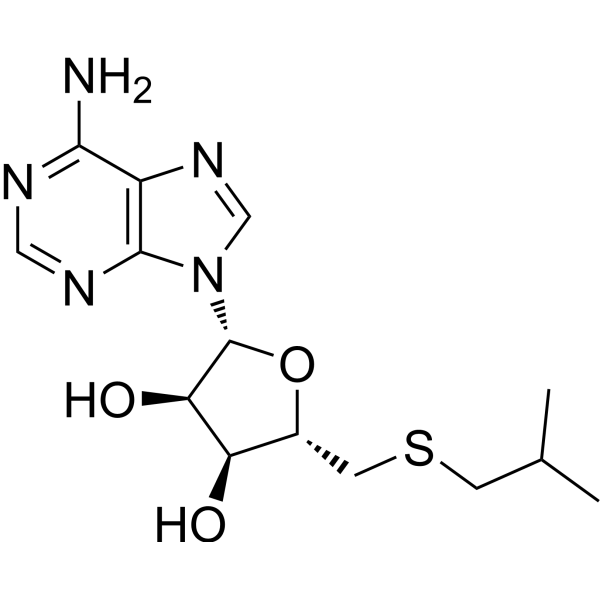
  • HY-18684

    5'-Isobutylthioadenosine; 5'-Deoxy-5'-isobutylthioadenosine

    Nucleoside Antimetabolite/Analog HSV Parasite Infection Metabolic Disease Cancer
    SIBA (5'-Isobutylthioadenosine) is a transmethylation inhibitor (SAH (HY-19528) analogue), with potent anti-proliferative activity. SIBA reversibly inhibits the production of HSV-1 by blocking methylation, specifically by blocking the 5' end-capping of viral mRNA. SIBA also inhibits the growth of tumour cells in vitro and metastatic spread in vivo. SIBA can be used in cancer, HSV-1 infection and anti-malaria studies .
    SIBA
  • HY-100662

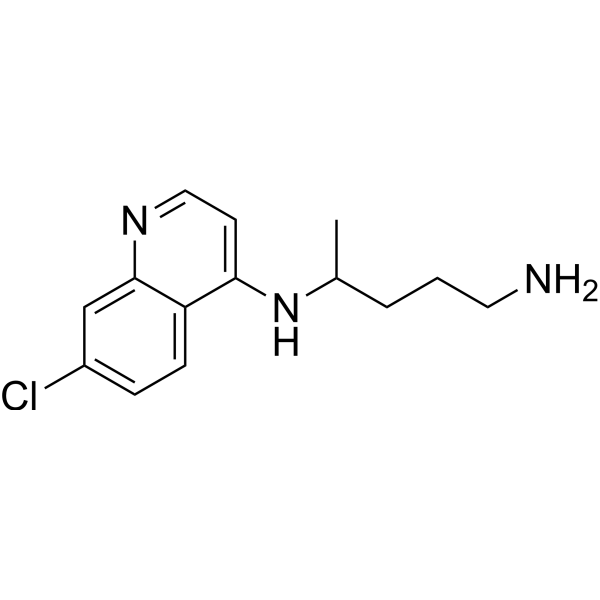
    Bisdesethylchloroquine

    Drug Metabolite Cardiovascular Disease Infection
    Didesethyl chloroquine (Bisdesethylchloroquine) is the major metabolite of the antimalarial agent Chloroquine (HY-17589A). Didesethyl chloroquine is a potent myocardial inhibitor. Didesethyl chloroquine reduces calcium binding and accumulation in cardiac mitochondria, induces mitochondrial swelling, rupture and membrane conformational changes. Didesethyl chloroquine inhibits the growth of Plasmodium falciparum strains. Didesethyl chloroquine can be used in research related to malaria, chikungunya virus infection, and cardiovascular and cerebrovascular diseases .
    Didesethyl chloroquine
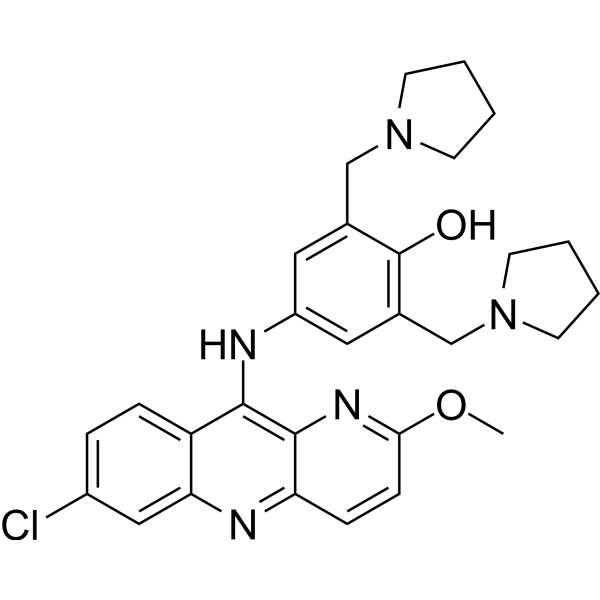
  • HY-14749

    Parasite Infection Cancer
    Pyronaridine is an orally active Mannich base anti-malarial agent. Pyronaridine is active against P. falciparum and Echinococcus granulosus infection .
    Pyronaridine
  • HY-17589AS
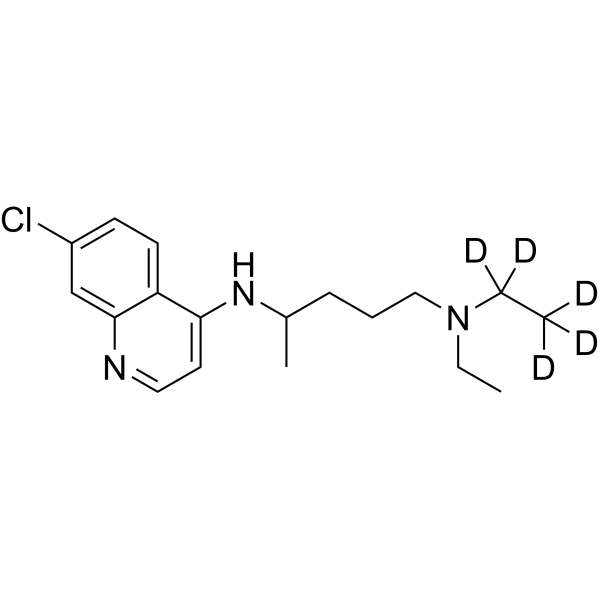
    Chloroquine-d5
    1 Publications Verification

    Isotope-Labeled Compounds Parasite Autophagy SARS-CoV Toll-like Receptor (TLR) HIV Infection Inflammation/Immunology Cancer
    Chloroquine-d5 is deuterium labeled Chloroquine (HY-17589A). Chloroquine is an antimalarial and anti-inflammatory agent widely used to treat malaria and rheumatoid arthritis. Chloroquine is an autophagy and toll-like receptors (TLRs) inhibitor. Chloroquine is highly effective in the control of SARS-CoV-2 (COVID-19) infection in vitro (EC50=1.13 μM) .
    Chloroquine-d5
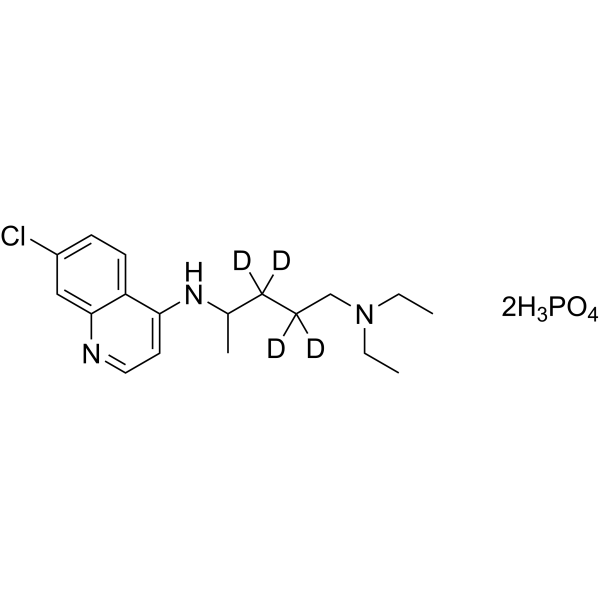
  • HY-17589S1

    Isotope-Labeled Compounds Parasite Autophagy SARS-CoV Toll-like Receptor (TLR) HIV Antibiotic Infection Inflammation/Immunology Cancer
    Chloroquine-d4 (phosphate) is the deuterium labeled Chloroquine phosphate. Chloroquine phosphate is an antimalarial and anti-inflammatory agent widely used to treat malaria and rheumatoid arthritis. Chloroquine phosphate is an autophagy and toll-like receptors (TLRs) inhibitor. Chloroquine phosphate is highly effective in the control of SARS-CoV-2 (COVID-19) infection in vitro (EC50=1.13 μM) .
    Chloroquine-d4 phosphate
  • HY-17656

    Parasite Infection
    C3361 is a moderate specific Plasmodium falciparum hexose transporter 1 (PfHT1) and Plasmodium berghei hexose transporter 1 (PbHT1) inhibitor with Ki values of 8.6 and 9.4 μM. C3361 inhibits TgGT1 with a Ki of 82 μM. C3361 attenuates hepatic (IC50 = 15 μM) and ookinete development of P. berghei. C3361 can suppress the growth of blood-stage parasites. C3361 can be used for the research of infection, such as malaria .
    C3361
  • HY-120104

    (±)-Nitidanin

    Parasite HCV Infection
    Nitidanin ((±)-Nitidanin) is an antimalarial and antiviral compound that can be isolated from the wood of Xanthoxylum nitidun D. C. Nitidanin is shows IC50 values of 21.2 and 18.4 μM for D6 and W2 clones of Plasmodium falciparum, respectively. Nitidanin can be used for the research of malaria and virus infection .
    Nitidanin
  • HY-17589S

    Isotope-Labeled Compounds Parasite Autophagy SARS-CoV Toll-like Receptor (TLR) HIV Antibiotic Infection Inflammation/Immunology Cancer
    Chloroquine-d5 (diphosphate) is the deuterium labeled Chloroquine (phosphate). Chloroquine phosphate is an antimalarial and anti-inflammatory agent widely used to treat malaria and rheumatoid arthritis. Chloroquine phosphate is an autophagy and toll-like receptors (TLRs) inhibitor. Chloroquine phosphate is highly effective in the control of SARS-CoV-2 (COVID-19) infection in vitro (EC50=1.13 μM) .
    Chloroquine-d5 diphosphate
  • HY-174342

    Cytochrome P450 Parasite Infection
    ELQ-453 is an inhibitor targeting the Qo site of the Plasmodium falciparum cytochrome bc1 complex (CytB) with an IC50 value of 0.57 nM. ELQ-453 blocks the mitochondrial function of the parasite, and suppresses Plasmodium infection in mosquitoes. ELQ-453 is promising for research of malaria .
    ELQ-453
  • HY-171788

    N-myristoyltransferase Cancer
    NMT-IN-8 (Compound Ex.129) is an orally active and highly selective inhibitor of N-myristoyl transferase (NMT) with an IC50 value of <10 nM. NMT-IN-8 binds to the peptide binding pocket of NMT, blocking its catalyzed protein N-myristoylation to interfere with key pathways such as protein trafficking, signal transduction, and viral replication. NMT-IN-8 is promising for research of oncology (e.g., MYC-addicted cancers, B-cell lymphoma) and infectious diseases (e.g., malaria, HIV, rhinovirus infection) .
    NMT-IN-8
  • HY-106866

    CDRI 80/53; Elubaquine

    Parasite Infection
    Bulaquine (CDRI 80/53) is a potent antimalarial agent which is an analogue of Primaquine (HY-12651A). Bulaquine affects multiple metabolism pathways and shows inhibition effect on Plasmodium cynomolgi infection. Bulaquine can be used for the research of malaria .
    Bulaquine
  • HY-177441

    Parasite HDAC Infection
    Apicidin C (Compound 5a) is a cyclic tetrapeptide. Apicidin C has an antiprotozoal and antimalarial activity against Eimeria tenella (IC50: 6 nM) by reversibly inhibiting HDAC acyivity. Apicidin C can be used for malaria infections research .
    Apicidin C
  • HY-17589BR

    Reference Standards Parasite Autophagy SARS-CoV Toll-like Receptor (TLR) HIV Antibiotic Infection Inflammation/Immunology Cancer
    Chloroquine (dihydrochloride) (Standard) is the analytical standard of Chloroquine (dihydrochloride). This product is intended for research and analytical applications. Chloroquine dihydrochloride is an antimalarial and anti-inflammatory agent widely used to treat malaria and rheumatoid arthritis. Chloroquine dihydrochloride is an autophagy and toll-like receptors (TLRs) inhibitor. Chloroquine dihydrochloride is highly effective in the control of SARS-CoV-2 (COVID-19) infection in vitro (EC50=1.13 μM)[1][2][3][4].
    Chloroquine dihydrochloride (Standard)
  • HY-174325

    Parasite Infection Inflammation/Immunology
    Antimalarial agent 50 is an antiplasmodial compound. Antimalarial agent 50 has an effect against Plasmodium berghei induced malaria infection in mice model. Antimalarial agent 50 can regulate oxidative stress and significantly reduce the levels of inflammatory factors. Antimalarial agent 50 can be used for the research of the malaria.
    Antimalarial agent 50
  • HY-156028

    Parasite Infection
    FIKK9.1-IN-1 (Compound 1) is a FIKK9.1 inhibitor. FIKK9.1-IN-1 interacts with the ATP?binding residues in FIKK9.1. FIKK9.1-IN-1 is an antimalarial agent (IC50: 2.68 μg/mL) and disrupts the parasite life cycle and leads to the death of parasites .
    FIKK9.1-IN-1
  • HY-N10624

    Parasite Infection
    Koshidacin B is an antiplasmodial cyclic tetrapeptide with antiplasmodial activity against P. falciparum FCR3 and K1 strain with IC50 values of 0.89 and 0.83 μM, respectively. Koshidacin B suppresses malaria parasites in vivo, it can be used for the research of parasites infection .
    Koshidacin B
  • HY-14749AR

    Reference Standards Parasite Infection
    Pyronaridine (tetraphosphate) (Standard) is the analytical standard of Pyronaridine (tetraphosphate). This product is intended for research and analytical applications. Pyronaridine tetraphosphate is an orally active Mannich base anti-malarial agent. Pyronaridine tetraphosphate is active against P. falciparum and Echinococcus granulosus infection .
    Pyronaridine tetraphosphate (Standard)
  • HY-A0130R

    Sulfametopyrazine (Standard); AS-18908 (Standard)

    Reference Standards Parasite Infection
    Sulfalene (Standard) is the analytical standard of Sulfalene. This product is intended for research and analytical applications. Sulfalene (Sulfametopyrazine; AS-18908) is an orally active antimalarial agent. Sulfalene competes for para-aminobenzoic acid binding in plasmodial folic acid synthesis. Sulfalene, combined with Trimethoprim (HY-B0510), clears parasites, resolves fever, and resists induced resistance against drug-sensitive and drug-resistant Plasmodium falciparum. Sulfalene can be used for the research of acute falciparum malaria and Schistosoma mansoni infection .
    Sulfalene (Standard)
  • HY-163765

    PI4K Potassium Channel Infection
    Antimalarial agent 41 (Compound 17) exhibits antimalarial activity, which inhibits Plasmodium falciparum with an IC50 of 40 nM (NF54 strain) and 76 nM (K1 strain). Antimalarial agent 41 is an inhibitor for P. falciparum phosphatidylinositol-4-kinase β (Pf PI4K) and hERG channel, with an IC50 of 53 nM and 3 μM. Antimalarial agent 41 exhibits cytotoxicity to CHO cells with an IC50 of 34 μM. Antimalarial agent 41 ameliorates the malaria infection and exhibits good pharmacokinetic characters in mouse models .
    Antimalarial agent 41
  • HY-N12230

    Bacterial Parasite Fungal Infection Cancer
    Penicolinate B is a picolinic acid derivative that can be isolated from Penicillium sp. Penicolinate B exhibits antimalarial activity (IC50: 1.40 μg/mL), antitubercular activity (MIC: 25.0 μg/mL), activity against Bacillus cereus (IC50: 25.0 μg/mL), and activity against Candida albicans (IC50: 1.45 μg/mL). Penicolinate B also has certain cytotoxicity against cancer cells such as MCF-7, KB, and NCI-H187. Penicolinate B can be used in research on malaria, tuberculosis, bacterial/fungal infections and tumors .
    Penicolinate B
  • HY-117599

    Parasite Infection
    JPC-3210 is an orally active aminomethylphenol. JPC-3210 exhibits anti-malarial activity with a mean IC50 ranging from 2.5 to 19 nM. JPC-3210 works by inhibiting the hemoglobin digestion pathway and promoting regulators of protein translation. JPC-3210 can inhibit CYP2D6 and CYP3A4 isozymes. JPC-3210 suppresses P. berghei infection in mice model. JPC-3210 possesses prophylactic protection in vivo. JPC-3210 can be studied in research on malaria prevention .
    JPC-3210
  • HY-171215

    Parasite Aminoacyl-tRNA Synthetase Infection
    ML901 is an antimalarial agent with an IC50 value of 2 nM against the malaria parasite. ML901 specifically inhibits the tyrosine tRNA synthetase of the malaria parasite (PfYRS) through "receptor hijacking". ML901 exhibits full life-cycle killing activity in the malaria mouse model. ML901 can be used for studying malaria parasite infection .
    ML901
  • HY-164109

    Parasite Infection Cancer
    Tafuramycin A, a Duocarmycin derivative, is a potent anticancer and parasite attenuating agent. Tafuramycin A can be used for triple-negative breast cancer (TNBC) and malaria infection research .
    Tafuramycin A
  • HY-119511

    Parasite Cardiovascular Disease Infection
    Isopentaquine is an orally active antimalarial agent. Isopentaquine induces mild morphological changes in the exoerythrocytic stage of Plasmodium fallax, with a ED50 of 6.7 mg/L. Isopentaquine causes degenerative changes in the development of Plasmodium oocysts in infected mosquitoes. Isopentaquine reduces the infectivity of Plasmodium falciparum gametocytes. Isopentaquine impairs sympathetic cardiovascular reflexes. Isopentaquine decreases the recurrence rate and total disease duration of Plasmodium vivax infection. Isopentaquine can be used in malaria-related research .
    Isopentaquine
  • HY-18746

    Parasite PI4K Infection
    KAI-407 is an orally active inhibitor of Plasmodium PI4K kinase, which can broadly inhibit multiple stages of the parasite lifecycle. KAI-407 exhibits EC50s of for the blood stage of malignant Plasmodium of 81 nM; for the liver schizonts of P. yoelii of 88 nM; and IC50s for the liver schizonts and dormant bodies of P. cynomolgi of 0.64 μM and 0.69 μM respectively. KAI-407 can prevent Plasmodium berghei infection 100%. KAI-407 can be used for the study of vivax malaria .
    KAI-407
  • HY-126929

    TXN-B

    DNA Alkylator/Crosslinker Apoptosis Bacterial Parasite Fungal Infection Cancer
    Trioxacarcin B (TXN-B) is a potent cytotoxic agent and DNA-targeted inhibitor. Trioxacarcin B disrupts DNA function and induces apoptosis in cancer cells. Trioxacarcin B not only effectively inhibits the growth of various Gram-positive and Gram-negative bacteria as well as Plasmodium falciparum, but also blocks the colony formation of cancer stem cells, significantly reduces tumor volume and prolongs survival in preclinical in vivo models. The activity of Trioxacarcin B is highly dependent on its intact spiro-epoxide structure; it loses efficacy once this moiety undergoes hydrolysis, and Trioxacarcin B shows no activity against fungi, microalgae and small RNA viruses. Trioxacarcin B can be used for research on bacterial infections, malaria, and various cancers including colon cancer and melanoma .
    Trioxacarcin B
  • HY-N18080

    Parasite DNA Alkylator/Crosslinker Bacterial Infection Inflammation/Immunology Cancer
    Parthenin is a pseudoguaianolide-type sesquiterpene lactone present in Parthenium hysterophorus L. Parthenin induces chromosomal aberrations, mainly chromatid breaks, in human peripheral blood lymphocytes. Parthenin exhibits toxicity against Salmonella typhimurium and Escherichia coli strains, with reduced toxicity in the presence of a metabolic activation system (S9). Parthenin acts as an antifeedant against the 6th instar larvae of the tobacco cutworm (Spodoptera litura). Parthenin shows insecticidal activity against adult cowpea weevils (Callosobruchus maculatus). Parthenin inhibits seed germination and seedling growth of sicklepod (Cassia tora). Parthenin possesses nematicidal activity against the 2nd instar larvae of the southern root-knot nematode (Meloidogyne incognita). Parthenin serves as a research agent for studies related to cancer, malaria, amoebiasis, inflammatory diseases, and bacterial infections .
    Parthenin
  • HY-W800535

    NF-κB p38 MAPK mTOR Topoisomerase AMPK Apoptosis Cholinesterase (ChE) HIF/HIF Prolyl-Hydroxylase β-catenin Infection Metabolic Disease Inflammation/Immunology Cancer
    Cryptolepine is an orally active multi-potent alkaloid with anti-cancer, anti-bacterial, anti-viral, anti-malarial, anti-inflammatory, anti-hyperglycemic, relieve pain and other properties. Cryptolepine acts as an inhibitor of c-Myc, mTOR, NF-κB, HIF-1, MAPK and an activator of AMPKα1/2. It intercalates into DNA, inhibits topoisomerase II (Top II), disrupts mitochondrial dynamics and induces apoptosis. Cryptolepine also exhibits anti-plasmodial and cholinesterase inhibitory activities. Cryptolepine can be used in research related to tumors (melanoma, hepatocellular carcinoma, mammary adenocarcinoma, etc.), malaria, inflammatory diseases and diabetes, particularly in studies focused on inhibiting tumor growth and anti-plasmodial infection .
    Cryptolepine

Consulta en línea

Your information is safe with us. * Required Fields.

Saludo


Country or Region *

Nombre del solicitante *


Nombre de la Organizaciòn *

Department *


Direcciòn del E-mail *


Nombre del producto *

Cat. No.


Requested quantity *

Número de teléfono *


Observaciones

Consulta en línea

Inquiry Information

Nombre del producto:
Cat. No.:
Cantidad:
MCE Japan Authorized Agent:

