CDK
Cyclin dependent kinase
CDKs (Cyclin-dependent kinases) are serine-threonine kinases first discovered for their role in regulating the cell cycle. They are also involved in regulating transcription, mRNA processing, and the differentiation of nerve cells. CDKs are relatively small proteins, with molecular weights ranging from 34 to 40 kDa, and contain little more than the kinase domain. In fact, yeast cells can proliferate normally when their CDK gene has been replaced with the homologous human gene. By definition, a CDK binds a regulatory protein called a cyclin. Without cyclin, CDK has little kinase activity; only the cyclin-CDK complex is an active kinase.
There are around 20 Cyclin-dependent kinases (CDK1-20) known till date. CDK1, 4 and 5 are involved in cell cycle, and CDK 7, 8, 9 and 11 are associated with transcription.
CDK levels remain relatively constant throughout the cell cycle and most regulation is post-translational. Most knowledge of CDK structure and function is based on CDKs of S. pombe (Cdc2), S. cerevisia (CDC28), and vertebrates (CDC2 and CDK2). The four major mechanisms of CDK regulation are cyclin binding, CAK phosphorylation, regulatory inhibitory phosphorylation, and binding of CDK inhibitory subunits (CKIs).
CDK Isoform Specific Products
-
CDK
(487)
View all products
-
CDK1
(195)
View all products
-
CDK2
(314)
View all products
-
CDK3
(28)
View all products
-
CDK4
(233)
View all products
-
CDK5
(98)
View all products
-
CDK6
(178)
View all products
-
CDK7
(118)
View all products
-
CDK8
(57)
View all products
-
CDK9
(204)
View all products
-
CDK11
(9)
View all products
-
CDK12
(52)
View all products
-
CDK13
(26)
View all products
-
CDK14
(6)
View all products
-
CDK16
(8)
View all products
-
CDK19
(25)
View all products
-
CDC
(21)
View all products
-
CLK
(31)
View all products
-
Pho85
(1)
View all products
-
CDK10
(1)
View all products
-
CDK15
(1)
View all products
-
CDK17
(2)
View all products
-
CDK18
(1)
View all products
-
CDK20
(1)
View all products
-
PITSLRE
(1)
View all products
All Product Categories
-
CDK Inhibitors
(1076)
View all products
-
CDK Agonists
(3)
View all products
-
CDK Antagonists
(2)
View all products
-
CDK Activators
(18)
View all products
-
CDK Modulators
(15)
View all products
-
CDK Degraders
(94)
View all products
-
CDK Controls
(4)
View all products
-
CDK Substrate
(1)
View all products
-
CDK Ligands
(16)
View all products
-
Cyclin-Dependent Kinases (CDKs) Proteins
(80)
View all products
-
Cyclin Dependent Kinase 1 (CDK1) Proteins
(9)
View all products
-
Cyclin-Dependent Kinase 2 (CDK2) Proteins
(12)
View all products
-
Cyclin-Dependent Kinase 3 (CDK3) Proteins
(6)
View all products
-
Cyclin-Dependent Kinase 4 (CDK4) Proteins
(4)
View all products
-
Cyclin-Dependent Kinase 5 (CDK5) Proteins
(5)
View all products
-
Cyclin-Dependent Kinase 6 (CDK6) Proteins
(6)
View all products
-
Cyclin-Dependent Kinase 7 (CDK7) Proteins
(4)
View all products
-
CDK Related Products (1351)
Related Products (1351)

-
Recombinant Proteins (82)
-
Antibodies (42)
-
CDK Isoform Comparison
-
Lerociclib
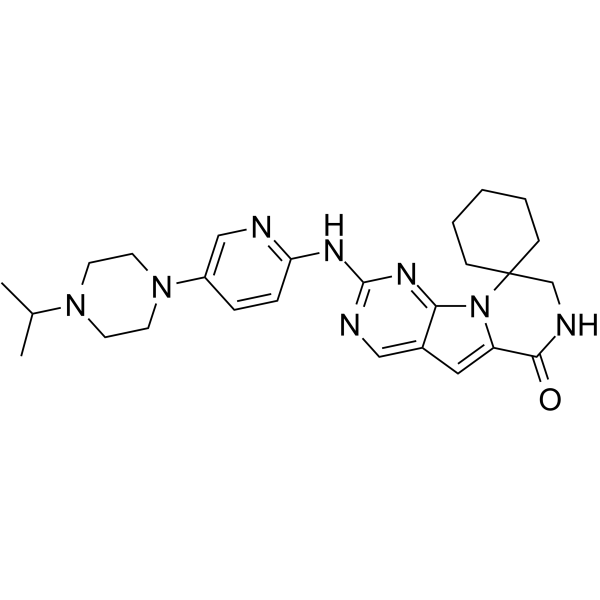 0 ImagesSynonyms: G1T38Lerociclib (G1T38) is a potent and selective inhibitor of CDK4/6, with IC50s of 1 nM, 2 nM for CDK4/CyclinD1 and CDK6/CyclinD3, respectively.
-
CDK5-IN-3
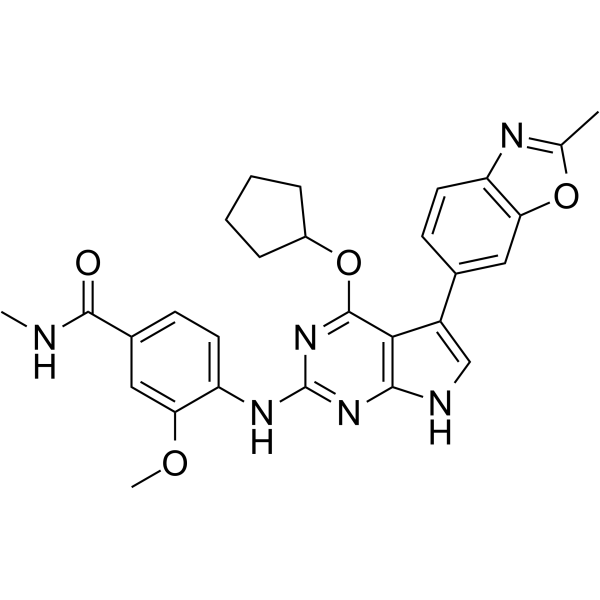
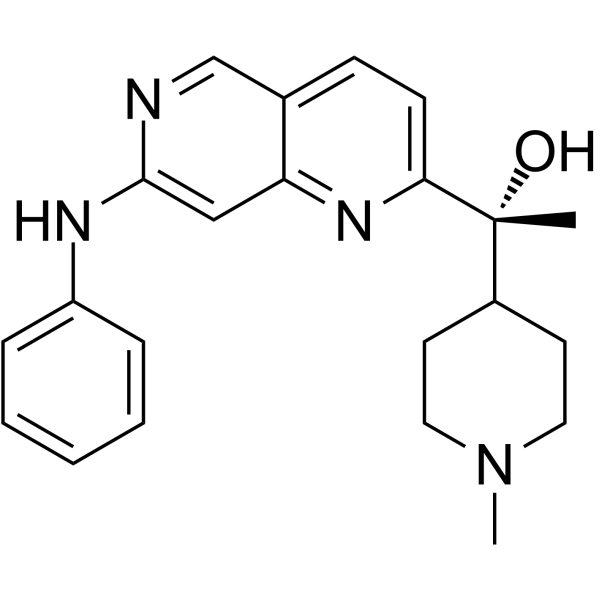 0 ImagesCDK5-IN-3 (compound 11) is a potent CDK5 inhibitor, with IC50s of 0.6 nM and 18 nM for CDK5/p25 and CDK2/CycA, respectively. CDK5-IN-3 can be used for the research of autosomal dominant polycystic kidney disease (ADPKD).
-
Tabersonine
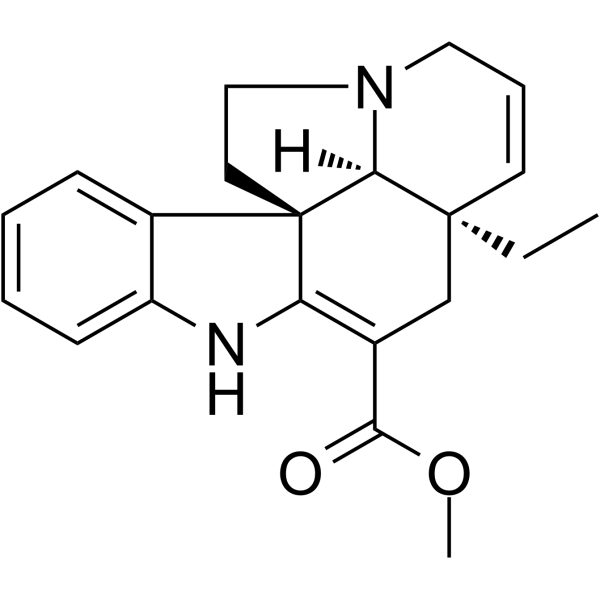 0 ImagesTabersonine is a selective, orally active NLRP3 inhibitor. Tabersonine directly binds to the NACHT domain of NLRP3, inhibiting its ATPase activity and oligomerization, thereby blocking ASC spot formation and caspase-1 activation, and reducing the release of pro-inflammatory cytokines such as IL-1β. Tabersonine also inhibits K63-linked ubiquitination of TRAF6, blocking NF-κB, PI3K/Akt, and p38 MAPK signaling pathways. Tabersonine can inhibit inflammatory responses, induce apoptosis of liver cancer cells through mitochondrial pathways and death receptor pathways, reduce mitochondrial membrane potential, promote cytochrome c release, and activate caspase proteins. Tabersonine is mainly used in the study of NLRP3-driven inflammatory diseases (such as acute lung injury, sepsis, peritonitis) and tumors such as liver cancer.

-
Abemaciclib metabolite M20
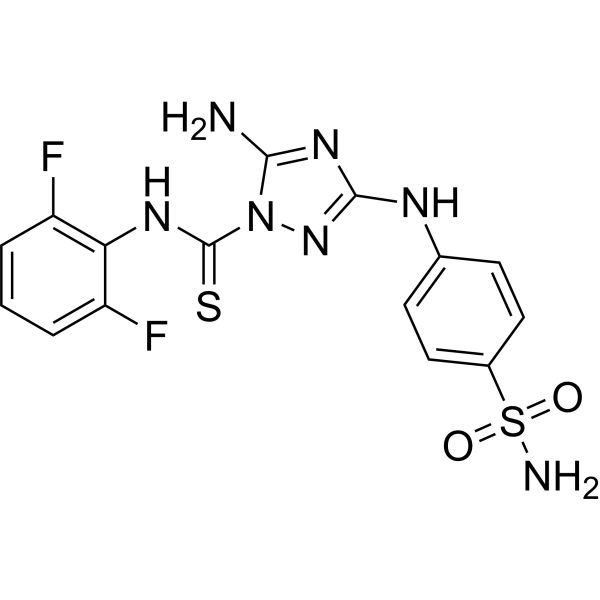
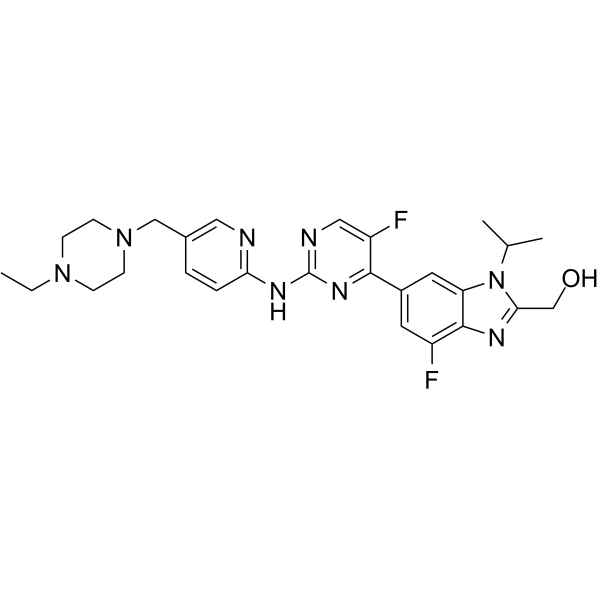 0 ImagesCat. No.: HY-129336CAS No.: 2138499-06-4Synonyms: LSN3106726
-
β-catenin-IN-3
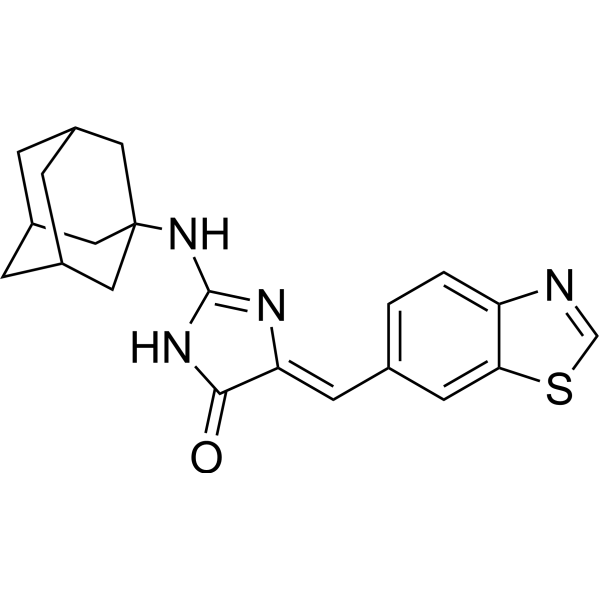
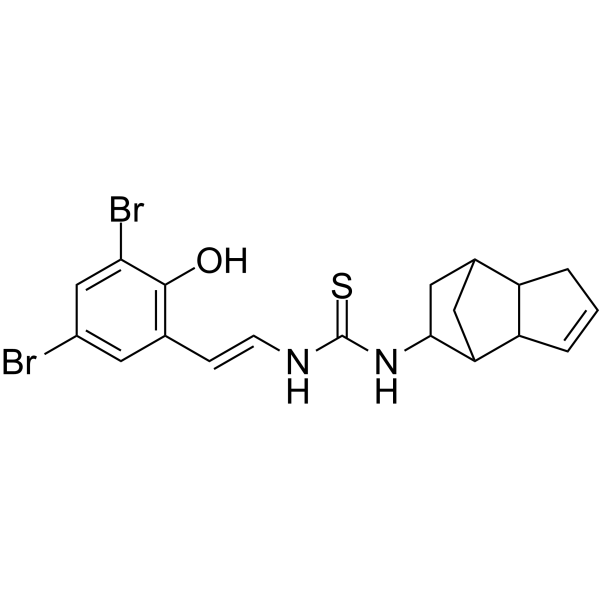 0 ImagesCat. No.: HY-147007CAS No.: 1005288-15-2β-catenin-IN-3 (Compound C2) is a selective β-catenin inhibitor. β-catenin-IN-3 binds to allosteric site on the surface of β-catenin with K D calculated at 54.96 nM. β-catenin-IN-3 selectively inhibits β-catenin via targeting a cryptic allosteric modulation site, lowers its cellular load. β-catenin-IN-3 significantly reduces viability of β-catenin driven cancer cells, and triggers β-catenin degradation via proteasome system in β-catenin-overexpressing cancer cells.
-
LDC4297
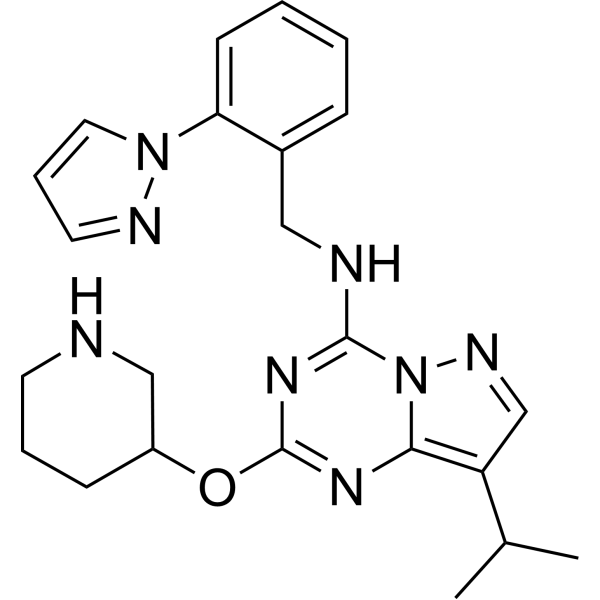 0 ImagesLDC4297 is a selective inhibitor of CDK7 with an IC50 value of 0.13 nM. LDC4297 inhibits human cytomegalovirus (HCMV) replication with an EC50 value of 24.5 nM. LDC4297 shows broad antiviral activities to Herpesviridae, Adenoviridae, Poxviridae, Retroviridae and Orthomyxoviridae with EC50 value of 0.02-1.21 μM. LDC4297 can be used for the research of infection.
-
Abemaciclib (Standard)
 0 ImagesSynonyms: LY2835219 (Standard)
-
Briciclib
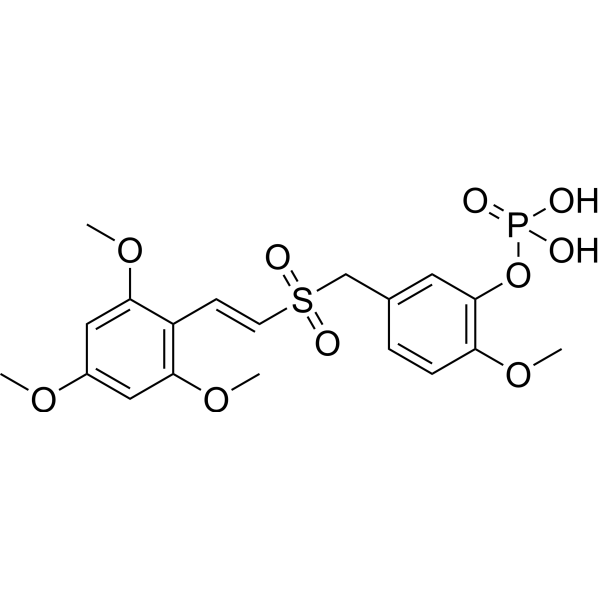 0 ImagesSynonyms: ON 014185Briciclib (ON 014185) is a eukaryotic translation initiation factor 4E (eIF4E) inhibitor. Briciclib exhibits broad-spectrum anti-cancer activity, including in mantle cell leukemia, breast cancer, gastric cancer, and esophageal cancer cells. Briciclib reduces the expression of cyclin D1 and c-Myc, and enhances the expression of P53 and Cleaved Caspase 3 pro-apoptotic proteins. Briciclib can be used for the study of hematological system tumors and solid tumors.
-
AS2863619 free base
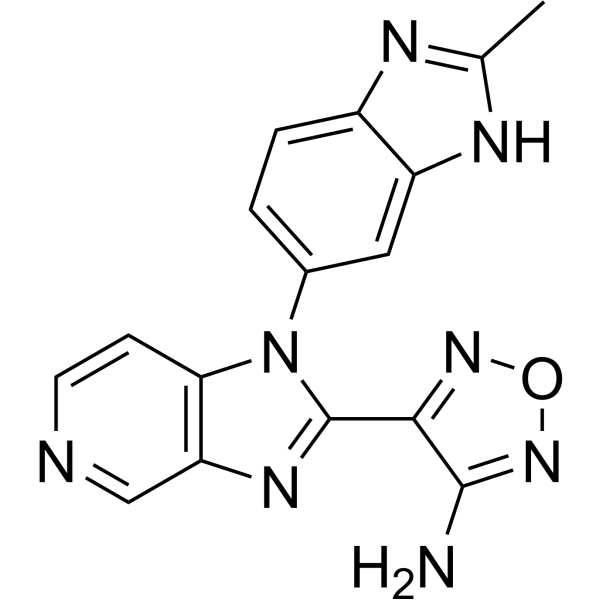 0 ImagesAS2863619 free base is an orally active CDK8/19 inhibitor that also inhibits BMP2, MDA5 and RIG-I receptors. AS2863619 free base targets Stat5a-CDK8/19 to promote the differentiation of CD4+ T cells into regulatory T cells and induce FOXP3 expression, thereby restoring immune homeostasis and establishing transplant immune tolerance. AS2863619 free base also enhances the BMP2/SMAD signaling pathway to promote osteogenic differentiation and inhibit adipogenic differentiation. AS2863619 free base exerts osteoprotective effects by alleviating inflammation-induced impairment of osteogenic function and inducing neutrophil apoptosis (apoptosis). AS2863619 free base can be applied to research in related fields such as periodontitis-induced bone defects.
-
FMF-06-098-1
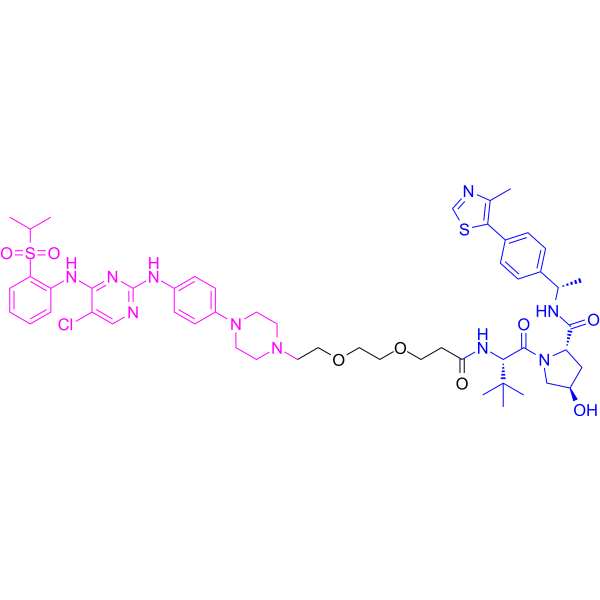 0 ImagesFMF-06-098-1 is a multi-target kinase PROTAC degrader. FMF-06-098-1 can be used to target degradation kinases which degrades AAK1, AΒL2, AURKA, AURKB, BUBIB, CDC7, CDK1, CDK12, CDK13, CDK2, CDK4, CDk6, CDK7, CDK9, CHEK1, CSNKID, EPHA1, PER, FGFR1, GAK, IRAK4, ITK, LIMK2, MAP4K2, MAP4K3, MAPK6, MAPK7, MARK4, MELK, PKN3, PLK4, PRKAA1, PTK2, PTK6, RPS6KA4, S1K2, STK35, TNK2, UHMK1, ULK1, and WEE1.
-
TC11
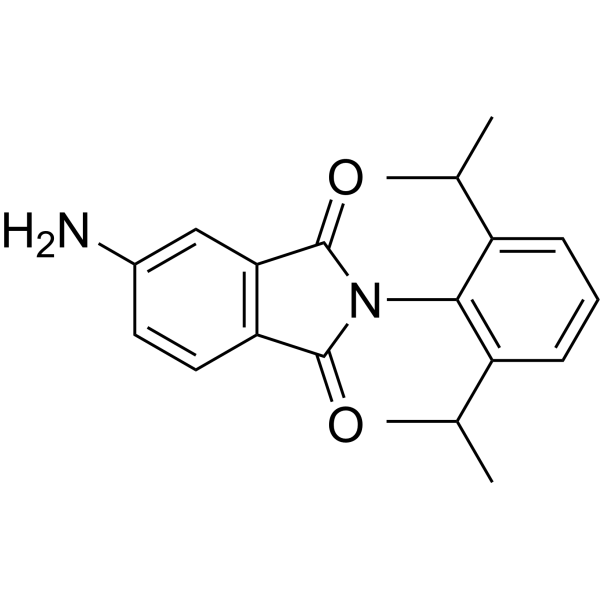 0 ImagesTC11 is a MCL1 degrader and apoptosis inducer. TC11 induces sustained CDK1 activation to phosphorylate and degrade MCL1, activates caspase-3, -8, and -9, inhibits centrosomal-regulatory NPM function to block centrosomal clustering, and triggers apoptosis independent of the cereblon pathway. TC11 blocks tumor cell proliferation in vitro and acts against tumor xenografts in vivo. TC11 can be used for the research of multiple myeloma.