



Caspase
Caspase is a family of cysteine proteases that play essential roles in apoptosis (programmed cell death), necrosis, and inflammation. There are two types of apoptotic caspases: initiator (apical) caspases and effector (executioner) caspases. Initiator caspases (e.g., CASP2, CASP8, CASP9, and CASP10) cleave inactive pro-forms of effector caspases, thereby activating them. Effector caspases (e.g., CASP3, CASP6, CASP7) in turn cleave other protein substrates within the cell, to trigger the apoptotic process. The initiation of this cascade reaction is regulated by caspase inhibitors. CASP4 and CASP5, which are overexpressed in some cases of vitiligo and associated autoimmune diseases caused by NALP1 variants, are not currently classified as initiator or effector in MeSH, because they are inflammatory enzymes that, in concert with CASP1, are involved in T-cell maturation.
Caspase Isoform Specific Products
-
Caspase 1
(79)
View all products
-
Caspase 2
(11)
View all products
-
Caspase 3
(547)
View all products
-
Caspase 4
(11)
View all products
-
Caspase 5
(5)
View all products
-
Caspase 6
(12)
View all products
-
Caspase 7
(108)
View all products
-
Caspase 8
(111)
View all products
-
Caspase 9
(197)
View all products
-
Caspase 10
(6)
View all products
-
Caspase 12
(3)
View all products
-
Caspase
(599)
View all products
-
Caspase 11
(2)
View all products
-
Caspase-13
(1)
View all products
All Product Categories
-
Caspase Inhibitors
(449)
View all products
-
Caspase Agonists
(41)
View all products
-
Caspase Activators
(627)
View all products
-
Caspase Modulators
(48)
View all products
-
Caspase Chemicals
(4)
View all products
-
Caspase MDM2 Inhibitor
(1)
View all products
-
Caspase Inducers
(49)
View all products
-
Caspase Degrader
(1)
View all products
-
Caspase Control
(1)
View all products
-
Caspase Substrates
(4)
View all products
-
Caspase Proteins
(10)
View all products
-
Caspase-1 Proteins
(3)
View all products
-
Caspase-3 Proteins
(3)
View all products
-
Caspase 7 Proteins
(1)
View all products
-
Caspase-8 Proteins
(1)
View all products
-
Caspase-10 Proteins
(1)
View all products
-
Caspase Related Products (1404)
Related Products (1404)

-
Recombinant Proteins (10)
-
Antibodies (35)
-
Caspase Signaling Pathway
-
Caspase Isoform Comparison
-
Triclabendazole
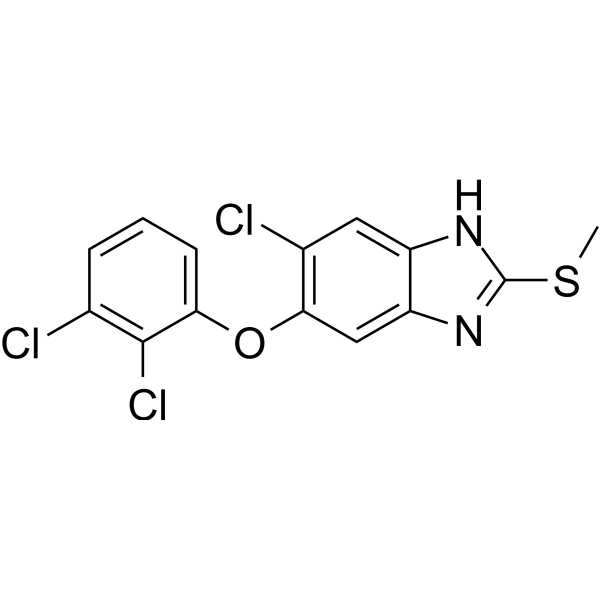 0 ImagesSynonyms: CGA89317Triclabendazole is an orally active parasite inhibitor. Triclabendazole has anti-Leishmania activity and induces gasdermin E (GSDME)-dependent pyroptosis by caspase-3 activation. Triclabendazole can be used for the research of fasciola hepatica.
-
Protectin D1
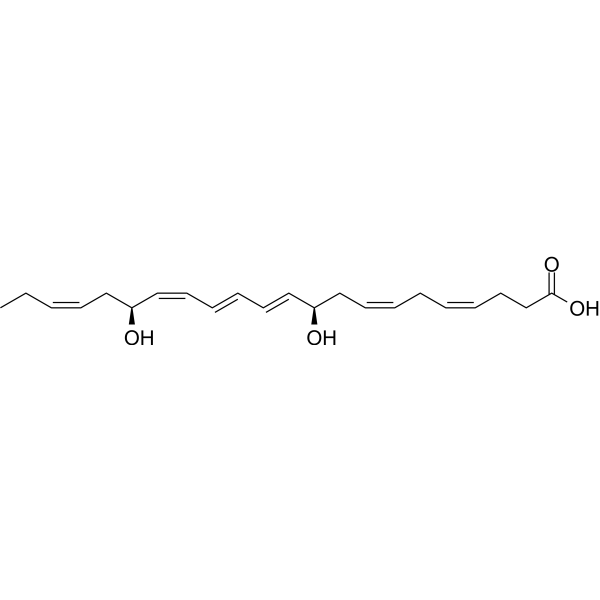 0 ImagesSynonyms: Neuroprotectin D1; NPD1Protectin D1, a neuroprotectin D1 produced by neuronal cells, is a member of a newly discovered family of bioactive products derived from docosahexaenoic acid. Protectin D1 also serves as a specialized pro-resolving mediator, exhibiting effective in vivo pro-resolving activity in various human disease models. Additionally, Protectin D1 is an inhibitor of NALP3 inflammasomes and regulates the PI3K/AKT and HIF-1α signaling pathways. Protectin D1 exerts anti-inflammatory effects by reducing ROS levels, inhibiting the expression of NALP3, ASC, and Caspase-1, and consequently decreasing the release of pro-inflammatory cytokines IL-1β and IL-18. Furthermore, Protectin D1 enhances miRNA-210 expression, activates the PI3K/AKT signaling pathway, and exerts cardioprotective effects. Protectin D1 holds promise for research in cardiovascular diseases and inflammatory disorders.
-
GNE-140 racemate
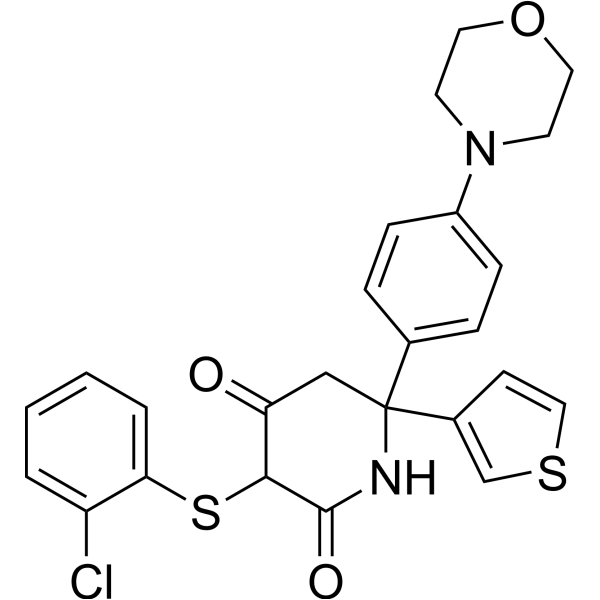 0 ImagesGNE-140 racemate is a racemic mixture of (R)-GNE-140 (HY-100742A) and (S)-GNE-140 (HY-100742B), and also a tautomer of GNE-140 (HY-118241). GNE-140 racemate is an orally active lactate dehydrogenase inhibitor, with an IC50 of 3 nM against human LDHA and an IC50 of 5 nM against LDHB. GNE-140 racemate reduces the phosphorylation level and total protein expression of p38 MAPK, and inhibits EGF-induced AKT phosphorylation. GNE-140 racemate decreases lactate production, regulates glycolysis, the pentose phosphate pathway and nucleotide biosynthesis, increases extracellular pH, inhibits cell proliferation, migration and invasion, and induces caspase-3 activation and ROS accumulation. GNE-140 racemate can be used in research related to breast cancer, cystic fibrosis and pancreatic cancer.
-
β-Eudesmol
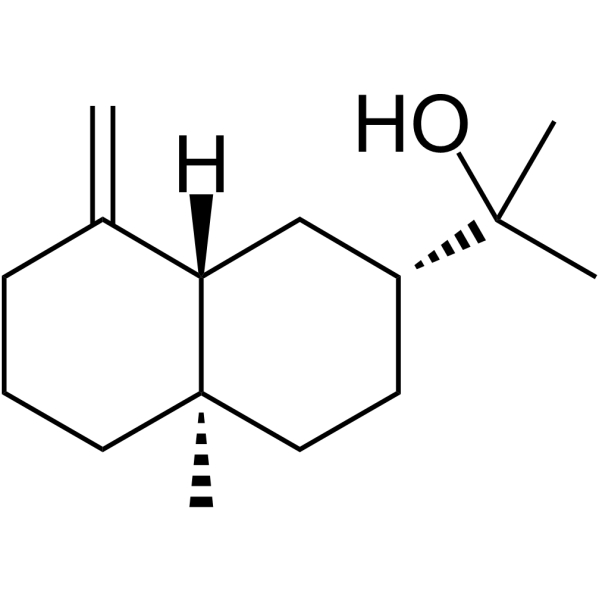 0 Imagesβ-Eudesmol has anticancer and anti-inflammatory activities. Beta-Eudesmol can induce apoptosis. β-Eudesmol is a neostigmine antagonist. β-Eudesmol can antagonize neostigmine-induced neuromuscular failure. β-Eudesmoll can be used in the study of sepsis diseases. β-Eudesmol is a sesquiterpene-like compound that can be extracted from the rhizome of Atractylodes lancea.
-
Senkyunolide I
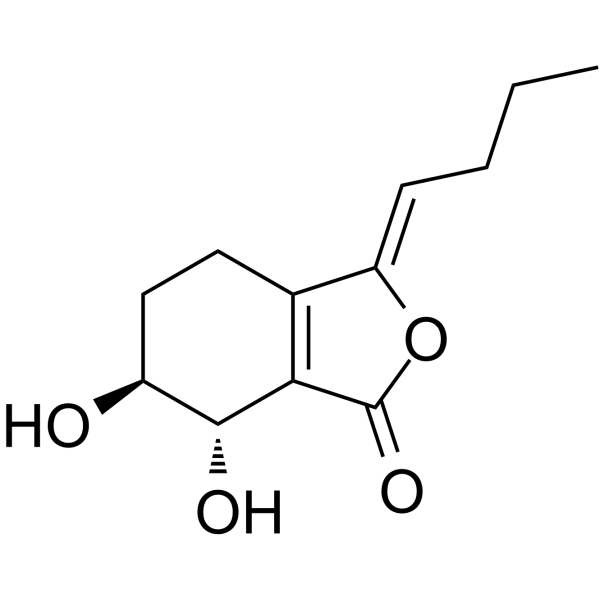 0 ImagesSenkyunolide I is an orally active, blood-brain barrier-permeable metabolite of Z-ligustilide (HY-N0401A). Senkyunolide I is isolated from Ligusticum chuanxiong. Senkyunolide I upregulates p-Erk1/2 and Nrf2/HO-1, and inhibits Caspase 3. Senkyunolide I alleviates Apoptosis. Senkyunolide I increases the pain threshold in mice and reduces acetic acid-induced writhing responses in mice. Senkyunolide I improves neurological deficits, reduces infarct volume and alleviates cerebral edema in rats with focal cerebral ischemia-reperfusion injury. Senkyunolide I protects renal function and structural integrity in a mouse model of renal ischemia-reperfusion injury. Senkyunolide I is applicable to research related to focal cerebral ischemia-reperfusion injury, migraine, and renal ischemia-reperfusion injury.
-
Chromomycin A3
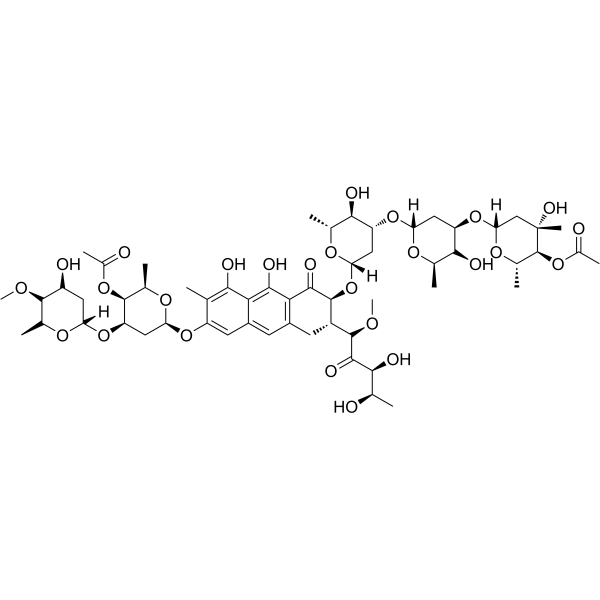 0 ImagesChromomycin A3 is an inhibitor that selectively binds to GC-rich DNA sequences. Chromomycin A3 targets the DNA minor groove after forming a dimer with Mg2+. Chromomycin A3 inhibits DNA replication and transcription, blocks the binding of Sp1 transcription factor to target gene promoters, downregulates the expression of anti-apoptotic proteins such as FLIP, Mcl-1, and XIAP, and induces S-phase cycle arrest and caspase-dependent apoptosis in tumor cells. Chromomycin A3 can antagonize oxidative stress induced by glutathione depletion and neuronal apoptosis induced by Camptothecin (HY-15660). Chromomycin A3 can be used in basic research on malignant tumors such as cholangiocarcinoma, and is a potential chemosensitizer and GC-rich region probe.
-
δ-Tocotrienol
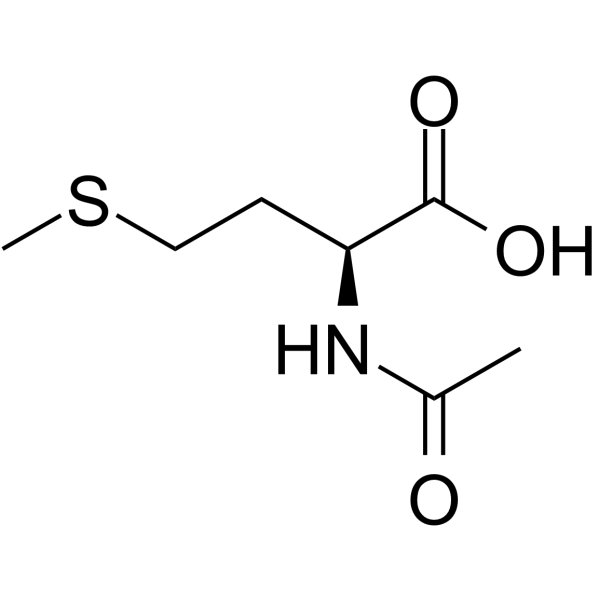
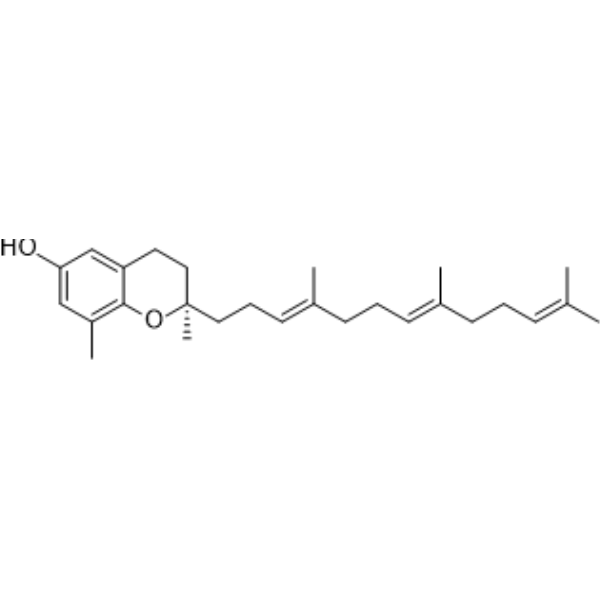 0 Imagesδ-Tocotrienol is a Vitamin E in vegetables, fruits, seeds, nuts, grains and oils. Vitamin E has become well known for its role as an antioxidant, in lowering cholesterol and other lipids, as a neuroprotective and anticancer agent, and in cardiovascular disease protection.
-
PEAQX tetrasodium hydrate
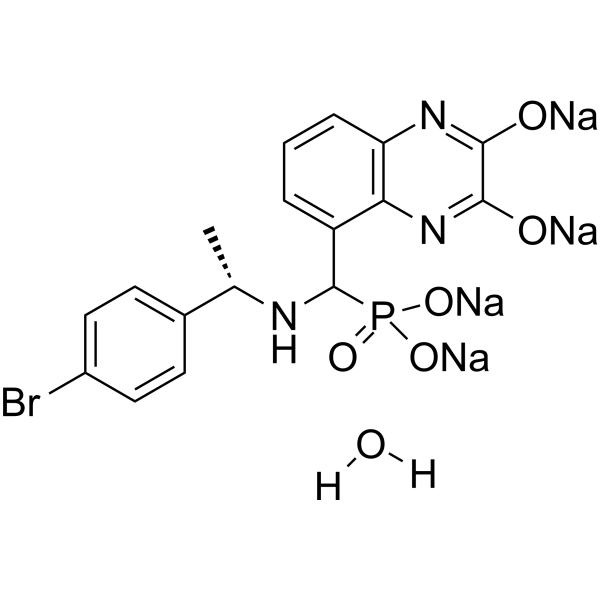 0 ImagesCat. No.: HY-12294APurity: 99.72%Synonyms: NVP-AAM077 tetrasodium hydratePEAQX tetrasodium hydrate (NVP-AAM077 tetrasodium hydrate) is a tetrasodium hydrate of PEAQX (HY-12294). PEAQX tetrasodium hydrate is an orally active and selective NMDA antagonist, with IC50 values of 270 nM and 29.6 μM for hNMDAR 1A/2A and hNMDAR 1A/2B, respectively. PEAQX tetrasodium hydrate can promote the activation of caspase-3 and induce cell apoptosis in cortical striatal slice cultures.
-
S1QEL1.1
 0 ImagesS1QEL1.1 is a small molecule inhibitor that specifically inhibits the generation of superoxide and hydrogen peroxide at the IQ site during reverse electron transfer in mitochondrial respiratory chain complex I (Complex I), with an IC50 of 0.07 μM. S1QEL1.1 can significantly reduce the activation of cysteine-aspartic protease (caspase) triggered by endoplasmic reticulum stress. S1QEL1.1 helps to decrease excessive proliferation of stem cells by inhibiting the Reactive Oxygen Species signaling pathway initiated by endoplasmic reticulum stress.
-
Fluopyram
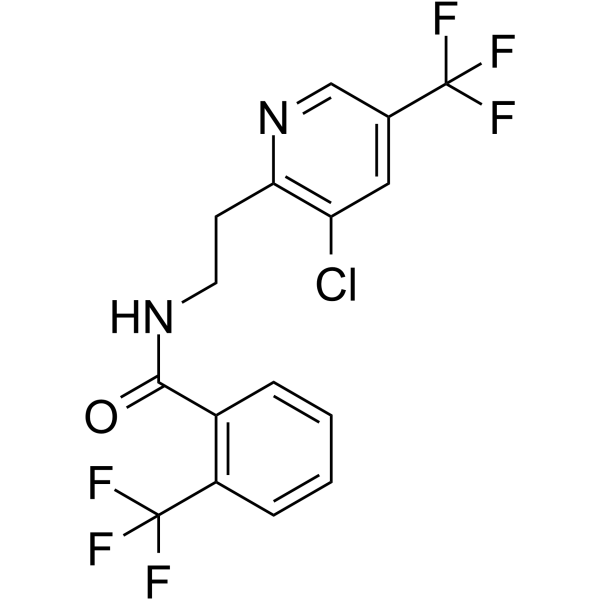 0 ImagesFluopyram is an orally active succinate dehydrogenase inhibitor, antifungal and nematicide. Fluopyram inhibits succinate dehydrogenase activity, activates CAR/PXR nuclear receptors, and increases caspase-3, TNF-α and NF-κB. Fluopyram inhibits the growth of F. virguliforme, Botrytis cinerea and Alternaria solani with EC50 values of 3.35, 5.389 and 0.244 µg/mL, respectively. Fluopyram induces liver and thyroid tumor formation. Fluopyram is nephrotoxic and embryotoxic.
-
PHA-793887
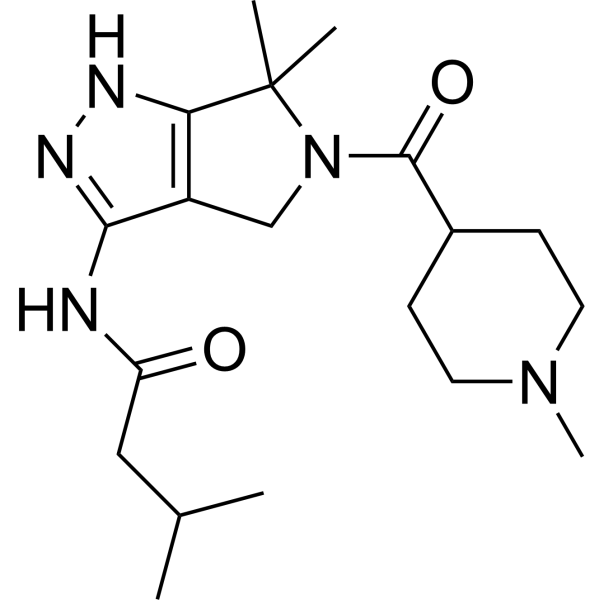 0 ImagesPHA-793887 is a CDK inhibitor (with IC50 values of 8 nM for Cdk2, 60 nM for Cdk1, 62 nM for Cdk4, 138 nM for Cdk9). PHA-793887 inhibits purified GSK3β (IC50 79 nM). PHA-793887 reduces the phosphorylation level of nucleophosmin/cdc6, induces G1/G2/M phase arrest, and triggers Apoptosis by activating Caspase-3. PHA-793887 exhibits anticancer activity against leukemia. PHA-793887 can be used in research related to acute leukemia, chronic myeloid leukemia, and advanced/metastatic solid tumors.
-
Z-VEID-FMK
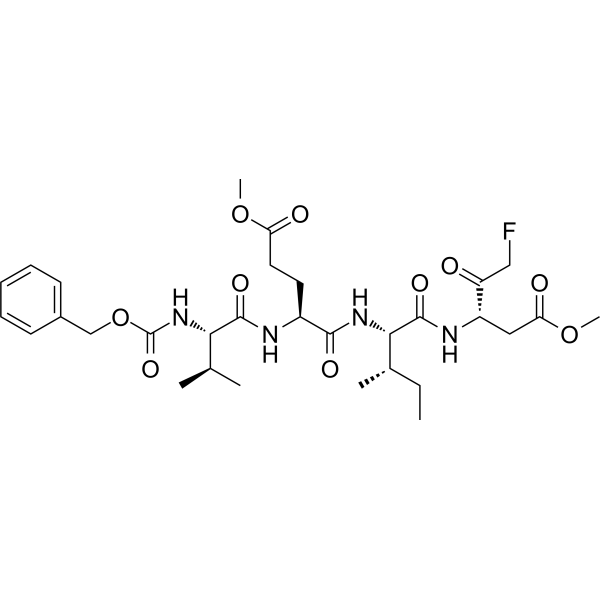 0 ImagesCat. No.: HY-P1007CAS No.: 210344-96-0Synonyms: Z-VE(OMe)ID(OMe)-FMKZ-VEID-FMK (Z-VE(OMe)ID(OMe)-FMK) is a selective and irreversible caspase-6 peptide inhibitor. Z-VEID-FMK alleviates the drug-induced augmentation of caspase-6 activity, DNA fragmentation, and cell apoptosis.
-
Lacidipine
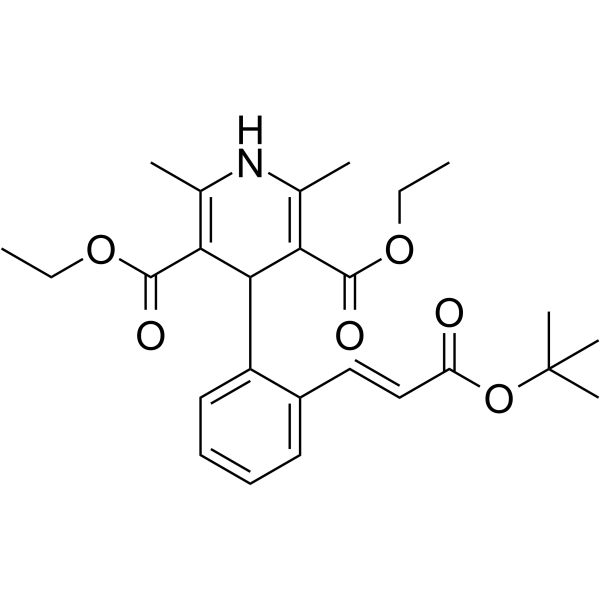 0 ImagesLacidipine is an orally active and highly selective L-type calcium channel blocker that acts on smooth muscle calcium channels, primarily dilates peripheral arteries, reduces peripheral resistance, and has long-lasting anti-hypertensive activity. Lacidipine protects HKCs from apoptosis induced by ATP depletion and recovery by modulating the caspase-3 pathway. Lacidipine can be used in studies of hypertension, atherosclerosis and acute kidney injury (AKI).
-
Xanthoangelol
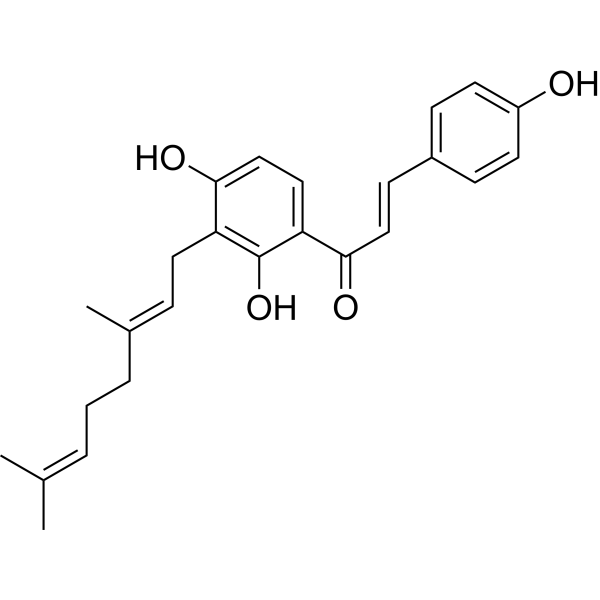 0 ImagesXanthoangelol, extracted from Angelica keiskei, suppresses obesity-induced inflammatory responses. Xanthoangelol possesses antibacterial activity. Xanthoangelol inhibits monoamine oxidases. Xanthoangelol induces apoptosis in neuroblastoma and leukemia cells.
-
8-Gingerol
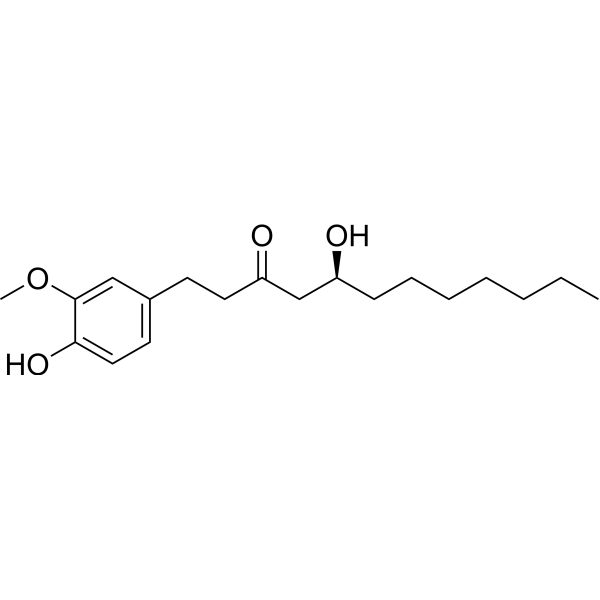 0 Images8-Gingerol can be found in the rhizome of ginger (Z. officinale) and has oral bioactivity. It activates TRPV1, with an EC50 value of 5.0 µM. 8-Gingerol inhibits COX-2 and also suppresses the growth of H. pylori in vitro. Additionally, 8-Gingerol exhibits anticancer, antioxidant, and anti-inflammatory properties by inhibiting the epidermal growth factor receptor (EGFR) and modulating its downstream STAT3/ERK pathway to suppress the proliferation, migration, and invasion of colorectal cancer cells. 8-Gingerol also exerts immunosuppressive effects by inhibiting oxidative stress, inducing cell cycle arrest, promoting apoptosis, and regulating autophagy. Furthermore, 8-Gingerol has cardioprotective effects. 8-Gingerol is promising for research in the fields of cancer, infection, immunosuppression, and cardiovascular diseases.
-
Prosapogenin A
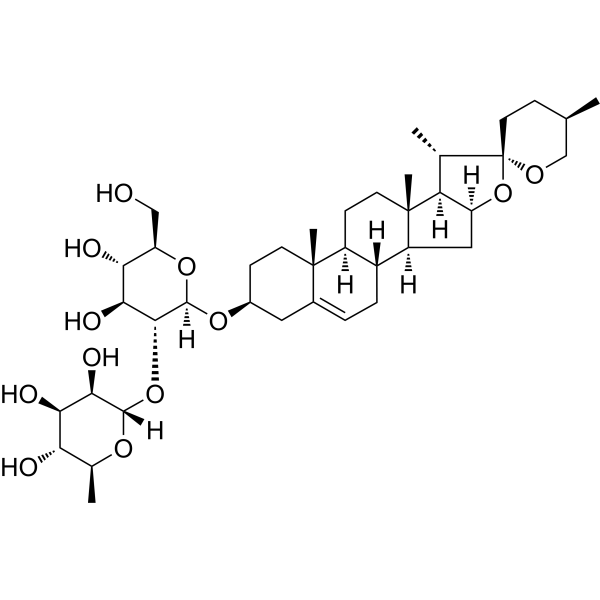 0 ImagesSynonyms: Progenin IIIProsapogenin A, a natural product from Veratrum, induces apoptosis in human cancer cells in vitro via inhibition of the STAT3 signaling pathway and glycolysis.
-
BM-1244
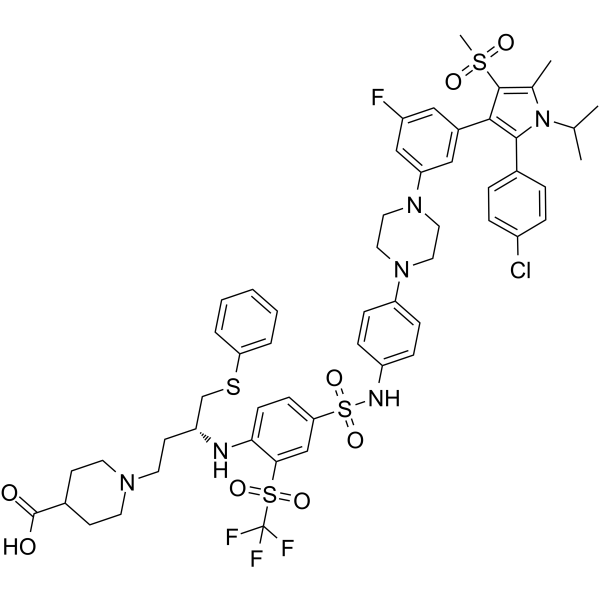 0 ImagesSynonyms: APG-1252-M1BM-1244 (APG-1252-M1) is a Bcl-xL/Bcl-2 inhibitor with Kis of 134 nM and 450 nM. BM-1244 has anti-tumor effects by inducing apoptosis and suppressing tumor growth. BM-1244 can induce cytochrome C and Smac release from mitochondria with caspase-3 and PARP cleavage. BM-1244 exhibits synergy with chemotherapy in vivo. BM-1244 can be studied in research for colorectal cancer, acute myeloid leukemia and gastric cancer.
-
Jolkinolide B
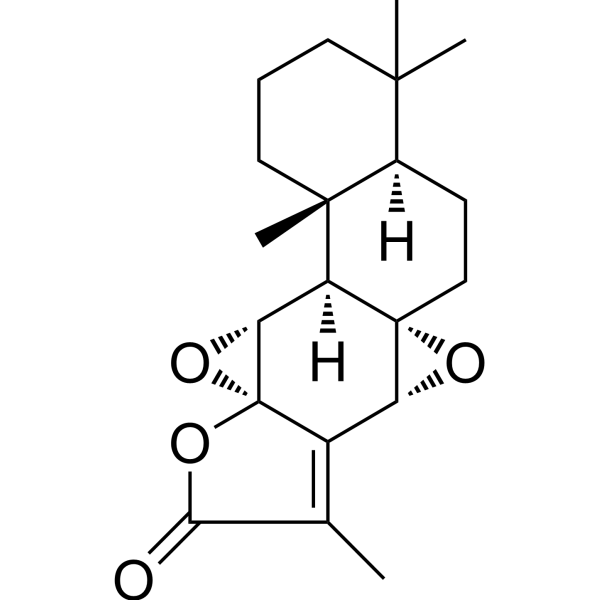 0 ImagesJolkinolide B is a bioactive diterpene isolated from the roots of Euphorbia fischeriana Steud with oral activity. Jolkinolide B downregulates XIAP, cIAP1, cIAP2, and phosphorylated Akt, upregulates Smac, activates caspase-3 and caspase-9, and inhibits NF-κB, TGFβ/smad3 and JAK/STAT3 pathways. Jolkinolide B exerts comprehensive biological effects including inducing cancer cell apoptosis, suppressing inflammatory responses, improving lung function, alleviating hepatic steatosis and eliminating intracellular Mycobacterium tuberculosis. Jolkinolide B can be used for the research of leukemia, histiocytic lymphoma, asthma, metabolic dysfunction-associated steatotic liver disease and tuberculosis.




