1. Search Result
Search Result
Pathways Recommended: Anti-infection
Results for "

candida infections

" in MedChemExpress (MCE) Product Catalog:

103

Inhibitors & Agonists

5

Peptides

32

Natural
Products

4

Isotope-Labeled Compounds

1

Click Chemistry

Cat. No. Product Name Target Research Areas Chemical Structure
  • HY-B0139
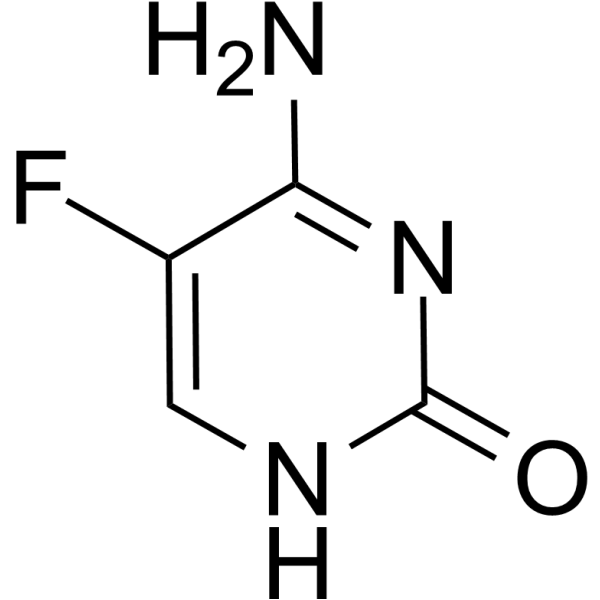
    Flucytosine
    3 Publications Verification

    5-Fluorocytosine; NSC 103805; Ro 2-9915

    Fungal Antibiotic Infection Cancer
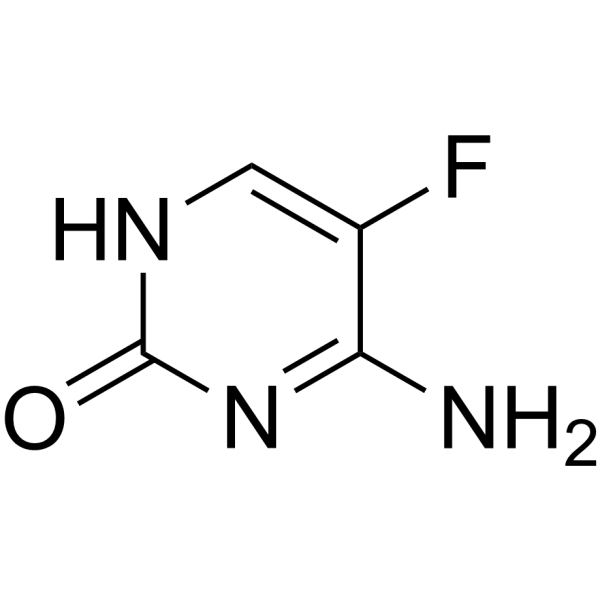
    Flucytosine (5-Fluorocytosine) is an antifungal compound with oral activity. Flucytosine is a widely used cytotoxic drug that, after further metabolism, produces fluorinated ribonucleotides and deoxyribonucleotides, inhibits DNA and protein synthesis, and has multiple effects such as inhibiting candida and candida neoplasm infection and producies cytotoxicity to cancer cells .
    Flucytosine
  • HY-17395A
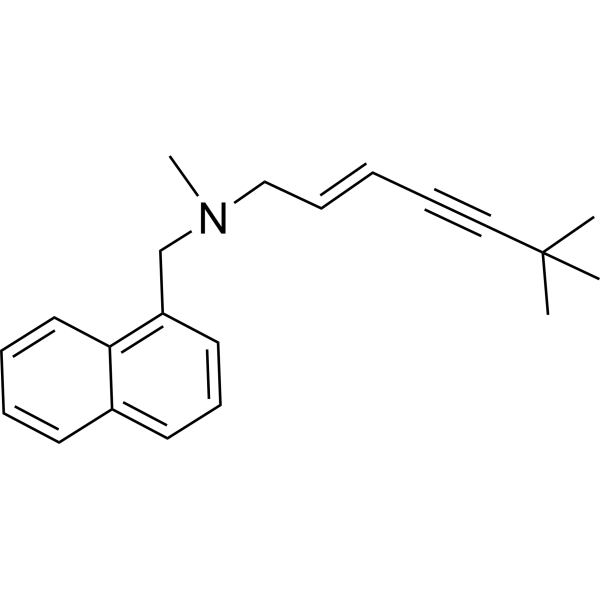
    Terbinafine
    Maximum Cited Publications
    17 Publications Verification

    TDT 067

    Fungal Bacterial Antibiotic Infection
    Terbinafine (TDT 067) is an orally active and potent antifungal agent. Terbinafine is a potent non-competitive inhibitor of squalene epoxidase from Candida, with a Ki of 30 nM. Terbinafine also shows antibacterial activity against certain Gram-positive and Gram-negative bacteria . Terbinafine is a click chemistry reagent, it contains an Alkyne group and can undergo copper-catalyzed azide-alkyne cycloaddition (CuAAc) with molecules containing Azide groups.
    Terbinafine
  • HY-17395
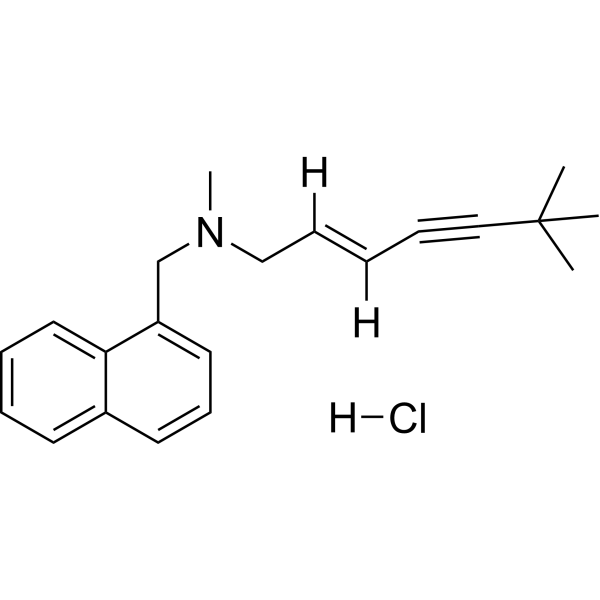
    Terbinafine hydrochloride
    Maximum Cited Publications
    17 Publications Verification

    TDT 067 hydrochloride

    Fungal Bacterial Antibiotic Infection
    Terbinafine hydrochloride (TDT 067 hydrochloride) is an orally active and potent antifungal agent. Terbinafine hydrochloride is a potent non-competitive inhibitor of squalene epoxidase from Candida, with a Ki of 30 nM. Terbinafine hydrochloride also shows antibacterial activity against certain Gram-positive and Gram-negative bacteria . Terbinafine hydrochloride is a click chemistry reagent, it contains an Alkyne group and can undergo copper-catalyzed azide-alkyne cycloaddition (CuAAc) with molecules containing Azide groups.
    Terbinafine hydrochloride
  • HY-107126

    MK 3118; SCY-078

    Fungal Infection
    Ibrexafungerp (MK 3118) is an orally active β-1,3-glucan synthesis inhibitor, with potential antifungal activity. Ibrexafungerp can be used for research of Candida and Aspergillus infections .
    Ibrexafungerp
  • HY-107126A

    MK 3118 citrate; SCY-078 citrate

    Fungal Infection
    Ibrexafungerp citrate (MK 3118 citrate) is an orally active β-1,3-glucan synthesis inhibitor, with potential antifungal activity. Ibrexafungerp citrate is an investigational agent for the treatment of Candida and Aspergillus infections .
    Ibrexafungerp citrate
  • HY-P10408

    EGFR MMP Calcium Channel NOD-like Receptor (NLR) ERK p38 MAPK Infection Inflammation/Immunology
    Candidalysin is a cytolytic peptide toxin secreted by the fungus Candida albicans. Candidalysin drives epithelial immune responses by activating the EGFR-MAPK signaling pathway, inducing MMP expression and calcium influx, and regulating the c-Fos transcription factor and MKP1 via p38 MAPK and ERK1/2 respectively. Candidalysin is essential for mucosal and systemic infections, activating NLRP3 to promote inflammatory responses, neutrophil recruitment, and Th17 immunity. Candidalysin activates LDH causing membrane damage and exhibiting cytotoxicity
    Candidalysin
  • HY-119847

    BAY-W-6341

    Fungal Infection
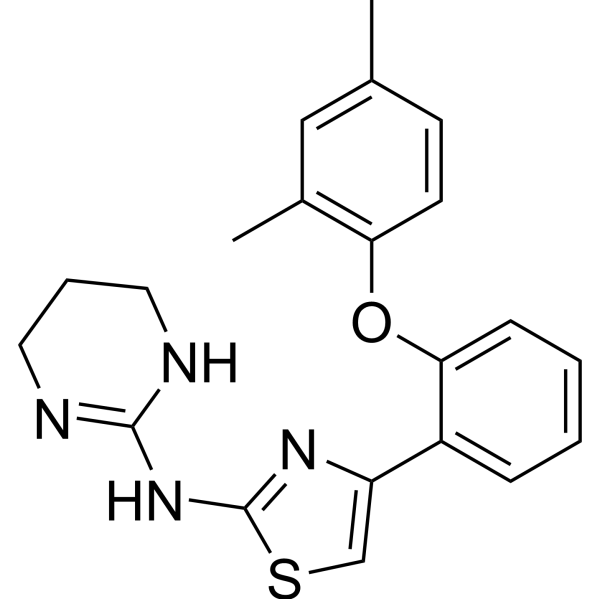
    Abafungin (BAY-W-6341) is a broad-spectrum fungicidal arylguanidine compound and a selective inhibitor of sterol-C-24-methyltransferase. Abafungin blocks the transmethylation reaction at the C-24 position of the sterol side chain during the ergosterol biosynthesis pathway. Abafungin directly disrupts fungal cell membrane integrity, and diminishes fungal viability independent of the fungal growth state. Abafungin can be applied to the research of fungal infections, particularly dermatomycoses .
    Abafungin
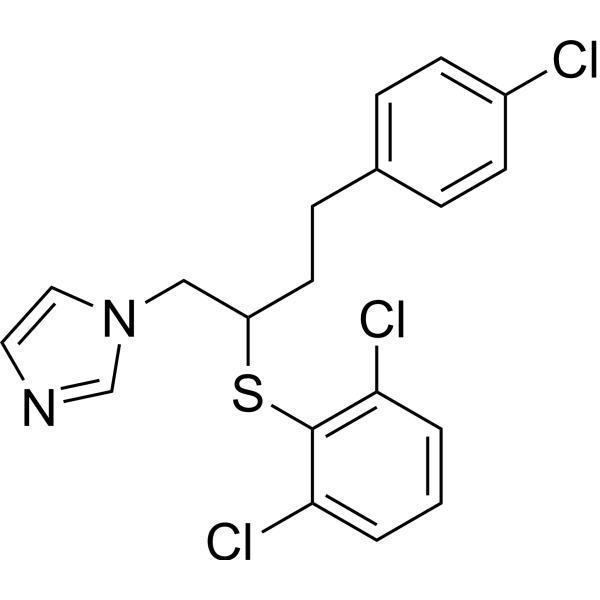
  • HY-B0293
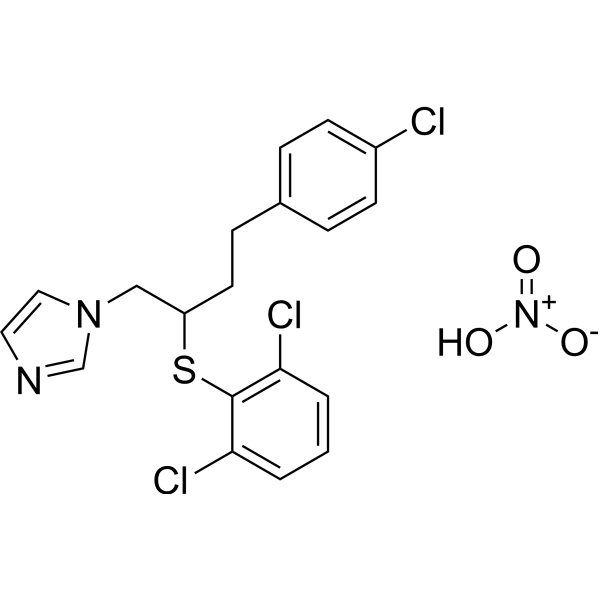
    Butoconazole nitrate
    2 Publications Verification

    RS 35887

    Fungal Infection
    Butoconazole nitrate (RS 35887), an imidazole antifungal agent, is active against Candida spp. and effective against vaginal infections due to Candida albicans. Butoconazole nitrate is presumed to function as other imidazole derivatives via inhibition of steroid synthesis .
    Butoconazole nitrate
  • HY-132191

    Fungal SARS-CoV HIV Infection
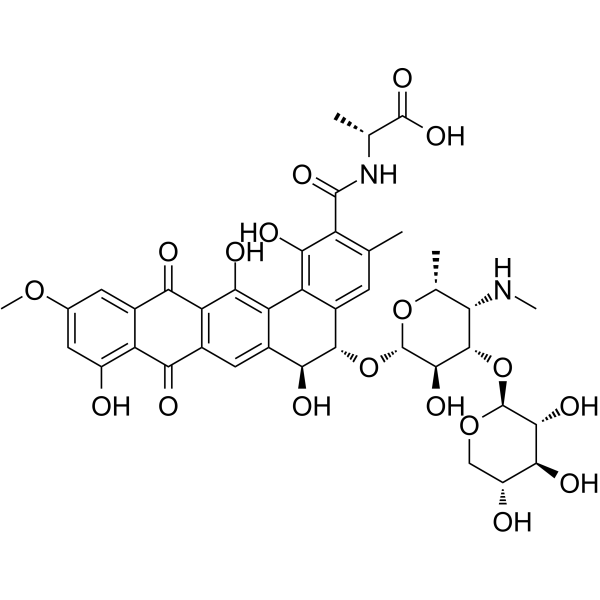
    Pradimicin A is a potent antifungal agent with a minimum inhibitory concentration (MIC) of 4 μg/mL against Candida rugosa. Pradimicin A exhibits antiviral activity against SARS-CoV, human immunodeficiency virus (HIV) and other enveloped viruses. Pradimicin A exerts its fungicidal activity through a Ca 2+-dependent mechanism, which induces fungal lysis. Pradimicin A can be used in research related to fungal infections, HIV infections and COVID-19 .
    Pradimicin A
  • HY-B0277A

    ara-AMP; ara-A 5'-monophosphate

    EBV HSV Fungal DNA/RNA Synthesis Apoptosis Drug Intermediate Reactive Oxygen Species (ROS) Infection
    Vidarabine phosphate (ara-AMP; ara-A 5'-monophosphate) is a purine nucleoside antiviral agent and a prodrug of Vidarabine (HY-B0277). Vidarabine phosphate is rapidly converted into the antiviral active Vidarabine in vivo, which selectively inhibits viral DNA polymerase and cellular ribonucleotide reductase, thereby blocking viral replication. Vidarabine phosphate also exhibits antifungal activity, induces late-stage cellular apoptosis, and causes cell cycle arrest. Vidarabine phosphate can be used in research related to severe chronic active Epstein-Barr virus (EBV) infection, herpes infection, and candidiasis .
    Vidarabine phosphate
  • HY-B0293A
    Butoconazole
    2 Publications Verification

    Fungal Infection
    Butoconazole, an imidazole antifungal agent, is active against Candida spp. and effective against vaginal infections due to Candida albicans. Butoconazole is presumed to function as other imidazole derivatives via inhibition of steroid synthesis .
    Butoconazole
  • HY-P2124

    Antibiotic Bacterial Infection
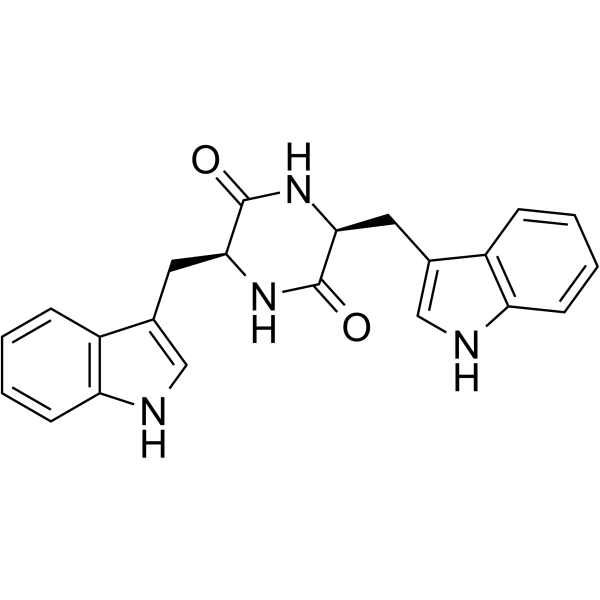
    Cyclo(L-Trp-L-Trp) is an antibiotic, and shows antimicrobial activity. Cyclo(L-Trp-L-Trp) can inhibit A. baumannii, as well as Candida albicans, Bacillus subtilis, Micrococcus luteus, Saccharomyces cerevisiae, Aspergillus niger, Staphylococcus aureus. Cyclo(L-Trp-L-Trp) can be used in microbial infection research .
    Cyclo(L-Trp-L-Trp)
  • HY-124833

    Casein Kinase Apoptosis Fungal Reactive Oxygen Species (ROS) Caspase MDM-2/p53 PARP Bcl-2 Family Akt ERK STAT JNK p38 MAPK CDK Infection Cancer
    Quinalizarin is a protein kinase CK2 inhibitor with a Ki of 0.052 μM. Quinalizarin exhibits antifungal and anticancer activities. Quinalizarin induces ROS production, apoptotic signaling, mitochondrial pathway activation, cell cycle arrest, and cytotoxicity in cancer cells. Quinalizarin inhibits hyphal growth, biofilm formation, and mature biofilm integrity of Candida albicans. Quinalizarin can be used in research related to cancer and fungal infections .
    Quinalizarin
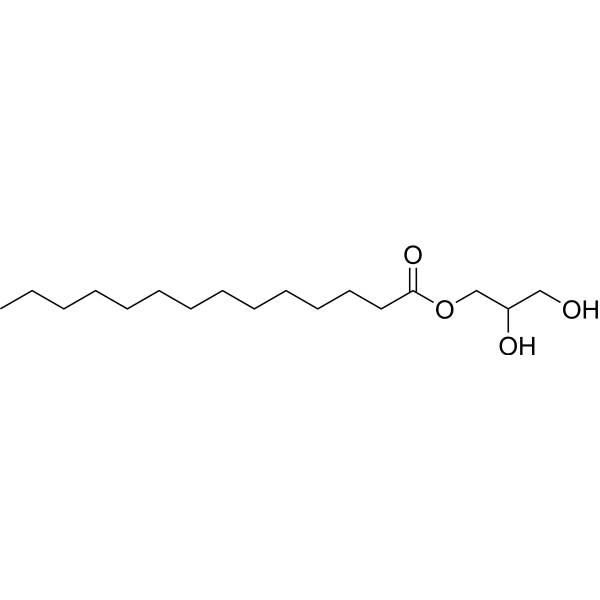
  • HY-N2512
    1-Monomyristin
    1 Publications Verification

    Environmental Pollutants Endogenous Metabolite FAAH Autophagy Bacterial Fungal Infection Cancer
    1-Monomyristin acts as an insecticide, enzyme inhibitor, antibacterial and antifungal agent, with an IC50 of 18 μM against rat FAAH and an IC50 of 32 μM against rat MAGL. 1-Monomyristin inhibits 2-oleoylglycerol hydrolysis via MAGL. 1-Monomyristin suppresses the growth of Staphylococcus aureus, Aggregatibacter actinomycetemcomitans and Candida albicans. 1-Monomyristin is lethal to brine shrimp . 1-Monomyristin exhibits marginal cytotoxicity against prostate cancer cells. 1-Monomyristin is applicable to research related to bacterial infections, fungal infections, renal cancer, prostate adenocarcinoma and pancreatic cancer .
    1-Monomyristin
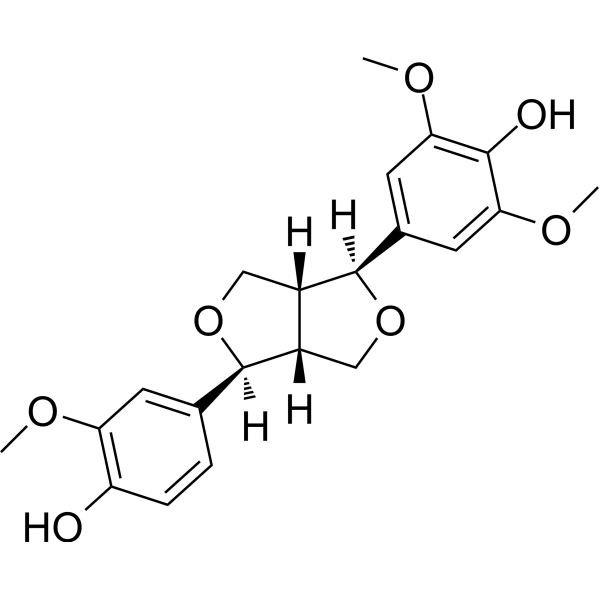
  • HY-N3307
    (+)-Medioresinol
    1 Publications Verification

    Bacterial Fungal Reactive Oxygen Species (ROS) Apoptosis MMP Interleukin Related PI3K Akt mTOR PPAR PGC-1α Pyroptosis Infection Neurological Disease Inflammation/Immunology
    (+)-Medioresinol is a furofuran-type lignan with antifungal and antibacterial properties. (+)-Medioresinol synergizes with antibiotics to exert antimicrobial and antibiofilm effects. (+)-Medioresinol induces intracellular ROS accumulation and mitochondrial-mediated apoptosis in Candida albicans. (+)-Medioresinol inhibits LPS (HY-D1056)-stimulated IL-12p40 production. (+)-Medioresinol is a PGC-1α activator that protects against endothelial cell pyroptosis in ischemic stroke via the PPARα-GOT1 axis. (+)-Medioresinol can be used in research on fungal and bacterial infection, inflammation, and ischemic stroke .
    (+)-Medioresinol
  • HY-N1341

    HCV HCV Protease DNA/RNA Synthesis Bacterial Infection
    Roseoside is an inhibitor of DNA gyrase and HAV 3C protease, and also inhibits HCV NS5A/B replicase in human systems with an IC50 of 20 μM. Roseoside binds to the active site of enzymes and stabilizes the interaction by forming hydrogen bonds with key amino acid residues. Roseoside inhibits the growth of Gram-positive bacteria, Gram-negative bacteria, and Candida albicans, and interferes with HCV RNA replication in vitro by inhibiting HCV NS5A/B replicase (IC50=20 μM). Roseoside shows no cytotoxicity and serves as a research tool for studies related to bacterial infections, candidiasis, HAV and HCV .
    Roseoside
  • HY-N2198

    Fungal Bacterial Topoisomerase Apoptosis Infection Inflammation/Immunology Cancer
    Podocarpusflavone A is a biflavonoid present in the leaves of Podocarpus henkelii, with anti-tumor, topoisomerase I inhibitory, antibacterial and antifungal activities. Podocarpusflavone A exhibits antibacterial activity against Enterococcus faecalis and Pseudomonas aeruginosa. Podocarpusflavone A shows weak activity against fungal pathogens. Podocarpusflavone A targets topoisomerase I and induces cell cycle arrest and apoptosis in MCF-7 cells. Podocarpusflavone A can be used for studies on cancer, bacterial and fungal infections .
    Podocarpusflavone A
  • HY-136436

    Drug Metabolite Antibiotic Bacterial Fungal Infection Inflammation/Immunology
    Ternidazole hydrochloride is a nitroimidazole Antibiotic with anti-pathogenic microbial activity. Ternidazole hydrochloride kills and inhibits the visible growth of Clostridium perfringens type A in vitro. Ternidazole hydrochloride helps improve the therapeutic efficacy against bacterial vaginosis, candidal vaginitis and mixed vaginitis. Ternidazole hydrochloride effectively alleviates chronic alcoholism. Ternidazole hydrochloride can be used in research related to vaginitis, pathogenic microbial infections and chronic alcoholism .
    Ternidazole hydrochloride
  • HY-B2153

    Cuproptosis Bacterial Infection
    Tetraethylenepentamine pentahydrochloride is an orally active copper chelator and copper mobilizer. Tetraethylenepentamine pentahydrochloride exhibits growth inhibitory and hypolipidemic properties. Tetraethylenepentamine pentahydrochloride significantly increases urinary copper excretion and reduces renal copper accumulation in copper overload models, but does not significantly alter hepatic copper levels. Tetraethylenepentamine pentahydrochloride exerts growth inhibitory effects on Candida albicans and Fluconazole (HY-B0101)-resistant strains, and can be widely used in studies related to Wilson's disease and Candida infections .
    Tetraethylenepentamine pentahydrochloride
  • HY-W357140

    Phenylethyl β-D-glucopyranoside

    Fungal Infection
    β-Phenylethyl β-D-glucoside (Phenylethyl β-D-glucopyranoside) (Compound 7), a phenolic compounds, is an antifungal agent. β-Phenylethyl β-D-glucoside can be isolated from the leaves of Piper crocatum. β-Phenylethyl β-D-glucoside has antifungal activity against Candida albicans. β-Phenylethyl β-D-glucoside can be used for fungal infections research .
    β-Phenylethyl β-D-glucoside
  • HY-N12717

    PAK FASTK HSP p38 MAPK NF-κB NO Synthase COX HSV Caspase TNF Receptor Fungal Apoptosis Infection Inflammation/Immunology Cancer
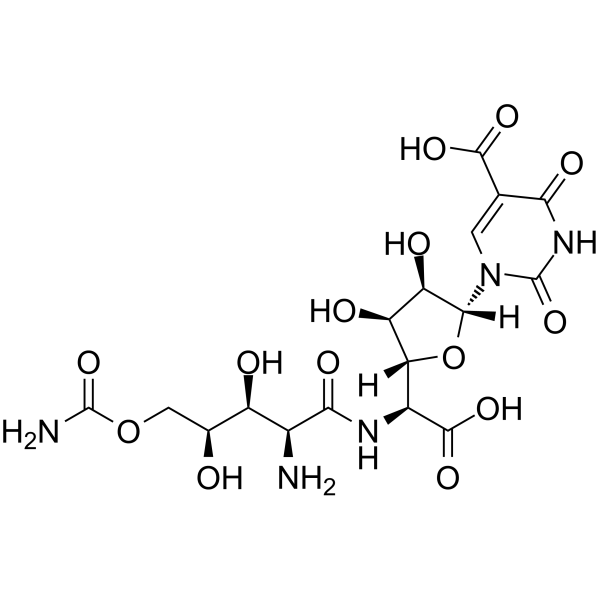
    Casuarinin is an orally active antiproliferative, anti-inflammatory, antifungal, virucidal and gastroprotective agent. Casuarinin upregulates the expression of p21/WAF1, Fas/APO‑1, mFasL, sFasL and HSP‑70, arrests cell cycle, induces apoptosis and inhibits cancer cell proliferation. Casuarinin inhibits TNF‑α-induced phosphorylation of MAPK and activation of NF‑κB, downregulates the expression of iNOS, NF‑κB, COX‑2 and ICAM‑1, and reduces the production of proinflammatory mediators. Casuarinin attenuates ethanol-induced activation of caspase‑3 and elevation of TNF‑α, inhibits the growth of Candida albicans, and inhibits HSV‑2. Casuarinin can be used in research related to mammary adenocarcinoma, inflammatory skin diseases, gastric ulcers, candidiasis and herpes simplex virus infections .
    Casuarinin
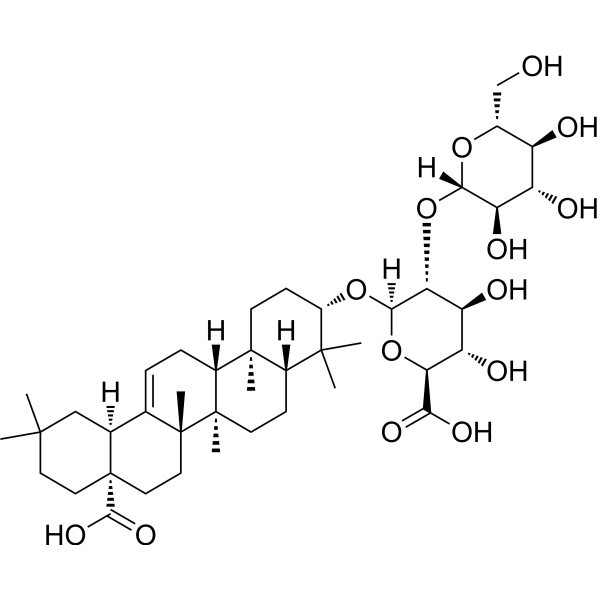
  • HY-N6924
    Zingibroside R1
    1 Publications Verification

    HIV PIN1 Fungal GLUT Reactive Oxygen Species (ROS) Infection Neurological Disease Metabolic Disease Cancer
    Zingibroside R1 is an orally active triterpene saponin with multiple biological activities including antioxidant, anti-inflammatory, antiviral, and metabolic regulatory properties. Zingibroside R1 reduces the expression of PIN family members, inhibits the expression of PLT1/PLT2, WOX5, SHR, and SCR, disrupts auxin transport and distribution, triggers plant ROS responses, and inhibits root growth. Zingibroside R1 extends the lifespan of Caenorhabditis elegans, enhances its heat stress resistance, and improves its motor ability. Hydrogel derivatives of Zingibroside R1 inhibit the proliferation of Candida albicans by binding to its β-1,3-glucan and exhibit antifungal activity. Zingibroside R1 inhibits GLUT1-mediated uptake and alleviates liver injury. Zingibroside R1 can be used in research related to neurodegenerative diseases, vulvovaginal candidiasis, acute liver injury, Ehrlich ascites tumor and HIV-1 infection .
    Zingibroside R1
  • HY-N3968

    GTN; (R)-(+)-Goniothalamin

    Apoptosis Insecticide Bacterial Fungal Reactive Oxygen Species (ROS) Infection Inflammation/Immunology Cancer
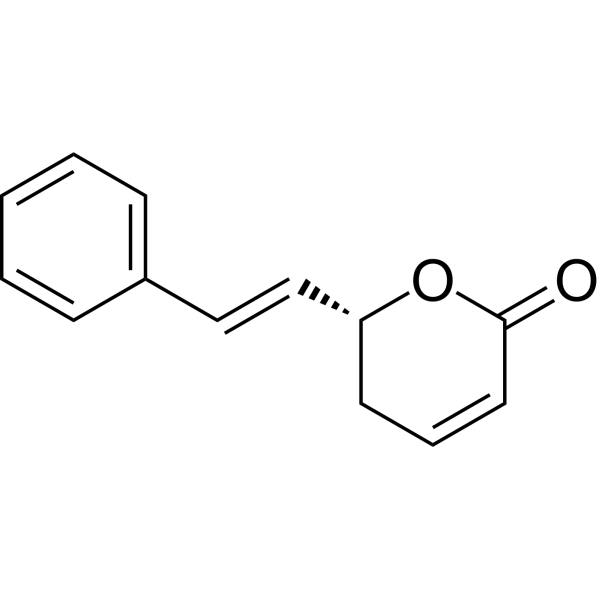
    Goniothalamin (GTN) is a styryl lactone. Goniothalamin exhibits insecticidal, anti-tumor and antibacterial activities. Goniothalamin induces cell cycle arrest and apoptosis in tumor cells. Goniothalamin acts as a larvicide against Culex quinquefasciatus larvae and as a cytotoxin against brine shrimp larvae. Goniothalamin functions as an antibacterial agent against Gram-positive and Gram-negative bacteria, and also acts as an antifungal agent against pathogens including Candida albicans, Trichophyton rubrum and Trichophyton mentagrophytes. Goniothalamin is applicable to research related to breast cancer, lymphatic filariasis, bacterial infections and fungal infections .
    Goniothalamin
  • HY-B0139R

    5-Fluorocytosine (Standard); NSC 103805 (Standard); Ro 2-9915 (Standard)

    Reference Standards Fungal Antibiotic Infection Cancer
    Flucytosine (Standard) is the analytical standard of Flucytosine. This product is intended for research and analytical applications. Flucytosine (5-Fluorocytosine) is an antifungal compound with oral activity. Flucytosine is a widely used cytotoxic drug that, after further metabolism, produces fluorinated ribonucleotides and deoxyribonucleotides, inhibits DNA and protein synthesis, and has multiple effects such as inhibiting candida and candida neoplasm infection and producies cytotoxicity to cancer cells .
    Flucytosine (Standard)
  • HY-W014665

    Phthaloyl glycine

    Bacterial Fungal Infection
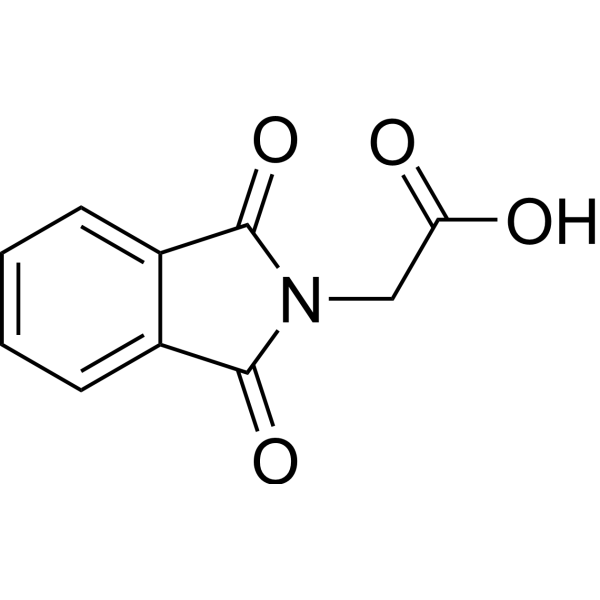
    N-Phthaloylglycine (Phthaloyl glycine) is a Type II fragmentary hapten (FX-type) with antimicrobial activity. N-Phthaloylglycine acts against Candida albicans, Escherichia coli, and Staphylococcus epidermidis. N-Phthaloylglycine can be used for the research of fungal and bacterial infection .
    N-Phthaloylglycine
  • HY-N11709

    Apoptosis VEGFR ATM/ATR PTEN Akt mTOR HIF/HIF Prolyl-Hydroxylase NF-κB Notch Cholinesterase (ChE) Amyloid-β γ-secretase Ferroptosis Fungal Infection Neurological Disease Metabolic Disease Cancer
    Theasaponin E1 is an orally effective tea saponin. Theasaponin E1 inhibits the proliferation of cancer cells by activating apoptosis. Theasaponin E1 inhibits angiogenesis in ovarian cancer cells and HUVECs by reducing the expression of VEGF. Theasaponin E1 upregulates the phosphorylation level of ATM protein and the expression level of PTEN protein in cancer cells, decreases the phosphorylation levels of Akt, mTOR, p70S6K and 4E-BP1 proteins, downregulates the expression of HIF-1α and NF-κB, and reduces the protein expression of Notch ligands Dll4 and Jagged1. Theasaponin E1 exerts neuroprotective effects by inhibiting the activity of acetylcholinesterase, activating α-secretase and neprilysin, reducing the concentration of , and inhibiting the activities of β-secretase and γ-secretase. Theasaponin E1 exhibits toxic effects on cancer cells and quinone reductase-inducing activity, and inhibits tumor growth in vivo. Theasaponin E1 induces ferroptosis in Pomacea canaliculata by synergistically disrupting cholesterol homeostasis and sphingolipid metabolism. Theasaponin E1 possesses anti-biofilm activity against Candida albicans. Theasaponin E1 can be used in the research of ovarian cancer, obesity, Alzheimer's disease and fungal infections .
    Theasaponin E1
  • HY-W1127089

    Fungal Cytochrome P450 Interleukin Related Infection Inflammation/Immunology
    Antifungal agent 136 is a CYP51 inhibitor and antifungal agent. Antifungal agent 136 downregulates the expression of interleukin-6 to alleviate inflammatory responses. Antifungal agent 136 exhibits activity against both drug-sensitive and drug-resistant Candida albicans strains. Antifungal agent 136 can be used in the research of fungal infections and inflammatory diseases .
    Antifungal agent 136
  • HY-W587956

    Fungal Infection
    α-Guaiene is a natural sesquiterpene and fungicidal agent found in Pogostemon cablin (patchouli) essential oil. α-Guaiene suppresses the growth of Aspergillus niger, Candida albicans, Microsporum gypseum, and Trichophyton mentagrophytes. α-Guaiene can be used for the study of fungal infection .
    α-Guaiene
  • HY-17395S

    TDT 067-d3 hydrochloride

    Isotope-Labeled Compounds Fungal Bacterial Antibiotic Infection
    Terbinafine-d3 hydrochloride is the deuterium labeled Terbinafine hydrochloride. Terbinafine hydrochloride (TDT 067 hydrochloride) is an antifungal medication used to treat fungal infections. It is a potent non-competitive inhibitor of squalene epoxidase from Candida with a Ki of 30 nM . Terbinafine hydrochloride also antibacterial activity against certain Gram-positive and Gram-negative bacteria .
    Terbinafine-d3 hydrochloride
  • HY-17395AS

    TDT 067-d7

    Isotope-Labeled Compounds Fungal Bacterial Antibiotic Infection
    Terbinafine-d7 is the deuterium labeled Terbinafine. Terbinafine (TDT 067) is an antifungal medication used to treat fungal infections. It is a potent non-competitive inhibitor of squalene epoxidase from Candida with a Ki of 30 nM . Terbinafine also antibacterial activity against certain Gram-positive and Gram-negative bacteria .
    Terbinafine-d7
  • HY-17395AR

    TDT 067 (Standard)

    Reference Standards Fungal Bacterial Antibiotic Infection
    Terbinafine (Standard) is the analytical standard of Terbinafine. This product is intended for research and analytical applications. Terbinafine (TDT 067) is an orally active and potent antifungal agent. Terbinafine is a potent non-competitive inhibitor of squalene epoxidase from Candida, with a Ki of 30 nM. Terbinafine also shows antibacterial activity against certain Gram-positive and Gram-negative bacteria . Terbinafine is a click chemistry reagent, it contains an Alkyne group and can undergo copper-catalyzed azide-alkyne cycloaddition (CuAAc) with molecules containing Azide groups.
    Terbinafine (Standard)
  • HY-144694

    HSP HDAC Fungal Infection
    HDAC/HSP90-IN-3 (compound J5) is a potent and selective fungal Hsp90 and HDAC dual inhibitor, with IC50 values of 0.83 and 0.91 μM, respectively. HDAC/HSP90-IN-3 shows antifungal activity against azole resistant C. albicans. HDAC/HSP90-IN-3 can suppress important virulence factors and down-regulate drug-resistant genes ERG11 and CDR1 .
    HDAC/HSP90-IN-3
  • HY-146079

    Fungal Infection
    Antifungal agent 31 (compound 12) is a potent and orally active triazole antifungal agents with a pyrrolotriazinone scaffold. Antifungal agent 31 shows antifungal activity against Candida spp. and filamentous fungi. Antifungal agent 31 significantly reduced mortality rates and kidney fungal burden in two murine models of lethal systemic infections .
    Antifungal agent 31
  • HY-W264454

    Bacterial Infection
    Antibacterial agent 303 (compound 3) is an antibacterial agent exhibiting potent antibacterial activity against MDR strains, with MICs of 10 and 100 µg/mL against Pseudomonas aeruginosa MDR1 and Staphylococcus aureus MDR strains, respectively. Antibacterial agent 303 displays strong binding affinities to E. coli DNA gyrase and Candida albicans lanosterol 14α-demethylase. Antibacterial agent 303 can be used for drug-resistant infections research .
    Antibacterial agent 303
  • HY-P10603

    Antibiotic Bacterial Infection
    SP1 is an α-peptide encoded by the mating pheromone MFα1 gene in Candida albicans, which can induce cell growth arrest at the mating type locus MTLa in Candida albicans. SP1 can be used in the study of the prevention and treatment of Candida albicans infection .
    SP1
  • HY-17395R

    TDT 067 hydrochloride (Standard)

    Reference Standards Fungal Bacterial Antibiotic Infection
    Terbinafine hydrochloride (Standard) is the analytical standard of Terbinafine hydrochloride. This product is intended for research and analytical applications. Terbinafine hydrochloride (TDT 067 hydrochloride) is an orally active and potent antifungal agent. Terbinafine hydrochloride is a potent non-competitive inhibitor of squalene epoxidase from Candida, with a Ki of 30 nM. Terbinafine hydrochloride also shows antibacterial activity against certain Gram-positive and Gram-negative bacteria . Terbinafine hydrochloride is a click chemistry reagent, it contains an Alkyne group and can undergo copper-catalyzed azide-alkyne cycloaddition (CuAAc) with molecules containing Azide groups.
    Terbinafine hydrochloride (Standard)
  • HY-178330

    Others Topoisomerase Infection
    IKE16 is a fungi-selective eukaryotic topoisomerase II inhibitor, with an IC50 value of 13.68 μM. IKE16 suppresses both the DNA relaxation activity and the decatenation activity of yTOPOII selectively. IKE16 shows moderate activity against standard fungal strains (Candida albicans ATCC 10231, Saccharomyces cerevisiae ATCC 89763) with a minimum inhibitory concentration (MIC) of 2 μg/mL against S. cerevisiae ATCC 89763. IKE16 exhibits high cytotoxicity against human cells, with an EC50 of 0.07 μM in HepG2 and 0.045 μM in HEK-293. IKE16 can be used for the study of antifungal infection .
    IKE16
  • HY-107126B

    MK 3118 phosphate; SCY-078 phosphate

    Fungal Infection
    Ibrexafungerp phosphate is an orally active β-1,3-glucan synthesis inhibitor, with potential antifungal activity. Ibrexafungerp phosphate can be used for research of Candida and Aspergillus infections .
    Ibrexafungerp phosphate
  • HY-173428

    Fungal Infection
    Antifungal agent 130 (Compound A7) is an orally active antifungal agent. Antifungal agent 130 has good antifungal activity against Candida albicans (MIC = 0.12 ng/mL) and Cryptococcus neoformans (MIC = 0.12 ng/mL) and has excellent antivirulence effect. Antifungal agent 130 exerts its antifungal effect by disrupting the iron homeostasis of fungal cells and inducing oxidative stress damage. Antifungal agent 130 can inhibit the formation of fungal virulence factors (such as biofilm, capsule, urease and melanin). Antifungal agent 130 has good antifungal effect and can be used in the study of drug-resistant fungal infections .
    Antifungal agent 130
  • HY-N14018

    Antibiotic Fungal Infection
    Glidobactin A is an acyl peptide antibiotic. Glidobactin A has activity against Candida, Aspergillus fumigatus and Trichophyton, but it is not effective against Candida albicans M-9 infection in mice .
    Glidobactin A
  • HY-146116

    Fungal Infection
    Antifungal agent 32 (compound 1a) is a potent antifungal agent. Antifungal agent 32 inhibits Candida albicans filamentation and biofilm formation. Antifungal agent 32 inhibits the morphological switching of Candida albicans and its adherence to epithelial cells. Antifungal agent 32 can be used for Candida albicans infections research .
    Antifungal agent 32
  • HY-172676

    Fungal Casein Kinase Infection
    GW461484A is a small-molecule inhibitor targeting Candida albicans Yck2, with an IC50 of 0.11 µM. It exhibits antifungal activity against C. albicans with a MIC80 of 12.5 µM. GW461484A holds potential for research on fungal diseases, such as drug-resistant Candida infections .
    GW461484A
  • HY-B0293R

    RS 35887 (Standard)

    Reference Standards Fungal Infection
    Butoconazole (nitrate) (Standard) is the analytical standard of Butoconazole (nitrate). This product is intended for research and analytical applications. Butoconazole nitrate (RS 35887), an imidazole antifungal agent, is active against Candida spp. and effective against vaginal infections due to Candida albicans. Butoconazole nitrate is presumed to function as other imidazole derivatives via inhibition of steroid synthesis .
    Butoconazole nitrate (Standard)
  • HY-106997

    BAY 10-8888; PLD 118

    Fungal Infection
    Icofungipen is an orally active antifungal agent. Icofungipen is the representative of beta amino acids, is toxic against Candida species. Icofungipen protects infected mice survival from C. albicans infection .
    Icofungipen
  • HY-122529

    Bacterial Infection
    Almurtide (nor-MDP), a muramyl dipeptide derivative with anti-inflammatory and anti-tumor activity. Almurtide also shows protective effects against intraperitoneal Pseudomonas aeruginosa infection or intravenously Candida albicans infection in mice. Almurtide also inhibits the carcinogenic Friend leukemia virus .
    Almurtide
  • HY-151439

    Fungal Infection
    Antifungal agent 41 (compound B01) is an antifungal agent. Antifungal agent 41 shows inhibitory effect on Candida albicans in virto and vivo. Antifungal agent 41 can be used for the research of invasive fungal infections .
    Antifungal agent 41
  • HY-170885

    Fungal Infection
    Group II intron-IN-1 (Compound 1) is an inhibitor of fungal Group II introns, with an IC50 of 3 μM. Group II intron-IN-1 can be used for research on infections caused by fungi such as Candida .
    Group II intron-IN-1
  • HY-P10916

    Drug Metabolite Fungal Infection
    Micafungin metabolite M1 is an active metabolite of Micafungin (HY-17579), which is metabolized by arylsulfatase and exhibits antifungal activity. Micafungin metabolite M1 can be used for research on deep fungal infections caused by Candida and Aspergillus species .
    Micafungin metabolite M1
  • HY-117166

    K-F-224

    Bacterial Infection
    Naftoxate is an ester compound containing aminomethylsulfate, and its ammonium salt analog can inhibit free thiols to chemically weaken the reactive oxygen species (ROS)-sensitive anaerobic bacterium Trichomonas vaginalis and inhibit common pathogens causing vaginal infections: Candida albicans and Staphylococcus aureus .
    Naftoxate
  • HY-N15444

    Fungal Infection Inflammation/Immunology
    Bullatenone is a volatile bioactive compound that can be found in Lophomyrtus bullata. It has insect - repellent, anti - ulcer, anti - UV, and antifungal activities. Bullatenone can inhibit the growth of fungi such as Candida albicans and Cladosporium resinae. Bullatenone can be used in the research of diseases such as inflammation and infections .
    Bullatenone

Inquiry Online

Your information is safe with us. * Required Fields.

Salutation


Country or Region *

Applicant Name *


Organization Name *

Department *


Email Address *


Product Name *

Cat. No.


Requested quantity *

Phone Number *


Remarks

Inquiry Online

Inquiry Information

Product Name:
Cat. No.:
Quantity:
MCE Japan Authorized Agent:

