112 Results for "

fungi infection

" in MedChemExpress (MCE) Product Catalog:
Products (112)

112 Results for "fungi infection" in MCE Product Catalog:

2
2 Cited Publications
Cat. No.: HY-N1970
CAS No.: 31721-94-5
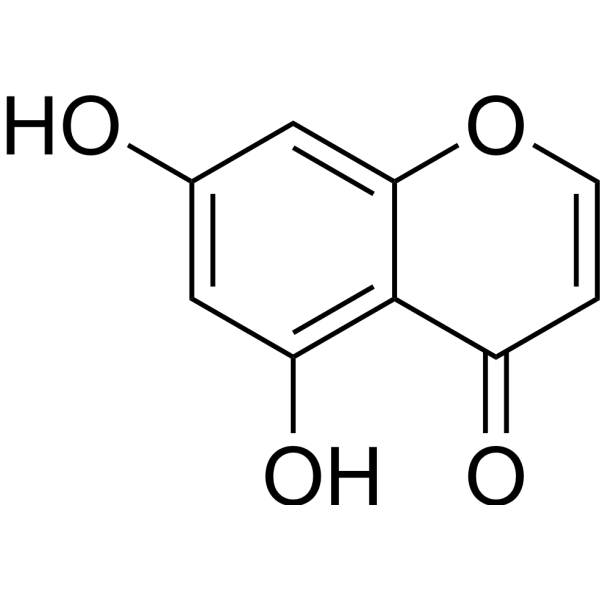
5,7-Dihydroxychromone is a flavonoid compound with antioxidant properties. 5,7-Dihydroxychromone induces Nrf2 nuclear translocation, increases Nrf2/ARE binding activity, and up-regulates Nrf2-dependent antioxidant genes HO-1, NQO1, GCLc. 5,7-Dihydroxychromone attenuates excessive ROS generation, inhibits activated caspase-3, caspase-9, cleaved PARP expression, and prevents neuronal apoptosis and cell death. 5,7-Dihydroxychromone increases LXRα and PPARγ mRNA expression, induces preadipocyte differentiation, and regulates blood glucose levels. 5,7-Dihydroxychromone inhibits radial growth of soil pathogenic fungi, radicle elongation of select seedlings, and transiently inhibits Bradyrhizobium sp. growth in high mannitol medium. 5,7-Dihydroxychromone can be used for the research of Parkinson’s disease, type 2 diabetes mellitus and pathogenic fungal infection .
loading...
    loading...
1
1 Cited Publications
Cat. No.: HY-P2460
CAS No.: 172485-26-6
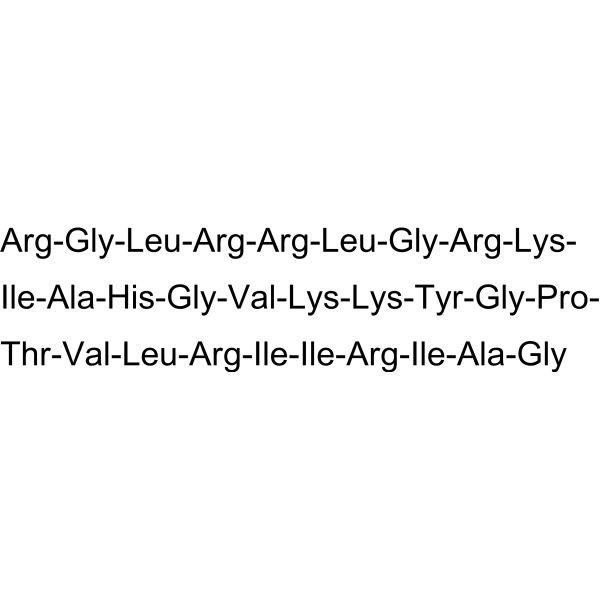
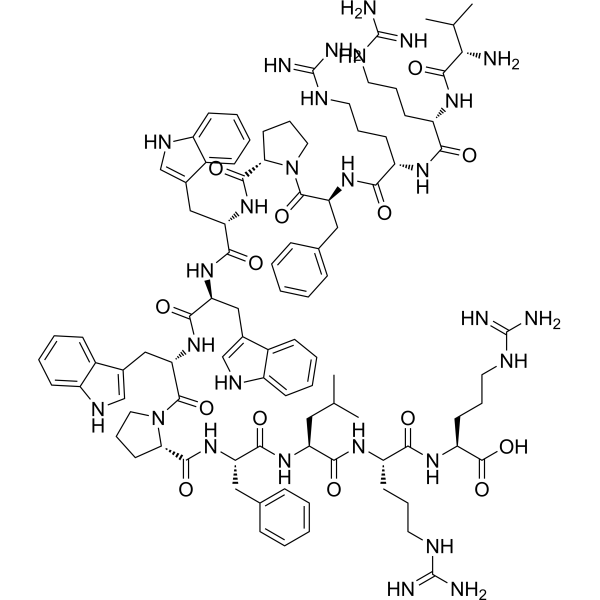
SMAP‑29 is a cathelicidin antimicrobial peptide with LPS‑binding and anti‑inflammatory properties. SMAP‑29 exerts broad‑spectrum antimicrobial activity against bacteria, fungi and multidrug‑resistant isolates. SMAP‑29 kills pathogens by permeabilizing bacterial membranes, inducing depolarization and cell lysis, and also inhibits inflammatory cytokines while reducing lethality in septic shock and pneumonia models. SMAP-29 can be used for research on bacterial infections, drug-resistant infections, septic shock .
loading...
    loading...
Cat. No.: HY-119726
CAS No.: 2091769-17-2
Purity:  96.45%
Synonyms: APX001; E1211
Target:  

Fungal

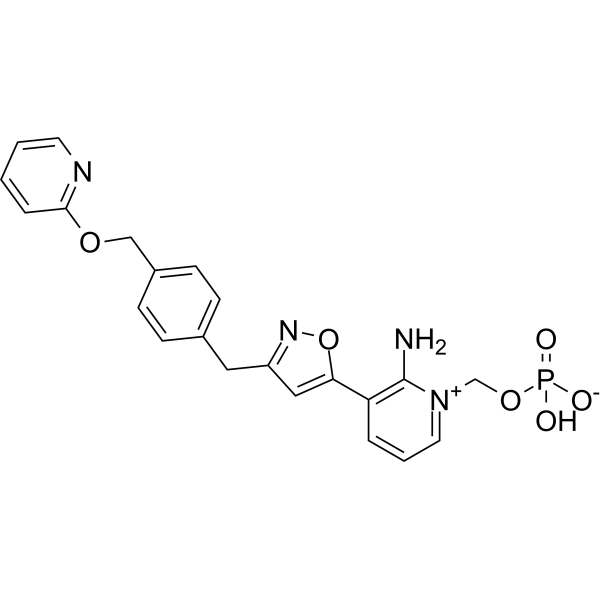
Fosmanogepix (APX001) is a broad-spectrum agent against invasive fungal infections. Fosmanogepix (APX001) targets the conserved Gwt1 enzyme required for the localization of glycosylphosphatidylinositol-anchored mannoproteins in fungi. This inhibition prevents the appropriate localization of cell wall mannoproteins, which compromises cell wall integrity, biofilm formation, germ tube formation, and fungal growth. Fosmanogepix (APX001) can be used for invasive fungal infections research .
loading...
    loading...
Cat. No.: HY-121362
CAS No.: 537-09-7
Purity:  99.71%
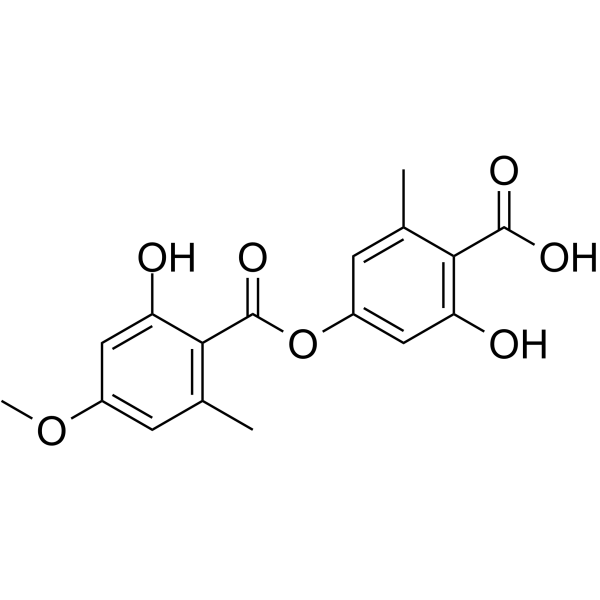
Evernic Acid is an orally active thioredoxin reductase 1 (TrxR1) inhibitor and antiproliferative agent. Evernic Acid inhibits the proliferation and migration of human breast cancer cells. Evernic Acid blocks the NF-κB pathway by inhibiting p65 nuclear translocation and IκBα phosphorylation, thereby suppressing downstream inflammatory mediators. Evernic Acid acts as an antioxidant, anti-inflammatory agent and neuroprotective agent, protects neurons from cell death, mitochondrial dysfunction and oxidative stress damage, reduces astrocyte activation, and ameliorates dopaminergic neuron loss and neuroinflammation. Evernic Acid inhibits enoyl reductases FabI and FabZ of Plasmodium falciparum. Evernic Acid downregulates the expression of lasB and rhlA genes in Pseudomonas aeruginosa, inhibits quorum sensing and biofilm formation, and exerts antibacterial activity against Gram-positive bacteria, Gram-negative bacteria and fungi. Evernic Acid is applicable to research related to breast cancer, Parkinson's disease, bacterial infections and fungal infections .
loading...
    loading...
Cat. No.: HY-169790
CAS No.: 6866-87-1
Phomarin is an inhibitor for dihydrofolate reductase (DHFR). Phomarin exhibits activity against Plasmodium parasites and fungi including Mycrobotryum violaceum and Botrytis cinerea. Phomarin can be used for the research of malaria and fungal infections .
loading...
    loading...
Cat. No.: HY-B0614A
CAS No.: 13009-99-9
Target:  

Bacterial Fungal

Research Areas:  

Infection

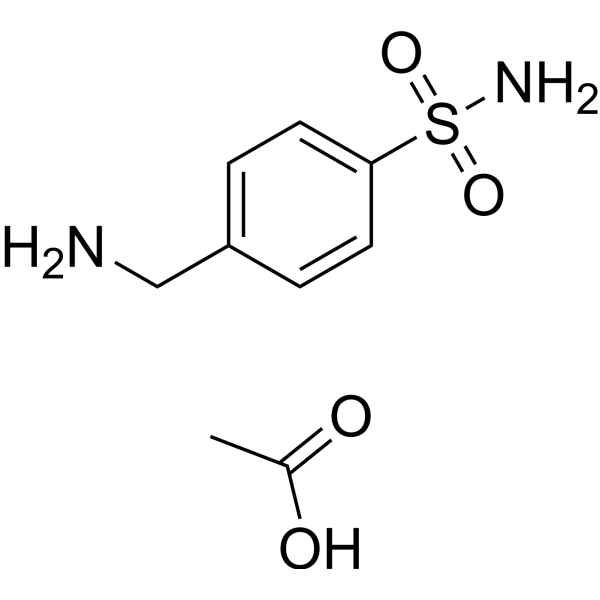
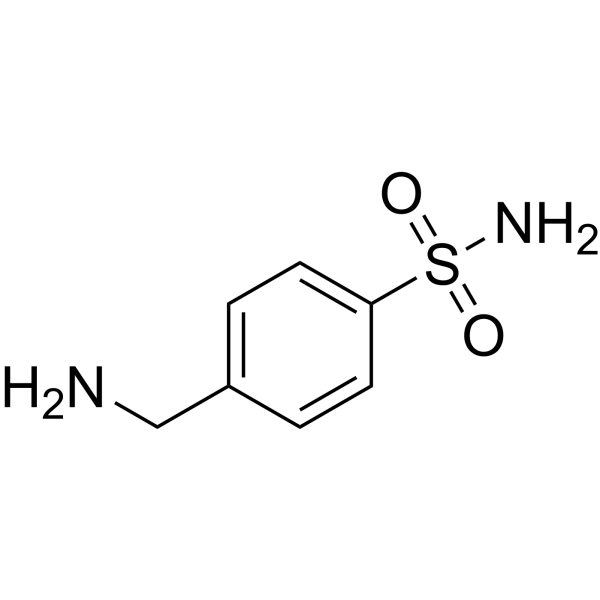
Mafenide Acetate is a potent sulfonamide antimicrobial agent. Mafenide Acetate exhibits antibacterial activity against Staphylococcus aureus and Pseudomonas aeruginosa. Mafenide Acetate also exhibits antifungal activity against filamentous fungi (e.g., Lichtheimia and Aspergillus flavus). Mafenide Acetate can be used in the research of skin grafts on burn wounds, post-traumatic invasive fungal infections, and bacterially contaminated wounds .
loading...
    loading...
Cat. No.: HY-B0614B
CAS No.: 138-37-4
Target:  

Bacterial Fungal

Research Areas:  

Infection

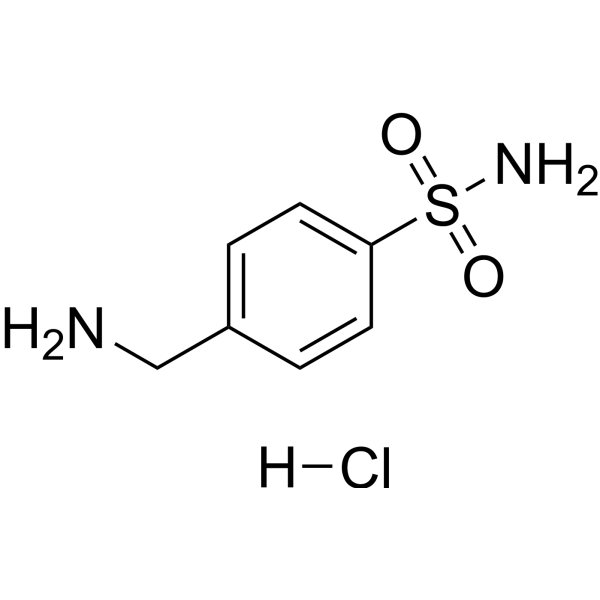
Mafenide hydrochloride is a potent sulfonamide antimicrobial agent. Mafenide hydrochloride exhibits antibacterial activity against Staphylococcus aureus and Pseudomonas aeruginosa. Mafenide hydrochloride also exhibits antifungal activity against filamentous fungi (e.g., Lichtheimia and Aspergillus flavus). Mafenide hydrochloride can be used in the research of skin grafts on burn wounds, post-traumatic invasive fungal infections, and bacterially contaminated wounds .
loading...
    loading...
Cat. No.: HY-W984782
CAS No.: 523-64-8
Flindersine is an alkaloid with multiple activities including antibacterial, antifungal, antitumor, and antidiabetic properties. Flindersine increases the activity of antioxidant enzymes, restores the levels of renal biomarkers, and reduces blood glucose, blood lipid, and insulin levels in diabetic rats. Flindersine inhibits the growth of Gram-positive bacteria, Gram-negative bacteria, drug-resistant bacteria, as well as dermatophytes, filamentous fungi, and yeasts. Flindersine reduces the viability of cancer cells and induces apoptosis. Flindersine can be used in research related to breast cancer, type 2 diabetes, bacterial infections, and fungal infections .
loading...
    loading...
Cat. No.: HY-N125722
CAS No.: 33538-71-5
Synonyms: Aabomycin A1
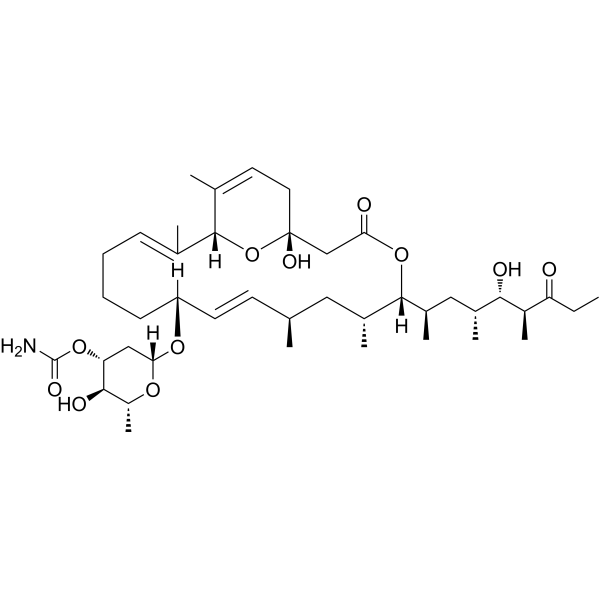
Venturicidin A (Aabomycin A1) is a natural product derived from Streptomyces, possessing antifungal, anti-Trypanosoma brucei, anti-Leishmania donovani, and ATP synthase inhibitory activities. Venturicidin A acts as an antibiotic adjuvant, promoting the uptake of aminoglycoside antibiotics and enhancing bactericidal efficacy. Venturicidin A inhibits ATP synthesis by blocking proton translocation through the FO subunit. In bloodstream-form Trypanosoma brucei, Venturicidin A causes collapse of the mitochondrial membrane potential; in fungi, it disrupts cell membrane integrity, induces leakage of cytoplasmic contents, elevates ROS levels, and downregulates the expression of fungal pathogenicity-related genes. Venturicidin A exhibits antifungal activity against Botrytis cinerea. Venturicidin A is used in research on bacterial infections, trypanosome/leishmania infections, and gray mold disease .
loading...
    loading...
Cat. No.: HY-B1144A
CAS No.: 74298-63-8
Synonyms: Clomidazole hydrochloride
Target:  

Fungal

Research Areas:  

Infection

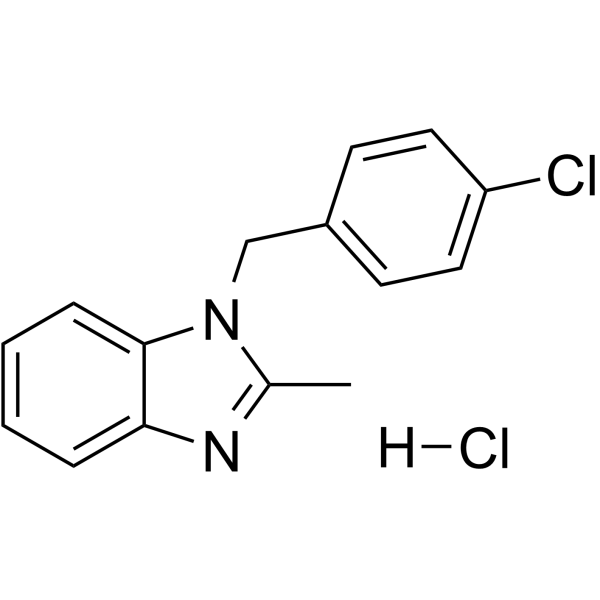
Chlormidazole hydrochloride is an antifungal agent and has inhibitory activity against many fungi and some gram-positive cocci. Chlormidazole hydrochloride can be applied in fungal and bacterial infections of nails and skin, including interdigital and periungual mycoses .
loading...
    loading...
Cat. No.: HY-B0614
CAS No.: 138-39-6
Target:  

Bacterial Fungal

Research Areas:  

Infection

Mafenide is a potent sulfonamide antimicrobial agent. Mafenide exhibits antibacterial activity against Staphylococcus aureus and Pseudomonas aeruginosa. Mafenide also exhibits antifungal activity against filamentous fungi (e.g., Lichtheimia and Aspergillus flavus). Mafenide can be used in the research of skin grafts on burn wounds, post-traumatic invasive fungal infections, and bacterially contaminated wounds .
loading...
    loading...
Cat. No.: HY-N0172S
CAS No.: 1185245-82-2
Synonyms: 3,4-Dihydroxycinnamic acid-13C3
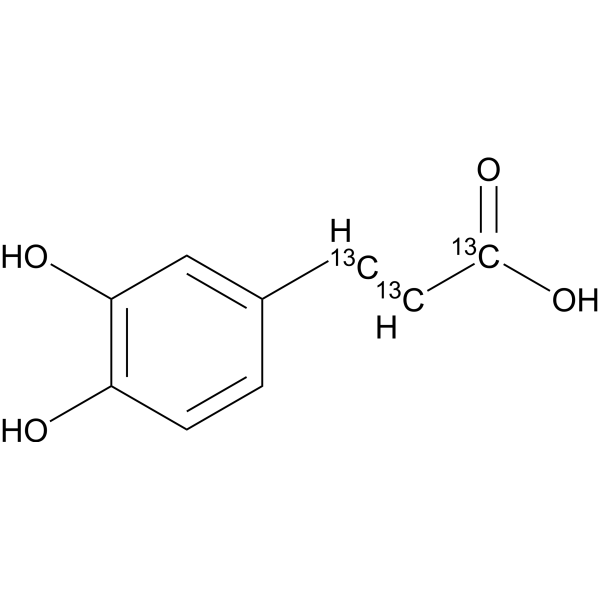
Caffeic acid- 13C3 is an 13C labeled caffeic acid. Caffeic acid is a phytonutrient belonging to the flavonoids. Caffeic acid and its derivatives, are potential antimicrobial agents, chronic infection induced by microbes such as bacteria, fungi, and viruses .
loading...
    loading...
Cat. No.: HY-B2053
CAS No.: 57018-04-9
Research Areas:  

Infection

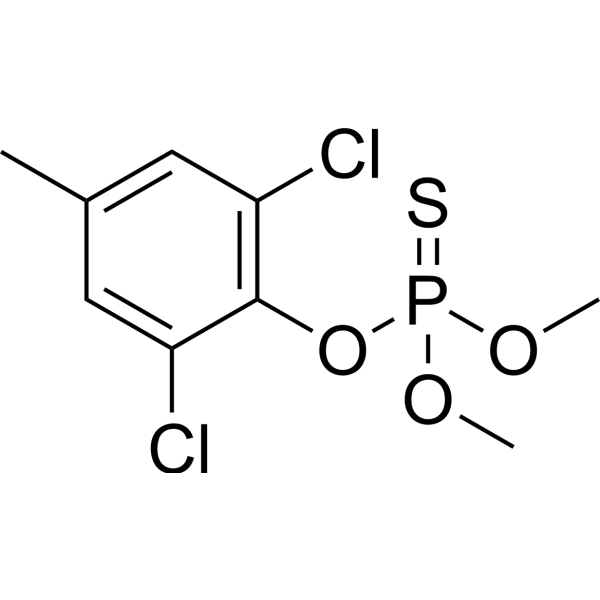
Tolclofos-methyl is an organophosphorus fungicide. Tolclofos-methyl undergoes photoinduced oxidative degradation to form oxo-analog derivatives. Tolclofos-methyl inhibits spore division in fungi and oomycetes, induces cytoplasmic leakage, and interferes with flagellar movement. Tolclofos-methyl is rapidly metabolized and excreted in rodents. Tolclofos-methyl can be used in studies related to fungal infections .
loading...
    loading...
Cat. No.: HY-134090
CAS No.: 51867-94-8
Synonyms: Antibiotic TS 885; NSC 248958
Target:  

Bacterial VSV

Research Areas:  

Infection

9-Methylstreptimidone is a microbial metabolite originally isolated from Streptomyces sp. S-885 that has antifungal and antiviral activities. It is active against several fungi, including S. sake, S. fragilis, R. rubra, T. rubra, and C. albidus (MICs=4-20 μg/mL) and has antiviral activity against poliovirus, vesicular stomatitis virus (VSV), and Newcastle disease virus (NDV) in vitro (MIC=0.02 μg/mL for all). 9-Methylstreptimidone increases survival in mouse models of infection with influenza A2 (H2N2) or C. albicans when administered prior to infection.
loading...
    loading...
Cat. No.: HY-N10311
CAS No.: 1421708-43-1
Neosartoricin B is the secondary metabolite, which can be produced by Aspergillus nidulans. Neosartoricin B may regulate immunomodulatory effects with the host during infection and colonization by pathogenic fungi .
loading...
    loading...
Cat. No.: HY-W047478
CAS No.: 4630-20-0
Synonyms: NSC 10154
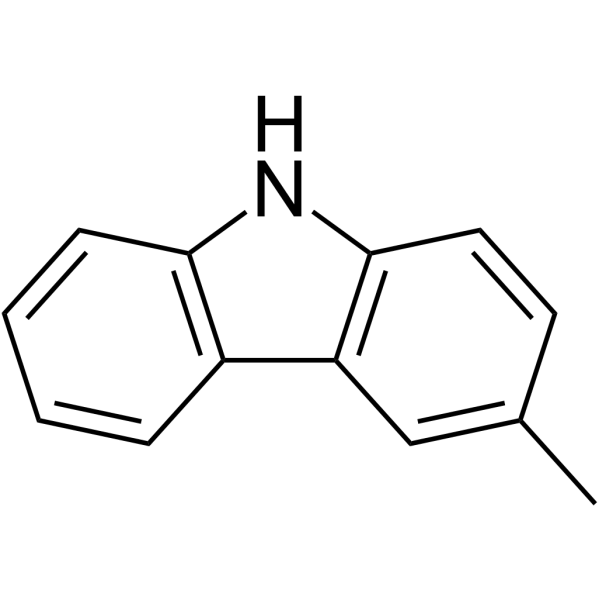
3-Methylcarbazole (NSC 10154) is a carbazole alkaloid with an IC50 of 25 μg/mL against human fibrosarcoma cells. 3-Methylcarbazole inhibits mycelial growth and conidial germination of a variety of phytopathogenic fungi. 3-Methylcarbazole exhibits anti-inflammatory and antitumor activities. 3-Methylcarbazole can be used in studies related to fibrosarcoma, phytopathogenic fungal infections and inflammatory diseases .
loading...
    loading...
Cat. No.: HY-N14690
CAS No.: 83858-82-6
Piperazinomycin is an antifungal and antibacterial antibiotic. Piperazinomycin is isolated from the culture broth of Streptoverticillium olivoreticuli subsp. neoenacticus. Piperazinomycin inhibits the growth of fungi, yeasts and some Mycobacterium species. Piperazinomycin exhibits inhibitory activity against Trichophyton species .
loading...
    loading...
Cat. No.: HY-P5640
CAS No.: 179264-81-4
Target:  

Bacterial Parasite

Research Areas:  

Infection

Tritrpticin is a porcine-derived antimicrobial peptide with properties such as membrane disruption and hemolysis. Tritrpticin disrupts the cell membranes of bacteria, fungi and Jurkat T cell leukemia cells and induces their death. Tritrpticin also enhances the efficacy of Metronidazole (HY-B0318) against *Trichomonas vaginalis*, reduces plasma endotoxin and inflammatory cytokine levels, restricts bacterial growth in blood and visceral tissues, decreases the mortality rate of septic shock in rats and enhances the therapeutic effect of ertapenem. Tritrpticin exhibits selective cytotoxicity against Jurkat T cell leukemia cells, while showing low toxicity to normal peripheral blood mononuclear cells and red blood cells, and can serve as a template for antimicrobial peptide design. Tritrpticin can be applied to research related to bacterial infections, fungal infections, trichomoniasis, septic shock and leukemia .
loading...
    loading...
Cat. No.: HY-N12201
CAS No.: 11055-06-4
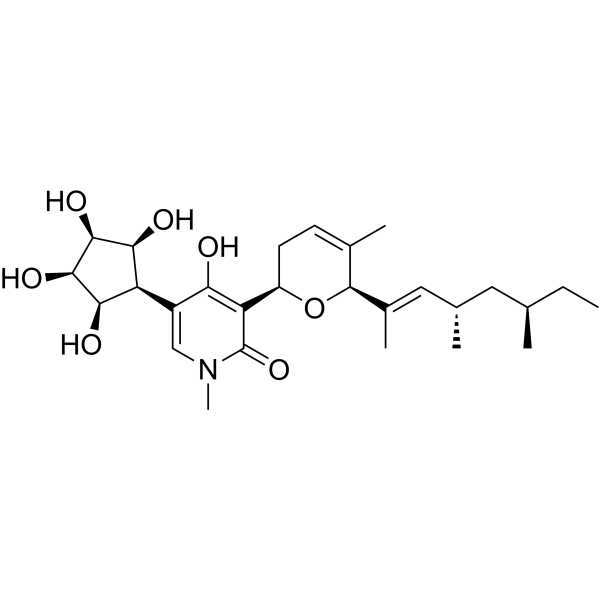
Funiculosin is a neutral lipophilic antibiotic that inhibits DNA and RNA viruses. Funiculosin also has antifungal activity. Funiculosin inhibits infections caused by pathogenic fungi in primary chicken embryo fibroblasts .
loading...
    loading...
Cat. No.: HY-126813
CAS No.: 81552-34-3
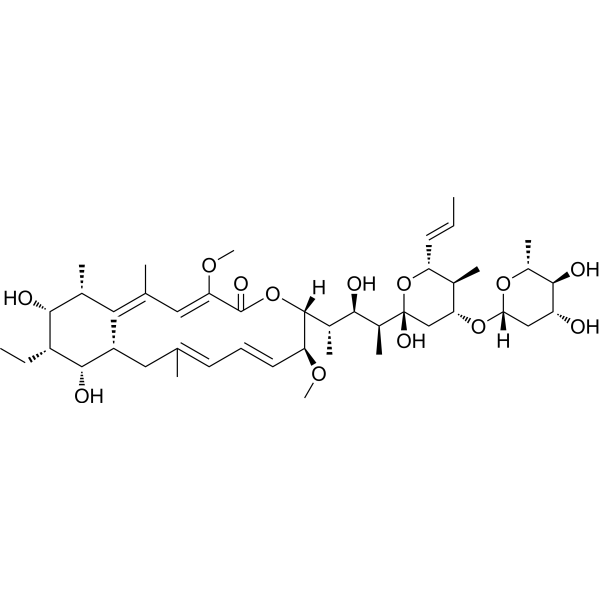
Concanamycin C is a macrolide antibiotic with inhibitory activity against certain fungi and yeasts, but no activity against bacteria. Concanamycin C inhibits the proliferation of mouse splenic lymphocytes. Concanamycin C exhibits acute toxicity in ddY mice. Concanamycin C can be used in studies related to fungal infections and yeast infections .
loading...
    loading...

