108 Results for "

intracellular infection

" in MedChemExpress (MCE) Product Catalog:
Products (108)

108 Results for "intracellular infection" in MCE Product Catalog:

25
25 Publications Verification
Cat. No.: HY-14909
CAS No.: 218600-44-3
Purity:  99.50%
Synonyms: CDDO; RTA 401
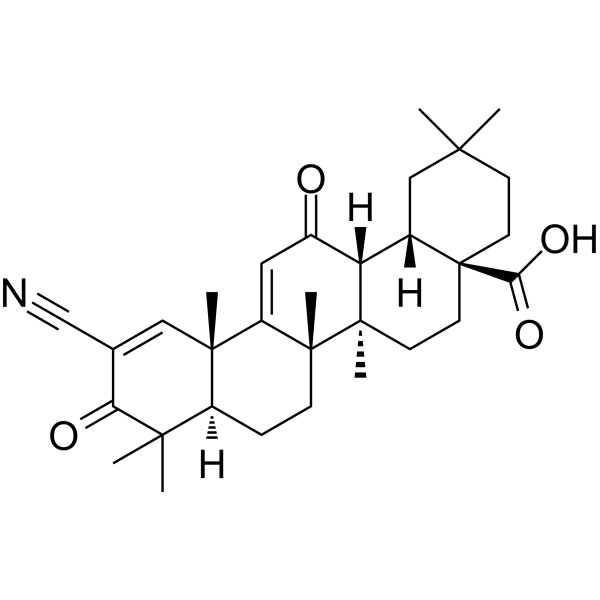
Bardoxolone (CDDO; RTA 401) is a Nrf2 activator. Bardoxolone shows anti-SARS-CoV-2 3CLpro with IC50 of 27.99 μM. Bardoxolone activates the Nrf2 pathway and inhibits the NF-κB pathway. Bardoxolone can induce cells differentiation, apoptosis and shows antiproliferative activity against cancer cells. Bardoxolone can increase ROS and decrease intracellular GSH levels. Bardoxolone inhibits Z-VAD-FMK (HY-16658B)-induced necroptosis. Bardoxolone can be used for the research of cancer, inflammation and infection, such as SARS-CoV infection and glioblastoma .
loading...
    loading...
9
9 Cited Publications
Cat. No.: HY-103315
CAS No.: 68099-86-5
Purity:  99.98%
Synonyms: CERM 1978; Org 5730 hydrochloride
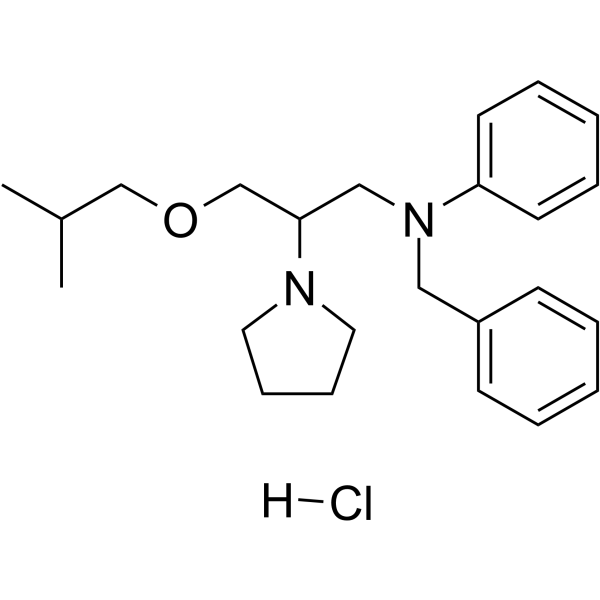
Bepridil hydrochloride (CERM 1978; Org 5730 hydrochloride) is an orally active non-selective calcium channel antagonist with multi-ion channel blocking activity. Bepridil hydrochloride modulates Calmodulin, the 20S proteasome, T-type/L-type calcium channels, cardiac sodium channels, multiple potassium channels, γ-secretase, β-secretase, and mitoKATP/sarcKATP channels. Bepridil hydrochloride acts as a hydroxyl radical scavenger, regulates mitochondrial and intracellular calcium handling, and exerts antiarrhythmic, antianginal, and cardioprotective effects. Bepridil hydrochloride alters amyloid precursor protein processing, reduces β-amyloid and thalamic calcium levels, restores seladin-1/DHCR24 expression, and improves sensorimotor recovery after cerebral ischemia. Bepridil hydrochloride also exhibits potent inhibitory effects on SARS-CoV-2 replication. Bepridil hydrochloride is used in studies related to stable angina, arrhythmias, cerebral ischemia, Alzheimer's disease, and SARS-CoV-2 infection .
loading...
    loading...
9
9 Cited Publications
Cat. No.: HY-16952
CAS No.: 64706-54-3
Synonyms: CERM 1978 free base; Org 5730
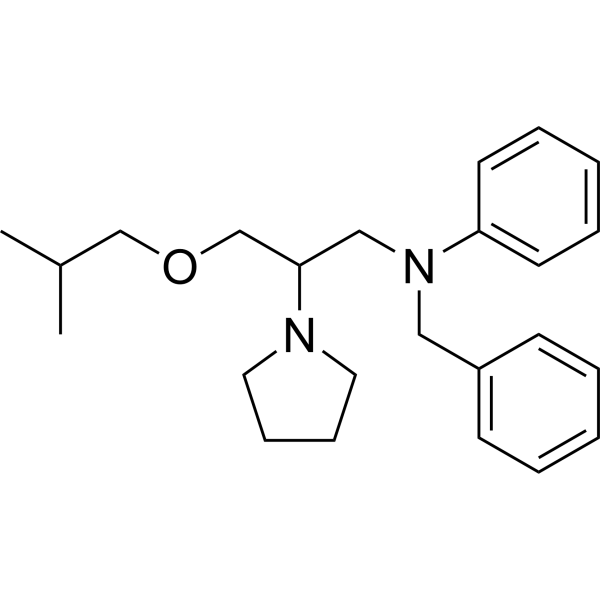
Bepridil (CERM 1978 (free base); Org 5730) is an orally active non-selective calcium channel antagonist with multi-ion channel blocking activity. Bepridil modulates Calmodulin, the 20S proteasome, T-type/L-type calcium channels, cardiac sodium channels, multiple potassium channels, γ-secretase, β-secretase, and mitoKATP/sarcKATP channels. Bepridil acts as a hydroxyl radical scavenger, regulates mitochondrial and intracellular calcium handling, and exerts antiarrhythmic, antianginal, and cardioprotective effects. Bepridil alters amyloid precursor protein processing, reduces β-amyloid and thalamic calcium levels, restores seladin-1/DHCR24 expression, and improves sensorimotor recovery after cerebral ischemia. Bepridil also exhibits potent inhibitory effects on SARS-CoV-2 replication. Bepridil is used in studies related to stable angina, arrhythmias, cerebral ischemia, Alzheimer's disease, and SARS-CoV-2 infection .
loading...
    loading...
9
9 Cited Publications
Cat. No.: HY-16952A
CAS No.: 74764-40-2
Synonyms: CERM 1978 hydrate; Org 5730 hydrochloride hydrate
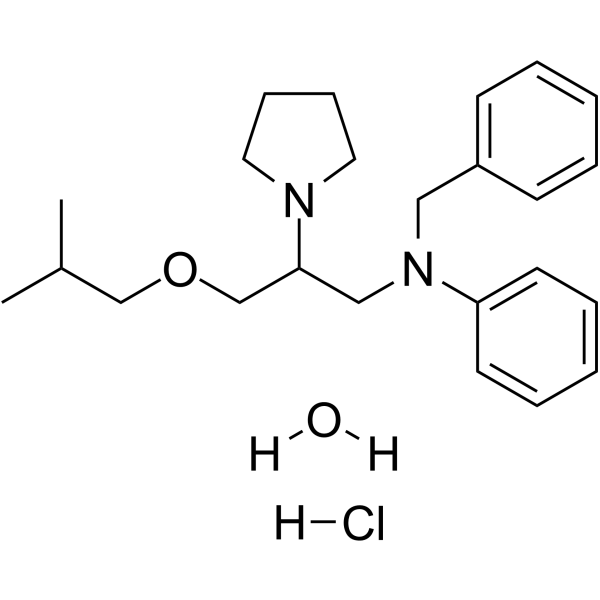
Bepridil hydrochloride hydrate (CERM 1978 hydrate; Org 5730 hydrochloride hydrate) is an orally active non-selective calcium channel antagonist with multi-ion channel blocking activity. Bepridil hydrochloride hydrate modulates Calmodulin, the 20S proteasome, T-type/L-type calcium channels, cardiac sodium channels, multiple potassium channels, γ-secretase, β-secretase, and mitoKATP/sarcKATP channels. Bepridil hydrochloride hydrate acts as a hydroxyl radical scavenger, regulates mitochondrial and intracellular calcium handling, and exerts antiarrhythmic, antianginal, and cardioprotective effects. Bepridil hydrochloride hydrate alters amyloid precursor protein processing, reduces β-amyloid and thalamic calcium levels, restores seladin-1/DHCR24 expression, and improves sensorimotor recovery after cerebral ischemia. Bepridil hydrochloride hydrate also exhibits potent inhibitory effects on SARS-CoV-2 replication. Bepridil hydrochloride hydrate is used in studies related to stable angina, arrhythmias, cerebral ischemia, Alzheimer's disease, and SARS-CoV-2 infection .
loading...
    loading...
8
8 Cited Publications
Cat. No.: HY-B0974
CAS No.: 132-92-3
Synonyms: Meticillin sodium
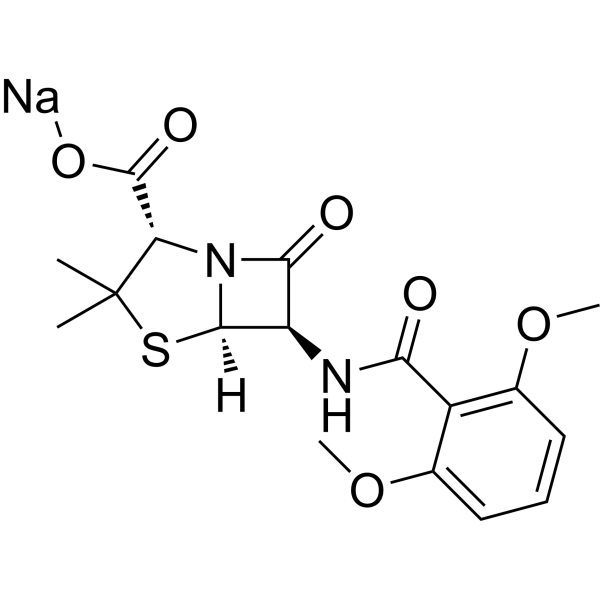
Methicillin sodium salt (Meticillin sodium) is a β-lactam, semi-synthetic antibiotic related to penicillin antibiotic. Methicillin sodium salt inhibits penicillin-binding proteins involved in the synthesis of peptidoglycan. Methicillin sodium salt inhibits S. aureus with a MIC value of 2.1 μg/mL. Methicillin sodium salt can be used for the research of inflammation .
loading...
    loading...
4
4 Cited Publications
Cat. No.: HY-124042
CAS No.: 756875-51-1
Purity:  99.27%
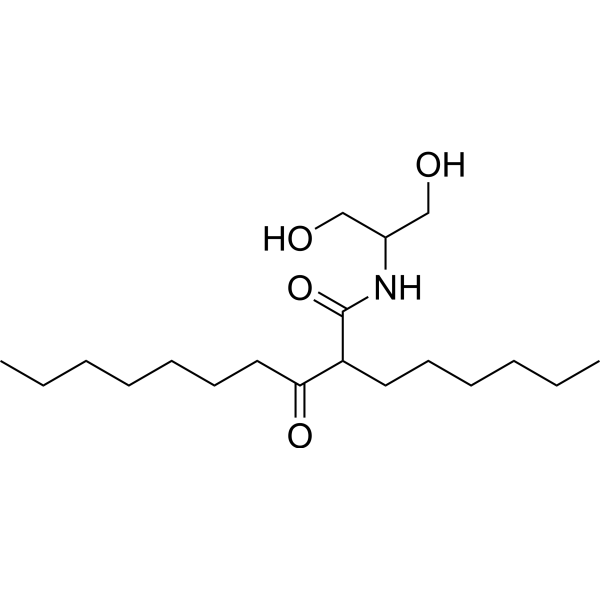
K6PC-5, a ceramide derivative, is a sphingosine kinase 1(SPHK1) activator and elicites a rapid transient increase in intracellular calcium levels. K6PC-5 has the potential for skin diseases involving abnormal keratinocyte, and neurodegeneration and virus infection research .
loading...
    loading...
1
1 Cited Publications
Cat. No.: HY-124801
CAS No.: 332108-65-3
Purity:  98.68%
Research Areas:  

Infection

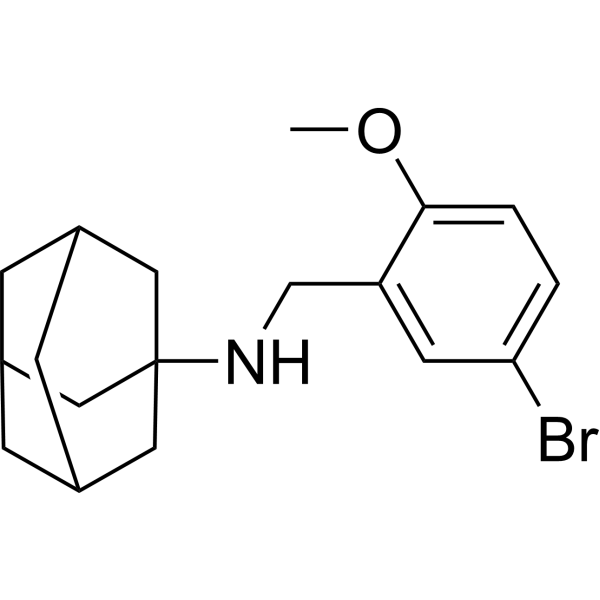
ABMA is a broad-spectrum inhibitor of intracellular toxins and pathogens. ABMA efficiently protects cells against various toxins and pathogens including viruses, intracellular bacteria and parasite. ABMA selectively acts at host cell late endosomes rather than targeting toxin or pathogen itself. ABMA has broad-spectrum anti-infection activity .
loading...
    loading...
1
1 Cited Publications
Cat. No.: HY-N3307
CAS No.: 40957-99-1
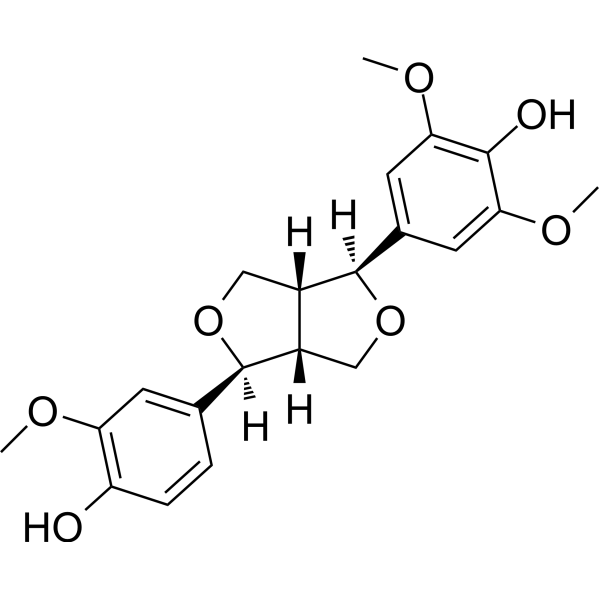
(+)-Medioresinol is a furofuran-type lignan with antifungal and antibacterial properties. (+)-Medioresinol synergizes with antibiotics to exert antimicrobial and antibiofilm effects. (+)-Medioresinol induces intracellular ROS accumulation and mitochondrial-mediated apoptosis in Candida albicans. (+)-Medioresinol inhibits LPS (HY-D1056)-stimulated IL-12p40 production. (+)-Medioresinol is a PGC-1α activator that protects against endothelial cell pyroptosis in ischemic stroke via the PPARα-GOT1 axis. (+)-Medioresinol can be used in research on fungal and bacterial infection, inflammation, and ischemic stroke .
loading...
    loading...
1
1 Cited Publications
Cat. No.: HY-N6829
CAS No.: 1245-15-4
Synonyms: Quercetin-​3,​3',​4',​7-​tetramethylether
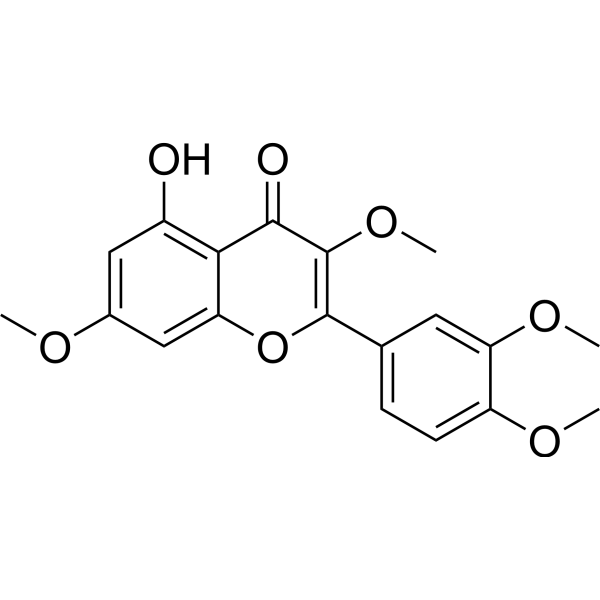
Retusin (Quercetin-3,3',4',7-tetramethylether) is a tyrosinase inhibitor, with IC50 values of 50.9 μM and 51.8 μM against mushroom and intracellular tyrosinase, respectively. Retusin also acts as a free radical scavenger, melanogenesis inhibitor, anti-apoptosis agent, neuroprotective agent, antiemetic, antifungal agent, and antiviral agent. Retusin scavenges ABTS• + and DPPH• free radicals. Retusin can be used in studies related to hyperpigmentation, vomiting, Aspergillus niger infection, and COVID-19 infection .
loading...
    loading...
1
1 Cited Publications
Cat. No.: HY-N2120
CAS No.: 88509-91-5
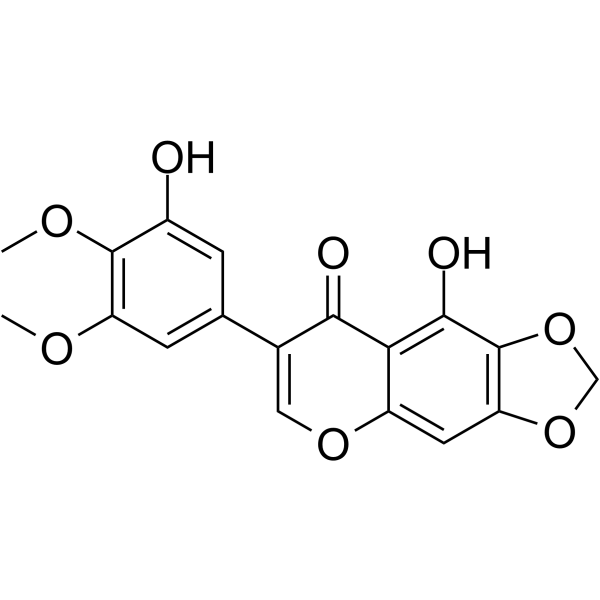
Dichotomitin is an isoflavonoid compound isolated from the rhizomes of Belamcanda chinensis. Dichotomitin exhibits antioxidant activity, alleviates oxidative stress, reduces intracellular reactive oxygen species (ROS) levels, and upregulates the expression of SOD1, SOD2 and CAT. Dichotomitin increases ALP activity while upregulating the expression of RUNX2, OPN and OCN. Dichotomitin has antitussive activity and helps improve symptoms of upper respiratory tract infections .
loading...
    loading...
1
1 Cited Publications
Cat. No.: HY-N11077
CAS No.: 89886-30-6
Synonyms: 4,5-di-O-CQA
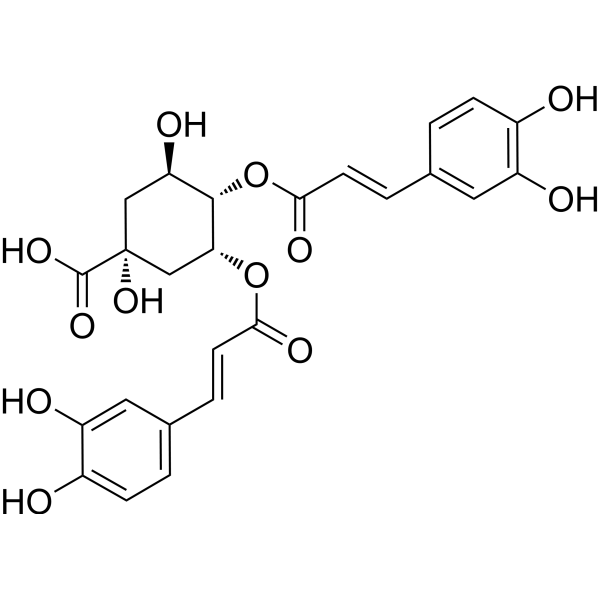
4,5-Di-O-caffeoylquinic acid (4,5-di-O-CQA) is a natural product with multiple activities including anti-inflammatory, antioxidant, and antibacterial properties. 4,5-Di-O-caffeoylquinic acid induces intracellular Ca 2+ influx, and inhibits hypoxia-induced COX-2 expression and cell migration via the TRPV1-mediated pathway. 4,5-Di-O-caffeoylquinic acid scavenges DPPH free radicals, inhibits Cu 2+-mediated LDL oxidation, and reduces the production of TBARS. 4,5-Di-O-caffeoylquinic acid promotes intracellular ATP production, inhibits Aβ42 aggregation and β-sheet conversion, and protects neuroblastoma cells. 4,5-Di-O-caffeoylquinic acid inhibits the growth of Bacillus shigae. 4,5-Di-O-caffeoylquinic acid can be used in studies related to atherosclerosis, Alzheimer's disease, and bacterial infections .
loading...
    loading...
Cat. No.: HY-147429
CAS No.: 2379336-76-0
Purity:  99.09%
Synonyms: Abx MCP; RG6006
Target:  

Bacterial Liposome

Research Areas:  

Infection

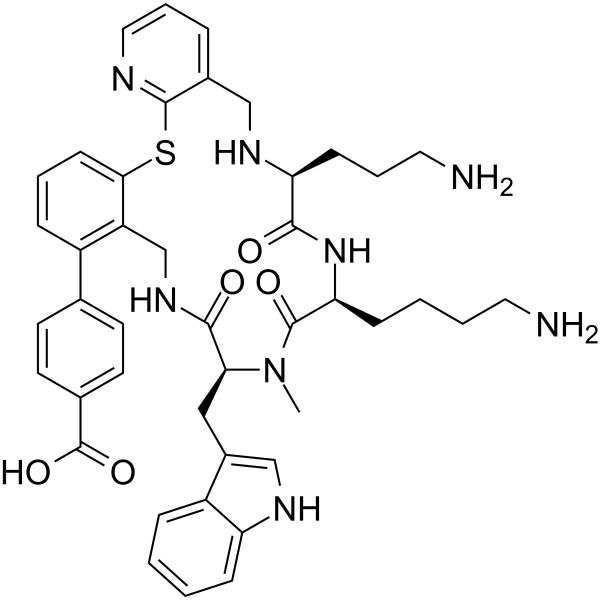
Zosurabalpin (Abx MCP; RG6006) is a lipopolysaccharide (LPS) transport inhibitor that targets the LptB2FGC complex. Zosurabalpin blocks the transport of LPS from the inner membrane to the outer membrane, leading to intracellular toxic accumulation of LPS and bacterial death. Zosurabalpin exhibits potent antibacterial activity against carbapenem-resistant Acinetobacter baumannii (CRAB) and shows in vivo efficacy in mouse infection models. Zosurabalpin can be used for research on CRAB infections, including pneumonia and sepsis .
loading...
    loading...
Cat. No.: HY-117778
CAS No.: 107729-45-3
Purity:  ≥95.0%
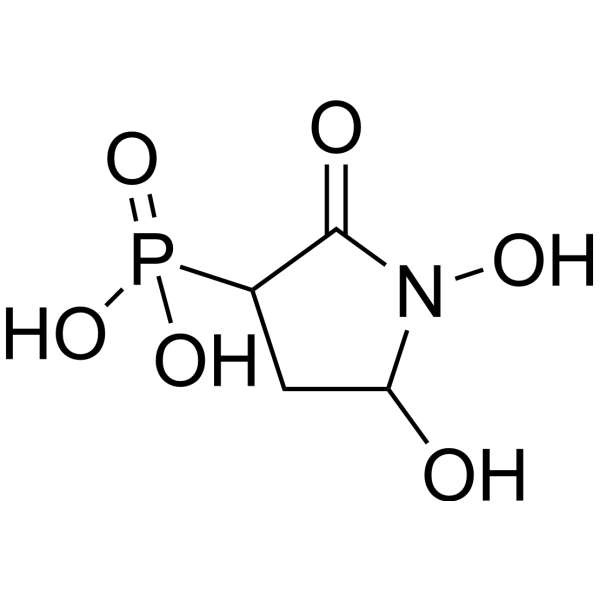
SF2312 is a phosphonate Antibiotic and Enolase inhibitor, with an IC50 of 18.4 nM against E. coli enolase. SF2312 reduces intracellular ATP levels and inhibits glycolytic flux. SF2312 exhibits activity against both Gram-positive and Gram-negative bacteria, and exerts synergistic effects against E. coli when combined with Fosfomycin (HY-B1075A). SF2312 shows selective toxicity toward gliomas with ENO1 gene knockout. SF2312 can be used in research related to bacterial infections and gliomas .
loading...
    loading...
Cat. No.: HY-10393
CAS No.: 165800-04-4
Purity:  96.11%
Synonyms: PNU-100592
Target:  

Bacterial Antibiotic

Research Areas:  

Infection

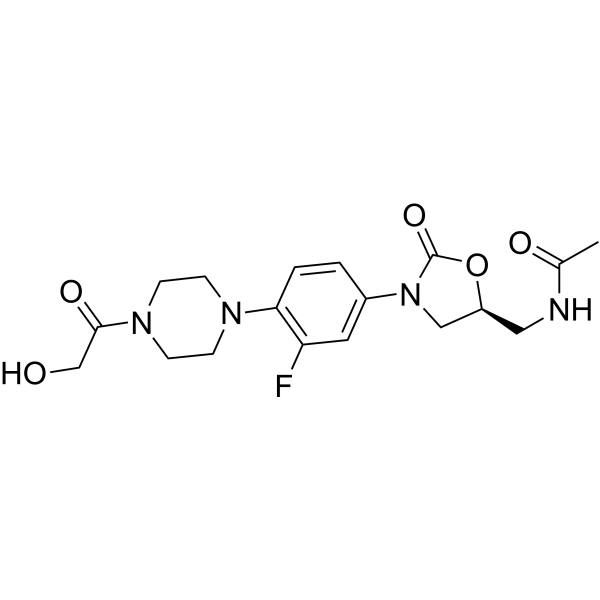
Eperezolid (PNU-100592) is an orally active protein synthesis inhibitor that targets the bacterial 50S ribosomal subunit. Eperezolid competitively binds to a specific site on the ribosomal 50S subunit (overlapping with the binding sites of chloramphenicol (HY-B0239) and lincomycin (HY-117660)) to inhibit the translation initiation stage and exert antibacterial activity. Eperezolid can induce host cell autophagy to enhance the clearance of intracellular mycobacteria, and its MIC90 for Staphylococcus aureus and Enterococcus is 1-4 μg/mL. Eperezolid is mainly used for antibacterial research on infections with Gram-positive bacteria such as methicillin-resistant (HY-121544) Staphylococci and vancomycin-resistant (HY-B0671) Enterococci, as well as infections with intracellular bacteria such as Mycobacterium tuberculosis .
loading...
    loading...
Cat. No.: HY-13718
CAS No.: 38101-59-6
Purity:  98.97%
Synonyms: H-Glu-Trp-OH; L-Glutamyl-L-tryptophan
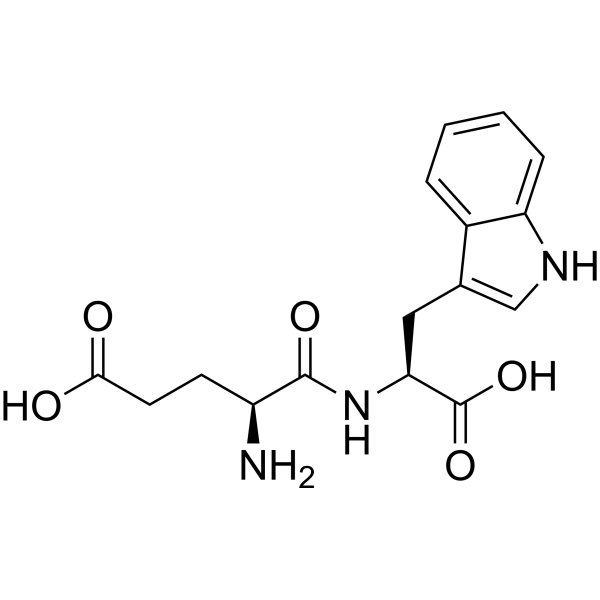
Oglufanide (H-Glu-Trp-OH) is a dipeptide immunomodulator isolated from calf thymus. Oglufanide inhibits vascular endothelial growth factor (VEGF). Oglufanide can stimulate the immune response to hepatitic C virus (HCV) and intracellular bacterial infections. Oglufanide shows antitumor and anti-angiogenesis activities .
loading...
    loading...
Cat. No.: HY-153225
CAS No.: 2560576-15-8
Purity:  99.32%
Research Areas:  

Infection

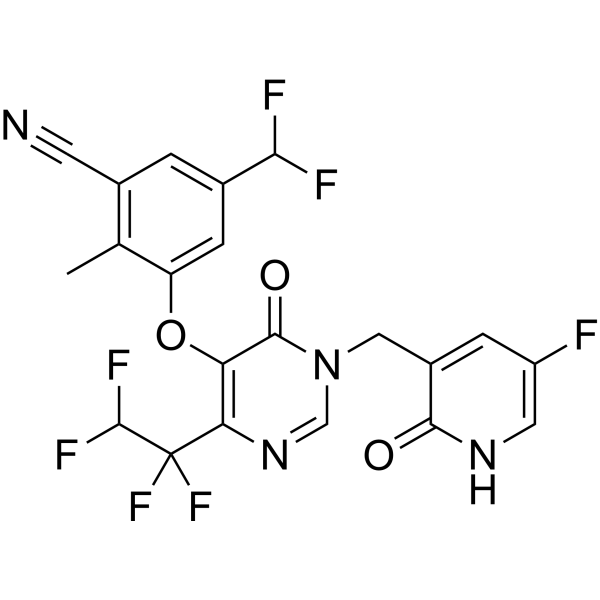
PYR01 is a non-nucleoside reverse transcriptase inhibitor and a killing activator targeting HIV infected cells. PYR01 has cytokilling and antiviral properties of HIV-1 infection with the IC50 values of 27.5nM and 39.7nM, respectively. PYR01 leads to selective cytotoxicity by promoting HIV-1 Gag-Pol dimerization and HIV-1 protease intracellular activation. PYR01 can be used in the study of HIV .
loading...
    loading...
Cat. No.: HY-147255
CAS No.: 2137847-19-7
Purity:  98.40%
Synonyms: ZM-H1505R
Target:  

HBV

Research Areas:  

Infection

Canocapavir (ZM-H1505R) is an orally active HBV core protein-targeting antiviral agent. Canocapavir binds to the hydrophobic pocket at the dimer-dimer interface of HBV core protein (HBc), stimulating intracellular accumulation of nonfunctional HBV capsids, disrupting viral replication. Canocapavir interferes with the interaction between HBc and HBV large surface protein, resulting in diminished
production of empty virionsis. Canocapavir can be used for the research of hepatitis B virus (HBV) infection .
loading...
    loading...
Cat. No.: HY-A0248B
CAS No.: 34503-87-2
Target:  

Antibiotic Bacterial

Research Areas:  

Infection Inflammation/Immunology

Polymyxin B2 is a polypeptide antibiotic with particularly potent antibacterial activity against Gram-negative bacteria. Polymyxin B2 kills bacteria by binding to lipopolysaccharide molecules on the bacterial cell membrane, disrupting membrane integrity and causing leakage of intracellular contents. Polymyxin B2 is used in studies related to Pseudomonas aeruginosa infection and acute enteritis .
loading...
    loading...
Cat. No.: HY-111493
CAS No.: 1802525-61-6
Purity:  99.80%
Target:  

LRRK2 STAT Apoptosis

Research Areas:  

Cancer

LRRK2 inhibitor 1 is a LRRK2 inhibitor. LRRK2 inhibitor 1 blocks STAT1 phosphorylation and the expression of interferon-stimulated genes, and inhibits intracellular innate immune responses. LRRK2 inhibitor 1 enhances oncolytic virus infection, replication and viral protein expression in tumor cells, promotes tumor cell apoptosis, and cooperates with oncolytic viruses to reduce tumor cell viability. LRRK2 inhibitor 1 enhances the oncolytic activity of multiple oncolytic viruses, and inhibits the growth of glioma xenografts when used in combination with oncolytic viruses. LRRK2 inhibitor 1 can be used in research related to various cancers such as lung cancer, colorectal cancer and liver cancer .
loading...
    loading...
Cat. No.: HY-131944
CAS No.: 3054-47-5
Purity:  ≥96.0%
Target:  

Apoptosis HSV

S-Acetylglutathione is a glutathione derivative and intracellular glutathione supplement that bypasses glutathione synthetase deficiency through intracellular thioesterase conversion, exhibits higher blood stability than glutathione, and selectively induces apoptosis in lymphoma and malignant cells by inducing oxidative stress (apoptosis). S-Acetylglutathione can be used in research on glutathione synthetase deficiency, herpes simplex virus type 1 infection, murine AIDS, lymphoma, and malignant tumors .
loading...
    loading...

