



Dapansutrile
Based on 6 publication(s) in Google Scholar
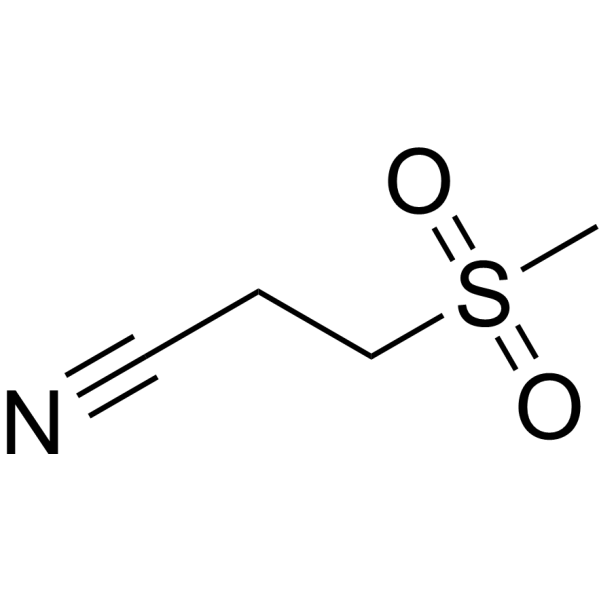
Dapansutrile (OLT1177) is an orally active NLRP3 inhibitor with blood-brain barrier permeability and anti-inflammatory activity. Dapansutrile inhibits NLRP3 ATPase activity, prevents NLRP3-ASC/caspase-1 binding and inflammasome assembly, and reduces IL-1β maturation and pyroptosis. Dapansutrile reduces hepatic JNK, p38 MAPK, and NF-κB-p65 signaling, and decreases TNF-α, IL-6, and oxidative stress. Dapansutrile reduces spinal cord pro-inflammatory cytokines and immune cell infiltration. Dapansutrile enhances glucose-stimulated insulin secretion and calcium influx, promotes insulin vesicle maturation and fusion, and improves mitochondrial function and glucose metabolism. Dapansutrile can be used in research related to various diseases such as neurodegenerative diseases, myocardial ischemia, diabetes, experimental autoimmune encephalomyelitis, and gouty arthritis.
Nos produits utilisent uniquement pour la recherche. Nous ne vendons pas aux patients.
- Pureté : 99.92%
- CAS No.: 54863-37-5
- Formule: C4H7NO2S
- Masse moléculaire:133.17
-
Stockage:Powder -20°C, 3 years , 4°C, 2 years ; In solvent -80°C, 6 months , -20°C, 1 month

To place orders, for customer services and technical support, please contact: MedChemExpress USA
Tel: 609-228-6898 E-mail: [email protected] [email protected]


-
 Activité biologique
-
Chemical Information
-
Solvant et solubilité
- Protocole
- Pureté et documentation
- Références
-
 Help & FAQs


-
HY-12815
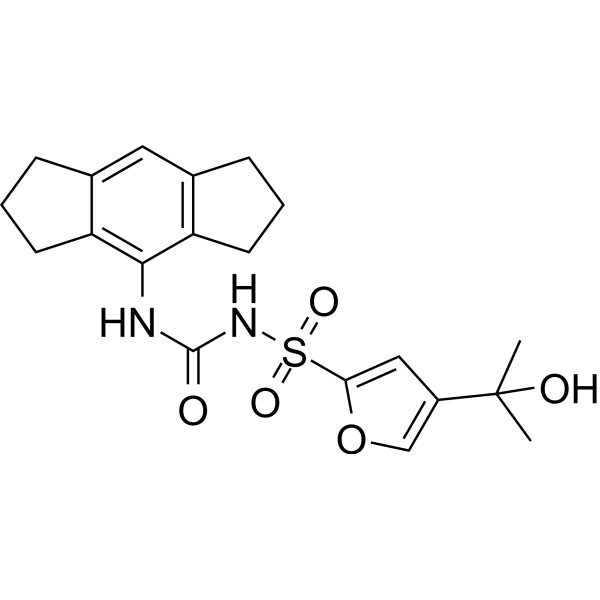
MCC950NLRP3 Inhibitor -
HY-103666
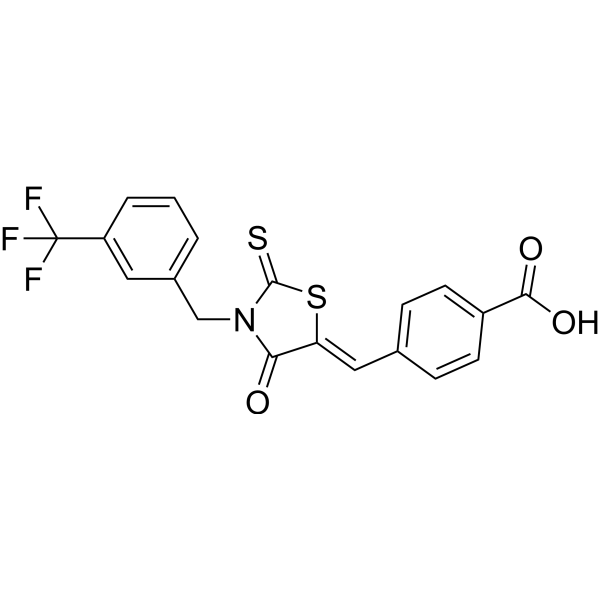
CY-09NLRP3 Inhibitor -
HY-12815A
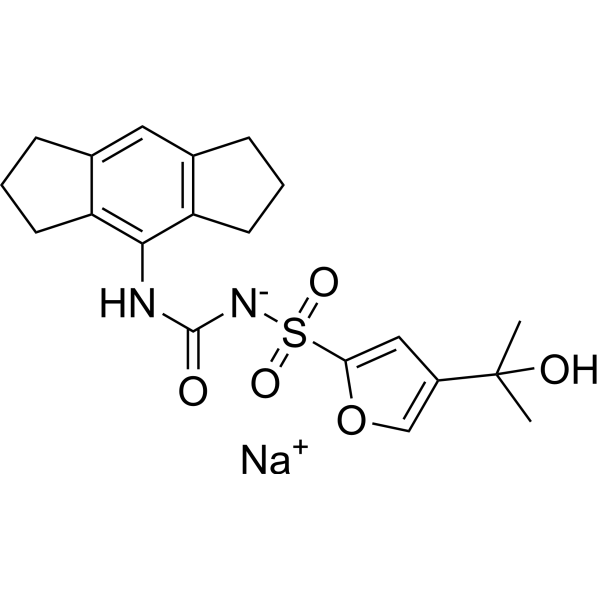
MCC950 sodiumNLRP3 Inhibitor -
HY-132831
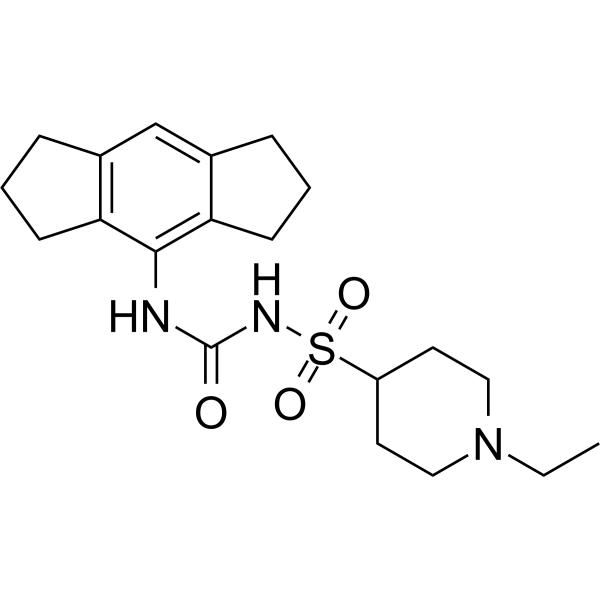
SelnoflastNLRP3 Inhibitor -
HY-100381
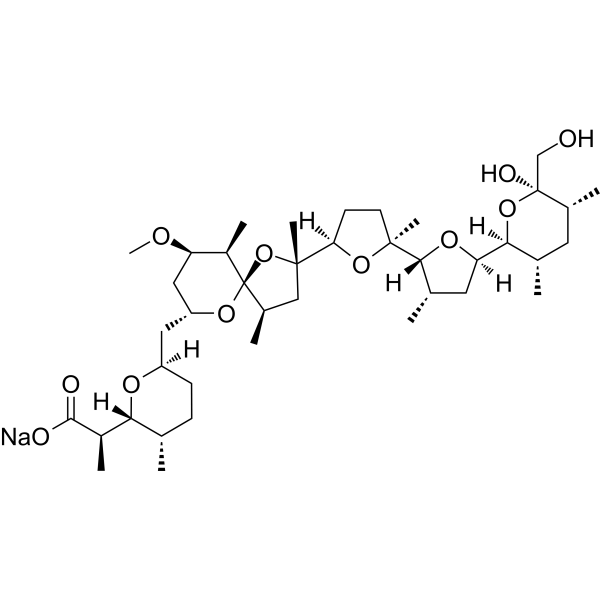
Nigericin sodium saltNLRP3 Activator -
HY-B0240
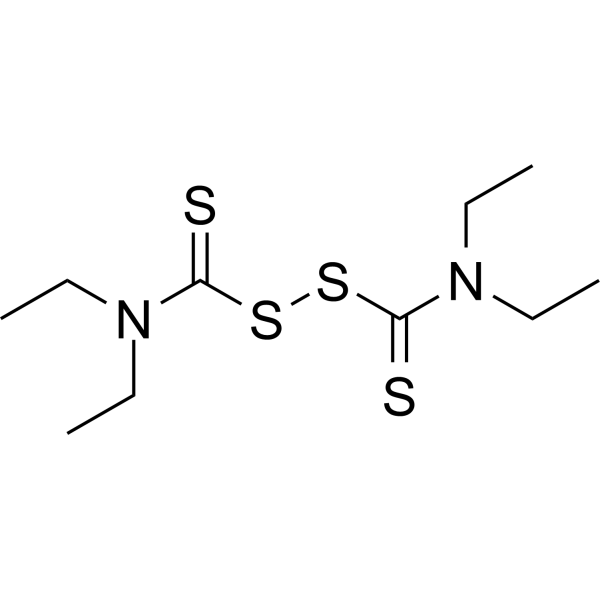
DisulfiramALDH Inhibitor -
HY-156438
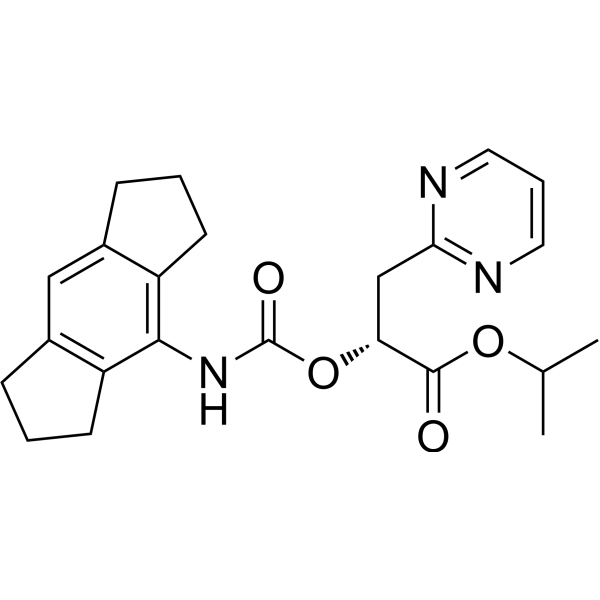
RuvonoflastNLRP3 Inhibitor -
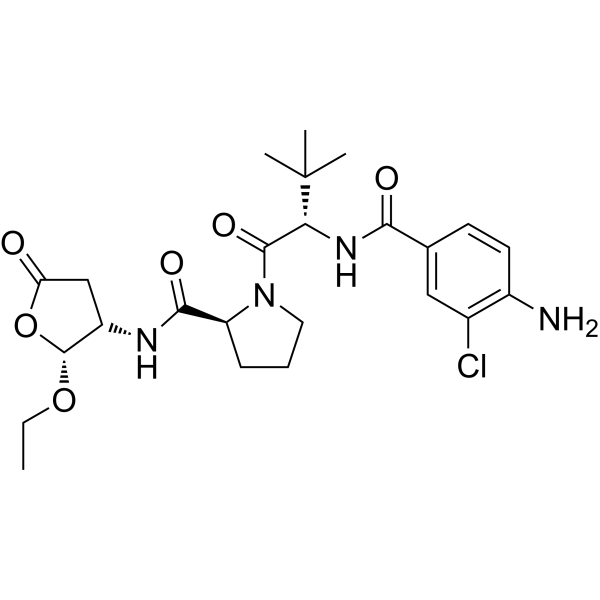
HY-13205
BelnacasanCaspase-1 Inhibitor -
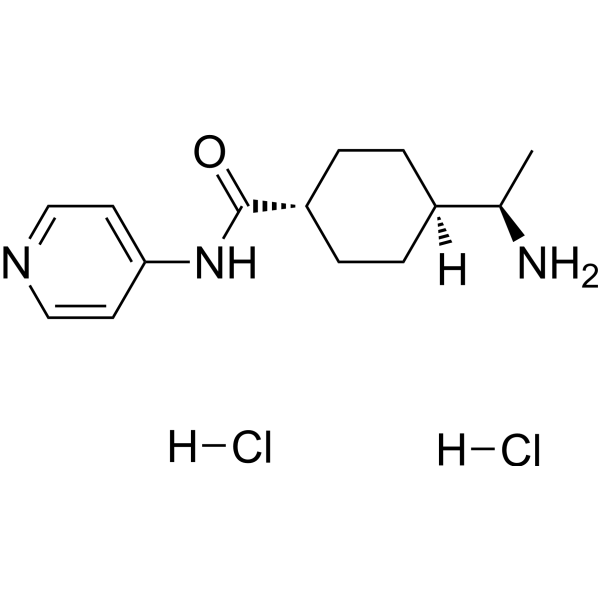
HY-10583
Y-27632 dihydrochlorideROCK Inhibitor -
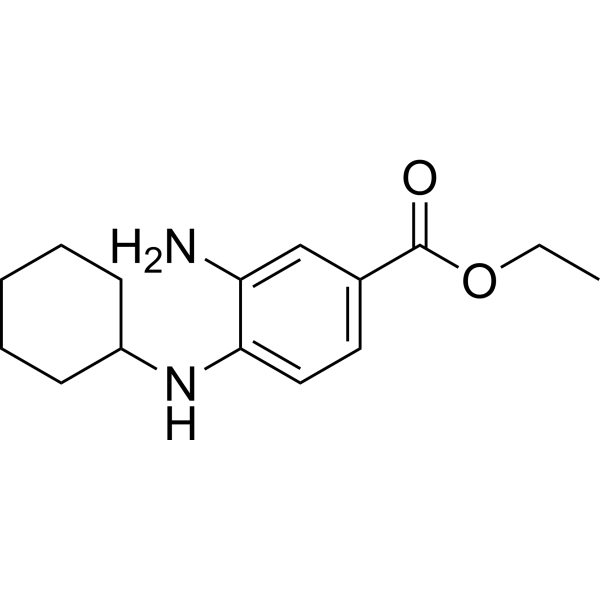
HY-100579
Ferrostatin-1Ferroptosis Inhibitor -
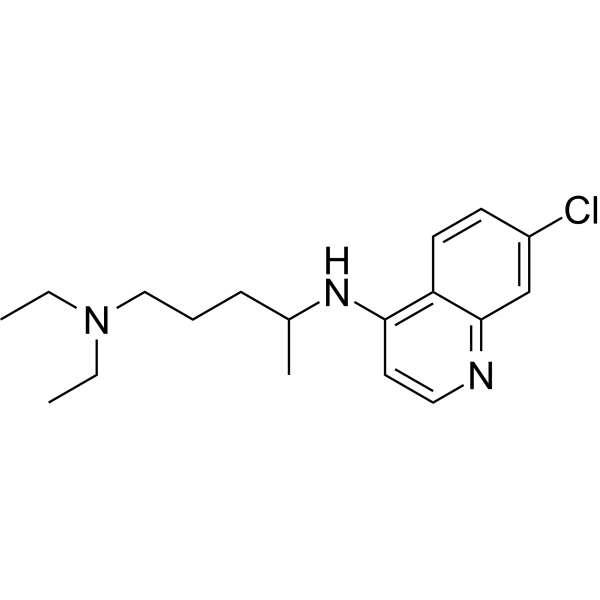
HY-17589A
ChloroquineAntimalarial Agent -
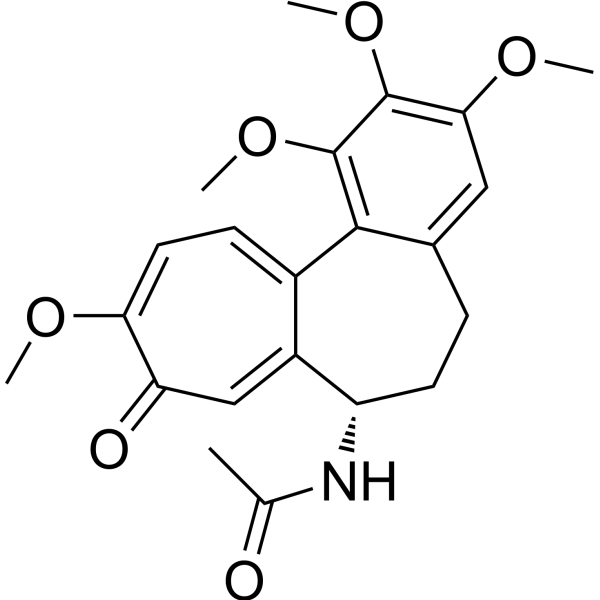
HY-16569
ColchicineTubulin Inhibitor


Activité biologique
Description
|
NLRP3 |
Caspase-1 |
IL-1β |
IL-18 |
IL-6 |
TNF-α |
JNK |
p38 MAP kinase |
In Vitro
Dapansutrile (10 μM; 24 h) promotes full fusion and reduces kiss-and-run fusion in PA-treated INS-1 cells[3].
Dapansutrile (20 μM; 24 h) restores glucose-stimulated calcium influx in PA-treated mouse islets[3].
Dapansutrile (10 μM; 24 h) downregulates the NLRP3 inflammasome component Caspase-1, and its protective effect on pancreatic β-cell function partially depends on the NLRP3 signaling pathway[3].
Dapansutrile directly disrupts NLRP3-ASC and NLRP3-caspase-1 interactions in cell-free FRET assays, consistent with impaired inflammasome assembly[5].
MedChemExpress (MCE) has not independently confirmed the accuracy of these methods. They are for reference only.
-
Cell Line:INS-1 rat insulinoma cells
mouse and human islets -
Concentration:5, 10 μM (INS-1)
10, 20 μM (mouse and human islets) -
Incubation Time:24 h
-
Result:Restored glucose-stimulated insulin secretion in PA-treated INS-1 cells.
Restored glucose-stimulated insulin secretion in PA-treated mouse and human islets.
-
Cell Line:INS-1 rat insulinoma cells
-
Concentration:10 μM
-
Incubation Time:24 h
-
Result:Reduced Caspase-1 protein in PA-treated INS-1 cells.
In Vivo
Dapansutrile (60 mg/kg; intraperitoneal injection; twice daily; from the day of EAE induction to day 21) administered prophylactically ameliorates EAE functional deficits and demyelination[4].
Dapansutrile (60 mg/kg; oral gavage; twice daily; from disease onset to the end of follow-up) attenuates EAE neurological severity and demyelination[4].
Dapansutrile (200 mg/kg; intraperitoneal injection; once daily; 8 weeks) improves glucose metabolism and preserves pancreatic β-cell function in HFD+STZ diabetic C57BL/6 mice[3].
MedChemExpress (MCE) has not independently confirmed the accuracy of these methods. They are for reference only.
-
Animal Model:ICR (CD1) (adult male, 8-12 weeks, 35-45 g, underwent experimental myocardial ischemia/reperfusion (I/R))[1]
-
Dosage:6 mg/kg, 60 mg/kg, or 600 mg/kg (24-hour outcomes); 60 mg/kg (7-day outcomes)
-
Administration:i.p.; single dose at reperfusion
-
Result:Reduced infarct size by 36%, 67%, and 62% versus vehicle at 24 hours for the 6, 60, and 600 mg/kg doses, respectively.
Lowered caspase‑1 activity in heart tissue by >50% at the 600 mg/kg dose.
Preserved LVEF at 24 hours with 6, 60, and 600 mg/kg and at 7 days with 60 mg/kg compared with vehicle.
-
Animal Model:ICR (CD1) (adult male, 8-12 weeks, 35-45 g, underwent experimental myocardial ischemia/reperfusion (I/R))[1]
-
Dosage:60 mg/kg
-
Administration:i.p.; single dose at 60, 120, or 180 minutes after reperfusion
-
Result:Administered at 60 minutes after reperfusion, the treatment yielded comparable infarct size and LVEF to administration at reperfusion.
Reduced infarct size by 27% versus vehicle at 120 minutes.
Detected no difference in infarct size or LVEF versus vehicle at 180 minutes.
-
Animal Model:Bulb-C (male, 5-7 weeks old, 27 g, Con A induced)[2]
-
Dosage:6 mg/kg; 60 mg/kg
-
Administration:i.p.; single dose; 1 h before Con A 15 mg/kg i.v.
-
Result:Reduced ALT, AST, LDH and MDA in a dose‑dependent manner.
Increased GSH, SOD and TAC markedly.
Suppressed CD4, CD8, IFN‑γ, JNK, p38 MAPK, NF‑κB‑p65, TNF‑α, IL‑6, NLRP3 and IL‑1β expression.
Attenuated Con A‑induced hepatic vacuolation, steatosis, necrosis and inflammation scores.
Diminished hepatic NF‑κB immunostaining, though levels remained above control.
-
Animal Model:C57BL/6 (female, 8-10 weeks old, subcutaneous immunization with 300 μg MOG35–55 peptide emulsified in CFA containing heat‑inactivated Mycobacterium tuberculosis)[4]
-
Dosage:3.75 g per kg of food
-
Administration:p.o. (enriched diet); ad libitum; from the day of EAE immunization until day 23 post-immunization
-
Result:Ameliorated EAE‑associated neurological deficits and produced a trend toward reduced disease‑related weight loss, and halved spinal‑cord demyelination.
Lowered spinal‑cord protein levels of IL-1β, IL-18, IL-6, TNF-α and CXCL1, whereas spinal‑cord IL-10 remained unchanged; exerted no modification on plasma cytokine profiles, with plasma IL-1β undetectable.
Reduced spinal CD45+CD3+ T‑cell infiltration roughly 2‑fold predominantly by diminishing CD4+ rather than CD8+ T‑cell populations.
Decreased spinal macrophages, microglia and CD45+CD11b−CD3−CD24+ cell counts, while leaving neutrophils, CD4+ T‑cell polarization and macrophage Ly6C subsets unmodified.
-
Animal Model:C57BL/6 (female, 8-10 weeks old)[4]
-
Dosage:60 mg/kg
-
Administration:i.p.; twice daily; from the day of EAE induction until day 21
-
Result:Ameliorated EAE functional deficits and demyelination when given prophylactically.
-
Animal Model:C57BL/6 (female, 8-10 weeks old)[4]
-
Dosage:60 mg/kg
-
Administration:p.o. by oral gavage; twice daily; starting at disease onset until the end of follow-up
-
Result:Reduced EAE neurological severity and demyelination.
- Multiplex immunofluorescence IHC
- Mitochondrial membrane-potential fluorescent assay
- ROS/oxidative-stress fluorescent staining
- Multiplex immunohistochemistry
- Human Islet Cell Culture
- Research Protocol for Inflammation-related Diseases
- Ca2+ Staining Technique
- Research Protocol for Metabolic Diseases
- Research Protocol for Cancer Immunology
- Collagen-Induced Arthritis
- LPS-Induced Endotoxemia/Systemic Inflammation
- Cotton Pellet Granuloma
- Carrageenan-Induced Paw Edema
- Research Protocol for Endocrine Diseases
- Mitochondrial membrane-potential and mitochondrial mass staining
- Transepithelial/transendothelial electrical resistance assay
- Apoptosis Solutions
- Pyroptosis Solutions
Essai clinique
| NCT Number | Sponsor | Condition | Start Date |
Phase

|
|---|---|---|---|---|
| NCT01329991 | 2011-05 | PHASE1 |


Chemical Information
-
CAS No. 54863-37-5
-
Appearance Solid
-
Masse moléculaire 133.17
-
Formule C4H7NO2S
-
Color White to off-white
-
SMILES
N#CCCS(=O)(C)=O
-
Synonyms
OLT1177
-
Livraison
Room temperature in continental US; may vary elsewhere.
-
Stockage
Powder -20°C 3 years 4°C 2 years In solvent -80°C 6 months -20°C 1 month


Publications (6)
-
Journal Impact Factor
-
Most Recent
-
Int J Mol Med
Remimazolam alleviates myocardial ischemia/reperfusion injury and inflammation via inhibition of the NLRP3/IL‑1β pathway in mice. [Abstract]2025 Apr;55(4):57. PMID: 39886966
Dapansutrile purchased from MedChemExpress. Usage Cited in: Int J Mol Med. 2025 Apr;55(4):57. [Abstract]
Dapansutrile (DAPA: 5 μM) inhibited the LPS-induced release of IL-1β, IL-6 and TNF-α in Raw264.7 cells, while treatment with Rema did not affect the alterations induced by DAPA.
-
-
J Inflamm Res
NLRP3 Mediates NOXs-Induced Iron Overload and Inflammation but Not Oxidative Damage in Colons of DSS-Treated Mice. [Abstract]2025 Apr 4:18:4695-4708. PMID: 40201574
Dapansutrile purchased from MedChemExpress. Usage Cited in: J Inflamm Res. 2025 Apr 4:18:4695-4708. [Abstract]
DPI and Dapansutrile (0.00001mg/kg) significantly ameliorated weight loss caused by DSS.
-
J Microbiol Immunol Infect
Potential role of intratumoral Fusobacterium nucleatum and interleukin-1 beta in breast cancer cell growth. [Abstract]2025 Jun 7:S1684-1182(25)00119-7. PMID: 40506319
Dapansutrile purchased from MedChemExpress. Usage Cited in: J Microbiol Immunol Infect. 2025 Jun 7:S1684-1182(25)00119-7. [Abstract]
Representative images of a clonogenic assay of cells infected with F. nucleatum 34597 and treated with 10 μM Dapansutrile.
-
Hum Exp Toxicol
Dapansutrile ameliorated chondrocyte inflammation and osteoarthritis through suppression of MAPK signaling pathway. [Abstract]2022 Jan-Dec:41:9603271221145401. PMID: 36508695 -
Sci Total Environ
NLRP3 inflammasome activation triggers severe inflammatory liver injury in N, N-dimethylformamide-exposed mice. [Abstract]2024 Jun 15:929:172653. PMID: 38649053
Dapansutrile purchased from MedChemExpress. Usage Cited in: Sci Total Environ. 2024 Jun 15:929:172653. [Abstract]
NLRP3 inhibitors ameliorate acute DMF-induced inflammatory liver injury. Mice were treated with MCC950 (25 mg/kg bw) or Dapansutrile (60 mg/kg bw) before and 12 h after DMF exposure (2.0 g/kg bw).H&E staining.

Dapansutrile purchased from MedChemExpress. Usage Cited in: Sci Total Environ. 2024 Jun 15:929:172653. [Abstract]
NLRP3 inhibitors ameliorate acute DMF-induced inflammatory liver injury. Mice were treated with MCC950 (25 mg/kg bw) or Dapansutrile (60 mg/kg bw) before and 12 h after DMF exposure (2.0 g/kg bw).Representative western blot bands of NLRP3, caspase-1, cleaved-IL-1β, ASC, GSDMD and GAPDH.


Solvant et solubilité
In Vitro:
DMSO : ≥ 100 mg/mL (750.92 mM; Hygroscopic DMSO has a significant impact on the solubility of product, please use newly opened DMSO)
H2O : 36.67 mg/mL (275.36 mM; Need ultrasonic)
* "≥" means soluble, but saturation unknown.
Please refer to the solubility information to select the appropriate solvent. Once prepared, please aliquot and store the solution to prevent product inactivation from repeated freeze-thaw cycles.
Storage method and period of stock solution: -80°C, 6 months; -20°C, 1 month. When stored at -80°C, please use it within 6 months. When stored at -20°C, please use it within 1 month.
* Note: If you choose water as the stock solution, please dilute it to the working solution, then filter and sterilize it with a 0.22 μm filter before use.
Concentration (start) × Volume (start) = Concentration (final) × Volume (final)
In Vivo:
Select the appropriate dissolution method based on your experimental animal and administration route.
- For the following dissolution methods, please ensure to first prepare a clear stock solution using an In Vitro approach and then sequentially add co-solvents:
- To ensure reliable experimental results, the clarified stock solution can be appropriately stored based on storage conditions. As for the working solution for In Vivo experiments, it is recommended to prepare freshly and use it on the same day.
- The percentages shown for the solvents indicate their volumetric ratio in the final prepared solution. If precipitation or phase separation occurs during preparation, heat and/or sonication can be used to aid dissolution.
Add each solvent one by one: 10% DMSO 40% PEG300 5% Tween-80 45% Saline
Solubility: ≥ 2.08 mg/mL (15.62 mM); Clear solution
This protocol yields a clear solution of ≥ 2.08 mg/mL (saturation unknown).
Taking 1 mL working solution as an example, add 100 μL DMSO stock solution (20.8 mg/mL) to 400 μL PEG300, and mix evenly; then add 50 μL Tween-80 and mix evenly; then add 450 μL Saline to adjust the volume to 1 mL.
Preparation of Saline: Dissolve 0.9 g sodium chloride in ddH₂O and dilute to 100 mL to obtain a clear Saline solution.
Add each solvent one by one: 10% DMSO 90% (20% SBE-β-CD in Saline)
Solubility: ≥ 2.08 mg/mL (15.62 mM); Clear solution
This protocol yields a clear solution of ≥ 2.08 mg/mL (saturation unknown).
Taking 1 mL working solution as an example, add 100 μL DMSO stock solution (20.8 mg/mL) to 900 μL 20% SBE-β-CD in Saline, and mix evenly.
Preparation of 20% SBE-β-CD in Saline (4°C, storage for one week): 2 g SBE-β-CD powder is dissolved in 10 mL Saline, completely dissolve until clear.
For the following dissolution methods, please prepare the working solution directly:
It is recommended to prepare fresh solutions and use them promptly within a short period of time.
The percentages shown for the solvents indicate their volumetric ratio in the final prepared solution. If precipitation or phase separation occurs during preparation, heat and/or sonication can be used to aid dissolution.
Add each solvent one by one: PBS
Solubility: 120 mg/mL (901.10 mM); Clear solution; Need ultrasonic
In Vivo Dissolution Calculator
Please enter the basic information of animal experiments:
-
-
-
-
Recommended: Prepare an additional quantity of animals to account for potential losses during experiments.
Working solution concentration: 0.22 mg/mL
This product has good water solubility, please refer to the measured solubility data in water/PBS/Saline for details.


Pureté et documentation


Références

Complete Stock Solution Preparation Table
Please refer to the solubility information to select the appropriate solvent. Once prepared, please aliquot and store the solution to prevent product inactivation from repeated freeze-thaw cycles.
Storage method and period of stock solution: -80°C, 6 months; -20°C, 1 month. When stored at -80°C, please use it within 6 months. When stored at -20°C, please use it within 1 month.
| Optional Solvent | Concentration Solvent Mass | 1 mg | 5 mg | 10 mg | 25 mg |
|---|---|---|---|---|---|
| H2O / DMSO | 1 mM | 7.5092 mL | 37.5460 mL | 75.0920 mL | 187.7300 mL |
| 5 mM | 1.5018 mL | 7.5092 mL | 15.0184 mL | 37.5460 mL | |
| 10 mM | 0.7509 mL | 3.7546 mL | 7.5092 mL | 18.7730 mL | |
| 15 mM | 0.5006 mL | 2.5031 mL | 5.0061 mL | 12.5153 mL | |
| 20 mM | 0.3755 mL | 1.8773 mL | 3.7546 mL | 9.3865 mL | |
| 25 mM | 0.3004 mL | 1.5018 mL | 3.0037 mL | 7.5092 mL | |
| 30 mM | 0.2503 mL | 1.2515 mL | 2.5031 mL | 6.2577 mL | |
| 40 mM | 0.1877 mL | 0.9386 mL | 1.8773 mL | 4.6932 mL | |
| 50 mM | 0.1502 mL | 0.7509 mL | 1.5018 mL | 3.7546 mL | |
| 60 mM | 0.1252 mL | 0.6258 mL | 1.2515 mL | 3.1288 mL | |
| 80 mM | 0.0939 mL | 0.4693 mL | 0.9386 mL | 2.3466 mL | |
| 100 mM | 0.0751 mL | 0.3755 mL | 0.7509 mL | 1.8773 mL |
* Note: If you choose water as the stock solution, please dilute it to the working solution, then filter and sterilize it with a 0.22 μm filter before use.


Dapansutrile Related Classifications
HY-17629 Related Classifications
 Powered by Bioz
Keywords
- Dapansutrile
- 54863-37-5
- OLT1177
- OLT 1177
- OLT-1177
- NOD-like Receptor (NLR)
- Interleukin Related
- TNF Receptor
- Caspase
- α-synuclein
- JNK
- p38 MAPK
- Reactive Oxygen Species (ROS)
- Pyroptosis
- IL
- Tumor Necrosis Factor Receptor
- TNFR
- α-Syn
- c-Jun N-terminal kinase
- IL-1β
- NACHT domain
- NF-κB
- NLRP3
- NLRP3 ATPase
- caspase-1
- inflammasome assembly
- pyroptosis
- Inhibitor
- inhibitor
- inhibit