10032 Results for "

Infection

" in MedChemExpress (MCE) Product Catalog:
Products (10032)

10032 Results for "Infection" in MCE Product Catalog:

85
85 Cited Publications
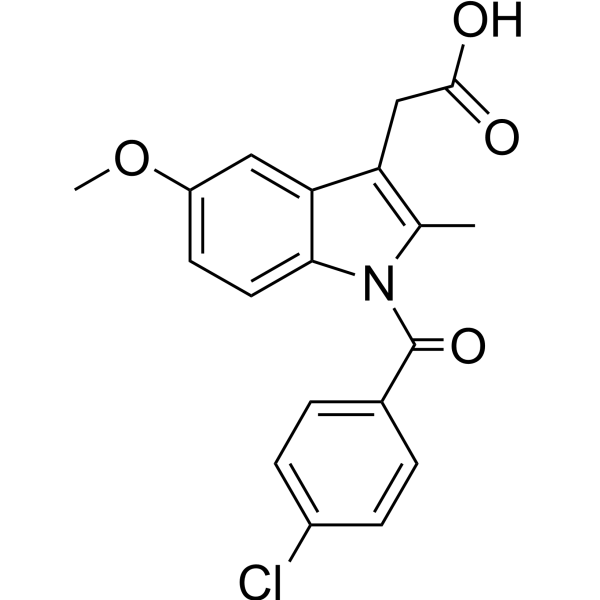
Cat. No.: HY-14397
CAS No.: 53-86-1
Purity:  99.91%
Synonyms: Indometacin
Indomethacin (Indometacin) is a potent, orally active COX1/2 inhibitor with IC50 values of 18 nM and 26 nM for COX-1 and COX-2, respectively. Indomethacin has anticancer activity and anti-infective activity. Indomethacin can be used for cancer, inflammation and viral infection research .
loading...
    loading...
85
85 Cited Publications
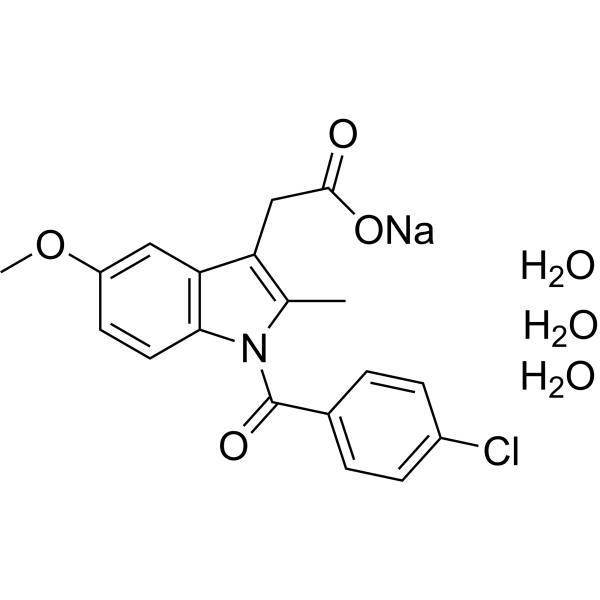
Cat. No.: HY-14397A
CAS No.: 74252-25-8
Purity:  99.85%
Synonyms: Indometacin sodium hydrate
Indomethacin (Indometacin) sodium hydrateis a orally active and BBB-permeable COX1/2 inhibitor with IC50 values of 18 nM and 26 nM for COX-1 and COX-2, respectively. Indomethacin sodium hydrateis has anticancer activity and anti-infective activity. Indomethacin sodium hydrateis can be used for cancer, inflammation and viral infection research .
loading...
    loading...
78
78 Cited Publications
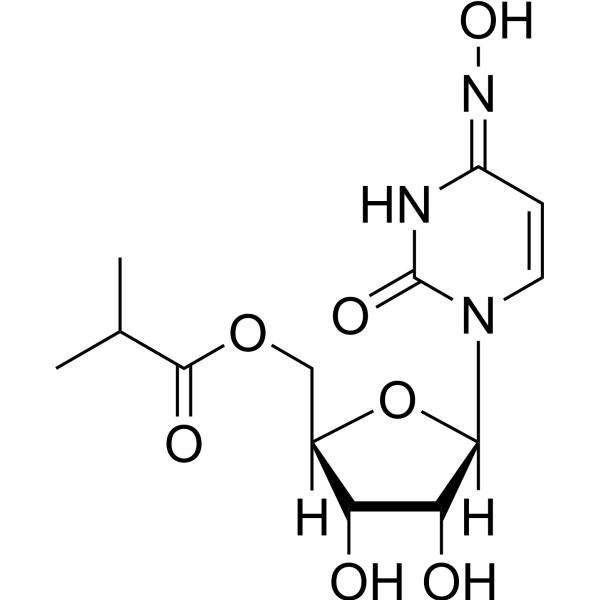
Cat. No.: HY-135853
CAS No.: 2492423-29-5
Purity:  99.85%
Synonyms: EIDD-2801; MK-4482
Research Areas:  

Infection

Molnupiravir (EIDD-2801) is an orally bioavailable proagent of the ribonucleoside analog EIDD-1931. Molnupiravir has broad spectrum antiviral activity against influenza virus and multiple coronaviruses, such as SARS-CoV-2, MERS-CoV, SARS-CoV. Molnupiravir has the potential for the research of COVID-19, and seasonal and pandemic influenza .
loading...
    loading...
77
77 Cited Publications
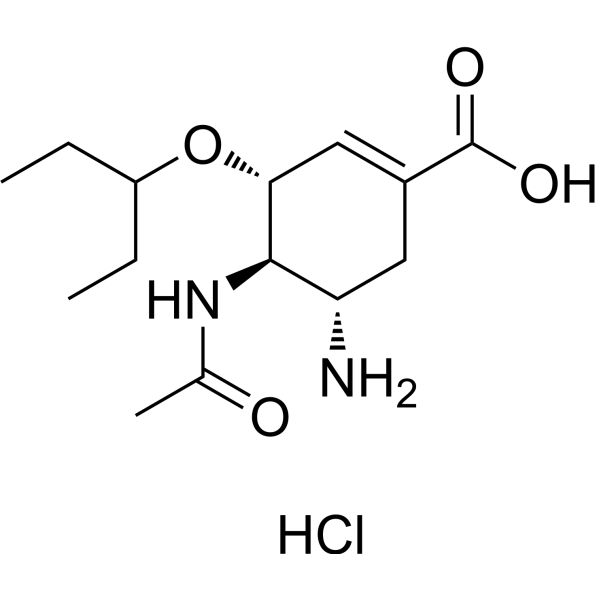
Cat. No.: HY-13318A
CAS No.: 1415963-60-8
Purity:  94.33%
Synonyms: GS 4071 hydrochloride; Ro 64-0802 hydrochloride; Oseltamivir carboxylate hydrochloride
Target:  

Drug Metabolite

Research Areas:  

Infection

Oseltamivir acid hydrochloride is an active metabolite of the antiviral agent Oseltamivir (HY-13317) ethylester. Oseltamivir acid hydrochloride belongs to baseline toxicants in toxicity ratio analysis .
loading...
    loading...
75
75 Cited Publications
Cat. No.: HY-B0318
CAS No.: 443-48-1
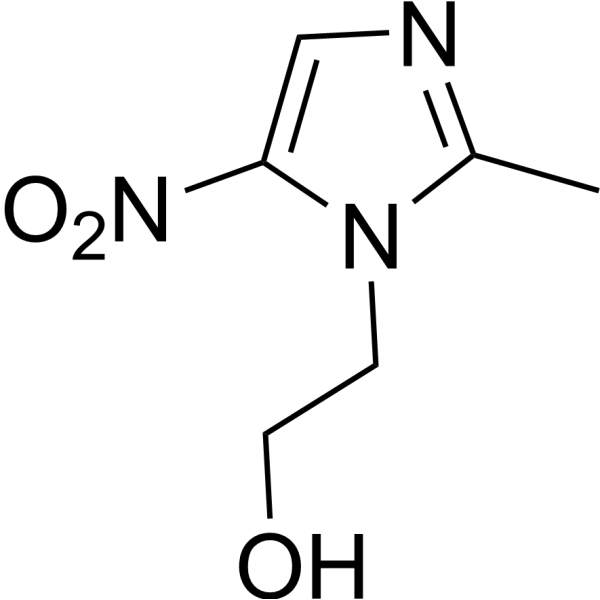
Metronidazole is an orally active nitroimidazole antibiotic. Metronidazole can cross blood brain barrier. Metronidazole can be used for the research of anaerobic infections .
loading...
    loading...
75
75 Cited Publications
Cat. No.: HY-B0318A
CAS No.: 69198-10-3
Synonyms: SC 326421
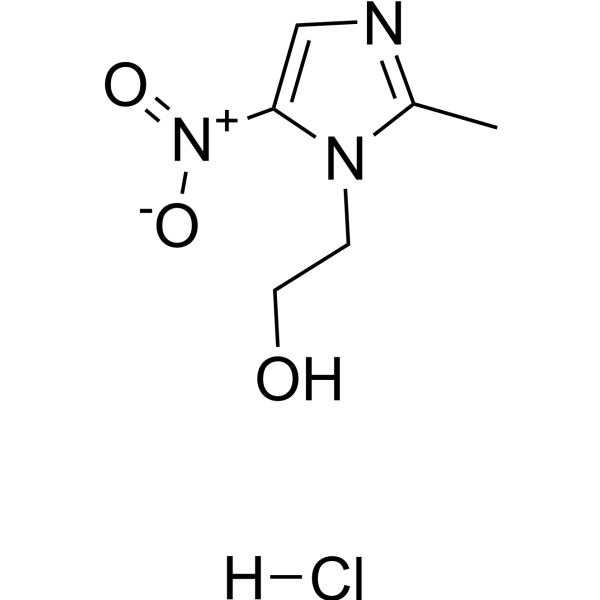
Metronidazole hydrochloride (SC 326421) is an orally active nitroimidazole antibiotic, can be used to research anaerobic infections. Metronidazole hydrochloride can cross blood brain barrier and results inflammation and skeletal muscle contraction under long-term application .
loading...
    loading...
71
71 Cited Publications
Cat. No.: HY-108718
CAS No.: 49863-47-0
Synonyms: Geneticin; Antibiotic G-418
Research Areas:  

Infection

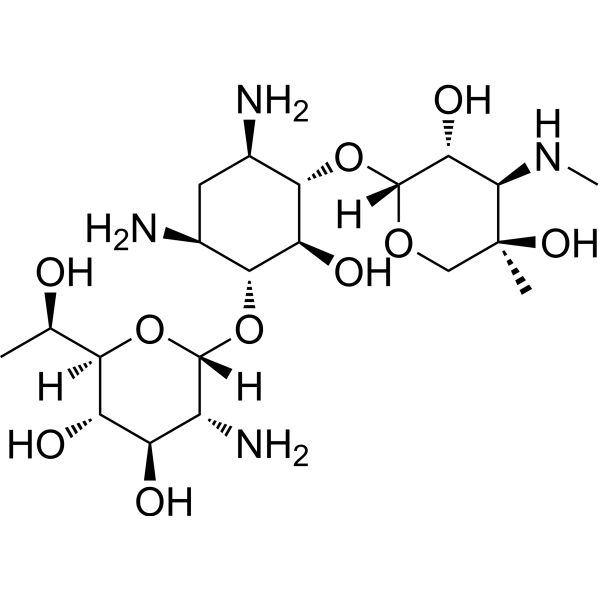
G-418 (Geneticin) is an aminoglycoside antibiotic with a structure similar to gentamicin. It is toxic to both eukaryotic and prokaryotic cells and works by interfering with protein synthesis .
loading...
    loading...
71
71 Cited Publications
Cat. No.: HY-17561
CAS No.: 108321-42-2
Synonyms: Geneticin sulfate; Antibiotic G-418 sulfate
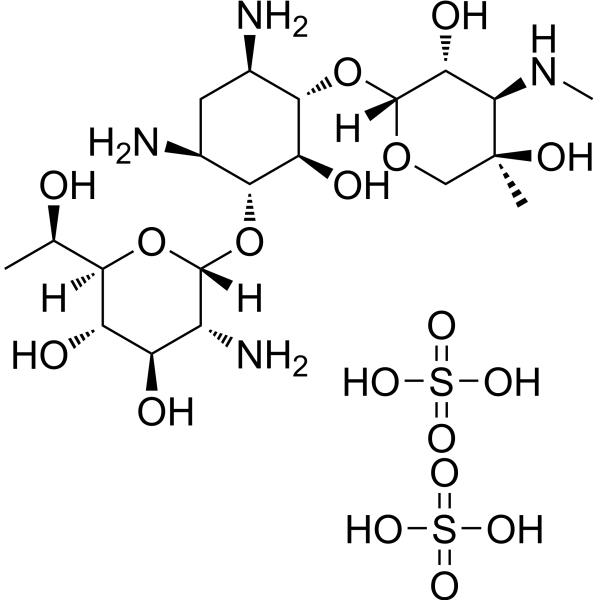
G-418 disulfate (Geneticin sulfate), is an aminoglycoside antibiotic, inhibits protein synthesis in eukaryotes and prokaryotes. G-418 disulfate is commonly used as a selective agent for eukaryotic cells .
loading...
    loading...
70
70 Cited Publications
Cat. No.: HY-10585A
CAS No.: 1069-66-5
Purity:  98.14%
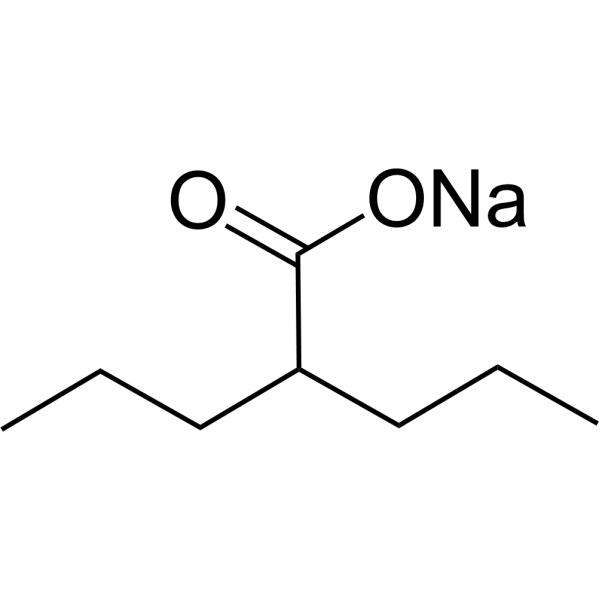
Synonyms: Sodium Valproate; VPA sodium; 2-Propylpentanoic acid sodium
Valproic acid (Sodium Valproate) sodium is an orally active HDAC inhibitor, with IC50 in the range of 0.5 and 2 mM, also inhibits HDAC1 (IC50, 400 μM), and induces proteasomal degradation of HDAC2. Valproic acid sodium activates Notch1 signaling and inhibits proliferation in small cell lung cancer (SCLC) cells. Valproic acid sodium is used in the treatment of epilepsy, bipolar disorder, metabolic disease, HIV infection and prevention of migraine headaches .
loading...
    loading...
70
70 Cited Publications
Cat. No.: HY-10585
CAS No.: 99-66-1
Purity:  99.19%
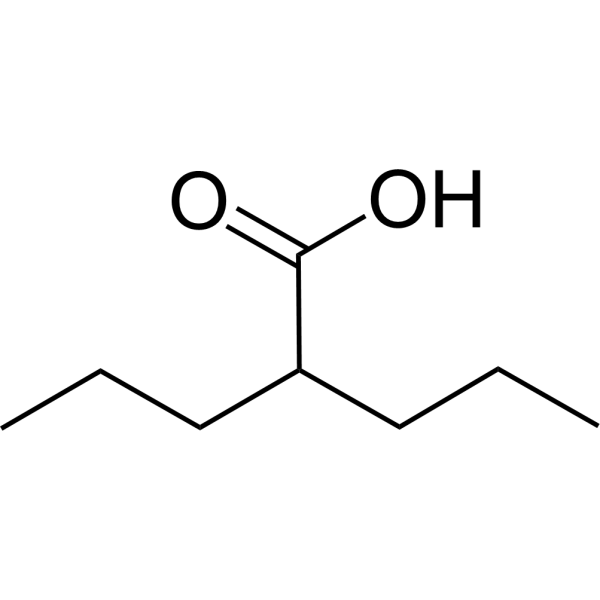
Synonyms: VPA; 2-Propylpentanoic acid; Dipropylacetic acid
Valproic acid (VPA) is an orally active HDAC inhibitor, with IC50 in the range of 0.5 and 2 mM. Valproic acid inhibits HDAC1 (IC50, 400 μM), and induces proteasomal degradation of HDAC2. Valproic acid activates Notch1 signaling and inhibits proliferation in small cell lung cancer (SCLC) cells. Valproic acid is used in the epilepsy, bipolar disorder, metabolic disease, HIV infection and prevention of migraine headaches .
loading...
    loading...
60
60 Cited Publications
Cat. No.: HY-B0356B
CAS No.: 86393-32-0
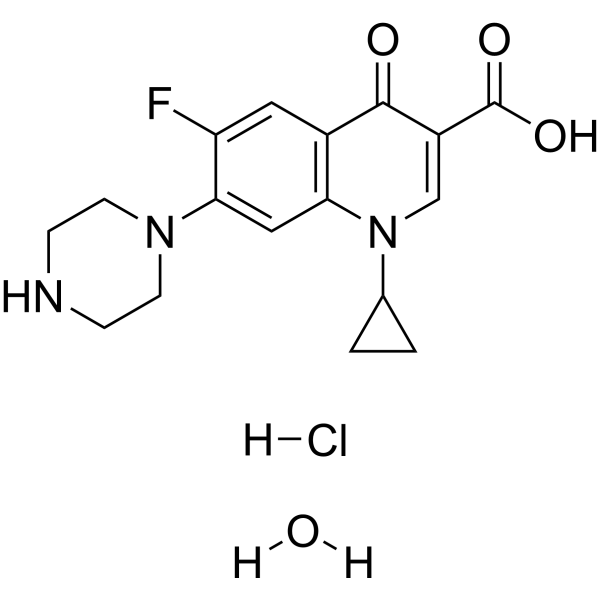
Synonyms: Bay-09867 hydrochloride monohydrate
Ciprofloxacin (Bay-09867) hydrochloride monohydrate is an orally active, blood-brain barrier permeable fluoroquinolone antibacterial agent. Ciprofloxacin hydrochloride monohydrate exerts bactericidal effects primarily by inhibiting topoisomerase II and IV. Ciprofloxacin hydrochloride monohydrate inhibits the proliferation of human dental pulp stem cells and chondrocytes from young rats, and also activates the Akt signaling pathway and upregulates markers such as β-catenin and Nanog to maintain the morphological characteristics of stem cells. Ciprofloxacin hydrochloride monohydrate induces significant neurotoxicity and tissue damage, including reducing serotonin and glutathione levels in the brain, inducing oxidative stress and depression-like behaviors, and causing articular cartilage damage. Ciprofloxacin hydrochloride monohydrate can be applied to research related to infections of necrotic young permanent teeth and neurotoxicity .
loading...
    loading...
60
60 Cited Publications
Cat. No.: HY-B0356A
CAS No.: 93107-08-5
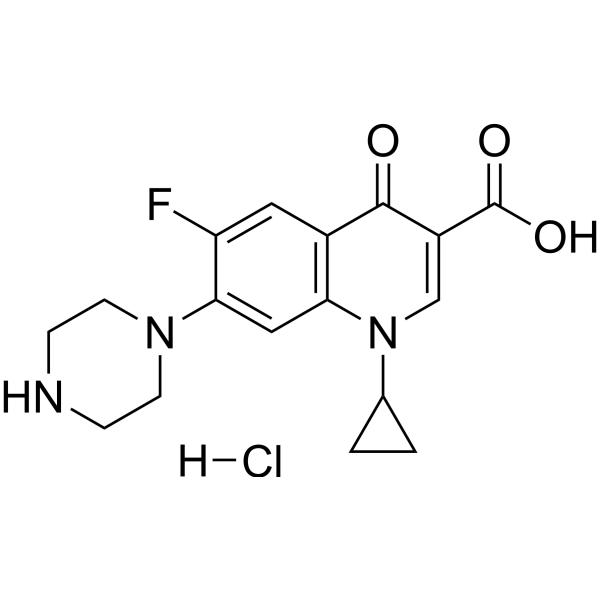
Synonyms: Bay-09867 monohydrochloride
Ciprofloxacin (Bay-09867) monohydrochloride is an orally active, blood-brain barrier permeable fluoroquinolone antibacterial agent. Ciprofloxacin monohydrochloride exerts bactericidal effects primarily by inhibiting topoisomerase II and IV. Ciprofloxacin monohydrochloride inhibits the proliferation of human dental pulp stem cells and chondrocytes from young rats, and also activates the Akt signaling pathway and upregulates markers such as β-catenin and Nanog to maintain the morphological characteristics of stem cells. Ciprofloxacin monohydrochloride induces significant neurotoxicity and tissue damage, including reducing serotonin and glutathione levels in the brain, inducing oxidative stress and depression-like behaviors, and causing articular cartilage damage. Ciprofloxacin monohydrochloride can be applied to research related to infections of necrotic young permanent teeth and neurotoxicity .
loading...
    loading...
59
59 Cited Publications
Cat. No.: HY-10394
CAS No.: 165800-03-3
Purity:  99.95%
Synonyms: PNU-100766
Target:  

Bacterial Antibiotic

Research Areas:  

Infection Cancer

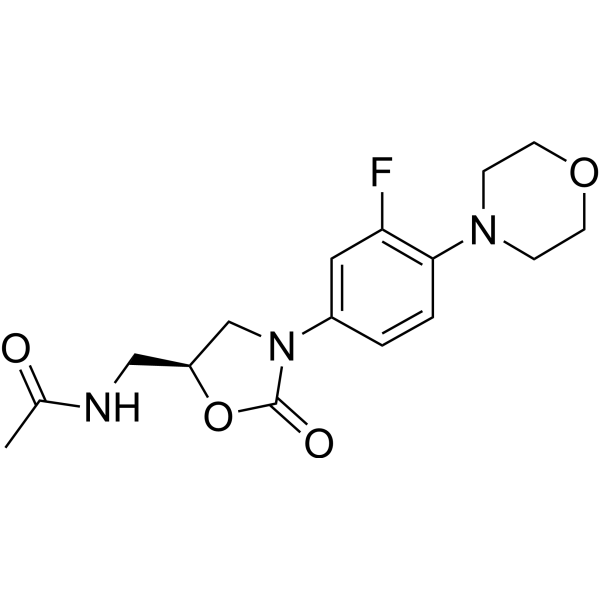
Linezolid (PNU-100766) is the first member of the class of oxazolidinone synthetic antibiotic. Linezolid acts by inhibiting the initiation of bacterial protein synthesis. Linezolid is used for the treatment of serious infections caused by Gram-positive bacteria that are resistant to several other antibiotics .
loading...
    loading...
57
57 Cited Publications
Cat. No.: HY-14881A
CAS No.: 845533-86-0
Purity:  99.97%
Synonyms: R403323; TMC207 fumarate; R207910 fumarate
Target:  

Bacterial Antibiotic

Research Areas:  

Infection

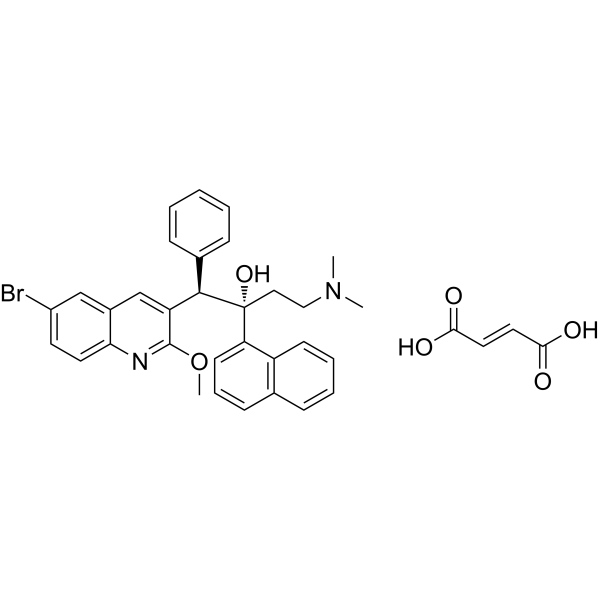
Bedaquiline fumarate, a diarylquinoline antibiotic that targets ATP synthase, is effective for the treatment of Mycobacterium tuberculosis infections.
loading...
    loading...
57
57 Cited Publications
Cat. No.: HY-14881
CAS No.: 843663-66-1
Purity:  99.98%
Synonyms: TMC207; R207910
Target:  

Bacterial Antibiotic

Research Areas:  

Infection

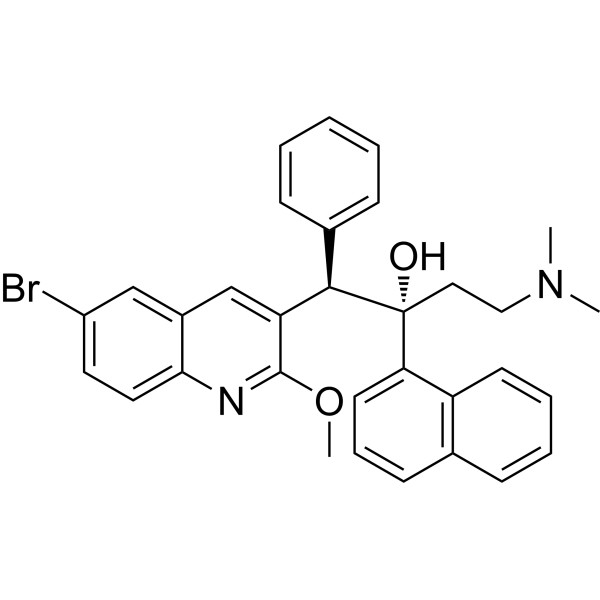
Bedaquiline (TMC207) is a diarylquinoline agent and inhibits Mycobacterium tuberculosis (Mtb) F1FO-ATP synthase through targeting of both the c- and the ε-subunit . Bedaquiline has uncoupler activity. Bedaquiline is used for the multi-agent resistant tuberculosis .
loading...
    loading...
56
56 Cited Publications
Cat. No.: HY-A0107
CAS No.: 60-54-8
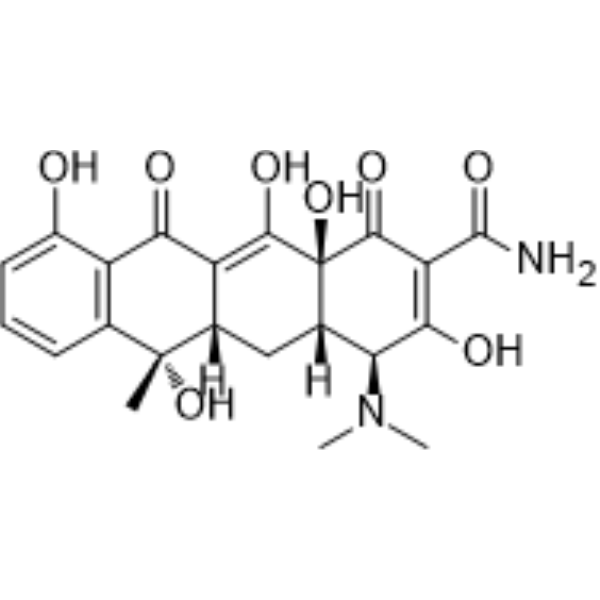
Tetracycline is a broad-spectrum antibiotic with oral activity. Tetracycline exhibits activity against a wide range of bacteria including gram-positive, gram-negative bacteria, chlamydiae, mycoplasmas and rickettsiae. Tetracycline can be used for the research of infections .
loading...
    loading...
56
56 Cited Publications
Cat. No.: HY-B0474
CAS No.: 64-75-5
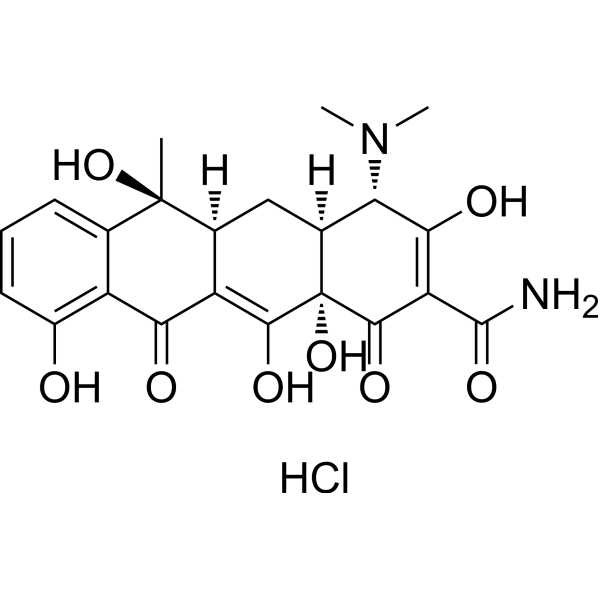
Tetracycline hydrochloride is a broad-spectrum antibiotic with oral activity. Tetracycline hydrochloride exhibits activity against a wide range of bacteria including gram-positive, gram-negative bacteria, chlamydiae, mycoplasmas and rickettsiae. Tetracycline hydrochloride can be used for the research of infections .
loading...
    loading...
54
54 Cited Publications
Cat. No.: HY-134541
CAS No.: 2089251-47-6
Purity:  99.97%
Target:  

Liposome

Research Areas:  

Infection

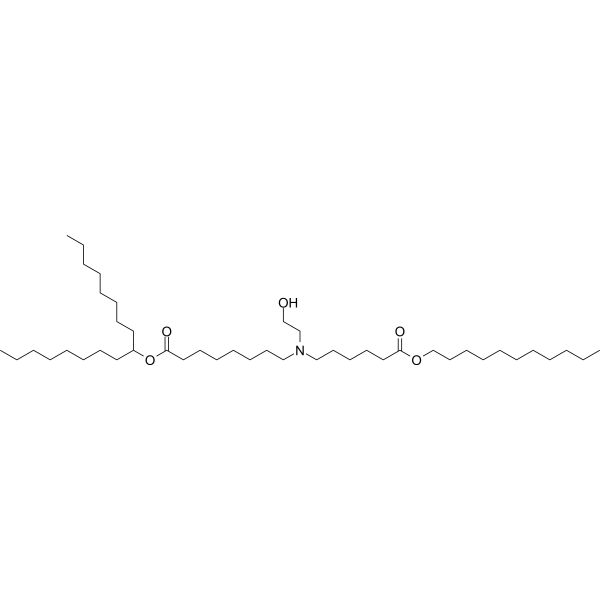
SM-102 is an amino cationic lipid useful in the formation of lipid nanoparticles (LNPs). SM-102 has higher transfection efficiency. SM-102 plays an important role in the effectiveness of lipid nanoparticles (LNPs) in delivering mRNA therapeutics and vaccines .
loading...
    loading...
53
53 Cited Publications
Cat. No.: HY-14768
CAS No.: 259793-96-9
Purity:  99.97%
Synonyms: T-705
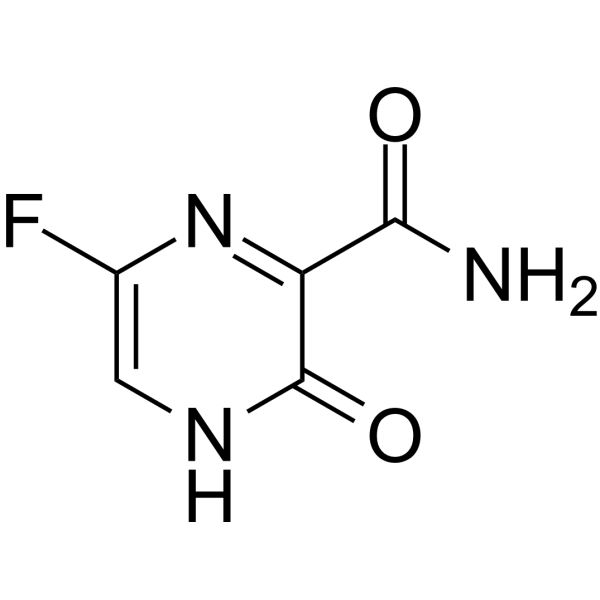
Favipiravir (T-705) is a potent viral RNA polymerase inhibitor, it is phosphoribosylated by cellular enzymes to its active form, Favipiravir-ribofuranosyl-5′-triphosphate (RTP). Favipiravir-RTP inhibits the influenza viral RNA-dependent RNA polymerase (RdRP) activity with an IC50 of 341 nM.
loading...
    loading...
52
52 Cited Publications
Cat. No.: HY-B1906
CAS No.: 57-92-1
Synonyms: Agrept; Agrimycin; Streptomycin A
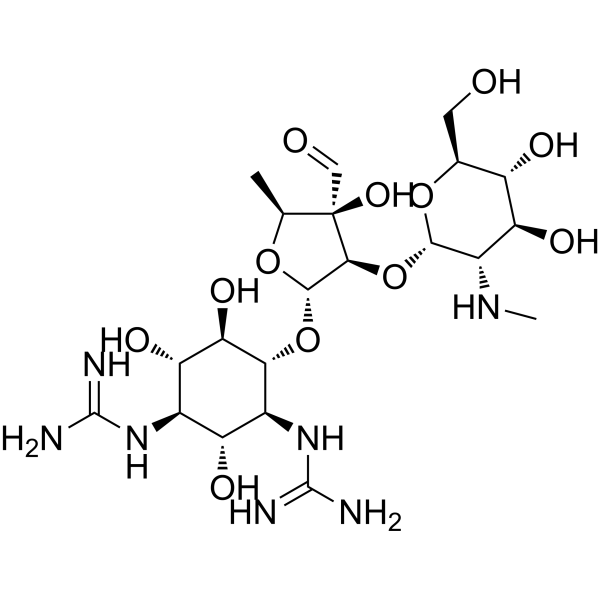
Streptomycin (Agrept) is an effective antibiotic against M. tuberculosis, is used for the research of tuberculosis (TB). Streptomycin also is a bacteriocidal agent that can be used for the research of a number of bacterial infections. Streptomycin can bind strongly to nucleic acids, interferes and blocks protein synthesis while permitting continued RNA and DNA synthesis. Streptomycin, as a common antibiotic used in culture media, also is a blocker of stretch-activated and mechanosensitive ion channels in neurons and cardiac myocytes .
loading...
    loading...

