



Iguratimod
Based on 5 publication(s) in Google Scholar
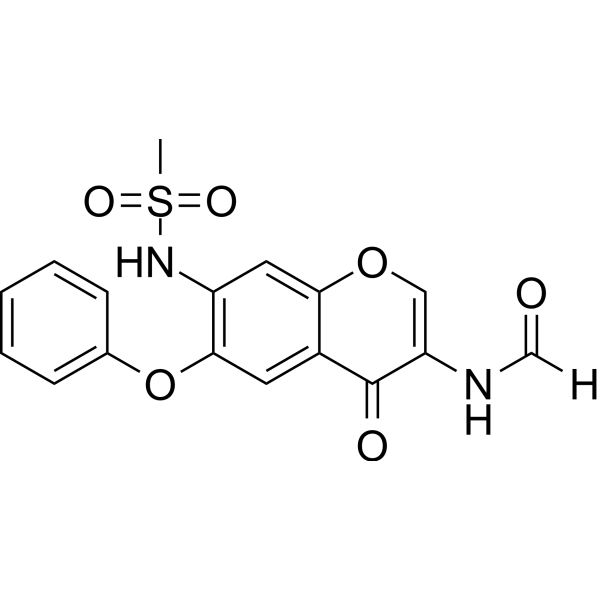
Iguratimod (T614) is an orally active anti-rheumatic agent. Iguratimod modulates T and B lymphocytes, inhibits the production of inflammatory cytokines and autoantibodies, and downregulates T cell-dependent cellular immunity. Iguratimod targets the IL-17 signaling axis, reduces MAPK phosphorylation and the mRNA stability of pro-inflammatory genes in fibroblast-like synoviocytes, and alleviates synovial inflammation in collagen-induced arthritis. Iguratimod blocks RANKL- and TNF-α-induced osteoclastogenesis by inhibiting the p38, ERK, and NF-κB signaling pathways, suppresses the bone resorption function of mature osteoclasts, and protects ovariectomized mice from bone loss. Iguratimod inhibits MIF tautomerase activity and exerts a steroid-sparing effect. Iguratimod inhibits COX-2, reduces PGE2 release, and also possesses anti-pulmonary fibrosis effects. Iguratimod can be used in research on various diseases such as rheumatoid arthritis, systemic lupus erythematosus, and interstitial lung disease.
Nos produits utilisent uniquement pour la recherche. Nous ne vendons pas aux patients.
- Pureté : 99.95%
- CAS No.: 123663-49-0
- Formule: C17H14N2O6S
- Masse moléculaire:374.37
-
Stockage:Powder -20°C, 3 years , 4°C, 2 years ; In solvent -80°C, 2 years , -20°C, 1 year

To place orders, for customer services and technical support, please contact: MedChemExpress USA
Tel: 609-228-6898 E-mail: [email protected] [email protected]


-
 Activité biologique
-
Chemical Information
-
Solvant et solubilité
- Protocole
- Pureté et documentation
- Références
-
 Help & FAQs


-
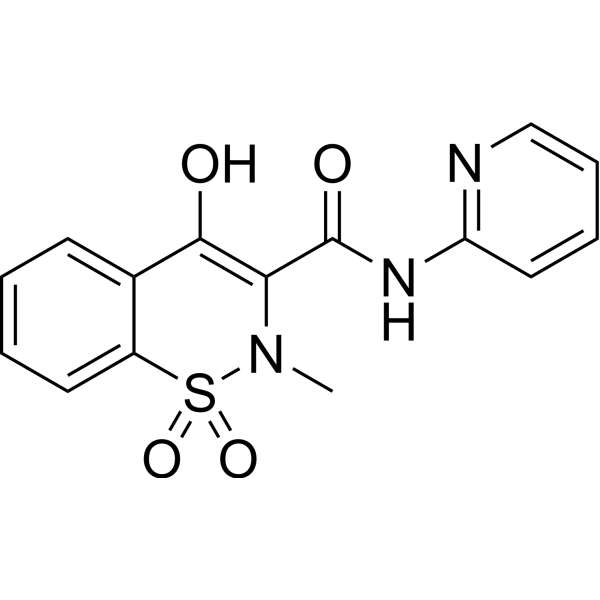
HY-B0253
PiroxicamCOX Inhibitor -
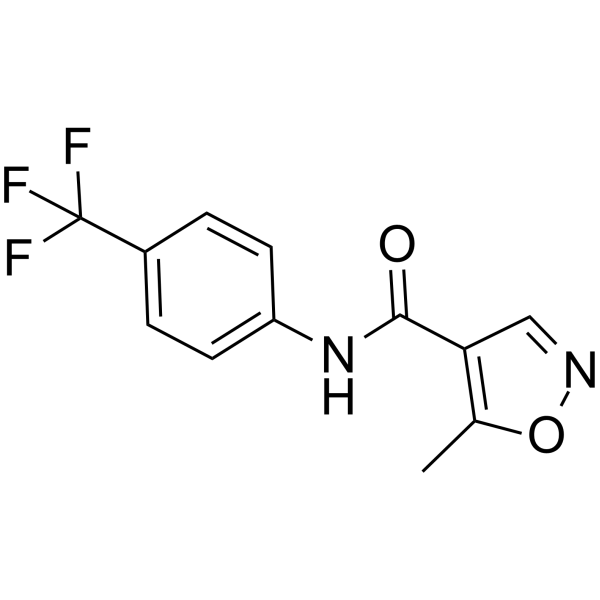
HY-B0083
LeflunomideDHODH Inhibitor -
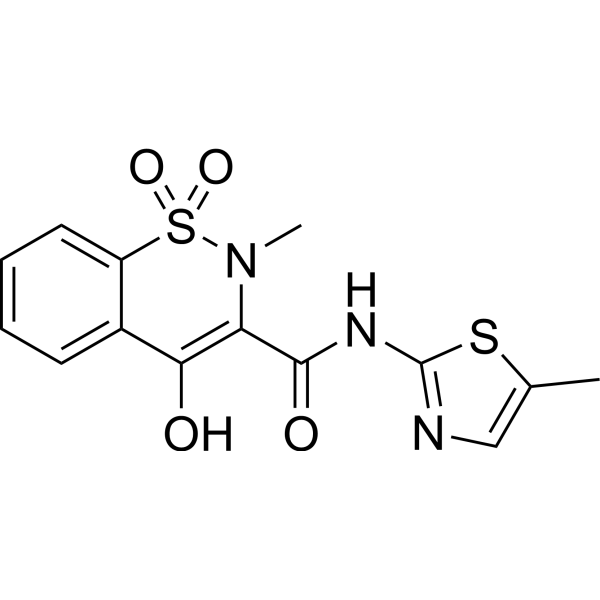
HY-B0261
MeloxicamCOX Inhibitor -
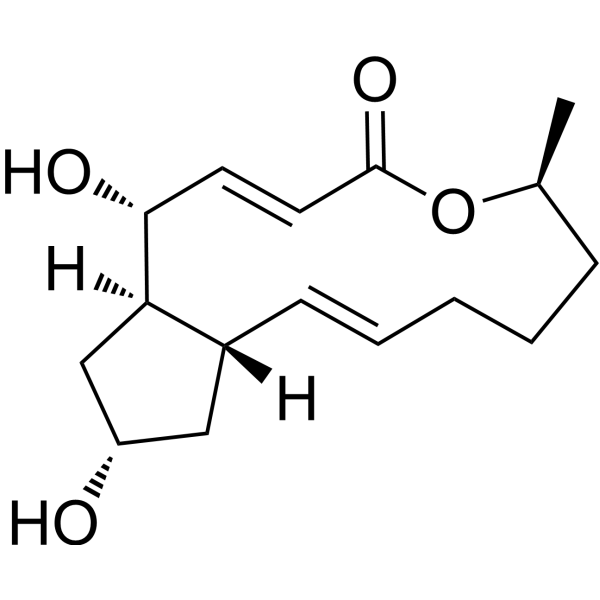
HY-16592
Brefeldin AProtein Transport Inhibitor -
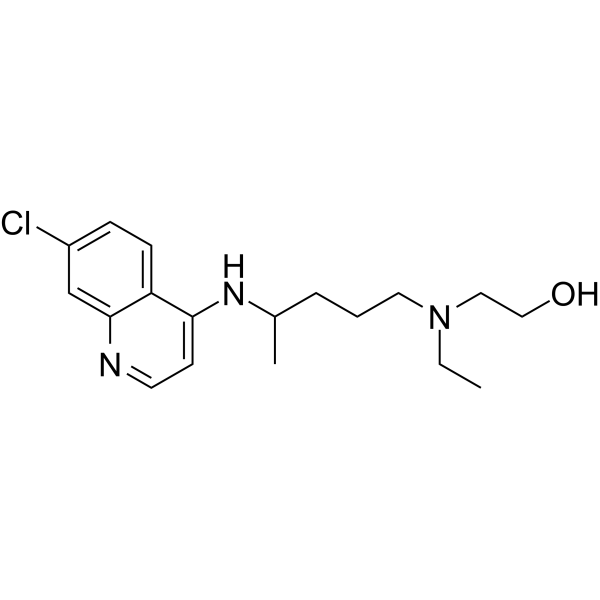
HY-W031727
HydroxychloroquineAntimalarial Agent -
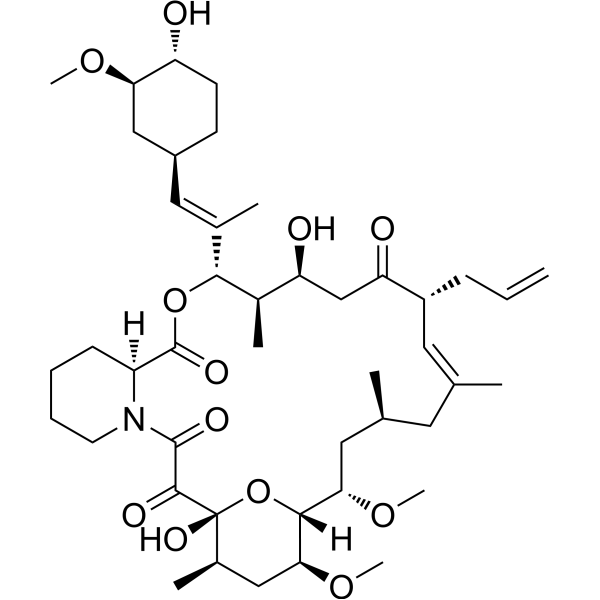
HY-13756
TacrolimusCalcineurin Inhibitor -
HY-15027
5-Aminosalicylic AcidEndogenous Metabolite -
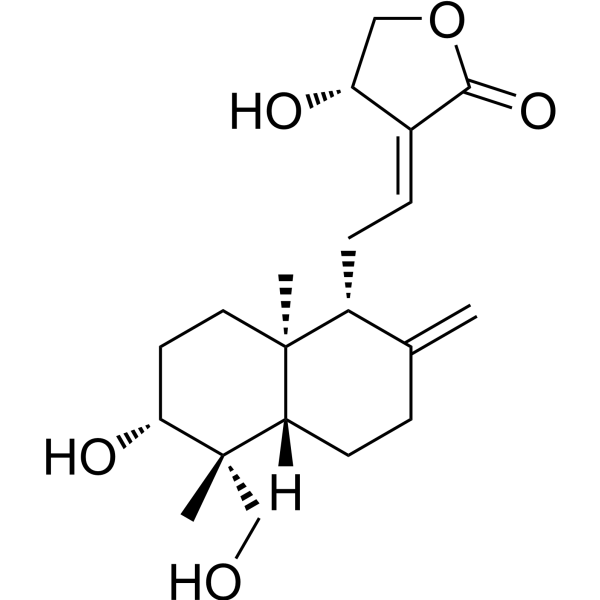
HY-N0191
AndrographolideNF-κB Inhibitor -
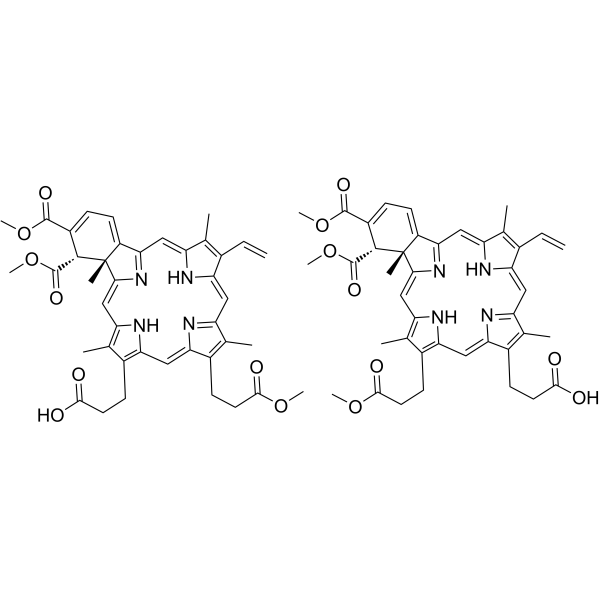
HY-B0146
VerteporfinYAP Inhibitor -
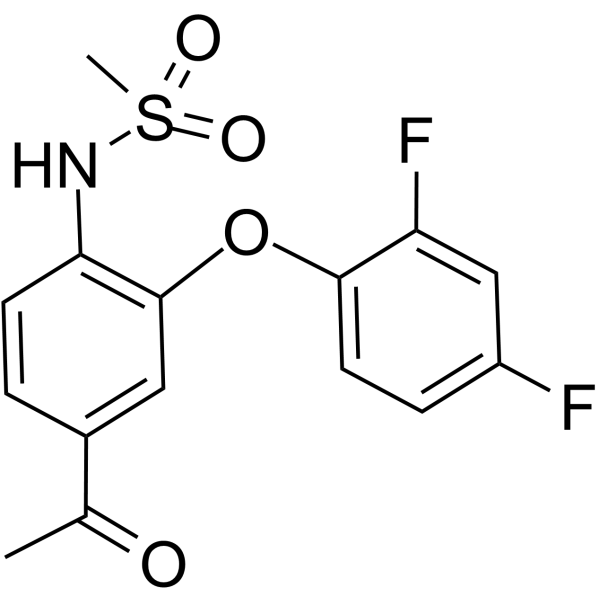
HY-14445
FK 3311Selective COX-2 Inhibitor -
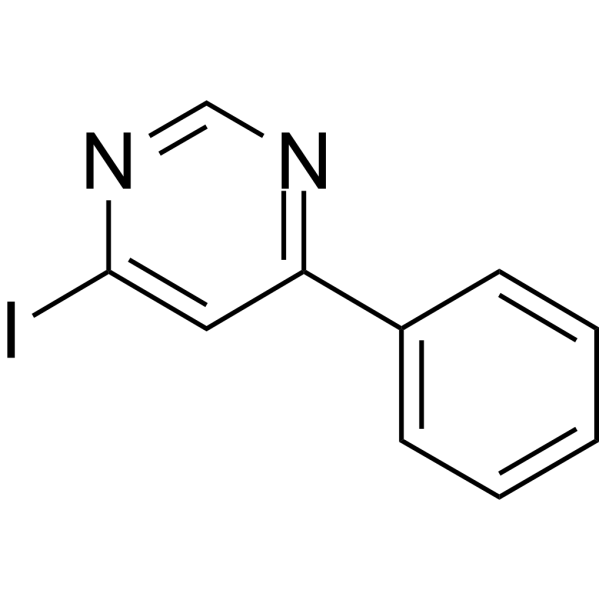
HY-110063
4-IPPMIF Inhibitor -
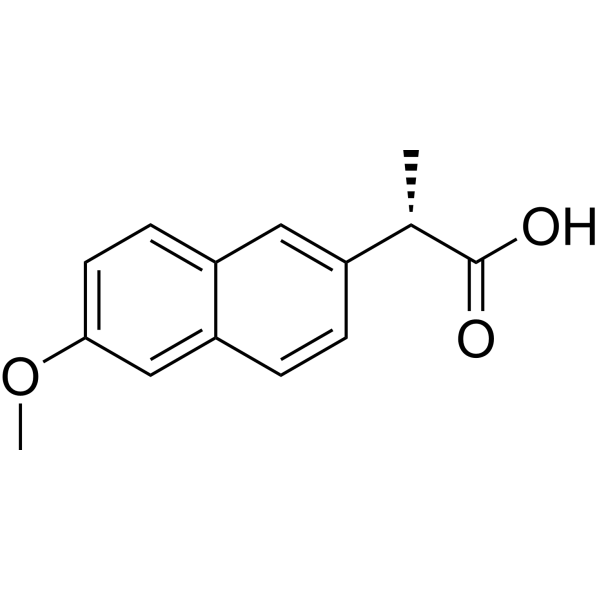
HY-15030
NaproxenCOX Inhibitor
Publications Citing Use of MedChemExpress (MCE) Iguratimod
More Customer Validation & Images

-
RT-PCR

-
WB

-
IHC

Voir tous les produits spécifiques à Isoform TNF Receptor
More

Activité biologique
Description
|
IL-6 |
IL-8 |
IL-12 |
TNF-α |
NLRP3 |
COX-2 20 μM (IC50) |
MMP-1 |
MMP-3 |
NF-κB |
ERK |
JNK |
p38 |
IL-17 |
In Vitro
Iguratimod inhibits the production of IgM and IgG by human peripheral blood B cells stimulated by autologous T cells and anti-CD3 antibodies; it inhibits IgG production in human plasmacytoma cell lines without affecting cell proliferation[3].
Iguratimod blocks the terminal differentiation of B cells into plasma cells by inhibiting PKC/EGR1 and BLIMP1 expression[3].
Iguratimod promotes osteoblast differentiation and calcium nodule formation in vitro through Osx/Dlx5, p38, and NF-κB-related signaling pathways; it inhibits RANKL-induced osteoclast differentiation, migration, and bone resorption in RAW264.7 cells[1][3].
Iguratimod (200-250 µg/mL) reduces CD86 expression and inhibits IL-12 secretion in human monocyte-derived dendritic cells[3].
Iguratimod reduces TNF-α production by inhibiting NF-κB activity in LPS-stimulated NR8383 cells[3].
Iguratimod inhibits IL-1β-induced RANKL production in RA FLSs and serum and reduces the RANKL/OPG ratio[1].
Iguratimod (3-10 μM) selectively inhibits IL-17-driven pro-inflammatory gene expression in primary FLSs[2].
Iguratimod (1-10 μM; pre-incubated for 2-6 h before IL-17 stimulation) inhibits IL-17-induced MAPK activation in primary FLSs without affecting NF-κB signaling[2].
Iguratimod (10 μM; 6 h) reduces IL-17-mediated stabilization of Ccl2 and Cxcl1 mRNA in primary FLSs[2].
Iguratimod (10 μM; IL-17 stimulation for 15-30 min) disrupts the formation of Act1-TRAF5 and Act1-IKKi complexes in IL-17-stimulated primary FLSs[2].
Iguratimod shows reduced inhibitory effects in primary FLSs overexpressing Act1, supporting Act1 as its molecular target[2].
Iguratimod downregulates PADI2/PADI4 in rheumatoid arthritis neutrophils and inhibits citrullinated protein expression[3].
Iguratimod inhibits pro-inflammatory cytokine release by disrupting the Act1/TRAF5/IKKi signaling pathway in IL-17-stimulated RA-FLS[3].
Iguratimod reduces pro-inflammatory cytokine production and inhibits EMT in A549 alveolar epithelial cells[3].
Iguratimod reduces collagen secretion in mouse 3T6 fibroblasts and promotes collagen secretion at high concentrations[3].
Iguratimod protects cartilage matrix metabolism in IL-1β-induced rat degenerative chondrocytes through the Wnt/β-catenin signaling pathway[3].
Iguratimod stimulates osteoblast differentiation in ST2 and MC3T3-E1 cells[3].
Iguratimod inhibits fibrotic signaling and maintains E-cadherin expression in TGF-β1-stimulated HK2 cells[3].
Iguratimod inhibits the activation and fibrosis of TGF-β1-stimulated dermal fibroblasts through the TGF-β1/Smad pathway; it inhibits the activation and collagen secretion of TGF-β1-stimulated human lung fibroblasts through the Smad3/p300 signaling pathway[3].
Iguratimod inhibits the proliferation and differentiation of OA-FLS and regulates synovial immune function[3].
Iguratimod (T-614) is an inhibitor of COX-2 with an IC50 of 20 μM (7.7 μg/mL), but it has no effect on COX-1[5].
Iguratimod (T-614) is a macrophage migration inhibitory factor (MIF) inhibitor with an IC50 value of 6.81 μM[6].
MedChemExpress (MCE) has not independently confirmed the accuracy of these methods. They are for reference only.
-
Cell Line:primary FLSs
-
Concentration:1, 3, 10 μM
-
Incubation Time:2 h
-
Result:Resulted in a dose- and time-dependent decrease in the levels of p-p38 and p-JNK, as well as a mild reduction in p-ERK, after stimulation with IL-17.
In Vivo
MedChemExpress (MCE) has not independently confirmed the accuracy of these methods. They are for reference only.
-
Animal Model:DBA/1J (male, 7-8 weeks old, primary intradermal tail‑base immunization with 100 μg CII emulsified in CFA on day 0 followed by booster injection of 100 μg CII in IFA on day 21)[2]
-
Dosage:10, 30, 100 mg/kg/day
-
Administration:i.g.; once daily; from day 0 for 46 days; delayed-start from day 28
-
Result:At 10 mg/kg, arthritis severity scores were reduced by 40-50% versus vehicle and arthritis onset was delayed.
At 30 mg/kg, maximum arthritis severity scores were reduced by 80%.
At 30 mg/kg, histological joint inflammation score was 1.00 compared with 5.75 in vehicle group.
Radiography on day 46 showed that 10 mg/kg protected against bone erosion and joint destruction, while 30 and 100 mg/kg resulted in almost no bone erosion.
Serum IL-17, IFN-γ, and IL-6 were inhibited at 10, 30, and 100 mg/kg; TNF-α was mildly inhibited and IL-10 was unaffected.
Total IgG and IgG2b were inhibited at 30 and 100 mg/kg.
In inflamed joints, Ccl2, Cxcl1, Cxcl2, Il6, Cd4, Cd8, Itgam, and Ly6g expression were reduced and MMP3 and RANKL were suppressed.
Cxcl9 and Cxcl10 expression in inflamed joints, the IFN-γ-linked chemokines, was only mildly inhibited.
- Western Blot
- RNA extraction experimental
- Multiplex immunofluorescence IHC
- Collagen: Sirius Red Staining
- Connective Tissue: Masson's Trichrome/Collagen Trichrome Staining
- Multiplex immunohistochemistry
- Research Protocol for Inflammation-related Diseases
- Research Protocol for Cancer Immunology
- Kinase activity and phosphorylation assays
- Fibrosis/Collagen Morphometry
- Collagen-Induced Arthritis
- LPS-Induced Endotoxemia/Systemic Inflammation
- Protocol for Kinase activity and phosphorylation assays
- Osteoclast differentiation from monocyte/macrophage precursors
Essai clinique
| NCT Number | Sponsor | Condition | Start Date |
Phase

|
|---|---|---|---|---|
| NCT01329991 | 2011-05 | PHASE1 |


Chemical Information
-
CAS No. 123663-49-0
-
Appearance Solid
-
Masse moléculaire 374.37
-
Formule C17H14N2O6S
-
Color White to off-white
-
SMILES
O=C1C2=CC(OC3=CC=CC=C3)=C(C=C2OC=C1NC([H])=O)NS(=O)(C)=O
-
Synonyms
T614
-
Livraison
Room temperature in continental US; may vary elsewhere.
-
Stockage
Powder -20°C 3 years 4°C 2 years In solvent -80°C 2 years -20°C 1 year


Publications (5)
-
Journal Impact Factor
-
Most Recent
-
Adv Sci (Weinh)
Targeted SPP1 Inhibition of Tumor-Associated Myeloid Cells Effectively Decreases Tumor Sizes. [Abstract]2025 Jan;12(4):e2410360. PMID: 39639496 -
Int Immunopharmacol
SLAMF3 promotes Th17 differentiation and is reversed by iguratimod through JAK1/STAT3 pathway in primary Sjögren's syndrome. [Abstract]2024 Jan 5:126:111282. PMID: 38061117 -
Int Immunopharmacol
Iguratimod decreases bleomycin-induced pulmonary fibrosis in association with inhibition of TNF-α in mice. [Abstract]2021 Oct:99:107936. PMID: 34284287 -
Biol Pharm Bull
In vitro inhibition of CYP2C9-mediated warfarin 7-hydroxylation by iguratimod: possible mechanism of iguratimod-warfarin interaction. [Abstract]2015;38(3):441-7. PMID: 25757926 -
Biomed Pharmacother
Iguratimod (T-614) attenuates severe acute pancreatitis by inhibiting the NLRP3 inflammasome and NF-κB pathway. [Abstract]2019 Nov:119:109455. PMID: 31541854
Iguratimod purchased from MedChemExpress. Usage Cited in: Biomed Pharmacother. 2019 Nov:119:109455. [Abstract]
Effects of T-614 on pro-inflammatory cytokines in SAP in mice. Con, control group; SAP, cerulein plus LPS group; T-614, SAP and Iguratimod treatment group. Serum IL-6, TNF-α and IL-1β expression were measured by ELISA in three different groups. IL-6, TNF-α and IL-1β mRNA levels in pancreatic tissue are detected by real-time PCR.
Iguratimod purchased from MedChemExpress. Usage Cited in: Biomed Pharmacother. 2019 Nov:119:109455. [Abstract]
Effects of T-614 on COX2 expression in pancreas. Con, control group; SAP, cerulein plus LPS group; T-614, SAP and Iguratimod treatment group. COX-2 level by western blotting. COX2 protein relative to GAPDH level.
Iguratimod purchased from MedChemExpress. Usage Cited in: Biomed Pharmacother. 2019 Nov:119:109455. [Abstract]
Effects of T-614 on NF-κB pathway and NLRP3 pathway in SAP in mice. The immunohistochemical detection of p-p65 and NLRP3 in the pancreas tissues.


Solvant et solubilité
In Vitro:
DMSO : 33.33 mg/mL (89.03 mM; Need ultrasonic; Hygroscopic DMSO has a significant impact on the solubility of product, please use newly opened DMSO)
Please refer to the solubility information to select the appropriate solvent. Once prepared, please aliquot and store the solution to prevent product inactivation from repeated freeze-thaw cycles.
Storage method and period of stock solution: -80°C, 2 years; -20°C, 1 year. When stored at -80°C, please use it within 2 years. When stored at -20°C, please use it within 1 year.
Concentration (start) × Volume (start) = Concentration (final) × Volume (final)
In Vivo:
Select the appropriate dissolution method based on your experimental animal and administration route.
- For the following dissolution methods, please ensure to first prepare a clear stock solution using an In Vitro approach and then sequentially add co-solvents:
- To ensure reliable experimental results, the clarified stock solution can be appropriately stored based on storage conditions. As for the working solution for In Vivo experiments, it is recommended to prepare freshly and use it on the same day.
- The percentages shown for the solvents indicate their volumetric ratio in the final prepared solution. If precipitation or phase separation occurs during preparation, heat and/or sonication can be used to aid dissolution.
Add each solvent one by one: 10% DMSO 40% PEG300 5% Tween-80 45% Saline
Solubility: 2.5 mg/mL (6.68 mM); Suspended solution; Need ultrasonic
This protocol yields a suspended solution of 2.5 mg/mL. Suspended solution can be used for oral and intraperitoneal injection.
Taking 1 mL working solution as an example, add 100 μL DMSO stock solution (25.0 mg/mL) to 400 μL PEG300, and mix evenly; then add 50 μL Tween-80 and mix evenly; then add 450 μL Saline to adjust the volume to 1 mL.
Preparation of Saline: Dissolve 0.9 g sodium chloride in ddH₂O and dilute to 100 mL to obtain a clear Saline solution.
Add each solvent one by one: 10% DMSO 90% (20% SBE-β-CD in Saline)
Solubility: 2.5 mg/mL (6.68 mM); Suspended solution; Need ultrasonic
This protocol yields a suspended solution of 2.5 mg/mL. Suspended solution can be used for oral and intraperitoneal injection.
Taking 1 mL working solution as an example, add 100 μL DMSO stock solution (25.0 mg/mL) to 900 μL 20% SBE-β-CD in Saline, and mix evenly.
Preparation of 20% SBE-β-CD in Saline (4°C, storage for one week): 2 g SBE-β-CD powder is dissolved in 10 mL Saline, completely dissolve until clear.
In Vivo Dissolution Calculator
Please enter the basic information of animal experiments:
-
-
-
-
Recommended: Prepare an additional quantity of animals to account for potential losses during experiments.
Please enter your animal formula composition:
-
%DMSO +
Recommended: Keep the proportion of DMSO in working solution below 2% if your animal is weak.
-
%+
-
+%Tween-80 + +
-
%Saline +
The co-solvents required include: DMSO, . All of co-solvents are available by MedChemExpress (MCE). , Tween 80. All of co-solvents are available by MedChemExpress (MCE).
Working solution concentration: 0.22 mg/mL
Method for preparing stock solution: mg drug dissolved in μL DMSO. Stock solution concentration: mg/mL.
1. Take μL DMSO stock solution;
2. Add μL .
μL , mix evenly;
3. Then add μL Tween 80, mix evenly;
4. Then add μL
Please ensure that the stock solution in the first step is dissolved to a clear state, and add co-solvents in sequence. You can use ultrasonic heating (ultrasonic cleaner, recommended frequency 20-40 kHz), vortexing, etc. to assist dissolution.


Pureté et documentation
-
Fiche technique (300 KB)
-
SDS (418 KB)
- English - EN (418 KB)
- Français - FR (418 KB)
- Deutsch - DE (418 KB)
- Norwegian - NO (418 KB)
- Español - ES (418 KB)
- Swedish - SV (418 KB)
- Italian - IT (418 KB)
- Korean - KR (418 KB)
- Portuguese - PT (418 KB)
-
Instruction de manipulation (2659 KB)
Références
[5]. Tanaka K, et al. T-614, a novel antirheumatic drug, inhibits both the activity and induction of cyclooxygenase-2 (COX-2) in cultured fibroblasts. Jpn J Pharmacol. 1995 Apr;67(4):305-14. [Content Brief]
[6]. Bloom J, et al. Identification of Iguratimod as an Inhibitor of Macrophage Migration Inhibitory Factor (MIF) with Steroid-sparing Potential. J Biol Chem. 2016 Dec 16;291(51):26502-26514. [Content Brief]


Complete Stock Solution Preparation Table
Please refer to the solubility information to select the appropriate solvent. Once prepared, please aliquot and store the solution to prevent product inactivation from repeated freeze-thaw cycles.
Storage method and period of stock solution: -80°C, 2 years; -20°C, 1 year. When stored at -80°C, please use it within 2 years. When stored at -20°C, please use it within 1 year.
| Optional Solvent | Concentration Solvent Mass | 1 mg | 5 mg | 10 mg | 25 mg |
|---|---|---|---|---|---|
| DMSO | 1 mM | 2.6712 mL | 13.3558 mL | 26.7115 mL | 66.7789 mL |
| 5 mM | 0.5342 mL | 2.6712 mL | 5.3423 mL | 13.3558 mL | |
| 10 mM | 0.2671 mL | 1.3356 mL | 2.6712 mL | 6.6779 mL | |
| 15 mM | 0.1781 mL | 0.8904 mL | 1.7808 mL | 4.4519 mL | |
| 20 mM | 0.1336 mL | 0.6678 mL | 1.3356 mL | 3.3389 mL | |
| 25 mM | 0.1068 mL | 0.5342 mL | 1.0685 mL | 2.6712 mL | |
| 30 mM | 0.0890 mL | 0.4452 mL | 0.8904 mL | 2.2260 mL | |
| 40 mM | 0.0668 mL | 0.3339 mL | 0.6678 mL | 1.6695 mL | |
| 50 mM | 0.0534 mL | 0.2671 mL | 0.5342 mL | 1.3356 mL | |
| 60 mM | 0.0445 mL | 0.2226 mL | 0.4452 mL | 1.1130 mL | |
| 80 mM | 0.0334 mL | 0.1669 mL | 0.3339 mL | 0.8347 mL |


Iguratimod Related Classifications
HY-17009 Related Classifications
 Powered by Bioz
Keywords
- Iguratimod
- 123663-49-0
- T614
- T 614
- T-614
- COX
- Macrophage migration inhibitory factor (MIF)
- Interleukin Related
- TNF Receptor
- NOD-like Receptor (NLR)
- MMP
- NF-κB
- ERK
- JNK
- p38 MAPK
- Apoptosis
- Cyclooxygenase
- IL
- Tumor Necrosis Factor Receptor
- TNFR
- Matrix metalloproteinases
- Nuclear factor-κB
- Nuclear factor-kappaB
- Extracellular signal regulated kinases
- c-Jun N-terminal kinase
- Act1
- B-cell terminal differentiation
- BMP-2
- COX-2
- EAE
- IKKi
- IL-17 signaling
- IL-8
- MIF tautomerase
- MMP-1
- MMP-3
- NLRP3
- PADI2/PADI4
- PKC/EGR1
- RANKL
- TGF-β1/Smad
- TRAF5
- Wnt/β-catenin
- autoantibody
- bone resorption
- collagen-induced arthritis
- lupus nephritis
- osteoblast differentiation
- osteoclastogenesis
- pulmonary fibrosis
- pyroptosis
- rheumatoid arthritis
- synovial fibroblast
- Inhibitor
- inhibitor
- inhibit