




 LinkedIn
 Researchgate
 Instagram
 X
X Facebook
 WhatsApp
 Reddit
 Mail
MailSARS-CoV-2 contains four main structural proteins: spike (S), membrane (M), envelope (E), and nucleocapsid (N) proteins. All the proteins and subcellular structures of CoVs are promising targets for SARS-CoV-2 research.
Articles
All
-
All
-
Scientific Reviews
-
EDM
-
Blog
Most Recent
-
Most Recent
-
Oldest
-
 Scientific Reviews
-
 Scientific Reviews
The concept of ADC can be traced back to the early 1900s, It is a visionary magic bullet that could deliver a toxic drug to certain malignant cells without affecting other normal tissues. Now, it seems that a golden age of ADC drug development is coming.
Scientific Reviews
The concept of ADC can be traced back to the early 1900s, It is a visionary magic bullet that could deliver a toxic drug to certain malignant cells without affecting other normal tissues. Now, it seems that a golden age of ADC drug development is coming. -
 Scientific Reviews
Organoids represent an important bridge between 2D cultures and in vivo mouse/human models. The organoid technology exerts enormous potential in evaluation of efficacy and toxicity of drugs, regenerative medicine, and precision medicine.In this article, we will briefly introduce organoid technology.
Scientific Reviews
Organoids represent an important bridge between 2D cultures and in vivo mouse/human models. The organoid technology exerts enormous potential in evaluation of efficacy and toxicity of drugs, regenerative medicine, and precision medicine.In this article, we will briefly introduce organoid technology. -
 Scientific Reviews
Development of Intestinal Organoid
Scientific Reviews
Development of Intestinal Organoid2022-07-28
3D organoid is one of the revolutionary developments in biomedical field during the past 10 years. The establishment of intestinal organoids is an important milestone in the development of organoid technology. -
 Scientific Reviews
It's has been proved that p53, as a tumor suppressor gene and immune guardian, may become a destroyer through its own mutation. Moreover, the mechanism of p53 was found to be related to ferroptosis. This article mainly explores the mechanism between p53 and ferroptosis in detail.
Scientific Reviews
It's has been proved that p53, as a tumor suppressor gene and immune guardian, may become a destroyer through its own mutation. Moreover, the mechanism of p53 was found to be related to ferroptosis. This article mainly explores the mechanism between p53 and ferroptosis in detail. -
Scientific Reviews
Organoids have great potential in research of organ development, disease modeling, drug screening and, precision and regenerative medicin. In this article, we will expalin the origin of the organoids. Adult stem cells (ASCs) or pluripotent stem cells (PSCs) , which is the better choice.
-
 Scientific Reviews
TME (Tumor microenvironment) is considered as a complex integrated system, composed of cellular components such as tumor cells and immune cells, as well as non-cellular components such as ECM and cytokines. According to the spatial distribution of immune cells in TME, "hot" and "cold" TME will be explained in this article.
Scientific Reviews
TME (Tumor microenvironment) is considered as a complex integrated system, composed of cellular components such as tumor cells and immune cells, as well as non-cellular components such as ECM and cytokines. According to the spatial distribution of immune cells in TME, "hot" and "cold" TME will be explained in this article. -
 Scientific Reviews
Necroptosis, also known as necroptosis, is a form of regulated necrotizing cell death mediated by RIP1 and RIP3 kinases. Necroptosis is a process that prevents the self-destruction of activated cells that are blocked by apoptosis. Necroptosis plays a tumor suppressor role in most cases. It may provide benefits in the researches of a variety of human diseases involving immune inflammation and cell death.
Scientific Reviews
Necroptosis, also known as necroptosis, is a form of regulated necrotizing cell death mediated by RIP1 and RIP3 kinases. Necroptosis is a process that prevents the self-destruction of activated cells that are blocked by apoptosis. Necroptosis plays a tumor suppressor role in most cases. It may provide benefits in the researches of a variety of human diseases involving immune inflammation and cell death. -
 Scientific Reviews
Stem cell classification and its application
Scientific Reviews
Stem cell classification and its application2023-05-18
Stem cells (SCs) have the unique ability to self-renew and differentiate into different cell types. SCs can differentiate into various types of tissue cells under specific conditions. Additionally, they can be further cultured to form different tissues and organs in the human body. Stem cells have numerous applications in various fields, including cell therapy, organ transplantation, neurodegenerative disease modeling, and drug screening. -
 Scientific Reviews
HLA-E, A Novel Immune Checkpoint
Scientific Reviews
HLA-E, A Novel Immune Checkpoint2023-06-29
Immune checkpoints have immunosuppressive functions. It can be used in the research of tumor immunotherapy. In this article, we introduce a new paper entitled "Immune checkpoint HLA-E: CD94 - NKG2Amediates evasion of circulating tumor cells from NK cell surveillance "research paper. -
 Scientific Reviews
Organoid Culture: Questions & Answers
Scientific Reviews
Organoid Culture: Questions & Answers2023-07-26
In the last issue, we conducted a live lecture on the theme of organoid culture. Today, we have a special topic to solve your doubts in the last live class! -
 Scientific Reviews
WHO's Q2 drug list has been updated. Let's take you through the list of the most noteworthy small molecule drugs that we should pay attention to.
Scientific Reviews
WHO's Q2 drug list has been updated. Let's take you through the list of the most noteworthy small molecule drugs that we should pay attention to. -
 Scientific Reviews
FDA Approved Drug List!
Scientific Reviews
FDA Approved Drug List!2023-09-14
In the first half of 2023 (as of June 27), the FDA approved 26 new drugs, let's take you learn about it through the article. -
 Scientific Reviews
IHC is an indispensable technique for studying tissue morphology and in situ antigen expression, but usually only one or two antigens in tissues can be stained for analysis. It cannot judge the results more intuitively. Today, Little M will introduce you to the upgraded version mlHC.
Scientific Reviews
IHC is an indispensable technique for studying tissue morphology and in situ antigen expression, but usually only one or two antigens in tissues can be stained for analysis. It cannot judge the results more intuitively. Today, Little M will introduce you to the upgraded version mlHC. -
 Scientific Reviews
A suitable model is crucial in drug screening experiments. Organs can mimic the three-dimensional functional structure of internal organs, have similar spatial organization to corresponding organs, maintain some key characteristics, and reproduce some physiological functions. They are widely used for modeling and personalized drug screening of diseases such as cancer, infectious diseases, and rare diseases.
Scientific Reviews
A suitable model is crucial in drug screening experiments. Organs can mimic the three-dimensional functional structure of internal organs, have similar spatial organization to corresponding organs, maintain some key characteristics, and reproduce some physiological functions. They are widely used for modeling and personalized drug screening of diseases such as cancer, infectious diseases, and rare diseases. -
 Scientific Reviews
FDA Annual Review | Record-breaking number of new drug approvals in 2023!
Scientific Reviews
FDA Annual Review | Record-breaking number of new drug approvals in 2023! -
 Scientific Reviews
KRAS, a gene we've heard so much about, has quickly risen to fame after shedding its "undruggable" label. After reading numerous articles, it's easy to feel overwhelmed and wonder: What exactly should we know about this often-discussed but previously "undruggable" target KRAS?
Scientific Reviews
KRAS, a gene we've heard so much about, has quickly risen to fame after shedding its "undruggable" label. After reading numerous articles, it's easy to feel overwhelmed and wonder: What exactly should we know about this often-discussed but previously "undruggable" target KRAS? -
 Scientific Reviews
Compound Screening Guide!
Scientific Reviews
Compound Screening Guide!2024-03-15
How to use compound library? How to design an experiment if you buy a compound library? Want a specific experimental protocol? This article will introduce popular experimental techniques and provide new ideas for publishing high level literature. -
 Scientific Reviews
Wnt/β-catenin and tumor EMT
Scientific Reviews
Wnt/β-catenin and tumor EMT2024-03-18
Epithelial-Mesenchymal Transition (EMT) is closely related to the plasticity of tumor cells and is a necessary process for tumor metastasis. Wnt/β-catenin is one of the main actors involved in the EMT process. Today, we’re here to popularize the tumor EMT and Wnt/β-catenin pathway~ -
 Scientific Reviews
The 2024 AACR meeting concluded successfully in California, USA. Which antitumor drugs stole the show at this conference?
Scientific Reviews
The 2024 AACR meeting concluded successfully in California, USA. Which antitumor drugs stole the show at this conference? -
 Scientific Reviews
Katalin Karikó and Drew Weissman were awarded the Nobel Prize in Physiology or Medicine in 2023 for their groundbreaking work in nucleoside modification, which paved the way for the creation of successful mRNA vaccines to fight against COVID-19. Let's now delve into the complete process of mRNA vaccine development.
Scientific Reviews
Katalin Karikó and Drew Weissman were awarded the Nobel Prize in Physiology or Medicine in 2023 for their groundbreaking work in nucleoside modification, which paved the way for the creation of successful mRNA vaccines to fight against COVID-19. Let's now delve into the complete process of mRNA vaccine development. -
 Scientific Reviews
Exosomes, which won the Nobel Prize in 2013, are still a research hotspot in the national natural sciences, and their popularity has only increased over the past decade (in 2022, they still rank 5th in the national natural sciences hotspots!). Why have exosomes become the darling of scientific research? Let's take a look together~
Scientific Reviews
Exosomes, which won the Nobel Prize in 2013, are still a research hotspot in the national natural sciences, and their popularity has only increased over the past decade (in 2022, they still rank 5th in the national natural sciences hotspots!). Why have exosomes become the darling of scientific research? Let's take a look together~ -
 Scientific Reviews
How important is the compound library? It connects to drug screening on one end and leads to lead compound modifications on the other, serving as one of the sources of new drug development.
Scientific Reviews
How important is the compound library? It connects to drug screening on one end and leads to lead compound modifications on the other, serving as one of the sources of new drug development. -
 Scientific Reviews
Antibodies!
Scientific Reviews
Antibodies!2024-07-26
Today, We introduce antibodies for everyone! -
 Scientific Reviews
What Are Popular Anti-tumor Drug Targets?
Scientific Reviews
What Are Popular Anti-tumor Drug Targets?2024-08-20
The rapid development of targeted anti-cancer drugs has spurred diverse research across various modalities. These include small molecules, monoclonal antibodies (mAbs), cell immunotherapies, antibody-drug conjugates (ADCs), and PROTACs (proteolysis targeting chimeras). -
 Scientific Reviews
Virtual Screening and New Uses for Old Drugs
Scientific Reviews
Virtual Screening and New Uses for Old Drugs2024-09-17
With the advancement of medical science, drug screening against various disease targets has become the fundamental strategy for drug development. Currently, computer-based virtual screening techniques are emerging in the field of new drug research due to their efficiency and low cost. Let's explore it today! -
 Scientific Reviews
2024 Nobel Prize Announcements! Curious about the details? Click to dive into the exciting developments!
Scientific Reviews
2024 Nobel Prize Announcements! Curious about the details? Click to dive into the exciting developments! -
 Scientific Reviews
We are thrilled to share the latest advancements in AI technology as highlighted in this insightful article. From groundbreaking innovations to transformative applications, the future of AI is brighter than ever!
Scientific Reviews
We are thrilled to share the latest advancements in AI technology as highlighted in this insightful article. From groundbreaking innovations to transformative applications, the future of AI is brighter than ever! -
 Scientific Reviews
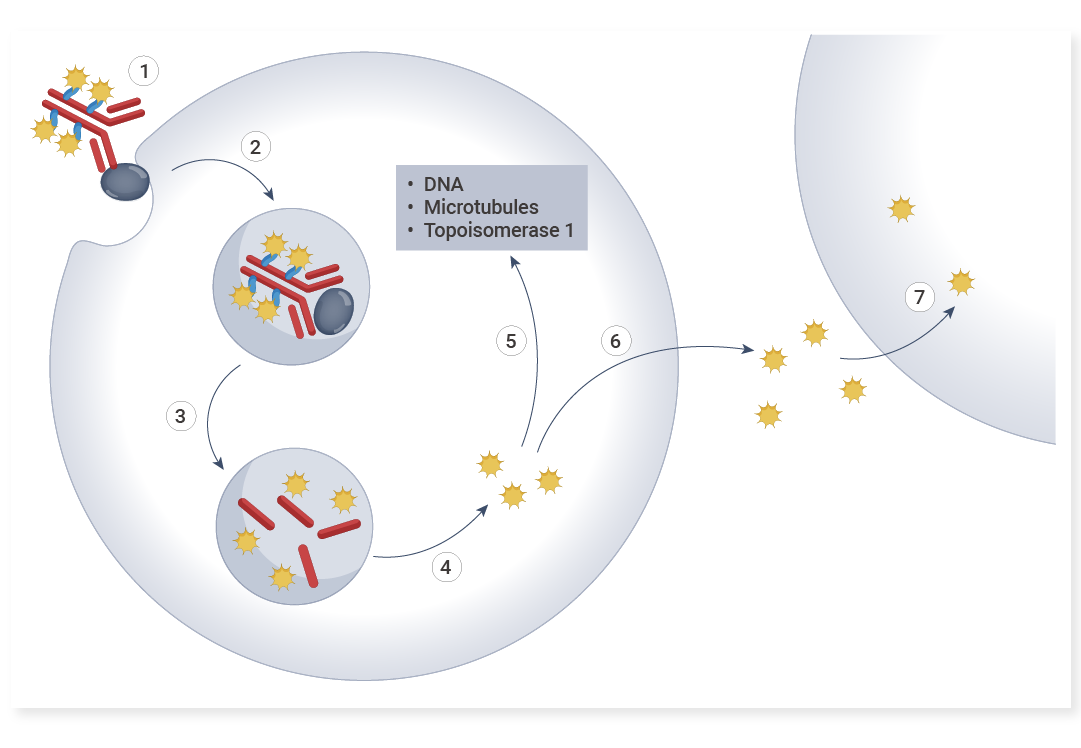
This article will walk you through the remarkable impacts of anti-payload antibodies, delving into how these molecules are revolutionizing drug development and biological research!
Scientific Reviews
This article will walk you through the remarkable impacts of anti-payload antibodies, delving into how these molecules are revolutionizing drug development and biological research! -
 Scientific Reviews
Cell Migration vs. Invasion: Differences Revealed by Scratch Assays and Transwell Experiments
Scientific Reviews
Cell Migration vs. Invasion: Differences Revealed by Scratch Assays and Transwell Experiments2025-05-30
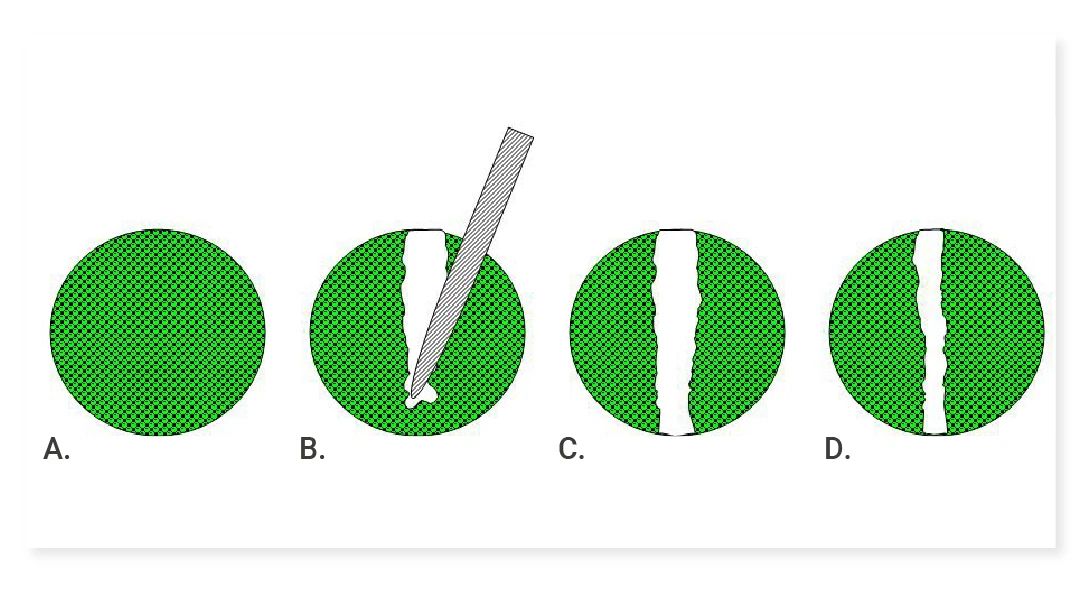
In scientific research, cell migration and invasion are crucial for understanding many important biological processes. This article delves into commonly used detection methods: the scratch assay and Transwell migration/invasion assay. -
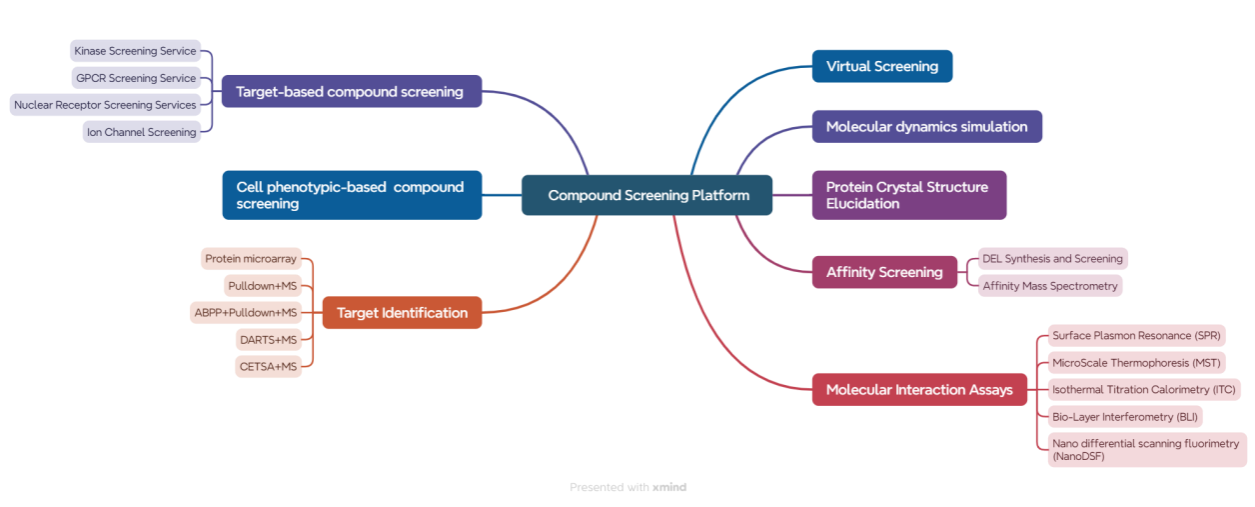 Scientific Reviews
How should drug screening experiments be conducted? How can we ensure the accuracy of the lead compounds identified? This article will take you through how MCE's clients conduct drug screening experiments.
Scientific Reviews
How should drug screening experiments be conducted? How can we ensure the accuracy of the lead compounds identified? This article will take you through how MCE's clients conduct drug screening experiments. -
 Scientific Reviews
In this issue, we will conduct an in-depth interpretation from the dimensions of nanoparticle design, mechanism of action, in vivo and in vitro efficacy, and immune regulation, revealing how this research brings new hope for the treatment of invasive tumors through interdisciplinary innovation!
Scientific Reviews
In this issue, we will conduct an in-depth interpretation from the dimensions of nanoparticle design, mechanism of action, in vivo and in vitro efficacy, and immune regulation, revealing how this research brings new hope for the treatment of invasive tumors through interdisciplinary innovation! -
 Scientific Reviews
IHC, ICC, IF Techniques: A Practical Guide
Scientific Reviews
IHC, ICC, IF Techniques: A Practical Guide2025-07-25
Confused About IHC/ICC/IF? Why Does Immunostaining Seem So Complicated? Read This Now! Master Immunostaining with Confidence! -
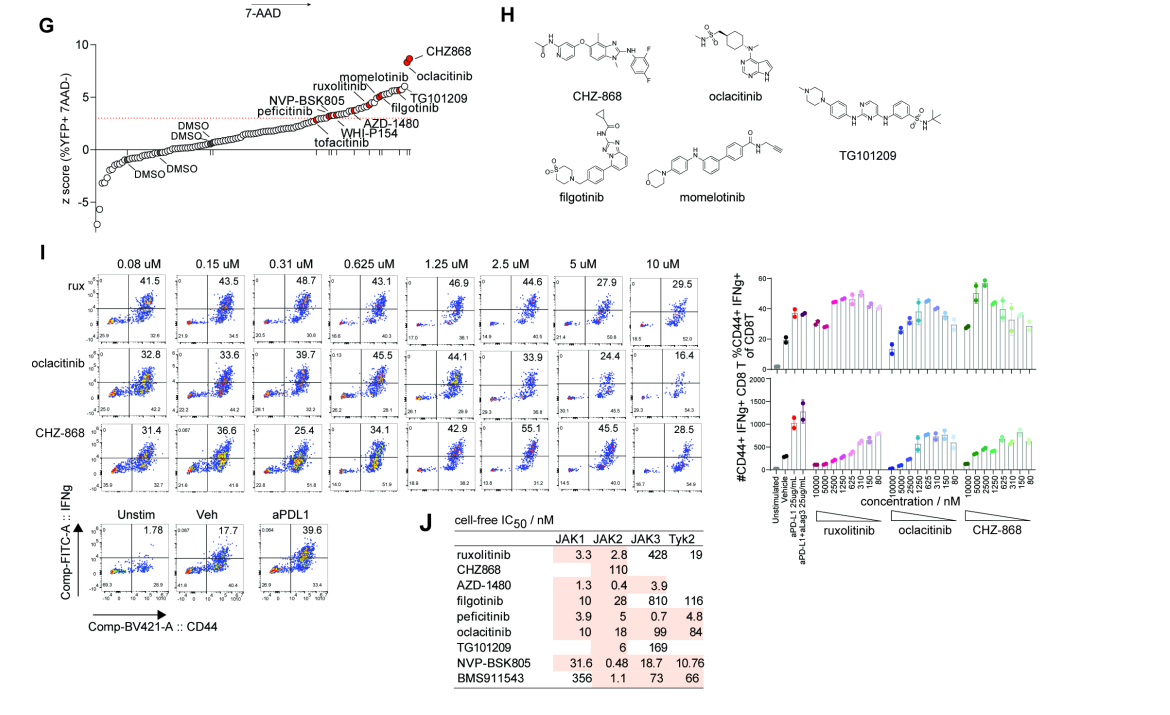 Scientific Reviews
HTS Breakthroughs Powered by MCE Libraries
Scientific Reviews
HTS Breakthroughs Powered by MCE Libraries2025-08-13
Key High-Throughput Screening Breakthroughs of 2024 Featuring MCE -
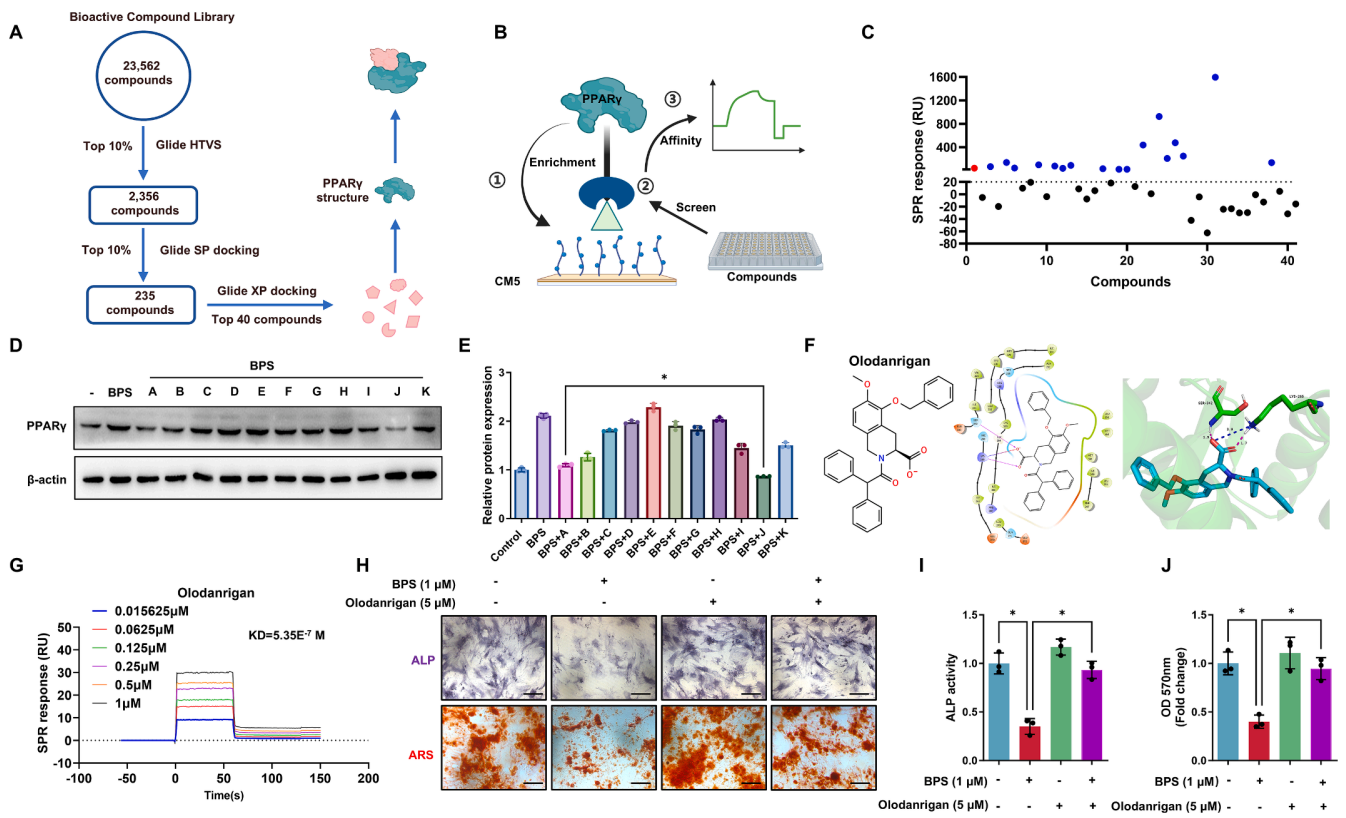 Scientific Reviews
Encountering challenges with the high costs and long timelines of drug screening? Have a defined target but remain uncertain how to efficiently identify active molecules? Unsure how to validate hits generated from virtual screening? The ‘Winning Combination’ of drug screening offers a powerful solution to address these critical obstacles.
Scientific Reviews
Encountering challenges with the high costs and long timelines of drug screening? Have a defined target but remain uncertain how to efficiently identify active molecules? Unsure how to validate hits generated from virtual screening? The ‘Winning Combination’ of drug screening offers a powerful solution to address these critical obstacles. -
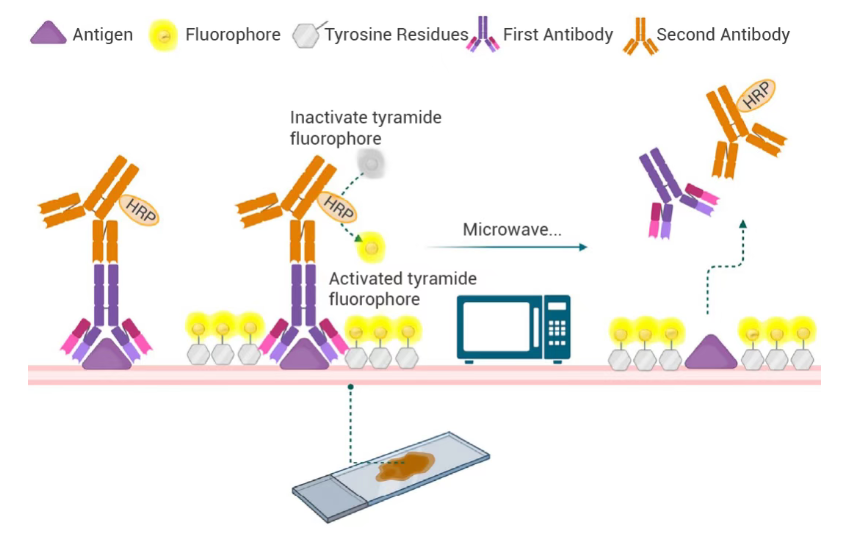 Scientific Reviews
This detailed guide outlines the standardized experimental protocols for multiplex immunohistochemistry (mIHC), systematically summarizes common technical issues encountered during sample preparation, staining and imaging processes, and provides practical troubleshooting solutions to ensure reliable and reproducible results in biomedical research and clinical sample analysis.
Scientific Reviews
This detailed guide outlines the standardized experimental protocols for multiplex immunohistochemistry (mIHC), systematically summarizes common technical issues encountered during sample preparation, staining and imaging processes, and provides practical troubleshooting solutions to ensure reliable and reproducible results in biomedical research and clinical sample analysis. -
 Scientific Reviews
Exosomes—natural nanoscale carriers—are revolutionizing targeted therapy. This article uncovers the science behind their precision in drug delivery.
Scientific Reviews
Exosomes—natural nanoscale carriers—are revolutionizing targeted therapy. This article uncovers the science behind their precision in drug delivery. -
Scientific Reviews
Cracking the PROTAC Permeability Barrier: CD36-Mediated Endocytosis as a Potential Breakthrough2025-12-03
This article provides an in-depth analysis of cutting-edge literature revealing CD36 as a key mediator of cellular uptake for PROTACs and bRO5 compounds. By structurally optimizing PROTAC molecules to enhance their affinity for CD36, membrane permeability can be markedly improved, leading to significantly enhanced antitumor efficacy. -
 Scientific Reviews
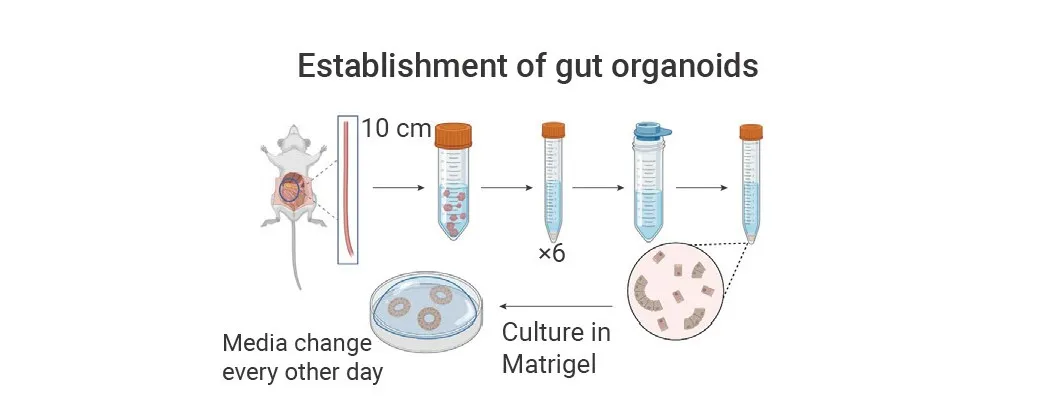
Efficient Generation of Mouse Small Intestinal Organoids: A Complete Experimental Protocol Guide
Scientific Reviews
Efficient Generation of Mouse Small Intestinal Organoids: A Complete Experimental Protocol Guide2025-12-10
How to successfully create mouse small intestine organoids? A detailed, hands-on guide to the entire process, all in one article! -
 Scientific Reviews
This paper elaborates on cytokines for culturing major immune cells, their regulatory roles, recombinant cytokines' merits and MCE’s related high-quality products.
Scientific Reviews
This paper elaborates on cytokines for culturing major immune cells, their regulatory roles, recombinant cytokines' merits and MCE’s related high-quality products. -
 Scientific Reviews
This article walks you through the experimental design and workflow of flow cytometry, delivering a clear, dynamic, and professional overview to elevate your research.
Scientific Reviews
This article walks you through the experimental design and workflow of flow cytometry, delivering a clear, dynamic, and professional overview to elevate your research. -
 Scientific Reviews
Molecular glue degraders have evolved from a serendipitous observation to one of the most dynamic and transformative fields in biomedical research.
Scientific Reviews
Molecular glue degraders have evolved from a serendipitous observation to one of the most dynamic and transformative fields in biomedical research. -
 EDM
Research Solution for Breast Cancer TME
EDM
Research Solution for Breast Cancer TME2025-05-21
This review examines the complex interactions within the breast cancer tumor microenvironment, emphasizing how understanding these dynamics is essential for developing effective therapies and overcoming immune resistance. -
 EDM
This review discusses the fundamentals of lipid biology and lipid metabolism, examines dysregulated lipid metabolism in cancer, and summarizes therapeutic strategies targeting lipid metabolic pathways.
EDM
This review discusses the fundamentals of lipid biology and lipid metabolism, examines dysregulated lipid metabolism in cancer, and summarizes therapeutic strategies targeting lipid metabolic pathways. -
 EDM
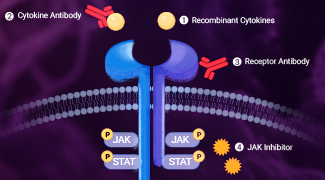
This review critically examines the role of the JAK-STAT pathway in immunity and autoimmune diseases, reviews current clinical applications of targeted therapies, and highlights emerging trends in autoimmune drug development.
EDM
This review critically examines the role of the JAK-STAT pathway in immunity and autoimmune diseases, reviews current clinical applications of targeted therapies, and highlights emerging trends in autoimmune drug development. -
 EDM
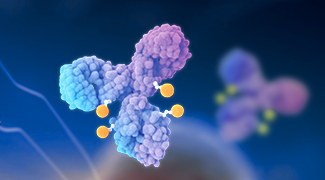
This review presents an overview of antibody–drug conjugates from design principles and antitumor mechanisms to structural innovations, clinical progress, and future development prospects.
EDM
This review presents an overview of antibody–drug conjugates from design principles and antitumor mechanisms to structural innovations, clinical progress, and future development prospects. -
 EDM
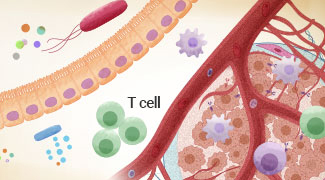
This review explores mechanisms and strategies for modulating the gut microbiota to enhance cancer immunotherapy, providing insights to improve therapeutic efficacy.
EDM
This review explores mechanisms and strategies for modulating the gut microbiota to enhance cancer immunotherapy, providing insights to improve therapeutic efficacy. -
 EDM
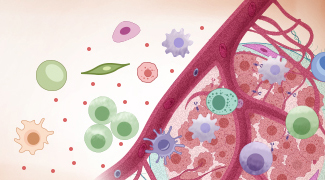
Combating Immune Evasion in Cancer
EDM
Combating Immune Evasion in Cancer2025-10-15
This review summarizes the mechanisms by which tumors evade immune surveillance and discusses therapeutic strategies to restore antitumor immunity. -
 EDM
This review summarizes the mechanisms of drug resistance in triple-negative breast cancer and highlights emerging therapeutic strategies.
EDM
This review summarizes the mechanisms of drug resistance in triple-negative breast cancer and highlights emerging therapeutic strategies. -
 EDM
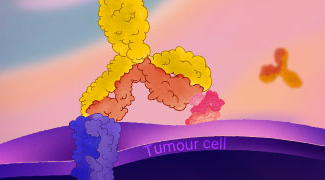
Bispecific Antibodies in Cancer Therapy
EDM
Bispecific Antibodies in Cancer Therapy2025-10-29
This review highlights the mechanisms, technology platforms, and clinical progress of bispecific antibodies, and discusses emerging strategies to guide future development. -
 EDM
This review provides insights into the pancreatic ductal adenocarcinoma tumor microenvironment, highlighting its cellular composition, stromal heterogeneity, and immune-targeting strategies.
EDM
This review provides insights into the pancreatic ductal adenocarcinoma tumor microenvironment, highlighting its cellular composition, stromal heterogeneity, and immune-targeting strategies. -
 EDM
This review outlines macrophage functions and classification, and provides practical experimental guidelines for macrophage differentiation, polarization, and identification.
EDM
This review outlines macrophage functions and classification, and provides practical experimental guidelines for macrophage differentiation, polarization, and identification. -
 EDM
Understanding In Vivo CAR-T Cell Therapy
EDM
Understanding In Vivo CAR-T Cell Therapy2026-01-22
This review provides a comprehensive overview of in vivo CAR-T therapy, covering technical platforms, clinical translation, and key challenges such as gene delivery and immunogenicity. -
 EDM
Highlight the overview of engineered EVs, their construction methods, and applications in cancer immunotherapy.
EDM
Highlight the overview of engineered EVs, their construction methods, and applications in cancer immunotherapy. -
 EDM
Highlight single-cell metabolomics and stable isotope tracing (SIT) in uncovering metabolic heterogeneity and nutrient flux dynamics in tumors.
EDM
Highlight single-cell metabolomics and stable isotope tracing (SIT) in uncovering metabolic heterogeneity and nutrient flux dynamics in tumors. -
 EDM
Explore ADC evolution, immune combination strategies, and clinical advances at the intersection of targeted therapy and immunotherapy.
EDM
Explore ADC evolution, immune combination strategies, and clinical advances at the intersection of targeted therapy and immunotherapy. -
 EDM
Tumor Organoid-Immune Cell Co-Culture Models: Advances, Applications, and Future Directions
EDM
Tumor Organoid-Immune Cell Co-Culture Models: Advances, Applications, and Future Directions2026-05-07
Summarize technical strategies, application advances, and future directions of tumor organoid–immune co-culture systems. -
 EDM
Review mechanisms, major challenges, and efficacy-enhancing strategies of TCR-T therapy in solid tumors, with implications for future research and clinical translation.
EDM
Review mechanisms, major challenges, and efficacy-enhancing strategies of TCR-T therapy in solid tumors, with implications for future research and clinical translation. -
 EDM
The Dual Role of Cellular Senescence in Cancer: Mechanisms, Microenvironment, and Therapeutics
EDM
The Dual Role of Cellular Senescence in Cancer: Mechanisms, Microenvironment, and Therapeutics2026-05-21
Explore the dual role of cellular senescence in cancer, including tumor suppression, SASP-driven tumor promotion, senescence heterogeneity and plasticity, and advances in senescence-targeted therapies. -
 EDM
Breaking Immune Resistance in Colorectal Cancer: From Molecular Mechanisms to Precision Therapy
EDM
Breaking Immune Resistance in Colorectal Cancer: From Molecular Mechanisms to Precision Therapy2026-06-25
Explore CRC molecular subtypes, immune landscapes, resistance mechanisms, and emerging precision strategies for improving outcomes across distinct subtypes. -
 EDM
Explore the mechanisms driving immune tolerance breakdown in autoimmune diseases and emerging tolerance-restoring strategies, with a focus on IL-2-based immune modulation.
EDM
Explore the mechanisms driving immune tolerance breakdown in autoimmune diseases and emerging tolerance-restoring strategies, with a focus on IL-2-based immune modulation. -
 EDM
Explore the mechanisms of tumor immune evasion, dynamic checkpoint regulation, and the evolution of mechanism-driven combinations and patient stratification.
EDM
Explore the mechanisms of tumor immune evasion, dynamic checkpoint regulation, and the evolution of mechanism-driven combinations and patient stratification. -
 Blog
EC0489, a SMDC for Cancer Therapy
Blog
EC0489, a SMDC for Cancer Therapy2019-03-25
EC0489, a conjugate of folic acid and desacetyl vinblastine hydrazide, is a SMDC under development for the treatment of solid tumours. -
 Blog
R916562, a dual Axl/VEGF-R2 inhibitor, could be a potential anti-angiogenic and anti-metastatic drug for cancer chemotherapy.
Blog
R916562, a dual Axl/VEGF-R2 inhibitor, could be a potential anti-angiogenic and anti-metastatic drug for cancer chemotherapy. -
 Blog
Role of PRMT7 Probe SGC3027 in Cancer
Blog
Role of PRMT7 Probe SGC3027 in Cancer2019-03-27
SGC3027 is the first potent, selective and cell active chemical probe for PRMT7. SGC3027 is also a pro-drug, which converts to the active compound SGC8158 -
 Blog
Alofanib, An Allosteric Inhibitor of FGFR2
Blog
Alofanib, An Allosteric Inhibitor of FGFR22019-03-28
Alofanib is an allosteric inhibitor of FGFR2 and inhibits FGF-mediated proliferation with GI50s of 16-370 nM, showing pronounced antitumor activity. -
 Blog
A Novel and Efficacious RAF Inhibitor RAF709
Blog
A Novel and Efficacious RAF Inhibitor RAF7092019-03-30
RAF709, a novel and efficacious RAF inhibitor, activates the MAPK pathway and shows antitumor activity in tumor cells harboring BRAF or RAS mutations. -
 Blog
CF53 is a highly potent, selective and orally active inhibitor of BET protein, with anti-tumor activity in acute leukemia and breast cancer cell lines.
Blog
CF53 is a highly potent, selective and orally active inhibitor of BET protein, with anti-tumor activity in acute leukemia and breast cancer cell lines. -
 Blog
AZD3229 is a Potent Pan-KIT Mutant Inhibitor
Blog
AZD3229 is a Potent Pan-KIT Mutant Inhibitor2019-04-04
AZD3229 is a potent, pan-KIT mutant inhibitor with potent single digit nM growth inhibition against a diverse panel of mutant KIT driven Ba/F3 cell lines. -
 Blog
BR351 is a Brain Penetrant MMP Inhibitor
Blog
BR351 is a Brain Penetrant MMP Inhibitor2019-04-05
BR351 is a brain penetrant MMP inhibitor, and a potential tool for the molecular imaging of activated MMPs with PET, with an IC50 in the nanomolar range. -
 Blog
A Lead PROTAC BRD9 Chemical Degrader
Blog
A Lead PROTAC BRD9 Chemical Degrader2019-04-06
PROTAC BRD9 Degrader-1 is a lead PROTAC BRD9 chemical degrader and a selective probe useful for the study of BAF complex biology. -
 Blog
SGC-GAK-1 is a potent, selective, and cell-active GAK inhibitor and shows potent anti-proliferative activity in LNCaP and 22Rv1 cells.
Blog
SGC-GAK-1 is a potent, selective, and cell-active GAK inhibitor and shows potent anti-proliferative activity in LNCaP and 22Rv1 cells. -
 Blog
COH000 is an allosteric, covalent and irreversible inhibitor of SUMO-activating enzyme, with an IC50 of 0.2 μM for SUMOylation in vitro.
Blog
COH000 is an allosteric, covalent and irreversible inhibitor of SUMO-activating enzyme, with an IC50 of 0.2 μM for SUMOylation in vitro. -
 Blog
MK-0429 is An Oral Integrin (αvβ3) Inhibitor
Blog
MK-0429 is An Oral Integrin (αvβ3) Inhibitor2019-04-11
MK-0429, an orally active αvβ3 inhibitor, is a potential therapeutic agent for the prevention of kidney fibrosis, melanoma and osteoporosis. -
 Blog
AZ304, a Dual BRAF Inhibitor Against Cancer
Blog
AZ304, a Dual BRAF Inhibitor Against Cancer2019-04-12
AZ304 is a potent BRAF inhibitor, blocks both wild type BRAF and V600E mutant BRAF activity, with IC50s in the nanomolar range. -
 Blog
Erteberel is a Selective ERβ Agonist
Blog
Erteberel is a Selective ERβ Agonist2019-04-16
Erteberel (LY500307) is a synthetic, nonsteroidal estrogen which acts as a selective ERβ agonist and under development for the treatment of schizophrenia. -
 Blog
MBQ-167 is a dual Rac/Cdc42 inhibitor in in metastatic cancer, with IC50s of 103 nM for Rac 1/2/3 and 78 nM for Cdc42 in MDA-MB-231 cells, respectively.
Blog
MBQ-167 is a dual Rac/Cdc42 inhibitor in in metastatic cancer, with IC50s of 103 nM for Rac 1/2/3 and 78 nM for Cdc42 in MDA-MB-231 cells, respectively. -
 Blog
PRN1008 is a Reversible Covalent and Oral Active Inhibitor of Bruton’s Tyrosine Kinase (BTK)
Blog
PRN1008 is a Reversible Covalent and Oral Active Inhibitor of Bruton’s Tyrosine Kinase (BTK)2019-04-18
PRN1008 is a selective, reversible covalent and oral active inhibitor of Bruton’s Tyrosine Kinase (BTK), with an IC50 of 1.3 nM. -
 Blog
Multiple Tyrosine Kinases Inhibitor TAS-115
Blog
Multiple Tyrosine Kinases Inhibitor TAS-1152019-04-19
TAS-115 is a potent VEGFR and c-Met/HGFR-targeted kinase inhibitor with IC50s of 30 and 32 nM for rVEGFR2 and rMET, respectively. -
 Blog
Y06036 is a potent and selective BET inhibitor for potential treatment of castration-resistant prostate cancer. With nanomolar inhibition.
Blog
Y06036 is a potent and selective BET inhibitor for potential treatment of castration-resistant prostate cancer. With nanomolar inhibition. -
 Blog
JNJ-64619178 is a selective and pseudo-irreversible PRMT5 inhibitor with an IC50 of 0.14 nM. Has potent Activity In Lung Cancer.
Blog
JNJ-64619178 is a selective and pseudo-irreversible PRMT5 inhibitor with an IC50 of 0.14 nM. Has potent Activity In Lung Cancer. -
 Blog
(E)-AG 99 is an EGFR inhibitor and shows a growth-inhibition on not only serum-starved cells but also normally grown cells. Treatment for Bladder cancer.
Blog
(E)-AG 99 is an EGFR inhibitor and shows a growth-inhibition on not only serum-starved cells but also normally grown cells. Treatment for Bladder cancer. -
 Blog
TAK-828F is a potent, selective and orally active retinoic acid receptor-related orphan receptor γt (RORγt) inverse agonist. TAK-828F inhibits IL-17A cytokine expression and reduces symptoms of autoimmune encephalomyelitis mice.
Blog
TAK-828F is a potent, selective and orally active retinoic acid receptor-related orphan receptor γt (RORγt) inverse agonist. TAK-828F inhibits IL-17A cytokine expression and reduces symptoms of autoimmune encephalomyelitis mice. -
 Blog
Y06137 is a potent and selective BET inhibitor, which binds to the BRD4(1) bromodomain with a Kd of 81 nM. Antitumor activity.
Blog
Y06137 is a potent and selective BET inhibitor, which binds to the BRD4(1) bromodomain with a Kd of 81 nM. Antitumor activity. -
 Blog
Borussertib is a covalent-allosteric and first-in-class inhibitor of protein kinase Akt, with an IC50 of 0.8 nM and a Ki of 2.2 nM for Akt-wt.
Blog
Borussertib is a covalent-allosteric and first-in-class inhibitor of protein kinase Akt, with an IC50 of 0.8 nM and a Ki of 2.2 nM for Akt-wt. -
 Blog
NRX-252262 is a β-catenin:β-TrCP interaction enhancer, and its cognate E3 ligase, SCFβ-TrCP, induces mutant β-catenin degradation, with an EC50 of 3.8 nM
Blog
NRX-252262 is a β-catenin:β-TrCP interaction enhancer, and its cognate E3 ligase, SCFβ-TrCP, induces mutant β-catenin degradation, with an EC50 of 3.8 nM -
 Blog
TAK-981 is a selective inhibitor of the SUMOylation enzymatic cascade, with potential immune-activating and antineoplastic activities
Blog
TAK-981 is a selective inhibitor of the SUMOylation enzymatic cascade, with potential immune-activating and antineoplastic activities -
 Blog
TD-428 is a Highly Specific BRD4 Degrader
Blog
TD-428 is a Highly Specific BRD4 Degrader2019-04-29
TD-428, a immunomodulatory drug analog, is a highly specific BRD4 degrader with a DC50 of 0.32 nM. TD-428 reduces c-Myc levels more efficiently than JQ1. -
 Blog
SLLN-15 is an oral activ enhancer of autophagy that activates cytostatic macroautophagy/autophagy in triple-negative breast cancer (TNBC).
Blog
SLLN-15 is an oral activ enhancer of autophagy that activates cytostatic macroautophagy/autophagy in triple-negative breast cancer (TNBC). -
 Blog
A1874 is a nutlin-based and BRD4-degrading PROTAC with a DC50 of 32 nM. Effective in inhibiting many cancer cell lines proliferation
Blog
A1874 is a nutlin-based and BRD4-degrading PROTAC with a DC50 of 32 nM. Effective in inhibiting many cancer cell lines proliferation -
 Blog
BAY-8002 is a selective and orally active inhibitor of monocarboxylate transporter 1 (MCT1), with an IC50 of 85 nM. Has potential to treat lymphoma.
Blog
BAY-8002 is a selective and orally active inhibitor of monocarboxylate transporter 1 (MCT1), with an IC50 of 85 nM. Has potential to treat lymphoma. -
 Blog
MRTX-1257 is a selective, irreversible, covalent and oral active KRAS G12C inhibitor, with an IC50 of 900 pM for KRAS dependent ERK phosphorylation.
Blog
MRTX-1257 is a selective, irreversible, covalent and oral active KRAS G12C inhibitor, with an IC50 of 900 pM for KRAS dependent ERK phosphorylation. -
 Blog
USL311 is a selective CXCR4 antagonist, which prevents the binding of stromal-cell derived factor-1 (SDF-1 or CXCL12) to CXCR4. Anti-tumor activity.
Blog
USL311 is a selective CXCR4 antagonist, which prevents the binding of stromal-cell derived factor-1 (SDF-1 or CXCL12) to CXCR4. Anti-tumor activity. -
 Blog
TX1-85-1, a ATP-competitive ligand of Her3, covalent modification of Her3 to inhibit Her3 signaling
Blog
TX1-85-1, a ATP-competitive ligand of Her3, covalent modification of Her3 to inhibit Her3 signaling2019-06-01
TX1-85-1 is a Her3 (ErbB3) inhibitor with an IC50 of 23 nM. TX1-85-1 induces partial degradation of Her3 protein and attenuates Her3-dependent signaling. -
 Blog
IWP-O1, a Highly Potent Porcupine Inhibitor, Functions by Preventing the Secretion of Wnt Proteins
Blog
IWP-O1, a Highly Potent Porcupine Inhibitor, Functions by Preventing the Secretion of Wnt Proteins2019-06-03
IWP-O1 is a Porcupine (Porcn) inhibitor, with an EC50 of 80 pM in L-Wnt-STF cells. IWP-O1 functions by preventing the secretion of Wnt proteins[ -
 Blog
PF-06465469 is a Covalent Inhibitor of ITK
Blog
PF-06465469 is a Covalent Inhibitor of ITK2019-06-08
PF-06465469 is a potent and covalent inhibitor of ITK with an IC50 of 2 nM. PF-06465469 inhibits MEK1/2 or AKT phosphorylation. -
 Blog
JMS-17-2 is a CX3CR1 Antagonist
Blog
JMS-17-2 is a CX3CR1 Antagonist2019-06-12
JMS-17-2 is a potent and selective CX3CR1 antagonist with an IC50 of 0.32 nM. Has potential to treat cancers such as breast cancer. -
 Blog
S18-000003 is a potent, selective and orally active inhibitor of retinoic acid receptor-related orphan receptor-gamma-t (RORγt). S18-000003 ameliorates psoriasis-like lesions in vivo. S18-000003 can be used for the research of skin inflammatory diseases.
Blog
S18-000003 is a potent, selective and orally active inhibitor of retinoic acid receptor-related orphan receptor-gamma-t (RORγt). S18-000003 ameliorates psoriasis-like lesions in vivo. S18-000003 can be used for the research of skin inflammatory diseases. -
 Blog
PTC299 is a dual and orally active DHODH and VEGF inhibitor, has broad and potent activity against hematological cancer cells.
Blog
PTC299 is a dual and orally active DHODH and VEGF inhibitor, has broad and potent activity against hematological cancer cells. -
 Blog
AMG 487 is an orally active and selective antagonist of CXC chemokine receptor 3 (CXCR3). AMG 487 has potential to treat metastatic cancer.
Blog
AMG 487 is an orally active and selective antagonist of CXC chemokine receptor 3 (CXCR3). AMG 487 has potential to treat metastatic cancer. -
 Blog
FGTI-2734 is a dual farnesyl and geranylgeranyl transferase-1 inhibitor. FGTI-2734 prevents membrane localization of KRAS and mutant KRAS pancreatic tumors.
Blog
FGTI-2734 is a dual farnesyl and geranylgeranyl transferase-1 inhibitor. FGTI-2734 prevents membrane localization of KRAS and mutant KRAS pancreatic tumors. -
 Blog
BI-882370 is a potent RAF kinase inhibitor with IC50s of 0.4, 0.8, and 0.6 nM for oncogenic BRAFV600E-mutant, the WT BRAF and CRAF kinases , respectively.
Blog
BI-882370 is a potent RAF kinase inhibitor with IC50s of 0.4, 0.8, and 0.6 nM for oncogenic BRAFV600E-mutant, the WT BRAF and CRAF kinases , respectively. -
 Blog
MSX-122 is an orally active partial antagonist of CXCR4, inhibiting CXCR4/CXCL12 actions. MSX-122 has both anti-tumor and anti-metastasis activities.
Blog
MSX-122 is an orally active partial antagonist of CXCR4, inhibiting CXCR4/CXCL12 actions. MSX-122 has both anti-tumor and anti-metastasis activities. -
 Blog
ZT-12-037-01 is a ATP-competitive and specific STK19 inhibitor and inhibits oncogenic NRAS-driven melanocyte malignant transformation.
Blog
ZT-12-037-01 is a ATP-competitive and specific STK19 inhibitor and inhibits oncogenic NRAS-driven melanocyte malignant transformation. -
 Blog
PT2977 is an orally active and selective HIF-2α inhibitor with an IC50 of 9 nM. PT2977 is a potential treatment for ccRCC and VHL disease.
Blog
PT2977 is an orally active and selective HIF-2α inhibitor with an IC50 of 9 nM. PT2977 is a potential treatment for ccRCC and VHL disease. -
 Blog
BI-2852 is a potent KRAS inhibitor with nanomolar affinity and reduces pERK and pAKT levels in a dose-dependent manner in a KRAS mutant cell line NCI-H358.
Blog
BI-2852 is a potent KRAS inhibitor with nanomolar affinity and reduces pERK and pAKT levels in a dose-dependent manner in a KRAS mutant cell line NCI-H358. -
 Blog
BAY-293 is a potent inhibitor of Son of Sevenless 1 (SOS1) and blocks RAS activation via disruption of the KRAS-SOS1 interaction with an IC50 of 21 nM.
Blog
BAY-293 is a potent inhibitor of Son of Sevenless 1 (SOS1) and blocks RAS activation via disruption of the KRAS-SOS1 interaction with an IC50 of 21 nM. -
 Blog
WZ811 is an Orally Active CXCR4 Antagonist
Blog
WZ811 is an Orally Active CXCR4 Antagonist2019-09-07
WZ811 is an orally active, highly potent competitive antagonist of CXCR4, which inhibits chronic lymphocytic leukemia progression and tumorigenesis. -
 Blog
RU-302 is a pan-TAM inhibitor that blocks the TAM Ig1 ectodomain and the Gas6 Lg domain interaction. RU-302 blocks Gas6-inducible Axl receptor activation.
Blog
RU-302 is a pan-TAM inhibitor that blocks the TAM Ig1 ectodomain and the Gas6 Lg domain interaction. RU-302 blocks Gas6-inducible Axl receptor activation. -
 Blog
BAY 61-3606 is an orally available, ATP-competitive, reversible and highly selective Syk inhibitor and sensitizes apoptosis by in breast cancer.
Blog
BAY 61-3606 is an orally available, ATP-competitive, reversible and highly selective Syk inhibitor and sensitizes apoptosis by in breast cancer. -
 Blog
IPR-803 is a potent inhibitor of the uPAR•uPA protein-protein interaction, and binds directly to uPAR with sub-micromolar affinity.
Blog
IPR-803 is a potent inhibitor of the uPAR•uPA protein-protein interaction, and binds directly to uPAR with sub-micromolar affinity. -
 Blog
Vorolanib is an orally active, multikinase VEGF/PDGF receptor inhibitor with antitumor activity and is expected to disrupt tumor angiogenesis.
Blog
Vorolanib is an orally active, multikinase VEGF/PDGF receptor inhibitor with antitumor activity and is expected to disrupt tumor angiogenesis. -
 Blog
CCG-222740 is a potent and selective MRTF pathway inhibitor. It effectively reduces fibrosis in the skin and blocks melanoma metastasis.
Blog
CCG-222740 is a potent and selective MRTF pathway inhibitor. It effectively reduces fibrosis in the skin and blocks melanoma metastasis. -
 Blog
IACS-8803 is a highly potent cyclic dinucleotide stimulator of interferon genes (STING) agonist with robust systemic antitumor efficacy.
Blog
IACS-8803 is a highly potent cyclic dinucleotide stimulator of interferon genes (STING) agonist with robust systemic antitumor efficacy. -
 Blog
AC-73 is a first specific, orally active the cluster of differentiation 147 (CD147) inhibitor and specifically disrupts CD147 dimerization.
Blog
AC-73 is a first specific, orally active the cluster of differentiation 147 (CD147) inhibitor and specifically disrupts CD147 dimerization. -
 Blog
CH6953755 is a potent, orally active and selective YES1 kinase inhibitor leading to antitumor activity against YES1 Gene -amplified cancers.
Blog
CH6953755 is a potent, orally active and selective YES1 kinase inhibitor leading to antitumor activity against YES1 Gene -amplified cancers. -
 Blog
CA-4948 is a Selective and Orally Bioavailable IRAK4 Kinase Inhibitor for Lymphoma Treatment
Blog
CA-4948 is a Selective and Orally Bioavailable IRAK4 Kinase Inhibitor for Lymphoma Treatment2020-01-05
CA-4948 is a potent, selective and orally bioavailable IRAK4 kinase inhibitor. CA-4948 can be used for the treatment of lymphoma. -
 Blog
ADH-503 is an orally active and allosteric CD11b agonist and leads to the repolarization of tumor-associated macrophages.
Blog
ADH-503 is an orally active and allosteric CD11b agonist and leads to the repolarization of tumor-associated macrophages. -
 Blog
Balixafortide is a potent, selective peptidic CXCR4 antagonist with anti-cancer effects, and blocks β-arrestin recruitment and calcium flux.
Blog
Balixafortide is a potent, selective peptidic CXCR4 antagonist with anti-cancer effects, and blocks β-arrestin recruitment and calcium flux. -
 Blog
CCT365623, an Orally Active LOX Inhibitor, Supresses EGFR (pY1068) and AKT Phosphorylation
Blog
CCT365623, an Orally Active LOX Inhibitor, Supresses EGFR (pY1068) and AKT Phosphorylation2020-04-16
CCT365623 is an orally active LOX inhibitor, suppresses EGFR (pY1068) and AKT phosphorylation driven by EGF. CCT365623 has good pharmacokinetic properties. -
 Blog
RBN-2397 is an orally active accross species NAD+ competitive inhibitor of PARP7. RBN-2397 binds to PARP7 and restores interferon (Type I) signaling.
Blog
RBN-2397 is an orally active accross species NAD+ competitive inhibitor of PARP7. RBN-2397 binds to PARP7 and restores interferon (Type I) signaling. -
 Blog
GSK143 is an orally active and highly selective spleen tyrosine kinase (SYK) inhibitor. GSK143 reduces inflammation in the intestinal muscularis in mice.
Blog
GSK143 is an orally active and highly selective spleen tyrosine kinase (SYK) inhibitor. GSK143 reduces inflammation in the intestinal muscularis in mice. -
 Blog
EW-7195 is a potent and selective ALK5 inhibitor, and efficiently inhibits TGF-β1-induced Smad signaling, EMT and breast tumour metastasis to the lung.
Blog
EW-7195 is a potent and selective ALK5 inhibitor, and efficiently inhibits TGF-β1-induced Smad signaling, EMT and breast tumour metastasis to the lung. -
 Blog
MSA-2 is an orally available non-nucleotide STING agonist. MSA-2 shows antitumor activity and stimulates interferon-β secretion in tumors.
Blog
MSA-2 is an orally available non-nucleotide STING agonist. MSA-2 shows antitumor activity and stimulates interferon-β secretion in tumors. -
 Blog
SP-8356, an orally active CD147inhibitor, exerts anti-breast cancer effects by inhibiting NF-κB signaling. Anti-atherosclerotic effects.
Blog
SP-8356, an orally active CD147inhibitor, exerts anti-breast cancer effects by inhibiting NF-κB signaling. Anti-atherosclerotic effects. -
 Blog
CB-1158, a potent and orally bioavailable inhibitor of arginase, blocks myeloid cell-mediated immune suppression in the tumor microenvironment.
Blog
CB-1158, a potent and orally bioavailable inhibitor of arginase, blocks myeloid cell-mediated immune suppression in the tumor microenvironment. -
 Blog
SRX3207 is an orally active and first-in-class dual Syk/PI3K inhibitor. SRX3207 possesses effective anti-tumor activity in vitro and in vivo.
Blog
SRX3207 is an orally active and first-in-class dual Syk/PI3K inhibitor. SRX3207 possesses effective anti-tumor activity in vitro and in vivo. -
 Blog
Verucopeptin inhibits v-ATPase activity by directly targeting the v-ATPase ATP6V1G subunit but not ATP1V1B2 or ATP6V1D. Also a potent HIF-1 inhibitor.
Blog
Verucopeptin inhibits v-ATPase activity by directly targeting the v-ATPase ATP6V1G subunit but not ATP1V1B2 or ATP6V1D. Also a potent HIF-1 inhibitor. -
 Blog
E7820, sulfonamide derivative, is a unique angiogenesis inhibitor suppressing an expression of integrin alpha2 subunit on endothelium.
Blog
E7820, sulfonamide derivative, is a unique angiogenesis inhibitor suppressing an expression of integrin alpha2 subunit on endothelium. -
 Blog
Cyclo(-RGDfK) is a selective inhibitor of the αvβ3 integrin. Cyclo(-RGDfK) potently targets cancer cells through binding to the cell surface αvβ3 integrin.
Blog
Cyclo(-RGDfK) is a selective inhibitor of the αvβ3 integrin. Cyclo(-RGDfK) potently targets cancer cells through binding to the cell surface αvβ3 integrin. -
 Blog
Cilengitide is a compound targeting angiogenesis, the cornerstone of tumor growth and metastasis. ανβ3 and ανβ5 are the target of Cilengitide.
Blog
Cilengitide is a compound targeting angiogenesis, the cornerstone of tumor growth and metastasis. ανβ3 and ανβ5 are the target of Cilengitide. -
 Blog
Tetrac inhibits the cellular actions of thyroid hormone initiated at the hormone receptor on plasma membrane integrin alphavbeta3.
Blog
Tetrac inhibits the cellular actions of thyroid hormone initiated at the hormone receptor on plasma membrane integrin alphavbeta3. -
 Blog
ENMD-1198 is an orally active microtubule-targeting agent with antiproliferative and antiangiogenic activity.
Blog
ENMD-1198 is an orally active microtubule-targeting agent with antiproliferative and antiangiogenic activity. -
 Blog
TPP-1 is a potent inhibitor of the PD-1/PD-L1 interaction. TPP-1 binds specifically to PD-L1 with a high affinity (KD=95 nM).
Blog
TPP-1 is a potent inhibitor of the PD-1/PD-L1 interaction. TPP-1 binds specifically to PD-L1 with a high affinity (KD=95 nM). -
 Blog
FAPI-46 is a quinoline-based FAP-targeted radiotracer. FAPI-46 has higher tumor uptake and prolonged tumor accumulation.
Blog
FAPI-46 is a quinoline-based FAP-targeted radiotracer. FAPI-46 has higher tumor uptake and prolonged tumor accumulation. -
 Blog
BMSpep-57 is a potent and competitive macrocyclic peptide inhibitor of PD-1/PD-L1 interaction. It induces high levels of IL-2.
Blog
BMSpep-57 is a potent and competitive macrocyclic peptide inhibitor of PD-1/PD-L1 interaction. It induces high levels of IL-2. -
 Blog
ML339 is a Selective CXCR6 Antagonist
Blog
ML339 is a Selective CXCR6 Antagonist2021-05-12
ML339 is a small molecule antagonist would block Prostate cancer cell trafficking; hence mediate a metastatic event and disease progression. -
 Blog
Sitravatinib (MGCD516) is an Orally Bioavailable RTK Inhibitor with PD-1 Blockade Activity
Blog
Sitravatinib (MGCD516) is an Orally Bioavailable RTK Inhibitor with PD-1 Blockade Activity2021-06-03
Sitravatinib, a small molecule RTK inhibitor, shows potent anti-tumor activity in preclinical models of sarcoma. -
 Blog
Motesanib (AMG 706) is an orally active VEGFR inhibitor. Potently inhibits angiogenesis and induces regression in tumor xenografts.
Blog
Motesanib (AMG 706) is an orally active VEGFR inhibitor. Potently inhibits angiogenesis and induces regression in tumor xenografts. -
 Blog
EMD527040 is a highly selective αvβ6 antagonist with antifibrotic activities.
Blog
EMD527040 is a highly selective αvβ6 antagonist with antifibrotic activities. -
 Blog
Inupadenant is an orally active, highly selective A2A receptor antagonist with potent anti-tumor activity.
Blog
Inupadenant is an orally active, highly selective A2A receptor antagonist with potent anti-tumor activity. -
 Blog
UK122 is a potent and selective urokinase-type plasminogen activator (uPA) inhibitor with anti-cancer activity.
Blog
UK122 is a potent and selective urokinase-type plasminogen activator (uPA) inhibitor with anti-cancer activity. -
 Blog
AZD4635 is a potent, selective and orally active antagonist of A2AR that reverses adenosine-mediated immune suppression.
Blog
AZD4635 is a potent, selective and orally active antagonist of A2AR that reverses adenosine-mediated immune suppression. -
 Blog
Nintedanib a potent and orally active triple vascular kinase inhibitor for VEGFR1/2/3, FGFR1/2/3 and PDGFRα/β.
Blog
Nintedanib a potent and orally active triple vascular kinase inhibitor for VEGFR1/2/3, FGFR1/2/3 and PDGFRα/β. -
 Blog
Axitinib is a multi-targeted tyrosine kinase inhibitor and potently inhibitor VEGFR1, VEGFR2, VEGFR3 and PDGFRβ.
Blog
Axitinib is a multi-targeted tyrosine kinase inhibitor and potently inhibitor VEGFR1, VEGFR2, VEGFR3 and PDGFRβ. -
 Blog
CL097 is a TLR7/8 agonist. CL097 induces pro-nflammatory cytokines. CL097 induces NADPH oxidase priming and efficient diabetogenic cytotoxic T lymphocyte (CTL) function in NOD mice.
Blog
CL097 is a TLR7/8 agonist. CL097 induces pro-nflammatory cytokines. CL097 induces NADPH oxidase priming and efficient diabetogenic cytotoxic T lymphocyte (CTL) function in NOD mice. -
 Blog
Indoximod, an immunometabolic adjuvant, is an orally active IDO pathway inhibitor. Indoximod acts as a Trp mimetic in regulating mTOR.
Blog
Indoximod, an immunometabolic adjuvant, is an orally active IDO pathway inhibitor. Indoximod acts as a Trp mimetic in regulating mTOR. -
 Blog
Tanomastat is an orally active, non-peptidic biphenyl MMPs inhibitor, with antiangiogenic, anti-invasive and antimetastatic activities.
Blog
Tanomastat is an orally active, non-peptidic biphenyl MMPs inhibitor, with antiangiogenic, anti-invasive and antimetastatic activities. -
 Blog
BM213 is a selective C5aR1 agonist. It’s a useful research tool to study C5aR1 function
Blog
BM213 is a selective C5aR1 agonist. It’s a useful research tool to study C5aR1 function -
 Blog
Telatinib is an orally active inhibitor of VEGFR2, VEGFR3, PDGFα, and c-Kit.
Blog
Telatinib is an orally active inhibitor of VEGFR2, VEGFR3, PDGFα, and c-Kit. -
 Blog
Marimastat (BB2516) is a broad spectrum and orally bioavailable inhibitor of MMPs (Matrix metalloproteinases).
Blog
Marimastat (BB2516) is a broad spectrum and orally bioavailable inhibitor of MMPs (Matrix metalloproteinases). -
 Blog
Gardiquimod is a TLR7/8 agonist and can inhibit HIV-1 infection.
Blog
Gardiquimod is a TLR7/8 agonist and can inhibit HIV-1 infection. -
 Blog
Vatalanib is an inhibitor of VEGFR2/KDR. Vatalanib induces inhibition of the angiogenic response to VEGF and PDGF.
Blog
Vatalanib is an inhibitor of VEGFR2/KDR. Vatalanib induces inhibition of the angiogenic response to VEGF and PDGF. -
 Blog
Toceranib is a selective and orally active inhibitor of RTK and has the potential for the research of canine mast cell tumors.
Blog
Toceranib is a selective and orally active inhibitor of RTK and has the potential for the research of canine mast cell tumors. -
 Blog
Tiragolumab is an immune checkpoint inhibitor binding to TIGIT. Tiragolumab is effective against multiple solid malignancies.
Blog
Tiragolumab is an immune checkpoint inhibitor binding to TIGIT. Tiragolumab is effective against multiple solid malignancies. -
 Blog
Henatinib is an orally active small-molecule multikinase inhibitor that has demonstrated broad and potent antitumor activities.
Blog
Henatinib is an orally active small-molecule multikinase inhibitor that has demonstrated broad and potent antitumor activities. -
 Blog
KGP94 is a selective inhibitor of cathepsin L. KGP94 has antitumor activity and improves survival of bone metastases bearing mice.
Blog
KGP94 is a selective inhibitor of cathepsin L. KGP94 has antitumor activity and improves survival of bone metastases bearing mice. -
 Blog
Certepetide is a Tumor-penetrating Enhancer via RGD Motif Interaction with Alphav-integrins
Blog
Certepetide is a Tumor-penetrating Enhancer via RGD Motif Interaction with Alphav-integrins2022-09-01
Certepetide is a tumor-penetrating enhancer and has the potential for the research of metastatic pancreatic ductal adenocarcinoma. -
 Blog
BSP16 is a potent, orally active stimulator of interferon genes (STING) agonist. BSP16 has potent anti-cancer activity.
Blog
BSP16 is a potent, orally active stimulator of interferon genes (STING) agonist. BSP16 has potent anti-cancer activity. -
 Blog
Parsatuzumab (RG 7414) is a humanized monoclonal antibody, that acts as an immunomodulator, and binds to EGFL7.
Blog
Parsatuzumab (RG 7414) is a humanized monoclonal antibody, that acts as an immunomodulator, and binds to EGFL7. -
 Blog
Serplulimab is a humanized monoclonal anti-PD-1 antibody and has the potential for the research of small cell lung cancer.
Blog
Serplulimab is a humanized monoclonal anti-PD-1 antibody and has the potential for the research of small cell lung cancer. -
 Blog
ABT-510, a peptide analog of thrombospondin-1 (TSP-1), can block angiogenesis in vitro and in vivo, and slow tumor growth.
Blog
ABT-510, a peptide analog of thrombospondin-1 (TSP-1), can block angiogenesis in vitro and in vivo, and slow tumor growth. -
 Blog
Mogamulizumab is an Anti-CCR4 monoclonal antibody. It enhances antibody-dependent cellular cytotoxicity and is effective against leukemia.
Blog
Mogamulizumab is an Anti-CCR4 monoclonal antibody. It enhances antibody-dependent cellular cytotoxicity and is effective against leukemia. -
 Blog
Bapotulimab (BAY-1905254) is an ILDR2 IgG antibody that blocks the immunosuppressive effects of ILDR2 on T-cell activation.
Blog
Bapotulimab (BAY-1905254) is an ILDR2 IgG antibody that blocks the immunosuppressive effects of ILDR2 on T-cell activation. -
 Blog
Nanrilkefusp alfa is a selective and strong IL-15 agonist. It inhibits tumor metastasis and viability by activating natural killer (NK) cells.
Blog
Nanrilkefusp alfa is a selective and strong IL-15 agonist. It inhibits tumor metastasis and viability by activating natural killer (NK) cells. -
 Blog
Urabrelimab (SRF231) is an anti-CD47 monoclonal antibody, blocking the CD47-SIRPα interaction. It has the potential to research anticancer.
Blog
Urabrelimab (SRF231) is an anti-CD47 monoclonal antibody, blocking the CD47-SIRPα interaction. It has the potential to research anticancer. -
 Blog
Efineptakin alfa (NT-17) is a Long-Acting Recombinant Human IL-7 for Glioblastoma Research
Blog
Efineptakin alfa (NT-17) is a Long-Acting Recombinant Human IL-7 for Glioblastoma Research2023-02-07
Efineptakin alfa (NT-17) is a long-acting recombinant human IL-7. Efineptakin alfa can be used for glioblastoma research. -
 Blog
Pegdinetanib (BMS-844203) is a selective VEGFR-2 inhibitor with antitumor activity.
Blog
Pegdinetanib (BMS-844203) is a selective VEGFR-2 inhibitor with antitumor activity. -
 Blog
Tifcemalimab, a Humanized anti-BTLA monoclonal antibody, blocks the interaction of HVEM-BTLA by binding to BTLA and activates lymphocytes.
Blog
Tifcemalimab, a Humanized anti-BTLA monoclonal antibody, blocks the interaction of HVEM-BTLA by binding to BTLA and activates lymphocytes. -
 Blog
Geptanolimab (CBT-501) is a programmed death-1 (PD-1) monoclonal antibody. Geptanolimab can be used in research forsolid tumor research.
Blog
Geptanolimab (CBT-501) is a programmed death-1 (PD-1) monoclonal antibody. Geptanolimab can be used in research forsolid tumor research. -
 Blog
Dazostinag is a STING Agonist and Can be used for Antibody-Drug Conjugates (ADCs) Synthesis
Blog
Dazostinag is a STING Agonist and Can be used for Antibody-Drug Conjugates (ADCs) Synthesis2023-03-13
Dazostinag is a STING agonist and a playload, to synthesis antibody-drug conjugates (ADCs). It has antitumor activity in vivo. -
 Blog
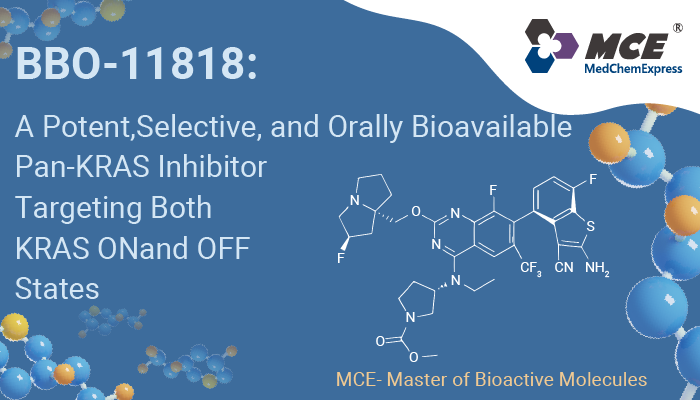
BBO-11818 is a potent, selective, orally bioavailable, and noncovalent pan-KRAS inhibitor targeting multiple clinically relevant KRAS mutants in both ON and OFF states.
Blog
BBO-11818 is a potent, selective, orally bioavailable, and noncovalent pan-KRAS inhibitor targeting multiple clinically relevant KRAS mutants in both ON and OFF states.
Products
All
-
All
-
Inhibitors & Agonists
-
Isotope-Labeled Compounds
-
Fluorescent Dye
-
Peptides
-
Recombinant Proteins
-
Antibodies
-
Screening Libraries
-
Kits
-
Inhibitory Antibodies
-
Reference Standards
-
GMP Small Molecules
-
Biochemical Assay Reagents
-
Natural Products
| Cat. No. | Product Name | Information | Application | Publication |
|---|---|---|---|---|
| HY-L049 | Antibacterial Compound Library |
Antibacterial agents are a group of materials that fight against pathogenic bacteria. Thus, by killing or reducing the metabolic activity of bacteria, their pathogenic effect in the biological environments will be minimized. The most widely used antibacterial agents exert their effects on bacterial cell wall synthesis, protein synthesis, DNA replication and metabolic pathways. However, resistance to antimicrobial agents has become a major source of morbidity and mortality worldwide. The main mechanisms of resistance are limiting uptake of a drug, modification of a drug target, inactivation of a drug, and active efflux of a drug. Therefore, it is an urgent need to develop new drugs targeted at resistant organisms.
MCE offers a unique collection of 1,994 compounds with validated antibacterial activities. MCE antibacterial compound library is an effective tool for drug repurposing screening, combination screening and biological investigation.
|
|
92
|
| HY-L052 | Anti-COVID-19 Compound Library |
COVID-19 poses a serious threat to people's health, and it is urgent to develop drugs to treat COVID-19 quickly. The screening of anti-COVID-19 drugs by using the clinical and approved compounds can greatly shorten the research and development cycle. In addition, the virtual screening technology can effectively narrow the scope of screening and improve the screening efficiency in the pre-screening of new drugs.
Taking advantage of our virtual screening, we conduct virtual screening of approved compound library and clinical compound library based on the 3CL protease (PDB ID: 6LU7), Spike Glycoprotein (PDB ID: 6VSB), NSP15 (PDB ID: 6VWW), RDRP, PLPro and ACE2 (Angiotensin Converting Enzyme 2) structure. We design a unique collection of 1,380 compounds which may have anti-COVID-19 activity. Anti-COVID-19 Compound Library will be a powerful tool for screening new anti-COVID-19 activity drugs.
|
|
90
|
| HY-L122 | FDA-Approved Anticancer Drug Library |
Cancer is the second leading cause of death worldwide and a serious threat to human health. Multiple treatments have been developed for cancer treatment, but new anti-cancer drugs still need to be developed urgently. Approved drugs, have well-characterized bioactivities, safety and bioavailability properties, will dramatically accelerate drug development.
MCE offers a unique collection of 1,540 approved drugs with anti-cancer activity, which can be used for discovery of new anti-cancer drugs or as positive compounds used for anti-cancer research.
|
|
89
|
| HY-L109 | Protein-protein Interaction Inhibitor Library |
Protein protein interactions (PPI) have pivotal roles in life processes. The studies showed that aberrant PPI are associated with various diseases, including cancer, infectious diseases, and neurodegenerative diseases. The classic drug targets are usually enzymes, ion channels, or receptors, the PPI indicate new potential therapeutic targets. Therefore, targeting PPI is a new direction in treating diseases and an essential strategy for the development of new drugs.
However, the design of modulators targeting PPI still faces tremendous challenges, such the difficult PPI interfaces for the drug design, lack of ligands reference, lack of guidance rules for the PPI modulators development and high-resolution PPI proteins structures.
With the development of high-throughput technology, high-throughput screening is also gradually used for the identification of PPI inhibitors, but the compound library used for conventional target screening is not very effective in screening PPI inhibitors. To improve screening efficiency, MCE carefully selected 826 PPI inhibitors and mainly targeting MDM2-p53, Keap1-Nrf2, PD-1/PD-L1, Myc-Max, etc. MCE Protein-protein Interaction Inhibitor Library is a useful tool for PPI drug discovery and related research.
|
|
86
|
| HY-L904 | Drug Fragment Library |
The MCE 1K Drug Fragment Library consists of 1,394 drug fragments. These drug fragments are derived from 2,946 FDA-approved drug molecules, and fragments from one drug can appear in other drugs, so these fragments are somewhat correlated with good PK/PD properties. Fragment-based screening can reserve enough chemical space for subsequent structural optimization. This compound library is an essential tool for drug screening based on FBDD (Fragment-Based Drug Discovery).
|
|
85
|
| HY-L053 | NMPA-Approved Drug Library |
From target identification to clinical research, traditional drug discovery and development is a time-consuming and costly process, which also bears high risk. Compared with traditional drug discovery, drug repositioning or repurposing, also known as old drugs for new uses can greatly shorten the development cycle and reduce development cost, which has become a new trend of drug development. After undergoing clinical trials, approved drugs have identified bioactivities, good pharmacokinetic characteristics and safety, which can greatly improve the success rate of drug discovery. A number of successes have been achieved, such as metformin for type 2 diabetes and thalidomide for leprosy and multiple myeloma, etc.
MCE provides a unique collection of 1,534 China NMPA (National Medical Products Administration) approved compounds, which have undergone extensive preclinical and clinical studies and have well-characterized bioactivities, safety and bioavailability properties. MCE NMPA-Approved Drug Library is a good tool for drug repurposing which could dramatically accelerate drug development.
|
|
84
|
| HY-L115 | Plant-Sourced Natural Product Library |
Natural products are characterized by enormous scaffold diversity and structural complexity, because of which, natural products do show a wide range of biological activities. Medicinal plants have been the major source of medicines over many centuries. About a quarter of all Food and Drug Administration (FDA) and/or the European Medical Agency (EMA) approved drugs are plant based, with well-known drugs such as Paclitaxel and Aspirin having been isolated from plants.
MCE provides a unique collection of 3,352 plant-sourced natural products. MCE Plant-Sourced Natural Product Library is a useful tool for drug discovery that can be used for high throughput screening (HTS) and high content screening (HCS).
|
|
84
|
| HY-L116 | EMA-Approved Drug Library |
MCE EMA-Approved Drug Library consists of 728 EMA-approved drugs with high pharmacological diversity. All drugs in this library have been completed extensive preclinical and clinical studies and have well-characterized bioactivities, safety and bioavailability properties. MCE EMA-Approved Drug Library is a useful tool for drug repurposing which could dramatically accelerate drug development.
|
|
84
|
| HY-L001V | MCE Bioactive Compound Library |
A unique collection of 34,325 bioactive compounds including natural products, enzyme inhibitors, receptor ligands, and drugs for high throughput screening (HTS) and high content screening (HCS).
|
|
83
|
| HY-L0093V | Chemspace Scaffold derived set |
Diversity-based screening continues to be a vital tool for drug discovery. Efficiency and productivity can be improved by using screening libraries that offer maximum diversity whilst retaining drug-like properties. Chemspace Scaffold derived set composes 10,119 compounds, which including 3,373 scaffolds, 3 compounds per each. This library has exceptional coverage of drug-like chemical space.
|
|
83
|
| HY-L0113V | 1M Drug Fragment-Based Diversity Library |
A diversity compound library contains 1,000,000 compounds with drug fragments. Each compound has at least one drug fragment. These selected molecules have 702,902 Bemis-Murcko Scaffolds (BMS) with drug-like chemical space. This library is highly recommended for AI-based lead discovery, ultra-large virtual screening and novel lead discovery.
|
|
83
|
| HY-L021M | Natural Product and Natural Product-Like Compound Library |
From the discovery of traditional Chinese medicine to modern antibiotics, natural products have played an important role in the drug development process. A review of all FDA-approved drugs shows that natural products and natural product-like compounds account for more than one-third of all approved drugs. Nearly half of that came from mammals, a quarter from microbes, and a quarter from plants. Over time, the proportion of microbial natural products and natural product derivatives in approved drugs has increased. Natural products have natural advantages in drug development and can be used as lead compounds in drug discovery for drug identification and mechanism research.
MCE provides a unique collection of 20,566 natural compounds and natural product-like compounds that contain saccharides and glycosides, phenylpropanoids, quinones, flavonoids, terpenoids and glycosides, steroids, alkaloid, phenols, acids and aldehydes. Natural product and natural product-like compounds library is a useful tool for drug discovery that can be used for high-throughput screening (HTS) and high-content screening (HCS).
|
|
83
|
| HY-L098 | Drug Metabolite Library |
A drug metabolite is a byproduct of the body breaking down, or “metabolizing” a drug into a different substance. Most drugs undergo chemical alteration by various bodily systems as a way to create compounds that are more easily excreted from the body. Drugs can be metabolized by oxidation, reduction, hydrolysis, hydration, conjugation, condensation, or isomerization. Drug metabolism can produce metabolites with physicochemical and pharmacological properties that differ substantially from those of the parent drug, and consequently have important implications for both drug safety and efficacy.
MCE offers a unique collection of 440 drug metabolites which is a useful tool for drug safety and efficacy study and drug repurposing.
|
|
83
|
| HY-L200 | RO5 Drug-like Natural Product Library |
Natural products are small molecular compounds that occur in nature and come from any organism, including primary and secondary metabolites. Natural products have potential biological activity and can be used as lead compounds for drug discovery. Nature has been a source of medicines for thousands of years, and a large number of drugs have been isolated from nature, many based on their use in traditional medicine. With the development of compound targets, there is an increasing need to screen for compound diversity. Through ongoing research into natural biodiversity, much of which remains to be exploited, natural products will play a key role in meeting this demand. The Lipinski rule of 5 is used to describe the drug-like properties of a molecule, molecules that adhere to the rule of 5 have higher drug potential. Based on MCE natural product library, MCE selects the molecules that obey the rule of 5, which makes the efficiency of drug screening higher.
MCE designs a unique collection of 2,818 RO5 drug-like natural products, which is an important tool for drug discovery.
|
|
83
|
| HY-L216 | Polysaccharides Compound Library |
Polysaccharides are long chains of carbohydrate molecules, consisting of multiple smaller monosaccharides. Polysaccharides are found mainly in natural sources such as plants, microorganisms, algae and animals. Polysaccharides have a large number of active functional groups, different chemical compositions and different molecular weight ranges, which determines their diversity in nature and structure. Also in the field of medical research, polysaccharides act as a class of functional compounds and thus play a role. For example, nanocarrier construction, immunomodulation and vaccine development, new strategies for antitumor therapy, tissue regeneration engineering applications and disease diagnosis. With the advancement of glycomics and synthetic biotechnology, human beings are moving from “knowing polysaccharides” to “designing polysaccharides”, which will provide innovative solutions for materials science, precision medicine and sustainable development.
MCE offers 70 polysaccharides that can be used in biomedical studies.
|
|
83
|
| HY-L218 | Animal Drug Library |
Animal drug (also veterinary drug) refers to a drug intended for use in the diagnosis, cure, mitigation, treatment, or prevention of disease in animals. Animal Drugs @ FDA is a searchable online database that includes most FDA-approved and conditionally approved animal drugs. The major classes of veterinary drugs include antibiotics, anthelmintics, coccidiostats, nonsteroidal anti-inflammatory drugs, sedatives, corticosteroids, beta-agonists, and anabolic hormones.
MCE has collected 166 FDA-approved veterinary drug compounds for use in scientific research.
|
|
83
|
| HY-L906 | Norepinephrine Transporter (NET) Compound Library |
On May 15, 2024, "Dimerization and antidepressant recognition at noradrenaline transporter" was published online by Nature. The research findings were an effort from Shanghai Institute of Materia Medica, Chinese Academy of Sciences. This study unraveled the important neural system target - the noradrenaline transporter (NET), obtaining the binding modes of human NET homodimers with the natural substrate norepinephrine (NE) and six selective antidepressants. It laid an important theoretical foundation for understanding the physiological regulation mechanisms of NET and other monoamine transporters.
The Norepinephrine Transporter (NET) Compound Library is obtained by computer-aided virtual screening based on the HY-L901 compound library . The specific screening process includes molecular docking screening, key pharmacophore screening, and CNS-MPO screening, which can be used for new drug discovery targeting the noradrenaline transporter.
|
|
83
|
| HY-L938 | Antifungal Lead-like compound library |
Currently,the incidence and mortality rates of clinical fungal infections remain high. Existing antifungal drugs are limited in variety and associated with numerous adverse effects, creating an urgent demand for the development of novel antifungal agents. Antifungal compound libraries can support the screening and development of new antifungal drugs.
The mechanisms of action of antifungal drugs cover key processes such as fungal cell membrane synthesis, cell wall synthesis, and cell division. They exert fungicidal or fungistatic effects by specifically targeting different molecular pathways. This library includes a variety of core analogs of antifungal drugs, making it adaptable to antifungal research in diverse scenarios. It can be used for the high-throughput screening of novel antifungal drug candidates, enabling the rapid identification of compounds with potential antifungal activity and facilitating the elucidation of drug-target interactions and resistance mechanisms. Additionally, it supports the screening of compounds and combinations that reverse drug resistance, thereby uncovering the novel antifungal potential of existing compounds.
The library comprises 8350 compounds with a well-defined screening strategy. The core sources of the compounds include analogs of known antifungal active moleculeswith a similarity score of ≥ 0.6 MCE has collected more than 500 antifungal molecules.All screened compounds conform to lead-like physicochemical properties, exhibiting both structural diversity and drug-like characteristics, and providing valuable support for the research and development of novel antifungal drugs.
|
|
83
|
| HY-L943 | MCE‑18 Novelty drug‑like Library |
MCE-18 stands for Medicinal Chemistry Evolution 2018, which was first published in Journal of Medicinal Chemistry in 2019 for assessing molecular novelty and three-dimensional complexity. Developed based on Clarivate global pharmaceutical patent database, this descriptor was constructed via big-data analysis covering 28,161 patented lead compounds, 1,370 approved drugs and nearly 30,000 preclinical-to-phase III drug candidates from 23 top pharmaceutical companies worldwide between 1950 and 2018, followed by structural clustering and removal of redundant outdated scaffolds for data denoising. Its scoring system integrates five core structural features including aromatic ring (AR), aliphatic heterocycle (NAR), chiral center (CHIRAL), spiro atom (SPIRO), cyclic and acyclic sp³ carbon ratio together with a quadratic topological correction factor. Breaking the limitations of the single Fsp³ parameter, MCE-18 effectively distinguishes conventional flat aromatic scaffolds from modern 3D-enriched novel chemotypes, overcoming typical drawbacks of traditional compound libraries such as scaffold redundancy, low screening hit rates and poor compatibility with allosteric and PPI-related difficult targets.
This library contains over 37,000 structurally diverse compounds with favorable overall drug-likeness, suitable for high-throughput screening against canonical targets including kinases, GPCRs and proteases as well as challenging allosteric and PPI targets. Compounds comply with the developmental trend of modern novel drug discovery, supporting routine primary screening as well as early hit identification of allosteric modulators and PPI inhibitors, serving as an efficient screening resource for early-stage innovative drug discovery.
|
|
83
|
| HY-L944 | MCE‑18 Novelty Focused Drug‑Like Library |
MCE 18 stands for Medicinal Chemistry Evolution 2018. This metric was established based on structural data of 28,161 patented lead molecules, 1,370 marketed innovative drugs, and nearly 30,000 investigational candidates from preclinical to Phase III stages across 23 major global pharmaceutical companies from 1950 to 2018. After scaffold clustering analysis, a scoring model was constructed by integrating five three dimensional scaffold characteristics, including aromatic rings (AR), non aromatic heterocycles (NAR), chiral centers (CHIRAL), spirocycles (SPIRO), and the sp³ carbon ratio in cyclic and acyclic moieties, enabling quantitative assessment of molecular scaffold novelty and three dimensional complexity.
According to the score distribution of patented molecules, the top 25% of the original patent dataset was defined as the high novelty region. MCE 18 high scoring compounds selected based on this criterion can effectively avoid scaffold patent conflicts and intellectual property risks from the source. Molecules in this range typically feature a high sp³ carbon ratio, abundant chiral centers, spirocycles, and fused heterocycles with prominent three dimensional conformations. Their spatial properties allow precise matching to complex non traditional undruggable target pockets such as PPI interfaces and allosteric sites, making them ideal structural types for early stage screening of First in class drugs.
MCE‑18 Novelty Focused drug‑Like library strictly selects molecules from the aforementioned high scoring range, containing more than 10,000 premium drug like molecules with highly diverse scaffolds and rich 3D diversity. It can be used for high throughput screening of well established targets such as kinases, GPCRs, and proteases, and is especially suitable for hit identification in allosteric modulation, protein–protein interactions, and various undruggable orphan targets, fully supporting early stage drug discovery for cutting edge innovat
|
|
83
|
| HY-16141 | Cilengitide |
Cilengitide (EMD 121974) is an integrin (integrin) inhibitor with blood-brain barrier permeability, with IC50 values against human targets as follows: 0.61 nM for αvβ3, 8.4 nM for αvβ5, 14.9 nM for α5β1, 5400 nM for αIIbβ3, 2050 nM for αvβ6, 2350 nM for αvβ8. Cilengitide inhibits the binding of integrins to vitronectin, fibronectin, fibrinogen and LAP (TGF-β), and serves as an internal standard for solid-phase integrin binding assays. Cilengitide inhibits tumor cell viability, induces apoptosis, reduces the phosphorylation levels of STAT3, AKT and mTOR, downregulates the expression of PD-L1, inhibits cell viability and angiogenesis, regulates anti-tumor immune responses and slows tumor growth. Cilengitide can be used in research related to glioblastoma, melanoma, advanced solid tumors and refractory brain tumors.
|
|
75
|
| HY-P9904 | Atezolizumab |
Colorectal Cancer
Liver Cancer
Non-Small Cell Lung Cancer
Triple-Negative Breast Cancer
Metastatic Breast Cancer
|
42
|
|
| HY-P9902 | Pembrolizumab |
Pembrolizumab (MK-3475) is a humanized IgG4 antibody inhibiting the programmed cell death 1 (PD-1) receptor, used in cancer immunotherapy.
Species: Human |
Non-Small Cell Lung Cancer
Lung Adenocarcinoma
HER-2 Positive Breast Cancer
Triple-Negative Breast Cancer
Metastatic Breast Cancer
|
37
|
| HY-19991 | BMS-1 |
BMS-1 is an inhibitor of the PD-1/PD-L1 protein/protein interaction (IC50 between 6 and 100 nM).
|
Lung Cancer
Breast Cancer
Colorectal Cancer
Gastric Cancer
Liver Cancer
Leukemia/Lymphoma/Myeloma
Ovarian Cancer
Digestive System Inflammation
|
34
|
| HY-19745 | BMS-202 |
BMS-202 is a potent and nonpeptidic PD-1/PD-L1 complex inhibitor with an IC50 of 18 nM and a KD of 8 μM. BMS-202 binds to PD-L1 and blocks human PD-1/PD-L1 interaction. BMS-202 has antitumor activity.
|
Neurological, Eye or Ear Disease
Lung Cancer
Breast Cancer
Colorectal Cancer
Gastric Cancer
Liver Cancer
Leukemia/Lymphoma/Myeloma
Ovarian Cancer
Digestive System Inflammation
|
27
|
| HY-P99144 | Anti-Mouse PD-1 Antibody (RMP1-14) |
|
27
|
|
| HY-K6002 | Basement Membrane Matrix |
MCE Basement Membrane Matrix is primarily composed of natural basement membrane matrix extracted from mouse tumors.This product is mainly used for studies of tumor invasion, angiogenesis and organoids culture while avoiding color interference in subsequent experiments. |
|
25
|
| HY-N7131 | Coumarin 6 |
Coumarin 6, a fluorescent dye, is used as a fluorescent probe in a microparticle drug delivery system to conduct in vivo tracking, cell uptake, and transport mechanism studies of drug delivery systems (λexc=450 nm, λem=505 nm).
|
|
24
|
| HY-P9903 | Nivolumab |
Nivolumab is a programmed death receptor-1 (PD-1) blocking human IgG4 antibody to treat advanced (metastatic) non-small cell lung cancer.
Species: Human |
Non-Small Cell Lung Cancer
Lung Adenocarcinoma
Triple-Negative Breast Cancer
Metastatic Breast Cancer
SARS-CoV-2 Infection
|
23
|
| HY-K6001 | Basement Membrane Matrix (Phenol Red) |
MCE Basement Membrane Matrix (Phenol Red) is primarily composed of a natural basement membrane matrix derived from mouse tumors. This product is mainly for studies of tumor invasion, angiogenesis, and organoid culture. |
|
21
|
| HY-P99145 | Anti-Mouse PD-L1/B7-H1 Antibody (10F.9G2) |
Anti-Mouse PD-L1/B7-H1 Antibody (10F.9G2) is an anti-mouse PD-L1/B7-H1 IgG2b antibody inhibitor derived from host rat. Anti-Mouse PD-L1/B7-H1 Antibody (10F.9G2) blocks PD-1 signaling. Anti-Mouse PD-L1/B7-H1 Antibody (10F.9G2) can be used for the research of cancer, such as colon cancer.
Species: Mouse |
|
20
|
| HY-N0527 | Pentagalloylglucose |
Pentagalloylglucose (Penta-O-galloyl-β-D-glucose) is an orally active gallic tannin compound and an inducer of apoptosis and autophagy. Pentagalloglucose induces cell apoptosis and autophagy through the GSK3β/β-catenin pathway. Pentagalloylglucose inhibits UBE2T-mediated p53 ubiquitination, upregulates p53, downregulates RRM1/RRM2 in pancreatic cancer organoids. Pentagalloglucose has antioxidant, anti mutagenic, anti-inflammatory, anticonvulsant, cardioprotective, anti allergic, cholesterol lowering, and anti-tumor activities.
|
Neurological, Eye or Ear Disease
Lung Cancer
Breast Cancer
Prostate Cancer
Liver Cancer
Leukemia/Lymphoma/Myeloma
Pancreatic Cancer
Digestive System Inflammation
Obesity
Lung Fibrosis
Rheumatoid Arthritis
|
16
|
| HY-D0040 | Calcein |
Calcein is a fluorescent dye and self-quenching probe, used as an indicator of lipid vesicle leakage, and also as a complexometric indicator for titration of calcium ions with EDTA, and for fluorometric determination of calcium. Calcein cannot directly cross the intact cell membrane of a living cell, unlike Calcein-AM (HY-D0041) which is cell-permeable. Calcein can also be used as a model drug for evaluating efficiency and bioavailability of drug delivery systems.
|
|
15
|
| HY-P99045A | Sacituzumab (powder) |
Sacituzumab (powder) is a humanized IgG1 monoclonal antibody targeting Trophoblast cell surface antigen 2 (TROP2). Sacituzumab (powder) demonstrates a lack of antitumor effects alone and does not inhibit the function of TROP-2 during tumor metastasis, binding to the linear epitopes of TROP-2 protein. Sacituzumab (powder) can be used for the synthesis of antibody-drug conjugates (ADC) drug Sacituzumab govitecan (HY-132254). Sacituzumab govitecan can be used in the field of triple-negative breast cancer.
Species: Human |
|
9
|
| HY-P9919 | Durvalumab |
Gastric Cancer
Liver Cancer
Leukemia/Lymphoma/Myeloma
Non-Small Cell Lung Cancer
Lung Adenocarcinoma
Triple-Negative Breast Cancer
Metastatic Breast Cancer
|
7
|
|
| HY-P1454A | Fz7-21 TFA |
Fz7-21 (Ac-LPSDDLEFWCHVMY-NH2) TFA is a potent peptide antagonist of FZD7 receptors , selectively binds to FZD7 CRD subclass and alters the conformation of the CRD and the architecture of its lipid-binding groove. The EC50 values are 58 and 34 nM for human and mouse FZD7 CRD, respectively. Fz7-21 TFA impairs the function of FZD7 in Wnt-β-catenin signalling and stem cell function in intestinal organoids.
|
|
3
|
| HY-P1454 | Fz7-21 |
Fz7-21 (Ac-LPSDDLEFWCHVMY-NH2) is a potent peptide antagonist of FZD7 receptors , selectively binds to FZD7 CRD subclass and alters the conformation of the CRD and the architecture of its lipid-binding groove. The EC50 values are 58 and 34 nM for human and mouse FZD7 CRD, respectively. Fz7-21 impairs the function of FZD7 in Wnt–β-catenin signalling and stem cell function in intestinal organoids.
|
|
3
|
| HY-W010991 | N-[3-(2-Furyl)acryloyl]-Phe-Gly-Gly |
N-[3-(2-Furyl)acryloyl]-Phe-Gly-Gly (FAPGG) is a specific substrate of angiotensin converting enzyme (ACE) with a Ki of 2.546×10⁻⁴ M. It is used as a chromogenic probe for quantitative detection of ACE activity. N-[3-(2-Furyl)acryloyl]-Phe-Gly-Gly can be hydrolyzed by ACE to generate N-[3-(2-furyl)acryloyl]-Phe (FAP) and Gly-Gly, and the ACE inhibitory effect is monitored by photometry. FAPGG competitively binds to the active center of ACE and is a key tool for screening ACE inhibitors such as Captopril (HY-B0368) and Dioscorin. Its reversible mechanism of action supports hypertension research and drug development targeting the renin-angiotensin system.
|
|
3
|
| HY-N0402 | Artemether |
Artemether is an anti-malarial compound that targets drug-resistant strains of falciparum malaria.
|
|
3
|
| HY-P80842 | Phospho-p38 alpha/MAPK14 (Thr180/Tyr182) Antibody |
Phospho-p38 alpha/MAPK14 (Thr180/Tyr182) Antibody is a Rabbit-derived and non-conjugated IgG polyclonal antibody, targeting to Phospho-p38 alpha/MAPK14 (Thr180/Tyr182).
Host: Rabbit; Reactivity: Human, Mouse, Rat |
|
3
|
| HY-K1099 | Endotoxin Detection Kit (Recombinant Factor C) |
MCE Endotoxin Detection Kit (Recombinant Factor C) is suitable for the detection of endotoxins in therapeutic injectable drugs for human use (such as chemical drugs, antibiotics, and biologics), as well as in medical devices including dialysis fluids and implantable devices. It can be applied throughout raw material screening, process development, manufacturing, and commercialization stages. |
|
3
|
| HY-W012860 | p-Tolualdehyde |
p-Tolualdehyde is the active small molecule, that could used as drug intermediate.
|
|
2
|
| HY-P990173 | Anti-Mouse/Rat/Human PD-L1 Antibody (368A.4H1) |
Anti-Mouse/Rat/Human PD-L1 Antibody (368A.4H1) is a mouse-derived PD-L1 IgG1 κ type antibody inhibitor. Anti-Mouse/Rat/Human PD-L1 Antibody (368A.4H1) increases IFN-γ levels in organoid-primed T cells. Anti-Mouse/Rat/Human PD-L1 Antibody (368A.4H1) can be used for the researches of cancer, such as oral squamous cell carcinoma and mammary cancer.
Species: Human/Mouse/Rat |
|
2
|
| HY-W019823 | 4-MUNANA |
4-MUNANA is a substrate of influenza virus neuraminidase (NA) with high selectivity and irreversible reaction. In the enzymatic reaction, 4-MUNANA is hydrolyzed by NA to generate fluorescent 4-methylumbelliferone (4-MU). By detecting the fluorescence intensity of 4-MU, quantitative analysis of NA activity can be achieved. 4-MUNANA can be used in influenza-related research, such as screening NA inhibitors, developing new anti-influenza drugs, and studying the infection mechanism of influenza viruses.
|
|
2
|
| HY-P80996 | p38 alpha/MAPK14 Antibody (YA3534) |
p38 alpha/MAPK14 Antibody (YA3534) is a Rabbit-derived and non-conjugated IgG monoclonal antibody, targeting to p38 alpha/MAPK14.
Host: Rabbit; Reactivity: Human, Mouse, Rat |
|
2
|
| HY-P80777 | p38 alpha/MAPK14 Antibody (YA252) |
p38 alpha/MAPK14 Antibody (YA252) is a Rabbit-derived and non-conjugated IgG monoclonal antibody, targeting to p38 alpha/MAPK14.
Host: Rabbit; Reactivity: Human |
|
2
|
| HY-P80776 | p38 alpha/MAPK14 Antibody (YA696) |
p38 alpha/MAPK14 Antibody (YA696) is a Mouse-derived and non-conjugated IgG1 monoclonal antibody, targeting to p38 alpha/MAPK14.
Host: Mouse; Reactivity: Human, Mouse, Rat, Monkey |
|
2
|
| HY-K6004 | Basement Membrane Matrix GFR |
MCE Growth Factor Reduced Basement Membrane Matrix (Phenol Red-Free) is primarily composed of natural basement membrane matrix extracted from mouse tumors and contains abundant extracellular matrix components and a variety of naturally occurring growth factors. This product is primarily designed for 3D organoid culture and other research applications requiring high-quality basement membrane matrix. The phenol red-free formulation avoids potential interference with experiments requiring subsequent colorimetric or color-based analysis. |
|
2
|
| HY-K6007 | Basement Membrane Matrix for Organoid Culture |
MCE Basement Membrane Matrix for Organoid Culture is primarily composed of natural basement membrane matrix extracted from mouse tumors. This product is mainly used for organoid culture. |
|
2
|
| HY-K6011 | Tumor Tissue Dissociation Solution |
MCE Tumor Tissue Dissociation Solution is able to gently and efficiently dissociate tumor tissue samples into cell suspensions or cell aggregates, which can then be used for the subsequent construction of tumor organoids. |
|
2
|
| HY-P99854A | Disitamab (powder) |
Disitamab (RC48-0) (powder) is a humanized monoclonal antibody targeting HER2. Disitamab (powder) can be used in the synthesis of antibody-drug conjugates (ADCs), Disitamab vedotin (HY-P9985).
Species: Human |
|
1
|
| HY-P10128 | GE11 |
GE11 is a active peptide and combines with colloidal drug delivery systems as smart carriers for antitumor drugs and can be used for cancer study.
|
|
1
|
| HY-P2529 | Penetratin |
Penetratin is a cell-penetrating peptides derived from a nonviral protein. Penetratin can powerfully enhance drug absorption. Penetratin can be used for drug delivery research in the treatment of various diseases.
|
|
1
|
| HY-P99854 | Disitamab |
Disitamab (RC48-0) is a humanized monoclonal antibody targeting HER2. Disitamab can be used in the synthesis of antibody-drug conjugates (ADCs), Disitamab vedotin (HY-P9985).
Species: Human |
|
1
|
| HY-P99675 | Ivonescimab |
Ivonescimab (AK112) is a PD-1/VEGF bispecific antibody. Ivonescimab competitively inhibiting PD-1/PD-L1 interaction, reversing the immunosuppression mediated by it, and blocks the binding of VEGF-A to VEGFR2, inhibiting tumour angiogenesis in the tumour microenvironment. Ivonescimab also has significantly anticancer activity against EGFR-mutated locally advanced or metastatic non-squamous non-small cell lung cancer (NSCL).
Species: Human |
|
1
|
| HY-P73335 | p38 alpha/MAPK14 Protein, Human (Active, sf9, His) |
The p38 α/MAPK14 protein is an important serine/threonine kinase in the MAP kinase pathway. It can respond to stimuli such as cytokines or stress and directly activate transcription factors. In this cascade, p38 MAPK each phosphorylates approximately 200 to 300 substrates, including the downstream kinases RPS6KA5/MSK1 and RPS6KA4/MSK2, which are critical for immediate early gene induction. p38 alpha/MAPK14 Protein, Human (Activated, sf9, His) is the recombinant human-derived p38 alpha/MAPK14 protein, expressed by Sf9 insect cells , with N-His labeled tag.
Species: Human; Source: Sf9 insect cells |
|
1
|
| HY-P80213 | p38 alpha/MAPK14 Antibody (YA706) |
p38 alpha/MAPK14 Antibody (YA706) is a Mouse-derived and non-conjugated IgG2a monoclonal antibody, targeting to p38 alpha/MAPK14.
Host: Mouse; Reactivity: Human, Mouse |
|
1
|
| HY-K6105 | Human Gastric Cancer Organoid Kit |
MCE Human Gastric Cancer Organoid Kit contains Gastric Cancer Organoid Basal Medium A, Gastric Cancer Organoid Supplement B (50×), Gastric Cancer Organoid Supplement C (250×). This product can be used to efficiently construct human gastric cancer organoid. |
|
1
|
| HY-166975 | Polysarcosine 100 |
Polysarcosine 100 (pSar 100) is a hydrophilic alternative to PEG that has good targeted drug delivery properties and can remain in the bloodstream longer. Polysarcosine 100 can be used in drug delivery research.
|
|
/
|
| HY-N7018 | 20-Hydroxyganoderic Acid G |
20-Hydroxyganoderic Acid G is a lanostane triterpenoid obtained from the EtOH extract of fruiting bodies of the Ganoderma curtisii. 20-Hydroxyganoderic Acid G inhibits BV-2 microglia cells activated by LPS with an IC50 of 21.33 μM. 20-Hydroxyganoderic Acid G has therapeutic potential in the agent discovery of nerve inflammation diseases associated with microglia activated by LPS.
|
|
/
|
| HY-W440932 | Stearic acid-mPEG5000 |
Stearic acid-mPEG5000 is a PEG lipid that can improve the delivery efficiency and tissue specificity of poorly soluble drugs. Stearic acid-mPEG5000 can be used in drug delivery research.
|
|
/
|
| HY-128753S3 | D-Lyxose-13C-2 |
D-Lyxose-13C-2 is the 13C labeled D-Lyxose. D-Lyxose is an endogenous metabolite. D-Lyxose is a rare pentose sugar with significant potential for drug synthesis. D-Lyxose can be used as a starting material for anti-tumor drugs such as alpha galactose ceramide immunostimulants. D-Lyxose can be used as a precursor for L-nucleoside analogs for the development of antiviral drugs. D-Lyxose can be used as a synthetic intermediate for other rare sugars such as L-ribose.
|
|
/
|
| HY-W440930 | Stearic acid-mPEG1000 |
Stearic acid-mPEG1000 is a PEG lipid that can improve the delivery efficiency and tissue specificity of poorly soluble drugs. Stearic acid-mPEG1000 can be used in drug delivery research.
|
|
/
|
| HY-128753S6 | D-Lyxose-d |
D-Lyxose-d is the deuterium labeled D-Lyxose. D-Lyxose is an endogenous metabolite. D-Lyxose is a rare pentose sugar with significant potential for drug synthesis. D-Lyxose can be used as a starting material for anti-tumor drugs such as alpha galactose ceramide immunostimulants. D-Lyxose can be used as a precursor for L-nucleoside analogs for the development of antiviral drugs. D-Lyxose can be used as a synthetic intermediate for other rare sugars such as L-ribose.
|
|
/
|
| HY-109541S3 | Colfosceril miristate-d13 |
Colfosceril miristate-d13 (DMPC-d13) is deuterium labeled Colfosceril miristate. Colfosceril miristate a synthetic phospholipid used in liposomes. Colfosceril miristate is used to study lipid monolayers, bilayers and drug delivery.
|
|
/
|
| HY-W440942 | Pentacosadiynoic acid-mPEG2000 |
Pentacosadiynoic acid-mPEG2000 is a PEG lipid that can improve the delivery efficiency and tissue specificity of poorly soluble drugs. Pentacosadiynoic acid-mPEG2000 can be used in drug delivery research.
|
|
/
|
| HY-109541S | Colfosceril miristate-d58 |
Colfosceril miristate-d58 (DMPC-d58) is deuterium labeled Colfosceril miristate. Colfosceril miristate a synthetic phospholipid used in liposomes. Colfosceril miristate is used to study lipid monolayers, bilayers and drug delivery.
|
|
/
|
| HY-P991668 | PF-06688992 Antibody |
PF-06688992 Antibody is an antibody targeting GD3. PF-06688992 Antibody can be used for the synthesis of the antibody-drug conjugate PF-06688992 (HY-P991668).
Species: Human |
|
/
|
| HY-P992340 | CTB006 |
CTB006 is a monoclonal antibody targeting a humanized chimeric recombinant anti-DR5. CTB006 specifically binds to and activates DR5, thereby inducing tumor cell apoptosis, inhibiting tumor growth and reducing tumor drug resistance. 177Lu-radiolabeled CTB006 can deliver targeted radiotherapy to tumor cells; while 89Zr- or 177Lu-labeled CTB006 can serve as a PET/CT imaging agent for detecting DR5 expression levels in preclinical tumor models and screening cancers with DR5 overexpression. CTB006 can be applied to research related to gastrointestinal cancer, colorectal cancer and other solid tumors.
Species: Human |
|
/
|
| HY-P11886 | GNYTCEVTELTREGETIIELK-N3 |
GNYTCEVTELTREGETIIELK-N3 (GNYTCEVTELTREGETIIELK-Azide) is a conjugate of an azide (-N3) group and a CD47 functional peptide (GNYTCEVTELTREGETIIELK). Modifying the surface of LNPs with GNYTCEVTELTREGETIIELK significantly reduces the recognition and clearance of LNPs by the mononuclear phagocytic system (MPS) and reduces their accumulation in non-target tissues such as the liver and spleen. The azide group in GNYTCEVTELTREGETIIELK-N3 can undergo click chemistry reactions for applications such as constructing targeted drug delivery systems and nanoparticle modification.
|
|
/
|
| HY-W414069 | Thiocholesterol |
Thiocholesterol is a member of the class of cholesteric liquid crystals (CLCs) that can be used to synthesis cationic lipid. Thiocholesterol is a stronger stabilizer of silver nanoparticles (SNPs). Thiocholesterol can be used for plasma membrane research and drug delivery.
|
|
/
|
| HY-128753S7 | D-Lyxose-d-1 |
D-Lyxose-d-1 is the deuterium labeled D-Lyxose. D-Lyxose is an endogenous metabolite. D-Lyxose is a rare pentose sugar with significant potential for drug synthesis. D-Lyxose can be used as a starting material for anti-tumor drugs such as alpha galactose ceramide immunostimulants. D-Lyxose can be used as a precursor for L-nucleoside analogs for the development of antiviral drugs. D-Lyxose can be used as a synthetic intermediate for other rare sugars such as L-ribose.
|
|
/
|
| HY-P10989 | NG2 binding peptide |
NG2 binding peptide is a short peptide that specifically recognizes NG2 proteoglycan and can be obtained by phage screening technology. NG2 binding peptide interacts with NG2 binding sites to achieve precise targeting of tumor angiogenesis in vitro and in vivo. NG2 binding peptide exhibits significant homing ability in wild-type tumor-bearing mice, but has no localization effect in NG2 knockout mice. Due to the tissue specificity of NG2 expression, NG2 binding peptide can be used in scenarios such as tumor targeted therapy, drug delivery, and molecular imaging diagnosis.
|
|
/
|
| HY-166973 | Polysarcosine 20 |
Polysarcosine 20 (pSar 20) is a hydrophilic alternative to PEG that has good targeted drug delivery properties and can remain in the bloodstream longer. Polysarcosine 20 can be used in drug delivery research.
|
|
/
|
| HY-109541S1 | Colfosceril miristate-d4 |
Colfosceril miristate-d4 (DMPC-d4) is deuterium labeled Colfosceril miristate. Colfosceril miristate is a synthetic phospholipid used in liposomes. Colfosceril miristate is used to study lipid monolayers, bilayers and drug delivery.
|
|
/
|
| HY-128753R | D-Lyxose (Standard) |
D-Lyxose (Standard) is the analytical standard of D-Lyxose. This product is intended for research and analytical applications. D-Lyxose is an endogenous metabolite. D-Lyxose is a rare pentose sugar with significant potential for drug synthesis. D-Lyxose can be used as a starting material for anti-tumor drugs such as alpha galactose ceramide immunostimulants. D-Lyxose can be used as a precursor for L-nucleoside analogs for the development of antiviral drugs. D-Lyxose can be used as a synthetic intermediate for other rare sugars such as L-ribose.
|
|
/
|
| HY-D3224 | HCP |
HCP is a two-photon fluorescent probe capable of crossing the blood-brain barrier, which is specifically designed for real-time detection of hypochlorous acid (HClO/ClO-) produced by myeloperoxidase (MPO). Chlorination of the quinoline skeleton of HCP generates HCP-Cl, which eliminates intramolecular charge transfer (ICT) quenching and thereby produces fluorescence. HCP is suitable for in vivo dynamic imaging of HClO in the brains of epileptic mice and high-throughput screening of antiepileptic drugs (HCP-Cl: Ex/Em = 800 nm/495 nm).
|
|
/
|
| HY-109541S4 | Colfosceril miristate-d63 |
Colfosceril miristate-d63 (DMPC-d63) is deuterium labeled Colfosceril miristate. Colfosceril miristate a synthetic phospholipid used in liposomes. Colfosceril miristate is used to study lipid monolayers, bilayers and drug delivery.
|
|
/
|
| HY-143211 | Murapalmitine |
Murapalmitine is the component of liposomes for drug delivery.
|
|
/
|
| HY-P6299 | MAX8 |
MAX8 is a synthetic β-hairpin peptide that folds rapidly and self-assembles into a β-sheet-rich fibrous hydrogel network via non-covalent crosslinking. MAX8 hydrogel exhibits excellent shear-thinning and self-healing properties, enabling precise delivery via syringe and maintaining local retention after implantation. MAX8 hydrogel can uniformly encapsulate cells while preserving their viability and morphology, and protect growth factors (e.g., NGF) and chemotherapeutic drugs from degradation. MAX8 is applicable for spinal cord injury repair, medulloblastoma treatment, and three-dimensional high-throughput drug screening.
|
|
/
|
| HY-W440941 | Pentacosadiynoic acid-mPEG1000 |
Pentacosadiynoic acid-mPEG1000 is a PEG lipid that can improve the delivery efficiency and tissue specificity of poorly soluble drugs. Pentacosadiynoic acid-mPEG1000 can be used in drug delivery research.
|
|
/
|
| HY-P10220 | NOTA-COG1410 |
NOTA-COG1410 forms triggering receptor expressed on myeloid cells 2 (TREM2) targeting ligand. NOTA-COG1410 is capable of being labelled with 68Gallium (68Ga) for discovery and diagnosis of digestive system tumors through positron emission tomography/computed tomography (PET/CT). NOTA-COG1410 can be used for the synthesis/research of Radionuclide-Drug Conjugates (RDCs).
|
|
/
|
| HY-128753S4 | D-Lyxose-13C-3 |
D-Lyxose-13C-3 is the 13C labeled D-Lyxose. D-Lyxose is an endogenous metabolite. D-Lyxose is a rare pentose sugar with significant potential for drug synthesis. D-Lyxose can be used as a starting material for anti-tumor drugs such as alpha galactose ceramide immunostimulants. D-Lyxose can be used as a precursor for L-nucleoside analogs for the development of antiviral drugs. D-Lyxose can be used as a synthetic intermediate for other rare sugars such as L-ribose.
|
|
/
|
| HY-N144101 | SARS-CoV MPro-IN-2 |
SARS-CoV MPro-IN-2 (compound 15) is a potent inhibitor of SARS-CoV-2 Mpro with an IC50 value of 72.07 nM. The main protease (Mpro) of the virus as the major enzyme processing viral polyproteins contributes to the replication and transcription of SARS-CoV-2 in host cells, and has been characterized as an attractive target in agent discovery. SARS-CoV MPro-IN-2 has the potential for the research of COVID-19.
|
|
/
|
| HY-N8858 | 5-Methyl-3-heptanone |
5-Methyl-3-heptanone is an intermediate for drug synthesis.
Source: Streptomyces cinnamomeus-like |
|
/
|
| HY-166974 | Polysarcosine 150 |
Polysarcosine 150 (pSar 150) is a hydrophilic alternative to PEG that has good targeted drug delivery properties and can remain in the bloodstream longer. Polysarcosine 150 can be used in drug delivery research.
|
|
/
|
| HY-N3855 | Erythrabyssin II |
Erythrabyssin II (EL-19) is a potent late-stage autophagy inhibitor that blocks the fusion of autophagosome and lysosome. Erythrabyssin II leads to the accumulation of autophagic substrates and does not impair lysosomal pH or lysosomal enzyme activity. Erythrabyssin II suppresses ovarian cancer organoid activity and induces apoptosis. Erythrabyssin II can be used for the study of ovarian cancer.
|
|
/
|
| HY-N7131R | Coumarin 6 (Standard) |
Coumarin 6 (Standard) is the analytical standard of Coumarin 6 (HY-N7131). This product is intended for research and analytical applications. Coumarin 6, a fluorescent dye, is used as a fluorescent probe in a microparticle drug delivery system to conduct in vivo tracking, cell uptake, and transport mechanism studies of drug delivery systems (λexc=450 nm, λem=505 nm).
|
|
/
|
| HY-D2921 | BODIPY-FL-Vindoline |
BODIPY-FL-Vindoline is a high-affinity fluorescent probe for the pregnane X receptor (PXR), with a Kd of 256 nM. BODIPY-FL-Vindoline can be used in the research of drug metabolism and drug-drug interactions.
|
|
/
|
| HY-113945 | Abbeymycin |
Abbeymycin is an antibiotic derived from the actinobacterium Streptomyces sp. AB-999F-52. Abbeymycin is a specifically acting antibiotic with antimicrobial activity, primarily targeting anaerobic bacteria. Abbeymycin is employed in research concerning antibiotic discovery and screening.
Source: Streptomyces sp. |
|
/
|
| HY-D2431 | Galactose-PEG-Cy3 |
Galactose-PEG-Cy3 is a Cy3 (HY-D0822) labeled Galactose-PEG conjugate. The Cy3 fluorophore is commonly used in applications such as immunolabeling, nucleic acid labeling, fluorescence microscopy, and flow cytometry. Cy3 has an emission maximum around 562-570 nm. Galactose-PEG improves drug cellular uptake and reduces endosomal degradation, and can be used in drug delivery.
|
|
/
|
| HY-P9994 | Pertuzumab zuvotolimod |
Pertuzumab zuvotolimod (SBT6050) is an anti-HER2 antibody-drug conjugate (ADC). Pertuzumab zuvotolimod is composed of a humanized anti-HER2 antibody (Pertuzumab) (HY-P9912A), a linker, a TLR8 agonist payload, and the drug-linker conjugate for ADC is Zuvotolimod (HY-145620). Pertuzumab zuvotolimod potently induces multiple anti-tumor immune activities through the direct activation myeloid cells and the subsequent induction of T and NK cell cytolytic activity. Pertuzumab zuvotolimod can be used for HER2-expressing solid tumors research.
|
|
/
|
| HY-78921AG | Fmoc-3VVD-OH (GMP) |
Fmoc-3VVD-OH (GMP) is a cleavable ADC linker used in the synthesis of antibody-drug conjugates (ADCs).
|
|
/
|
| HY-P10699 | MAX1 |
MAX1 is a synthetic β-hairpin peptide that folds rapidly and self-assembles into a β-sheet-rich fibrous hydrogel network via non-covalent crosslinking. MAX1 hydrogel exhibits excellent shear-thinning and self-healing properties, enabling precise delivery via syringe and maintaining local retention after implantation. MAX1 hydrogel can uniformly encapsulate cells while preserving their viability and morphology, and protect growth factors (e.g., NGF) and chemotherapeutic drugs from degradation. MAX1 is applicable for spinal cord injury repair, medulloblastoma treatment, and three-dimensional high-throughput drug screening.
|
|
/
|
| HY-P11603 | SK56 |
SK56 is a GSDMD-NT pore inhibitor. SK56 inhibits pyroptosis (Pyroptosis) and the release of pyroptosis-related cytokines in macrophages and human peripheral blood leukocytes. SK56 prevents extensive cell death in human alveolar organoids in an organoid-macrophage co-culture model. SK56 prevents death from infectious shock induced by LPS (HY-D1056) or cecal ligation and puncture in mice. SK56 can be used in studies related to sepsis.
|
|
/
|
| HY-P4117 | Penetratin-Arg |
Penetratin-Arg is an antimicrobial and is used for drug delivery vehicle.
|
|
/
|
| HY-109541S2 | Colfosceril miristate-d9 |
Colfosceril miristate-d9 (DMPC-d9) is deuterium labeled Colfosceril miristate. Colfosceril miristate a synthetic phospholipid used in liposomes. Colfosceril miristate is used to study lipid monolayers, bilayers and drug delivery.
|
|
/
|
| HY-P5304A | RTQLLWTPAAPTAMA TFA |
RTQLLWTPAAPTAMA TFA is a peptide antigen,used for drug delivery in immune response.
|
|
/
|
| HY-DY1034 | 4-MUNANA (solution) |
4-MUNANA (solution) is a substrate of influenza virus neuraminidase (NA) with high selectivity and irreversible reaction. In the enzymatic reaction, 4-MUNANA is hydrolyzed by NA to generate fluorescent 4-methylumbelliferone (4-MU). By detecting the fluorescence intensity of 4-MU, quantitative analysis of NA activity can be achieved. 4-MUNANA can be used in influenza-related research, such as screening NA inhibitors, developing new anti-influenza drugs, and studying the infection mechanism of influenza viruses.
Solvent and Concentration: Sterile water: 10 mM |
|
/
|
| HY-D2433 | Glucose-PEG2000-Cy3 |
Glucose-PEG2000-Cy3 is a Cy3 (HY-D0822) labeled Glucose-PEG conjugate. The Cy3 fluorophore is commonly used in applications such as immunolabeling, nucleic acid labeling, fluorescence microscopy, and flow cytometry. Cy3 has an emission maximum around 562-570 nm. Glucose-PEG improves drug cellular uptake and reduces endosomal degradation, and can be used in drug delivery.
|
|
/
|
| HY-P10895 | HR97 TFA |
HR97 TFA is a cell-penetrating peptide that can be combined with engineered melanin to prepare eye drops HR97-SunitiGel. The peptide-drug conjugate in HR97-SunitiGel can provide sustained ocular drug delivery.
|
|
/
|
| HY-N0527R | Pentagalloylglucose (Standard) |
Pentagalloylglucose (Standard) is the analytical standard of Pentagalloylglucose. This product is intended for research and analytical applications. Pentagalloylglucose (Penta-O-galloyl-β-D-glucose) is an orally active gallic tannin compound and an inducer of apoptosis and autophagy. Pentagalloglucose induces cell apoptosis and autophagy through the GSK3β/β-catenin pathway. Pentagalloylglucose inhibits UBE2T-mediated p53 ubiquitination, upregulates p53, downregulates RRM1/RRM2 in pancreatic cancer organoids. Pentagalloglucose has antioxidant, anti mutagenic, anti-inflammatory, anticonvulsant, cardioprotective, anti allergic, cholesterol lowering, and anti-tumor activities.
|
|
/
|
| HY-D2841 | FITC-Heparin |
FITC-Heparin is a fluorescent dye composed of FITC (HY-66019) and Heparin. FITC-Heparin can be used for cell tracing and drug delivery.
|
|
/
|
| HY-B0803S1 | Lumefantrine-d9 |
Lumefantrine-d9 is the deuterium labeled Lumefantrine. Lumefantrine is an antimalarial drug, used in combination with Artemether. The artemether-lumefantrine (AL) as the first- and second-line anti-malarial drugs.
|
|
/
|
| HY-D2415 | BODIPY-FL staurosporine |
BODIPY-FL staurosporine (Compound 8a) is a fluorescence probe based on staurosporine, exhibiting high specificity towards tyrosine kinases (TK) and tyrosine kinase-like (TKL) family kinases. BODIPY-FL staurosporine has the potential to develop binding assays for kinases that are not recommended for use with Kinase Tracer 236, such as PIM3, CDC42BPG, MAP2K7, TXK, and SIK3. BODIPY-FL staurosporine can be a powerful tool for analyzing kinase selectivity in kinase drug discovery.
|
|
/
|
| HY-P99238 | Rolinsatamab |
Rolinsatamab is a IgG1κ type chimeric antibody targeting to PRLR (prolactin receptor). Rolinsatamab can be conjugated with pyrrolobenzodiazepine (PDB) dimer SGD-1882 (HY-101127) via a cleavable maleimidocaproyl type linker, to form an antibody-drug conjugate, Rolinsatamab talirine. One Rolinsatamab talirine has an average of 2 site-specific drug attachment engineered cysteines (S239C). The linker equips the valine-alanine dipeptide, as cathepsine B cleavage site. on an average of 2 site-specific drug attachment engineered cysteines (S239C).
Species: Human |
|
/
|
| HY-N8275 | (R)-(+)-Citronellic acid |
(R)-(+)-Citronellic acid is a chiral carboxylic acid and can be used as a drug intermediate.
Source: Streptomyces sp. |
|
/
|
| HY-N12931F | Maackia amurensis Lectin (MAA/MAL II)-Biotinylated |
Maackia amurensis Lectin (MAA/MAL II)-Biotinylated is a plant lectin modified by biotin. Maackia amurensis Lectin (MAA/MAL II)-Biotinylated has the activity to recognize specific sugar structures, specifically the alpha-2, 3-linked sialic acid (HY-I0400). Maackia amurensis Lectin (MAA/MAL II)-Biotinylated has a very high affinity with avidin or streptavidin and this interaction can be used to fix it to solid surfaces or bind it to other molecules. Maackia amurensis Lectin (MAA/MAL II)-Biotinylated can be used to isolate and purify proteins or other molecules with specific sugar chain structures in affinity chromatography as well as for disease marker discovery and cancer research.
|
|
/
|
| HY-166979 | Stearic acid-mPEG2000 |
Stearic acid-mPEG2000 is a PEG lipid that can improve the delivery efficiency and tissue specificity of poorly soluble drugs. Stearic acid-mPEG2000 can be used in drug delivery research.
|
|
/
|
| HY-P99007 | Aprutumab |
Aprutumab (BAY 1179470) is a fully human fibroblast growth factor receptor 2 (FGFR2)-specific monoclonal antibody. Aprutumab induces FGFR2 endocytosis and degradation in cancer cells expressing FGFR2. Aprutumab serves as the targeted monoclonal antibody component of the antibody-drug conjugate BAY 1187982 (HY-141600) and mediates the endocytosis of the antibody-drug conjugate into FGFR2-positive cells. Aprutumab can be used for the research of FGFR2-positive solid tumors, including studies on gastric cancer and triple-negative breast cancer.
Species: Human |
|
/
|
| HY-126393 | Carboxymethyl-β-cyclodextrin |
Carboxymethyl-β-cyclodextrin is a cationic cyclodextrin used as a carrier for drugs. It has been shown to bind nonsteroidal anti-inflammatory drugs (NSAIDs) with high affinity and selectivity.
|
|
/
|
| HY-P99453 | Azintuxizumab |
Azintuxizumab is an anti-SLAMF7 human IgG4κ monoclonal antibody. Azintuxizumab can be used in the synthesis of antibody-drug conjugate (ADC), Azintuxizumab vedotin.
Species: Human |
|
/
|
| HY-158220A | Hyaluronic acid Methacryloyl (MW 150 kDa) |
Hyaluronic acid Methacryloyl (HAMA) MW 150 kDa is methacrylated hyaluronic acid that is biocompatible. Hyaluronic acid Methacryloyl is also used as a 3D printing hydrogel ink, which has the characteristics of fast photosensitive response, fast gelation speed and stable hydrogel performance. Hyaluronic acid Methacryloyl can quickly induce gelation with lithium phenyl-2,4,6-trimethylbenzoylphosphinate (LAP) under UV irradiation. The combination of Hyaluronic acid Methacryloyl and tissue-specific extracellular matrix (ECM) materials (such as pancreatic extracellular matrix (pECM)) will become an important source material for organoid culture.
|
|
/
|
| HY-P99718 | Lupartumab |
Lupartumab (BAY 1112623) is an anti-LYPD3 (C4.4A) monoclonal antibody that can be used for the synthesis of antibody-drug conjugate BAY 1129980 (HY-P99719).
Species: Human |
|
/
|
| HY-P99788 | Praluzatamab |
Praluzatamab is a monoclonal antibody targeting the activated leukocyte cell adhesion molecule (ALCAM/CD116). Praluzatamab can be used to synthesize Praluzatamab ravtansine (antibody-drug conjugates). Praluzatamab can be used for research of cancers.
Species: Human |
|
/
|
| HY-124081 | N-Oleoyl-L-serine |
N-Oleoyl-L-Serine is an endogenous amide of long-chain fatty acids with ethanolamine (N-acyl amides). N-Oleoyl-L-Serine is a lipid regulator of bone remodeling and stimulates osteoclast apoptosis. N-Oleoyl-L-Serine can be used for antiosteoporotic drug discovery development.
|
|
/
|
| HY-158220 | Hyaluronic acid Methacryloyl (MW 400 kDa) |
Hyaluronic acid Methacryloyl (MW 400 kDa) (HAMA (MW 400 kDa)) is a methacrylated hyaluronic acid with biocompatibility. Hyaluronic acid Methacryloyl (MW 400 kDa) also serves as a 3D printing hydrogel ink, featuring rapid photoresponsiveness, fast gelation speed and stable hydrogel performance. Hyaluronic acid Methacryloyl (MW 400 kDa) can rapidly initiate gelation with lithium phenyl-2,4,6-trimethylbenzoylphosphinate (LAP) under ultraviolet irradiation. Moreover, the combination of Hyaluronic acid Methacryloyl with tissue-specific extracellular matrix (ECM) materials (such as pancreatic extracellular matrix (pECM)) acts as an important source material for organoid culture.
|
|
/
|
| HY-113003 | H-γ-Glu-Gln-OH |
H-γ-Glu-Gln-OH is a hydrophilic peptide and can be conjugated to drugs. The carrier composed of H-γ-Glu-Gln-OH has the characteristics of high water solubility and drug-loading capacity, good biocompatibility, low toxicity, improved tumor targeting ability, and anti-tumor efficacy.
|
|
/
|
| HY-P4192 | Fomc-Gly-Gly-Phe-Gly-OH |
Fomc-Gly-Gly-Phe-Gly-OH (compound D5) can be used as an intermediate in the synthesis of ADC dual-drug-linker. Fomc-Gly-Gly-Phe-Gly-OH synthetic intermediate GGFGE further forms an important ADC dual-drug link assembly unit.
|
|
/
|
| HY-D0860 | Tricine |
Tricine is widely used as a buffer in protein electrophoresis, nucleic acid analysis, and immunology, which can help adjust pH and stabilize chemical reactions. In addition, the compound can also be used in research in certain medical fields, such as in antibody detection and drug screening.
|
|
/
|
| HY-W009310 | 9-cis-Retinal |
9-cis-Retinal is a natural retinoid. Dietary 9-cis-β-carotene generates 9-cis-retinoids via cleavage into 9-cis-retinal. 9-cis Retinal binds to cellular retinol-binding protein-I (CRBP-I) and CRBP-II with Kds of 8 nM and 5 nM, respectively. 9-cis-Retinal expedites differentiation and maturation of rod photoreceptors in retinal organoids.
|
|
/
|
| HY-P703935 | GDF-15 Protein, Mouse (His) |
The GDF-15 protein regulates food intake, energy balance, and body weight by binding to its receptor GFRAL. This activates GFRAL-expressing neurons in the brainstem, triggering "emergency circuits" in the central parabrachial nucleus and amygdala during stress. GDF-15 Protein, Mouse (His) is the recombinant mouse-derived GDF-15 protein, expressed by E. coli, with N-His labeled tag.
Species: Mouse; Source: E. coli |
|
/
|
| HY-P704628 | GDF-15 Protein, Human (His) |
The GDF-15 protein is critical for regulating food intake, energy expenditure, and body weight in response to metabolic and toxin-induced stress. It binds to its receptor GFRAL and activates GFRAL-expressing neurons in the brainstem. GDF-15 Protein, Human (His) is the recombinant human-derived GDF-15 protein, expressed by E. coli, with N-His labeled tag.
Species: Human; Source: E. coli |
|
/
|
| HY-P80777A | p38 alpha/MAPK14 Antibody (YA252)(PBS only) |
p38 alpha/MAPK14 Antibody (YA252) is a Rabbit-derived and non-conjugated IgG monoclonal antibody, targeting to p38 alpha/MAPK14.
Host: Rabbit; Reactivity: Human |
|
/
|
| HY-P85712 | p38 alpha/MAPK14 Antibody (YA5404) |
p38 alpha/MAPK14 Antibody (YA5404) is a Mouse-derived and non-conjugated IgG1 monoclonal antibody, targeting to p38 alpha/MAPK14.
Host: Mouse; Reactivity: Human, Mouse, Rat |
|
/
|
| HY-P86460 | p38 alpha/MAPK14 Antibody (YA6152) |
p38 alpha/MAPK14 Antibody (YA6152) is a Rabbit-derived and non-conjugated IgG monoclonal antibody, targeting to p38 alpha/MAPK14.
Host: Rabbit; Reactivity: Human, Mouse, Rat |
|
/
|
| HY-P89418 | p38 MAPK Antibody (YA8861) |
|
/
|
|
| HY-P810544 | Phospho-p38 (Thr180) Antibody (YA9813) |
Phospho-p38 (Thr180) Antibody (YA9813) is a Rabbit-derived and non-conjugated IgG Recombinant, Monoclonal antibody, targeting to Phospho-p38 (Thr180).
Host: Rabbit; Reactivity: Human, Mouse, Rat |
|
/
|
| HY-K6003 | Basement Membrane Matrix GFR (Phenol Red) |
MCE Growth Factor Reduced Basement Membrane Matrix (with Phenol Red) is primarily composed of natural basement membrane matrix extracted from mouse tumors and contains abundant extracellular matrix components and a variety of naturally occurring growth factors. This product is primarily designed for 3D organoid culture and other research applications requiring high-quality basement membrane matrix. |
|
/
|
| HY-K6012 | Tissue Dissociation Solution |
MCE Tissue Dissociation Solution is able to gently and efficiently dissociate tissue samples into cell suspensions or cell aggregates, which can then be used for the subsequent construction of tumor organoids. |
|
/
|
| HY-K6101 | Human Breast Cancer Organoid Kit |
MCE Human Breast Cancer Organoid Kit contains Breast Cancer Organoid Basal Medium A, Breast Cancer Organoid Supplement B (50×), Breast Cancer Organoid Supplement C (250×). This product can be used to efficiently construct human breast cancer organoid. |
|
/
|
| HY-K6102 | Human Lung Adenocarcinoma Organoid Kit |
MCE Human Lung Adenocarcinoma Organoid Kit contains Lung Adenocarcinoma Organoid Basal Medium A, Lung Adenocarcinoma Organoid Supplement B (50×), Lung Adenocarcinoma Organoid Supplement C (250×). This product can be used to efficiently construct human lung adenocarcinoma organoid. |
|
/
|
| HY-K6106 | Human Cholangiocarcinoma Organoid Kit |
MCE Human Cholangiocarcinoma Organoid Kit contains Cholangiocarcinoma Organoid Basal Medium A, Cholangiocarcinoma Organoid Supplement B (50×), Cholangiocarcinoma Organoid Supplement C (250×). This product can be used to efficiently construct human cholangiocarcinoma organoid. |
|
/
|
| HY-K6112 | Human Colonic Organoid Kit |
MCE Human Colonic Organoid Kit contains Human Colonic Organoid Basal Medium A, Human Colonic Organoid Supplement B (50×), Human Colonic Organoid Supplement C (250×), and Human Colonic Organoid Supplement D (250×). This product can be used to efficiently construct human colonic organoid. |
|
/
|
| HY-K6113 | Human Intestinal Organoid Kit |
MCE Human Intestinal Organoid Kit contains Intestinal Organoid Basal Medium A, Intestinal Organoid Supplement B (50×), Intestinal Organoid Supplement C (250×), and Intestinal Organoid Supplement D (250×). This product can be used to efficiently construct human intestinal organoid. |
|
/
|
| HY-K6114 | Human Gastric Epithelial Organoid Kit |
MCE Human Gastric Epithelial Organoid Kit contains Gastric Epithelial Organoid Basal Medium A, Gastric Epithelial Organoid Supplement B (50×), Gastric Epithelial Organoid Supplement C (250×), and Gastric Epithelial Organoid Supplement D (250×). This product can be used to efficiently construct human gastric epithelial organoid. |
|
/
|
| HY-K6115 | Human Pancreatic Organoid Kit |
MCE Human Pancreatic Organoid Kit contains Human Pancreatic Organoid Basal Medium A, Human Pancreatic Organoid Supplement B (50×), and Human Pancreatic Organoid Supplement C (250×).This product can be used to efficiently construct human pancreatic organoids. |
|
/
|
| HY-K6119 | Mouse Intestinal Organoid Kit |
MCE Mouse Intestinal Organoid Kit contains Mouse Intestinal Organoid Basal Medium A, Mouse Intestinal Organoid Supplement B (50×), Mouse Intestinal Organoid Supplement C (250×) and EDTA. This product can be used to efficiently construct mouse intestinal organoid. |
|
/
|
| HY-K6120 | Mouse Colonic Organoid Kit |
MCE Mouse Colonic Organoid Kit contains Colonic Organoid Basal Medium A, Colonic Organoid Supplement B (50×), Colonic Organoid Supplement C (250×), Colonic Organoid Supplement D (250×) and EDTA. This product can be used to efficiently construct mouse colonic organoid. |
|
/
|
| HY-K6122 | Human Bladder Cancer Organoid Kit |
MCE Human Bladder Cancer Organoid Kit contains human bladder cancer organoid basal medium and culture supplement. This product can be used to efficiently construct Human Bladder Cancer organoid. |
|
/
|
| HY-K6137 | Brain Glioma Organoid Kit |
MCE Brain Glioma Organoid Kit contains brain glioma organoid basal medium and culture supplement. This product can be used to efficiently construct brain glioma organoid. |
|
/
|
| HY-K6138 | Rhabdomyosarcoma Organoid Kit |
MCE Rhabdomyosarcoma Organoid Kit contains rhabdomyosarcoma organoid basal medium and culture supplement. This product can be used to efficiently construct rhabdomyosarcoma organoid. |
|
/
|
| HY-K6139 | Neuroblastoma Organoid Kit |
MCE Neuroblastoma Organoid Kit contains Neuroblastoma organoid basal medium and culture supplement. This product can be used to efficiently construct Neuroblastoma organoid. |
|
/
|
| HY-K6140 | Hepatoblastoma Organoid Kit |
MCE Hepatoblastoma Organoid Kit contains hepatoblastoma organoid basal medium and culture supplement. This product can be used to efficiently construct hepatoblastoma organoid. |
|
/
|
Targets/Pathways
