




 LinkedIn
 Researchgate
 Instagram
 X
X Facebook
 WhatsApp
 Reddit
 Mail
MailSARS-CoV-2 contains four main structural proteins: spike (S), membrane (M), envelope (E), and nucleocapsid (N) proteins. All the proteins and subcellular structures of CoVs are promising targets for SARS-CoV-2 research.
Articles
All
-
All
-
Scientific Reviews
-
EDM
-
Blog
Most Recent
-
Most Recent
-
Oldest
-
 Scientific Reviews
-
 Scientific Reviews
The concept of ADC can be traced back to the early 1900s, It is a visionary magic bullet that could deliver a toxic drug to certain malignant cells without affecting other normal tissues. Now, it seems that a golden age of ADC drug development is coming.
Scientific Reviews
The concept of ADC can be traced back to the early 1900s, It is a visionary magic bullet that could deliver a toxic drug to certain malignant cells without affecting other normal tissues. Now, it seems that a golden age of ADC drug development is coming. -
 Scientific Reviews
Organoids represent an important bridge between 2D cultures and in vivo mouse/human models. The organoid technology exerts enormous potential in evaluation of efficacy and toxicity of drugs, regenerative medicine, and precision medicine.In this article, we will briefly introduce organoid technology.
Scientific Reviews
Organoids represent an important bridge between 2D cultures and in vivo mouse/human models. The organoid technology exerts enormous potential in evaluation of efficacy and toxicity of drugs, regenerative medicine, and precision medicine.In this article, we will briefly introduce organoid technology. -
 Scientific Reviews
Development of Intestinal Organoid
Scientific Reviews
Development of Intestinal Organoid2022-07-28
3D organoid is one of the revolutionary developments in biomedical field during the past 10 years. The establishment of intestinal organoids is an important milestone in the development of organoid technology. -
Scientific Reviews
Organoids have great potential in research of organ development, disease modeling, drug screening and, precision and regenerative medicin. In this article, we will expalin the origin of the organoids. Adult stem cells (ASCs) or pluripotent stem cells (PSCs) , which is the better choice.
-
 Scientific Reviews
TME (Tumor microenvironment) is considered as a complex integrated system, composed of cellular components such as tumor cells and immune cells, as well as non-cellular components such as ECM and cytokines. According to the spatial distribution of immune cells in TME, "hot" and "cold" TME will be explained in this article.
Scientific Reviews
TME (Tumor microenvironment) is considered as a complex integrated system, composed of cellular components such as tumor cells and immune cells, as well as non-cellular components such as ECM and cytokines. According to the spatial distribution of immune cells in TME, "hot" and "cold" TME will be explained in this article. -
 Scientific Reviews
Necroptosis, also known as necroptosis, is a form of regulated necrotizing cell death mediated by RIP1 and RIP3 kinases. Necroptosis is a process that prevents the self-destruction of activated cells that are blocked by apoptosis. Necroptosis plays a tumor suppressor role in most cases. It may provide benefits in the researches of a variety of human diseases involving immune inflammation and cell death.
Scientific Reviews
Necroptosis, also known as necroptosis, is a form of regulated necrotizing cell death mediated by RIP1 and RIP3 kinases. Necroptosis is a process that prevents the self-destruction of activated cells that are blocked by apoptosis. Necroptosis plays a tumor suppressor role in most cases. It may provide benefits in the researches of a variety of human diseases involving immune inflammation and cell death. -
 Scientific Reviews
Stem cell classification and its application
Scientific Reviews
Stem cell classification and its application2023-05-18
Stem cells (SCs) have the unique ability to self-renew and differentiate into different cell types. SCs can differentiate into various types of tissue cells under specific conditions. Additionally, they can be further cultured to form different tissues and organs in the human body. Stem cells have numerous applications in various fields, including cell therapy, organ transplantation, neurodegenerative disease modeling, and drug screening. -
 Scientific Reviews
HLA-E, A Novel Immune Checkpoint
Scientific Reviews
HLA-E, A Novel Immune Checkpoint2023-06-29
Immune checkpoints have immunosuppressive functions. It can be used in the research of tumor immunotherapy. In this article, we introduce a new paper entitled "Immune checkpoint HLA-E: CD94 - NKG2Amediates evasion of circulating tumor cells from NK cell surveillance "research paper. -
 Scientific Reviews
Organoid Culture: Questions & Answers
Scientific Reviews
Organoid Culture: Questions & Answers2023-07-26
In the last issue, we conducted a live lecture on the theme of organoid culture. Today, we have a special topic to solve your doubts in the last live class! -
 Scientific Reviews
WHO's Q2 drug list has been updated. Let's take you through the list of the most noteworthy small molecule drugs that we should pay attention to.
Scientific Reviews
WHO's Q2 drug list has been updated. Let's take you through the list of the most noteworthy small molecule drugs that we should pay attention to. -
 Scientific Reviews
FDA Approved Drug List!
Scientific Reviews
FDA Approved Drug List!2023-09-14
In the first half of 2023 (as of June 27), the FDA approved 26 new drugs, let's take you learn about it through the article. -
 Scientific Reviews
IHC is an indispensable technique for studying tissue morphology and in situ antigen expression, but usually only one or two antigens in tissues can be stained for analysis. It cannot judge the results more intuitively. Today, Little M will introduce you to the upgraded version mlHC.
Scientific Reviews
IHC is an indispensable technique for studying tissue morphology and in situ antigen expression, but usually only one or two antigens in tissues can be stained for analysis. It cannot judge the results more intuitively. Today, Little M will introduce you to the upgraded version mlHC. -
 Scientific Reviews
A suitable model is crucial in drug screening experiments. Organs can mimic the three-dimensional functional structure of internal organs, have similar spatial organization to corresponding organs, maintain some key characteristics, and reproduce some physiological functions. They are widely used for modeling and personalized drug screening of diseases such as cancer, infectious diseases, and rare diseases.
Scientific Reviews
A suitable model is crucial in drug screening experiments. Organs can mimic the three-dimensional functional structure of internal organs, have similar spatial organization to corresponding organs, maintain some key characteristics, and reproduce some physiological functions. They are widely used for modeling and personalized drug screening of diseases such as cancer, infectious diseases, and rare diseases. -
 Scientific Reviews
FDA Annual Review | Record-breaking number of new drug approvals in 2023!
Scientific Reviews
FDA Annual Review | Record-breaking number of new drug approvals in 2023! -
 Scientific Reviews
KRAS, a gene we've heard so much about, has quickly risen to fame after shedding its "undruggable" label. After reading numerous articles, it's easy to feel overwhelmed and wonder: What exactly should we know about this often-discussed but previously "undruggable" target KRAS?
Scientific Reviews
KRAS, a gene we've heard so much about, has quickly risen to fame after shedding its "undruggable" label. After reading numerous articles, it's easy to feel overwhelmed and wonder: What exactly should we know about this often-discussed but previously "undruggable" target KRAS? -
 Scientific Reviews
Compound Screening Guide!
Scientific Reviews
Compound Screening Guide!2024-03-15
How to use compound library? How to design an experiment if you buy a compound library? Want a specific experimental protocol? This article will introduce popular experimental techniques and provide new ideas for publishing high level literature. -
 Scientific Reviews
Wnt/β-catenin and tumor EMT
Scientific Reviews
Wnt/β-catenin and tumor EMT2024-03-18
Epithelial-Mesenchymal Transition (EMT) is closely related to the plasticity of tumor cells and is a necessary process for tumor metastasis. Wnt/β-catenin is one of the main actors involved in the EMT process. Today, we’re here to popularize the tumor EMT and Wnt/β-catenin pathway~ -
 Scientific Reviews
The 2024 AACR meeting concluded successfully in California, USA. Which antitumor drugs stole the show at this conference?
Scientific Reviews
The 2024 AACR meeting concluded successfully in California, USA. Which antitumor drugs stole the show at this conference? -
 Scientific Reviews
Katalin Karikó and Drew Weissman were awarded the Nobel Prize in Physiology or Medicine in 2023 for their groundbreaking work in nucleoside modification, which paved the way for the creation of successful mRNA vaccines to fight against COVID-19. Let's now delve into the complete process of mRNA vaccine development.
Scientific Reviews
Katalin Karikó and Drew Weissman were awarded the Nobel Prize in Physiology or Medicine in 2023 for their groundbreaking work in nucleoside modification, which paved the way for the creation of successful mRNA vaccines to fight against COVID-19. Let's now delve into the complete process of mRNA vaccine development. -
 Scientific Reviews
Exosomes, which won the Nobel Prize in 2013, are still a research hotspot in the national natural sciences, and their popularity has only increased over the past decade (in 2022, they still rank 5th in the national natural sciences hotspots!). Why have exosomes become the darling of scientific research? Let's take a look together~
Scientific Reviews
Exosomes, which won the Nobel Prize in 2013, are still a research hotspot in the national natural sciences, and their popularity has only increased over the past decade (in 2022, they still rank 5th in the national natural sciences hotspots!). Why have exosomes become the darling of scientific research? Let's take a look together~ -
 Scientific Reviews
How important is the compound library? It connects to drug screening on one end and leads to lead compound modifications on the other, serving as one of the sources of new drug development.
Scientific Reviews
How important is the compound library? It connects to drug screening on one end and leads to lead compound modifications on the other, serving as one of the sources of new drug development. -
 Scientific Reviews
Antibodies!
Scientific Reviews
Antibodies!2024-07-26
Today, We introduce antibodies for everyone! -
 Scientific Reviews
What Are Popular Anti-tumor Drug Targets?
Scientific Reviews
What Are Popular Anti-tumor Drug Targets?2024-08-20
The rapid development of targeted anti-cancer drugs has spurred diverse research across various modalities. These include small molecules, monoclonal antibodies (mAbs), cell immunotherapies, antibody-drug conjugates (ADCs), and PROTACs (proteolysis targeting chimeras). -
 Scientific Reviews
Virtual Screening and New Uses for Old Drugs
Scientific Reviews
Virtual Screening and New Uses for Old Drugs2024-09-17
With the advancement of medical science, drug screening against various disease targets has become the fundamental strategy for drug development. Currently, computer-based virtual screening techniques are emerging in the field of new drug research due to their efficiency and low cost. Let's explore it today! -
 Scientific Reviews
2024 Nobel Prize Announcements! Curious about the details? Click to dive into the exciting developments!
Scientific Reviews
2024 Nobel Prize Announcements! Curious about the details? Click to dive into the exciting developments! -
 Scientific Reviews
We are thrilled to share the latest advancements in AI technology as highlighted in this insightful article. From groundbreaking innovations to transformative applications, the future of AI is brighter than ever!
Scientific Reviews
We are thrilled to share the latest advancements in AI technology as highlighted in this insightful article. From groundbreaking innovations to transformative applications, the future of AI is brighter than ever! -
 Scientific Reviews
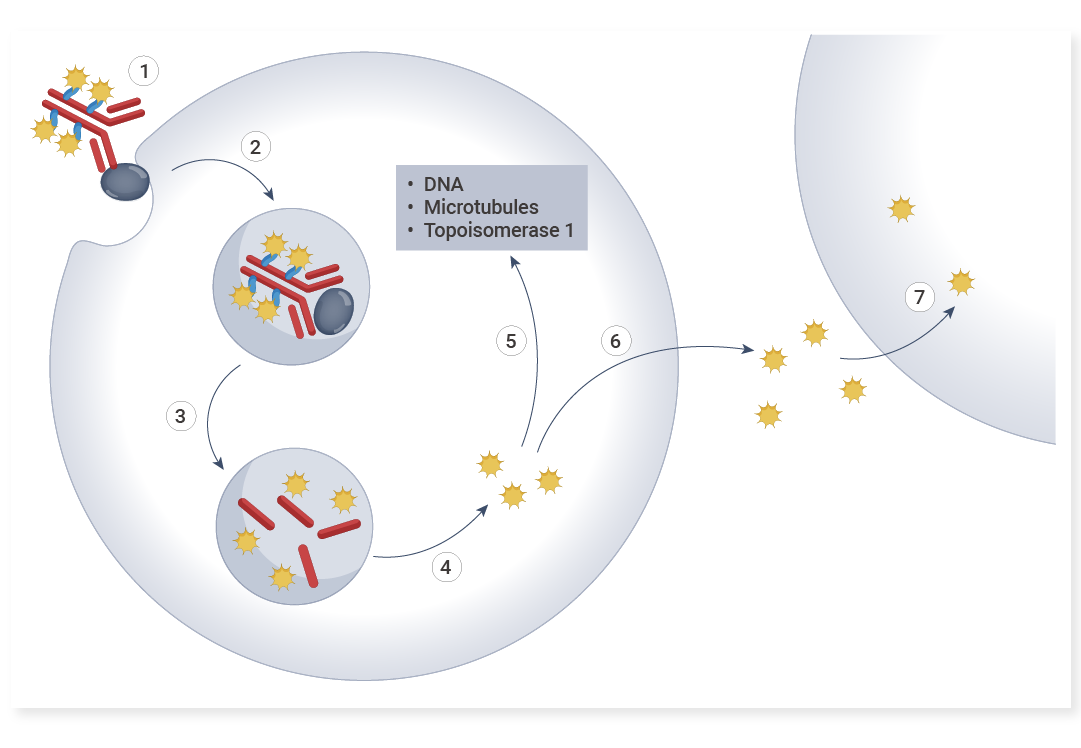
This article will walk you through the remarkable impacts of anti-payload antibodies, delving into how these molecules are revolutionizing drug development and biological research!
Scientific Reviews
This article will walk you through the remarkable impacts of anti-payload antibodies, delving into how these molecules are revolutionizing drug development and biological research! -
 Scientific Reviews
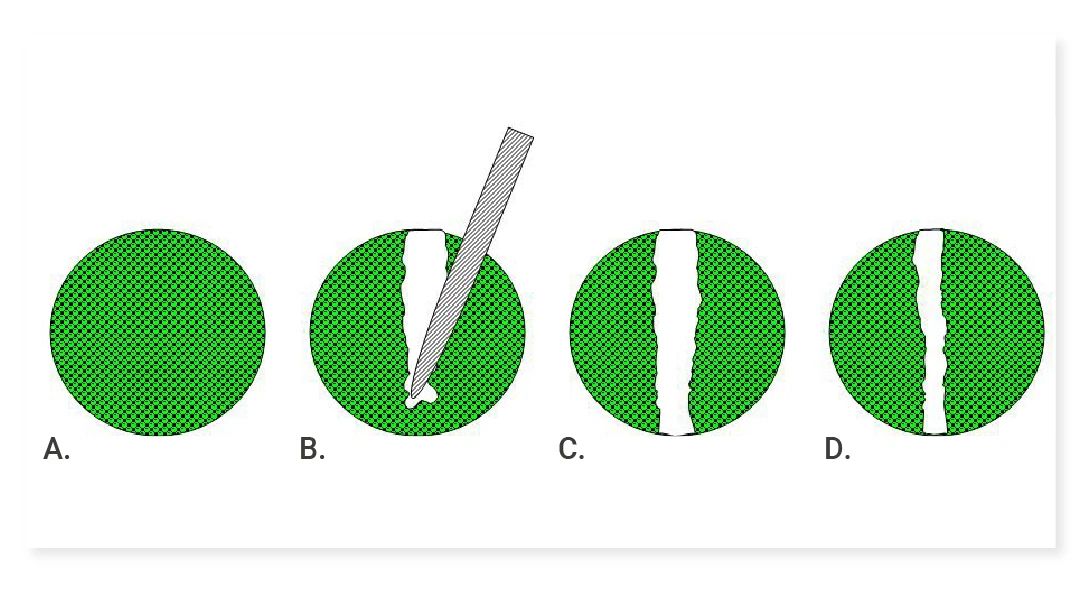
Cell Migration vs. Invasion: Differences Revealed by Scratch Assays and Transwell Experiments
Scientific Reviews
Cell Migration vs. Invasion: Differences Revealed by Scratch Assays and Transwell Experiments2025-05-30
In scientific research, cell migration and invasion are crucial for understanding many important biological processes. This article delves into commonly used detection methods: the scratch assay and Transwell migration/invasion assay. -
 Scientific Reviews
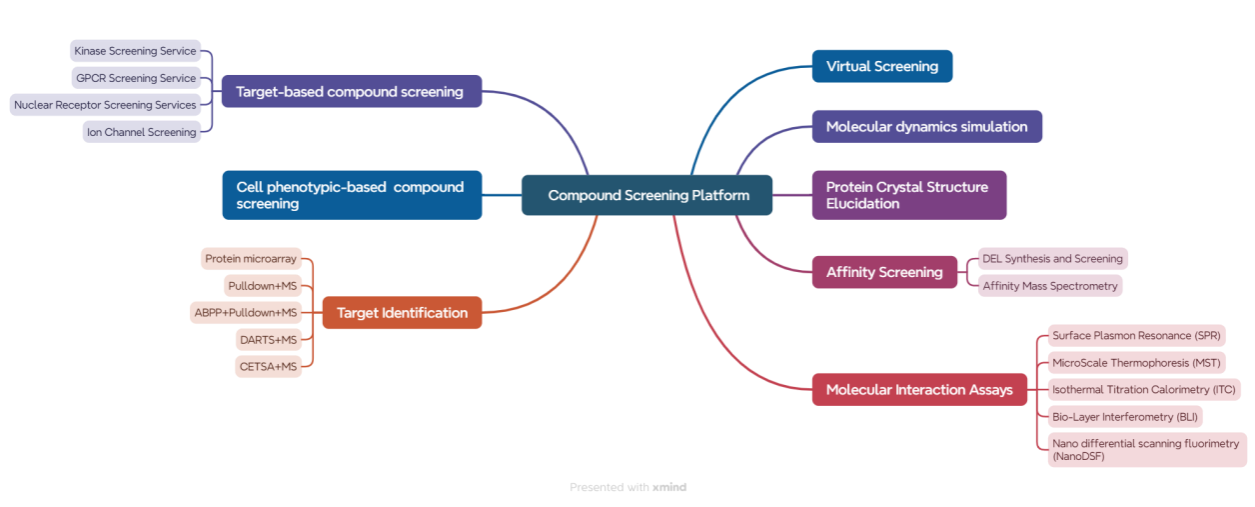
How should drug screening experiments be conducted? How can we ensure the accuracy of the lead compounds identified? This article will take you through how MCE's clients conduct drug screening experiments.
Scientific Reviews
How should drug screening experiments be conducted? How can we ensure the accuracy of the lead compounds identified? This article will take you through how MCE's clients conduct drug screening experiments. -
 Scientific Reviews
IHC, ICC, IF Techniques: A Practical Guide
Scientific Reviews
IHC, ICC, IF Techniques: A Practical Guide2025-07-25
Confused About IHC/ICC/IF? Why Does Immunostaining Seem So Complicated? Read This Now! Master Immunostaining with Confidence! -
 Scientific Reviews
HTS Breakthroughs Powered by MCE Libraries
Scientific Reviews
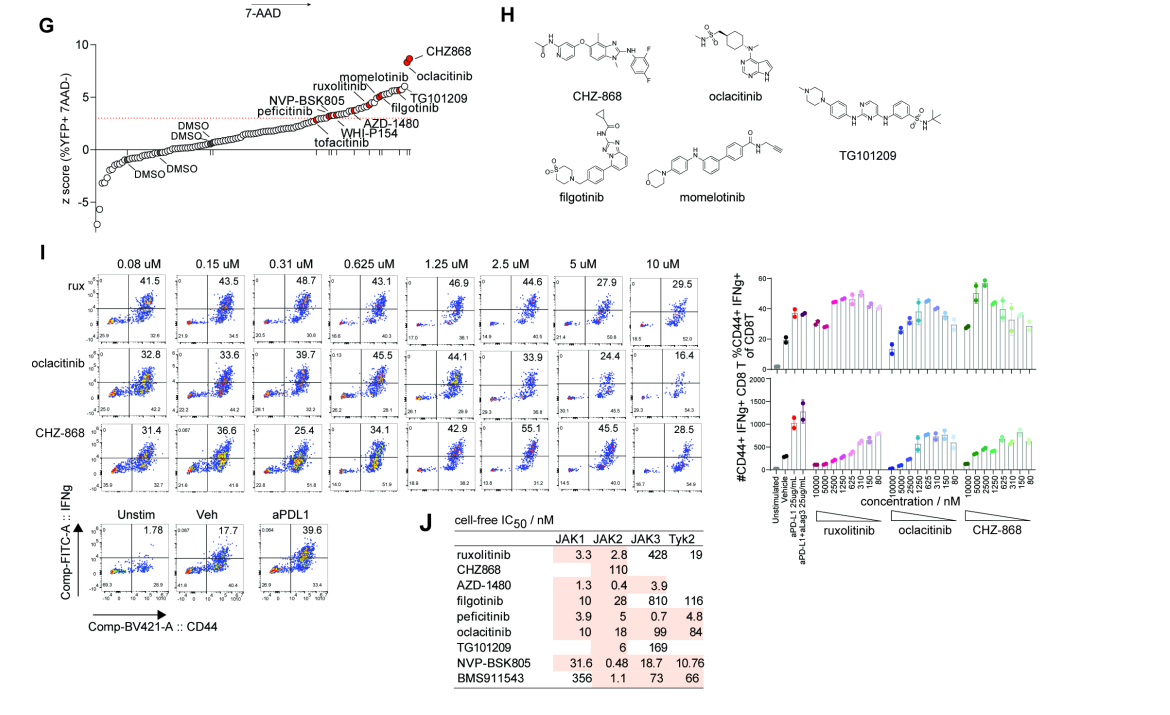
HTS Breakthroughs Powered by MCE Libraries2025-08-13
Key High-Throughput Screening Breakthroughs of 2024 Featuring MCE -
 Scientific Reviews
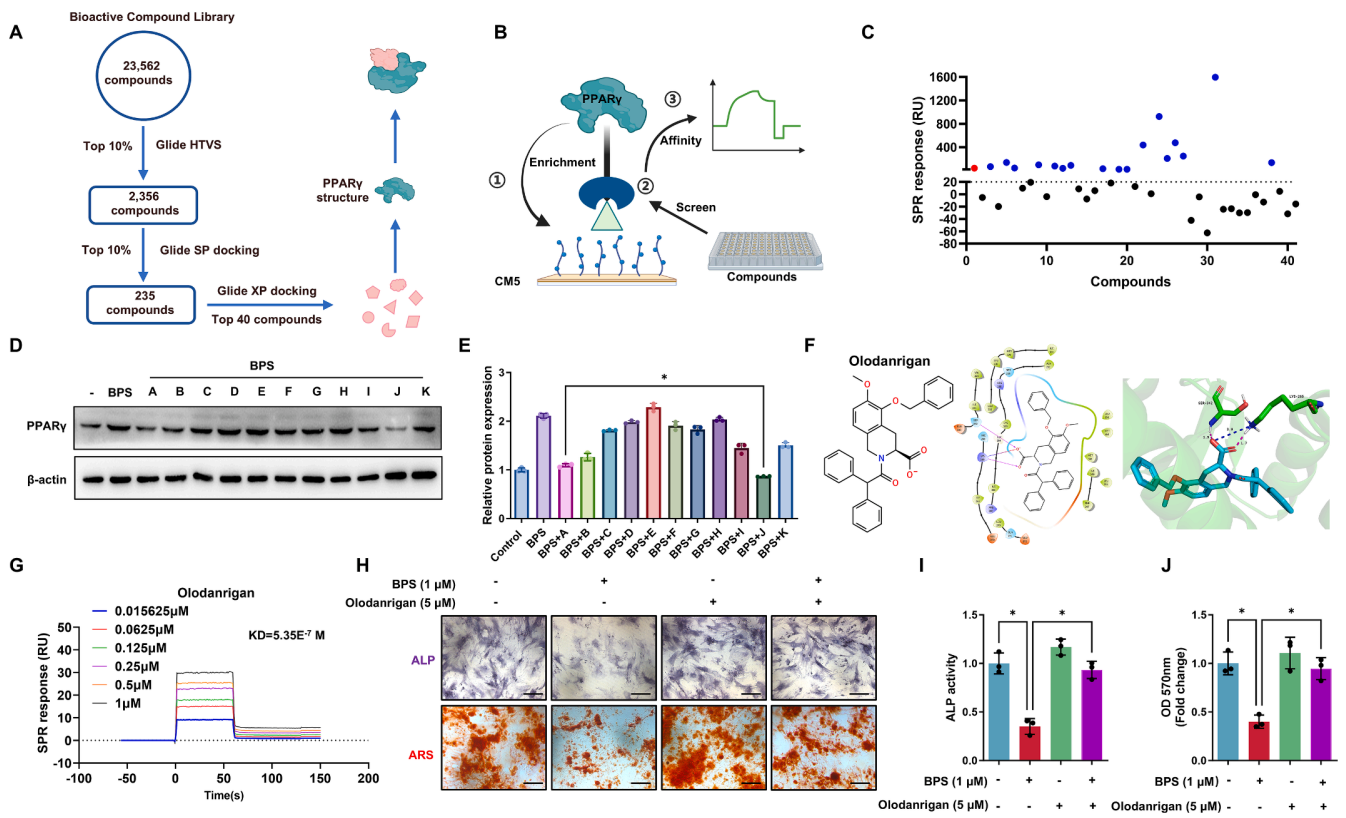
Encountering challenges with the high costs and long timelines of drug screening? Have a defined target but remain uncertain how to efficiently identify active molecules? Unsure how to validate hits generated from virtual screening? The ‘Winning Combination’ of drug screening offers a powerful solution to address these critical obstacles.
Scientific Reviews
Encountering challenges with the high costs and long timelines of drug screening? Have a defined target but remain uncertain how to efficiently identify active molecules? Unsure how to validate hits generated from virtual screening? The ‘Winning Combination’ of drug screening offers a powerful solution to address these critical obstacles. -
 Scientific Reviews
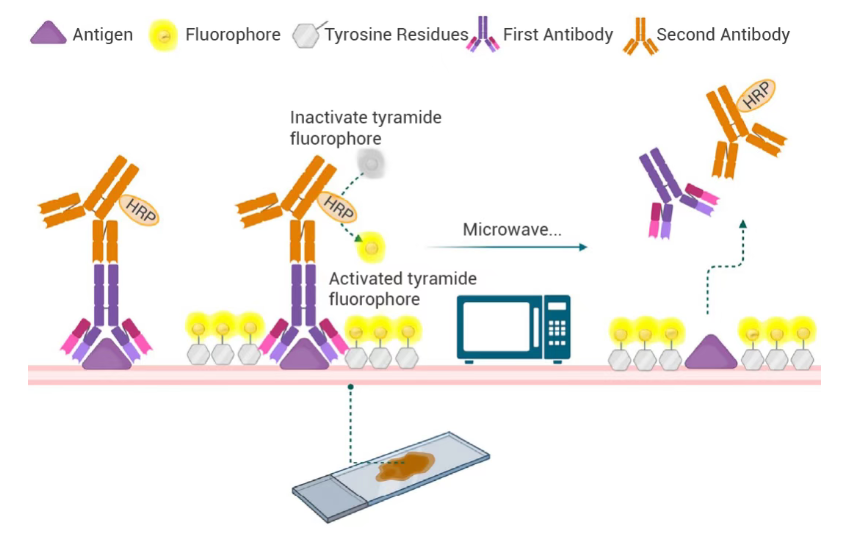
This detailed guide outlines the standardized experimental protocols for multiplex immunohistochemistry (mIHC), systematically summarizes common technical issues encountered during sample preparation, staining and imaging processes, and provides practical troubleshooting solutions to ensure reliable and reproducible results in biomedical research and clinical sample analysis.
Scientific Reviews
This detailed guide outlines the standardized experimental protocols for multiplex immunohistochemistry (mIHC), systematically summarizes common technical issues encountered during sample preparation, staining and imaging processes, and provides practical troubleshooting solutions to ensure reliable and reproducible results in biomedical research and clinical sample analysis. -
 Scientific Reviews
Exosomes—natural nanoscale carriers—are revolutionizing targeted therapy. This article uncovers the science behind their precision in drug delivery.
Scientific Reviews
Exosomes—natural nanoscale carriers—are revolutionizing targeted therapy. This article uncovers the science behind their precision in drug delivery. -
Scientific Reviews
Cracking the PROTAC Permeability Barrier: CD36-Mediated Endocytosis as a Potential Breakthrough2025-12-03
This article provides an in-depth analysis of cutting-edge literature revealing CD36 as a key mediator of cellular uptake for PROTACs and bRO5 compounds. By structurally optimizing PROTAC molecules to enhance their affinity for CD36, membrane permeability can be markedly improved, leading to significantly enhanced antitumor efficacy. -
 Scientific Reviews
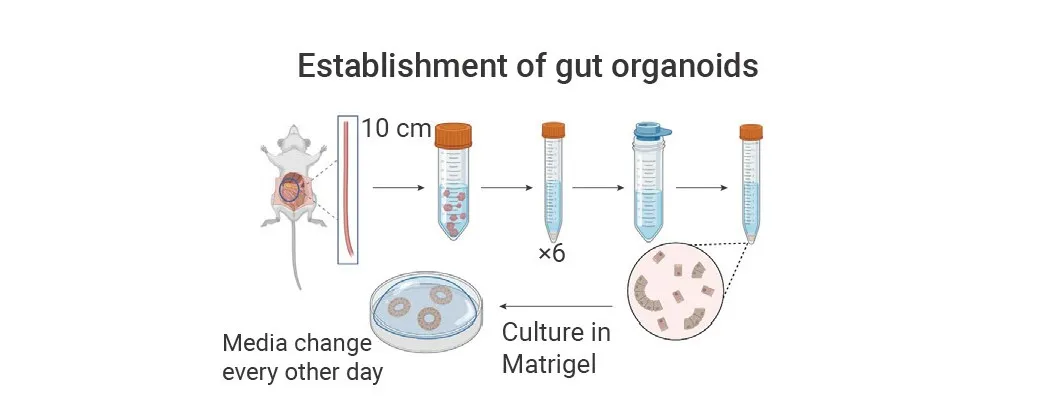
Efficient Generation of Mouse Small Intestinal Organoids: A Complete Experimental Protocol Guide
Scientific Reviews
Efficient Generation of Mouse Small Intestinal Organoids: A Complete Experimental Protocol Guide2025-12-10
How to successfully create mouse small intestine organoids? A detailed, hands-on guide to the entire process, all in one article! -
 Scientific Reviews
This paper elaborates on cytokines for culturing major immune cells, their regulatory roles, recombinant cytokines' merits and MCE’s related high-quality products.
Scientific Reviews
This paper elaborates on cytokines for culturing major immune cells, their regulatory roles, recombinant cytokines' merits and MCE’s related high-quality products. -
 Scientific Reviews
This article walks you through the experimental design and workflow of flow cytometry, delivering a clear, dynamic, and professional overview to elevate your research.
Scientific Reviews
This article walks you through the experimental design and workflow of flow cytometry, delivering a clear, dynamic, and professional overview to elevate your research. -
 Scientific Reviews
Molecular glue degraders have evolved from a serendipitous observation to one of the most dynamic and transformative fields in biomedical research.
Scientific Reviews
Molecular glue degraders have evolved from a serendipitous observation to one of the most dynamic and transformative fields in biomedical research. -
 EDM
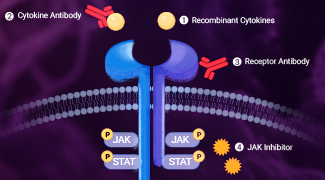
This review critically examines the role of the JAK-STAT pathway in immunity and autoimmune diseases, reviews current clinical applications of targeted therapies, and highlights emerging trends in autoimmune drug development.
EDM
This review critically examines the role of the JAK-STAT pathway in immunity and autoimmune diseases, reviews current clinical applications of targeted therapies, and highlights emerging trends in autoimmune drug development. -
 EDM
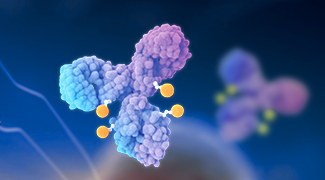
This review presents an overview of antibody–drug conjugates from design principles and antitumor mechanisms to structural innovations, clinical progress, and future development prospects.
EDM
This review presents an overview of antibody–drug conjugates from design principles and antitumor mechanisms to structural innovations, clinical progress, and future development prospects. -
 EDM
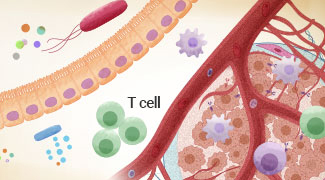
This review explores mechanisms and strategies for modulating the gut microbiota to enhance cancer immunotherapy, providing insights to improve therapeutic efficacy.
EDM
This review explores mechanisms and strategies for modulating the gut microbiota to enhance cancer immunotherapy, providing insights to improve therapeutic efficacy. -
 EDM
Combating Immune Evasion in Cancer
EDM
Combating Immune Evasion in Cancer2025-10-15
This review summarizes the mechanisms by which tumors evade immune surveillance and discusses therapeutic strategies to restore antitumor immunity. -
 EDM
This review outlines macrophage functions and classification, and provides practical experimental guidelines for macrophage differentiation, polarization, and identification.
EDM
This review outlines macrophage functions and classification, and provides practical experimental guidelines for macrophage differentiation, polarization, and identification. -
 EDM
Understanding In Vivo CAR-T Cell Therapy
EDM
Understanding In Vivo CAR-T Cell Therapy2026-01-22
This review provides a comprehensive overview of in vivo CAR-T therapy, covering technical platforms, clinical translation, and key challenges such as gene delivery and immunogenicity. -
 EDM
Explore ADC evolution, immune combination strategies, and clinical advances at the intersection of targeted therapy and immunotherapy.
EDM
Explore ADC evolution, immune combination strategies, and clinical advances at the intersection of targeted therapy and immunotherapy. -
 EDM
Tumor Organoid-Immune Cell Co-Culture Models: Advances, Applications, and Future Directions
EDM
Tumor Organoid-Immune Cell Co-Culture Models: Advances, Applications, and Future Directions2026-05-07
Summarize technical strategies, application advances, and future directions of tumor organoid–immune co-culture systems. -
 EDM
Review mechanisms, major challenges, and efficacy-enhancing strategies of TCR-T therapy in solid tumors, with implications for future research and clinical translation.
EDM
Review mechanisms, major challenges, and efficacy-enhancing strategies of TCR-T therapy in solid tumors, with implications for future research and clinical translation. -
 EDM
Breaking Immune Resistance in Colorectal Cancer: From Molecular Mechanisms to Precision Therapy
EDM
Breaking Immune Resistance in Colorectal Cancer: From Molecular Mechanisms to Precision Therapy2026-06-25
Explore CRC molecular subtypes, immune landscapes, resistance mechanisms, and emerging precision strategies for improving outcomes across distinct subtypes. -
 EDM
Explore the mechanisms driving immune tolerance breakdown in autoimmune diseases and emerging tolerance-restoring strategies, with a focus on IL-2-based immune modulation.
EDM
Explore the mechanisms driving immune tolerance breakdown in autoimmune diseases and emerging tolerance-restoring strategies, with a focus on IL-2-based immune modulation. -
 EDM
Explore the mechanisms of tumor immune evasion, dynamic checkpoint regulation, and the evolution of mechanism-driven combinations and patient stratification.
EDM
Explore the mechanisms of tumor immune evasion, dynamic checkpoint regulation, and the evolution of mechanism-driven combinations and patient stratification. -
 Blog
R916562, a dual Axl/VEGF-R2 inhibitor, could be a potential anti-angiogenic and anti-metastatic drug for cancer chemotherapy.
Blog
R916562, a dual Axl/VEGF-R2 inhibitor, could be a potential anti-angiogenic and anti-metastatic drug for cancer chemotherapy. -
 Blog
Role of PRMT7 Probe SGC3027 in Cancer
Blog
Role of PRMT7 Probe SGC3027 in Cancer2019-03-27
SGC3027 is the first potent, selective and cell active chemical probe for PRMT7. SGC3027 is also a pro-drug, which converts to the active compound SGC8158 -
 Blog
Alofanib, An Allosteric Inhibitor of FGFR2
Blog
Alofanib, An Allosteric Inhibitor of FGFR22019-03-28
Alofanib is an allosteric inhibitor of FGFR2 and inhibits FGF-mediated proliferation with GI50s of 16-370 nM, showing pronounced antitumor activity. -
 Blog
CF53 is a highly potent, selective and orally active inhibitor of BET protein, with anti-tumor activity in acute leukemia and breast cancer cell lines.
Blog
CF53 is a highly potent, selective and orally active inhibitor of BET protein, with anti-tumor activity in acute leukemia and breast cancer cell lines. -
 Blog
A Lead PROTAC BRD9 Chemical Degrader
Blog
A Lead PROTAC BRD9 Chemical Degrader2019-04-06
PROTAC BRD9 Degrader-1 is a lead PROTAC BRD9 chemical degrader and a selective probe useful for the study of BAF complex biology. -
 Blog
Erteberel is a Selective ERβ Agonist
Blog
Erteberel is a Selective ERβ Agonist2019-04-16
Erteberel (LY500307) is a synthetic, nonsteroidal estrogen which acts as a selective ERβ agonist and under development for the treatment of schizophrenia. -
 Blog
MBQ-167 is a dual Rac/Cdc42 inhibitor in in metastatic cancer, with IC50s of 103 nM for Rac 1/2/3 and 78 nM for Cdc42 in MDA-MB-231 cells, respectively.
Blog
MBQ-167 is a dual Rac/Cdc42 inhibitor in in metastatic cancer, with IC50s of 103 nM for Rac 1/2/3 and 78 nM for Cdc42 in MDA-MB-231 cells, respectively. -
 Blog
PRN1008 is a Reversible Covalent and Oral Active Inhibitor of Bruton’s Tyrosine Kinase (BTK)
Blog
PRN1008 is a Reversible Covalent and Oral Active Inhibitor of Bruton’s Tyrosine Kinase (BTK)2019-04-18
PRN1008 is a selective, reversible covalent and oral active inhibitor of Bruton’s Tyrosine Kinase (BTK), with an IC50 of 1.3 nM. -
 Blog
Y06036 is a potent and selective BET inhibitor for potential treatment of castration-resistant prostate cancer. With nanomolar inhibition.
Blog
Y06036 is a potent and selective BET inhibitor for potential treatment of castration-resistant prostate cancer. With nanomolar inhibition. -
 Blog
JNJ-64619178 is a selective and pseudo-irreversible PRMT5 inhibitor with an IC50 of 0.14 nM. Has potent Activity In Lung Cancer.
Blog
JNJ-64619178 is a selective and pseudo-irreversible PRMT5 inhibitor with an IC50 of 0.14 nM. Has potent Activity In Lung Cancer. -
 Blog
TAK-828F is a potent, selective and orally active retinoic acid receptor-related orphan receptor γt (RORγt) inverse agonist. TAK-828F inhibits IL-17A cytokine expression and reduces symptoms of autoimmune encephalomyelitis mice.
Blog
TAK-828F is a potent, selective and orally active retinoic acid receptor-related orphan receptor γt (RORγt) inverse agonist. TAK-828F inhibits IL-17A cytokine expression and reduces symptoms of autoimmune encephalomyelitis mice. -
 Blog
Y06137 is a potent and selective BET inhibitor, which binds to the BRD4(1) bromodomain with a Kd of 81 nM. Antitumor activity.
Blog
Y06137 is a potent and selective BET inhibitor, which binds to the BRD4(1) bromodomain with a Kd of 81 nM. Antitumor activity. -
 Blog
TAK-981 is a selective inhibitor of the SUMOylation enzymatic cascade, with potential immune-activating and antineoplastic activities
Blog
TAK-981 is a selective inhibitor of the SUMOylation enzymatic cascade, with potential immune-activating and antineoplastic activities -
 Blog
TD-428 is a Highly Specific BRD4 Degrader
Blog
TD-428 is a Highly Specific BRD4 Degrader2019-04-29
TD-428, a immunomodulatory drug analog, is a highly specific BRD4 degrader with a DC50 of 0.32 nM. TD-428 reduces c-Myc levels more efficiently than JQ1. -
 Blog
A1874 is a nutlin-based and BRD4-degrading PROTAC with a DC50 of 32 nM. Effective in inhibiting many cancer cell lines proliferation
Blog
A1874 is a nutlin-based and BRD4-degrading PROTAC with a DC50 of 32 nM. Effective in inhibiting many cancer cell lines proliferation -
 Blog
USL311 is a selective CXCR4 antagonist, which prevents the binding of stromal-cell derived factor-1 (SDF-1 or CXCL12) to CXCR4. Anti-tumor activity.
Blog
USL311 is a selective CXCR4 antagonist, which prevents the binding of stromal-cell derived factor-1 (SDF-1 or CXCL12) to CXCR4. Anti-tumor activity. -
 Blog
PF-06465469 is a Covalent Inhibitor of ITK
Blog
PF-06465469 is a Covalent Inhibitor of ITK2019-06-08
PF-06465469 is a potent and covalent inhibitor of ITK with an IC50 of 2 nM. PF-06465469 inhibits MEK1/2 or AKT phosphorylation. -
 Blog
JMS-17-2 is a CX3CR1 Antagonist
Blog
JMS-17-2 is a CX3CR1 Antagonist2019-06-12
JMS-17-2 is a potent and selective CX3CR1 antagonist with an IC50 of 0.32 nM. Has potential to treat cancers such as breast cancer. -
 Blog
S18-000003 is a potent, selective and orally active inhibitor of retinoic acid receptor-related orphan receptor-gamma-t (RORγt). S18-000003 ameliorates psoriasis-like lesions in vivo. S18-000003 can be used for the research of skin inflammatory diseases.
Blog
S18-000003 is a potent, selective and orally active inhibitor of retinoic acid receptor-related orphan receptor-gamma-t (RORγt). S18-000003 ameliorates psoriasis-like lesions in vivo. S18-000003 can be used for the research of skin inflammatory diseases. -
 Blog
AMG 487 is an orally active and selective antagonist of CXC chemokine receptor 3 (CXCR3). AMG 487 has potential to treat metastatic cancer.
Blog
AMG 487 is an orally active and selective antagonist of CXC chemokine receptor 3 (CXCR3). AMG 487 has potential to treat metastatic cancer. -
 Blog
MSX-122 is an orally active partial antagonist of CXCR4, inhibiting CXCR4/CXCL12 actions. MSX-122 has both anti-tumor and anti-metastasis activities.
Blog
MSX-122 is an orally active partial antagonist of CXCR4, inhibiting CXCR4/CXCL12 actions. MSX-122 has both anti-tumor and anti-metastasis activities. -
 Blog
WZ811 is an Orally Active CXCR4 Antagonist
Blog
WZ811 is an Orally Active CXCR4 Antagonist2019-09-07
WZ811 is an orally active, highly potent competitive antagonist of CXCR4, which inhibits chronic lymphocytic leukemia progression and tumorigenesis. -
 Blog
RU-302 is a pan-TAM inhibitor that blocks the TAM Ig1 ectodomain and the Gas6 Lg domain interaction. RU-302 blocks Gas6-inducible Axl receptor activation.
Blog
RU-302 is a pan-TAM inhibitor that blocks the TAM Ig1 ectodomain and the Gas6 Lg domain interaction. RU-302 blocks Gas6-inducible Axl receptor activation. -
 Blog
BAY 61-3606 is an orally available, ATP-competitive, reversible and highly selective Syk inhibitor and sensitizes apoptosis by in breast cancer.
Blog
BAY 61-3606 is an orally available, ATP-competitive, reversible and highly selective Syk inhibitor and sensitizes apoptosis by in breast cancer. -
 Blog
IACS-8803 is a highly potent cyclic dinucleotide stimulator of interferon genes (STING) agonist with robust systemic antitumor efficacy.
Blog
IACS-8803 is a highly potent cyclic dinucleotide stimulator of interferon genes (STING) agonist with robust systemic antitumor efficacy. -
 Blog
CH6953755 is a potent, orally active and selective YES1 kinase inhibitor leading to antitumor activity against YES1 Gene -amplified cancers.
Blog
CH6953755 is a potent, orally active and selective YES1 kinase inhibitor leading to antitumor activity against YES1 Gene -amplified cancers. -
 Blog
CA-4948 is a Selective and Orally Bioavailable IRAK4 Kinase Inhibitor for Lymphoma Treatment
Blog
CA-4948 is a Selective and Orally Bioavailable IRAK4 Kinase Inhibitor for Lymphoma Treatment2020-01-05
CA-4948 is a potent, selective and orally bioavailable IRAK4 kinase inhibitor. CA-4948 can be used for the treatment of lymphoma. -
 Blog
ADH-503 is an orally active and allosteric CD11b agonist and leads to the repolarization of tumor-associated macrophages.
Blog
ADH-503 is an orally active and allosteric CD11b agonist and leads to the repolarization of tumor-associated macrophages. -
 Blog
Balixafortide is a potent, selective peptidic CXCR4 antagonist with anti-cancer effects, and blocks β-arrestin recruitment and calcium flux.
Blog
Balixafortide is a potent, selective peptidic CXCR4 antagonist with anti-cancer effects, and blocks β-arrestin recruitment and calcium flux. -
 Blog
RBN-2397 is an orally active accross species NAD+ competitive inhibitor of PARP7. RBN-2397 binds to PARP7 and restores interferon (Type I) signaling.
Blog
RBN-2397 is an orally active accross species NAD+ competitive inhibitor of PARP7. RBN-2397 binds to PARP7 and restores interferon (Type I) signaling. -
 Blog
GSK143 is an orally active and highly selective spleen tyrosine kinase (SYK) inhibitor. GSK143 reduces inflammation in the intestinal muscularis in mice.
Blog
GSK143 is an orally active and highly selective spleen tyrosine kinase (SYK) inhibitor. GSK143 reduces inflammation in the intestinal muscularis in mice. -
 Blog
MSA-2 is an orally available non-nucleotide STING agonist. MSA-2 shows antitumor activity and stimulates interferon-β secretion in tumors.
Blog
MSA-2 is an orally available non-nucleotide STING agonist. MSA-2 shows antitumor activity and stimulates interferon-β secretion in tumors. -
 Blog
CB-1158, a potent and orally bioavailable inhibitor of arginase, blocks myeloid cell-mediated immune suppression in the tumor microenvironment.
Blog
CB-1158, a potent and orally bioavailable inhibitor of arginase, blocks myeloid cell-mediated immune suppression in the tumor microenvironment. -
 Blog
SRX3207 is an orally active and first-in-class dual Syk/PI3K inhibitor. SRX3207 possesses effective anti-tumor activity in vitro and in vivo.
Blog
SRX3207 is an orally active and first-in-class dual Syk/PI3K inhibitor. SRX3207 possesses effective anti-tumor activity in vitro and in vivo. -
 Blog
TPP-1 is a potent inhibitor of the PD-1/PD-L1 interaction. TPP-1 binds specifically to PD-L1 with a high affinity (KD=95 nM).
Blog
TPP-1 is a potent inhibitor of the PD-1/PD-L1 interaction. TPP-1 binds specifically to PD-L1 with a high affinity (KD=95 nM). -
 Blog
BMSpep-57 is a potent and competitive macrocyclic peptide inhibitor of PD-1/PD-L1 interaction. It induces high levels of IL-2.
Blog
BMSpep-57 is a potent and competitive macrocyclic peptide inhibitor of PD-1/PD-L1 interaction. It induces high levels of IL-2. -
 Blog
Sitravatinib (MGCD516) is an Orally Bioavailable RTK Inhibitor with PD-1 Blockade Activity
Blog
Sitravatinib (MGCD516) is an Orally Bioavailable RTK Inhibitor with PD-1 Blockade Activity2021-06-03
Sitravatinib, a small molecule RTK inhibitor, shows potent anti-tumor activity in preclinical models of sarcoma. -
 Blog
Inupadenant is an orally active, highly selective A2A receptor antagonist with potent anti-tumor activity.
Blog
Inupadenant is an orally active, highly selective A2A receptor antagonist with potent anti-tumor activity. -
 Blog
AZD4635 is a potent, selective and orally active antagonist of A2AR that reverses adenosine-mediated immune suppression.
Blog
AZD4635 is a potent, selective and orally active antagonist of A2AR that reverses adenosine-mediated immune suppression. -
 Blog
CL097 is a TLR7/8 agonist. CL097 induces pro-nflammatory cytokines. CL097 induces NADPH oxidase priming and efficient diabetogenic cytotoxic T lymphocyte (CTL) function in NOD mice.
Blog
CL097 is a TLR7/8 agonist. CL097 induces pro-nflammatory cytokines. CL097 induces NADPH oxidase priming and efficient diabetogenic cytotoxic T lymphocyte (CTL) function in NOD mice. -
 Blog
Indoximod, an immunometabolic adjuvant, is an orally active IDO pathway inhibitor. Indoximod acts as a Trp mimetic in regulating mTOR.
Blog
Indoximod, an immunometabolic adjuvant, is an orally active IDO pathway inhibitor. Indoximod acts as a Trp mimetic in regulating mTOR. -
 Blog
BM213 is a selective C5aR1 agonist. It’s a useful research tool to study C5aR1 function
Blog
BM213 is a selective C5aR1 agonist. It’s a useful research tool to study C5aR1 function -
 Blog
Gardiquimod is a TLR7/8 agonist and can inhibit HIV-1 infection.
Blog
Gardiquimod is a TLR7/8 agonist and can inhibit HIV-1 infection. -
 Blog
Tiragolumab is an immune checkpoint inhibitor binding to TIGIT. Tiragolumab is effective against multiple solid malignancies.
Blog
Tiragolumab is an immune checkpoint inhibitor binding to TIGIT. Tiragolumab is effective against multiple solid malignancies. -
 Blog
BSP16 is a potent, orally active stimulator of interferon genes (STING) agonist. BSP16 has potent anti-cancer activity.
Blog
BSP16 is a potent, orally active stimulator of interferon genes (STING) agonist. BSP16 has potent anti-cancer activity. -
 Blog
Serplulimab is a humanized monoclonal anti-PD-1 antibody and has the potential for the research of small cell lung cancer.
Blog
Serplulimab is a humanized monoclonal anti-PD-1 antibody and has the potential for the research of small cell lung cancer. -
 Blog
Mogamulizumab is an Anti-CCR4 monoclonal antibody. It enhances antibody-dependent cellular cytotoxicity and is effective against leukemia.
Blog
Mogamulizumab is an Anti-CCR4 monoclonal antibody. It enhances antibody-dependent cellular cytotoxicity and is effective against leukemia. -
 Blog
Bapotulimab (BAY-1905254) is an ILDR2 IgG antibody that blocks the immunosuppressive effects of ILDR2 on T-cell activation.
Blog
Bapotulimab (BAY-1905254) is an ILDR2 IgG antibody that blocks the immunosuppressive effects of ILDR2 on T-cell activation. -
 Blog
Nanrilkefusp alfa is a selective and strong IL-15 agonist. It inhibits tumor metastasis and viability by activating natural killer (NK) cells.
Blog
Nanrilkefusp alfa is a selective and strong IL-15 agonist. It inhibits tumor metastasis and viability by activating natural killer (NK) cells. -
 Blog
Urabrelimab (SRF231) is an anti-CD47 monoclonal antibody, blocking the CD47-SIRPα interaction. It has the potential to research anticancer.
Blog
Urabrelimab (SRF231) is an anti-CD47 monoclonal antibody, blocking the CD47-SIRPα interaction. It has the potential to research anticancer. -
 Blog
Efineptakin alfa (NT-17) is a Long-Acting Recombinant Human IL-7 for Glioblastoma Research
Blog
Efineptakin alfa (NT-17) is a Long-Acting Recombinant Human IL-7 for Glioblastoma Research2023-02-07
Efineptakin alfa (NT-17) is a long-acting recombinant human IL-7. Efineptakin alfa can be used for glioblastoma research. -
 Blog
Tifcemalimab, a Humanized anti-BTLA monoclonal antibody, blocks the interaction of HVEM-BTLA by binding to BTLA and activates lymphocytes.
Blog
Tifcemalimab, a Humanized anti-BTLA monoclonal antibody, blocks the interaction of HVEM-BTLA by binding to BTLA and activates lymphocytes. -
 Blog
Geptanolimab (CBT-501) is a programmed death-1 (PD-1) monoclonal antibody. Geptanolimab can be used in research forsolid tumor research.
Blog
Geptanolimab (CBT-501) is a programmed death-1 (PD-1) monoclonal antibody. Geptanolimab can be used in research forsolid tumor research. -
 Blog
Dazostinag is a STING Agonist and Can be used for Antibody-Drug Conjugates (ADCs) Synthesis
Blog
Dazostinag is a STING Agonist and Can be used for Antibody-Drug Conjugates (ADCs) Synthesis2023-03-13
Dazostinag is a STING agonist and a playload, to synthesis antibody-drug conjugates (ADCs). It has antitumor activity in vivo. -
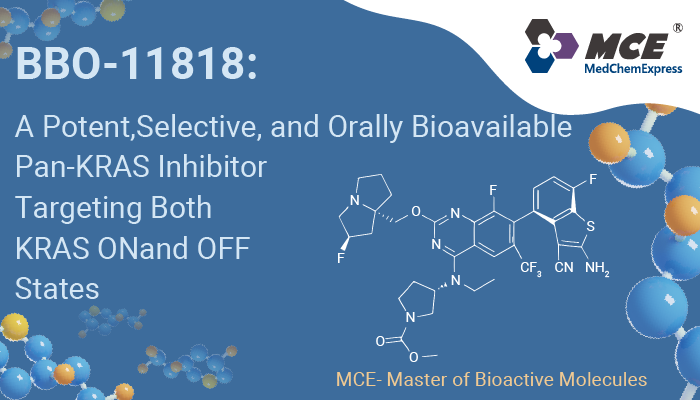 Blog
BBO-11818 is a potent, selective, orally bioavailable, and noncovalent pan-KRAS inhibitor targeting multiple clinically relevant KRAS mutants in both ON and OFF states.
Blog
BBO-11818 is a potent, selective, orally bioavailable, and noncovalent pan-KRAS inhibitor targeting multiple clinically relevant KRAS mutants in both ON and OFF states.
Products
All
-
All
-
Inhibitors & Agonists
-
Isotope-Labeled Compounds
-
Peptides
-
Antibodies
-
Screening Libraries
-
Inhibitory Antibodies
-
Reference Standards
-
GMP Small Molecules
-
Natural Products
| Cat. No. | Product Name | Information | Application | Publication |
|---|---|---|---|---|
| HY-13027 | DAPT |
DAPT (GSI-IX) is a potent and orally active γ-secretase inhibitor with IC50s of 115 nM and 200 nM for total amyloid-β (Aβ) and Aβ42, respectively. DAPT inhibits the activation of Notch 1 signaling and induces cell differentiation. DAPT also induces autophagy and apoptosis. DAPT has neuroprotection activity and has the potential for autoimmune and lymphoproliferative diseases, degenerative disease and cancers treatment.
|
Breast Cancer
Colorectal Cancer
Liver Cancer
Pancreatic Cancer
Digestive System Inflammation
Alzheimer's Disease
Rheumatoid Arthritis
|
172
|
| HY-L031 | Small Molecule Immuno-Oncology Compound Library |
Immuno-Oncology is a type of immunotherapy that has the specific purpose of treating cancer. It works by stimulating our immune system to fight back. Normally, our immune system is able to destroy cancer cells in our body, however sometimes cancer cells can adapt and mutate, effectively hiding from our immune system. This is when tumors can develop and become a threat to our health. Immuno-oncology involves mobilizing lymphocytes to recognize and eliminate cancer cells using the body’s immune system. There are several immuno-oncology treatments available, including Immune cell therapy (CAR-T), monoclonal antibodies (mABs) and checkpoint inhibitors, cytokines and cancer vaccines.
MCE Small Molecule Immuno-Oncology Compound Library offers 820 bioactive tumor immunology compounds that target some important checkpoints such as PD1/PD-L1, CXCR, Sting, IDO, TLR, etc. This library is a useful tool for Immuno-oncology research.
|
|
88
|
| HY-L075 | Anti-Lung Cancer Compound Library |
Lung cancer is a major global health problem, as it is the leading cause of cancer-related deaths worldwide. Lung cancer is divided into two categories: small cell lung cancer and non-small cell lung cancer (NSCLC). Non-small cell lung cancer accounts for about 85 percent of lung cancers.
As with all cancers, lung cancer may be treated with surgery, chemotherapy, radiation therapy, targeted therapy, immunotherapy or a combination thereof. Targeted therapy is one of the most exciting developments in lung cancer medicine, especially for NSCLC. Extensive genomic characterization of NSCLC has led to the identification of molecular subtypes of NSCLC that are oncogene addicted and exquisitely sensitive to targeted therapies. These include activating mutations in epidermal growth factor receptor (EGFR) and BRAF or echinoderm microtubule-associated protein-like 4 (EML4)-anaplastic lymphoma kinase (ALK) fusions and ROS1 receptor tyrosine kinase fusions. These are important targets for target therapy.
MCE offers a unique collection of 3,042 compounds with identified and potential anti-lung cancer activity. These compounds target lung cancer’s major targets and signaling pathways. MCE anti-lung cancer compound library is a useful tool for anti-lung cancer drugs screening and other related research.
|
|
84
|
| HY-L079 | Anti-Blood Cancer Compound Library |
Blood cancers, also called hematologic cancers, occur when abnormal blood cells start growing out of control, interrupting the function of normal blood cells, which fight off infection and produce new blood cells. Most blood cancers start in the bone marrow, which is where blood is produced. There are three main types of blood cancers: leukemia, lymphoma and myeloma, which afflict millions of children and adults every year, and are often deadly.
Some common blood cancer treatments include stem cell transplantation, chemotherapy, radiation therapy, targeted therapy, immunotherapy or a combination thereof. As we begin to understand the key signaling pathways and molecular drivers of malignant transformation in haematological disorders, new treatment strategies will continue to be developed.
MCE offers a unique collection of 4,302 compounds with identified and potential anti-blood cancer activity. These compounds target blood cancer’s major targets and signaling pathways. MCE anti-blood cancer compound library is a useful tool for anti-blood cancer drugs screening and other related research.
|
|
83
|
| HY-L184 | Anti-Gastric Cancer Compound Library |
Gastric Cancer (GC) is one of the most common malignant tumors in the world, ranking fourth in mortality rate globally. Because the early symptoms of stomach neoplasm are usually not obvious, are diagnosed with gastric cancer at terminal stage, and the relative survival rate within 5 years is very low. With the further understanding of the molecular characteristics of stomach neoplasm, many therapeutic targets for gastric cancer have been identified, and molecular targeted therapies such as CTLA-4, HER2 and immune checkpoint inhibitors have made rapid progress. Although survival rates for patients with gastric neoplasm have improved over the past few decades, the prognosis is still worrying. Therefore, there is an urgent need for new drugs to treat gastric cancer.
MCE designs a unique collection of 1,193 small molecules with definite or potential anti-gastric cancer activity, which is an important tool for studying the pathological mechanism of stomach neoplasm and developing drugs for stomach neoplasm.
|
|
83
|
| HY-L213 | Anti-Cancer Approved Drug Library |
The anti-cancer drug library meticulously collects all drugs approved by FDA and other major national drug regulatory authorities for cancer treatment. These drugs cover a variety of cancer types, including but not limited to lung cancer, breast cancer, colorectal cancer, leukemia, and other common cancers. The library includes a wide range of drugs, from classic chemotherapeutic agents to cutting-edge targeted therapies and immunotherapies. It contains various types of drug compounds with different mechanisms of action. There are cytotoxic drugs that directly kill cancer cells, as well as drugs that work by modulating the tumor microenvironment, inhibiting tumor angiogenesis, and activating the immune system. This diversity provides researchers with a broad range of perspectives and options for intervention strategies.
This library can be used for basic research on cancer treatment, exploring new targets and new mechanisms of drug action; Conducting drug reuse research to look for potential therapeutic effects of existing drugs on other cancer types or diseases; Or conducting research into combination drugs to optimize cancer treatment.
MCE has collected 265 small-molecule compounds with cancer indications, which are good tools for drug repurposing.
|
|
83
|
| HY-L948 | PD-1/PD-L1 Lead-like Library |
PD-1/PD-L1 are key immune checkpoint targets that suppress T-cell-mediated anti-tumor immunity, representing a major focus in cancer immunotherapy. While antibody drugs dominate the clinic, they are limited by administration challenges and immune-related side effects. Small-molecule PD-1/PD-L1 inhibitors, with oral availability, good tissue penetration and low cost, have emerged as a promising next-generation strategy.
A PD-1/PD-L1 lead-like library was built via a five-step virtual screening process. After collecting 8,947 inhibitors from BindingDB and PubChem and filtering by activity and duplicates, AI similarity screening was performed using GeminiMol. Key pharmacophores were extracted from the PPI interface of co-crystal structures, and molecular was screened via a pharmacophore model, effectively enhancing target activity.
Containing 10,000 structurally diverse and drug-like molecules well-matched to the PD-L1 pocket, the library supports virtual docking, high-throughput screening and hit discovery, enabling efficient and rapid development of small-molecule immunotherapies.
|
|
83
|
| HY-10585A | Valproic acid sodium |
Valproic acid (Sodium Valproate) sodium is an orally active HDAC inhibitor, with IC50 in the range of 0.5 and 2 mM, also inhibits HDAC1 (IC50, 400 μM), and induces proteasomal degradation of HDAC2. Valproic acid sodium activates Notch1 signaling and inhibits proliferation in small cell lung cancer (SCLC) cells. Valproic acid sodium is used in the treatment of epilepsy, bipolar disorder, metabolic disease, HIV infection and prevention of migraine headaches.
|
|
70
|
| HY-10585 | Valproic acid |
Valproic acid (VPA) is an orally active HDAC inhibitor, with IC50 in the range of 0.5 and 2 mM. Valproic acid inhibits HDAC1 (IC50, 400 μM), and induces proteasomal degradation of HDAC2. Valproic acid activates Notch1 signaling and inhibits proliferation in small cell lung cancer (SCLC) cells. Valproic acid is used in the epilepsy, bipolar disorder, metabolic disease, HIV infection and prevention of migraine headaches.
|
Infection
Neurological, Eye or Ear Disease
Metabolic or Endocrine Disease
Respiratory Disease
Small Cell Lung Cancer
|
70
|
| HY-123606 | GSK484 |
GSK484 is a PAD4 inhibitor that effectively inhibits protein citrullination and the formation of neutrophil extracellular traps (NETs) by blocking the catalytic activity of PAD4. GSK484 suppresses the production of histone H3, MHC-I expression, CD8+ T cell activation, proliferation and inflammatory cytokine release. GSK484 reduces inflammation and bone destruction in collagen-induced rheumatoid arthritis, alleviates pain and mast cell activation in sickle cell disease, and improves myocardial ischemia-reperfusion injury and experimental colitis. In addition, GSK484 restores intestinal microbial homeostasis by reversing ferroptosis-induced dysbiosis. GSK484 can be used to study the disease mechanisms of rheumatoid arthritis, sickle cell disease, thrombosis, myocardial injury, colitis and other conditions.
|
|
57
|
| HY-P9902 | Pembrolizumab |
Pembrolizumab (MK-3475) is a humanized IgG4 antibody inhibiting the programmed cell death 1 (PD-1) receptor, used in cancer immunotherapy.
Species: Human |
Non-Small Cell Lung Cancer
Lung Adenocarcinoma
HER-2 Positive Breast Cancer
Triple-Negative Breast Cancer
Metastatic Breast Cancer
|
37
|
| HY-50752 | LY-411575 |
LY-411575 is a potent γ-secretase inhibitor with IC50 of 0.078 nM/0.082 nM (membrane/cell-based), and also inhibits Notch S3 cleavage with an IC50 of 0.39 nM.
|
Breast Cancer
Colorectal Cancer
Liver Cancer
Pancreatic Cancer
Neurodegenerative Disease
Digestive System Inflammation
Rheumatoid Arthritis
|
29
|
| HY-P1489A | OVA Peptide(257-264) TFA |
OVA Peptide(257-264) TFA is a class I (Kb)-restricted peptide epitope of OVA, an octameric peptide can be from ovalbumin presented by the class I MHC molecule, H-2Kb.
|
|
25
|
| HY-P1489 | OVA Peptide(257-264) |
OVA Peptide(257-264) is a class I (Kb)-restricted peptide epitope of OVA, an octameric peptide can be from ovalbumin presented by the class I MHC molecule, H-2Kb.
|
|
25
|
| HY-11102 | RO4929097 |
RO4929097 is an orally active γ secretase inhibitor with an IC50 of 4 nM, inhibiting cellular processing of Aβ40 and Notch with EC50 of 14 nM and 5 nM, respectively.
|
Respiratory Disease
Colorectal Cancer
Prostate Cancer
Liver Cancer
Pancreatic Cancer
Viral Infection
Neurodegenerative Disease
Non-Small Cell Lung Cancer
Triple-Negative Breast Cancer
Rheumatoid Arthritis
|
21
|
| HY-P1846A | Jagged-1 (188-204) TFA |
Jagged-1 (188-204) TFA is a fragment of the Jagged-1 (JAG-1) protein with Notch agonist activity. JAG-1 is a Notch ligand highly expressed in cultured and primary multiple myeloma (MM) cells. JAG-1 induces maturation of monocyte-derived human dendritic cells.
|
|
19
|
| HY-N0133 | Tangeretin |
Tangeretin (Tangeritin), a flavonoid from citrus fruit peels, has been proven to play an important role in anti-inflammatory responses and neuroprotective effects in several disease models, and is a Notch-1 inhibitor.
|
Neurological, Eye or Ear Disease
Breast Cancer
Colorectal Cancer
Liver Cancer
Pancreatic Cancer
Digestive System Inflammation
Rheumatoid Arthritis
|
16
|
| HY-N0711 | Carvacrol |
Carvacrol is an orally active and blood-brain barrier-permeable monoterpenic phenol that can be extract from an abundant number of aromatic plants, including thyme and oregano, possessing antioxidant, antibacterial, antifungal, anticancer, anti-inflammatory, hepatoprotective, spasmolytic, and vasorelaxant properties. Carvacrol also causes cell cycle arrest in G0/G1, downregulates Notch-1, and Jagged-1, and induces apoptosis. Carvacrol is used in low concentrations as a food flavoring ingredient and preservative, as well as a fragrance ingredient in cosmetic formulations.
|
Neurological, Eye or Ear Disease
Breast Cancer
Colorectal Cancer
Liver Cancer
Pancreatic Cancer
Bacterial Infection
Fungal Infection
Digestive System Inflammation
Rheumatoid Arthritis
|
11
|
| HY-107780A | Cyclic-di-GMP sodium |
Cyclic-di-GMP sodium is a STING agonist and a bacterial second messenger that coordinates different aspects of bacterial growth and behavior, including motility, virulence, biofilm formation, and cell cycle progression. Cyclic-di-GMP sodium has anti-cancer cell proliferation activity and also induces elevated CD4 receptor expression and cell cycle arrest. Cyclic-di-GMP sodium can be used in cancer research.
Source: bacterial species |
|
9
|
| HY-107780 | Cyclic-di-GMP |
Cyclic-di-GMP is a STING agonist and a bacterial second messenger that coordinates different aspects of bacterial growth and behavior, including motility, virulence, biofilm formation, and cell cycle progression. Cyclic-di-GMP has anti-cancer cell proliferation activity and also induces elevated CD4 receptor expression and cell cycle arrest. Cyclic-di-GMP can be used in cancer research.
Source: bacterial species |
|
9
|
| HY-107780B | Cyclic-di-GMP diammonium |
Cyclic-di-GMP diammonium is a STING agonist and a bacterial second messenger that coordinates different aspects of bacterial growth and behavior, including motility, virulence, biofilm formation, and cell cycle progression. Cyclic-di-GMP diammonium has anti-cancer cell proliferation activity and also induces elevated CD4 receptor expression and cell cycle arrest. Cyclic-di-GMP diammonium can be used in cancer research.
|
|
9
|
| HY-110382 | Cyclic-di-GMP disodium |
Cyclic-di-GMP disodium is a STING agonist and a bacterial second messenger that coordinates different aspects of bacterial growth and behavior, including motility, virulence, biofilm formation, and cell cycle progression. Cyclic-di-GMP disodium has anti-cancer cell proliferation activity and also induces elevated CD4 receptor expression and cell cycle arrest. Cyclic-di-GMP disodium can be used in cancer research.
|
|
9
|
| HY-13526 | YO-01027 |
YO-01027 (Dibenzazepine;DBZ) is a potent γ-secretase inhibitor with IC50 values of 2.92 and 2.64 nM for Notch and APPL cleavage, respectively.
|
Breast Cancer
Colorectal Cancer
Liver Cancer
Pancreatic Cancer
Neurodegenerative Disease
Rheumatoid Arthritis
|
8
|
| HY-P99032 | Monalizumab |
Monalizumab (IPH2201) is an immune checkpoint inhibitor targeting Natural Killer Group 2A (NKG2A). Monalizumab, a humanized anti-NKG2A blocking mAb, increases IFN-γ production, thereby promoting NK cell effector functions. Monalizumab can be used for the research of head and neck squamous cell carcinoma (HNSCC).
Species: Human |
|
7
|
| HY-123941 | FKBP12 PROTAC dTAG-7 |
FKBP12 PROTAC dTAG-7 (dTAG-7) is a FKBP12F36V PROTAC degrader. FKBP12 PROTAC dTAG-7 binds FKBP12F36V and CRBN to form a complex, mediating degradation via the ubiquitin-proteasome system. FKBP12 PROTAC dTAG-7 mediates the degradation of FKBP12F36V-tagged nuclear and cytoplasmic proteins, including BRD4, HDAC1, EZH2, MYC, PLK1, KRASG12V, and antigen fusion proteins. FKBP12 PROTAC dTAG-7 enhances MHC class I antigen presentation. FKBP12 PROTAC dTAG-7 is applicable to leukemia-related research.
|
PROTACs
FKBP
Epigenetic Reader Domain
HDAC
Histone Methyltransferase
c-Myc
Polo-like Kinase (PLK)
Ras
MHC
|
4
|
| HY-P99575 | Tarlatamab |
Tarlatamab (AMG-757) is a bispecific T-cell engager (BiTE) antibody targeting delta-like ligand 3 (DLL3). DLL3 is a target that is selectively expressed in small-cell lung cancer (SCLC) tumors, but with minimal normal tissue expression. Tarlatamab has the KDs of 0.64 nM and 0.50 nM for human and nonhuman primate (NHP) DLL3, respectively. Tarlatamab has the KDs of 14.9 nM and 12 nM for human and NHP CD3, respectively. Tarlatamab is a first-in-class HLE BiTE immuno-oncology therapy targeting DLL3 and has the potential for SCLC research.
Species: Human |
|
3
|
| HY-P3206 | Serum thymic factor |
Serum thymic factor (Thymulin) is a zinc-dependent immunomodulatory peptide hormone, which can be produced by the thymic epithelial cells. Serum thymic factor stimulates the release of hormones from the pituitary gland, exhibits hypophysiotropic activity. Serum thymic factor protects rats from Cephaloridine (HY-B2072)-induced nephrotoxicity by inhibiting ERK activation. Serum thymic factor exhibits anti-diabetic, anti-inflammatory and analgesic effects. Serum thymic factor can be used in research about endocrine, reproductive, neurodegenerative and inflammatory diseases.
|
Inflammation or Immune System Disease
Colorectal Cancer
Prostate Cancer
Liver Cancer
Pain
Glucose Metabolism
Obesity
|
2
|
| HY-P3206A | Serum thymic factor acetate |
Serum thymic factor acetate (Thymulin acetate) is the acetate salt form of Serum thymic factor (HY-P3206). Serum thymic factor acetate is a zinc-dependent immunomodulatory peptide hormone, which can be produced by the thymic epithelial cells. Serum thymic factor acetate stimulates the release of hormones from the pituitary gland, exhibits hypophysiotropic activity. Serum thymic factor acetate protects rats from Cephaloridine (HY-B2072)-induced nephrotoxicity by inhibiting ERK activation. Serum thymic factor acetate exhibits anti-diabetic, anti-inflammatory and analgesic effects. Serum thymic factor acetate can be used in research about endocrine, reproductive, neurodegenerative and inflammatory diseases.
|
Inflammation or Immune System Disease
Colorectal Cancer
Prostate Cancer
Liver Cancer
Pain
Glucose Metabolism
Obesity
|
2
|
| HY-109520 | Glatiramer acetate |
Glatiramer acetate, a synthetic analogue of myelin basic protein and an immunomodulating agent, inhibits Experimental autoimmune encephalomyelitis (EAE), and can be used for the research of multiple sclerosis. Glatiramer acetate exhibits strong and promiscuous binding to MHC molecules and consequent competition with various myelin antigens for their presentation to T cells. A further aspect of its action is potent induction of specific suppressor cells of the T helper 2 (Th2) type that migrate to the brain and lead to in situ bystander suppression.
|
|
2
|
| HY-119109 | Laminaran |
Laminaran is an β-1-3-glucan and a typical ligand for Dectin-1 from Eisenia Bicyclis, has potent immunomodulating, radioprotective, and anticancer activities. Laminaran is made up of β (1→3)-glucan with β (1→6)-branches and can be catalyzed by enzymes such as laminarinase (EC 3.2.1.6) that breaks the β (1→3) bonds. Laminaran is a promising immune stimulatory molecule for use in cancer immunotherapy.
Source: Eisenia Bicyclis |
|
2
|
| HY-N5084 | Pinocembrin 7-O-[3''-O-galloyl-4'',6''-hexahydroxydiphenoyl]-β-D-glucoside |
Pinocembrin 7-O-[3''-O-galloyl-4'',6''-hexahydroxydiphenoyl]-β-D-glucoside is a TRPV1 antagonist and HDAC7 inhibitor. Pinocembrin 7-O-[3''-O-galloyl-4'',6''-hexahydroxydiphenoyl]-β-D-glucoside blocks TRPV1-mediated calcium influx, suppresses phosphorylation of p65, IκBα, p38, JNK, and ERK1/2, inhibiting NF-κB and MAPK signaling cascades. Pinocembrin 7-O-[3''-O-galloyl-4'',6''-hexahydroxydiphenoyl]-β-D-glucoside reduces production and gene expression of pro-inflammatory cytokines IL-1β, IL-6, and TNF-α. Pinocembrin 7-O-[3''-O-galloyl-4'',6''-hexahydroxydiphenoyl]-β-D-glucoside exhibits potent analgesic activity, elevates thermal pain threshold and mechanical pain threshold in murine models. Pinocembrin 7-O-[3''-O-galloyl-4'',6''-hexahydroxydiphenoyl]-β-D-glucoside restores CD8+ T cell infiltration into bladder cancer tumors and improves bladder cancer immunotherapy efficacy. Pinocembrin 7-O-[3''-O-galloyl-4'',6''-hexahydroxydiphenoyl]-β-D-glucoside can be used for the researches of painand bladder cancer.
|
|
1
|
| HY-126855 | Cholic acid 7-sulfate |
Cholic acid 7-sulfate (7-Sulfocholic acid) is a selective agonist targeting TGR5 (EC50=0.17 μM) and a ligand for MHC class I-related protein (MR1). As a gut-restricted TGR5 agonist, cholic acid 7-sulfate binds to TGR5 on enteroendocrine L cells, induces GLP-1 secretion, and improves glucose tolerance in a TGR5-dependent manner. Cholic acid 7-sulfate also acts as an endogenous ligand for MR1, promoting the survival of mucosal-associated invariant T cells MAIT and the expression of homeostatic gene signatures, affecting MAIT cell development and function. Cholic acid 7-sulfate is mainly used in the research of diabetes and MAIT cell-related immune regulation.
|
|
1
|
| HY-P99144A | Anti-Mouse PD-1 Antibody (S-5001) |
Anti-Mouse PD-1 Antibody (S-5001) is a selective inhibitor targeting PD-1, blocking the PD-1/PD-L1 immune checkpoint axis through competitive binding to PD-1. Anti-Mouse PD-1 Antibody (S-5001) works by reversing the tumor immunosuppressive microenvironment and reactivating the anti-tumor activity of cytotoxic T lymphocytes. It can be used in research on tumors such as melanoma and HPV-positive oropharyngeal squamous cell carcinoma. Anti-Mouse PD-1 Antibody (S-5001) is often combined with photothermal therapy, chemotherapy, etc., to enhance efficacy.
Species: Mouse |
|
1
|
| HY-123237 | KRC-108 |
KRC-108, an aminopyridine, is an orally active multiple kinase inhibitor with IC50s of 80 nM, 23 nM, 3 nM, 70 nM, 30 nM, 39 nM for c-Met, c-Met M1250T, c-Met Y1230D, Ron, Flt3 and TrkA, respectively. KRC-108 induces cell cycle arrest, apoptotic cell death, and autophagy. KRC-108 exhibits anti-tumor activity in vivo in HT29 colorectal cancer, NCI-H441 lung cancer xenograft models in athymic BALB/c nu/nu mice.
|
|
/
|
| HY-P1736 | Influenza HA (126-138) |
Influenza HA (126-138) is a influenza virus hemagglutinin (HA) peptide comprising amino acids 126-138, induces thymic and peripheral T-cell apoptosis.
|
|
/
|
| HY-P1813 | PSA1 (141-150) |
PSA1 (141-150), a prostate specific antigen 1 peptide, is used in the immunotherapy of cancer experiments.
|
|
/
|
| HY-P992518 | Pumitamig (Mouse IgG2a) |
Pumitamig (Mouse IgG2a) is the Mouse IgG2a control antibody for Pumitamig (HY-P991097). Pumitamig (PM-8002, BNT-327) is a bispecific antibody targeting PD-L1 and VEGF-A, with immune activation and anti-angiogenic activities. By binding to PD-L1, Pumitamig restores the function of effector T cells, while neutralizing VEGF-A in the tumor microenvironment to reverse its inhibition on the infiltration and activation of immune cells and normalize tumor blood vessels. Pumitamig can also be combined with various ADCs targeting TROP2, B7H3, HER2, HER3 for the research of advanced/metastatic solid tumors, including non-small cell lung cancer, ovarian cancer, triple-negative breast cancer, cervical cancer, etc. Pumitamig also exhibits potential efficacy in "cold" tumors with low PD-L1 expression that are insensitive to immunotherapy.
|
|
/
|
| HY-P992061 | Anti-Mouse CD3E Antibody (500A2) |
Anti-Mouse CD3E Antibody (500A2) is an antibody targeting mouse CD3ε, which specifically binds to the region on CD3ε adjacent to the T cell receptor binding site. Anti-Mouse CD3E Antibody (500A2) triggers functional signal transduction in immature T cells and activates naive T cells. When cross-linked, Anti-Mouse CD3E Antibody (500A2) induces a rapid, robust and transient increase in cytoplasmic calcium concentration, acting as a potent calcium flux inducer. Anti-Mouse CD3E Antibody (500A2) is suitable for multiple experimental techniques such as flow cytometry, immunoprecipitation and EMARS reactions. It can be used to detect CD3E expression on thymocytes, mature T lymphocytes and NK-T cells from different mouse strains, or to identify membrane cluster components of the TCR complex, and shows no cross-reactivity with rat leukocytes.
Species: Mouse |
|
/
|
| HY-P11699 | AAPDNRETF |
AAPDNRETF is a dominant minor histocompatibility antigen presented by H-2Db, which antigen is expressed in C57BL/6 mice and can be recognized by T cells from C3H.SW mice, thereby inducing a strong immune response. AAPDNRETF can induce graft-versus-host disease in irradiated C57BL/6 recipient mice via transfer of sensitized T lymphocytes. AAPDNRETF is applicable to the research of graft-versus-host disease.
|
|
/
|
| HY-P992051 | Anti-CD103 Antibody (hCD103.01A) |
Anti-CD103 Antibody (hCD103.01A) is a monoclonal antibody targeting human CD103 and can be used in cancer immunotherapy and immunological research. Recommend Isotype Controls: human IgG1 kappa, Isotype Control (HY-P99001).
Species: Human |
|
/
|
| HY-182945 | IKZF2-degrader 5 |
IKZF2-degrader 5 is a highly efficient, highly selective, rapidly acting, and orally active IKZF2 molecular glue degrader. IKZF2-degrader 5 induces IKZF2 degradation via the Cullin-CRBN-dependent pathway. IKZF2-degrader 5 promotes the production of pro-inflammatory IL-2. IKZF2-degrader 5 attenuates the immunosuppressive function of regulatory T cells (Tregs). IKZF2-degrader 5 triggers rapid, significant, and sustained IKZF2 degradation in the spleen and thymus of mice. IKZF2-degrader 5 inhibits tumor growth. IKZF2-degrader 5 can be used for the research of B16F melanoma.
|
|
/
|
| HY-P992056 | Anti-Human/Mouse LY6E Antibody (9B12) |
Anti-Human/Mouse LY6E Antibody (9B12) is a high-affinity, multi-target antibody that binds specifically to LY6E. Anti-Human/Mouse LY6E Antibody (9B12) binds specifically to cell-surface LY6E and enters lysosomes via lipid raft-dependent endocytosis, thereby effectively inhibiting the growth of various LY6E-expressing solid tumors (such as breast cancer and lung cancer) in both in vitro and in vivo models. Anti-Human/Mouse LY6E Antibody (9B12) exerts a dual mechanism of action: on one hand, it blocks the interaction between PILRα and CD8α, specifically reduces the survival rate of peripheral CD8+ T cells and induces their activation, breaking the state of cellular quiescence; on the other hand, it recognizes and immunoprecipitates IDE under both non-denaturing and denaturing conditions, which is applicable to studies on the subcellular localization and protein interactions of IDE. The regulatory effect of Anti-Human/Mouse LY6E Antibody (9B12) on CD8+ T cells strictly depends on the presence of PILRα, and it does not affect CD4+ T cells or T cell development in the thymus, exhibiting high specificity.
Species: Human/Mouse |
|
/
|
| HY-P991634 | IBI-325 |
IBI-325 is a humanized monoclonal antibody inhibitor targeting CD73. IBI-325 completely inhibits CD73 enzymatic activity without hook effect. IBI-325 reverses Adenosine monophosphate (HY-A0181)-mediated immune suppression and significantly inhibits T cell proliferation and cytokines (IL-2, IFN-γ and TNF-α) release. IBI-325 has potent antitumor activities in hPBMC-reconstituted mice model and hCD73 knock-in mice model. IBI-325 can be used for cancer immunotherapy research.
Species: Human |
|
/
|
| HY-20457G | TL8-506 (GMP) |
TL8-506 (GMP) is TL8-506 (HY-20457) produced by using GMP guidelines. GMP small molecules work appropriately as an auxiliary reagent for cell therapy manufacture. TL8-506 is a specific TLR8 agonist with an EC50 of 30?nM. TL8-506 has immunomodulatory effects and can be used in the study of tuberculosis and cancer immunotherapy.
|
|
/
|
| HY-N7122R | Thymopentin (Standard) |
Thymopentin is a biologically active peptide secreted mainly by the epithelial cells of thymic cortex and medulla. Thymopentin is an effective immunomodulatory agent with a short plasma half-life of 30 seconds. Thymopentin enhances the generation of T-cell lineage derived from human embryonic stem cells (hESCs).
|
|
/
|
| HY-174764 | Human CCL19 mRNA |
|
/
|
|
| HY-174766 | Human CCL17 mRNA |
Human CCL17 mRNA encodes the human C-C motif chemokine ligand 17 (CCL17) protein, a cytokine that displays chemotactic activity for T lymphocytes, but not monocytes or granulocytes. CCL17 plays important roles in T cell development in thymus as well as in trafficking and activation of mature T cells.
|
|
/
|
| HY-174741 | Human CCR8 mRNA |
Human CCR8 mRNA encodes the human C-C motif chemokine receptor 8 (CCR8) protein, a member of the beta chemokine receptor family. CCR8 plays a role in regulation of monocyte chemotaxis and thymic cell apoptosis. More specifically, this receptor may contribute to the proper positioning of activated T cells within the antigenic challenge sites and specialized areas of lymphoid tissues.
|
|
/
|
| HY-174761 | Human CCL21 mRNA |
Human CCL21 mRNA encodes the human C-C motif chemokine ligand 21 (CCL21) protein, a chemokine that can inhibit hemopoiesis and stimulate chemotaxis. CCL21 is chemotactic in vitro for thymocytes and activated T cells, but not for B cells, macrophages, or neutrophils. It may also play a role in mediating homing of lymphocytes to secondary lymphoid organs.
|
|
/
|
| HY-N7122AR | Thymopentin acetate (Standard) |
Thymopentin (acetate) (Standard) is the analytical standard of Thymopentin (acetate) (HY-N7122A). This product is intended for research and analytical applications. Thymopentin acetate is a biologically active peptide secreted mainly by the epithelial cells of thymic cortex and medulla. Thymopentin acetate is an effective immunomodulatory agent with a short plasma half-life of 30 seconds. Thymopentin acetate enhances the generation of T-cell lineage derived from human embryonic stem cells (hESCs).
|
|
/
|
| HY-118835S | Zimeldine-d6 |
Zimeldine-d6 is the deuterium labeled Zimeldine (HY-118835). Zimelidine is an orally active selective serotonin reuptake inhibitor. Zimelidine competitively inhibits central 5-HT uptake and desensitizes 5-HT autoreceptors in dorsal raphe nucleus. Zimelidine time-dependently modulates 5-HT neuronal firing and hippocampal CA3 responses. Zimelidine strengthens central serotonergic neurotransmission and produces related behavioral changes. Zimelidine exerts anxiolytic, analgesic, feeding-suppressive and tolerance-attenuating effects. Zimelidine is used for the study of depressive disorders and analgesic tolerance.
|
|
/
|
| HY-161618 | MJ04 |
MJ04 is a selective inhibitor for Janus Kinase 3 (JAK 3) with an IC50 of 2.03 nM. MJ04 inhibits T cell differentation and inhibits the proinfammatory cytokines in Lipopolysaccharides (HY-D1056)‑induced macrophages. MJ04 exhibits good pharmacokinetic characters in mice, promotes hair growth in DHT-induced androgenetic alopecia (AGA) in athymic mice model, without significant toxicity (LD50 >2 g/kg).
|
Lung Cancer
Breast Cancer
Colorectal Cancer
Prostate Cancer
Liver Cancer
Leukemia/Lymphoma/Myeloma
Pancreatic Cancer
Ovarian Cancer
Depression
Pain
Hepatitis C Virus Infection
Alzheimer's Disease
Obesity
Lung Fibrosis
Rheumatoid Arthritis
|
/
|
| HY-P992060 | Anti-Mouse CD20 Antibody (18B12) |
Anti-Mouse CD20 Antibody (18B12) is a B cell depleting agent that targets mouse CD20. Anti-Mouse CD20 Antibody (18B12) not only inhibits the growth of mesothelioma, lung cancer and thymoma, but also significantly enhances the efficacy of adenoviral tumor antigen vaccines and induces tumor regression by increasing the number of tumor-specific CD8+ T cells. Anti-Mouse CD20 Antibody (18B12) reduces B cell infiltration into the central nervous system of mice with experimental autoimmune encephalomyelitis, and delays motor dysfunction and neuronal death after spinal cord injury by alleviating inflammatory responses and tissue damage. Anti-Mouse CD20 Antibody (18B12) is widely applicable to research in fields related to mesothelioma, lung cancer, thymoma, experimental autoimmune encephalomyelitis and spinal cord injury.
Species: Mouse |
|
/
|
| HY-P991126 | Ciltistotug |
Ciltistotug is a monoclonal antibody targeting human CD40 (TNFRSF5). Ciltistotug activates immune cells after binding to CD40, exerting immunostimulatory and antitumor activities. Ciltistotug is promising for research of cancer immunotherapy.
Species: Human |
|
/
|
| HY-P991125 | Cenzestotug |
Cenzestotug is a monoclonal antibody targeting human tumor necrosis factor receptor superfamily member 4 (TNFRSF4). Cenzestotug activates relevant immune cells by binding to TNFRSF4, exerting immunostimulatory and antitumor activities. Cenzestotug is promising for research of cancer immunotherapy.
Species: Human |
|
/
|
| HY-18164 | TASP0277308 |
TASP0277308 is a highly selective S1P1 antagonist. TASP0277308 possesses immunomodulatory activities, including lymphopenia, a block in T cell egress from the thymus, marginal zone B cell displacement, and the upregulation of CD69 expression on lymphocytes. TASP0277308 can be used for the research of collagen-induced arthritis in mice.
|
|
/
|
| HY-P10217 | PD-1/PD-L1-IN-42 |
PD-1/PD-L1-IN-42 (Compound B8.4) is an inhibitor of the interaction between PD-1 and PD-L1, with an EC50 of 0.1 μM. PD-1/PD-L1-IN-42 can be used for the research of cancer immunotherapy.
|
Lung Cancer
Breast Cancer
Colorectal Cancer
Gastric Cancer
Liver Cancer
Leukemia/Lymphoma/Myeloma
Ovarian Cancer
|
/
|
| HY-P10862A | AH-D peptide TFA |
AH-D peptide TFA is an antiviral peptide that selectively disrupts membrane structures within the size range of exosomes, inducing T-EXO depletion and enhancing cancer immunotherapy.
|
|
/
|
| HY-P3486 | GADGVGKSAL |
GADGVGKSAL is a mutant KRAS G12D 10mer peptide. GADGVGKSAL can be used as an immunogenic neoantigen for cancer immunotherapy research.
|
|
/
|
| HY-P10862 | AH-D peptide |
AH-D peptide is a brain-penetrant antiviral agent disrupting highly curved lipid membranes. AH-D peptide exhibits broad-spectrum antiviral activity against ZIKV, Dengue virus, Chikungunya virus, yellow fever virus and Japanese encephalitis virus, with
IC50 values of 11.9, 12.5, 35.7, 206 and 136 nM, respectively. AH-D peptide reduces the viral load in the brain, suppresses inflammation, protects neurons, and does not damage the blood brain barrier. AH-D peptide restores antitumor immunity by decreasing circulating PD-L1+ exosomes, reducing intratumoral immunosuppressive cells (regulatory T cells, myeloid-derived suppressor cells), and enhancing T cell function. AH-D peptide inhibits membrane-enveloped viruses and cancer cell metastasis in vivo. AH-D peptide exhibits no immunogenicity and has negligible effects on normal tissues. AH-D peptide can be used for research in Zika virus and other mosquito-borne viruses, cancer immunotherapy and metastasis. |
|
/
|
| HY-P3487 | GAGGVGKSA |
GAGGVGKSA is a wild type KRAS G12D 9mer peptide. GAGGVGKSA can be used as an immunogenic neoantigen for cancer immunotherapy research.
|
|
/
|
| HY-P99834 | Crefmirlimab |
Crefmirlimab (IAB22M2C; ImaginAb) is a humanized CD8-specific single-domain antibody. Conjugation of Crefmirlimab with radioisotopes (e.g., 89Zr) enables tumor immune infiltration assessment, autoimmune disease detection, and immunotherapy response monitoring. Crefmirlimab is applicable for cancer research.
Species: Human |
|
/
|
| HY-N1420AR | Rhamnose monohydrate (Standard) |
Rhamnose monohydrate (Standard) is the analytical standard of Rhamnose monohydrate (HY-N1420A). Rhamnose monohydrate (L-Rhamnose monohydrate) is an orally active deoxysugar. Rhamnose monohydrate can inhibit levels of pro-inflammatory interleukin and matrix metalloproteinases (MMPs) in skin aging models. Rhamnose can promote the phosphorylation levels of PKA substrates and HSL in SVF-derived adipocytes, stimulating PKA signaling. Rhamnose monohydrate can act against obesity in mice by stimulating fat dopamine receptors and inducing thermogenesis. Rhamnose monohydrate shows anti-aging effects. Rhamnose monohydrate can be used in the study of Ehrlich’s solid tumors and sarcomas.
|
|
/
|
| HY-P991181 | VTX-1218 |
VTX-1218 is a VSIG4 inhibitor with human Kd 7.4 nM. VTX-1218 blocks VSIG4 activity, relieves VSIG4-mediated macrophage suppression, repolarizes tumor-associated macrophages and induces T cell activation. VTX-1218 upregulates cytokines and chemokines linked to immune cell recruitment. VTX-1218 can be used for the research of multiple cancer types.
Species: Human |
|
/
|
| HY-P10424 | OPBP-1 |
OPBP-1 is a D-peptide obtained by phage display screening, molecular docking and molecular dynamics simulation. OPBP-1 has high stability and strong antitumor and oral activity. OPBP-1 can selectively bind PD-L1 protein, significantly block the interaction between PD-1 and PD-L1, and this blocking effect helps to restore and improve the function of T lymphocytes and reduce the proportion of bone marrow derived suppressor cells (MDSCs) to combat tumor-induced immune escape. OPBP-1 can be used in cancer immunotherapy research.
|
Lung Cancer
Breast Cancer
Colorectal Cancer
Gastric Cancer
Liver Cancer
Leukemia/Lymphoma/Myeloma
Ovarian Cancer
|
/
|
| HY-P3488 | GADGVGKSA |
GADGVGKSA is a mutant KRAS G12D 9mer peptide. GADGVGKSA can be used as an immunogenic neoantigen for cancer immunotherapy research.
|
|
/
|
| HY-P9996 | Reozalimab |
Reozalimab (LY3434172; IBI-318) is an IgG1 monoclonal antibody targeting PD-1/PD-L1, with an IC50 of 2.27 nM and an EC50 of 0.080 nM against human PD-1, as well as an IC50 of 0.75 nM and an EC50 of 0.455 nM against human PD-L1. Reozalimab blocks the binding of PD-1 to PD-L1/PD-L2, as well as the binding of PD-L1 to PD-1/CD80, thereby inhibiting the inhibitory signal transduction of the PD-1 pathway. Reozalimab enhances the functional activation of T cells and induces anti-tumor activity in mouse tumor models reconstituted with human immune cells. Reozalimab can be used in research related to cancers such as non-small cell lung cancer and ovarian cancer.
Species: Human |
|
/
|
| HY-N7122A | Thymopentin acetate |
Thymopentin acetate is a biologically active peptide secreted mainly by the epithelial cells of thymic cortex and medulla. Thymopentin acetate is an effective immunomodulatory agent with a short plasma half-life of 30 seconds. Thymopentin acetate enhances the generation of T-cell lineage derived from human embryonic stem cells (hESCs).
|
|
/
|
| HY-P11058 | OVA(250-264) |
OVA(250-264) (OVAvac) (OVAp) is an antigen peptide that can be from ovalbumin (OVA) presented by the class I MHC molecule, H-2Kb. OVA(250-264) combined withαMSLN (anti-MSLN antibody) significantly induces antigen-specific CD8+ T cell generation and infiltration for enhancing antitumor efficacy in orthotopic pancreatic cancer mice model. OVA(250-264) can be used for neoantigen vaccine development in pancreatic cancer immunotherapy research.
|
|
/
|
| HY-P990215 | Anti-Mouse IL-27 p28 Antibody (MM27.7B1) |
Anti-Mouse IL-27 p28 Antibody (MM27.7B1) is a mouse-derived anti-mouse IL-27 p28 IgG2a, κ type antibody inhibitor. Anti-Mouse IL-27 p28 Antibody (MM27.7B1) can neutralize IL-27. Anti-Mouse IL-27 p28 Antibody (MM27.7B1) delays CD8+ T cell reconstitution mediated by IL-27 after murine anti-thymocyte globulin (mATG) treatment in BALB/c heart allografts mice models.
Species: Mouse |
|
/
|
| HY-P991424 | GSK2618960 |
GSK2618960 is a human monoclonal antibody (mAb) targeting IL-7Ra/CD127. GSK2618960 inhibits IL-7-induced STAT5 phosphorylation. GSK2618960 enhances CD4 T cell proliferation response and increases CD83, CD86, and CD209 expression in PBMCs. GSK2618960 can be used for the research of autoimmune and allergic inflammatory diseases. Recommended isotype control: Human IgG1 kappa, Isotype Control (HY-P99001).
Species: Human |
|
/
|
| HY-P10950A | PD-L1 inhibitory peptide TFA |
PD-L1 inhibitory peptide TFA is an inhibitor targeting the PD-1/PD-L1 interaction. PD-L1 inhibitory peptide TFA inhibits the PD-1-mediated apoptosis signaling pathway, maintains the survival and activity of T cells, activates the anti-tumor effect of cytotoxic T lymphocytes, and significantly improves the survival rate of mice in fungal sepsis models. PD-L1 inhibitory peptide TFA can be used for research on sepsis, breast cancer and other related diseases, as well as immunotherapy.
|
|
/
|
| HY-P1827 | mTRP-2 (180-188) |
mTRP-2 (180-188) is an MHC class I-restricted tumor-associated antigenic peptide derived from mouse tyrosinase-related protein 2 (TRP-2). mTRP-2 (180-188) binds to HLA-A*0201 with an ID50 of 36 nM. mTRP-2 (180-188) can be presented by H-2Kb molecules and activate TRP-2-specific cytotoxic T lymphocytes (CTL). mTRP-2 (180-188) induces immune responses against B16 melanoma by promoting antigen-specific T cell proliferation, cytokine release, and CTL-mediated tumor cell killing. mTRP-2 (180-188) can be used in studies related to melanoma, glioma, and tumor immunology.
|
|
/
|
| HY-P99199 | Foralumab |
Foralumab (NI-0401) is a potent, orally active human monoclonal antibody targeting the CD3. Foralumab modulates immune responses by human cells in NSG mice that were reconstituted with human hematopoietic stem cells.
Species: Human |
|
/
|
| HY-P1248 | Neuropeptide FF |
Neuropeptide FF (NPFF), an octapeptide belonging to the RF-amide family of peptides, is a NPFF1 and NPFF2 receptors agonist with Ki values of 2.82 nM and 0.21 nM, respectively. Neuropeptide FF induces abstinence syndrome, exerts antiopioid and analgesic effects, releases via calcium-dependent mechanisms from rat spinal cord, regulates memory, autonomic function, and neuroendocrine function, modulates pain and opioid antinociception, reduces food intake, stimulates water intake, alters cardiovascular parameters, and shows differential activity in hypothalamic paraventricular nucleus neurons. Neuropeptide FF is present in mammalian central nervous system and periphery, with NPFF-immunoreactivity increases in rat cerebrospinal fluid during opiate tolerance, and its NPFF gene and NPFF-R2 gene are up-regulated in rat spinal cord and dorsal root ganglia during peripheral inflammation. Neuropeptide FF can be used for the research of opioid tolerance, morphine-induced analgesia, abstinence syndrome, pain, hypertension, nociception, inflammatory pain, and neuropathic pain.
|
|
/
|
| HY-P990762 | Seniprutug |
Seniprutug (BCD-180) is a humanized monoclonal antibody targeting the TRBV9 fragment. Seniprutug induces antibody-dependent cell-mediated cytotoxicity to eliminate TRBV9+ T cells. Seniprutug is applicable to research related to active radiographic axial spondyloarthritis.
Species: Human |
|
/
|
| HY-P3333 | KSPWFTTL |
KSPWFTTL is an immunodominant Kb-restricted epitope from the p15E transmembrane protein. KSPWFTTL can restore susceptibility of a tumor line to anti-AKR/Gross MuLV cytotoxic T lymphocytes.
|
|
/
|
| HY-N7122 | Thymopentin |
Thymopentin is a biologically active peptide secreted mainly by the epithelial cells of thymic cortex and medulla. Thymopentin is an effective immunomodulatory agent with a short plasma half-life of 30 seconds. Thymopentin enhances the generation of T-cell lineage derived from human embryonic stem cells (hESCs).
|
|
/
|
| HY-P1587 | IRBP (1-20), human |
IRBP (1-20), human contains a major epitope for the H-2b haplotype. IRBP (1-20), human induces experimental autoimmune uveoretinitis (EAU) in H-2b mice.
|
|
/
|
| HY-P4193 | AH1 |
AH1 is an immunodominant MHC class I-restricted nonamer peptide recognized by CD8+ cytotoxic T lymphocytes. AH1 derives from the envelope protein (gp70) of an endogenous ecotropic murine leukemia virus and is presented by the MHC class I Ld molecule. AH1 can be used for the research of colorectal carcinoma.
|
|
/
|
| HY-P99175 | KWAR 23 |
KWAR23 is an anti-human SIRPα antibody. KWAR23 binds human SIRPα with high affinity and disrupts its binding to CD47. KWAR23 shows antitumor activity in combination with tumor-opsonizing antibodies and can be used in cancer immunotherapy research.
Species: Human |
|
/
|
| HY-P991097 | Pumitamig |
Pumitamig (PM-8002, BNT-327) is a bispecific antibody targeting PD-L1 and VEGF-A, with immune activation and anti-angiogenic activities. By binding to PD-L1, Pumitamig restores the function of effector T cells, while neutralizing VEGF-A in the tumor microenvironment to reverse its inhibition on the infiltration and activation of immune cells and normalize tumor blood vessels. Pumitamig can also be combined with various ADCs targeting TROP2, B7H3, HER2, HER3 for the research of advanced/metastatic solid tumors, including non-small cell lung cancer, ovarian cancer, triple-negative breast cancer, cervical cancer, etc. Pumitamig also exhibits potential efficacy in "cold" tumors with low PD-L1 expression that are insensitive to immunotherapy.
Species: Human |
|
/
|
| HY-P99488 | Briquilimab |
Briquilimab (JSP-191 or AMG-191) is a humanized IgG1 monoclonal antibody that binds human CD117 (c-Kit). Briquilimab blocks the interaction between CD117 receptor and stem cell factor on various CD117 expressing tissues. Briquilimab can lead to inhibition of SCF/c-Kit signaling and MC apoptosis. Briquilimab is a non-toxic approach to target and deplete HSC, enabling blood and immune reconstitution with minimal toxicity with the other agents being used for transient immune suppression to prevent immunologic rejection. Briquilimab can be used in various disease research such as severe combined immunodeficiency (SCID), myelodyplastic syndromes (MDS), acute myeloid leukemia (AML), chronic spontaneous urticarial (CSU), chronic inducible urticarial (CIndU) and asthema.
Species: Human |
|
/
|
| HY-P811603 | Autoimmune regulator (AIRE) Antibody |
Autoimmune regulator (AIRE) Antibody is a Rabbit-derived and non-conjugated IgG polyclonal antibody, targeting to Autoimmune regulator (AIRE).
Host: Rabbit; Reactivity: Human |
|
/
|
Targets/Pathways
