



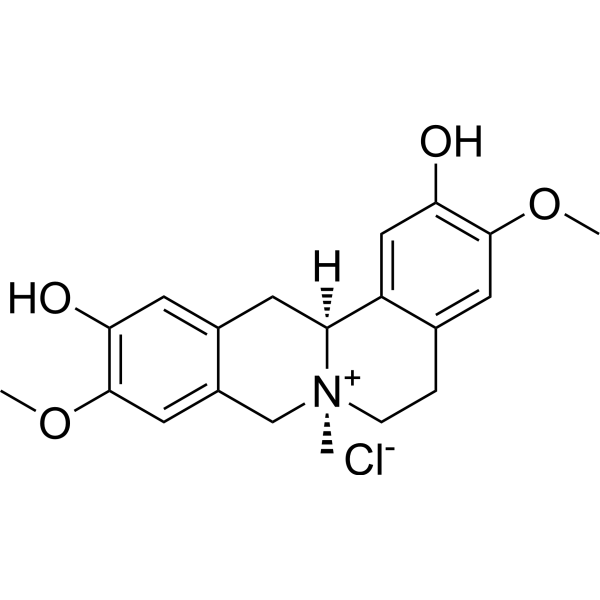
Phellodendrine chloride
Based on 2 publication(s) in Google Scholar
Phellodendrine chloride is an orally active plant alkaloid. Phellodendrine chloride inhibits the proliferation of KRAS-mutated pancreatic cancer cells by suppressing macropinocytosis and glutamine metabolism, inducing ROS accumulation and mitochondrial apoptosis. Phellodendrine chloride promotes autophagy by activating the AMPK/mTOR pathway, alleviating intestinal damage in ulcerative colitis. Phellodendrine chloride can alleviate gouty arthritis by inhibiting the IL-6/STAT3 signaling pathway. Phellodendrine chloride suppresses allergic reactions by altering the conformation of MRGPRB3/MRGPRX2 protein, thereby inhibiting the activation of PKC and subsequent downstream MAPK and NF-κB signaling. Phellodendrine chloride inhibits the AKT/NF-κB pathway and down-regulates the expression of COX-2, thereby protecting zebrafish embryos from oxidative stress. Phellodendrine chloride has an anti-major depressive disorder (MDD) effect by down-regulating CHRM1, HTR1A, and the PI3K/Akt signaling pathway.
Nur für Forschungszwecke. Wir verkaufen nicht an Patienten.
- Reinheit : 99.68%
- CAS. Nr.: 104112-82-5
- Formel: C20H24ClNO4
- Molecular Weight:377.86
-
Speicherung:
4°C, sealed storage, away from moisture and light
* In solvent : -80°C, 6 months; -20°C, 1 month (sealed storage, away from moisture and light)

To place orders, for customer services and technical support, please contact: MedChemExpress USA
Tel: 609-228-6898 E-mail: [email protected] [email protected]


-
 Biologische Aktivität
-
Chemical Information
-
Lösungsmittel & Löslichkeit
- Protokoll
- Reinheit & Dokumentation
- Verweise
-
 Help & FAQs


-
HY-18258
Berberine chlorideAntibiotic -
HY-N0483
PhillygeninAntioxidant -
HY-N0293
PaeoniflorinHSP Activator -
HY-N0140
Ursolic acidAutophagy Inducer -
HY-N0184
Glycyrrhizic acidHMGB1 Antagonist -
HY-N0055
Chlorogenic acidAntioxidant -
HY-14393
EmodinNatural Anthraquinone -
HY-N0060
Ferulic acidFGFR1 Inhibitor -
HY-N0180
18β-Glycyrrhetinic acidEndogenous Metabolite -
HY-N0009
GeniposideInfluenza Virus Inhibitor -
HY-N1067
XanthohumolCOX Inhibitor -
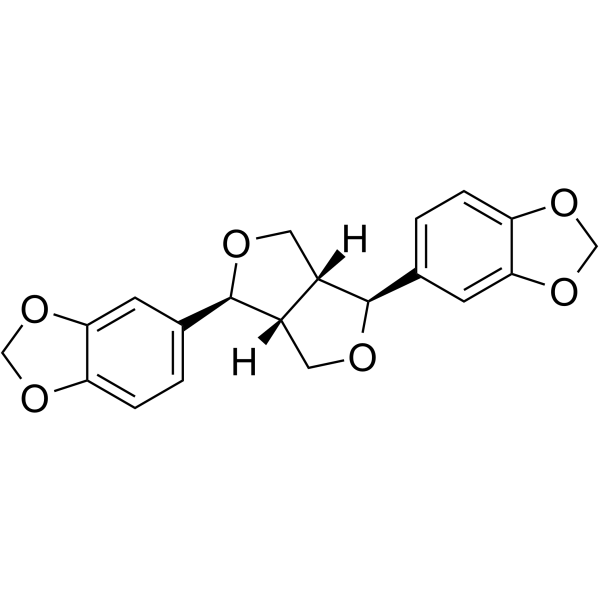
HY-N0121
SesaminDelta 5 Desaturase Inhibitor
Publications Citing Use of MedChemExpress (MCE) Phellodendrine chloride
MoreAlle AMPK Isoform-spezifische Produkte anzeigen
More

Biologische Aktivität
Beschreibung
|
IL-6 |
STAT3 |
MMP-3 |
IL-1β |
IL-4 |
In Vitro
Phellodendrine chloride (0.6-80 μM, 24 h-14 d) significantly inhibits the proliferation and colony formation ability of KRAS-mutated PANC-1 and MiaPaCa-2 cells and its driven macropinocytosis, while showing no obvious toxicity to KRAS wild-type BxPC-3 cells and normal pancreatic cells HPDE6-c7[1].
Phellodendrine (10-40 μM, 12-24 h) diminishes the albumin (Alb) driven intracellular glutamine level, induces reactive oxygen species generation and causes mitochondrial membrane potential (MMP) depolarization in PANC-1 cells[1].
Phellodendrine chloride (5-40 μM, 0-48 h) induces apoptosis cell death in PANC-1 cells through caspase-dependent mitochondrial intrinsic pathway[1].
Phellodendrine (5-20 μM) chloride activates the p-AMPK/mTOR signalling pathway, as well as autophagy in Caco-2 cells stimulated by H2O2[2].
Phellodendrine chloride (5 μM) attenuates Monosodium urate (MSU) (HY-B2130A)-induced MMP3 production and proteoglycan degradation by inhibiting IL-6/STAT3 pathway in rabbit primary chondrocytes and C28/I2 cells (human normal chondrocytes)[3].
Phellodendrine (0-50 μM) chloride reduces the mRNA expression of MRGPRB3 and responsiveness of MRGPRX2 by altering its structure, is able to decrease Ca2+ levels, phosphorylation levels of CaMK, PLCβ1, PKC, ERK, JNK, p38, and p65, and inhibits the degradation of IκB-α in RBL-2H3 cells[4].
Phellodendrine (25-200 μg/mL, 37 h) chloride increases the survival rate of zebrafish embryos and restores the abnormal heart rate levels[5].
Phellodendrine (50-200 μg/mL, 13 h) chloride reduces the ROS level in zebrafish embryos and inhibits lipid peroxidation[5].
Phellodendrine (100 μg/mL) chloride reverses the expression of AKT and NF-κB3, IKK, COX-2 which were abnormally changed by AAPH (HY-Y0525)-induced oxidative stress in zebrafish embryos[5].
Phellodendrine (2.5-160 μg/mL, 24-48 h) chloride has an anti-MDD effect by regulating the mRNA levels of CHRM1, HTR1A and key targets of the PI3K/Akt signalling pathway (PI3K, Akt, mTOR) in PC12 cells[6].
MedChemExpress (MCE) has not independently confirmed the accuracy of these methods. They are for reference only. Further protocols information, click here.
-
Cell Line:PANC-1 cells
-
Concentration:10, 20 and 40 μM
-
Incubation Time:48 h
-
Result:Showed a higher apoptosis cells ratio both in early and late apoptosis.
Revealed a marked increase in the number of cells showing nuclear condensation and fragmentation.
-
Cell Line:PANC-1 cells
-
Concentration:5, 10 and 20 μM
-
Incubation Time:0, 6, 12, 24 h
-
Result:Induced the expressions of apoptotic proteins (cleaved caspase-3, 7, 9, PARP and Bax) and reduced the levels of Bcl-2 in time and dose dependent manner.
-
Cell Line:PC12 cells
-
Concentration:2.5, 5, 10, 20, 40, 80, 160 μg/mL
-
Incubation Time:24 and 48 h
-
Result:Reduced cells’ viability at all concentrations for 48 h.
-
Cell Line:PC12 cells
-
Concentration:5, 10, 20, 40, 80, 160 μg/mL
-
Incubation Time:24 h
-
Result:Decreased the IL-6 and IL-1β production.
-
Cell Line:PC12 cells
-
Concentration:5, 10, 20 μg/mL
-
Incubation Time:24 and 48 h
-
Result:Inhibited mRNA levels of CHRM1, HTR1A, PI3K and AKT.
Had no significant effect on the expression of mTOR.
In Vivo
Phellodendrine (30 mg/kg, p.o., once daily for 7 days) chloride reduces the intestinal damage of ulcerative colitis (UC) in mice[2].
Phellodendrine chloride(40 mg/kg, i.p., mice single dose or rats once daily for 5 days) alleviated Uric acid sodium (MSU) (HY-B2130A)-induced acute peritonitis in mice and arthritis in rats[3].
Phellodendrine (0.3-3 mg/kg, i.v.) chloride protects against C48/80 (HY-130592)-induced foot swelling and Evans blue exudation in mice, and suppresses C48/80-induced RBL-2H3 rat basophilic leukemia cells degranulation, and β-HEX, HIS, IL-4, and TNF-α release[4].
MedChemExpress (MCE) has not independently confirmed the accuracy of these methods. They are for reference only.
-
Animal Model:PANC-1 xenograft model established in Balb/c nude mice (male, 7 weeks old)[1]
-
Dosage:30 and 60 mg/kg
-
Administration:Intraperitoneal injection (i.p.), once daily for 2 weeks
-
Result:Resulted in lower tumor weights and volumes.
Inhibited macropinocytosis in tumor tissues.
Reduced the proliferation activity of tumor cells.
-
Animal Model:DSS (HY-116282C) induced UC model established in female C57BL/6 mice (18-22 g)[2]
-
Dosage:30 mg/kg
-
Administration:Oral administration (p.o.), once daily for 7 days
-
Result:Significantly restored the length of the colon.
Significantly reduced the disease activity index (DAI) score and the pathological damage score.
-
Animal Model:MSU crystal-induced arthritis model established in male Sprague-Dawley (SD) rats with a mass of 240-270 g[3]
-
Dosage:40 mg/kg
-
Administration:Intraperitoneal injection (i.p.), once daily for 5 days
-
Result:Significantly reduced the degree of joint swelling in rats.
Reduced the inflammatory score and restored the loss of proteoglycans.
Significantly inhibited the expression of MMP-3.
-
Animal Model:MSU induced peritonitis model established in male C57BL/6 mice (18-20 g)[3]
-
Dosage:40 mg/kg
-
Administration:Intraperitoneal injection (i.p.), single dose
-
Result:Reduced proportion of neutrophils in the peritoneal lavage fluid.
-
Animal Model:C48/80-induced Hind paw swelling model established in adult male mice[4]
-
Dosage:0.3 and 3 mg/kg
-
Administration:Intravenously injection (i.v.)
-
Result:Was associated with reductions in both foot swelling and the degree of Evans blue exudation in mice.
suppressed C48/80-induced RBL-2H3 rat basophilic leukemia cells degranulation, and β-HEX, HIS, IL-4, and TNF-α release.


Chemical Information
-
CAS. Nr. 104112-82-5
-
Appearance Solid
-
Molecular Weight 377.86
-
Formel C20H24ClNO4
-
Color White to off-white
-
SMILES
C[N@@+]12CCC3=CC(OC)=C(O)C=C3[C@]1([H])CC4=CC(O)=C(OC)C=C4C2.[Cl-]
-
Structure Classification
-
Initial Source
-
Versand
Room temperature in continental US; may vary elsewhere.
-
Speicherung
4°C, sealed storage, away from moisture and light
* In solvent : -80°C, 6 months; -20°C, 1 month (sealed storage, away from moisture and light)


Publications (2)
-
Journal Impact Factor
-
Most Recent
-
Int Immunopharmacol
Phellodendrine alleviates acute pancreatitis by inhibiting p38 MAPK-p47phox pathway-mediated neutrophil extracellular traps formation and ROS production. [Abstract]2025 Dec 10:167:115658. PMID: 41072078 -
Int Immunopharmacol
Phellodendrine ameliorates intestinal inflammation and protects mucosal barrier via modulating COL1A1, VCAM1 and IL-17 a. [Abstract]2025 Apr 16:152:114403. PMID: 40101527


Lösungsmittel & Löslichkeit
In Vitro:
DMSO : 50 mg/mL (132.32 mM; Need ultrasonic; Hygroscopic DMSO has a significant impact on the solubility of product, please use newly opened DMSO)
Please refer to the solubility information to select the appropriate solvent. Once prepared, please aliquot and store the solution to prevent product inactivation from repeated freeze-thaw cycles.
Storage method and period of stock solution: -80°C, 6 months; -20°C, 1 month (sealed storage, away from moisture and light). When stored at -80°C, please use it within 6 months. When stored at -20°C, please use it within 1 month.
Please refer to the solubility information to select the appropriate solvent. Once prepared, please aliquot and store the solution to prevent product inactivation from repeated freeze-thaw cycles.
Storage method and period of stock solution: -80°C, 6 months; -20°C, 1 month (sealed storage, away from moisture and light). When stored at -80°C, please use it within 6 months. When stored at -20°C, please use it within 1 month.
Konzentration (Stammlösung) × Volumen (Stammlösung) = Konzentration (Ziellösung) × Volumen (Ziellösung)
In Vivo:
Select the appropriate dissolution method based on your experimental animal and administration route.
- For the following dissolution methods, please ensure to first prepare a clear stock solution using an In Vitro approach and then sequentially add co-solvents:
- To ensure reliable experimental results, the clarified stock solution can be appropriately stored based on storage conditions. As for the working solution for In Vivo experiments, it is recommended to prepare freshly and use it on the same day.
- The percentages shown for the solvents indicate their volumetric ratio in the final prepared solution. If precipitation or phase separation occurs during preparation, heat and/or sonication can be used to aid dissolution.
Add each solvent one by one: 10% DMSO 40% PEG300 5% Tween-80 45% Saline
Solubility: ≥ 5 mg/mL (13.23 mM); Clear solution
This protocol yields a clear solution of ≥ 5 mg/mL (saturation unknown).
Taking 1 mL working solution as an example, add 100 μL DMSO stock solution (50.0 mg/mL) to 400 μL PEG300, and mix evenly; then add 50 μL Tween-80 and mix evenly; then add 450 μL Saline to adjust the volume to 1 mL.
Preparation of Saline: Dissolve 0.9 g sodium chloride in ddH₂O and dilute to 100 mL to obtain a clear Saline solution.
Add each solvent one by one: 10% DMSO 90% (20% SBE-β-CD in Saline)
Solubility: ≥ 5 mg/mL (13.23 mM); Clear solution
This protocol yields a clear solution of ≥ 5 mg/mL (saturation unknown).
Taking 1 mL working solution as an example, add 100 μL DMSO stock solution (50.0 mg/mL) to 900 μL 20% SBE-β-CD in Saline, and mix evenly.
Preparation of 20% SBE-β-CD in Saline (4°C, storage for one week): 2 g SBE-β-CD powder is dissolved in 10 mL Saline, completely dissolve until clear.
In Vivo Dissolution Calculator
Please enter the basic information of animal experiments:
-
-
-
-
Recommended: Prepare an additional quantity of animals to account for potential losses during experiments.
Please enter your animal formula composition:
-
%DMSO +
Recommended: Keep the proportion of DMSO in working solution below 2% if your animal is weak.
-
%+
-
+%Tween-80 + +
-
%Saline +
The co-solvents required include: DMSO, . All of co-solvents are available by MedChemExpress (MCE). , Tween 80. All of co-solvents are available by MedChemExpress (MCE).
Working solution concentration: 0.22 mg/mL
Method for preparing stock solution: mg drug dissolved in μL DMSO. Stock solution concentration: mg/mL. * In solvent : -80°C, 6 months; -20°C, 1 month (sealed storage, away from moisture and light)
1. Take μL DMSO stock solution;
2. Add μL .
μL , mix evenly;
3. Then add μL Tween 80, mix evenly;
4. Then add μL
Please ensure that the stock solution in the first step is dissolved to a clear state, and add co-solvents in sequence. You can use ultrasonic heating (ultrasonic cleaner, recommended frequency 20-40 kHz), vortexing, etc. to assist dissolution.

Protokoll
-
RNA extraction experimental
By lysing cells, releasing RNA, and removing impurities such as proteins and DNA, high-purity RNA products are finally obtained. The commonly used traditional method is the guanidine isothiocyanate/phenol/chloroform method (Trizol), which is suitable for a variety of animal materials including animal tissues, microorganisms, cultured cells, etc., and most plant materials.
-
Annexin V plus membrane-impermeant dye apoptosis staining
Annexin V-based apoptosis assays rely on the detection of phosphatidylserine (PS) externalization from the inner leaflet of the plasma membrane to the outer leaflet, an early biochemical hallmark of apoptosis. Fluorescently labeled Annexin V binds PS in a calcium-dependent manner, enabling identification of early apoptotic cells by flow cytometry or fluorescence microscopy. When combined with a membrane-impermeant DNA-binding dye (e. g. , propidium iodide), this approach allows discrimination between viable (Annexin V−/dye−), early apoptotic (Annexin V+/dye−), and late apoptotic or necrotic (Annexin V+/dye+) cell populations by assessing membrane integrity and PS exposure.
-
ROS/oxidative-stress fluorescent staining
ROS/oxidative-stress fluorescent staining uses cell-permeant fluorogenic probes that become fluorescent after oxidation inside cells or tissues; commonly used examples include DCFH-DA/DCFDA for broad cellular oxidant detection, DHE for superoxide-related signal detection, MitoSOX for mitochondrial superoxide-related signal detection, and CellROX probes for oxidative-stress-associated fluorescence readouts. The assay detects probe oxidation rather than a single ROS species unless the probe and analysis method have been chemically validated for that species. DCFH-DA enters cells, is deacetylated by intracellular esterases to DCFH, and produces fluorescent DCF after oxidation, so the readout is used as an operational measure of total cellular oxidative stress rather than a species-specific ROS measurement. DHE and MitoSOX can report superoxide-related oxidation, but red fluorescence alone can include non-specific ethidium-like oxidation products; HPLC or optimized spectral approaches are
-
Research Protocol for Inflammation-related Diseases
The NLRP3 inflammasome is a cytosolic innate immune signaling platform that integrates priming signals and danger-signal activation to promote caspase-1 activation, maturation of IL-1β and IL-18, and gasdermin D-mediated pyroptotic cell death. The core experimental logic is to determine whether inflammatory disease phenotypes are driven by increased NLRP3 expression, ASC-containing inflammasome assembly, caspase-1 cleavage, GSDMD cleavage, and extracellular release of IL-1β/IL-18 rather than by nonspecific cell injury alone. The pathway is strongly linked to inflammation-related disease phenotypes because monosodium urate crystals activate NALP3/NLRP3 inflammasome signaling in gout-like crystal inflammation, cholesterol crystals activate NLRP3 inflammasomes in atherogenesis models, and DSS-induced intestinal inflammation has been reported to involve NLRP3 inflammasome activity. However, experimental colitis studies also show context-dependent protective effects of NLRP3 inflammasome co
-
Cell Viability Determination by MTT Colorimetric Assay
The following protocol uses the MTT colorimetric assay as a classic literature-established method for assessing cell viability/metabolic activity in cultured mammalian cells. MTT[3-(4,5-dimethylthiazol-2-yl)-2,5-diphenyltetrazolium bromide] is reduced by metabolically active cells to a colored formazan product; the amount of formazan is quantified spectrophotometrically and provides an indirect measure of metabolically active viable cells. Importantly, MTT reduction reflects cellular oxidoreductase/metabolic activity rather than an absolute direct count of living cells, so changes in cellular metabolism can alter the signal independently of cell number.
-
Collagen-Induced Arthritis
Collagen-induced arthritis (CIA) is an autoimmune murine model of rheumatoid arthritis in which immunization with type II collagen (CII) emulsified in an adjuvant induces a T cell- and autoantibody-driven inflammatory arthritis characterized by synovial hyperplasia, immune cell infiltration, and joint destruction. The model typically relies on genetically susceptible mouse strains (e. g. , DBA/1) and reproduces key features of human rheumatoid arthritis, including anti-collagen immune responses and progressive joint inflammation. Disease onset generally occurs within ~3-4 weeks after immunization, depending on antigen/adjuvant combinations and protocol variation. The immunopathology is driven by adaptive immune activation against CII, leading to systemic and local joint inflammation mediated by pro-inflammatory cytokines and effector immune cells, making CIA a standard preclinical platform for evaluating immunomodulatory and anti-arthritic interventions.
-
Apoptosis
Apoptosis, also called programmed cell death, is generally characterized by distinct morphological characteristics.
-
TUNEL staining for apoptotic DNA fragmentation
TUNEL staining detects DNA strand breaks by using terminal deoxynucleotidyl transferase to add labeled nucleotides to exposed 3′-OH DNA termini, generating either microscopic staining in fixed cells or tissue sections, or fluorescence/cytometric signal in cell suspensions. TUNEL positivity reflects DNA fragmentation but should not be interpreted alone as definitive apoptosis, because TUNEL can also label necrotic, autolytic, mechanically damaged, or DNA-repair-associated DNA breaks.
-
DSS-Induced Colitis
Dextran sulfate sodium (DSS)-induced colitis is generated by administering DSS in mouse drinking water, producing epithelial injury, barrier disruption, weight loss, diarrhea, fecal blood, colon shortening, histologic mucosal damage, and inflammatory mediator changes; the model is mainly used to study acute or chronic intestinal inflammation resembling selected features of ulcerative colitis. DSS injury is interpreted through clinical and tissue readouts rather than a single molecular endpoint: daily body weight, stool consistency, and bleeding are combined into a disease activity index, while colon length, histology, cytokines, myeloperoxidase activity, intestinal permeability, and tight-junction markers provide complementary measures of inflammation and barrier damage.
-
TNBS-Induced Colitis
TNBS-induced colitis is produced by intrarectal delivery of 2,4,6-trinitrobenzene sulfonic acid in ethanol, where ethanol disrupts the mucosal barrier and TNBS haptenates colonic proteins, generating immune-mediated colonic inflammation with weight loss, diarrhea, ulceration, transmural injury, inflammatory-cell infiltration, and cytokine responses. The model is used as an experimental intestinal inflammation model with Crohn’s disease–like features, especially when Th1-type responses, IL-12–dependent inflammation, chronic relapsing inflammation, or fibrosis-related endpoints are studied.
-
Autophagy
Autophagy is a process in which eukaryotic cells use lysosomes to degrade their own cytoplasmic proteins and damaged organelles under the regulation of autophagy related gene (Atg). Microtubule-associated proteins light chain 3 (LC3) is recognized as autophagy marker, which transfers from cytoplasmic LC3 (LC3-I) to membrane type (LC3-II). LC3-II/I ratio could be detected by Western Blot and fluorescence microscopy.
-
Apoptosis Solutions
Apoptosis is a regulated, generally non-lytic cell-death pathway that removes unwanted, damaged, infected, or abnormal cells through coordinated morphological changes, caspase activation, DNA fragmentation, and membrane remodeling. The intrinsic apoptosis pathway is controlled mainly by mitochondrial outer membrane permeabilization, BCL-2 family proteins, cytochrome c release, apoptosome formation, caspase-9 activation, and downstream executioner caspase-3/7 activation. The extrinsic apoptosis pathway is initiated by death receptors such as Fas, TNFR, and TRAIL receptors, which recruit adaptor proteins and activate caspase-8 before engaging executioner caspases or mitochondrial amplification through BID cleavage. Apoptosis is linked to many phenotypes, including cancer cell killing, tissue homeostasis, immune regulation, neurodegeneration, infection response, and treatment-induced cytotoxicity; unresolved questions include how apoptosis interacts with necroptosis, pyroptosis, ferroptos
-
Lysosome and acidic-vesicle live-cell staining
Lysosome and acidic-vesicle live-cell staining detects acidic intracellular compartments by using membrane-permeant acidotropic probes that accumulate in low-pH vesicles, including lysosomes, late endosomes, autolysosomes, and acidic phagosomes. LysoTracker staining is commonly used as an intensity-based readout of acidic lysosomal compartment abundance or enlargement, while acridine orange produces green fluorescence in less concentrated compartments and red fluorescence after concentration-dependent accumulation in acidic vesicular organelles. Loss or reduction of acridine-orange red signal can be used as a readout of lysosomal membrane permeabilization or reduced acidic-vesicle integrity. This protocol is designed for live cultured cells and can be adapted for fluorescence microscopy, high-content imaging, plate-reader readout, or flow cytometry when the selected literature supports the readout. Because these dyes report acidotropic accumulation rather than lysosome identity alone,
-
Macroautophagy Solutions
Macroautophagy is a conserved lysosome-dependent degradation pathway in which cytoplasmic material is sequestered into double-membrane autophagosomes and delivered to lysosomes for degradation and recycling. The pathway supports cellular homeostasis during nutrient limitation, organelle stress, protein-aggregate accumulation, infection, differentiation, and tissue remodeling by coupling cargo sequestration, autophagosome maturation, lysosomal fusion, and degradation of cargo-derived macromolecules. The core molecular sequence includes initiation by nutrient- and stress-regulated autophagy machinery, autophagosome nucleation, LC3/ATG8-family conjugation to autophagosomal membranes, cargo selection through receptors such as SQSTM1/p62, autophagosome-lysosome fusion, and lysosomal degradation. LC3 was identified as a mammalian homolog of yeast Atg8 that localizes to autophagosomal membranes after processing, and p62/SQSTM1 was shown to connect ubiquitinated cargo with autophagic degradati


Reinheit & Dokumentation
-
Data Sheet (292 KB)
-
SDS (393 KB)
- English - EN (393 KB)
- Français - FR (393 KB)
- Deutsch - DE (393 KB)
- Norwegian - NO (393 KB)
- Español - ES (393 KB)
- Swedish - SV (393 KB)
- Italian - IT (393 KB)
- Korean - KR (393 KB)
- Portuguese - PT (393 KB)
-
Handling Instructions (2659 KB)
Verweise
[1]. Thu PM, et al. Phellodendrine chloride suppresses proliferation of KRAS mutated pancreatic cancer cells through inhibition of nutrients uptake via macropinocytosis. Eur J Pharmacol. 2019 May 5;850:23-34. [Content Brief]
[2]. Su S, Wang X, Xi X, et al. Phellodendrine promotes autophagy by regulating the AMPK/mTOR pathway and treats ulcerative colitis. J Cell Mol Med. 2021;25(12):5707-5720. [Content Brief]
[3]. Qin YY, et al. Phellodendrine chloride alleviates gouty arthritis through IL-6/STAT3 signaling pathway. Immunobiology. 2025 Jul;230(4):152918. [Content Brief]
[4]. Wang J, et al. Inhibitory effect of phellodendrine on C48/80-induced allergic reaction in vitro and in vivo. Int Immunopharmacol. 2024 Jun 15;134:112256. [Content Brief]
[5]. Li L, et al. The defensive effect of phellodendrine against AAPH-induced oxidative stress through regulating the AKT/NF-κB pathway in zebrafish embryos. Life Sci. 2016 Jul 15;157:97-106. [Content Brief]
[6]. Hu L, et al. Network pharmacology combined with experimental verification for exploring the potential mechanism of phellodendrine against depression. Sci Rep. 2025 Jan 14;15(1):1958. [Content Brief]


Complete Stock Solution Preparation Table
Please refer to the solubility information to select the appropriate solvent. Once prepared, please aliquot and store the solution to prevent product inactivation from repeated freeze-thaw cycles.
Storage method and period of stock solution: -80°C, 6 months; -20°C, 1 month (sealed storage, away from moisture and light). When stored at -80°C, please use it within 6 months. When stored at -20°C, please use it within 1 month.
| Optional Solvent | Concentration Solvent Mass | 1 mg | 5 mg | 10 mg | 25 mg |
|---|---|---|---|---|---|
| DMSO | 1 mM | 2.6465 mL | 13.2324 mL | 26.4648 mL | 66.1621 mL |
| 5 mM | 0.5293 mL | 2.6465 mL | 5.2930 mL | 13.2324 mL | |
| 10 mM | 0.2646 mL | 1.3232 mL | 2.6465 mL | 6.6162 mL | |
| 15 mM | 0.1764 mL | 0.8822 mL | 1.7643 mL | 4.4108 mL | |
| 20 mM | 0.1323 mL | 0.6616 mL | 1.3232 mL | 3.3081 mL | |
| 25 mM | 0.1059 mL | 0.5293 mL | 1.0586 mL | 2.6465 mL | |
| 30 mM | 0.0882 mL | 0.4411 mL | 0.8822 mL | 2.2054 mL | |
| 40 mM | 0.0662 mL | 0.3308 mL | 0.6616 mL | 1.6541 mL | |
| 50 mM | 0.0529 mL | 0.2646 mL | 0.5293 mL | 1.3232 mL | |
| 60 mM | 0.0441 mL | 0.2205 mL | 0.4411 mL | 1.1027 mL | |
| 80 mM | 0.0331 mL | 0.1654 mL | 0.3308 mL | 0.8270 mL | |
| 100 mM | 0.0265 mL | 0.1323 mL | 0.2646 mL | 0.6616 mL |


Phellodendrine chloride Related Classifications
HY-N0735 Related Classifications
 Powered by Bioz
Keywords