28 Results for "

(+)-Camphor

" in MedChemExpress (MCE) Product Catalog:
Products (28)

28 Results for "(+)-Camphor" in MCE Product Catalog:

3
3 Cited Publications
Cat. No.: HY-N0808
CAS No.: 76-22-2
Synonyms: (±)-Camphor
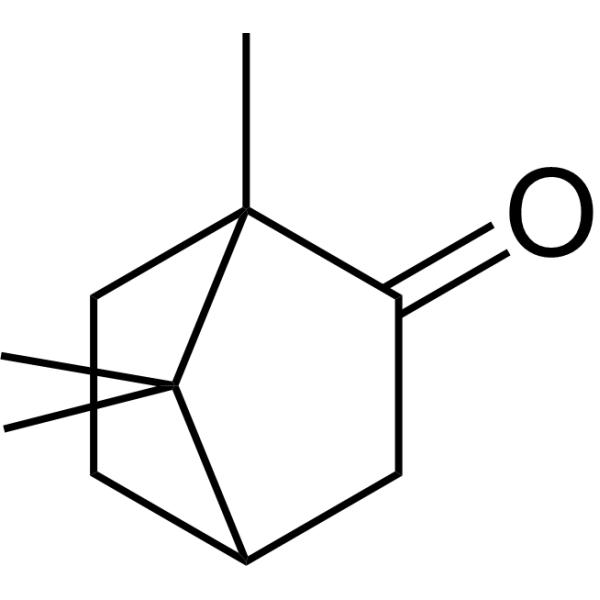
Camphor ((±)-Camphor) is a topical anti-infective and anti-pruritic and internally as a stimulant and carminative. However, Camphor is poisonous when ingested. Antiviral, antitussive, and anticancer activities . Camphor is a TRPV3 agonist .
loading...
    loading...
1
1 Cited Publications
Cat. No.: HY-B1173
CAS No.: 464-49-3
Synonyms: D-(+)-Camphor; (1R)-(+)-Camphor
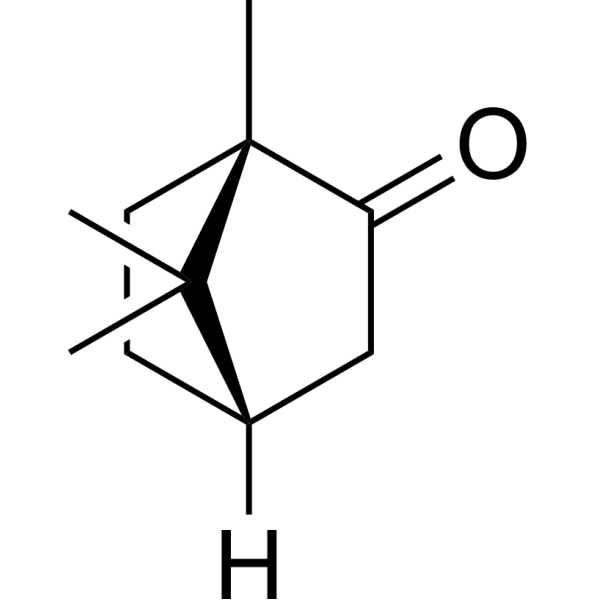
(+)-Camphor (D-(+)-Camphor; (1R)-(+)-Camphor) is an isomer of Camphor. Camphor is an agonist of monoterpenoid transient receptor potential (TRP) channels (such as TRPV1, TRPV3, TRPM8) and an inhibitor of TRPA1 channels. Camphor's derivatives have multiple biological activities, including antibacterial, antiviral, antioxidant, analgesic and anticancer. Camphor can selectively activate cold-sensitive TRP channels and inhibit TRPA1-mediated nociceptive signals. Camphor stimulates the cold-sensing nerve endings in the skin and regulates the activity of ion channels to exert analgesic, anti-inflammatory and anti-itching effects. It also has anti-proliferative and anti-mutagenic activities on tumor cells, which may be related to inhibiting ribosome function or inducing cell apoptosis. Camphor can be absorbed through the skin and (+)-Camphor can be used in the study of muscle and joint pain and inflammation .
loading...
    loading...
Cat. No.: HY-W015579
CAS No.: 464-48-2
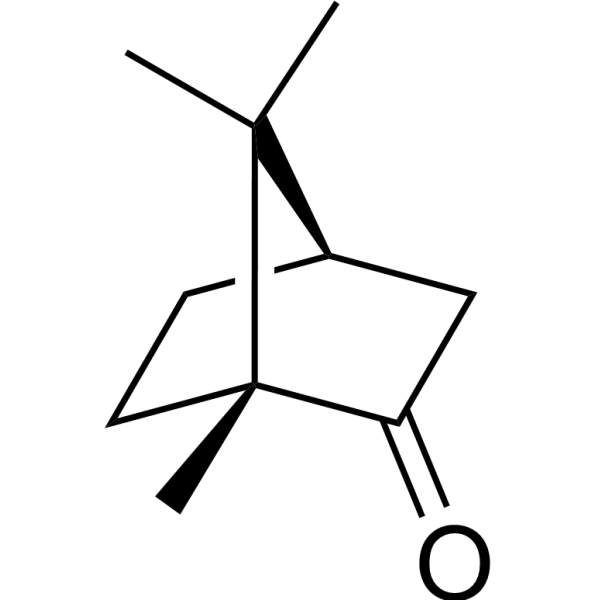
(-)-Camphor is an enantiomer of Camphor (HY-N0808) and belongs to the class of bicyclic monoterpene ketones. Camphor ((±)-Camphor) is a topical anti-infective and antipruritic agent, and exhibits carminative effects when administered orally. However, Camphor is toxic upon ingestion. Camphor possesses antiviral, antitussive and anticancer activities. Camphor acts as a TRPV3 agonist .
loading...
    loading...
10
10 Publications Verification
Cat. No.: HY-N0038
CAS No.: 546-43-0
Synonyms: (+)-Alantolactone; Alant Camphor; Inula Camphor
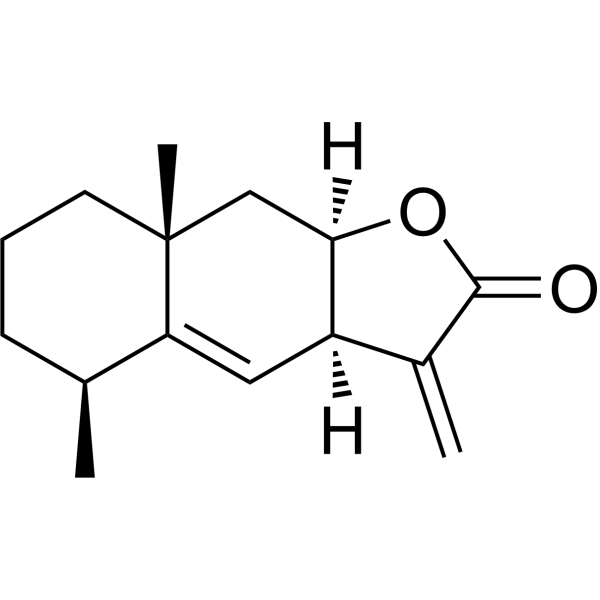
Alantolactone is a selective STAT3 inhibitor, with potent anticancer activity. Alantolactone induces apoptosis in cancer .
loading...
    loading...
2
2 Cited Publications
Cat. No.: HY-B0900
CAS No.: 104-46-1
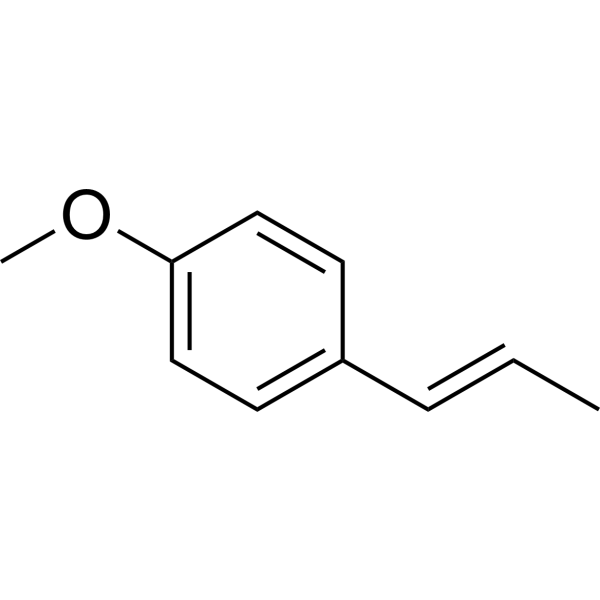
Synonyms: Anise Camphor; p-Propenylanisole; Isoestragole
Anethole is a type of orally active aromatic compound that is widely found in nature and used as a flavoring agent. Anethole possesses anticancer, anti-inflammatory, antioxidant, antibacterial, antifungal, anesthetic, estrogenic, central nervous system depressant, hypnotic, insecticidal, and gastroprotective effects. Anethole can be used in the study of oxidative stress-related skin diseases and prostate cancer .
loading...
    loading...
2
2 Cited Publications
Cat. No.: HY-N0367
CAS No.: 4180-23-8
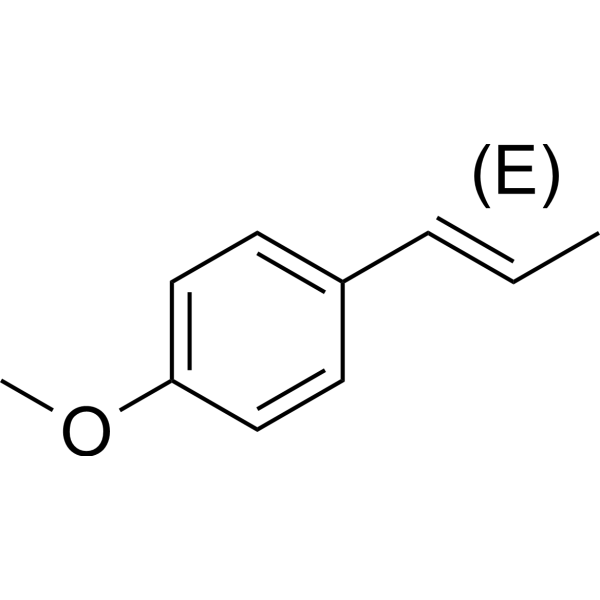
Synonyms: (E)​-Anethole
Trans-Anethole ((E)-Anethole) is an orally active phenylpropene derivative found in Foeniculum vulgare that is estrogenic at low concentrations and cytotoxic at high concentrations in tumor cell lines. Trans-Anethole also has anti-aflatoxin, anti-thrombotic and anti-diabetic activities. Trans-Anethole is an important odor component in plants such as fennel, myrtle, liquorice, and camphor .
loading...
    loading...
2
2 Cited Publications
Cat. No.: HY-17587
CAS No.: 36861-47-9
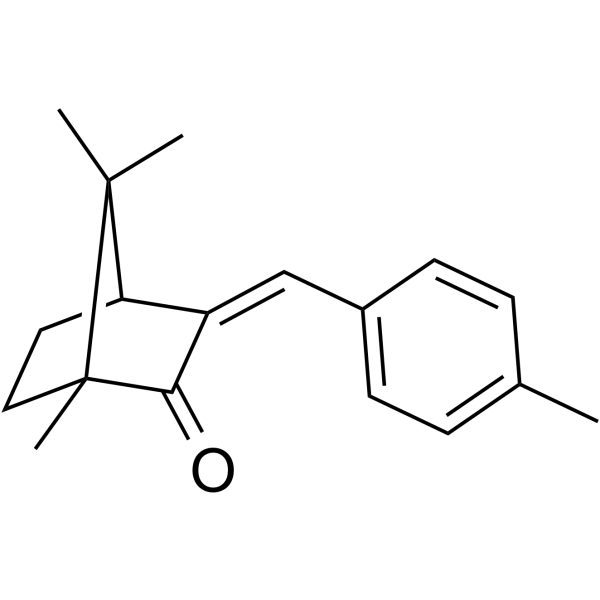
Synonyms: 4-MBC; Enzacamene
Target:  

Apoptosis PI3K Akt ERK

Research Areas:  

Metabolic Disease

4-Methylbenzylidene camphor (4-MBC) is an endocrine disrupter that produces estrogen-like effects. 4-Methylbenzylidene camphor decreases the proliferation of human trophoblast cells and induces apoptosis. 4-Methylbenzylidene camphor activates PI3K/AKT and ERK1/2 signaling pathways and elevates intracellular ROS production. 4-Methylbenzylidene camphor is a ultraviolet (UV) filter and may hamper normal placental formation during early pregnancy .
loading...
    loading...
Cat. No.: HY-122808
CAS No.: 560-09-8
Purity:  ≥98.0%
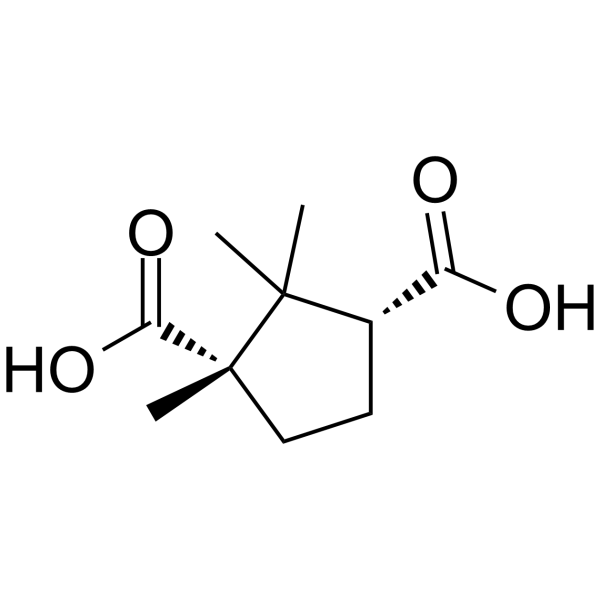
(-)-Camphoric acid is the less active enantiomer of Camphoric acid. Camphoric acid induces glutamate receptor expression. Camphoric acid also significantly induces the activation of NF-κB and AP-1. Camphoric acid significantly stimulates the differentiation of mouse osteoblastic MC3T3-E1 subclone 4 cells. Camphoric acid has weak regulatory function towards glutamate receptors. Camphoric acid can induce mRNA expression of glutamate signaling molecules and activate transcription factors, thereby stimulating osteoblast differentiation .
loading...
    loading...
Cat. No.: HY-W012218
CAS No.: 5872-08-2
Synonyms: (±)-10-Camphorsulfonic acid
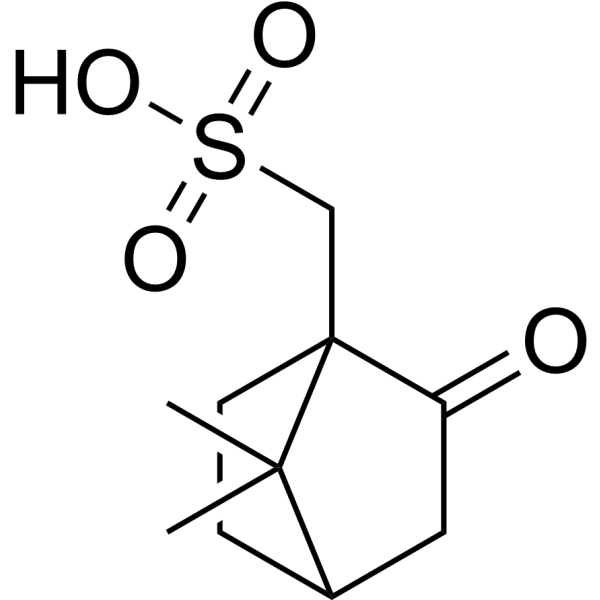
(±)-Camphor-10-sulfonic acid is a racemate of Camphor-10-sulfonic acid. (±)-Camphor-10-sulfonic acid can be used as an organocatalyst in performing a huge array of organic transformations .
loading...
    loading...
Cat. No.: HY-N0808R
CAS No.: 76-22-2
Synonyms: (±)-Camphor (Standard)
Camphor (Standard) is the analytical standard of Camphor. This product is intended for research and analytical applications. Camphor ((±)-Camphor) is a topical anti-infective and anti-pruritic and internally as a stimulant and carminative. However, Camphor is poisonous when ingested. Antiviral, antitussive, and anticancer activities . Camphor is a TRPV3 agonist .
loading...
    loading...
Cat. No.: HY-114771
CAS No.: 490-20-0
Purity:  99.93%
Target:  

Drug Intermediate

Research Areas:  

Inflammation/Immunology

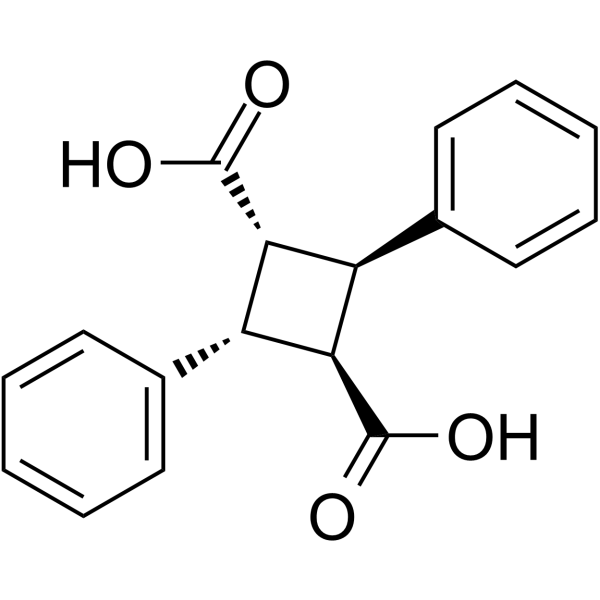
α-Truxillic acid is form by the dimerization of two molecules of α-trans-cinnamic acid, with anti-inflammatory activities. α-Truxillic acid has no analgesic activity, but its derivatives bound to camphor fragments exhibit significant activity in the peripheral analgesic model (writhing test) .
loading...
    loading...
Cat. No.: HY-W587405
CAS No.: 62319-13-5
Synonyms: Methyl (1S)-(+)-10-Camphorsulfonate
Target:  

Drug Intermediate

Research Areas:  

Others

Camphor sulfonic acid methyl ester (Methyl (1S)-(+)-10-camphorsulfonate) is a compound related to Camphor (HY-N0808) and can be used for the synthesis of 1S-(+)-camphorsulfonic acid .
loading...
    loading...
Cat. No.: HY-N0278
CAS No.: 508-44-1
Synonyms: Pulsatilla Camphor; Anemonine; trans-Anemonin
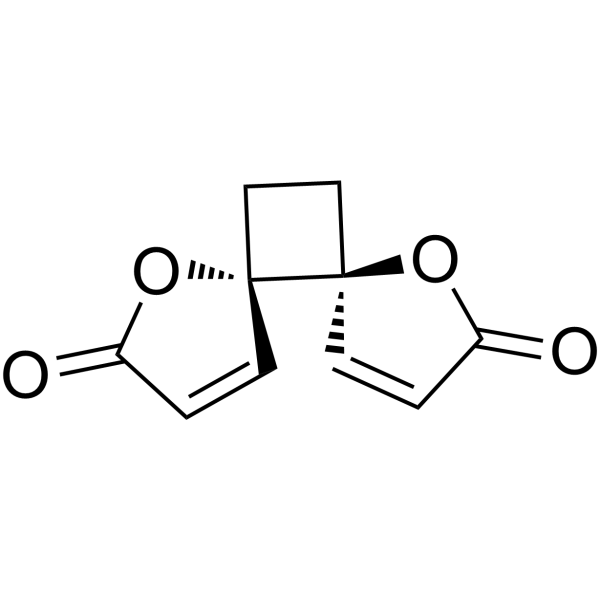
Anemonin (Pulsatilla camphor; Anemonine; trans-Anemonin) is a naturally occurring bislactone small molecule derived from Ranunculaceae with blood-brain barrier permeability, possessing a variety of activities including anti-inflammatory, antioxidant, neuroprotective, melanogenesis-inhibiting, and antiparasitic effects. Anemonin inhibits iNOS to reduce NO release; it inhibits PKC-θ protein expression and downregulates the pro-inflammatory factors TNF-α, IL-1β, and IL-6; it enhances the activities of the antioxidant enzymes SOD, CAT, and GSH-Px, and reduces MDA and ROS levels. Anemonin modulates the Bcl-2 / Bax / caspase-3 pathway to inhibit apoptosis; it downregulates melanogenesis-related molecules including MITF, TYR, TRP1, and TRP2, thereby inhibiting melanin synthesis in human melanocytes. Anemonin inhibits Leishmania and Schistosoma mansoni. Anemonin is used in research related to diseases such as hyperpigmentation, cerebral ischemia/reperfusion injury, inflammation, sepsis-induced acute lung injury, acute ulcerative colitis, leishmaniasis, and schistosomiasis .
loading...
    loading...
Cat. No.: HY-N0278A
CAS No.: 90921-11-2
Synonyms: (Rac)-Pulsatilla Camphor; (Rac)-Anemonine
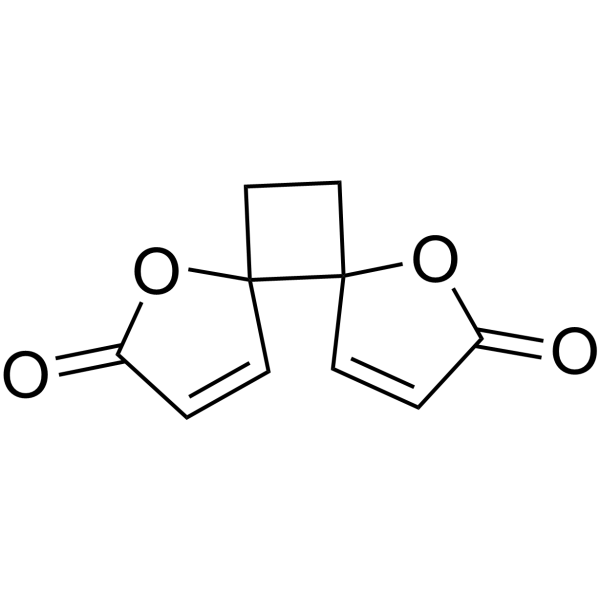
(Rac)-Anemonin ((Rac)-Pulsatilla camphor; (Rac)-Anemonine) is an isomer of Anemonin. Anemonin is a naturally occurring bislactone small molecule derived from Ranunculaceae with blood-brain barrier permeability, possessing a variety of activities including anti-inflammatory, antioxidant, neuroprotective, melanogenesis-inhibiting, and antiparasitic effects. Anemonin inhibits iNOS to reduce NO release; it inhibits PKC-θ protein expression and downregulates the pro-inflammatory factors TNF-α, IL-1β, and IL-6; it enhances the activities of the antioxidant enzymes SOD, CAT, and GSH-Px, and reduces MDA and ROS levels. Anemonin modulates the Bcl-2 / Bax / caspase-3 pathway to inhibit apoptosis; it downregulates melanogenesis-related molecules including MITF, TYR, TRP1, and TRP2, thereby inhibiting melanin synthesis in human melanocytes. Anemonin inhibits Leishmania and Schistosoma mansoni. Anemonin is used in research related to diseases such as hyperpigmentation, cerebral ischemia/reperfusion injury, inflammation, sepsis-induced acute lung injury, acute ulcerative colitis, leishmaniasis, and schistosomiasis .
loading...
    loading...
Cat. No.: HY-17587S
CAS No.: 1219806-41-3
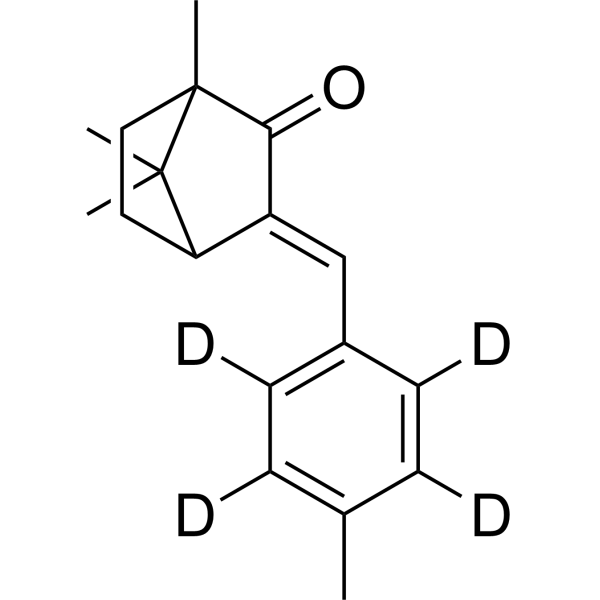
4-Methylbenzylidene camphor-d4 is the deuterium labeled 4-Methylbenzylidene camphor .
loading...
    loading...
Cat. No.: HY-Y0848R
CAS No.: 35963-20-3
Synonyms: (R)-(-)-10-Camphorsulfonic acid (Standard)
Target:  

Reference Standards

(R)-Camphor-10-sulfonic acid (Standard) is the analytical standard of (R)-Camphor-10-sulfonic acid. This product is intended for research and analytical applications.
loading...
    loading...
Cat. No.: HY-B1173R
CAS No.: 464-49-3
Synonyms: D-(+)-Camphor (Standard); (1R)-(+)-Camphor (Standard)
(+)-Camphor (Standard) is the analytical standard of (+)-Camphor. This product is intended for research and analytical applications. (+)-Camphor (D-(+)-Camphor; (1R)-(+)-Camphor) is an isomer of Camphor. Camphor is an agonist of monoterpenoid transient receptor potential (TRP) channels (such as TRPV1, TRPV3, TRPM8) and an inhibitor of TRPA1 channels. Camphor's derivatives have multiple biological activities, including antibacterial, antiviral, antioxidant, analgesic and anticancer. Camphor can selectively activate cold-sensitive TRP channels and inhibit TRPA1-mediated nociceptive signals. Camphor stimulates the cold-sensing nerve endings in the skin and regulates the activity of ion channels to exert analgesic, anti-inflammatory and anti-itching effects. It also has anti-proliferative and anti-mutagenic activities on tumor cells, which may be related to inhibiting ribosome function or inducing cell apoptosis. Camphor can be absorbed through the skin and (+)-Camphor can be used in the study of muscle and joint pain and inflammation .
loading...
    loading...
Cat. No.: HY-N12039
CAS No.: 473-04-1
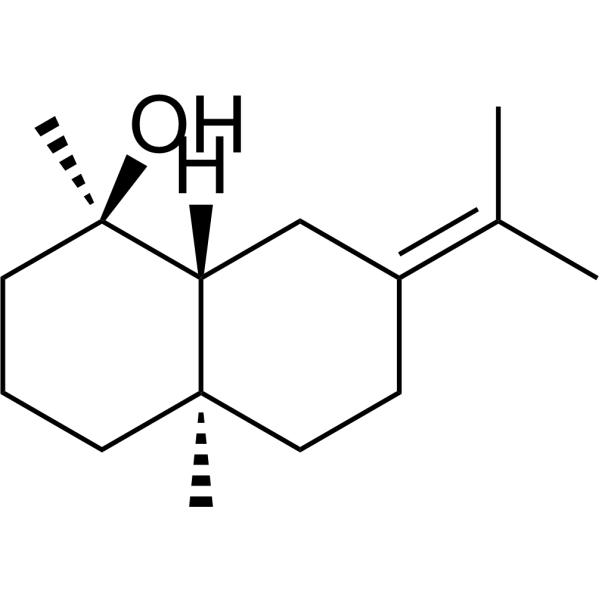
Juniper camphor is a sesquiterpene compound isolated from camphor blue oil, the high-boiling fraction of camphor .
loading...
    loading...
Cat. No.: HY-W087943
CAS No.: 111-11-5
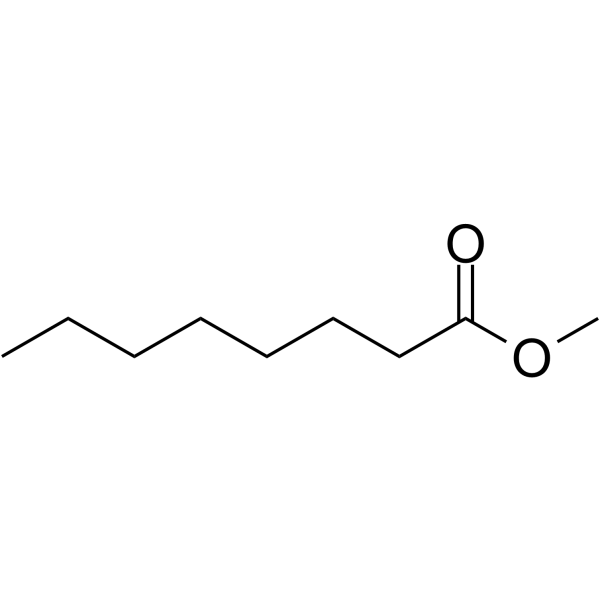
Methyl octanoate is an ester volatile compound with an odor activity value greater than 1. Methyl octanoate helps impart brandy-like and fruity characteristics to persimmon wine. Methyl octanoate has a strong odor of citrus holly, camphor and menthol. Methyl octanoate can serve as an early marker for grape infection by *Coniella vitis*. Methyl octanoate can be used in studies related to grape white rot .
loading...
    loading...
Cat. No.: HY-Y0606
CAS No.: 3144-16-9
Synonyms: (+)-10-Camphorsulfonic acid
Target:  

Lipase

Research Areas:  

Metabolic Disease

(+)-Camphor-10-sulfonic acid ((+)-10-Camphorsulfonic acid) is a ligand of pancreatic lipase, with an IC50 of 24.8 μM against porcine pancreatic lipase. As an antagonist, (+)-Camphor-10-sulfonic acid prevents Orlistat (HY-B0218) from binding to the active site of pancreatic lipase. (+)-Camphor-10-sulfonic acid can be used in research related to obesity .
loading...
    loading...

