1. Search Result
Search Result
Results for "

multidrug resistance-related protein 1

" in MedChemExpress (MCE) Product Catalog:

967

Inhibitors & Agonists

3

Screening Libraries

27

Fluorescent Dyes

30

Biochemical Assay Reagents

127

Peptides

30

Inhibitory Antibodies

152

Natural
Products

530

Recombinant Proteins

57

Isotope-Labeled Compounds

606

Antibodies

13

Click Chemistry

15

Oligonucleotides

4

GMP Molecules

Targets Recommended:
Cat. No. 상품명 Target 연구분야 Chemical Structure
  • HY-15870
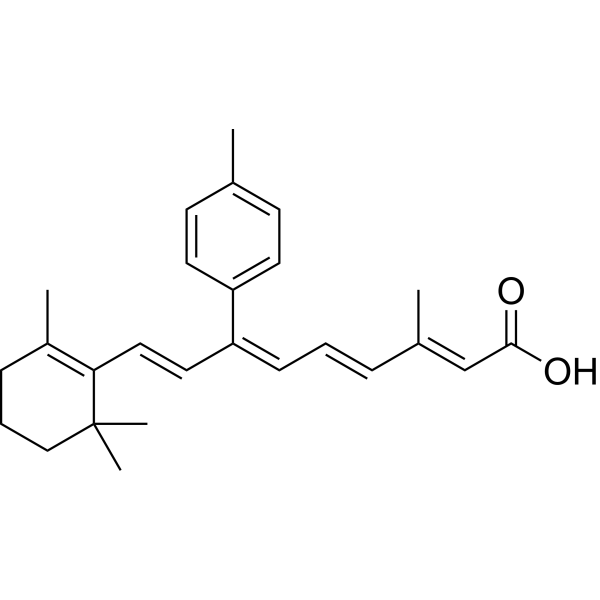
    SR 11302
    20+ Cited Publications

    AP-1 Inflammation/Immunology Cancer
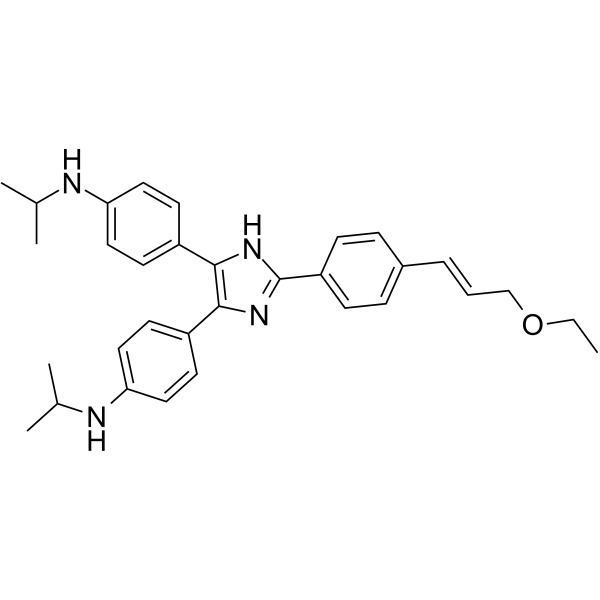
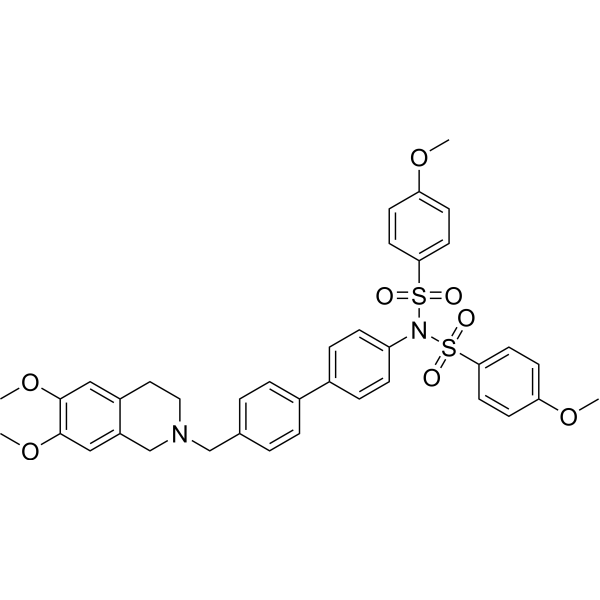
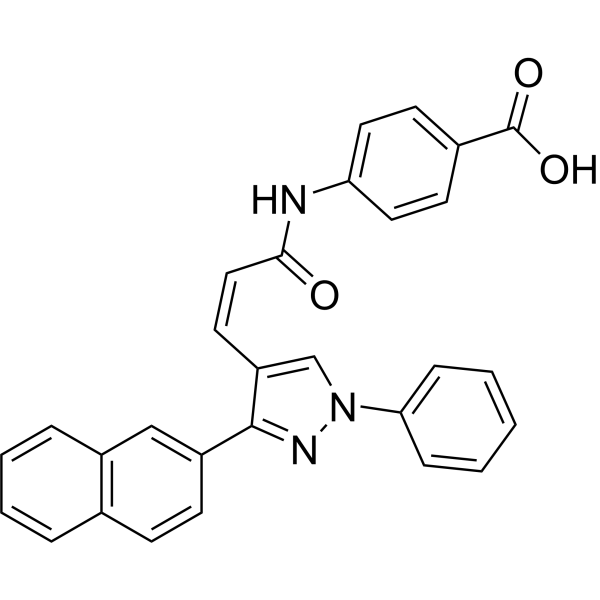
    SR 11302 is an activator protein-1 (AP-1) transcription factor inhibitor. SR 11302 is a retinoid that specifically inhibits AP-1 activity without activating the transcription of retinoic acid response element (RARE) [1].
    SR 11302
  • HY-107643

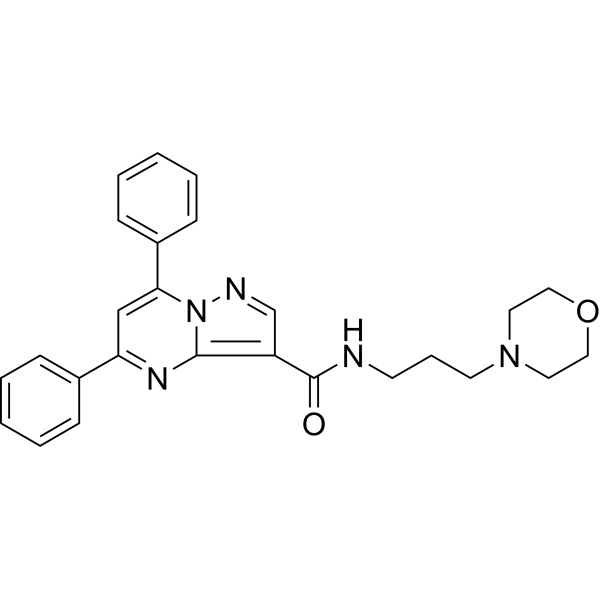
    CBLC4H10

    P-glycoprotein Cancer
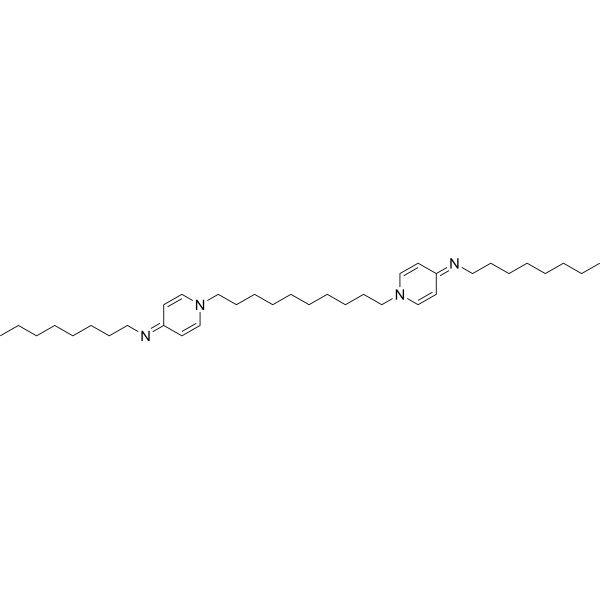
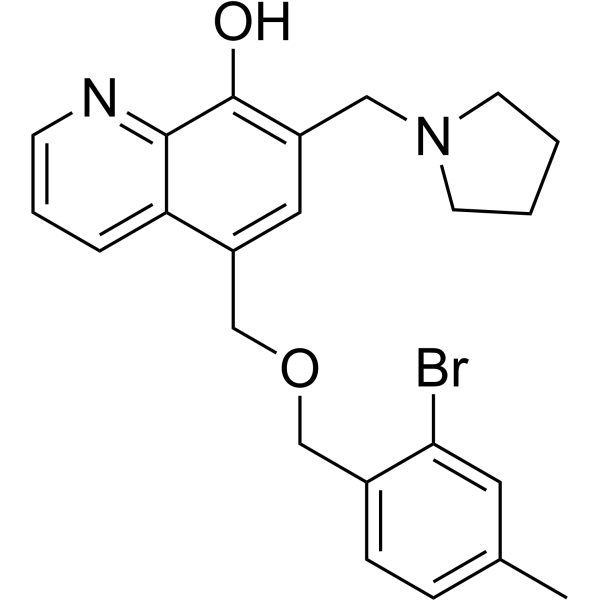
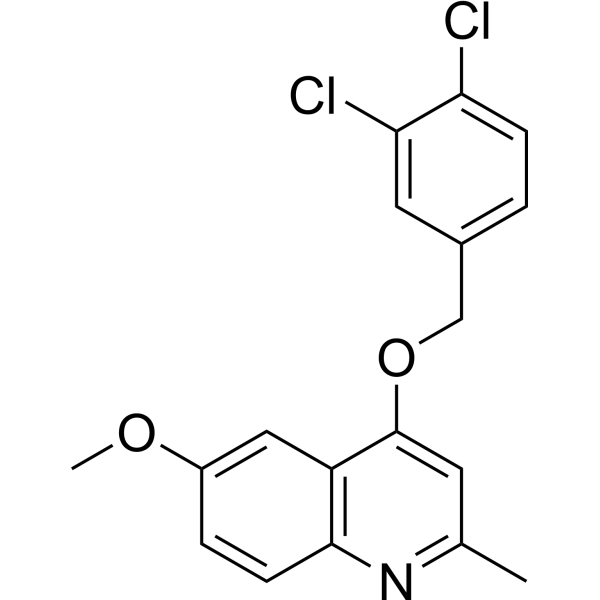
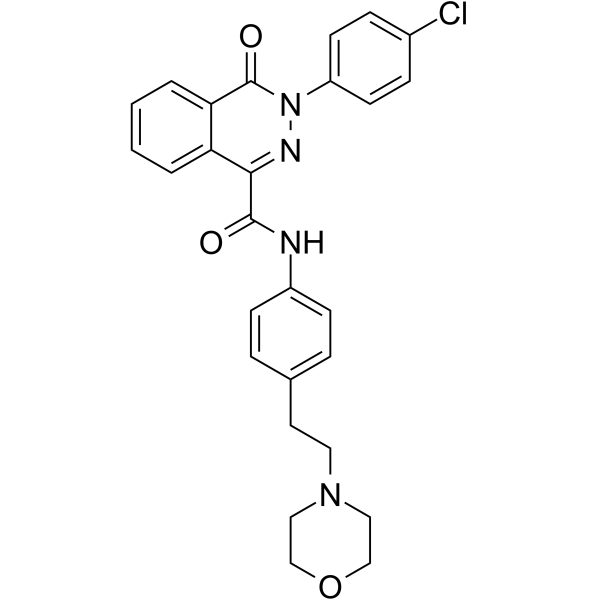
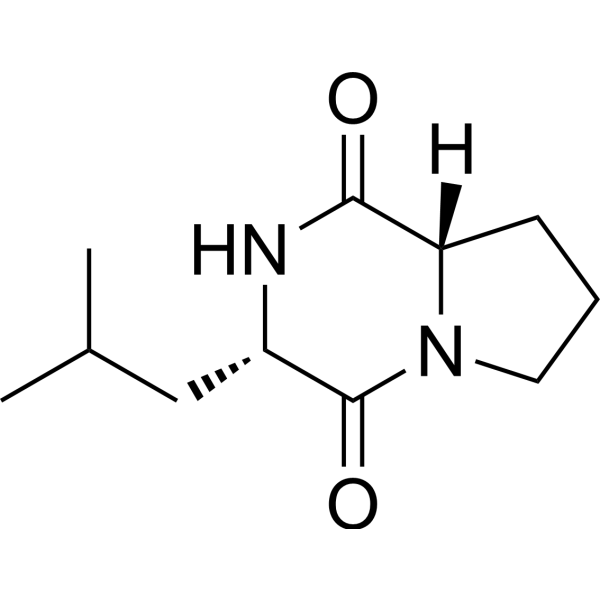
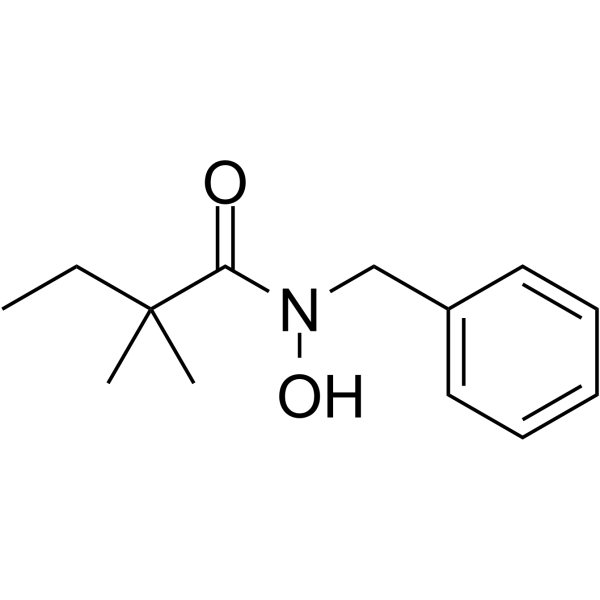
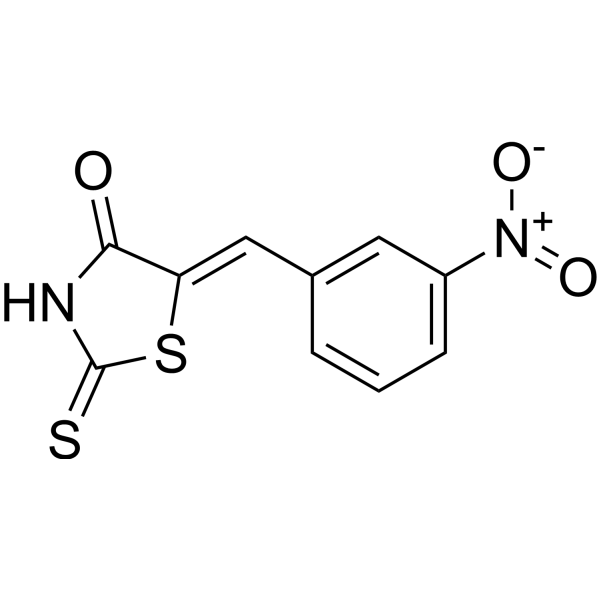
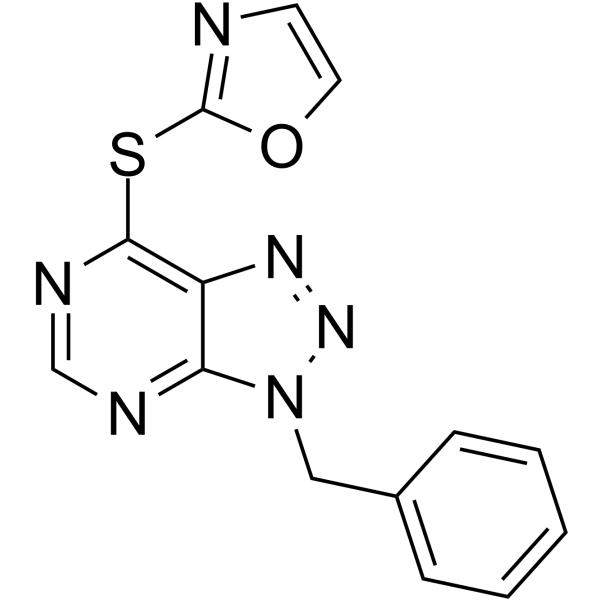
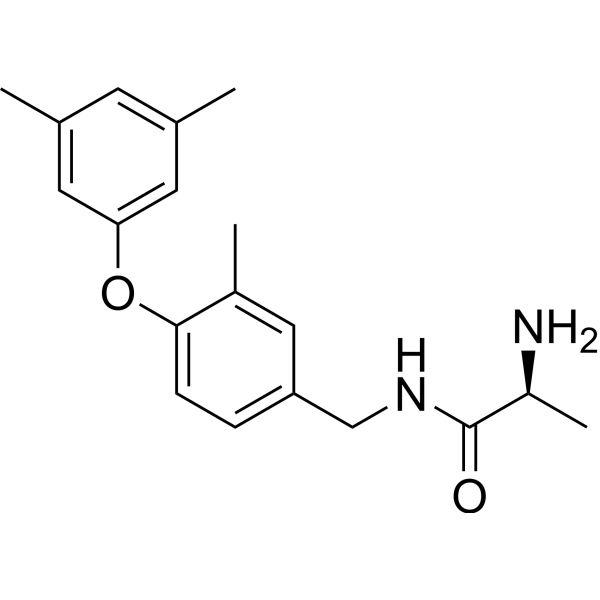
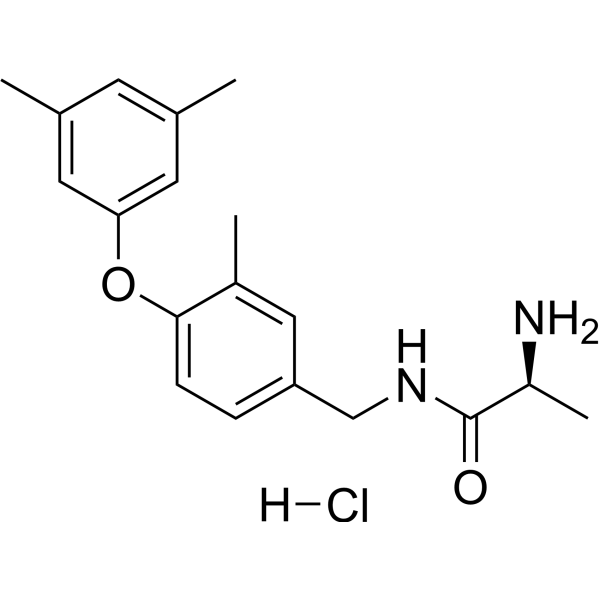
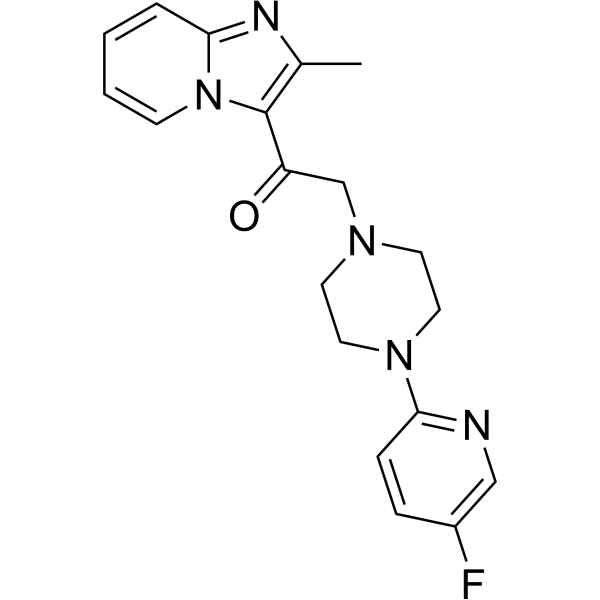
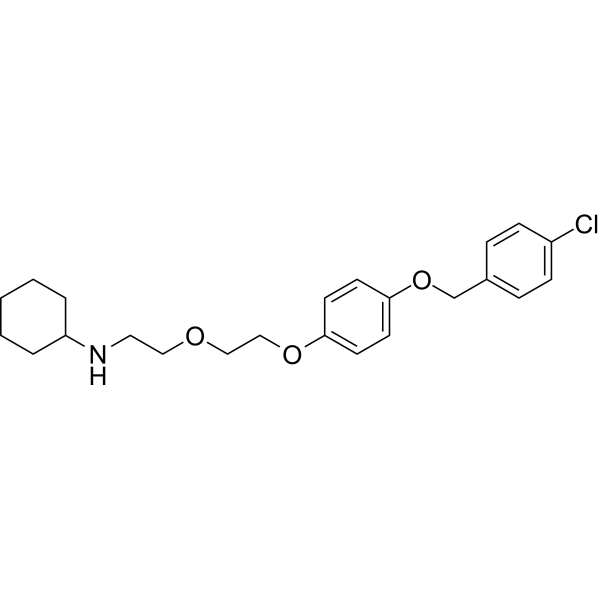
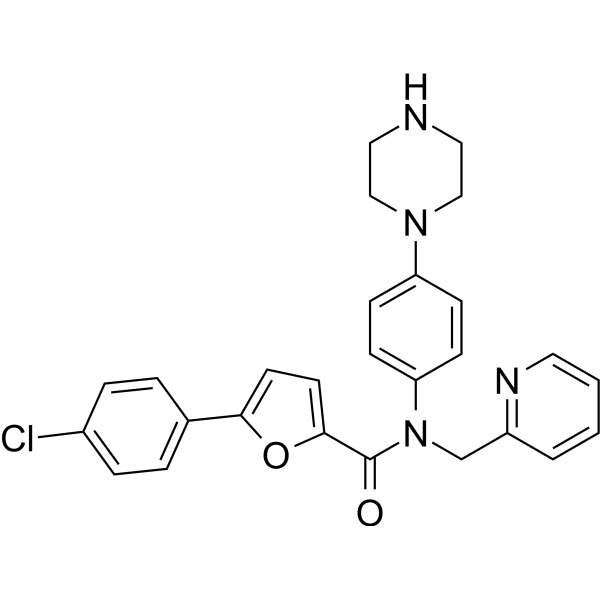
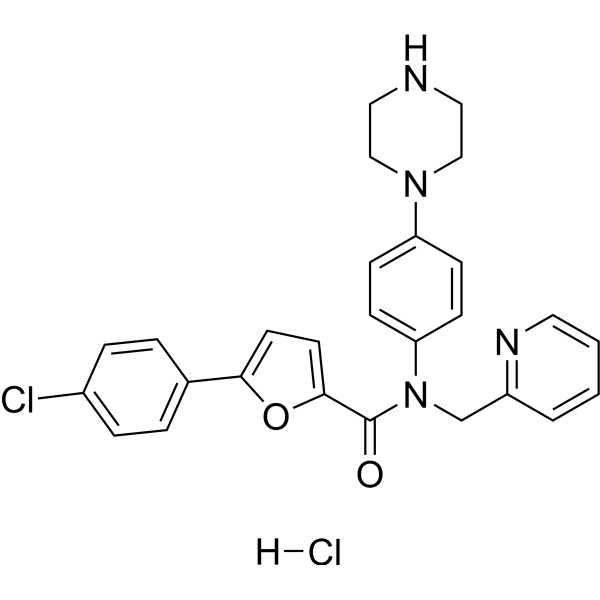
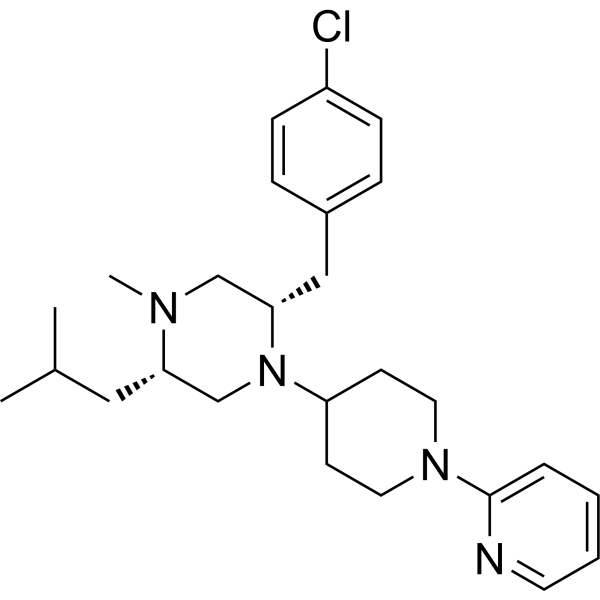
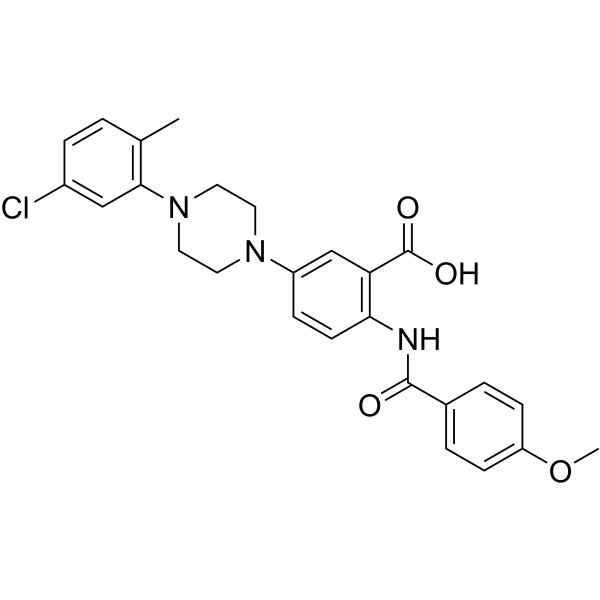
    Reversan (CBLC4H10) inhibits drug efflux mediated by P-glycoprotein (Pgp) and multidrug resistance protein 1 (MRP1), and exhibits oral activity. Reversan shows activity against glioblastoma multiforme and neuroblastoma models [1] .
    Reversan
  • HY-17013
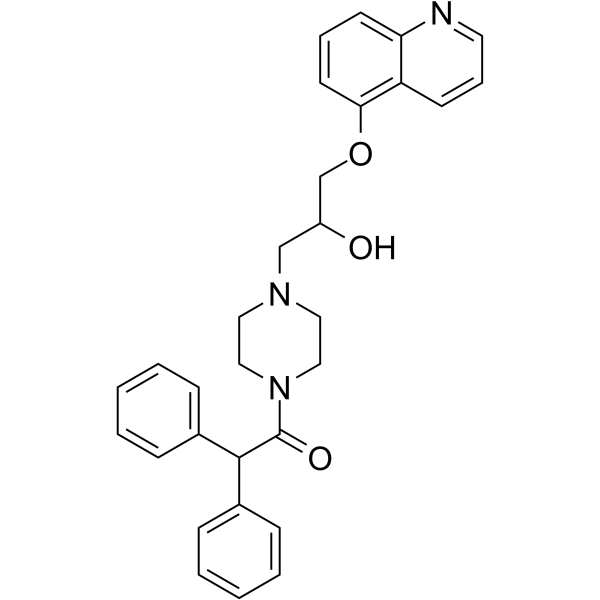
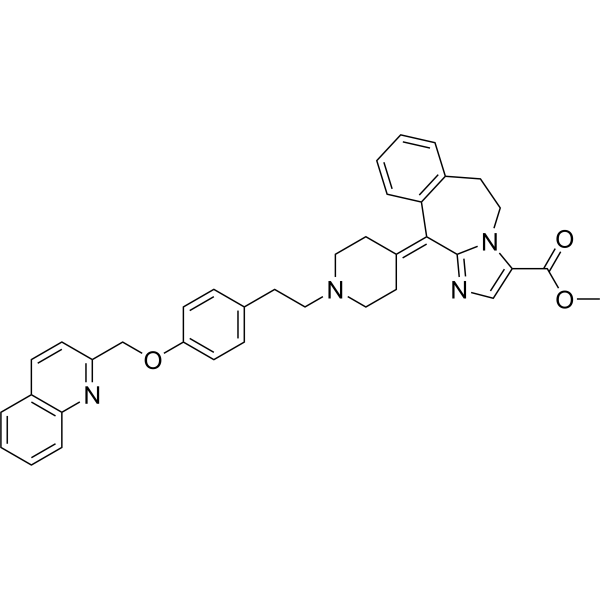
    Dofequidar
    2 Publications Verification

    MS-209 free base

    P-glycoprotein Cancer
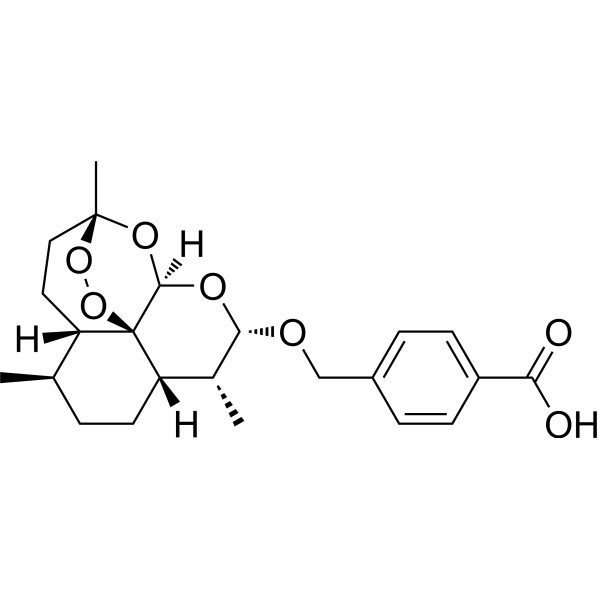
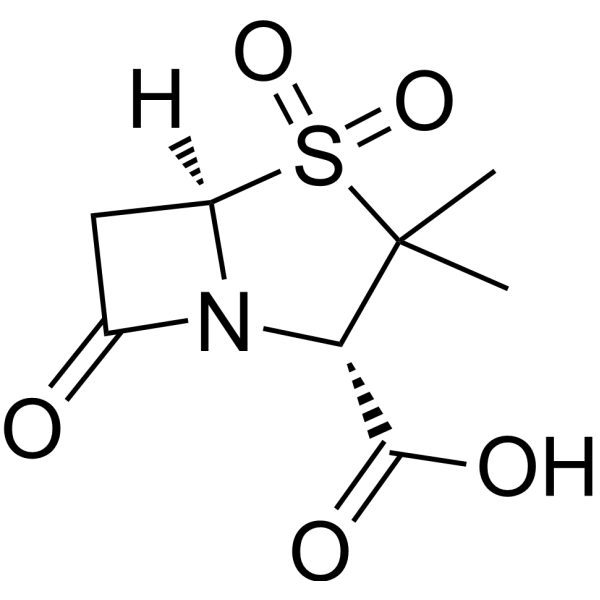
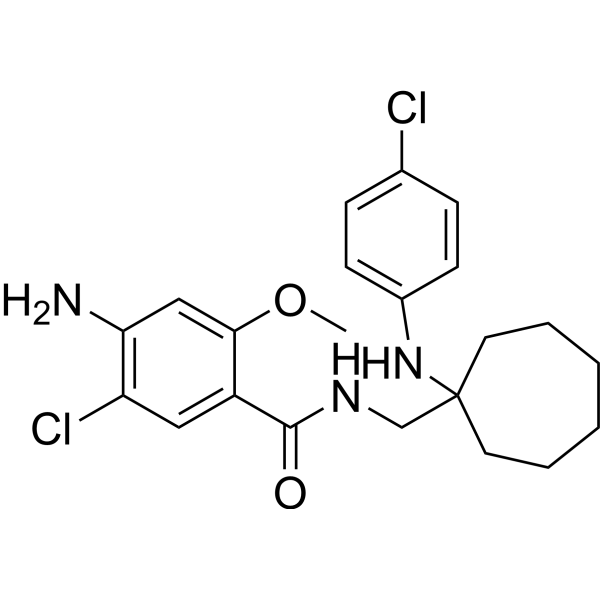
    Dofequidar (MS-209 free base) is an orally active quinoline compoundthat blocks P-glycoprotein (P-gp) and multidrug resistance-associated protein-1 (MDR-1). Dofequidar has highly potent reversing effect on multidrug-resistant tumor cells. Dofequidar competitively inhibits ABCB1/P-gp, ABCC1/MRP-1, blocks the efflux of chemotherapeutic agents, increases the drug concentration in cancer cells, and enhances the chemotherapeutic effect [1] .
    Dofequidar
  • HY-110177
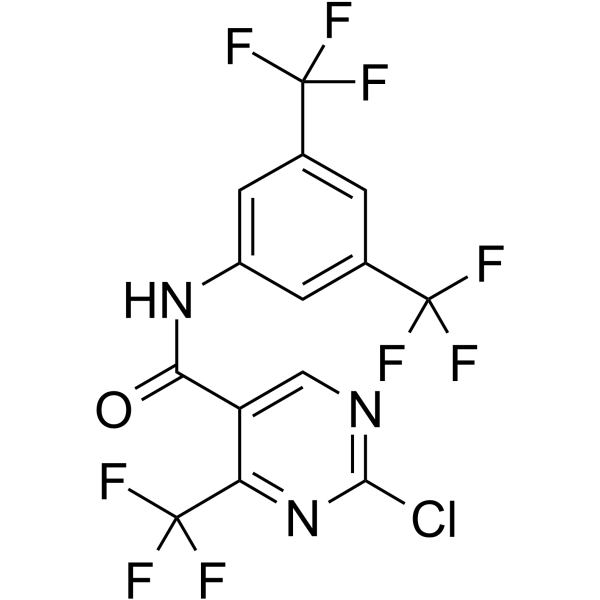
    SP-100030
    1 Publications Verification

    NF-κB Inflammation/Immunology
    SP-100030 is a potent NF-κB and activator protein-1 (AP-1) double inhibitor (IC50s=50 and 50 nM, respectively). SP-100030 inhibits IL-2, IL-8, and TNF-alpha production in Jurkat and other T cell lines. SP-100030 decreases murine collagen-induced arthritis (CIA) [1] .
    SP-100030
  • HY-108694
    γ-Tocotrienol
    4 Publications Verification

    Endogenous Metabolite NF-κB Metabolic Disease Inflammation/Immunology
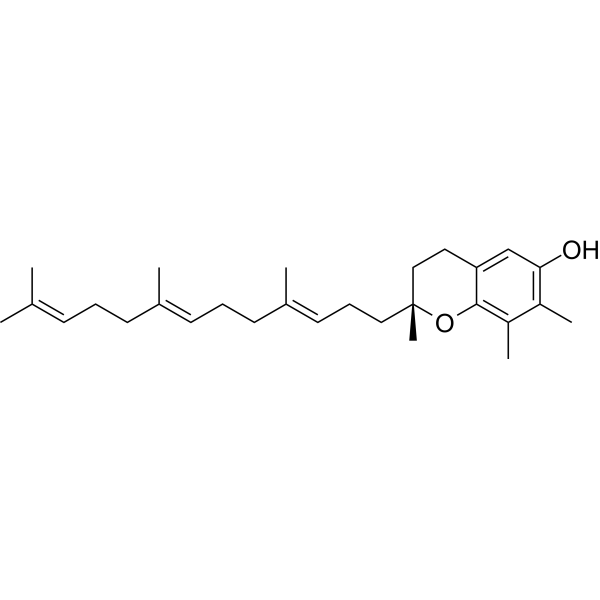
    γ-Tocotrienol is an active form of vitamin E. γ-tocotrienol reverses the multidrug resistance (MDR) of breast cancer cells through the signaling pathway of NF-κB and P-gp. γ-Tocotrienol is also a radioprotector agent, can mitigate bone marrow radiation damage during targeted radionuclide treatment [1] .
    γ-Tocotrienol
  • HY-42487B

    Drug Intermediate ADC Payload Topoisomerase Cancer
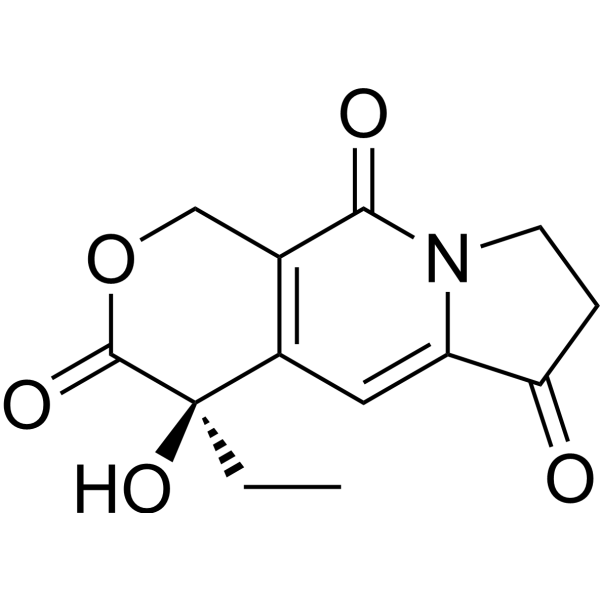
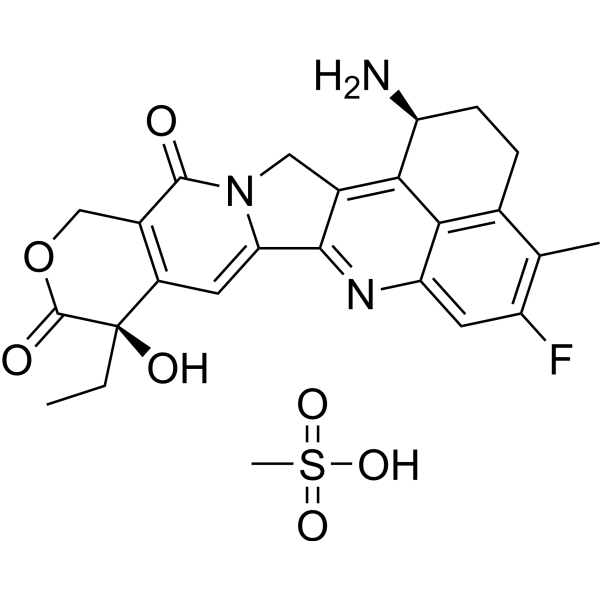
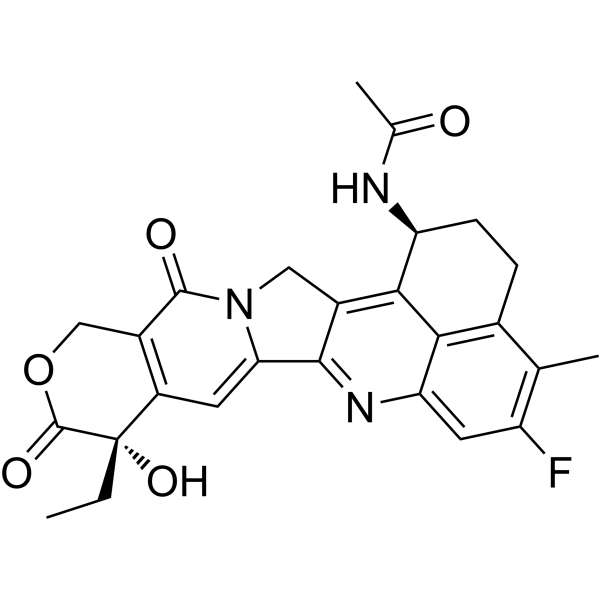
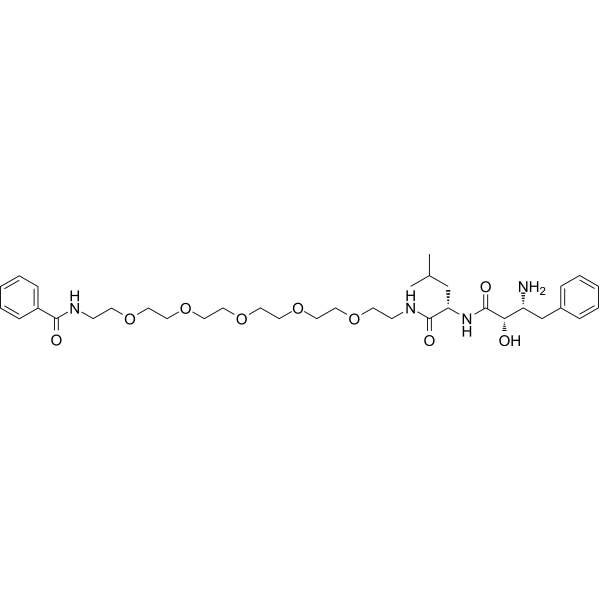
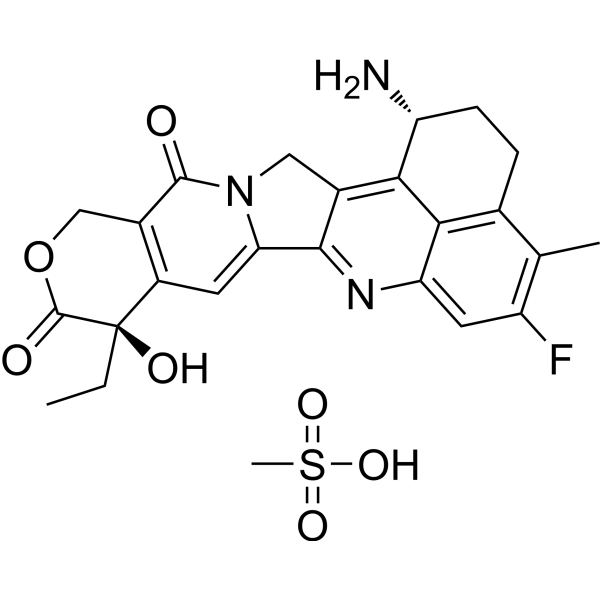
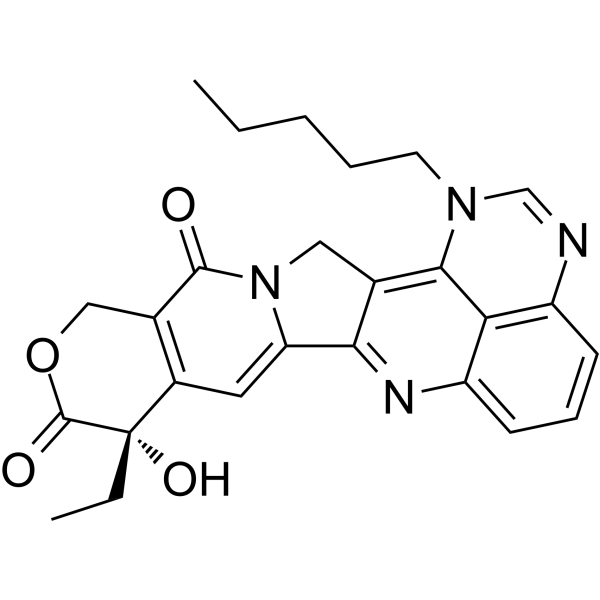
    (R)-Exatecan Intermediate 1 is a key intermediate in the synthesis of Camptothecin (HY-16560) derivatives, and can be used to prepare Exatecan mesylate (DX8951f) (HY-13631A). (R)-Exatecan Intermediate 1 enables the synthesis of Exatecan, which exhibits low sensitivity to multidrug resistance and has great value in anti-tumor research [1] .
    (R)-Exatecan Intermediate 1
  • HY-P2657

    HIF/HIF Prolyl-Hydroxylase Proton Pump Endogenous Metabolite Cancer
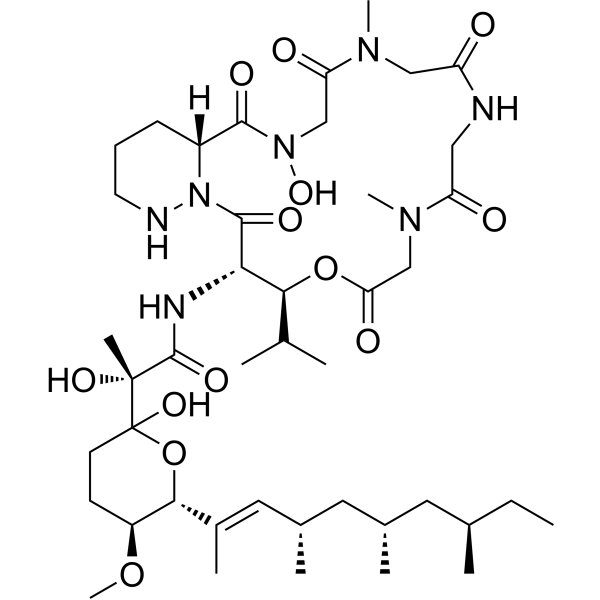
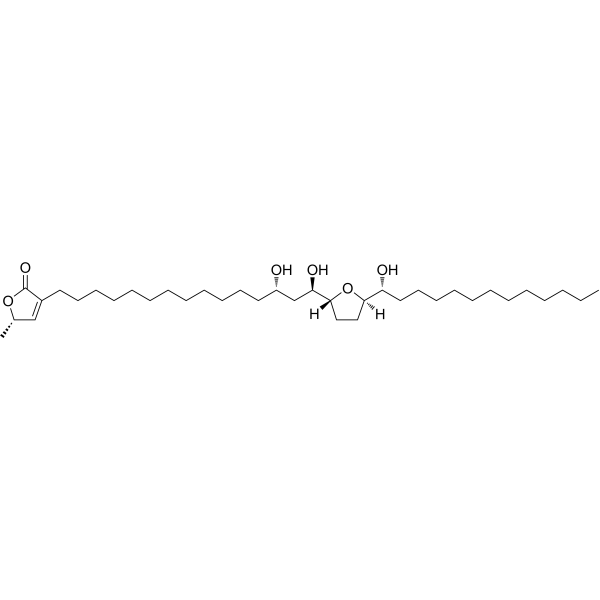
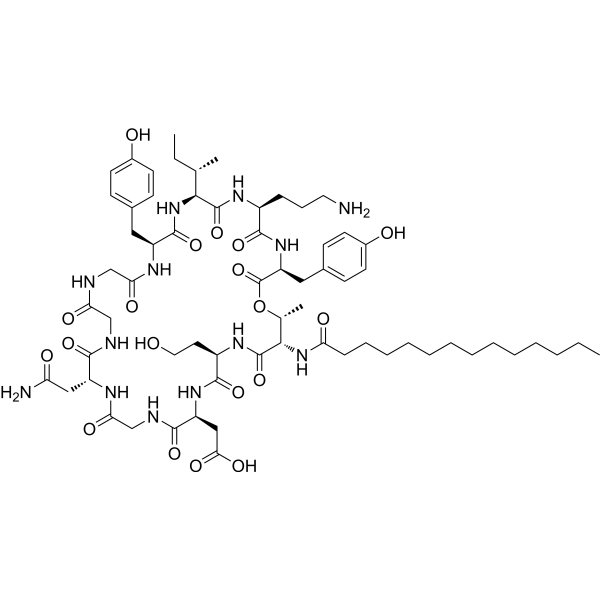
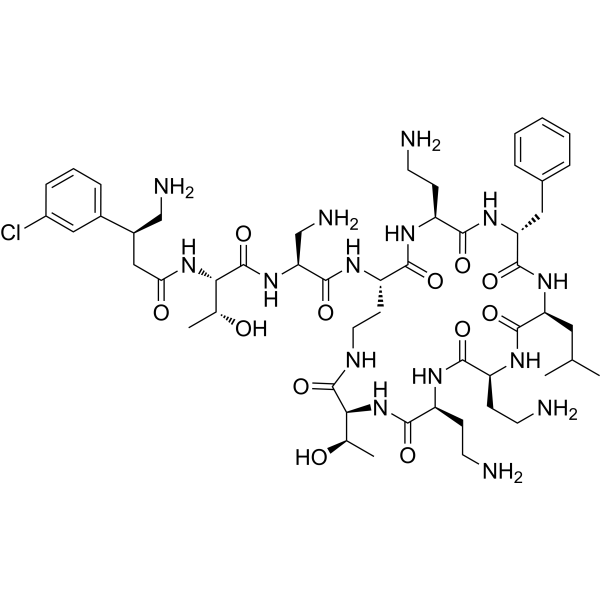
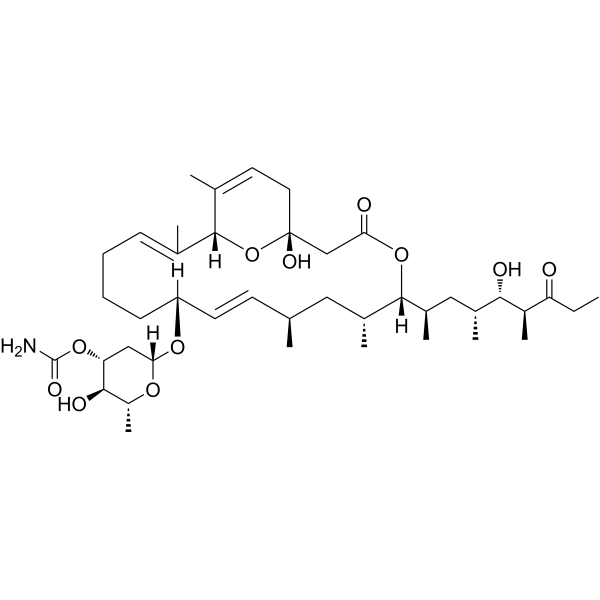
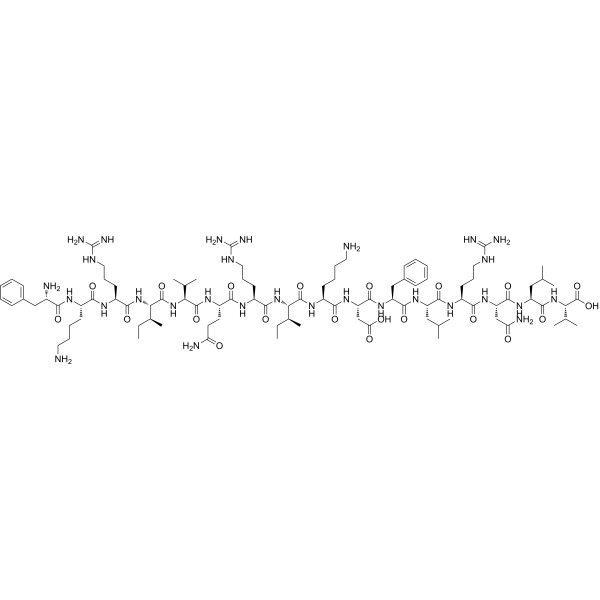
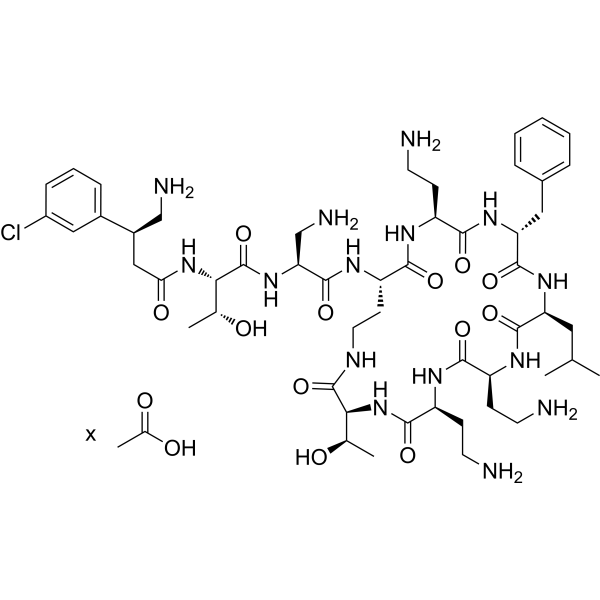
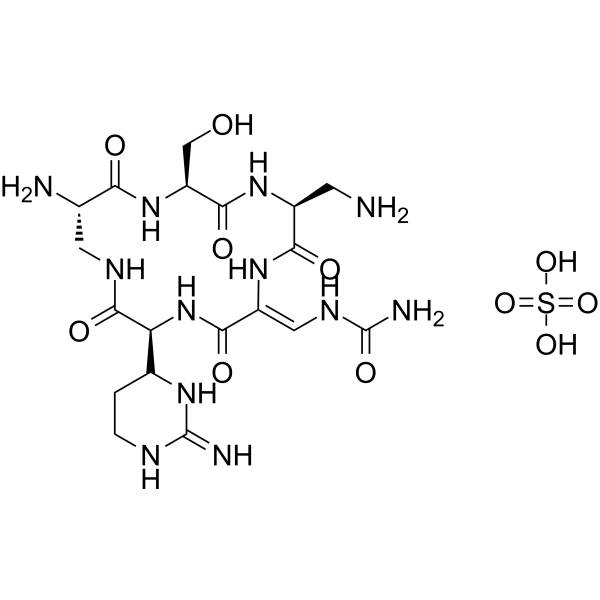
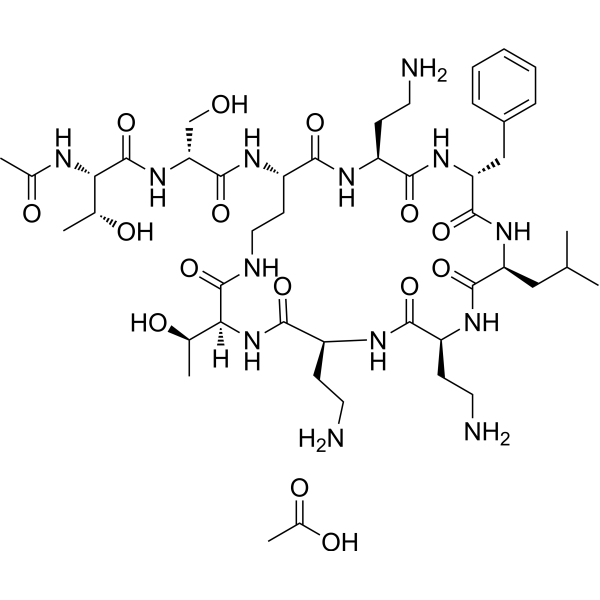
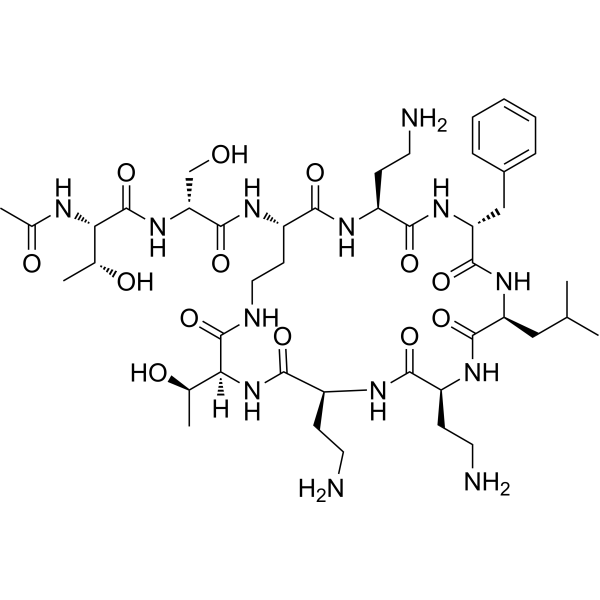
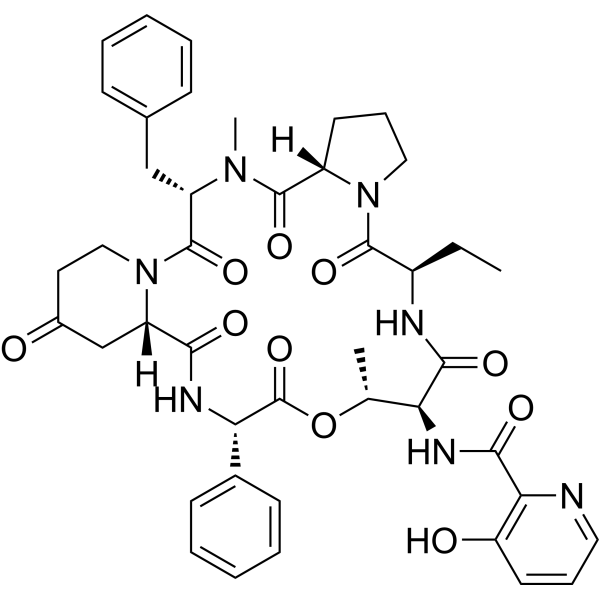
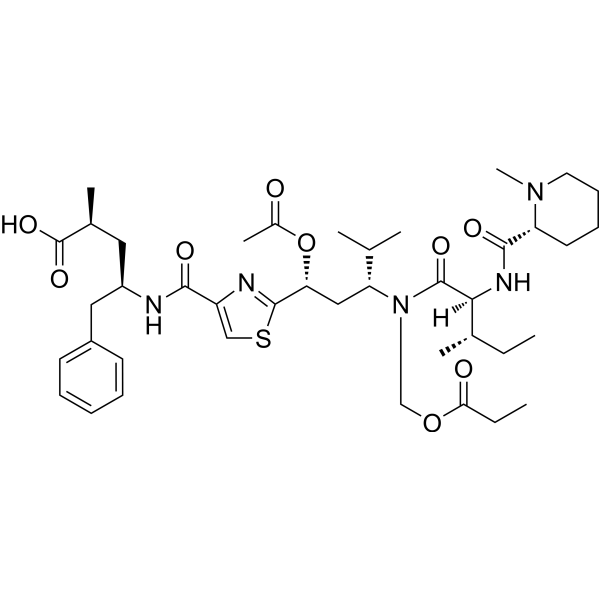
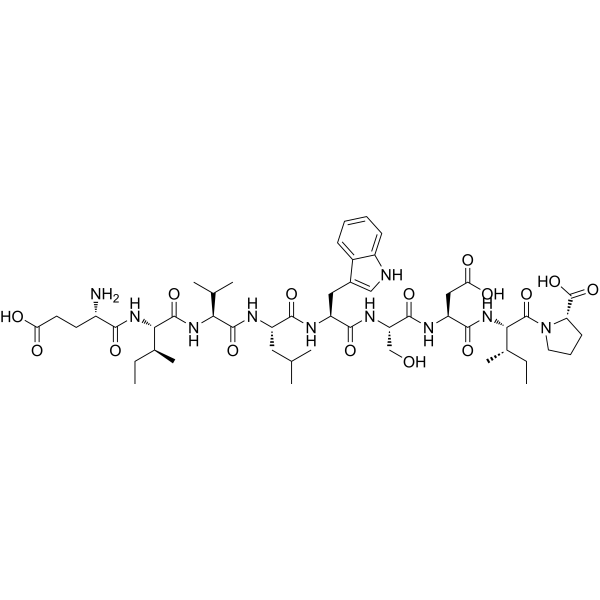
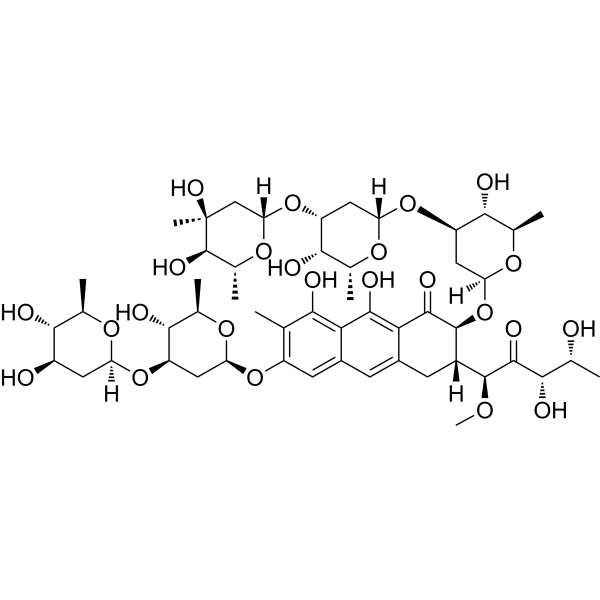
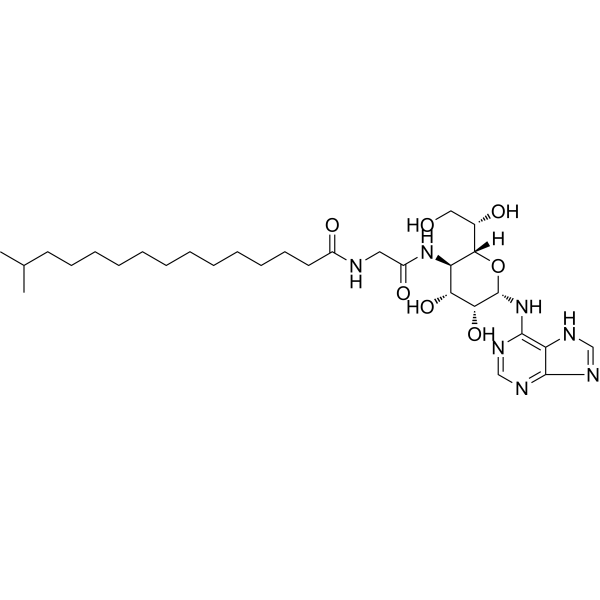
    Verucopeptin is a potent HIF-1 (IC50=0.22 μM) inhibitor and decreases the expression of HIF-1 target genes and HIF-1α protein levels. Verucopeptin strongly inhibits v-ATPase activity by directly targeting the v-ATPase ATP6V1G subunit but not ATP1V1B2 or ATP6V1D. Verucopeptin exhibits antitumor activity against multidrug resistance (MDR) cancers and can be used for cancer research.
    Verucopeptin
  • HY-109061B
    Lazertinib mesylate
    3 Publications Verification

    YH25448 mesylate; GNS-1480 mesylate

    TRP Channel EGFR Akt ERK Apoptosis Cancer
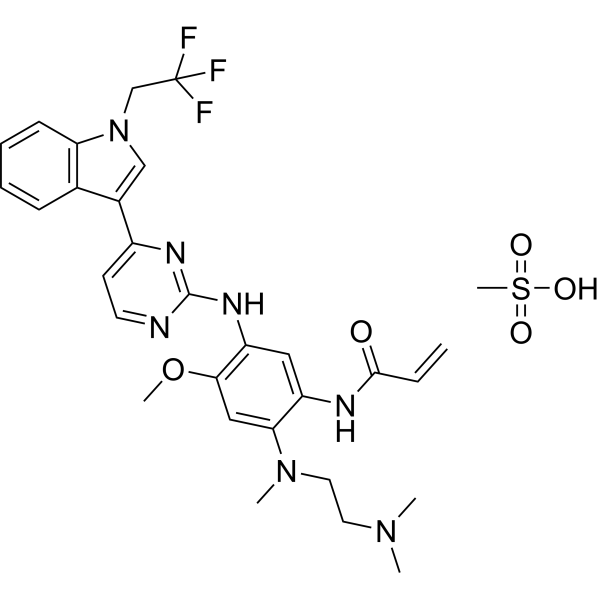
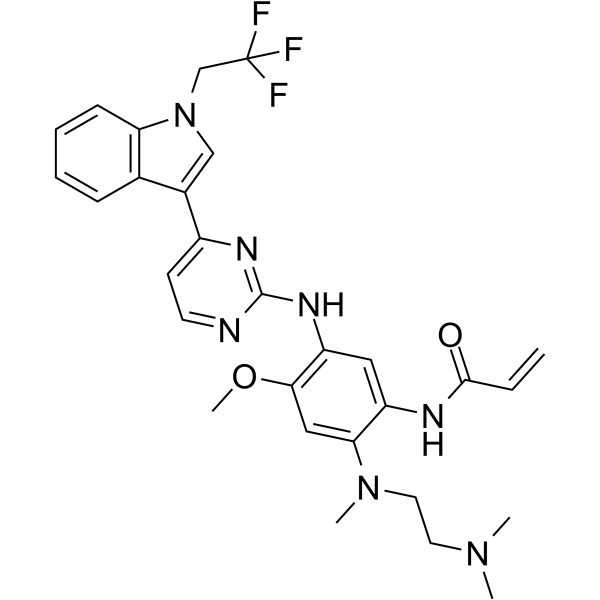
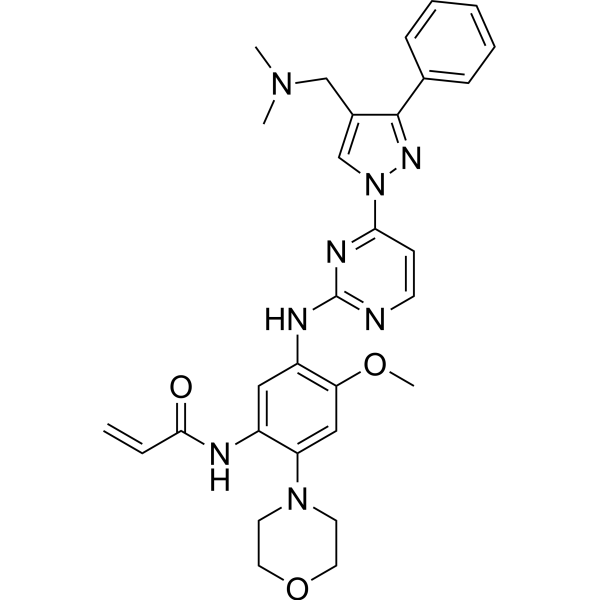
    Lazertinib (YH25448; GNS-1480) mesylate is an orally active, blood-brain barrier permeable third-generation EGFR tyrosine kinase inhibitor, as well as an ABCB1/ABCG2 inhibitor and a TRPA1 activator. Lazertinib mesylate exhibits IC50 values of 0.4 mM and 0.2 mM against human ABCB1 and ABCG2, respectively. By inhibiting mutant EGFR signaling, EGFR phosphorylation and the downstream ERK/AKT pathway, as well as upregulating surface expression of EGFR/MET, Lazertinib mesylate induces cell cycle arrest, apoptosis, spontaneous calcium responses, hyperexcitability of dorsal root ganglion (DRG) neurons, and TRPA1-dependent pain-like behaviors. Lazertinib mesylate competitively binds to the substrate-binding sites of ABCB1/ABCG2, stimulates their ATPase activity without altering their expression or plasma membrane localization, thereby enhancing ADCC activity, acting as a chemosensitizer, and reversing ABCB1-mediated multidrug resistance. It exerts antitumor activity as a single agent or in combination with other drugs. Lazertinib mesylate is applicable to research related to non-small cell lung cancer, multidrug-resistant cancers, and paresthesia [1] .
    Lazertinib mesylate
  • HY-157068

    Ferroptosis Glutathione Peroxidase Cancer
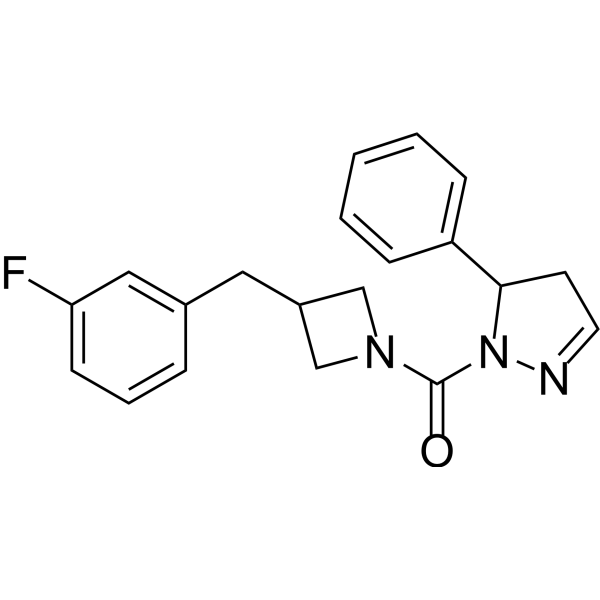
    icFSP1 is a potent ferroptosis suppressor protein-1 (FSP1) inhibitor. icFSP1 triggers subcellular relocalization of FSP1 from the membrane and FSP1 condensation, in synergism with GPX4 inhibition. icFSP1 induces ferroptosis. icFSP1 shows antitumor activity against melanoma. [1].
    icFSP1
  • HY-125864B

    MMP Cadherin Cardiovascular Disease Neurological Disease
    Murine Fibrinogen is a native fibrinogen derived from mouse plasma. Murine Fibrinogen acts as a cerebrovascular permeability enhancer. Murine Fibrinogen activates matrix metalloproteinase-9 (MMP-9), downregulates the expression of vascular endothelial cadherin (VE-cadherin), and upregulates the expression of plasmalemmal vesicle-associated protein-1 (PV-1). Murine Fibrinogen increases macromolecular leakage from pial veins, thereby disrupting the microvascular integrity of cerebral blood vessels. Murine Fibrinogen can be used in studies related to cerebrovascular dysfunction [1].
    Murine Fibrinogen
  • HY-18313

    Ribosomal S6 Kinase (RSK) JAK CDK Metabolic Disease
    S6K1-IN-1 is a selective S6K1 inhibitor with an IC50 value of 52 nM. S6K1-IN-1 can be used in the research of obesity and insulin resistance-related diseases [1].
    S6K1-IN-1
  • HY-123875A

    EPI-506

    Androgen Receptor Cancer
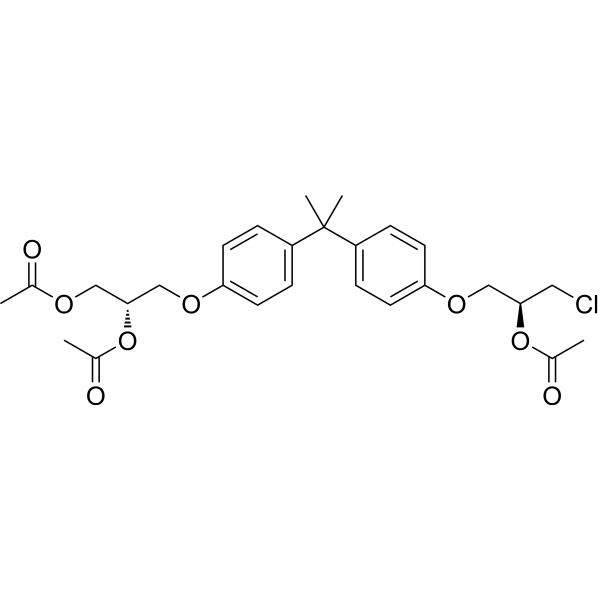
    Ralaniten triacetate (EPI-506), the pro-agent of Ralaniten, is a first-in-class, orally active androgen receptor (AR) N-terminal domain (NTD) inhibitor. Ralaniten triacetate shows activity against both full length and resistance-related AR species, including AR-v7 [1] .
    Ralaniten triacetate
  • HY-128577
    NIC3
    1 Publications Verification

    BTB/POZ Family Cancer
    NIC3 is a selective nucleus accumbens-associated protein-1 (NAC1) inhibitor, binds to the conserved Leu-90 of NAC1, prevents its homodimerization, and leads to proteasomal NAC1 degradation. Anti-cancer activity [1].
    NIC3
  • HY-B0780
    Fimasartan
    4 Publications Verification

    BR-A-657

    Angiotensin Receptor Apoptosis NF-κB Cardiovascular Disease Neurological Disease Inflammation/Immunology Endocrinology
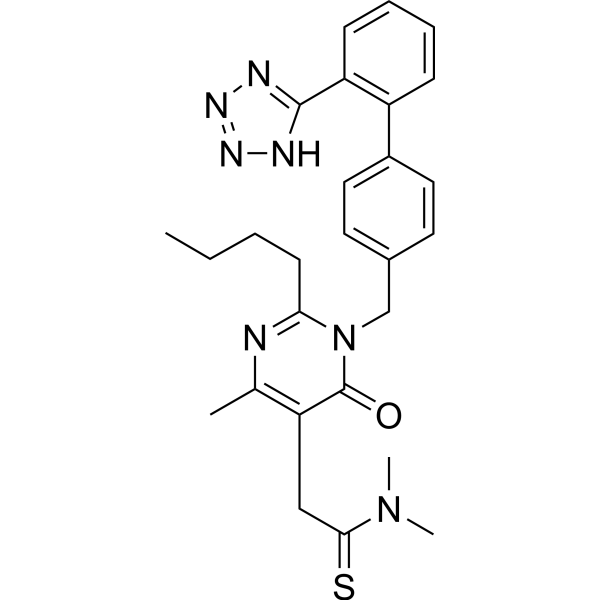
    Fimasartan (BRA-657) is an orally effective angiotensin receptor AT1 non-peptide antagonist. Fimasartan has antihypertensive effects. Fimasartan improves neuroinflammation and brain injury mediated by NLRP3 inflammatome after intracerebral hemorrhage, and has neuroprotective effect. Fimasartan inhibits the expression of inducible nitric oxide synthase through the inactivation of NF-κB and activator protein-1 [1] .
    Fimasartan
  • HY-15134

    OC 144-093; OC 144093

    P-glycoprotein Infection Cancer
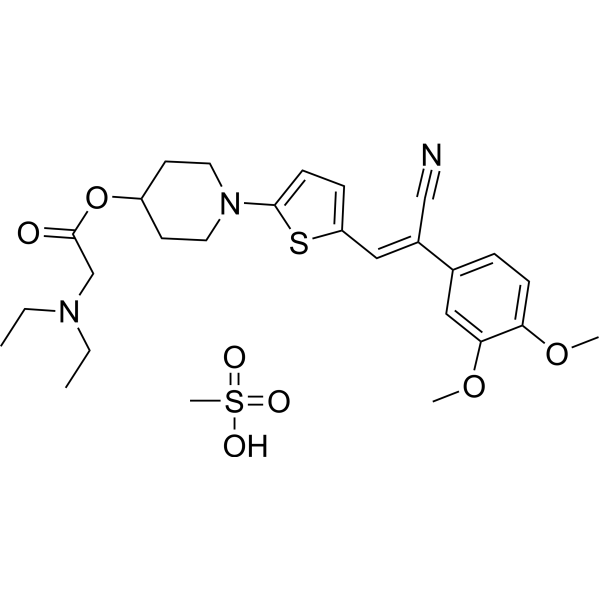
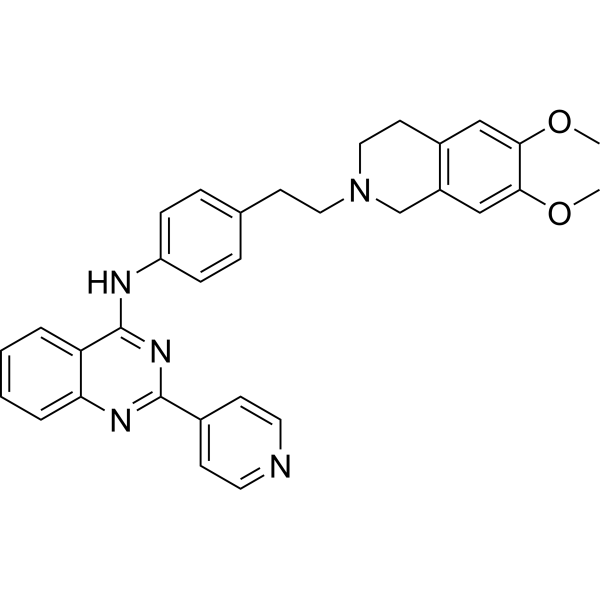
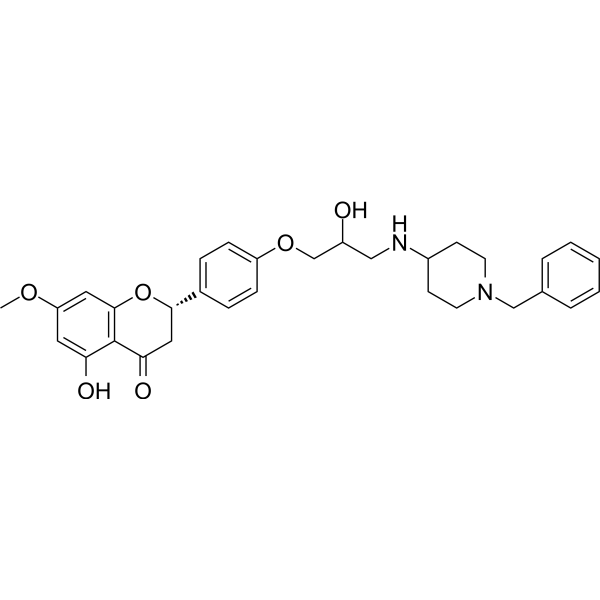
    ONT-093 (OC 144-093) is a potent and orally active inhibitor of P-glycoprotein pump. ONT-093 inhibits P-gp-mediated ATPase activity with an IC50 of 0.16 μM. ONT-093 can inhibit drug efflux and increase bioavailability. ONT-093 reverses cancer cells multidrug resistance to chemotherapeutic drugs. ONT-093 can be used for the researches of cancer and infection, such as colon cancer and malarial [1] .
    ONT-093
  • HY-19642A
    Glesatinib hydrochloride
    2 Publications Verification

    MGCD265 hydrochloride

    TAM Receptor c-Met/HGFR Cancer
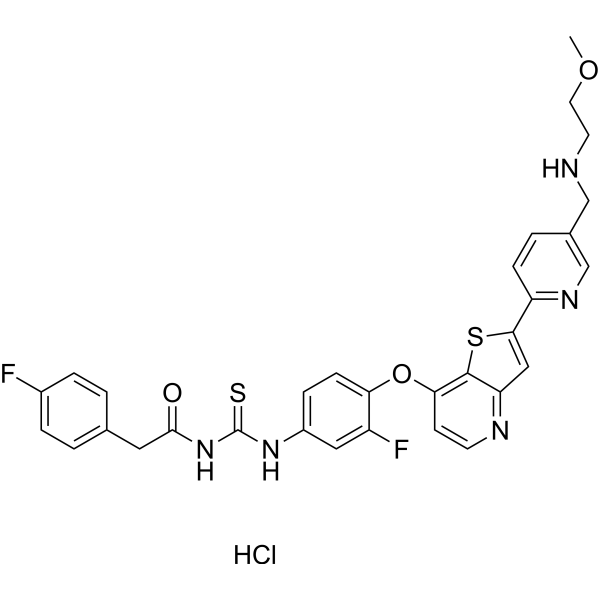
    Glesatinib hydrochloride (MGCD265 hydrochloride) is an orally active, potent MET/SMO dual inhibitor. Glesatinib hydrochloride, a tyrosine kinase inhibitor, antagonizes P-glycoprotein (P-gp) mediated multidrug resistance (MDR) in non-small cell lung cancer (NSCLC) [1] .
    Glesatinib hydrochloride
  • HY-101453

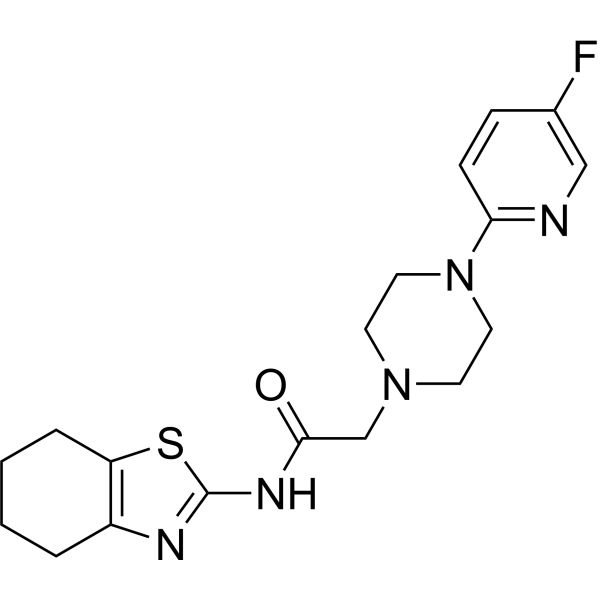
    P-glycoprotein Cancer
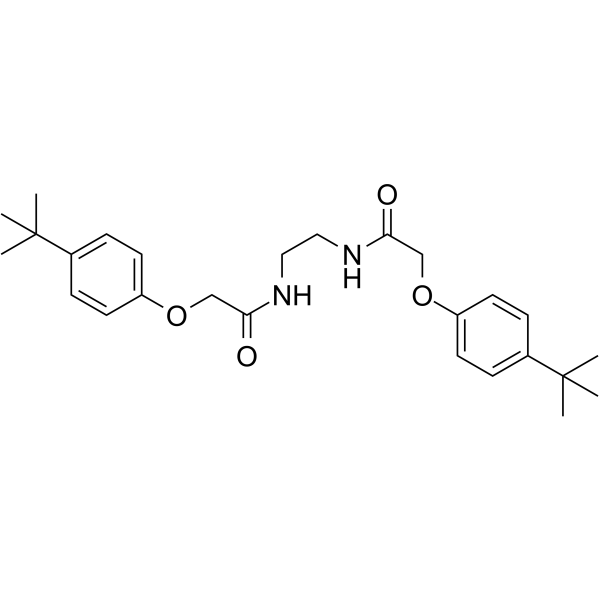
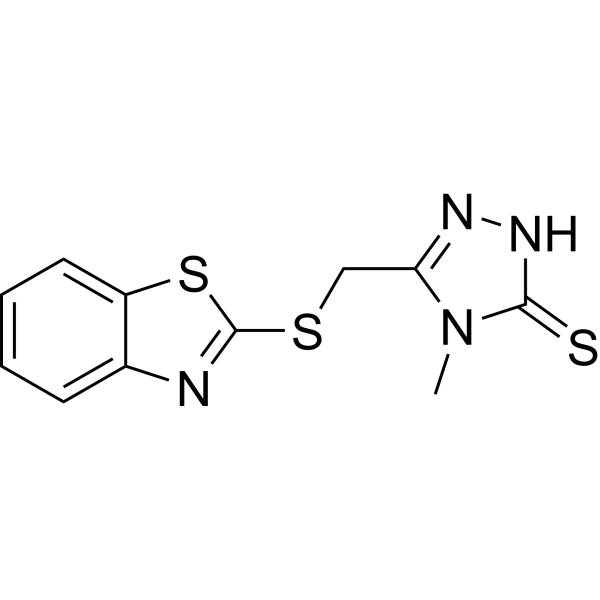
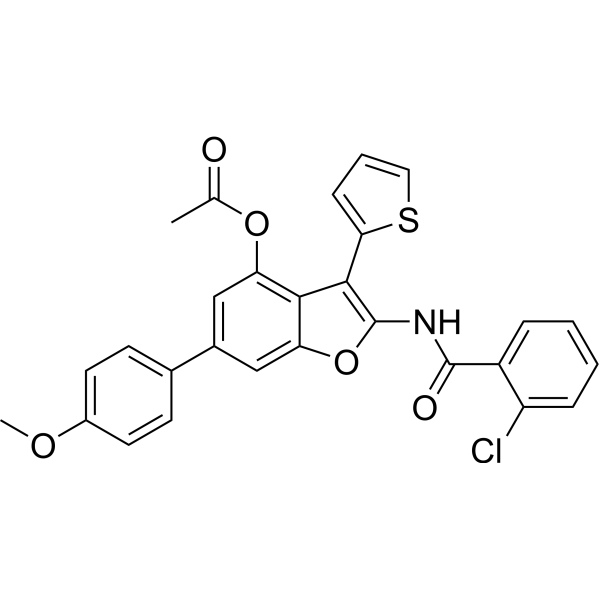
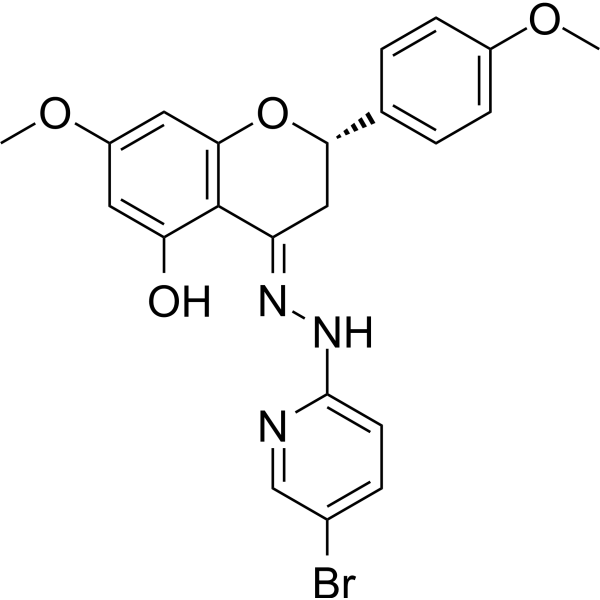
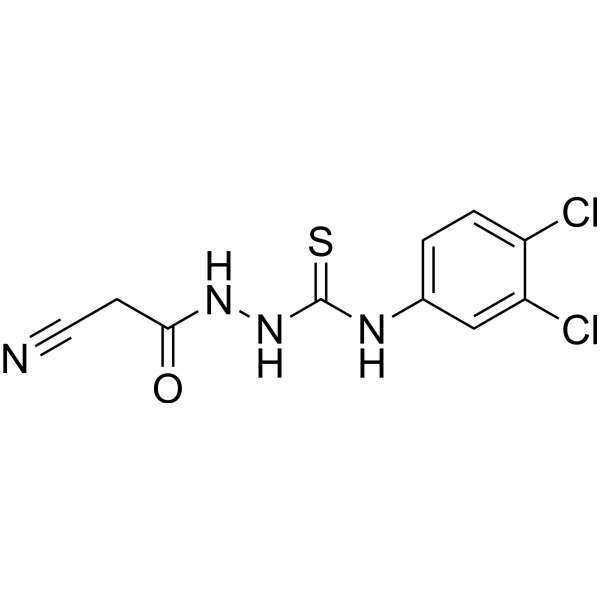
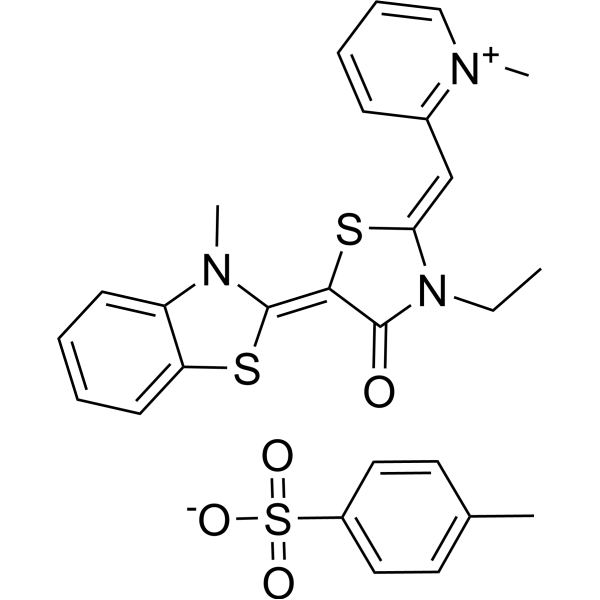
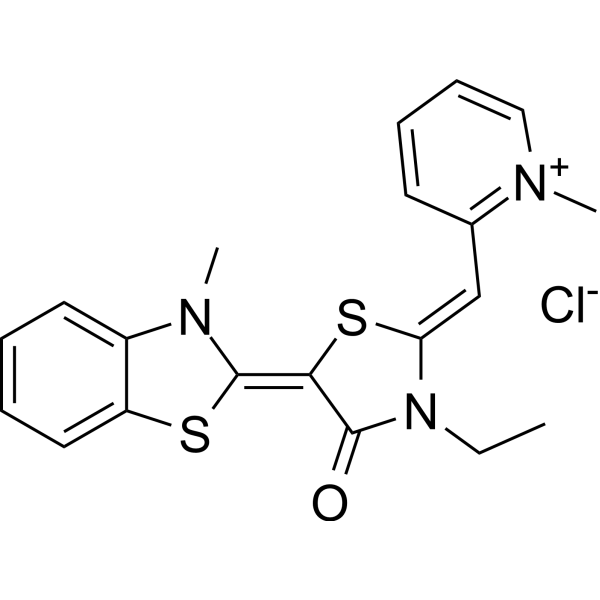
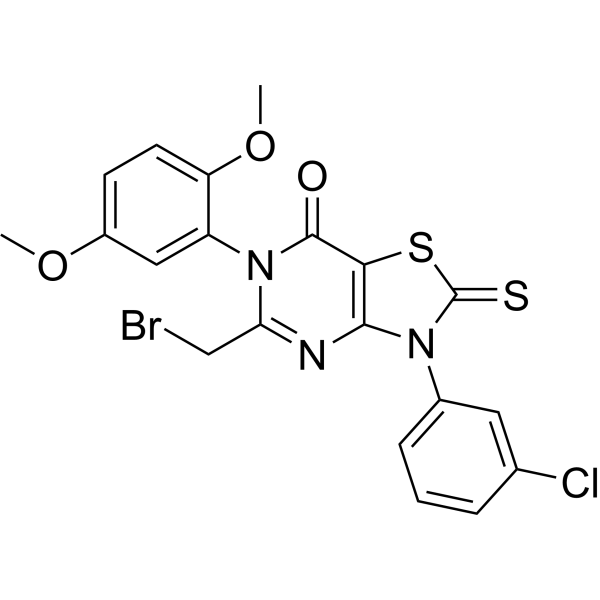
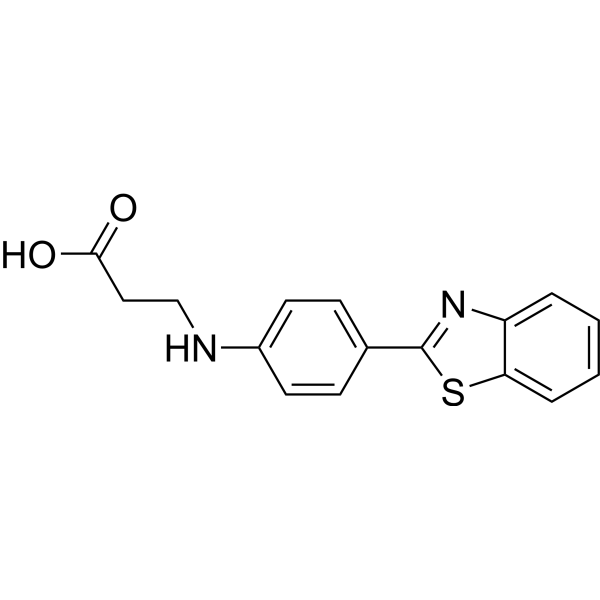
    Ceefourin 1 is a potent and highly selective multidrug resistance protein 4 (MRP4) inhibitor. Ceefourin 1 inhibits transport of a broad range of MRP4 substrates, yet is highly selective for MRP4 over other ABC transporters. Ceefourin 1 is a benzothiazol and primarily as a chemosensitizer for high-risk neuroblastoma [1] .
    Ceefourin 1
  • HY-P10856

    P-glycoprotein Cancer
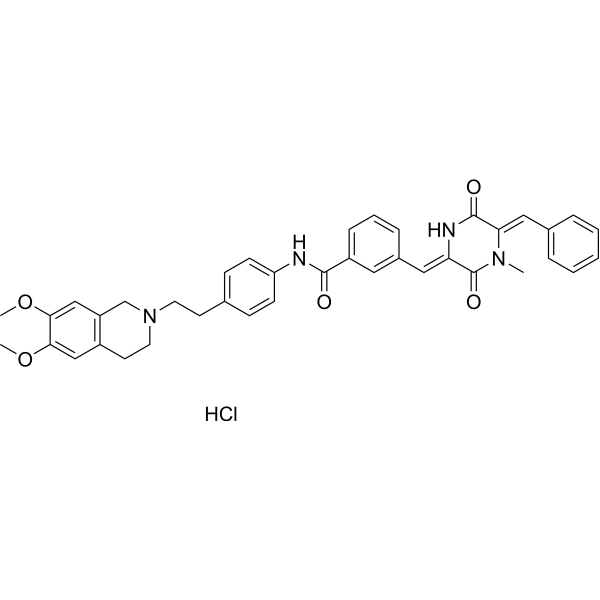
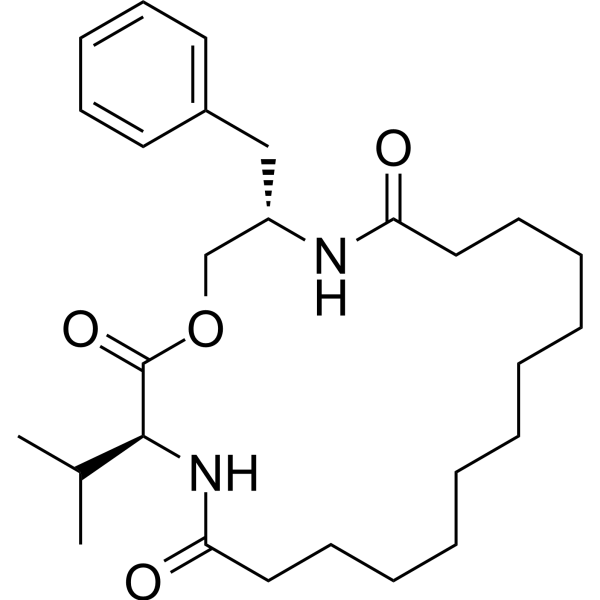
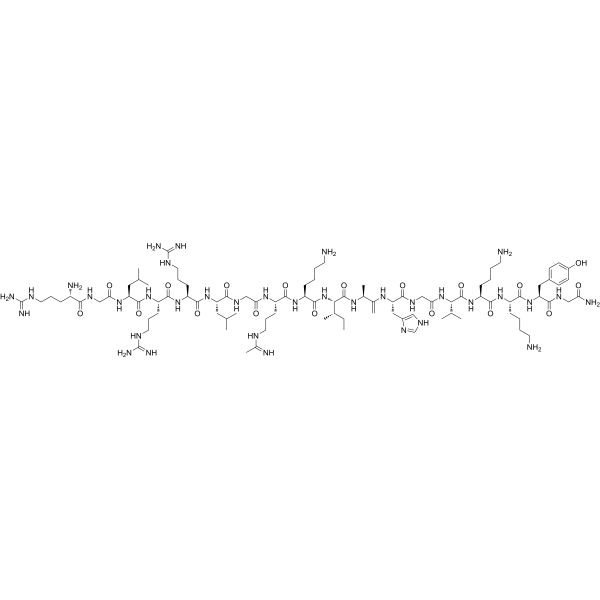
    CPI1 is a multidrug resistance protein 1 (MRP1) inhibitor with a Ki value of 100 nM. CPI1 binds to the same substrate-binding site as leukotriene C4, stabilizes MRP1 in an apo-like inward-facing conformation, blocks the conformational changes required for ATP hydrolysis and substrate transport, and inhibits the ATPase activity of human and bovine MRP1. CPI1 serves as a tool for investigating the substrate transport mechanism of MRP1. CPI1 is applicable to research related to cancer multidrug resistance [1].
    CPI1
  • HY-17013A
    Dofequidar fumarate
    2 Publications Verification

    MS-209

    P-glycoprotein Cancer
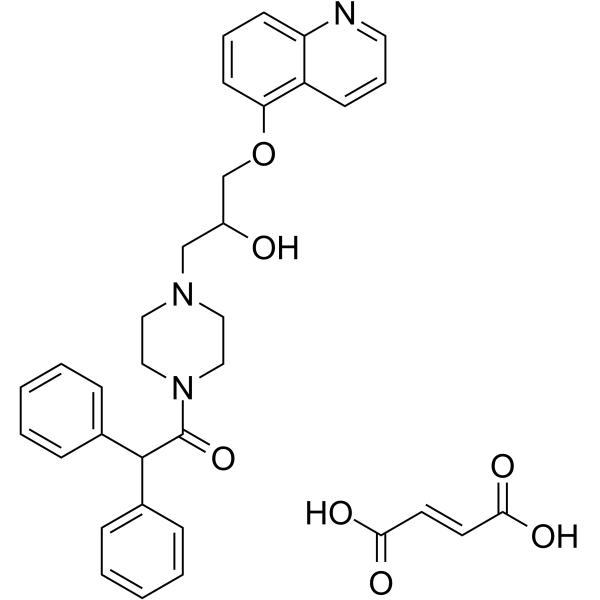
    Dofequidar fumarate (MS-209) is an orally active quinoline compoundthat blocks P-glycoprotein (P-gp) and multidrug resistance-associated protein-1 (MDR-1). Dofequidar fumarate has highly potent reversing effect on multidrug-resistant tumor cells. Dofequidar fumarate competitively inhibits ABCB1/P-gp, ABCC1/MRP-1, blocks the efflux of chemotherapeutic agents, increases the drug concentration in cancer cells, and enhances the chemotherapeutic effect [1] .
    Dofequidar fumarate
  • HY-120959

    Fluorescent Dye Parasite Others
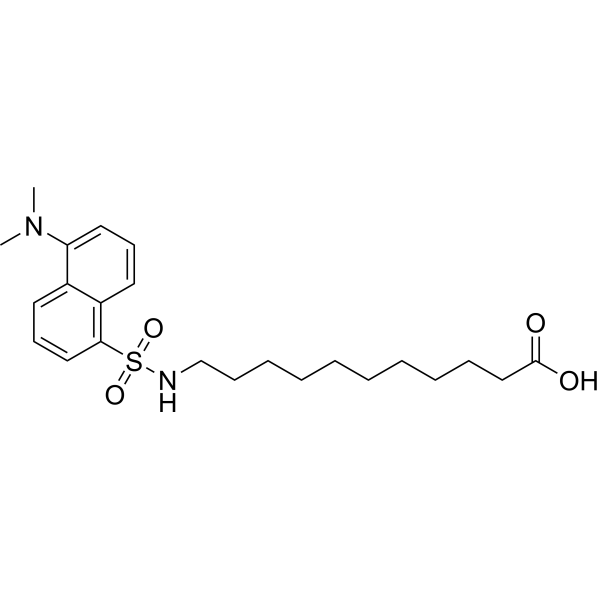
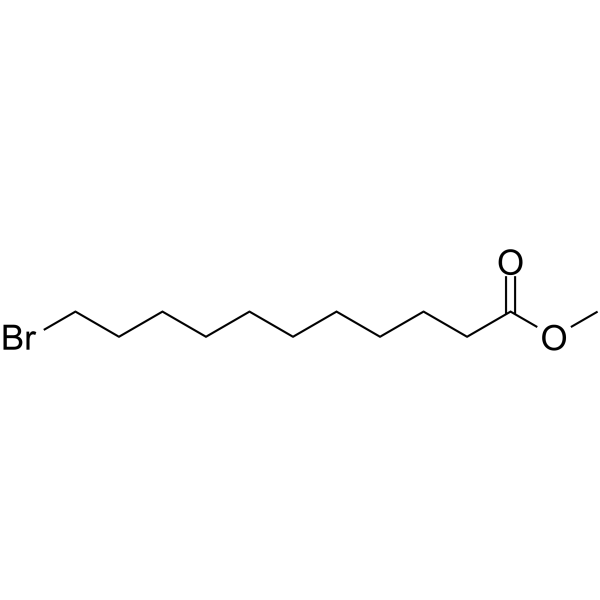
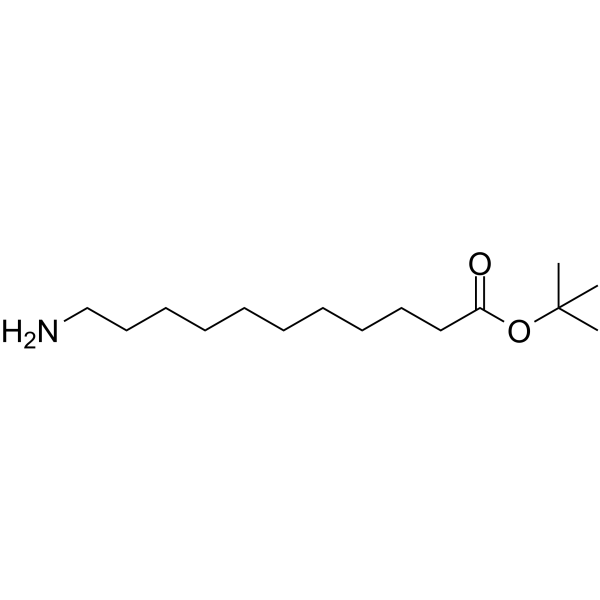
    DAUDA (11-(dansylamino) undecanoic acid) is an environment-sensitive fluorescent fatty acid analogue. DAUDA alters its intensities and fluorescent emission spectra on entry into binding proteins. DAUDA is used to determine the relative affinity of natural fatty acids for polymorphs of the Schistosoma mansoni Sm14 fatty acid-binding protein[1].
    DAUDA
  • HY-W010983
    SC-236
    2 Publications Verification

    COX PPAR Apoptosis Cardiovascular Disease Inflammation/Immunology Cancer
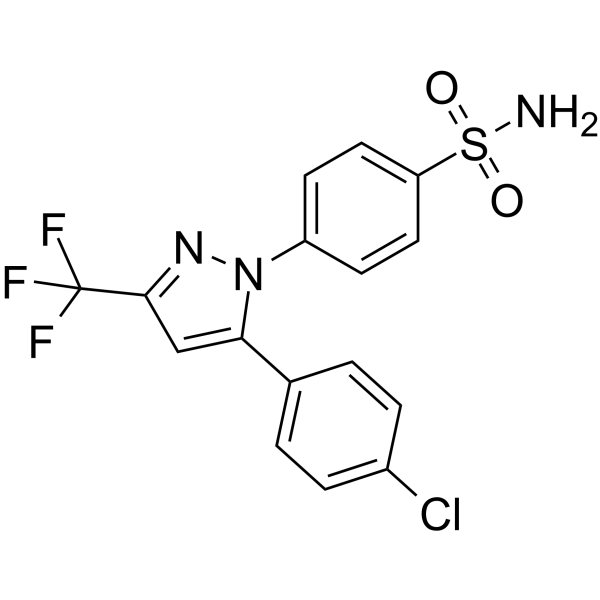
    SC-236 is an orally active COX-2 specific inhibitor (IC50 = 10 nM) and a PPARγ agonist. SC-236 suppresses activator protein-1 (AP-1) through c-Jun NH2-terminal kinase. SC-236 exerts anti-inflammatory effects by suppressing phosphorylation of ERK in a murine model [1] .
    SC-236
  • HY-B0947
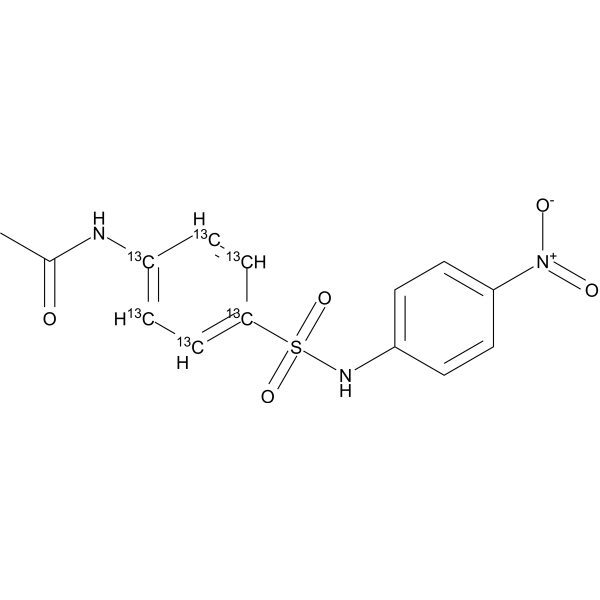
    Sulfanitran
    2 Publications Verification

    P-glycoprotein Bacterial Infection
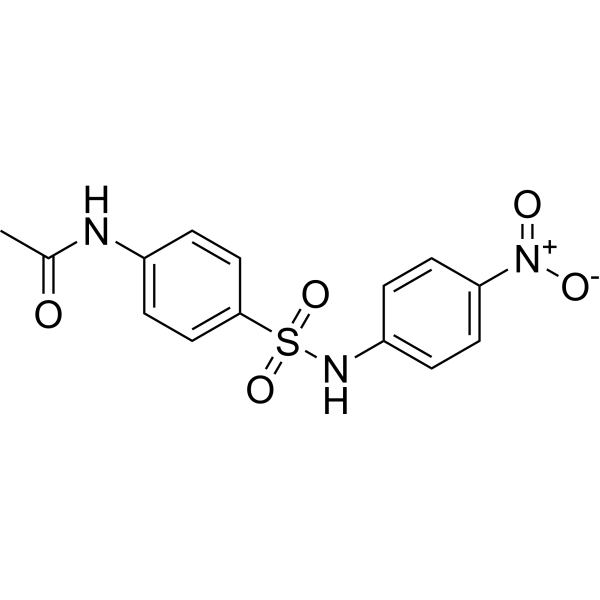
    Sulfanitran is an antibacterial and anticoccidial agent used in poultry feeds. Sulfanitran also is a multidrug resistance protein 2 (MRP2) stimulator that can increase the affinity of MRP2 for estradiol-17-β-D-glucuronide (E217βG) [1] .
    Sulfanitran
  • HY-N1423R

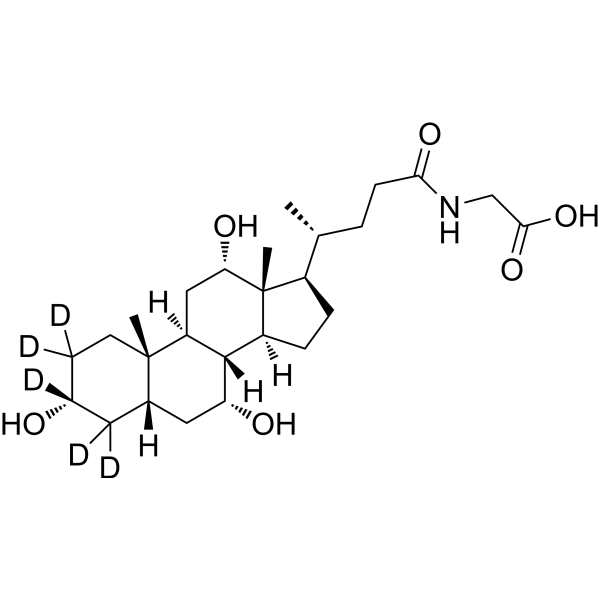
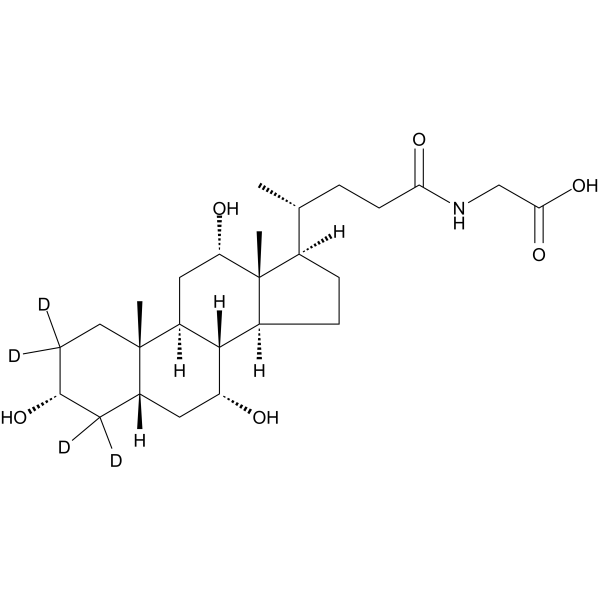
    Reference Standards P-glycoprotein Bcl-2 Family G protein-coupled Bile Acid Receptor 1 Endogenous Metabolite Bacterial Apoptosis FXR Caspase MDM-2/p53 LPL Receptor Metabolic Disease Cancer
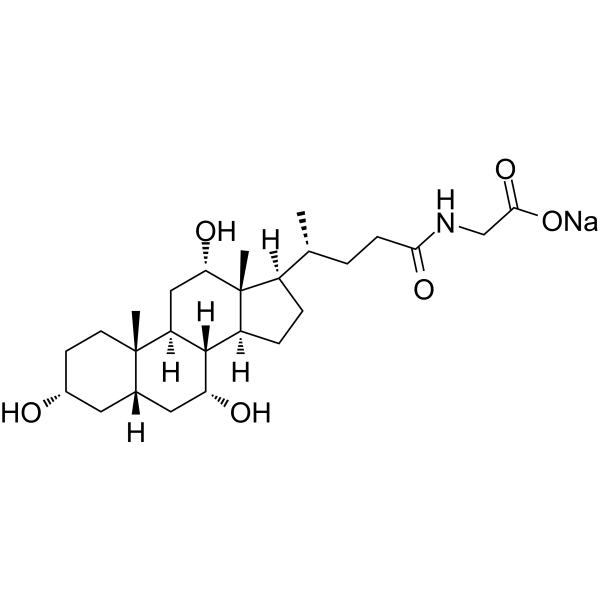
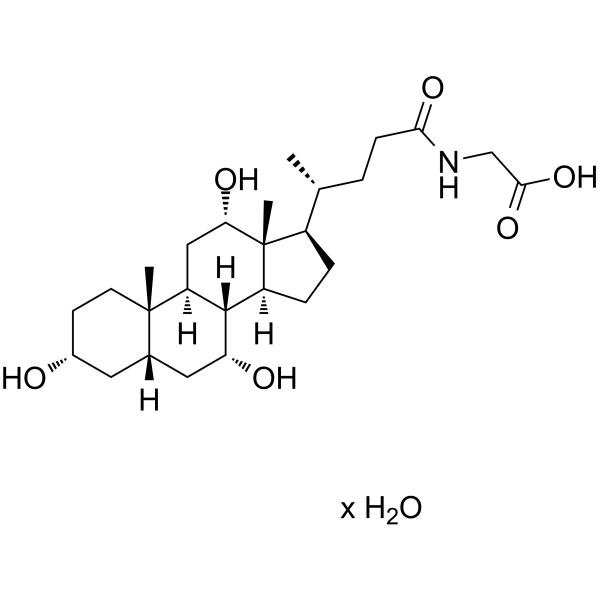
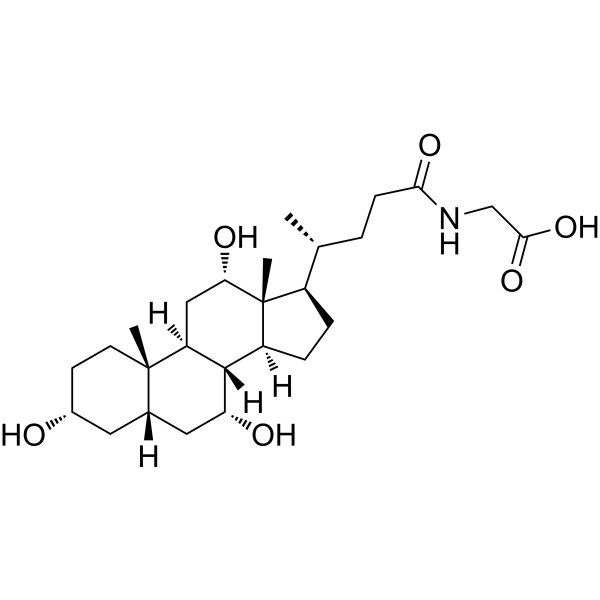
    Glycocholic acid (Standard) is the analytical standard of Glycocholic acid (HY-N1423). This product is intended for research and analytical applications. Glycocholic acid is a bile acid with anticancer activity, targeting against pump resistance-related and non-pump resistance-related pathways [1].
    Glycocholic acid (Standard)
  • HY-125486

    P-glycoprotein Cancer
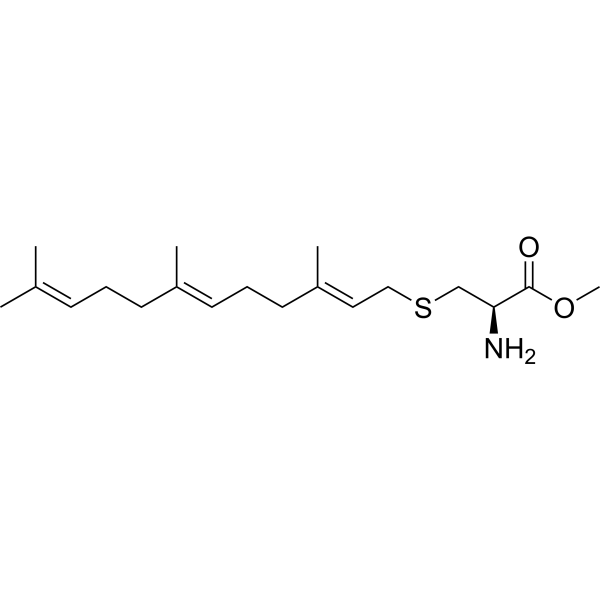
    Reversin 121 is a P-glycoprotein inhibitor. Reversin 121 increases the ATPase activity of MDR1. Reversin 121 reverses P-glycoprotein-mediated multidrug resistance. Reversin 121 can be used in the research of cancers [1] .
    Reversin 121
  • HY-162753

    P-glycoprotein Cancer
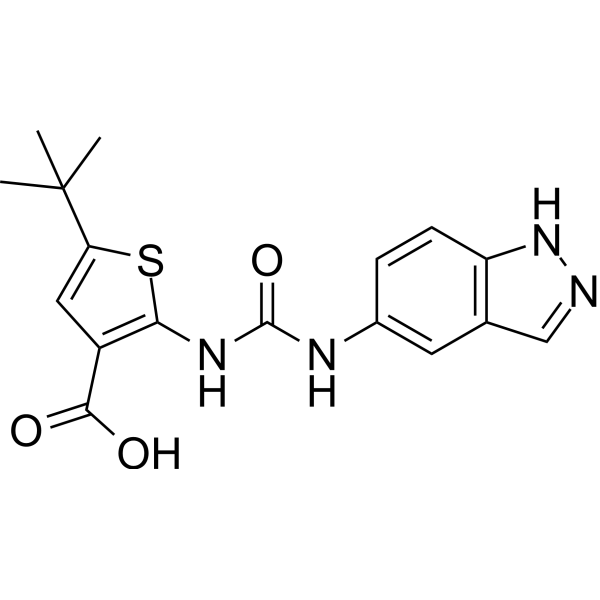
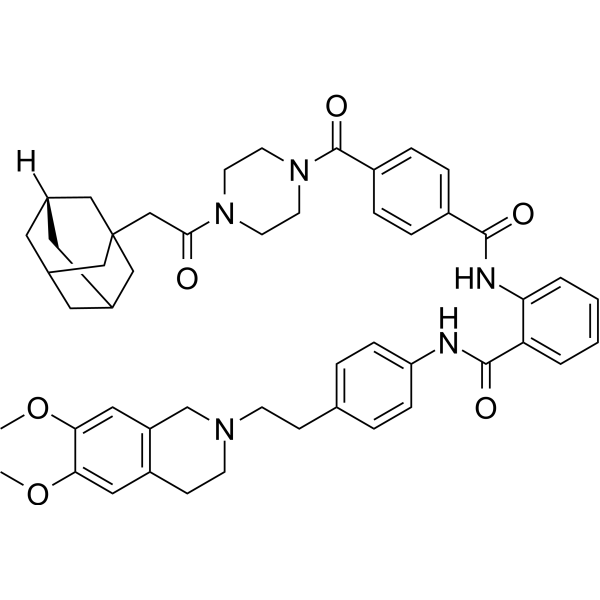
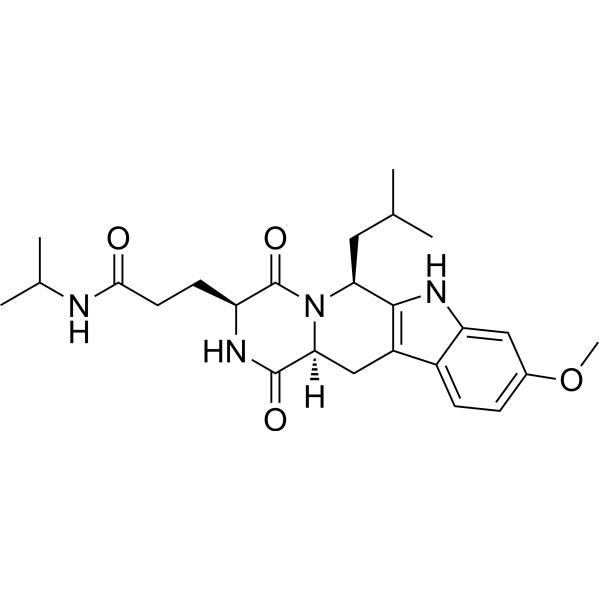
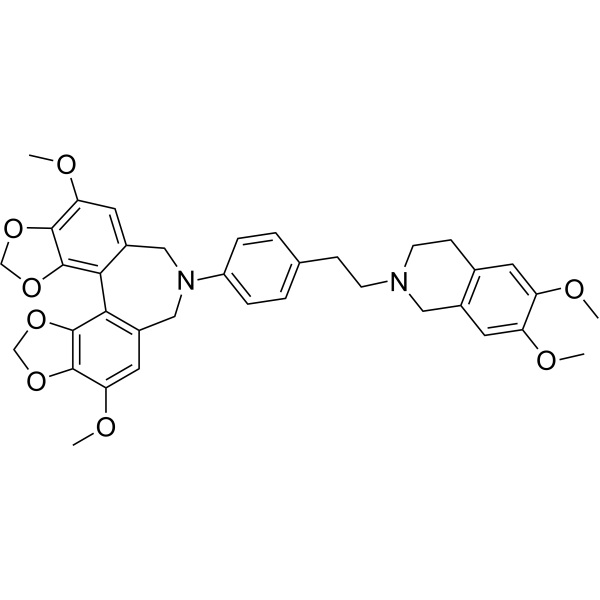
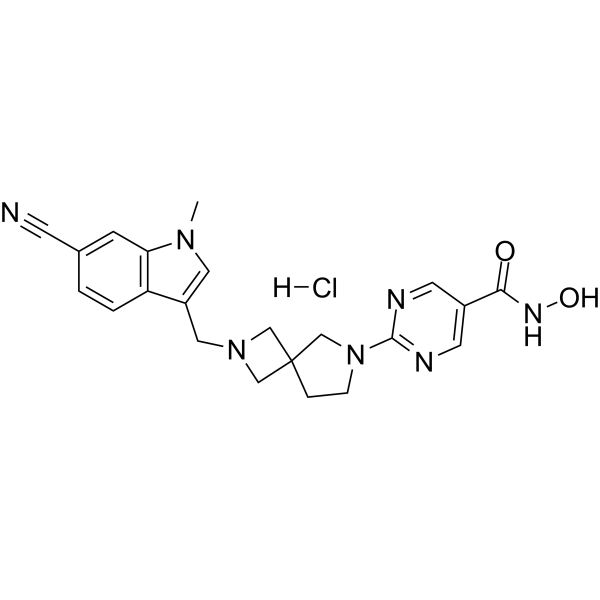
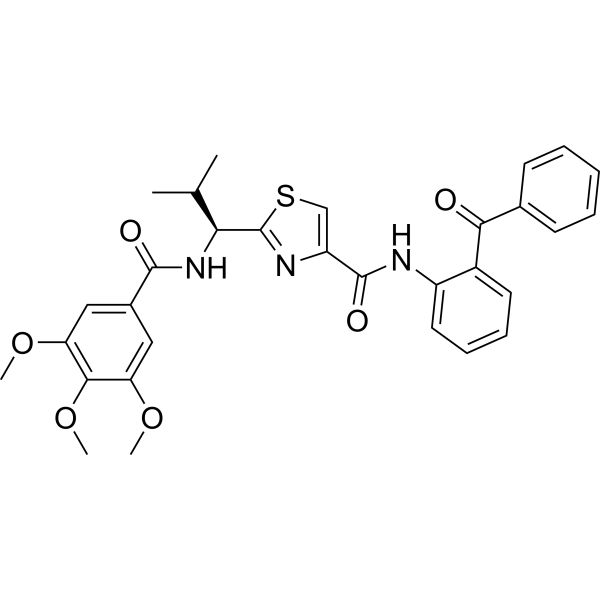
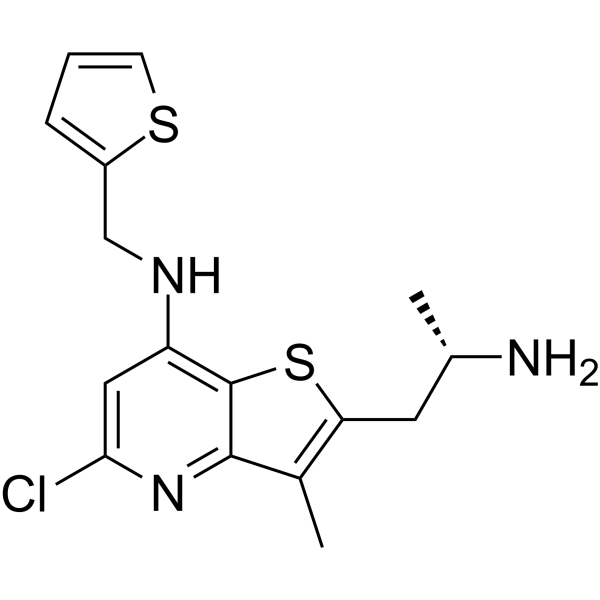
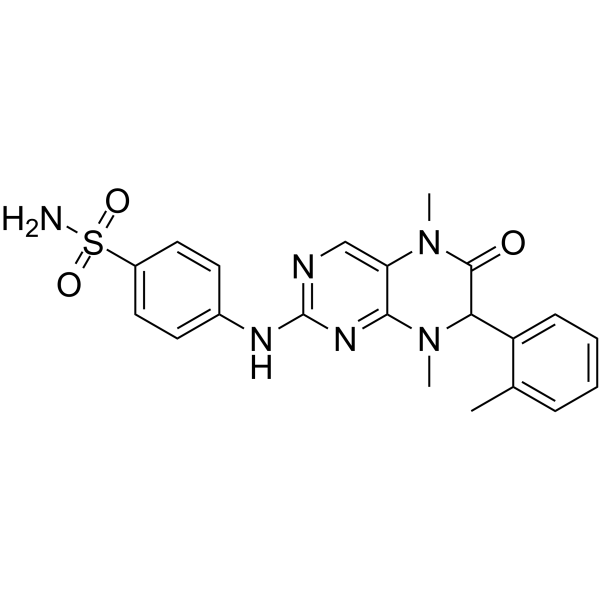
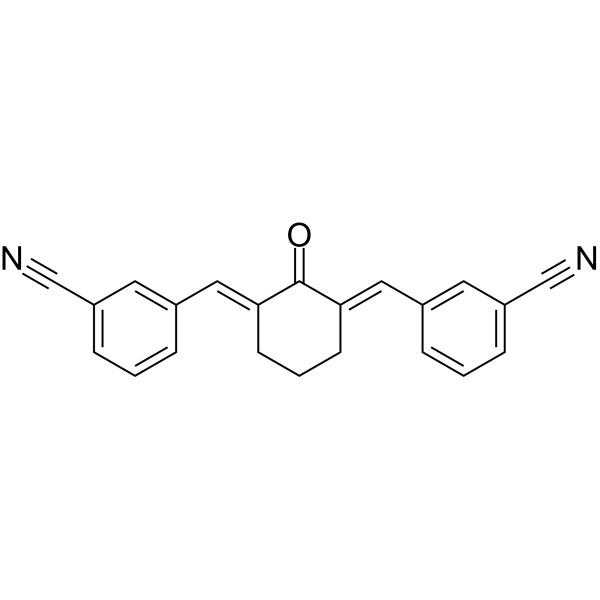
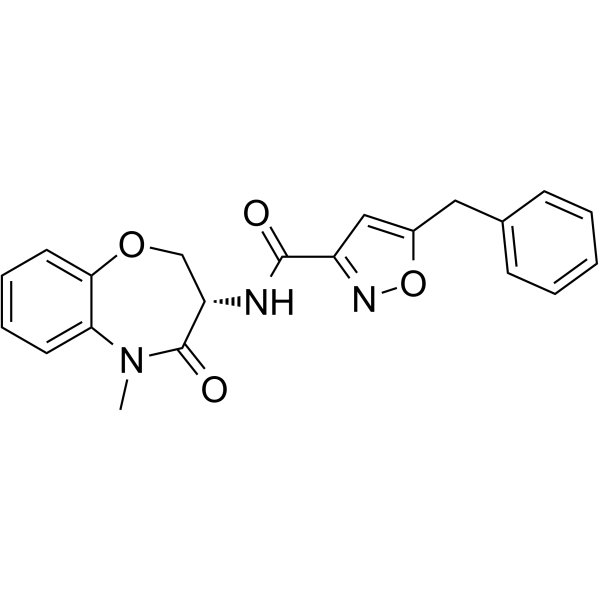
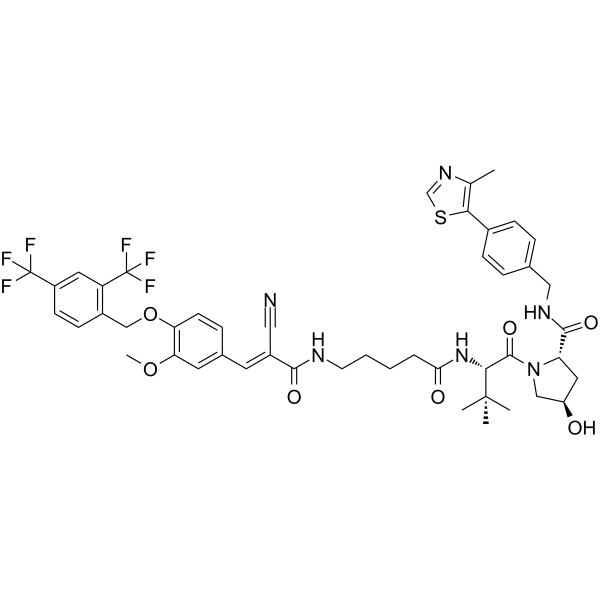
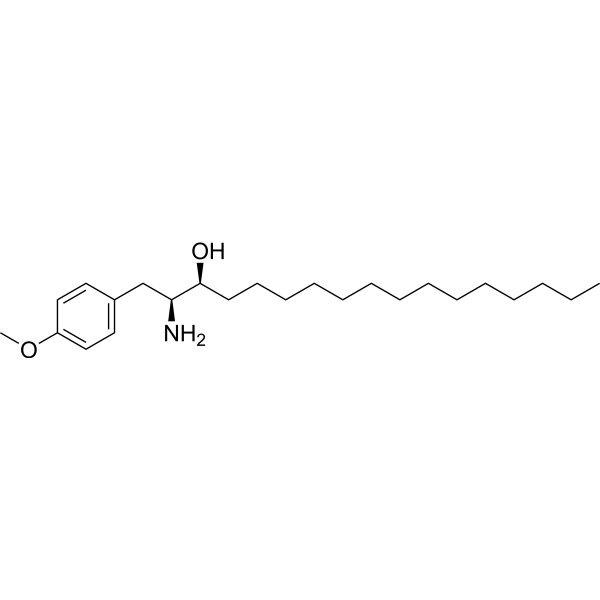
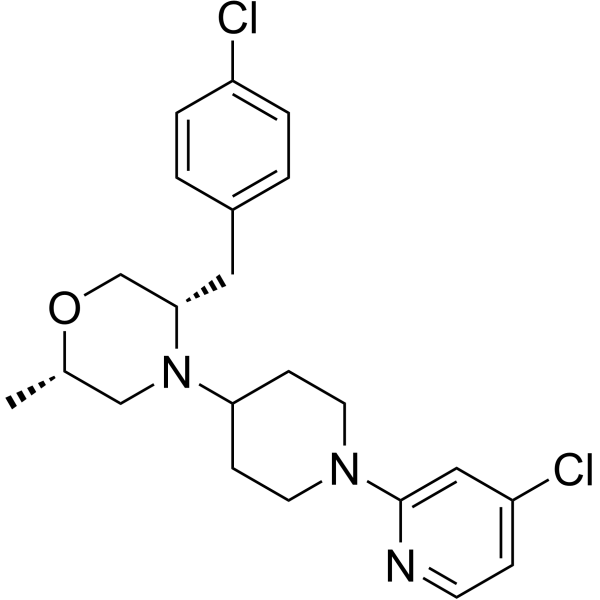
    ZW-1226 is a dual Tyrosyl DNA phosphodiesterase 2 (TDP2) and Multidrug resistance-associated protein 1 (MRP1) inhibitor with IC50 values of 0.2 and 0.5 μM, respectively. ZW-1226 exhibits selectivity over other ABC transporters. ZW-1226 elevates intracellular GSH levels, and reverses MRP1-mediated drug resistance. ZW-1226 can be used for the research of leukemia, non-small-cell lung cancer, and multidrug resistant small-cell lung cancer [1] .
    ZW-1226
  • HY-N2103

    P-glycoprotein Cancer
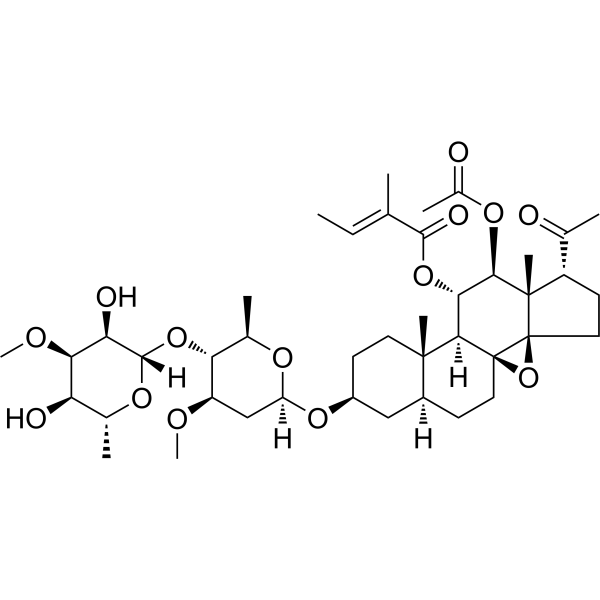
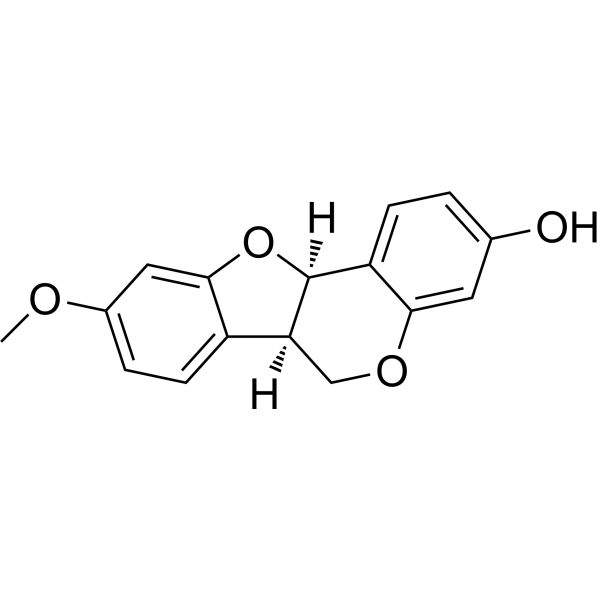
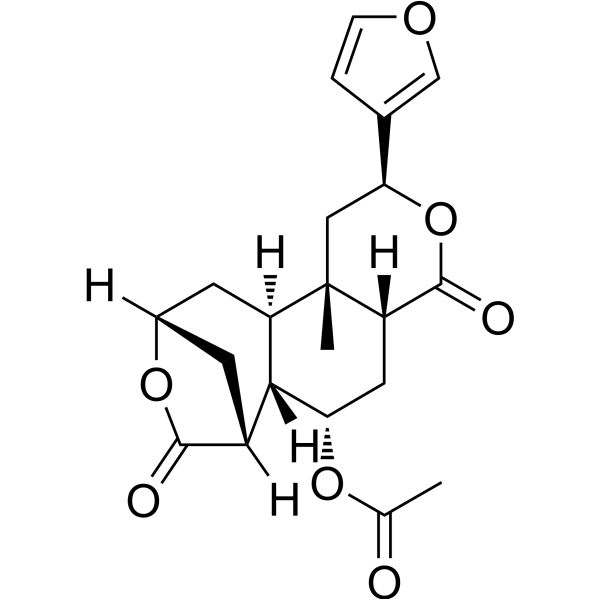
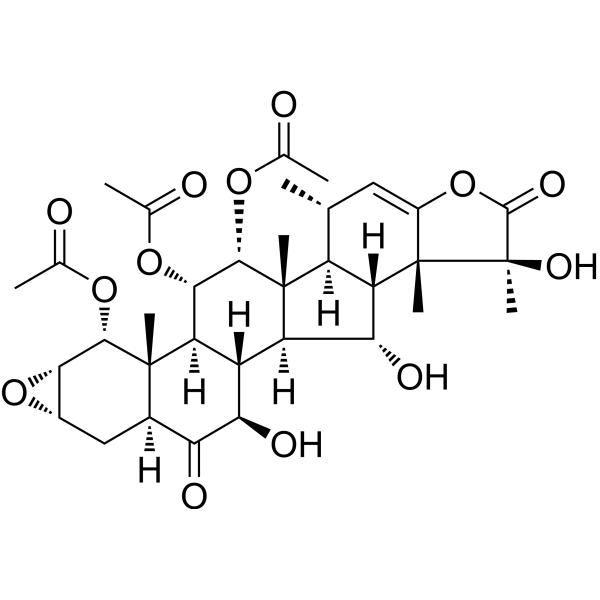
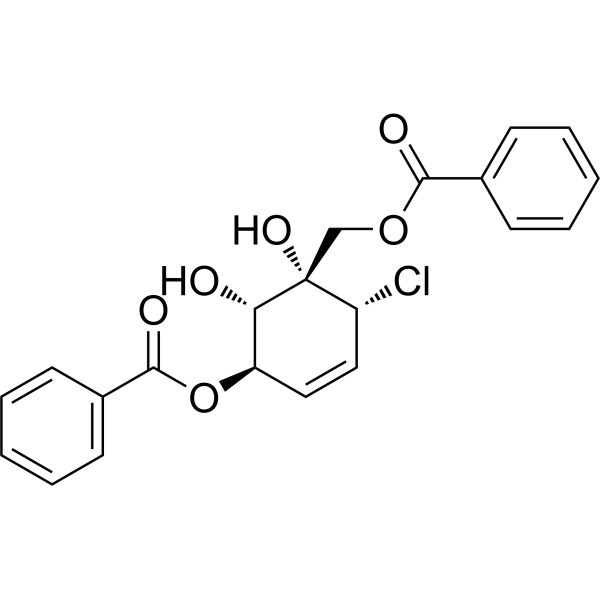
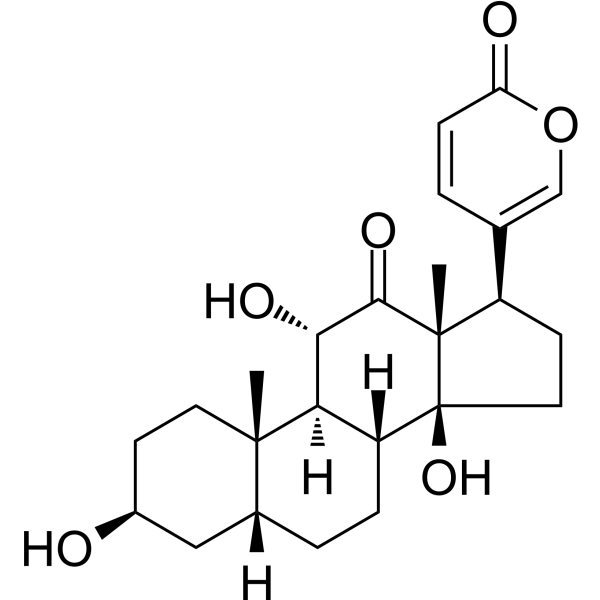
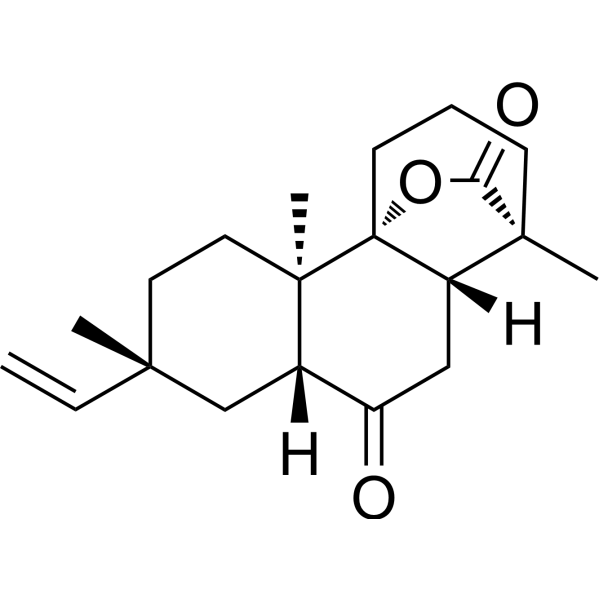
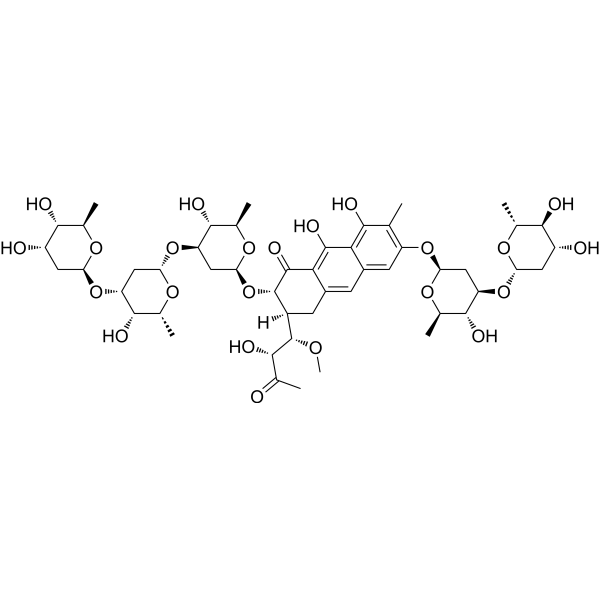
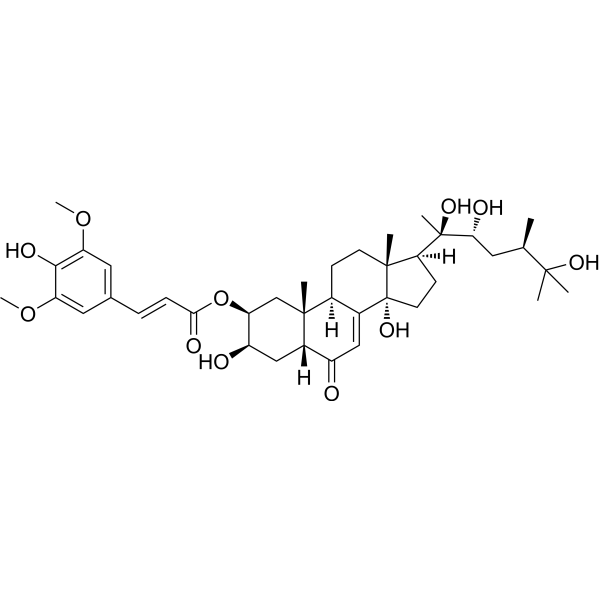
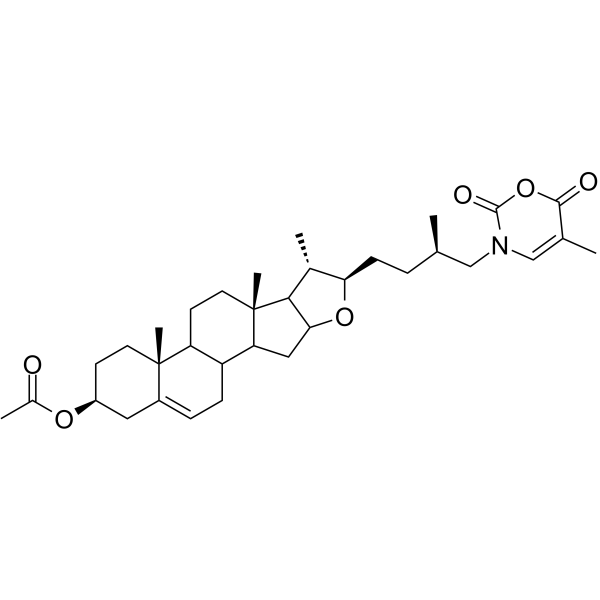
    Tenacissoside G is a C21 steroid from the stems of Marsdenia tenacissima. Tenacissoside G reverses multidrug resistance in P-glycoprotein (Pgp)-overexpressing multidrug-resistant cancer cells [1] .
    Tenacissoside G
  • HY-130423

    Insecticide Infection
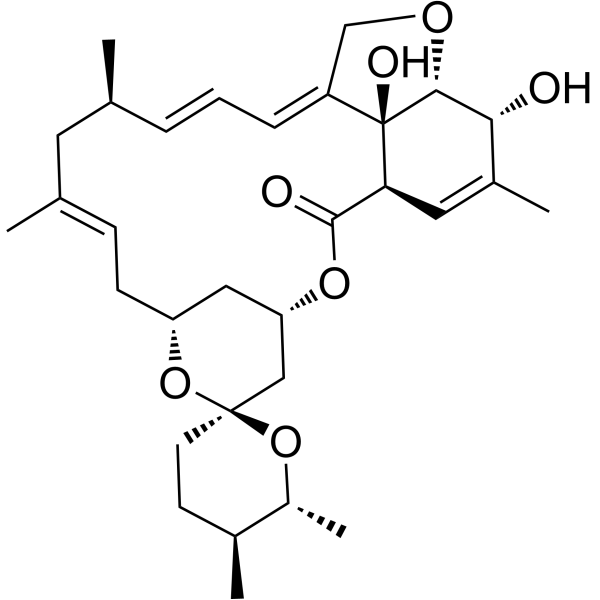
    Milbemycin A3 is a 16-membered macrocyclic lactone compound found in the soil bacterium Saccharopolyspora hygroscopicus subsp. aureolacrimosus. Milbemycin A3 enhances the opening of glutamate- and GABA-gated chloride channels and exhibits insecticidal activity. Milbemycin A3 can be used in insect resistance-related research [1] .
    Milbemycin A3
  • HY-126906

    Environmental Pollutants Antibiotic P-glycoprotein Cancer
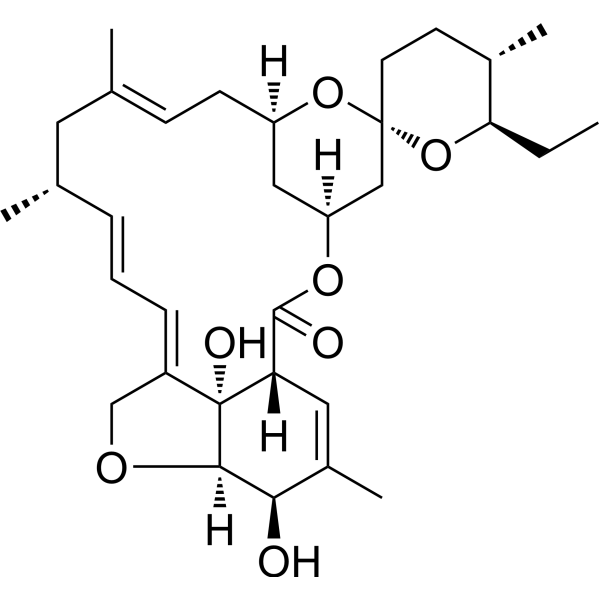
    Milbemycin A4 inhibits P-glycoprotein activity, and reverses multidrug resistance of tumor cells. Milbemycins are a family of macrolide antibiotics with insecticidal and acaricidal activity [1]sup>[2].
    Milbemycin A4
  • HY-N4231

    NF-κB Inflammation/Immunology
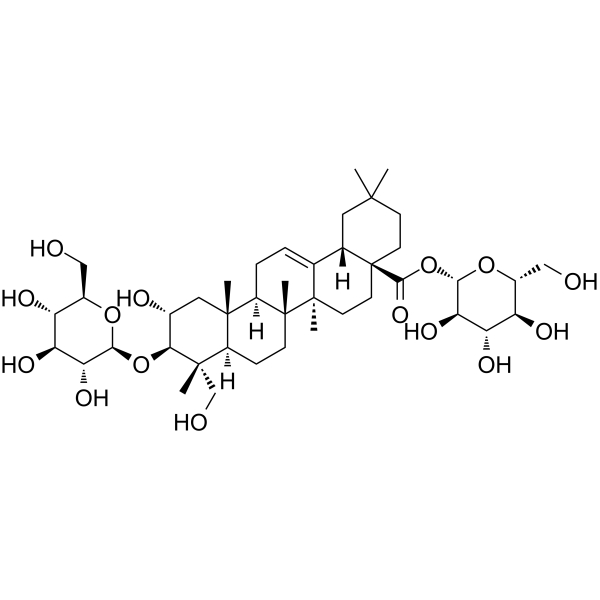
    Lucyoside B inhibits the production of inflammatory mediators via both NF-κB and activator protein-1 pathways in activated macrophages [1].
    Lucyoside B
  • HY-15450A
    INCB 3284
    2 Publications Verification

    CCR Endocrinology
    INCB 3284 is a potent, selective and orally bioavailable human CCR2 antagonist, inhibiting monocyte chemoattractant protein-1 binding to hCCR2, with an IC50 of 3.7 nM. INCB 3284 can be used in the research of acute liver failure.
    INCB 3284
  • HY-15870A

    AP-1 Inflammation/Immunology Cancer
    (6E)-SR 11302 is a E-isomer of SR 11302. SR 11302 is an activator protein-1 (AP-1) transcription factor inhibitor. SR 11302 is a retinoid that specifically inhibits AP-1 activity without activating the transcription of retinoic acid response element (RARE) [1].
    (6E)-SR 11302
  • HY-173463

    Sirtuin Metabolic Disease Inflammation/Immunology
    Sirtuin modulator 8 is a sirtuin modulator that can activate Sirtuin activity. Sirtuin modulator 8 significantly downregulates the expression of monocyte chemoattractant protein-1 (MCP-1) and upregulates the expression of fibroblast growth factor 21 (FGF21). Sirtuin modulator 8 regulates the expression of inflammation- and metabolism-related genes, showing potential for studying metabolic diseases (such as diabetes, obesity) and inflammatory diseases [1].
    Sirtuin modulator 8
  • HY-118899

    Endogenous Metabolite Cancer
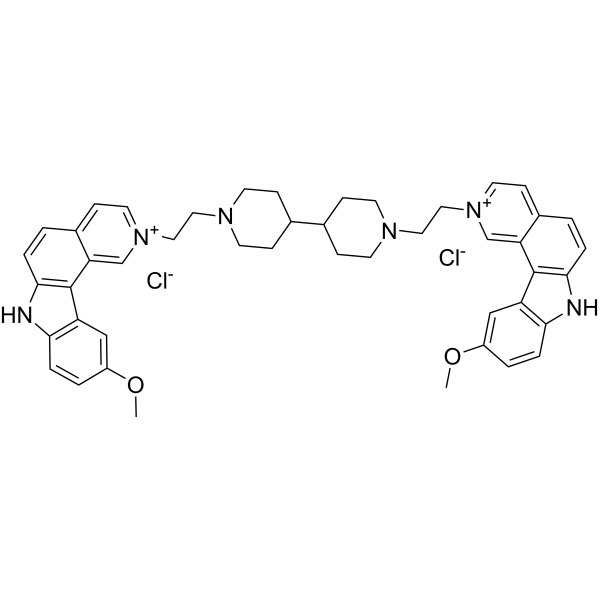
    XR5944 is an anti-tumor compound with DNA-targeting activity. As a topoisomerase inhibitor, XR5944 can effectively inhibit the activities of topoisomerase I and II. XR5944 shows excellent anti-tumor activity against human and mouse tumor cells in vitro and in vivo. XR5944 exhibits significant potency in multiple cell lines, with IC50 values of 0.04-0.4 nM. XR5944 is not affected by atypical drug resistance in cells and remains significantly active even in cells overexpressing P-glycoprotein or multidrug resistance-related proteins. XR5944 showed anti-tumor efficacy in human tumor models of H69 small cell lung cancer and HT29 colon cancer, inducing tumor regression in most animals in the HT29 model. XR5944 can be used to study biological processes related to colon and lung cancer [1].
    XR5944
  • HY-156753

    Bacterial Cancer
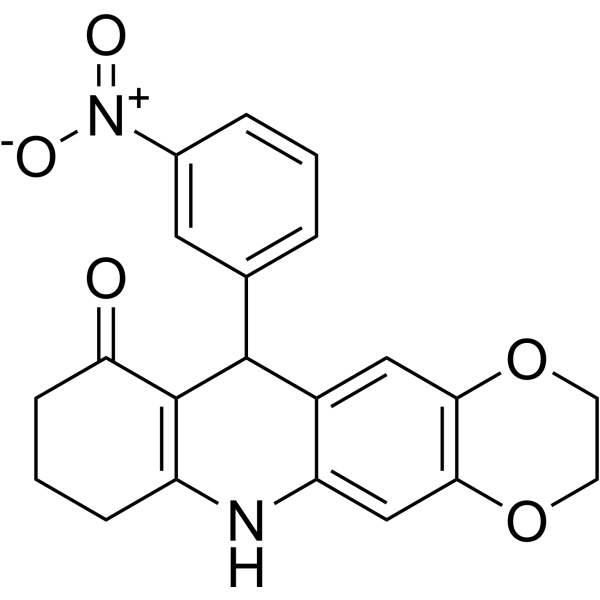
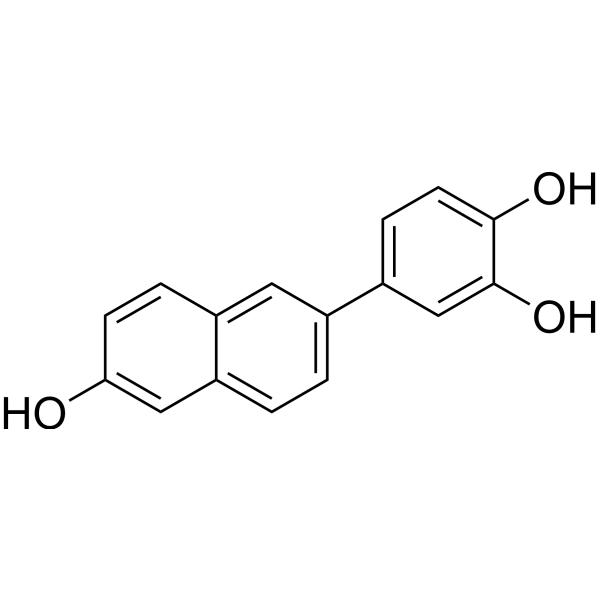
    NorA-IN-1 (Compound 16) is a NorA inhibitor. NorA-IN-1 inhibits NorA efflux pump in everted membrane vesicles. NorA-IN-1 can be used for research of multidrug resistance [1].
    NorA-IN-1
  • HY-148574

    Monocarboxylate Transporter P-glycoprotein Cancer
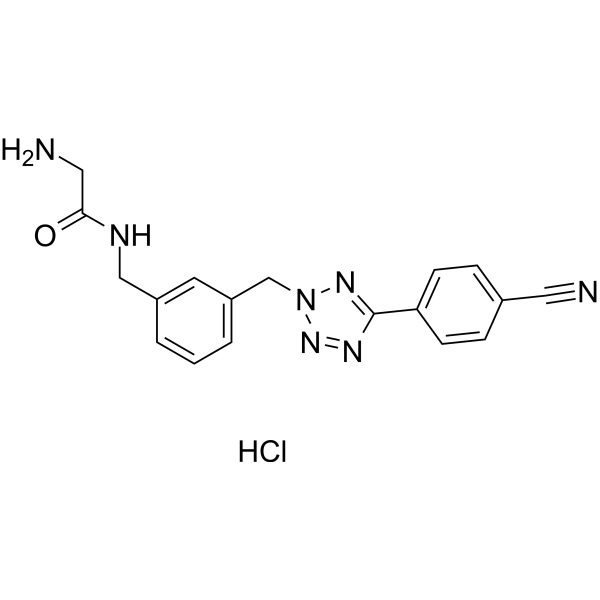
    MCT1-IN-3 is a monocarboxylate transporter 1 (MCT1) inhibitor with an IC50 value of 81.0 nM. MCT1-IN-3 has also significant inhibitivity against the multidrug transporter ABCB1. MCT1-IN-3 can be used for the research of cancer [1].
    MCT1-IN-3
  • HY-19642

    MGCD265

    TAM Receptor c-Met/HGFR Cancer
    Glesatinib (MGCD265) is an orally active, potent MET/SMO dual inhibitor. Glesatinib, a tyrosine kinase inhibitor, antagonizes P-glycoprotein (P-gp) mediated multidrug resistance (MDR) in non-small cell lung cancer (NSCLC) [1] .
    Glesatinib
  • HY-132866

    P-glycoprotein Cancer
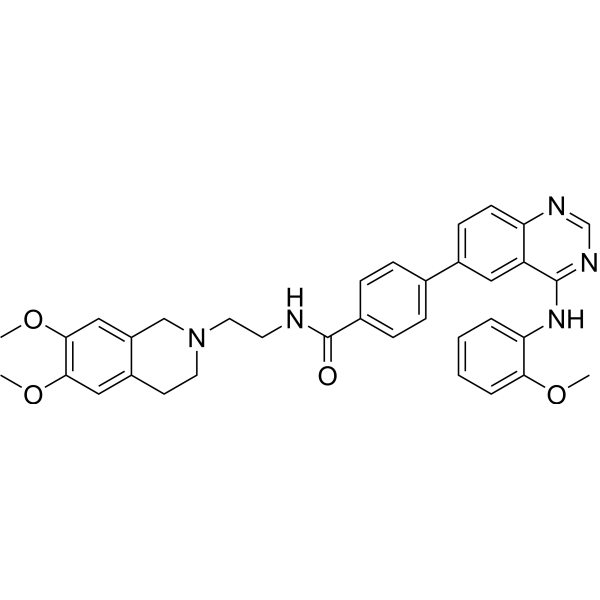
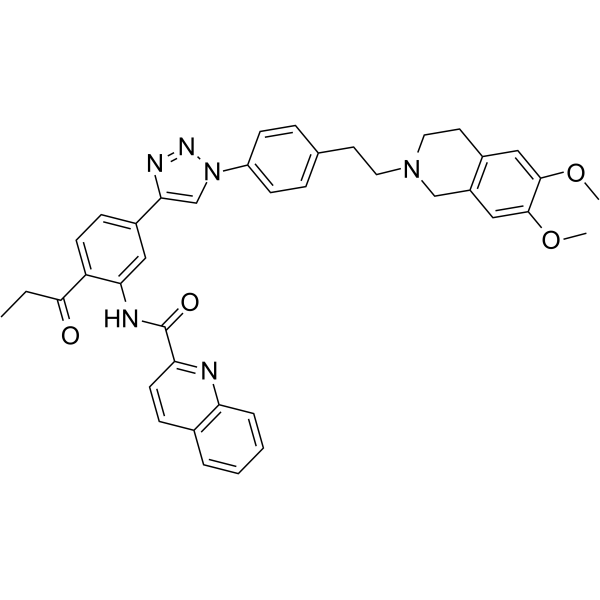
    YS-370 (compound 44) is a potent, high selective, and orally active inhibitor of P-glycoprotein (P-gp). YS-370 stimulates the P-gp ATPase activity and has moderate inhibition against CYP3A4. YS-370 effectively reverses multidrug resistance (MDR) to paclitaxel and colchicine in SW620/AD300 and HEK293T-ABCB1 cells. YS-370 in combination with paclitaxel achieves much stronger antitumor activity [1].
    YS-370
  • HY-N5118

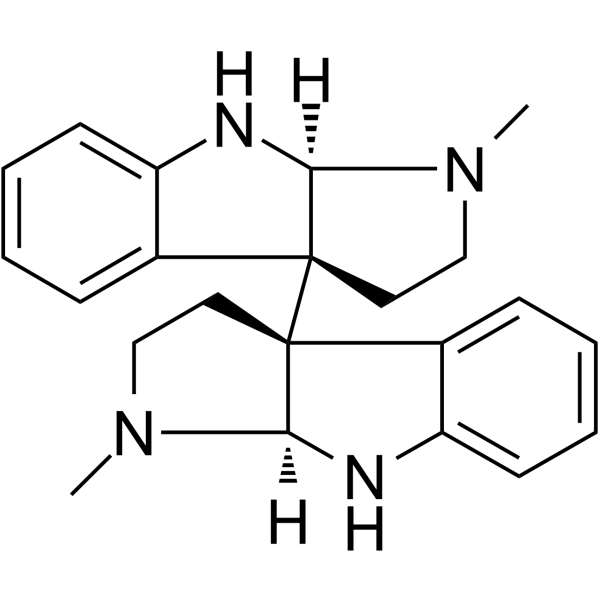
    (-)-Chimonanthine

    Tyrosinase Cancer
    Chimonanthine is an alkaloid of Chimonanthus praecox, inhibits tyrosinase and tyrosine-related protein-1 mRNA expression, amd inhibits melanogenesis [1].
    Chimonanthine
  • HY-136217

    P-glycoprotein Cancer
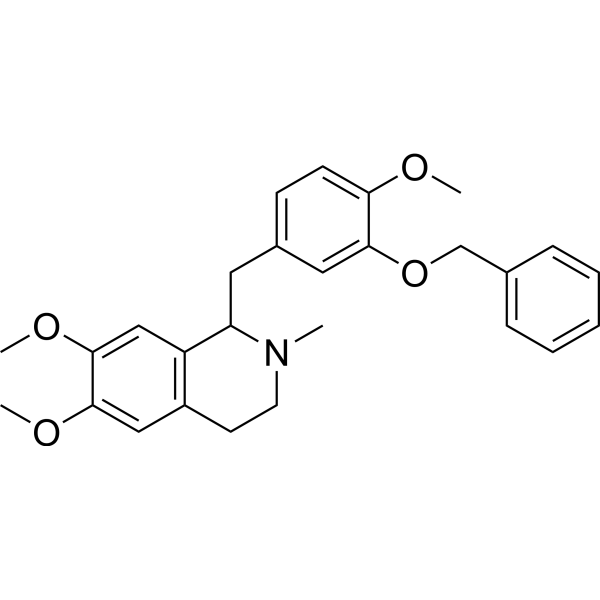
    PU 23 is a non-carboxylic multidrug resistance protein 4 (MRP4) inhibitor as an active agent reducing resistance to anticancer agent 6-Mercaptopurine [1].
    PU 23
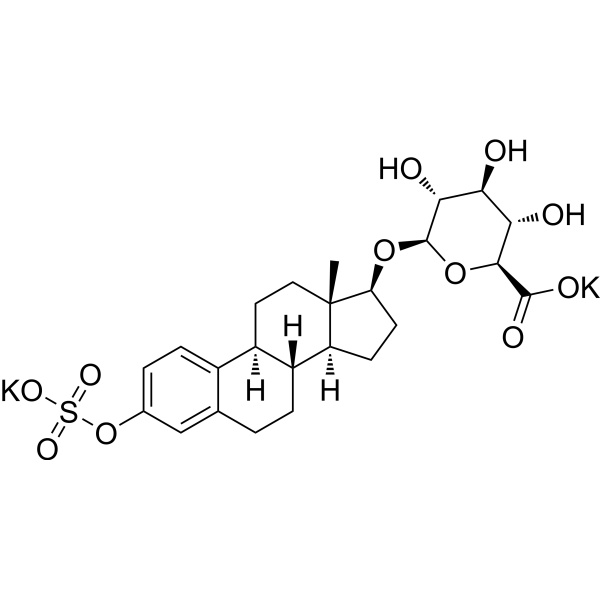
  • HY-123742

    P-glycoprotein Metabolic Disease
    Estradiol 3-sulfate 17-glucuronide potassium is metabolite of estradiol. Estradiol 3-sulfate 17-glucuronide potassium inhibits multidrug resistance protein (MRP) mediated 17β -Estradiol 17-(β -D-Glucuronide) transport with a Ki of 22 μM [1].
    Estradiol 3-sulfate 17-glucuronide potassium
  • HY-126906R

    Reference Standards Antibiotic P-glycoprotein Cancer
    Milbemycin A4 (Standard) is the analytical standard of Milbemycin A4. This product is intended for research and analytical applications. Milbemycin A4 inhibits P-glycoprotein activity, and reverses multidrug resistance of tumor cells. Milbemycins are a family of macrolide antibiotics with insecticidal and acaricidal activity [1]sup> .
    Milbemycin A4 (Standard)
  • HY-P4788

    Amyloid-β Neurological Disease
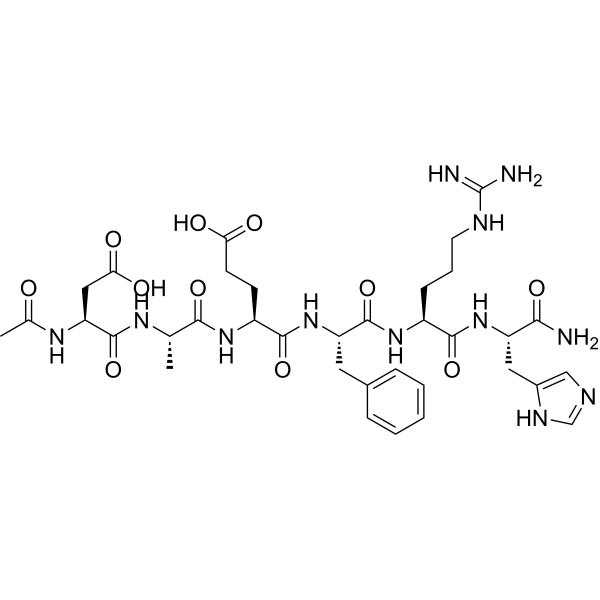
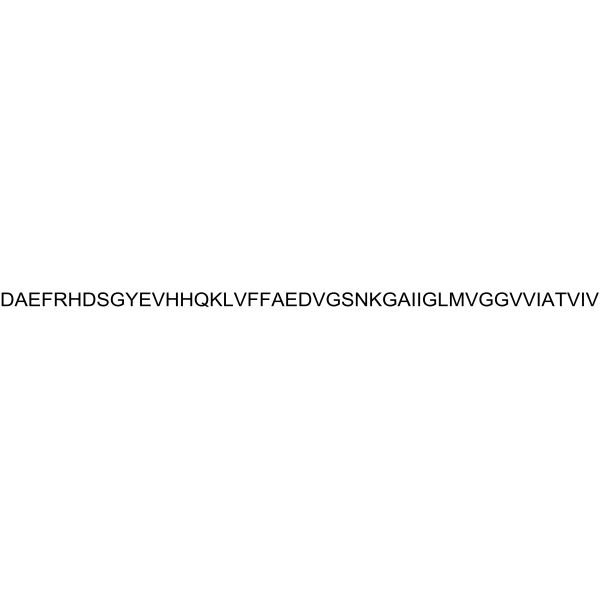
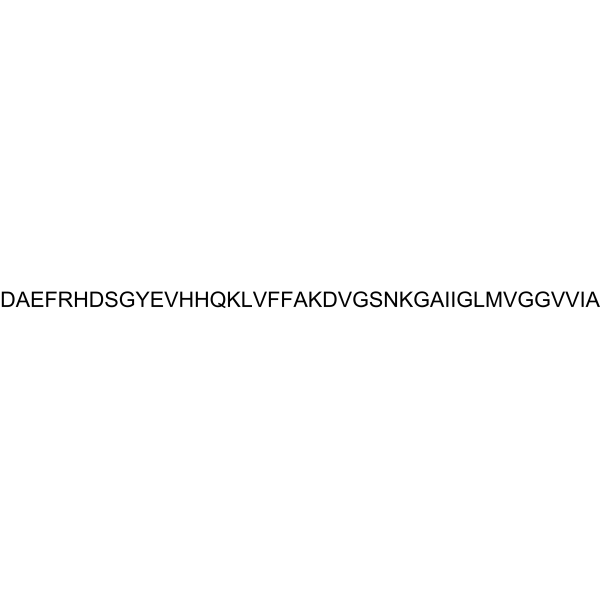
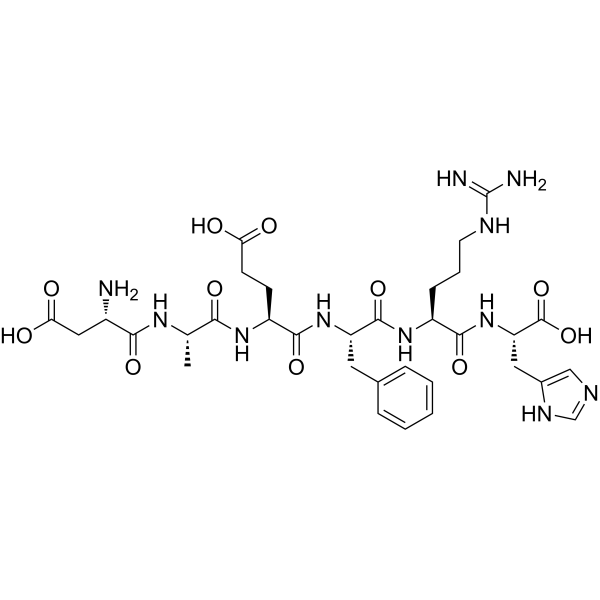
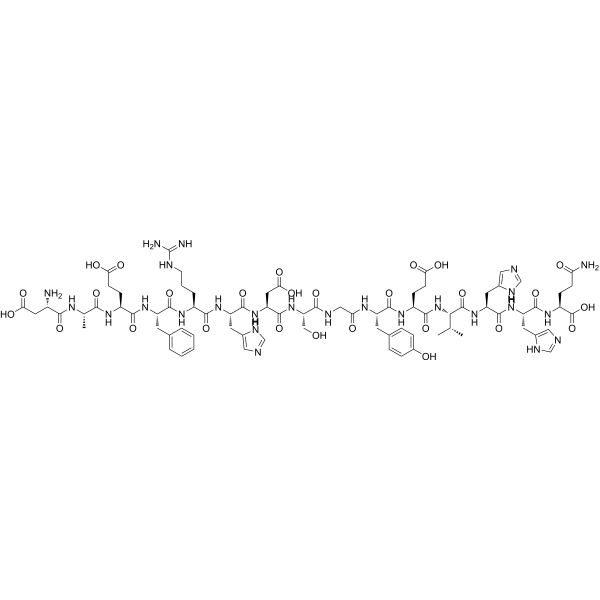
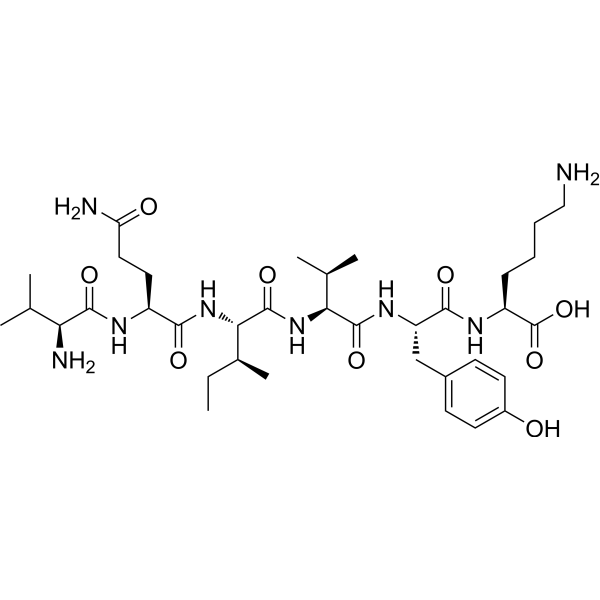
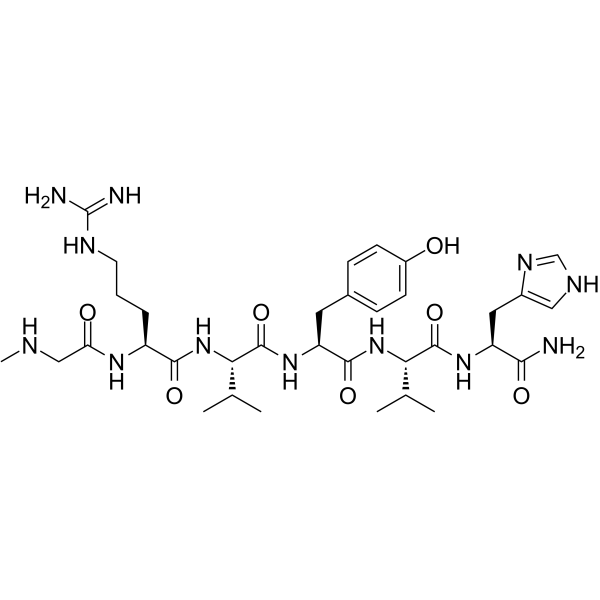
    Acetyl-Amyloid β-Protein (1-6) amide is a hexapeptide that contains a potential copper(II) binding site. Acetyl-Amyloid β-Protein (1-6) amide can be used for research of Alzheimer's disease and related disorders [1].
    Acetyl-Amyloid β-Protein (1-6) amide
  • HY-168616

    RSV IGF-1R Infection
    CL-A3-7 is a virus-cell fusion inhibitor targeting the RSV F protein. It exerts its effect by blocking the interaction between the virus and the host IGF1R, effectively inhibiting infections of both wild-type RSV and the K394R variant. It is applicable to anti-RSV drug development and resistance-related research [1].
    CL-A3-7
  • HY-15450

    CCR Endocrinology
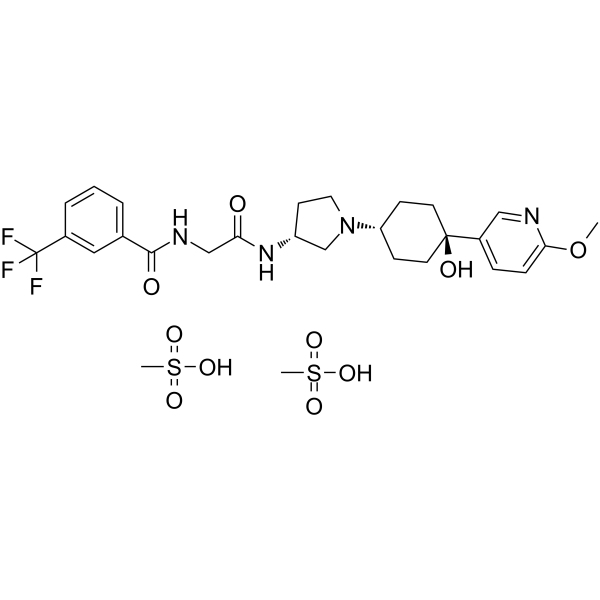
    INCB 3284 dimesylate is a potent, selective and orally bioavailable human CCR2 antagonist, inhibiting monocyte chemoattractant protein-1 binding to hCCR2, with an IC50 of 3.7 nM. INCB 3284 dimesylate can be used in the research of acute liver failure.
    INCB 3284 dimesylate
  • HY-P11122

    IFNAR Interleukin Related Inflammation/Immunology
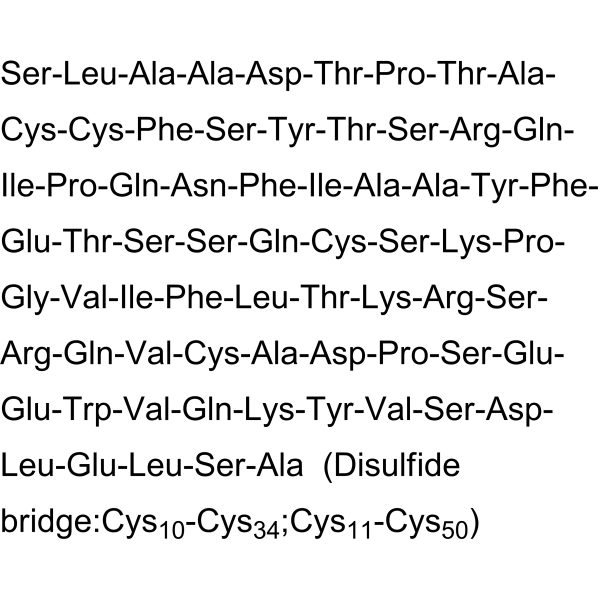
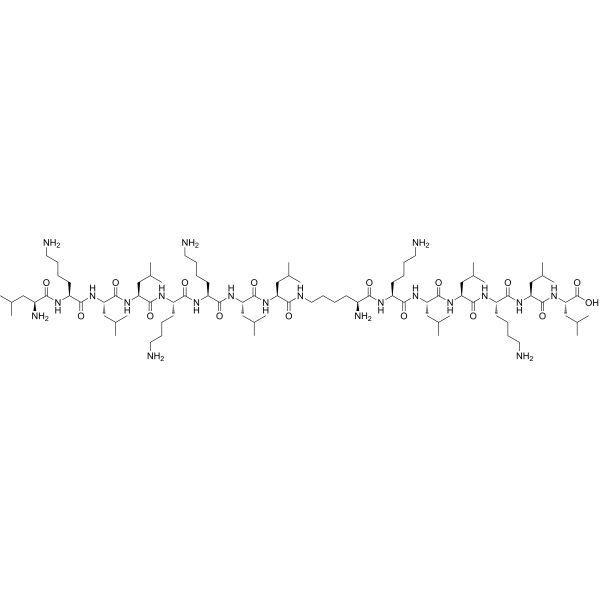
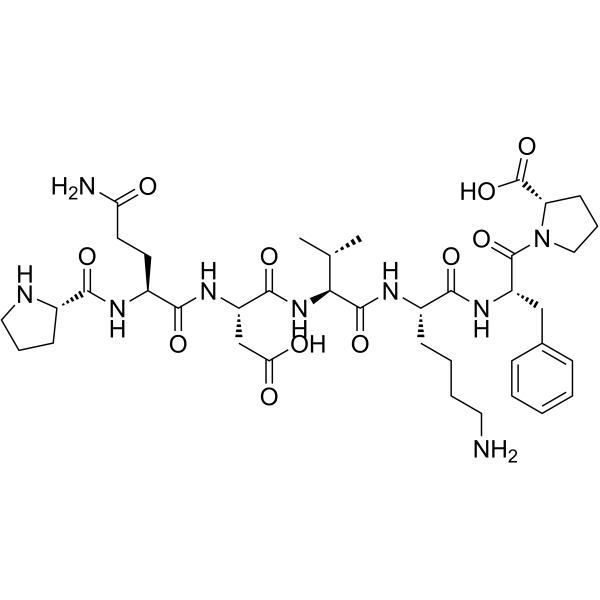
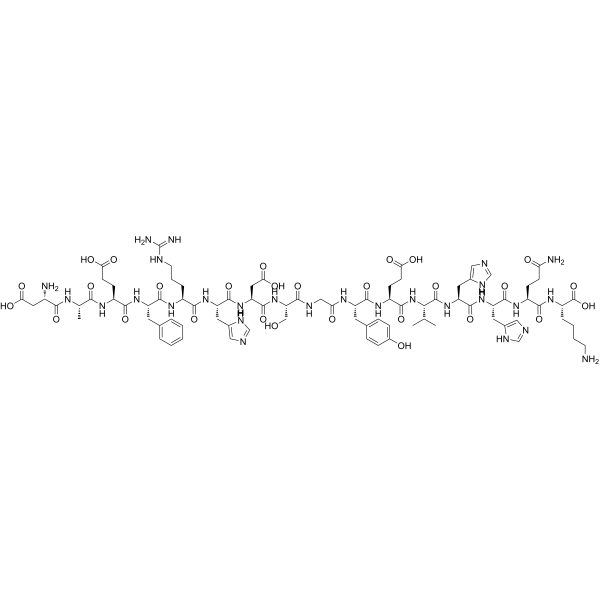
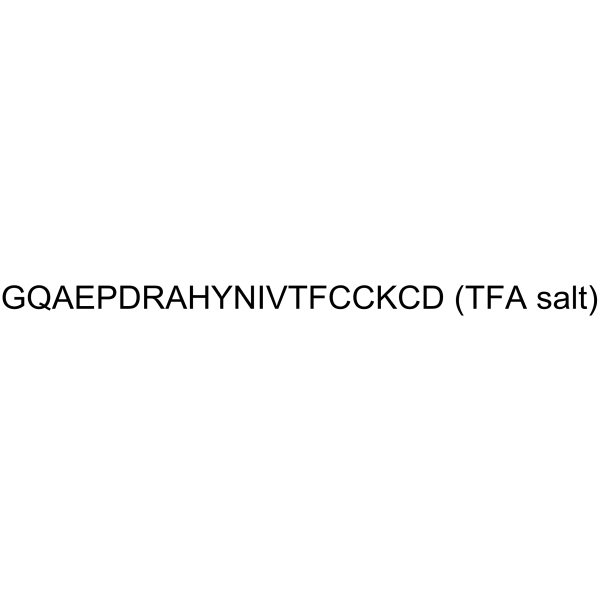
    MSP-1 P2 is a synthetic peptide of merozoite surface protein-1 (MSP-1). MSP-1 P2 stimulates umbilical cord blood lymphocytes to produce IFN-γ and IL-13, and this immune response is primarily mediated by CD4+ T cells. MSP-1 P2 can be used as a specific antigen stimulus to detect T cell responses and cytokine levels [1].
    MSP-1 P2
  • HY-N1171

    Taxinin B

    Microtubule/Tubulin Cancer
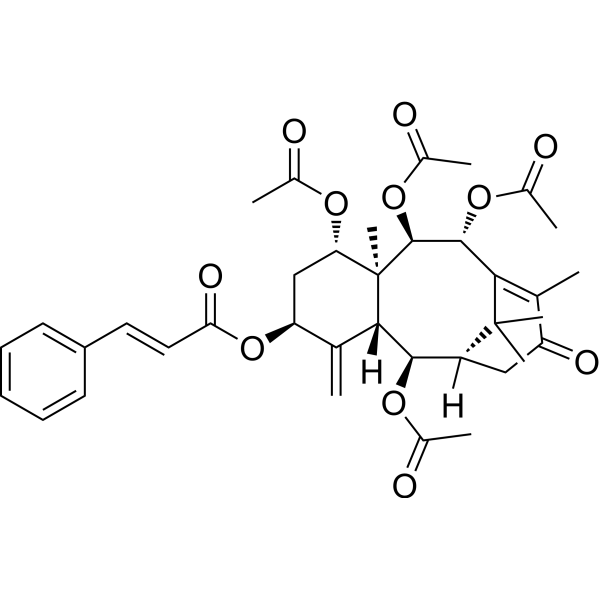
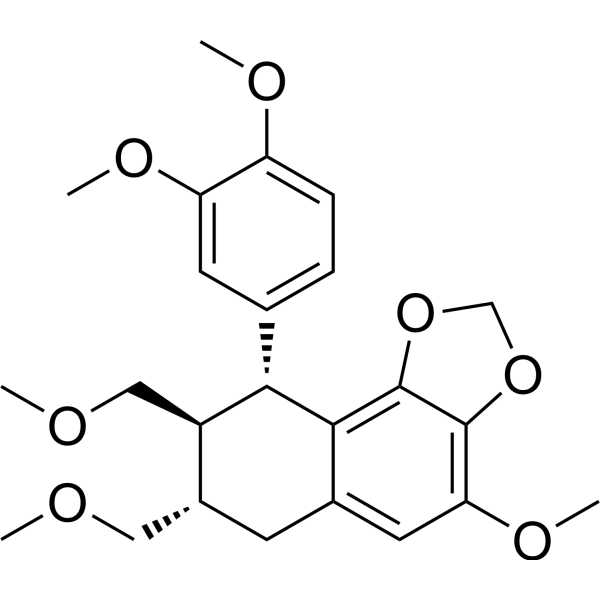
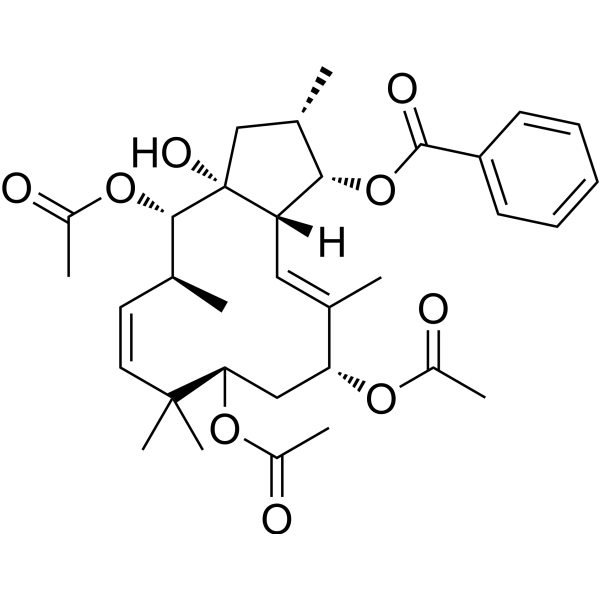
    Taxinine B is a taxoid that can be isolated from Japanese Yew Taxus Cuspid. Taxinine B inhibits CaCl2-induced depolymerization of microtubule. Taxinine B is useful for overcoming multidrug resistance in tumor cells [1].
    Taxinine B
  • HY-123384

    P-glycoprotein Cardiovascular Disease Cancer
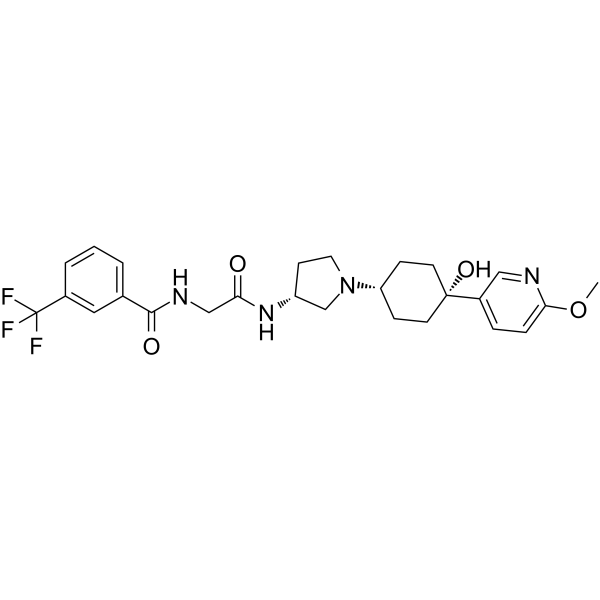
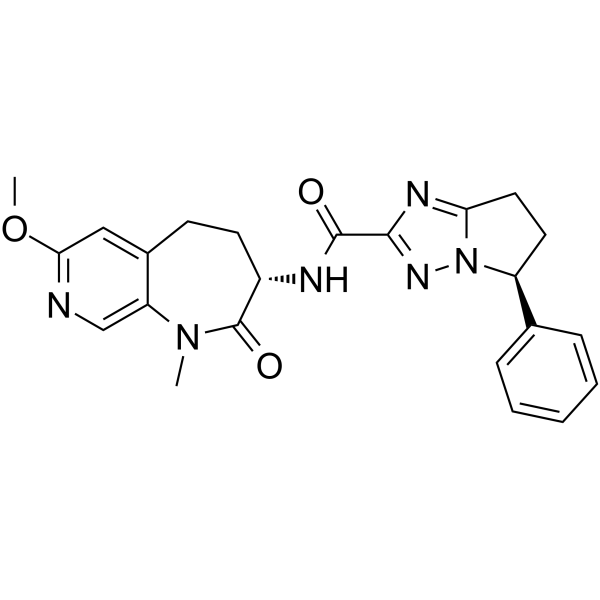
    KR30031, a Verapamil (HY-14275) analog, is an orally active P-glycoprotein (P-gp) inhibitor. KR30031 enhances the cytotoxicity of anticancer agents by inhibiting P-gp with fewer cardiovascular adverse effects. KR30031 can be used to study multidrug resistance (MDR) reversal in cancer [1] .
    KR30031
  • HY-P990149

    Tyrosinase Cancer
    Anti-Mouse/Human TYRP1 Antibody (TA99) is a mouse-derived IgG2a κ type antibody inhibitor, targeting to mouse/human TYRP1. Anti-Mouse/Human TYRP1 Antibody (TA99) binds to Tyrp1 (tyrosinase related protein-1) on tumor. Anti-Mouse/Human TYRP1 Antibody (TA99) enhances infiltration of the tumor by CD8 + T cells. Anti-Mouse/Human TYRP1 Antibody (TA99) can be used for the research of melanoma [1].
    Anti-Mouse/Human TYRP1 Antibody (TA99)
  • HY-103250

    Antibiotic Infection
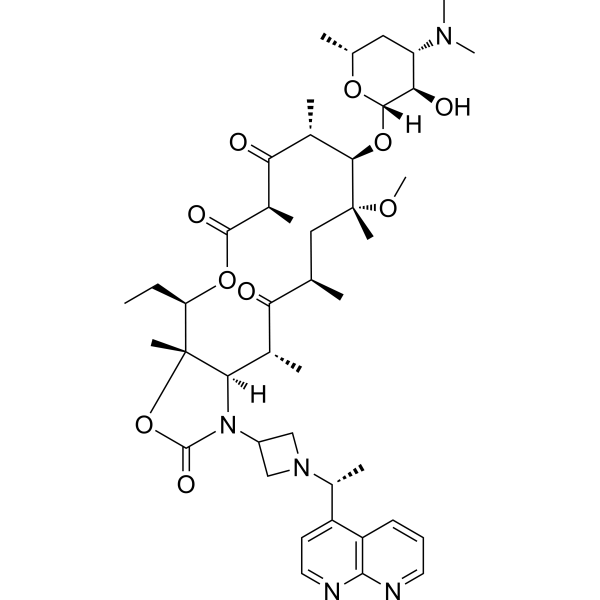
    PF-945863 is an orally active macrolide antibiotic that can be used for the research of multidrug resistant respiratory tract bacterial strains [1] .
    PF-945863
  • HY-10550B

    XR9576 dimesylate

    P-glycoprotein Cardiovascular Disease Others
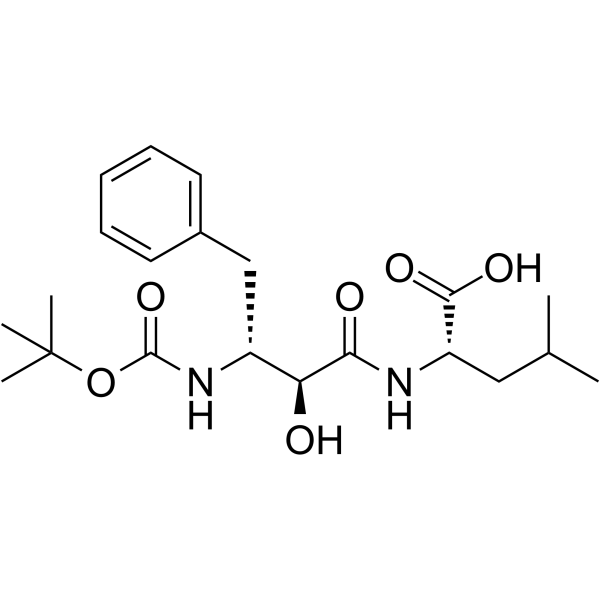
    Tariquidar dimesylate (XR9576 dimesylate) is a P-glycoprotein (P-gp) inhibitor. Tariquidar dimesylate increases the concentration of the drug in the brain by binding to P-glycoprotein, preventing it from transporting the drug from inside to outside the brain. Tariquidar dimesylate can be used in the study of blood-brain barrier penetration and multidrug resistance [1].
    Tariquidar dimesylate

온라인 문의

Your information is safe with us. * Required Fields.

호칭


Country or Region *

고객명 *


회사명 *

Department *


메일주소 *


상품명 *

Cat. No.


Requested quantity *

전화번호 *


비고

온라인 문의

Inquiry Information

상품명:
Cat. No.:
수량:
MCE Japan Authorized Agent: