



 LinkedIn
 Researchgate
 Instagram
 X
X Facebook
 WhatsApp
 Reddit
 Mail
MailOrganoids represent an important bridge between 2D cultures and in vivo mouse/human models. The organoid technology exerts enormous potential in evaluation of efficacy and toxicity of drugs, regenerative medicine, and precision medicine.In this article, we will briefly introduce organoid technology.
Articles
All
-
All
-
Scientific Reviews
-
EDM
-
Product Guides
-
Blog
Most Recent
-
Most Recent
-
Oldest
-
 Scientific Reviews
-
 Scientific Reviews
Development of Intestinal Organoid
Scientific Reviews
Development of Intestinal Organoid2022-07-28
3D organoid is one of the revolutionary developments in biomedical field during the past 10 years. The establishment of intestinal organoids is an important milestone in the development of organoid technology. -
Scientific Reviews
Organoids have great potential in research of organ development, disease modeling, drug screening and, precision and regenerative medicin. In this article, we will expalin the origin of the organoids. Adult stem cells (ASCs) or pluripotent stem cells (PSCs) , which is the better choice.
-
 Scientific Reviews
Mammalian cells can also photosynthesize like plants! Photosynthesis can improve cell anabolism and exhibit good clinical effect in degenerative diseases (osteoarthritis).
Scientific Reviews
Mammalian cells can also photosynthesize like plants! Photosynthesis can improve cell anabolism and exhibit good clinical effect in degenerative diseases (osteoarthritis). -
 Scientific Reviews
Stem cell classification and its application
Scientific Reviews
Stem cell classification and its application2023-05-18
Stem cells (SCs) have the unique ability to self-renew and differentiate into different cell types. SCs can differentiate into various types of tissue cells under specific conditions. Additionally, they can be further cultured to form different tissues and organs in the human body. Stem cells have numerous applications in various fields, including cell therapy, organ transplantation, neurodegenerative disease modeling, and drug screening. -
 Scientific Reviews
Structure of Lipid Droplets
Scientific Reviews
Structure of Lipid Droplets2023-06-15
Huh? Lipid droplets? Organelles? In the past, biological data usually only show the traditional organelles, such as mitochondria, Golgi apparatus, endoplasmic reticulum, etc., lipid droplets are often not mentioned by people. Today, we will make a systematic explanation of lipid droplets, so that everyone has a clear understanding! -
 Scientific Reviews
Organoid Culture: Questions & Answers
Scientific Reviews
Organoid Culture: Questions & Answers2023-07-26
In the last issue, we conducted a live lecture on the theme of organoid culture. Today, we have a special topic to solve your doubts in the last live class! -
 Scientific Reviews
WHO's Q2 drug list has been updated. Let's take you through the list of the most noteworthy small molecule drugs that we should pay attention to.
Scientific Reviews
WHO's Q2 drug list has been updated. Let's take you through the list of the most noteworthy small molecule drugs that we should pay attention to. -
 Scientific Reviews
FDA Approved Drug List!
Scientific Reviews
FDA Approved Drug List!2023-09-14
In the first half of 2023 (as of June 27), the FDA approved 26 new drugs, let's take you learn about it through the article. -
 Scientific Reviews
STZ Induced Diabetes Models
Scientific Reviews
STZ Induced Diabetes Models2024-06-13
Spotlight: How can STZ Help Diabetes Research? -
 Scientific Reviews
Exosomes, which won the Nobel Prize in 2013, are still a research hotspot in the national natural sciences, and their popularity has only increased over the past decade (in 2022, they still rank 5th in the national natural sciences hotspots!). Why have exosomes become the darling of scientific research? Let's take a look together~
Scientific Reviews
Exosomes, which won the Nobel Prize in 2013, are still a research hotspot in the national natural sciences, and their popularity has only increased over the past decade (in 2022, they still rank 5th in the national natural sciences hotspots!). Why have exosomes become the darling of scientific research? Let's take a look together~ -
 Scientific Reviews
Science’s 2023 Breakthrough: GLP-1R Agonists
Scientific Reviews
Science’s 2023 Breakthrough: GLP-1R Agonists2024-08-13
GLP-1RAs, which achieved great success in 2023 and draws people’s attention back to obesity treatments and GLP-1 therapies worldwide, was chosen as the breakthrough of year 2023 by Science [2]. -
 Scientific Reviews
Unlocking the Power of Intermittent Fasting: The 16+8 Method
Scientific Reviews
Unlocking the Power of Intermittent Fasting: The 16+8 Method -
 Scientific Reviews
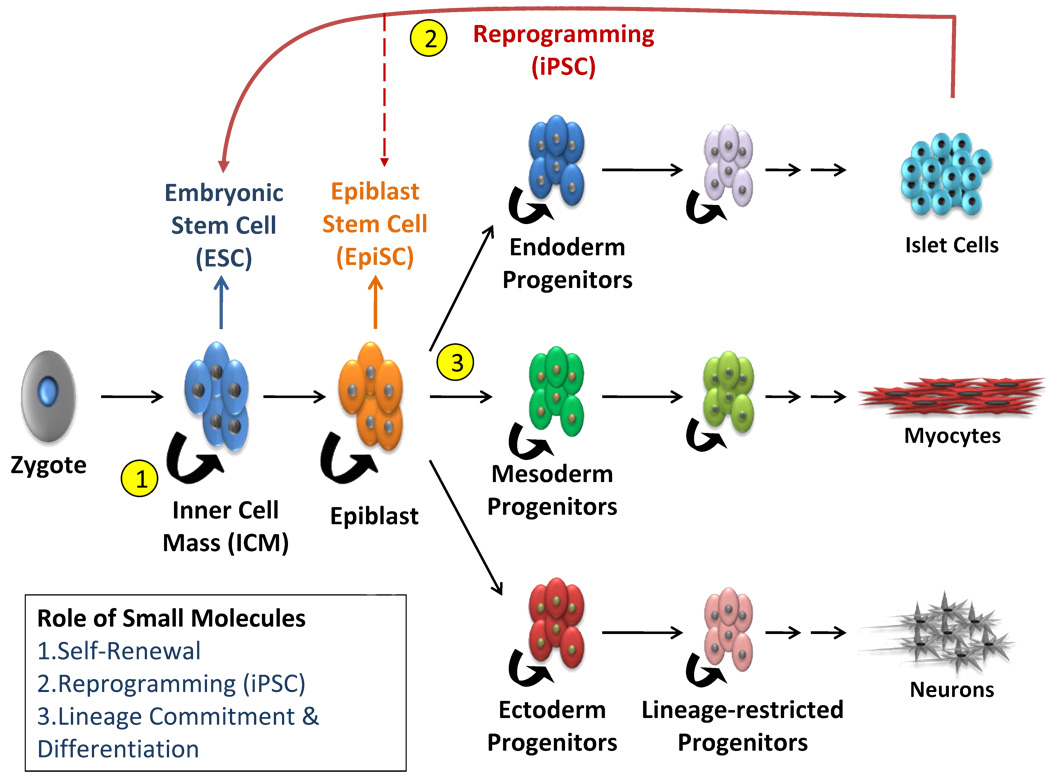
In early January 2025, MIT Tech Review unveiled its annual list of top 10 breakthrough technologies poised to redefine the future. Among these, stem cell therapy stood out for its potential to treat diverse diseases—including neurodegenerative disorders, diabetes, cancer, and heart failure. This groundbreaking approach uses stem cells to replace damaged cells, offering hope for millions worldwide.
Scientific Reviews
In early January 2025, MIT Tech Review unveiled its annual list of top 10 breakthrough technologies poised to redefine the future. Among these, stem cell therapy stood out for its potential to treat diverse diseases—including neurodegenerative disorders, diabetes, cancer, and heart failure. This groundbreaking approach uses stem cells to replace damaged cells, offering hope for millions worldwide. -
 Scientific Reviews
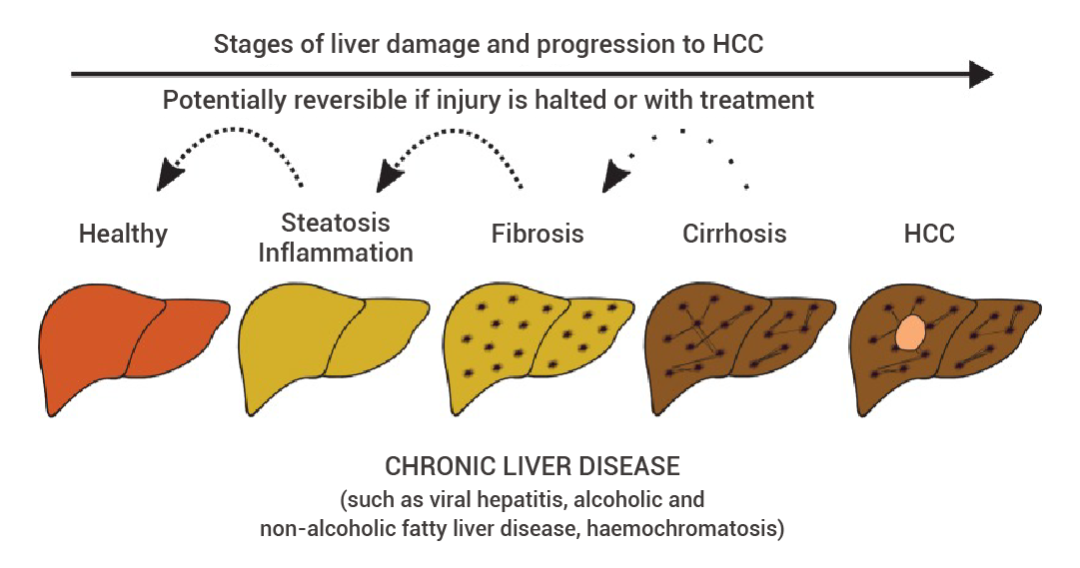
This article will tell you about the common methods of modeling liver disease in animal models.
Scientific Reviews
This article will tell you about the common methods of modeling liver disease in animal models. -
 Scientific Reviews
This article introduces some common cardiovascular disease models, inducers, modeling protocols and successful modeling cases in the research.
Scientific Reviews
This article introduces some common cardiovascular disease models, inducers, modeling protocols and successful modeling cases in the research. -
 Scientific Reviews
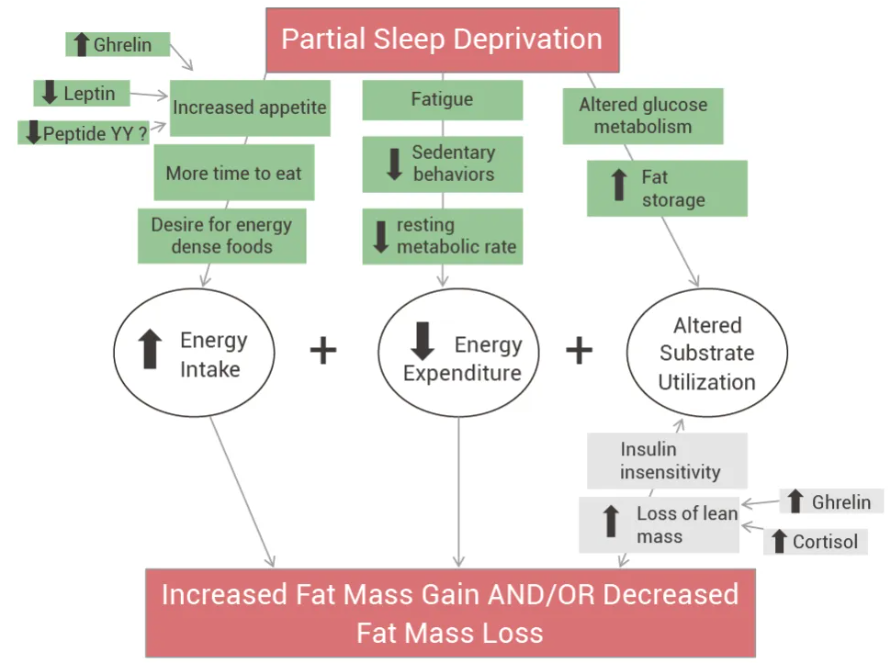
Have you ever noticed that after staying up late, your appetite—especially for high-calorie foods—gets out of control? If this sounds familiar, today’s article might offer some good news.
Scientific Reviews
Have you ever noticed that after staying up late, your appetite—especially for high-calorie foods—gets out of control? If this sounds familiar, today’s article might offer some good news. -
 Scientific Reviews
Finding adipogenic induction media too expensive and tricky to prepare? This comprehensive guide to 3T3-L1 adipogenic differentiation simplifies the process, helping you achieve great results!
Scientific Reviews
Finding adipogenic induction media too expensive and tricky to prepare? This comprehensive guide to 3T3-L1 adipogenic differentiation simplifies the process, helping you achieve great results! -
 Scientific Reviews
Exosomes—natural nanoscale carriers—are revolutionizing targeted therapy. This article uncovers the science behind their precision in drug delivery.
Scientific Reviews
Exosomes—natural nanoscale carriers—are revolutionizing targeted therapy. This article uncovers the science behind their precision in drug delivery. -
 Scientific Reviews
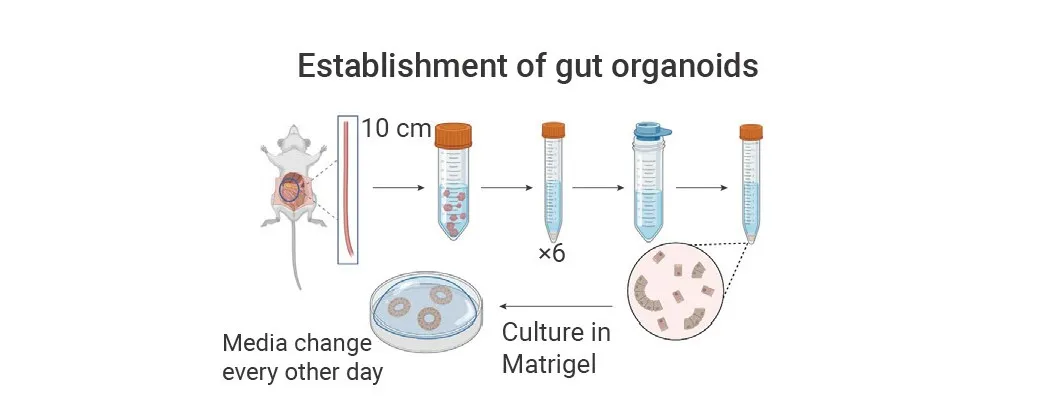
Efficient Generation of Mouse Small Intestinal Organoids: A Complete Experimental Protocol Guide
Scientific Reviews
Efficient Generation of Mouse Small Intestinal Organoids: A Complete Experimental Protocol Guide2025-12-10
How to successfully create mouse small intestine organoids? A detailed, hands-on guide to the entire process, all in one article! -
 Scientific Reviews
In the hunt for the next ‘GLP-1,’ amylin therapeutics, which have shown strong weight-loss results in clinical trials, have become a major focus for both multinational pharma and the scientific community.
Scientific Reviews
In the hunt for the next ‘GLP-1,’ amylin therapeutics, which have shown strong weight-loss results in clinical trials, have become a major focus for both multinational pharma and the scientific community. -
 Scientific Reviews
GLP-1 and Obesity Research
Scientific Reviews
GLP-1 and Obesity Research2026-08-14
Obesity substantially increases the risk of chronic diseases such as T2D and cardiovascular disease. The breakout success of GLP-1 therapies has spotlighted GLP-1R and a wave of emerging obesity targets. -
 EDM
Research Progress of Type-2-Diabetes
EDM
Research Progress of Type-2-Diabetes2025-07-09
This review comprehensively analyzes the pathophysiological mechanisms underlying T2D, surveys current therapeutic strategies, and introduces commonly used disease modeling approaches to support translational research. -
 EDM
This review provides an overview of GLP-1 biology and physiological functions, summarizes the development and clinical applications of GLP-1 receptor agonists, and discusses next-generation GLP-1–based therapeutic strategies.
EDM
This review provides an overview of GLP-1 biology and physiological functions, summarizes the development and clinical applications of GLP-1 receptor agonists, and discusses next-generation GLP-1–based therapeutic strategies. -
 EDM
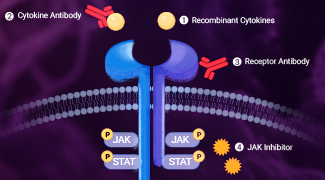
This review critically examines the role of the JAK-STAT pathway in immunity and autoimmune diseases, reviews current clinical applications of targeted therapies, and highlights emerging trends in autoimmune drug development.
EDM
This review critically examines the role of the JAK-STAT pathway in immunity and autoimmune diseases, reviews current clinical applications of targeted therapies, and highlights emerging trends in autoimmune drug development. -
 EDM
This review outlines macrophage functions and classification, and provides practical experimental guidelines for macrophage differentiation, polarization, and identification.
EDM
This review outlines macrophage functions and classification, and provides practical experimental guidelines for macrophage differentiation, polarization, and identification. -
 EDM
Explore next-generation obesity therapies from three perspectives: GLP-1-based multi-receptor agonists, oral GLP-1 strategies, and novel obesity targets.
EDM
Explore next-generation obesity therapies from three perspectives: GLP-1-based multi-receptor agonists, oral GLP-1 strategies, and novel obesity targets. -
 EDM
Explore the evolution from GLP-1 mono-agonists to multi-receptor therapeutics and the expanding role of incretin-based therapies in precision metabolic medicine.
EDM
Explore the evolution from GLP-1 mono-agonists to multi-receptor therapeutics and the expanding role of incretin-based therapies in precision metabolic medicine. -
 EDM
Explore the mechanisms driving immune tolerance breakdown in autoimmune diseases and emerging tolerance-restoring strategies, with a focus on IL-2-based immune modulation.
EDM
Explore the mechanisms driving immune tolerance breakdown in autoimmune diseases and emerging tolerance-restoring strategies, with a focus on IL-2-based immune modulation. -
 EDM
Evolution of PCSK9 Inhibitors Modalities: From Monoclonal Antibodies to Oral Macrocyclic Peptides
EDM
Evolution of PCSK9 Inhibitors Modalities: From Monoclonal Antibodies to Oral Macrocyclic Peptides2026-08-27
Review the biological basis of PCSK9, key therapeutic modalities, cardiovascular evidence, and future directions, including insights from the CORALreef clinical program. -
 Product Guides
Exosomes are nano-sized biovesicles released into surrounding body fluids after the fusion of multivesicular bodies with the plasma membrane. In this article, we will briefly introduce isolation, labeling and identification of exosomes. And the specific application of exosomes will also be mentioned.
Product Guides
Exosomes are nano-sized biovesicles released into surrounding body fluids after the fusion of multivesicular bodies with the plasma membrane. In this article, we will briefly introduce isolation, labeling and identification of exosomes. And the specific application of exosomes will also be mentioned. -
 Blog
Nevanimibe is a selective and potent ACAT1 inhibitor. An excellent drug candidate in the treatment of adrenocortical cancer.
Blog
Nevanimibe is a selective and potent ACAT1 inhibitor. An excellent drug candidate in the treatment of adrenocortical cancer. -
 Blog
BAY-8002 is a selective and orally active inhibitor of monocarboxylate transporter 1 (MCT1), with an IC50 of 85 nM. Has potential to treat lymphoma.
Blog
BAY-8002 is a selective and orally active inhibitor of monocarboxylate transporter 1 (MCT1), with an IC50 of 85 nM. Has potential to treat lymphoma. -
 Blog
Olutasidenib is a highly potent, selective inhibitor of mutant IDH1 that could be used in the treatment of AML or myelodysplastic syndrome (MDS).
Blog
Olutasidenib is a highly potent, selective inhibitor of mutant IDH1 that could be used in the treatment of AML or myelodysplastic syndrome (MDS). -
 Blog
JMS-17-2 is a CX3CR1 Antagonist
Blog
JMS-17-2 is a CX3CR1 Antagonist2019-06-12
JMS-17-2 is a potent and selective CX3CR1 antagonist with an IC50 of 0.32 nM. Has potential to treat cancers such as breast cancer. -
 Blog
PTC299 is a dual and orally active DHODH and VEGF inhibitor, has broad and potent activity against hematological cancer cells.
Blog
PTC299 is a dual and orally active DHODH and VEGF inhibitor, has broad and potent activity against hematological cancer cells. -
 Blog
LSN 3213128 is a selective, nonclassical, orally bioavailable antifolate with anti-cancer activity. LSN 3213128 potently and specifically inhibits AICARFT.
Blog
LSN 3213128 is a selective, nonclassical, orally bioavailable antifolate with anti-cancer activity. LSN 3213128 potently and specifically inhibits AICARFT. -
 Blog
NXT629 is a potent, selective, and competitive PPAR-α antagonist and shows high selectivity over other nuclear hormone receptor.
Blog
NXT629 is a potent, selective, and competitive PPAR-α antagonist and shows high selectivity over other nuclear hormone receptor. -
 Blog
BI-4924 is a Selective PHGDH Inhibitor
Blog
BI-4924 is a Selective PHGDH Inhibitor2019-08-23
BI-4924 is a lipophilic and highly plasma protein bound selective phosphoglycerate dehydrogenase (PHGDH) inhibitor (IC50=3 nM) with excellent microsomal. -
 Blog
FT113 is a potent and orally active fatty acid synthase inhibitor, with an IC50 of 213 nM for full-length recombinant human FAS, with anti-tumor activity.
Blog
FT113 is a potent and orally active fatty acid synthase inhibitor, with an IC50 of 213 nM for full-length recombinant human FAS, with anti-tumor activity. -
 Blog
UPGL00004 is a allosteric glutaminase C inhibitor which strongly inhibits the proliferation of highly aggressive triple-negative breast cancer cell lines.
Blog
UPGL00004 is a allosteric glutaminase C inhibitor which strongly inhibits the proliferation of highly aggressive triple-negative breast cancer cell lines. -
 Blog
IDH889 is an orally available, brain penetrant, allosteric and mutant specific inhibitor of isocitrate dehydrogenase 1 (IDH1) R132 mutations.
Blog
IDH889 is an orally available, brain penetrant, allosteric and mutant specific inhibitor of isocitrate dehydrogenase 1 (IDH1) R132 mutations. -
 Blog
TVB-3166 is an orally-available, reversible, and selective FASN inhibitor and it induces apoptosis, and inhibits in-vivo xenograft tumor growth.
Blog
TVB-3166 is an orally-available, reversible, and selective FASN inhibitor and it induces apoptosis, and inhibits in-vivo xenograft tumor growth. -
 Blog
ASLAN003 is an orally active and potent inhibitor of hDHODH with antitumor activity, and it has the potential to be a first-in-class drug candidate in AML.
Blog
ASLAN003 is an orally active and potent inhibitor of hDHODH with antitumor activity, and it has the potential to be a first-in-class drug candidate in AML. -
 Blog
DS18561882 is a highly potent, sozyme-selective methylenetetrahydrofolate dehydrogenase 2 (MTHFD2) inhibitor with a good oral pharmacokinetic profile.
Blog
DS18561882 is a highly potent, sozyme-selective methylenetetrahydrofolate dehydrogenase 2 (MTHFD2) inhibitor with a good oral pharmacokinetic profile. -
 Blog
GNE-618 is a Orally Active NAMPT Inhibitor
Blog
GNE-618 is a Orally Active NAMPT Inhibitor2019-11-28
GNE-618 is an orally active NAMPT inhibitor and reduces tumor growth. GNE-618 depletes NAD levels and induces tumor cell death. -
 Blog
Telaglenastat is a first-in-class, reversible, orally bioavailable glutaminase 1 splice variants (KGA and GAC) inhibitor. It shows antitumor activity.
Blog
Telaglenastat is a first-in-class, reversible, orally bioavailable glutaminase 1 splice variants (KGA and GAC) inhibitor. It shows antitumor activity. -
 Blog
GPP78 is a potent Nampt inhibitor. GPP78 is cytotoxic to neuroblastoma cell line SH-SY5Y cells. GPP78 has anti-cancer and anti-tumor activity.
Blog
GPP78 is a potent Nampt inhibitor. GPP78 is cytotoxic to neuroblastoma cell line SH-SY5Y cells. GPP78 has anti-cancer and anti-tumor activity. -
 Blog
BRD7389 is a specific RSK family kinase inhibitor and is a small-molecule inducer of insulin expression in pancreatic α-cells.
Blog
BRD7389 is a specific RSK family kinase inhibitor and is a small-molecule inducer of insulin expression in pancreatic α-cells. -
 Blog
CM10 is a potent and selective aldehyde dehydrogenase 1A family inhibitor and regulates metabolism and has anti-cancer activity.
Blog
CM10 is a potent and selective aldehyde dehydrogenase 1A family inhibitor and regulates metabolism and has anti-cancer activity. -
 Blog
DC-5163 is a potent GAPDH inhibitor, can inhibit glycolysis pathway partially. DC-5163 selectively inhibits cancer cell proliferation and induces apoptosis.
Blog
DC-5163 is a potent GAPDH inhibitor, can inhibit glycolysis pathway partially. DC-5163 selectively inhibits cancer cell proliferation and induces apoptosis. -
 Blog
OT-82 is a selective inhibitor of NAMPT. Selectively toxic to cells of hematopoietic origin. OT-82 is a promising antineoplastic agent.
Blog
OT-82 is a selective inhibitor of NAMPT. Selectively toxic to cells of hematopoietic origin. OT-82 is a promising antineoplastic agent. -
 Blog
TNP-351, an Antifolate, is a Dihydrofolate Reductase (DHFR) Inhibitor. Antifolates serve medical science well in neoplastic and non-neoplastic diseases.
Blog
TNP-351, an Antifolate, is a Dihydrofolate Reductase (DHFR) Inhibitor. Antifolates serve medical science well in neoplastic and non-neoplastic diseases. -
 Blog
JX06 is a potent, selective and covalent inhibitor of PDK via covalently binding to a cysteine residue in an irreversible manner.
Blog
JX06 is a potent, selective and covalent inhibitor of PDK via covalently binding to a cysteine residue in an irreversible manner. -
 Blog
IPI-9119 is an orally active, selective and irreversible FASN inhibitor with potent anti-cancer activity. IPI-9119 induces cell cycle arrest, apoptosis.
Blog
IPI-9119 is an orally active, selective and irreversible FASN inhibitor with potent anti-cancer activity. IPI-9119 induces cell cycle arrest, apoptosis. -
 Blog
CTPI-2 is a SLC25A1 inhibitor. CTPI-2 inhibits glycolysis, PPARγ, and its downstream target the glucose transporter GLUT4. Antitumor activity.
Blog
CTPI-2 is a SLC25A1 inhibitor. CTPI-2 inhibits glycolysis, PPARγ, and its downstream target the glucose transporter GLUT4. Antitumor activity. -
 Blog
BI99179 is a Selective Type I FASN Inhibitor
Blog
BI99179 is a Selective Type I FASN Inhibitor2021-01-28
FASN is a key enzyme for lipogenesis and highly expressed in lipogenic tissues. BI99179 is a Selective Type I FASN Inhibitor. -
 Blog
Fasentin inhibits GLUT-1 and GLUT-4 transporters. Fasentin blocks glucose uptake in cancer cell lines and has anti-angiogenic activity.
Blog
Fasentin inhibits GLUT-1 and GLUT-4 transporters. Fasentin blocks glucose uptake in cancer cell lines and has anti-angiogenic activity. -
 Blog
ML390 is a Potent DHODH Inhibitor
Blog
ML390 is a Potent DHODH Inhibitor2021-02-24
ML390 is a potent dihydroorotate dehydrogenase (DHODH) inhibitor and is an inducer of myeloid differentiation. -
 Blog
Vorasidenib is an orally available, brain penetrant second-generation dual mutant isocitrate dehydrogenases 1 and 2 (mIDH1/2) inhibitor.
Blog
Vorasidenib is an orally available, brain penetrant second-generation dual mutant isocitrate dehydrogenases 1 and 2 (mIDH1/2) inhibitor. -
 Blog
Lonidamine, an antitumor agent and an indazole derivative, interferes with energy-yielding processes in cancer cells.
Blog
Lonidamine, an antitumor agent and an indazole derivative, interferes with energy-yielding processes in cancer cells. -
 Blog
STF-31 is a potent ans selective inhibitor of GLUT1 that inhibit glucose uptake in renal cell carcinoma (RCC) 4 cells.
Blog
STF-31 is a potent ans selective inhibitor of GLUT1 that inhibit glucose uptake in renal cell carcinoma (RCC) 4 cells. -
 Blog
Olutasidenib (FT-2102) is an orally active, brain penetrant inhibitor of mutant IDH1. Olutasidenib is used for AML or MDS Research.
Blog
Olutasidenib (FT-2102) is an orally active, brain penetrant inhibitor of mutant IDH1. Olutasidenib is used for AML or MDS Research. -
 Blog
Talotrexin (PT523), a classic antifolate, is an RFC (reduced folate carrier) specific inhibitor and selectively inhibits RFC transport.
Blog
Talotrexin (PT523), a classic antifolate, is an RFC (reduced folate carrier) specific inhibitor and selectively inhibits RFC transport.
Products
All
-
All
-
Inhibitors & Agonists
-
Isotope-Labeled Compounds
-
Fluorescent Dye
-
Peptides
-
Recombinant Proteins
-
Antibodies
-
Screening Libraries
-
Inhibitory Antibodies
-
Reference Standards
-
Biochemical Assay Reagents
-
Natural Products
| Cat. No. | Product Name | Information | Application | Publication |
|---|---|---|---|---|
| HY-P0035A | Insulin solution (human) |
|
105
|
|
| HY-P0035 | Insulin (human) |
|
105
|
|
| HY-L012 | Metabolism/Protease Compound Library |
Metabolism is the set of life-sustaining chemical reactions in organisms. Metabolic pathways are enzyme-mediated biochemical reactions that lead to biosynthesis (anabolism) or breakdown (catabolism) of natural product small molecules within a cell or tissue. Acting as catalysts, enzymes are crucial to metabolism - they allow a reaction to proceed more rapidly - and they also allow the regulation of the rate of a metabolic reaction. Proteases are used throughout an organism for various metabolic processes. Proteases control a great variety of physiological processes that are critical for life, including the immune response, cell cycle, cell death, wound healing, food digestion, and protein and organelle recycling. Imbalances in metabolic activities have been found to be critical in a number of pathologies, such as cardiovascular diseases, inflammation, cancer, and neurodegenerative diseases.
MCE designs a unique collection of 7,360 Metabolism/Protease-related small molecules that act as a useful tool for drug discovery of metabolism-related diseases.
|
|
89
|
| HY-L040 | Anti-diabetic Compound Library |
Diabetes mellitus, usually called diabetes, is a group of metabolic disorders characterized by a high blood sugar level over a prolonged period of time. The most common types are Type I and Type II. Type I diabetes (T1D), also called juvenile onset diabetes mellitus or insulin-dependent diabetes mellitus, is characterized by destruction of the β-cells of the pancreas and insulin is not produced, whereas type II diabetes (T2D), also called non-insulin-dependent diabetes mellitus, is characterized by a progressive impairment of insulin secretion and relative decreased sensitivity of target tissues to the action of this hormone. Type 2 diabetes accounts for the vast majority of all diabetes mellitus. Diabetes of all types can lead to complications in many parts of the body and can increase the overall risk of dying prematurely. Possible complications include kidney failure, leg amputation, vision loss and nerve damage.
The pathogenesis of diabetes is complicated, and development of the safe and effective drugs against diabetes is full of challenge. Increasing studies have confirmed that the pathogenesis of diabetes is related to various signaling pathways, such as insulin signaling pathway, AMPK pathway, PPAR regulation and chromatin modification pathways. These signaling pathways have thus become the major source of the promising novel drug targets to treat metabolic diseases and diabetes.
MCE Anti-diabetic Compound Library owns a unique collection of 1,172 compounds, which mainly target SGLT, PPAR, DPP-4, AMPK, Dipeptidyl Peptidase, Glucagon Receptor, etc. This library is a useful tool for discovery anti-diabetes drugs.
|
|
84
|
| HY-L087 | Anti-Obesity Compound Library |
Obesity is widely recognized as the largest and fastest growing public health problem and is associated with numerous chronic disorders including osteoarthritis, obstructive sleep apnea, gallstones, fatty liver disease, reproductive and gastrointestinal cancers, dyslipidemia, hypertension, type 2 diabetes, heart failure, coronary artery disease, stroke, etc. Although obesity has long been associated with serious health issues, it has only recently been regarded as a disease in the sense of being a specific target for medical therapy. Obesity may be viewed as the dysregulation of two physiological functions, appetite regulation and energy metabolism, which combine to create disordered energy balance. Consequently, developing obesity treatments that target novel pathways is a growing focus for both biopharmaceutical industries.
MCE Anti-Obesity Compound Library owns a unique collection of 3,741 compounds, which mainly target signaling pathway of controlling appetite, fatty acid metabolism and energy expenditure, etc. This library is a useful tool for discovery anti-obesity drugs.
|
|
83
|
| HY-L103 | Anti-Colorectal Cancer Compound Library |
Colorectal cancer (CRC), also known as bowel cancer, colon cancer, or rectal cancer, arises as adenocarcinoma from glandular epithelial cells of the large intestine comprised of the colon and rectum. The majority of cases of CRC are sporadic and result from risk factors, such as a sedentary lifestyle, obesity, processed diets, alcohol consumption and smoking. CRC is also a common preventable cancer.
Studies showed several cellular signaling pathways dysregulated in CRC, leading to the onset of malignant phenotypes. Therefore, it is necessary to analyze the signaling pathways involved in the occurrence and development of colorectal cancer to study the progression and drug treatment of colorectal cancer. Among them, Wnt/β-catenin, p53, TGF-β/SMAD, NF-κB, Notch, VEGF and other target genes and signaling pathways are the focus of research.
MCE offers a unique collection of 2,653 compounds with identified and potential anti-colorectal cancer activity. MCE anti-colorectal cancer compound library is a useful tool for anti-colorectal cancer drugs screening and other related research.
|
|
83
|
| HY-L199 | Non-Alcoholic Fatty Liver Disease (NAFLD) Compound Library |
Non-alcoholic fatty liver disease (NAFLD) is one of the most common liver diseases worldwide and is the primary liver manifestation of metabolic syndrome. The growth of NAFLD has coincided with the obesity epidemic. NAFLD is composed of excess lipid accumulation in the liver, causing steatotoxicity, and shows a wide range of histopathological abnormalities. NAFLD may progress from simple steatosis to Non-alcoholic steatohepatitis (NASH) with or without fibrosis (NASH), and eventually to cirrhosis and hepatocellular carcinoma. To date, very few drugs have been approved for marketing specifically for the treatment of NAFLD, so increased efforts to develop NAFLD drugs are necessary.
MCE designs a unique collection of 5,024 small molecules with definite or potential anti-NAFLD activity, which is an important tool for studying the pathological mechanism of NAFLD and developing drugs for NAFLD.
|
|
83
|
| HY-L265 | Cholesterol Metabolism Compound Library |
Cholesterol is a crucial lipid that maintains cell membrane structure, serves as a precursor for the synthesis of steroid hormones and bile acids, and plays an important role in cell signal transduction and membrane function regulation. Intracellular cholesterol levels are precisely controlled by multiple processes, including synthesis, uptake, transport, esterification, storage, and efflux. Dysregulation of cholesterol metabolism is closely associated with diseases such as atherosclerosis, fatty liver disease, metabolic syndrome, and various cancers.
The Cholesterol Metabolism Compound Library contains 558 compounds and focuses on cholesterol metabolism and homeostatic regulation. It provides an efficient tool for mechanistic studies of cholesterol metabolism and for drug discovery in metabolism‑related diseases.
|
|
83
|
| HY-10191 | Linsitinib |
Linsitinib (OSI-906) is a potent, selective and orally bioavailable dual inhibitor of the IGF-1 receptor and insulin receptor (IR) with IC50s of 35 and 75 nM, respectively.
|
|
52
|
| HY-114118B | Semaglutide acetate |
Semaglutide acetate is a long-acting, selective, competitive GLP-1R agonist that can penetrate the blood-brain barrier. After activating GLP-1R, Semaglutide acetate promotes insulin secretion, inhibits gastric emptying and appetite, and at the same time enhances autophagy, inhibits oxidative stress and apoptosis. Semaglutide acetate also regulates mitochondrial function and lipid metabolism (such as reducing de novo lipogenesis in the liver). Semaglutide acetate has activities such as lowering blood sugar, reducing weight, neuroprotection (such as improving motor function in Parkinson's disease models, reducing α-synuclein aggregation) and improving hepatic steatosis. Semaglutide acetate can be used for the study of neurodegenerative diseases and liver diseases such as type 2 diabetes, obesity, Parkinson's disease, metabolic associated fatty liver disease (MASLD), and cancer.
|
|
50
|
| HY-114118A | Semaglutide TFA |
Semaglutide TFA is a long-acting, selective, competitive GLP-1R agonist that can penetrate the blood-brain barrier. After activating GLP-1R, Semaglutide TFA promotes insulin secretion, inhibits gastric emptying and appetite, and at the same time enhances autophagy, inhibits oxidative stress and apoptosis. Semaglutide TFA also regulates mitochondrial function and lipid metabolism (such as reducing de novo lipogenesis in the liver). Semaglutide TFA has activities such as lowering blood sugar, reducing weight, neuroprotection (such as improving motor function in Parkinson's disease models, reducing α-synuclein aggregation) and improving hepatic steatosis. Semaglutide TFA can be used for the study of neurodegenerative diseases and liver diseases such as type 2 diabetes, obesity, Parkinson's disease, metabolic associated fatty liver disease (MASLD), and cancer.
|
|
50
|
| HY-114118 | Semaglutide |
Semaglutide is a long-acting, selective, competitive GLP-1R agonist that can penetrate the blood-brain barrier. After activating GLP-1R, Semaglutide promotes insulin secretion, inhibits gastric emptying and appetite, and at the same time enhances autophagy, inhibits oxidative stress and apoptosis. Semaglutide also regulates mitochondrial function and lipid metabolism (such as reducing de novo lipogenesis in the liver). Semaglutide has activities such as lowering blood sugar, reducing weight, neuroprotection (such as improving motor function in Parkinson's disease models, reducing α-synuclein aggregation) and improving hepatic steatosis. Semaglutide can be used for the study of neurodegenerative diseases and liver diseases such as type 2 diabetes, obesity, Parkinson's disease, metabolic associated fatty liver disease (MASLD), and cancer.
|
|
50
|
| HY-15656A | Ceritinib dihydrochloride |
Ceritinib (LDK378) dihydrochloride is a selective, orally bioavailable and ATP-competitive ALK tyrosine kinase inhibitor with an IC50 of 200 pM. Ceritinib dihydrochloride also inhibits IGF-1R, InsR, and STK22D with IC50 values of 8, 7, and 23 nM, respectively. Ceritinib dihydrochloride shows great antitumor potency.
|
|
43
|
| HY-15656 | Ceritinib |
Metabolic or Endocrine Disease
Respiratory Disease
Prostate Cancer
Leukemia/Lymphoma/Myeloma
Pancreatic Cancer
Non-Small Cell Lung Cancer
|
43
|
|
| HY-P0014 | Liraglutide |
Liraglutide is a glucagon-like peptide-1 (GLP-1) receptor agonist used clinically to treat type 2 diabetes mellitus.
|
Digestive System Disease
Digestive System Inflammation
Alzheimer's Disease
Parkinson's Disease
Type 1 Diabetes
Psoriasis
Chronic Obstructive Pulmonary Disease
Type 2 Diabetes
Obesity
|
43
|
| HY-N0055 | Chlorogenic acid |
Chlorogenic acid is a major phenolic compound in Lonicera japonica Thunb. It is an orally active antioxidant activity, antibacterial, hepatoprotective, cardioprotective, anti-inflammatory, antipyretic, neuroprotective, anti-obesity, antiviral, anti-microbial, anti-hypertension compound.
|
HIF/HIF Prolyl-Hydroxylase
Reactive Oxygen Species (ROS)
Bacterial
Influenza Virus
Endogenous Metabolite
Neurological, Eye or Ear Disease
Inflammation or Immune System Disease
Breast Cancer
Ovarian Cancer
Viral Infection
Bacterial Infection
Cardiovascular Disease
Obesity
|
38
|
| HY-15494 | Picropodophyllin |
Picropodophyllin (AXL1717) is a selective insulin-like growth factor-1 receptor (IGF-1R) inhibitor with an IC50 of 1 nM.
|
Metabolic or Endocrine Disease
Prostate Cancer
Pancreatic Cancer
Digestive System Inflammation
SARS-CoV-2 Infection
|
31
|
| HY-N0114 | Evodiamine |
Evodiamine is an alkaloid isolated from the fruit of Evodia rutaecarpa Bentham with diverse biological activities including anti-inflammatory, anti-obesity, and antitumor.
|
|
20
|
| HY-17365 | Octreotide acetate |
Octreotide acetate, a long-acting synthetic analog of native somatostatin, inhibits growth hormone, glucagon, and insulin more potently.
|
Inflammation or Immune System Disease
Blood or Cardio-cerebrovascular Disease
Metabolic or Endocrine Disease
|
17
|
| HY-P1156 | Insulin(cattle) |
|
17
|
|
| HY-N2302 | Fucoxanthin |
Fucoxanthin (all-trans-Fucoxanthin) is a marine carotenoid and shows anti-obesity, anti-diabetic, anti-oxidant, anti-inflammatory and anticancer activities.
|
Pancreatic Cancer
Bacterial Infection
Pain
Digestive System Inflammation
Cardiovascular Disease
Glucose Metabolism
Obesity
Lung Fibrosis
|
15
|
| HY-P0082A | Glucagon (1-29), bovine, human hydrochloride |
Glucagon (1-29), bovine, human, porcine hydrochloride is a peptide hormone, produced by pancreatic α-cells. Glucagon hydrochloride stimulates gluconeogenesis. Glucagon (1-29), bovine, human, porcine hydrochloride activates HNF4α and increases HNF4α phosphorylation.
|
|
14
|
| HY-50866 | NVP-AEW541 |
NVP-AEW541 (AEW541 ) is an orally active inhibitor of the insulin-like growth factor 1 receptor (IGF-1R) with an IC50 value of 0.15 μM. NVP-AEW541 also inhibits InsR, IC50 with a value of 0.14 μM. NVP-AEW541 has antitumor activity.
|
|
14
|
| HY-10200 | BMS-754807 |
|
14
|
|
| HY-P0082 | Glucagon (1-29), bovine, human |
Glucagon (1-29), bovine, human, porcine is a peptide hormone, produced by pancreatic α-cells. Glucagon stimulates gluconeogenesis. Glucagon (1-29), bovine, human, porcine activates HNF4α and increases HNF4α phosphorylation.
|
|
14
|
| HY-106224B | Orexin A (human, rat, mouse) acetate |
Orexin A (Hypocretin-1) (human, rat, mouse) acetate is a hypothalamic neuropeptide with analgesic properties (crosses the blood-brain barrier). Orexin A (human, rat, mouse) acetate binds and activates two types of G protein-coupled receptors, the orexin-1 receptor (OX1R) and the orexin-2 receptor (OX2R). Orexin A (human, rat, mouse) acetate can be used in studies of appetite regulation, neurodegenerative diseases and modulation of injurious messaging.
|
|
13
|
| HY-N0828 | Pterostilbene |
Pterostilbene is a stilbenoid isolated from blueberries and Pterocarpus marsupium. Shows anti-oxidant, anti-inflammatory, anti-carcinogenic, anti-diabetic and anti-obesity properties. Pterostilbene blocks ROS production, also exhibits inhibitory activity against various free radicals such as DPPH, ABTS, hydroxyl, superoxide and hydrogen peroxide.
|
|
12
|
| HY-N0644 | Carnosic acid |
Carnosic acid is an orally active lipid absorption inhibitor. Carnosic acid has demonstrated inhibition of oxidative stress and inflammation, suppression of cell proliferation, and antibacterial activity.
|
Cancer
Bacterial Infection
Neurodegenerative Disease
Experimental Autoimmune Encephalomyelitis
Experimental Autoimmune Encephalomyelitis
|
10
|
| HY-N1411 | Platycodin D |
Platycodin D is a saponin isolated from Platycodon grandiflorus, acts as an activator of AMPKα, with anti-obesity property. WNT/β-catenin pathway mediates the anti-adipogenic effect of platycodin D.
|
|
9
|
| HY-14860A | 1-Deoxynojirimycin hydrochloride |
1-Deoxynojirimycin hydrochloride (Duvoglustat hydrochloride) is a potent and orally active α-glucosidase inhibitor. 1-Deoxynojirimycin hydrochloride suppresses postprandial blood glucose and is widely used for diabetes mellitus. 1-Deoxynojirimycin hydrochloride possesses antihyperglycemic, anti-obesity, and antiviral features.
|
|
7
|
| HY-14860 | 1-Deoxynojirimycin |
1-Deoxynojirimycin (Duvoglustat) is a potent and orally active α-glucosidase inhibitor. 1-Deoxynojirimycin suppresses postprandial blood glucose and is widely used for diabetes mellitus. 1-Deoxynojirimycin possesses antihyperglycemic, anti-obesity, and antiviral features.
|
|
7
|
| HY-N0022 | Isoacteoside |
Isoacteoside is a natural product that can significantly inhibit the formation of glycation end products. Isoacteoside regulates the AKT/PI3K/m-TOR/NF-κB signaling pathway, induces apoptosis in OVCAR-3 cell. Isoacteoside exhibits antitumor, anti-inflammatory, anti-obesity and neuroprotective activities.
|
Apoptosis
Reactive Oxygen Species (ROS)
Akt
mTOR
PI3K
NO Synthase
COX
p38 MAPK
Toll-like Receptor (TLR)
Amyloid-β
Lung Cancer
Breast Cancer
Colorectal Cancer
Prostate Cancer
Gastric Cancer
Liver Cancer
Leukemia/Lymphoma/Myeloma
Pancreatic Cancer
Ovarian Cancer
Depression
Pain
Digestive System Inflammation
Alzheimer's Disease
Obesity
Lung Fibrosis
Rheumatoid Arthritis
|
7
|
| HY-N0330 | Momordin Ic |
Momordin Ic is an orally active triterpenoid saponin that can be isolated from Kochia scoparia. It is also a SUMO specific protease 1 (SENP1) inhibitor, SENP1/c-MYC signaling pathway inhibitor, and apoptosis inducer. Momordin Ic induces autophagy and apoptosis in liver cancer cells through the PI3K/Akt and MAPK signaling pathways mediated by reactive oxygen species. Momordin Ic has the ability to control glucose induced blood glucose elevation, inhibit gastric emptying, resist rheumatoid arthritis, reduce CCl4 (HY-Y0298) induced hepatotoxicity and anti-tumor activity.
|
Breast Cancer
Prostate Cancer
Liver Cancer
Pancreatic Cancer
Ovarian Cancer
Pain
Digestive System Inflammation
Glucose Metabolism
Rheumatoid Arthritis
|
5
|
| HY-W087937 | Benzamidine hydrochloride hydrate |
Benzamidine (Benzenecarboximidamide) hydrochloride hydrate is a competitive protease inhibitor that blocks the hydrolytic cleavage of glucagon by plasmin, trypsin and thrombin. Benzamidine hydrochloride hydrate effectively inhibits the degradation of glucagon by relevant proteases during the collection, storage and analysis of human plasma and blood samples. During in vivo metabolism, Benzamidine hydrochloride hydrate undergoes N-hydroxylation and produces multiple metabolites, exhibiting characteristics of delayed excretion or biphasic elimination. Benzamidine hydrochloride hydrate only induces slight single-strand DNA breaks at high concentrations and shows no significant genotoxic potential overall. Benzamidine hydrochloride hydrate may interfere with the detection of some glucagon antisera, but does not affect key antigen-antibody affinity at specific concentrations. Benzamidine hydrochloride hydrate can be used as a stabilizer in glucagon radioimmunoassays to ensure the accuracy and recovery rate of detection results.
|
|
4
|
| HY-142812 | GRK6-IN-1 |
GRK6-IN-1 (Compound 18) is the inhibitor for G protein-coupled receptorkinase 6 (GRK6) with an IC50 of 3.8-8 nM. GRK6-IN-1 also inhibits GRK7, GRK5, GRK4 and GRK1 with IC50s of 6.4, 12, 22 and 52 nM, respectively. GRK6-IN-1 has the potential for the research of multiple myeloma.
|
|
4
|
| HY-N0547 | Nomilin |
Nomilin is a limonoid compound obtained from the extracts of citrus fruits. Nomilin is an anti-obesity and anti-hyperglycemic agent .
|
|
3
|
| HY-P10138A | human GIP(3-30), amide TFA |
Human GIP(3-30), amide TFA is the TFA salt form of human GIP(3-30), amide (HY-P10138). Human GIP(3-30), amide TFA is a high affinity antagonist of the human GIP receptor in vitro. Human GIP(3-30), amide TFA has potential anti-obesity and anti-diabetic effects.
|
|
3
|
| HY-P3506A | Retatrutide TFA |
Retatrutide (LY3437943) TFA is a triple agonist peptide of the glucagon receptor (GCGR), glucosedependent insulinotropic polypeptide receptor (GIPR), and glucagon-like peptide-1 receptor (GLP-1R). Retatrutide TFA binds human GCGR, GIPR, and GLP-1R with EC50 values of 5.79, 0.0643 and 0.775 nM, respectively. Retatrutide TFA can be used for the research of obesity.
|
|
3
|
| HY-N4103 | Fucosterol |
Fucosterol is a sterol isolated from algae, seaweed or diatoms. Fucosterol exhibits various biological activities, including antioxidant, anti-adipogenic, blood cholesterol reducing, anti-diabetic and anti-cancer activities. Fucosterol regulates adipogenesis via inhibition of PPARα and C/EBPα expression and can be used for anti-obesity agents development research.
|
|
3
|
| HY-B0149 | Tranexamic acid |
Tranexamic acid (cyclocapron), a cyclic analog of lysine, is an orally active antifibrinolytic agent. Tranexamic acid attenuates the effects of severe trauma, inhibits urokinase plasminogen activator and ameliorates dry wrinkles. Tranexamic acid can used for the research of hemostasis. Tranexamic acid is a PROTAC linker. Tranexamic acid is used to synthesize PROTACs (e.g. LZ-07 (HY-172590)).
|
|
3
|
| HY-107542 | Oleoylethanolamide |
Oleoylethanolamide is a high affinity endogenous PPAR-α agonist, which plays an important role in the treatment of obesity and arteriosclerosis.
|
Metabolic or Endocrine Disease
Digestive System Disease
Depression
Digestive System Inflammation
Cardiovascular Disease
|
3
|
| HY-P10138 | human GIP(3-30), amide |
Human GIP(3-30), amide is a high affinity antagonist of the human GIP receptor in vitro. Human GIP(3-30), amide has potential anti-obesity and anti-diabetic effects.
|
|
3
|
| HY-P3462A | Cagrilintide acetate |
Cagrilintide acetate is a non-selective AMYR/CTR agonist and long-acting acylated amylase analogue. Cagrilintide acetate causes a reduction in food intake and significant weight loss in a dose-dependent manner. Cagrilintide acetate can be used in obesity studies.
|
|
3
|
| HY-P0090 | Calcitonin (salmon) |
Calcitonin salmon, a calcium regulating hormone, is a dual-action amylin and calcitonin receptor agonist, could stimulate bone formation and inhibit bone resorption.
|
|
3
|
| HY-P0276 | GIP, human |
GIP, human, a peptide hormone consisting of 42 amino acids, is a stimulator of glucose-dependent insulin secretion and a weak inhibitor of gastric acid secretion. GIP, human acts as an incretin hormone released from intestinal K cells in response to nutrient ingestion.
|
|
3
|
| HY-P3462 | Cagrilintide |
Cagrilintide is an investigational novel long-acting acylated amylin analogue, acts as nonselective amylin receptors (AMYR) and calcitonin G protein-coupled receptor (CTR) agonist. Cagrilintide induces significant weight loss and reduces food intake. Cagrilintide has the potential for the research of obesity.
|
|
3
|
| HY-P3506 | Retatrutide |
Retatrutide (LY3437943) is a triple agonist peptide of the glucagon receptor (GCGR), glucosedependent insulinotropic polypeptide receptor (GIPR), and glucagon-like peptide-1 receptor (GLP-1R). Retatrutide binds human GCGR, GIPR, and GLP-1R with EC50 values of 5.79, 0.0643 and 0.775 nM, respectively. Retatrutide can be used for the research of obesity.
|
|
3
|
| HY-19884B | Relamorelin TFA |
Relamorelin (RM-131) TFA, a pentapeptide ghrelin analog, is a selective ghrelin/growth hormone secretagogue receptor (GHSR) agonist with a Ki of 0.42 nM for GHS-1a receptor. Relamorelin TFA is centrally penetrant. Relamorelin TFA increases growth hormone levels and accelerates gastric emptying. Relamorelin TFA has the potential for cachexia, gastroparesis, and gastric/intestinal dysmobility disorders research.
|
|
2
|
| HY-N4170 | Chebulic acid |
Chebulic acid is a phenolic acid compound isolated from Terminalia chebula with strong antioxidant activity, which breaks protein cross-links induced by advanced glycation end products (AGEs) and inhibits the formation of AGEs. Chebulic acid is effective in controlling elevated metabolic parameters, oxidative stress, and liver damage, supporting its beneficial role in asthma, diabetes, and liver protection.
|
|
2
|
| HY-P1339B | Orexin B, human acetate |
Orexin B, human acetate is the acetate form of Orexin B, human (HY-P1339). Orexin B, human acetate is the agonist for Orexin Receptor, with Ki of 420 nM and 36 nM for OX1 and OX2. Orexin B, human acetate participates in the regulation of appetite, wakefulness, cardiovascular function and neuroendocrine.
|
|
2
|
| HY-P70239 | GLP-1/GCG Protein, Human (HEK293, His) |
GLP-1 and GCG are two proteins derived from the same precursor protein, which is encoded by the GCG-glucagon gene. The GCG protein is a counterregulatory hormone to insulin, playing a crucial role in glucose metabolism by increasing gluconeogenesis and reducing glycolysis to regulate blood glucose levels. GLP-1 protein, secreted by intestinal endocrine cells, promotes insulin secretion, regulates gastrointestinal motility, and inhibits the secretion of GCG protein. GLP-1/GCG protein, Human (HEK293, His), is a recombinant GLP-1/GCG protein expressed by HEK293 cells, with a His tag at the C-terminus, and is composed of 160 amino acids (R21-K180).
Species: Human; Source: HEK293 |
|
2
|
| HY-P81160 | GLP-1R Antibody |
GLP-1R Antibody is a Rabbit-derived and non-conjugated IgG polyclonal antibody, targeting to GLP-1R.
Host: Rabbit; Reactivity: Human, Mouse, Rat |
|
2
|
| HY-119739 | Skyrin |
Skyrin is an anthraquinone compound that can be isolated from almond fruit. Skyrin is a receptor-selective glucagon antagonist. Skyrin can inhibit the growth of tumor cells.
|
|
1
|
| HY-N0644R | Carnosic acid (Standard) |
Carnosic acid (Standard) is the analytical standard of Carnosic acid. This product is intended for research and analytical applications. Carnosic acid has demonstrated inhibition of oxidative stress and inflammation, suppression of cell proliferation, and antibacterial activity.
|
Cancer
Bacterial Infection
Experimental Autoimmune Encephalomyelitis
Experimental Autoimmune Encephalomyelitis
|
1
|
| HY-P3291 | Dapiglutide |
Dapiglutide (ZP7570) is a long-acting glucagon-like peptide-1 receptor 1R (GLP-1R)/Glucagon-like peptide-2 receptor (GLP-2R) dual agonist. Dapiglutide alleviates intestinal dysfunction in a mouse short bowel model and has anti-obesity effects.
|
|
1
|
| HY-P3463 | Beinaglutide |
Beinaglutide is a human GLP-1 polypeptide that shares almost 100% homology with human GLP-1 (7–36). Beinaglutide displays does-dependent effects in glycemic control, inhibiting food intake and gastric empty and promoting weight loss. Beinaglutide has the potential for the research of overweight/obesity and nonalcoholic steatohepatitis (NASH).
|
|
1
|
| HY-N0923 | Corydaline |
Corydaline ((+)-Corydaline), an isoquinoline alkaloid isolated from Corydalis yanhusuo, is an AChE inhibitor with an IC50 of 226 μM. Corydaline is a μ-opioid receptor (Ki of 1.23 μM) agonist and inhibits enterovirus 71 (EV71) replication (IC50 of 25.23 μM). Corydaline has anti-angiogenic, anti-allergic and gastric-emptying and antinociceptive activities.
|
|
1
|
| HY-P99165 | Teprotumumab |
Teprotumumab is an IGF-1 receptor (IGF-1R) blocking human monoclonal antibody. Teprotumumab binds to the ligand binding extracellular α-subunit domain of IGF-1R. Teprotumumab inhibits TSH and IGF-1 action in fibrocytes. Teprotumumab attenuates TSH-dependent IL-6 and IL-8 expression and Akt phosphorylation. Teprotumumab can be used for thyroid-associated ophthalmopathy research.
Species: Human |
|
1
|
| HY-P99294 | Ganitumab |
Ganitumab (AMG 479) is a recombinant human monoclonal antibody to the human type 1 insulin-like growth factor receptor (IGF1R). Ganitumab recognizes murine IGF1R with sub-nanomolar affinity (KD=0.22 nM) and inhibits the interaction of murine IGF1R with IGF1 and IGF2. Ganitumab can be used in research of cancer.
Species: Human |
|
1
|
| HY-108810 | Canakinumab |
Canakinumab (ACZ885) is a recombinant human anti-IL-1β monoclonal antibody. Canakinumab shows IC50 values of 43.6 and 40.8 pM for human and marmoset IL-1β, respectively. The mode of action of canakinumab is based on the neutralization of IL-1β signaling, resulting in suppression of inflammation related to disorders of autoimmune origin.
Species: Human |
Inflammation or Immune System Disease
Pancreatic Cancer
Non-Small Cell Lung Cancer
SARS-CoV-2 Infection
Type 2 Diabetes
|
1
|
| HY-P1464 | Amylin, amide, rat |
Amylin, amide, rat is a potent and high affinity ligand of Amylin receptor AMY1 and AMY3 receptors and variably of AMY2 receptors; binding studies are generally used for the latter receptor.
|
|
1
|
| HY-P11274 | Zenagamtide |
Zenagamtide (Amycretin; NN 9487) is an orally active, blood-brain barrier permeable triple agonist that targets GLP-1, amylin (Amylin Receptor) and calcitonin receptor (Calcitonin Receptor). Zenagamtide is a single peptide consisting of 68 amino acids that can target brain regions regulating food intake, significantly suppress appetite and reduce energy intake. Therefore, Zenagamtide improves body weight, waist circumference, glycated hemoglobin and lipid profile, and also alleviates the histological features of metabolic dysfunction-associated steatotic liver disease (MASLD) and enhances insulin sensitivity. Zenagamtide may cause transient increases in heart rate and fluctuations in serum calcium levels, but it is an important compound for the study of overweight, obesity, insulin resistance and related metabolic diseases.
|
|
/
|
| HY-15498S | Rimegepant-d4 |
Rimegepant-d4 (BMS-927711-d4) is the deuterium labeled Rimegepant (HY-15498). Rimegepant (BMS-927711) is an orally bioavailable and blood-brain barrier permeable antagonist of CGRP and AMY1 receptors, with a pIC50 of 8.01 and a Ki of 0.027 nM for human CGRP receptors. Rimegepant antagonizes cAMP production induced by αCGRP, βCGRP and amylin at CGRP and AMY1 receptors in humans, rats and mice, as well as at rat AMY3 receptors. Rimegepant can be used in research related to migraine.
|
|
/
|
| HY-N21938 | 7-Acetyllycopsamine N-oxide |
7-Acetyllycopsamine N-oxide is a pyrrolizidine alkaloid N-oxide (PA N-oxide) that can be extracted from plants such as those in the Boraginaceae, Asteraceae or Compositae families. 7-Acetyllycopsamine N-oxide acts as a metabolic and potential toxic precursor. 7-Acetyllycopsamine N-oxide can be used in studies on component quantitative analysis, quality control of traditional Chinese medicine, and toxicological risk assessment for public health.
|
|
/
|
| HY-111614S | Melengestrol acetate-d6 |
Melengestrol acetate-d6 is the deuterium labeled Melengestrol acetate. Melengestrol acetate is a progesterone derivative, acts as an orally active corticosteroid hormone to promote endometrial proliferation, pregnancy maintenance, and delay of menstrual activity. Melengestrol Acetate is used as a contraceptive agent for growth promoting effects and suppression of estrus in animals. Melengestrol acetate inhibits both the androgen-dependent and -independent prostatic tumors in vivo and can be used for cancer research.
|
|
/
|
| HY-P1841 | Glucagon-Like Peptide (GLP) II, human |
Glucagon-Like Peptide (GLP) II, human is a 33-amino acid peptide derived from the C-terminal of proglucagon and mainly produced by the intestinal L cells. Glucagon-Like Peptide (GLP) II, human stimulates intestinal mucosal growth and decreases apoptosis of enterocytes .
|
|
/
|
| HY-P1339AS | Orexin B, human-13C6,15N TFA |
Orexin B, human-13C6,15N (Human orexin B-13C6,15N) TFA is the 13C- and 15N-labeled Orexin B, human (HY-P1339). Orexin B, human is the agonist for Orexin Receptor, with Kis of 420 nM and 36 nM for OX1 and OX2. Orexin B, human participates in the regulation of appetite, wakefulness, cardiovascular function and neuroendocrine.
|
|
/
|
| HY-P11670 | Linvixdutide |
Linvixdutide is a glucagon and glucagon-like peptide 1 receptor (GLP-1R) agonist with anti-obesity effects.
|
|
/
|
| HY-N0923R | Corydaline (Standard) |
Corydaline (Standard) is the analytical standard of Corydaline. This product is intended for research and analytical applications. Corydaline ((+)-Corydaline), an isoquinoline alkaloid isolated from Corydalis yanhusuo, is an AChE inhibitor with an IC50 of 226 μM. Corydaline is a μ-opioid receptor (Ki of 1.23 μM) agonist and inhibits enterovirus 71 (EV71) replication (IC50 of 25.23 μM). Corydaline has anti-angiogenic, anti-allergic and gastric-emptying and antinociceptive activities.
|
|
/
|
| HY-N19062 | Caralluma fimbriata extract |
Caralluma fimbriata extract is often used to suppress appetite and aid in weight management.
|
|
/
|
| HY-P992006 | Anti-Glucagon Antibody |
|
/
|
|
| HY-N10114 | Hyperectumine |
Hyperectumine exhibits moderate anti-inflammatory activity via suppression of LPS-activated inflammatory mediators in RAW 264.7 macrophage cells.
|
|
/
|
| HY-N0330R | Momordin Ic (Standard) |
Momordin Ic (Standard) is the analytical standard of Momordin Ic. This product is intended for research and analytical applications. Momordin Ic is an orally active triterpenoid saponin that can be isolated from Kochia scoparia. It is also a SUMO specific protease 1 (SENP1) inhibitor, SENP1/c-MYC signaling pathway inhibitor, and apoptosis inducer. Momordin Ic induces autophagy and apoptosis in liver cancer cells through the PI3K/Akt and MAPK signaling pathways mediated by reactive oxygen species. Momordin Ic has the ability to control glucose induced blood glucose elevation, inhibit gastric emptying, resist rheumatoid arthritis, reduce CCl4 (HY-Y0298) induced hepatotoxicity and anti-tumor activity.
|
|
/
|
| HY-N2840S | Allitol-13C |
Allitol (Allodulcitol)-13C is the 13C labeled Allitol (HY-N2840). Allitol is an orally active rare sugar alcohol found in Itea virginica L, Tylopilus plumbeoviolaceus. Allitol has anti-obesity and hypoglycaemic activities. Allitol reduces carcass and total body fat mass, increases cecal weight, surface area, and short-chain fatty acid production, and upregulates cecal microbial enzymes linked to butyrate metabolism. Allitol can be used for the researches of obesity and diabetes.
|
|
/
|
| HY-113261S1 | Oleoylcarnitine-13C,d3 |
Oleoylcarnitine-13C,d3 is the deuterium and 13C-labeled Oleoylcarnitine (HY-113261). Oleoylcarnitine, the metabolite which accumulates through suppression of fatty acid β-oxidation, can enhance hepatocarcinogenesis via STAT3 activation.
|
|
/
|
| HY-14472S1 | Tesofensine-13C,d3 |
Tesofensine-13C,d3 (NS-2330-13C,d3) is the deuterium and 13C-labeled Tesofensine (HY-14472). Tesofensine (NS-2330) is a triple monoamine reuptake inhibitor inducing a potent inhibition of the re-uptake process in the synaptic cleft of the neurotransmitters dopamine (DA; IC50=6.5 nM), norepinephrine (NE;IC50=1.7 nM), and serotonin (5-HT;IC50=11 nM), and with potentials as an anti-obesity agent. Tesofensine is a CNS acting anti-obesity agent.
|
|
/
|
| HY-N18773 | Coleus forskohlii extract |
Coleus forskohlii extract can promote fat reduction and improve weight management, and also has the effect of lowering blood pressure and improving blood circulation, thereby maintaining heart health.
|
|
/
|
| HY-P2025 | JMV 236 |
JMV 236 is a cholecystokinin antagonist with appetite-suppressing activity. JMV 236 affects the regulation of food intake through the interaction of the intestinal endogenous peptide PrRP and the CCK1 receptor. The administration of JMV 236 activates PrRP neurons located in the NTS, thereby enhancing its appetite-suppressing effect. JMV 236 has significant effects on areas of the central nervous system associated with food intake, especially during states of starvation.
|
|
/
|
| HY-N6629R | 3'-Methoxyflavonol (Standard) |
Prednisolone acetate (Standard) is the analytical standard of Prednisolone acetate. This product is intended for research and analytical applications. Prednisolone acetate (Prednisolone 21-acetate) is an adrenocortical hormone active molecule with various pharmacological effects such as anti-inflammatory, anti-allergic, and immune suppression.
|
|
/
|
| HY-14472S | Tesofensine-d5 |
Tesofensine-d5 (NS-2330-d5) is the deuterium labeled Tesofensine (HY-14472). Tesofensine (NS-2330) is a triple monoamine reuptake inhibitor inducing a potent inhibition of the re-uptake process in the synaptic cleft of the neurotransmitters dopamine (DA; IC50=6.5 nM), norepinephrine (NE;IC50=1.7 nM), and serotonin (5-HT;IC50=11 nM), and with potentials as an anti-obesity agent. Tesofensine is a CNS acting anti-obesity agent.
|
|
/
|
| HY-P991248 | TTX-080 |
TTX-080 is a humanized monoclonal antagonistic antibody targeting human leukocyte antigen G (HLA-G). TTX-080 exerts anti-tumor activity by relieving HLA-G-mediated immune suppression. TTX-080 is promising for research of solid tumors such as metastatic colorectal cancer (mCRC) and head and neck squamous cell carcinoma (mHNSCC).
Species: Human |
|
/
|
| HY-W002116S | Methyl syringate-d6 |
Methyl syringate-d6 is the deuterium labeled Methyl syringate. Methyl syringate is a selective TRPA1 agonist. Methyl syringate regulates food intake and gastric emptying through a TRPA1-mediated pathway. Methyl syringate is an efficient phenolic mediator for bacterial and fungal laccases. Methyl syringate is a chemical marker of Asphodel monofloral honey. Methyl syringate contributes to the antibacterial activity of honey. Methyl syringate inhibits aflatoxin production. Methyl syringate can contribute to weight suppression. Methyl syringate can be studies for cancer prevention (e.g. lung cancer), suppression of hypoxia-induced inflammatory response and tumorigenesis.
|
|
/
|
| HY-D3173 | TP-α |
TP-α (TPG-456) is a glucagon-selective two-photon fluorescent probe with a Kd of 65 μM. TP-α directly interacts with glucagon to produce significant fluorescence enhancement. TP-α selectively stains viable glucagon-secreting α cells in pancreatic islets, enabling visualization of their localization, distribution and availability. TP-α is applicable to diabetes research (Ex/Em = 370nm/510 nm).
|
|
/
|
| HY-W720961 | Dimethachlor-d6 |
Dimethachlor-d6 is the deuterium labeled Dimethachlor (HY-121423). Dimethachlor, a synthetic herbicide, inhibits the undesirable growth of weeds via the suppression of very long-chain fatty acid synthesis. Dimethachlor disrupts normal developmental processes via the induction of apoptosis and ROS production.
|
|
/
|
| HY-P11245 | NN1213 |
NN1213, a long-acting human amylin peptide analog, is a selective Amylin receptor agonist with EC50 values of 0.177 and 0.262 nM for hAMY3R and rAMY3R, respectively. NN1213 significantly reduces food intake and fat mass. NN1213 can reduce body weightin diet-induced obese rats. NN1213 can be used for the research of obesity.
|
|
/
|
| HY-B1890S | (±)-Catechin-13C3 |
(±)-Catechin-13C3 (rel-Cianidanol-13C3) is the 13C-labeled (±)-Catechin (HY-B1890). (±)-Catechin (rel-Cianidanol) is the racemate of the green tea polyphenol Catechin. Catechin has anticancer activity and induces apoptosis. (±)-Catechin has two forms, (+)-Catechin and its enantiomer (-)-Catechin. (+)-Catechin inhibits cyclooxygenase-1 (COX-1) with an IC50 of 1.4 μM. (-)-Catechin can effectively promote hBM-MSC adipocyte differentiation and increase adiponectin and PPARγ levels. (±)-Catechin has anti-tumor, anti-obesity, anti-diabetic, anti-cardiovascular, anti-infectious, hepatoprotective and neuroprotective effects.
|
Cancer
Infection
Neurological, Eye or Ear Disease
Inflammation or Immune System Disease
Blood or Cardio-cerebrovascular Disease
|
/
|
| HY-P991249 | NI-203 |
NI-203 is a monoclonal antibody inhibitor that targets amylin. NI-203 is promising for research of type 2 diabetes.
Species: Human |
|
/
|
| HY-101021 | Ascochlorin |
Ascochlorin (Ilicicolin D), an isoprenoid antibiotic, mediates its anti-tumor effects predominantly through the suppression of STAT3 signaling cascade. Ascochlorin induces apoptosis. Anti-inflammatory activity.
Source: Ascochyta viciae |
|
/
|
| HY-N11827 | Isocorybulbine |
Isocorybulbine ((+)-Isocorybulbine) is one of the main metabolites of Corydaline (HY-N0923) in human liver microsomes and liver cells. Corydaline has anti-acetylcholinesterase, anti-allergic, anti-allergic reaction and gastric emptying activities. Isocorybulbine can be used for the metabolic study of Corydaline.
|
|
/
|
| HY-D3172 | BD-105 |
BD-105 (Glucagon Yellow) is a glucagon-binding fluorescent probe with a KD value of 13.3 μM. BD-105 exhibits changes in fluorescence intensity upon interaction with glucagon, and colocalizes with glucagon in cells and tissues. BD-105 is a selective cell stain that labels glucagon-secreting cells without staining insulin-secreting cells or non-endocrine control cells. BD-105 serves as an imaging reagent for glucagon in live cells and tissues (Ex/Em = 540 nm/580 nm).
|
|
/
|
| HY-N2692 | 6,8-Diprenylgenistein |
6,8-Diprenylgenistein is an isoflavone compound isolated from Cudrania tricuspidata. 6,8-Diprenylgenistein has antimicrobial and anti-obesity activity. 6,8-Diprenylgenistein inhibits the proliferation, migration and tubular formation of HLMEC induced by recombinant human vascular endothelial growth factor-A. 6,8-Diprenylgenistein can be used to study new therapeutic drugs for the prevention and treatment of oral cancer metastasis .
|
|
/
|
| HY-P992007 | PF-06293620 |
PF-06293620 (RN909) is a monoclonal antibody antagonist of the glucagon receptor. PF-06293620 produces dose-dependent, durable lowering of fasting plasma glucose and reduces HbA1c levels. PF-06293620 can be used for the research of type 2 diabetes mellitus.
Species: Human |
|
/
|
| HY-111614S1 | Melengestrol acetate-d2 |
Melengestrol acetate-d2 is the deuterium labeled Melengestrol acetate. Melengestrol acetate is a progesterone derivative, acts as an orally active corticosteroid hormone to promote endometrial proliferation, pregnancy maintenance, and delay of menstrual activity. Melengestrol Acetate is used as a contraceptive agent for growth promoting effects and suppression of estrus in animals. Melengestrol acetate inhibits both the androgen-dependent and -independent prostatic tumors in vivo and can be used for cancer research.
|
|
/
|
| HY-P1297A | CRF(6-33)(human) TFA |
CRF(6-33)(human) TFA is a CRF binding protein (CRF-BP) ligand inhibitor. CRF(6-33)(human) TFA competitively binds the CRF-BP but not the post-synaptic CRF receptors. CRF(6-33)(human) TFA has anti-obesity effect.
|
|
/
|
| HY-N15152 | Isoaesculioside D |
Isoaesculioside D (compound 3) is an agent for preventing or ameliorating skin aging. Isoaesculioside D exhibits an excellent effect on the suppression of formation, or the amelioration, of wrinkles on the skin or sagging skin.
|
|
/
|
| HY-P0014AS | Liraglutide-d8 tetraTFA |
Liraglutide-d8 tetraTFA is deuterium labeled Liraglutide (HY-P0014). Liraglutide is a glucagon-like peptide-1 (GLP-1) receptor agonist used for the study of type 2 diabetes mellitus.
|
|
/
|
| HY-Y0078S | Cinnamyl Alcohol-d5 |
|
/
|
|
| HY-B1953S | Thiacloprid-d4 |
Thiacloprid-d4 is the deuterium labeled Thiacloprid. Thiacloprid is an orally active neurotoxic insecticide and also a nAChR agonist. Thiacloprid reduces the viability of healthy cells, depletes reduced glutathione, and increases MDA levels, thereby inducing cytotoxicity and oxidative stress damage. In practical applications, Thiacloprid has lower acute toxicity to honeybees than other compounds of the same class such as Imidacloprid (HY-B0838), but it still significantly impairs the learning and memory function, immune capacity and survival status of honeybees. Thiacloprid induces intestinal microbial dysbiosis and reduces survival rate in middle-aged honeybees, increases the risk of premature collapse in bumblebee colonies, and significantly decreases the final colony weight and reproductive output. Thiacloprid is used in broad-spectrum agricultural pest control, often alone or in combination with Deltamethrin (HY-B1971), and meets the pest management needs of various crops including potatoes, cabbages, various fruits and vegetables, and nuts.
|
|
/
|
| HY-W115727D | Polyacrylamide,average Mn 40000 |
Polyacrylamide (PAM), average Mn 40000 is a versatile, high-molecular-weight polyacrylamide copolymer. Polyacrylamide series materials can maintain enzyme activity in enzyme immobilization, act as drug carriers to achieve controlled release, serve as smart materials responding to temperature/pH stimuli, and be used for in vitro toxin adsorption and soft tissue filling through mechanisms such as physical entrapment, covalent binding or chemical crosslinking. Polyacrylamide finds applications in biomedical engineering, environmental management and industrial applications.
|
|
/
|
| HY-W002116R | Methyl syringate (Standard) |
Methyl syringate is a selective TRPA1 agonist. Methyl syringate regulates food intake and gastric emptying through a TRPA1-mediated pathway. Methyl syringate is an efficient phenolic mediator for bacterial and fungal laccases. Methyl syringate is a chemical marker of Asphodel monofloral honey. Methyl syringate contributes to the antibacterial activity of honey. Methyl syringate inhibits aflatoxin production. Methyl syringate can contribute to weight suppression. Methyl syringate can be studies for cancer prevention (e.g. lung cancer), suppression of hypoxia-induced inflammatory response and tumorigenesis.
|
|
/
|
| HY-N4170R | Chebulic acid (Standard) |
Chebulic acid (Standard) is the analytical standard of Chebulic acid (HY-N4170). This product is intended for research and analytical applications. Chebulic acid is a phenolic acid compound isolated from Terminalia chebula with strong antioxidant activity, which breaks protein cross-links induced by advanced glycation end products (AGEs) and inhibits the formation of AGEs. Chebulic acid is effective in controlling elevated metabolic parameters, oxidative stress, and liver damage, supporting its beneficial role in asthma, diabetes, and liver protection.
|
|
/
|
| HY-W115727C | Polyacrylamide,Nonionic,Mw 5-6 million |
Polyacrylamide (Acrylamide polymer),Nonionic,Mw 5-6 million is a multifunctional, high-molecular-weight nonionic polyacrylamide copolymer. Polyacrylamide-based materials can maintain enzyme activity in enzyme immobilization, act as drug carriers for controlled release, function as smart materials responsive to temperature/pH stimuli, and be applied in in vitro toxin adsorption and soft tissue filling, through action mechanisms such as physical entrapment, covalent binding or chemical crosslinking. Polyacrylamide finds applications in biomedical engineering, environmental management and industrial applications.
|
|
/
|
| HY-P0058S | Pramlintide-(Ala-13C3,15N) |
Pramlintide-(Ala-13C3,15N) is the 13C- and 15N-labeled Pramlintide. Pramlintide is a polypeptide analogue of human amylin. Pramlintide, an antidiabetic agent, is antineoplastic in colorectal cancer.
|
|
/
|
| HY-N7697R | Chitotetraose tetrahydrochloride (Standard) |
Butylate (Standard) is the analytical standard of Butylate. This product is intended for research and analytical applications. Butylate is a compound involved in platelet research. Platelet activation can cause autophagy, which is partly mediated by the AMPK-MTOR pathway and is related to sphingolipid metabolism. Butylate mentioned in the study may be a tool or control substance for studying related metabolic processes.
|
|
/
|
| HY-Y0078S1 | Cinnamyl Alcohol-d9 |
|
/
|
|
| HY-121467S1 | Acotiamide-d4 |
Acotiamide-d4 (Z-338 (free base)-d4) is deuterium labeled Acotiamide. Acotiamide is an orally active, selective and reversible acetylcholinesterase (AChE) inhibitor, with an IC50 of 1.79 μM. Acotiamide can enhance gastric contractility and accelerate delayed gastric emptying. Acotiamide has the potential for the research of functional dyspepsia involving gastric motility dysfunction and intestinal inflammatory.
|
|
/
|
| HY-P2046 | β-Endorphin (rat) |
β-Endorphin (rat) is an endogenous opioid neuropeptide and peptide hormone. β-Endorphin (rat) has analgesic activity and also contributes to food intake in satiated rats. β-Endorphin (rat) can be used in the research of neurological diseases such as analgesia and drug addiction.
|
|
/
|
| HY-P10397 | YHIEPV |
YHIEPV (rALP-2, Rubisco anxiolytic-like peptide 2) is a potent and orally active peptide. YHIEPV shows anxiolytic effects. YHIEPV increases leptin sensitivity to exert its anti-obesity effects.
|
|
/
|
| HY-P1339AS1 | Orexin B, human-13C18,15N3 TFA |
Orexin B, human-13C18,15N3 (Human orexin B-13C18,15N3) TFA is the 13C- and 15N-labeled Orexin B, human (HY-P1339). Orexin B, human is the agonist for Orexin Receptor, with Kis of 420 nM and 36 nM for OX1 and OX2. Orexin B, human participates in the regulation of appetite, wakefulness, cardiovascular function and neuroendocrine.
|
|
/
|
| HY-N6655R | DL-Methionine methylsulfonium chloride (Standard) |
DL-Methionine methylsulfonium chloride (Standard) (DL-MMSC (Standard)) is the analytical standard of DL-Methionine methylsulfonium chloride (HY-N6655). This product is intended for research and analytical applications. DL-Methionine methylsulfonium chloride (MMSC) is an orally effective methionine-derived sulfonium salt that promotes gastric emptying and gastrointestinal transit. DL-Methionine methylsulfonium chloride attenuates oxidative stress and inflammatory responses, and enhances anti-apoptotic (apoptosis) signaling, thereby ameliorating Sodium metabisulfite (HY-Y1326)-induced testicular dysfunction and semen quality impairment. DL-Methionine methylsulfonium chloride is applicable for research on functional dyspepsia, gastrointestinal motility, and male reproductive function injury.
|
|
/
|
| HY-P0090S | Calcitonin-13C6,15N4 (salmon) TFA |
Calcitonin-13C6,15N4 (salmon) (Salmon calcitonin-13C6,15N4) TFA is 13C and 15N-labeled Calcitonin (salmon) (HY-P0090). Calcitonin (salmon) , a calcium regulating hormone, is a dual-action amylin and calcitonin receptor agonist, could stimulate bone formation and inhibit bone resorption.
|
|
/
|
| HY-107542R | Oleoylethanolamide (Standard) |
Oleoylethanolamide (Standard) is the analytical standard of Oleoylethanolamide. This product is intended for research and analytical applications. Oleoylethanolamide is a high affinity endogenous PPAR-α agonist, which plays an important role in the treatment of obesity and arteriosclerosis.
|
|
/
|
| HY-P1297 | CRF(6-33)(human) |
CRF(6-33)(human) is a CRF binding protein (CRF-BP) ligand inhibitor. CRF(6-33)(human) competitively binds the CRF-BP but not the post-synaptic CRF receptors. CRF(6-33)(human) has anti-obesity effect.
|
|
/
|
| HY-139201E | Poly-D-lysine hydrobromide (MW 150000-300000) |
Poly-D-lysine hydrobromide (MW 150000-300000) is a synthetic polymer composed of D-lysine residues and is one of the most widely used matrices in neural cell culture applications. Poly-D-lysine hydrobromide (MW 150000-300000) can be used as a non-specific cell adhesion enhancer. Poly-D-lysine hydrobromide (MW 30000-70000) is an orally active CaSR agonist peptide that indirectly activates the 5-HT₃ receptor signaling pathway, delaying gastric emptying and thereby slowing the rate at which glucose enters the small intestine and is absorbed.
|
|
/
|
| HY-P4928A | Biotinyl-Amylin (mouse, rat) TFA |
Biotinyl-Amylin (mouse, rat) TFA is a biotinylated Amylin (mouse, rat). Amylin (mouse, rat) is a 37-aminoacid pancreatic protein that exerts control over several metabolic events such as glycemia and lacticemia.
|
|
/
|
| HY-113261S | Oleoylcarnitine-d9 |
Oleoylcarnitine-d9 is deuterium labeled Oleoylcarnitine. Oleoylcarnitine, the metabolite which accumulates through suppression of fatty acid β-oxidation, can enhance hepatocarcinogenesis via STAT3 activation.
|
|
/
|
| HY-W115727E | Polyacrylamide,average Mn 150000 |
Polyacrylamide, average Mn 150000 (PAM, average Mn 150000) is a versatile, high-molecular-weight polyacrylamide copolymer. Polyacrylamide series materials can maintain enzyme activity in enzyme immobilization, act as drug carriers to achieve controlled release, serve as smart materials responding to temperature/pH stimuli, and be used for in vitro toxin adsorption and soft tissue filling through mechanisms such as physical entrapment, covalent binding or chemical crosslinking. Polyacrylamide finds applications in biomedical engineering, environmental management and industrial applications.
|
|
/
|
| HY-P0014S2 | Liraglutide-13C6,15N TFA |
Liraglutide-13C6,15 TFA is the 13C and 15N labeledLiraglutide(HY-P0014). Liraglutide is a glucagon-like peptide-1 (GLP-1) receptor agonist used for the study of type 2 diabetes mellitus.
|
|
/
|
| HY-107542S | Oleoylethanolamide-d4 |
Oleoylethanolamide-d4 is the deuterium labeled Oleoylethanolamide. Oleoylethanolamide is a high affinity endogenous PPAR-α agonist, which plays an important role in the treatment of obesity and arteriosclerosis.
|
|
/
|
| HY-P10377 | GUB03385 |
GUB03385 is a long-acting PrRP31 analogue. GUB03385 is a potent dual agonist for GPR10 (full agonist, EC50: 0.4 nM) and NPFF2R (partial agonist, EC50: 20 nM). GUB03385 has anti-obesity effect.
|
|
/
|
| HY-P991181 | VTX-1218 |
VTX-1218 is a VSIG4 inhibitor with human Kd 7.4 nM. VTX-1218 blocks VSIG4 activity, relieves VSIG4-mediated macrophage suppression, repolarizes tumor-associated macrophages and induces T cell activation. VTX-1218 upregulates cytokines and chemokines linked to immune cell recruitment. VTX-1218 can be used for the research of multiple cancer types.
Species: Human |
|
/
|
| HY-114118S1 | Semaglutide-d8 tetraTFA |
Semaglutide-d8 tetraTFA is the deuterium labeled Semaglutide (HY-114118). Semaglutide is a long-acting, selective, competitive GLP-1R agonist that can penetrate the blood-brain barrier. After activating GLP-1R, Semaglutide promotes insulin secretion, inhibits gastric emptying and appetite, and at the same time enhances autophagy, inhibits oxidative stress and apoptosis. Semaglutide also regulates mitochondrial function and lipid metabolism (such as reducing de novo lipogenesis in the liver). Semaglutide has activities such as lowering blood sugar, reducing weight, neuroprotection (such as improving motor function in Parkinson's disease models, reducing α-synuclein aggregation) and improving hepatic steatosis. Semaglutide can be used for the study of neurodegenerative diseases and liver diseases such as type 2 diabetes, obesity, Parkinson's disease, metabolic associated fatty liver disease (MASLD), and cancer.
|
Isotope-Labeled Compounds
GLP Receptor
Insulin Receptor
α-synuclein
Apoptosis
p38 MAPK
Autophagy
Bcl-2 Family
|
/
|
| HY-P3586 | HKPao |
HKPao (Hunter-killer peptide ao) is a biologically active peptide. HKPao (Hunter-killer peptide ao) has anti-obesity and anti-tumor pro-apoptotic activity to cause release of cytochrome c from vesicles.
|
|
/
|
| HY-P4928 | Biotinyl-Amylin (mouse, rat) |
Biotinyl-Amylin (mouse, rat) is a biotinylated Amylin (mouse, rat). Amylin (mouse, rat) is a 37-aminoacid pancreatic protein that exerts control over several metabolic events such as glycemia and lacticemia.
|
|
/
|
| HY-P3617 | Glucagon (22-29) |
Glucagon (22-29) is partial agonist of Glucagon (19–29). Glucagon specifically inhibits the Ca2+ pump in liver plasma membranes independently of adenylate cyclase activation.
|
|
/
|
| HY-111614S2 | Melengestrol acetate-d3 |
Melengestrol acetate-d3 is the deuterium labeled Melengestrol acetate. Melengestrol acetate is a progesterone derivative, acts as an orally active corticosteroid hormone to promote endometrial proliferation, pregnancy maintenance, and delay of menstrual activity. Melengestrol Acetate is used as a contraceptive agent for growth promoting effects and suppression of estrus in animals. Melengestrol acetate inhibits both the androgen-dependent and -independent prostatic tumors in vivo and can be used for cancer research.
|
|
/
|
| HY-P10956 | Colulintide |
Colulintide (LY3541105) is an amylin-calcitonin dual receptor agonist with Amylin as its scaffold. Colulintide is applicable to research related to type 2 diabetes and obesity.
|
|
/
|
| HY-N6655 | DL-Methionine methylsulfonium chloride |
DL-Methionine methylsulfonium chloride (DL-MMSC) is an orally effective methionine-derived sulfonium salt that promotes gastric emptying and gastrointestinal transit. DL-Methionine methylsulfonium chloride attenuates oxidative stress and inflammatory responses, and enhances anti-apoptotic (apoptosis) signaling, thereby ameliorating Sodium metabisulfite (HY-Y1326)-induced testicular dysfunction and semen quality impairment. DL-Methionine methylsulfonium chloride is applicable for research on functional dyspepsia, gastrointestinal motility, and male reproductive function injury.
Source: milk |
|
/
|
| HY-P990013 | Gulgafafusp alfa |
Gulgafafusp alfa is a human IgG2κ antibody targeting the glucagon-like peptide 1 receptor GLP1R.
Species: Human |
|
/
|
| HY-P10018 | Bamadutide |
Bamadutide (SAR425899) is a potent dual glucagon-like peptide-1 receptor/glucagon receptor (GLP-1R/GCGR) agonist. Bamadutide improves post-meal blood glucose control by significantly enhancing β-cell function and slowing down the rate of glucose absorption in the body. Bamadutide can be used for the research of metabolic diseases such as type 2 diabetes.
|
|
/
|
| HY-W002116 | Methyl syringate |
Methyl syringate is a selective TRPA1 agonist. Methyl syringate regulates food intake and gastric emptying through a TRPA1-mediated pathway. Methyl syringate is an efficient phenolic mediator for bacterial and fungal laccases. Methyl syringate is a chemical marker of Asphodel monofloral honey. Methyl syringate contributes to the antibacterial activity of honey. Methyl syringate inhibits aflatoxin production. Methyl syringate can contribute to weight suppression. Methyl syringate can be studies for cancer prevention (e.g. lung cancer), suppression of hypoxia-induced inflammatory response and tumorigenesis.
Source: honey |
Metabolic or Endocrine Disease
Lung Cancer
Gastric Cancer
Bacterial Infection
Pain
Rheumatoid Arthritis
|
/
|
| HY-W115727A | Polyacrylamide,Anion,Mw 14-16 million |
Polyacrylamide, Anion, Mw 14-16 million is a multifunctional high molecular weight anionic polyacrylamide copolymer. The anionic properties of Polyacrylamide, Anion, Mw 14-16 million enable it to be used as a flocculant to achieve charge neutralization and aggregation, while its high molecular weight properties provide viscoelastic properties for fluid applications. Polyacrylamide series materials can maintain enzyme activity in enzyme immobilization, achieve controlled release as a drug carrier, respond to temperature/pH stimulation as a smart material, and can also be used for in vitro toxin adsorption and soft tissue filling through mechanisms such as physical embedding, covalent bonding or chemical cross-linking. Polyacrylamide can be used in biomedical engineering, environmental management and industrial applications.
|
|
/
|
| HY-114118S | Semaglutide-d8 |
Semaglutide-d8 is the deuterium labeled Semaglutide (HY-114118). Semaglutide is a long-acting, selective, competitive GLP-1R agonist that can penetrate the blood-brain barrier. After activating GLP-1R, Semaglutide promotes insulin secretion, inhibits gastric emptying and appetite, and at the same time enhances autophagy, inhibits oxidative stress and apoptosis. Semaglutide also regulates mitochondrial function and lipid metabolism (such as reducing de novo lipogenesis in the liver). Semaglutide has activities such as lowering blood sugar, reducing weight, neuroprotection (such as improving motor function in Parkinson's disease models, reducing α-synuclein aggregation) and improving hepatic steatosis. Semaglutide can be used for the study of neurodegenerative diseases and liver diseases such as type 2 diabetes, obesity, Parkinson's disease, metabolic associated fatty liver disease (MASLD), and cancer.
|
Isotope-Labeled Compounds
α-synuclein
Autophagy
Insulin Receptor
p38 MAPK
GLP Receptor
Apoptosis
Bcl-2 Family
|
/
|
| HY-W115727B | Polyacrylamide,Anion,Mw 18 million |
Polyacrylamide,Anion,Mw 18 million (PAM,Anion,Mw 18 million) is a multifunctional high molecular weight anionic polyacrylamide copolymer. The anionic properties of Polyacrylamide,Anion,Mw 18 million enable it to be used as a flocculant to achieve charge neutralization and aggregation, while its high molecular weight properties provide viscoelastic properties for fluid applications. Polyacrylamide series materials can maintain enzyme activity in enzyme immobilization, act as drug carriers to achieve controlled release, serve as smart materials responding to temperature/pH stimuli, and be used for in vitro toxin adsorption and soft tissue filling through mechanisms such as physical entrapment, covalent binding or chemical crosslinking. Polyacrylamide finds applications in biomedical engineering, environmental management and industrial applications.
|
|
/
|
| HY-P990961 | Palverafusp alfa |
Palverafusp alfa (IMM-2510; SYN-2510) is a PD-L1/VEGF-targeting IgG1κ type humanized antibody. Palverafusp alfa blocks PD-1/PD-L1 binding, relieves immune suppression, mediates PD-L1-directed antibody-dependent cellular cytotoxicity (ADCC). Palverafusp alfa blocks VEGF/VEGFR binding, inhibits angiogenic signaling, relieves VEGF-induced immune suppression. Palverafusp alfa reduces endothelial cell proliferation, enhances ADCC and antibody-dependent cellular phagocytosis (ADCP), inhibits tumor growth, reverses T cell immune suppression. Palverafusp alfa exhibits immune stimulatory, antiangiogenic, and anti-tumor activity in the tumor microenvironment. Palverafusp alfa can be used for the research of cancer, such as solid tumors, non-small cell lung cancer.
Species: Human |
|
/
|
| HY-119720 | Neocryptotanshinone |
Neocryptotanshinone, a fatty diterpenoids from Salvia Miltiorrhiza, inhibits lipopolysaccharide-induced inflammation by suppression of NF-κB and iNOS signaling pathways.
|
Breast Cancer
Prostate Cancer
Liver Cancer
Leukemia/Lymphoma/Myeloma
Pancreatic Cancer
Ovarian Cancer
Depression
Pain
Digestive System Inflammation
Obesity
Lung Fibrosis
|
/
|
| HY-W250120 | Konjac glucomannan (Viscosity≥15000mPa.s) |
Konjac glucomannan (Viscosity≥15000mPa.s) is an orally active acetylated (1-4)-β-D-glucomannan with multiple biological activities including anti-diabetic, anti-obesity, anti-inflammatory effects, as well as film-forming and gelling properties. Konjac glucomannan (Viscosity≥15000mPa.s) forms a defensive coating on the intestinal surface, reducing levels of blood glucose, cholesterol, triglycerides and blood pressure; it is specifically degraded by colonic β-mannanase produced by human colonic bacteria. Konjac glucomannan (Viscosity≥15000mPa.s) can be used as a food additive, dietary supplement and excipient for oral colon-targeted drug delivery systems. Konjac glucomannan (Viscosity≥15000mPa.s) is applicable to research related to various diseases such as type 2 diabetes, obesity, atopic dermatitis and metabolic syndrome, as well as research in fields including biotechnology, pharmaceuticals and tissue engineering.
|
|
/
|
| HY-P0014S1 | Liraglutide-13C5,15N tetraTFA |
Liraglutide-13C6,15 tetraTFA is the 13C and 15N labeled Liraglutide (HY-P0014). Liraglutide is a glucagon-like peptide-1 (GLP-1) receptor agonist used for the study of type 2 diabetes mellitus.
|
|
/
|
| HY-P3469A | Dasiglucagon acetate |
Dasiglucagon acetate is a human glucagon analog, and can increase plasma glucose. Dasiglucagon can be used in hypoglycemia research.
|
|
/
|
| HY-P10927 | BRP |
BRP is a 12-peptide derived from BRINP2 that can cross the blood-brain barrier. BRP induces the central activation of FOS in neuronal cells via the cAMP-PKA-CREB signaling pathway. BRP exerts anorectic and anti-obesity effects without triggering nausea or aversive responses. The action of BRP is independent of the leptin, GLP-1 receptor and melanocortin 4 receptor pathways. BRP is applicable to obesity-related research.
|
|
/
|
| HY-P0150 | Glucagon (19-29), human |
Glucagon (19-29), human is a potent and efficient inhibitor of insulin secretion.
|
|
/
|
| HY-114118CP | Semaglutide (crude) |
Semaglutide (crude) is the crude form of Semaglutide (HY-114118). Semaglutide is a long-acting, selective, competitive GLP-1R agonist that can penetrate the blood-brain barrier. After activating GLP-1R, Semaglutide promotes insulin secretion, inhibits gastric emptying and appetite, and at the same time enhances Autophagy, inhibits oxidative stress and Apoptosis. Semaglutide also regulates mitochondrial function and lipid metabolism (such as reducing de novo lipogenesis in the liver). Semaglutide has activities such as lowering blood sugar, reducing weight, neuroprotection (such as improving motor function in Parkinson's disease models, reducing α-synuclein aggregation) and improving hepatic steatosis. Semaglutide can be used for the study of neurodegenerative diseases and liver diseases such as type 2 diabetes, obesity, Parkinson's disease, metabolic associated fatty liver disease (MASLD), and cancer.
|
|
/
|
| HY-P99383 | Volagidemab |
Volagidemab is an antagonistic glucagon receptor (GCGR) monoclonal antibody (mAb). Volagidemab can be used in the research of type 1 diabetes (T1D).
Species: Human |
|
/
|
| HY-P99357 | Crotedumab |
Crotedumab (REGN1193) is a fully human IgG4 monoclonal antibody that binds and inhibits glucagon receptor (GCGR), with a KD of 0.1 nM. Crotedumab can be used for the research of diabetes.
Species: Human |
|
/
|
| HY-114118S3 | Semaglutide-13C6,15N TFA |
Semaglutide-13C6,15N TFA is the 13C- and 15N-labeled Semaglutide TFA (HY-114118A). Semaglutide TFA is a long-acting, selective, competitive GLP-1R agonist that can penetrate the blood-brain barrier. After activating GLP-1R, Semaglutide TFA promotes insulin secretion, inhibits gastric emptying and appetite, and at the same time enhances autophagy, inhibits oxidative stress and apoptosis. Semaglutide TFA also regulates mitochondrial function and lipid metabolism (such as reducing de novo lipogenesis in the liver). Semaglutide TFA has activities such as lowering blood sugar, reducing weight, neuroprotection (such as improving motor function in Parkinson's disease models, reducing α-synuclein aggregation) and improving hepatic steatosis. Semaglutide TFA can be used for the study of neurodegenerative diseases and liver diseases such as type 2 diabetes, obesity, Parkinson's disease, metabolic associated fatty liver disease (MASLD), and cancer.
|
Isotope-Labeled Compounds
α-synuclein
Autophagy
Insulin Receptor
p38 MAPK
GLP Receptor
Apoptosis
Bcl-2 Family
|
/
|
| HY-Y0079 | D-Phenylalanine |
D-Phenylalanine is an atypical D-amino acid and an inhibitor of bacterial biofilm formation. D-Phenylalanine mainly replaces D-alanine (D-Ala) by incorporating into the fourth and fifth positions of bacterial peptidoglycan (PG), changing the cell wall structure, enhancing bacterial acid resistance and affecting biofilm formation. D-Phenylalanine may promote the secretion of peptide tyrosine tyrosine (PYY) in mammals by activating the intestinal GPR109B receptor. D-Phenylalanine can inhibit the maturation of microbial biofilms and promote the release of specific hormones. It can be used for antibacterial preservation, improving the yield of probiotics in the food industry, and studying appetite regulation and blood sugar control in metabolic diseases such as diabetes.
|
|
/
|
| HY-P1393 | AC 187 |
AC 187 is a potent and orally active amylin receptor antagonist with an IC50 of 0.48 nM and a Ki of 0.275 nM. AC 187 shows more selective for amylin receptor than calcitonin and CGRP receptors. AC 187 has neuroprotective effects.
|
|
/
|
| HY-P99203 | Cemiplimab |
|
/
|
|
| HY-113261 | Oleoylcarnitine |
Oleoylcarnitine, the metabolite which accumulates through suppression of fatty acid β-oxidation, can enhance hepatocarcinogenesis via STAT3 activation.
|
|
/
|
| HY-P1024 | GLP-2(1-33)(human) |
GLP-2(1-33) (human) is an enteroendocrine hormone which can bind to the GLP-2 receptor and stimulate the growth of intestinal epithelium.
|
|
/
|
| HY-P10745A | Petrelintide acetate |
Perelintide (ZP8396) acetate is a dual amylin and calcitonin receptor agonist (DACRA). Perelintide acetate elicits a selective reduction in high-fat diet intake in diet-induced obese (DIO) rats, which is accompanied by a loss of fat mass and preservation of lean mass during weight reduction. Perelintide acetate can be utilized in diabetes research.
|
|
/
|
| HY-P1070A | Amylin, amide, human TFA |
Amylin, amide, human TFA, a 37-amino acid polypeptide, is a pancreatic hormone cosecreted with insulin that exerts unique roles in metabolism and glucose homeostasis. Amylin, amide, human TFA inhibits glucagon secretion, delays gastric emptying, and acts as a satiety agent.
|
|
/
|
| HY-P11245A | NN1213 acetate |
NN1213 acetate, a long-acting human amylin peptide analog, is a selective Amylin receptor agonist with EC50 values of 0.177 and 0.262 nM for hAMY3R and rAMY3R, respectively. NN1213 acetate significantly reduces food intake and fat mass. NN1213 acetate can reduce body weightin diet-induced obese rats. NN1213 acetate can be used for the research of obesity.
|
|
/
|
| HY-P990802 | Anti-Mouse CD3ε Antibody (145-2C11) |
Anti-Mouse CD3ε Antibody (145-2C11) is an orally active anti-mouse CD3ε IgG1 monoclonal antibody. Anti-Mouse CD3ε Antibody (145-2C11) can improve the function of regulatory T cells (Tregs). Anti-Mouse CD3ε Antibody (145-2C11) relieves inflammatory response by inhibiting the production of pro-inflammatory cytokines and increasing the secretion of anti-inflammatory factors. Anti-Mouse CD3ε Antibody (145-2C11) can be used for researches on metabolic and immune system conditions such as diabetes and lupus. The recommend isotype control of Anti-Mouse CD3ε Antibody (145-2C11): Armenian hamster IgG, Isotype Control (HY-P990305).
Species: Mouse |
|
/
|
| HY-P10798A | Eloralintide sodium |
Eloralintide sodium is an Amylin Receptor agonist. Eloralintide sodium selectively activates AMY1R and AMY3R in cells expressing human or rat AMY1R, AMY3R or CTR. Eloralintide sodium activates AMYRs and CTR in rats, inducing a sustained decrease in plasma Ca2+ levels. Eloralintide sodium reduces appetite and body weight in both lean and obese rats. Eloralintide sodium can be used for research related to obesity.
|
|
/
|
| HY-P11274A | Zenagamtide sodium |
Zenagamtide (Amycretin; NN 9487) sodium is an orally active, blood-brain barrier permeable triple agonist that targets GLP-1, amylin (Amylin Receptor) and calcitonin receptor (Calcitonin Receptor). Zenagamtide sodium is a single peptide consisting of 68 amino acids that can target brain regions regulating food intake, significantly suppress appetite and reduce energy intake. Therefore, Zenagamtide sodium improves body weight, waist circumference, glycated hemoglobin and lipid profile, and also alleviates the histological features of metabolic dysfunction-associated steatotic liver disease (MASLD) and enhances insulin sensitivity. Zenagamtide sodium may cause transient increases in heart rate and fluctuations in serum calcium levels, but it is an important compound for the study of overweight, obesity, insulin resistance and related metabolic diseases.
|
|
/
|
| HY-P10745 | Petrelintide |
Petrelintide (ZP8396) is a dual amylin and calcitonin receptor agonist (DACRA) Petrelintide elicits a selective reduction in high-fat diet intake in diet-induced obese (DIO) rats, which is accompanied by a loss of fat mass and preservation of lean mass during weight reduction. Petrelintide can be utilized in diabetes research.
|
|
/
|
| HY-P0058 | Pramlintide |
Pramlintide is a polypeptide analogue of human amylin. Pramlintide, an antidiabetic agent, is antineoplastic in colorectal cancer.
|
|
/
|
| HY-P0058B | Pramlintide acetate |
Pramlintide acetate is a polypeptide analogue of human amylin. Pramlintide acetate, an antidiabetic agent, is antineoplastic in colorectal cancer.
|
|
/
|
| HY-P1070 | Amylin, amide, human |
Amylin, amide, human, a 37-amino acid polypeptide, is a pancreatic hormone cosecreted with insulin that exerts unique roles in metabolism and glucose homeostasis. Amylin, amide, human inhibits glucagon secretion, delays gastric emptying, and acts as a satiety agent.
|
|
/
|
| HY-P10798 | Eloralintide |
Eloralintide (LY-3841136) is an amylin receptor agonist with human AMY1R EC50 23.9 pM and human AMY3R EC50 253.8 pM. Eloralintide induces decreased appetite, reduced food intake, body weight and fat mass loss, prolonged plasma calcium2+ reduction, and weak conditioned taste avoidance. Eloralintide can be used for the research of obesity.
|
|
/
|
| HY-P72240 | IAPP Protein, Human (GST) |
The IAPP protein selectively inhibits insulin-stimulated glucose utilization and glycogen deposition in muscle, affecting glucose metabolism without affecting adipocytes. IAPP interacts with IDE (insulin-degrading enzyme) and insulin (INS) to form homodimers, affecting their fibril formation. IAPP Protein, Human (GST) is the recombinant human-derived IAPP protein, expressed by E. coli , with N-GST labeled tag.
Species: Human; Source: E. coli |
|
/
|
| HY-P70352 | GLP1R Protein, Human (HEK293, Fc) |
The GLP1R protein is a G protein-coupled receptor for glucagon-like peptide 1 (GLP-1), which upon ligand binding activates adenylyl cyclase and increases cAMP levels. This interaction critically regulates insulin secretion, affecting cellular responses and metabolic processes associated with GLP-1 signaling. GLP1R Protein, Human (HEK293, Fc) is the recombinant human-derived GLP1R protein, expressed by HEK293 , with C-hFc labeled tag.
Species: Human; Source: HEK293 |
|
/
|
| HY-P700411 | GCGR Protein, Human (HEK293, N-His, C-Myc) |
The GCGR protein is a glucagon G protein-coupled receptor that is critical in blood glucose regulation and actively controls hepatic glucose production. It promotes glycogen hydrolysis and gluconeogenesis, which are critical for the fasting response. GCGR Protein, Human (HEK293, N-His, C-Myc) is the recombinant human-derived GCGR protein, expressed by HEK293 , with C-Myc, N-10*His labeled tag.
Species: Human; Source: HEK293 |
|
/
|
| HY-P703992 | GCGR Protein, Human (HEK293, hFc) |
The GCGR protein is a glucagon G protein-coupled receptor that is critical in blood glucose regulation and actively controls hepatic glucose production. It promotes glycogen hydrolysis and gluconeogenesis, which are critical for the fasting response. GCGR Protein, Human (HEK293, hFc) is the recombinant human-derived GCGR protein, expressed by HEK293, with C-hFc labeled tag.
Species: Human; Source: HEK293 |
|
/
|
| HY-P78702 | GCGR/Glucagon receptor Protein, Mouse (HEK293, Fc) |
GCGR/glucagon receptor protein is a G protein-coupled receptor for glucagon that centrally regulates blood glucose levels. It plays a key role in the fasting response by actively regulating hepatic glucose production by promoting glycogen hydrolysis and gluconeogenesis. GCGR/Glucagon receptor Protein, Mouse (HEK293, Fc) is the recombinant mouse-derived GCGR/Glucagon receptor protein, expressed by HEK293 , with C-hFc labeled tag. The total length of GCGR/Glucagon receptor Protein, Mouse (HEK293, Fc) is 111 a.a., with molecular weight of 50-65 kDa.
Species: Mouse; Source: HEK293 |
|
/
|
| HY-P703987 | GCGR Protein, Human (HEK293, His, Avi) |
The GCGR protein is a glucagon G protein-coupled receptor that is critical in blood glucose regulation and actively controls hepatic glucose production. It promotes glycogen hydrolysis and gluconeogenesis, which are critical for the fasting response. GCGR Protein, Human (HEK293, His, Avi) is the recombinant human-derived GCGR protein, expressed by HEK293, with C-Avi and C-His labeled tag.
Species: Human; Source: HEK293 |
|
/
|
| HY-P704531 | IAPP Protein, Human (P. pastoris, His) |
The IAPP protein selectively inhibits insulin-stimulated glucose utilization and glycogen deposition in muscle, affecting glucose metabolism without affecting adipocytes. IAPP interacts with IDE (insulin-degrading enzyme) and insulin (INS) to form homodimers, affecting their fibril formation. IAPP Protein, Human (P. pastoris, His) is the recombinant human-derived IAPP protein, expressed by P. pastoris, with N-6*His labeled tag.
Species: Human; Source: P. pastoris |
|
/
|
| HY-P704626 | GCGR Protein, Human (HEK293, His) |
The GCGR protein is a glucagon G protein-coupled receptor that is critical in blood glucose regulation and actively controls hepatic glucose production. It promotes glycogen hydrolysis and gluconeogenesis, which are critical for the fasting response. GCGR Protein, Human (HEK293, His) is the recombinant human-derived GCGR protein, expressed by HEK293, with C-His labeled tag.
Species: Human; Source: HEK293 |
|
/
|
| HY-P704627 | GCGR Protein-VLP, Human (HEK293) |
GCGR Protein-VLP, Human (HEK293) is recommended for animal immunization, ELISA. It is not recommended for receptor-ligand interaction detection and SPR/BLI assay since there are other irrelevant membrane proteins of the host on the VLP envelope, and the receptor-ligand interaction will have strong background interference. High requirements for chips and experimental protocols are needed for SPR/BLI assays. If VLP control is required, it is recommended HY-P705433.
Species: Human; Source: HEK293 |
|
/
|
| HY-P705157 | GCGR Protein, Human (Biotinylated, HEK293, His-Avi) |
The GCGR protein is a glucagon G protein-coupled receptor that is critical in blood glucose regulation and actively controls hepatic glucose production. It promotes glycogen hydrolysis and gluconeogenesis, which are critical for the fasting response. GCGR, Human (Biotinylated, HEK293, His-Avi) is the recombinant human-derived GCGR protein, expressed by HEK293, with C-Avi/C-His labeled tag.
Species: Human; Source: HEK293 |
|
/
|
| HY-P705976 | GCGR Protein, Rat (HEK293, His) |
Species: Rat; Source: HEK293 |
|
/
|
| HY-P80317 | S100A4 Antibody (YA084) |
S100A4 Antibody (YA084) is a Rabbit-derived and non-conjugated IgG monoclonal antibody, targeting to S100A4.
Host: Rabbit; Reactivity: Human, Mouse |
|
/
|
| HY-P87875 | Glucagon Antibody (YA7560) |
Glucagon Antibody (YA7560) is a Rabbit-derived and non-conjugated IgG, Kappa monoclonal antibody, targeting to Glucagon.
Host: Rabbit; Reactivity: Human, Mouse, Rat |
|
/
|
| HY-P85994 | Glucagon Antibody (YA5686) |
Glucagon Antibody (YA5686) is a Mouse-derived and non-conjugated IgG1 monoclonal antibody, targeting to Glucagon.
Host: Mouse; Reactivity: Human, Mouse, Rat |
|
/
|
| HY-P810878 | Glucagon Receptor Antibody |
Glucagon Receptor Antibody is a Rabbit-derived and non-conjugated IgG Polyclonal antibody, targeting to Glucagon Receptor.
Host: Rabbit; Reactivity: Human, Mouse, Rat |
|
/
|
| HY-P811065 | GLP-1 Receptor Antibody |
GLP-1 Receptor Antibody is a Rabbit-derived and non-conjugated IgG Polyclonal antibody, targeting to GLP-1 Receptor.
Host: Rabbit; Reactivity: Human, Mouse, Rat |
|
/
|
| HY-P81242 | Glucagon Antibody (YA921) |
Glucagon Antibody (YA921) is a Rabbit-derived and non-conjugated IgG monoclonal antibody, targeting to Glucagon.
Host: Rabbit; Reactivity: Human, Mouse, Rat |
|
/
|
| HY-P85183 | Glucagon Antibody (YA4875) |
Glucagon Antibody (YA4875) is a Mouse-derived and non-conjugated monoclonal antibody, targeting to Glucagon.
Host: Mouse; Reactivity: Human |
|
/
|
| HY-P85626 | S100A4 Antibody (YA5318) |
S100A4 Antibody (YA5318) is a Mouse-derived and non-conjugated monoclonal antibody, targeting to S100A4.
Host: Mouse; Reactivity: Human |
|
/
|
| HY-P85626A | S100A4 Antibody (YA5318)(PBS only) |
S100A4 Antibody (YA5318) is a Mouse-derived and non-conjugated monoclonal antibody, targeting to S100A4.
Host: Mouse; Reactivity: Human |
|
/
|
Targets/Pathways
